12 Herbs You Can Still Plant This Fall for Months of Fresh Harvests

I get it. Once the leaves start turning, it feels like the herb garden window has closed. But here’s the thing: fall soil is still warm. The air is cooler.
Your new plants get to settle in without fighting summer heat. It’s actually one of my favorite times to add herbs.
You can go with hardy perennials that come back every spring, or fast annuals you’ll be snipping from within weeks. Either way, you’ve still got time.
Why Fall Is a Smart Time to Plant Herbs
Give Roots Time to Settle In:
Here’s the rule of thumb I follow: most perennial herbs need six to eight weeks of decent weather before the ground freezes.
That’s how long roots take to really anchor themselves. So don’t wait until the last minute.
Plant in early or mid fall, and your herbs get a real shot at surviving winter. Plant too late, and even a “hardy” herb can struggle.
Your Zone Changes the Game:
Not every herb plays by the same rules. Chives shrug off zone 3 winters like it’s nothing. Rosemary?
That one usually wants zone 8 or warmer to make it outdoors year-round. Cold, wet winters where you are? Stick with chives, thyme, sage and oregano. Milder climate?
You’ve got room to try rosemary, lavender and marjoram too. One more thing: always double check the exact variety. Hardiness can shift even within the same herb.
Mistakes That Kill Fall Herbs:
Overwatering is the big one. You’re used to soaking your herbs all summer, but cooler weather means they need way less.
Soggy soil going into winter is a fast way to lose a perennial. Bad drainage is another killer, especially for sage, thyme, rosemary and lavender.
They hate wet feet. And if you plant too late? Roots simply won’t have time to catch up before frost locks everything in.
12 Best Herbs to Grow in Fall
1. Sage
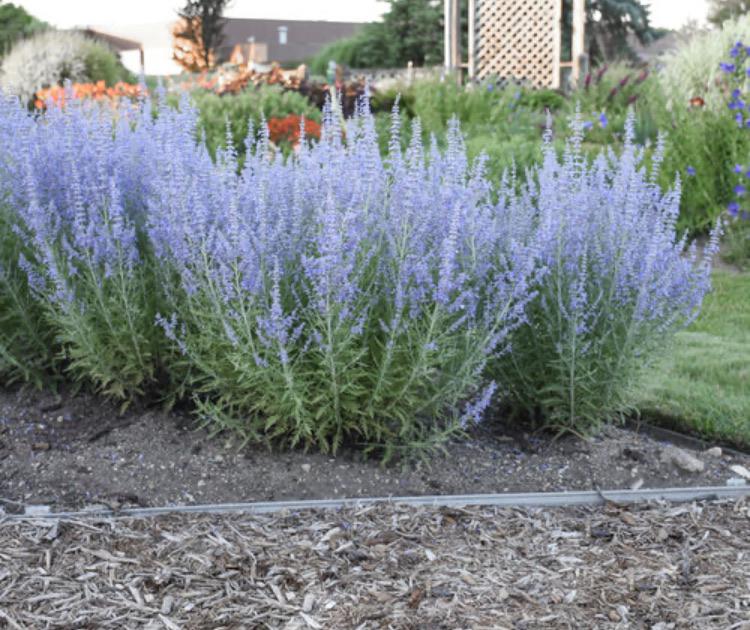
This is one of those herbs that just works. It doesn’t ask for much, and it rewards you all winter long.
The gray-green leaves have a soft, almost fuzzy texture, and the whole plant grows into a low, woody shrub over time.
Give it full sun and soil that drains well. Sage really doesn’t like sitting in water, especially once the weather turns cold. Plant it now, and by next fall you’ll have a plant sturdy enough to handle a real winter.
Hardiness zone: 5 and up, though a layer of mulch helps it push through colder zones too.
2. Thyme
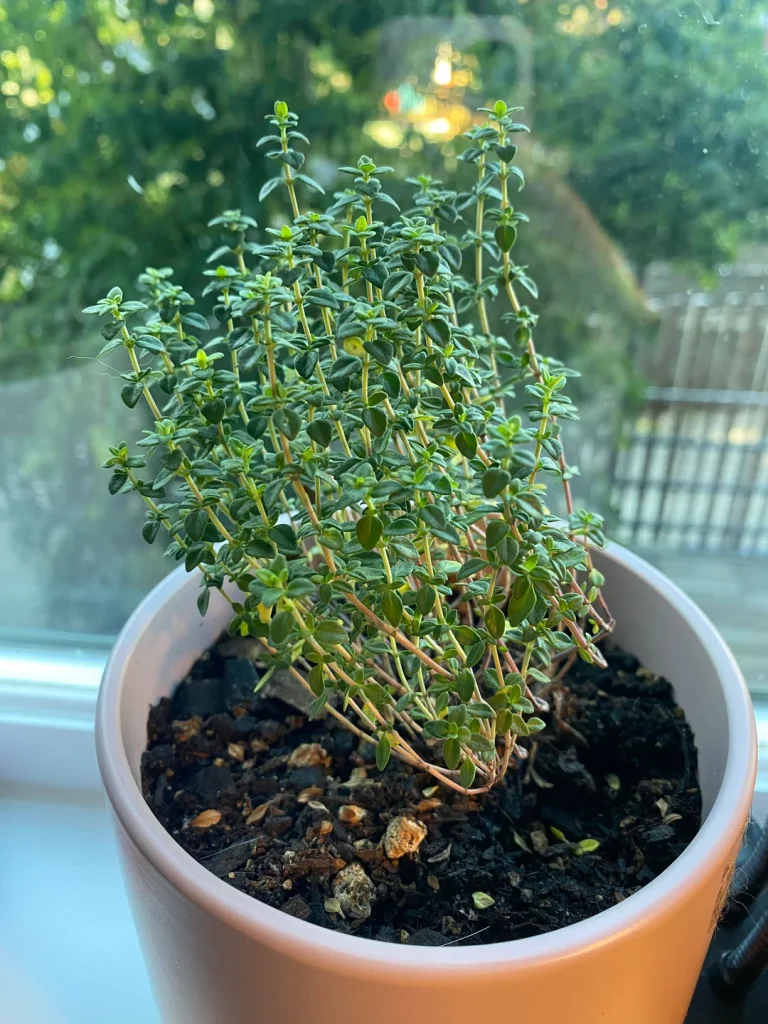
I love this one for tight spaces. Tuck it along a garden edge, between stepping stones, or right at the front of a raised bed, and it’ll fill in beautifully.
It’s low-growing, drought-tolerant, and honestly kind of forgiving if you forget to water it once in a while. Full sun and sharp drainage are the only real requirements here.
Skip the rich, moisture-heavy soil. Thyme prefers to stay a little lean. You’ll also notice bees love it when it flowers, so it’s doing double duty as a pollinator magnet.
Hardiness zone: 5, though some varieties handle colder winters better than others, so check the tag.
3. Oregano
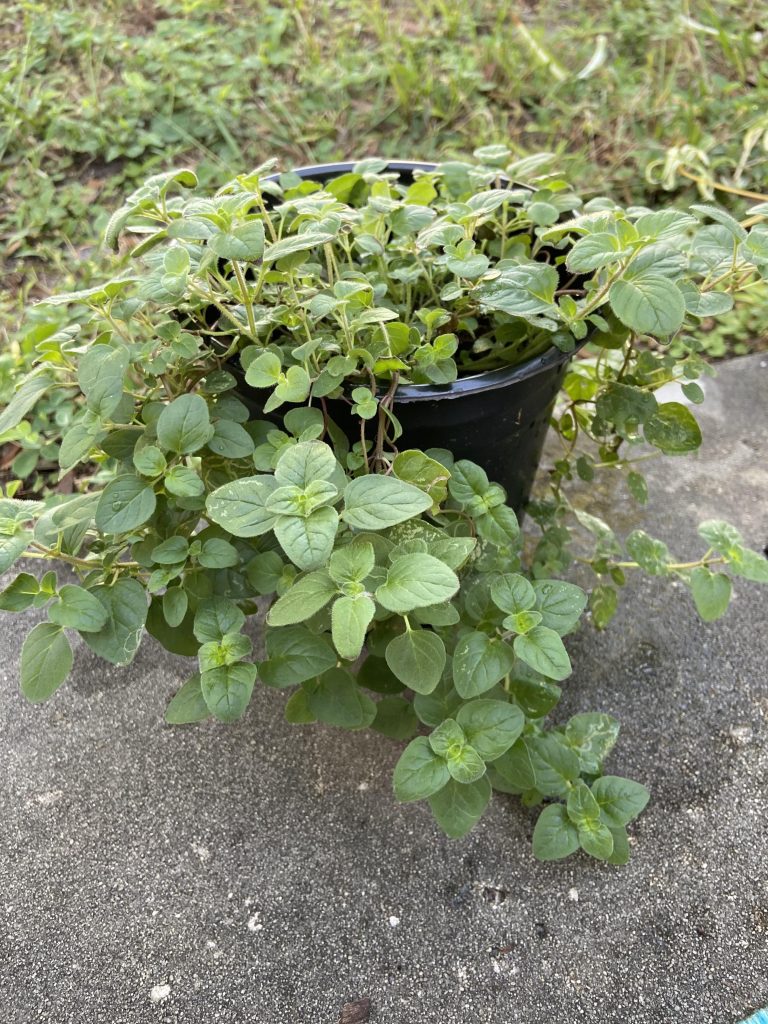
You’ve probably used this one in the kitchen more than you’ve grown it. That changes fast once you plant your own.
It spreads through underground runners, so give it a little room to roam, or keep it contained if you’re short on space.
Come winter, oregano goes dormant and looks a bit sad above ground. Don’t panic. That’s normal. It’s storing energy underground, ready to come back strong in spring.
One trick I always recommend: cut back the runners in fall and store them in a jar in the fridge. You’ll have fresh oregano for weeks after the garden goes quiet.
Hardiness zone: 5, similar to thyme but slightly less tolerant of harsh cold.
4. Chives
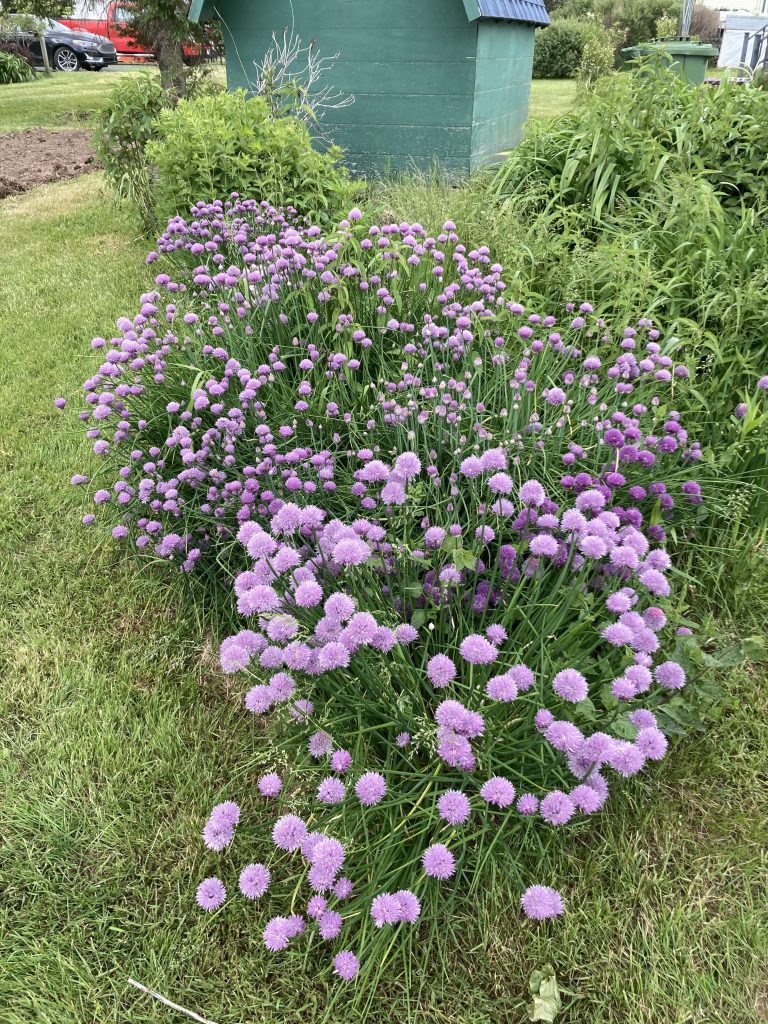
If you’ve never grown an herb before, start here. Chives are about as low-maintenance as it gets, and they’re incredibly forgiving of beginner mistakes.
The slender, hollow leaves have a mild onion flavor that works in almost anything, from eggs to baked potatoes. Plant chives now, and they’ll die back once winter really sets in.
Don’t worry, that’s just part of their cycle. They’ll pop right back up in spring, often with clusters of purple blooms that pollinators can’t resist.
Every few years, dig up the clump and divide it. You’ll end up with extra plants to fill in other spots in the garden.
Hardiness zone: 3, making this one of the toughest herbs on this list.
5. Rosemary
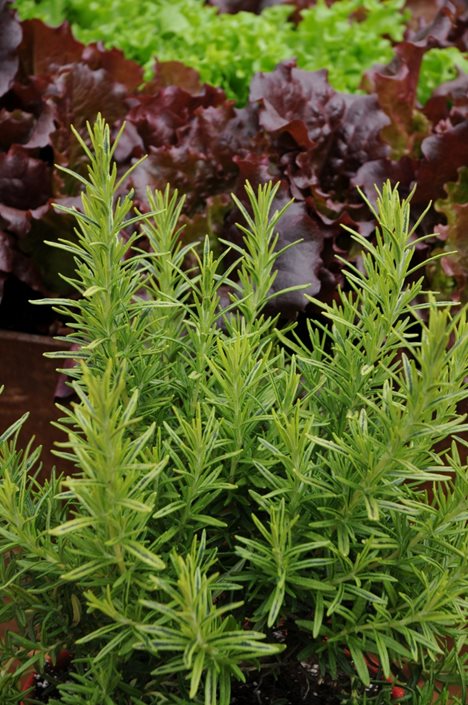
Here’s where things get a little more zone-dependent. Rosemary is a Mediterranean plant at heart, so it loves heat and sun, but it’s not always built for a harsh winter.
Most varieties handle temperatures down to around 10°F, which sounds impressive until you realize that’s a hard limit, not a guarantee.
If you’re in a colder region, plan on bringing rosemary indoors for winter or treating it as an annual. In milder climates, though, it can keep producing well past your first frost.
Either way, it’s worth growing just for the fragrance alone.
Hardiness zone: 8 and warmer for reliable outdoor survival, colder zones need protection or container growing.
6. Parsley
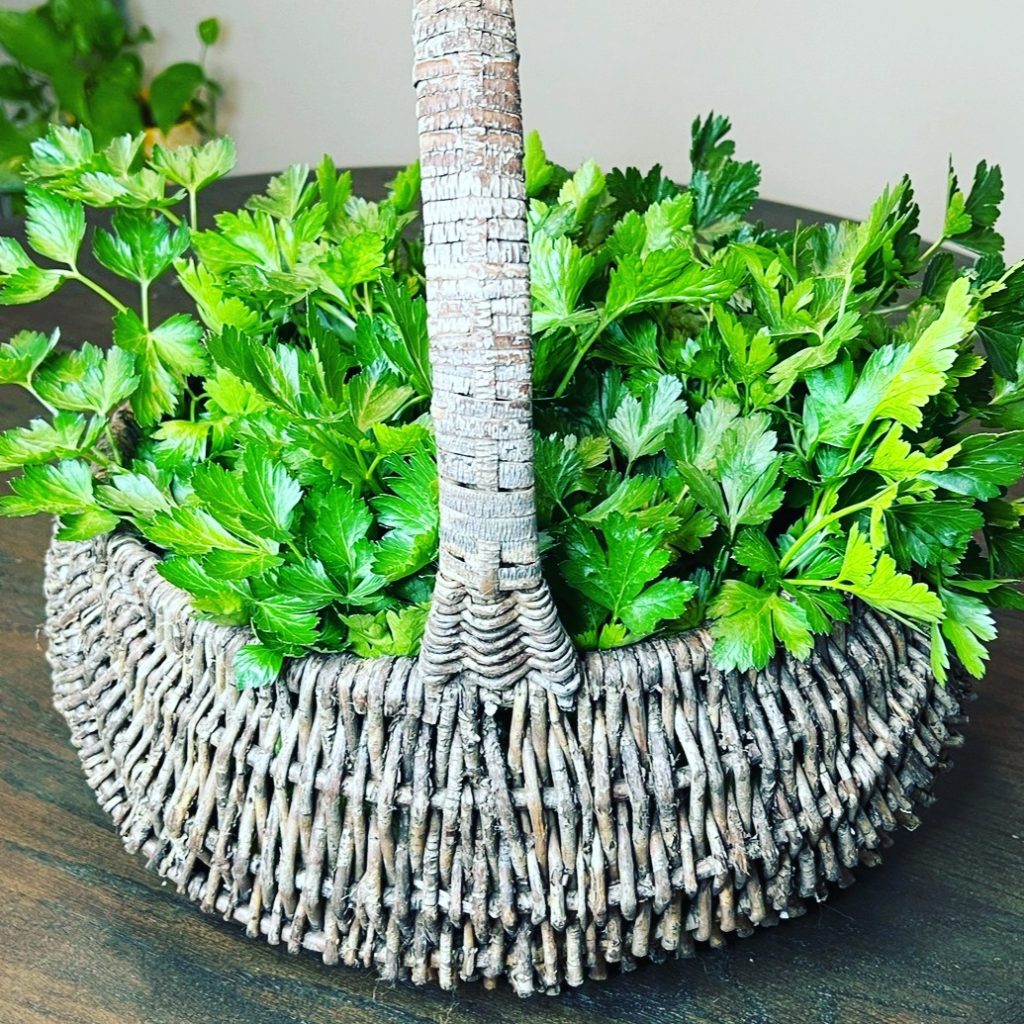
Technically parsley isn’t a true perennial, it’s a biennial, but don’t let that stop you. Plant it now and you could be harvesting fresh leaves well into winter, especially if your climate stays mild.
Flat leaf or curly, it’s your call. Flat leaf tends to pack a stronger flavor, while curly holds up nicely as a garnish. Either way, this is one of the easiest herbs to tuck into cool fall recipes, from soups to roasted vegetables.
Give it partial shade if your fall afternoons still run warm, though full sun works fine once temperatures drop.
Hardiness zone: Grown as a biennial in zones 5 through 9, sometimes overwintering in milder areas.
7. Lavender
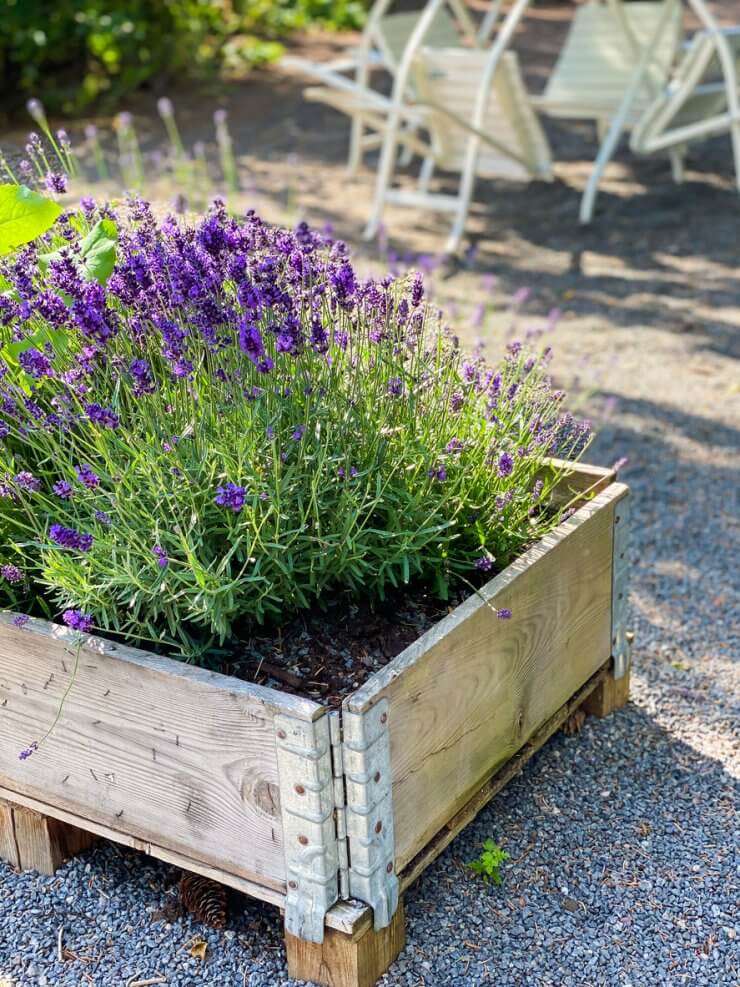
Gorgeous, fragrant, and just a little particular about how it’s grown. English lavender is your best bet for fall planting since it handles cold better than other types.
The one thing lavender will not forgive? Wet feet. If your soil holds water, this isn’t the herb for you, at least not without some serious drainage improvements first. Sandy or rocky soil is ideal. Full sun is non-negotiable too.
Plant it somewhere with good air circulation, and it’ll reward you with fragrant blooms for years.
Hardiness zone: 5 to 9 for English lavender, though variety matters a lot here.
8. Mint
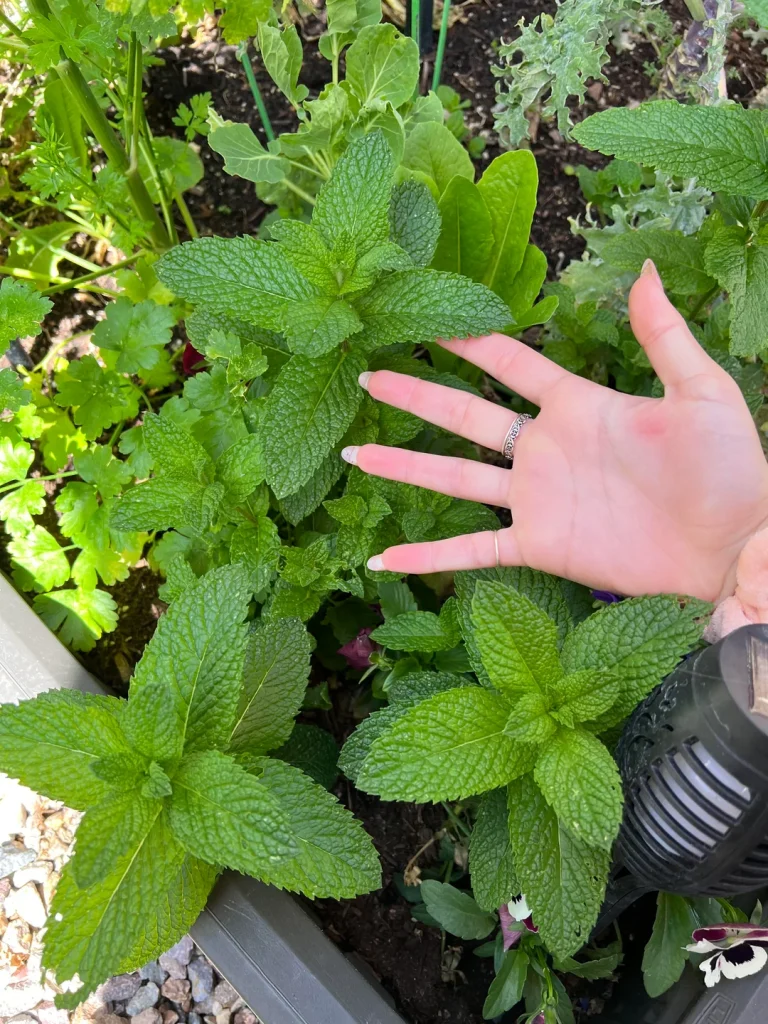
A little bit of a wild card. Mint grows fast, spreads faster, and will happily take over a garden bed if you let it.
That’s not necessarily a bad thing. Just plan ahead. Containers work great if you want the flavor without the chaos.
In the ground, mint tolerates some shade and prefers soil that doesn’t dry out completely, unlike a lot of the other herbs on this list.
Peppermint and spearmint are the classic picks, but there are dozens of varieties if you want to get adventurous.
Hardiness zone: 3 to 11, which is part of why it spreads so easily almost everywhere.
9. Cilantro
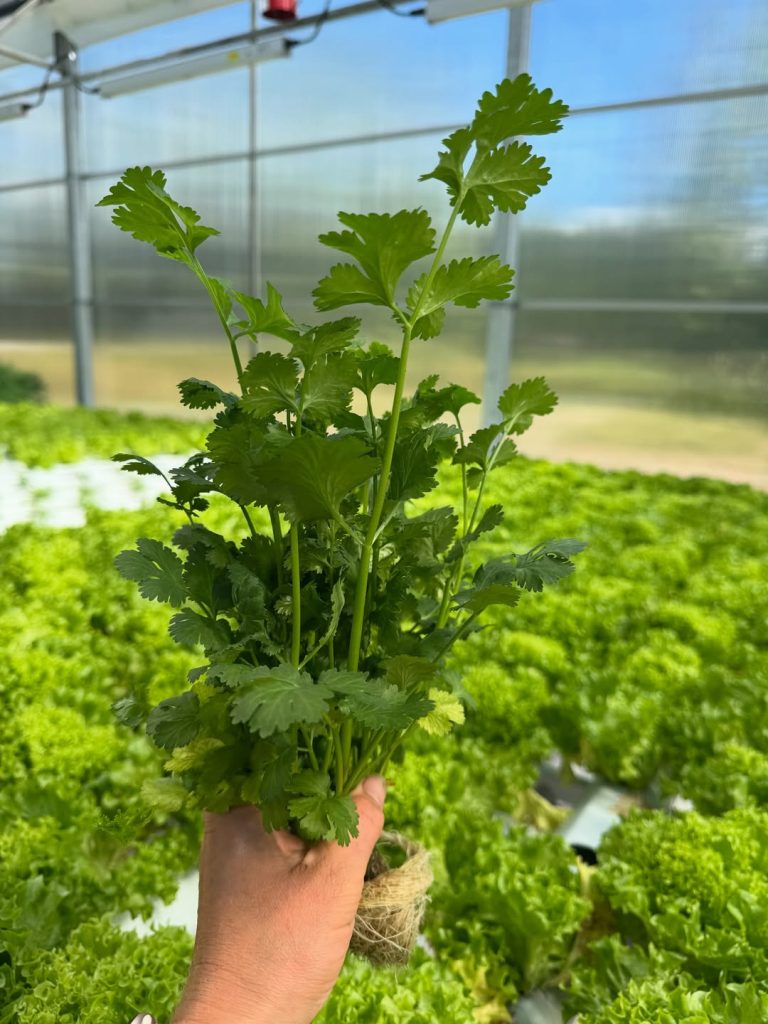
Here’s a fun fact most gardeners don’t know. Cilantro actually struggles in summer heat. It bolts, meaning it rushes to flower and seed, and the leaves turn bitter fast.
Fall flips that problem on its head. Cooler weather slows down bolting, so you get weeks of fresh, flavorful leaves instead of a plant racing to finish its life cycle.
Sow seeds directly in the garden once temperatures start dropping. You’ll be harvesting in no time.
If your climate stays mild through winter, you might even get to grow it straight through the cold months.
Hardiness zone: Grown as a cool-season annual almost everywhere, zones 2 through 11.
10. Dill
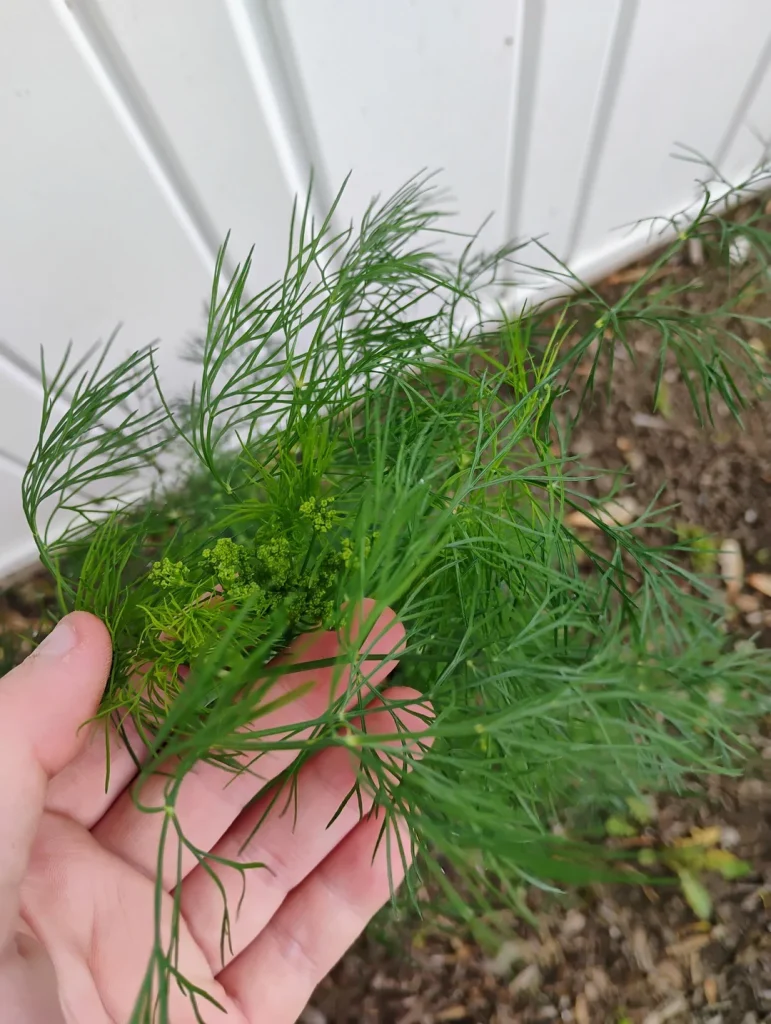
Feathery, fragrant, and surprisingly easy once the weather cools off. Dill actually prefers temperatures between 40 and 75°F, which makes late summer through fall its sweet spot.
Sow it directly where you want it to grow since dill doesn’t love being transplanted. Give it full sun and let it do its thing.
You’ll get plenty of leaves for pickling, sauces and salads before the first hard freeze shuts things down.
One tip if you’ve got dill flowering nearby: let a few plants go to seed. Save them, and you’ll have dill again next season without buying new seed.
Hardiness zone: Annual, thrives in zones 2 through 11 during cool weather.
11. Marjoram
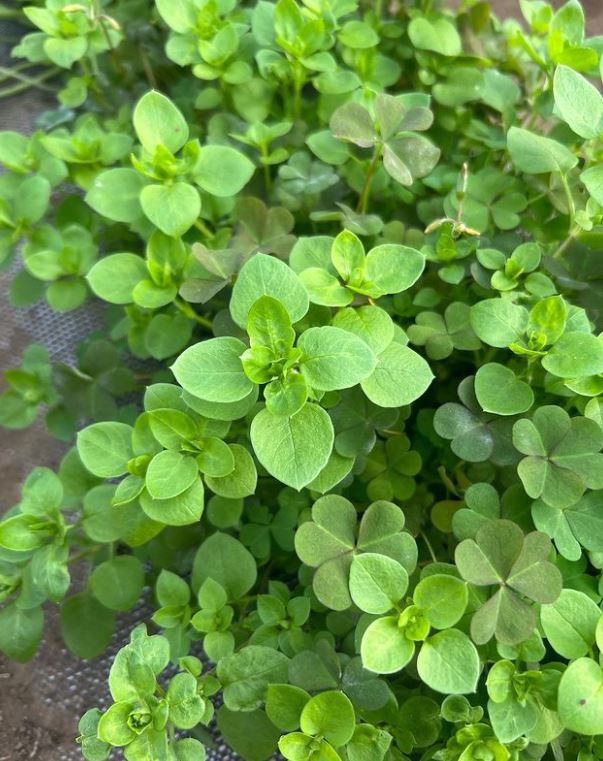
Think of marjoram as oregano’s milder, sweeter cousin. Same family, softer flavor, and honestly a little less common in home gardens, which is part of why I like recommending it.
It’s not quite as cold-hardy as thyme or sage, so if you’re in a colder zone, plan on some winter protection, like a thick layer of mulch or moving containers somewhere sheltered.
Full sun and well-drained soil keep it happy. Once established, marjoram doesn’t ask for much.
Use it in soups, stuffing, or anywhere you’d normally reach for oregano but want something a bit gentler.
Hardiness zone: 7, or 6 with winter protection.
12. Winter Savory
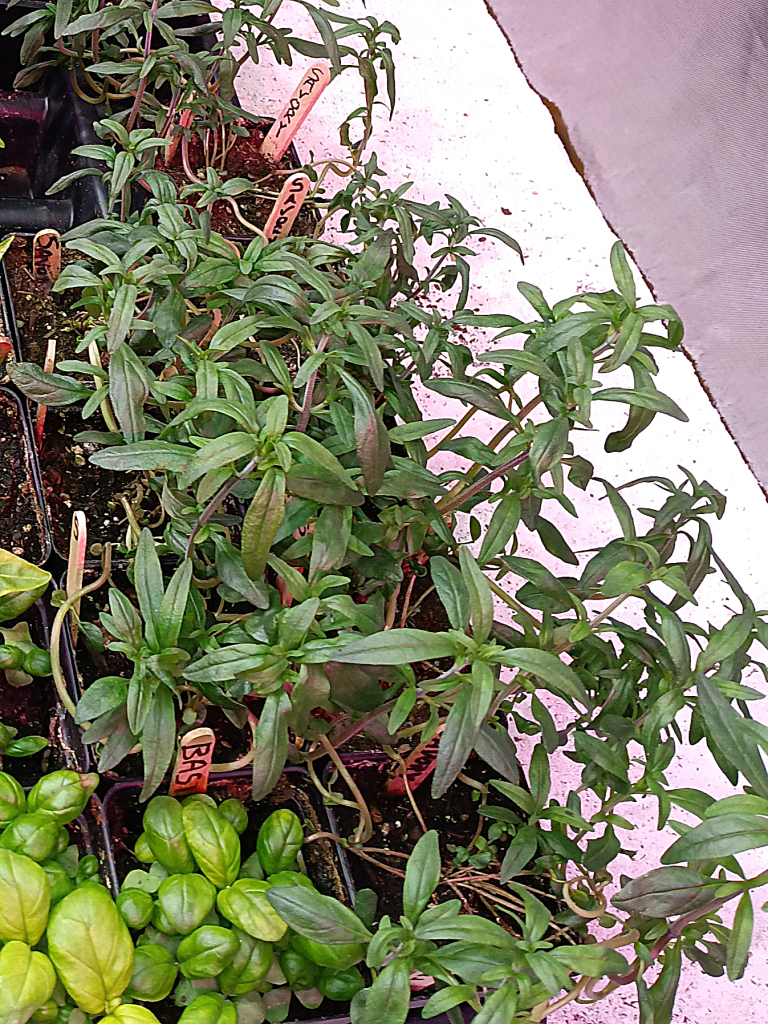
This one flies under the radar, and I’m not sure why. The flavor is peppery and a little sharp, somewhere between thyme and black pepper, and it holds up beautifully in bean dishes, roasted meats and hearty soups.
Winter savory grows compact and a bit shrubby, which makes it a nice fit along the front of an herb bed.
It wants the same conditions as most of the herbs on this list: full sun, soil that drains well, and not much fuss otherwise.
If you’ve never grown it before, this fall is a good excuse to finally give it a try.
Hardiness zone: 5 to 8, depending on the variety and winter protection.
Frequently Asked Questions
Do I need to amend my soil before planting fall herbs?
Not usually. Most herbs actually prefer lean, well-drained soil over rich, heavily amended beds. If your soil is heavy clay, though, working in some compost or coarse sand will help drainage a lot.
Can I mix different herbs in the same container?
You can, as long as you group herbs with similar water and sun needs. Mint spreads aggressively, so keep it in its own pot. Everything else on this list plays reasonably well together.
How much spacing do fall herbs need?
Most herbs do fine with 12 to 18 inches between plants, giving roots room to spread without crowding neighbors. Compact herbs like thyme and winter savory can go a little closer.
Will these herbs really survive winter?
It depends on your zone and the herb. Chives and thyme are tough almost anywhere. Rosemary and lavender need warmer zones or extra protection.
Always check your specific variety’s hardiness before counting on it to overwinter.
Is it too late to plant herbs if it’s already mid fall?
Not necessarily, but don’t wait much longer. Aim to get plants in the ground at least six weeks before your first hard frost so roots have a fighting chance to establish.
Final Thoughts
Fall herb planting is one of those things that pays off way more than people expect.
A little effort now means fresh flavor through the cooler months, and perennials that come back stronger next spring. Pick a few from this list, get them in the ground, and let the season do the rest.