14 No Mow Lawn Ideas with Ground Covers

I ditched my mower three summers ago and never looked back. Grass demands water, gas, and weekend after weekend of your life.
A no mow ground cover gives you color and texture instead, without the endless upkeep.
This list covers 14 plants that spread, bloom, and thrive while you do literally nothing.
Pick the ones that match your yard’s sun and traffic, and watch your weekends open back up.
Why Choose a No-Mow Lawn?
You get your weekends back. That’s the biggest win, hands down. I used to spend three hours every Saturday pushing a mower around my yard. Now I spend that time doing literally anything else, and my yard still looks great.
Your water bill drops. Ground covers dig deeper roots than grass ever does. Deep roots mean less watering, especially once plants settle in. Grass turns brown and sad the second summer gets hot and dry. These plants just keep going.
Pollinators actually show up. Bees and butterflies ignore plain grass completely. Give them flowering ground cover instead, and watch the difference. My yard buzzes with life now, where it used to sit silent and green.
You skip the gas and chemicals. No mower means no gas, no oil, no exhaust fumes. Most ground covers also skip the fertilizer and weed killer routine entirely. That’s better for your soil, your air, and honestly, your peace of mind.
Your yard gets way more interesting. Grass gives you one shade of green and nothing else. Ground covers give you flowers, fragrance, and texture that shifts with the seasons.
Why settle for boring when your yard could actually surprise you?
14 No Mow Ground Cover: A Beautiful Grass Alternative
1. Creeping Thyme
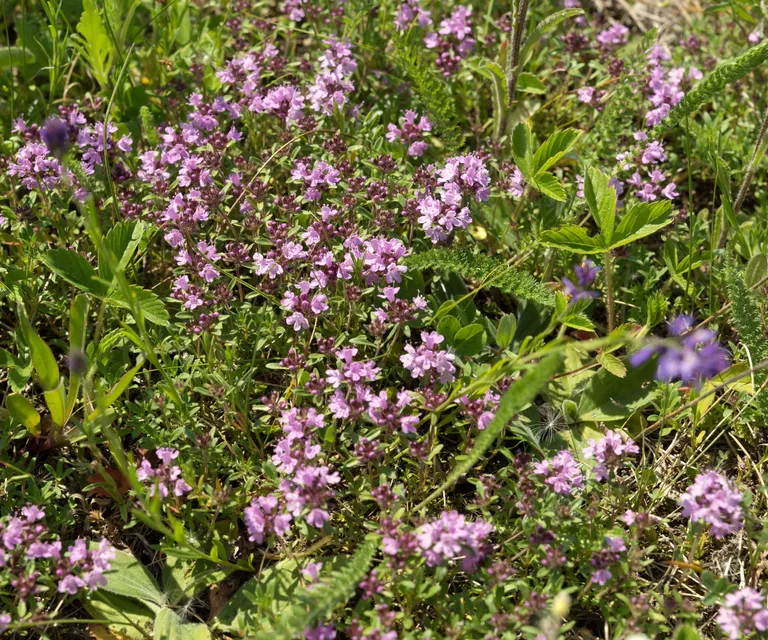
You’ll smell this plant before you even see it. Every step releases a little burst of fragrance. I love that about creeping thyme. It stays low, usually under 4 inches, so a mower never touches it.
Give it full sun and dry, sandy soil. Bees go crazy for the purple-pink blooms in spring. Once established, this plant barely needs water, even during a long dry spell.
Plant it 6 to 12 inches apart. Weeds will try to sneak in during year one. Pull them, and the thyme fills in fast. By year two, you’ll have a solid, fragrant carpet. It handles zones 4 through 9 without complaint.
2. White Clover
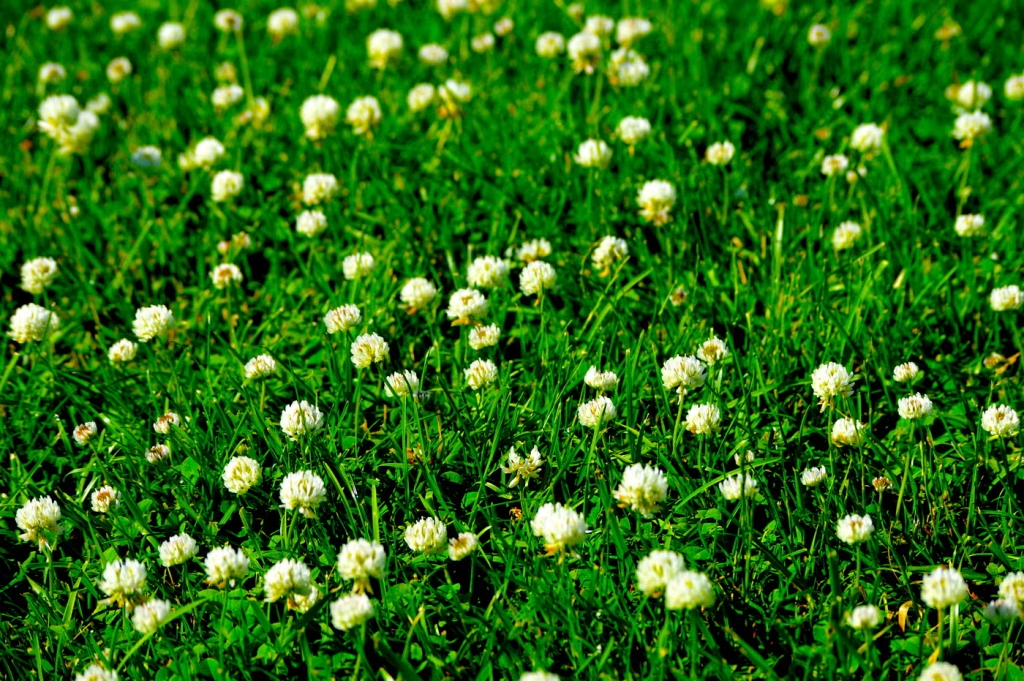
Skip the fertilizer bag entirely with this one. Clover makes its own nitrogen in the soil. Seeds cost next to nothing, too. Just scatter them over bare dirt and rake lightly.
Coverage shows up within months. You don’t even have to mow it if you don’t want to. I know people who cut theirs four times a year, and others who never touch it at all.
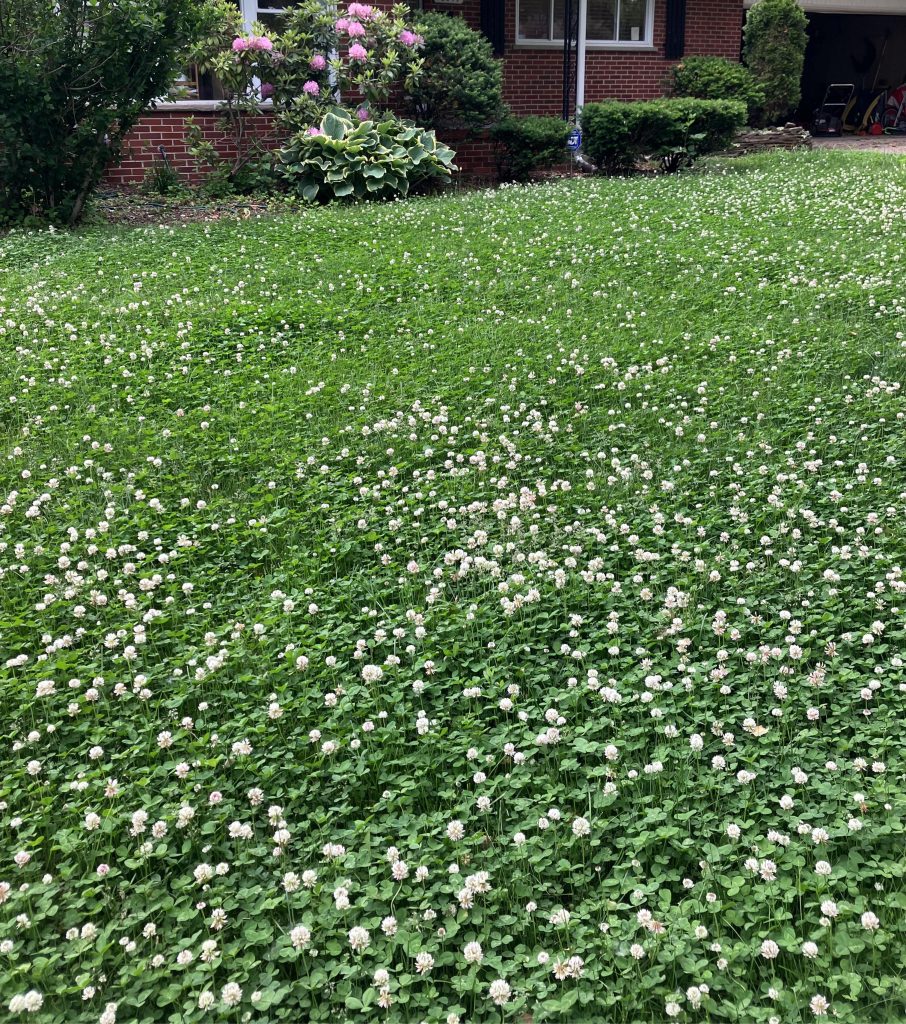
White blooms blanket the patch by early summer. Bees show up almost overnight. Clover also stays green when regular grass turns brown and sad in a drought.
Also read: 13 Fast-Growing Ground Cover Perennials That Smother Weeds
3. Creeping Phlox
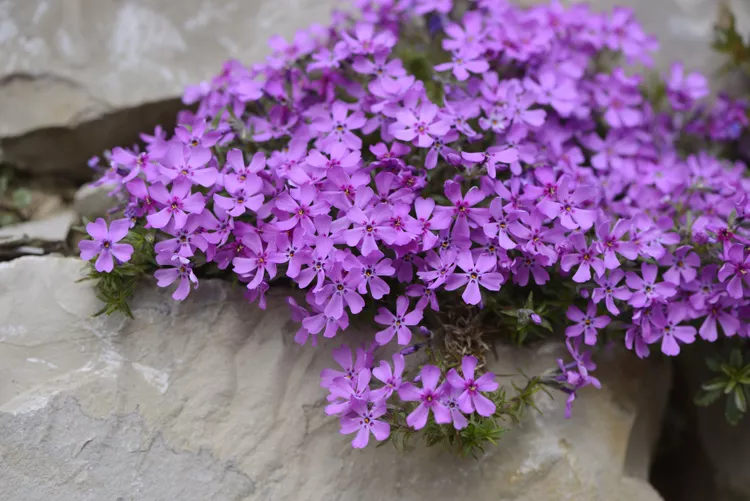
Spring turns this plant into a total showstopper. Pink, purple, and white flowers cover every inch by April. Your neighbors will definitely ask what it is. Mine did.
Blooms fade after four to six weeks, but don’t worry. Green foliage stays put for the rest of the year. Full sun and soil that drains well keep this plant thriving.
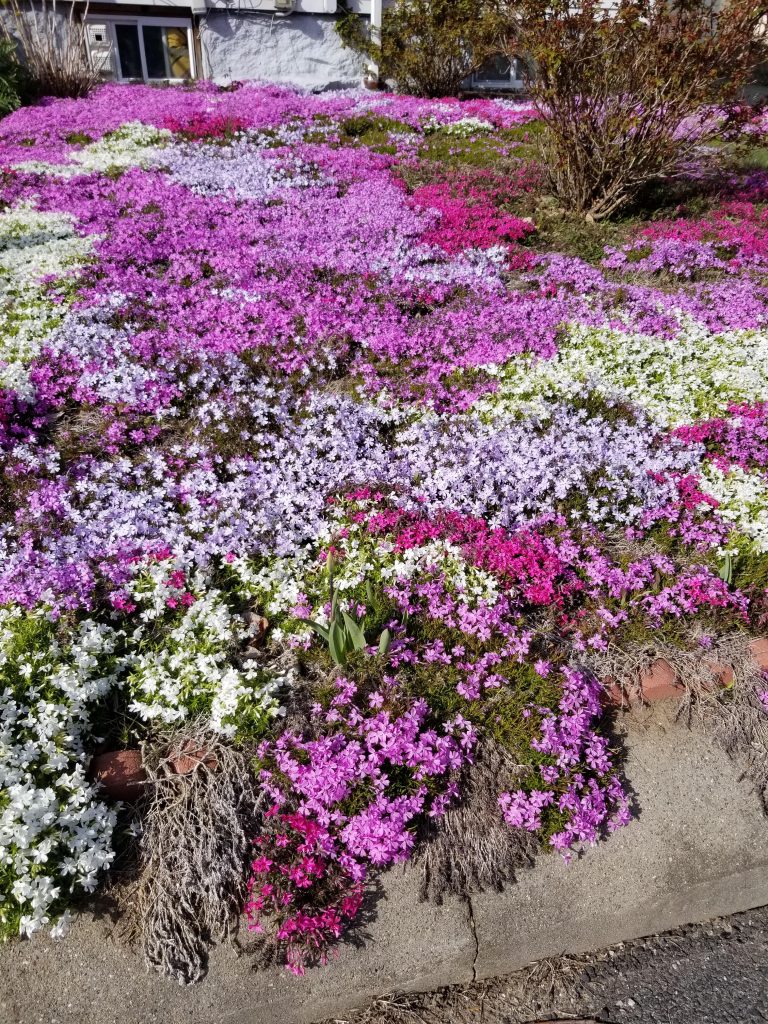
Space plants about a foot apart. Two years gets you full coverage. Slopes love this plant, since it spills over edges beautifully. Deer usually leave it alone too, which is a nice perk.
Read more: 15 Ground Cover That Chokes Out Weeds
4. Ajuga (Bugleweed)
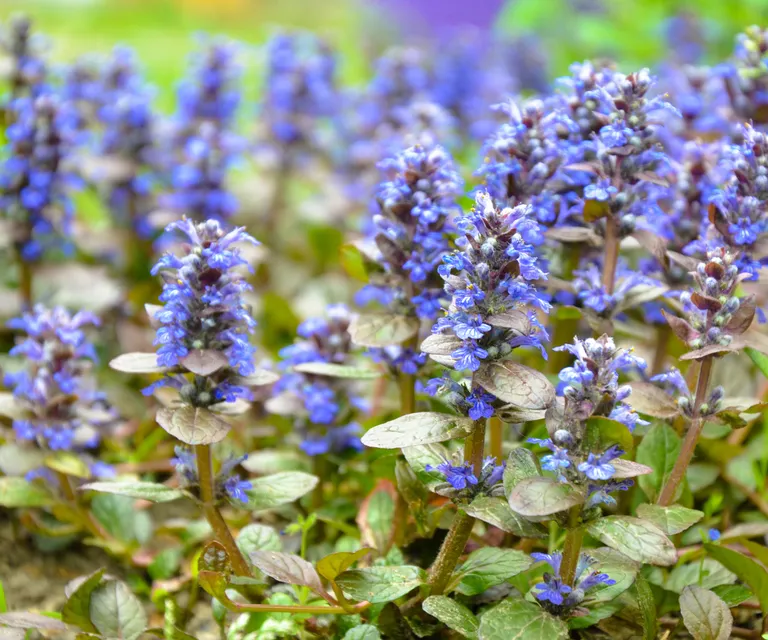
Nothing on this list spreads faster than ajuga. One season, and you’ve got full coverage. No joke. Purple flower spikes shoot up every April and pull in bees from everywhere nearby.
Bronze foliage looks sharp through winter in most zones. Shade doesn’t slow this plant down one bit. Full sun works too, so it fits almost any spot in your yard.
Here’s the catch: install edging before you plant it. Ajuga doesn’t respect boundaries. Skip the barrier, and it’ll creep straight into your flower beds within a year.
Also read: 15 Drought Tolerant Ground Cover Plants
5. Sedum (Stonecrop)
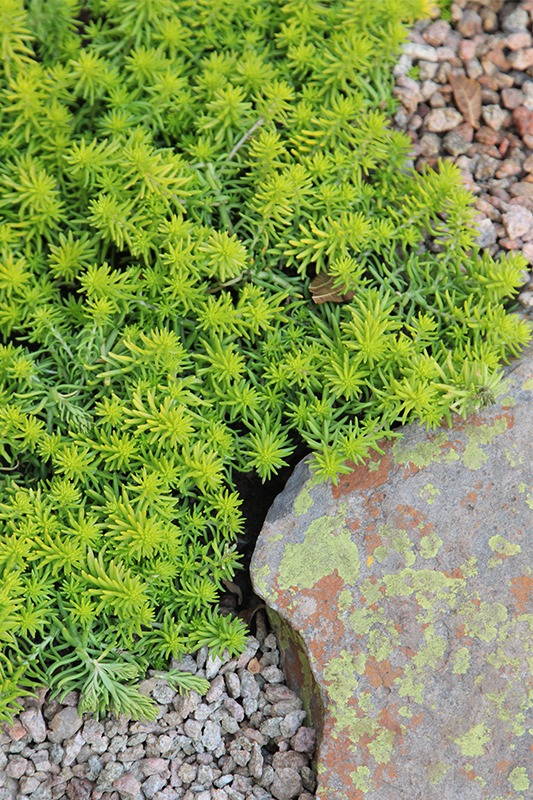
Drought doesn’t scare this plant one bit. Sedum stores water right in its leaves. That’s why it survives weeks without rain and still looks great.
I planted mine in the hottest, driest corner of my yard, and it’s thriving there.
Star-shaped flowers pop up in summer. Bees and butterflies love them. Different varieties bloom at different times, so something’s usually flowering from spring through fall.
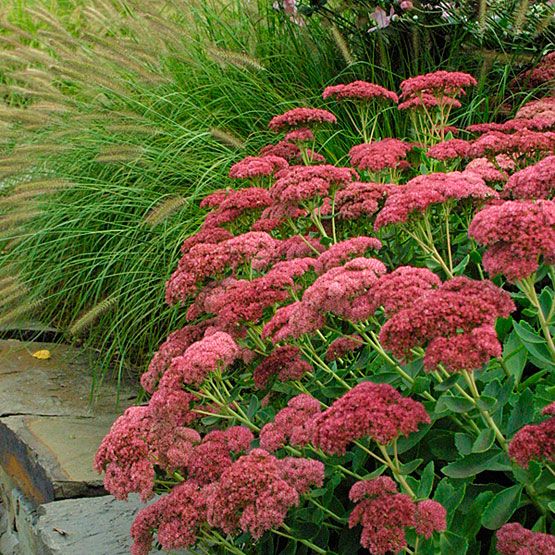
You barely have to do anything here. No fertilizer, no pruning, no fuss. Sedum spreads on its own too. Broken pieces root wherever they land, so it fills in for free over time.
6. Sweet Woodruff
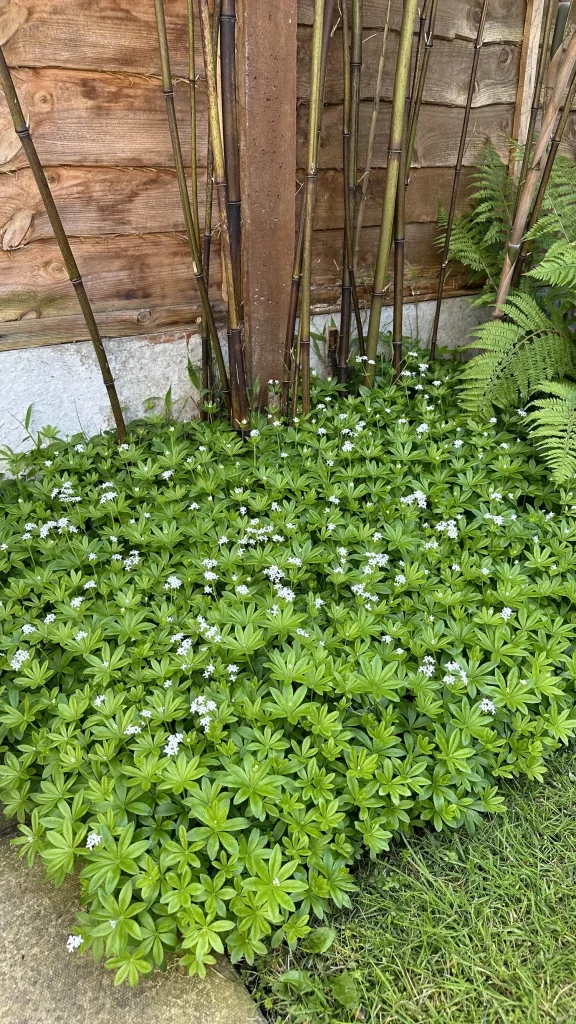
Shade kills grass, but this plant thrives in it. Sweet woodruff loves those dark spots under trees where nothing else grows.
I struggled for years trying to grow grass under my maple. This plant solved that problem completely.
Tiny white flowers bloom in late spring. They add a soft, woodland feel to any shady corner. Crush the leaves and you’ll catch a fresh, hay-like scent, especially once they dry out.
Spread happens at a manageable pace. It won’t take over your yard like some ground covers do. Give it two years and you’ll have a lush green carpet where grass used to fail.
7. Liriope (Monkey Grass)
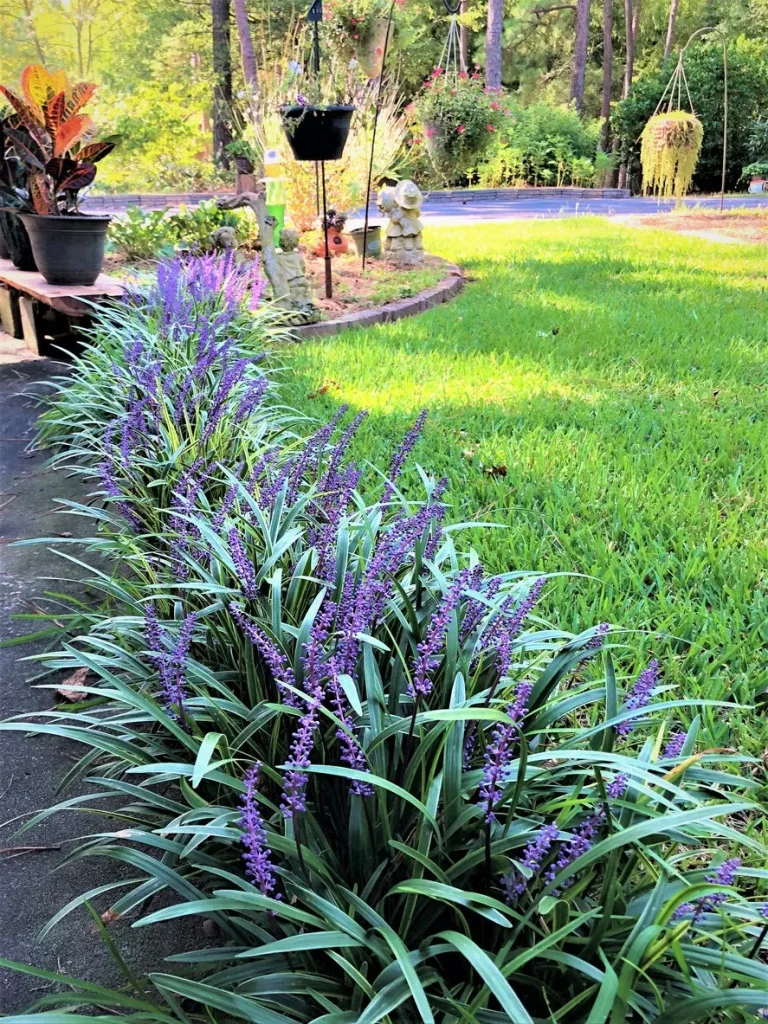
Want something that looks like a real lawn? Liriope pulls that off perfectly. Grass-like blades grow 8 to 12 inches tall and stay green all year. Neighbors won’t even question it.
Purple flower spikes show up in late summer. They add a nice pop of color when everything else starts fading. This plant also happens to be nearly indestructible.
Deer avoid it. Drought doesn’t bother it. Disease rarely touches it either. Once it’s established, you can basically forget it exists and it’ll still look sharp every single season.
8. Moss
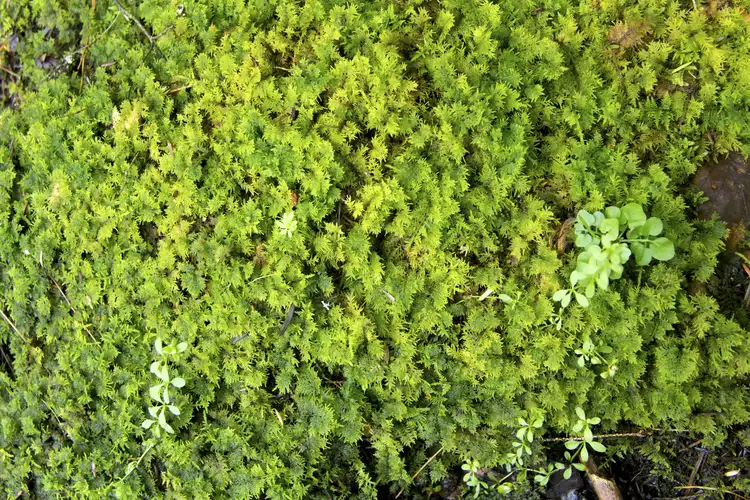
Grass gave up in my shadiest corner years ago. Moss stepped in and never looked back. This plant thrives exactly where grass struggles: deep shade, damp soil, and low light.
Mowing never happens with moss. It stays under an inch tall on its own. Soft, cushiony texture makes it feel amazing to walk on, even barefoot.
Patience matters here, though. Moss takes two or three years to spread naturally.
Keep it consistently moist and avoid heavy foot traffic, and it’ll reward you with the calmest, greenest corner of your entire yard.
9. Corsican Mint
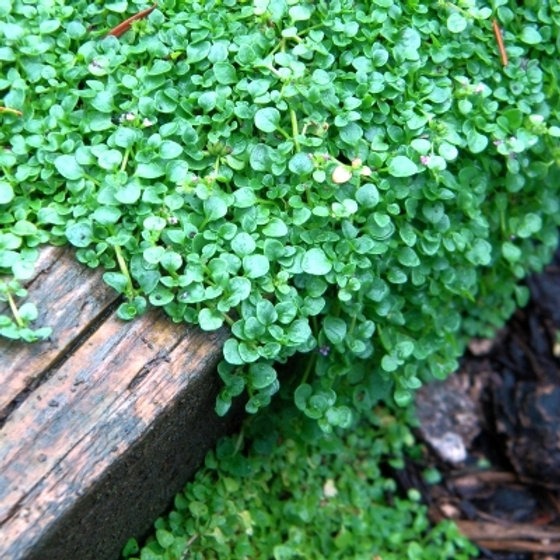
Step on this plant and you’ll get a burst of peppermint. That’s the magic of Corsican mint. It’s the smallest mint out there, forming a tight, mossy carpet only an inch tall.
I planted mine between flagstone steps. Every walk outside turned into a little sensory treat. Tiny purple flowers show up in summer too, though they’re easy to miss.
Partial shade and moist soil keep it happy. It spreads fast in cracks and gaps, almost like living grout. Just don’t expect it to survive heavy foot traffic in open areas.
10. Woolly Thyme
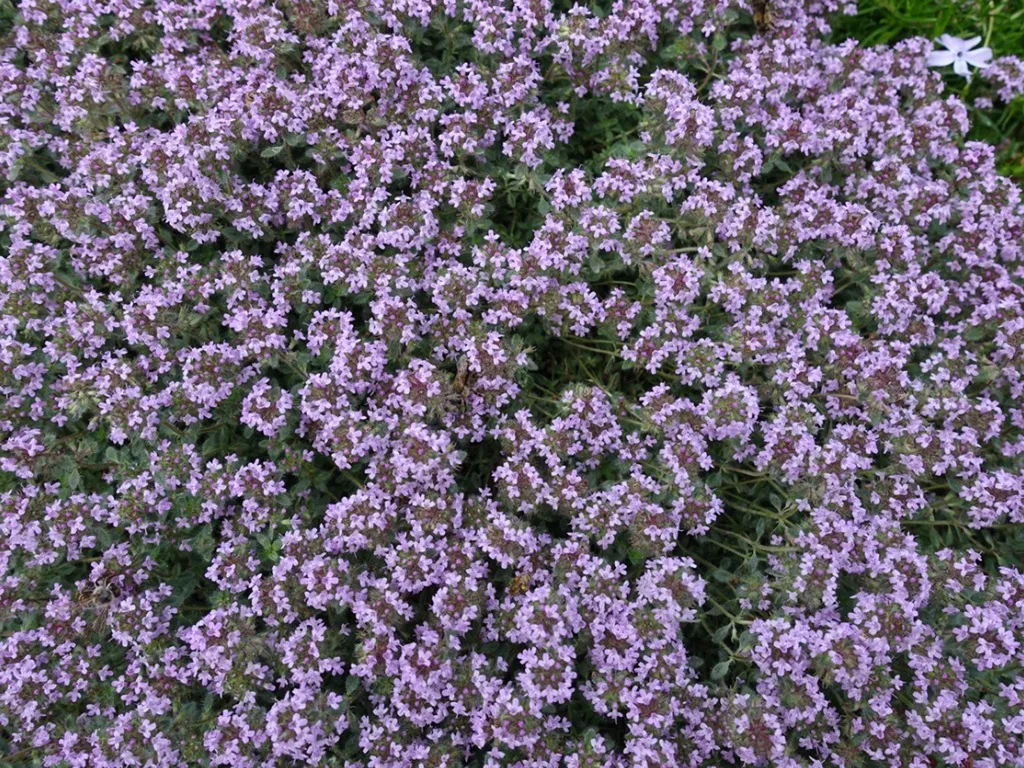
Texture is the whole point with this one. Woolly thyme grows fuzzy, silver-gray leaves that feel soft under your hand. Nothing else on this list looks quite like it.
Height stays around 1 to 2 inches. It hugs the ground tightly and rarely flowers. That’s fine, though, because the foliage alone steals the show.
Light foot traffic works fine here. Heavy traffic doesn’t. Use it in a spot where people can admire it up close, not where the dog runs laps every afternoon.
11. Mazus
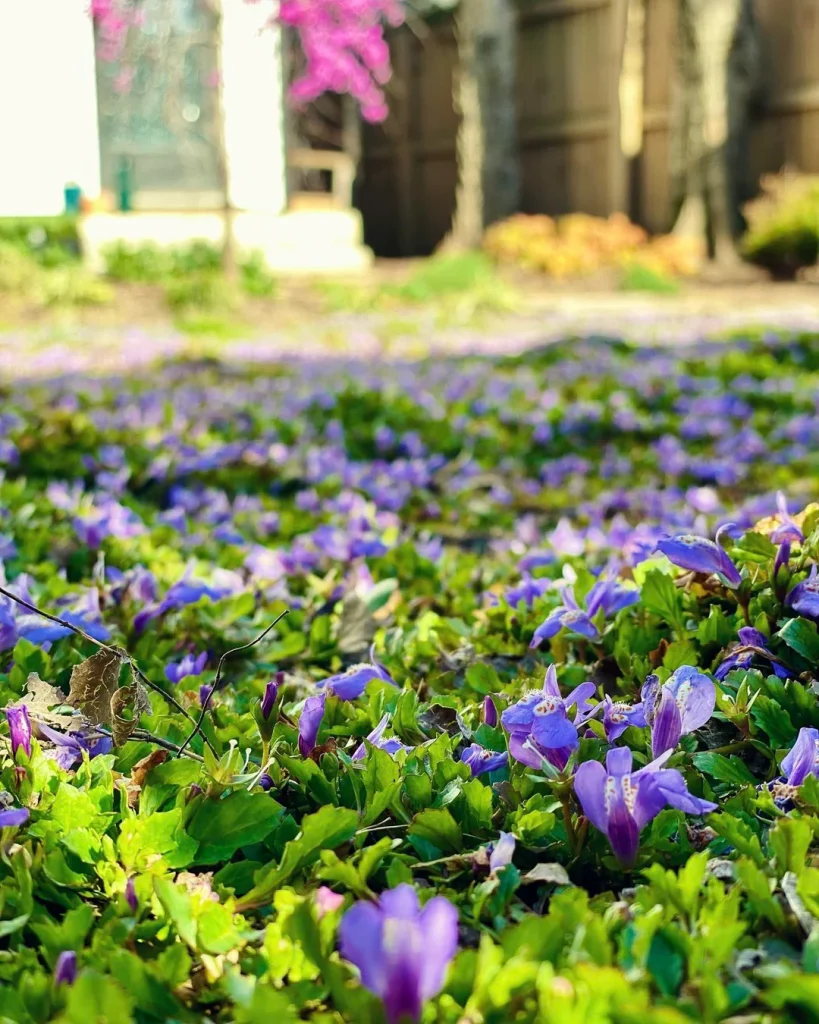
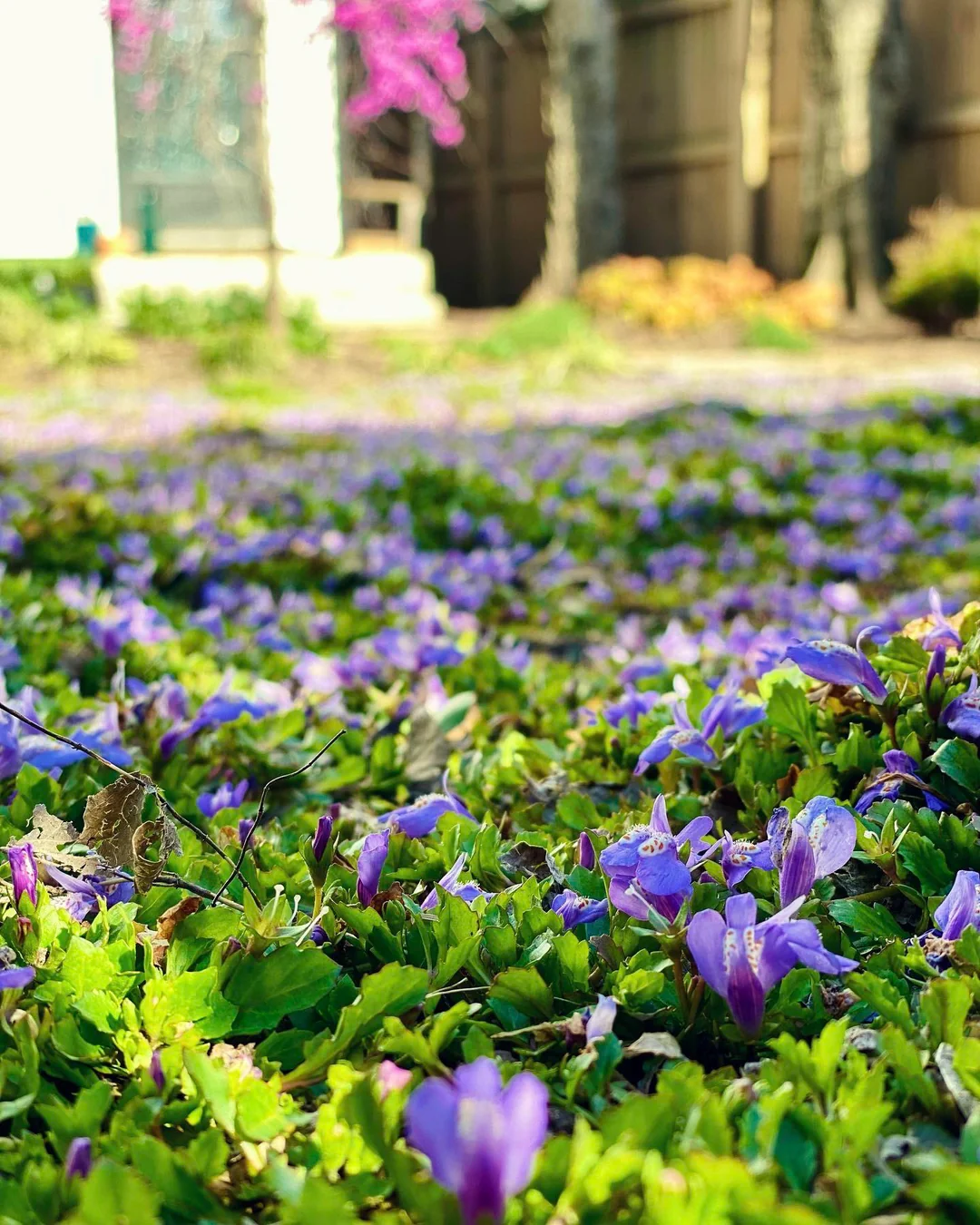
Purple flowers cover this plant like a blanket every spring. Mazus stays low, usually under 2 inches, and spreads through underground runners.
Snapdragon-shaped blooms show up in May and June. They disappear by summer, but the green foliage sticks around. Moderate foot traffic doesn’t bother this plant much either.
Give it moist soil and some shade tolerance. It handles both sun and part shade just fine. Two seasons gets you a solid, walkable carpet with almost zero effort on your part.
12. Native Violets
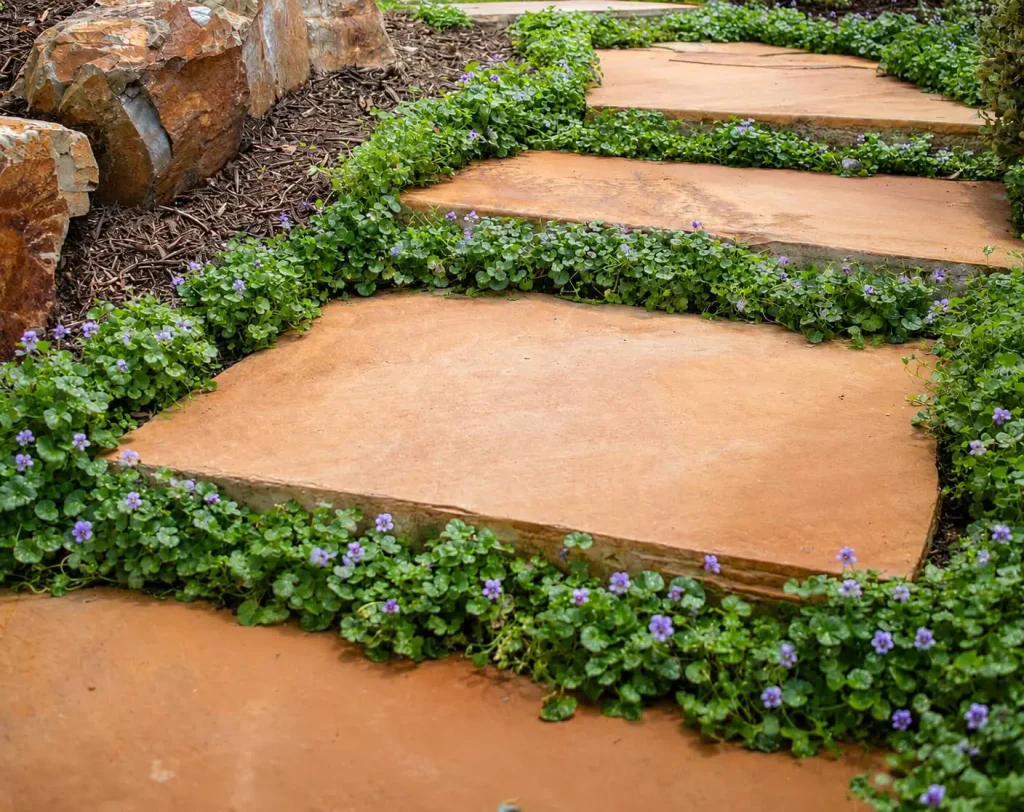
Chances are you already have these growing somewhere. Violets get pulled as weeds constantly, but I stopped fighting mine years ago. Turns out they make a fantastic no mow ground cover for free.
Purple, white, or blue flowers show up every April. They thrive under trees where grass always struggles. Nobody has to plant seeds or spend a dime, since violets spread completely on their own.
Shade is their favorite spot. Self-seeding fills in bare patches without any help from you. Once you stop treating them like a problem, they quietly become one of the easiest plants in your yard.
13. Dwarf Mondo Grass
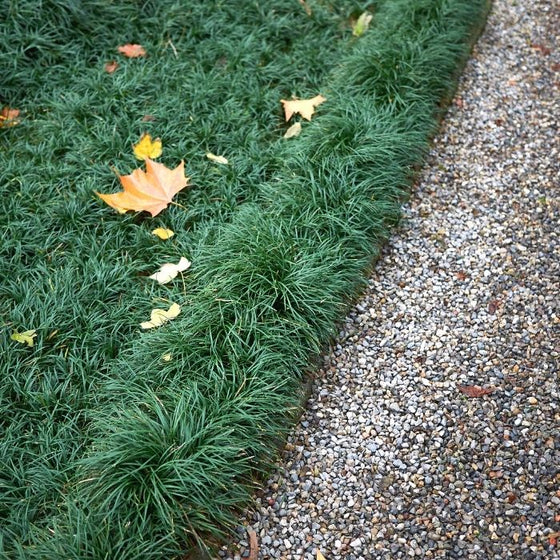
Modern gardens love this plant for good reason. Dwarf mondo grass grows in tight, tidy tufts only 2 to 3 inches tall. Dark green color gives any space a clean, finished look.
Growth happens slowly, and that’s actually a good thing. You’ll never trim it or fight it back. Three years might pass before it fully fills in, so patience really pays off here.
Full sun to partial shade both work fine. Once it’s established, maintenance basically disappears. Fertilizer, pruning, and mowing all become things you simply don’t have to think about anymore.
14. Dichondra
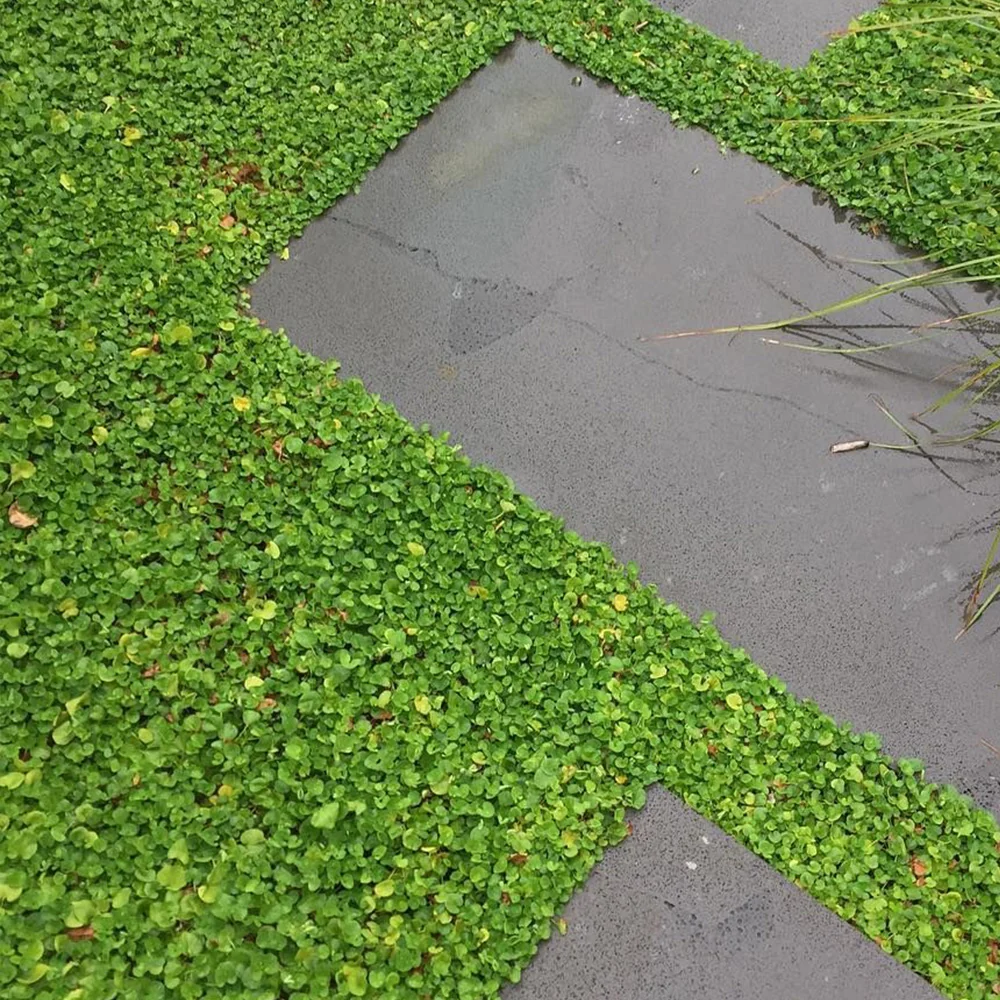
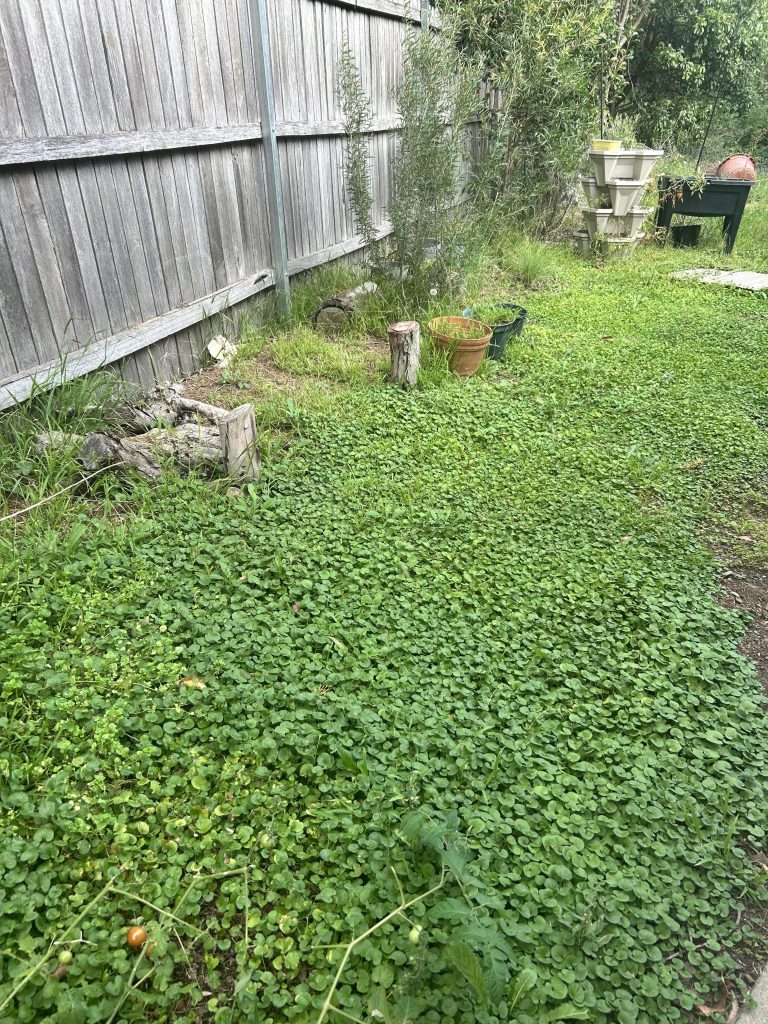
Warm climates get a real grass lookalike with this plant. Dichondra grows small, round leaves that mimic a traditional lawn almost perfectly. Zones 8 through 11 suit it best, so check your zone before planting.
Mowing is optional, not mandatory. Some people trim it monthly for a neater look. Others skip mowing entirely and let it grow naturally without any issues.
Foot traffic barely fazes this plant. It bounces back fast after walking or playing on it. Anyone craving that classic lawn look without the classic lawn work should give dichondra a serious look.
Choosing the Right No Mow Ground Cover for Your Yard
Sun exposure matters more than anything else. Full sun spots do best with thyme, clover, sedum, or phlox. Shady corners call for moss, sweet woodruff, violets, or ajuga instead.
Think about foot traffic too. Thyme and clover handle a busy path just fine. Moss and woolly thyme prefer to be admired, not walked on daily.
Your climate zone narrows things down fast. Dichondra only survives in warm zones, while thyme and clover handle cold winters without issue. Check your zone before you buy anything.
Getting Your Ground Cover Started the Right Way
Grass removal comes first, no shortcuts here. Leftover grass roots will fight your new plants all season long. I learned that lesson the hard way in my own yard.
Soil prep makes a real difference too. Most ground covers want decent drainage, so mix in compost or sand if your soil holds too much water. Sedum and thyme especially hate wet feet.
Patience beats impatience every single time. Year one looks patchy and rough for almost every plant on this list. Year two is when everything fills in and starts looking like you planned it all along.
Final Thoughts
Fourteen plants, zero mowing, way less stress. That’s the trade I made, and I’d do it again in a heartbeat. Grass never gave me flowers, fragrance, or free weekends. These ground covers give me all three.
Pick one plant. Start small, maybe just one corner of your yard. Watch it fill in over a season or two, then decide if you want to expand.
Your mower can finally take a break. Your weekends can too. Isn’t that the whole point of gardening in the first place?