How to Grow Creeping Rosemary in a Pot: A Simple Step-by-Step Guide

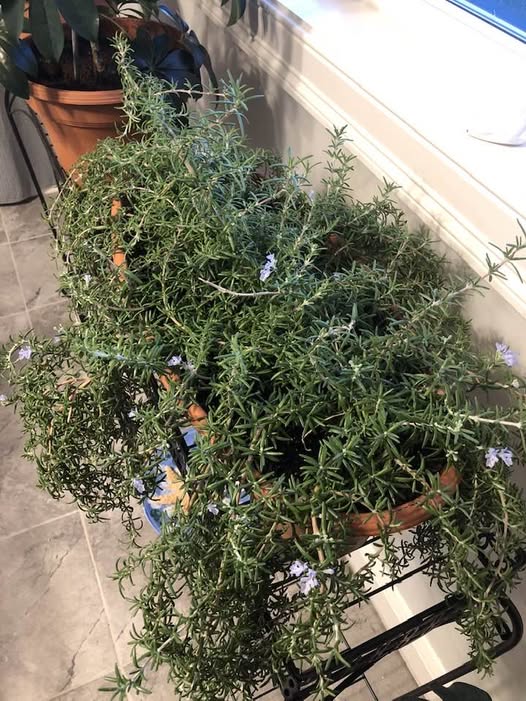
Have you ever bought a creeping rosemary plant, tucked it into a pretty pot, and watched it turn brown a few weeks later?
You’re not alone.
Rosemary looks tough at the garden center. But in a container, it gets picky fast. The wrong soil or a little too much water can undo months of growth in days.
The good news? Once you understand what this plant actually wants, it’s easy to keep alive.
In this guide, I’ll walk you through the exact setup that keeps creeping rosemary happy in a pot, from choosing the right container to keeping it full and trailing for years.
Why Creeping Rosemary Is a Great Pot Plant
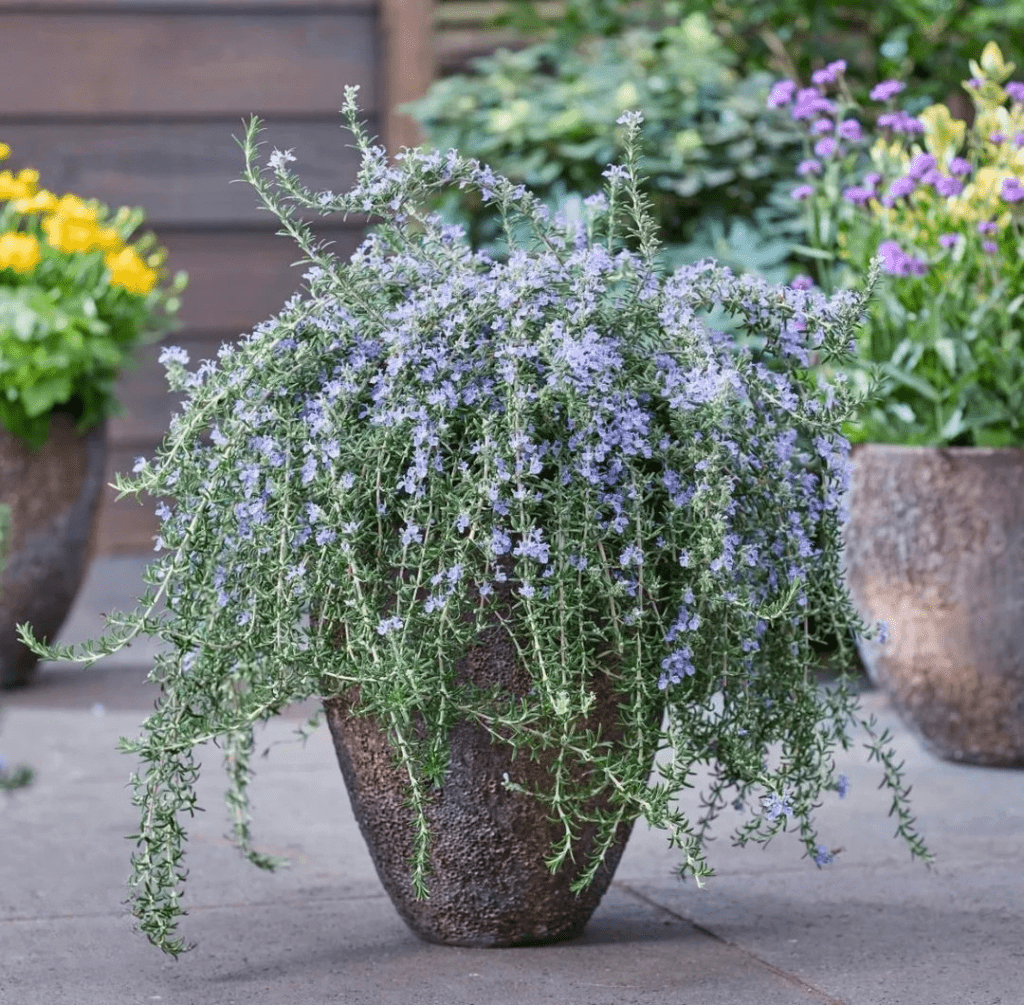
Creeping rosemary (Rosmarinus officinalis ‘Prostratus’) has a low, trailing habit. It spills over the edge of a pot instead of growing straight up.
That makes it perfect for hanging baskets, raised planters, or anywhere you want greenery to cascade.
It’s also forgiving in ways many potted plants aren’t. It handles heat well. It shrugs off a missed watering.
And its flowers draw bees and small pollinators all season, which is a nice bonus if your pots sit on a balcony or patio.
Best of all, it doesn’t need rich soil to thrive. Creeping rosemary actually prefers lean, mineral-heavy mixes.
Feed it like a hungry plant, and you’ll end up with weak, leggy growth instead of the tight, fragrant mounds you want.
What You’ll Need Before You Plant
Before you grab a bag of regular potting soil, know this: creeping rosemary needs a very different setup than most container plants. Here’s what to have ready.
- A pot with drainage holes. Non-negotiable. Rosemary roots rot fast in standing water.
- A fast-draining soil mix. Regular potting soil holds too much moisture on its own.
- A spot with full sun. Rosemary needs at least six hours of direct light a day.
Once you have these three things sorted, the actual planting process is simple.
Step by Step Planting Process of Creeping Rosemary
Step 1: Choose the Right Pot
Size matters here, but not in the way you might think. Creeping rosemary doesn’t need a huge pot right away. Start with something around 8 to 12 inches deep.
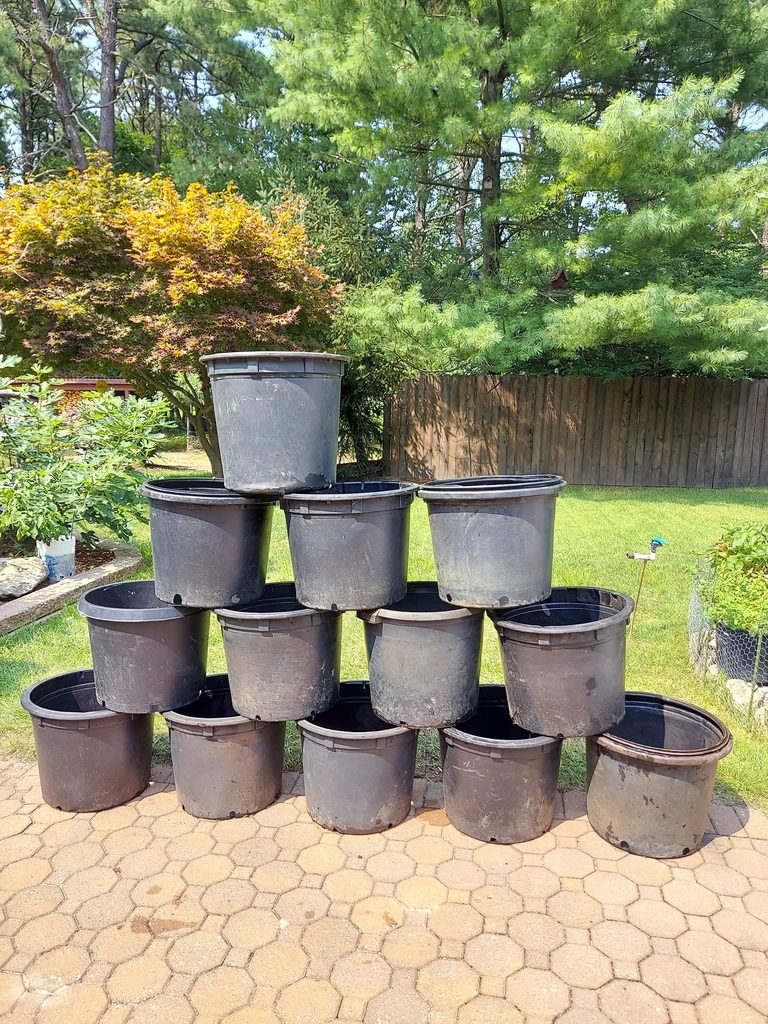
A container that’s too large holds excess moisture around the roots, and that’s exactly what this plant doesn’t want.
Terra cotta is your best friend. Unglazed clay pots pull moisture out of the soil as it breathes, which helps mimic the dry, rocky conditions rosemary comes from.
Plastic and glazed ceramic work too, but you’ll need to water even more carefully to avoid soggy soil.
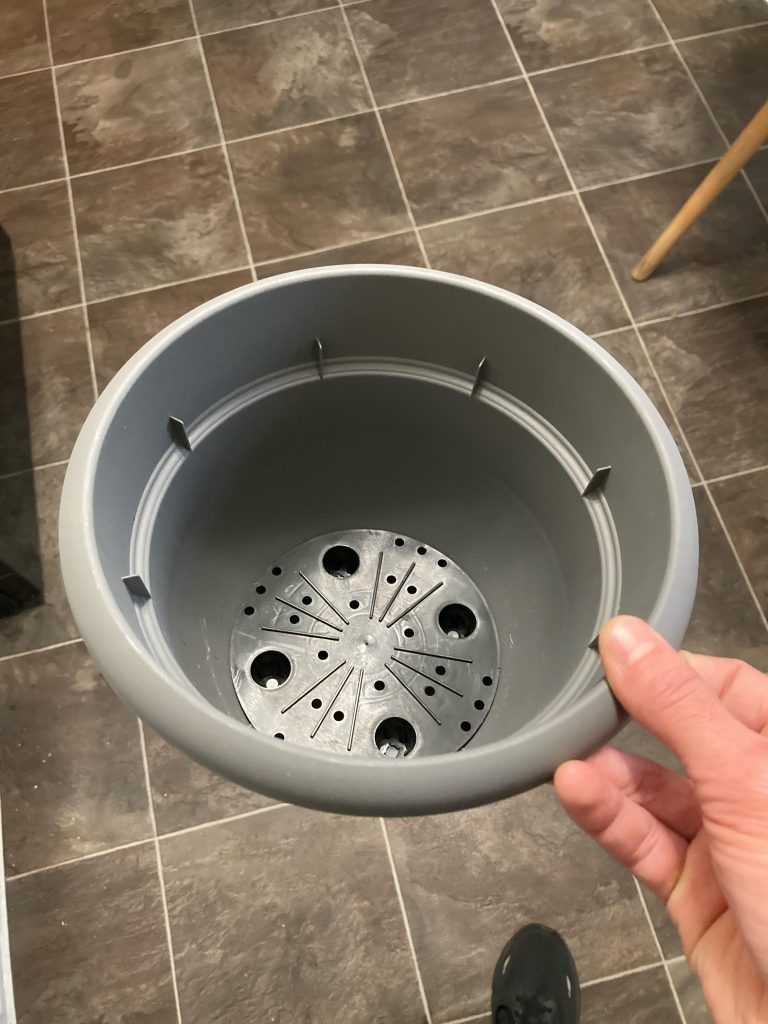
Whatever you choose, check for drainage holes before you buy. If there aren’t any, drill some or pick a different pot. This step alone prevents most rosemary deaths in containers.
Step 2: Mix a Fast-Draining Soil
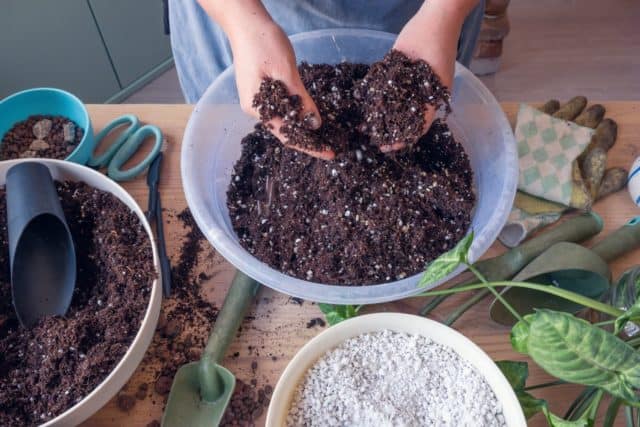
This is where most people go wrong. Standard potting soil, even the “well-draining” kind sold at garden centers, usually holds too much water for rosemary’s taste.
Instead, build your own mix. Combine two parts potting soil with one part coarse sand or perlite. If you want to go further, add a handful of fine pine bark.
This mimics the rocky, mineral-rich soil rosemary grows in naturally along the Mediterranean coast.
Skip anything labeled for vegetables or tropical plants. Those mixes are built to hold moisture, which works against you here. A cactus and succulent soil blend is a solid shortcut if you don’t want to mix your own.
Step 3: Plant It the Right Way
Once your pot and soil are ready, planting takes just a few minutes.
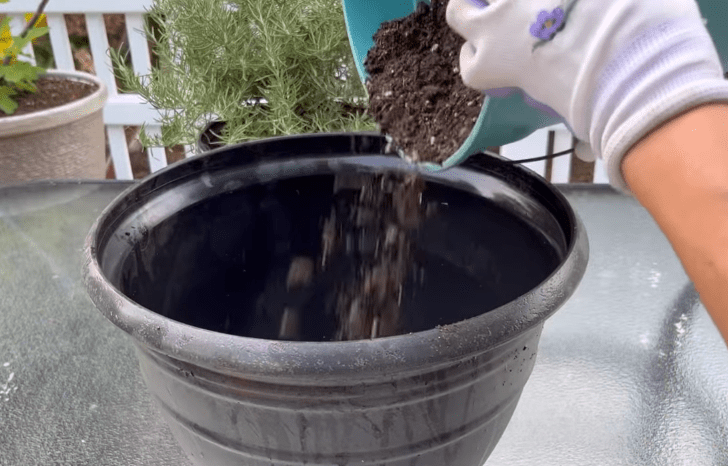
Fill the pot about a third of the way with your soil mix. Gently remove the rosemary from its nursery container, and loosen the roots slightly if they’re tightly wound.
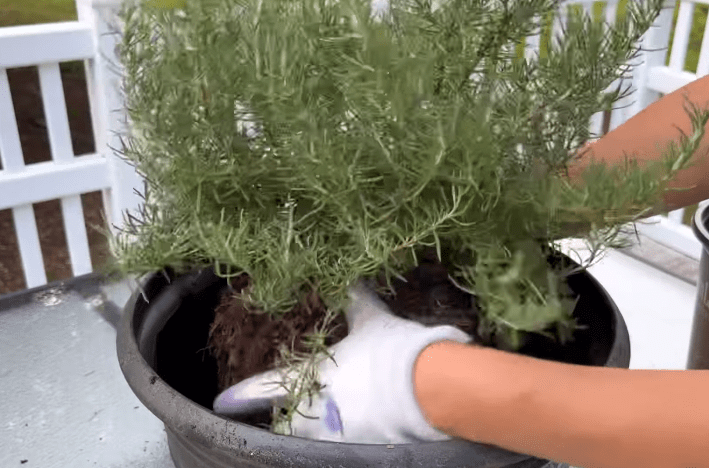
Set the plant in so the top of the root ball sits about an inch below the pot’s rim.
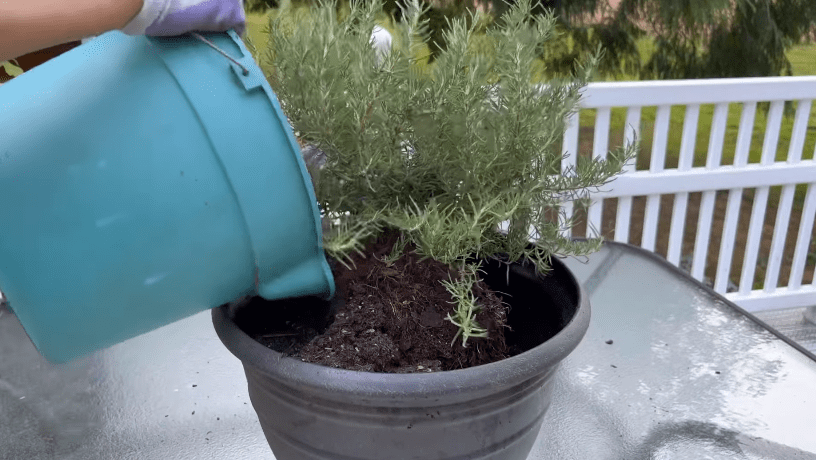
Backfill around the roots with more soil, pressing gently to remove large air pockets. Don’t pack it down too hard.
Rosemary roots need room to breathe. Water thoroughly right after planting to help the roots settle in.
Step 4: Find the Sunniest Spot You Have
Creeping rosemary is a sun lover through and through. Give it six to eight hours of direct sunlight a day, and it will reward you with dense, fragrant growth.
A south-facing patio, balcony rail, or deck usually works well. If your space only gets partial sun, the plant will still survive, but it’ll grow leggier and bloom less.
Rotate the pot every week or two if the light only hits from one side. It keeps growth even instead of lopsided.
Step 5: Water Sparingly, Not on a Schedule
Overwatering kills more potted rosemary than anything else. This plant doesn’t want a set watering schedule. It wants you to check the soil first.
Stick your finger about two inches into the soil. If it feels dry, water deeply until it runs out the drainage holes.
If it still feels damp, wait a few more days and check again. In cooler months, this might mean watering just once every week or two.
Never let the pot sit in a saucer full of water. Standing water around the roots leads to rot fast, and rosemary rarely recovers once that starts.
Step 6: Feed Lightly
Remember how creeping rosemary prefers lean soil? The same goes for feeding. This isn’t a hungry plant, and too much fertilizer does more harm than good.
A light feeding once in early spring is usually enough. Use a diluted, balanced fertilizer, or work a bit of compost into the top layer of soil. Skip fertilizer entirely in fall and winter.
The plant is slowing down then, and extra nutrients only push weak, tender growth that won’t survive cold snaps.
Step 7: Prune to Keep It Full, Not Leggy
Left alone, creeping rosemary can get long and sparse in the middle. Regular pruning keeps it dense and bushy instead.
Wait until after the plant flowers in spring, then trim back about a third of the growth. Cut just above a set of leaves, and shape it into a rounded mound or let it trail naturally over the pot’s edge.
One rule matters more than the rest: never cut into the woody base. Rosemary doesn’t regrow from old wood the way some plants do. Stick to trimming the green, flexible stems, and you won’t set the plant back.
A Special Note on Overwintering Potted Creeping Rosemary
Here’s something a lot of guides skip. A rosemary plant in a pot faces a much colder winter than one in the ground. Its roots sit exposed on all sides, with no surrounding earth to buffer the cold.
Creeping rosemary tolerates temperatures down to about 20°F when it’s established in the ground.
In a pot, that cushion disappears. If you live in zone 7b or warmer, your plant can likely stay outside year-round with a bit of mulch on top of the soil.
If you’re in a colder zone, plan to bring the pot indoors before the first hard freeze.
Place it near a bright, south-facing window, and cut back on watering since the plant grows slower indoors. Avoid spots near heating vents, which dry out the air and stress the plant.
Frequently Asked Questions
Can I grow creeping rosemary indoors year-round?
Yes, but it needs a very bright window, ideally south-facing, and good airflow. Without enough light, it tends to get leggy and weak.
How often should I repot creeping rosemary?
Every two to three years, or once roots start poking through the drainage holes. Move up just one pot size at a time.
Why is my potted rosemary turning brown or dropping needles?
This almost always points to overwatering or poor drainage. Check the roots for rot, and switch to a faster-draining soil mix if the problem continues.
Can I propagate creeping rosemary from cuttings?
Yes. Snip a four to six inch piece of new growth, strip the lower leaves, and root it in water or damp sand. Roots usually form within a few weeks.
Is creeping rosemary the same as regular rosemary?
It’s the same species, just a different growth habit. Creeping rosemary trails low and wide, while upright varieties grow tall like a small shrub. Both smell and taste the same in the kitchen.
A Pot Full of Rosemary, All Year Long
Growing creeping rosemary in a pot really comes down to two things: drainage and sunlight. Get those right, and this plant will forgive almost every other mistake along the way.
Give it a fast-draining mix, a sunny spot, and a light hand with the watering can, and you’ll have a fragrant, trailing plant that keeps earning its place on your patio for years to come.