15 Easy Vegetables to Grow in Containers

Small patios can grow a shocking amount of dinner when you choose the right vegetables to grow in pots.
Maybe you have a balcony, a sunny doorstep, or one bare corner that needs life.
I have seen a few pots turn into a tiny salad bar, and that still feels like garden magic.
A good container garden needs roomy pots, drainage, rich potting mix, sun, and steady water. Once you match the crop to the container, you can grow fresh food without a full backyard.
Tips for Growing Vegetables in Containers
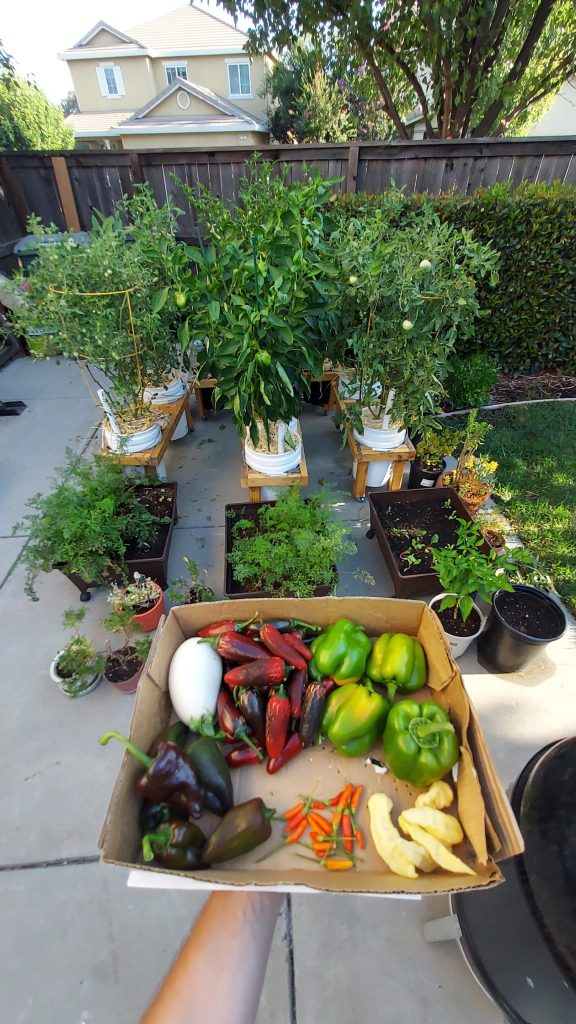
- Pots reward you fast when you choose the right size from the start. That little bargain container may look cute, but hungry plants need space for roots, water, and food.
- Drainage keeps roots healthy. Holes in the bottom help extra water leave before the soil turns sour.
- Quality potting mix works better than garden soil in containers. Garden soil often gets heavy in pots, while potting mix lets roots breathe and grow.
- Sun drives most container vegetables. Aim for a bright spot, especially for fruiting crops like tomatoes, peppers, cucumbers, and eggplants.
- Water needs more attention in pots than in beds. Containers dry out faster, so I like to check the soil with one finger before the plant starts begging.
15 Vegetables That Thrive in Pots
1. Tomatoes
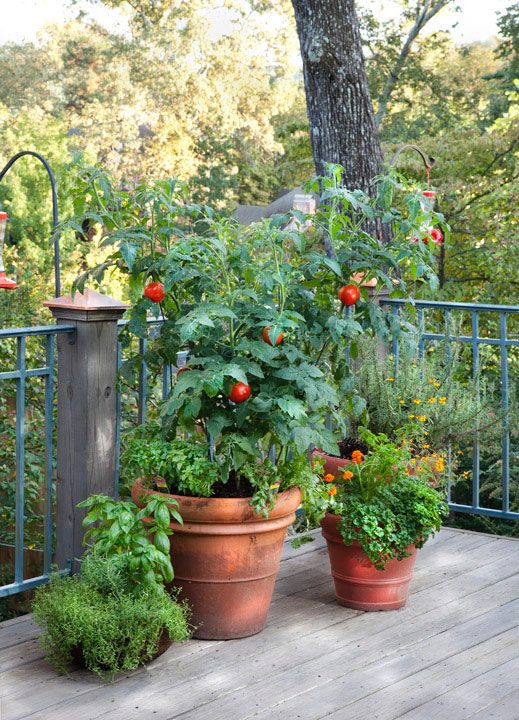
Tomatoes earn the first spot because they turn one pot into a summer snack machine. You get fresh slices, sauce, salads, and that warm garden smell from one happy plant.
Choose determinate, bush, patio, or dwarf tomatoes for containers. These types stay easier to manage than huge vining tomatoes.
Give each tomato a large pot, steady water, and regular feeding. Hungry tomato plants produce better when you support them with rich soil and a cage or stake.
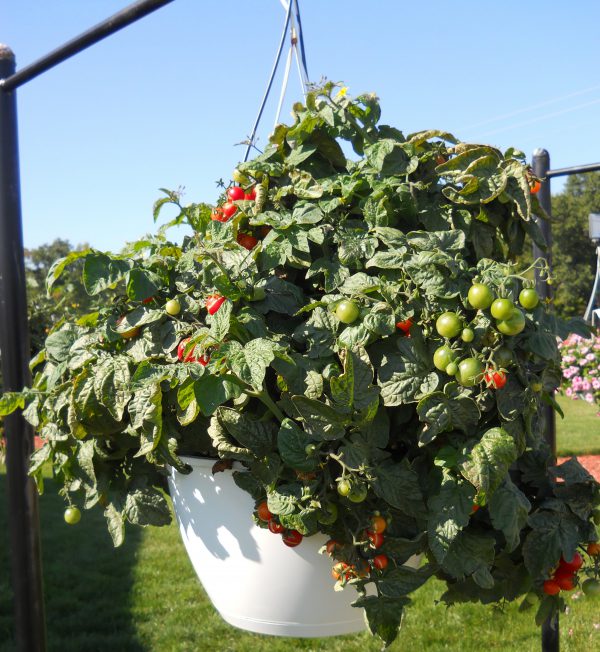
Because tomatoes flower before they fruit, bees and other pollinators help them set a better crop. A sunny balcony with flowers nearby can make a real difference.
Zones: 3 to 10
Mature size: 24 to 36 inches tall x 12 to 30 inches wide
Care requirements: Full sun; rich, well-drained soil; plenty of water
2. Lettuce
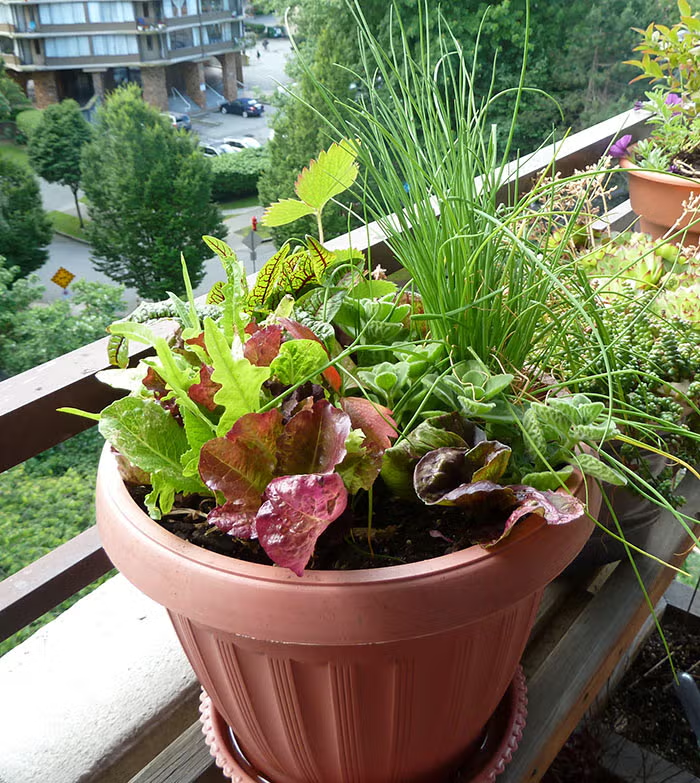
Lettuce makes container gardening feel easy. You can grow it in shallow pots, window boxes, or wide bowls with good drainage.
Leaf lettuce suits pots better than big head lettuce. It grows fast, takes little room, and gives you tender leaves for sandwiches, wraps, and quick salads.
Snip the outside leaves when they reach a usable size. The plant keeps growing from the center, which feels like cheating in the best way.
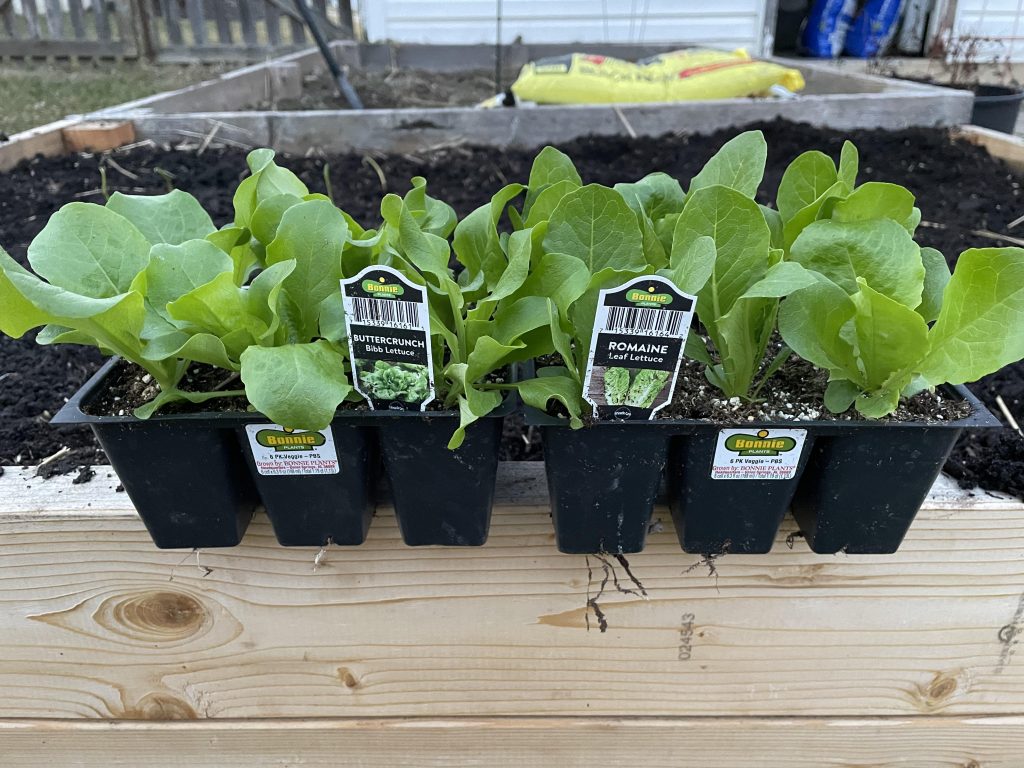
Cool weather helps lettuce taste sweet. Hot weather can make it bolt, so spring and fall usually give the best results.
Zones: 2 to 11
Mature size: 6 to 12 inches tall x 6 to 12 inches wide
Care requirements: Full sun to partial shade; loose, fertile soil; steady moisture
3. Radishes
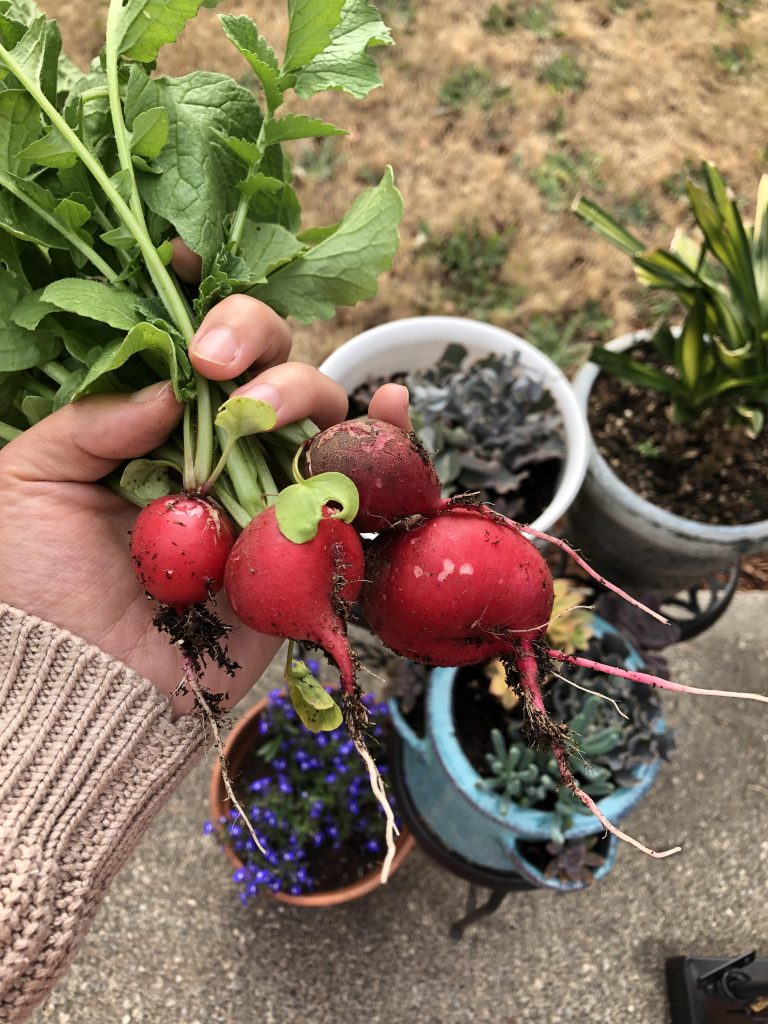
Radishes grow so quickly that they feel perfect for impatient gardeners. I like them because they give beginners a win before doubt creeps in.
Sow radish seeds straight into the pot. They dislike rough handling, so direct planting helps them grow clean roots.
Try a wide container with loose potting mix. Crowded radishes stay small, so thin the seedlings and give each root space to swell.
Kids usually enjoy growing radishes because the harvest comes fast. Adults like that part too, even when we pretend we have patience.
Zones: 2 to 11
Mature size: 4 to 8 inches tall x 2 to 4 inches wide
Care requirements: Full sun; loose, well-drained soil; regular water
Also read: 15 Shade Loving Vegetables That Thrive Without Full Sun
4. Peppers
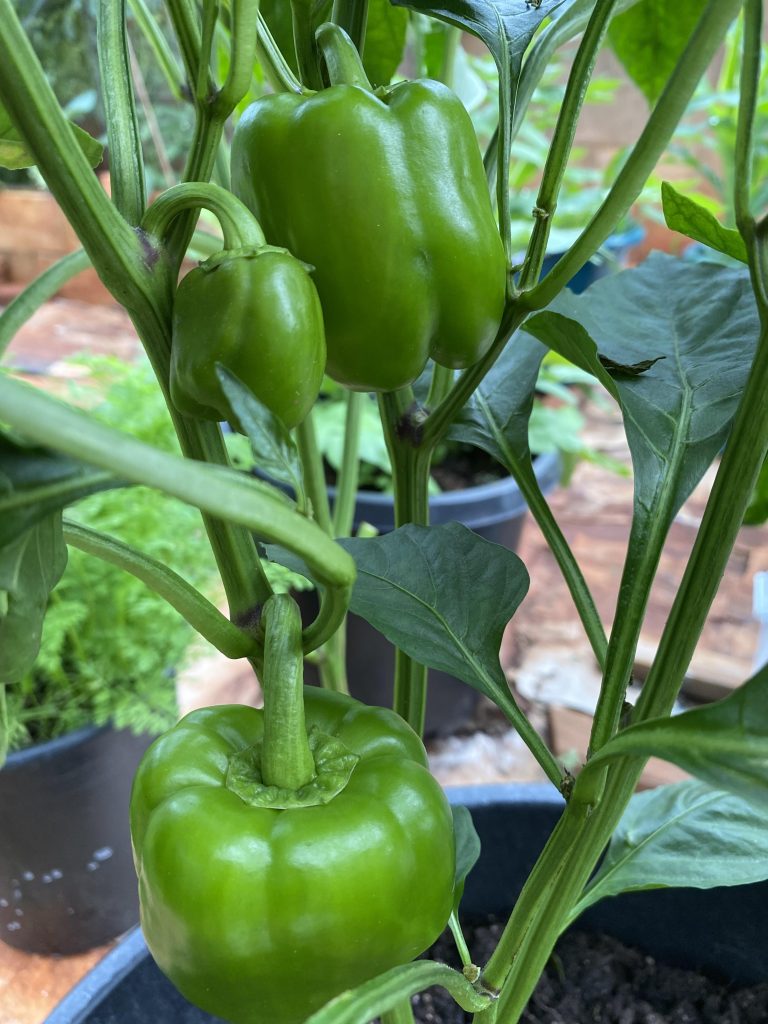
Peppers love warm pots, bright sun, and steady care. Sweet peppers, snack peppers, and many hot peppers all grow well in containers.
Pick compact varieties when space feels tight. A smaller plant can still produce plenty when the pot gives it enough root room.
Feed peppers lightly but consistently. Too little food slows growth, while too much nitrogen can push leaves instead of fruit.
Sun matters here. Peppers need strong light to set fruit and develop good flavor.
Zones: 3 to 11
Mature size: 12 to 36 inches tall x 12 to 24 inches wide
Care requirements: Full sun; rich, well-drained soil; consistent water
5. Cucumbers
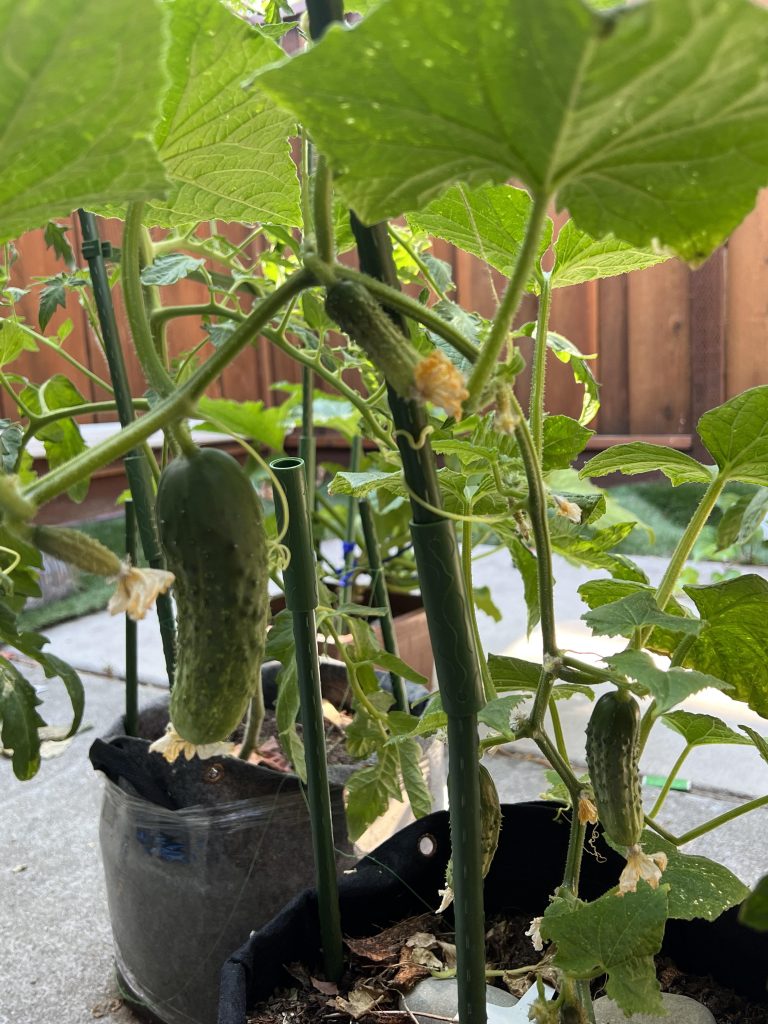
Cucumbers can grow in pots when you give them support and water. Fresh container cucumbers taste crisp enough to make store-bought ones seem tired.
Bush cucumbers fit small spaces best. Vining cucumbers need a trellis, tripod, or strong rail to climb.
Set the support in place when you plant. Later staking can damage roots, and nobody wants to wrestle a cucumber vine in July.
Why grow cucumbers in pots? You save ground space, keep fruit cleaner, and train the plant upward instead of letting it sprawl everywhere.
Zones: 4 to 11
Mature size: 12 to 24 inches tall x 24 to 72 inches wide, depending on variety
Care requirements: Full sun; rich, well-drained soil; frequent water
6. Beans
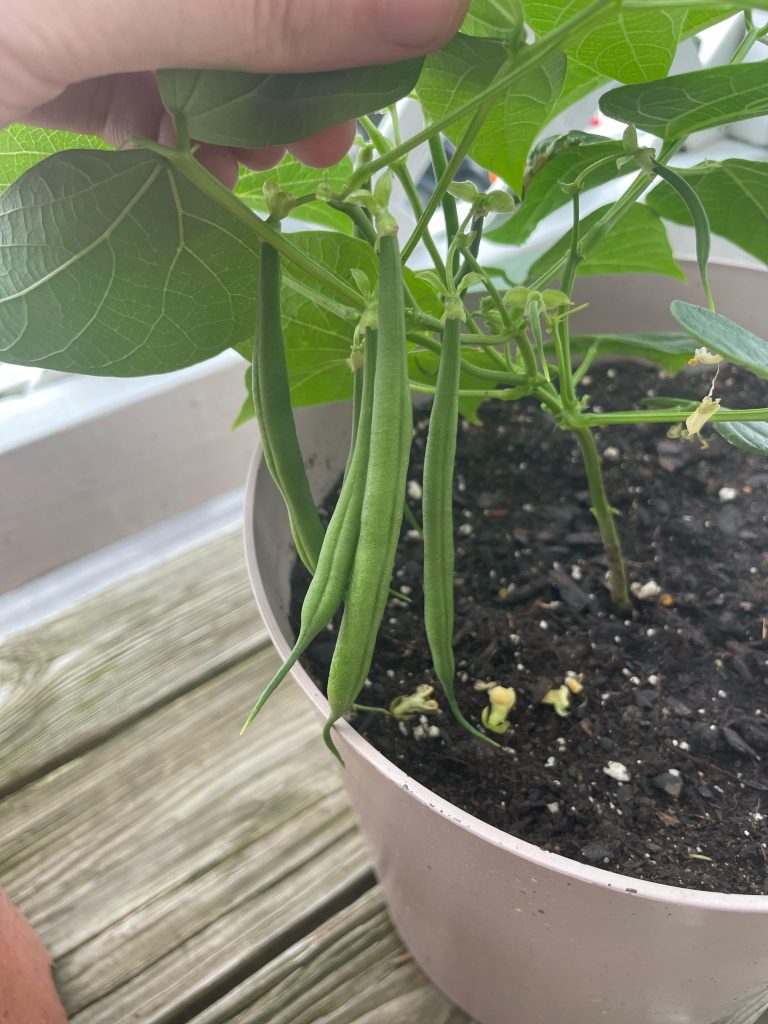
Beans make pots feel productive without much drama. You can grow bush beans in compact containers or train pole beans upward when floor space feels tight.
Climbing beans need support from the start. A trellis, rail, tripod, or strong stake keeps the vines off the floor and makes picking easier.
Bush beans suit beginners because they stay shorter and need less setup. I like them for small patios because they give a neat harvest without trying to take over the whole corner.
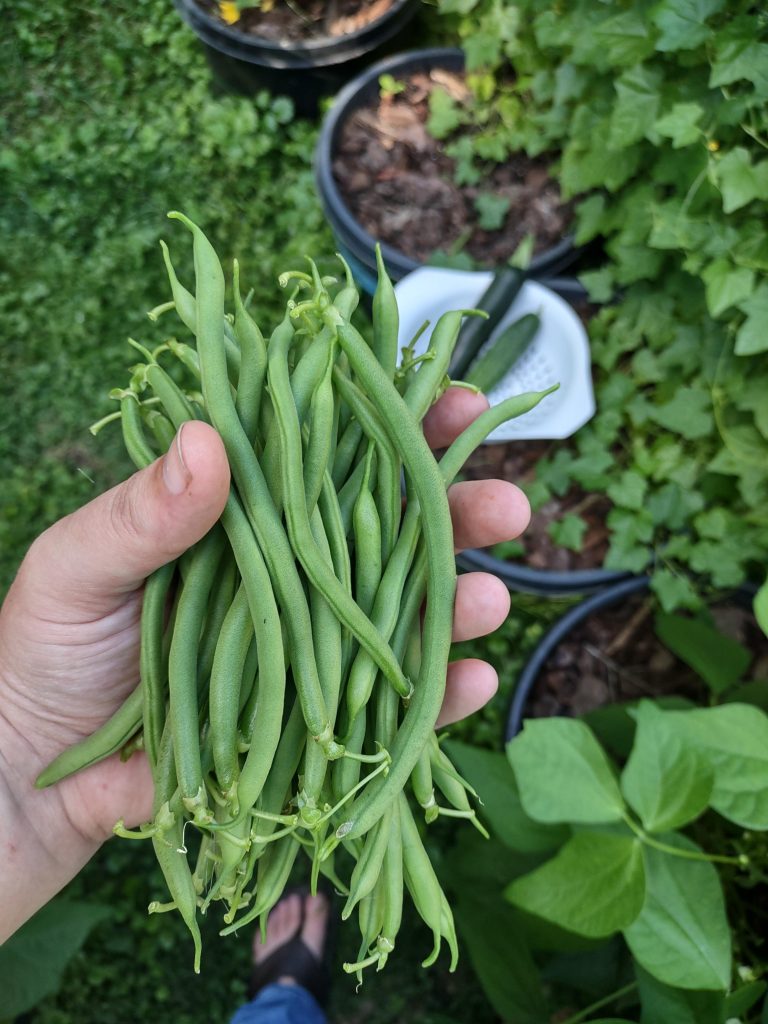
Flowers lead to pods, so pollinator visits help the plant do its job. A few nearby blooms can make your container area feel prettier and more useful.
Zones: 3 to 10
Mature size: 18 to 24 inches tall for bush types; 6 to 10 feet tall for pole types
Care requirements: Full sun; well-drained soil; steady water; support for climbing types
7. Carrots
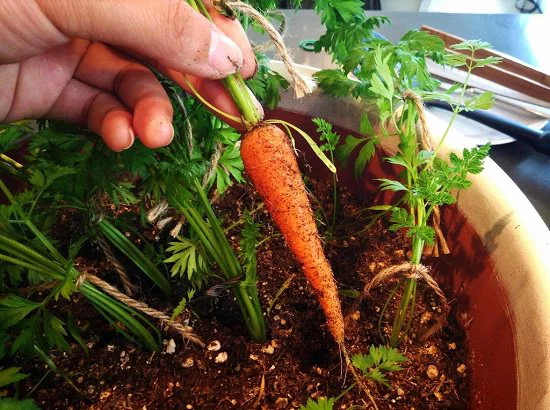
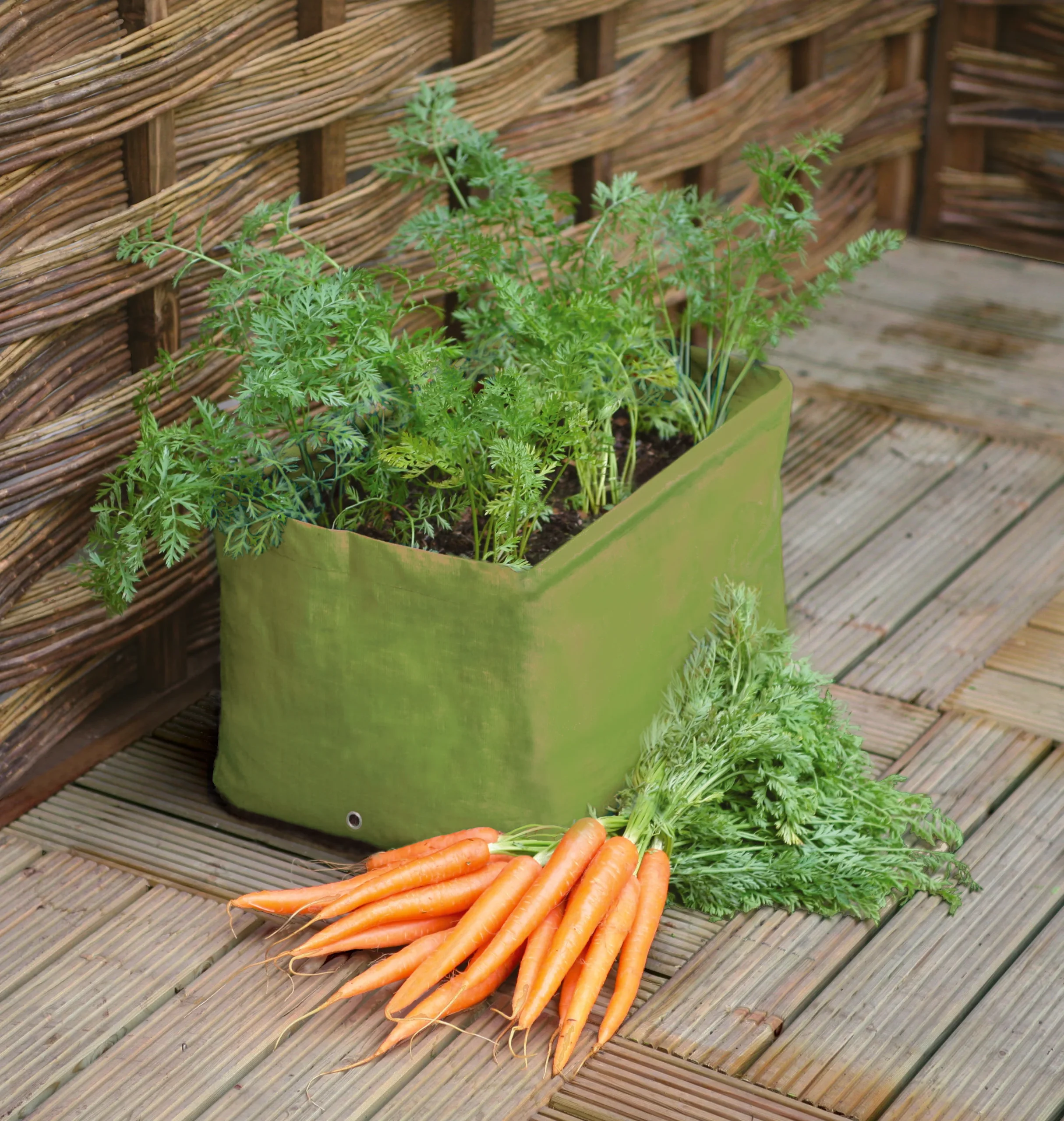
Carrots grow well in pots when the soil stays loose and deep enough. Short varieties work especially well because they do not need a giant container.
Seeds should go straight into the pot. Carrots dislike root disturbance, and transplanting can leave you with twisted or forked roots.
Wide containers help you grow more carrots in one spot. Thin the seedlings early so each root has space to stretch.
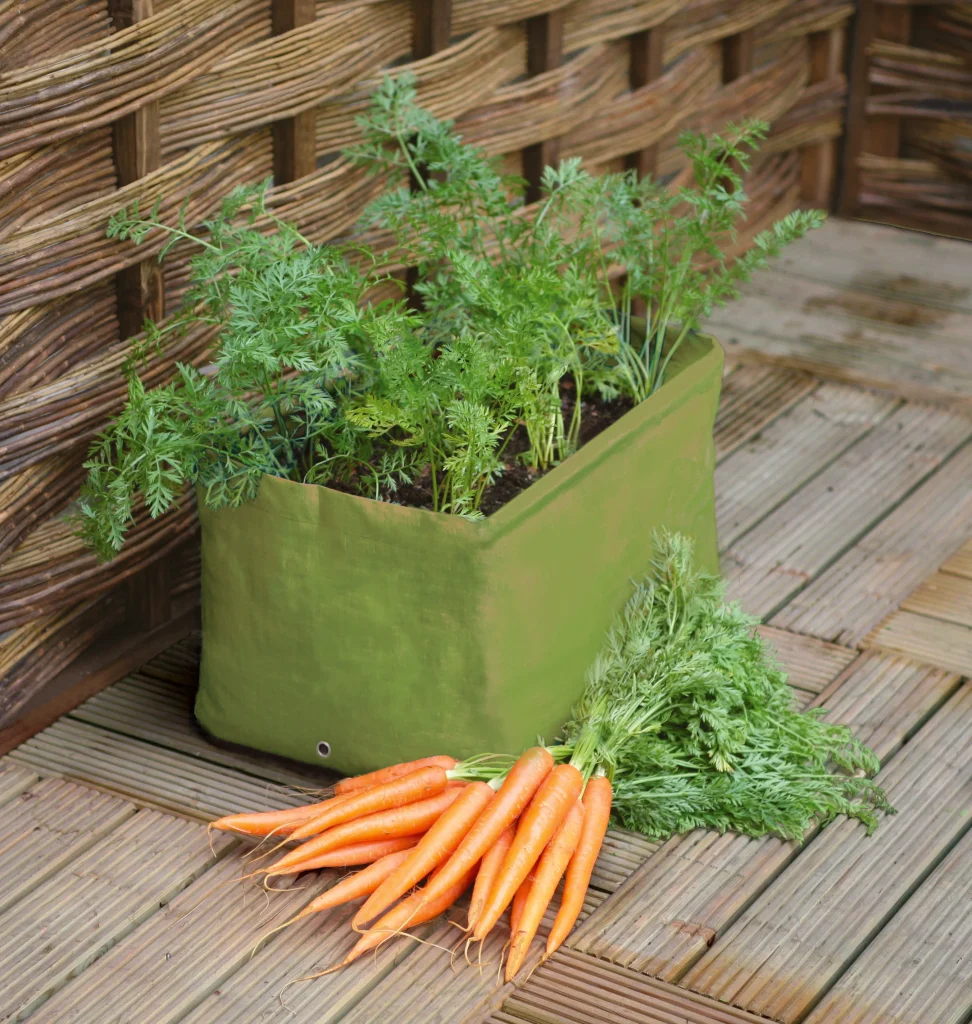
Freshly pulled carrots feel oddly exciting. Maybe that sounds silly, but pulling dinner out of a pot never gets old.
Zones: 2 to 11
Mature size: 6 to 12 inches tall x 1 to 3 inches wide, depending on variety
Care requirements: Full sun to partial shade; loose, deep soil; even moisture
8. Spinach
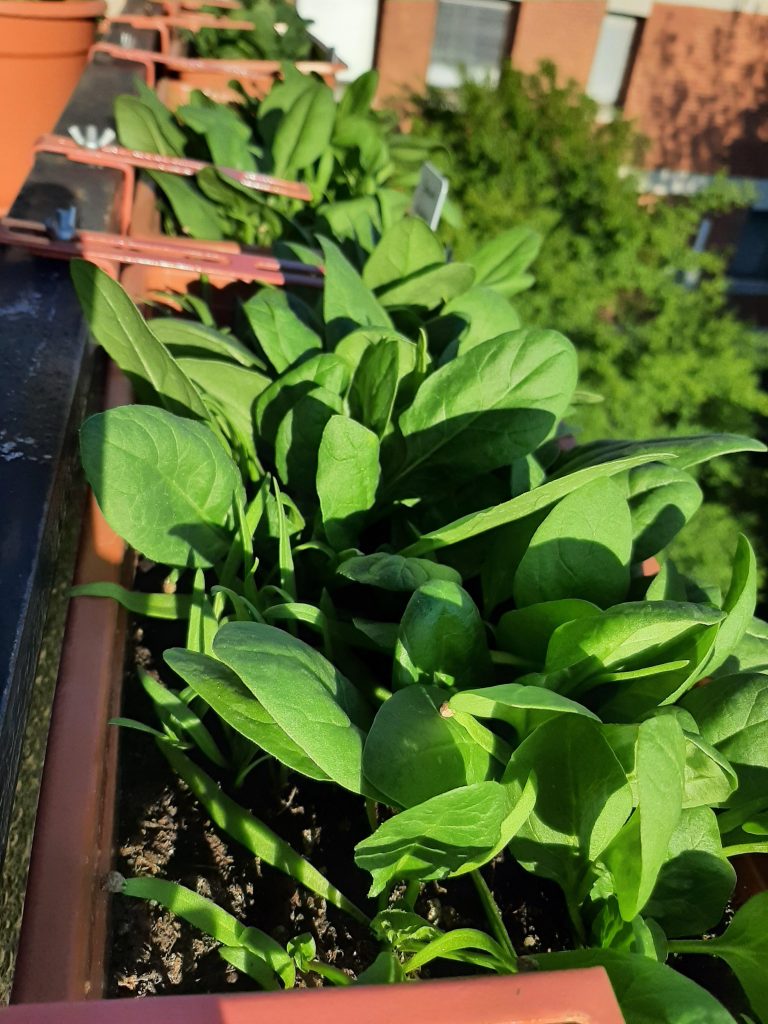
Spinach gives you tender greens from a small space. It grows nicely in pots, window boxes, and shallow planters.
Cool weather brings out the best flavor. Heat can push spinach to bolt, so spring and fall often give cleaner leaves.
Pick the outer leaves when they look ready. The center keeps growing, which gives you more than one harvest from the same plant.
Shade helps in warmer weather. A little afternoon protection can stretch the harvest before the plant gives up.
Zones: 2 to 11
Mature size: 6 to 12 inches tall x 6 to 12 inches wide
Care requirements: Full sun to partial shade; fertile, well-drained soil; regular water
9. Eggplant
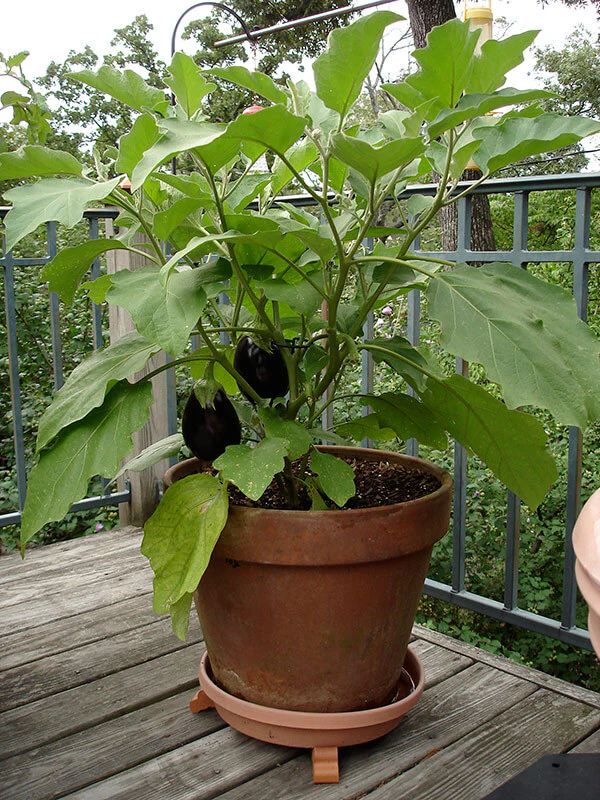
Eggplant loves heat, sun, and a roomy pot. A sunny container can warm faster than an in-ground bed, which helps this crop grow with more energy.
Compact eggplant varieties suit containers best. They stay easier to support and still give glossy fruit for grilling, roasting, or curries.
Rich soil matters here. Eggplants feed heavily, so compost and regular plant food help them keep producing.
Stakes help once the fruit starts to gain weight. One heavy eggplant can pull a small plant sideways faster than you expect.
Zones: 4 to 11
Mature size: 18 to 36 inches tall x 18 to 30 inches wide
Care requirements: Full sun; rich, well-drained soil; warm conditions; consistent water
10. Potatoes
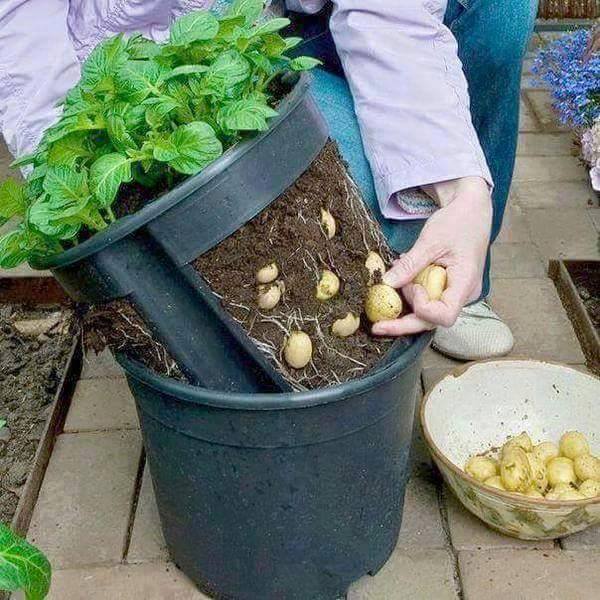
Potatoes turn a deep container into a buried treasure hunt. You plant seed potatoes, add soil as the stems grow, and harvest the tubers later.
Deep pots work better than shallow ones. Grow bags, buckets with drainage holes, and large containers all suit potatoes.
Covering the stems as they grow helps protect developing tubers from light. Green potatoes can contain higher levels of solanine, so keep the tubers covered.
Harvest day feels messy in the best way. I always think potatoes make container gardening feel more like a game than a chore.
Zones: 3 to 10
Mature size: 18 to 36 inches tall x 18 to 24 inches wide
Care requirements: Full sun; loose, well-drained soil; steady moisture; add soil as plants grow
11. Peas
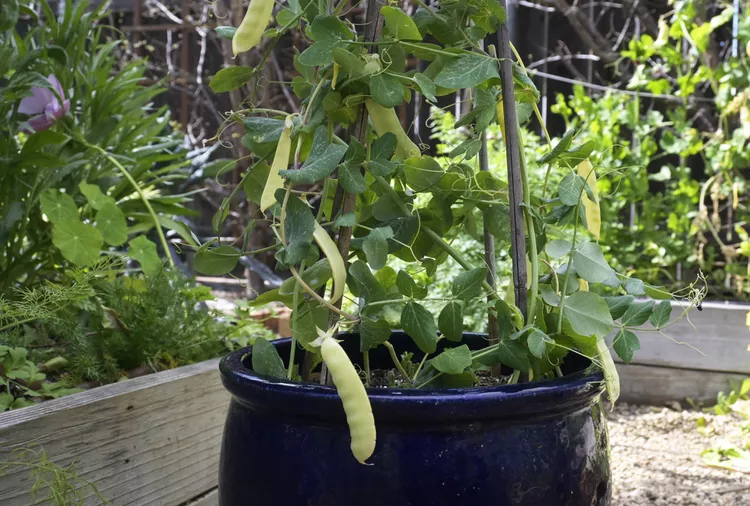
Peas bring a sweet little harvest to pots before summer gets too hot. They grow best in cool weather, so spring and fall usually treat them kindly.
Dwarf peas suit small containers. Climbing peas need a trellis, net, or railing because the vines want something to grab.
Pods taste best when you pick them young and tender. A few plants near a sunny wall can give you fresh snacks before most warm-season vegetables even start.
Flowers need help from pollinators. Add a small pot of herbs or flowers nearby, and your pea corner can look charming while doing real work.
Zones: 2 to 11
Mature size: 12 to 36 inches tall x 6 to 12 inches wide, depending on variety
Care requirements: Full sun to partial shade; rich, well-drained soil; regular water; support for climbing types
12. Beets
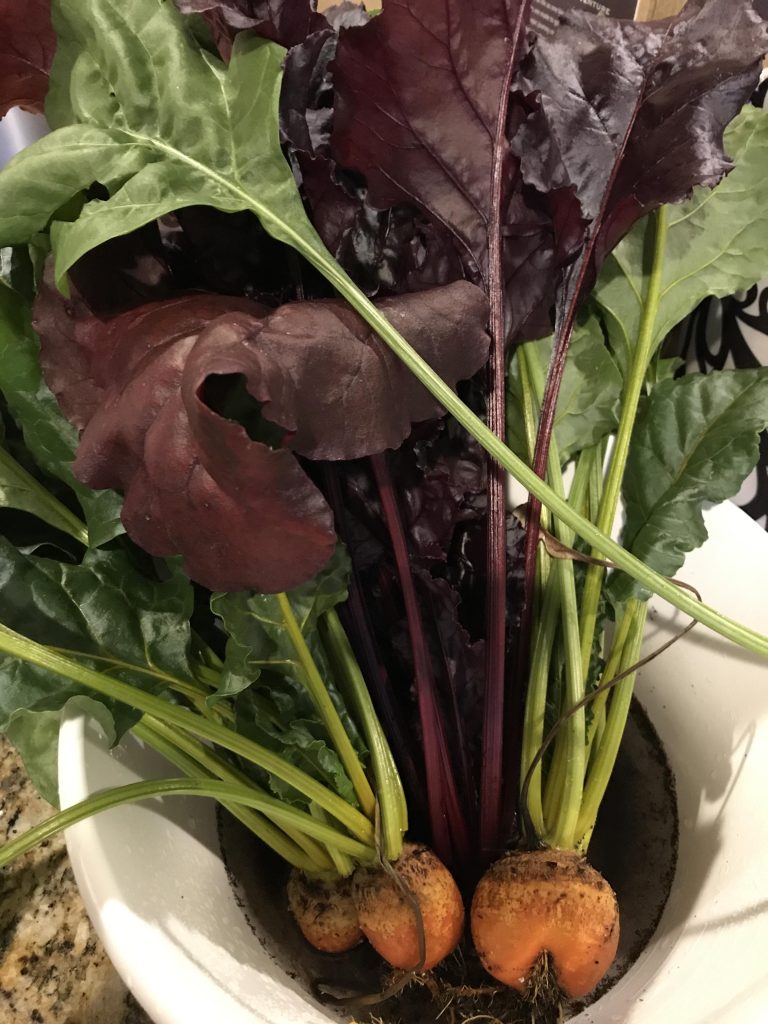
Beets give you two harvests from one pot. You can eat the roots and the leafy greens, which makes them a smart pick for tight spaces.
Loose soil helps beet roots swell evenly. A container with enough depth gives them room to form round, smooth roots.
Young beet greens taste mild and tender. I like them mixed into salads when lettuce starts feeling too ordinary.
Spacing matters with beets. Crowded seedlings compete fast, so thin them early and let the strongest plants grow.
Zones: 2 to 11
Mature size: 8 to 18 inches tall x 3 to 6 inches wide
Care requirements: Full sun to partial shade; loose, fertile soil; even moisture
13. Swiss Chard
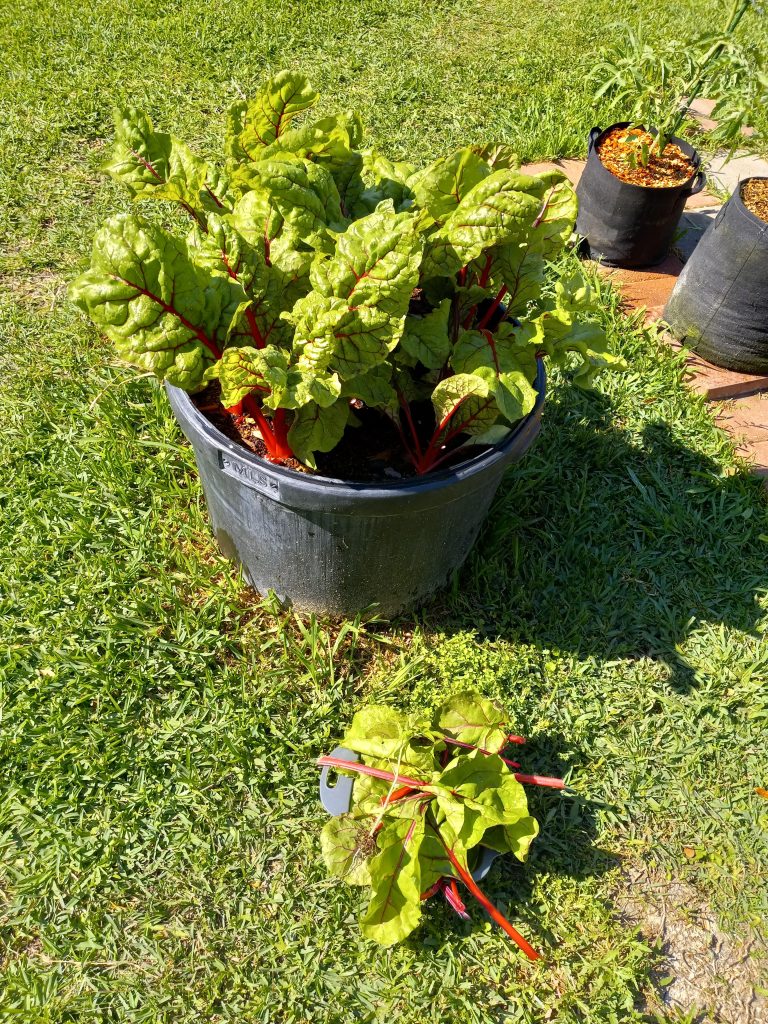
Swiss chard looks almost too pretty to eat. The bright stems can turn a plain container into something that feels half vegetable garden and half patio decor.
Leaves grow well in pots for a long season. You can harvest outer leaves and let the plant keep producing from the center.
This crop handles cool weather better than many fruiting vegetables. That makes it useful when tomatoes and peppers slow down.
Flavor stays mild when you water it well. Dry soil can make leafy greens tougher, so steady moisture helps the leaves stay pleasant.
Zones: 2 to 11
Mature size: 12 to 24 inches tall x 10 to 18 inches wide
Care requirements: Full sun to partial shade; fertile, well-drained soil; consistent water
14. Zucchini
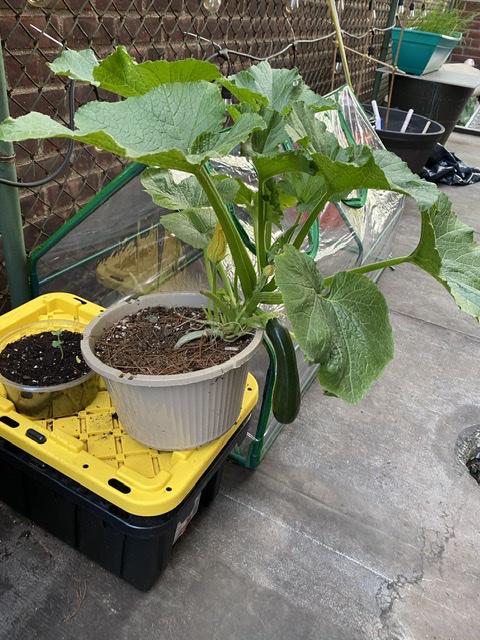
Zucchini can grow in pots, but it needs space. This plant has big leaves, bold stems, and a habit of acting like it owns the patio.
Choose a compact bush variety for container growing. A large pot helps the roots support all that leafy growth.
Water zucchini deeply and often during hot weather. Big leaves lose moisture fast, and dry soil can stress the plant.
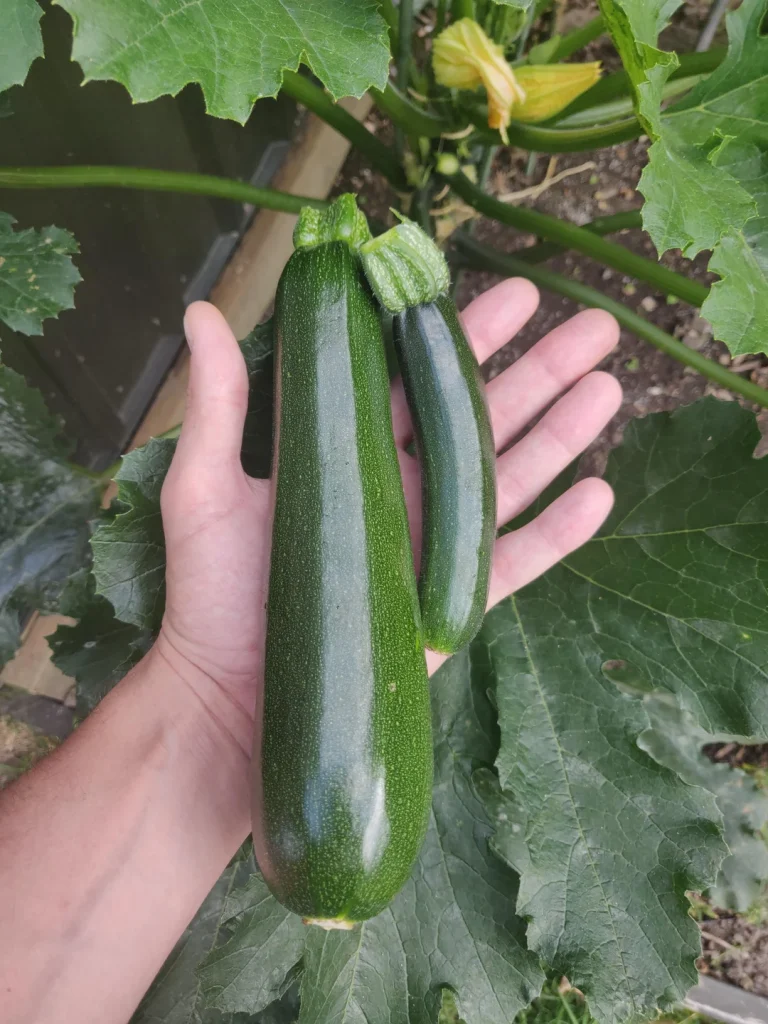
Pollinators matter because zucchini makes separate male and female flowers. If bees rarely visit your space, you may need to hand-pollinate with a small brush in the morning.
Zones: 3 to 10
Mature size: 18 to 36 inches tall x 24 to 48 inches wide
Care requirements: Full sun; rich, well-drained soil; plenty of water; large container
15. Okra
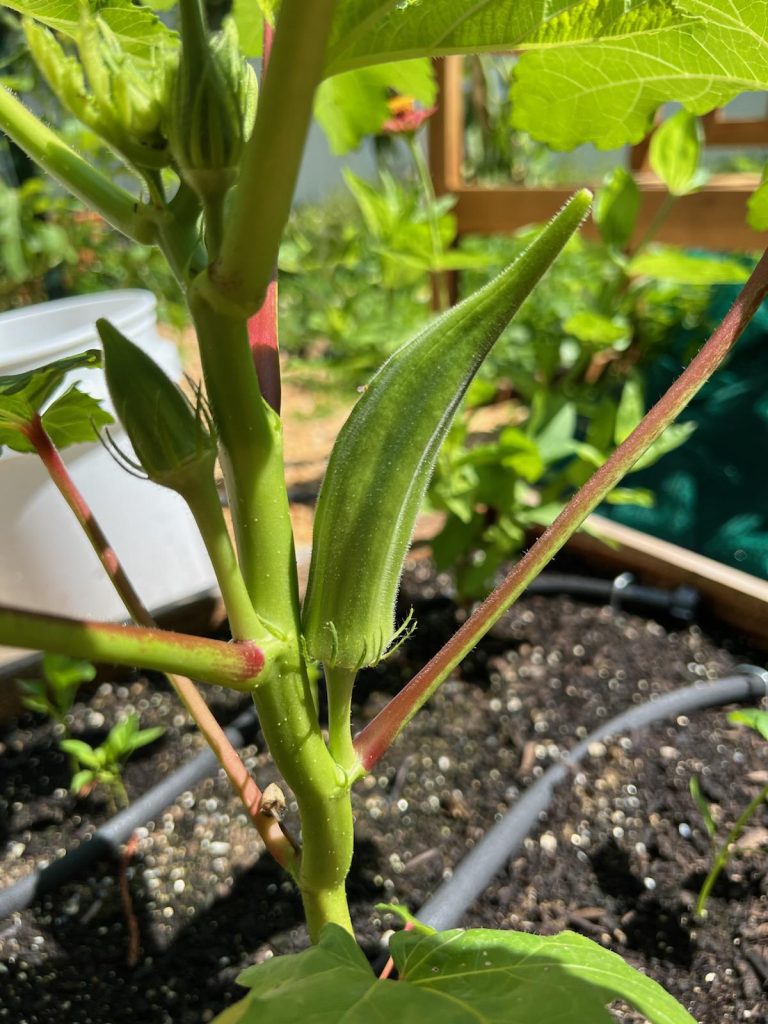
Okra loves heat more than most vegetables. A warm, sunny pot can help it grow fast once the weather settles.
Choose a large container because okra grows tall and strong. A deep pot gives the roots enough room to hold the plant steady.
Harvest pods when they stay young and tender. Large pods can turn tough quickly, so check the plant often during warm weather.
Container okra works well on hot patios, sunny decks, and small gardens with limited soil space. Have you ever grown a vegetable that seems happier in July than you do?
Zones: 5 to 11
Mature size: 3 to 6 feet tall x 2 to 4 feet wide
Care requirements: Full sun; warm weather; rich, well-drained soil; regular water
Match the Pot to the Vegetable
I always think of the pot as the vegetable’s home. If the home feels too tight, the plant struggles, even when you water it well and give it plenty of sun.
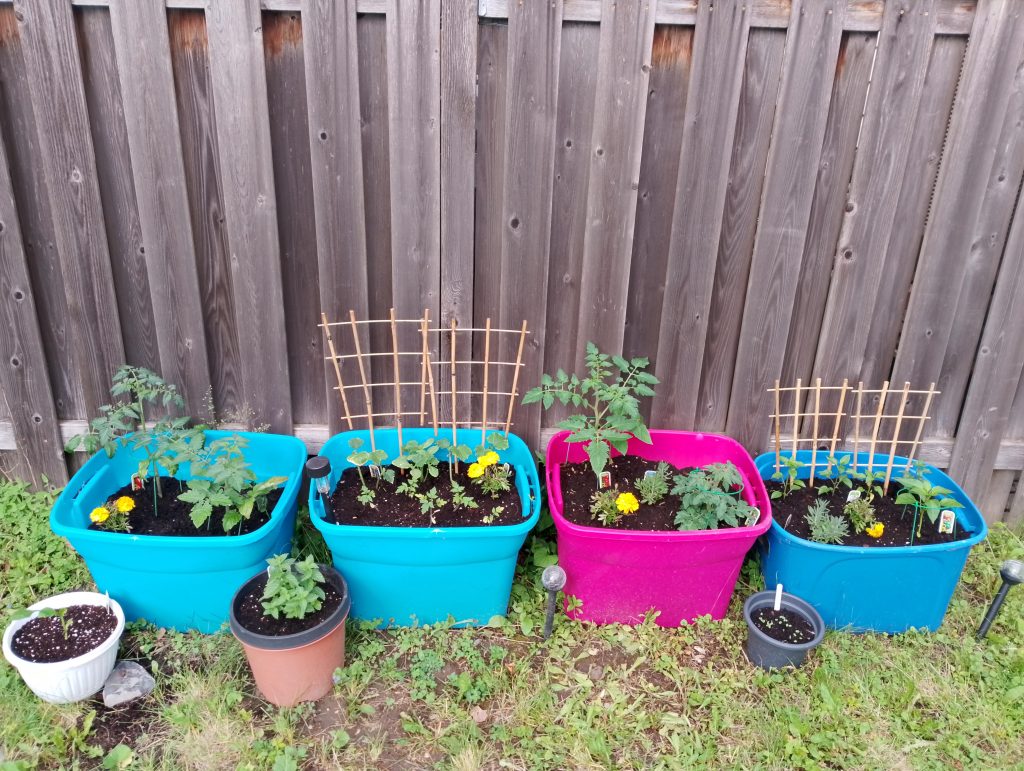
You should give big fruiting vegetables a larger container. Tomatoes, cucumbers, eggplants, zucchini, peppers, okra, and potatoes all need room for strong roots, steady moisture, and better harvests.
I would not squeeze a tomato into a tiny pot and expect magic. The plant may grow, but it will likely dry out fast and produce less fruit.
You can use smaller containers for leafy vegetables. Lettuce, spinach, and Swiss chard usually grow well in wide planters because they focus more on leaves than heavy fruits.
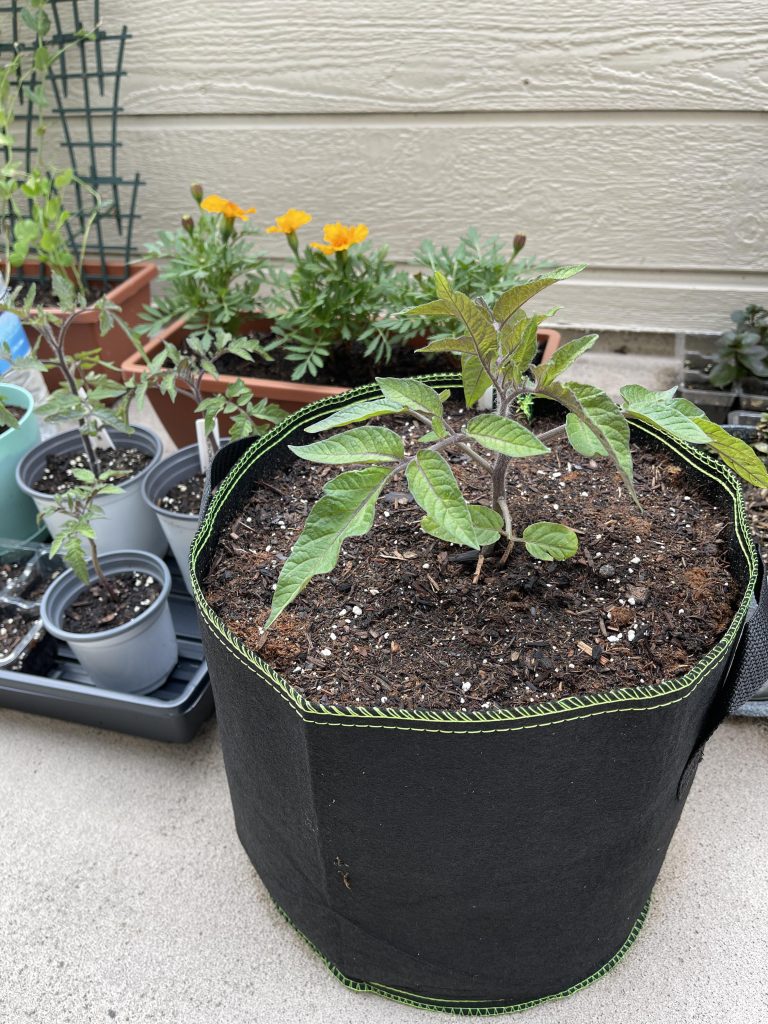
Root vegetables need a different setup. Carrots, radishes, and beets grow better when you give them loose, deep potting mix without hard clumps.
Have you ever pulled a twisted carrot from tight soil? It looks funny, but it usually means the root hit something or ran out of space.
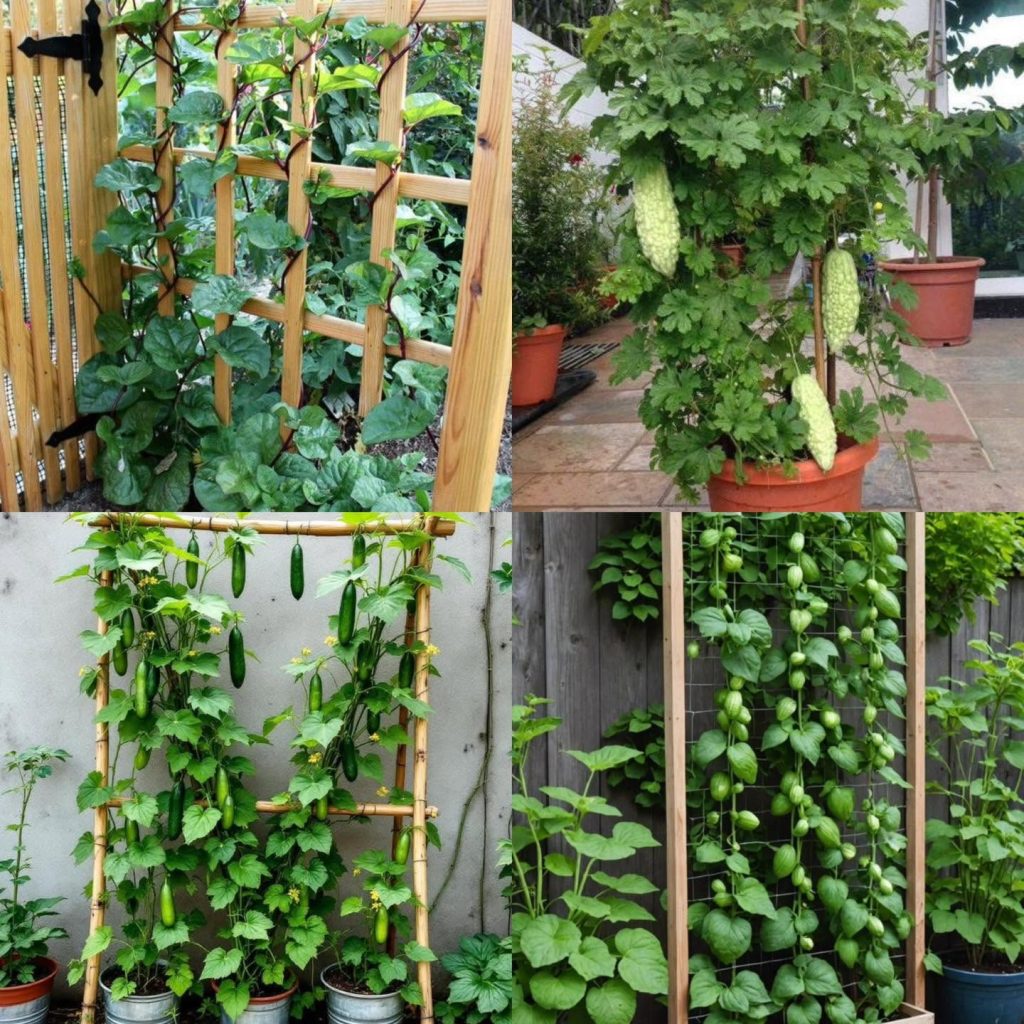
Climbing vegetables need support early. Peas, beans, and cucumbers behave much better when you give them a trellis, rail, or tripod before they start wandering everywhere.
I like adding the support at planting time. That way, you do not disturb the roots later or fight with vines when they already look wild.
Give Potted Vegetables the Care They Actually Need
I check container vegetables more often than garden-bed plants because pots dry out faster. You can do the same by pushing one finger into the soil and watering when the top inch feels dry.
Morning watering works best for me. You give the plant moisture before the day gets hot, and the leaves have time to dry if water splashes on them.
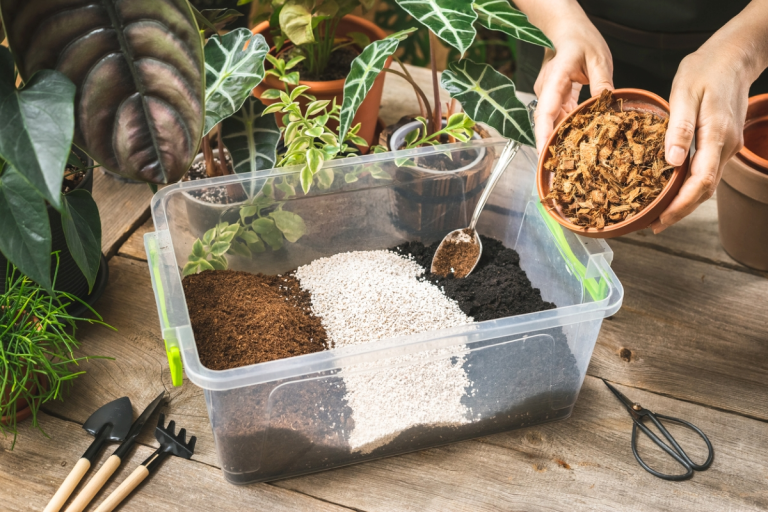
You should use good potting mix instead of heavy garden soil. Potting mix drains better, holds enough moisture, and gives roots the air they need.
Feeding matters more in containers. Tomatoes, peppers, cucumbers, eggplants, zucchini, potatoes, and okra can use up nutrients quickly because their roots only have one pot to search.
I like to feed lightly and regularly instead of dumping too much fertilizer at once. That keeps growth steady without pushing weak, leafy growth.
Drainage holes can save your whole container garden. Without them, water sits at the bottom and turns healthy roots into sad roots.
Sun also makes a huge difference. Fruiting vegetables need strong light, while leafy greens can handle a little shade when the weather gets hot.
You do not need a perfect setup to start. A sunny spot, a good pot, fresh mix, water, and one healthy plant can teach you almost everything you need to know.
Final Thought: Start Small, Then Get Greedy
Growing vegetables in pots gives you fresh food without asking for a big yard. You only need the right container, good potting mix, drainage, sun, water, and a vegetable that suits your space.
Start with one or two easy crops. Lettuce, radishes, peppers, bush beans, or patio tomatoes can give you a quick win.
Your first harvest may look small. That first bite still feels huge.
A few pots can turn a balcony, porch, or doorstep into a real garden. Once you taste your own tomato or pull your first carrot, you may start eyeing every empty corner like it owes you vegetables.