Creeping Phlox vs Creeping Thyme: Which Ground Cover Wins Your Garden?

Picture this: you want a ground cover that actually earns its spot in your yard, not just fills space. Creeping phlox and creeping thyme both promise that, but they deliver it in totally different ways.
One explodes with color for a few spring weeks. The other quietly holds its ground all year and smells amazing when you brush past it.
So which one should you plant?
I’ll walk you through exactly how these two stack up, from bloom time to soil needs to whether your dog can trample them without leaving bald patches. By the end, you’ll know which one fits your space.
What Makes Creeping Phlox Different?
Creeping phlox comes in two forms gardeners often lump together: Phlox stolonifera and Phlox subulata.
Nobody tells you this upfront, which causes a lot of mixed-up advice online. Stolonifera grows in shadier woodland spots. Subulata prefers rocky, sun-baked slopes.
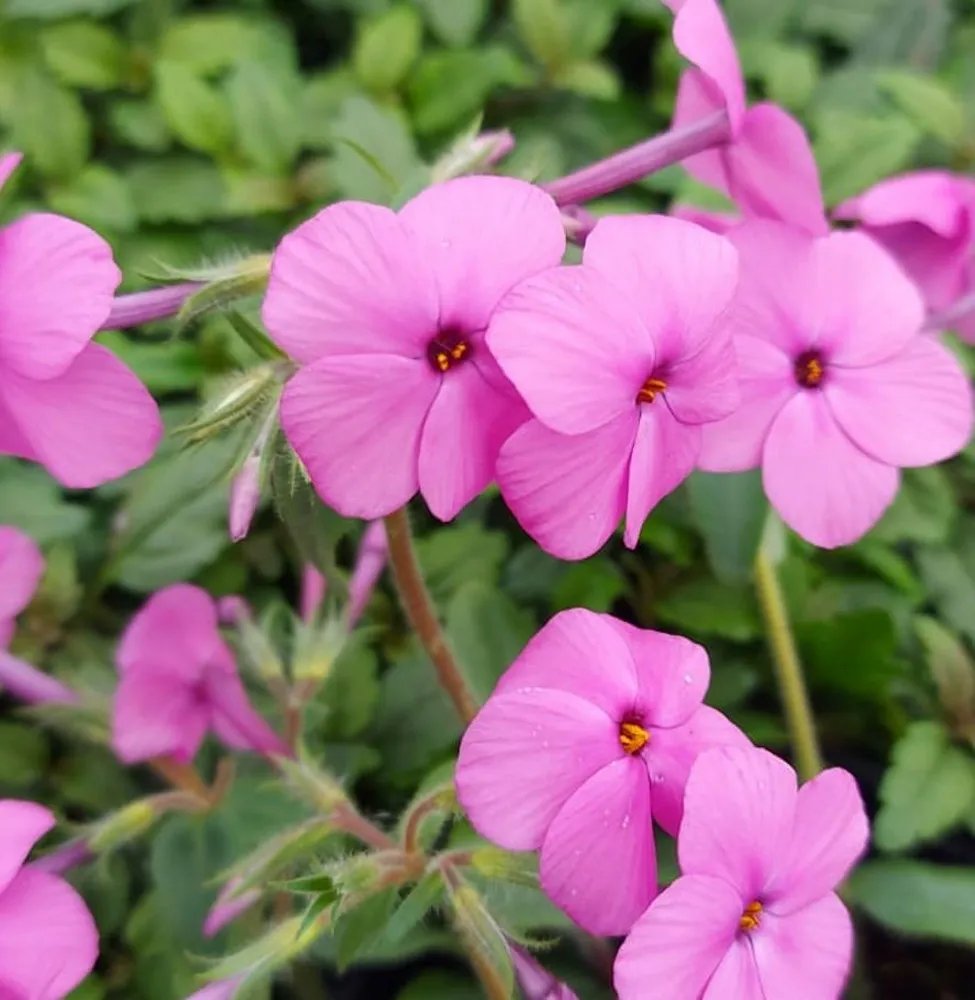
Flowers on both types burst open in mid to late spring. Five petals, soft colors, a low mounding shape define the look.
Subulata shows a distinct band of color at the center of each bloom, while stolonifera does not. That’s actually the fastest way to tell them apart if you’re staring at two nursery tags with no labels.
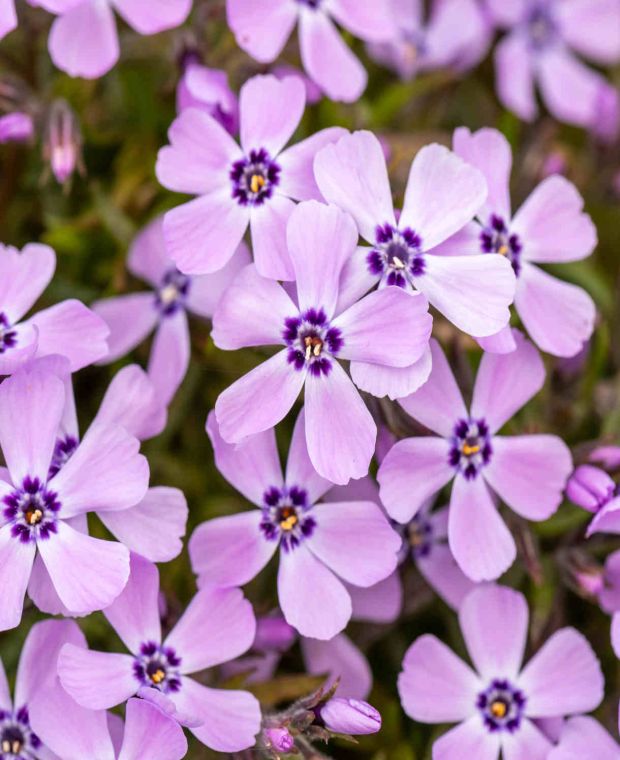
Height stays low no matter which type you pick. Stolonifera reaches 3 to 8 inches. Subulata stretches a bit wider, sometimes covering two feet of ground once it matures.
Neither plant fights you for space; they just fill in gaps and quiet down weeds without asking for much.
Also read: 15 Best Walkable Ground Cover for a Pretty Garden Path
What Makes Creeping Thyme Different?
Creeping thyme belongs to a completely different plant family than phlox, which explains why it feels so different underfoot.
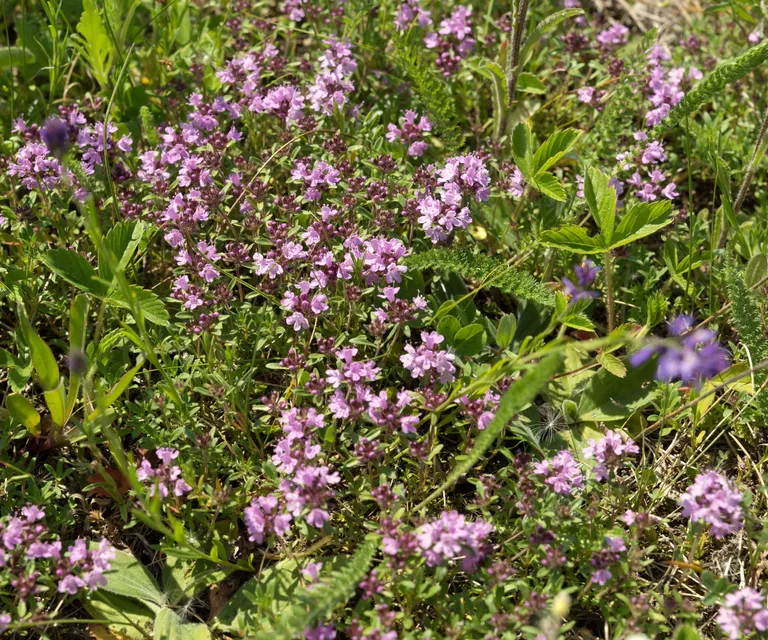
Thymus serpyllum is the species most people mean when they say “creeping thyme.” It grows woody little stems close to the ground, unlike the soft stems on phlox.
Step on it and you’ll smell it instantly. That fragrance comes from oils packed into the tiny leaves, and I still catch myself brushing my hand across ours just to smell my fingers afterward.
Small tubular flowers show up in early to mid summer, later than phlox blooms.
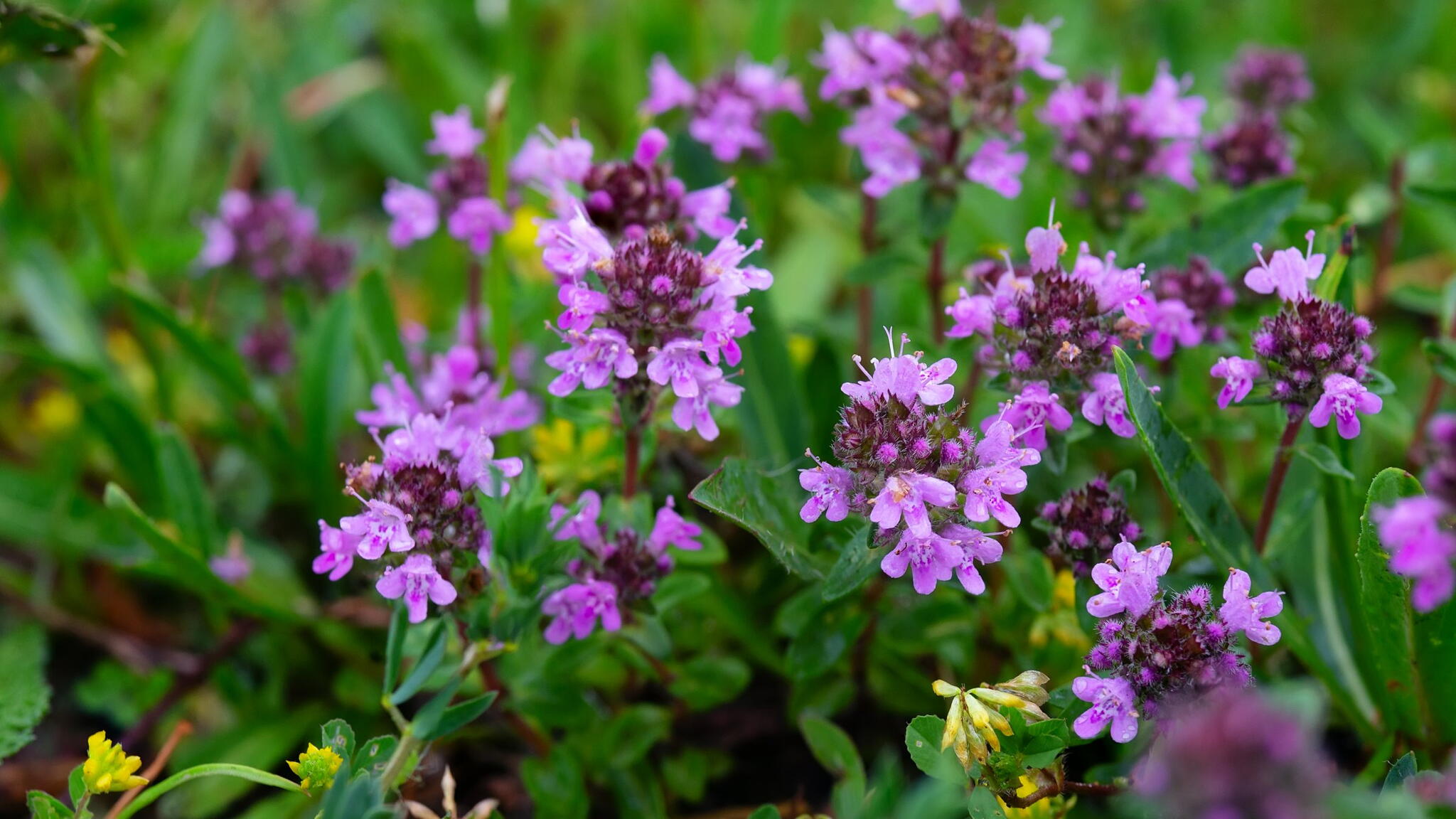
Thyme stays shorter too, usually around 2 to 3 inches tall. It handles foot traffic far better than phlox does, which makes it a smart pick for stepping stone paths.
Nobody wants to replant a crushed flower bed every time they walk to the mailbox, and thyme solves that problem on its own.
Read more: 15 Ground Cover That Chokes Out Weeds
Creeping Phlox vs Creeping Thyme at a Glance
Numbers help more than paragraphs sometimes. Here’s the quick breakdown Liza and I wish we had before buying anything.
| Feature | Creeping Phlox | Creeping Thyme |
|---|---|---|
| Plant Family | Polemoniaceae | Lamiaceae (mint family) |
| Height | 3–8 inches | 2–3 inches |
| Spread | Up to 2 feet | Up to 18 inches |
| Bloom Time | Mid to late spring | Early to mid summer |
| Sun Needs | Full sun to partial shade | Full sun |
| Foot Traffic | Damages easily | Handles it well |
| Scent | None | Strong, minty aroma |
| Best Use | Rock gardens, slopes, borders | Pathways, between pavers |
Glance at that table and one thing jumps out fast. Phlox wins on color, while thyme wins on toughness. Neither plant is better overall; they just solve different problems.
Sunlight and Soil: What Each Plant Actually Wants
Phlox tolerates a bit of shade, which surprised me the first time I read it. Ours grows near a fence post that blocks afternoon sun, and it still blooms fine every spring.
Thyme, though, sulks in shade and starts stretching out thin and leggy if it doesn’t get enough light.
Soil matters just as much as sunlight here. Phlox leans toward slightly acidic, well-drained dirt with some moisture retention.
Thyme wants the opposite: sandy, well-drained, almost stingy on water. Give thyme rich, damp soil and you’ll likely rot the roots within a season.
Drainage ties both plants together despite their differences. Neither one likes sitting in a puddle after rain.
Raised beds or slightly sloped ground work wonders for both, and that’s exactly why you’ll spot them so often on rock gardens and hillsides.
Watering Habits That Actually Matter
Water needs split these two plants apart pretty clearly. Phlox likes consistent moisture, especially while it’s establishing new roots that first year.
Skip watering for too long and you’ll watch the edges of the leaves curl up first.
Thyme barely asks for anything once it settles in. Drought resistance runs deep in this plant, literally, since its root system digs down looking for moisture instead of depending on surface water.
Overwatering actually causes more problems for thyme than underwatering ever would.
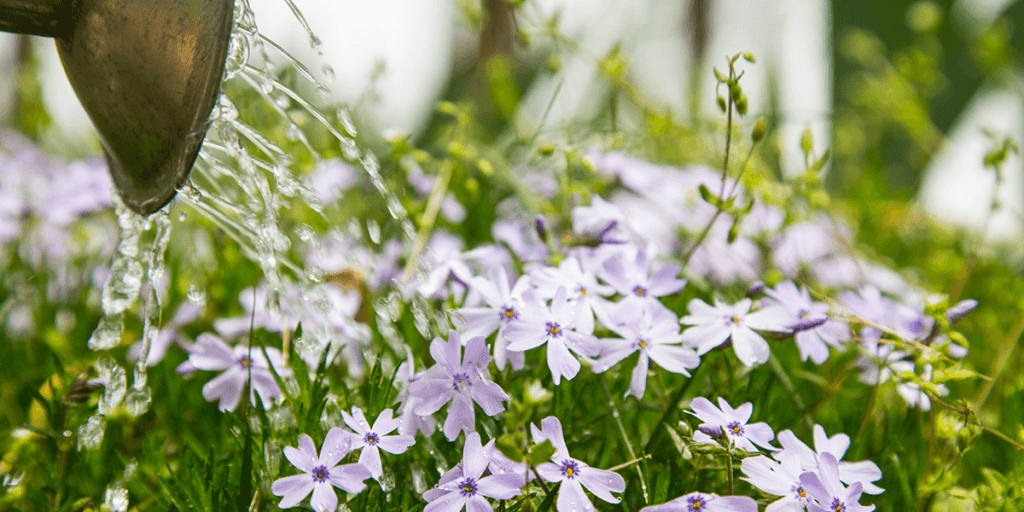
Established plants of both kinds need less attention than new ones. Give either plant a full season before judging how low-maintenance it really is. Patience pays off here more than fertilizer ever will.
How Much Work Does Each Plant Actually Need?
Neither plant demands much from you. That’s the whole point of ground cover. But small habits make a big difference over time.
Phlox likes a trim after it blooms. Cut back the spent flowers and stems. This keeps the mat tight and encourages fresh growth next year.
Thyme needs even less fuss. A light shear after flowering keeps it neat. Skip this step and it still survives just fine, just a little scraggly.
Fertilizer isn’t a friend to either plant. Both evolved in lean, poor soil. Feed them too much and you’ll get weak, floppy growth instead of the tight mat you actually want.
Pests and Problems to Watch For
Phlox can catch powdery mildew in humid weather. I learned this the hard way one soggy August. White dusty patches showed up on the leaves almost overnight.
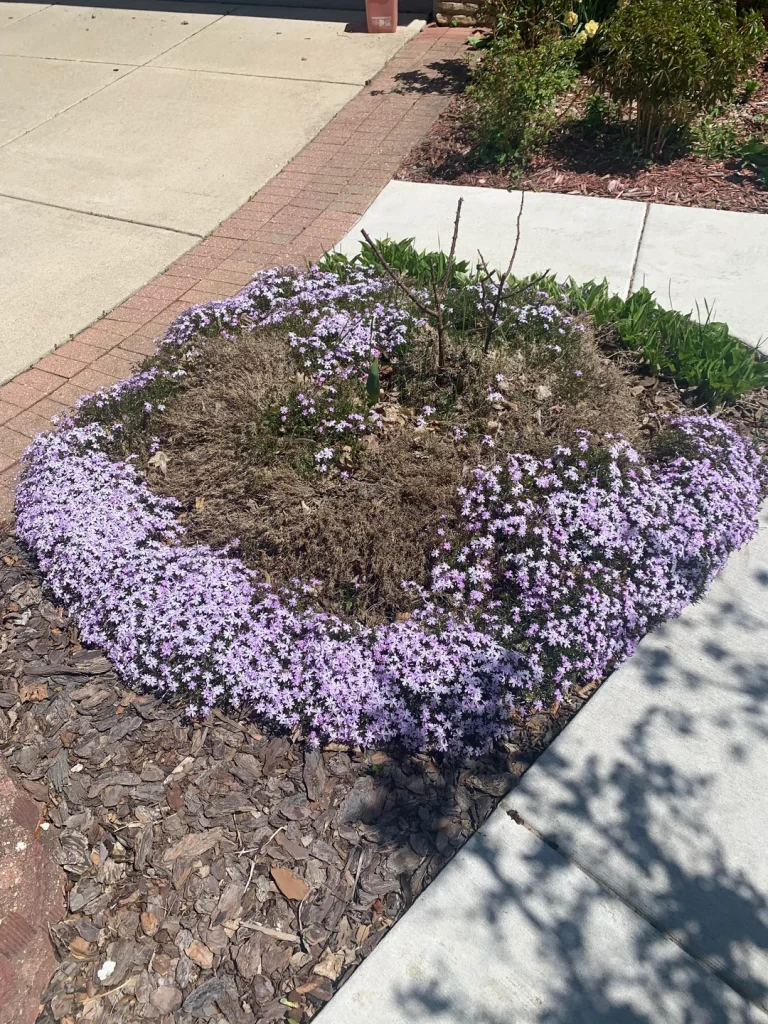
Good airflow helps prevent this. Space your plants out a little. Crowded phlox traps moisture and invites trouble.
Thyme rarely deals with pests at all. That strong scent actually works in its favor. Bugs tend to avoid it, and so do deer most of the time.
Neither plant faces serious disease pressure compared to other garden favorites. Watch new growth for a season. Problems usually announce themselves early if they’re coming.
Where Each Plant Actually Shines
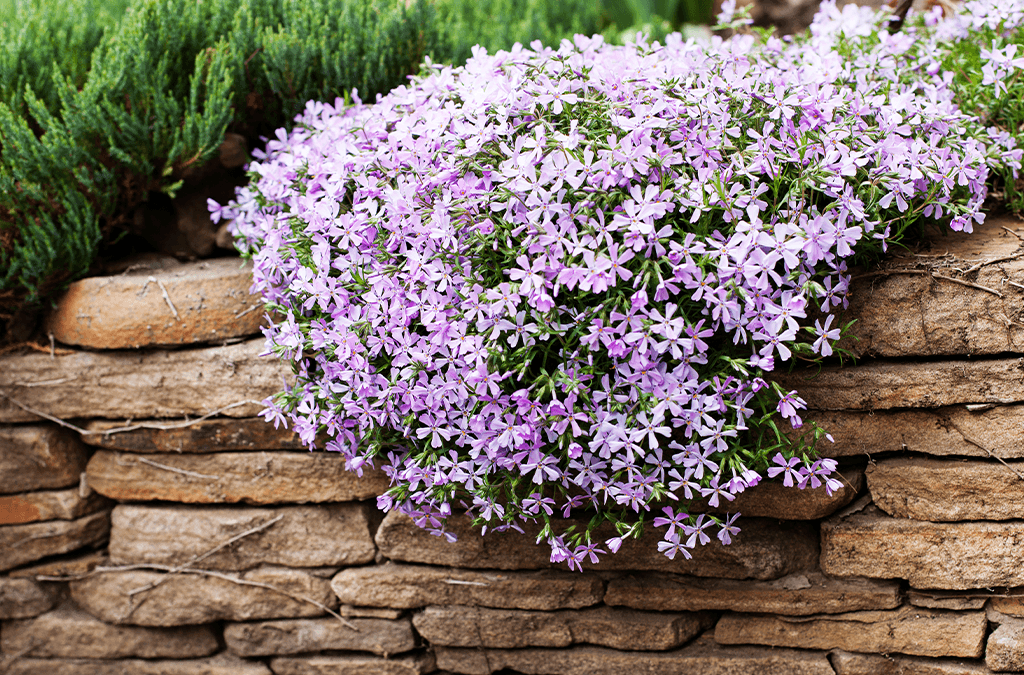
Phlox belongs on slopes and hillsides. Its fast spread controls erosion well. I’ve seen entire embankments turned into purple carpets by June.
Rock gardens love phlox too. The cascading effect over stones looks intentional and polished. Cottage gardens use it the same way, tucked along borders and pathway edges.
Thyme belongs between stepping stones. Crush it underfoot and get rewarded with fragrance. That’s a small joy most ground covers can’t offer you.
Herb gardens make sense for thyme too. Snip a few leaves for cooking. Fresh thyme in a pasta sauce beats the dried stuff every single time.
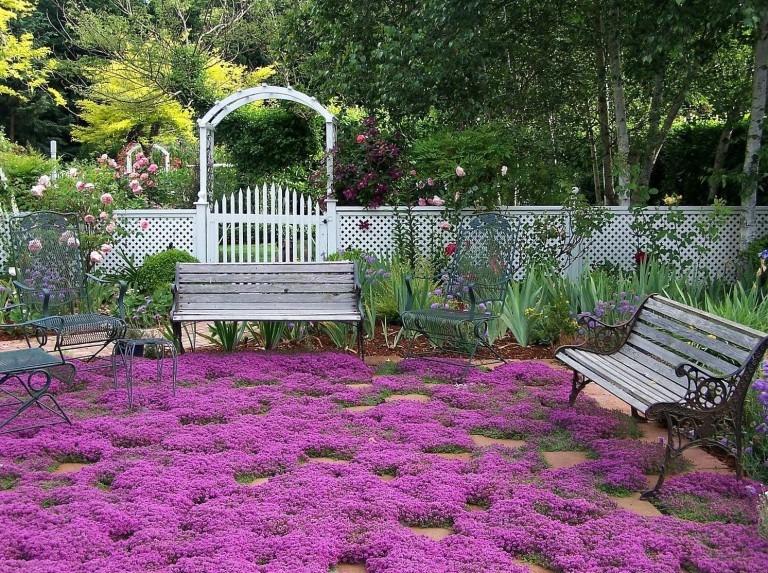
Lawn alternatives are trending right now, and thyme fits that role nicely. It handles light foot traffic. Mowing becomes optional instead of mandatory.
Can You Plant Both Together?
Absolutely, and I’d actually recommend it. Phlox blooms first and fades. Thyme picks up the visual interest right after.
Pair them in the same bed for layered color. Give phlox the shadier pocket. Give thyme the sunniest, driest corner you’ve got.
Liza calls this our “tag team” bed. One plant clocks in as the other clocks out. It’s honestly one of the smartest combos we’ve tried on our balcony setup.
Quick Questions Gardeners Always Ask
Is creeping thyme edible?
Yes, it is. The leaves work great fresh or dried. Toss them into soups, roasted veggies, or bread dough.
Is creeping phlox edible?
No, skip this one for cooking. It’s strictly ornamental. Enjoy it with your eyes instead of your fork.
Which one spreads faster?
Phlox usually wins this race. It can cover ground quickly once established. Thyme takes its time but stays easier to control.
Can I walk on these plants?
Thyme handles foot traffic well. Phlox does not. Save phlox for spots people won’t step on.
Do deer eat these plants?
Thyme’s strong scent keeps deer away most of the time. Phlox doesn’t offer that same protection. Expect occasional nibbling if deer live nearby.
Which plant blooms longer?
Neither one blooms all season. Phlox peaks hard in spring, then goes quiet. Thyme blooms later but keeps its foliage looking fresh year-round in many climates.
What zones work best for each?
Phlox handles zones 3 through 9. Thyme covers zones 4 through 9. Most US gardens fall comfortably inside both ranges.
So, Which One Should You Actually Plant?
Here’s my honest answer. Pick phlox if you want a big spring show. Pick thyme if you want low-key charm with a bonus kitchen ingredient.
Got a shady spot? Phlox handles that better. Got a hot, dry corner that nothing else survives in? Thyme was basically built for it.
Don’t feel pressured to choose just one. Liza and I never did. Our balcony garden runs both side by side, and neither plant has ever complained about sharing space.
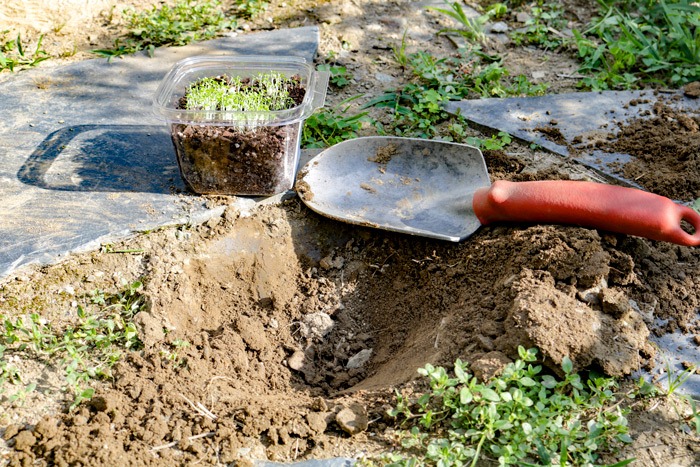
Grab a small tray of each if you’re still unsure. Test them in different corners of your yard. You’ll know within one season which one earns a permanent spot.
Whatever you pick, you’re getting a plant that asks for very little and gives back a lot. That’s a trade worth making every time.