12 Easy to Grow Herbs to Plant With Vegetables

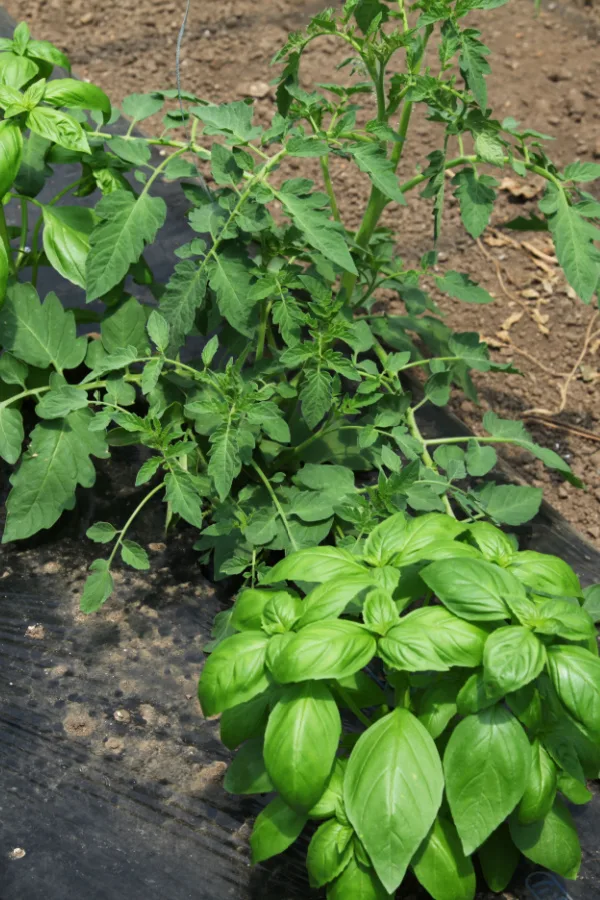
My tomatoes used to get eaten alive by hornworms every single summer. Then a fellow gardener told me to tuck basil plants between the rows.
That one tip changed everything, and it sent me down a rabbit hole of herb pairings that actually work.
Below, you’ll find twelve herbs that protect, feed, and boost the flavor of the vegetables growing next to them.
Some repel pests. Others improve soil or taste. A few do both. Ready to build a garden where every plant pulls its weight?
Top 12 Herbs You Can Plant With Vegetables
1. Basil Keeps Pests Off Your Tomatoes
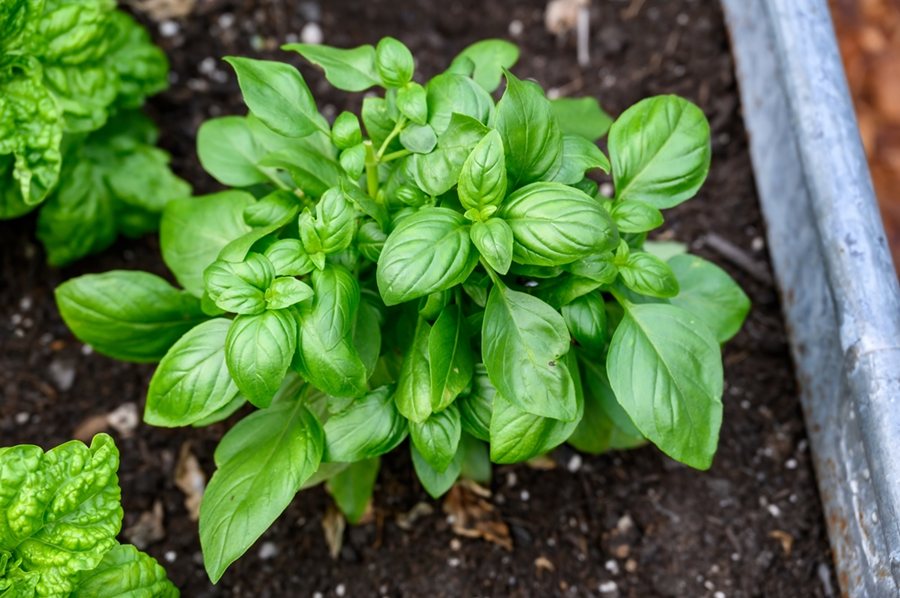
Basil belongs next to every tomato and pepper plant you own. It repels aphids, whiteflies, spider mites, and the dreaded tomato hornworm that once wrecked my garden. Flies steer clear of it too.
Growing basil next to tomatoes also improves the fruit’s flavor. Nobody fully understands why, but gardeners have sworn by this pairing for generations.
Skip planting basil near chamomile, mint, fennel, rue, or sage though, since those neighbors can stunt its growth.
Buy a small basil plant from a nursery instead of starting from seed. Seeds take patience, and patience isn’t always in stock during a busy planting season. A single healthy start will reward you all summer.
Also read: 13 Best Herb Plants to Grow in Shady Garden
2. Chives Protect Your Carrots and Lettuce
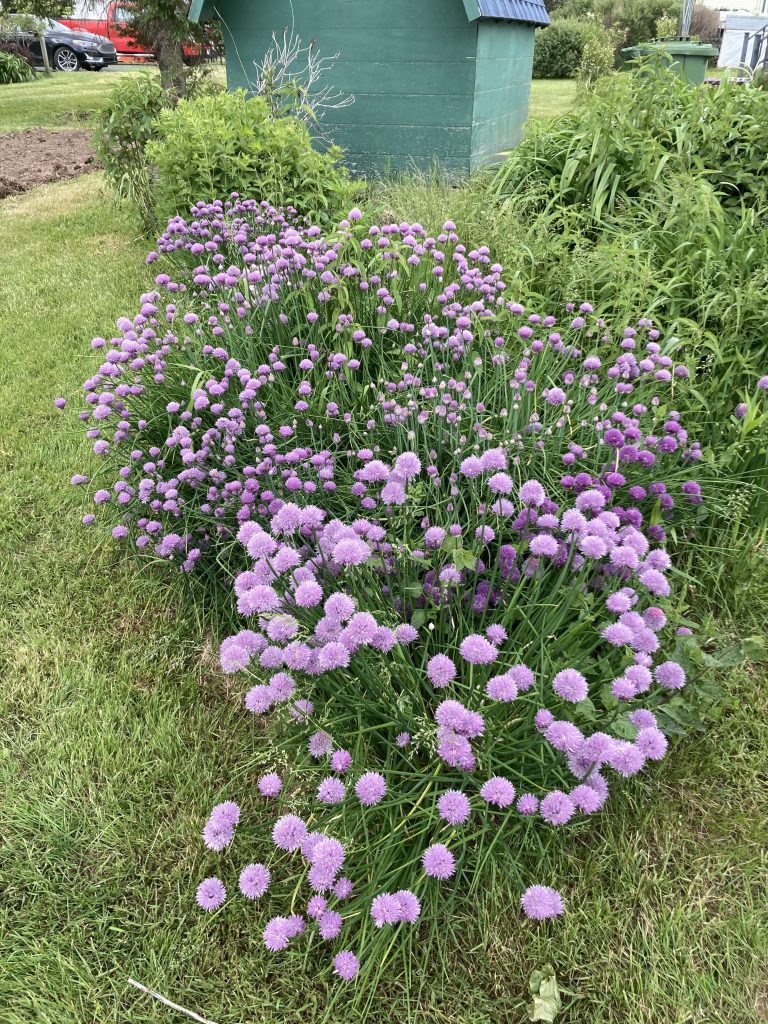
Few plants are as low-maintenance as chives. They’ll grow in a random patch of dirt, a raised bed, or even a pot on your windowsill. That kind of toughness makes them perfect for beginners.
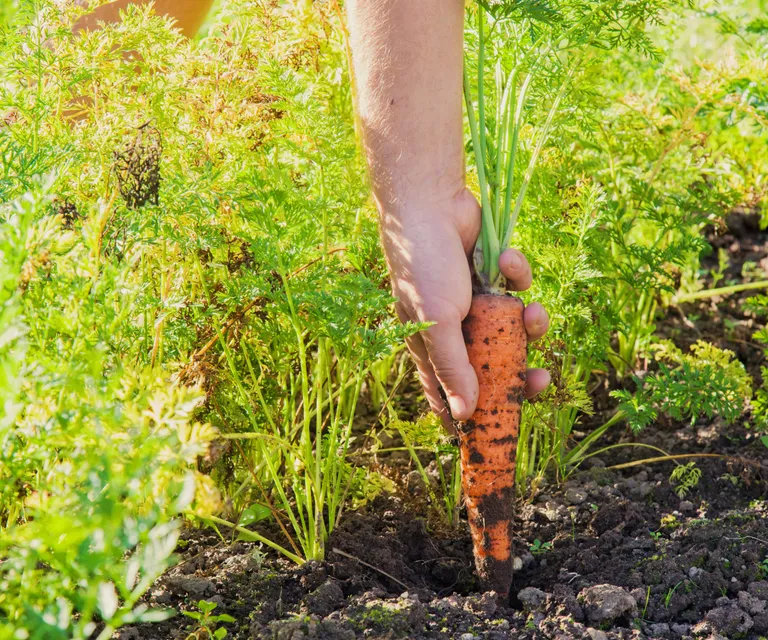
Planted near carrots, chives improve both growth and flavor. Lettuce benefits too, since chives help deter aphids from settling in. Garlic and onions work the same magic if you want backup options.
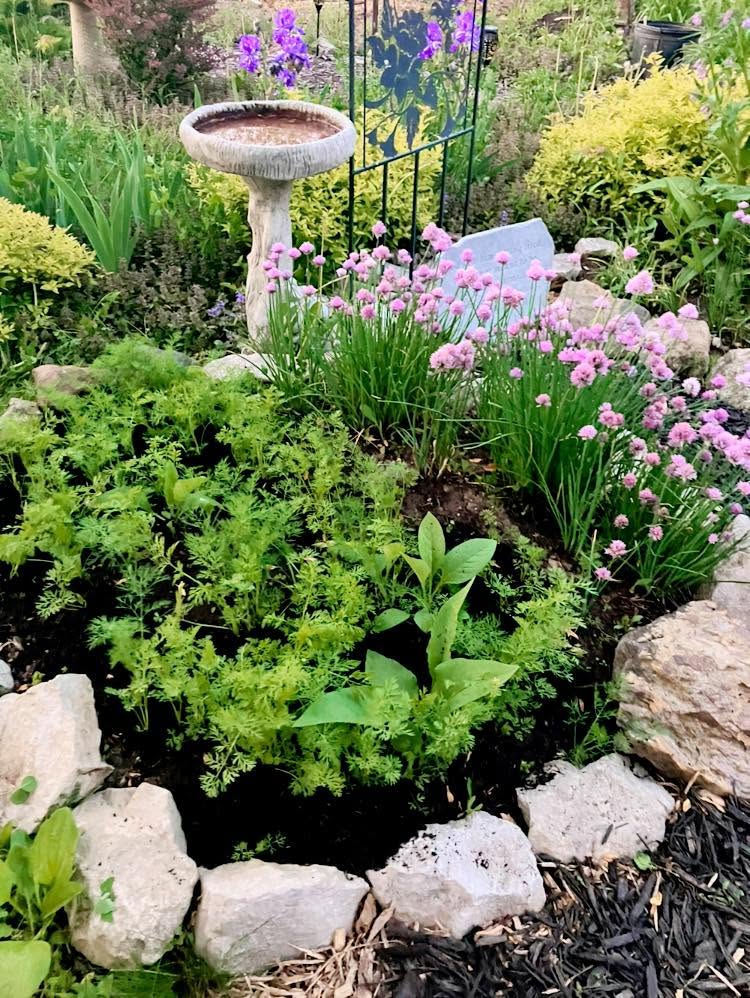
One nursery-bought chive plant can keep producing for years. That’s a lot of payoff for very little effort. I’ve had the same clump going strong since I first planted it.
Also read: 12 Creative Container Herb Garden Ideas for Small Spaces
3. Dill Attracts the Bugs That Eat Your Pests
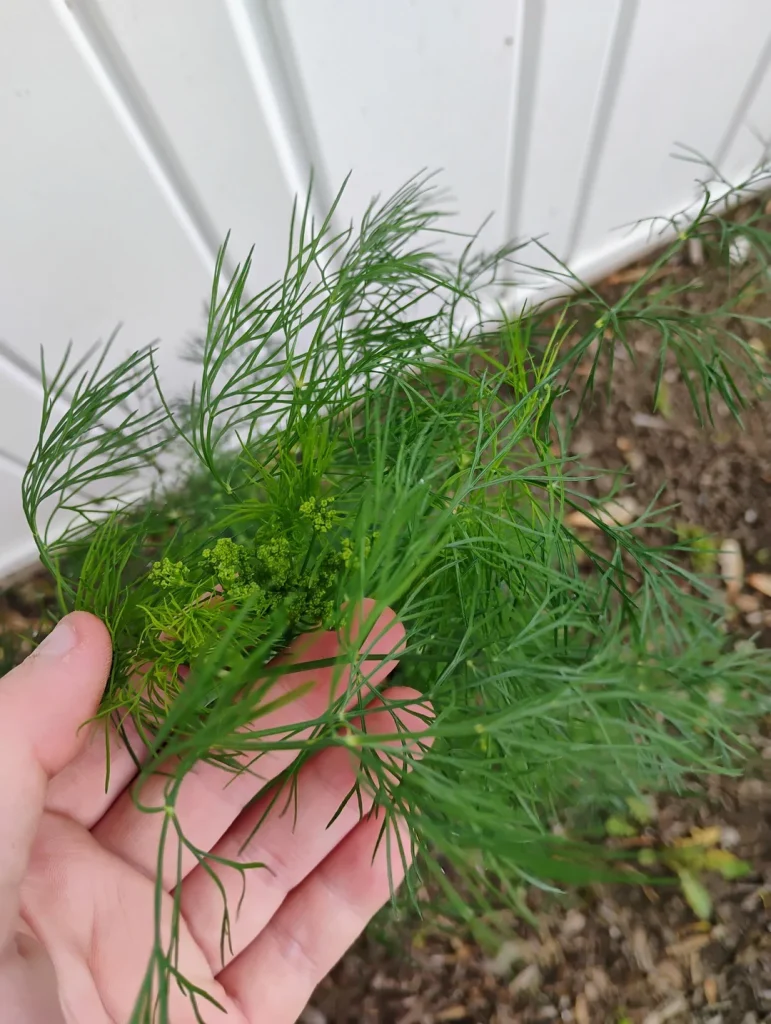
Ladybugs, hoverflies, and parasitic wasps all show up when dill is nearby. These insects hunt down aphids and cabbage loopers before they destroy your crops. Dill essentially recruits a tiny pest-control team for free.
Cabbage, broccoli, Brussels sprouts, and cucumber all thrive next to dill. Corn and onion round out the list of good neighbors.
Just don’t plant dill near carrots or tomatoes, since it can stunt their growth and even cross-pollinate with carrots and cilantro.
Dill grows tall and feathery, so give it some breathing room. Crowded dill won’t attract nearly as many beneficial insects. Space matters just as much as placement here.
4. Mint Drives Cabbage Moths Away From Your Peas
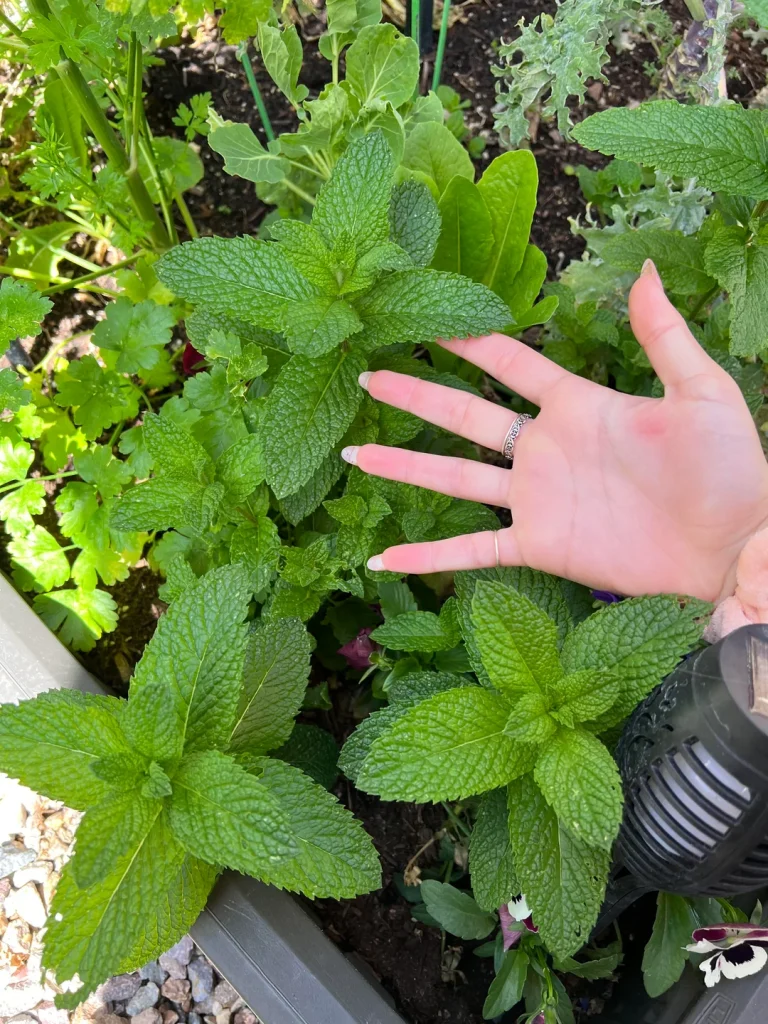
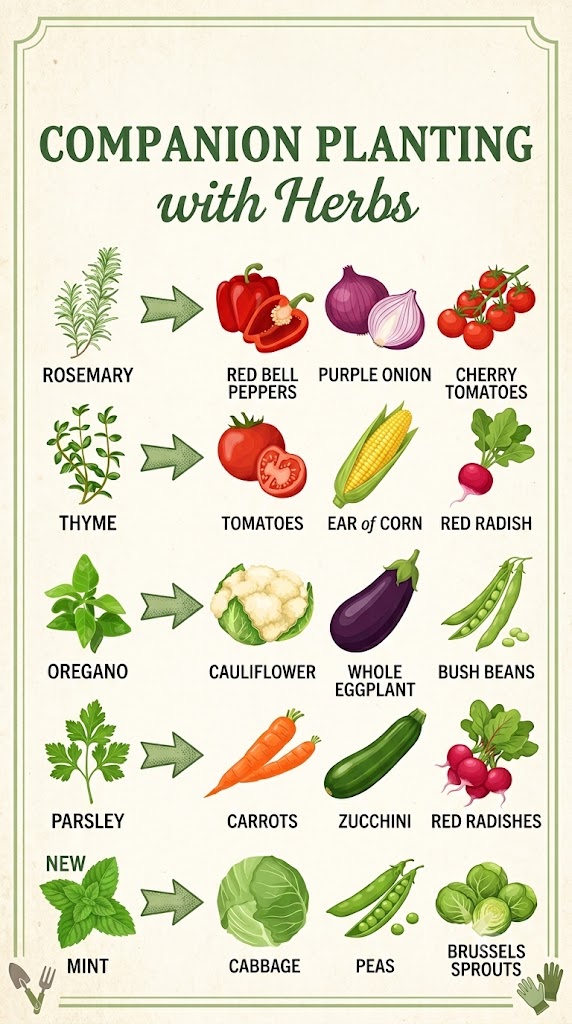
Mint works overtime around peas, cabbage, and kale. It drives off aphids, flea beetles, and those pesky white cabbage moths that love to lay eggs on leafy greens. Your peas will thank you for the extra protection.
Mint spreads fast, and I mean fast. Plant it in a container instead of the open ground, or it’ll take over your entire garden bed within a season. I learned that lesson the hard way with my own patch.
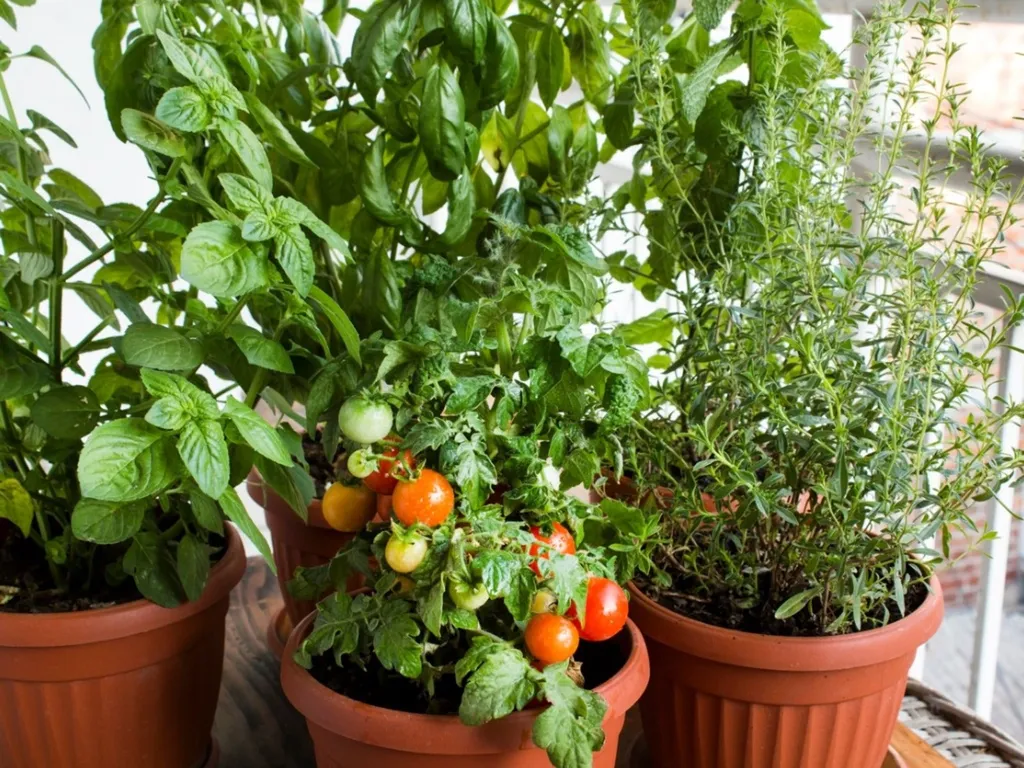
Keep mint away from parsley, since the two don’t get along. Everything else on your veggie list will likely welcome it. Just give it boundaries, and it’ll behave itself.
5. Rosemary Repels Beetles From Your Beans and Carrots
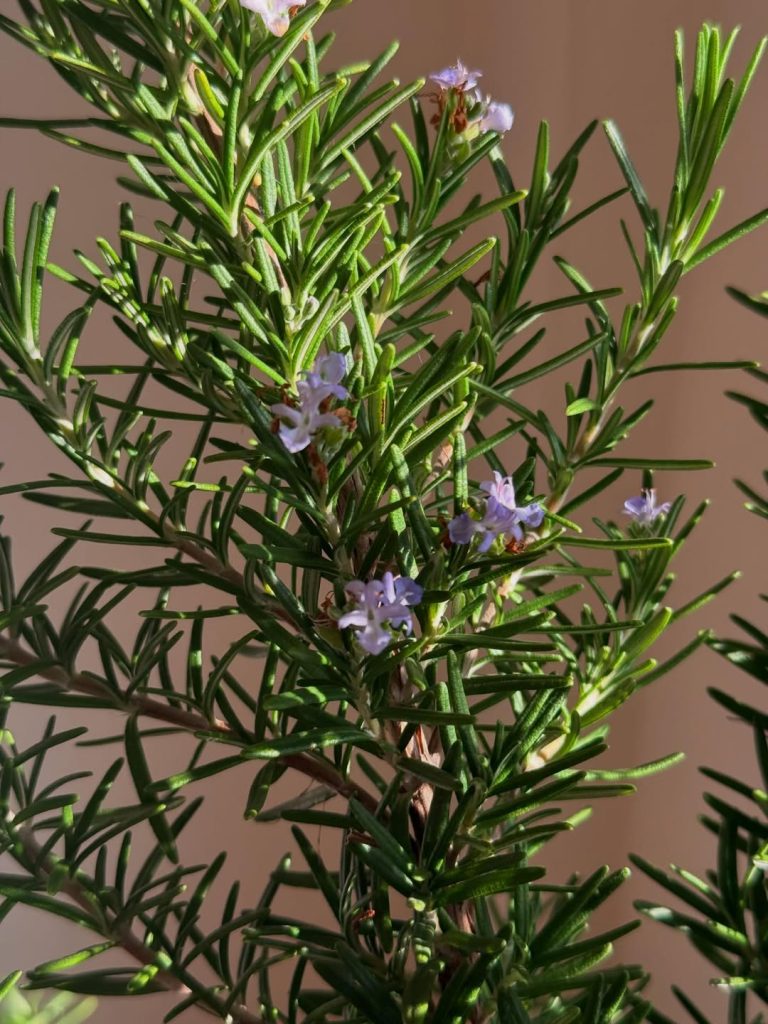
Rosemary carries a scent strong enough to confuse and repel bean beetles, cabbage moths, and carrot flies. Plant it near beans, broccoli, Brussels sprouts, cabbage, carrots, cauliflower, or kale. Its woody stems also make it a handsome border plant.
This herb hates wet feet, so plant it somewhere with excellent drainage. Overwatering kills rosemary faster than neglect ever will.
I’ve killed more rosemary plants by loving them too much than by ignoring them.
Rosemary planted near sage even improves the sage’s flavor. That’s a nice little bonus for your herb bed. Two birds, one really fragrant stone.
6. Oregano Guards Almost Everything in Your Garden
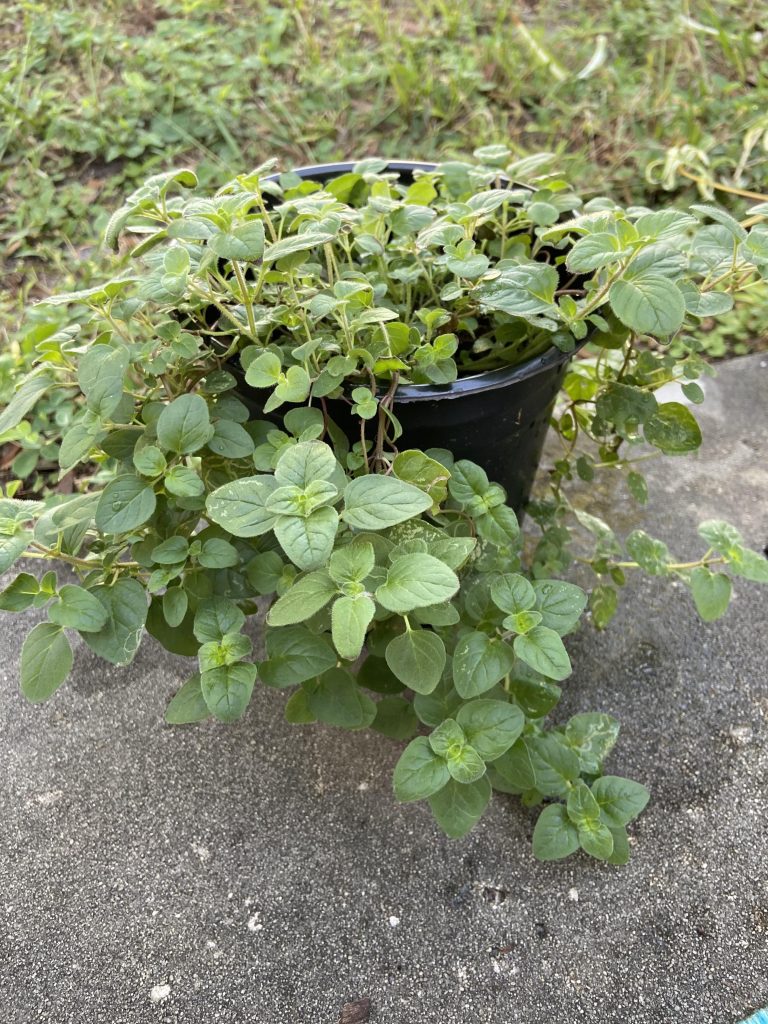
Oregano might be the most forgiving herb you can grow. It stands up to aphids and other pests on nearly any vegetable you plant beside it. Few herbs offer this much flexibility.
Give oregano a pot with at least a 12-inch diameter if you’re growing it in containers. Sunny windowsills work fine for keeping it going indoors during colder months. It thrives on neglect more than most plants ever could.
Plant it near your brassicas or tuck it between rows of vegetables for maximum coverage. Oregano rarely disappoints. I’ve never had a bad oregano season, and that’s saying something.
7. Thyme Keeps Cabbage Worms Off Your Brassicas
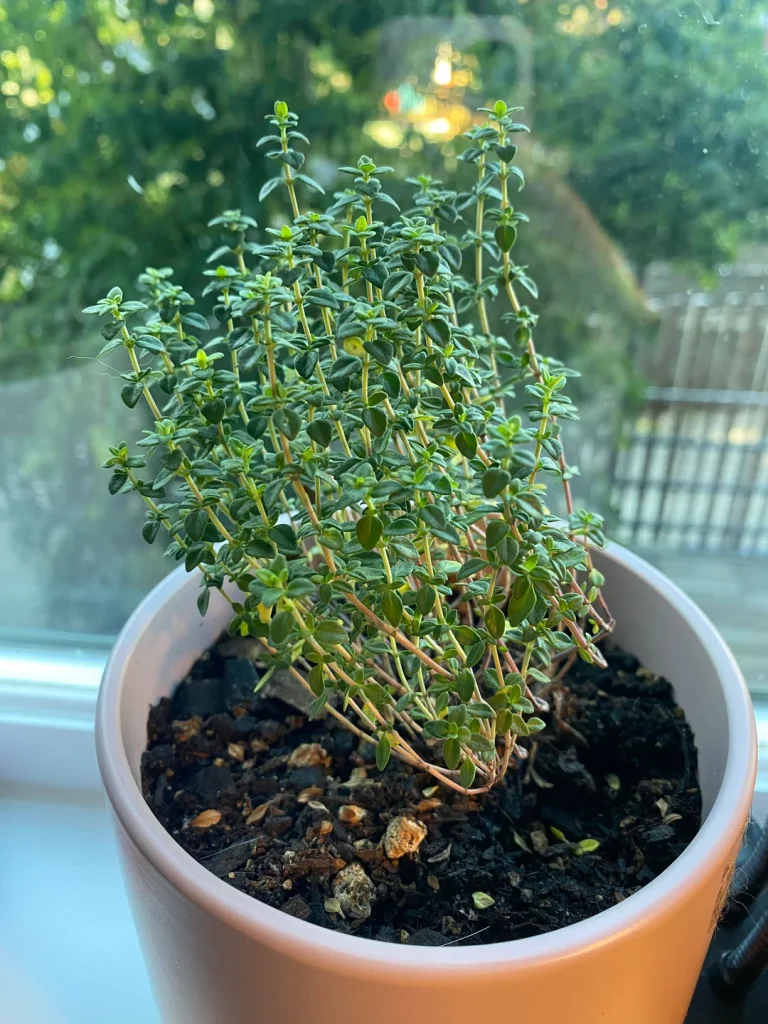
Thyme deters cabbageworm, whiteflies, and cabbage maggots wherever it grows. Brassicas and strawberries both benefit from having thyme as a neighbor.
Its tiny flowers also pull in pollinators that help your whole garden.
Thyme handles neglect better than most herbs on this list. Skip a watering and it won’t sulk.
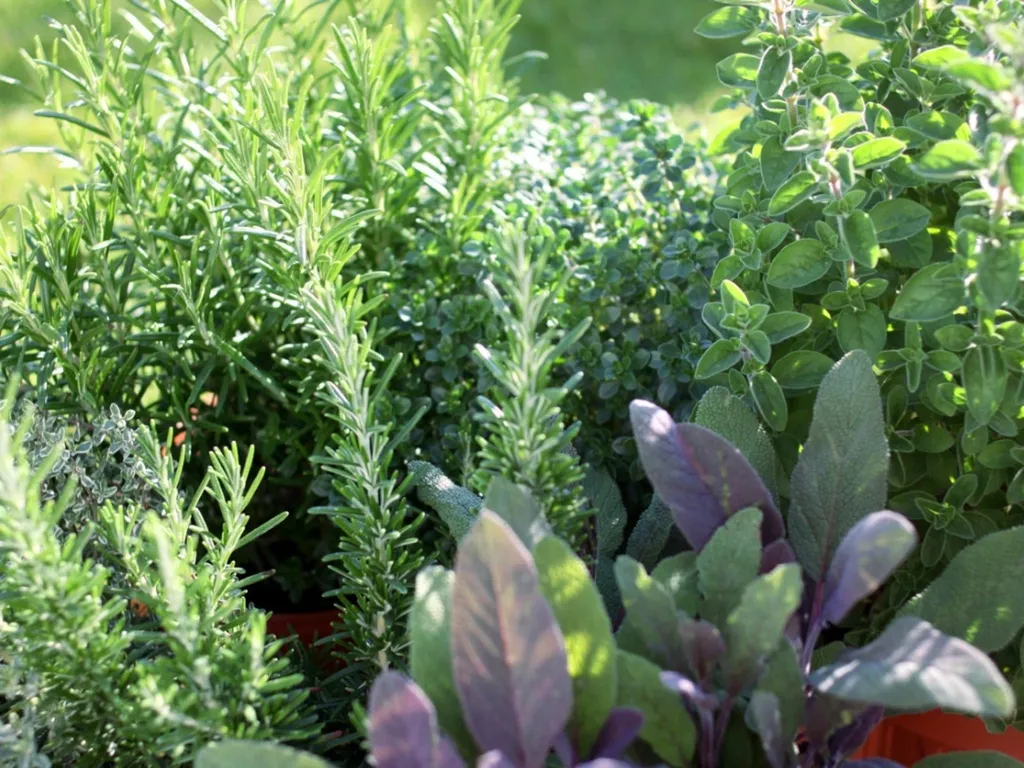
That resilience makes it ideal for gardeners who forget things, myself included some weeks.
Trim thyme regularly to keep it bushy and productive. A woody, overgrown plant won’t produce as many usable leaves. Regular haircuts keep this herb generous.
8. Sage Wards Off Cabbage Moths and Flea Beetles
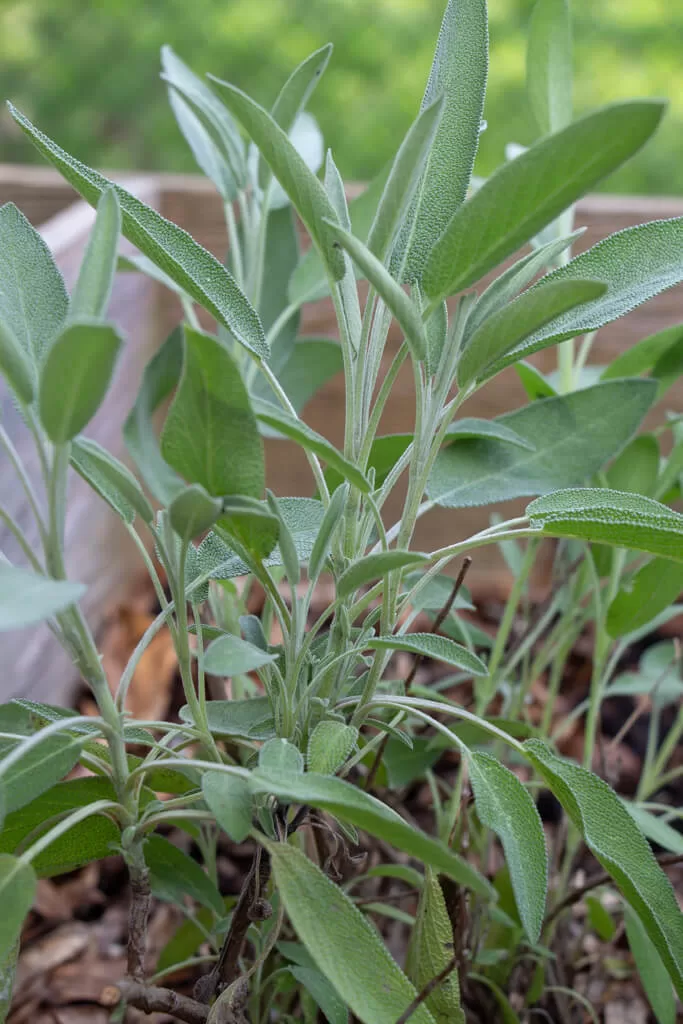
Sage repels cabbage moths, cabbage worms, and black flea beetles with its strong scent. Brassicas love having sage nearby for exactly this reason. Carrots also benefit when sage helps deter carrot flies.
Avoid planting sage near cucumbers or fennel, since those pairings don’t work well together. Sage prefers dry soil and plenty of sun. Give it both, and it’ll reward you for years.
I noticed my cabbage moth problem shrink the season after I added sage to my beds. Correlation isn’t proof, but I’ll take the win. Sometimes a garden teaches you through results, not textbooks.
9. Parsley Draws in the Predators That Protect Your Peppers
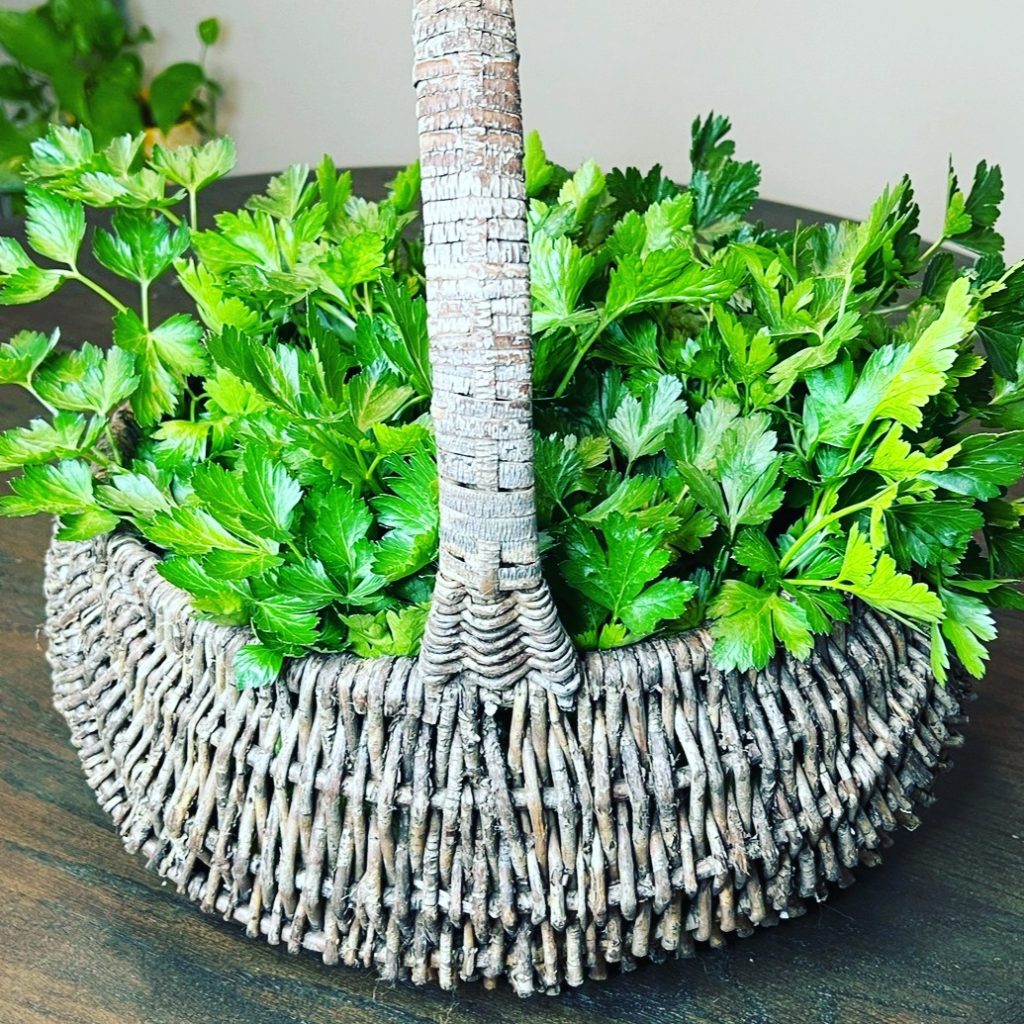
Parsley attracts predatory wasps that hunt down aphids feeding on your peppers. Tomatoes and carrots also welcome parsley as a neighbor. Its flowers bring in even more beneficial insects once it bolts.
Parsley actually prefers cooler weather, unlike most summer herbs. Plant it in spring or fall for the best results. Summer heat makes parsley bitter and stressed, so timing here really matters.
Avoid pairing it with mint or lettuce, since both can stunt parsley’s growth. An 8-inch pot suits parsley just fine if space is tight. It doesn’t ask for much room to be useful.
10. Nasturtium Lures Pests Away From Your Cucumbers
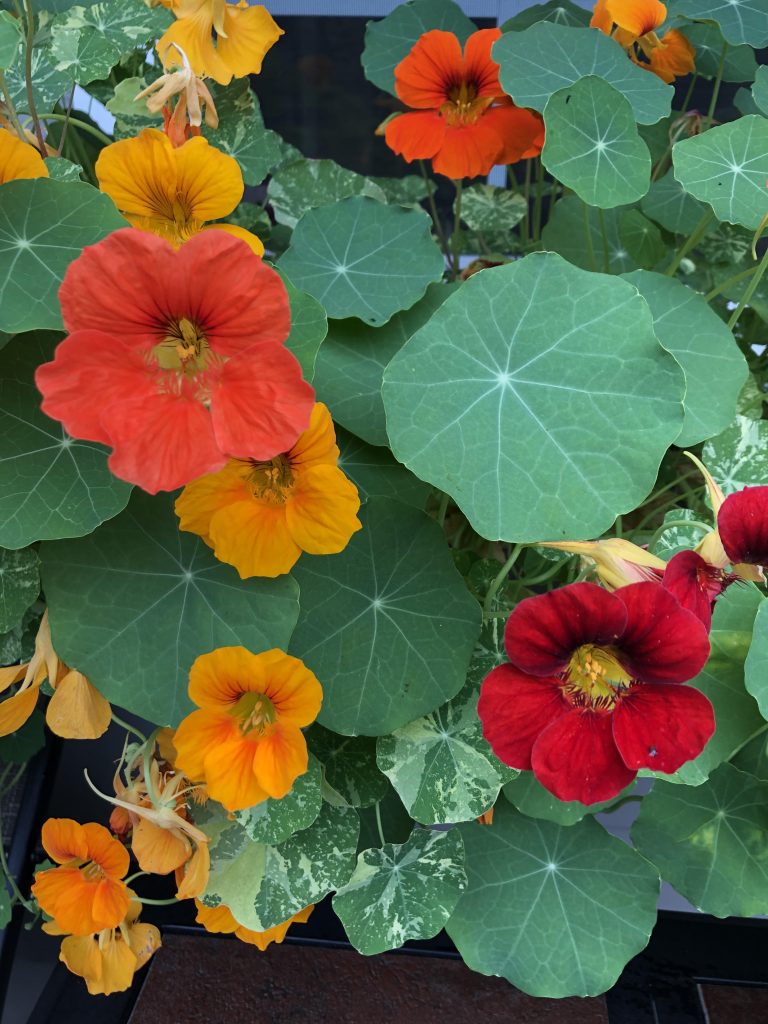
Nasturtium isn’t technically an herb, but it earns its spot on this list anyway. It’s edible, beautiful, and works as a trap crop for aphids, cucumber beetles, and squash bugs. Pests flock to nasturtium instead of your cucumbers.
Plant it near cucumbers, beans, radishes, or squash for the best trap-crop effect. Its flowers taste peppery and look gorgeous tossed into a salad.
I grow it mostly for that reason now, pest control aside.
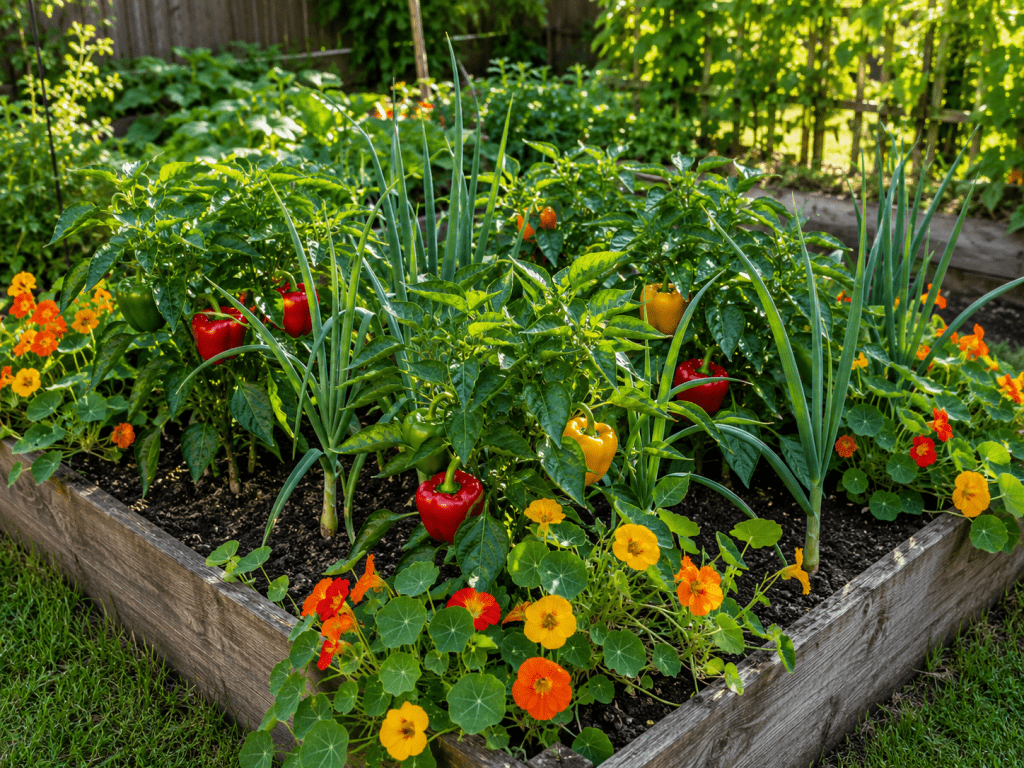
Nasturtium grows quickly and sprawls, so give it room to spread. It fills in bare garden spots nicely while it works. Few plants offer this much value for so little effort.
11. Tarragon Pairs Perfectly With Eggplant
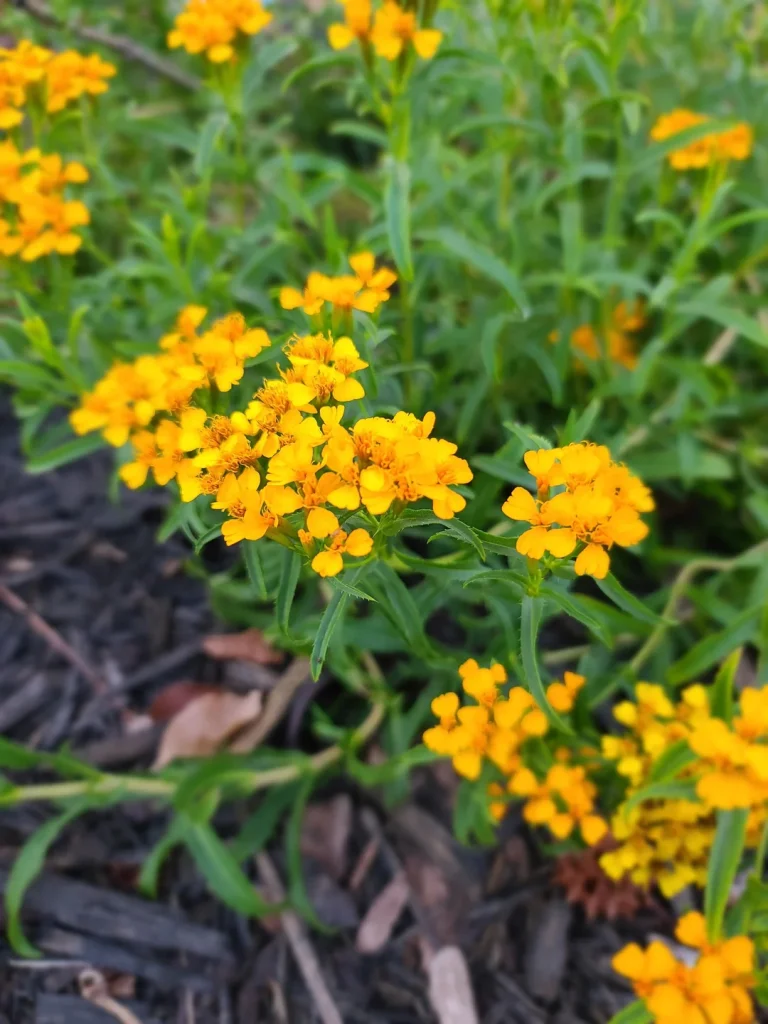
Tarragon doesn’t get much attention, but it deserves more credit than it gets. Eggplant is its best partner, and the two grow well together season after season. Most other vegetables tolerate tarragon just fine too.
Keep tarragon away from parsley and dill, since neither pairing works well. This herb prefers consistent moisture and a spot with decent sun. It’s not needy, just particular about its neighbors.
I hadn’t grown tarragon until a friend recommended it for my eggplant bed. Now I wonder why I waited so long. Sometimes the quiet, unassuming plants surprise you the most.
12. Sweet Marjoram Repels Moths From Your Brassicas and Asparagus
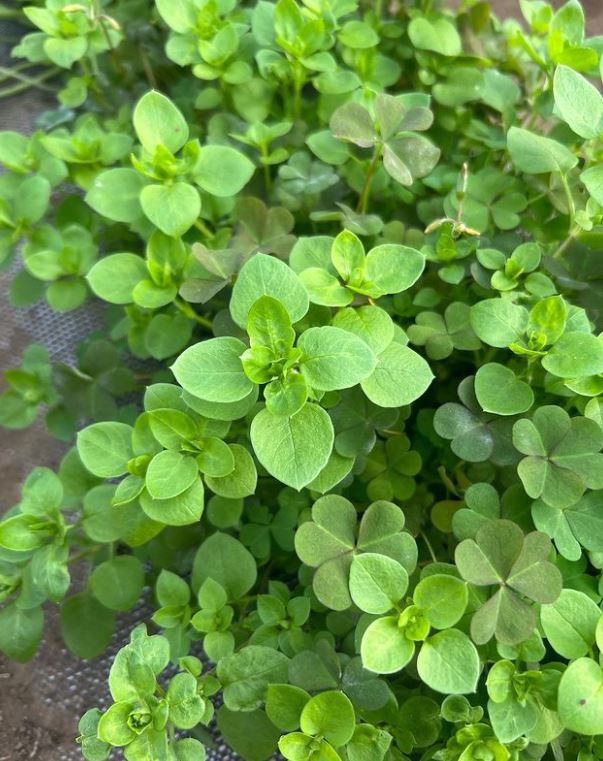
Sweet marjoram shares a lot in common with oregano, its close cousin. It repels cabbage moths just as effectively and fits neatly between rows of vegetables. Brassicas and asparagus both benefit from having it nearby.
Marjoram stays compact, which makes it easy to slot into tight garden spaces. It doesn’t compete aggressively with neighboring plants for room or nutrients. That makes it a low-drama addition to any bed.
Harvest marjoram regularly to encourage bushier growth. Regular trimming keeps the plant productive all season long. A little attention goes a long way with this one.
FAQs
Can I really plant any herb next to any vegetable?
Not quite, and this trips up a lot of new gardeners. Some pairings actually fight each other instead of helping. Dill stunts carrots, mint bullies parsley, and sage clashes with cucumbers.
A little research before planting saves you a season of wondering why things aren’t thriving.
Do these herbs actually work, or is companion planting just garden folklore?
Somewhere in between, honestly. Scent-based pest deterrence has real science behind it, since strong-smelling herbs like rosemary and sage genuinely confuse insects hunting by smell.
But results shift with your climate, soil, and pest pressure. Think of it as stacking the odds in your favor, not a guaranteed pest shield.
What’s the easiest herb on this list for someone who kills every plant they touch?
Chives, without question. Mine has survived neglect, drought, and one accidental weed-whacker incident, and it keeps coming back. Oregano and thyme run a close second if chives feel too basic for your taste.
Should I grow these herbs from seed or buy small plants instead?
Buy starts for basil and parsley, since both sulk when grown from seed and reward you faster as nursery plants. Chives, mint, oregano, and thyme all handle seed-starting just fine if you’re patient. Your timeline and patience level should decide this one, not pride.
How close do these herbs need to be planted to actually help my vegetables?
Close enough to share the same bed or container, ideally within a foot or two. Scent-based repelling only works if the pest actually smells the herb near the target plant. Plant your basil three beds over, and your tomatoes are on their own.
Final Thoughts
That’s your list of twelve herbs, each one earning its spot through pest control, better flavor, or just good garden manners. Pick two or three to start, especially if your space is limited.
My own garden runs on basil, chives, and dill, and I still learn something new from them every season. Which herb are you planting first?