15 Best Flower Seeds to Sow in the Fall for a Spring Bloom

Fall isn’t just for raking leaves and drinking cider. It’s actually the best time to get a head start on next year’s garden.
I learned this trick years ago after watching my calendula seeds beat every spring-planted flower to the finish line.
Grab a seed packet, skip the greenhouse gimmicks, and let winter do the hard work for you. These 15 flowers practically plant themselves once you toss them in the ground this fall.
15 Flower Seeds to Plant in Fall
A quick-reference guide to type, color, bloom time, and hardiness zones
| Flower | Type | Color Variation | Expected Blooming | Hardiness Zones |
|---|---|---|---|---|
| Calendula | Annual | Orange, yellow, cream | Summer to fall | 2–11 |
| Love-in-a-Mist | Annual | Blue, white, purple, pink | Early to mid summer | 2–11 |
| California Poppy | Perennial (short-lived) | Orange, cream, peach, pink, yellow | Spring to summer | 8–10 (perennial); annual in colder zones |
| Black-Eyed Susan | Perennial / Biennial | Yellow, gold, orange, mahogany | Summer to fall | 3–9 |
| Snapdragons | Tender Perennial (grown as annual) | Pink, red, yellow, white, purple | Spring to fall | 7–10 (perennial); annual elsewhere |
| Coneflower | Perennial | Purple, pink, white | Summer to fall | 3–9 |
| Sea Holly | Perennial | Blue, silver, white | Summer | 4–9 |
| Sweet Alyssum | Annual (perennial in mild zones) | White, purple, pink | Spring to fall | 5–9 (perennial); annual elsewhere |
| Columbine | Perennial | Blue, purple, pink, red, yellow, white | Spring to early summer | 3–9 |
| Blanket Flower | Perennial | Red, orange, yellow | Summer to fall | 3–10 |
| False Indigo | Perennial | Blue, purple, white, yellow | Late spring to early summer | 3–9 |
| Goldenrod | Perennial | Yellow, gold | Late summer to fall | 3–9 |
| Yarrow | Perennial | White, pink, red, yellow | Summer | 3–9 |
| Sneezeweed | Perennial | Orange, yellow, copper, red | Late summer to fall | 3–9 |
| Larkspur | Annual | Blue, pink, white, purple | Early summer | 2–11 |
Why Starting Plants from Seed in the Fall Makes Sense
Winter does half your gardening work if you let it. Cold stratification sounds complicated, but it just means seeds need a chill before they’ll sprout. Nature handles this automatically when you sow outdoors in fall.
I used to fuss with seeds in the fridge, tracking dates on sticky notes. Skip all that. Fall planting mimics exactly how seeds drop and overwinter in the wild anyway.
Here’s the real bonus, though. Perennials sown now bloom earlier next year than anything you’d start in spring. That head start frees you up for other projects come March.
Spring me gets to focus on veggie seeds instead of babysitting flower trays indoors. Doesn’t that sound better than juggling everything at once? Fall sowing isn’t just easier. It’s honestly the smarter way to garden.
15 Flower Seeds To Sow Outside This Fall
1. Calendula Loves a Fall Start
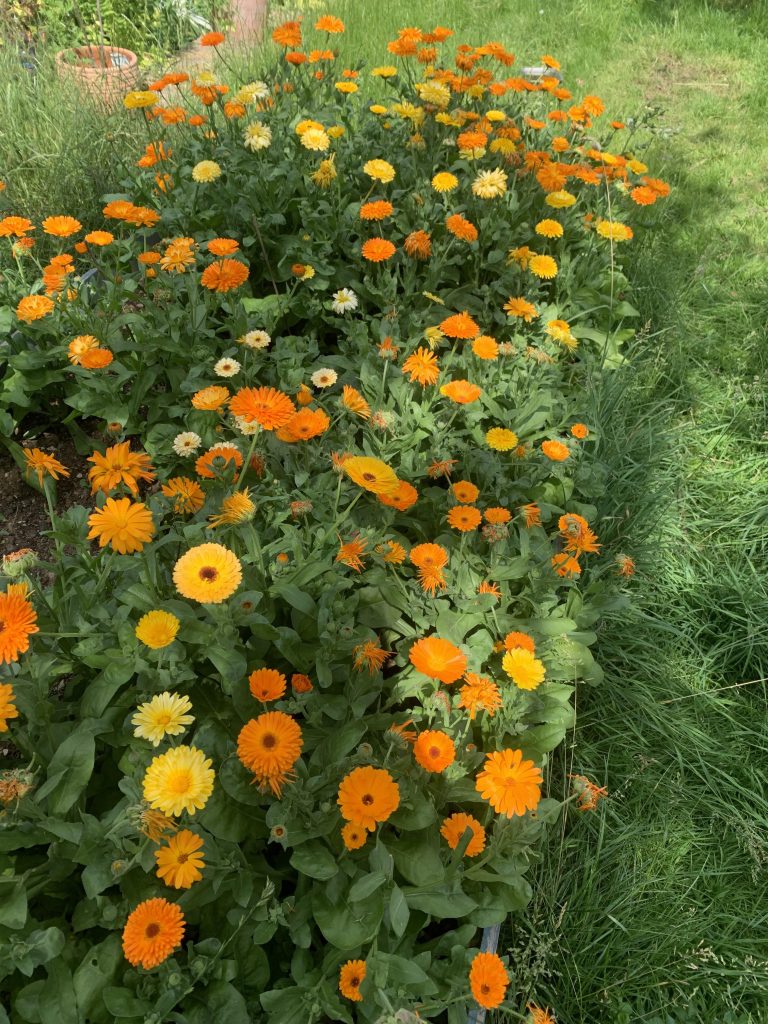
Calendula does double duty in your garden. This cheerful orange bloom fights off aphids while looking gorgeous doing it. Ladybugs and hoverflies flock to it, and both bugs happen to eat aphids for breakfast.
Sprinkle calendula seeds near your future tomato patch. You’ll build a natural pest trap before spring even arrives.
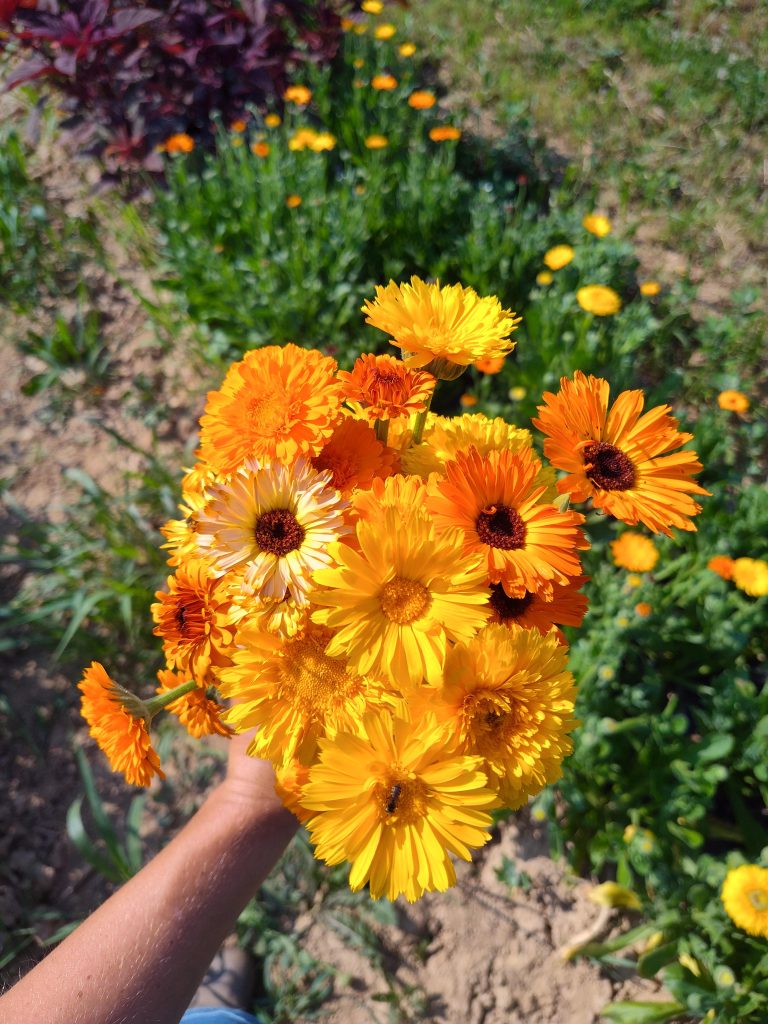
Mild winters won’t kill young calendula sprouts either, so don’t panic if you see growth before the first snow.
Also read: 13 Stunning Fall Flowers to Grow in Shade
2. Love-in-a-Mist Brings the Drama
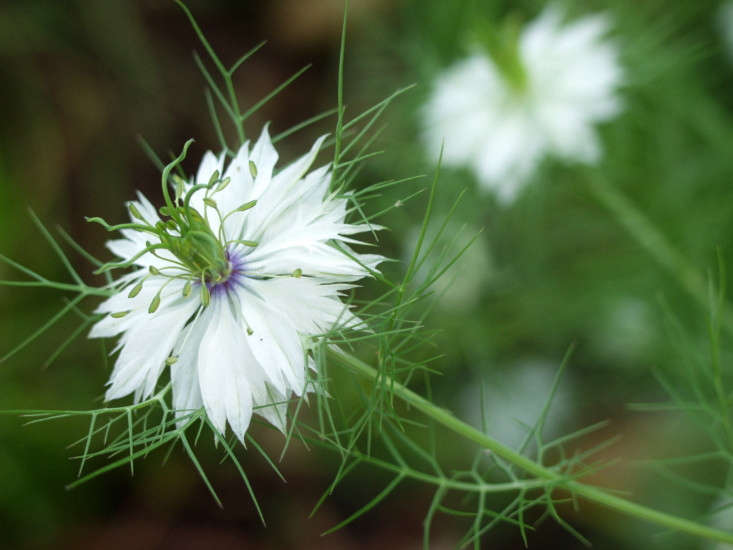
Nigella, better known as love-in-a-mist, thrives on being left alone. These seeds germinate from light, not heat, so plant them where they’ll stay. Transplanting kills the delicate roots almost every time.
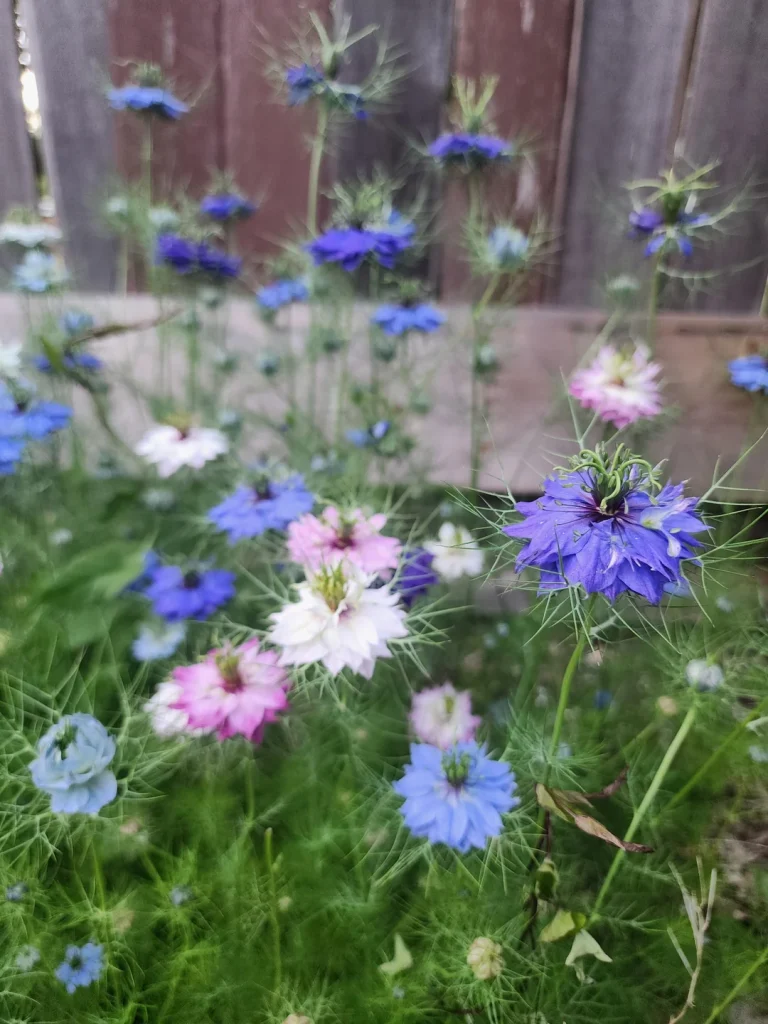
Scatter a mix of blue, white, and purple varieties for a swaying effect in early summer.
Don’t bury these tiny black seeds. They need sunlight to wake up, so a light scratch into the soil surface does the trick.
Also read: 15 Fall Flowers to Plant in August for a Garden
3. California Poppy Just Won’t Quit
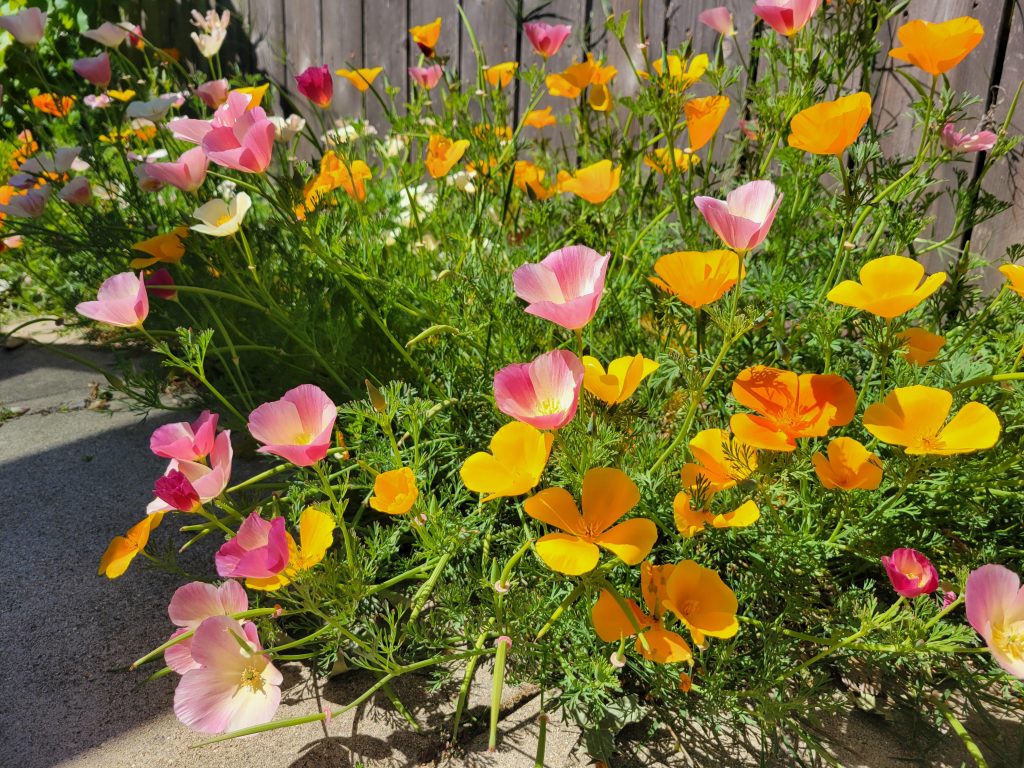
Nothing says low-maintenance like the California poppy. This drought-tolerant native scatters itself across sunny, well-draining spots without any fuss from you.
Orange is classic, but cream, pink, and peach varieties exist too.
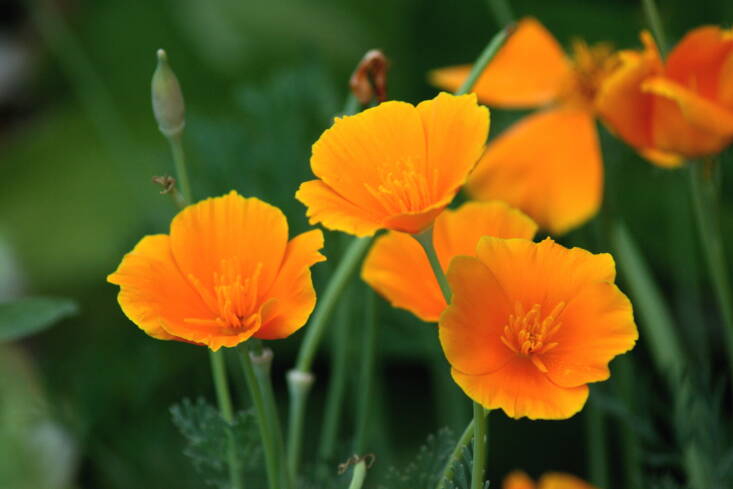
Toss the seeds directly onto bare soil and walk away. Rain and cold handle the rest through winter. Once you get a good crop going, expect volunteers to pop up again next year with zero extra effort.
4. Black-Eyed Susan Feeds the Birds Too
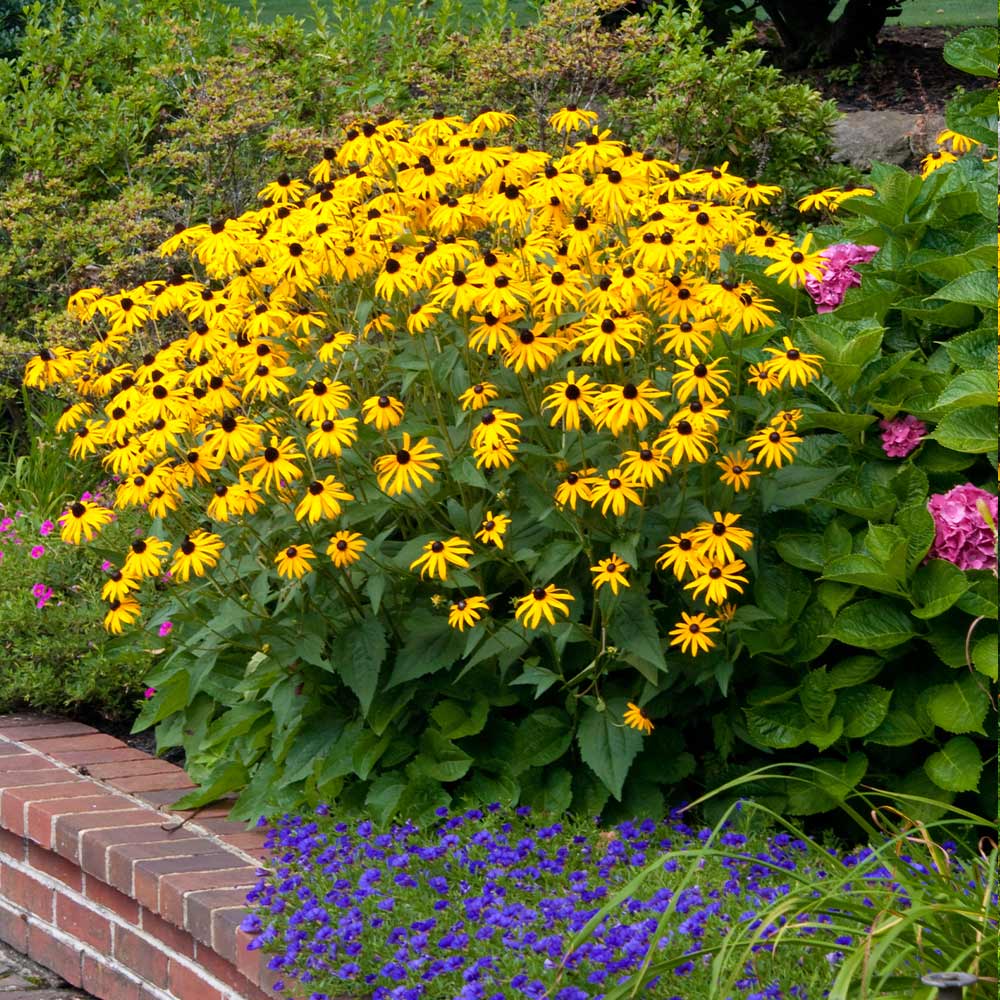
Rudbeckia, or black-eyed Susan, needs a good chill to sprout properly. Cold stratification happens naturally when you plant these seeds outdoors in autumn. Skip the fridge trick entirely.
Birds adore snacking on rudbeckia seeds just as much as gardeners adore the blooms.
Cover your seeds with a thin layer of soil if you want any plants left by spring. Otherwise, chickadees and finches might beat you to the harvest.
5. Snapdragons Love a Head Start
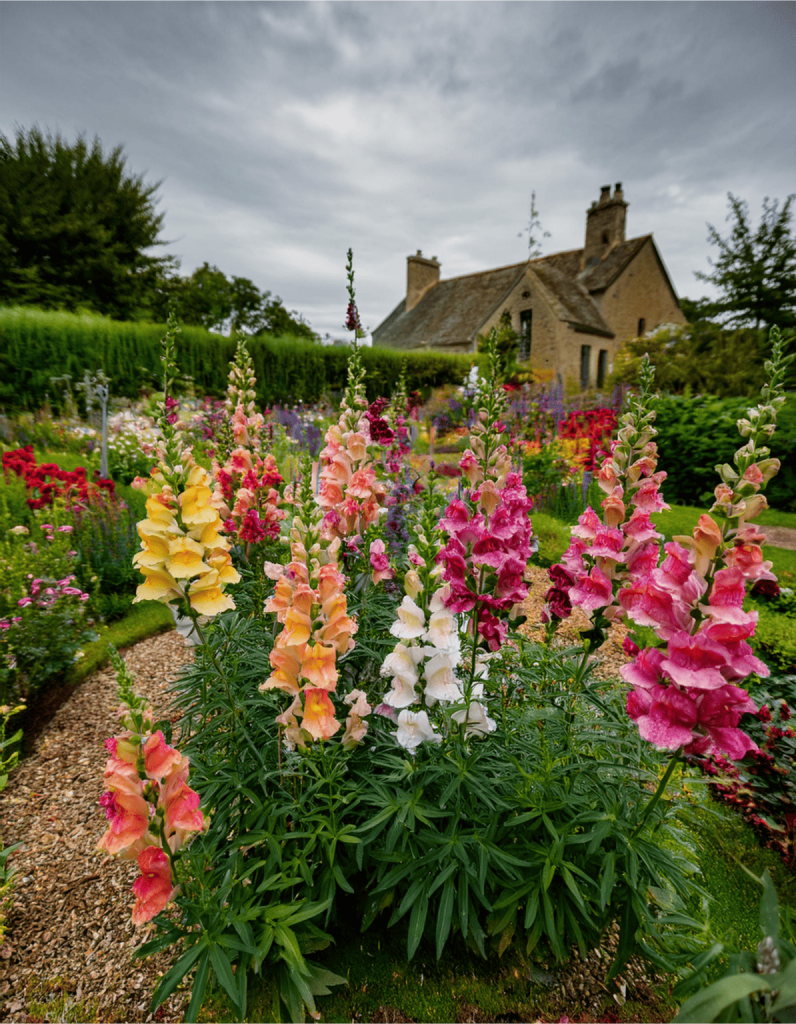
Snapdragons practically beg to be fall-planted. Their seeds are tiny, so you barely need to bury them. Just scatter them on the soil surface and let rain tuck them in for you.
These flowers self-seed like crazy once established. I’ve had snapdragons pop up in spots I never planted, all thanks to seed pods that burst open on their own.
Winter cold sets these blooms up for a bigger, earlier show next year compared to spring-sown plants.
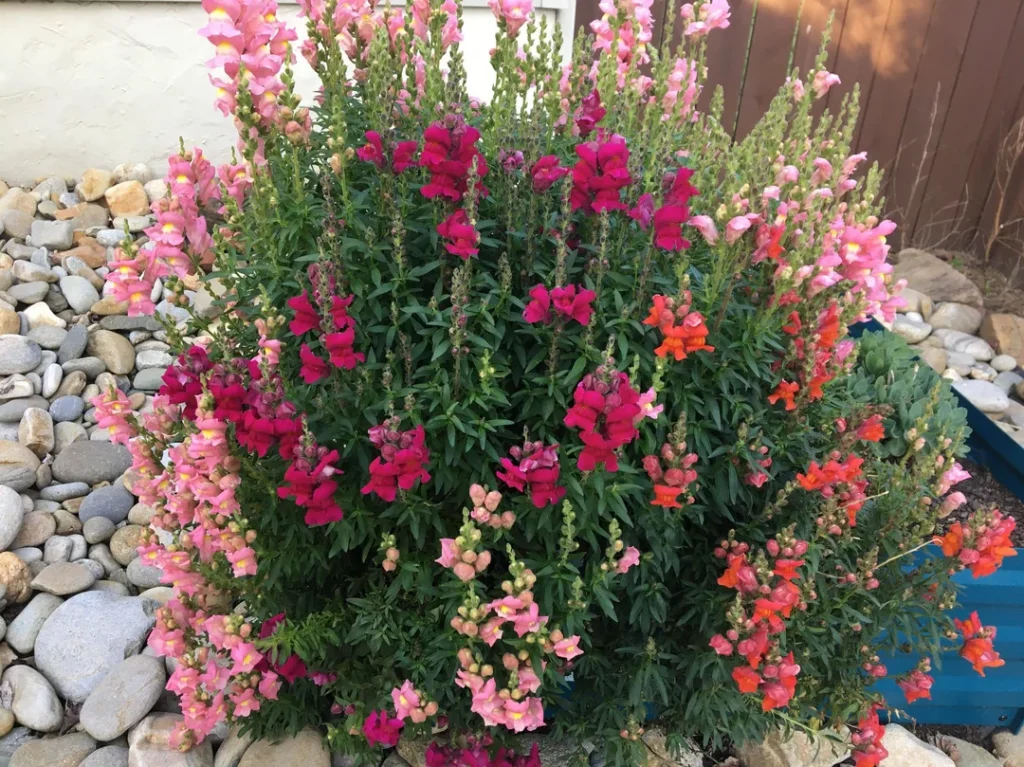
Do you want more flowers per plant and a longer bloom season? Fall sowing gets you there faster than waiting until spring. Pick a sunny spot with decent drainage, since soggy soil rots young snapdragon roots fast.
Colder regions should mulch lightly after sowing to protect seedlings from harsh freezes.
6. Coneflower Rewards Your Patience
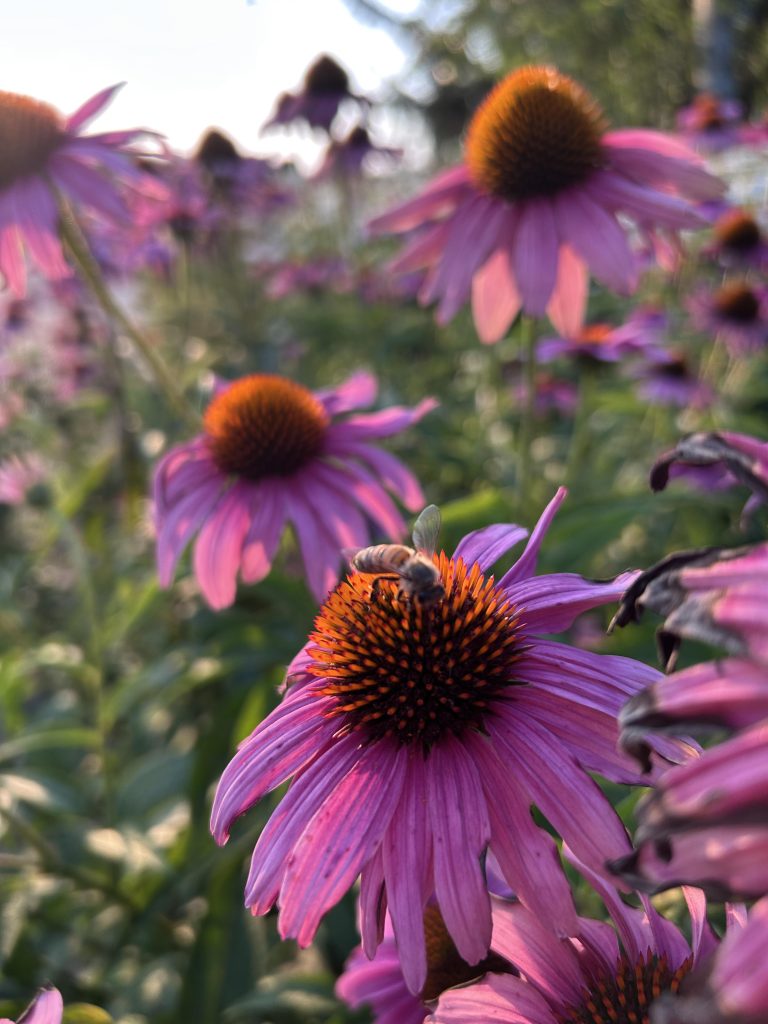
Echinacea needs cold to wake up its seeds. Fall planting hands it that chill for free. No fridge, no fuss, no extra steps for you.
Both purple and pale coneflower varieties need this cold treatment to germinate well. Skip it, and you’ll get spotty, unreliable sprouting come spring. Birds snack on echinacea seeds just as eagerly as they snack on rudbeckia seeds nearby.
Cover your seeds with a thin layer of soil if you want blooms next summer instead of an empty patch. Young coneflowers crave full sun and moist soil that still drains well.
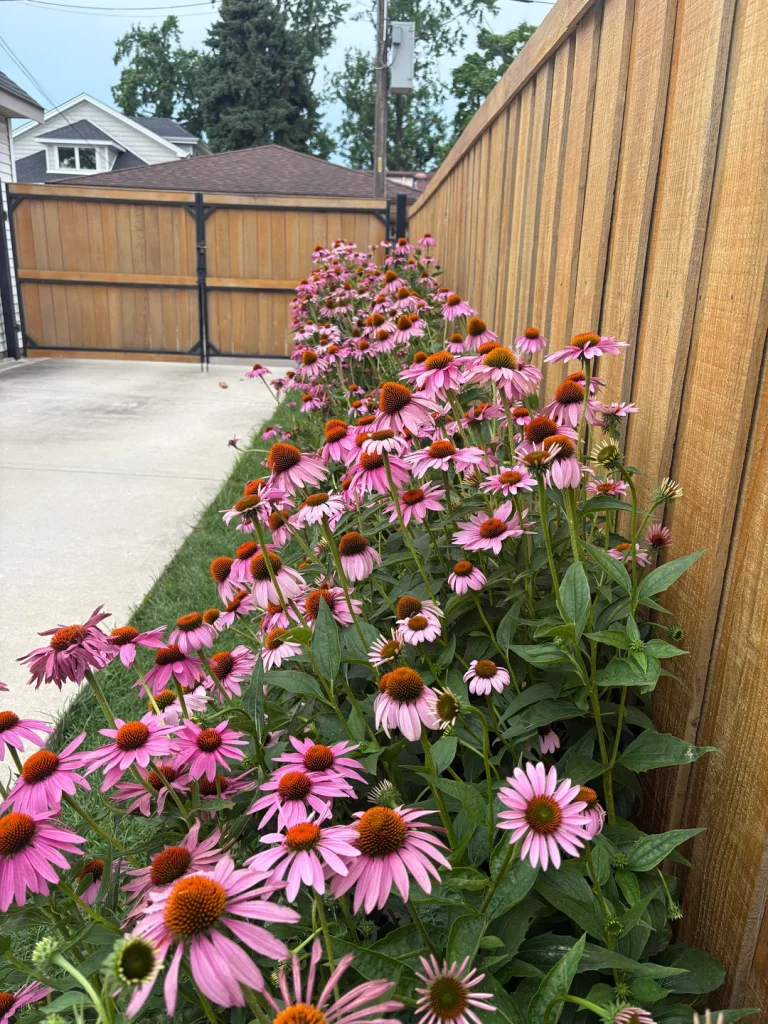
Once established, though, this plant barely needs water even during a dry spell. I love recommending echinacea to beginners because it forgives almost every rookie mistake.
7. Sea Holly Adds Something Different
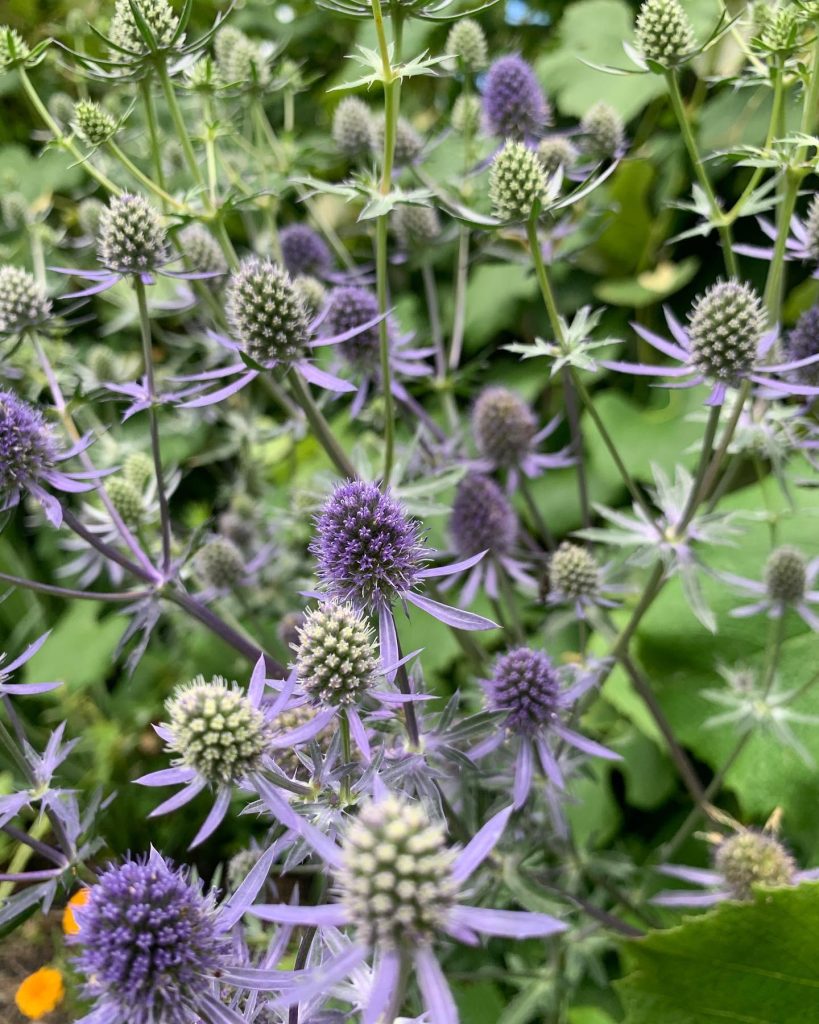
I’ll admit it. Sea holly might be my favorite oddball on this list. Its spiky, metallic-blue flowers look like nothing else growing in a typical garden bed.
Plant the seeds now and expect sprouts by spring without any extra cold treatment needed. Deep taproots make this plant remarkably tough against drought once it matures.
That same taproot means sea holly hates being moved, so pick its final spot before you sow.
Don’t box this plant into full sun only, either. Sea holly handles partial shade just fine, unlike its sun-loving reputation suggests.
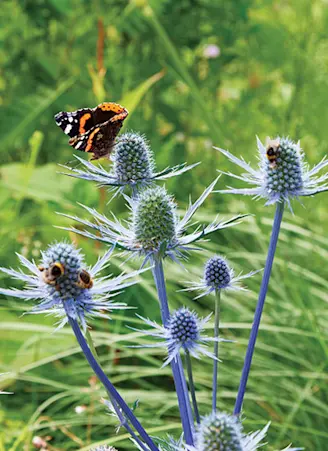
Bees and hoverflies swarm the spiky blooms all summer long, which makes this an easy pick for anyone building a pollinator garden. Silver and claret varieties exist too if electric blue feels like too much.
8. Sweet Alyssum Keeps Blooming
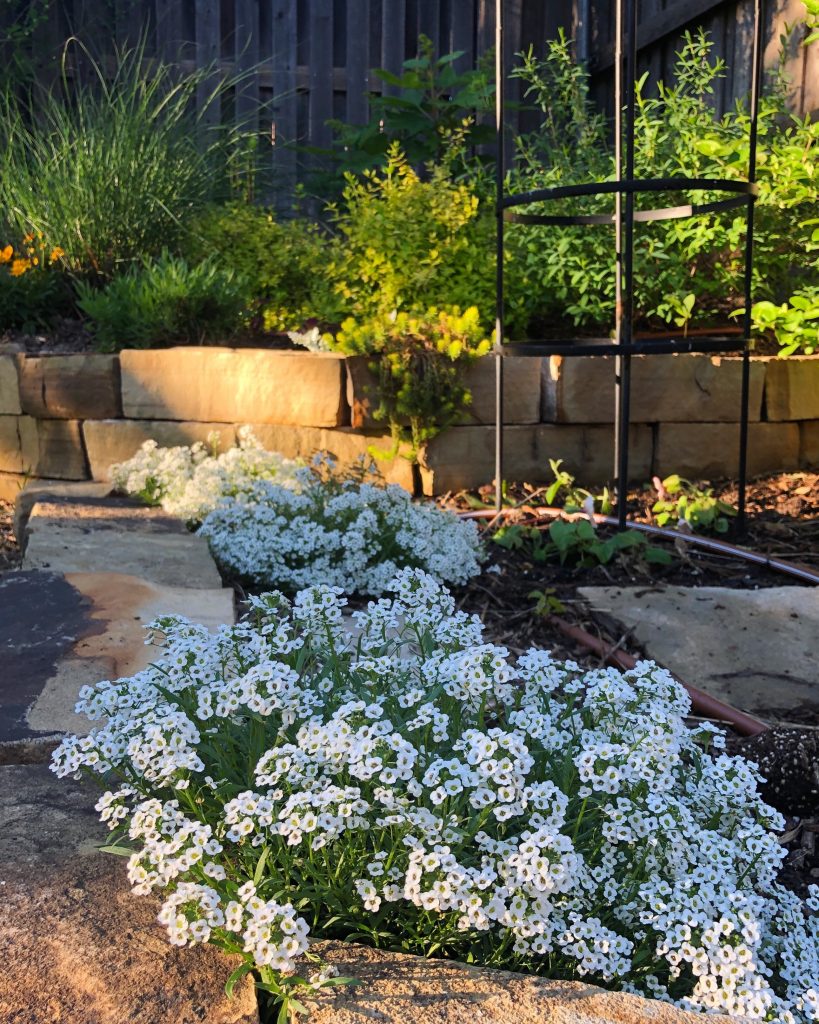
Sweet alyssum acts like a true perennial back home along Mediterranean coastlines. Here in most gardens, though, we treat it as an annual.
Why the switch? A hard frost usually kills the plant itself, but its seeds survive just fine underground.
This flower loves cool weather more than heat. Sweet alyssum blooms in spring, takes a breather during peak summer, then picks back up again once fall temperatures drop.
That second bloom cycle is honestly one of my favorite fall garden surprises.
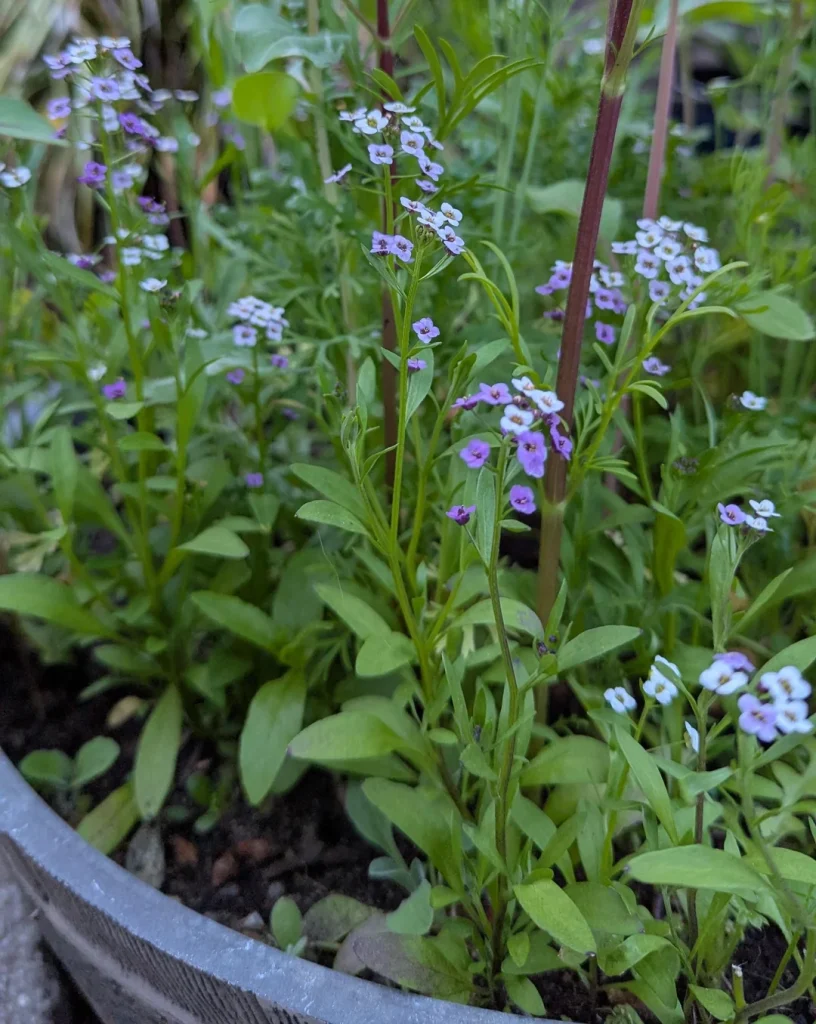
Young sweet alyssum plants hate staying dry for long stretches. Water them if you plant this somewhere you’ll walk past often, since neglected seedlings shrivel fast.
Its low, spreading habit makes sweet alyssum perfect for edging garden beds or spilling over container rims.
9. Columbine Surprises You Every Year
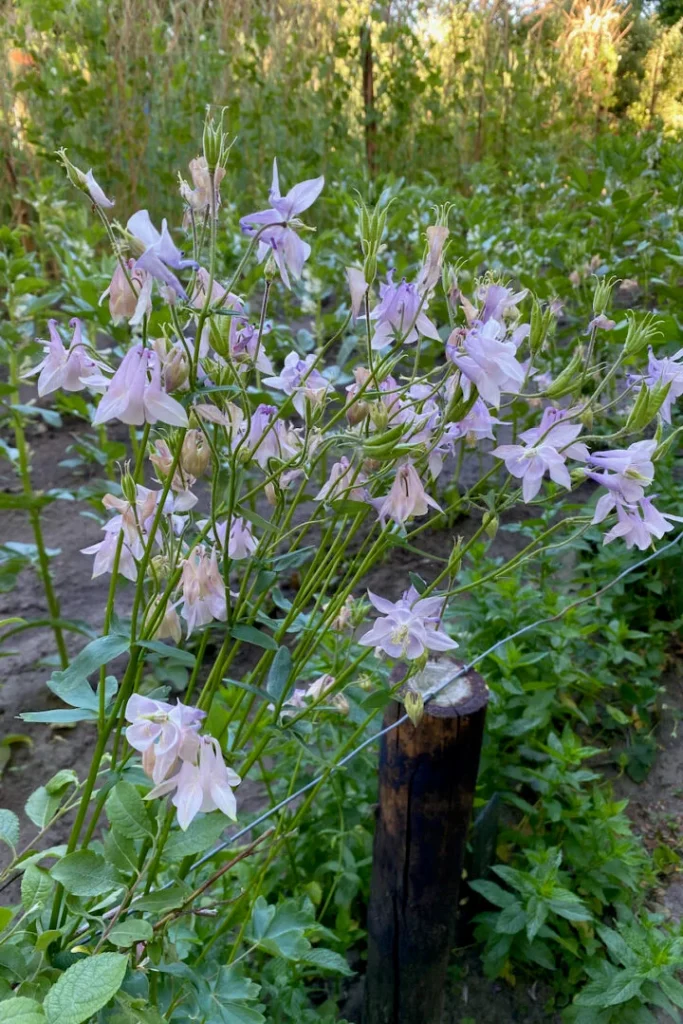
Columbine looks fragile, but don’t let that fool you. This plant is tougher than it appears, and its seeds practically demand a cold winter to sprout well. Skip fall planting, and you’ll fight germination all spring.
Aquilegia adapts to both damp and dry soil without complaint. That flexibility makes it a great pick if your yard has tricky spots other flowers reject.
I’ve planted columbine in a shady corner that nothing else would touch, and it thrived anyway.
10. Blanket Flower Blooms Longer Than You’d Expect
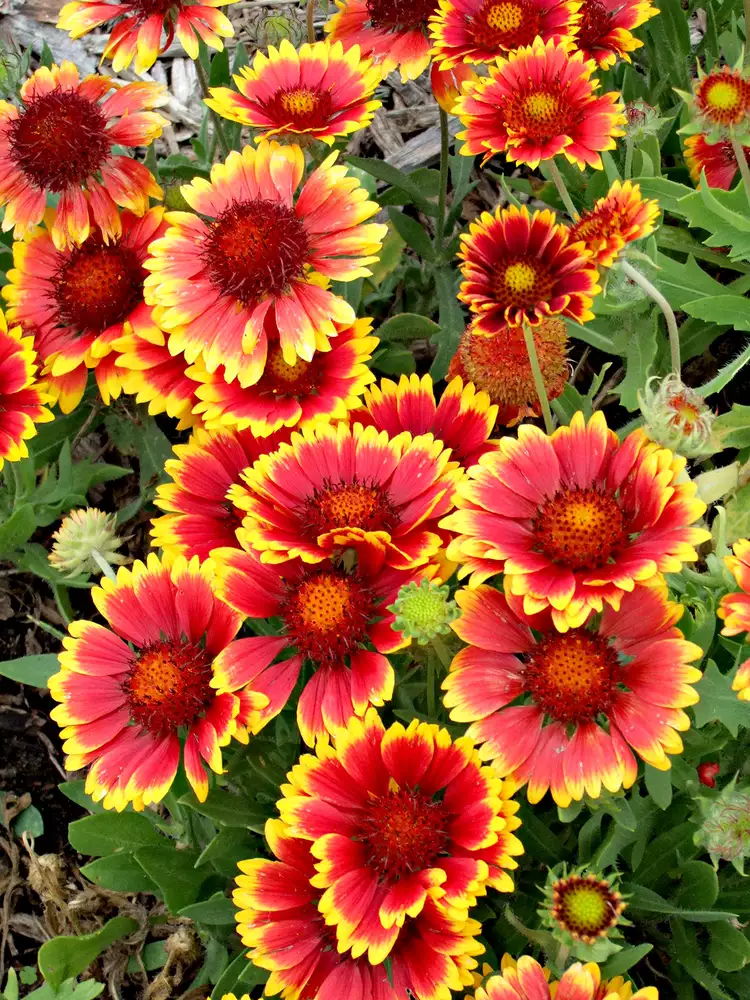
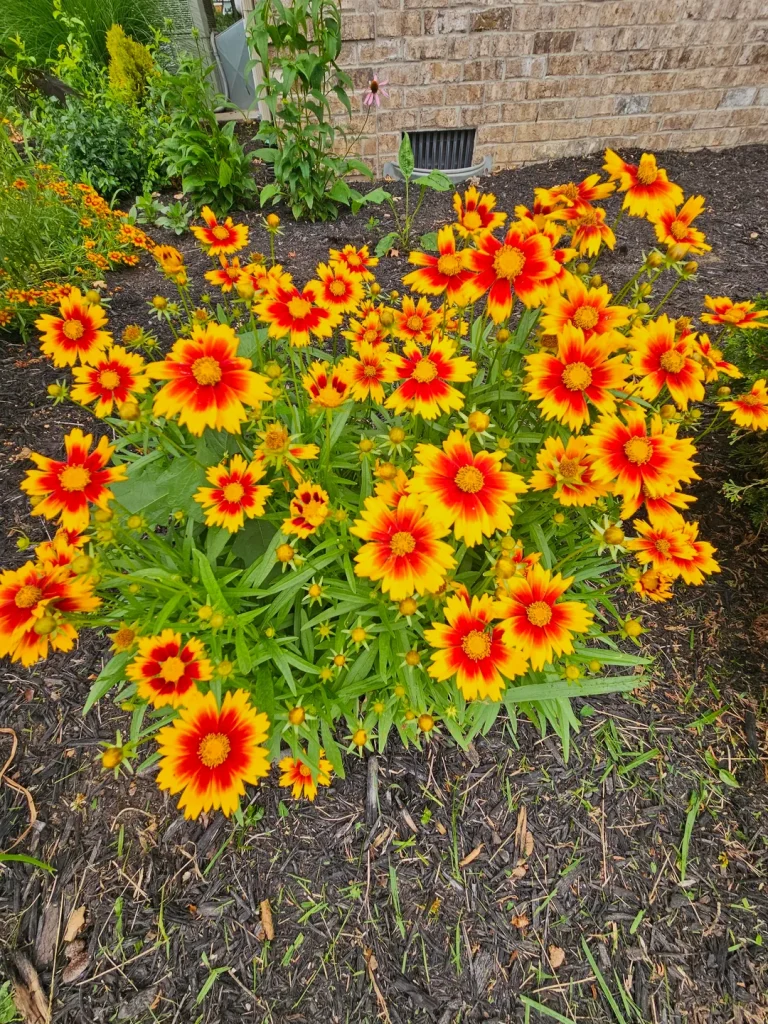
Gaillardia earned its nickname honestly. Blanket flower spreads and blooms for months once it settles in, covering bare patches with warm red and yellow color. Fall sowing gives this perennial the exact chill it craves.
I used to buy blanket flower as nursery starts every spring. Then I tried seeds in the fall instead, and it worked better than I expected. Established plants barely need watering, even through a scorching July.
Pick a sunny spot with soil that drains well, since wet feet cause root rot fast. Blanket flower also handles poor, sandy soil without complaint.
11. False Indigo Takes Its Time
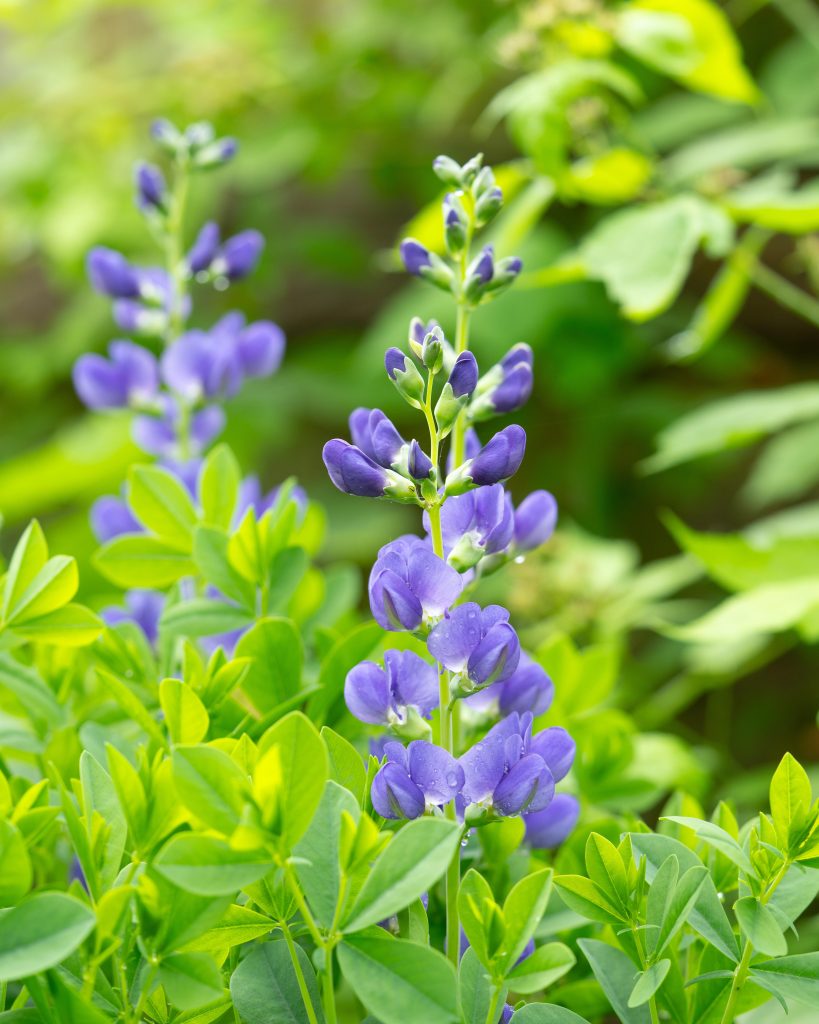
Baptisia moves slowly, but the payoff is worth the wait. Its seeds have a rock-hard outer coat that normally needs scratching or sanding to germinate. Fall planting skips that whole annoying step for you.
Winter moisture and cold naturally soften the seed coat over months. That’s nature doing the scarification work so you don’t have to.
Plant your seeds about half an inch deep, then let the cold season handle the rest.
12. Goldenrod Feeds Pollinators Late Into Fall
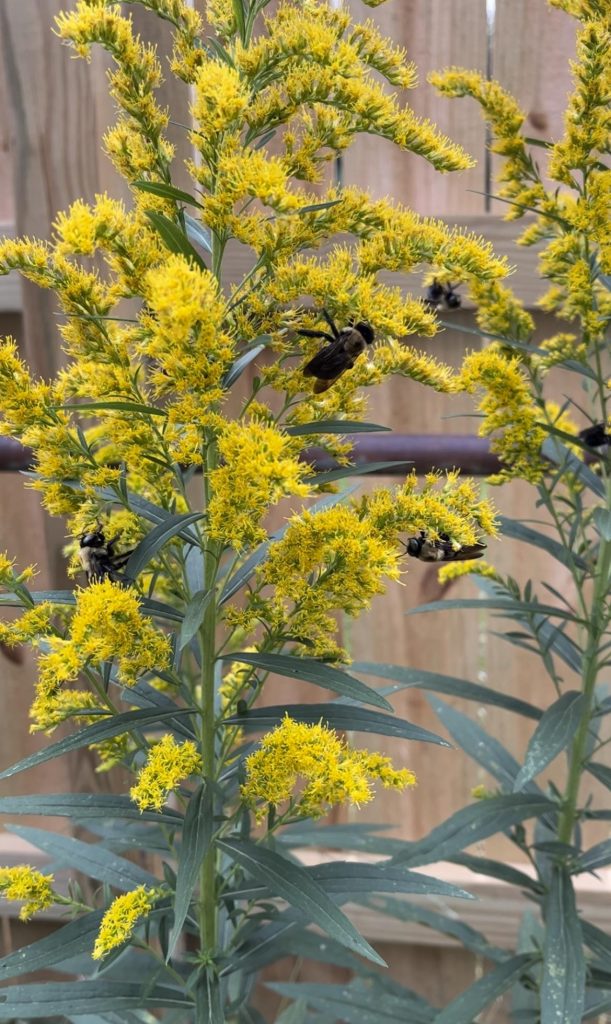
Goldenrod gets blamed for allergies it doesn’t actually cause. Solidago provides crucial nectar for bees and butterflies fueling up before winter arrives. Ragweed, not goldenrod, deserves the sneezing reputation.
Plant goldenrod seeds now, and you’ll have a full year’s head start before pollinators need that late-season food source. This perennial spreads gradually without turning aggressive or taking over your whole bed.
I’ve watched the same patch grow fuller every summer without any extra effort from me.
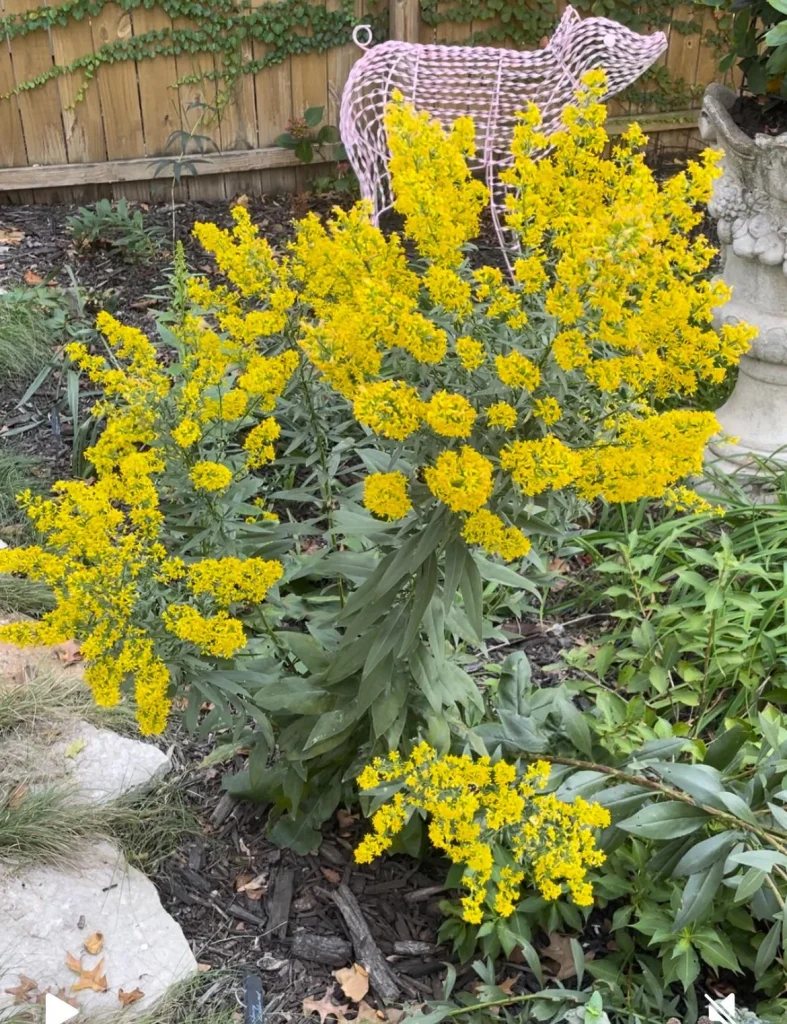
Goldenrod tolerates drought better than most flowering perennials. Poor soil doesn’t bother it either, which makes this a smart choice for tricky, neglected corners of your yard. Plant it once, and you’re set for years of reliable fall color.
13. Yarrow Handles Almost Anything You Throw at It
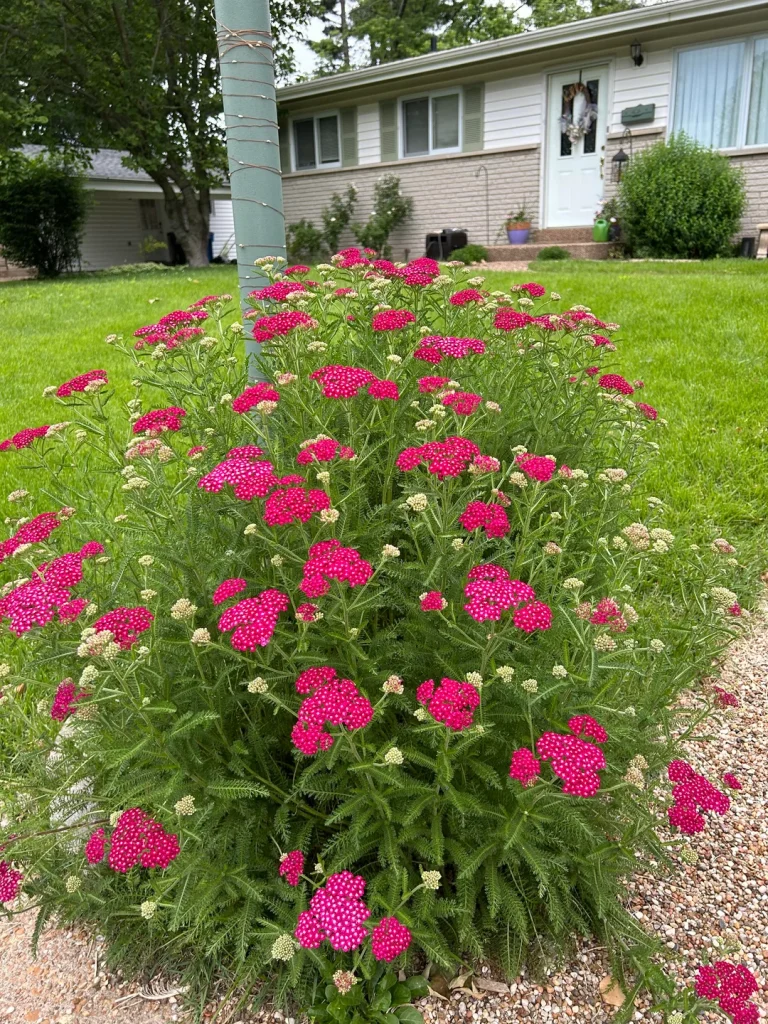
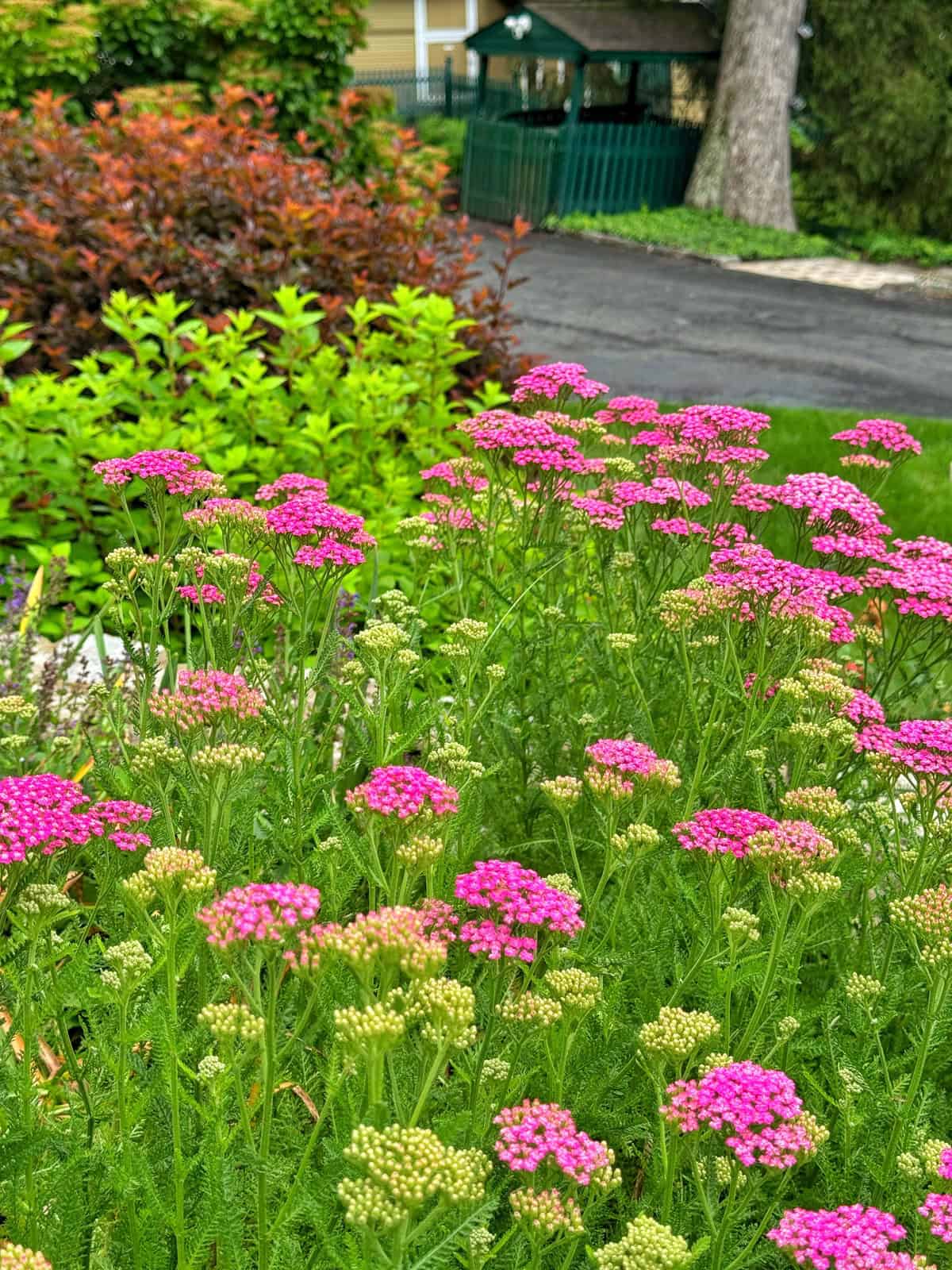
Yarrow gets overlooked constantly, and honestly, I don’t get why. Achillea tolerates drought, poor soil, and even the occasional mowing without complaining. Few flowering perennials are this forgiving toward beginner mistakes.
Fall sowing gives yarrow plenty of time to establish roots before summer heat arrives. This plant blooms for weeks on end, feeding bees and butterflies throughout the season.
Modern cultivars come in shades far beyond the classic white, including pink, red, and yellow.
Yarrow leaves and flowers are edible too, which surprises most new gardeners. Some people even brew the flowers into a mild herbal tea.
14. Sneezeweed Closes Out the Season in Color
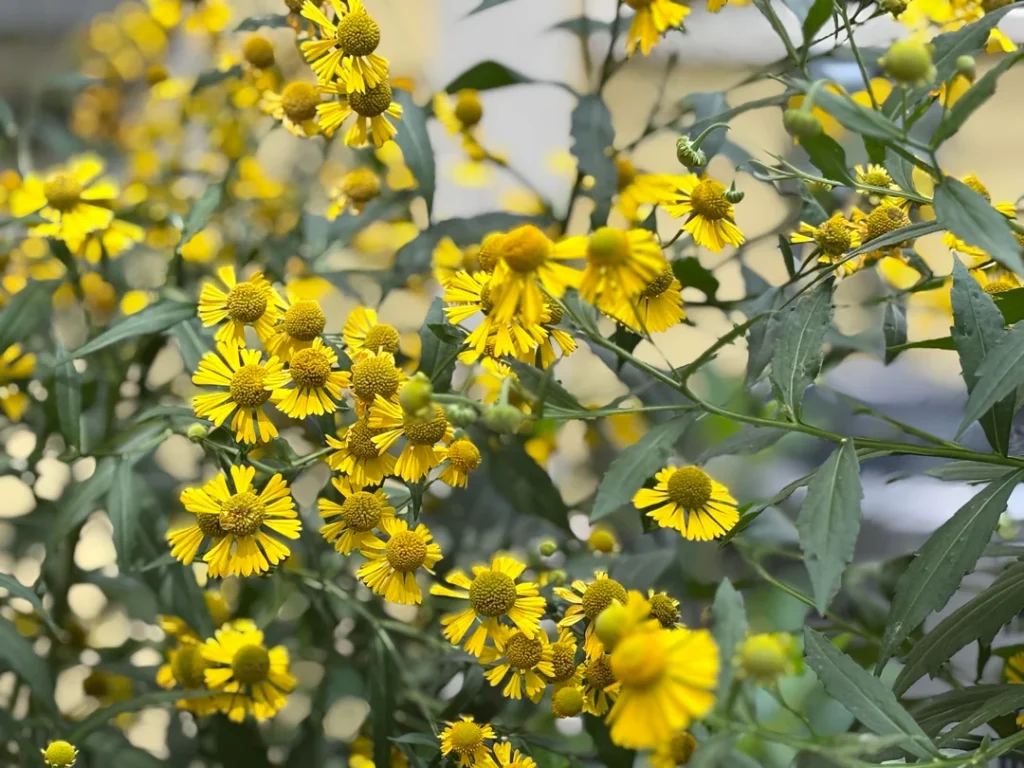
Helenium deserves way more credit than it gets. Sneezeweed blooms in warm shades of orange, yellow, and copper right when most other flowers are fading fast. That timing alone makes it worth planting.
Every variety in this genus is native to North America, which is a nice bonus if you’re building a wildlife-friendly yard. Sow the seeds this fall, and you’ll see a full display within about ten months.
Blooms last up to two months once they start, far longer than many other perennials manage.
Sneezeweed pairs beautifully with dahlias and asters in a cottage-style bed. I actually rank this above marigolds on my personal list, mainly because I don’t have to replant it every single year.
Give this underrated flower a spot, and your fall garden will thank you for years to come.
15. Larkspur Reseeds Without Any Help
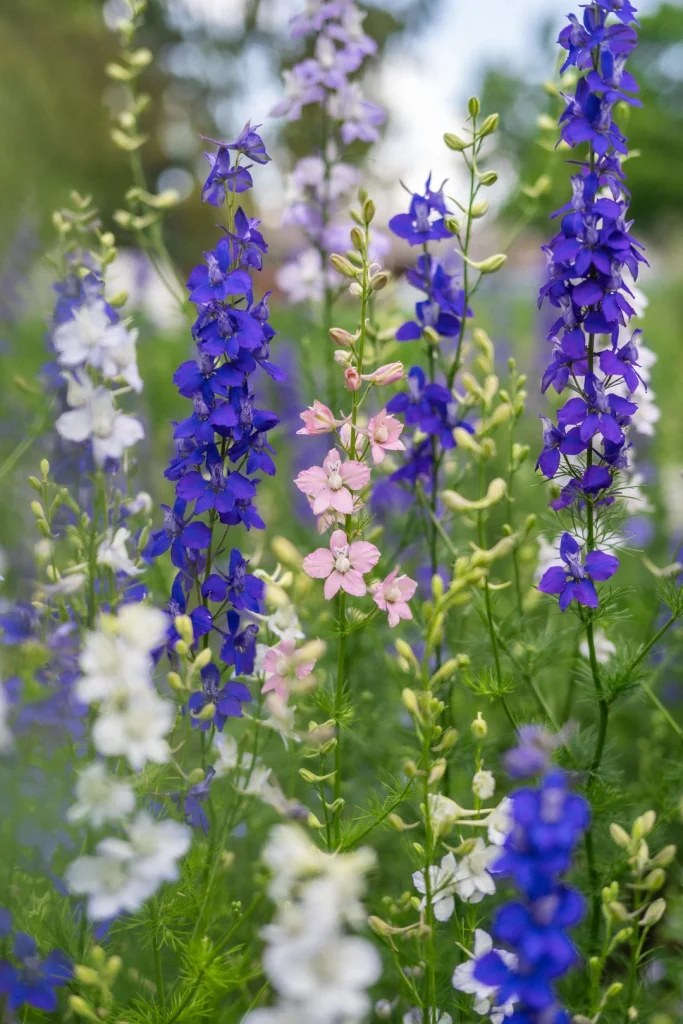
Larkspur seeds practically plant themselves if you let them. Dry seed pods burst open on their own, flinging seeds across the bed with zero effort from you. Fall sowing just speeds up what nature already does.
People mix up larkspur with delphinium constantly, and I get why. They’re close relatives, but larkspur stays shorter and sturdier. That means no floppy stems and no ugly stakes propping things up all summer.
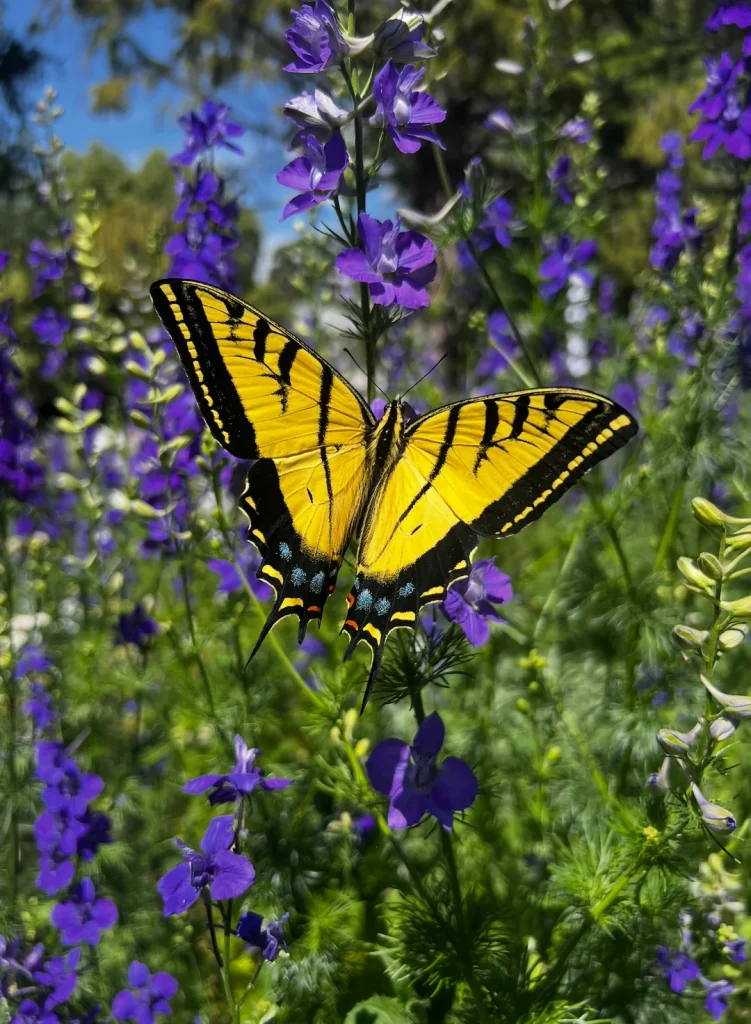
Plant larkspur where you want it permanently, since it doesn’t love being transplanted. Give it a sunny spot, and you’ll get early summer blooms in shades of blue, pink, and white.
Depending on your winter, this plant might even act like a short-lived perennial instead of a true annual.
Fall Planting Sets You Up for Spring Success
Fifteen flowers, one simple trick. Plant your seeds now, and winter does the hardest part of the job for you.
I’ve made every mistake on this list, from burying tiny seeds too deep to forgetting which patch got which flower. You don’t need perfect timing or fancy tools to get this right. Grab a few packets, pick a sunny afternoon, and start scattering.
Which flower are you trying first this fall? Whatever you choose, your spring self will thank you for the head start.