How to Water Jade Plants (The Right Way)

My jade plant almost died from too much love. I watered it every few days like a needy fern, and it hated every drop.
Jade plants don’t work like most houseplants. They store water in their leaves, so soggy soil turns into root rot fast.
Once I learned to back off, mine bounced back and started sprouting new leaves within weeks.
This guide walks you through exactly how much, how often, and how to water a jade plant so yours thrives instead of struggling.
Why Jade Plants Hate Wet Feet
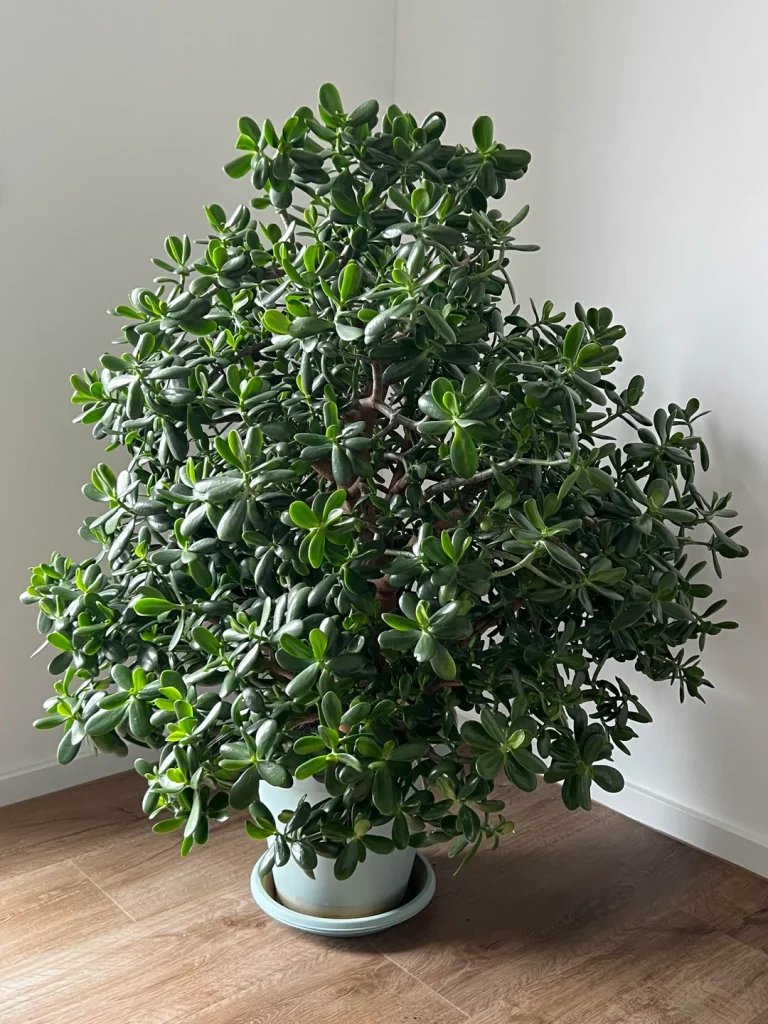
Jade plants come from dry parts of South Africa. Their thick, fleshy leaves work like little water tanks. Because of this, they survive fine on very little water.
Give them constant moisture, and their roots start to rot within days. Dry soil, on the other hand, rarely kills a jade plant outright.
Root rot is the real enemy here, not thirst. Soggy, compacted soil traps air away from the roots. Roots need oxygen just as much as they need water.
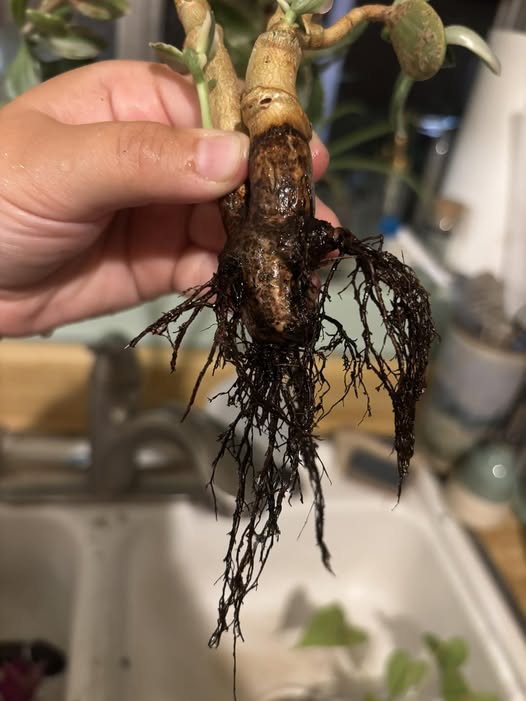
Without it, they suffocate and turn brown or mushy. That’s why fast-draining soil and a light hand with the watering can matter so much for this plant.
Check the Soil Before You Water
Never water a jade plant on a fixed schedule. Every home has different light, heat, and humidity, so soil dries out at different speeds.
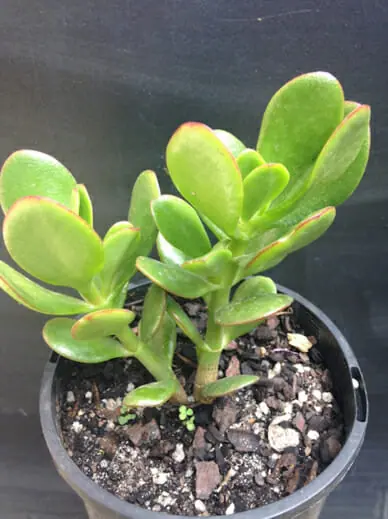
Stick a finger into the soil up to your second knuckle. Dry means it’s time to water. Damp still? Wait a few more days and check again.
Soil color gives you clues too. Dry soil looks pale and dusty on top. Moist soil looks darker and clumps slightly when you touch it.
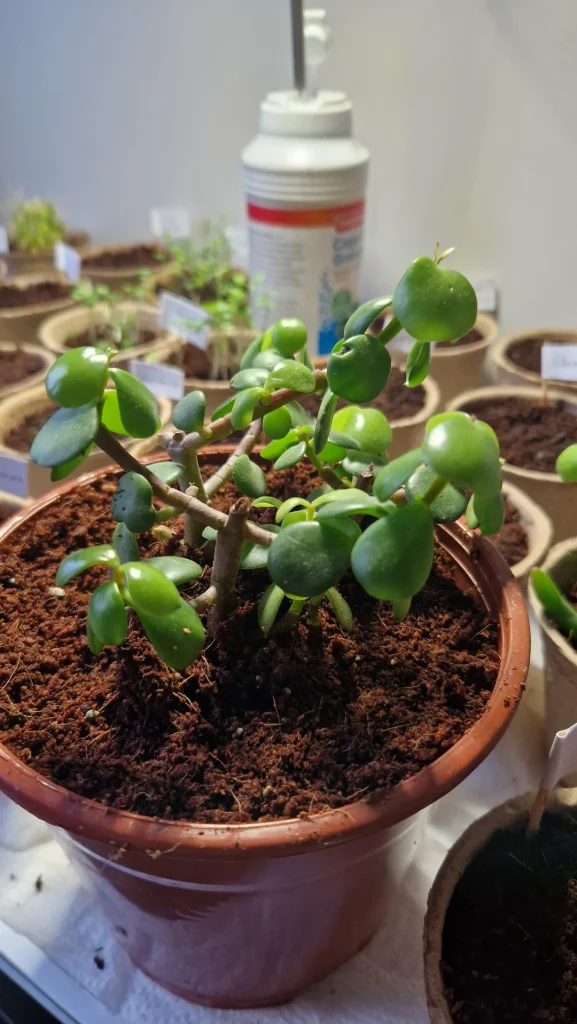
A wooden chopstick works as a backup tool if you don’t want dirty fingers. Push it into the soil, pull it out, and check if any soil sticks to it.
Pot size changes how often you’ll water. Small pots dry out quicker than large ones. Terracotta pots pull moisture out of the soil faster than plastic or ceramic pots.
Because of that, a jade plant in a small terracotta pot might need water twice as often as one in a big ceramic pot. Always judge by the soil, not the calendar on your wall.
Signs Your Jade Plant Is Thirsty
Drooping leaves are the first red flag. Soft, floppy leaves usually mean the plant wants a drink. Wrinkled or slightly shriveled leaves point to the same problem. Duller color than usual is another clue worth noticing.
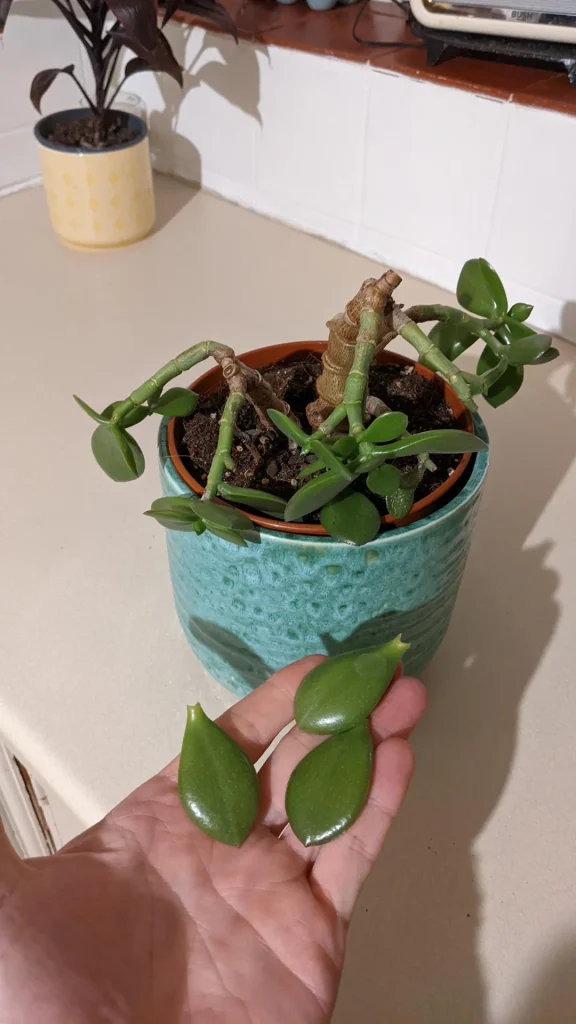
Severe thirst shows up differently. Edges start to ripple and the leaf surface looks torn or stretched. Leaves can even wither and drop in extreme cases.
Don’t panic if you see this though. Move the plant somewhere with better light and slowly build its water intake over the next few weeks. Dumping a huge amount of water on it right away only shocks the roots.
3 Ways to Water a Jade Plant Properly
You’ve got options here, and none of them are complicated. Pick whichever method fits your pot and your patience level. I’ve used all three over the years, and each one works well when done right.
Method 1: Soak and Dry
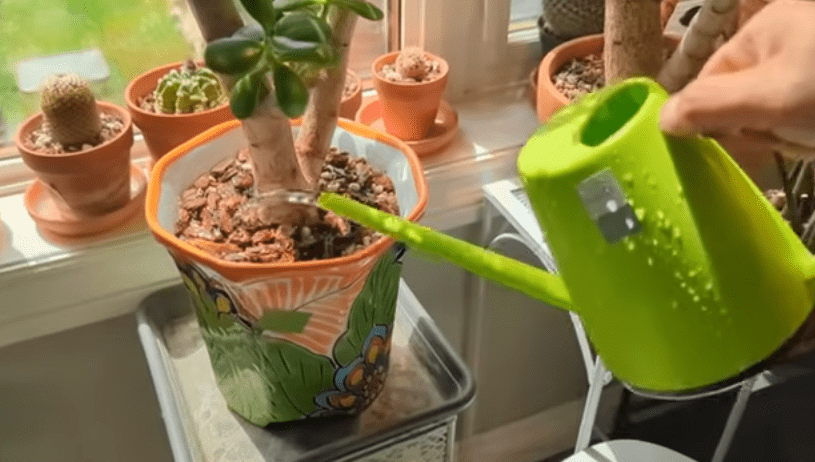
This is the classic top-watering method, and it’s my personal favorite. Pour water slowly across the soil surface until it runs out the drainage holes.
Watching water hit the saucer tells you the roots actually got a drink. Empty that saucer right away though. Standing water under the pot invites the exact rot you’re trying to avoid.
Wait until the soil hardens again before repeating this. Room-temperature water works best for the roots. Cold water straight from the tap can stress them out.
A watering can with a narrow spout helps you aim right at the soil instead of splashing the leaves.
Method 2: Slow and Steady
Small pots without drainage holes need a gentler touch. Pour a slow, steady stream around the soil surface instead of dumping water fast.
Stop once the top layer of soil looks damp, not soaked. Try to keep water off the leaves during this process. Wet leaves sitting in low light can develop fungal spots over time.
Method 3: Watering From the Bottom
Bottom watering sends moisture straight where jade roots need it most. Fill a tray, bowl, or even your sink with a few inches of water.
Set the pot inside and let it soak for around 30 minutes. Roots pull up exactly what they need through the drainage holes. Lift the pot out afterward and let any excess drip away before putting it back on its shelf.
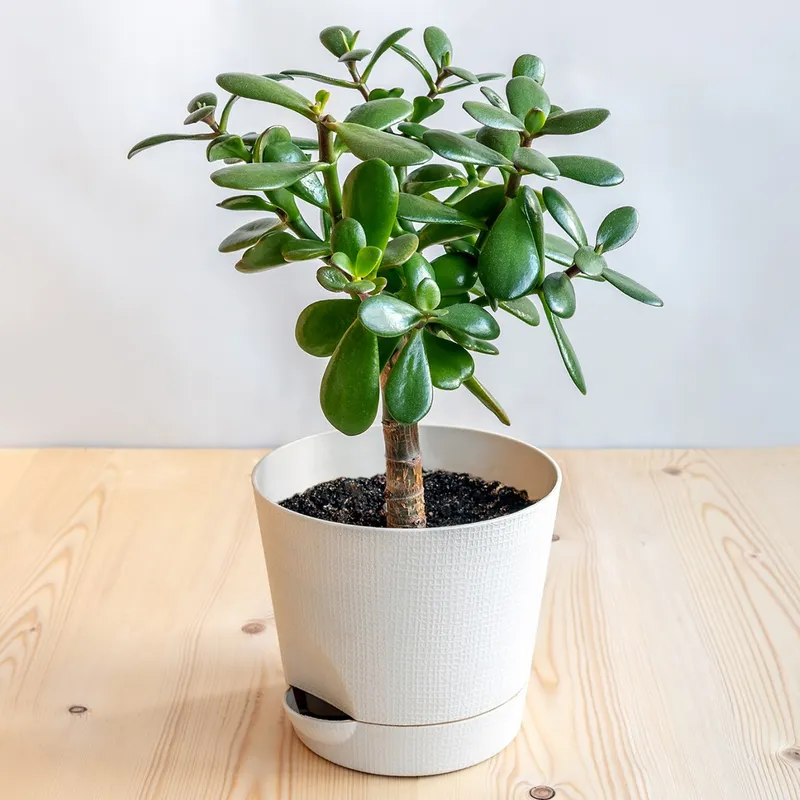
This method works great if your pot lacks drainage holes at all. It also helps you avoid overwatering by accident.
The soil simply won’t take up more than it can hold. Just don’t let the pot sit in water for hours, since that defeats the whole purpose.
Watering Jade Plants in Winter
Jade plants slow way down once temperatures drop. Growth basically stops, and the plant enters a dormant phase.
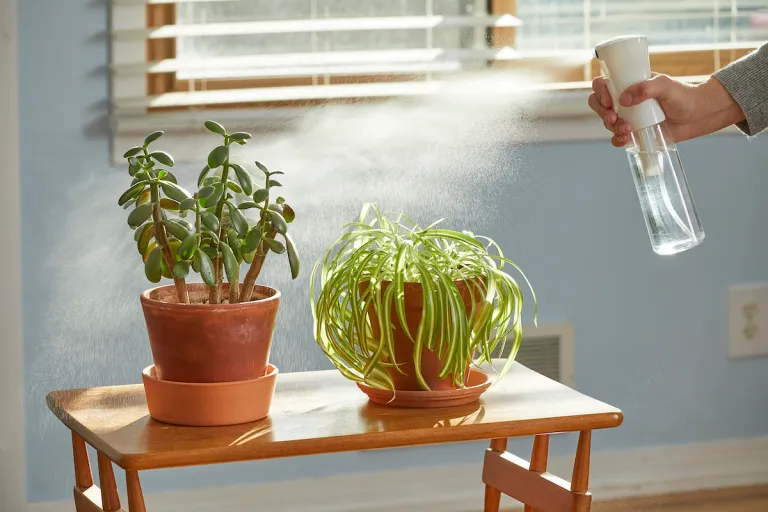
Because of that, it needs far less water than in spring or summer. Some months, you might water only once, and that’s completely normal.
Always check the soil before assuming it’s time. Cooler rooms with less light dry out slower than sunny summer windowsills. Overwatering during dormancy causes root rot faster than at any other time of year.
Room-temperature water still matters here, maybe even more than usual. Cold water shocks roots that are already sluggish from the chill.
Misting can fill the gap between waterings in winter. A light mist adds a touch of moisture without soaking the soil. It also knocks dust off the leaves, which helps them soak up light better. Skip this step entirely if your jade plant looks happy and full already.
Does Water Type Matter?
Tap water works fine for most jade plants, so don’t stress over this too much. Some jade plants react poorly to salts and minerals found in certain tap water.
Brown leaf tips or a slightly burned look can signal this issue. Switch to filtered or distilled water if you notice that happening.
Watch your plant’s response over a few waterings before changing anything. Plants react differently depending on where you live and what’s in your local water supply.
My own tap water has never bothered my jade plants. Yours might be different, so let the leaves guide your decision.
The Right Pot and Soil Make Watering Easier
Good drainage solves half your watering worries before they even start. Choose a pot with at least one drainage hole at the bottom.
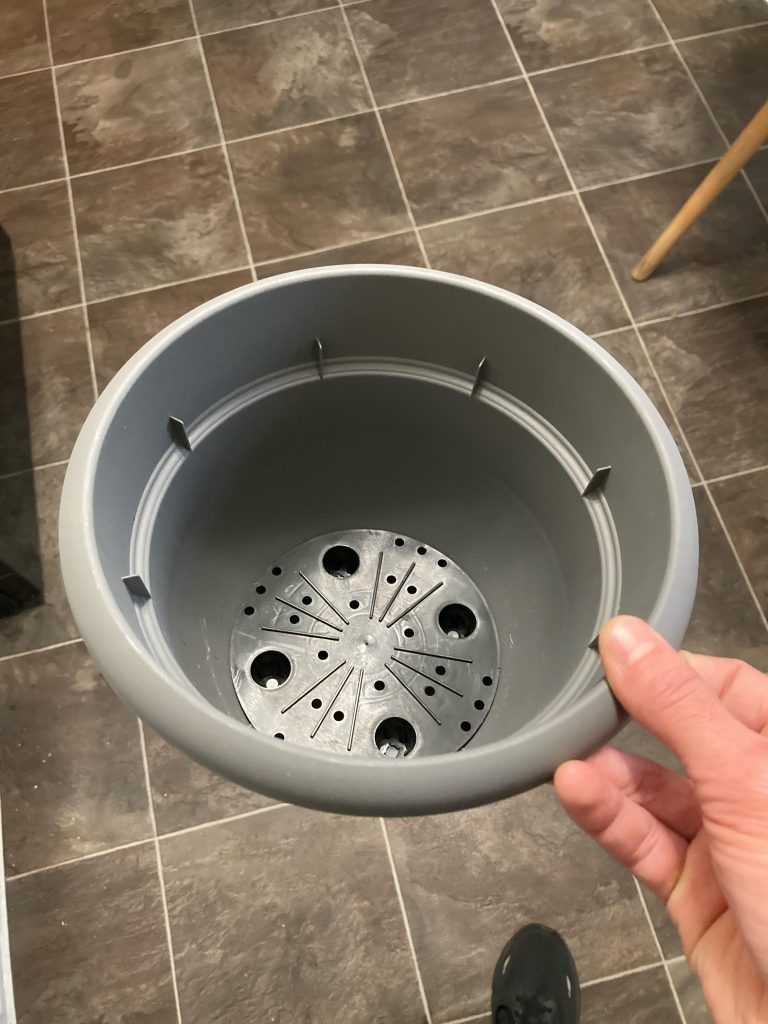
Terracotta and unglazed ceramic pots pull excess moisture out through their walls too. Plastic pots hold moisture longer, which suits drier homes or forgetful waterers.
Regular potting soil holds too much water for a jade plant’s taste. Cactus and succulent mixes drain fast and let air reach the roots.
You can buy one premade or blend regular potting soil with perlite or coarse sand.
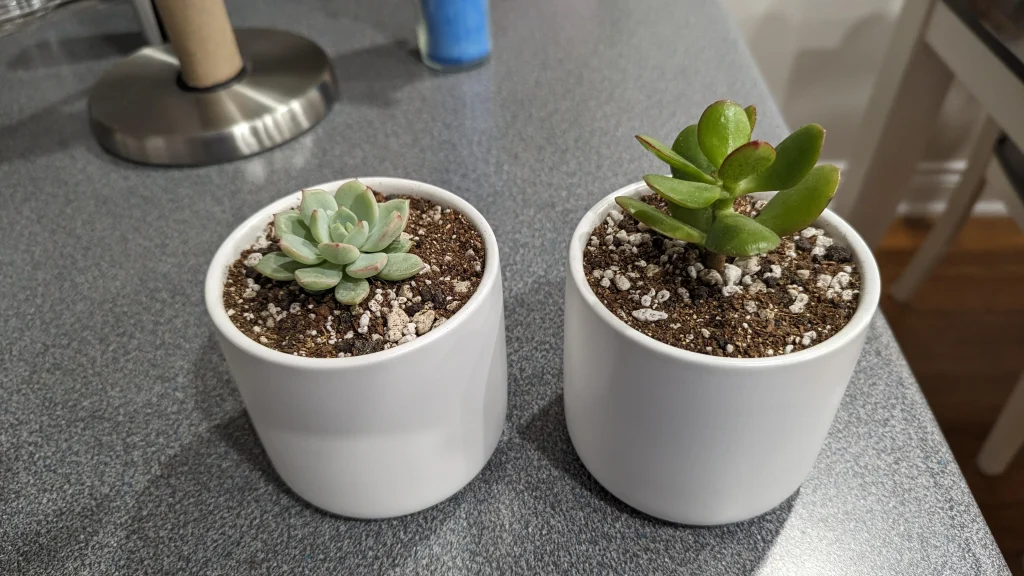
Either way, that gritty texture keeps water moving instead of pooling around the roots.
Repotting into the right mix fixes a shocking number of watering problems. I’ve saved more than one droopy jade plant just by switching its soil.
Sometimes the watering technique isn’t the issue at all. Sometimes it’s simply the soil holding onto water for too long.
Misting: Necessary or Not?
Jade plants don’t need humidity the way tropical plants do. Average household air suits them just fine. Misting isn’t required, but it isn’t harmful either. Dust buildup on leaves blocks light and slows down growth over time.
A quick spray with room-temperature water wipes that dust away. Do this every couple of weeks if your plant sits somewhere dusty.
Skip it completely if you’d rather keep things simple. Either choice works, so pick whatever fits your routine.
My Own Watering Routine
I keep our jade plant on a sunny balcony shelf most of the year. I check the soil with my finger every few days instead of watering on autopilot.
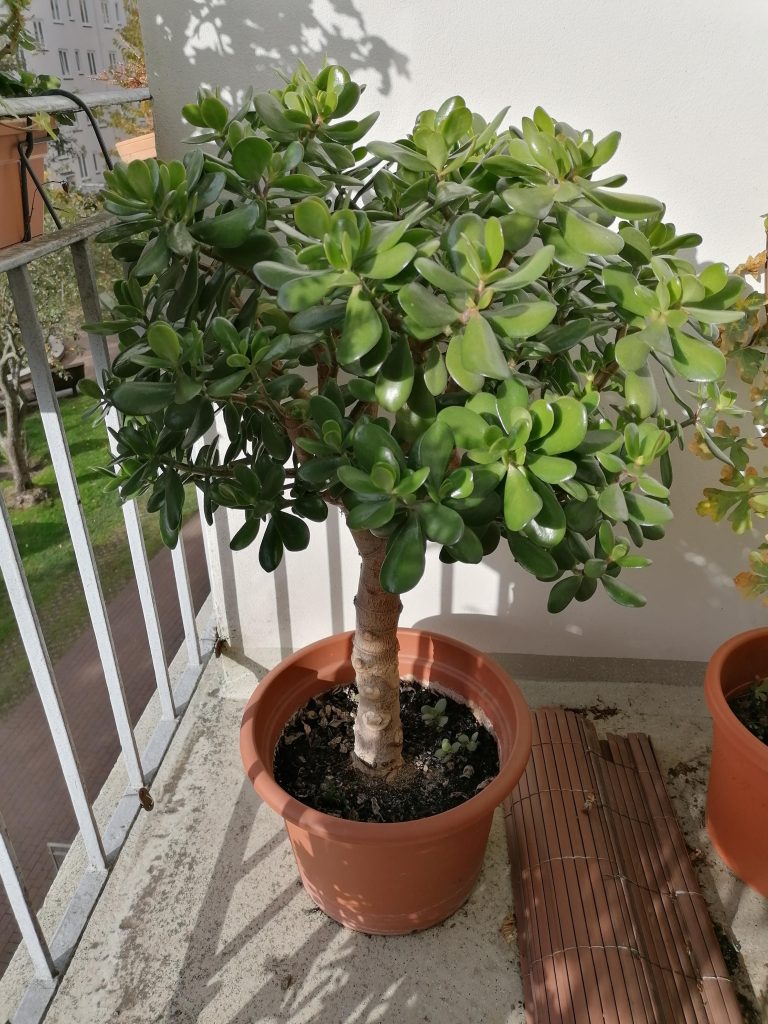
Summer heat means I’m usually watering every week or two. Winter drops that down to once a month, sometimes less.
Ignoring my jade plant turned out to be the best thing I ever did for it. Early on, I babied it like my basil, and it sulked the whole time.
Once I started waiting for genuinely dry soil, new growth showed up within a month. Trust me, this plant rewards a little neglect far more than constant attention.
Common Questions About Watering Jade Plants
How often should I water my jade plant?
Water only when the soil feels dry a couple inches down. That might mean weekly in summer and monthly in winter. Light, heat, and pot size all shift that timeline. Always check the soil instead of guessing by the date.
Can I water my jade plant too little?
Yes, though it’s far less risky than overwatering. Wrinkled or rippled leaves signal it’s gone too long without water.
Simply increase watering gradually once you spot those signs. The plant usually bounces back within a couple weeks.
Why are my jade plant’s leaves falling off?
Leaf drop often points to overwatering and root rot. Check the roots for a mushy texture or a bad smell. Extreme underwatering can also cause leaves to drop, though less commonly. Either way, adjust your watering schedule and switch to faster-draining soil if needed.
Give Your Jade Plant the Dry Spell It Craves
Watering a jade plant really comes down to patience. Check the soil, wait for dryness, then water thoroughly and walk away. Skip the daily fussing and resist the urge to check on it constantly.
Your jade plant will reward that restraint with thick, glossy leaves and steady growth for years.
Go check your jade plant’s soil right now, and I bet it’s still damp from last time. That’s your cue to put the watering can down and wait a little longer.