Hydrangea Fall Care: 8 Things Your Shrub Needs Before Winter Hits

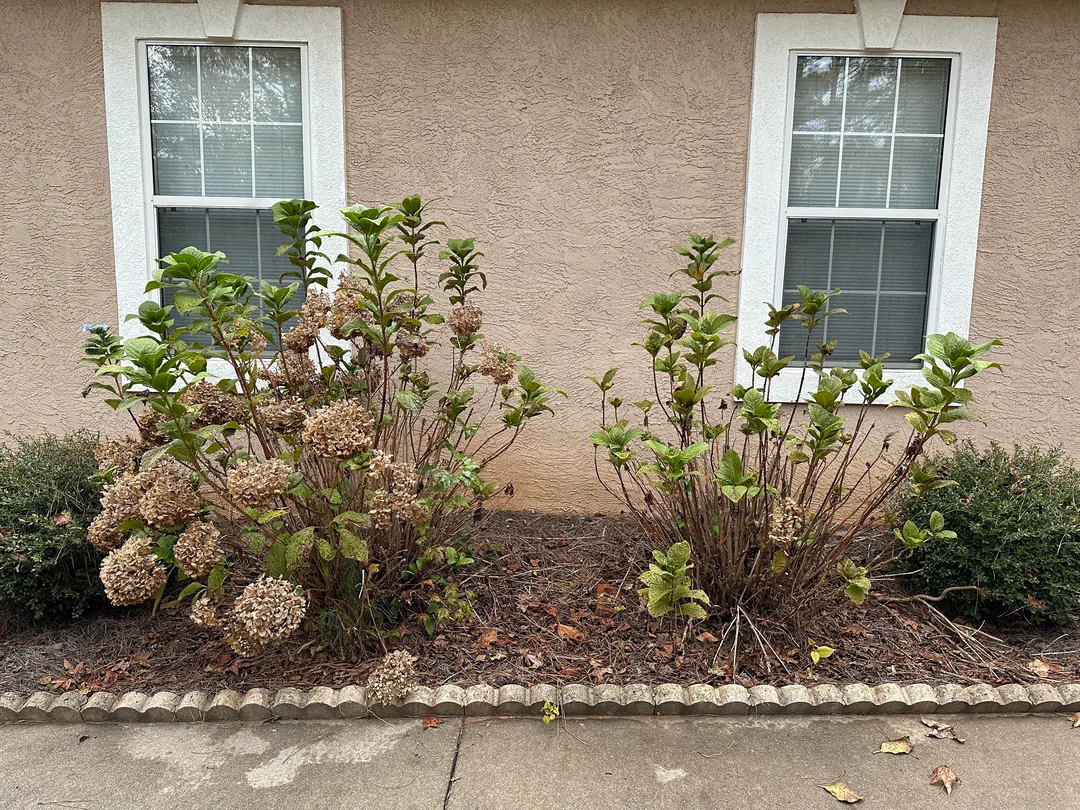
I get it. Your hydrangea looks rough by October. Blooms gone brown, stems flopping everywhere, maybe a few yellowing leaves. Your hands are itching to grab the pruners.
Don’t. Not yet, anyway.
One wrong move in fall can cost you an entire season of blooms next year.
I’ve seen it happen to gardeners who did everything right all summer, then undid it in one afternoon of “tidying up.”
Here’s what your hydrangea actually needs before winter, and just as important, what to leave alone.
Know Your Hydrangea Before You Touch It
Quick question before you do anything else: does your hydrangea bloom on old wood or new wood?
I know, it sounds technical. It’s not.
Old wood bloomers set their flower buds back in late summer. Those buds ride out the entire winter on bare stems, then open next year.
Bigleaf, mountain, lacecap, and oakleaf hydrangeas all work this way. Touch the stems now, and you’re cutting off flowers that haven’t even bloomed yet.
New wood bloomers play by different rules. They grow brand new stems every spring and bloom on that fresh growth.
Panicle types and smooth hydrangeas like ‘Annabelle’ fall here.
You can be much rougher with these in fall and still get a full show next summer.
Don’t know which one you’ve got? Check the plant tag, or search the variety name. Two minutes, and it changes everything you do from here.
Where Most Gardeners Go Wrong
Here’s a scene I’ve watched play out more times than I can count.
A hydrangea blooms beautifully, year after year. Then one October, its owner decides it needs a haircut.
They cut it back hard. Next summer, nothing. Not a single flower.
What happened? Those stems were holding next year’s buds the whole time. One round of “cleaning up” erased a full season of blooms. Fertilizer timing trips people up too.
A late dose in October pushes out tender new growth right as frost is coming. That growth dies, and your plant burns energy it needed for surviving winter.
So before you do anything on this list, know your hydrangea’s type. That one fact decides almost everything else.
Do These 8 Things Now, or Your Hydrangea Won’t Bloom Next Summer
1. Deadheading: The One Task You Can (Almost) Never Mess Up
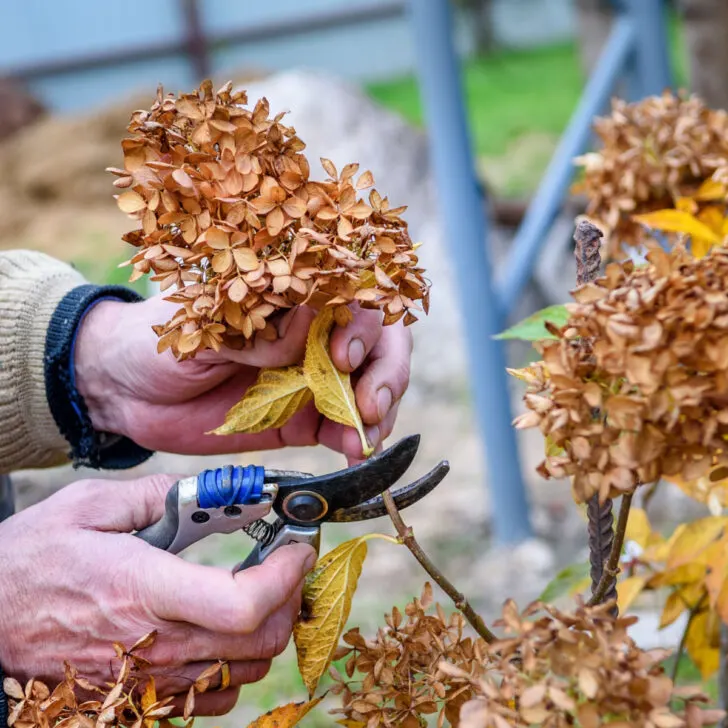
Snipping off faded blooms is about as low-risk as garden chores get. Almost.
Through summer, go ahead and deadhead whenever you like. It won’t hurt a thing, and on new wood types it might even coax out a few extra flowers.
But once mid-August rolls around, put the shears down.
Those crispy old blooms aren’t just ugly. They’re standing guard over the buds forming right underneath them, shielding those buds from wind, frost, and rot.
If you hate how they look through winter, I get it.
Leave them anyway. You can clean everything up in late winter, once the worst cold has already passed.
Deadhead early, then walk away after mid-August. That’s really it.
2. Pruning: Sit On Your Hands for Now
I know fall makes everyone want to prune. Resist the urge.
If you’ve got an old wood bloomer, it’s already finished forming this year’s growth. Any big cuts now take next year’s flowers with them.
Got a broken or damaged branch? Fine, snip it just above the first bud and stop there. Nothing more.
New wood bloomers give you a little grace. Trim them back by about a third once they’re done flowering, or wait until late winter if you’d rather. They’ll send up fresh stems and bloom on those no matter when you cut.
We actually cover pruning in a lot more depth in a separate guide, so I won’t repeat all of it here.
Just remember: fall is for watching, not cutting.
3. Fertilizer: Probably Skip It
This one splits gardeners into two camps, so let me lay it out straight.
Most mature hydrangeas don’t need feeding in fall. Your plant is winding down, getting ready for dormancy.
Feed it now, and you risk pushing out soft new growth that frost will kill within weeks.
Better to wait for spring, when your hydrangea is actually growing and can put that fertilizer to use.
There’s an exception.
Young hydrangeas still establishing themselves, or ones showing a genuine nutrient deficiency, can handle a light, slow-release granular feed early in fall.
Just get it down well before your first frost, and steer clear of anything fast-acting or liquid.
Not sure? Skip it. Your hydrangea will thank you in spring.
4. Want Different Colored Blooms? Start Now
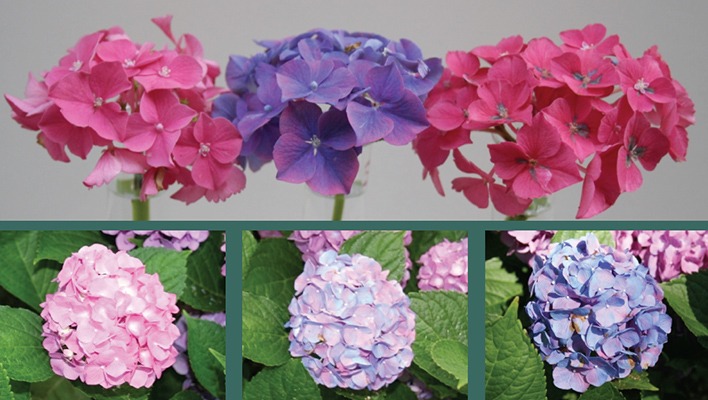
Here’s something a lot of gardeners don’t realize: fall is actually the ideal time to shift your hydrangea’s flower color for next year.
This only works on true mopheads and bigleaf types, by the way. It comes down to soil pH, which controls how much aluminum your plant can pull up through its roots.
Acidic soil, under about 5.5, gives you blue blooms.
Push the pH above 6, and you’ll get pink. Since pH shifts take months to fully settle in, starting in fall gives the change plenty of time before next summer’s buds open.
Chasing blue? Work in something formulated for acid lovers, like an azalea or camellia fertilizer.
After pink? Dolomitic lime does the trick, or a fertilizer with nitrate nitrogen.
Here’s a quick helpful video:
One catch: white varieties and cultivars bred to stay a fixed color won’t budge no matter what you add.
5. Mulch Like You Mean It
If I had to pick one task on this list that matters most for winter survival, it’s this one.
Freeze-thaw cycles, not steady cold, are what really damage hydrangea roots.
A solid layer of mulch buffers against that swing, holds moisture, and keeps weeds down while your plant sleeps through winter.
Shredded bark, pine straw, chopped leaves, any of these work.
Cold winters call for a generous layer, 4 to 6 inches, spread wide around the base. Just keep it pulled a few inches back from the stems themselves.
Piling mulch against the trunk traps moisture and invites rot. If your winters run mild, 2 inches gets the job done.
Go thick, go wide, and leave a little breathing room at the base.
6. Brace for Wind, Snow, and Ice
Cold alone rarely kills a hydrangea.
What gets them is everything that comes with it: whipping wind, heavy snow load, ice coating exposed buds.
Old wood bloomers take the biggest hit here, since those buds are already sitting exposed on bare stems all winter.
If you’re in a colder zone, or your hydrangea sits somewhere windy and unprotected, give it some backup.
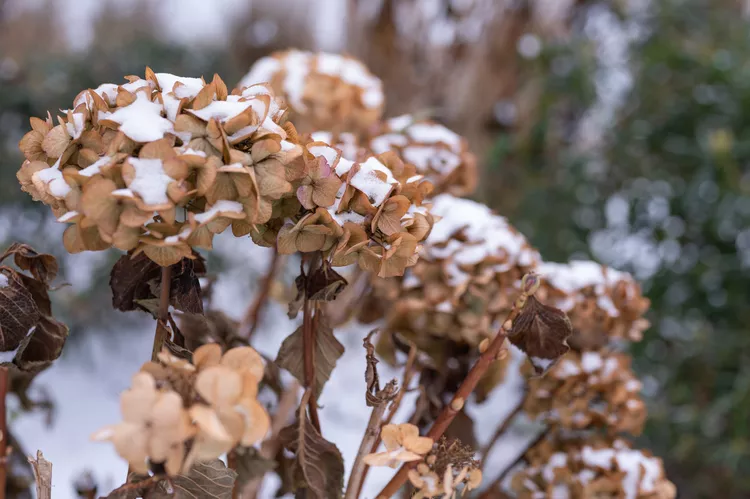
Build a simple cage out of chicken wire or plastic fencing, stake it around the plant, and stuff the inside loosely with straw or shredded leaves. Burlap wrapping works too, and it’s a little less bulky if looks matter to you.
Where you plant matters just as much as how you protect. A spot tucked near a house or fence line buys you real shelter from harsh winter wind.
Once the worst cold breaks in early spring, pull the wrapping or cage off right away. Leave it too long, and you risk trapping moisture against stems that are trying to wake up.
Not every hydrangea needs this. New wood bloomers shrug off winter fine since their buds haven’t even formed yet. Save the extra effort for the types that actually need it.
7. Deer Are Hungrier Than You Think Right Now
Nobody warns you about this one, but fall is prime deer season. Food gets scarce, and your hydrangea starts looking like dinner.
A few things actually work. Planting hydrangeas closer to your house or high-traffic walkways helps, since deer avoid areas with a lot of human activity.
Tucking in deer-repellent plants nearby doesn’t hurt either.
Strong-smelling herbs like sage and rosemary, or plants like boxwood and ornamental alliums, tend to make deer look elsewhere.
If deer pressure is heavy where you live, netting or a repellent spray reapplied every couple weeks makes a real difference. Just don’t expect one fix to work forever.
Deer get used to things fast, so rotating your tactics (a scent one month, a physical barrier the next) keeps them guessing.
Here’s a small silver lining: old wood bloomers are naturally less tempting to deer, since they’re not pushing out the same soft new growth that new wood types are.
8. Don’t Forget the Ones in Pots
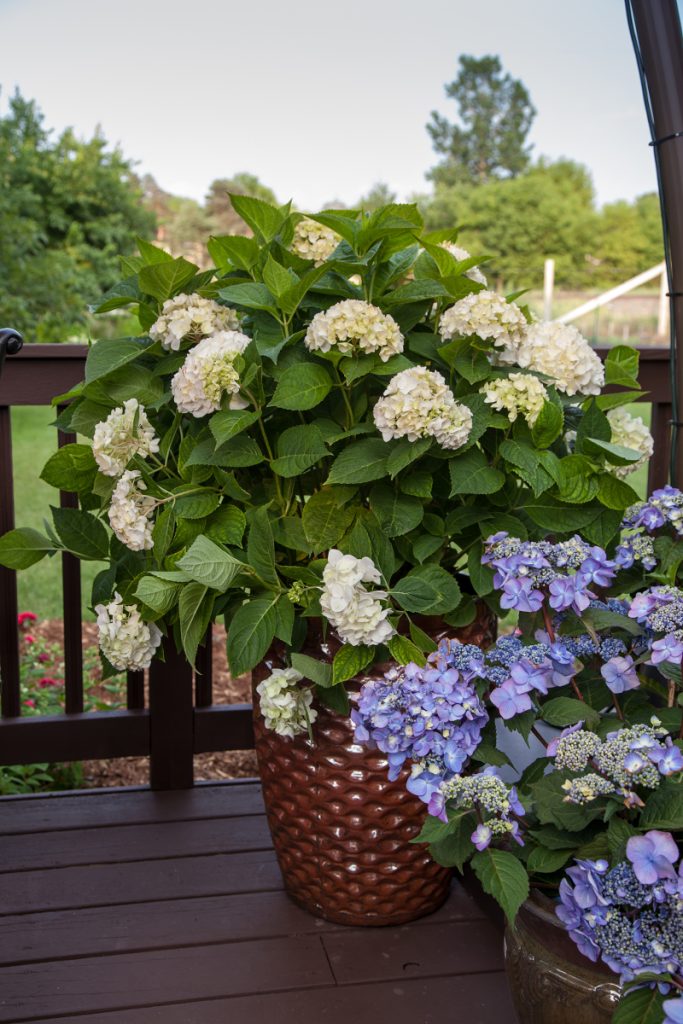
Container hydrangeas get forgotten a lot, and that’s a shame, because they actually need more help than the ones in your garden bed.
Roots in a pot sit way closer to the surface, with far less soil buffering them from the cold.
Once temperatures start dipping toward 45°F consistently, it’s time to move that pot somewhere sheltered.
An unheated garage, a basement, even a mudroom works, as long as it stays dark and dry. That darkness and dryness is exactly what the plant needs to go properly dormant.
Water sparingly through winter. Just enough to keep the roots from drying out completely, nothing more. Come spring, don’t rush the plant back outside all at once.
Give it a week or two of gradually longer stretches outdoors before leaving it out for good.
No garage or shed to spare? Push the pot up against a sheltered wall and wrap the whole thing, pot included, in burlap. It’s not perfect, but it beats leaving it exposed.
Frequently Asked Questions
Should I cut my hydrangea back in fall?
It depends on what type you have. Old wood bloomers should stay untouched until after they flower next summer.
New wood bloomers like panicle and smooth hydrangeas can handle a trim now if you want, though even they’re just as happy waiting until late winter.
Is it too late to fertilize my hydrangea in October?
For most established plants, yes, and that’s actually a good thing. Skip it and let your hydrangea settle into dormancy. Save the fertilizer for spring, when it can actually put those nutrients to work.
Will wrapping my hydrangea in burlap hurt it?
Not if you time it right. Wrap it once temperatures start dropping consistently, and take the covering off again in early spring before new growth pushes through.
Leaving it on too long traps moisture and can do more harm than the cold would have.
Can I still change my hydrangea’s bloom color this late in the year?
You can, and honestly, fall is one of the best times to try. Soil pH takes months to shift, so starting now gives it plenty of time to work before next summer’s buds open.
Just remember this only works on true mopheads and lacecaps, not white or fixed-color varieties.
My hydrangea is in a pot. Does it need different care than ones in the ground?
Yes, quite a bit different. Container roots sit closer to the surface and get cold faster than roots in the ground.
Once temps dip toward 45°F, move the pot somewhere dark, dry, and sheltered, like an unheated garage, and cut back on watering until spring.
Final Thoughts
Fall hydrangea care really comes down to one thing: knowing when to step back.
A little mulch, a little patience, and the right timing on pruning and feeding will do more for next year’s blooms than anything else you could do right now.
Your hydrangea’s already got a plan for winter. Your job is just to let it follow through.