Skip Spring Seed-Starting: 15 Flowers to Sow Outside This October

Let’s be honest. Starting seeds indoors every spring is a lot of work. Grow lights, trays, hardening off, the whole circus.
Here’s the shortcut nobody tells you about: sow the right seeds outside in October and let winter handle the rest.
Cold, damp soil does the stratification work for you, no fridge tricks required. You’ll also get a head start most spring-sown seeds can’t match.
Ready to see which 15 flowers deserve a spot in your October garden?
Also read: 10 Best Annual Flowers to Sow in Fall for an Effortless Spring Garden
Timing It Right for Your Zone
Here’s the thing about “plant in October.” It doesn’t mean the same date for everyone.
Cold climate? Get your seeds in right before the ground freezes solid. You want them to sit tight through winter, not sprout early and get zapped by frost.
Mild climate? You’ve got a bit more wiggle room. Your soil stays workable longer, so October sowing still gives seeds that cool spell they need without any last-minute scrambling.
A few mistakes show up every single fall. Burying seeds too deep tops the list. Half the flowers below need light to germinate, so press them in gently instead of digging a hole.
Overwatering right after sowing is another culprit. Wet, soggy soil rots seeds before winter even arrives.
And if you wait until November? You lose the whole point of fall sowing in the first place.
15 Seeds to Plant This October Before It’s Too Late
1. Larkspur
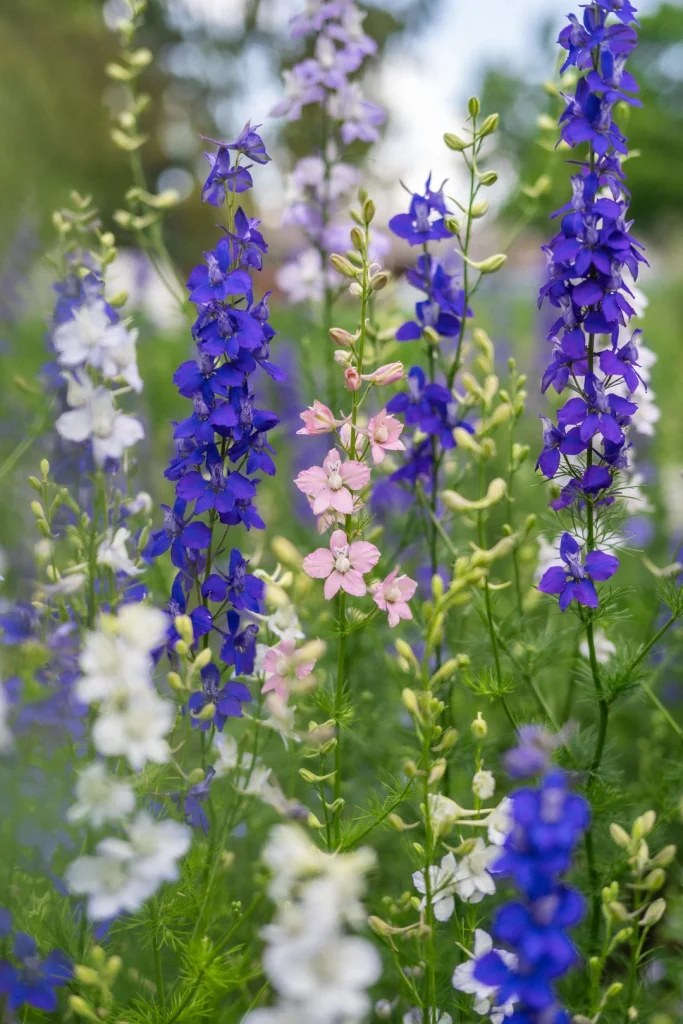
Picture tall spires of blue, pink, and white shooting up where you’d normally just see mulch and bare dirt in early summer. That’s larkspur.
It’s a cool-season annual, and it moves fast once fall temperatures drop. By winter, you’ll just see a small rosette of leaves waiting patiently for spring.
One thing to know before you plant: larkspur hates being moved. Sow it exactly where you want it to bloom.
Scatter the seeds, press them down, and add a light dusting of soil on top since these need darkness to sprout.
Pet safety: Larkspur is toxic to dogs, cats, and horses if eaten, according to the ASPCA. Keep it away from anywhere your pets dig or graze.
2. California Poppy
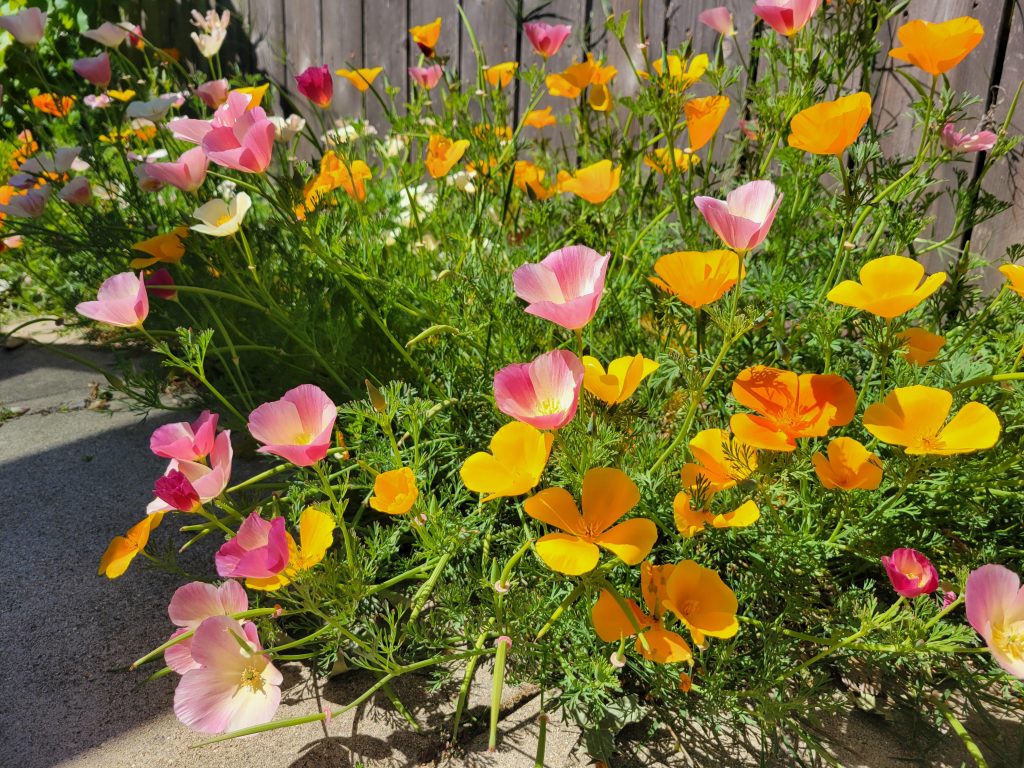
You know what’s refreshing? A flower that actually blooms better when you leave it alone.
California poppy wants poor, sandy soil and blazing full sun. Skip the fertilizer. Skip the rich compost. This one thrives on neglect.
Scatter the seeds over bare soil and press them in with your palm. Don’t bury them. They need sunlight to wake up, and covering them just stalls germination.
Come mid-spring, you’ll have a carpet of silky orange, yellow, or cream petals that catch the light beautifully.
3. Breadseed Poppy
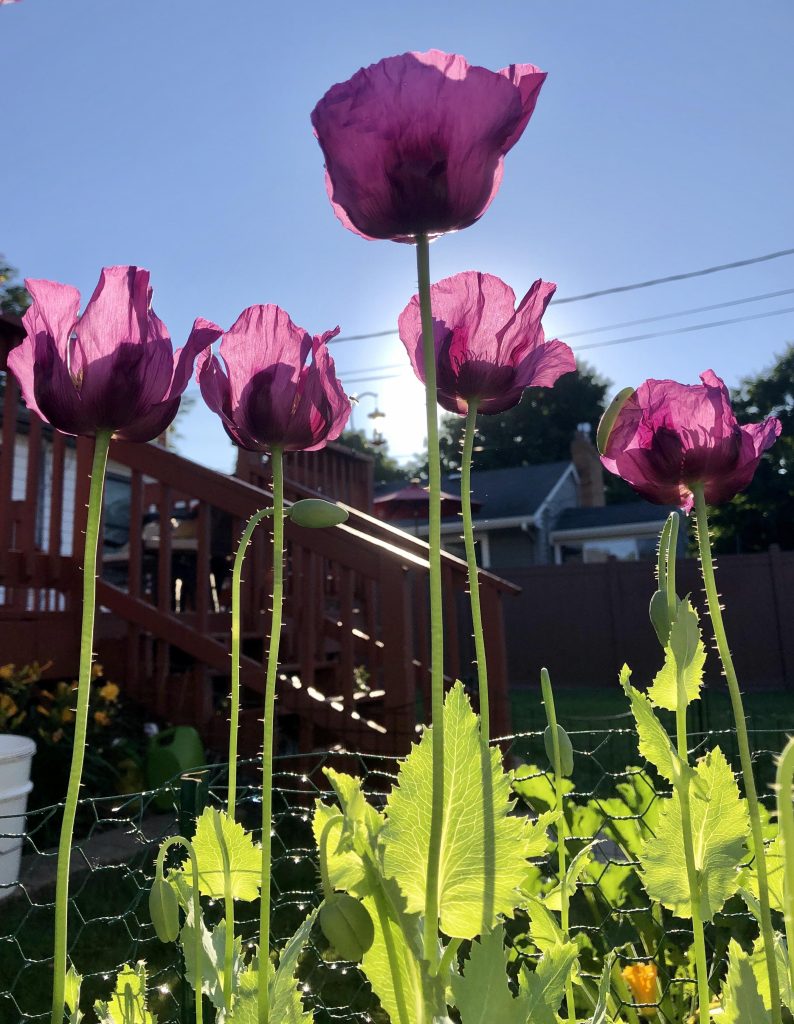
If California poppy is casual and easygoing, breadseed poppy is its dramatic older cousin. Think papery, tissue-thin petals in deep red, purple, or soft blush pink.
Fun fact: this is the same poppy behind poppy seed muffins. So you’re basically growing a bakery ingredient and a showstopper at once.
These seeds hate transplanting just like larkspur does, and they germinate best after a proper winter chill. Scatter them thinly across the soil in October.
Come spring, thin the seedlings out. Crowded poppies stretch, flop, and give you smaller blooms than you’d get with a little breathing room.
4. Sweet Peas
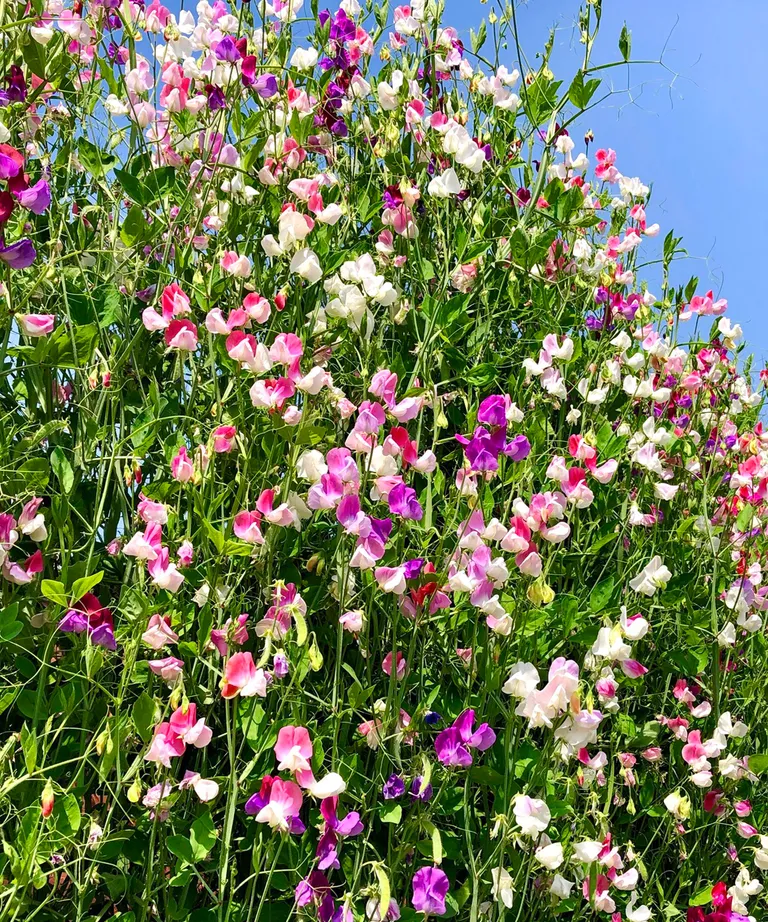
Ever notice how the flowers you start in fall just seem to bloom bigger and smell stronger? Sweet peas are the perfect example.
If you’re in a milder climate, October is your window. Sow them straight into the garden and let them grow slowly through the cold months.
They’ll take off the second spring warmth arrives.
Before you plant, soak the seeds overnight. Their coat is hard, and a good soak speeds things up considerably.
Plant about an inch deep near a trellis or fence. Sweet peas are climbers, and they’ll want something to grab onto early.
Pairing tip: Try pairing sweet peas with larkspur. Both grow upward, both bloom around the same time, and together they make a gorgeous vertical display.
5. Bachelor’s Buttons
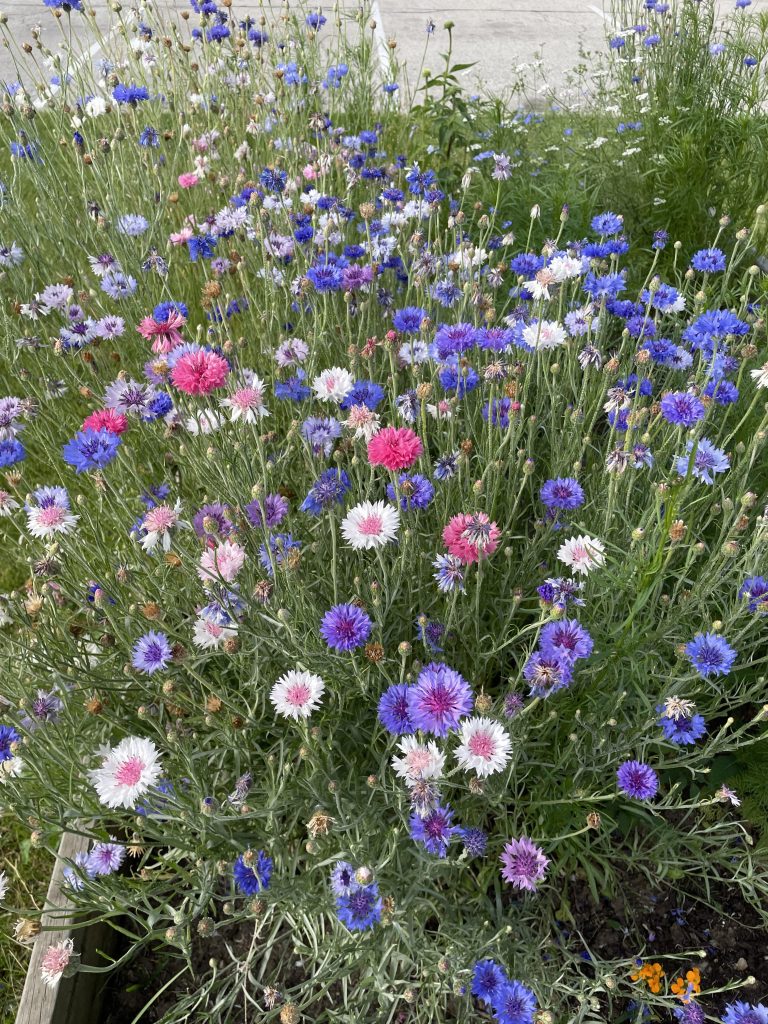
Real talk: true blue is one of the hardest colors to find in a garden. Bachelor’s buttons, also called cornflower, solve that problem effortlessly.
They’re tough. They’re fast.
And honestly, they’re pretty forgiving if you’re new to fall sowing and worried about getting it wrong.
Sow the seeds about a quarter inch deep in soil that drains well. Poor soil doesn’t bother them one bit.
Once they settle in, don’t be surprised if they self-seed for years without any help from you. Just watch the watering can early on. Soggy soil is really the only thing that trips these up.
6. Foxglove
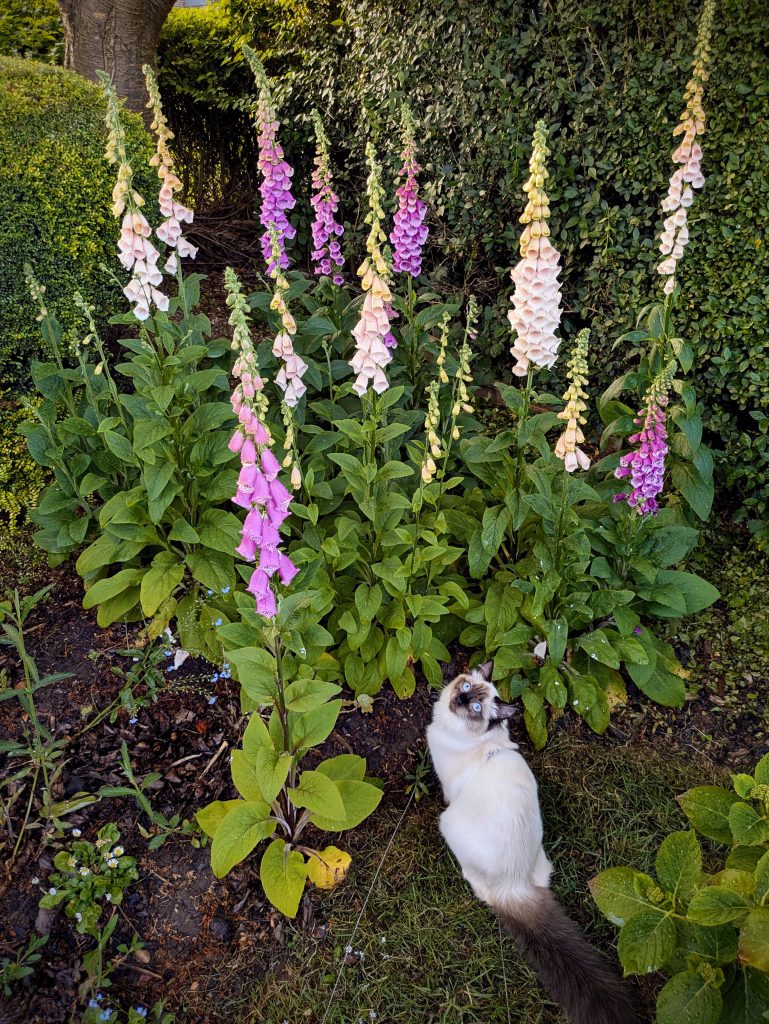
I’ll be honest, foxglove is the reason my mailbox garden gets compliments every June. Tall spikes. Dozens of spotted, bell-shaped blooms stacked from bottom to top. Bees practically dive into them.
Most people wait until spring to plant this one. I don’t. Fall soil is still soft and moist, and that gives the roots time to settle in before winter hits.
You end up with bigger, earlier blooms than anyone who waited.
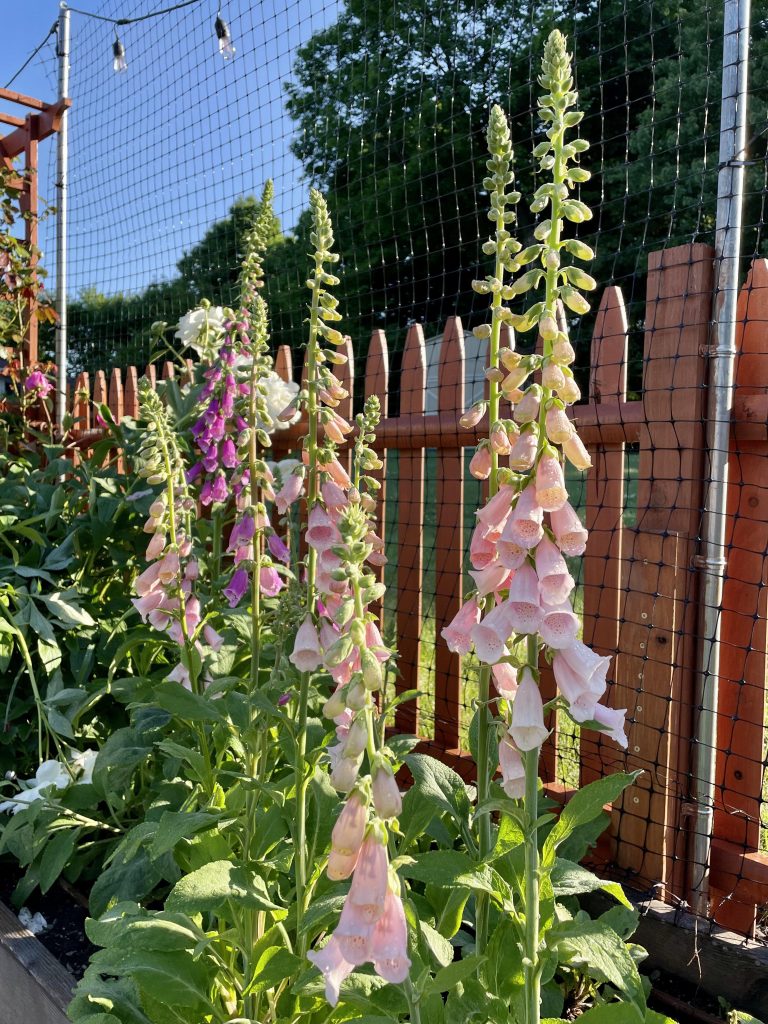
Press the seeds gently onto the soil surface. Skip the deep hole. They’re tiny, and they need light to wake up.
Pet safety: Foxglove is toxic if eaten, pets included. If your dog treats the garden like a snack bar, plant this one somewhere he can’t reach.
7. Hollyhock
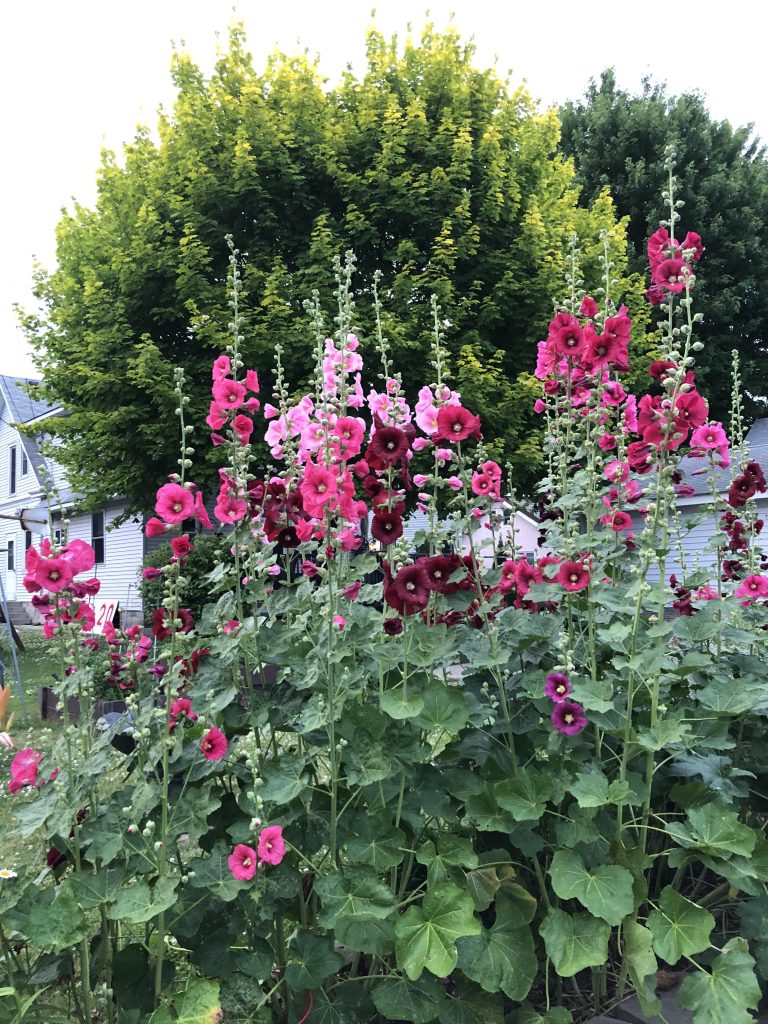
You know those old cottage photos with flowers taller than the front door? That’s hollyhock.
Here’s what nobody tells you before you plant it: you won’t see a single bloom the first year. It’s a biennial. Year one is all roots and leaves. Year two, it finally shows off.
So why bother with October? Because it skips ahead.
Sow now, and that quiet first year happens over winter instead of eating into your next growing season. You get flowers sooner.
Plant the seeds a quarter inch deep next to a fence or wall. They’ll need something to lean on once they shoot up. And give them room to breathe.
Crowd them and you’re asking for rust, a fungal problem hollyhocks are famous for.
8. Shasta Daisy
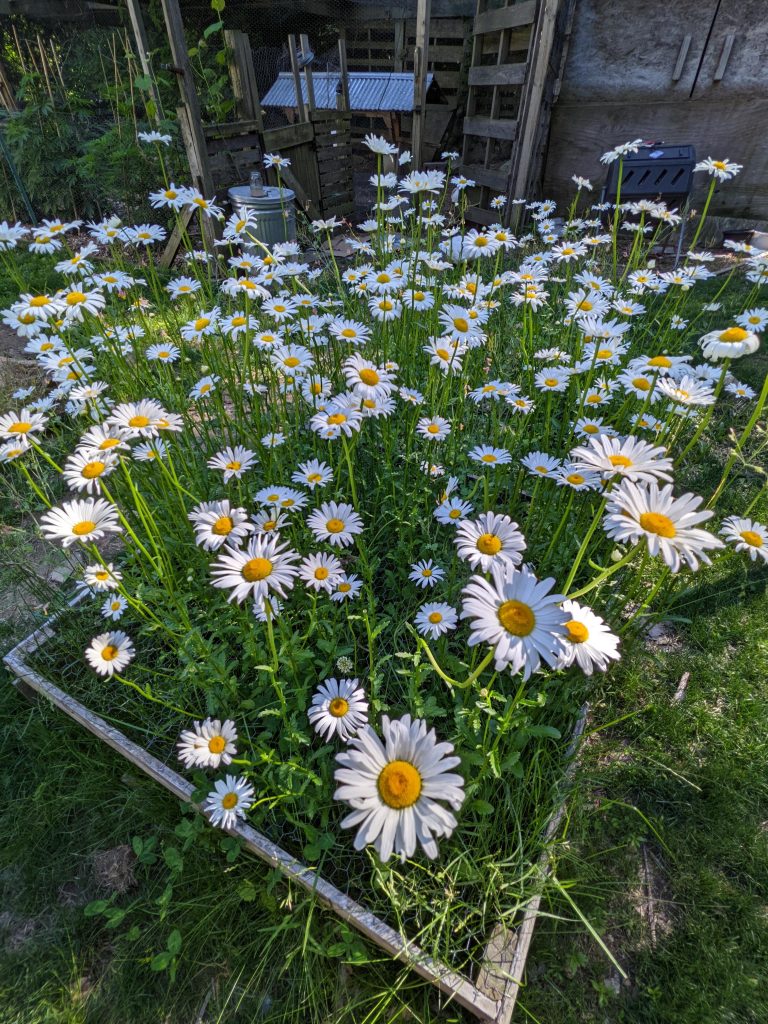
Ask anyone to draw a daisy and they’ll draw this one without even knowing its name. White petals, yellow center, simple and cheerful.
It’s a perennial, so this is a one-and-done kind of plant. You sow it once in fall, and it just keeps coming back, usually a little fuller each year.
Scatter the seeds and press them in with your hand. Don’t cover them. They need light to sprout, and burying them just slows things down.
Pairing tip: I like pairing this one with bachelor’s buttons. White and blue side by side never looks like an accident.
9. Lupine
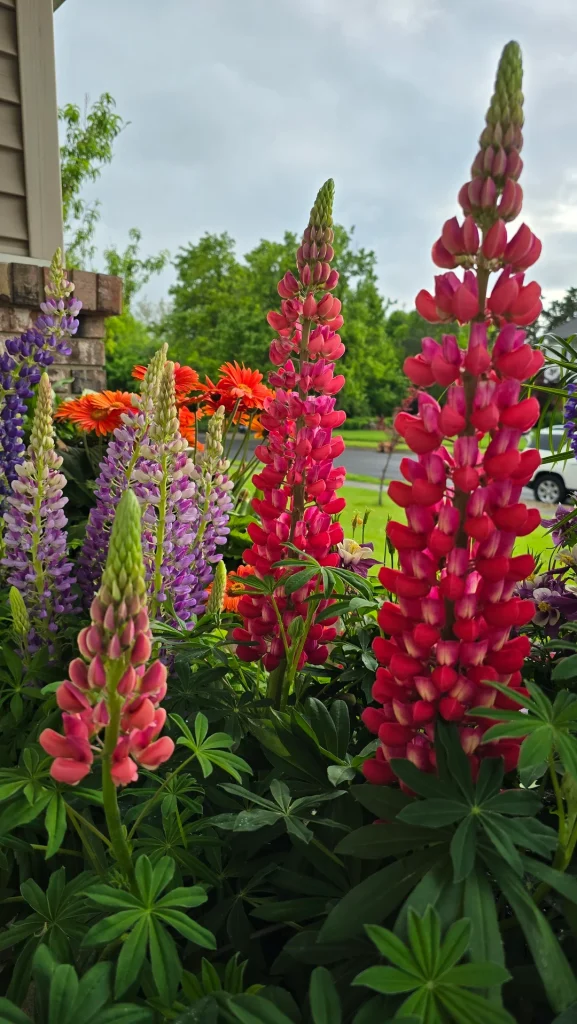
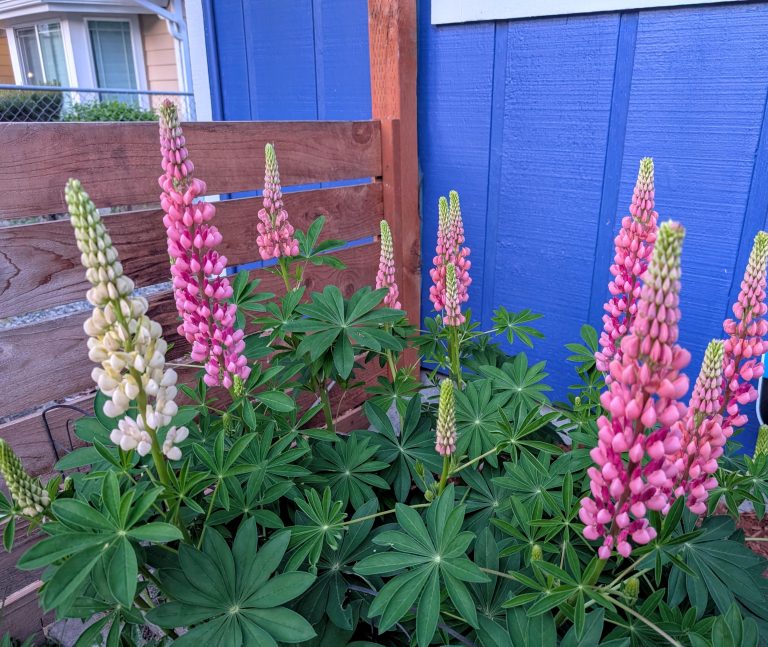
Lupine flowers look like something a Disney animator sketched. Tall spikes crowded with tiny pea-shaped blooms in blue, purple, pink, even white.
Here’s where lupine breaks the pattern. Most of these flowers want light and a shallow planting. Lupine wants to be buried.
Cover the seeds with soil, not left bare on top. Their coat is thick, almost leathery, and a winter underground softens it up naturally.
Want to speed things up? Soak the seeds overnight before planting, or rough them up lightly with sandpaper. Not required in fall, but it doesn’t hurt.
Pet safety: Lupine seeds and pods are toxic to livestock, and can be an issue for dogs too, according to the ASPCA. Keep grazing pets clear of established patches.
10. Pincushion Flower
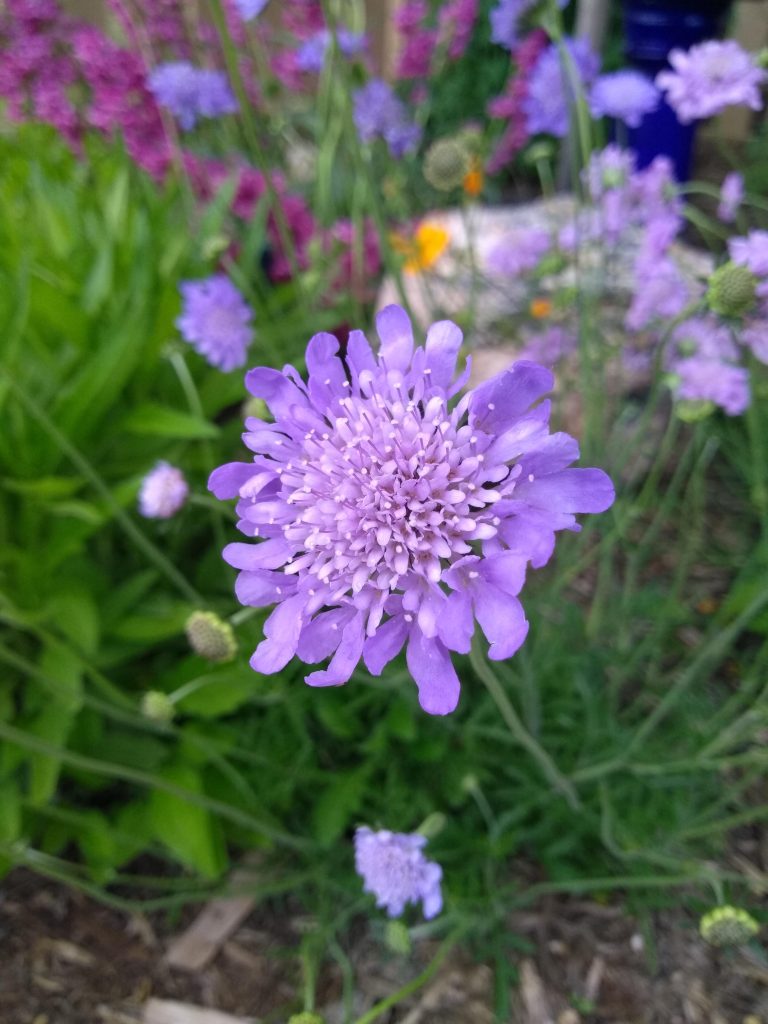
Scabiosa. Pincushion flower. Whichever name you use, one look at the bloom and you’ll understand why. Round, domed, with little pins of stamens sticking straight out.
This one’s easygoing about soil. Sandy, loamy, a little rough around the edges, it doesn’t mind. Sun is non-negotiable, though. Give it less, and the blooms just won’t show up the way you want.
Scatter the seeds over loosened soil in October and press them in. They take a full 90 days to mature, so fall planting gives them the runway to actually bloom on time next spring instead of playing catch-up.
Pollinator note: Bees and butterflies swarm this one, especially when it’s planted near coneflower or bee balm.
11. Black-Eyed Susan
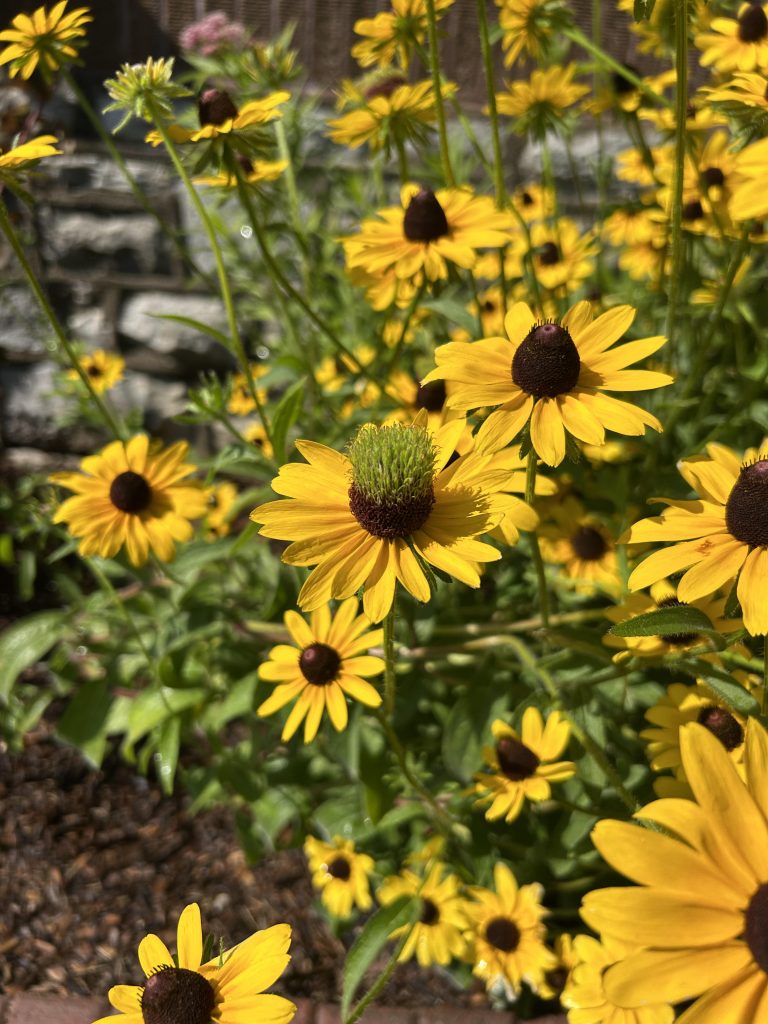
Drive past any patch of wild roadside in late summer and you’ll spot these. Bright yellow petals, a dark chocolate-brown center. Black-eyed Susan doesn’t ask for permission to show up.
Here’s a detail I love. Plant it in spring, and it usually waits until year two to bloom. Plant this perennial in October instead, and you’ve got a real shot at flowers the very first year.
Fall gives it the head start it needs.
These seeds need light, so surface sow them. Scatter, press, done. No burying required.
Common mistake to avoid: Birds love snacking on the seeds just as much as pollinators love the flowers. If you notice them disappearing before winter, a light layer of soil on top helps keep the birds guessing.
12. Purple Coneflower
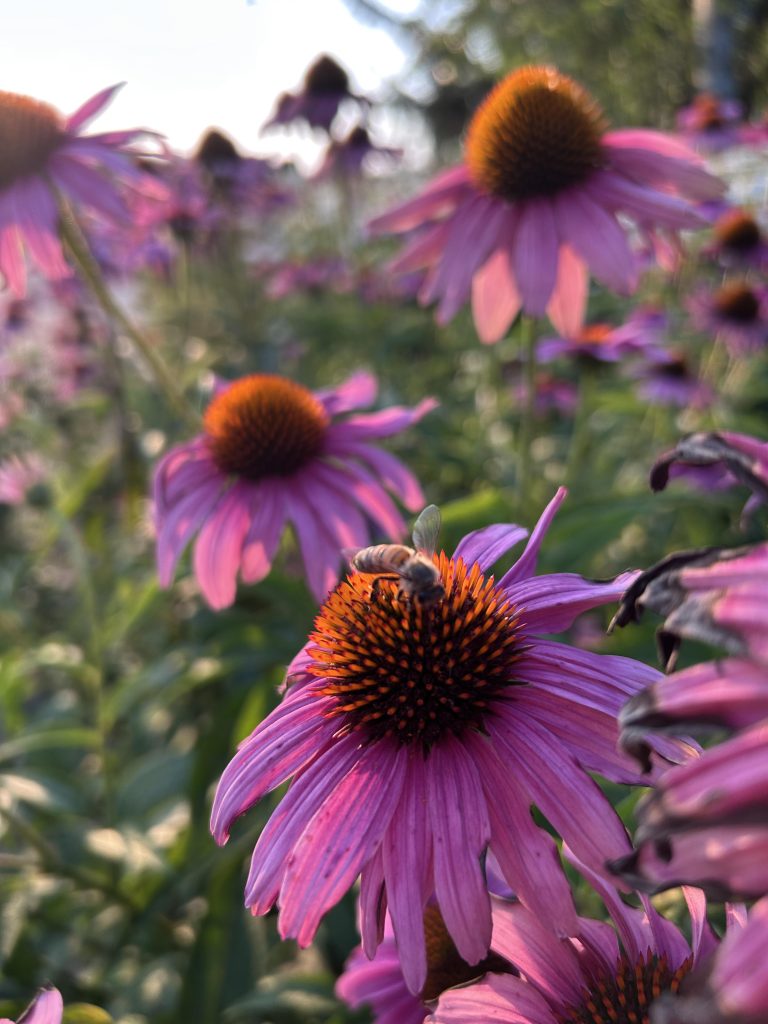
Coneflower is the plant I recommend to anyone who says they “can’t keep anything alive.” It’s nearly indestructible once it’s settled in.
Scatter the seeds over bare soil and press them down. They need light to germinate, same as black-eyed Susan, so don’t bury these either.
Winter’s cold and moisture do the rest, breaking dormancy naturally by spring.
What sets coneflower apart is how long its usefulness lasts. Bees and butterflies feed on it all summer. Then, once the petals fade, finches and other small birds pick at the seed heads straight through fall and winter.
Leave the spent blooms standing instead of cutting them back, and you’ve basically built a bird feeder without trying.
13. Milkweed
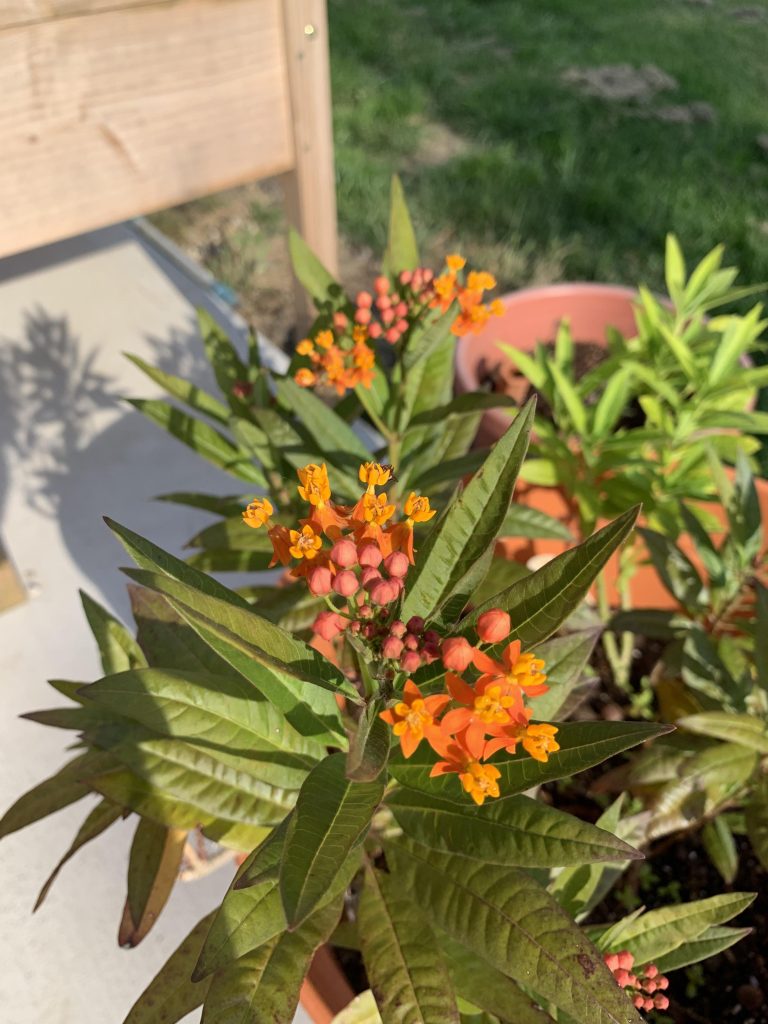
If you only plant one thing from this list, let it be milkweed. Monarch butterflies lay their eggs exclusively on this plant. No milkweed, no monarchs. It’s that simple.
There are dozens of species, and the trick is picking one native to your region.
A milkweed that thrives in Texas isn’t necessarily the right fit for someone gardening in Vermont, so it’s worth a quick search for what’s local to you before you buy seed.
Scatter the seeds on the soil surface and press them in lightly. They need both cold and light to germinate, which makes October sowing close to ideal.
If you’re worried about wind scattering the seeds before winter sets in, a very thin dusting of soil helps anchor them without blocking the light they need.
14. Blanket Flower
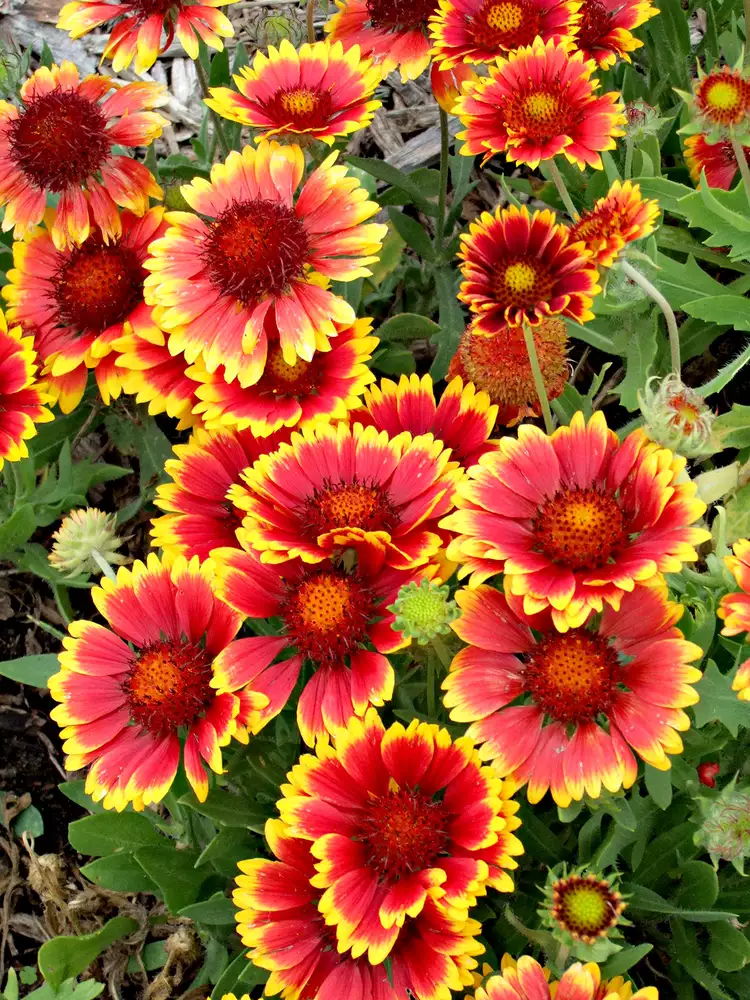
Blanket flower earns its name honestly. Give it a season or two, and it’ll spread into exactly that, a blanket of red-and-yellow blooms that keeps going from early summer clear into fall.
I’ll let you in on something most guides skip. Not every blanket flower needs cold stratification to sprout. But even the ones that don’t still benefit from October’s cool, damp conditions.
So there’s really no downside to planting now instead of waiting for spring.
Scatter the seeds and press them into the soil. Look for native, non-hybrid varieties if you can find them. Hybrids often have showier, larger blooms, but they’re pickier about conditions and don’t always come back as reliably.
15. Wild Bergamot (Bee Balm)
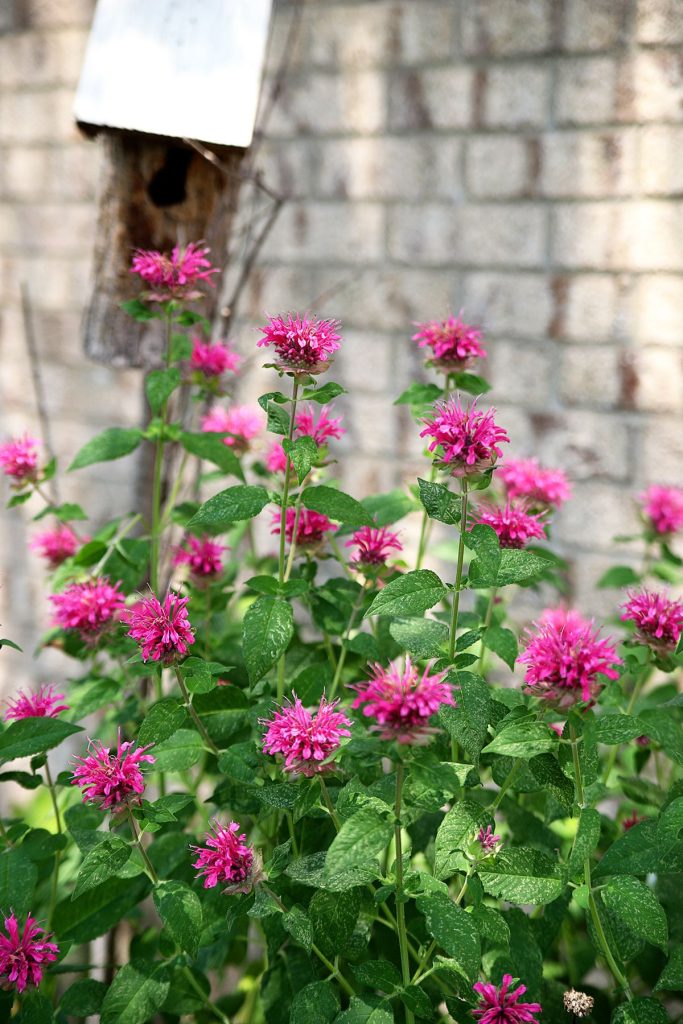
Wild bergamot smells like a mix of mint and citrus if you crush the leaves between your fingers. I do this every time I walk past mine. It’s a habit at this point.
This one’s a little more flexible than most of its neighbors on this list. It doesn’t strictly require cold stratification, but it clearly grows better with it, so October sowing still gives you an edge over spring.
Surface sow the seeds and press them in gently. If birds or curious critters keep scratching up your beds over winter, a light layer of netting keeps everything in place until spring growth kicks in.
Pollinator note: Bees, butterflies, and hummingbirds all show up for this one. Plant it near coneflower or milkweed, and you’ve basically built a pollinator hotspot without trying too hard.
FAQ’s
What happens if I miss October and it’s already November?
You’re not totally out of luck. Many of these seeds still work with a late sowing, especially in milder climates where the ground hasn’t frozen yet.
Just know your germination rates might dip a little, and blooms could show up slightly later than they would have with an October start.
Do I really need to leave some of these seeds uncovered?
Yes, and it trips up more people than you’d think. Plants like California poppy, coneflower, and black-eyed Susan need light to trigger germination.
Bury them, and they might just sit there doing nothing until you give up and think the seeds were duds.
Will I actually see blooms the first spring, or do I have to wait a full year?
It depends on the plant. Annuals like larkspur, poppies, and bachelor’s buttons bloom fast, often within months.
Perennials and biennials like shasta daisy and hollyhock usually take a little longer to hit their stride, though fall sowing still gets you there faster than waiting until spring.
Can I mix several of these seeds together in one bed?
Absolutely, and honestly, it looks better that way. Just group plants with similar sun and soil needs together. Coneflower, black-eyed Susan, and milkweed all like full sun and don’t mind average soil, so they pair up easily.
What if squirrels or birds keep digging up my seeds over winter?
It happens more than gardeners like to admit. A light dusting of soil on surface-sown seeds helps, and so does a loose layer of netting pinned down over the bed.
Just make sure light can still reach the seeds underneath if they need it to germinate.
Final Thoughts
October might be the most underrated month in the whole gardening calendar.
A little effort now means less work come spring and flowers that show up earlier than you’d expect.
Pick a few from this list, get them in the ground, and let winter do what it does best.