13 Low Light Hanging Plants That Thrive Without a Sunny Window

No bright window? No problem. Plenty of hanging plants grow just fine in dim corners, north-facing rooms, or that one hallway with barely any light.
You don’t need a greenhouse setup to get lush, trailing greenery. You just need the right plants in the right spots.
This list covers 13 low light hanging plants that stay healthy with minimal fuss, plus tips on pet safety, hanging height, and what “low light” actually means for your plants.
“Low Light” Doesn’t Mean No Light
Here’s a common mix-up. Low light doesn’t mean total darkness. Every plant needs some light to survive, even the toughest ones on this list.
Horticulture experts define low light as roughly 100 foot-candles, which is dimmer than most people expect but still real, usable light.
Think a spot a few feet from a window, or a room with an east or north-facing window that never gets direct sun.
A plant living too far from any window, even a “low light” one, will slowly decline.
So give these plants a corner with some natural light or a boost from an LED grow bulb. Skip windowless closets and dark basements.
Pet Safety at a Glance
If you share your home with a cat or dog, plant toxicity matters. Many popular hanging plants, including pothos, philodendron, and English ivy, contain calcium oxalate crystals.
Chewed leaves can cause drooling, mouth irritation, and stomach upset in pets, according to the ASPCA.
The good news? You’ve got pet-safe options too.
Spider plant, Boston fern, and Swedish ivy are all non-toxic picks on this list.
If you’re set on a toxic variety, just hang it high and out of reach, especially from curious cats who love to climb.
How High (and How) to Hang Them
Fast growers like pothos and philodendron get heavy fast once their vines fill out.
A flimsy plastic hook won’t hold up. Use a sturdy metal hook rated for at least 20 pounds, and always check the weight limit before you hang anything.
Keep plants low enough that you can actually reach them. You’ll need to water, trim, and check for pests regularly.
Hanging a plant too high just means you’ll forget about it, and neglected plants don’t stay pretty for long.
13 Low Light Indoor Hanging Plants That Still Thrive
1. Golden Pothos
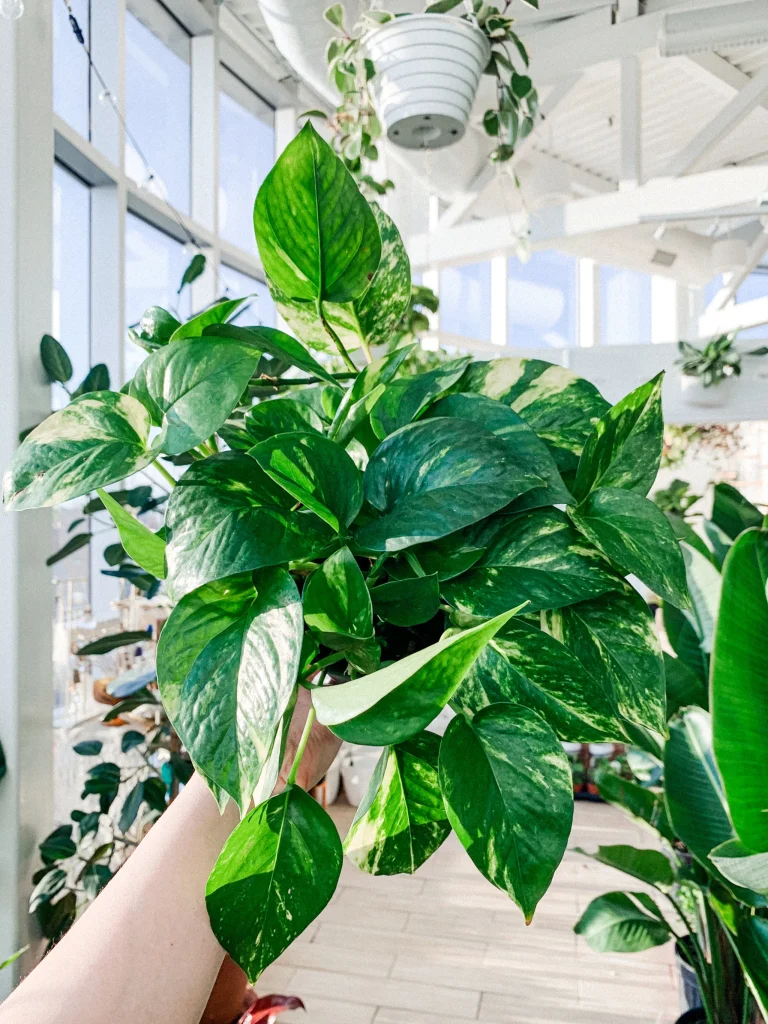
Golden pothos might be the easiest houseplant on the planet. It handles low light, irregular watering, and general neglect better than almost anything else you can grow.
Its heart-shaped leaves trail beautifully from a hanging basket, stretching several feet long if you let them.
New growers love it because it’s nearly impossible to kill by accident.
Light: Tolerates full shade to bright, indirect light.
Water: Let the top two inches of soil dry out between waterings.
Good to know: Toxic to cats and dogs if chewed. Keep it out of reach or hang it high.
You may also like: How to Propagate Pothos in Water Step by Step (With Pictures)
2. Satin Pothos
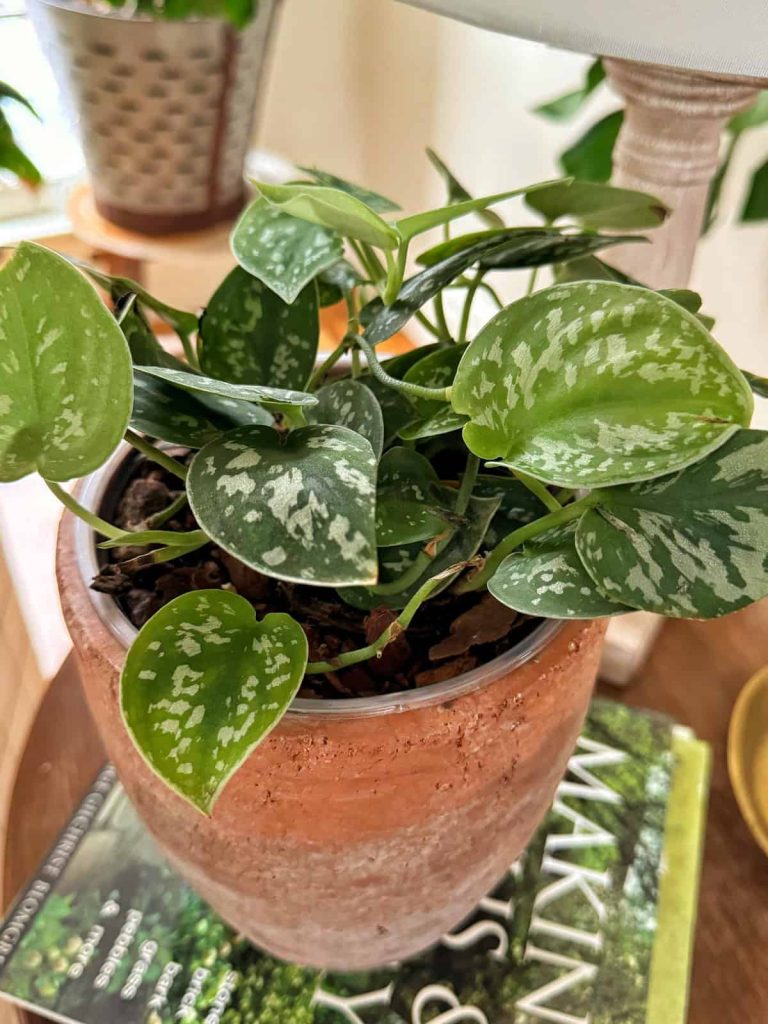
Satin pothos isn’t technically a true pothos, but it shares the same easygoing personality.
Its dark green leaves are splashed with silvery patches that seem to shimmer under any light.
This plant actually holds its color better in shade than in bright sun, which can wash out the variegation. That makes it one of the better choices for genuinely dim rooms.
Light: Full shade to bright, indirect light.
Water: Water when the top two inches of soil feel dry.
Good to know: Mildly toxic to pets. Its thick, waxy leaves also handle dry indoor air better than most trailing plants.
3. Heartleaf Philodendron
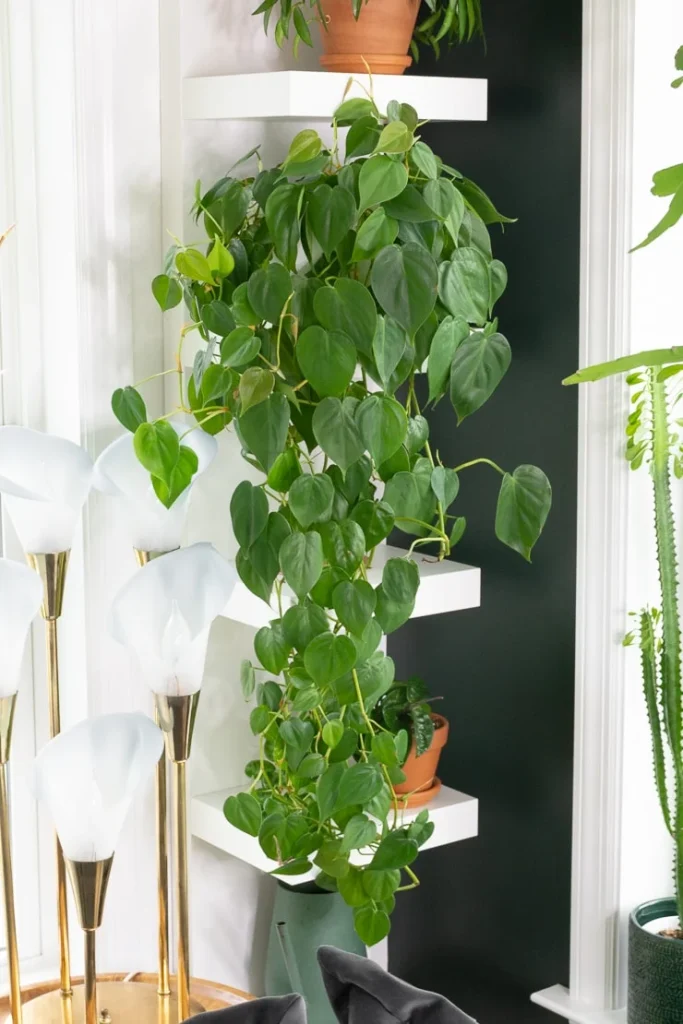
Heartleaf philodendron grows fast, looks great, and barely asks for anything in return. Its glossy, heart-shaped leaves cascade over the edge of a basket in long, graceful vines.
This plant is a staple for a reason.
It bounces back quickly from missed waterings and adapts to almost any indoor spot, dim corners included.
Light: Partial shade to bright, indirect light.
Water: Water once the top of the soil feels dry.
Good to know: Toxic to pets if ingested. Trim the vines anytime to keep the plant full and bushy instead of leggy.
4. Arrowhead Plant
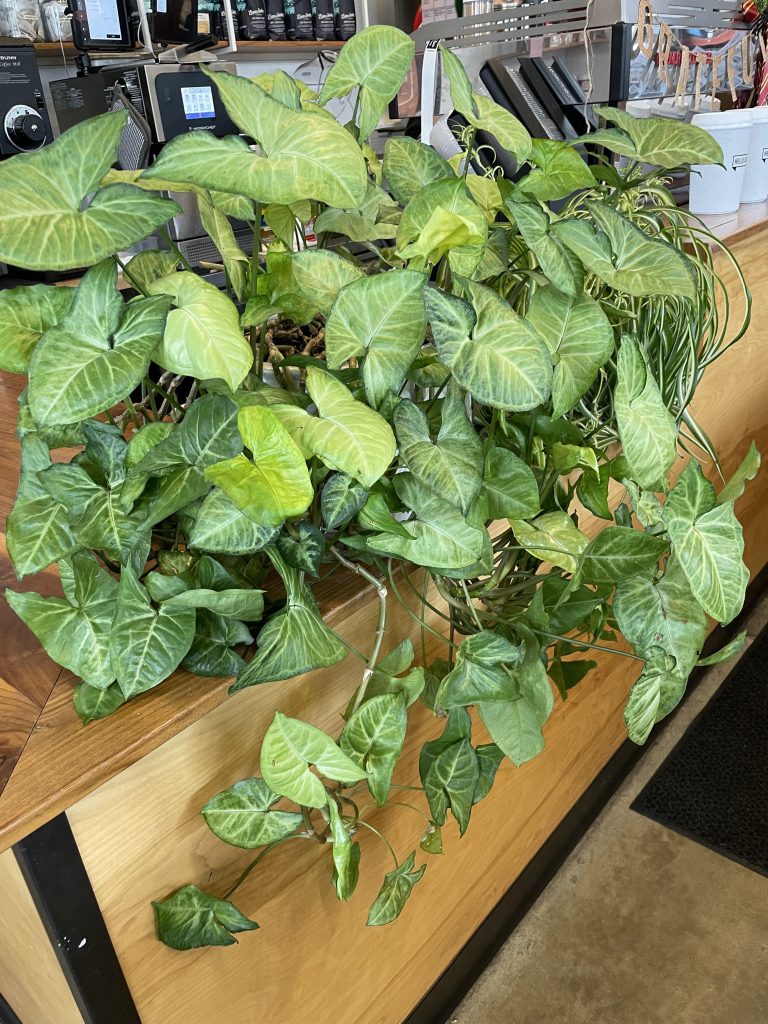
Arrowhead plant, or syngonium, gets its name from its arrow-shaped leaves.
Young plants stay compact, but as they mature, they send out long vines perfect for a hanging pot.
Leaf color varies by variety, from solid green to pink-tinged or silvery types. Lower light keeps the leaves greener, while brighter spots bring out bolder colors and patterns.
Light: Partial shade to bright, indirect light.
Water: Water when the top two inches of soil dry out.
Good to know: Mildly toxic to pets. It’s also a fast grower, so expect to prune it every few months to keep it tidy.
5. Spider Plant
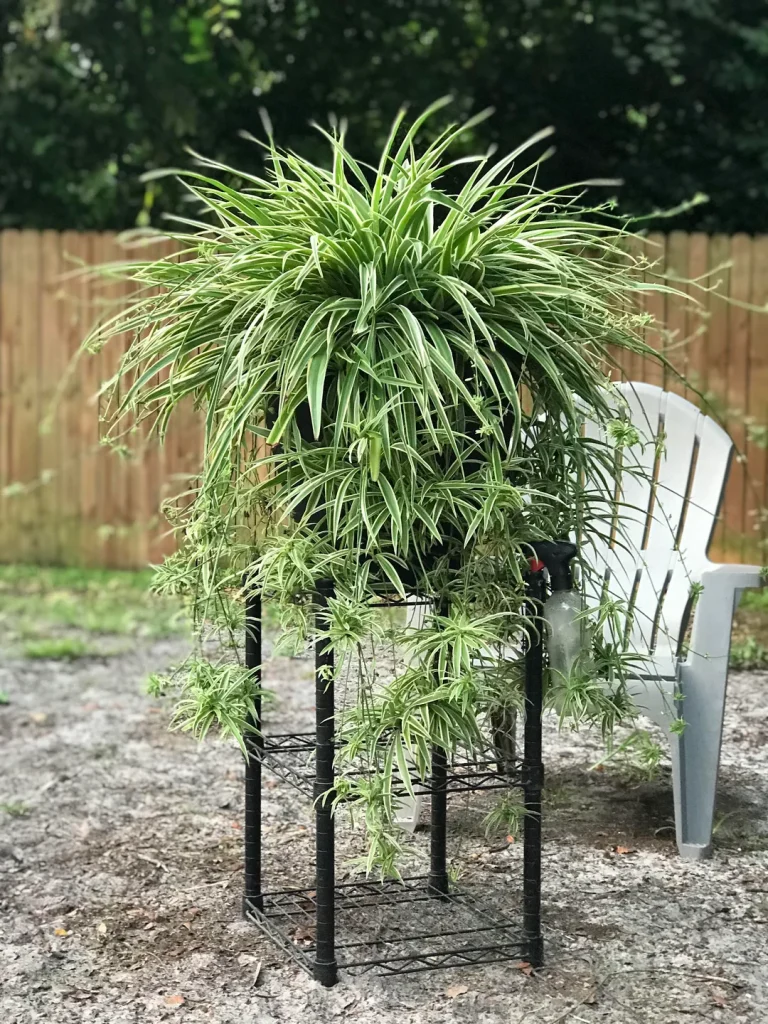
Spider plant has been a houseplant favorite since your grandmother’s living room, and it’s still just as reliable today.
Its long, arching leaves stay compact in low light and only really take off once you give it brighter conditions.
The real bonus?
Healthy spider plants send out little baby plantlets on long stems, which look striking spilling over a hanging basket. You can even snip them off to start new plants.
Light: Partial shade to bright, indirect light.
Water: Let the soil dry out completely between waterings.
Good to know: Non-toxic to cats and dogs, making it a safe pick for pet owners.
6. Boston Fern
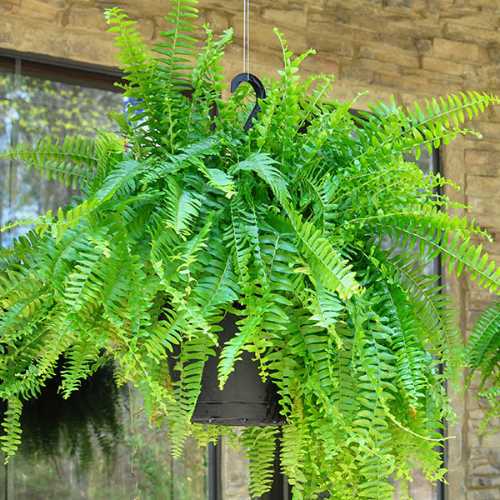
Boston fern brings that classic, feathery fullness that’s hard to match with any other houseplant.
Its arching fronds cascade thick and lush, filling out a hanging basket in no time.
This one’s pickier about humidity than the others on this list. Dry indoor air can turn the fronds crispy fast, so a bathroom or regularly misted spot works best.
Light: Full shade to indirect light.
Water: Keep the soil consistently moist, never soggy.
Good to know: Non-toxic to pets. Mist it a few times a week or set it near a humidifier to keep it happy.
7. Bird’s Nest Fern
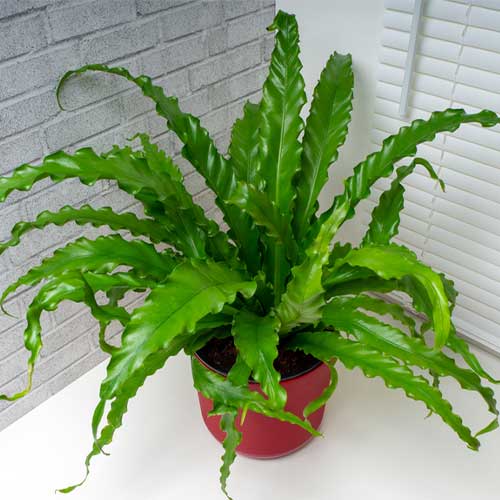
Bird’s nest fern skips the delicate, feathery look most ferns go for.
Instead, its broad, wavy fronds rise from a central rosette, giving it a bold, tropical shape that stands out in a hanging planter.
It genuinely doesn’t need sunlight to thrive, which makes it one of the few ferns that actually earns the “low light” label.
Shaded bathrooms and dim hallways suit it well.
Light: Medium to low light. Tolerates artificial light too.
Water: Water when the top layer of soil feels dry.
Good to know: Non-toxic to pets. Mist the fronds occasionally to keep humidity up and dust off.
8. English Ivy
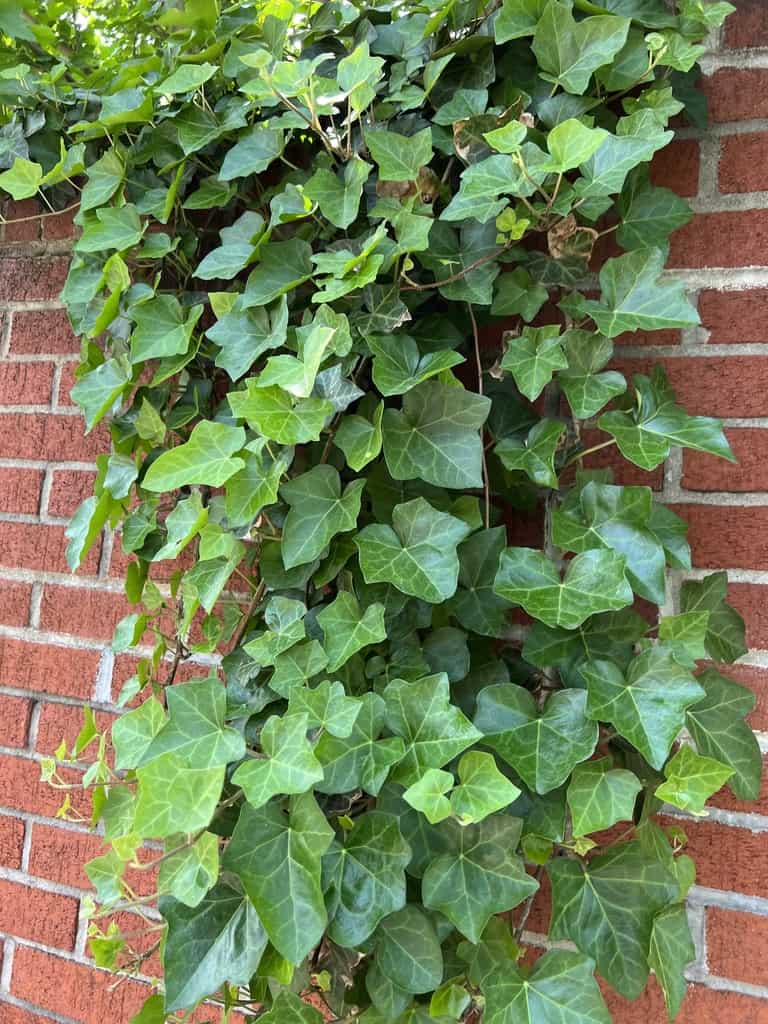
English ivy grows outdoors in the shade of full-size trees, so low light indoors barely fazes it.
Its star-shaped leaves trail quickly, filling a hanging basket with dense, classic greenery.
This plant grows fast, sometimes surprisingly fast, so be ready to trim it back every so often. Left alone, it’ll happily take over more space than you planned for.
Light: Full shade to bright, indirect light.
Water: Keep the soil lightly moist, but never let it sit in water.
Good to know: Toxic to pets and to people if eaten. Keep it well out of reach of curious kids and animals.
9. Swedish Ivy
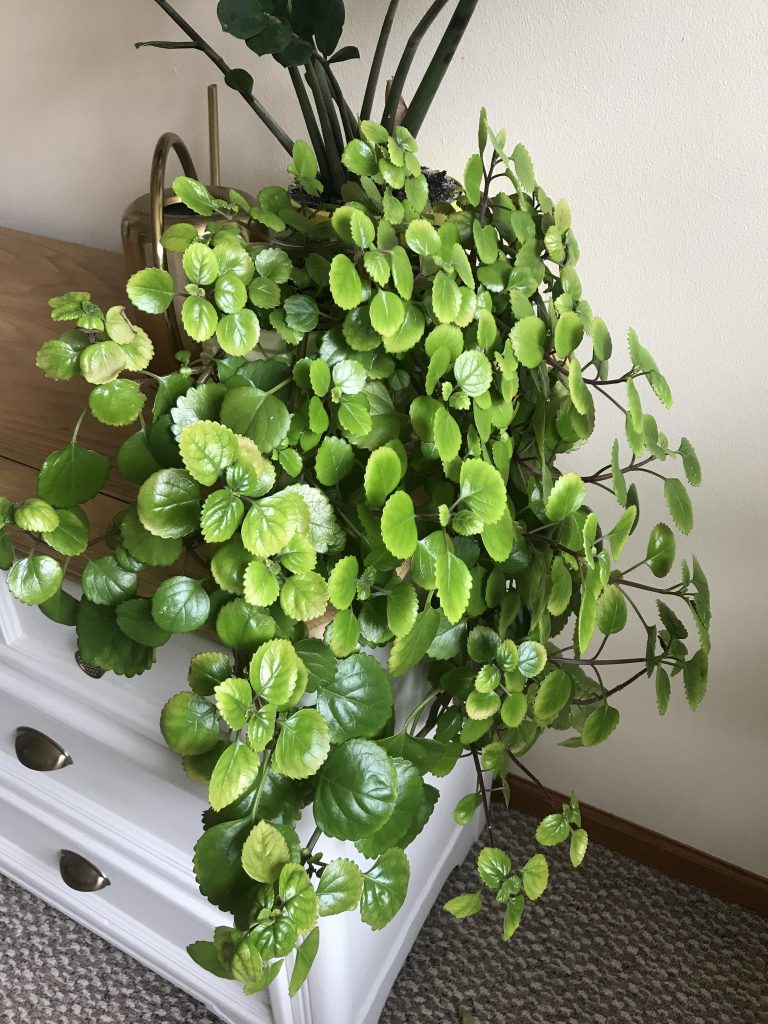
Swedish ivy isn’t a true ivy, and it’s not from Sweden either.
It’s actually a member of the mint family, which explains its glossy, scalloped leaves and the faint scent they release when brushed.
It’s an easy, forgiving plant that bounces back fast after you forget to water it.
The cascading stems fill out a hanging basket quickly, making it a great pick if you want fast results.
Light: Partial shade to bright, indirect light.
Water: Water when the top inch of soil feels dry.
Good to know: Completely non-toxic to pets, so it’s a worry-free choice for homes with cats or dogs.
10. Grape Ivy
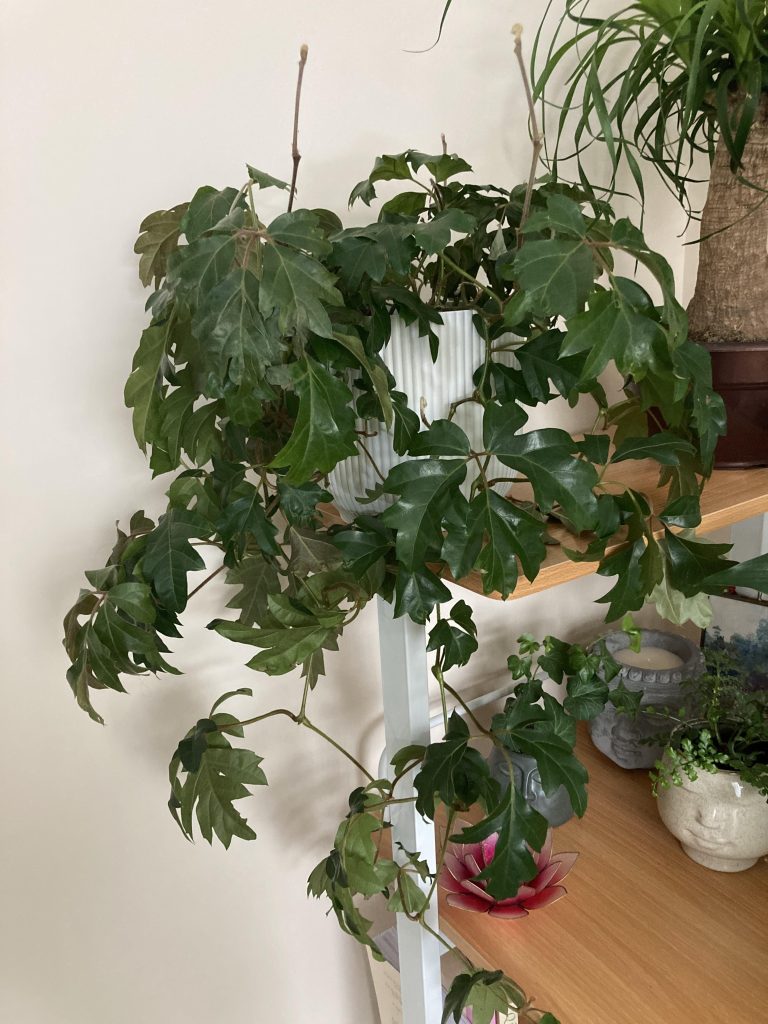
Grape ivy earns its hanging-plant reputation with glossy, deeply lobed leaves and long, arching vines. It’s a true shade lover, which makes it a solid pick for rooms that barely see natural light.
This plant stays fuller and more compact than fast-spreading vines like pothos, so it’s a good option if you want lush growth without constant trimming.
Light: Tolerates bright, indirect light as long as the soil stays slightly moist.
Water: Water weekly, but check that the top inch of soil is dry first.
Good to know: Mildly toxic to pets. Generally considered safe around people, though it’s still smart to keep it away from small children.
11. Rhipsalis
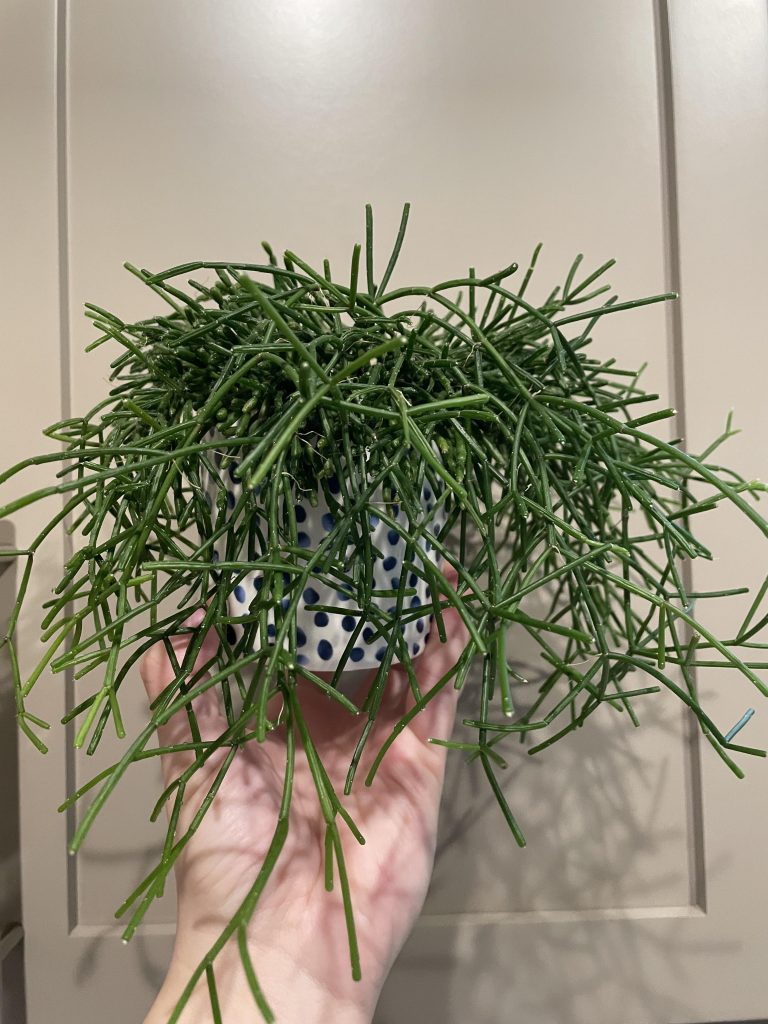
Rhipsalis looks nothing like the cactus you’re picturing.
Its thin, trailing stems dangle in soft, tangled strands, giving off a calm, jungle-like vibe that’s completely different from a typical spiky succulent.
Unlike most cacti, this one actually enjoys humidity, which makes it a great fit for a shaded bathroom or kitchen.
It’s an easy plant to underestimate until you see it fully grown and cascading.
Light: Prefers bright light, but keep it indirect.
Water: Water when the top layer of soil feels dry.
Good to know: Non-toxic to cats, dogs, and humans, making it a safe, low-stress choice.
12. Trailing Peperomia
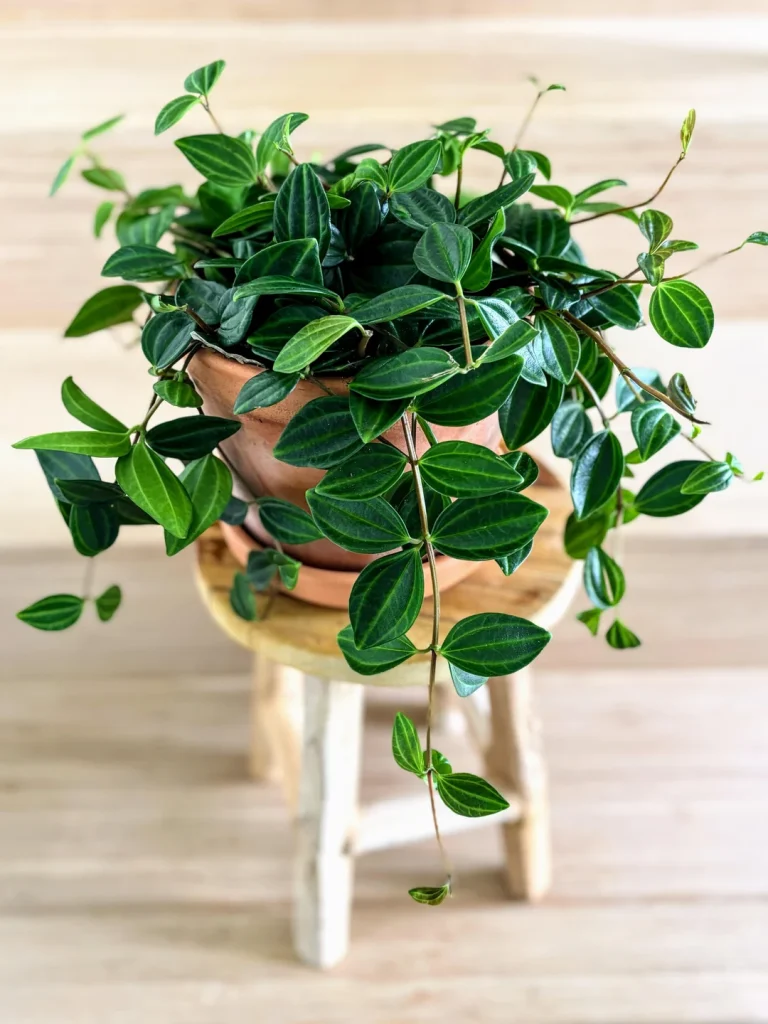
Trailing peperomia varieties bring thick, fleshy leaves that store water, so a missed watering won’t stress the plant out.
That built-in forgiveness makes it a favorite for beginners who tend to forget their plants exist for a week or two.
Leaf patterns vary a lot between varieties, from striped watermelon peperomia to solid, glossy types.
Either way, the cascading stems look great spilling over the edge of a basket.
Light: Grows well in medium light. Artificial light works fine too.
Water: Water when about two inches of soil have dried out.
Good to know: Non-toxic to cats, dogs, and humans, so it’s a safe pick for pet-friendly homes.
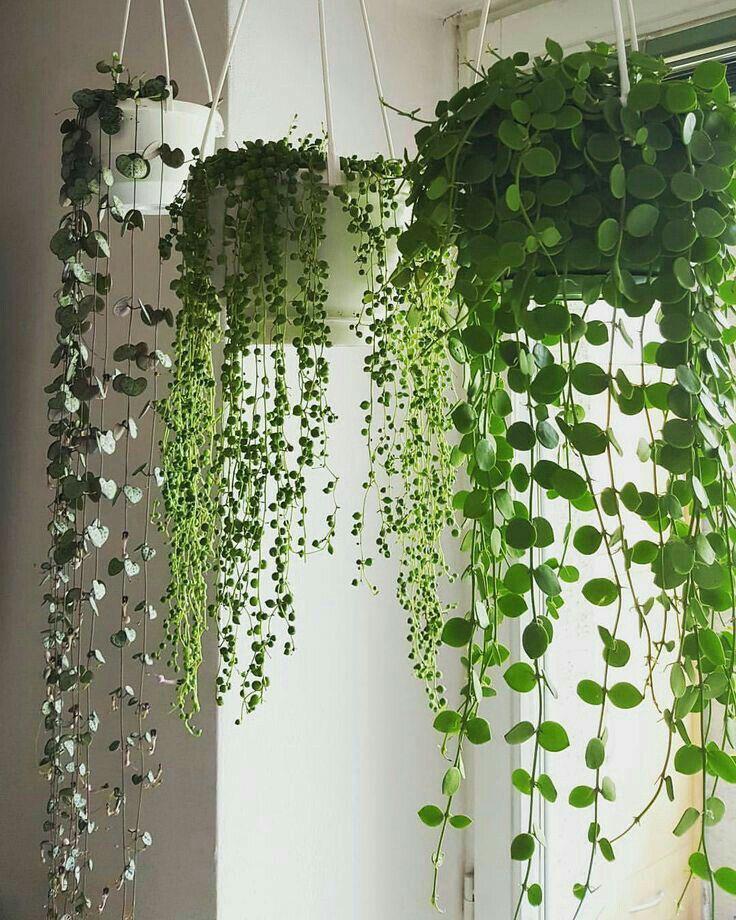
13. String of Hearts
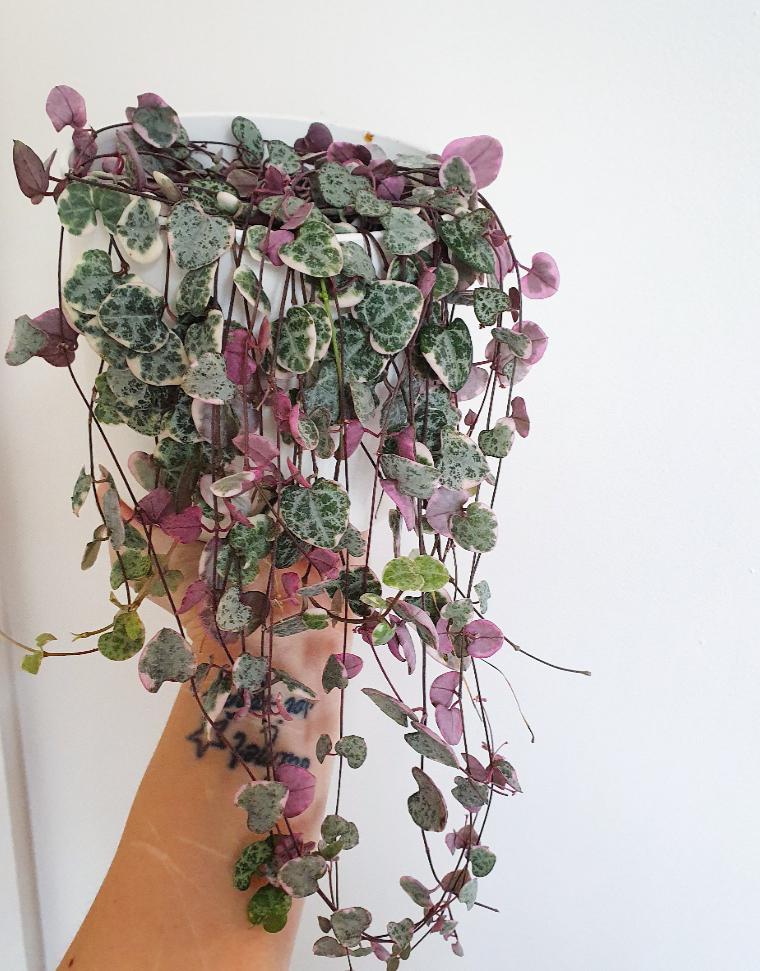
String of hearts is the one plant on this list that needs a bit more light than the others.
It’ll survive in moderate shade, but it really shows off, with tighter growth and marbled leaf color, in brighter, indirect light.
If your space leans more dim than bright, treat this one as a stretch goal rather than a guaranteed win.
Its delicate, heart-shaped leaves trailing off thin vines are worth the extra effort if you can give it a slightly brighter spot.
Light: Moderate shade to bright, indirect light.
Water: Let the soil dry out completely between waterings.
Good to know: Mildly toxic to pets. Its trailing vines can grow surprisingly long, so give it room to cascade.
FAQs
Can any of these survive a room with no windows at all?
Not long-term. Every plant on this list still needs some natural or artificial light to survive.
A grow bulb can fill in for a missing window, but a completely dark room isn’t workable for any houseplant.
Do hanging plants need to be watered more often than potted ones?
Usually yes. Hanging baskets tend to dry out faster because they get more airflow around the pot. Check the soil weekly instead of assuming your regular schedule still applies.
What’s the easiest plant on this list for a total beginner?
Golden pothos. It tolerates missed waterings, low light, and general neglect better than almost any other houseplant, which makes it nearly impossible to kill by accident.
Are any of these plants completely safe for homes with cats?
Spider plant, Boston fern, bird’s nest fern, Swedish ivy, rhipsalis, and trailing peperomia are all non-toxic to cats and dogs. Stick to these if you want zero pet-safety worries.
Do these plants need special hanging pots with drainage holes?
Yes, drainage matters just as much in a hanging pot as it does anywhere else. Use a basket with drainage holes, or add a layer of gravel at the bottom if your pot doesn’t have any.
Wrapping Up
Low light doesn’t have to mean a bare, empty room. With the right plant in the right spot, you can fill even the dimmest corner with trailing, healthy greenery.
Start with one or two easy picks like pothos or spider plant, then build your collection from there. Your space will feel greener in no time.