The Ultimate Guide to Cutting Garden Perennials That Bloom All Season Long

You know that feeling when you’re at the grocery store, eyeing the flower section, doing quick math on how often you can justify a $12 bouquet?
I’ve been there. Perennials solve that problem for good. Plant them once, and they keep coming back, bigger and better every year.
No repurchasing seeds. No starting over each spring. Just more flowers, for less work, season after season.
Here are 13 that’ll keep your vases full from the first spring bloom all the way to frost.
Building a Cutting Garden With No Gaps
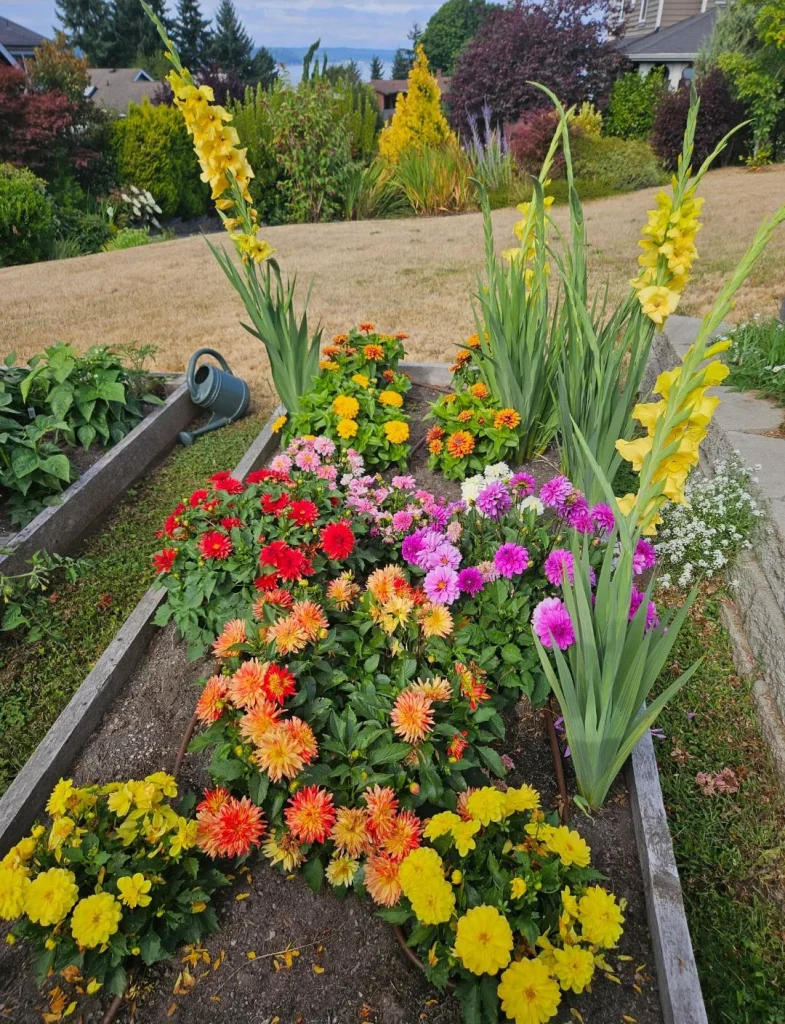
Here’s a mistake I see all the time: picking plants one by one because they looked good at the nursery. Then June rolls around and there’s nothing left to cut.
You need a plan instead. Think in seasons, not single plants.
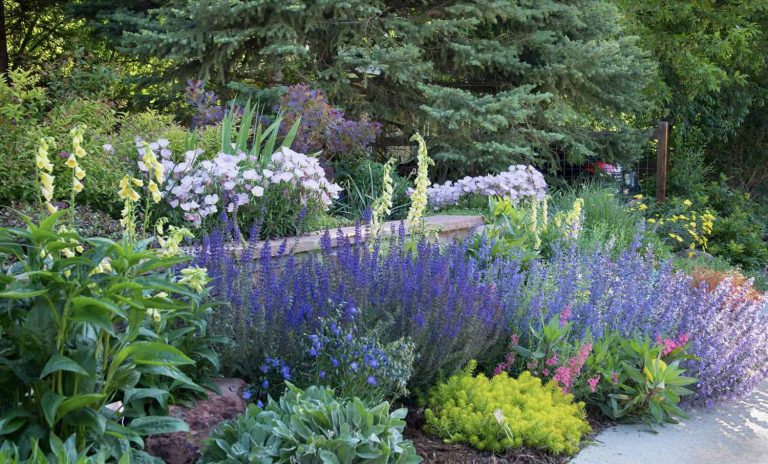
Spring belongs to peonies and iris. They open the show. Early summer hands things off to lilies, yarrow, and delphiniums.
Then summer proper kicks in, and that’s when phlox, coneflower, daisies, baby’s breath, sea holly, and bee balm all hit their stride.
Fall closes things out with black-eyed Susan and sedum, carrying you right up until the first frost. Cover those four windows and your cutting garden never goes quiet.
A couple of things trip people up early on. Cutting a flower before it’s fully open? It often just stalls out in the vase instead of opening properly.
Skipping the conditioning step is another one. Strip the lower leaves, get your stems into cool water fast, and you’ll buy yourself extra days of vase life.
And go easy on yourself the first year. Perennials follow a “sleep, creep, leap” pattern. Year one, barely anything happens. Year two, a little more. By year three, you’ll actually have enough to cut without feeling guilty about it.
13 Best Perennials for a Cutting Garden That Bloom Spring Through Fall
1. Peony
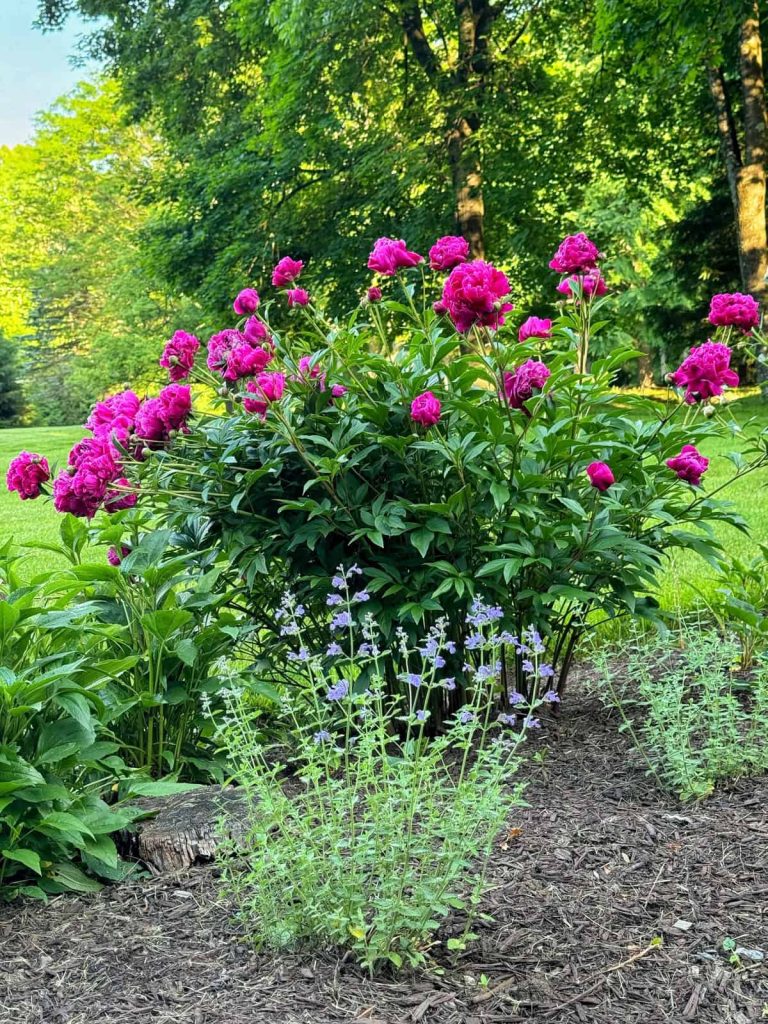
If you only add one flower to your cutting garden, make it this one. A single peony stem can carry an entire arrangement on its own, no filler needed.
The blooms run 6 to 8 inches wide, and the fragrance sticks around for days after you’ve brought them indoors.
Fair warning: peonies test your patience. Give them two to three years to settle in before you see much.
After that, though? You’re set for decades. Plant in full sun, well-drained soil, and don’t bury the roots too deep, or you’ll end up with lush foliage and zero flowers.
- Bloom time: Late spring, for two to three weeks
- Vase life: 5-7 days when cut in bud stage
- Best for: One-stem-does-it-all focal blooms
2. Bearded Iris
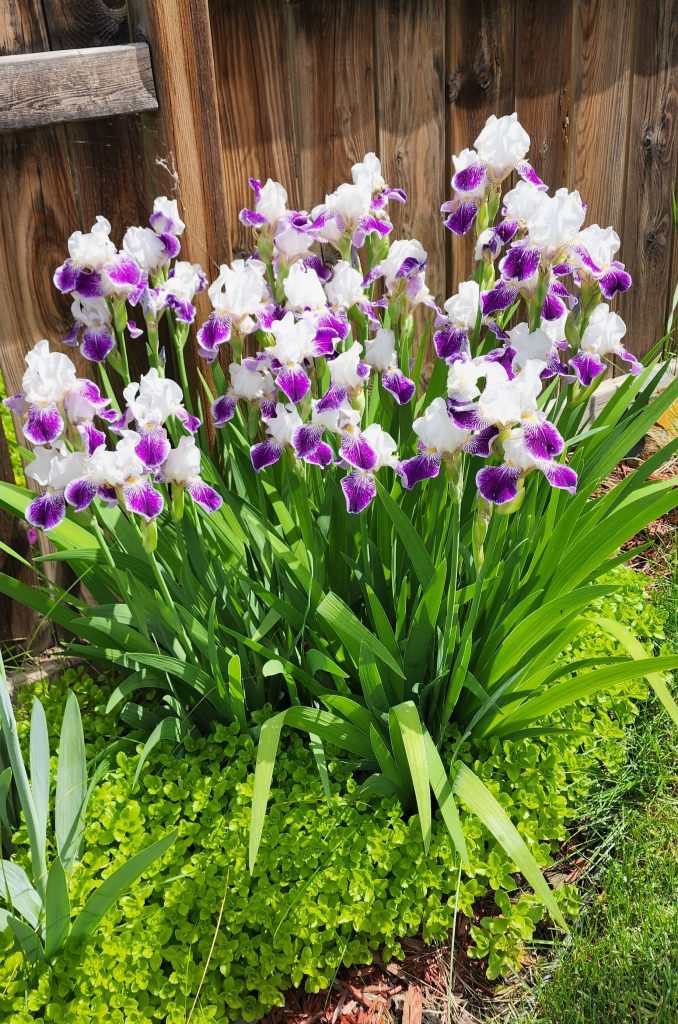
Ruffled, layered, and available in practically every color you can imagine. That’s bearded iris in a nutshell.
It’s the plant that gives spring bouquets some actual height instead of everything sitting flat in the vase.
I like pairing it with peonies for exactly that reason. Once it’s in the ground, it mostly takes care of itself.
Full sun, decent drainage, and every three or four years, dig up and divide the rhizomes. Skip that step and blooming slows down over time.
- Bloom time: Mid to late spring
- Vase life: 3-5 days, though buds keep opening after cutting
- Best for: Vertical structure in spring arrangements
3. Asiatic Lily
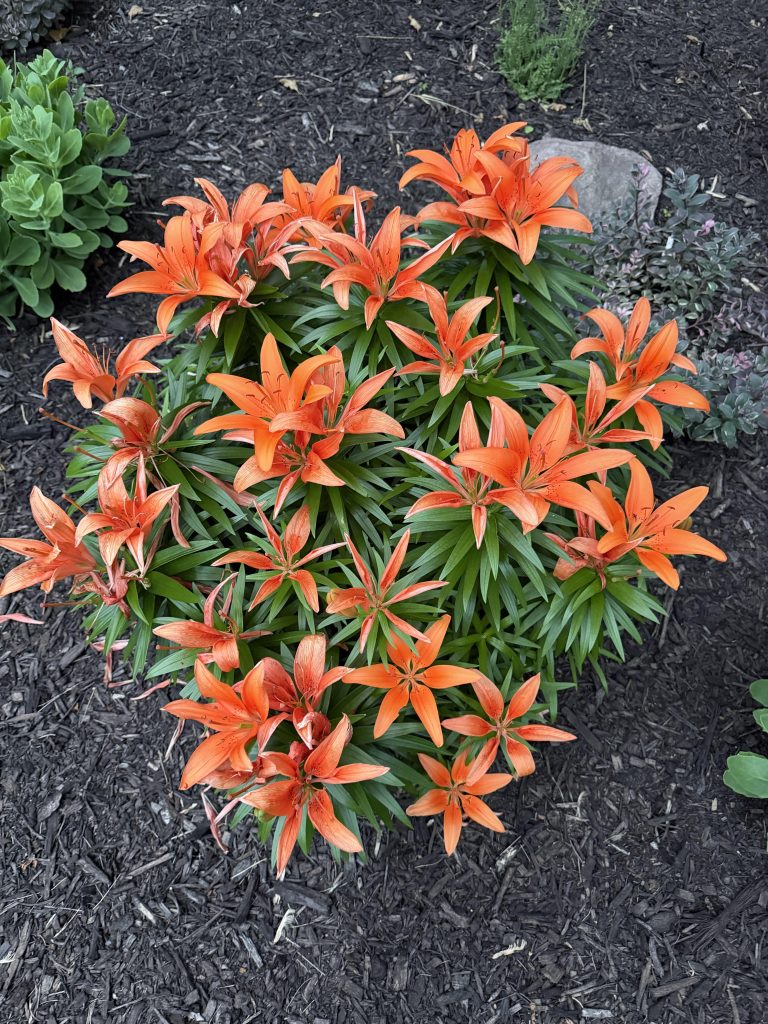
Right as your spring bulbs are fading, Asiatic lilies show up to take over.
They’re the easygoing cousin of Oriental lilies, tolerating a wider range of soil and generally causing fewer headaches.
One thing worth knowing: they don’t have much scent. If Oriental lilies have ever given you a headache indoors, this is your workaround.
You still get bold color, just without the perfume. Give the bulbs room to spread, because they’ll multiply and fill in a lot more space each year.
- Bloom time: Early to mid summer
- Vase life: 7-10 days, some of the longest on this list
- Best for: Long-lasting color when spring blooms fade out
4. Yarrow
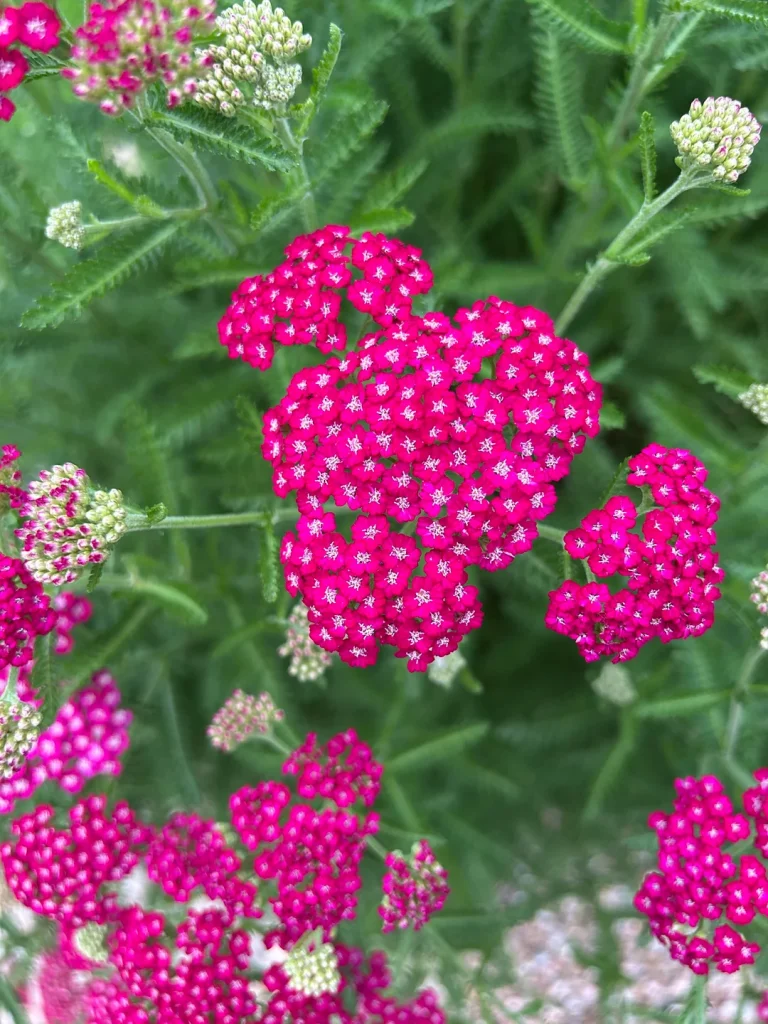
Poor soil, drought, total neglect. Yarrow shrugs all of it off and keeps producing flat clusters of tiny blooms in yellow, pink, and white right through summer.
What I really appreciate about yarrow is how it works behind the scenes.
Its flat, airy flower heads soften up bolder blooms like peonies or lilies without stealing the spotlight.
Deadhead it and you’ll get repeat flushes. Leave some blooms alone and they’ll dry beautifully for later arrangements.
- Bloom time: Early through late summer, with repeat flushes
- Vase life: 7-10 days fresh, indefinite dried
- Best for: A filler that just won’t quit
5. Garden Phlox
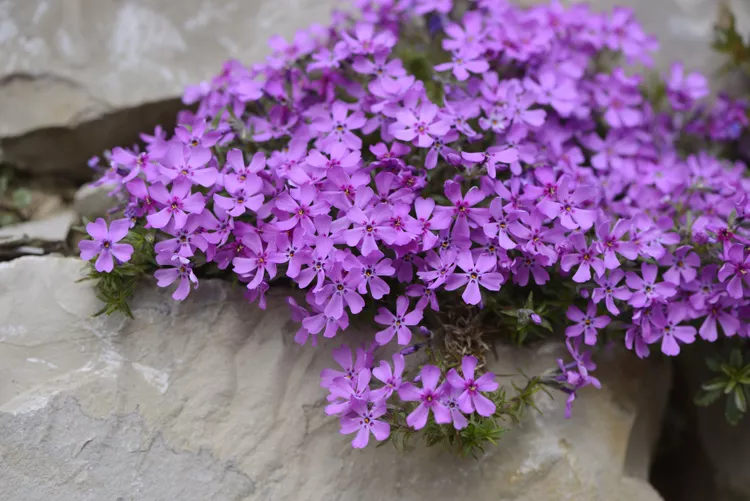
Close your eyes near a patch of garden phlox in July and you’ll know exactly why it’s on this list.
The scent alone justifies growing it, and those rounded flower clusters hold their color beautifully, in the garden and in a vase.
There’s one catch. Crowd your phlox and you’re inviting powdery mildew.
Give plants breathing room, water at the soil line instead of overhead, and you’ll dodge most of the trouble.
- Bloom time: Mid to late summer
- Vase life: 5-7 days
- Best for: Fragrant color during the summer lull
6. Purple Coneflower
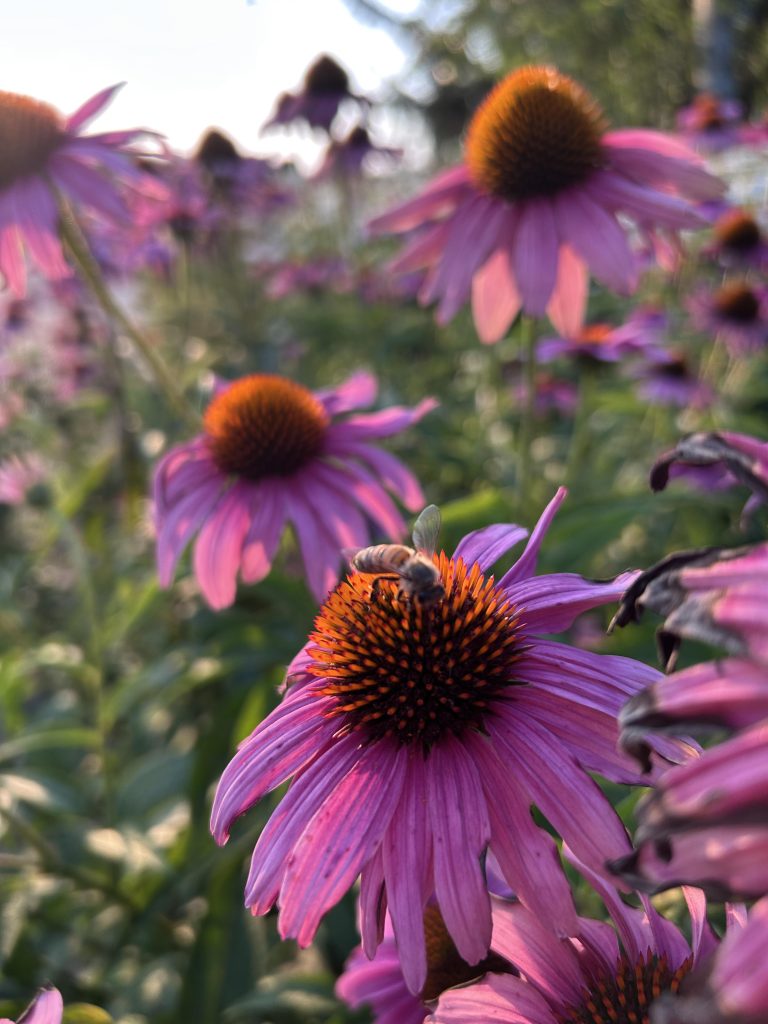
Echinacea doesn’t ask for much, and that’s exactly why gardeners love it. Drought? Fine. Poor soil? No problem.
It just keeps blooming through the heat of summer while other plants sulk.
Bees can’t stay away from it either, so don’t be surprised if you’re sharing your harvest with a few pollinators.
Cut it when the petals have fully opened but before the center cone starts going brown. That’s when it looks its best in a vase.
- Bloom time: Summer into early fall
- Vase life: 5-7 days
- Best for: Reliable color that shrugs off bad weather
7. Shasta Daisy
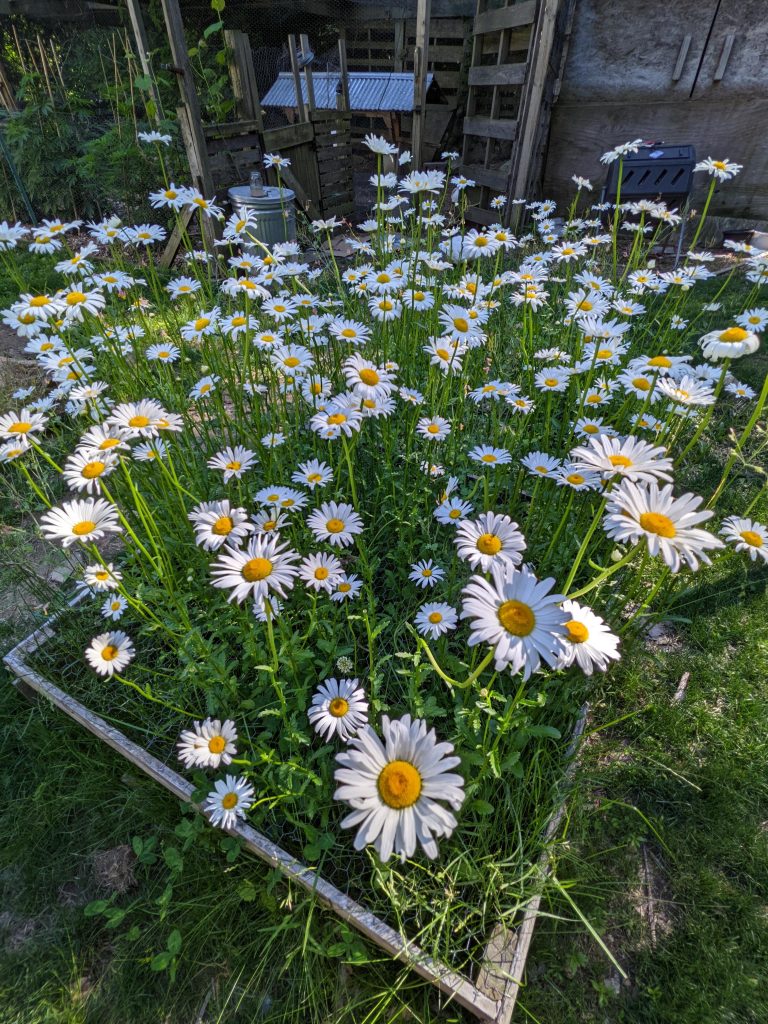
Simple, white, and impossible to overdo. Shasta daisies are the plant you reach for when a bouquet needs something clean and classic to balance out the bolder colors.
Here’s the trick with these: deadhead constantly. Snip the spent blooms and the plant just keeps sending up more.
Slack off, and it’ll wind down for the season faster than you’d like.
- Bloom time: Early to late summer, longer with regular deadheading
- Vase life: 5-7 days
- Best for: A clean, neutral base for mixed bouquets
8. Delphinium
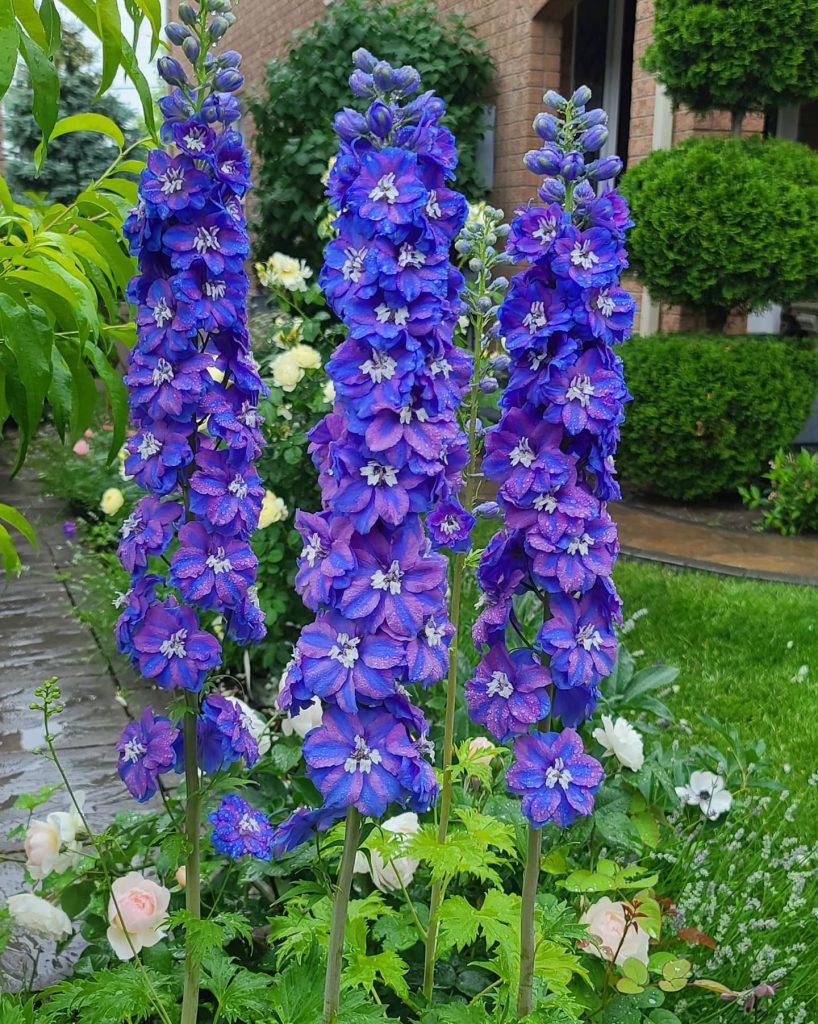
I’ll be honest, delphiniums are a little needy. But when those towering spikes of blue and purple show up, you forgive them instantly.
Nothing else on this list gives you that kind of height and color combo.
Stake them early, before a summer storm flattens the whole patch. Rich soil and consistent water go a long way too.
Skimp on either and the flower spikes come up short and thin.
- Bloom time: Early summer
- Vase life: 5-7 days
- Best for: Dramatic height and true-blue color
9. Baby’s Breath
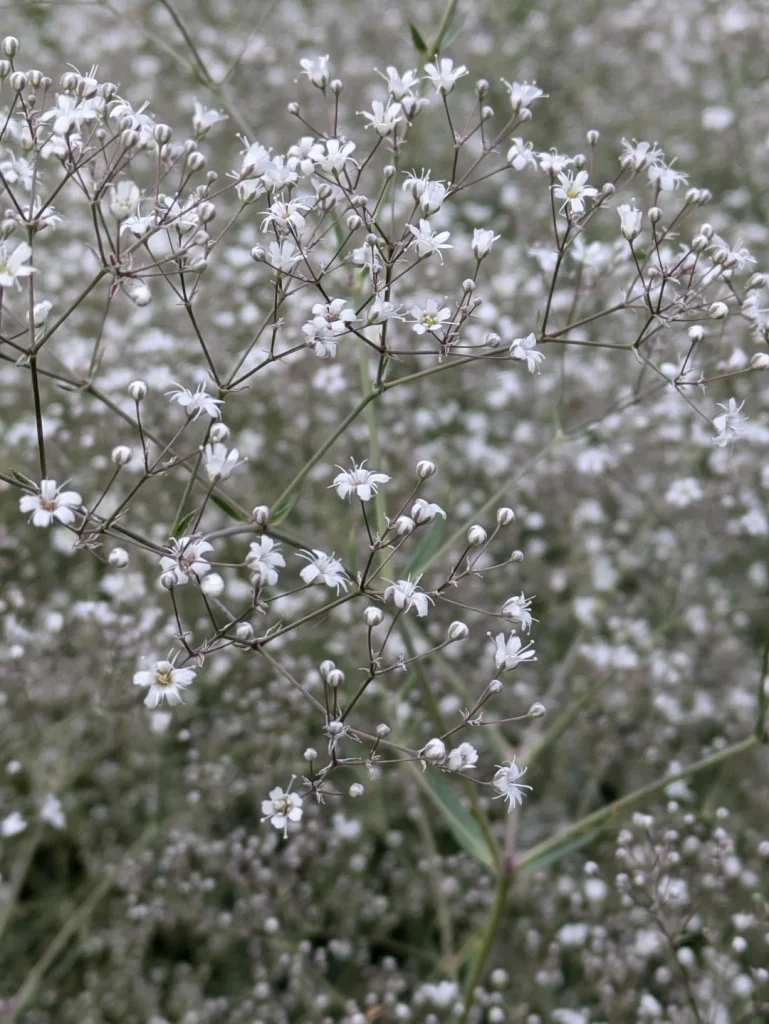
You already know baby’s breath. It’s in half the bouquets you’ve ever bought. Except here, you’re growing your own instead of paying extra for a handful of sprigs.
It’s an airy, cloud-like filler that makes everything else in the vase look fuller.
Give it well-drained soil and full sun, and don’t overwater. Soggy roots are its one real weakness.
- Bloom time: Summer
- Vase life: 7-10 days
- Best for: Classic filler that ties an arrangement together
10. Sea Holly
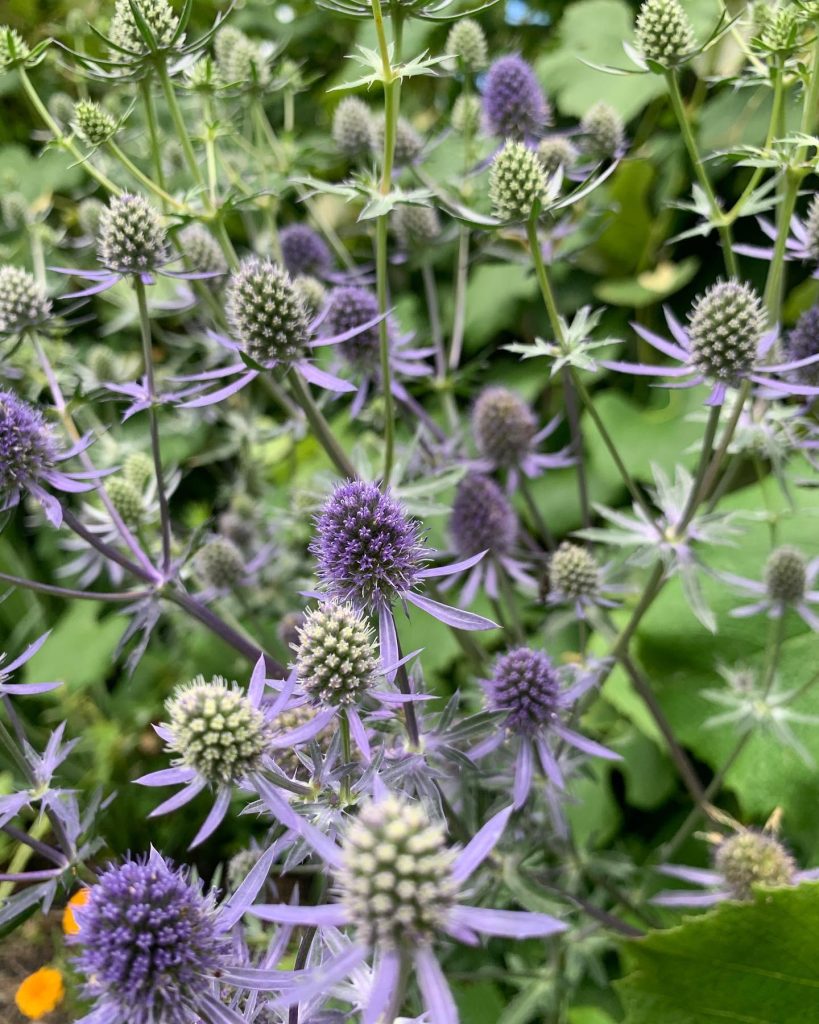
This one’s for the gardener who wants something different.
Sea holly’s spiky, silvery-blue blooms look almost otherworldly next to softer flowers like phlox or daisies.
It thrives on neglect, honestly. Poor, sandy soil? Perfect. Rich, fertile beds actually make it flop over. Plant it somewhere dry and mostly ignore it.
- Bloom time: Mid to late summer
- Vase life: 10+ days, one of the longest-lasting cut flowers around
- Best for: Unique texture and color in modern arrangements
11. Black-Eyed Susan
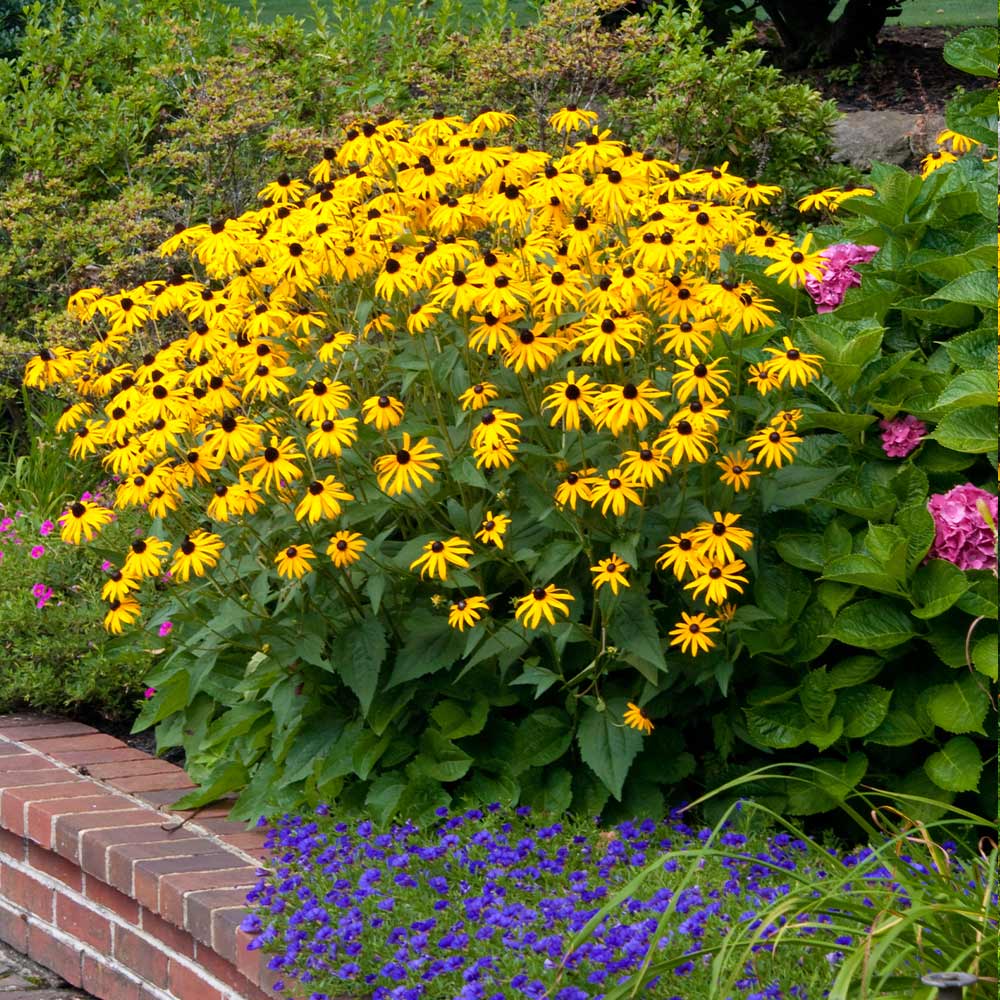
Just when everything else starts winding down, black-eyed Susan shows up ready to work.
Its cheerful yellow petals and dark centers carry your cutting garden straight through fall.
It self-seeds generously too, so don’t be shocked if you find volunteers popping up nearby next year. Full sun and average soil are all it really asks for.
- Bloom time: Late summer through fall
- Vase life: 5-7 days
- Best for: Warm, cheerful color as the season winds down
12. Bee Balm
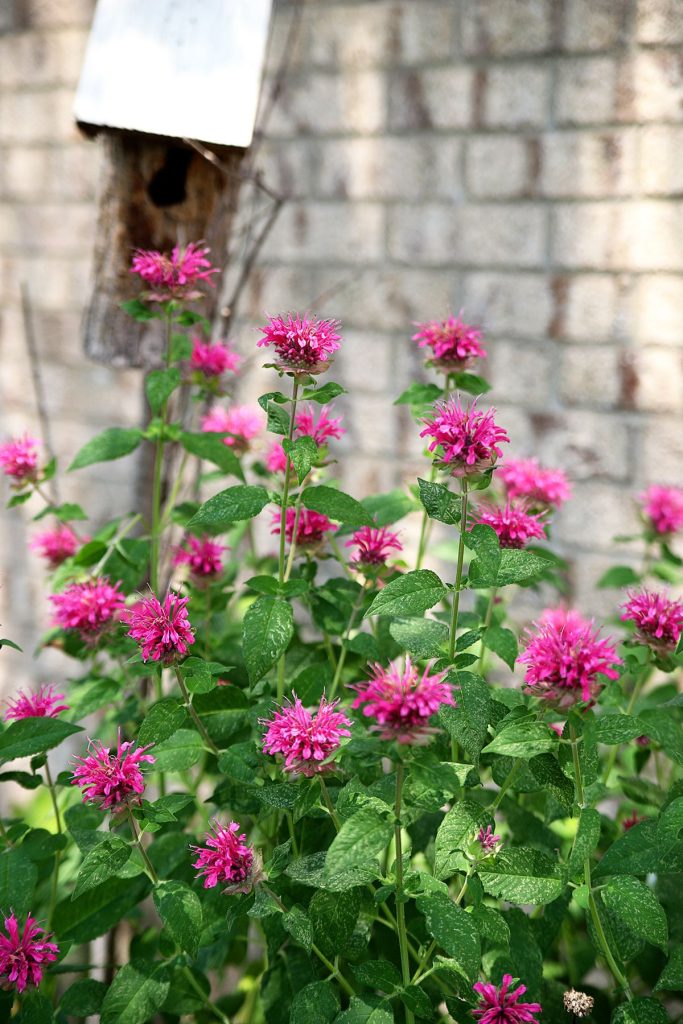
Bee balm pulls double duty. It’s a gorgeous cut flower, and it turns your garden into a hummingbird magnet all summer long. Hard to beat that combination.
One thing to watch: powdery mildew loves this plant almost as much as the pollinators do.
Give it good airflow and avoid wetting the leaves when you water, and you’ll mostly dodge the problem.
- Bloom time: Summer
- Vase life: 5-7 days
- Best for: Pollinator-friendly color with a wild, textured look
13. Sedum ‘Autumn Joy’
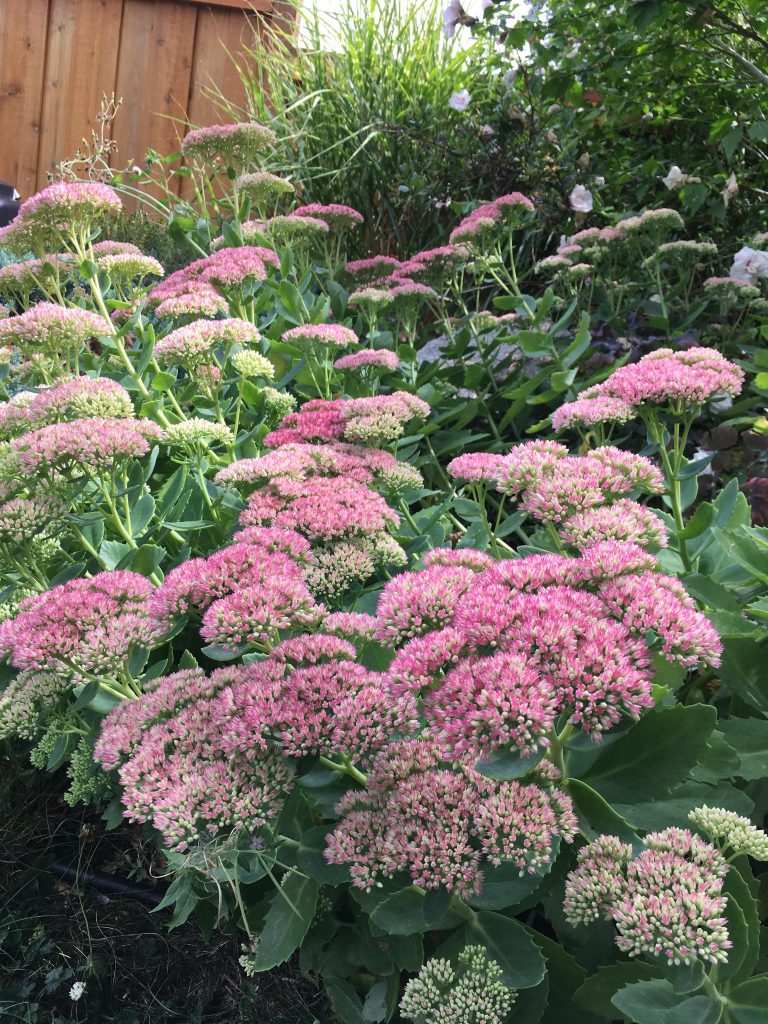
Here’s your fall closer. Sedum starts out pale green in summer, then slowly shifts to a deep rosy pink as the weather cools. It’s basically two flowers in one plant.
It’s about as low-maintenance as perennials get too. Drought-tolerant, disease-resistant, and happy in average soil.
Leave the seed heads standing through winter if you want some structure in the garden even after the blooms are gone.
- Bloom time: Late summer through fall
- Vase life: 10+ days, holds up exceptionally well
- Best for: Long-lasting fall color and texture
Frequently Asked Questions
How do I keep cut perennials fresh longer?
Cut stems early in the morning when the plant is hydrated, not in the afternoon heat.
Strip any leaves that would sit below the waterline, and change the vase water every couple of days to keep bacteria from building up.
Can I mix perennials and annuals in the same cutting bed?
Yes, and it’s actually a smart move. Annuals fill gaps while your perennials are still establishing, and they keep blooming right up until frost when most perennials have finished for the year.
How much space should I leave between plants?
It depends on the plant, but a good rule of thumb is to leave enough room for each one to reach its mature width without crowding its neighbors.
Crowded plants compete for nutrients and are more prone to disease.
Is it worth starting these from seed, or should I buy established plants?
Buying established plants gets you blooms faster, sometimes in the very first year.
Starting from seed is cheaper, but you’ll wait longer, and some perennial seeds need a cold stratification period before they’ll even germinate.
Will cutting flowers hurt next year’s blooms?
Not if you cut them the right way. Leave some foliage on the plant so it can keep photosynthesizing, and avoid cutting more than a third of the plant at once.
Done right, cutting actually encourages fuller growth.
Final Thoughts
A cutting garden doesn’t have to be complicated. Pick a handful of these perennials, spread across the seasons, and you’ll have fresh flowers to cut from spring all the way to frost.
Give them a couple of years to settle in, and they’ll only get more generous from here. Your kitchen counter is going to thank you.