12 Companion Plants You Should Grow Next to Succulents

Succulents look great on their own, but trust me, they look even better with company. I once had a row of echeverias sitting alone on bare gravel, and honestly, it felt flat.
Pair them with the right companion plants and suddenly you’ve got color, height, and texture working together.
Both plant types want the same thing too: sun and well-drained soil. Below are twelve companions that’ll make your succulent garden pop.
12 Best Succulent Companion Plants
1. Prickly Pear Cactus
Have you ever seen a cactus bloom bright yellow in summer? Prickly pear pulls it off every year.
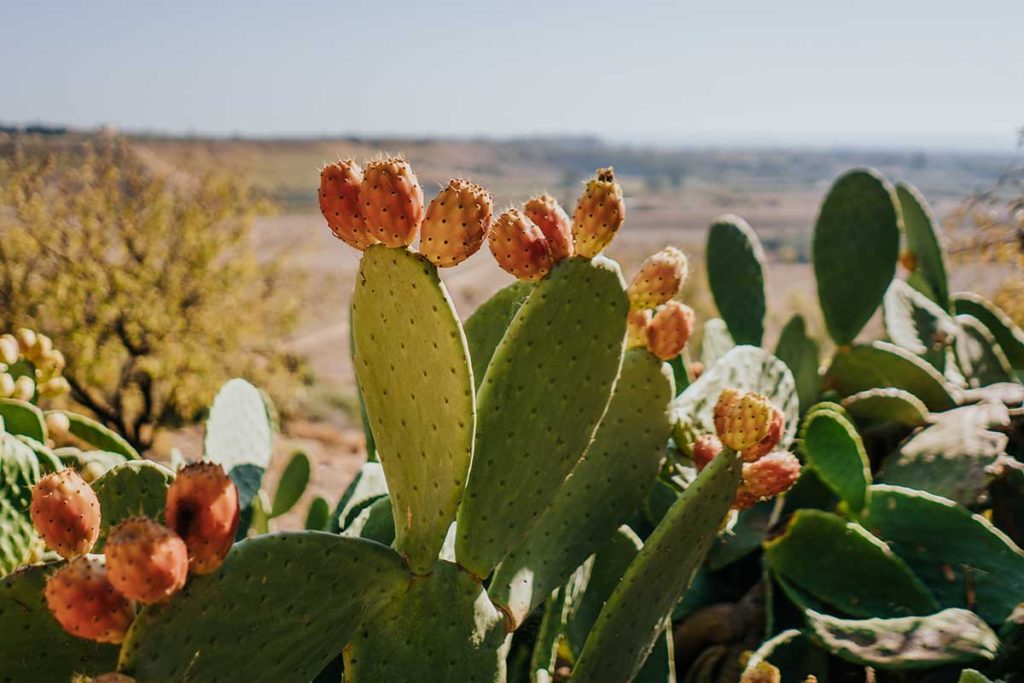
This tough plant shares almost the exact same needs as your succulents. Some varieties even survive cold winters, which surprises most people.
A few selections grow nearly thornless too, so hands stay safe during upkeep.
Plant Overview
- Zones: 4 to 9
- Size: 5 to 12 inches tall x 12 to 15 inches wide
- Care requirements: Full sun; sandy or rocky soil
2. Yarrow
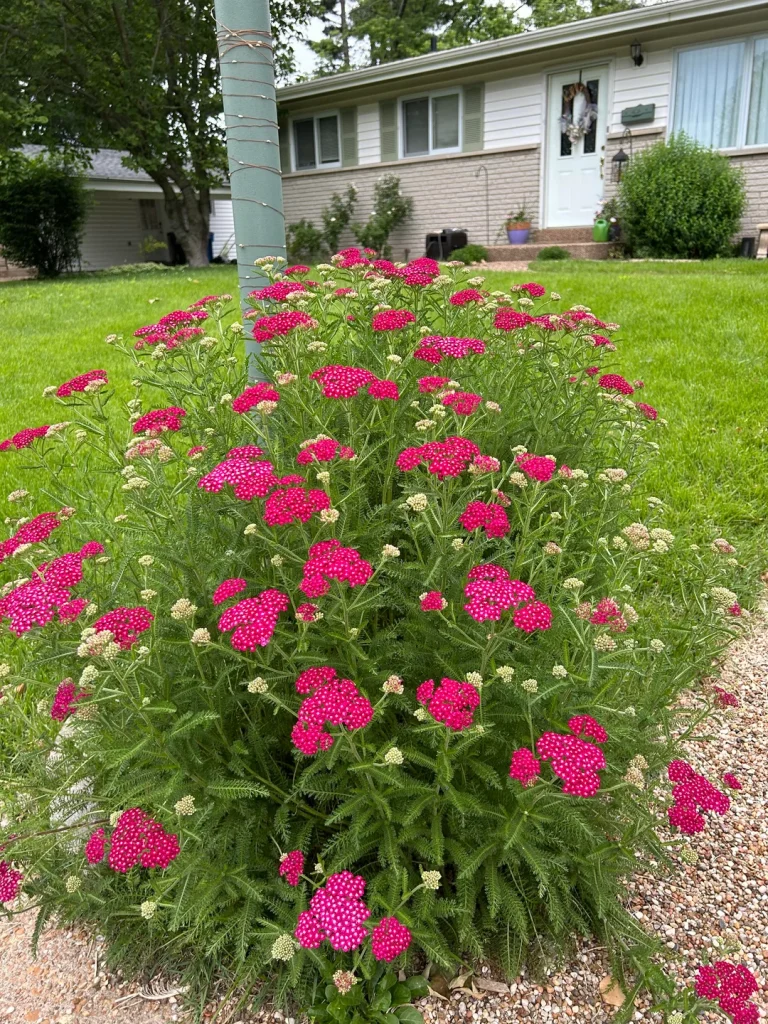
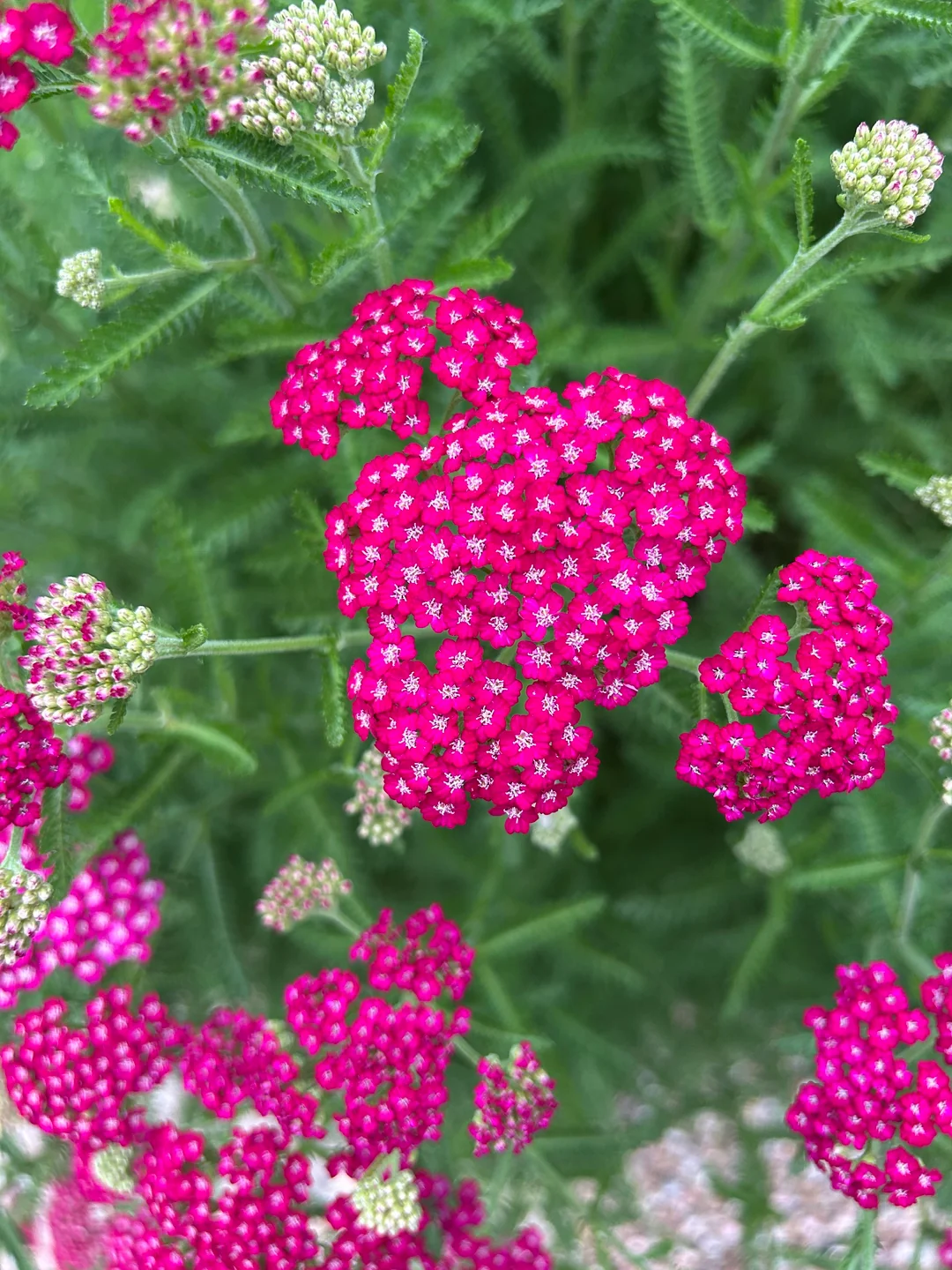
Bees love yarrow, and so will you once you see it bloom. Flat clusters of flowers spread across the top of each stem.
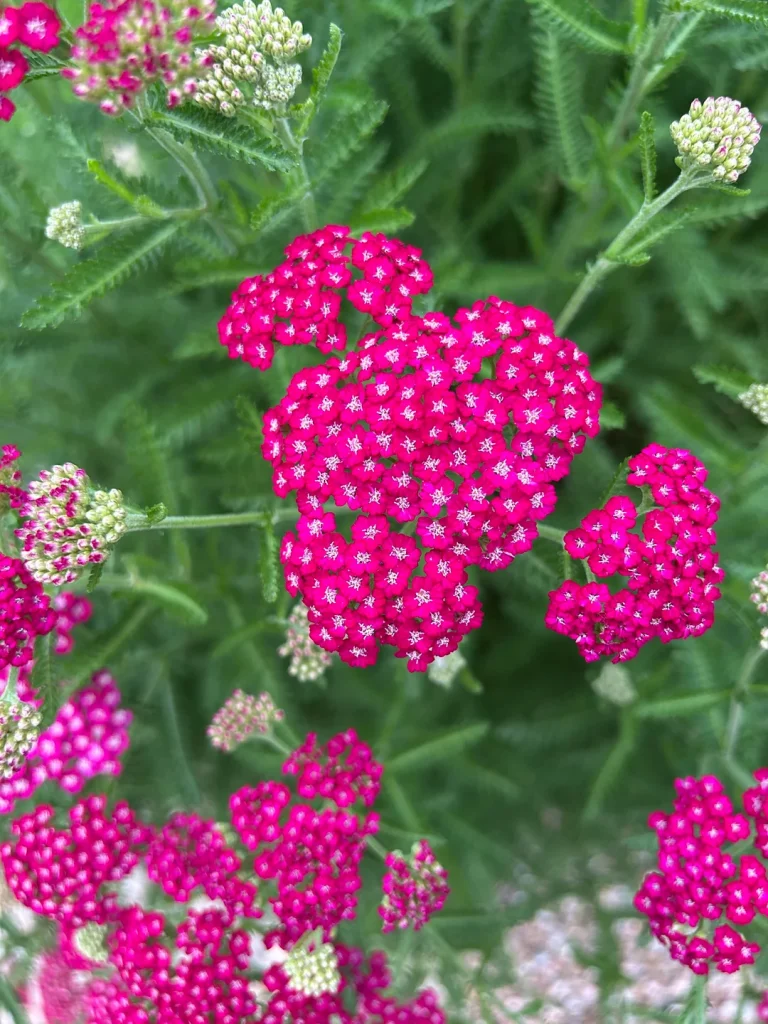
Colors range from soft yellow to deep terracotta. This plant handles dry spells without complaint. I barely water mine, and it keeps coming back stronger each year.
Plant Overview
- Zones: 3 to 9
- Size: 2 to 3 feet tall x 2 to 3 feet wide
- Care requirements: Full sun to part shade; dry, well-drained soil
3. Blue Fescue
Something about blue fescue just calms a garden bed down. Its silvery-blue blades add cool color next to chunky succulent leaves.
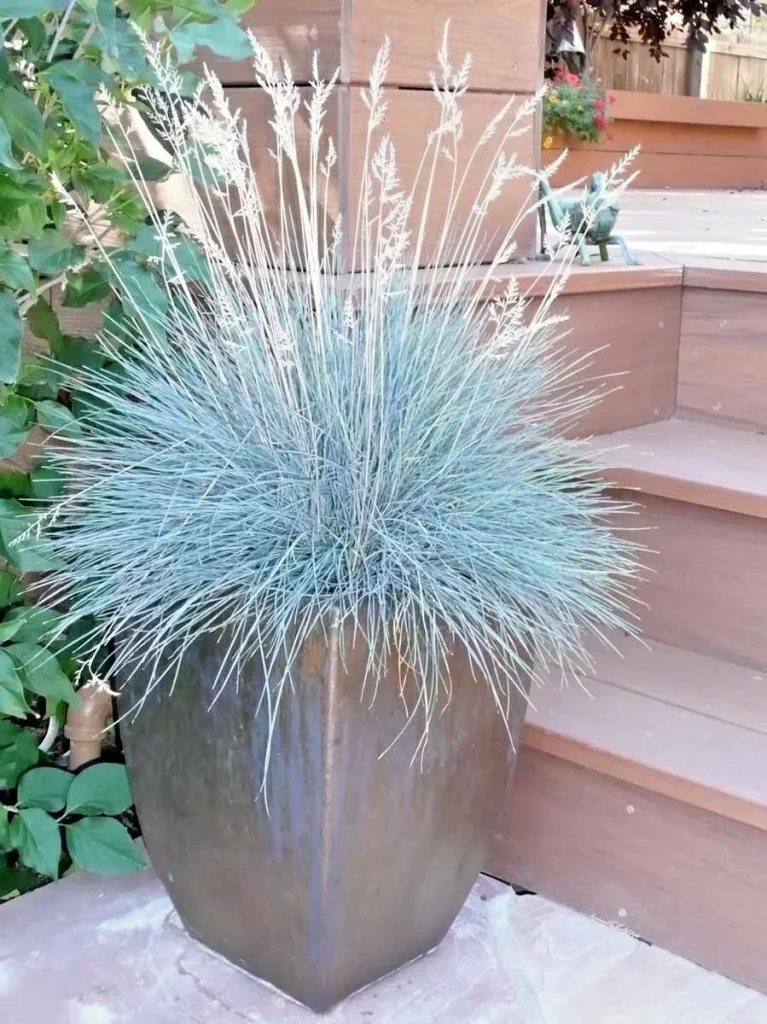
Nothing about this grass gets messy or wild. Clumps stay tight and compact for years. Once established, this plant barely needs a second thought.
Plant Overview
- Zones: 4 to 8
- Size: 6 to 12 inches tall x 8 to 12 inches wide
- Care requirements: Full sun; well-drained soil
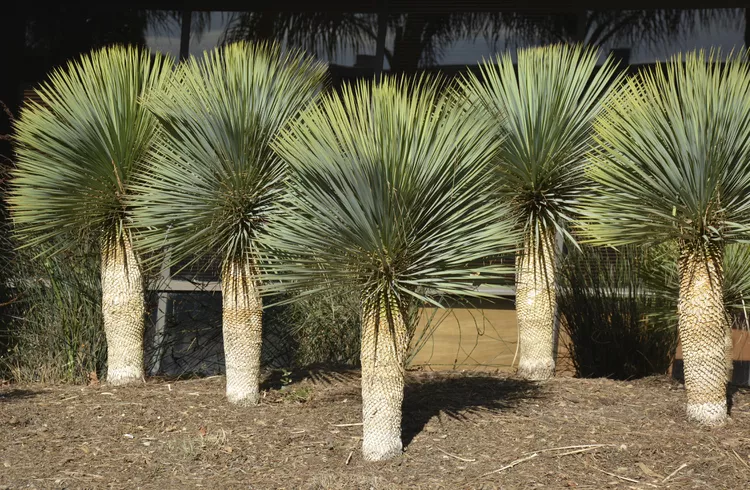
4. Beaked Yucca
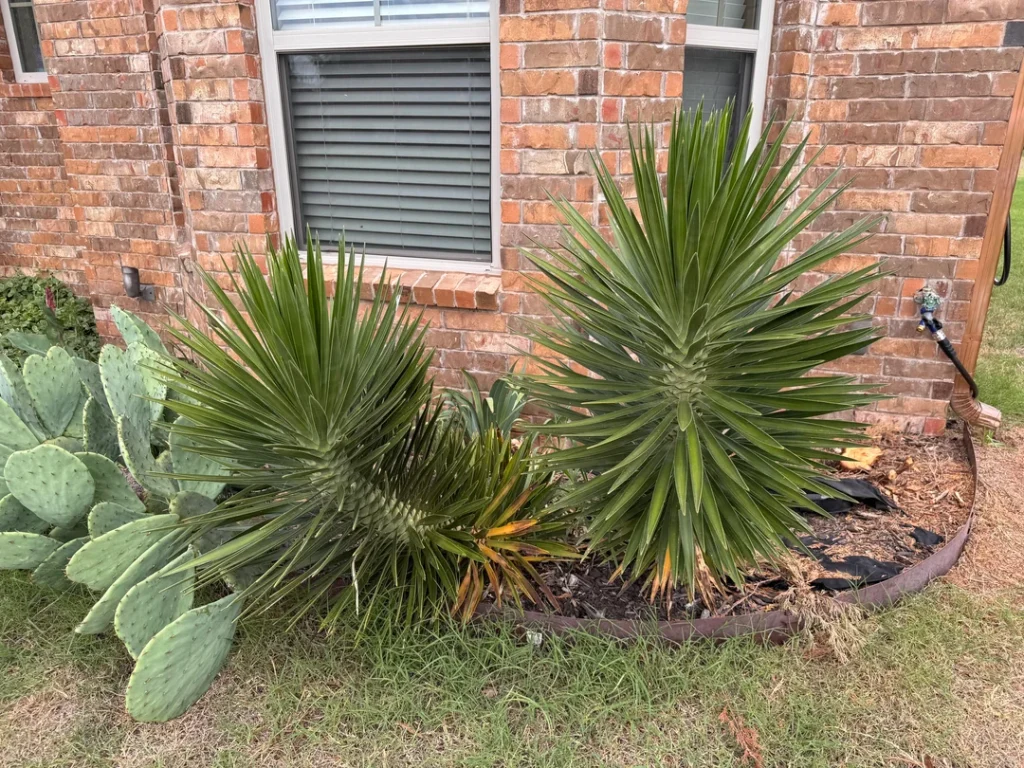
Ever want a plant that looks like living sculpture? Beaked yucca delivers exactly that. Give it years, and it grows a real trunk, reaching skyward like something out of a desert postcard.
Sharp, silvery leaves fan out in every direction. I love how it anchors a bed without demanding constant attention.
Plant Overview
- Zones: 5 to 10
- Size: 5 to 12 feet tall x 3 to 8 feet wide
- Care requirements: Full sun; well-drained soil
5. Mexican Feather Grass
Softness isn’t something you expect near spiky succulents, but this grass brings it anyway. Its thin blades practically beg to be touched.
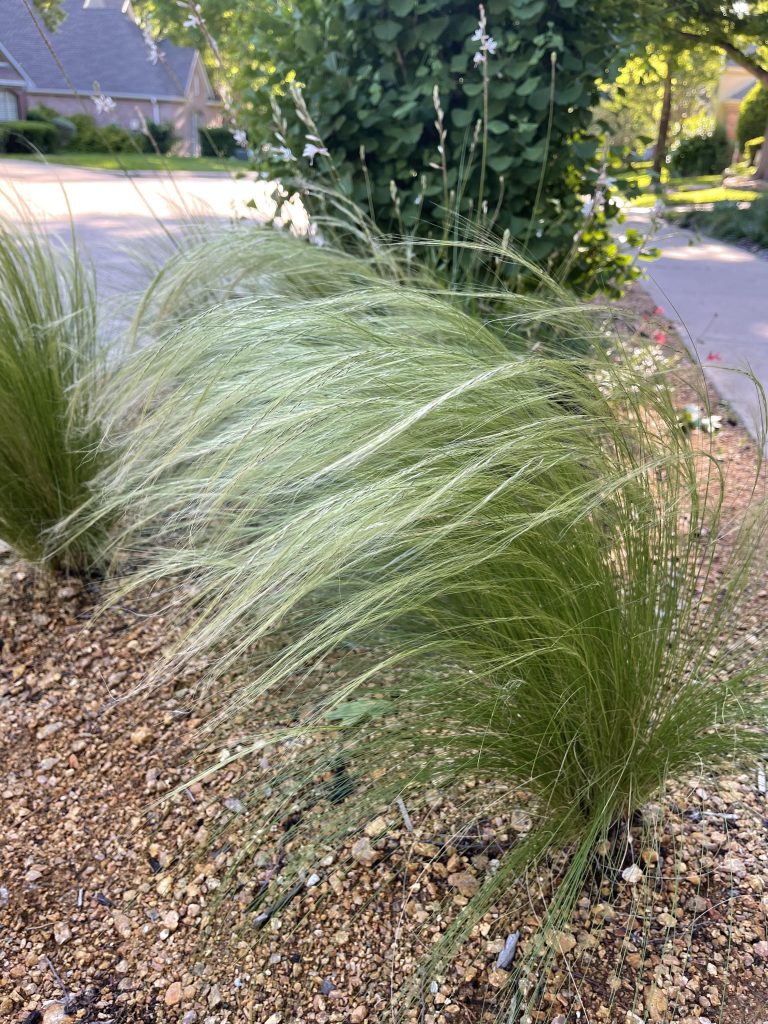
Spring brings fresh green color, and winter turns it tawny brown. Self-seeding means you’ll likely get volunteers popping up nearby. That’s a bonus in my book, not a problem.
Plant Overview
- Zones: 7 to 10
- Size: 1 to 2 feet tall x 1 to 2 feet wide
- Care requirements: Full sun to part shade; dry, well-drained soil
6. Foxtail Fern
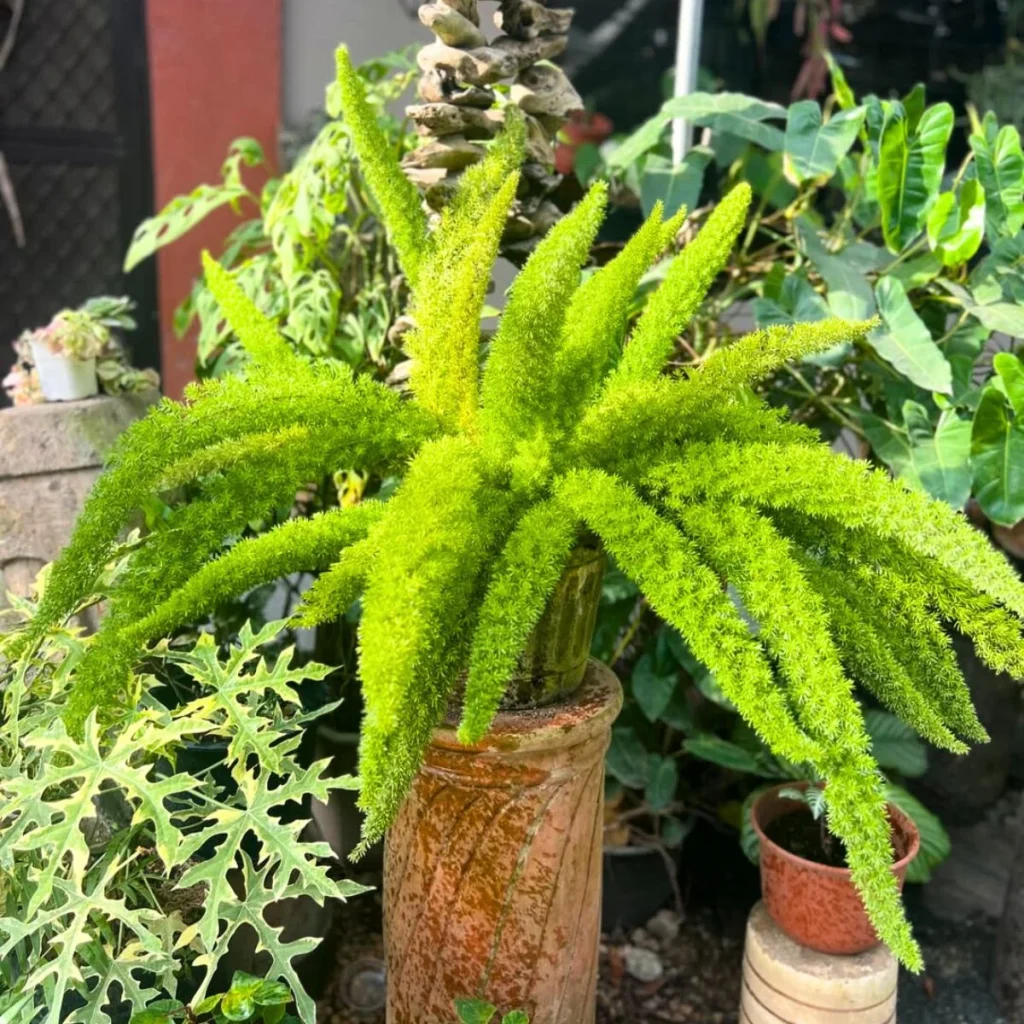
Don’t let the name fool you, this isn’t a true fern at all. Foxtail fern grows thick, fluffy fronds that soften any succulent arrangement.
Its root system stores water like a camel stores fat. Drought barely bothers this plant once it settles in. Cold climates mean treating it as an annual, or bringing it indoors for winter.
Plant Overview
- Zones: 9
- Size: 1 to 2 feet tall x 2 to 4 feet wide
- Care requirements: Full sun to part shade; well-drained soil
7. Autumn Sage
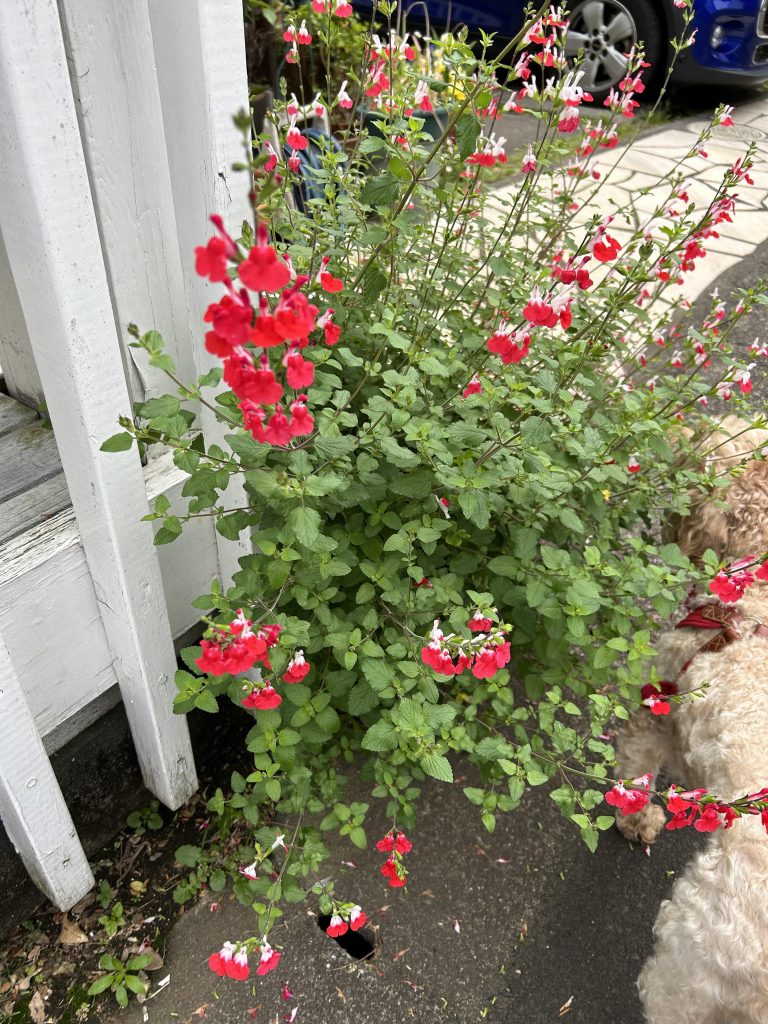
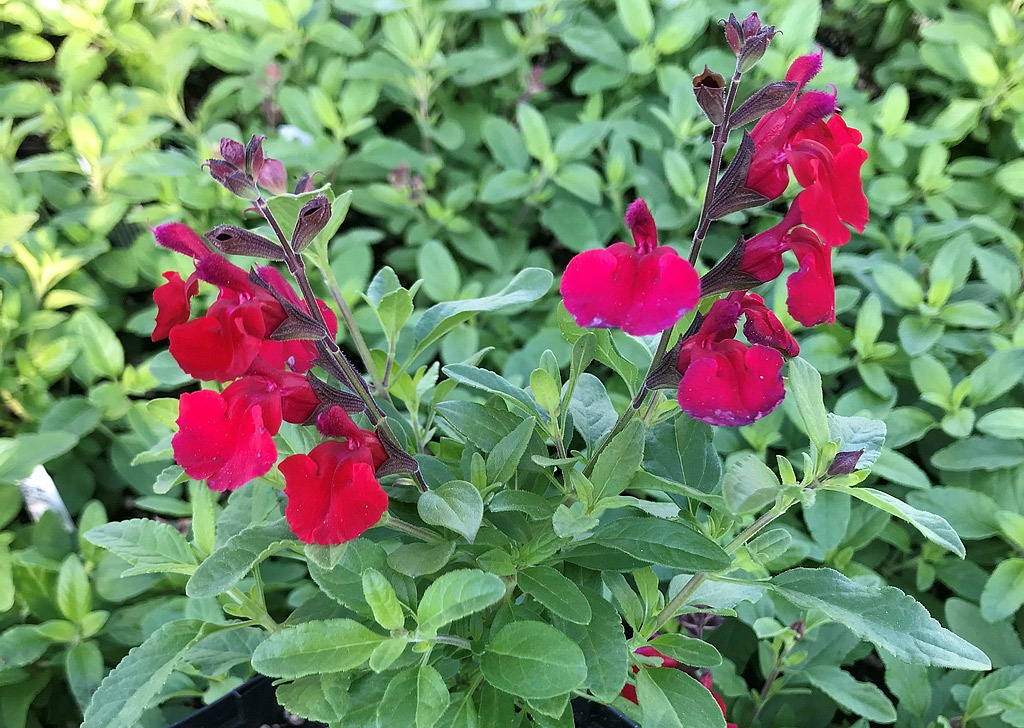
Hummingbirds practically throw parties around autumn sage. This tough little shrub blooms from late spring all the way to first frost. Bees show up too, drawn in by the bright red and pink flowers.
Deer tend to leave it alone, which I appreciate more every season. Pair it with sempervivum for a combo that just works.
Plant Overview
- Zones: 7 to 9
- Size: 2 feet tall x 2 feet wide
- Care requirements: Full sun; well-drained soil
8. Red Fountain Grass
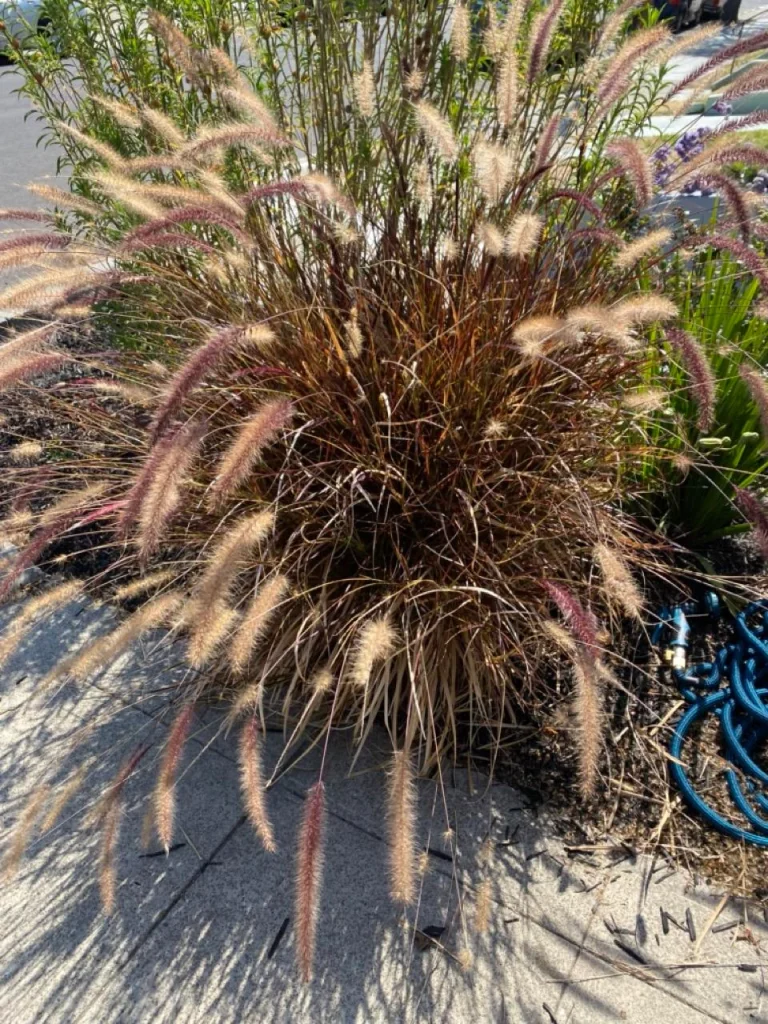
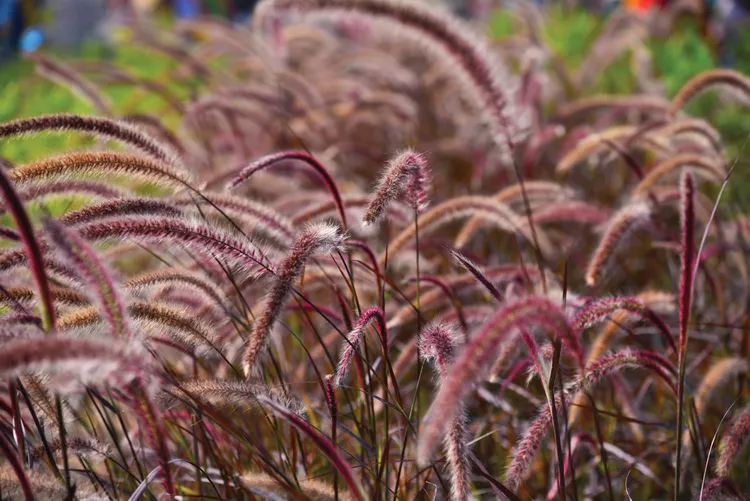
Movement is what red fountain grass brings to a succulent bed. Wind catches its arching blades and sends them swaying constantly.
Reddish-purple color deepens as summer rolls on. Heat barely fazes this plant, and neither does dry soil. Containers love this grass as a centerpiece, and so do I.
Plant Overview
- Zones: 9 to 10
- Size: 3 to 5 feet tall x 3 to 5 feet wide
- Care requirements: Full sun; well-drained soil
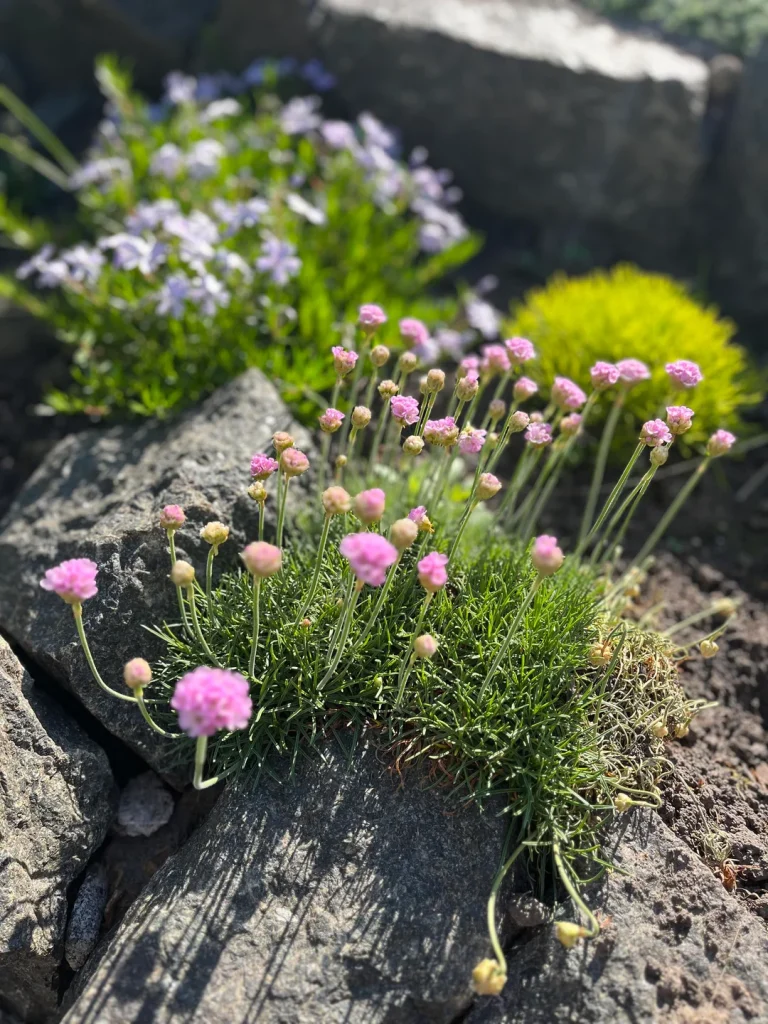
9. Sea Thrift
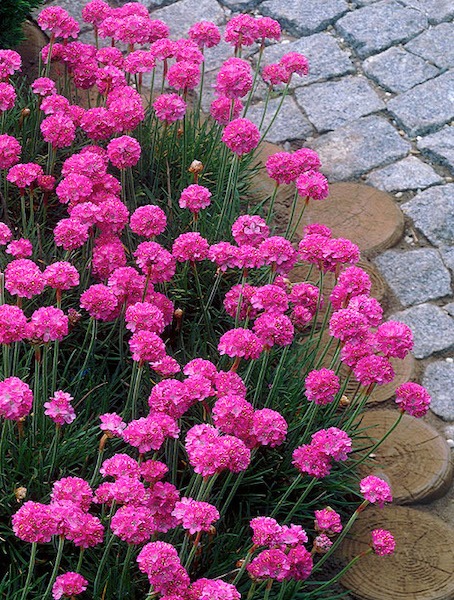
Small but mighty describes sea thrift perfectly. Tufts of silvery-green foliage stay low and tidy year-round. Spring brings little pink pom-pom blooms that pollinators can’t resist.
Coastal gardens especially benefit from this plant’s salt tolerance. Nothing about sea thrift feels demanding or fussy.
Plant Overview
- Zones: 4 to 8
- Size: 6 to 12 inches tall x 6 to 12 inches wide
- Care requirements: Full sun to partial shade; well-drained soil
10. Ivy Geranium
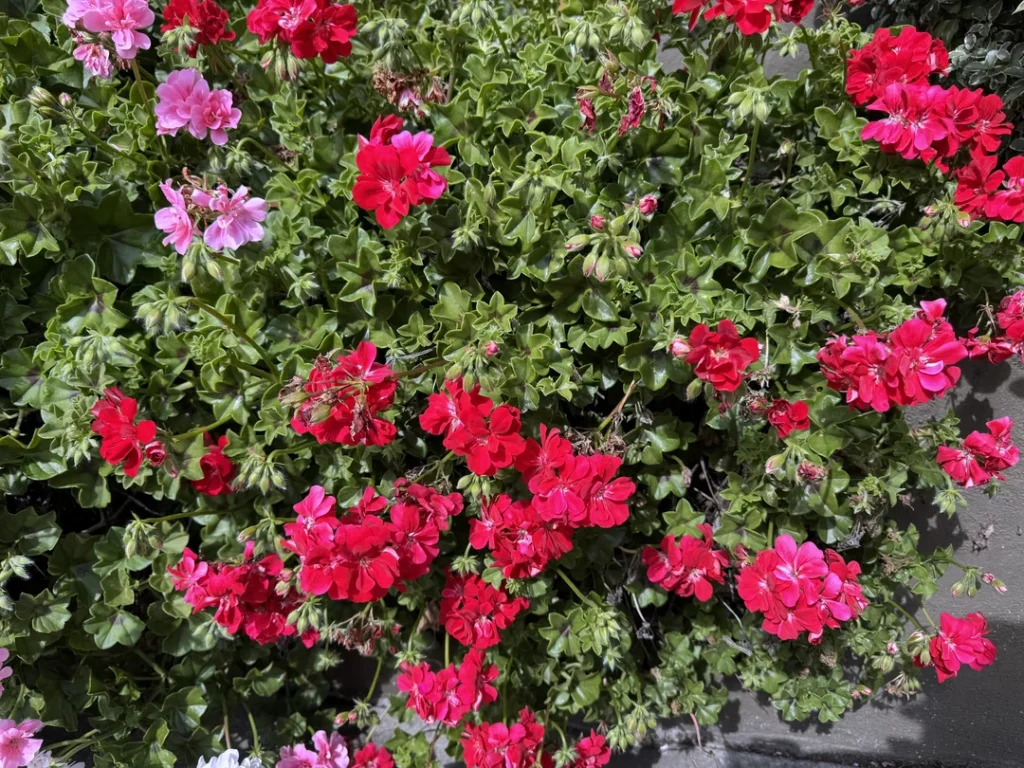
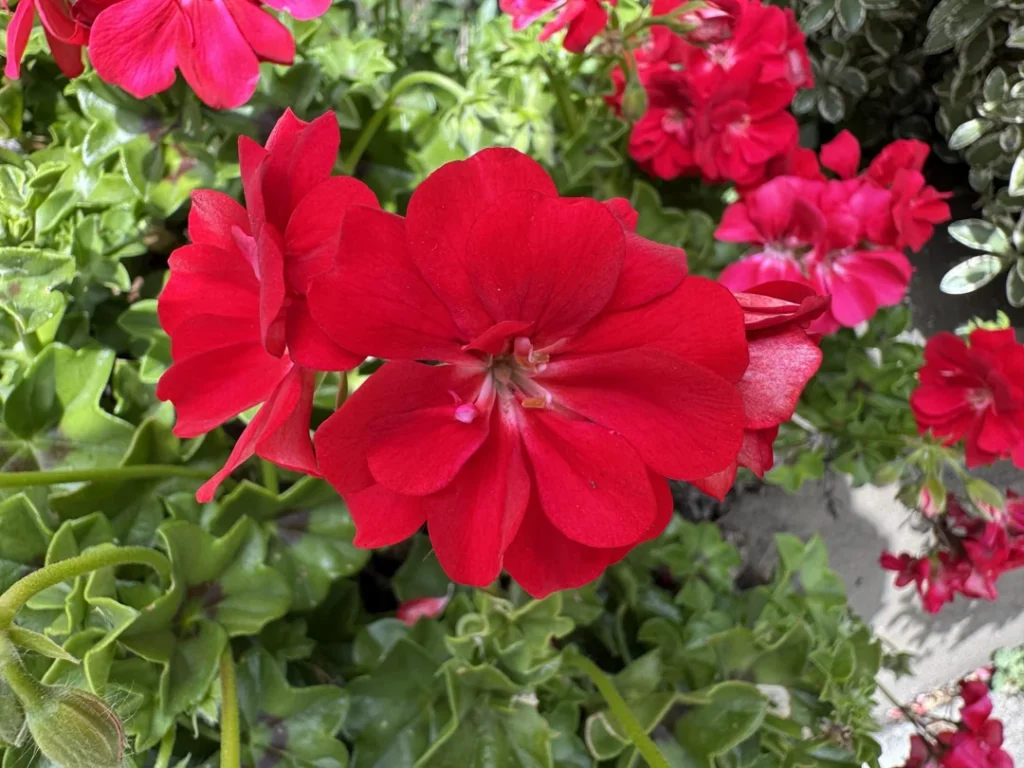
Cascading color is exactly what ivy geranium offers a succulent container. Trailing stems spill over edges, softening the harder lines of nearby succulents.
Flowers bloom in shades of pink, red, and white all season. Cuttings root easily, so propagating more plants costs nothing. Watch for messy growth over time, and just trim it back when needed.
Plant Overview
- Zones: 9 to 11
- Size: 1 to 2 feet tall x 2 to 3 feet wide
- Care requirements: Full sun; well-drained soil
11. Kangaroo Paw
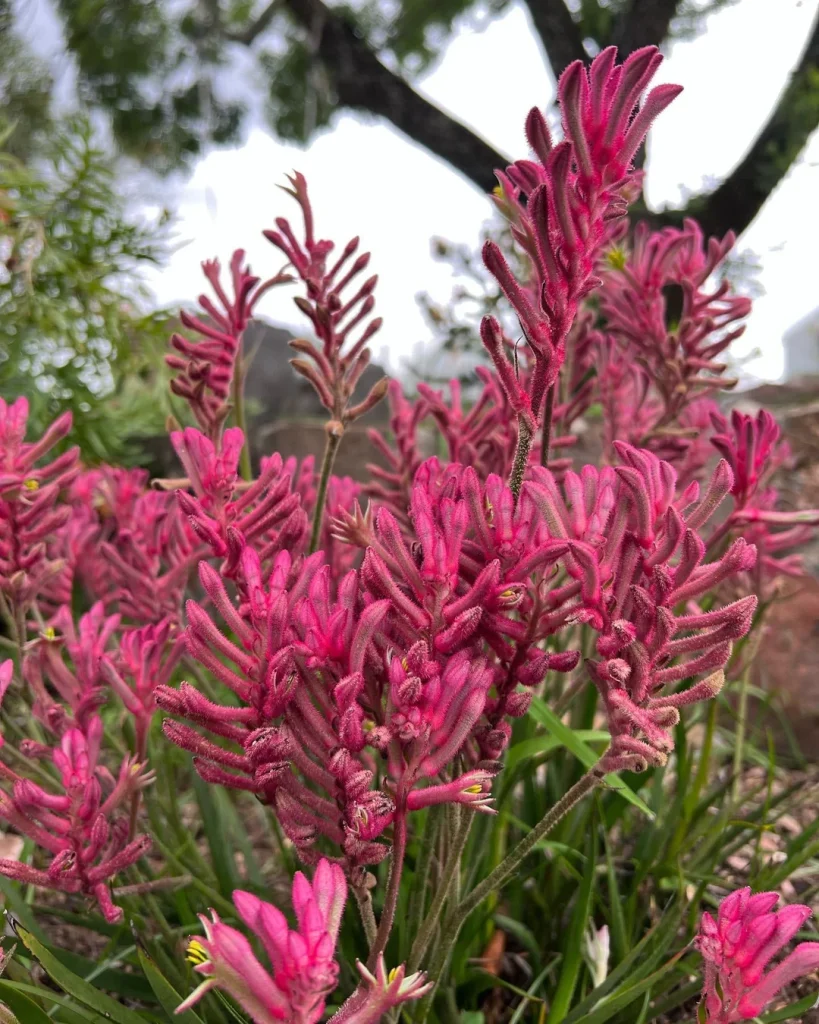
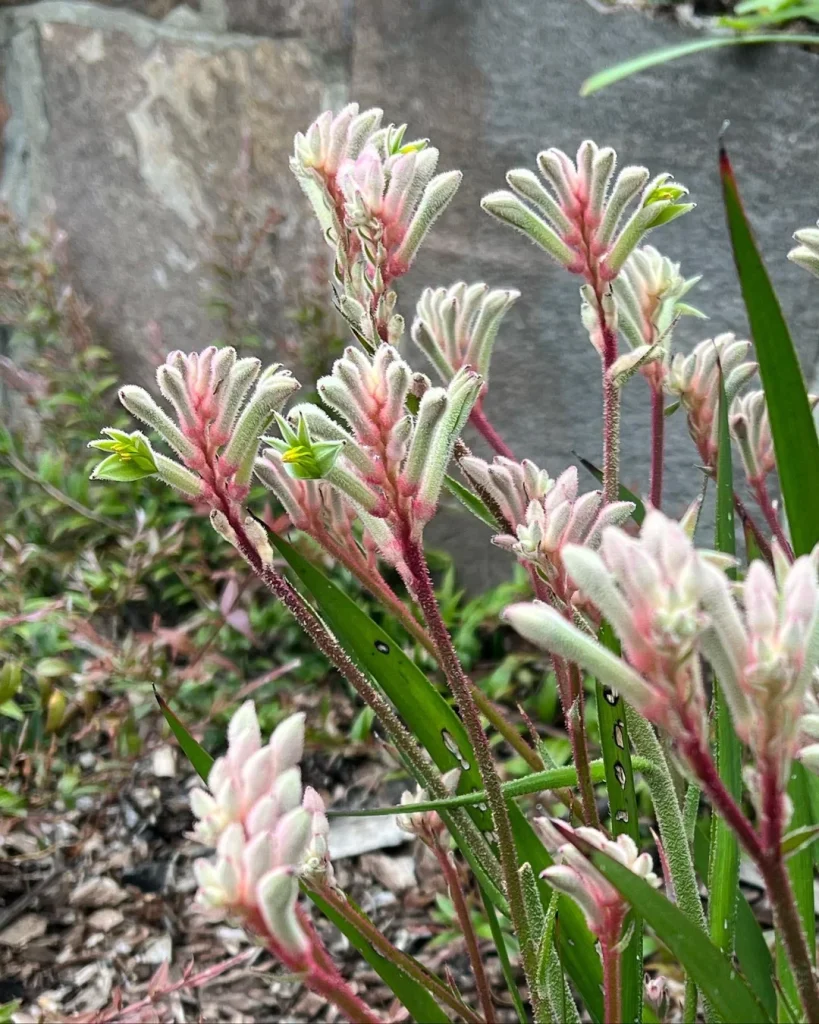
Nothing looks quite like the fuzzy, tubular blooms of kangaroo paw. Native to Western Australia, this plant thrives on neglect in the best way.
Rhizomes underground store water for lean times. Colors span red, yellow, pink, and white, depending on variety. Honestly, this plant alone can make a succulent bed look exotic.
Plant Overview
- Zones: 9 to 11
- Size: 2 to 3 feet tall x 2 to 4 feet wide
- Care requirements: Full sun; well-drained soil
12. Annual Statice
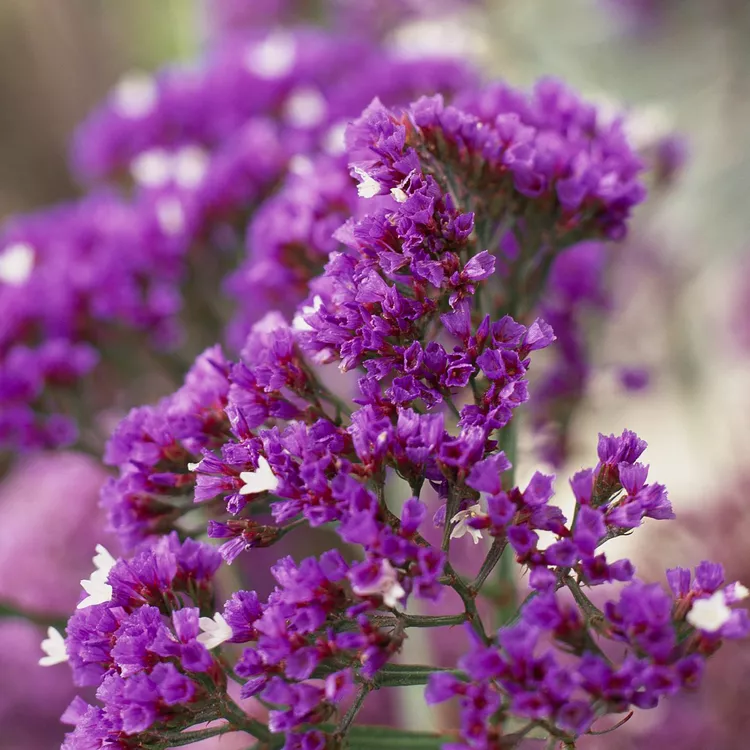
Papery flowers set annual statice apart from every other plant on this list. Purple, white, and yellow blooms dry beautifully for arrangements. Slightly dry soil actually suits this plant better than constant moisture.
Seeds sprout easily, making it simple to grow from scratch. I always toss a few of these into container designs for texture.
Plant Overview
- Zones: 9
- Size: 12 to 24 inches tall x 12 to 15 inches wide
- Care requirements: Full sun; well-drained soil
FAQs
What plants should you avoid planting next to succulents?
Skip anything that needs constant moisture, like ferns or hostas. Thirsty plants rot succulent roots fast, since both share the same soil and watering schedule. Stick with drought-tolerant options instead.
Can you plant succulents with flowers?
Absolutely, as long as those flowers tolerate dry soil and full sun. Yarrow, statice, and ivy geranium all work great. Just match their water needs to your succulents first.
Do companion plants help succulents grow better?
They can, especially when it comes to pollinators. Flowering companions like autumn sage and kangaroo paw attract bees and hummingbirds. More pollinator visits often mean healthier blooms nearby too.
How far apart should you space succulents and companion plants?
Give each plant room to reach its mature width without crowding. Check the size listed for your companion plant, then leave a few extra inches for airflow. Good spacing prevents disease and keeps roots from competing for water.
Final Thoughts
12 plants, one clear takeaway: succulents thrive with the right neighbors. Grasses add movement, shrubs add height, and flowers add color your succulents simply can’t provide alone.
Every plant on this list shares the same core need, well-drained soil and plenty of sun.
Matching those needs means less guesswork and fewer dead plants in your garden. Try just one pairing first, and I bet you’ll be hooked like I was.