
How to Winterize Coneflowers: 7 Steps for Bigger Blooms Next Spring

Your coneflowers looked incredible all summer. Now the blooms are fading. So what do you do next? Cut them down? Leave them alone? Cover them up?
Get winter prep wrong, and you risk trouble. Root rot. Weak spring growth.
A plant that just doesn’t come back. Here’s exactly how to set your coneflowers up for a bigger, healthier bloom next year.
Why Fall Care Matters More Than You Think

Coneflowers aren’t fussy plants. But what you do in fall shapes next year’s flowers. While the leaves and stems are still green, they’re doing important work.
They’re feeding energy down into the roots. That stored energy fuels new growth in spring.
Cut everything down too early, and you cut off that energy supply. Skip mulch in a cold zone, and you risk losing the crown to a hard freeze.
A little patience now pays off later. You’ll get a fuller, healthier patch by June.
Also read: 10 Perennials to Cut Back This Fall for a Healthier Garden Next Spring
1. Let the Plant Die Back Naturally
Don’t rush to tidy up the moment flowers fade. Wait until stems and leaves wither on their own. They’ll turn brown. This usually happens after the first hard frost.
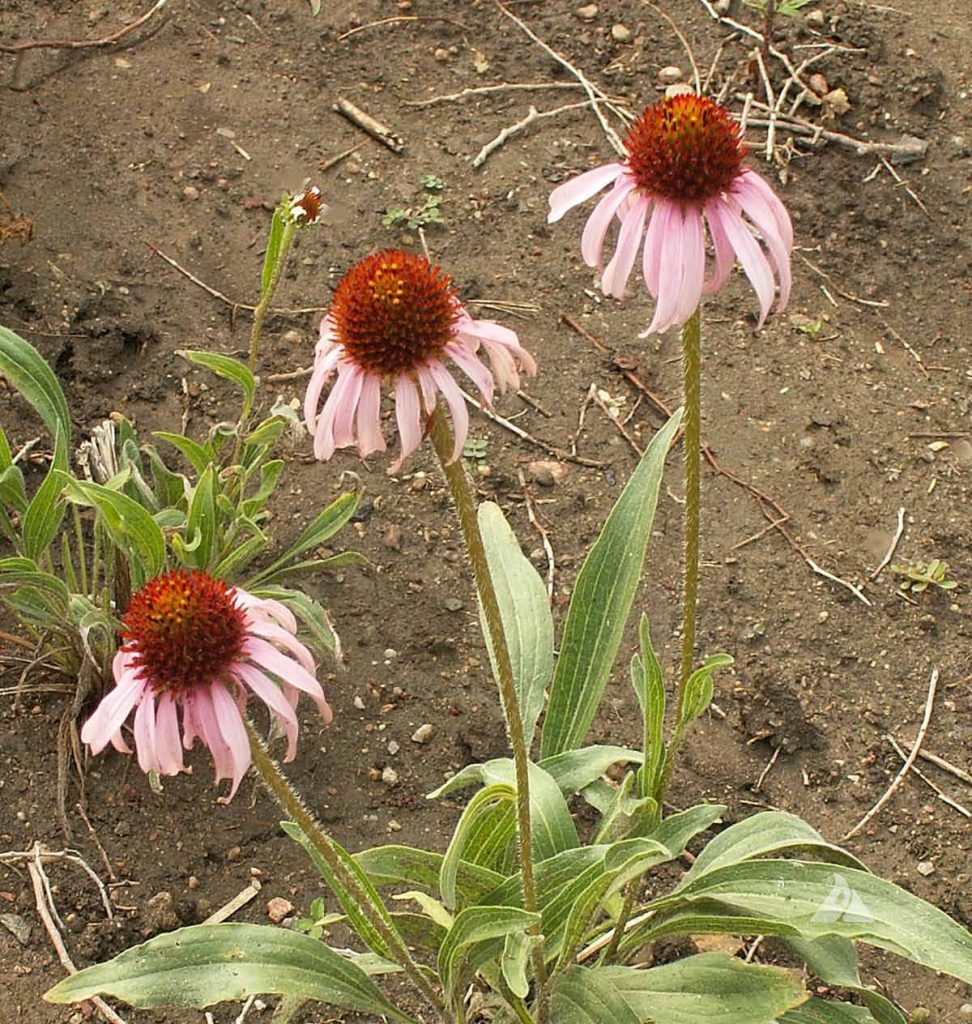
Cut back green foliage too soon, and you rob the roots of nutrients. They need that energy for winter.
This is the step most gardeners rush. It’s also the one that matters most for next year’s bloom count.
2. Decide: Cut Back or Leave Standing

Once your coneflowers die back, you’ve got a choice to make. Young or newly planted stalks do best cut back to 3 to 6 inches above the soil. Their roots aren’t developed enough yet. They need a little extra help through winter.
Mature, established plants can often stay standing all winter. Why leave them?
The hollow stems shelter native bees. Many bee species overwinter right inside those stems. The seed heads feed birds too.
Goldfinches love them well into the cold months. Standing stems also trap snow around the crown. That snow acts like a blanket.
My take: if your coneflowers are established, leave them be. I like the slightly wild look anyway. Just cut away anything that’s clearly dead, floppy, or diseased.
3. Mulch at the Right Time, Not Too Early
Mulch protects the crown and roots from temperature swings. But timing matters just as much as the mulch itself.
Add it too early, and you’re asking for trouble. The soil is still warm at that point. Early mulch can delay dormancy. It can even invite rot.
Wait for the first real cold snap. Let the ground start to firm up first. Then you’re ready to mulch.
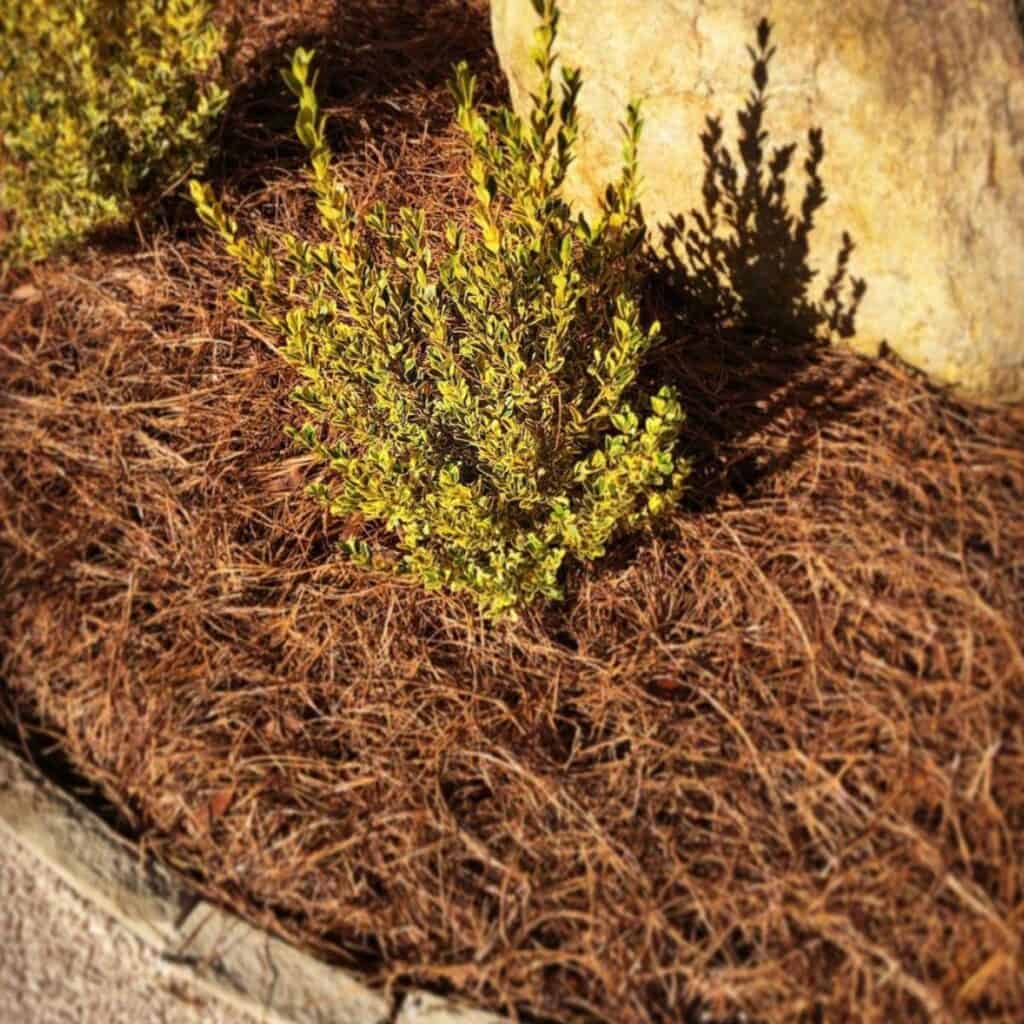
Use straw, shredded leaves, or pine needles. Live somewhere with hard freezes or freeze-thaw cycles? Go with 3 to 4 inches.
Milder winters need less. Stick to about 2 inches. And keep it loose. Don’t pack it down. Air still needs to move through.
4. Watch Your Drainage and Winter Watering
Coneflowers handle cold just fine. Soggy roots are a different story. Wet, poorly drained soil is one of the fastest ways to lose a plant. Crown rot sets in quick.
Does your bed tend to stay damp? Work some compost or coarse sand into the soil now. A raised bed helps too, if you’re planning future plantings.
Live somewhere with dry winters? Don’t ignore watering just because it’s cold out. Check the soil every few weeks. Water at the base of the plant, not overhead.
Do this whenever the soil feels dry a few inches down. Water in the morning too. Pick a day above freezing. That way, any moisture on the crown dries out before night falls.
5. Adjust for Your Hardiness Zone
Coneflowers are tough. Most varieties handle USDA zones 3 through 8. Some stretch even further, into zone 9. But “hardy” doesn’t mean “no work needed.” Your zone changes how much protection you should give.
Zones 3 to 5: Winters here get brutal. Go heavier on mulch. Aim for 3 to 4 inches. Cut young stalks low. This helps prevent snow and ice from crushing the crown.
A frost blanket helps too, especially for younger plants or new varieties.
Zones 6 to 8: Winters are milder here. You can get away with less. Use about 2 inches of mulch. Feel free to leave stems standing for winter interest.
Save the frost protection for those rare severe cold snaps.
Zone 9 and warmer: Coneflowers barely notice winter here. Skip heavy mulch altogether. Just keep an eye on drainage. That matters more than cold in these zones.
Not sure of your zone? Check the USDA Plant Hardiness Zone Map. It only takes a minute, and it changes how you should handle every step above.
6. Avoid These Common Winterizing Mistakes
Even easy plants can go wrong in winter. Here are the mistakes I see most often.
Skipping fall weed cleanup. This one surprises people. Weeds like dandelion and wild carrot carry a disease called aster yellows. Leafhoppers pick it up from these weeds.
Then they spread it to your coneflowers. Clear weeds from around your beds this fall. It’s one of the best things you can do for plant health, and most guides never mention it.
Mulching too soon. We covered this above, but it’s worth repeating. Early mulch traps warmth and moisture. That combination invites rot. Wait for real cold before you mulch.
Overwatering in winter. Cold soil holds moisture longer than warm soil. Keep watering on the same summer schedule, and you’ll drown the roots. Check the soil first. Only water when it’s actually dry.
Cutting back too hard, too early. We covered this too. It’s the single biggest killer of next year’s bloom count. Patience beats tidiness here.
7. Don’t Forget Potted Coneflowers
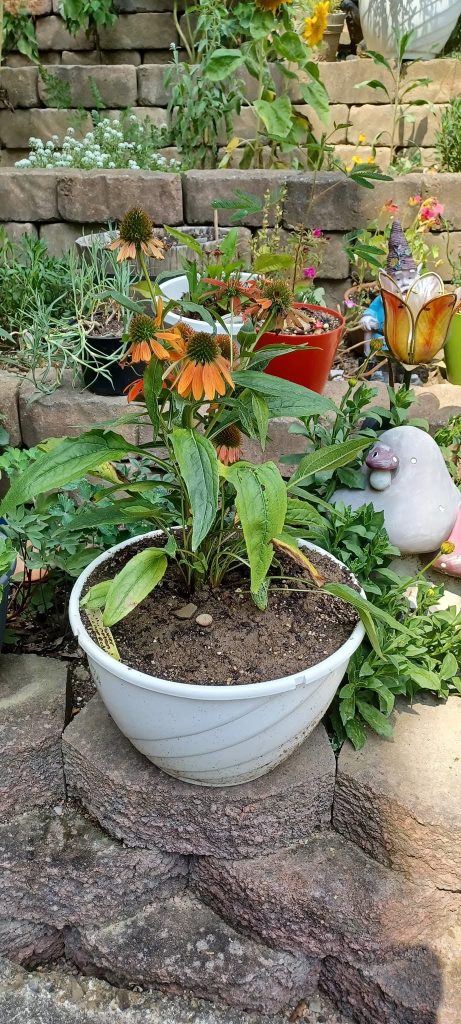
Growing coneflowers in containers? They need a bit more attention than ones in the ground. Pots don’t insulate roots the way garden soil does. Cold reaches them faster from every side.
Live in zone 5 through 9? Your potted coneflowers can usually stay outside with the right prep. Start once the foliage dies back. Move the pot somewhere sheltered. A spot against a sunny wall works well.
Cut stems back to 3 to 6 inches first. Then mound mulch around the base of the pot. Straw or dried leaves both work. This insulates the roots from every angle, not just the top.
Check the soil every 2 to 3 weeks. Water only when the top few inches feel dry. And never let a pot sit in a saucer of water. That’s a fast track to root rot in winter.
Really harsh winters where you live? Consider moving pots into an unheated garage or shed. Somewhere that stays cool but doesn’t freeze solid works best.
Frequently Asked Questions
Do I need to cut back my coneflowers every fall?
No. It’s optional for mature plants. Cutting back keeps things tidy, but leaving stems up feeds birds and shelters bees. Do what fits your garden style.
Will coneflowers survive without any winter protection?
Often, yes, especially in zones 6 and warmer. But skipping mulch in colder zones raises your risk of losing the crown to hard freezes.
Why did my coneflowers not come back this spring?
A few culprits are common. Poor drainage and crown rot top the list. Aster yellows disease is another. Cutting back too early, before the plant finished storing energy, can weaken it too.
Can I fertilize coneflowers in fall?
Skip it. Fertilizing pushes new growth right before winter. That new growth is tender and won’t survive the cold. Wait until spring, once new growth appears.
Is it too late to winterize if my coneflowers already died back?
Not at all. As long as the ground isn’t frozen solid, you can still mulch and clean up debris. Just skip cutting back stems that are already brittle and dry.
Wrapping Up
Winterizing coneflowers really comes down to a few simple habits. Let them die back naturally. Mulch at the right time. Watch your drainage.
Do that, and you’re set up for a strong comeback next spring. These plants are forgiving. A little care now goes a long way toward a fuller, more colorful patch next year.