10 Best Vegetables to Plant in August in Zone 6

Summer heat tricks most gardeners into quitting too soon. Wrong move.
Zone 6 winters hit hard, sometimes dropping past 0°F, but that doesn’t shut the garden door in August.
Cool-season crops actually taste better after a light frost hits them. Sugar builds up in the leaves and roots as a survival trick against the cold.
I’ve watched carrots pulled after frost taste sweeter than anything I grew in June.
Grab your calendar, count backward from your first frost date, and let’s get ten crops into that soil before it’s too late.
Count Backward From Frost, Not Forward From Today
Your seed packet holds the real answer here. Check the “days to maturity” number printed on it. Zone 6 gardeners usually see their first frost land around November 1st. Subtract that maturity number from your frost date, and boom, you’ve got your planting window.
Fast-maturing varieties matter more than anything else on this list. Slow growers won’t finish before the cold shuts things down.
1. Broccoli
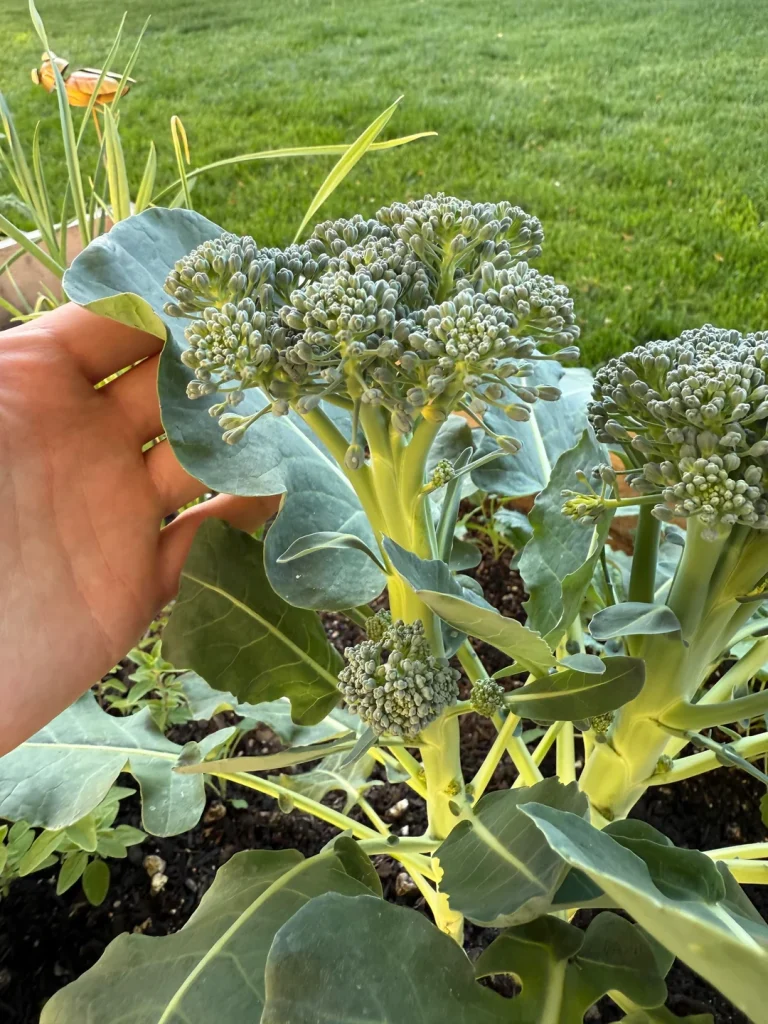
I’ll be honest, broccoli is a little needy. This one wants a head start indoors, not a spot straight in your garden bed. Give it six weeks under a grow light or a sunny windowsill before it goes outside.
Cold soil in August just slows this plant down too much for direct seeding. You’ll want those seedlings in the ground six to eight weeks before your first frost.
Trust me, that early indoor start makes all the difference come harvest time.
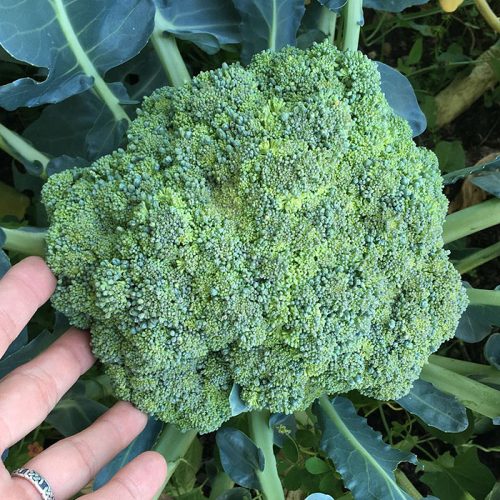
Planting Tips: Broccoli grows best in full sun with rich, well-draining soil. Transplant seedlings six to eight weeks before your first frost date.
Space plants 18 to 24 inches apart and keep the soil consistently moist.
2. Kale
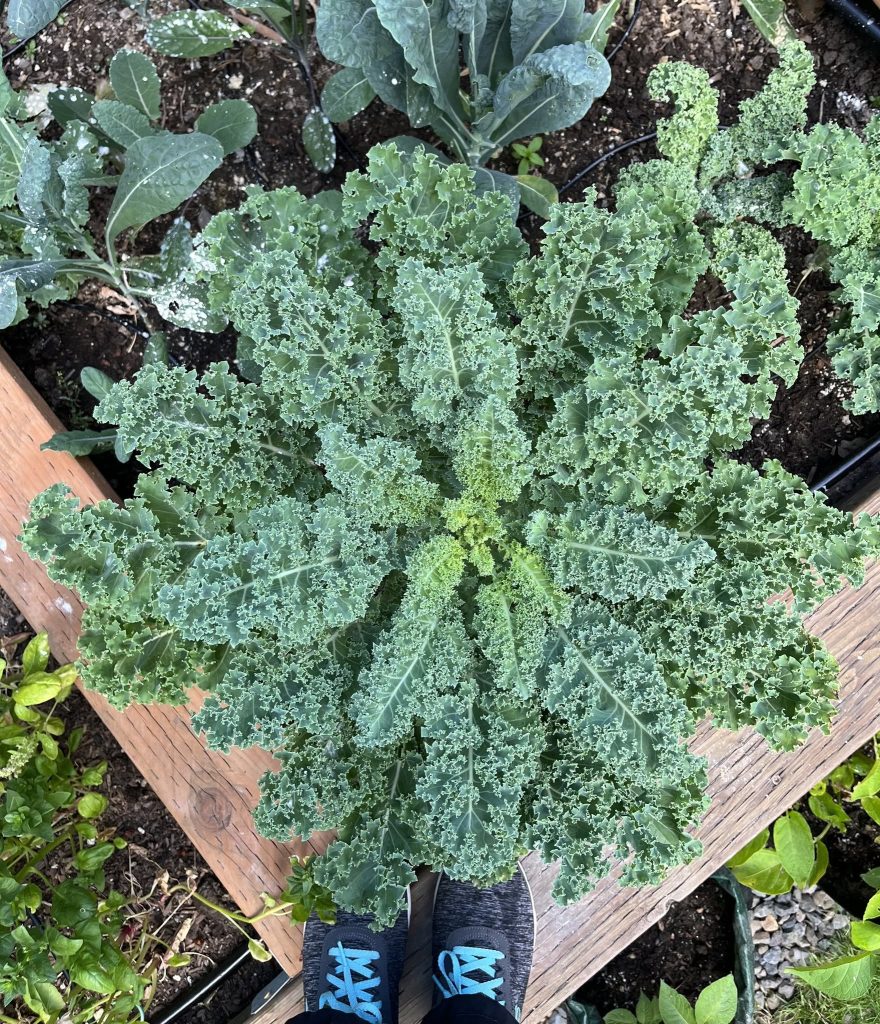
Kale might be my favorite cold-weather crop, hands down. Frost doesn’t scare this plant one bit. Something magical happens when temperatures drop, that slightly bitter summer taste turns sweet and mellow.
You can seed kale directly in the ground about eight weeks before frost hits. Row covers will stretch your harvest all the way into December if you toss one on during cold nights.
My neighbor does this every winter and still picks kale on Christmas Eve.
Planting Tips: Kale thrives in full sun to partial shade with fertile, well-drained soil. Direct-sow seeds about eight weeks before your first expected frost. Space plants 12 to 18 inches apart and water deeply once a week.
3. Lettuce
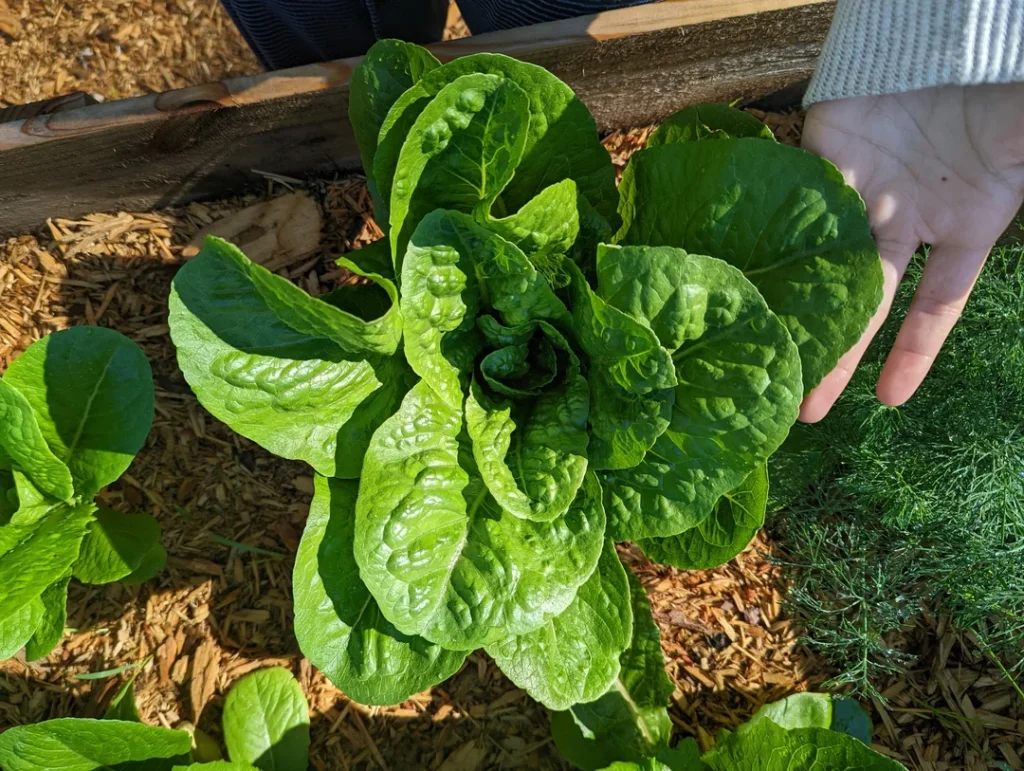
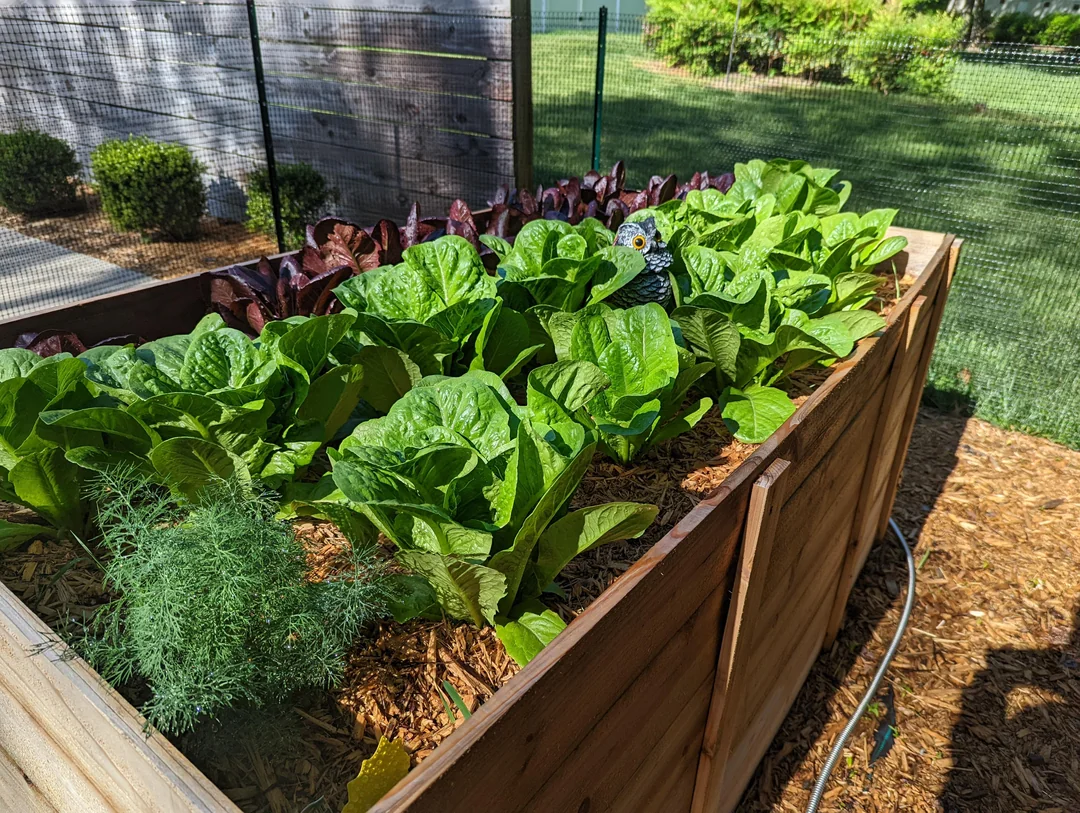
Nobody talks about how much lettuce hates summer heat. Bitter leaves and early bolting ruin most July plantings. Fall flips the script completely, giving you crisp, mild lettuce with none of that summer stress.
Eight weeks before frost gets you full, mature heads by harvest. Want baby greens instead?
Keep seeding every couple weeks right up until two weeks before frost hits. A simple cold frame can even carry your lettuce straight through winter.
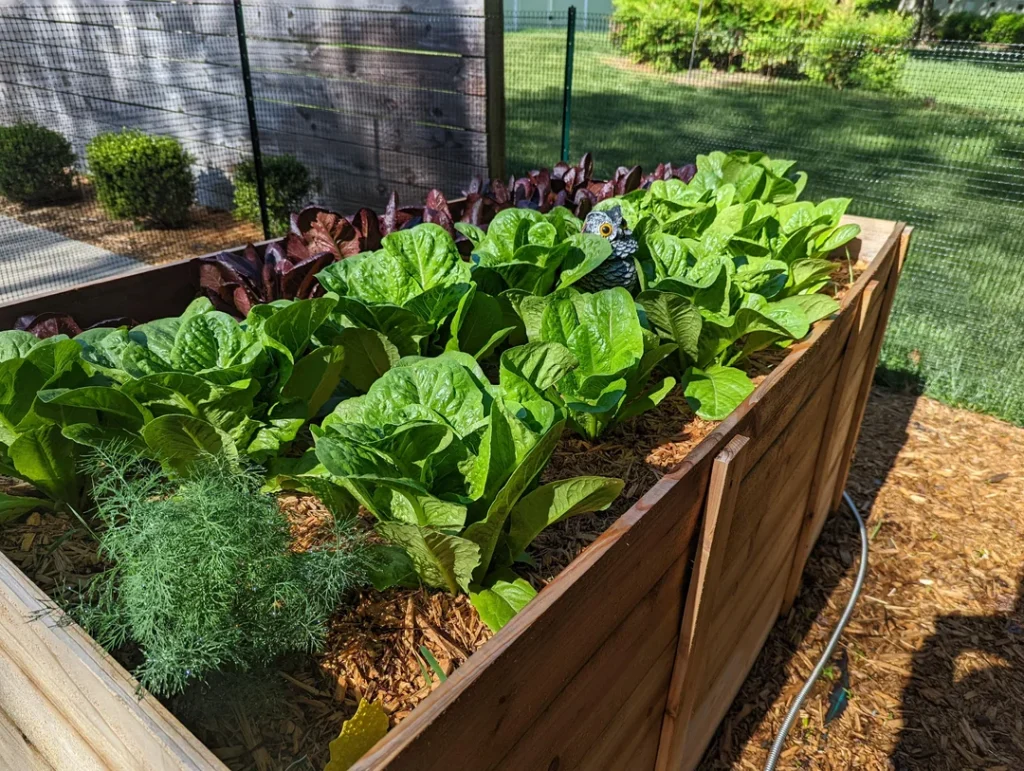
Planting Tips: Lettuce prefers full sun to light shade with loose, moisture-retentive soil. Sow seeds directly eight weeks before your first frost for full heads. Space plants 6 to 10 inches apart and water gently but consistently.
4. Pak Choy
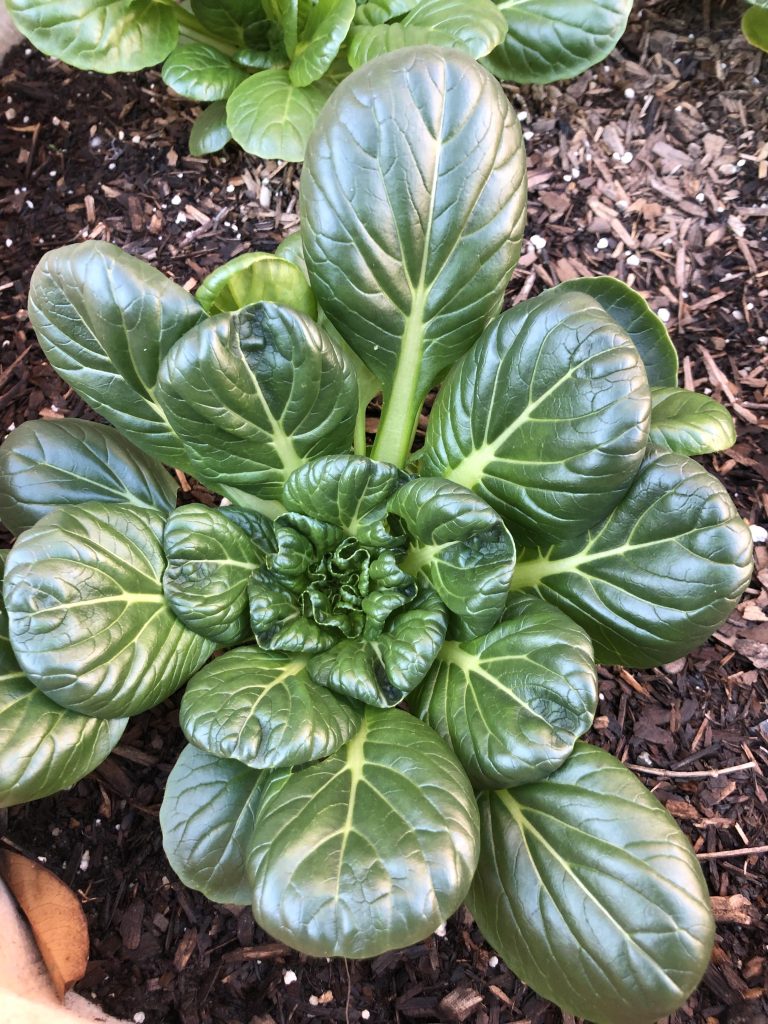
Pak choy surprises a lot of gardeners with how fast it grows. This one loves cool weather and practically shrugs off a light frost. You can seed it directly in the garden about eight weeks before your first freeze.
Flavor actually improves once the nights turn chilly, losing any harsh bite it had in summer heat. I toss mine into stir-fries the same day I harvest, and the crunch is unbeatable.
Quick tip: keep the soil evenly moist, or this crop will bolt faster than you’d expect.
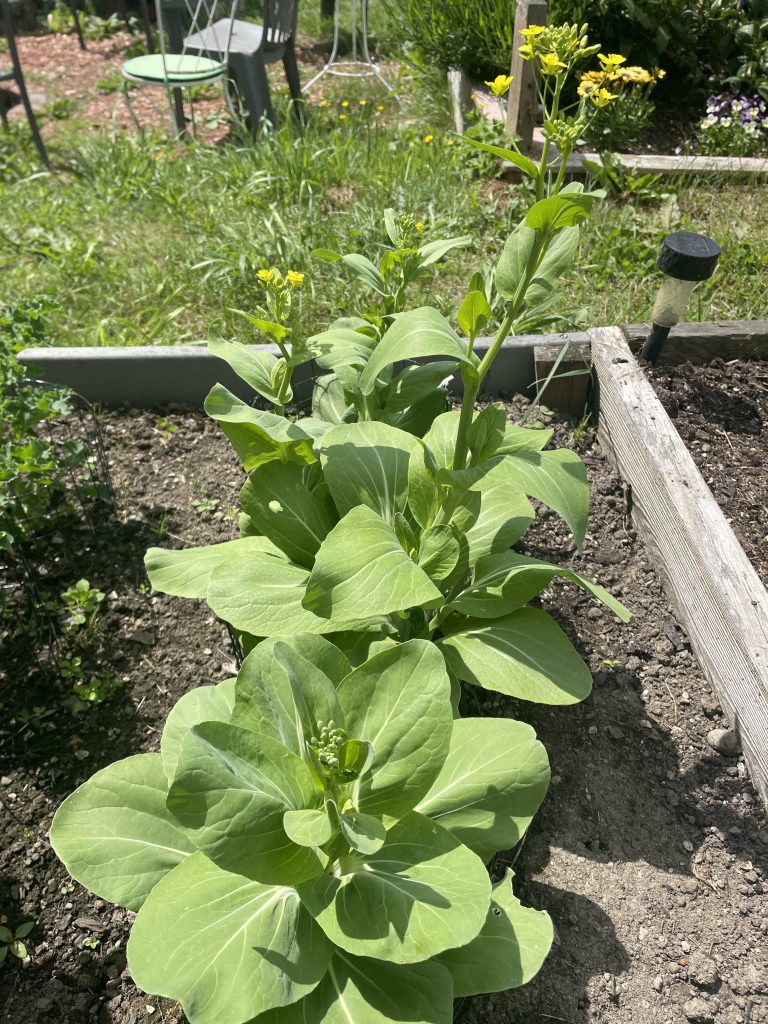
Planting Tips: Pak choy grows best in full sun to partial shade with rich, moisture-retentive soil. Direct-sow seeds eight weeks before your first frost date. Space plants 6 to 12 inches apart and water consistently to prevent bolting.
5. Carrots
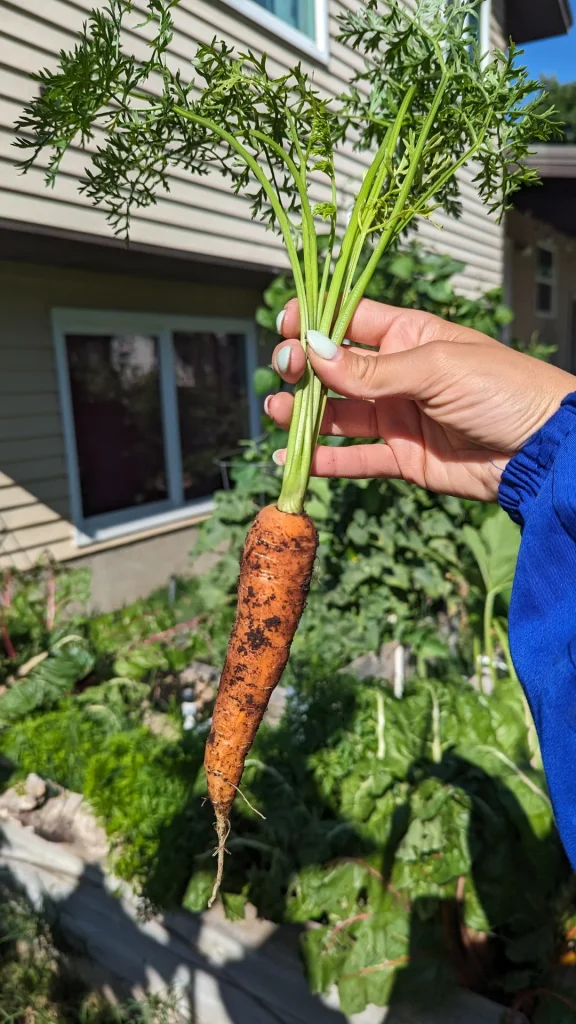
Carrots reward patient gardeners more than almost anything else on this list. Heat makes germination tricky in August, so don’t skip watering during those first sprouting days.
A layer of damp burlap over the seedbed helps keep moisture locked in while seeds establish.
Once cold weather arrives, something incredible happens underground, starches convert to sugar and the flavor turns noticeably sweet.
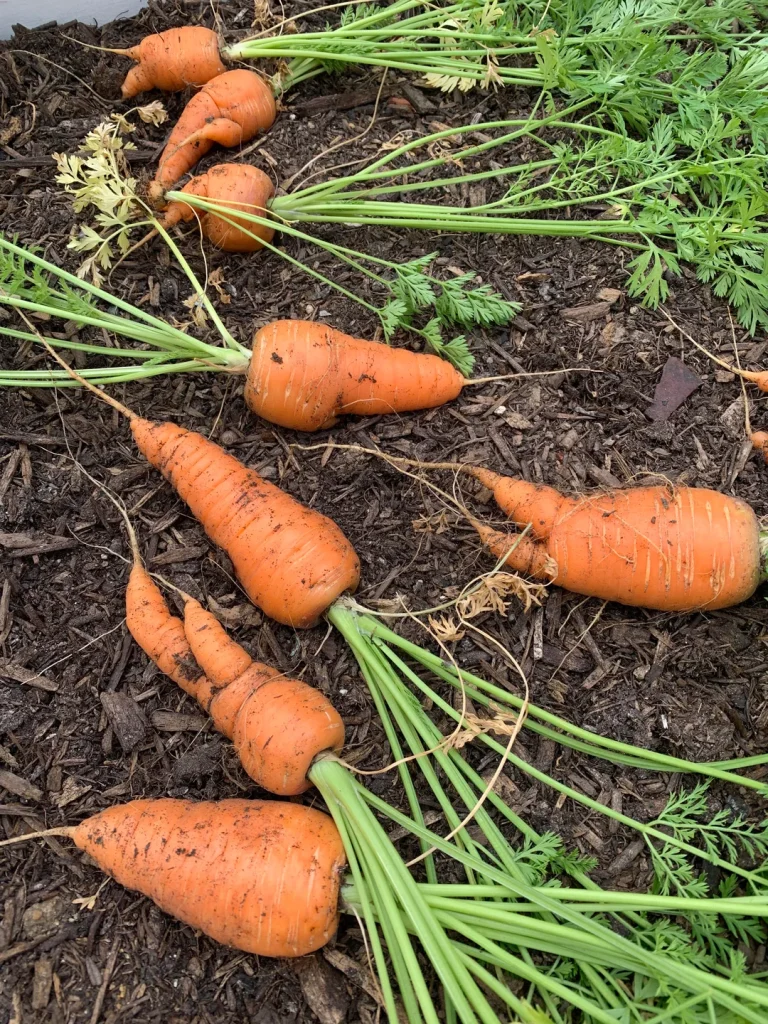
I’ve pulled carrots after a hard frost that tasted almost like candy. Leave them in the ground through winter if your mulch layer is thick enough.
Planting Tips: Carrots prefer full sun with loose, sandy, well-draining soil free of rocks. Direct-sow seeds eight weeks before your first frost date. Thin seedlings to 2 to 3 inches apart and keep soil consistently moist until germination.
6. Spinach
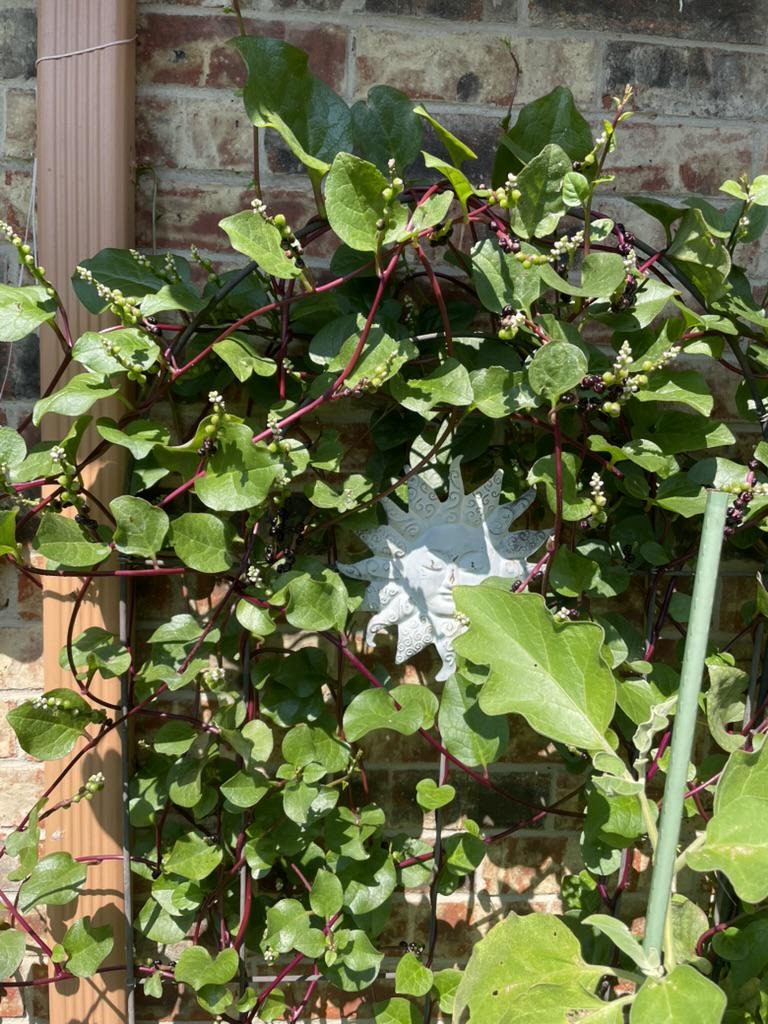
Spinach might be the toughest plant on this entire list. Cold barely fazes it, and a hoop house can keep this crop producing for six to eight months straight. Seed it directly about eight weeks before your first frost for a solid fall harvest.
Baby leaves come quick, often ready to pick within a month of sprouting. I love how spinach just keeps giving, even when everything else in the garden has gone dormant.
Cold frames turn this crop into a nearly year-round staple if you’re willing to check on it through winter.
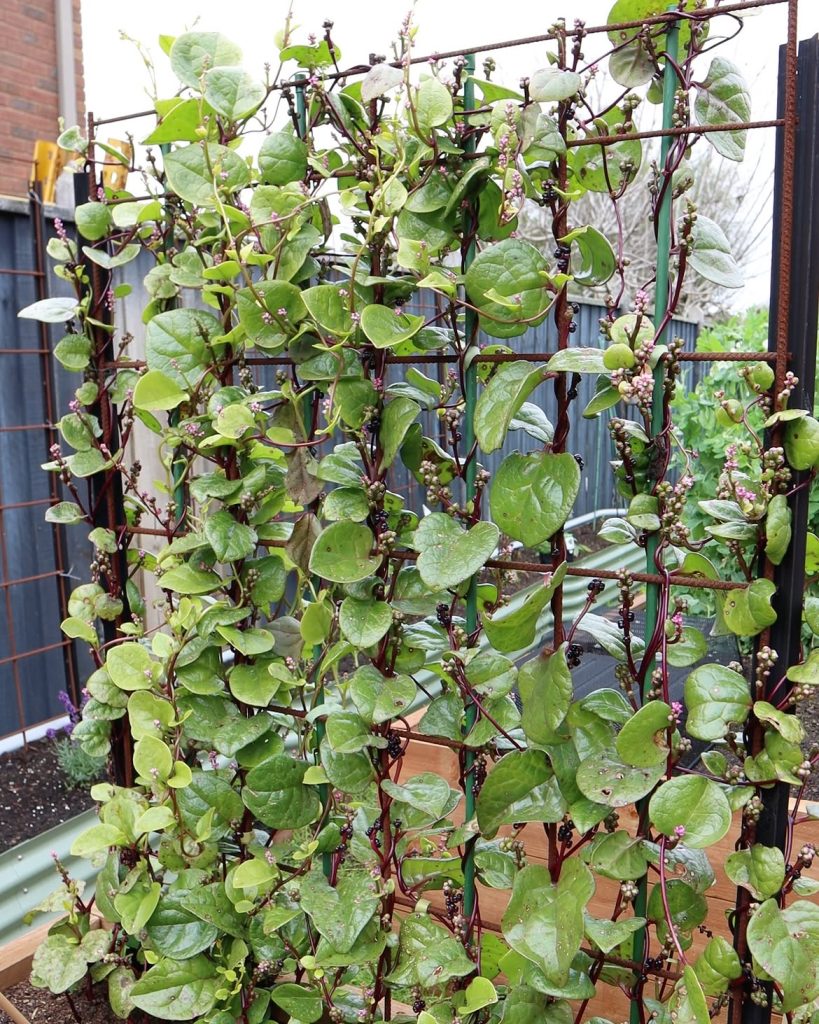
Planting Tips: Spinach grows best in full sun to partial shade with fertile, nitrogen-rich soil. Direct-sow seeds eight weeks before your first frost date. Space plants 3 to 5 inches apart and water regularly to keep leaves tender.
7. Swiss Chard
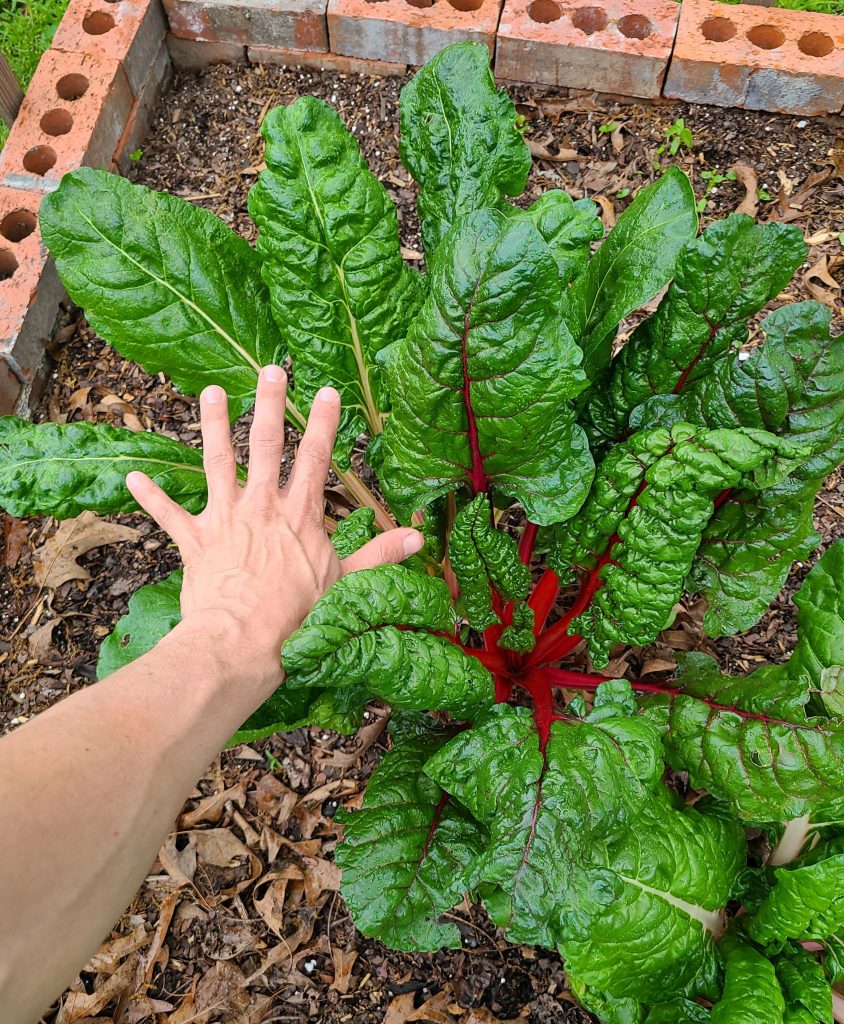
Swiss chard might be the most underrated crop on this whole list. Cold weather barely slows this plant down at all. You can direct-seed it about eight weeks before your first frost date.
Those colorful stems actually get prettier once temperatures drop, ranging from deep red to bright gold.
I harvest outer leaves all season long without ever pulling the whole plant. A cold frame will keep chard producing well past what you’d expect from a fall crop.
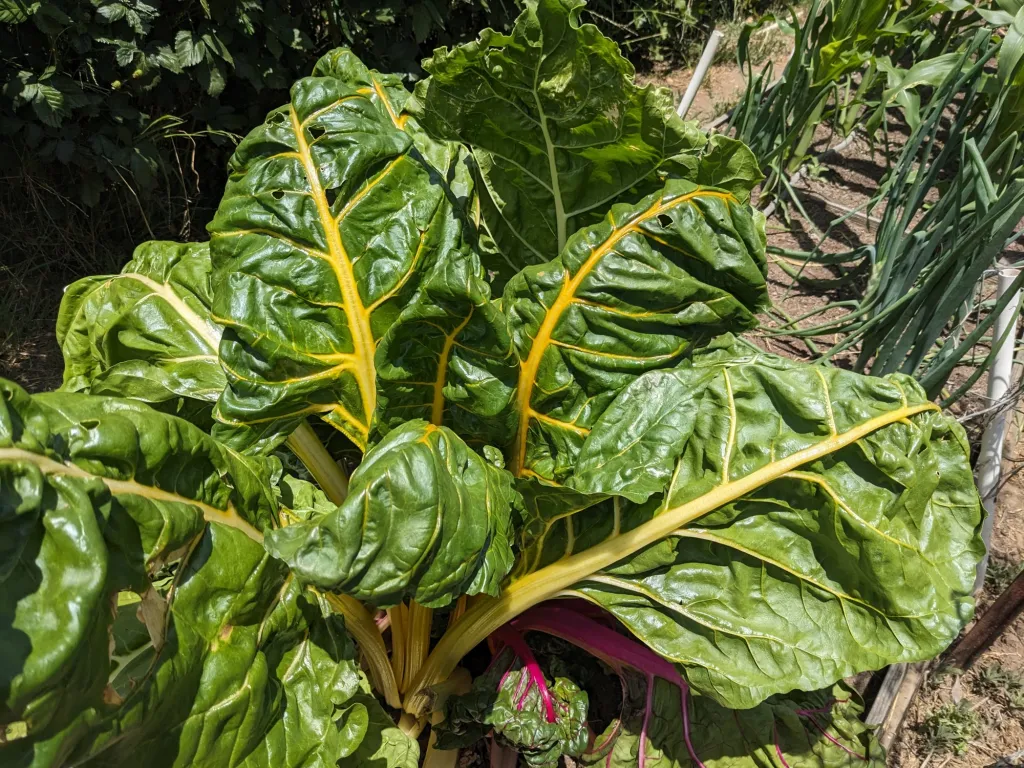
Planting Tips: Swiss chard grows best in full sun to partial shade with fertile, well-drained soil. Direct-sow seeds eight weeks before your first frost date. Space plants 6 to 12 inches apart and water deeply once or twice a week.
8. Beets
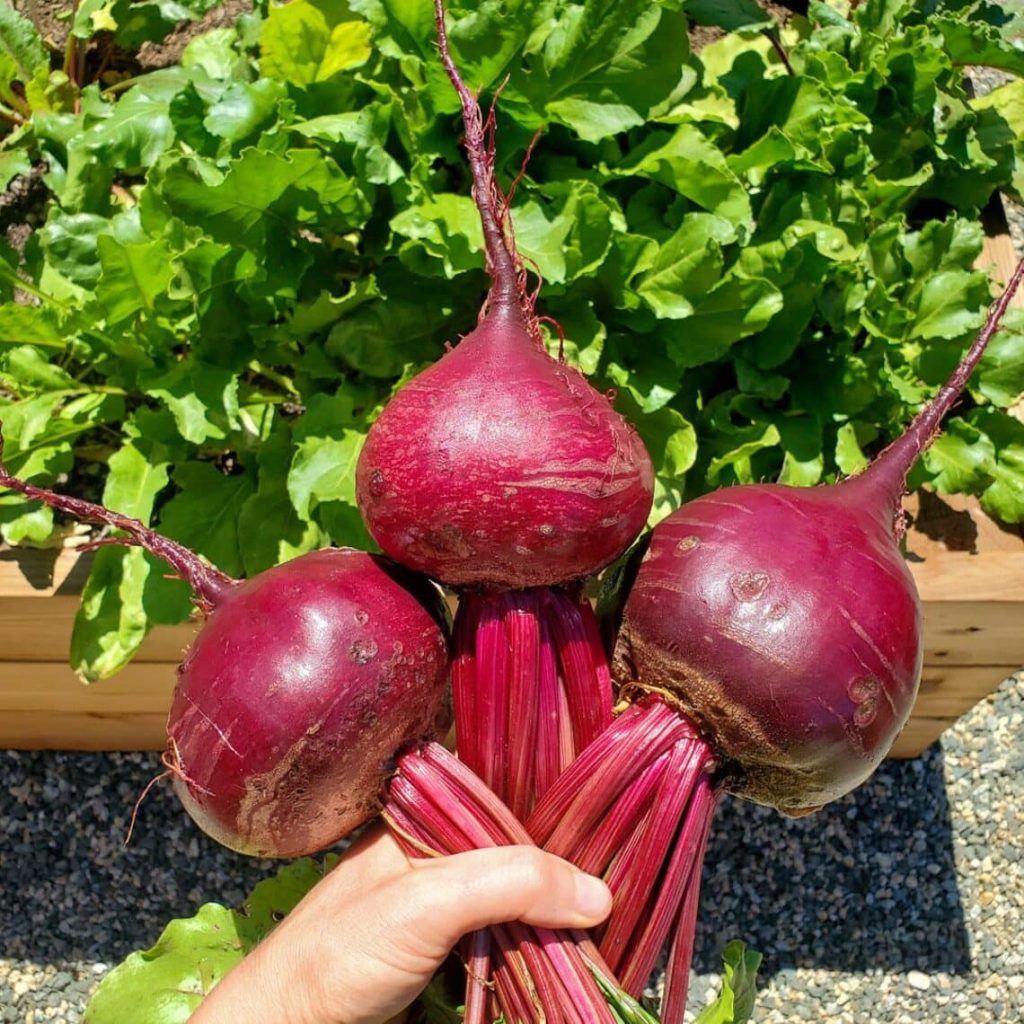
Beets give you two crops in one, and that’s what makes them worth the effort. Timing matters more here than with almost anything else on this list.
Plant eight weeks before frost if you want those classic round roots. Wait past six weeks before frost, though, and you’ll only get the leafy tops, not the roots underneath.
Both parts taste great, so honestly, it’s not a total loss either way. I roast the roots and sauté the greens the same night, nothing gets wasted.
Planting Tips: Beets prefer full sun with loose, well-draining soil free of heavy clay. Direct-sow seeds eight weeks before your first frost for full root development. Thin seedlings to 3 to 4 inches apart and keep soil consistently moist.
9. Turnips
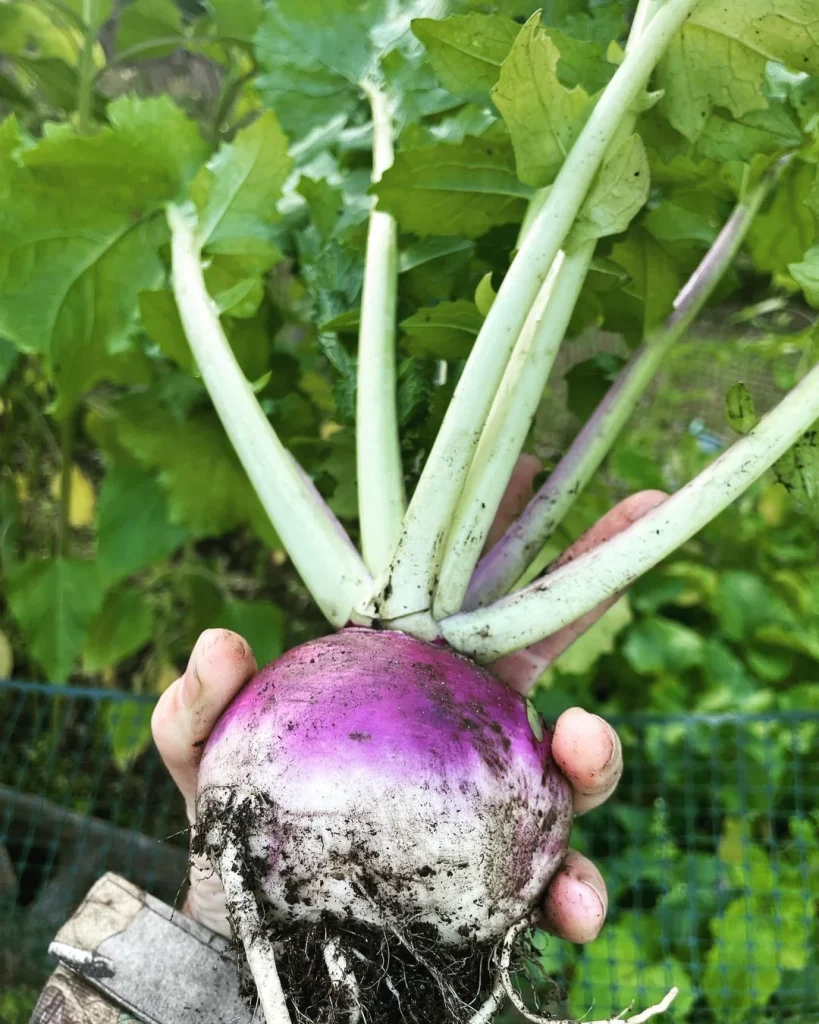
Turnips follow almost the exact same rulebook as beets. Early planting gets you those firm, peppery roots everyone associates with turnips. Later plantings shift the reward toward the greens instead of the roots.
Eight weeks before frost is your sweet spot for a full harvest of both. Turnip greens taste fantastic sautéed with a little garlic, don’t skip them if you grow this crop.
Frost actually mellows out that sharp turnip bite, making the roots milder and sweeter.
Planting Tips: Turnips grow best in full sun with loose, fertile, well-draining soil. Direct-sow seeds eight weeks before your first frost date for root harvest. Space plants 4 to 6 inches apart and water consistently to prevent woody roots.
10. Radish
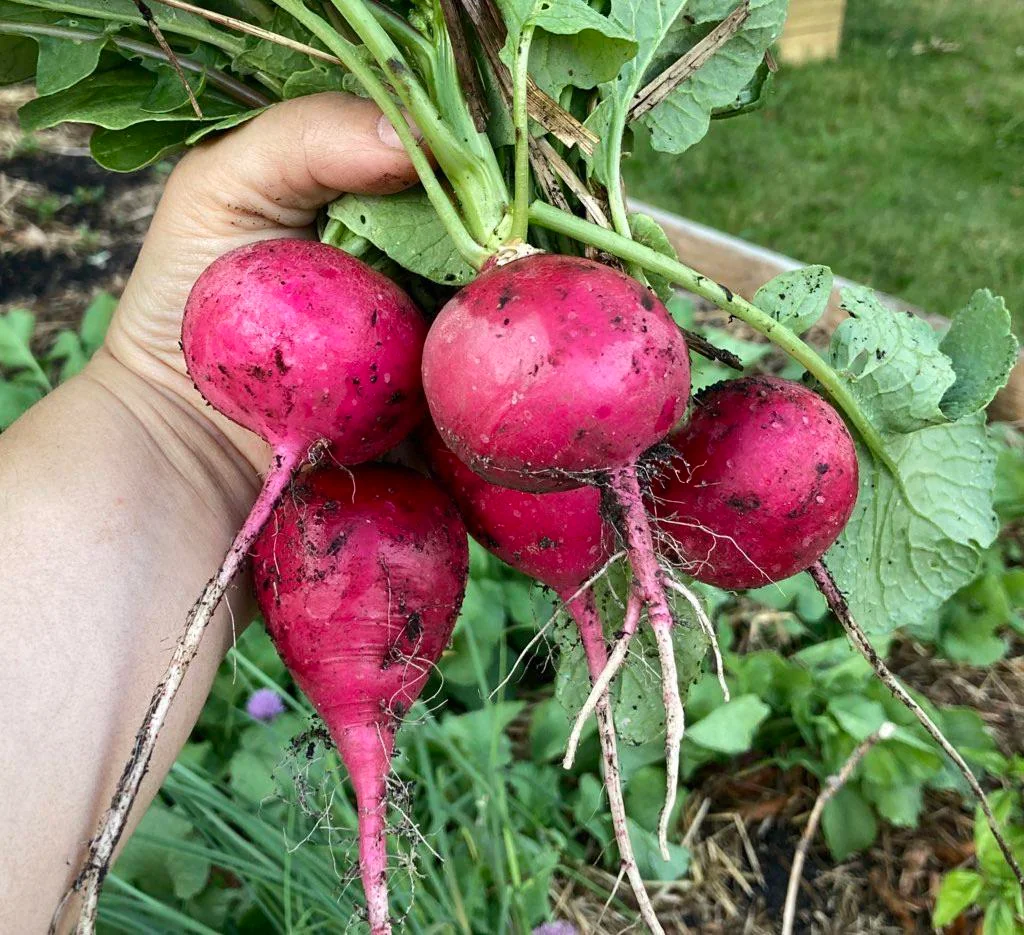
Radish wins the award for fastest crop on this entire list. Some varieties finish in as little as three to four weeks, way quicker than anything else we’ve covered.
You can direct-seed radishes right up until three to four weeks before your first frost. Cold weather actually makes radishes crisper and less peppery than a summer harvest.
I sneak radishes into nearly empty garden spots just because they grow so fast. Nothing beats pulling a crunchy radish straight from cold soil in October.
Planting Tips: Radishes grow best in full sun with loose, well-draining soil free of rocks. Direct-sow seeds three to four weeks before your first frost date. Space plants 1 to 2 inches apart and water consistently for crisp, mild roots.
Get Digging Before That Frost Date Hits
10 crops, one garden, and a whole lot of harvest still ahead of you. August feels late until you realize how much these cool-season vegetables actually love the cold.
Broccoli and kale need that early head start, while radishes and pak choy reward you fast. Carrots and beets sweeten right up once frost touches them, and honestly, that’s my favorite part of fall gardening.
Grab your seed packets, check those maturity dates, and get something in the ground this week. Your November harvest basket will thank you for not giving up when summer ended.