The Ultimate Guide to Flowering Vines for Shady Spots

Looking for shade loving vines plants that can brighten a darker fence, wall, arbor, or side yard?
Good news: plenty of climbing plants grow well in shady areas, especially when they get a little morning sun or filtered light. Some bring flowers, others add bold leaves, fragrance, privacy, or wildlife value.
I’ve always liked vines for tricky shade spots because they use vertical space instead of crowding the ground.
In this article, you’ll find 15 beautiful vines for shade gardens, along with their zones, flower colors, light needs, and best growing tips.
15 Best Flowering Vines For Shade
| Vine | USDA Zones | Flower Color | Light | Soil Needs | Mature Size |
|---|---|---|---|---|---|
| 1Climbing Hydrangea | 4–8 | White | Partial shade to full shade | Moist, well-drained, rich soil | 30–50 ft tall, 5–6 ft wide |
| 2Virginia Creeper | 3–9 | Greenish-white, usually not showy | Full sun to full shade | Average, well-drained soil | 30–50 ft tall, 5–10 ft wide |
| 3Carolina Jessamine | 7–10 | Yellow | Full sun to partial shade | Moist, well-drained soil | 10–20 ft tall, 3–6 ft wide |
| 4Coral Honeysuckle | 4–9 | Coral, red, orange, yellow | Full sun to partial shade | Moist, well-drained soil | 8–20 ft tall, 3–6 ft wide |
| 5American Wisteria | 5–9 | Purple, lavender, blue | Full sun to partial shade | Moist, well-drained soil | 15–30 ft tall, 4–8 ft wide |
| 6Clematis | 4–9* | White, pink, purple, blue, red, yellow | Full sun to partial shade | Moist, well-drained soil | 6–20 ft tall (varies by type) |
| 7Star Jasmine | 8–10 | White | Full sun to partial shade | Well-drained, fertile soil | 10–20 ft tall, 3–6 ft wide |
| 8Dutchman’s Pipe | 4–8 | Green, yellow, purple, brown | Full sun to partial shade | Moist, rich, well-drained soil | 15–30 ft tall, 5–10 ft wide |
| 9Trumpet Vine | 4–9 | Orange, red, yellow | Full sun to partial shade | Average, well-drained soil | 25–40 ft tall, 5–10 ft wide |
| 10Chocolate Vine | 4–9 | Purple, brown, reddish-purple | Full sun to partial shade | Moist, well-drained soil | 20–40 ft tall, 6–9 ft wide |
| 11Mandevilla | 10–11 | Pink, red, white, yellow | Full sun to partial shade | Moist, well-drained soil | 3–10 ft tall, 3–4 ft wide |
| 12Bleeding Heart Vine | 9–12 | White and red | Partial shade | Moist, well-drained soil | 10–15 ft tall, 3–6 ft wide |
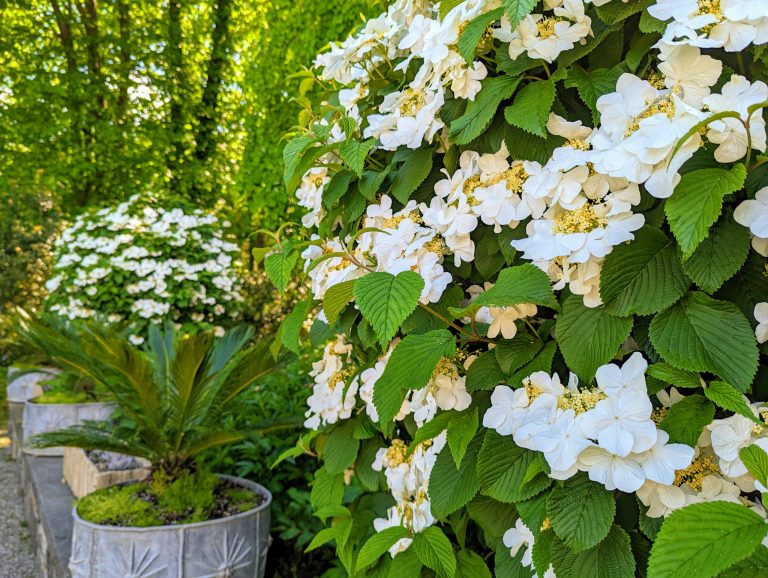
| 13Japanese Hydrangea Vine | 5–8 | White | Partial shade to full shade | Moist, well-drained, rich soil | 20–30 ft tall, 6–9 ft wide |
| 14Kadsura Vine | 7–9 | White, cream, yellow | Partial shade | Moist, rich, well-drained soil | 10–15 ft tall, 3–6 ft wide |
| 15Yellow Butterfly Vine | 8–11 | Yellow | Full sun to partial shade | Well-drained soil | 10–15 ft tall, 4–6 ft wide |
1. Climbing Hydrangea
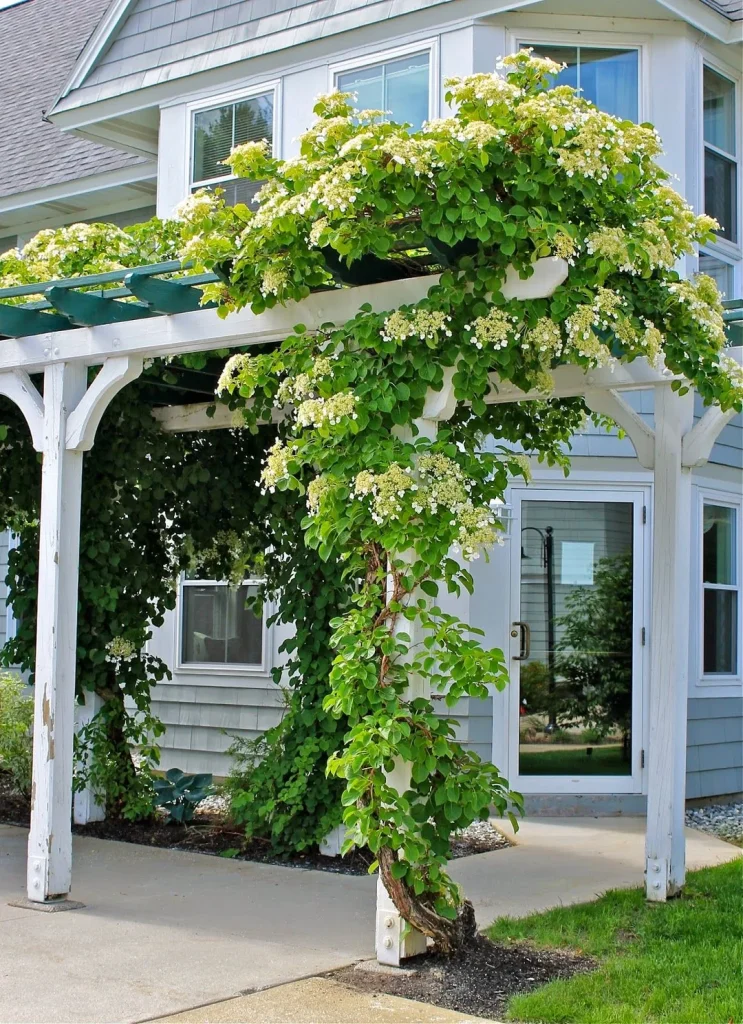
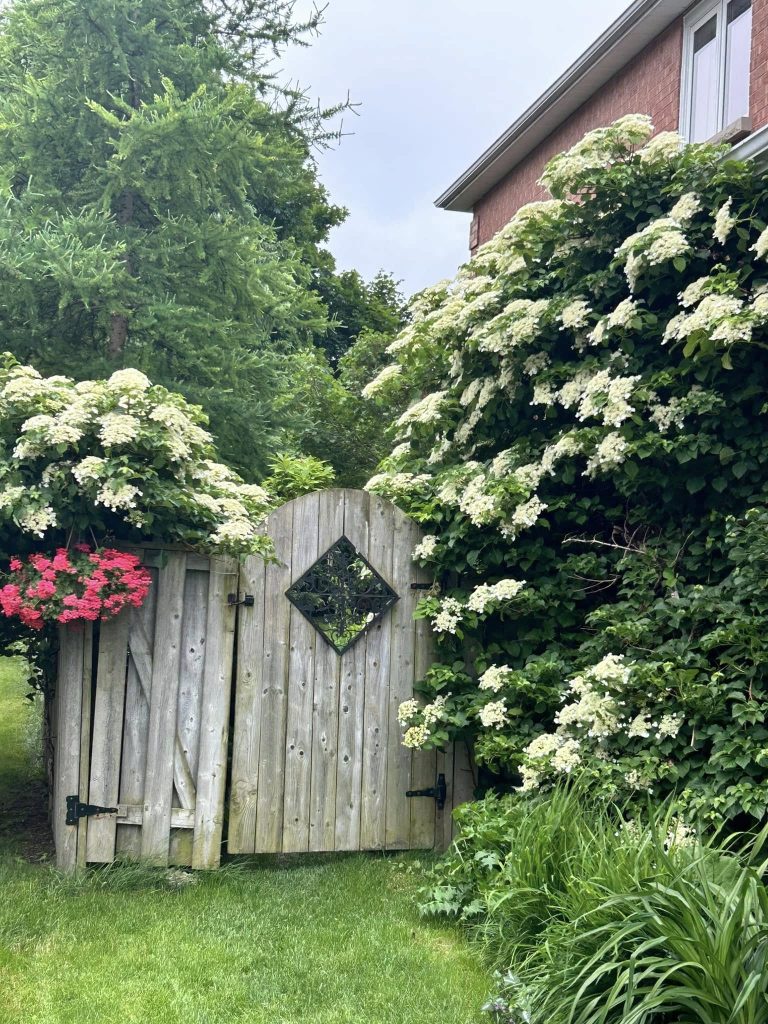
Climbing hydrangea feels like the calm, classy friend in the vine world. It grows white lacecap-style flowers, glossy green leaves, and woody stems that cling to walls, fences, and large tree trunks.
Patience matters here. Young plants often take time to settle, but mature vines can turn a plain shaded wall into a soft green curtain with summer blooms.
I like climbing hydrangea for low-light gardens because it handles partial shade better than many showy flowering vines. Give it moist, well-drained soil and room to grow, since this vine can become large once it feels at home.
Also read: 13 Stunning Front Yard Hydrangea Landscaping Ideas
Key Information
USDA Hardiness Zones: 4–8
Flower Color: White
Light: Partial shade to full shade
Soil Needs: Moist, well-drained, rich soil
Mature Size: 30–50 feet tall, 5–6 feet wide
Best spot for climbing hydrangea
Choose a strong wall, arbor, or fence. Thin trellises may struggle once the plant gains size.
Morning light helps. Deep shade may reduce flowers, but the foliage still gives structure and charm.
2. Virginia Creeper
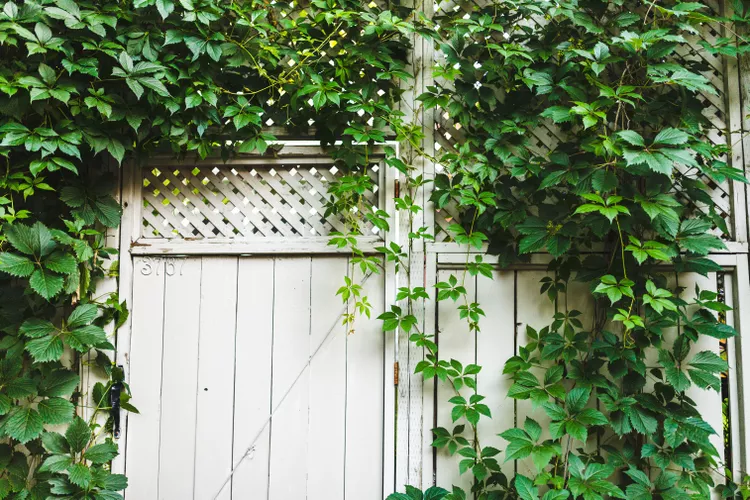
Virginia creeper brings big energy to shade. This native vine grows fast, covers fences well, and shows off bright fall color when the weather cools.
Gardeners often use it for tough spots because it tolerates partial shade and even full shade better than many vines. Birds also enjoy its berries, though people should not eat them.
Walls need clothes. Virginia creeper can provide that living coat, but you should place it where strong growth will not annoy you later.
Key Information
USDA Hardiness Zones: 3–9
Flower Color: Greenish-white, usually not showy
Light: Full sun to full shade
Soil Needs: Average, well-drained soil
Mature Size: 30–50 feet tall, 5–10 feet wide
Best spot for Virginia creeper
Pick a fence, large arbor, or rough wall where coverage matters more than delicate blooms. This plant shines when you want leaves, privacy, and autumn color.
Regular trimming helps. Without pruning, Virginia creeper may race farther than you planned.
3. Carolina Jessamine
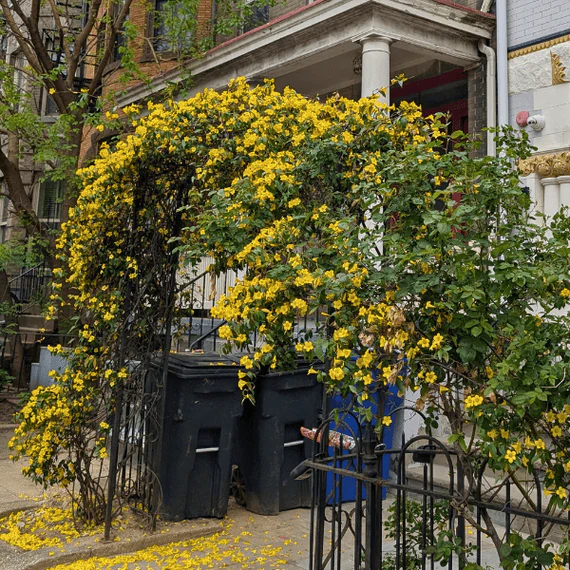
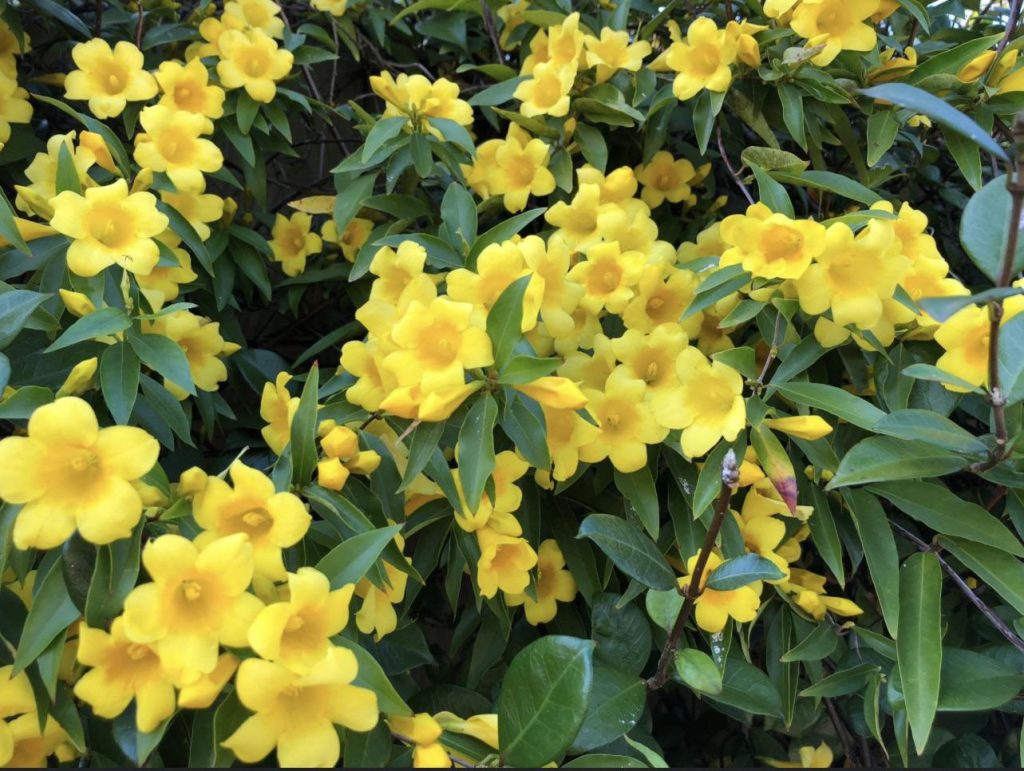
Carolina jessamine gives shade a cheerful yellow lift. Its trumpet-shaped flowers appear in late winter or spring, and the vine keeps evergreen leaves in warm regions.
Pollinators visit the blooms, and the sweet look feels sunny even when the site gets only part sun. Still, this vine flowers best with some direct light, so I would not hide it in the darkest corner.
Also read: 15 Best Shade Loving Plants for Pollinators
Careful placement matters because all parts of Carolina jessamine contain toxic compounds. Grow it away from pets, kids, and grazing animals, especially if they like to nibble plants.
Key Information
USDA Hardiness Zones: 7–10
Flower Color: Yellow
Light: Full sun to partial shade
Soil Needs: Moist, well-drained soil
Mature Size: 10–20 feet tall, 3–6 feet wide
Best spot for Carolina jessamine
Use it on a porch rail, fence, or trellis with morning sun and afternoon shade. Hot climates often suit this setup well.
Good drainage helps roots stay healthy. Wet, heavy soil can stress the plant.
4. Coral Honeysuckle
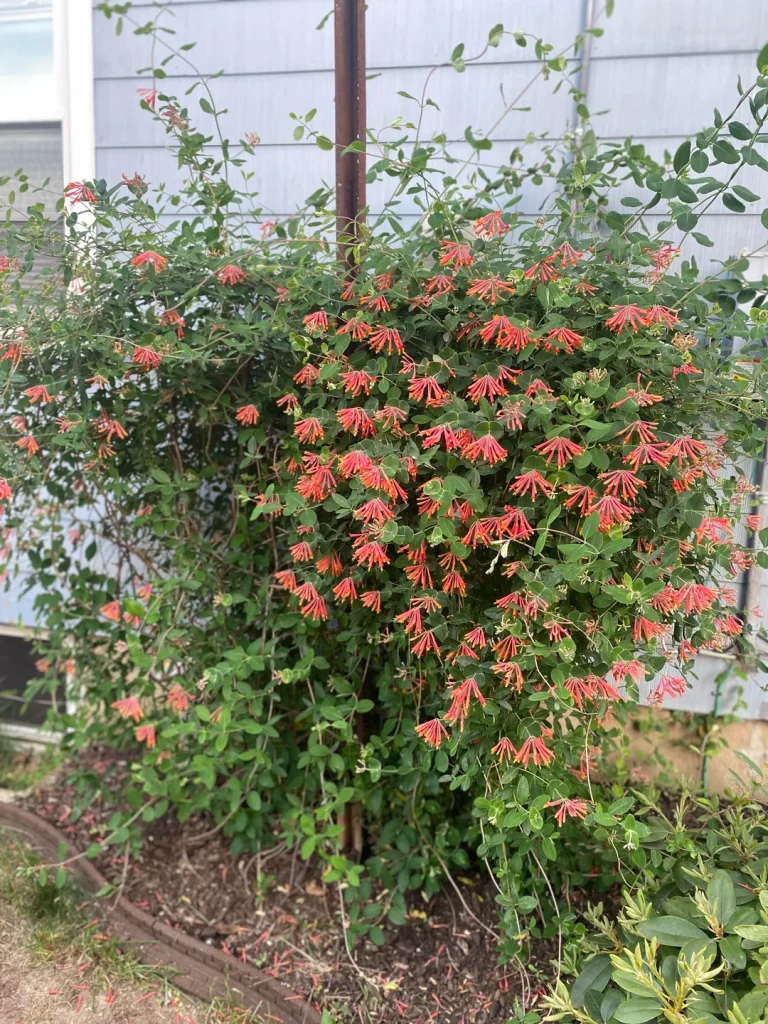
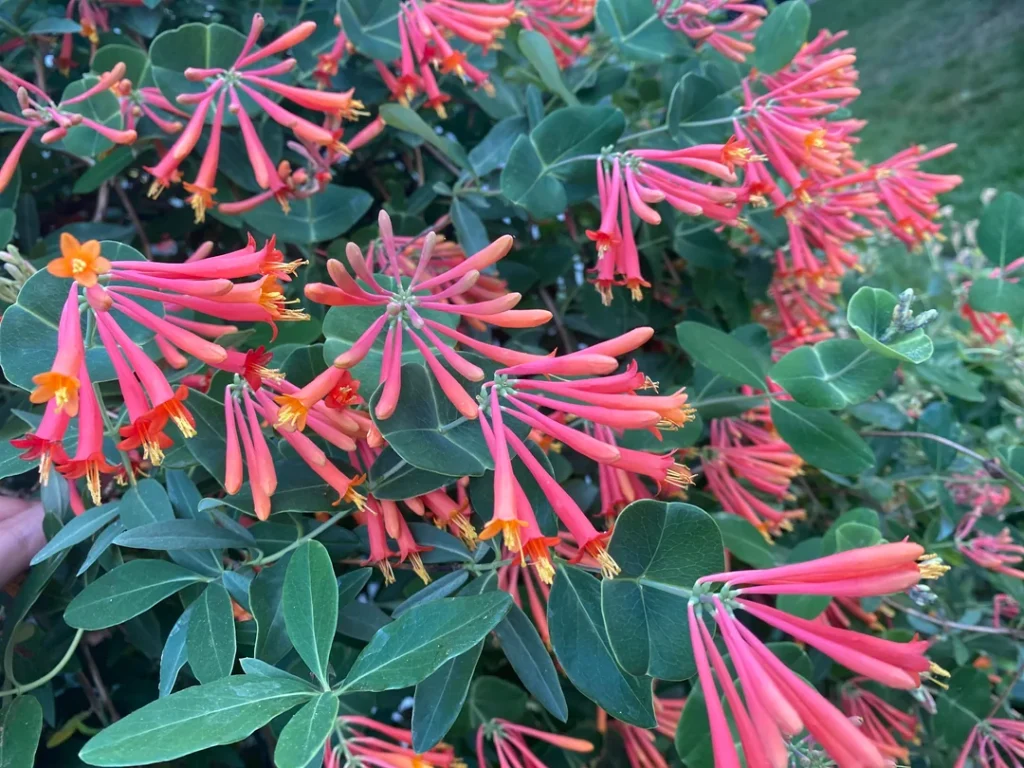
Coral honeysuckle gives you flowers without the bad manners of invasive honeysuckle types. This native vine grows clusters of red, coral, or orange tubular blooms that hummingbirds love.
Few shade loving vines plants feel this friendly to wildlife. You get color, nectar, and a neat climbing habit when you guide the stems early.
I’d pick coral honeysuckle for a garden where you want beauty and birds at the same time, because it offers both without needing fussy care. Partial shade works, though more light usually brings more flowers.
Key Information
USDA Hardiness Zones: 4–9
Flower Color: Coral, red, orange, yellow
Light: Full sun to partial shade
Soil Needs: Moist, well-drained soil
Mature Size: 8–20 feet tall, 3–6 feet wide
Best spot for coral honeysuckle
Train it on a trellis, fence, or mailbox post. The stems twine, so they need something slim enough to wrap around.
Prune after flowering if you want a tidy shape. Let it grow looser if you prefer a wilder cottage-garden look.
5. American Wisteria
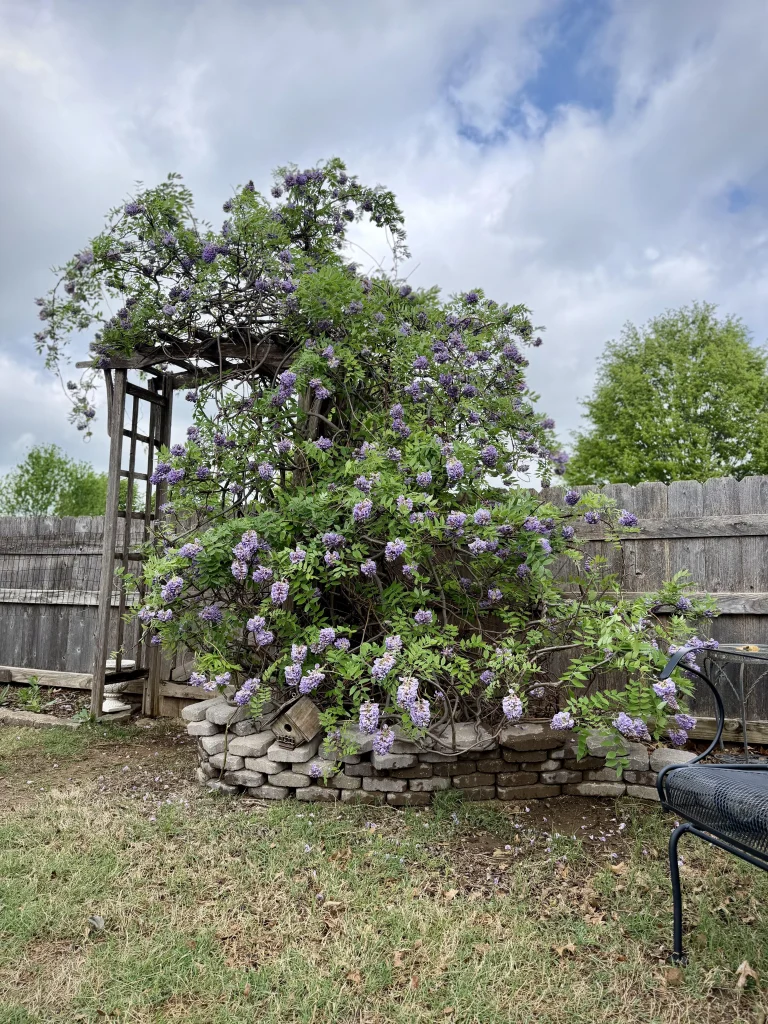
American wisteria gives you those dreamy hanging flower clusters without the same wild spread linked to Chinese and Japanese wisteria.
Native gardeners often choose it because it behaves better and still brings that romantic arbor look.
Purple blooms usually steal the show. A strong pergola, fence, or heavy arbor gives the vine the support it needs as the stems thicken.
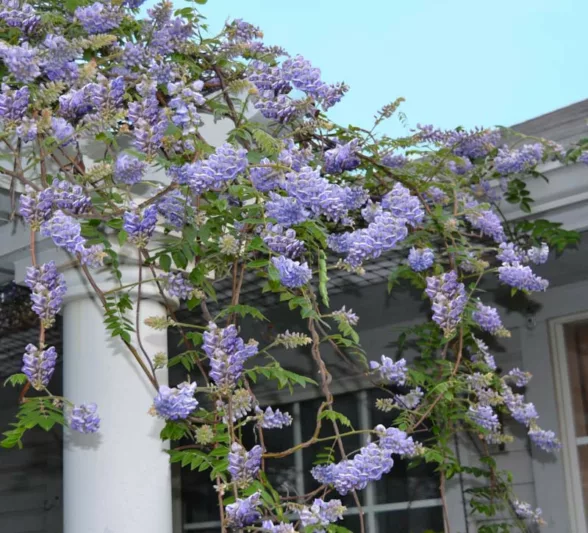
Personally, I’d grow American wisteria where I could walk under it and enjoy the flowers at eye level. Partial shade works, but brighter spots usually push stronger blooming.
Key Information
USDA Hardiness Zones: 5–9
Flower Color: Purple, lavender, blue
Light: Full sun to partial shade
Soil Needs: Moist, well-drained soil
Mature Size: 15–30 feet tall, 4–8 feet wide
Best spot for American wisteria
Set this vine on a sturdy structure from day one. Weak supports can bend once the plant matures.
Pruning helps shape the show. Cut back extra growth so the flowers stay easy to see.
6. Clematis
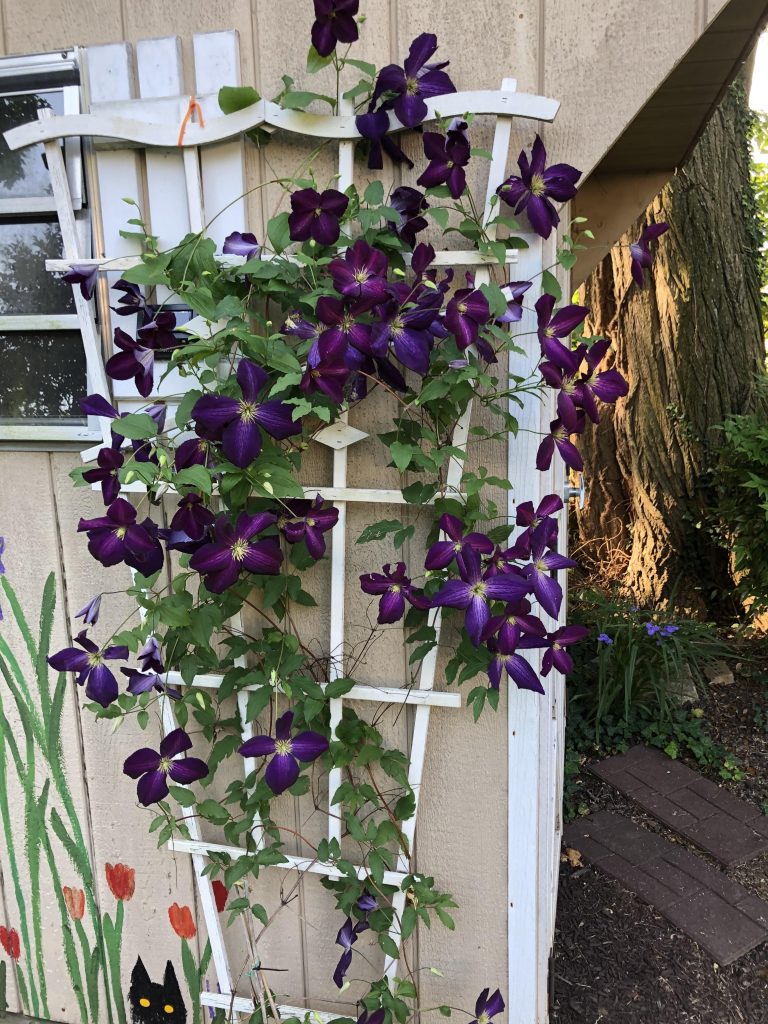
Clematis earns its fame with big flowers, soft vines, and a style that feels almost too pretty for a shady fence. Many types grow well in partial shade, especially varieties known for handling less sun.
Some clematis flowers fade less in light shade, which can help pale blooms look fresh longer. Have you ever seen a soft pink clematis glowing on a dim trellis?
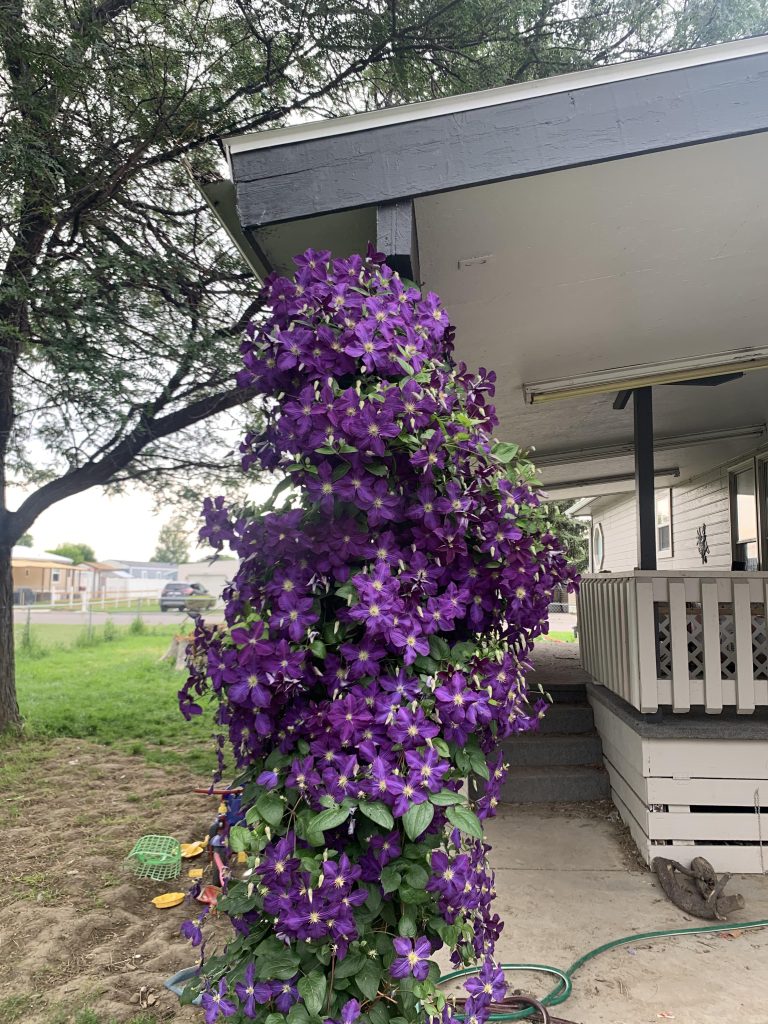
Roots like a cool base. Mulch, low plants, or a shaded pot can help protect the soil around the vine.
Key Information
USDA Hardiness Zones: 4–9, depending on variety
Flower Color: White, pink, purple, blue, red, yellow
Light: Full sun to partial shade
Soil Needs: Moist, well-drained soil
Mature Size: 6–20 feet tall, depending on variety
Best spot for clematis
Give clematis a trellis, obelisk, or fence with thin supports. Leaf stems need small pieces to grip.Check the pruning group before cutting. Different clematis types bloom on different wood, so one rough trim can cost you flowers.
7. Star Jasmine
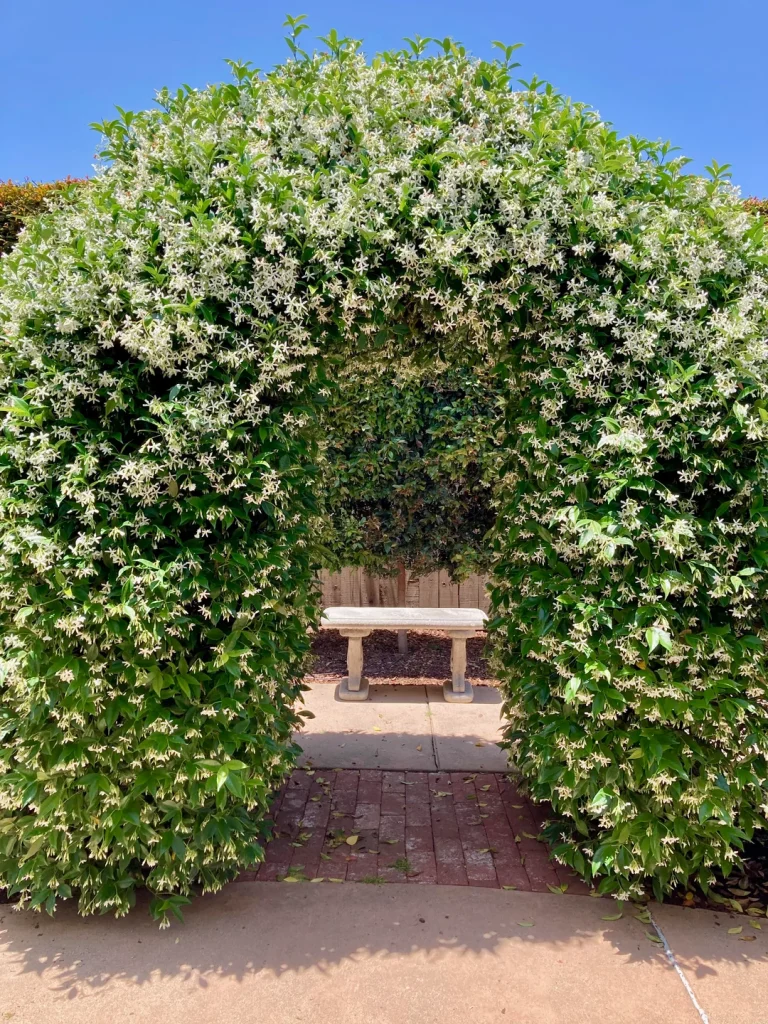
Star jasmine brings perfume to a part-shade garden. White star-shaped flowers cover the vine in warm climates, and the glossy leaves keep the plant looking neat after bloom time.
Fragrance makes this vine feel special near a porch, gate, or sitting area. I love plants that greet you before you even see them.
Warm regions suit star jasmine best. Partial shade helps protect it from harsh afternoon heat, especially during hot summers.
Key Information
USDA Hardiness Zones: 8–10
Flower Color: White
Light: Full sun to partial shade
Soil Needs: Well-drained, fertile soil
Mature Size: 10–20 feet tall, 3–6 feet wide
Best spot for star jasmine
Plant it where you can smell it. A fence near a walkway makes more sense than a hidden back corner.Training keeps the growth tidy. Tie young stems to a trellis until the vine starts to hold its shape.
8. Dutchman’s Pipe
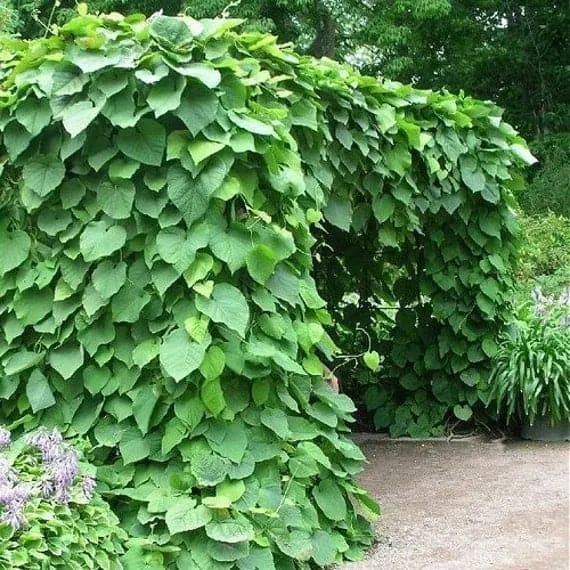
Dutchman’s pipe grows for bold leaves more than flashy flowers. Its heart-shaped foliage can cover a fence fast and create a cool, private screen.
Odd pipe-shaped flowers hide among the leaves, which gives the plant a quirky charm. You might miss them at first glance, but that surprise makes the vine fun.
Shade suits this plant better than many bloom-heavy climbers. Use it when you want green cover, privacy, and texture rather than a loud flower show.
Key Information
USDA Hardiness Zones: 4–8
Flower Color: Green, yellow, purple, brown
Light: Full sun to partial shade
Soil Needs: Moist, rich, well-drained soil
Mature Size: 15–30 feet tall, 5–10 feet wide
Best spot for Dutchman’s pipe
Choose a big trellis, pergola, or fence. This vine needs room to stretch.
Wear gloves when pruning if your skin reacts easily. Many gardeners treat Dutchman’s pipe with care because parts of the plant contain toxic compounds.
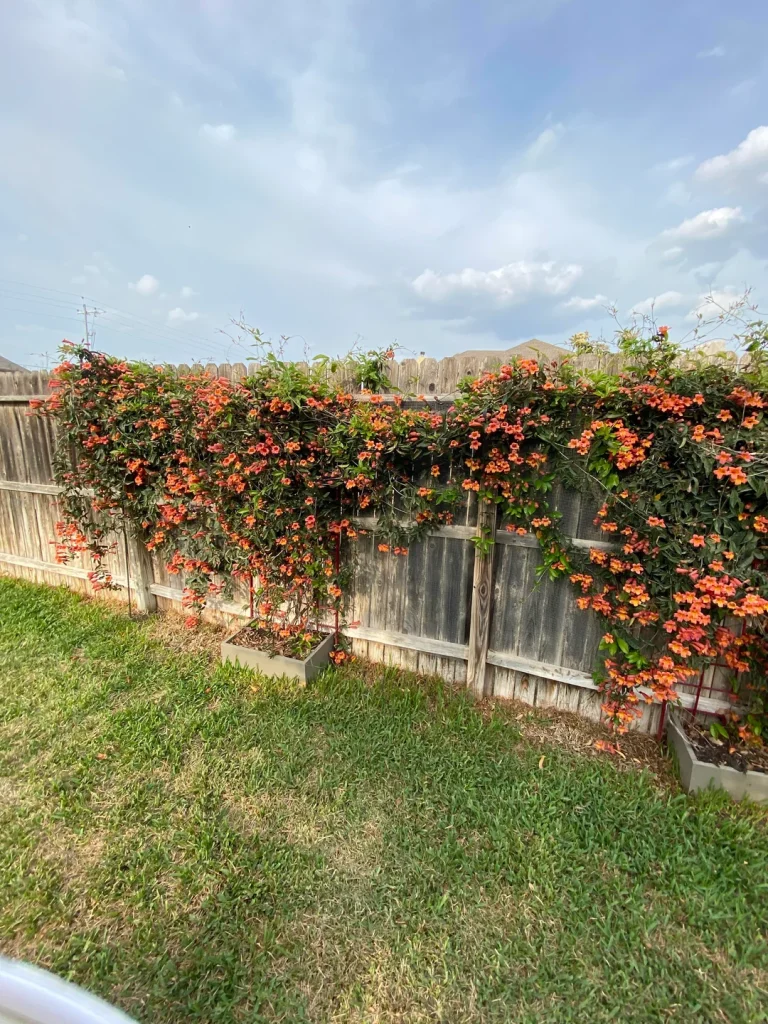
9. Trumpet Vine
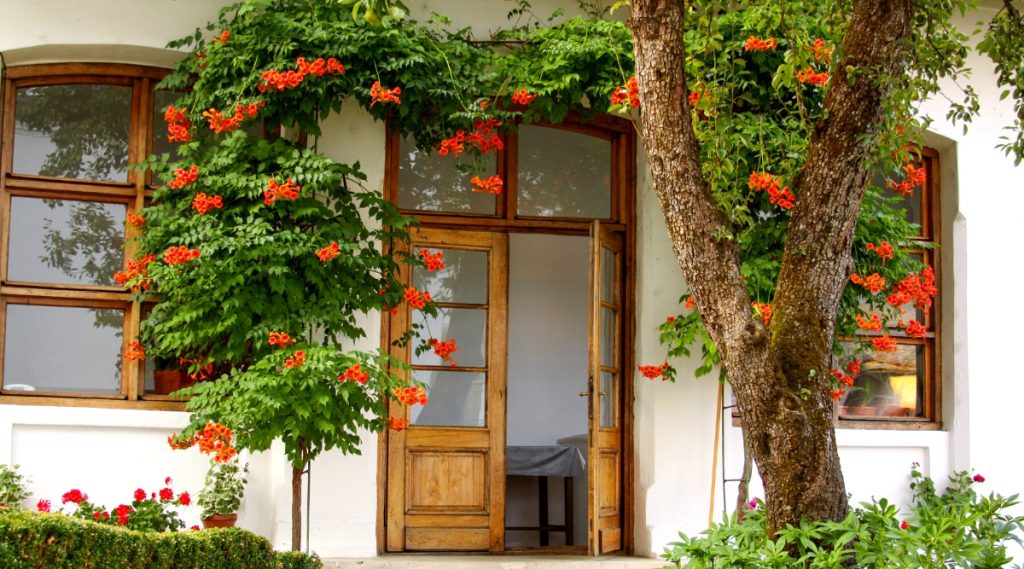
Trumpet vine brings serious flower power to a fence or arbor. Orange, red, or yellow trumpet-shaped blooms draw hummingbirds, bees, and plenty of attention.
Few vines look this bold in part shade. More sun usually brings more flowers, but partial shade can still work when the plant gets enough light to stay strong.
Watch its speed. Trumpet vine can spread by roots and seeds, so I would plant it only where strong growth feels useful, not stressful.
Key Information
USDA Hardiness Zones: 4–9
Flower Color: Orange, red, yellow
Light: Full sun to partial shade
Soil Needs: Average, well-drained soil
Mature Size: 25–40 feet tall, 5–10 feet wide
Best spot for trumpet vine
Place it on a large fence, pergola, or tough arbor. Small trellises cannot handle its muscle for long. Prune often. Regular cuts help you enjoy the blooms without letting the vine take over nearby beds.
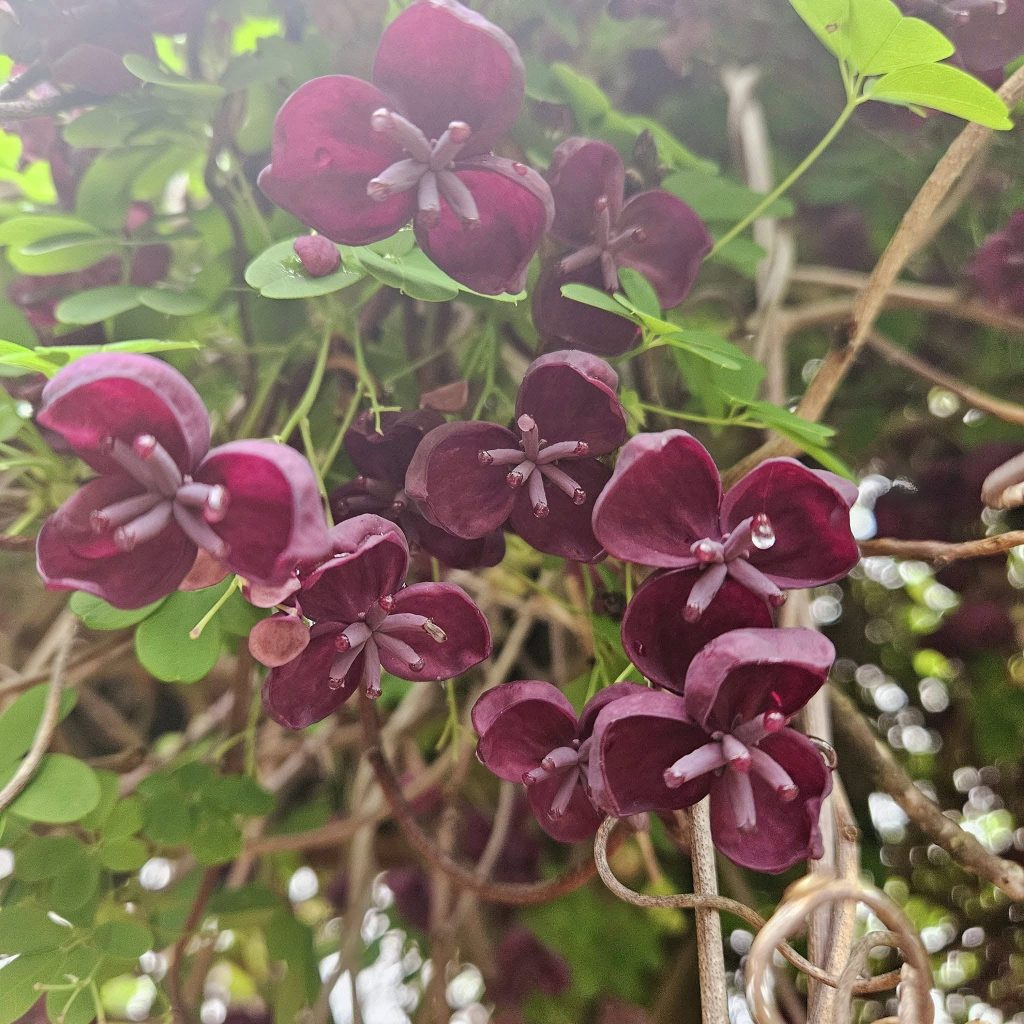
10. Chocolate Vine
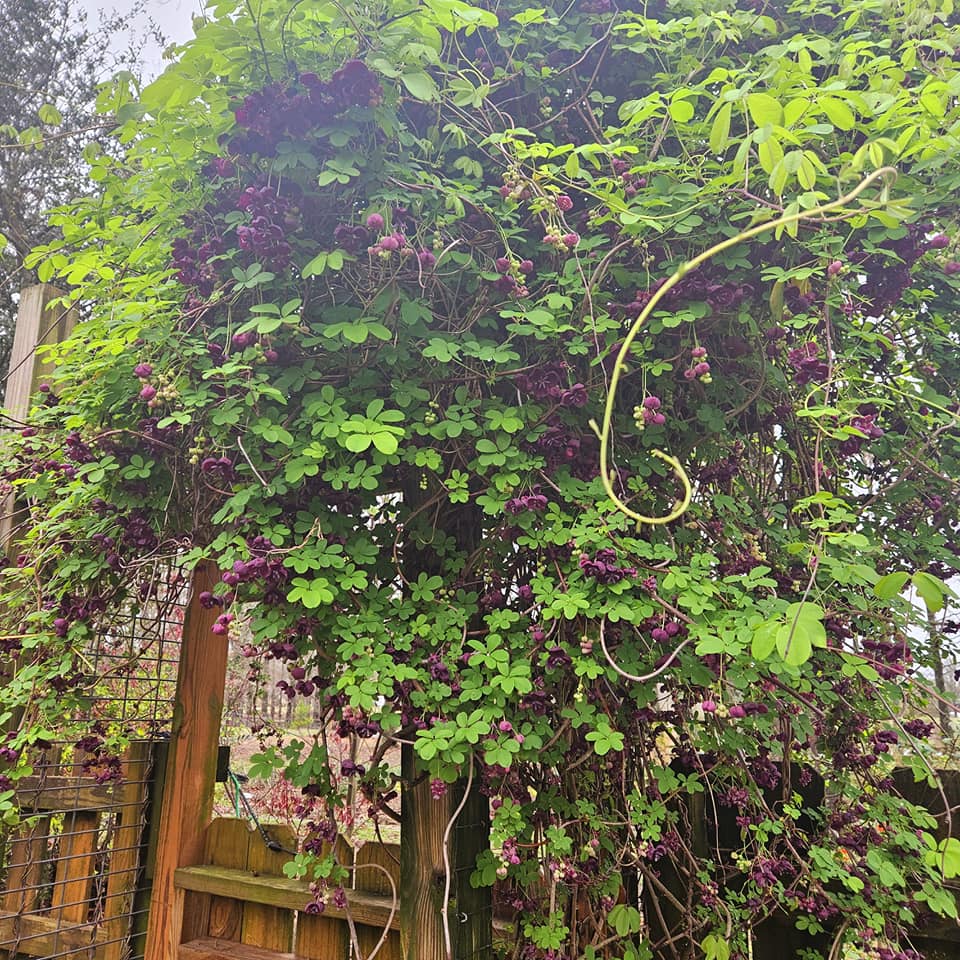
Chocolate vine sounds like dessert, but it grows like a leafy screen. Its purple-brown spring flowers can smell lightly sweet, and the five-part leaves give fences a soft, full look.
Gardeners like chocolate vine for partial shade because it fills space quickly. That same speed can cause trouble in some areas, so check local guidance before planting it.
Honestly, this vine fits a gardener who enjoys pruning. Without regular trims, it may wander into shrubs, trees, or beds where you never invited it.
Key Information
USDA Hardiness Zones: 4–9
Flower Color: Purple, brown, reddish-purple
Light: Full sun to partial shade
Soil Needs: Moist, well-drained soil
Mature Size: 20–40 feet tall, 6–9 feet wide
Best spot for chocolate vine
Use chocolate vine on a fence or arbor that needs fast cover. Give it space away from wild areas. Cut long runners during the growing season. That simple habit keeps the plant easier to manage.
11. Mandevilla
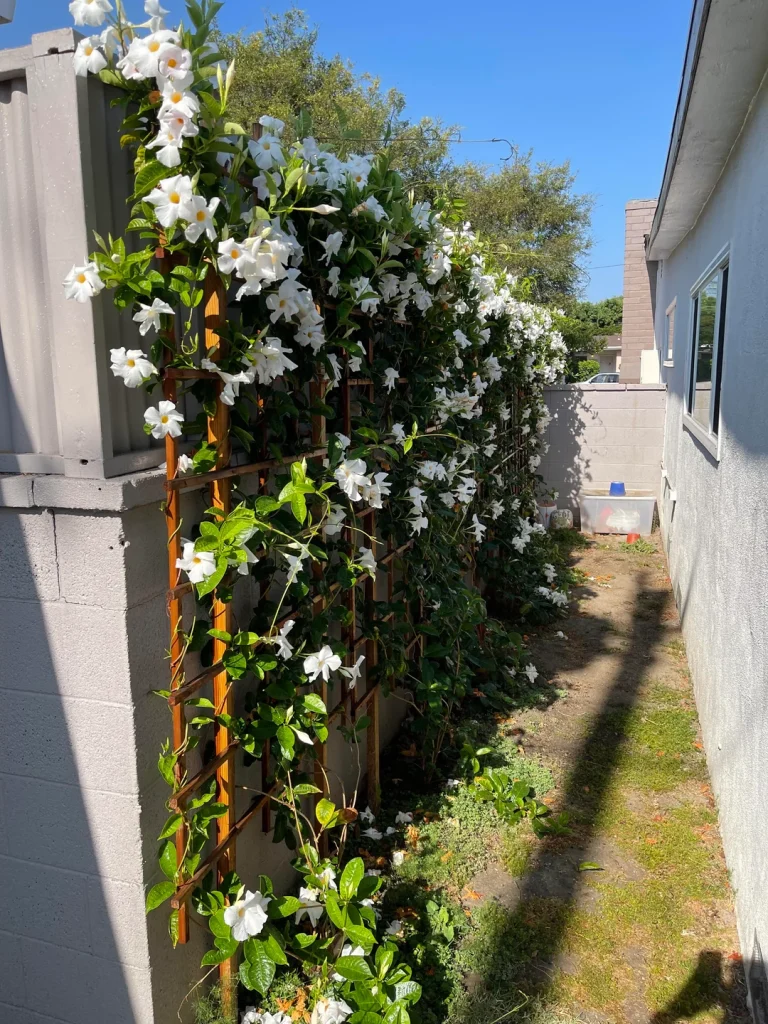
Mandevilla adds a tropical mood with glossy leaves and large trumpet flowers. Pink, red, white, or yellow blooms can make a shaded patio feel like a vacation spot.
Hot climates often give mandevilla afternoon shade to protect leaves and flowers from harsh sun. Cooler areas usually grow it as a container plant, then move it indoors before frost.
Containers make this vine easy to place. I like that because you can shift the pot until the plant gets the right mix of morning light and soft shade.
Key Information
USDA Hardiness Zones: 10–11
Flower Color: Pink, red, white, yellow
Light: Full sun to partial shade
Soil Needs: Moist, well-drained soil
Mature Size: 3–10 feet tall, 3–4 feet wide
Best spot for mandevilla
Set mandevilla near a porch, patio, or balcony rail. A small trellis in the pot gives the stems a clear path upward. Water when the soil starts to dry. Soggy roots can hurt this plant faster than a missed bloom.
12. Bleeding Heart Vine
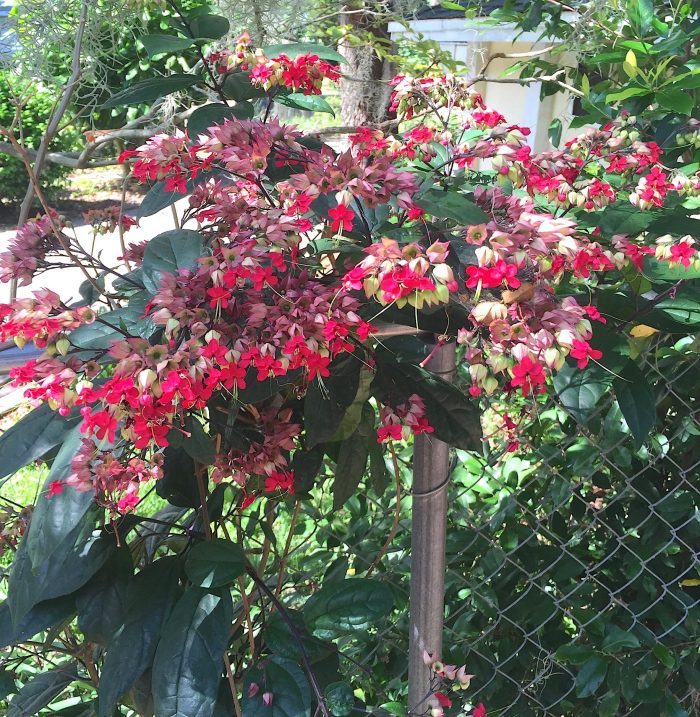
Bleeding heart vine looks sweet and dramatic at the same time. White flower cups open with red centers, and the glossy leaves make the plant look lush even between bloom flushes. Tropical gardens suit it best. In cooler zones, you can grow it in a pot and treat it like a warm-season porch plant.
Morning sun with afternoon shade gives this vine a happy balance, especially where summer heat feels sharp. Wouldn’t those red-and-white blooms look great near a shaded sitting spot?
Key Information
USDA Hardiness Zones: 9–12
Flower Color: White and red
Light: Partial shade
Soil Needs: Moist, well-drained soil
Mature Size: 10–15 feet tall, 3–6 feet wide
Best spot for bleeding heart vine
Grow it on a trellis, post, or container support. Young stems need guidance before they form a fuller shape. Bring potted plants indoors before cold weather bites. Warmth keeps this vine alive when outdoor nights turn chilly.
13. Japanese Hydrangea Vine
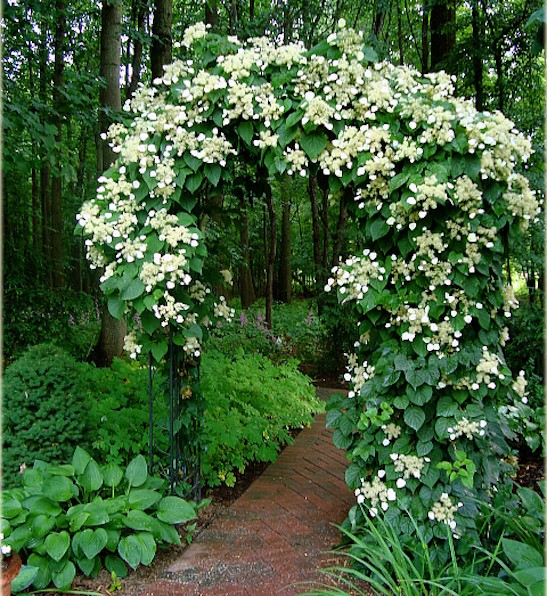
Japanese hydrangea vine works well when you want flowers in a darker garden spot. Fragrant white blooms appear in summer, and the leafy stems climb walls, fences, and tree trunks with aerial roots.
Full shade suits this vine better than many flowering climbers. Gardeners with narrow side yards or shaded back fences should give this plant a serious look.
Start with a strong support. Aerial roots help the vine grip, but you still need a surface that can handle long-term growth.
Key Information
USDA Hardiness Zones: 5–8
Flower Color: White
Light: Partial shade to full shade
Soil Needs: Moist, well-drained, rich soil
Mature Size: 20–30 feet tall, 6–9 feet wide
Best spot for Japanese hydrangea vine
Use it on a shaded wall, strong fence, or mature tree. Avoid weak lattice because mature vines can gain weight over time.
14. Kadsura Vine
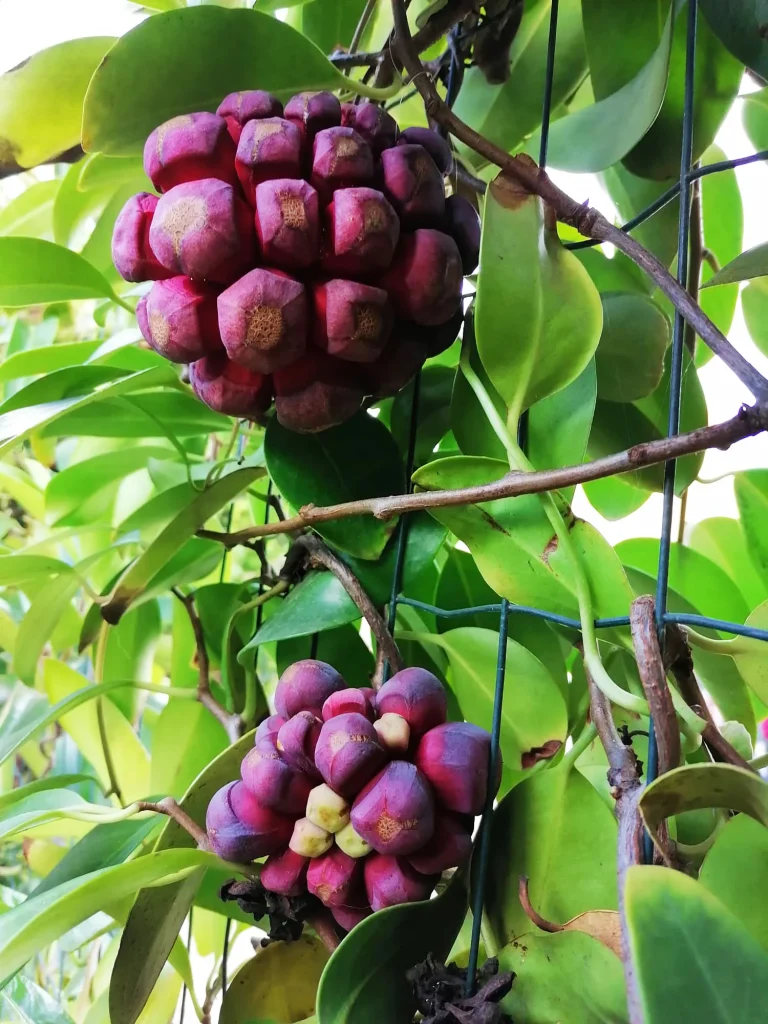
Kadsura vine gives shade gardens glossy leaves, small fragrant flowers, and a polished evergreen look in mild climates. Creamy blooms may not shout from across the yard, but they reward anyone who walks close.
Fruit adds extra interest when you grow both male and female plants. Many gardeners skip this detail, then wonder why berries never show up.
Soil matters here. Choose rich, well-drained ground with steady moisture, especially during warm weather.
Key Information
USDA Hardiness Zones: 7–9
Flower Color: White, cream, yellow
Light: Partial shade
Soil Needs: Moist, rich, well-drained soil
Mature Size: 10–15 feet tall, 3–6 feet wide
Best spot for kadsura vine
Grow it on a trellis, fence, or pergola in partial shade. Plant it where the shiny leaves can soften a hard edge or plain corner. Prune lightly to guide the shape. Heavy cuts may remove the growth that would carry flowers.
15. Yellow Butterfly Vine
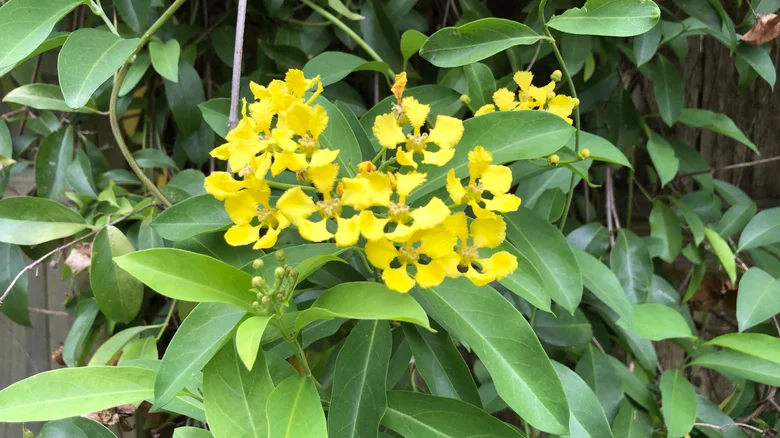
Yellow butterfly vine brings cheerful color without a fussy attitude. Golden flowers brighten partial shade, then papery seed pods appear and look like tiny butterflies.
Heat suits this vine well, which makes it handy for warm gardens with bright morning sun and cooler afternoon shade. Kids usually love the seed pods because they look playful and strange.
Give it a fence, trellis, or arch where the stems can climb. Place it near a path if you want to enjoy the flowers and pods up close.
Key Information
USDA Hardiness Zones: 8–11
Flower Color: Yellow
Light: Full sun to partial shade
Soil Needs: Well-drained soil
Mature Size: 10–15 feet tall, 4–6 feet wide
Best spot for yellow butterfly vine
Try yellow butterfly vine on a sunny-shade fence or a warm patio trellis. Trim wandering stems when they reach too far.
FAQ’s about Shade Loving Flowering Vines
Do shade loving vines actually flower, or just grow leaves?
Most of them do bloom, though shade usually means fewer flowers than full sun. Climbing hydrangea, Japanese hydrangea vine, and coral honeysuckle all flower reliably in partial to full shade.
If blooms matter more than leaves to you, skip the darkest corners and aim for at least a few hours of morning light.
Which vine grows fastest in shade?
Virginia creeper and chocolate vine take the lead here. Both can cover a fence or wall in a single growing season once established.
That speed is a gift for a bare wall and a headache for a tidy garden, so plan your pruning schedule before you plant.
Can I grow a flowering vine in a shady spot with no direct sun at all?
Yes, but your options narrow. Japanese hydrangea vine and climbing hydrangea handle full shade better than almost anything else on this list. Most other vines still want a few hours of light to bloom well, even if they’ll survive without it.
Are any of these vines toxic to pets?
A few are, so it pays to check before you plant near a curious dog or cat. Carolina jessamine and Dutchman’s pipe both contain compounds that can cause problems if chewed or eaten.
Keep those two away from pet zones and reach for coral honeysuckle or clematis instead if toxicity is a dealbreaker.
What’s the easiest shade vine for a beginner gardener?
Coral honeysuckle is hard to beat. It’s not invasive, it isn’t fussy about soil, and it rewards you with hummingbirds all summer without demanding constant pruning.
Clematis comes in a close second, as long as you take five minutes to learn its pruning group first.
Final Thoughts on Shade Loving Vines Plants
Shade loving vines plants can turn a flat, dim space into a living wall, flower screen, or leafy hideaway. Climbing hydrangea, Japanese hydrangea vine, and Virginia creeper handle deeper shade, while coral honeysuckle, clematis, mandevilla, star jasmine, and American wisteria bloom better with some gentle sun.
Wildlife gardeners should look at coral honeysuckle, trumpet vine, and Virginia creeper. Fragrance fans should try star jasmine, Carolina jessamine, kadsura, or chocolate vine.
Simple choices make the best gardens. Match the vine to your shade, give it a strong support, and keep your pruners nearby, because even the prettiest climber needs a little friendly steering.