15 Best Flowering Bushes for Front of House Full Sun

Your front yard sets the mood before anyone reaches the door, so why not give it a little flower power?
Beautiful shrubs can add color, shape, scent, privacy, and year-round charm without turning your weekends into a full-time gardening shift.
They work for tiny porches, wide lawns, cottage-style paths, and clean modern homes.
Whether you want soft blooms under the windows or a bold shrub near the entry, the right plant can make the whole house feel warmer.
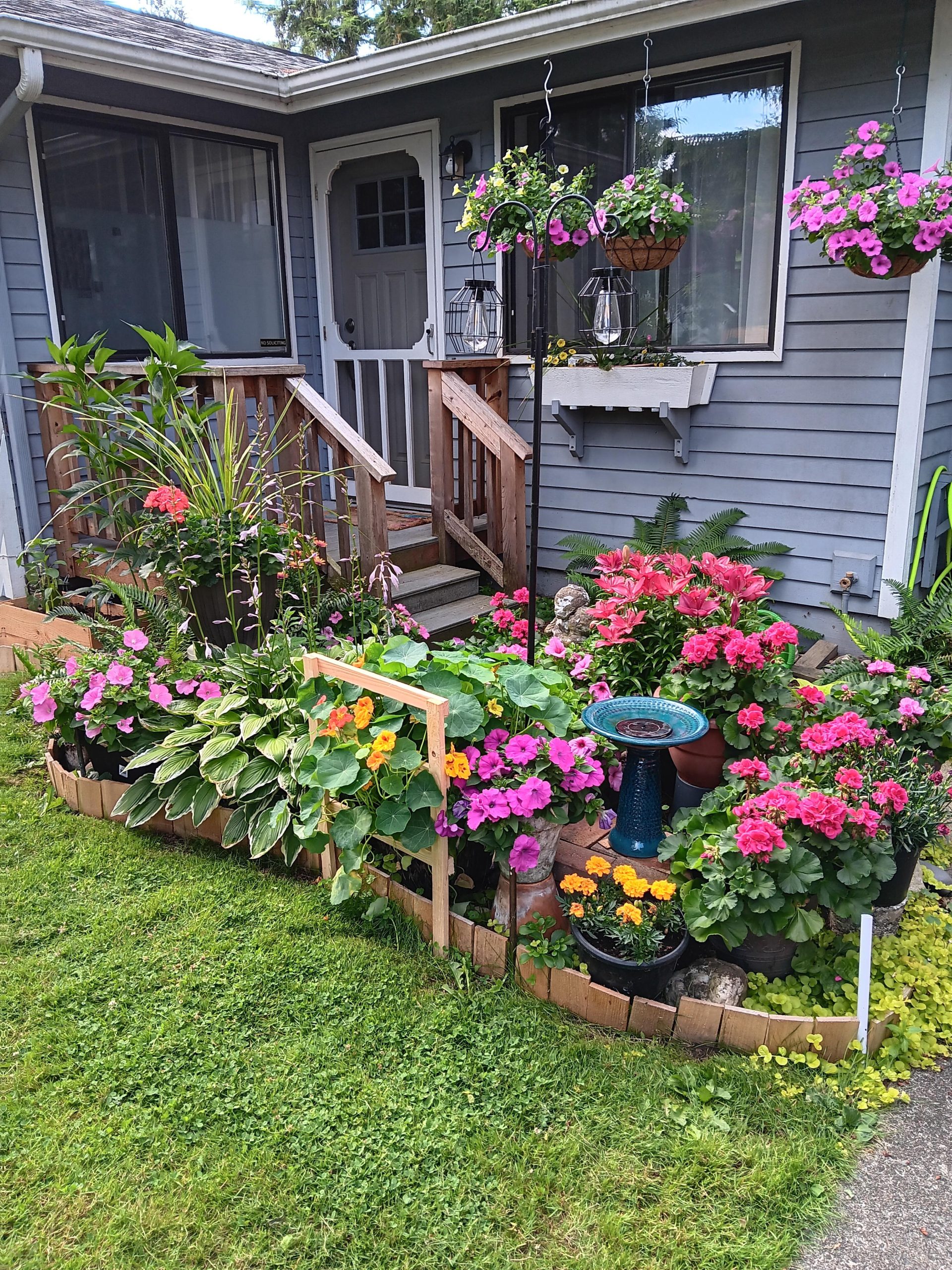
These 15 flowering bushes for front of house areas can help you build a pretty frame around your home, not a plant jungle with a welcome mat.
How to Choose Flowering Bushes for the Front of Your House
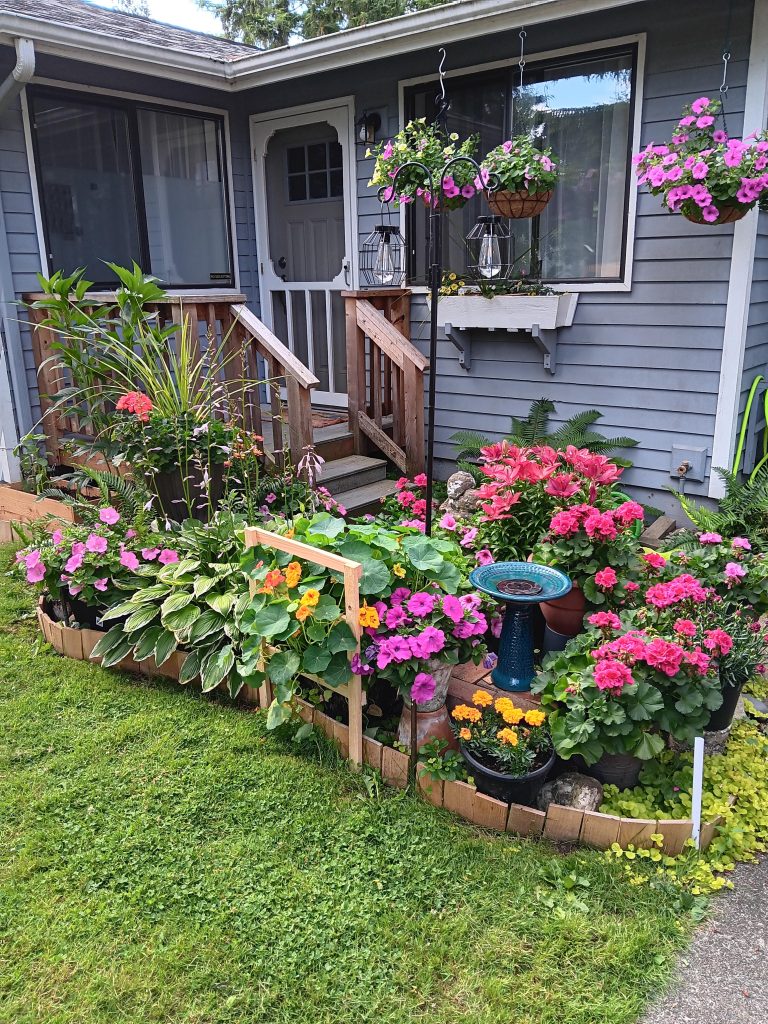
Begin with light.
Watch your front yard for a full day before you buy anything, because hydrangea, azalea, lavender, and lilac all ask for different sun.
Measure the bed from the wall to the walkway.
Leave space for each shrub to spread, flower, and breathe without blocking windows or scraping siding.
Match each shrub to your house style, too, because a loose cottage garden wants a different plant than a clean brick ranch.
Drainage matters.
Dig a small hole after rain and see whether water sits there, since many shrubs hate soggy roots.
Ask your local nursery about your growing zone, because a perfect plant in Georgia may sulk in Minnesota.
15 Full Sun Flowering Shrubs for Front Yard
1. Hydrangea
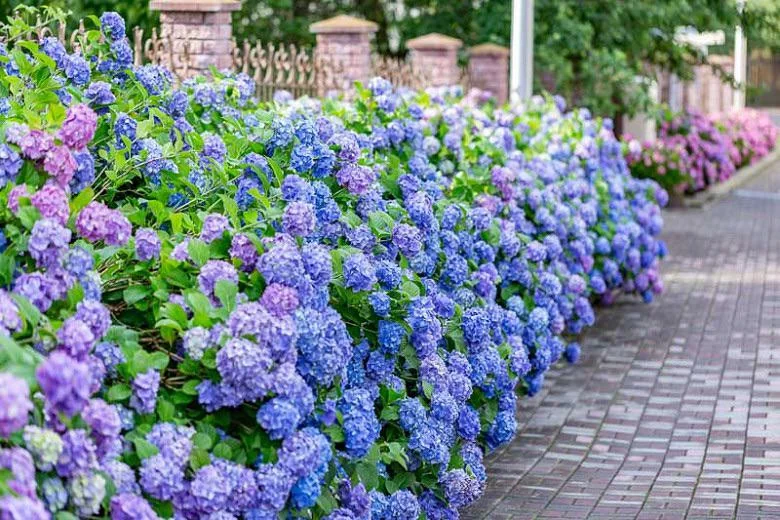
Hydrangea earns a front-row spot because those big blooms make a house look cared for from the street. Large flower heads bring soft color in summer, and many types hold dried blooms into fall or winter.
Compact types fit under windows better than older giant kinds, so check the tag before you bring one home.
Filtered sun or part shade suits many hydrangeas, though some panicle types handle more sun. Plant it behind lower flowers or edging plants so the bed looks layered, not flat.
Want an easy win?
Choose a smaller smooth or panicle hydrangea if you want bold flowers without a fussy look.
- Exposure: Filtered sun, part sun, or part shade, depending on type
- Size: About 3–5 feet tall and wide for many compact front-yard types
- Zones: 3–9, depending on variety
- Seasons: Summer, fall, and sometimes winter with dried blooms
2. Azalea and Rhododendron
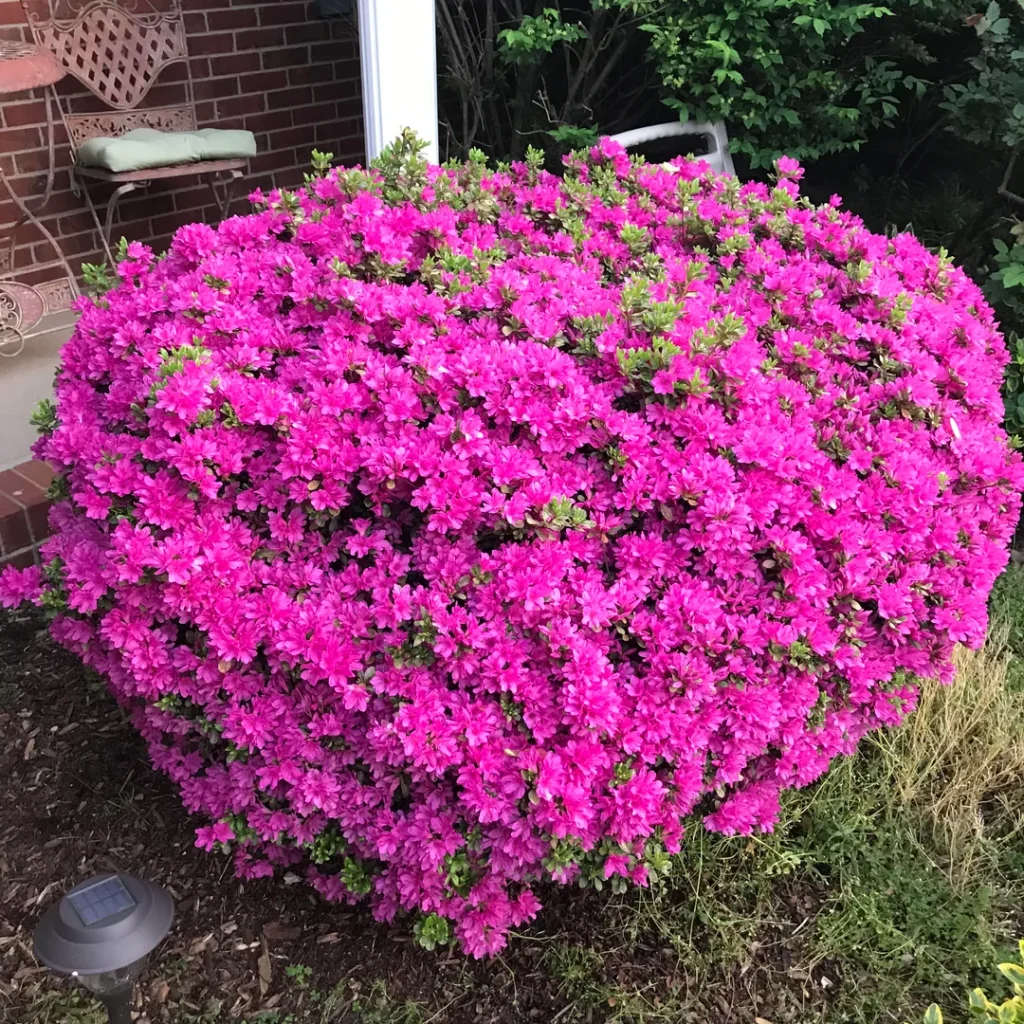
Azaleas bring that “wow, spring showed up” feeling better than almost any shrub near the front door.
Rhododendrons give you larger evergreen leaves, which help the yard keep structure after bloom time ends.
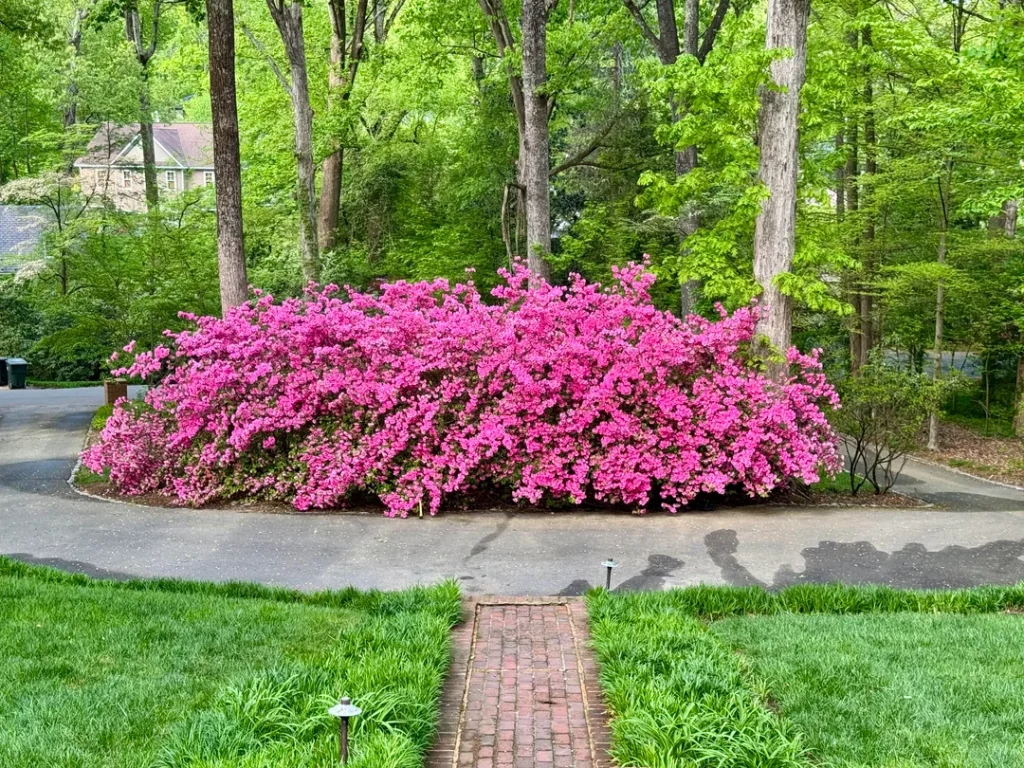
Both plants like acidic, well-drained soil, so they shine in yards where that condition already exists.
Spring flowers draw bees and butterflies, which makes the entry feel alive instead of staged.
Use dwarf azaleas under windows and larger rhododendrons near corners or deeper foundation beds. Add mulch around the roots to help hold moisture and keep weeds down.
- Exposure: Part sun, filtered sun, or light shade
- Size: About 1–5 feet tall and wide for compact front-yard types
- Zones: 5–9 for many azaleas, with some rhododendrons hardy to zone 4
- Seasons: Spring, with some reblooming azaleas adding summer and fall color
3. Lilac
Exposure: Full sun
Size: About 4–8 feet tall and wide for many garden types, with dwarf forms staying smaller
Zones: 3–7 for common lilac, with some types reaching zone 8
Seasons: Spring and early summer
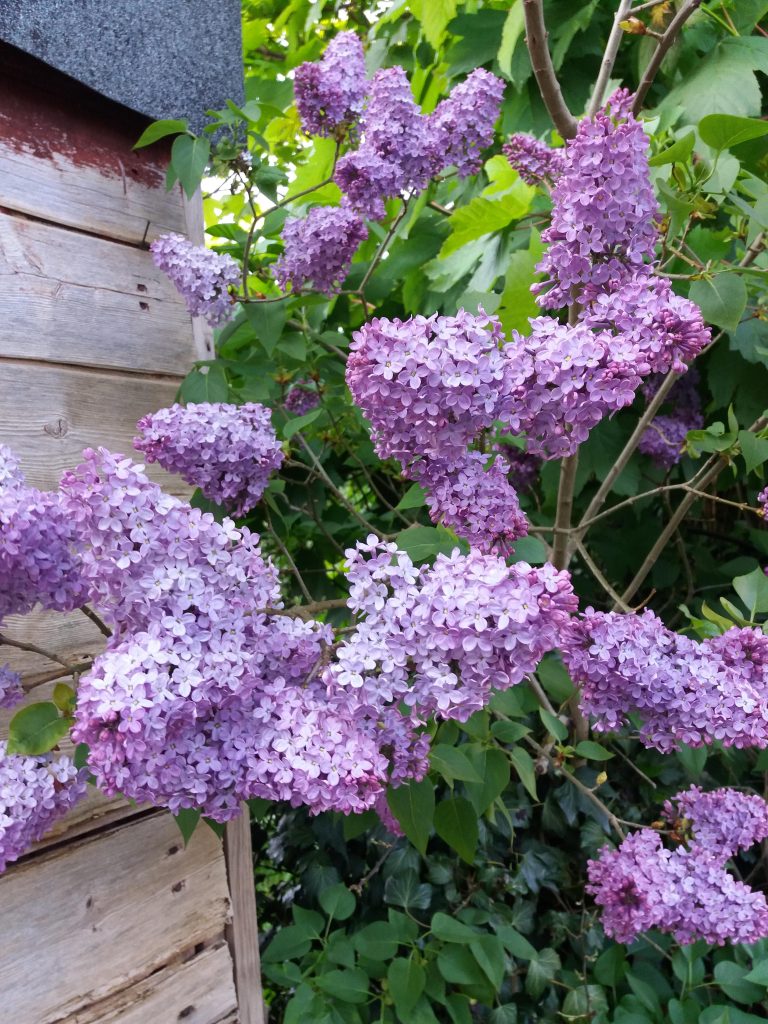
Lilac feels old-school in the best way.
Purple, white, pink, or blue-toned flowers can turn a plain front fence or walkway into a spring memory machine. Full sun gives lilacs their best bloom show.
Cold-climate gardeners often love lilacs because many types handle chilly winters well.
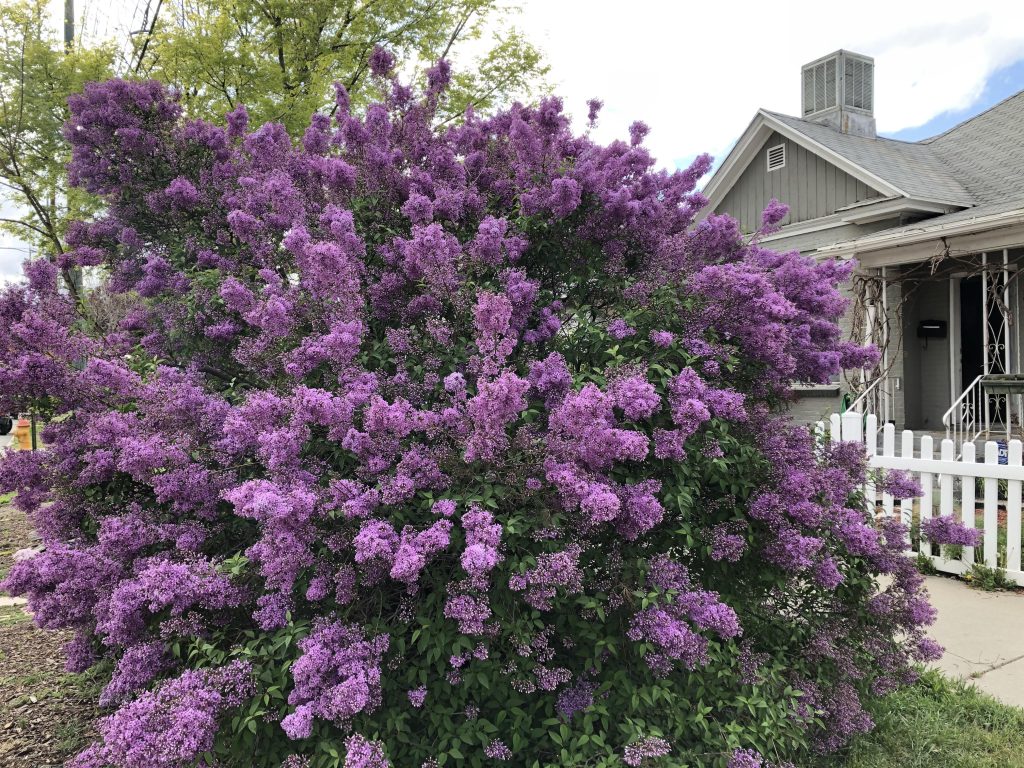
Cut a few stems for a vase, and your hallway may smell like May walked indoors.
Give lilac room, since many varieties grow wide and look better when you let them keep their natural shape.
4. Weigela
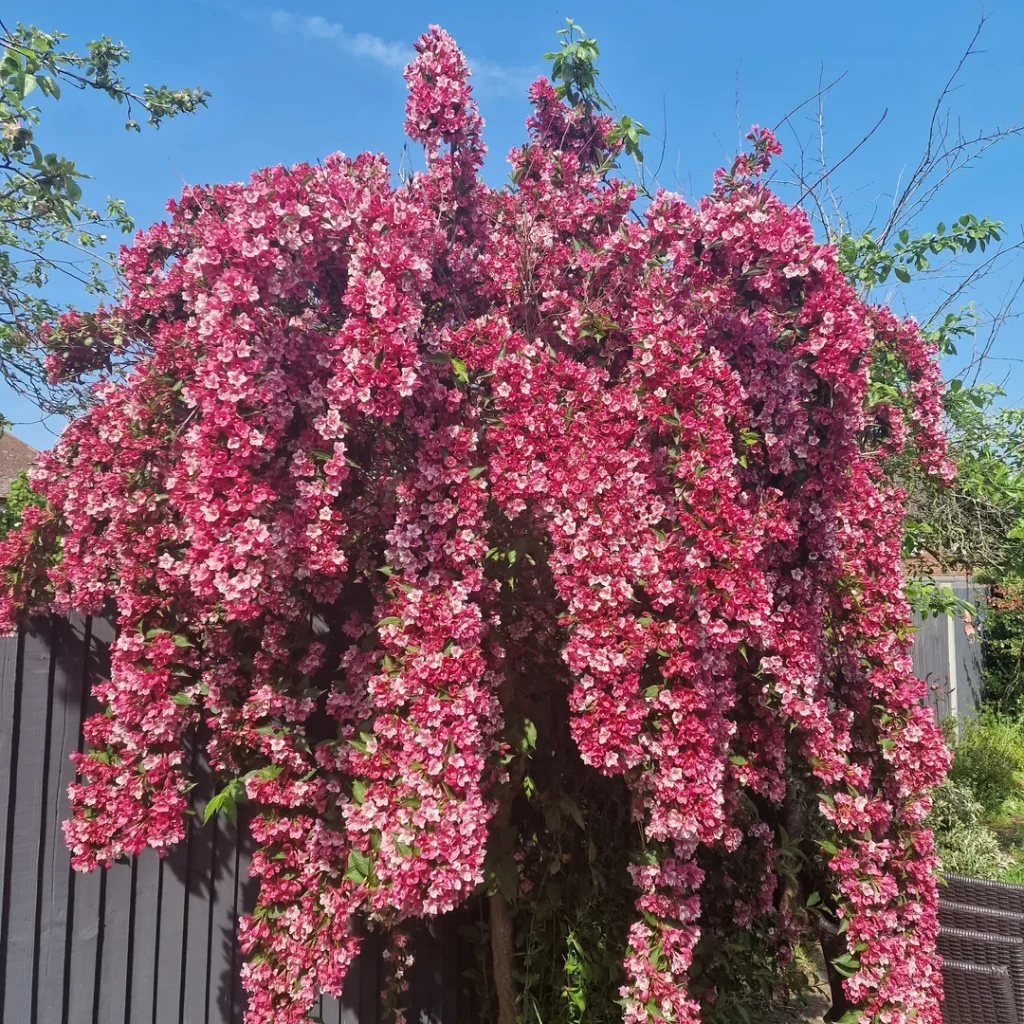
- Exposure: Full sun or part sun
- Size: About 1.5–5 feet tall and 2–5 feet wide, depending on variety
- Zones: 4–8
- Seasons: Spring, summer, and fall
Weigela gives you color without acting precious. Hummingbirds often visit the trumpet-shaped flowers, which makes this shrub feel fun near a porch or path.
Pink or red blooms look bright in spring, and some newer types rebloom later in the season. Dark foliage varieties add drama even after the first flower flush fades.
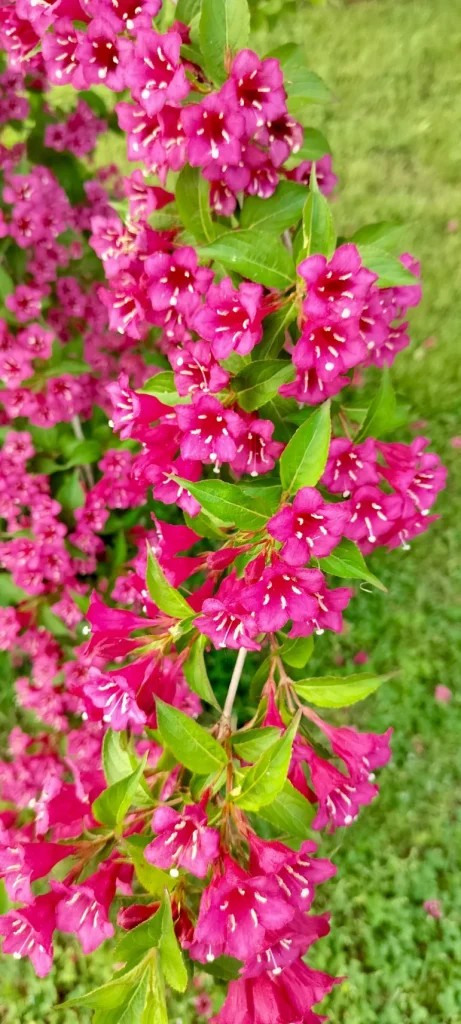
Sunny spots help weigela bloom best.
Pick compact varieties for small front beds, because older types can stretch wider than you expect.
5. Spirea
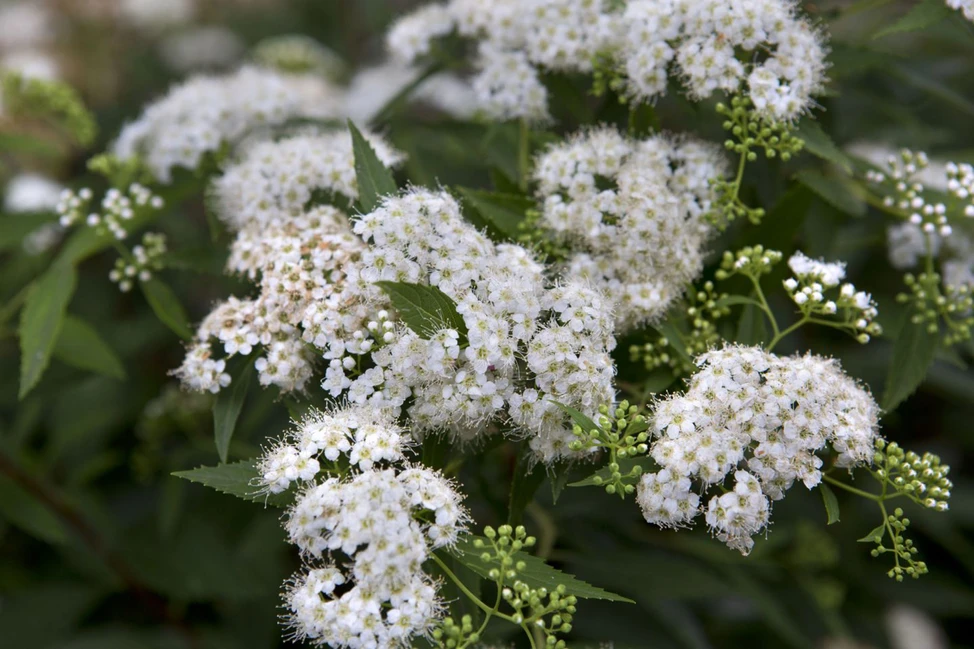
Exposure: Full sun
Size: About 2–10 feet tall, depending on variety
Zones: 3–7
Seasons: Spring, summer, and fall
Spirea works hard in a front yard without asking for much drama back.
Clouds of tiny flowers cover many types in spring or summer, and the leaves often add gold, green, or blue tones.
Tough spots suit spirea better than many fussier flowering bushes for front of house beds.
Full sun gives this shrub the strongest flower show. Choose a compact type for walkways, because some older forms grow much wider than a tidy front path can handle.
Mass several spireas together if you want one clean sweep of color near a porch or low wall.
Prune after bloom when the plant needs shaping, not because you feel guilty with clippers in your hand.
Also read: 15 Beautiful Shade Loving Flowering Shrubs
6. Shrub Rose
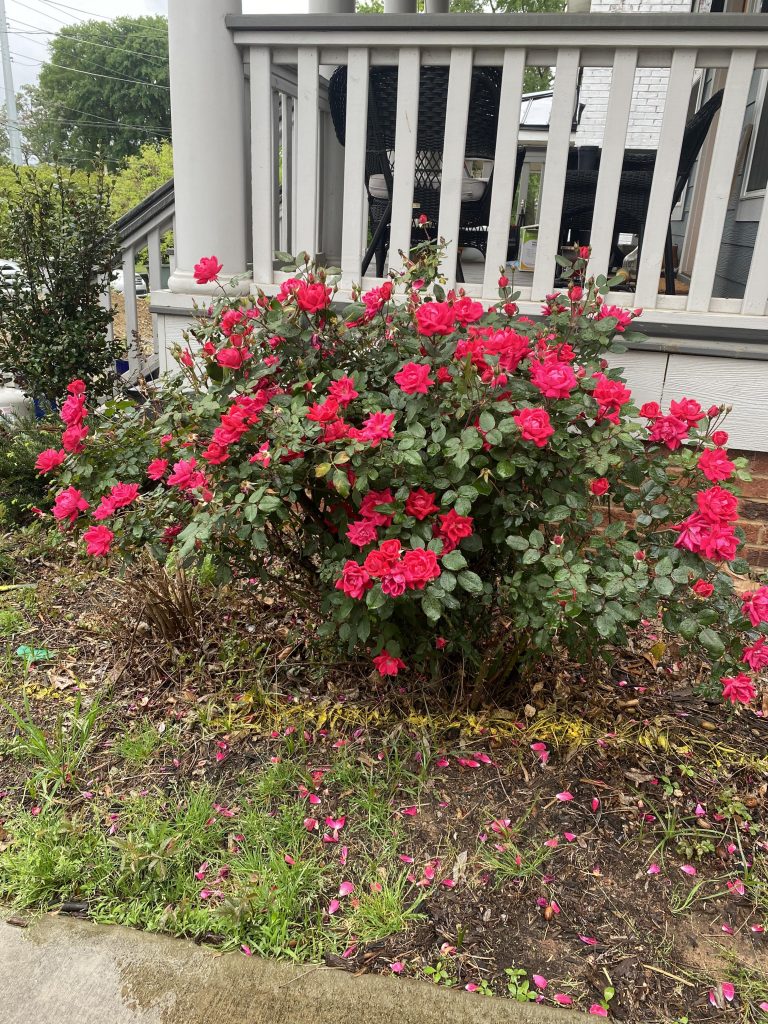
Exposure: Full sun
Size: About 2–5 feet tall and wide for many landscape shrub roses
Zones: 4–9, depending on variety
Seasons: Spring, summer, and fall
Shrub roses bring classic front-yard charm without the stiff, fussy mood of old rose beds.Modern landscape roses often bloom for a long stretch, which helps your entry look bright beyond one short season.
Fragrant types make the walk to your door feel special, especially when guests brush past the flowers. Sun matters here.
Give roses open air, because crowded leaves invite trouble faster than a toddler with a mud puddle.
Place them near a walkway only if the variety stays thorny but manageable.
Pick disease-resistant types when you want beauty without turning Saturday into spray day.
7. Potentilla
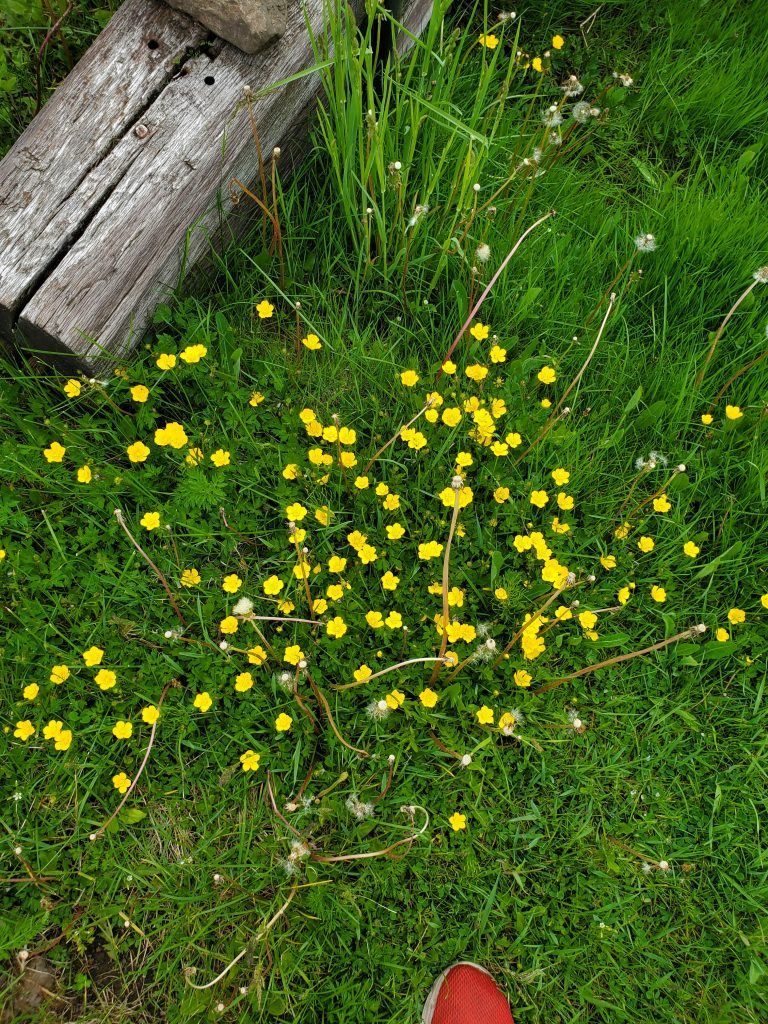
Exposure: Full sun or part sun
Size: About 2–3 feet tall and wide for many compact types
Zones: 2–7 or 3–8, depending on variety
Seasons: Spring, summer, and fall
Potentilla earns its place because it stays small, neat, and cheerful.
Yellow, white, pink, or orange-toned flowers can bloom for months, which gives a front bed steady color.
Drought-tolerant habits make potentilla a smart pick for sunny yards where summer heat pushes weaker shrubs around.
Deer usually show less interest in it than many softer plants, though hungry deer still make their own rules.
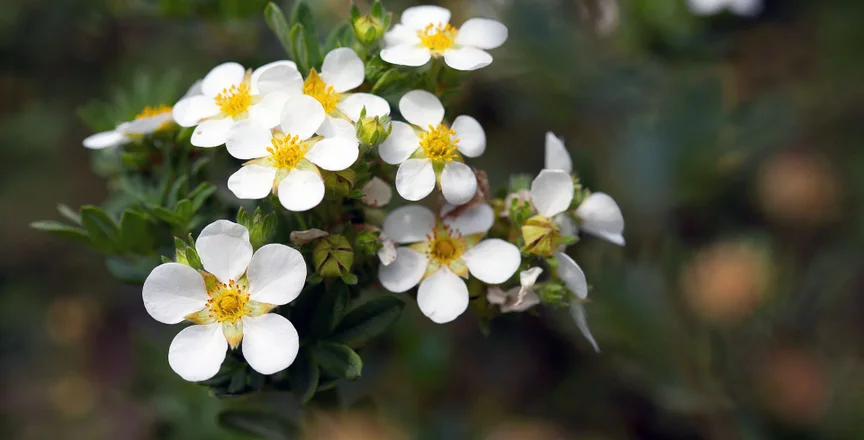
Use potentilla along a path, at the front of a mixed border, or near a mailbox.
Small size helps it behave under windows.
Try it if you want a friendly little bloomer that does not swallow the whole bed.
8. Camellia
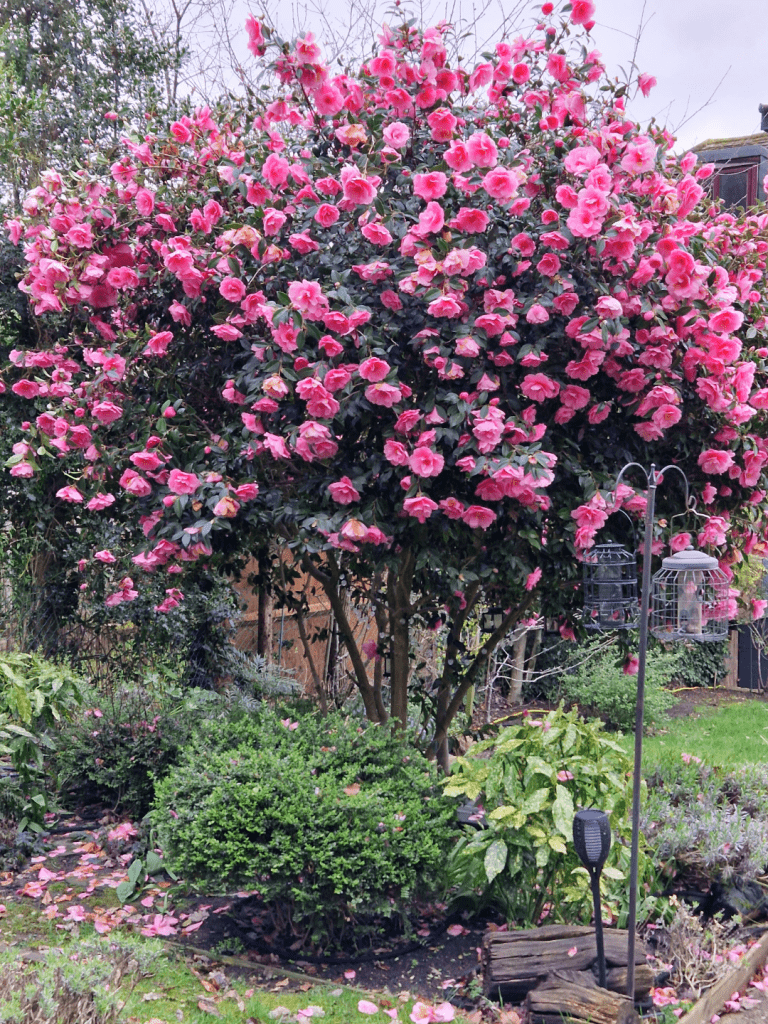
Exposure: Part shade, filtered sun, or full shade to part sun, depending on variety
Size: About 4–10 feet tall and wide for many landscape types
Zones: 7–10, depending on variety
Seasons: Winter, spring, and year-round evergreen foliage
Camellia brings elegance when most flowering shrubs take a nap.
Glossy evergreen leaves give the front of the house structure all year, and the flowers can open in winter or spring. Pink, red, and white blooms look polished against brick, stone, stucco, or painted siding.
Acidic soil helps camellias thrive.
Afternoon shade protects the flowers in warm areas, which keeps the plant from looking tired too fast.
Plant camellia where you can see it from a window, because winter blooms deserve better than a forgotten back corner.
Warm-climate gardeners get the best results from this shrub, while colder-zone gardeners should choose a hardier option from this list.
9. Viburnum
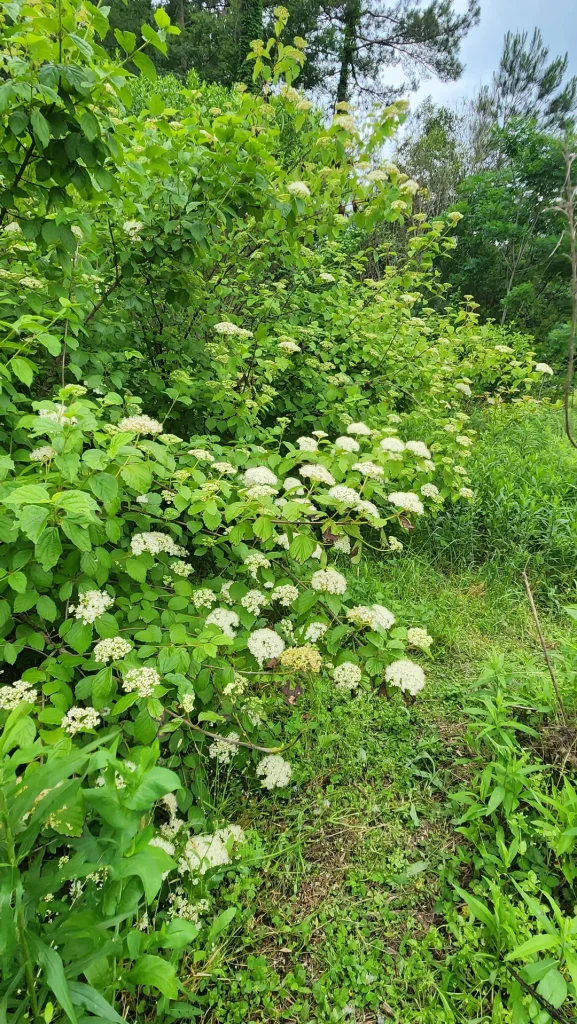
Exposure: Full sun or part shade, depending on type
Size: About 3–12 feet tall and wide, depending on variety
Zones: 2–9, depending on species
Seasons: Spring, summer, fall, and sometimes winter
Viburnum brings a little bit of everything to the front yard.
Creamy or white spring flowers start the show, then berries often follow and feed birds.
Some types add great fall color, which helps the front of your house avoid that flat, tired look after summer ends.
Choose a compact viburnum for foundation beds, because larger types can turn into big privacy shrubs.
Fragrant kinds feel lovely near a walkway.
Wildlife gardeners often like viburnum because it gives flowers, fruit, and shelter in one plant.
10. Daphne
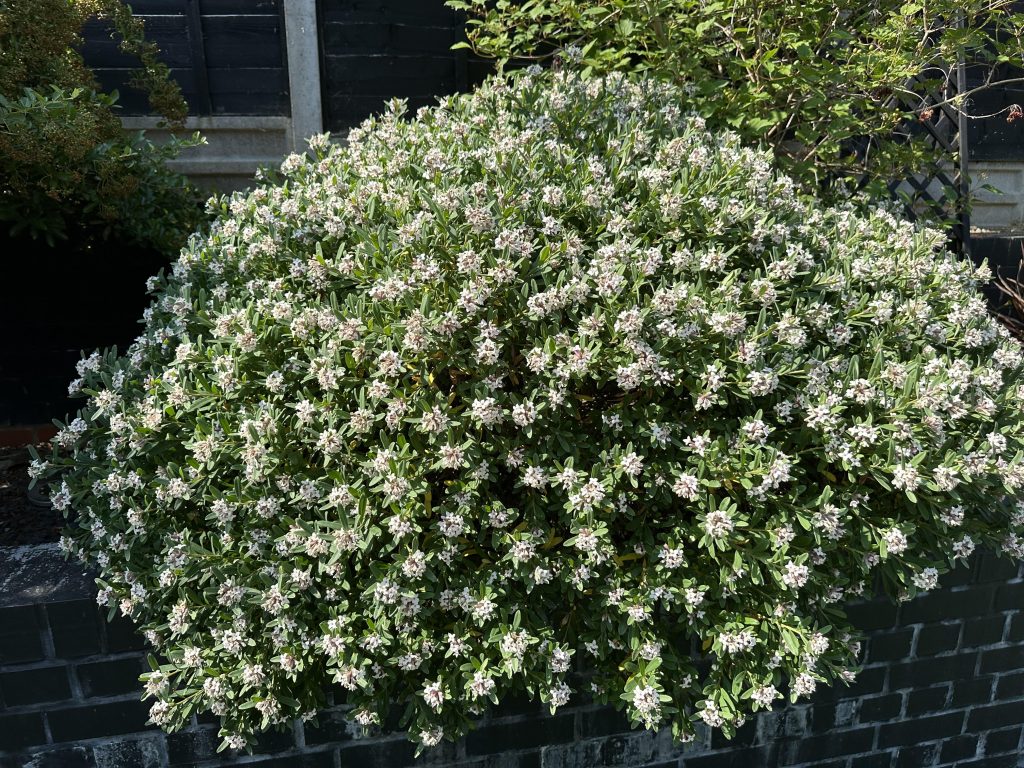
Exposure: Part shade or filtered sun
Size: About 2–4 feet tall and wide, depending on variety
Zones: 7–9 for many common garden types
Seasons of interest: Late winter, spring, and evergreen foliage on many types
Daphne smells better than its small size suggests.
Tiny flowers can perfume a front path before many other shrubs wake up, which makes this plant feel like a secret reward.
Place it near the front door if your site offers gentle light and well-drained soil.
Rich soil helps daphne grow well, but soggy roots can cause trouble.
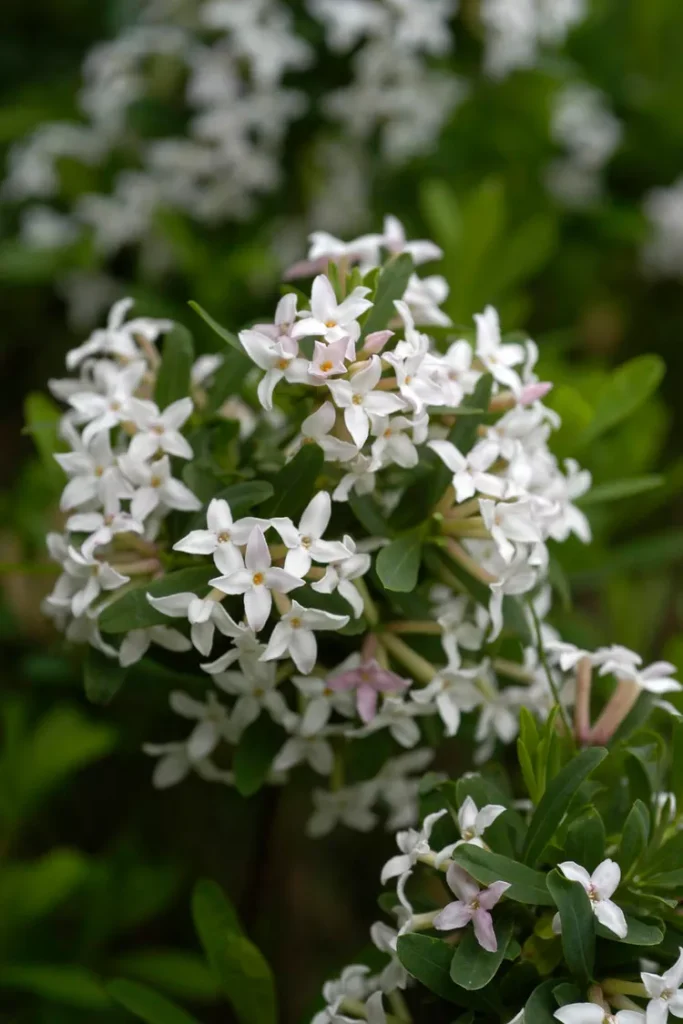
Small yards suit this shrub because it stays tidy without eating the whole bed. Buy daphne for fragrance first, then enjoy the neat shape as a bonus.
11. Abelia
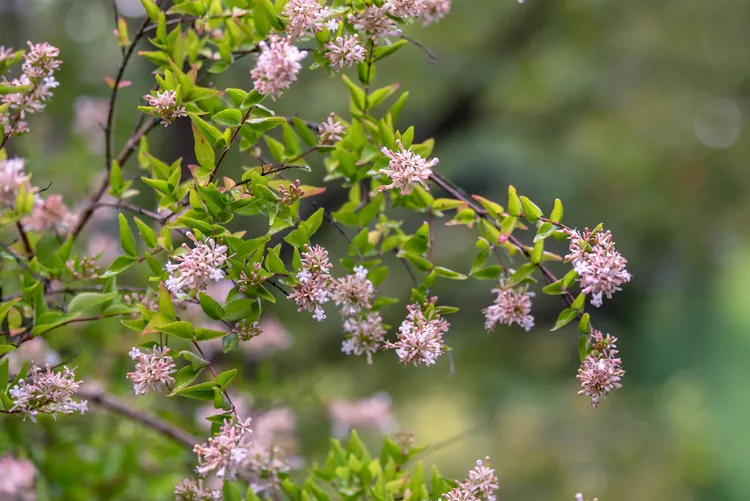
Exposure: Full sun or part sun
Size: About 2–6 feet tall and wide, depending on variety
Zones: 4–11, depending on type
Seasons of interest: Summer, fall, and sometimes winter in mild areas
Abelia gives the front yard a soft, easy look.
Small tubular flowers often appear through summer and into fall, and pollinators tend to find them fast. Glossy leaves keep many types looking clean even when other shrubs start to fade.
Deer and rabbits usually leave abelia alone more than many tender plants, though no shrub wins every hungry animal argument.
Use compact abelia near steps, short walls, or sunny corners. Warmer yards may get semi-evergreen or evergreen foliage, which stretches the value past bloom time.
12. Rose of Sharon
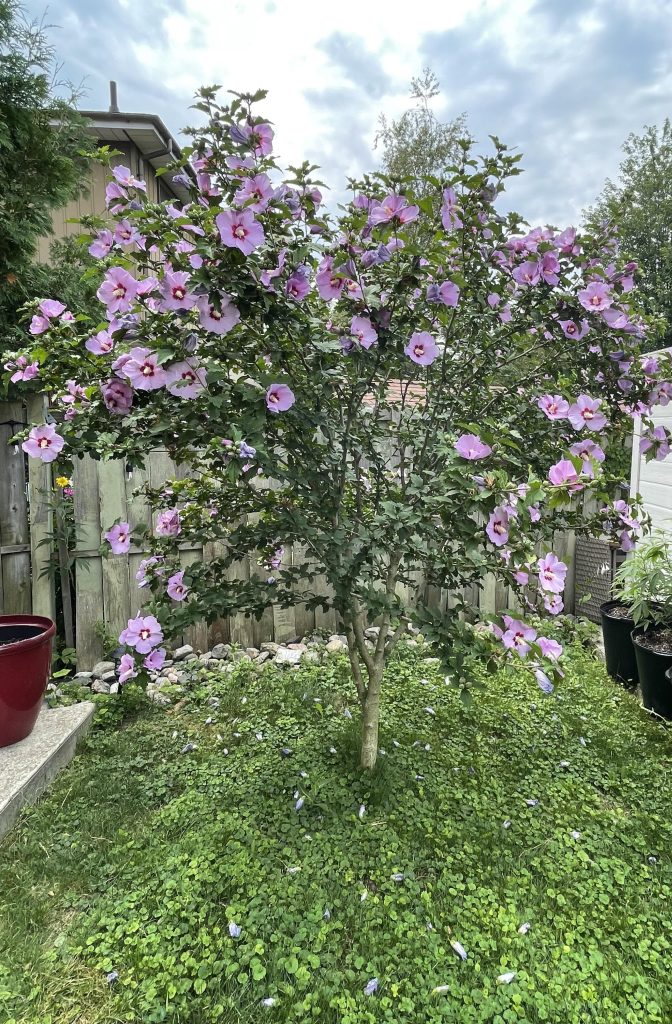
Exposure: Full sun
Size: About 6–12 feet tall and 4–10 feet wide, depending on variety
Zones: 5–9, depending on cultivar
Seasons : Summer and early fall
Rose of Sharon brings late-season color when many spring shrubs have finished their big performance.
Large flowers can look almost tropical, yet this shrub handles plenty of normal yard life. Plant it where height helps, such as a blank wall, driveway edge, or corner of the house.
Dwarf types fit smaller front yards better than older tall forms. Full sun gives Rose of Sharon its strongest bloom power.
Pick this shrub when your front bed needs summer drama without a needy personality.
13. New Jersey Tea
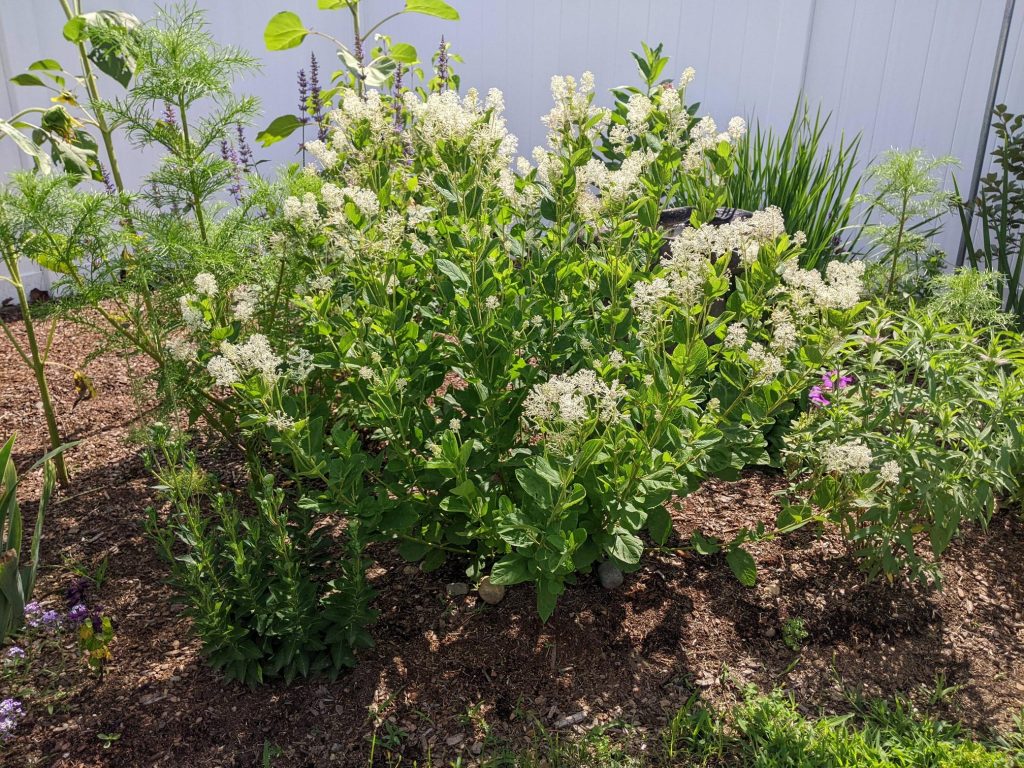
Exposure: Full sun or part sun
Size: About 2–3 feet tall and 3–5 feet wide
Zones: 2–9
Seasons: Spring and summer
New Jersey tea fits gardeners who want a native shrub with quiet charm.
White flower clusters feed pollinators, and the deep roots help the plant handle dry spells once it settles in. This shrub works well near walkways, low windows, and sunny front beds where taller bushes would feel too heavy.
Native plant fans often love it because it supports wildlife without needing a flashy look. Give it well-drained soil and room to spread. Front yards with a natural style suit this plant best.
14. Lavender
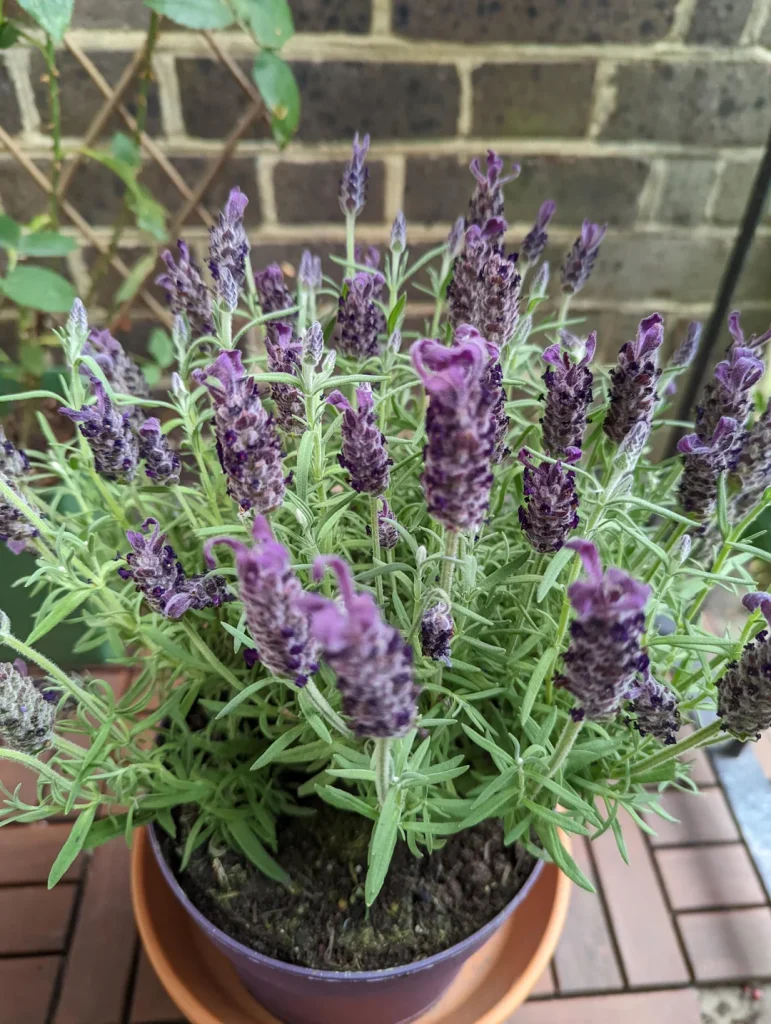
Lavender makes a front walk feel like a tiny vacation.
Purple flower spikes, silver-green leaves, and that clean herbal scent give the whole entry a relaxed mood.
Pollinators love the blooms, and I love how lavender looks best when it does not get babied.
Dry, sunny spots suit this plant better than rich, wet beds.
Place lavender along a path so you can brush the leaves and catch the scent.
Choose hardy types if your winters bite hard.
- Exposure: Full sun
- Size: About 1–3 feet tall and wide, depending on variety
- Zones: 5–9, depending on type
- Seasons: Summer, fall, and evergreen or gray-green foliage in many areas
15. Bottlebrush
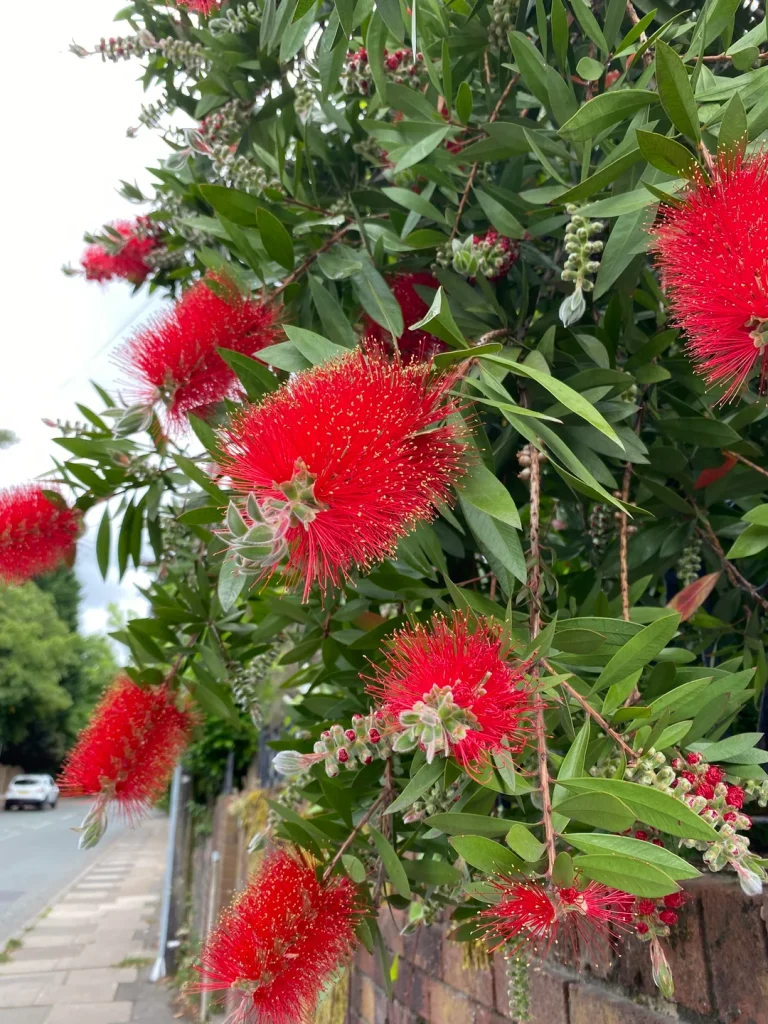
Exposure: Full sun
Size: About 3–15 feet tall and wide, depending on variety
Zones: 8–11
Seasons: Spring, summer, and evergreen foliage in warm areas
Bottlebrush brings bold color to warm front yards.
Red brush-like flowers stand out from the street and give the house a lively, sunny look.
Hummingbirds often visit the blooms, which turns a simple foundation bed into a small show.
Use compact types near the house, because larger forms can grow into small trees.
Waterwise yards suit bottlebrush once the roots grow strong.
Skip this shrub in cold climates unless you plan to grow it in a container and protect it from frost.
Best Ways to Style Flowering Bushes for Front of House Beds
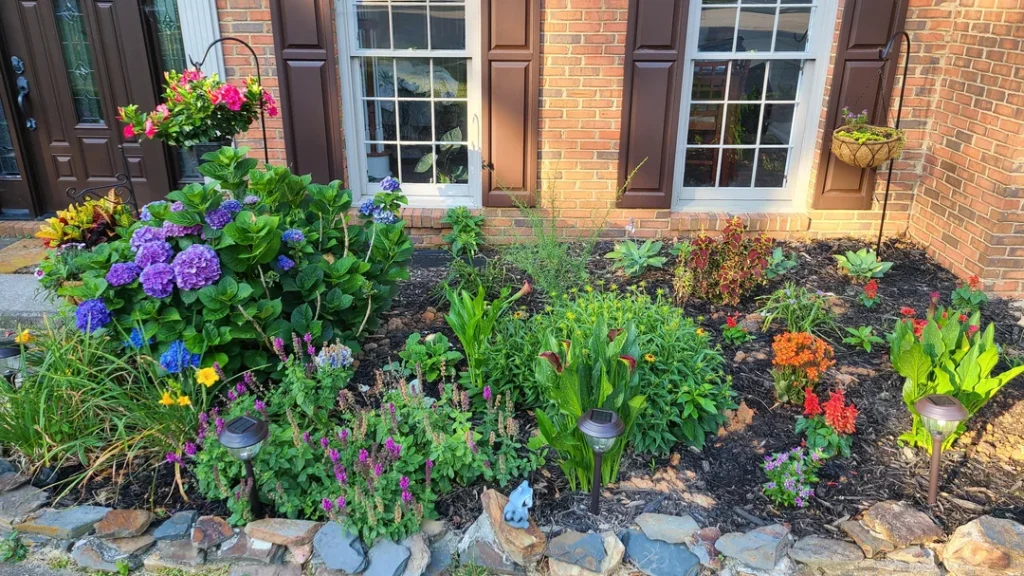
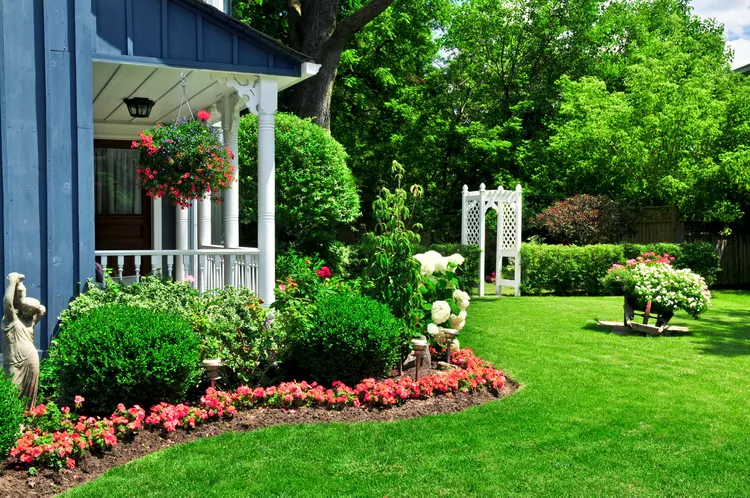
Layer your plants from tall to short.
Put taller shrubs near corners, medium shrubs under windows, and low growers near paths or bed edges.
That simple order keeps the house visible while still giving the yard a full, finished look.
Repeat one or two shrubs across the front bed if you want a calm design.
Mix too many colors, and the yard can start looking like a plant sale exploded.
Choose bloom times that stretch from spring through fall, since hydrangea, lilac, weigela, rose, and potentilla can carry different parts of the season.
Evergreen or semi-evergreen shrubs also help when flowers take a break.
Camellia, abelia, rhododendron, and bottlebrush can keep some structure in the yard, depending on your climate.
Soil decides more than we want to admit.
Azalea, rhododendron, and camellia like acidic soil, while lavender wants sharp drainage and plenty of sun.
A quick local nursery chat can save you from buying a pretty plant that hates your yard.
Final Thoughts
Great flowering bushes for front of house beds do more than add color.
They frame the door, soften hard walls, feed pollinators, and make your home feel more welcoming before anyone rings the bell.
Pick shrubs that match your light, space, zone, and soil, then let the flowers do the heavy lifting.
Start with one sunny corner if the whole front yard feels like too much.
Small wins count.
My best advice comes from one overgrown porch mistake: read the mature size first, then fall in love with the blooms.