13 Best Herb Plants to Grow in Shady Garden

When you’re ready to grow herbs in a shady garden, it helps to choose plants that can handle softer light.
Most herbs prefer full sun, which means at least 6 hours of direct sunlight each day, but some herbs grow well in partial shade with about 4 to 6 hours of sun.
Here’s a list of 13 shade loving herbs plants that can grow in partial shade and still give you fresh leaves, bold flavor, and useful harvests from spots that don’t get all-day sun.
Why Grow Shade Loving Herbs Plants?
Sunny gardens get all the praise, yet shade gives herbs a softer place to grow when summer heat gets bossy.
Many leafy herbs taste better when they avoid harsh afternoon sun, especially in warm spots where soil dries fast.
Shade also helps you use awkward garden areas. Got a fence line, balcony wall, or tree shadow that looks empty by lunch? Those places can still grow something useful.
Healthy shade herbs usually need rich soil, good drainage, and regular trimming. Compost helps a lot because tree roots and nearby shrubs can steal food and water from the bed.
Moisture matters, but soggy soil causes trouble. Your goal should feel like a wrung-out sponge, not a muddy boot.
13 Shade Loving Herbs You Should Grow This Year
1. Lemon Balm
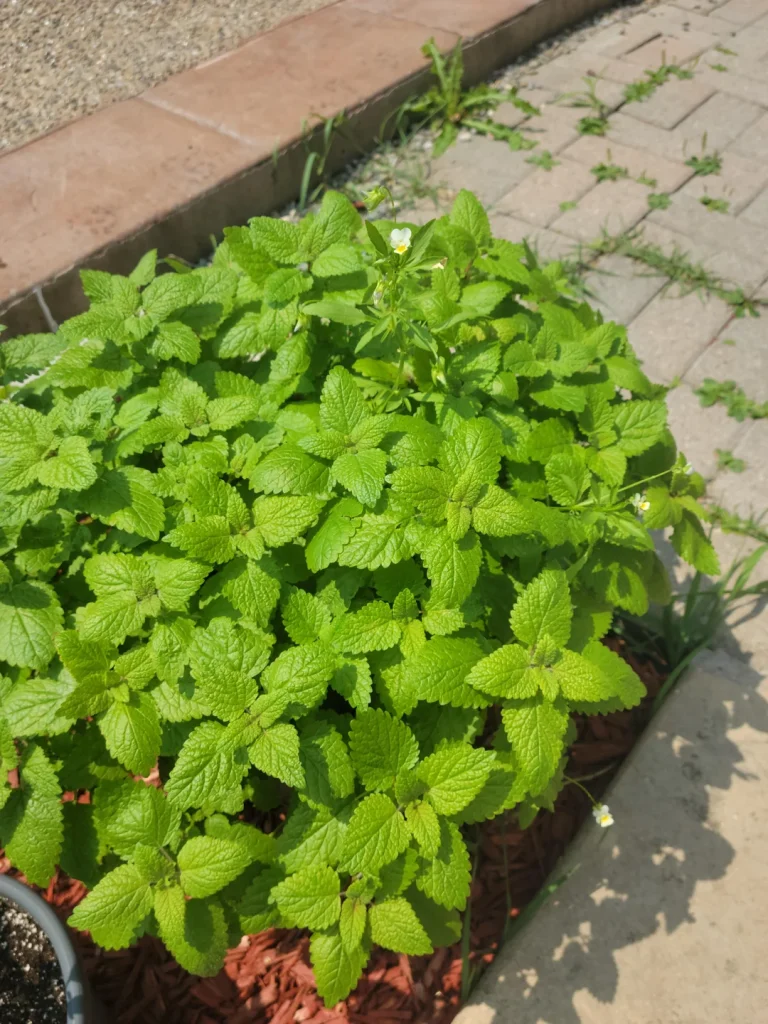
Lemon balm feels like the cheerful friend of the herb world. Its soft green leaves smell like lemon candy, and I always crush one between my fingers before watering because the scent feels like a tiny reward.
This herb grows well in partial shade, especially when the soil stays rich and lightly moist. Cooler light can help the leaves stay tender instead of tired and dry.
Containers make sense for lemon balm because it spreads with real confidence. Give it a pot, trim it often, and you get a steady supply for tea, fruit bowls, and simple garden joy.
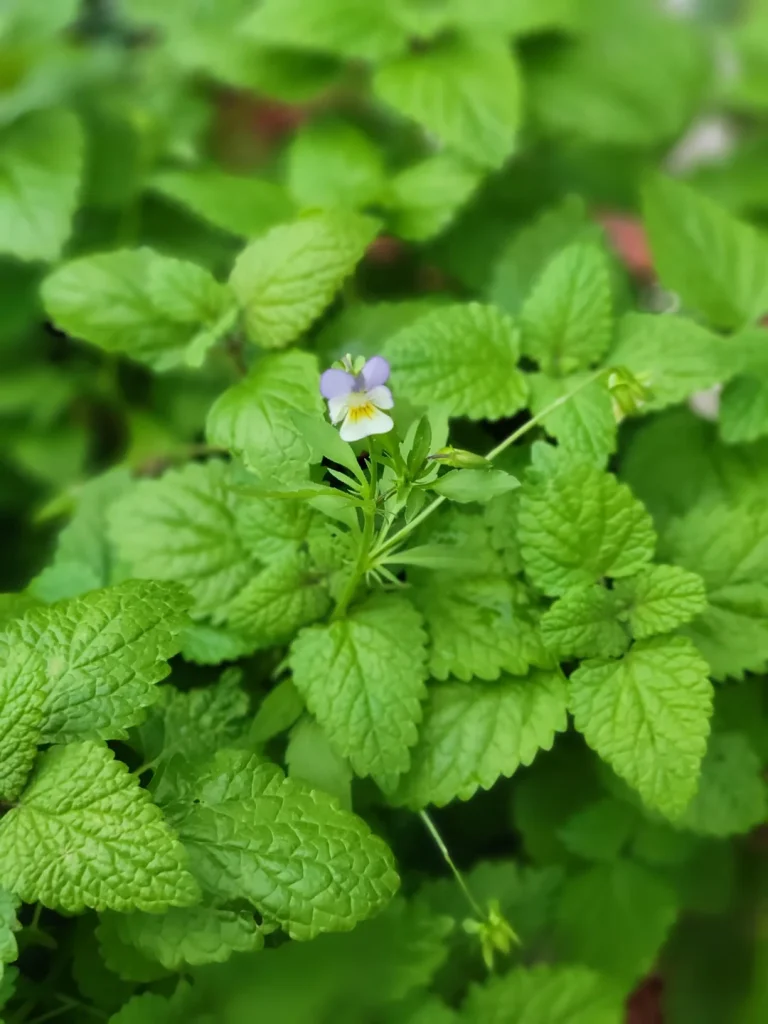
Growing Tip for Lemon Balm
Pruning keeps lemon balm bushy. Snip the tips when the plant looks tall and loose, and fresh new growth will fill the gaps.
2. Mint
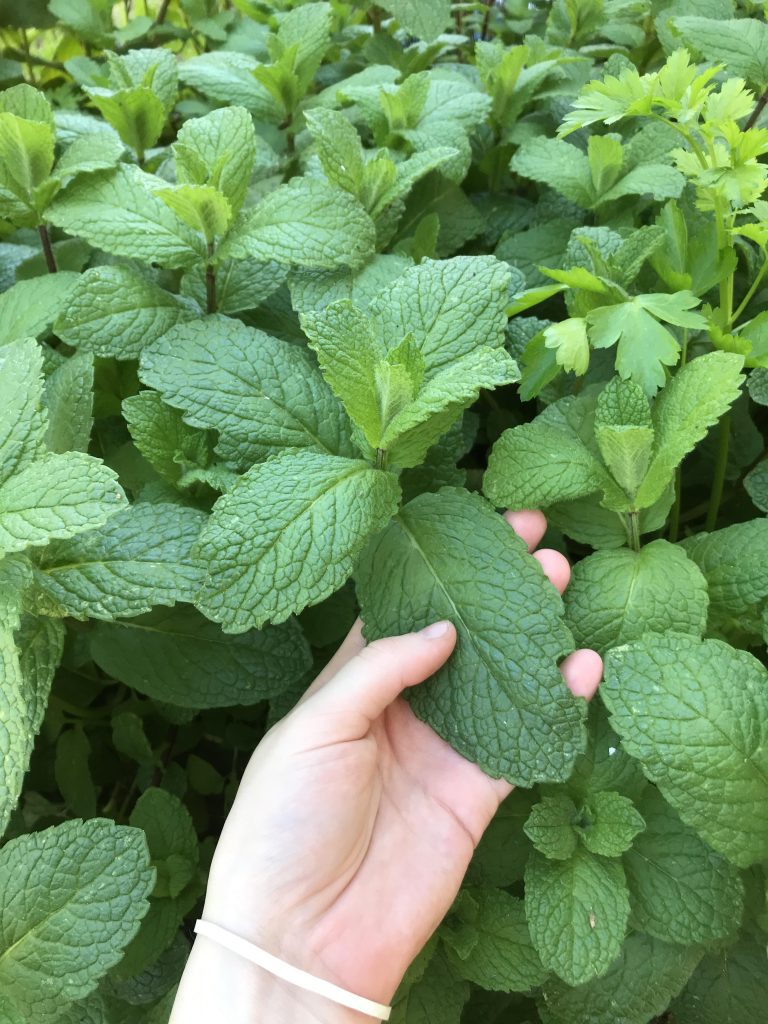
Mint loves partial shade and moist soil, which explains why it often grows like it owns the place. I like mint in a pot because garden beds rarely win that fight.
Fresh leaves work in tea, salads, chutney, lemonade, and quick sauces. Isn’t it nice when one plant earns its space in five different ways?
Strong growth gives mint a big advantage in shady gardens. Regular picking keeps it tidy, and rich soil helps the leaves grow broad and bright.
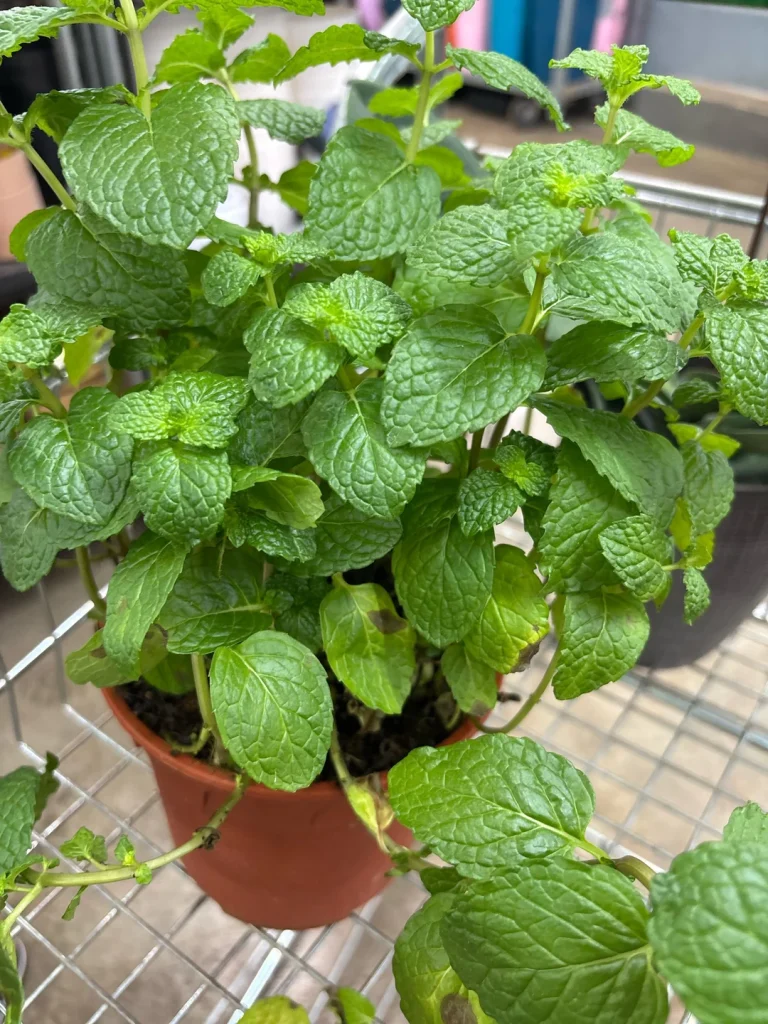
Growing Tip for Mint
Plant mint in a container before roots start roaming. A pot also lets you move the herb toward morning sun or deeper shade during hot weather.
3. Sweet Woodruff
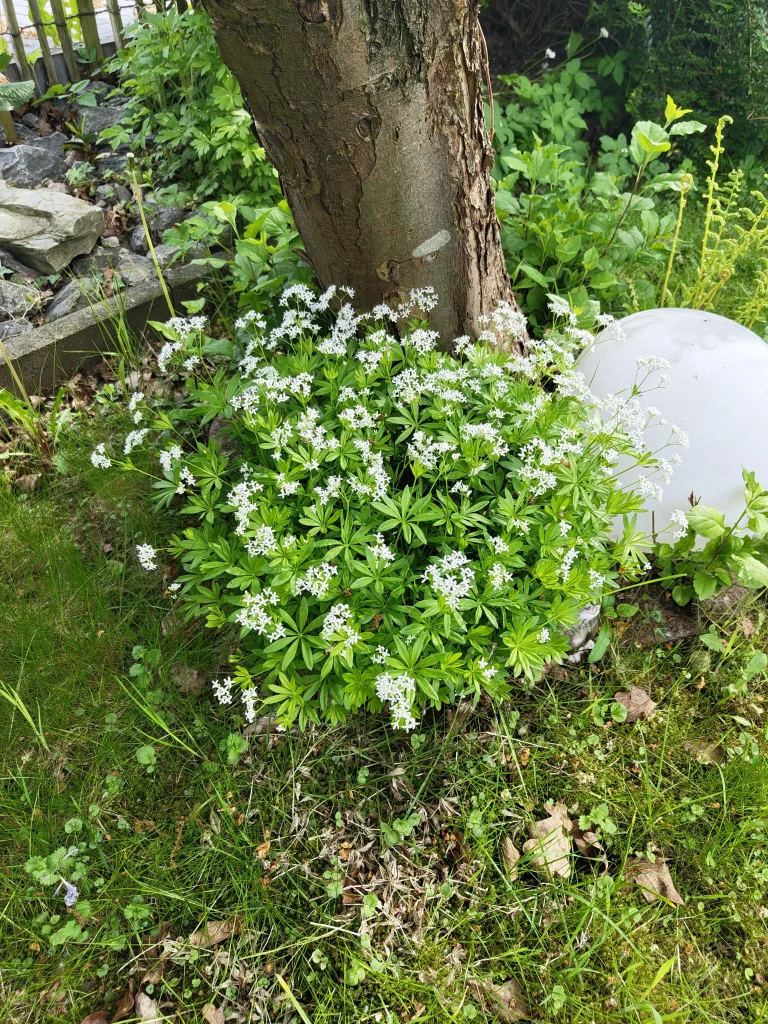
Sweet woodruff suits shady beds where many herbs struggle. Its low growth and soft leaves make it useful as a gentle ground cover under trees or along cool paths.
Tiny white flowers add charm in spring, while the leaves bring a sweet, hay-like scent when dried. Gardeners often grow it for fragrance as much as flavor.
Moist, well-drained soil helps sweet woodruff settle in. Watch its spread, because happy plants can cover ground faster than you expect.
Growing Tip for Sweet Woodruff
Choose sweet woodruff for a shaded edge where you want cover, scent, and a woodland feel. Leave space around it so the plant can spread without crowding smaller herbs.
4. Vietnamese Coriander
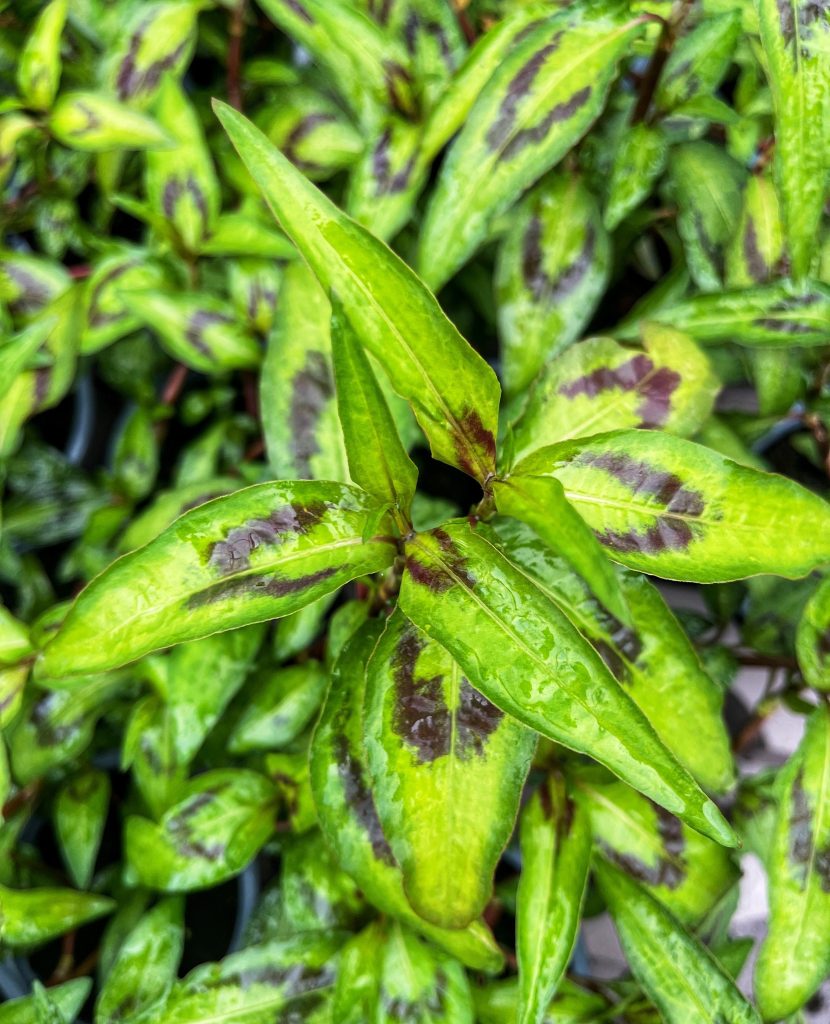
Vietnamese coriander brings bold flavor to a shady herb patch. Its leaves taste fresh, sharp, and a little peppery, so they work well in soups, salads, and noodle bowls.
Warm shade suits this herb well. Moist, rich soil helps it grow lush leaves without needing strong sun all day.
Gardeners often call it Vietnamese mint, though it does not belong to the true mint family. That little name mix-up can confuse plant shoppers, so check the label before you buy.
Growing Tip for Vietnamese Coriander
Give Vietnamese coriander steady water during warm weather. Dry soil makes the plant struggle, while damp but well-drained soil keeps the leaves tender.
5. Mushroom Plant
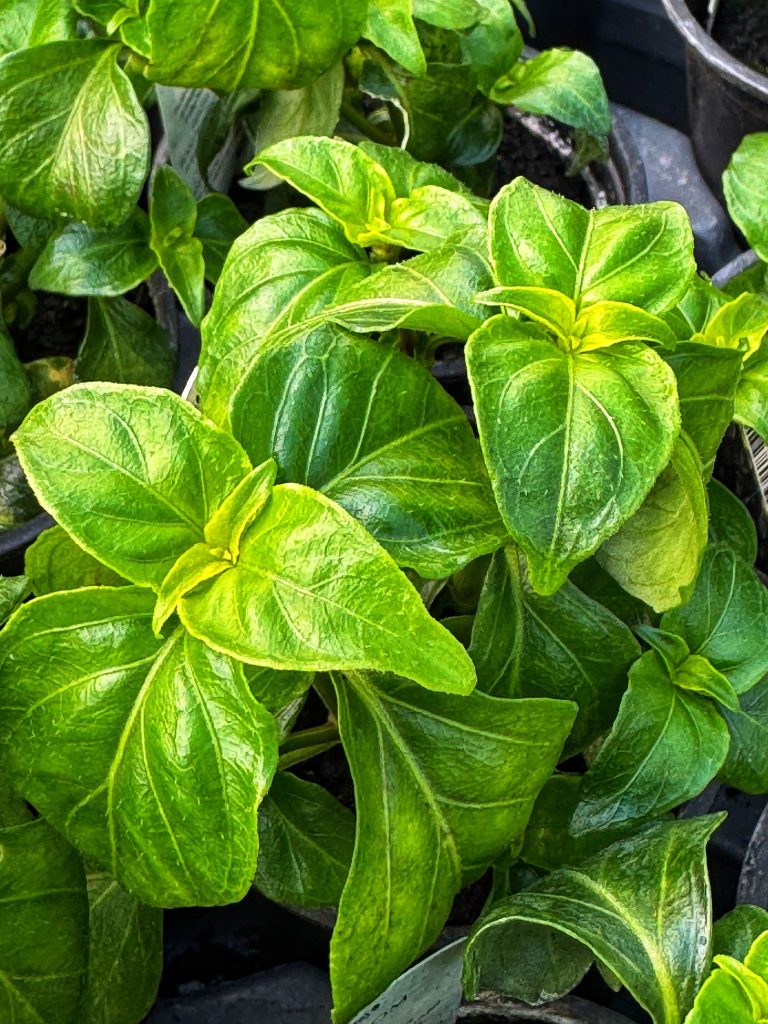
Mushroom plant earns its name honestly. Crunchy leaves bring a mild mushroom flavor, which makes them fun in sandwiches, stir-fries, and quick salads.
Partial shade can help mushroom plant grow larger, softer leaves than harsh sun. I think that makes it one of the most exciting shade loving herbs plants for curious cooks.
Tropical roots mean this herb likes warmth, rich soil, and steady moisture. Cold weather can hurt it, so a pot makes sense if your winters bite.
Growing Tip for Mushroom Plant
Move mushroom plant indoors before chilly nights arrive. A bright indoor spot can help it survive until warm weather returns.
Also read: 12 Creative Container Herb Garden Ideas for Small Spaces
6. Chives
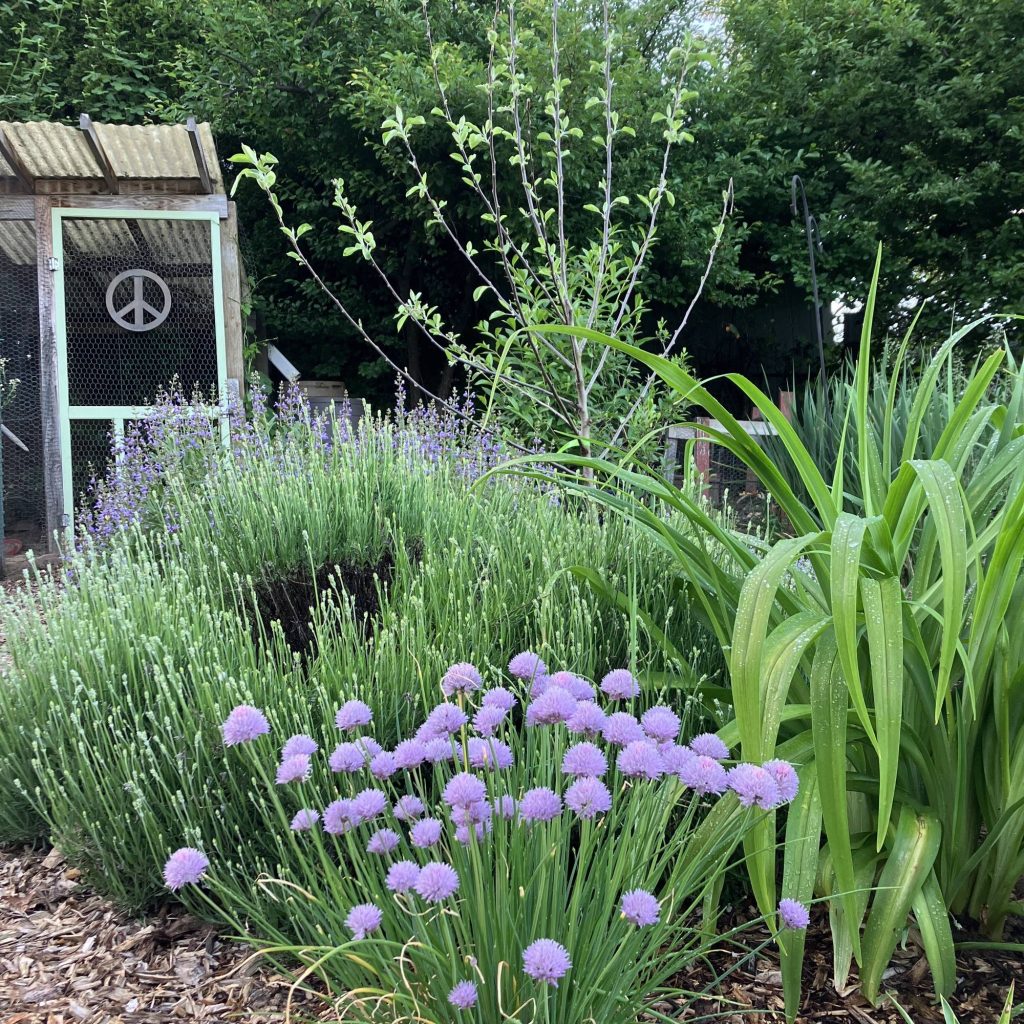
Chives bring onion flavor without drama. Their thin green leaves grow well in sun or light shade, and the purple flowers look far prettier than such a useful herb has any right to look.
Cooler light can keep chives fresh during hot spells. Regular cutting also pushes new leaves from the base.
Bees enjoy the flowers, and you can eat them too. Sprinkle the petals over eggs, potatoes, or salads when you want color with a soft onion taste.
Growing Tip for Chives
Divide clumps when they get crowded. Fresh space gives the roots room, and the plant rewards you with stronger growth.
7. Cilantro
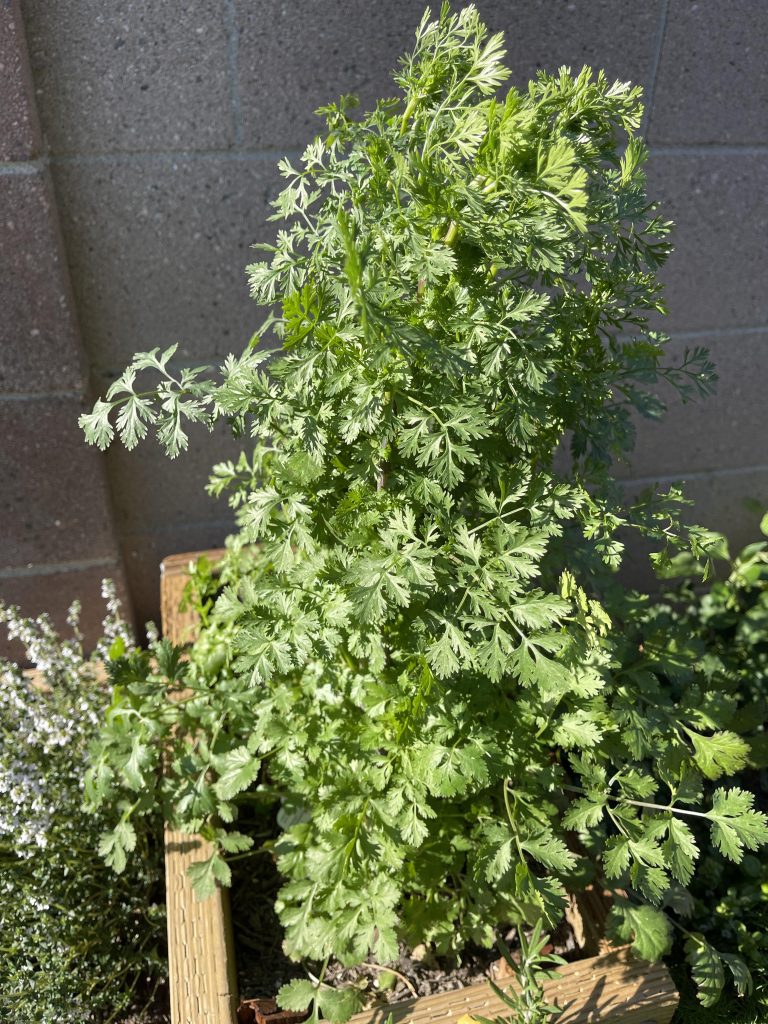
Cilantro often bolts fast in heat, which means it sends up flowers and stops giving you soft leafy growth. Partial shade can slow that rush, especially when summer sun turns mean.
Fresh leaves bring bright flavor to salsa, curry, rice, soup, and tacos. Love it or hate it, cilantro never acts shy.
Seeds from cilantro give you coriander. Let a few plants flower if you want to collect seed for cooking or sowing later.
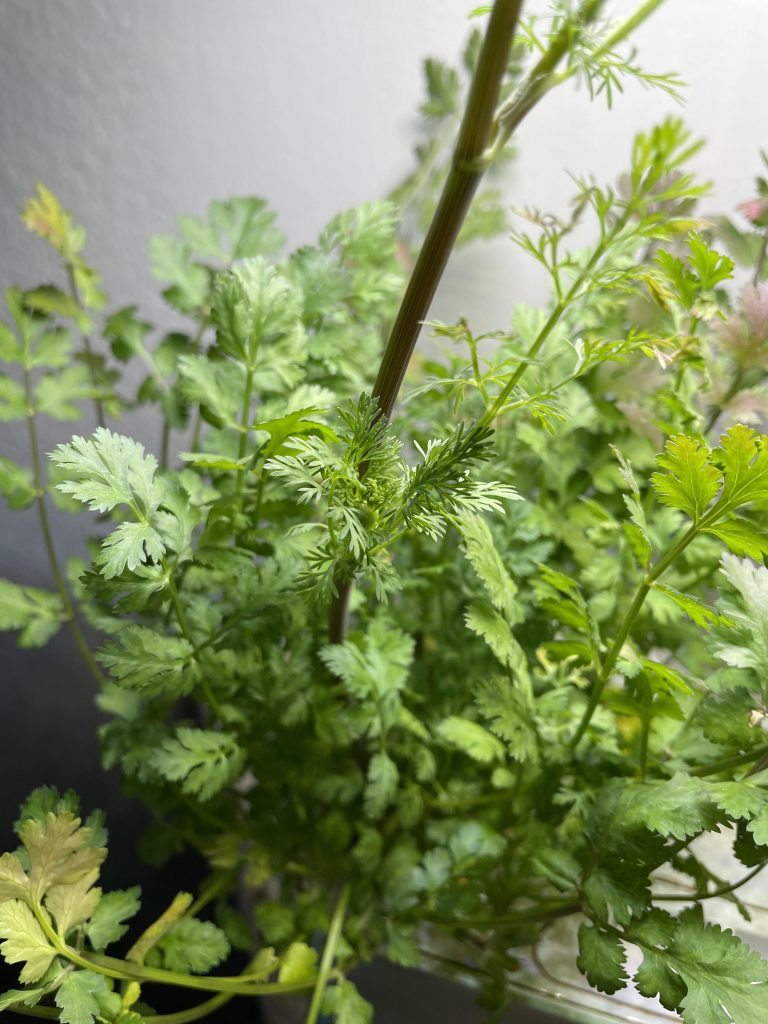
Growing Tip for Cilantro
Sow cilantro in small batches every few weeks. New seedlings give you fresh leaves after older plants start flowering.
8. Parsley
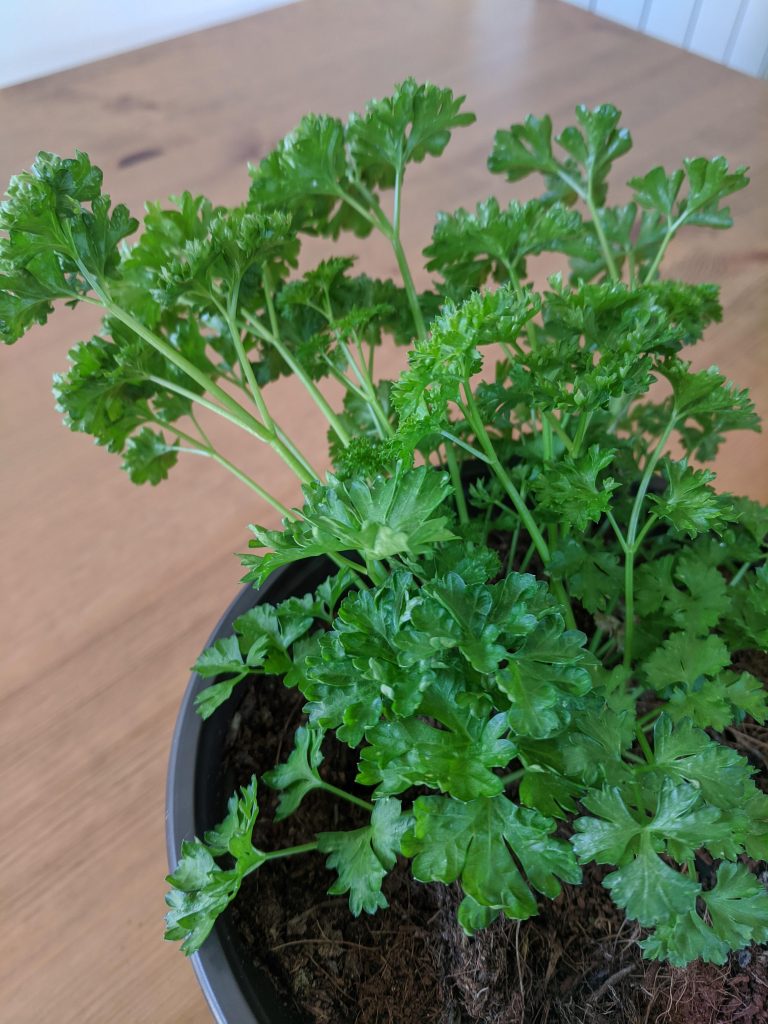
Parsley handles light shade with calm confidence. Curly parsley looks neat in borders, while flat-leaf parsley usually brings stronger flavor to the kitchen.
Slow germination can test your patience. Soaking seeds before sowing can help, and warm soil usually speeds things along.
Fresh parsley lifts soups, eggs, grain bowls, fish, and roasted vegetables. I like it best when a dull plate needs a quick green spark.
Growing Tip for Parsley
Keep parsley soil evenly moist while seeds sprout. Young plants dislike drying out, and steady care gives you better leaves.
9. Bay Laurel
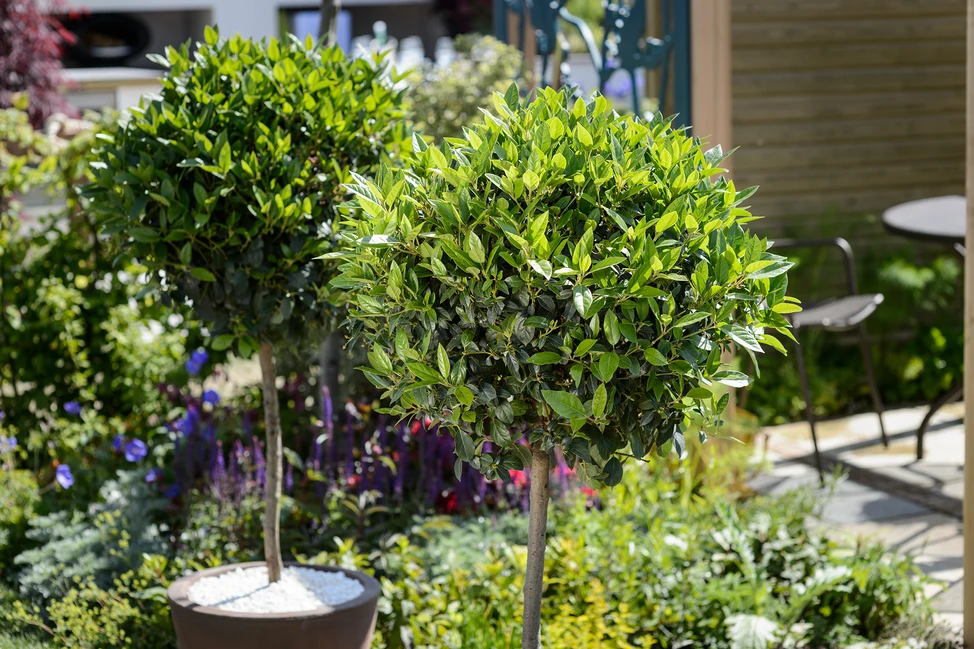
Bay laurel grows as an evergreen shrub, so it gives structure as well as flavor. The glossy leaves look tidy in a pot near a door, and that makes harvesting easy.
Light shade works well for bay, especially in warm gardens. Too much cold can damage it, so container growing helps in cooler areas.
Dried bay leaves flavor soups, stews, beans, and sauces. Use the leaf for cooking, then remove it before eating because the texture stays tough.
Growing Tip for Bay Laurel
Trim bay laurel to control size. A light prune also keeps container plants neat and leafy.
10. Wild Garlic
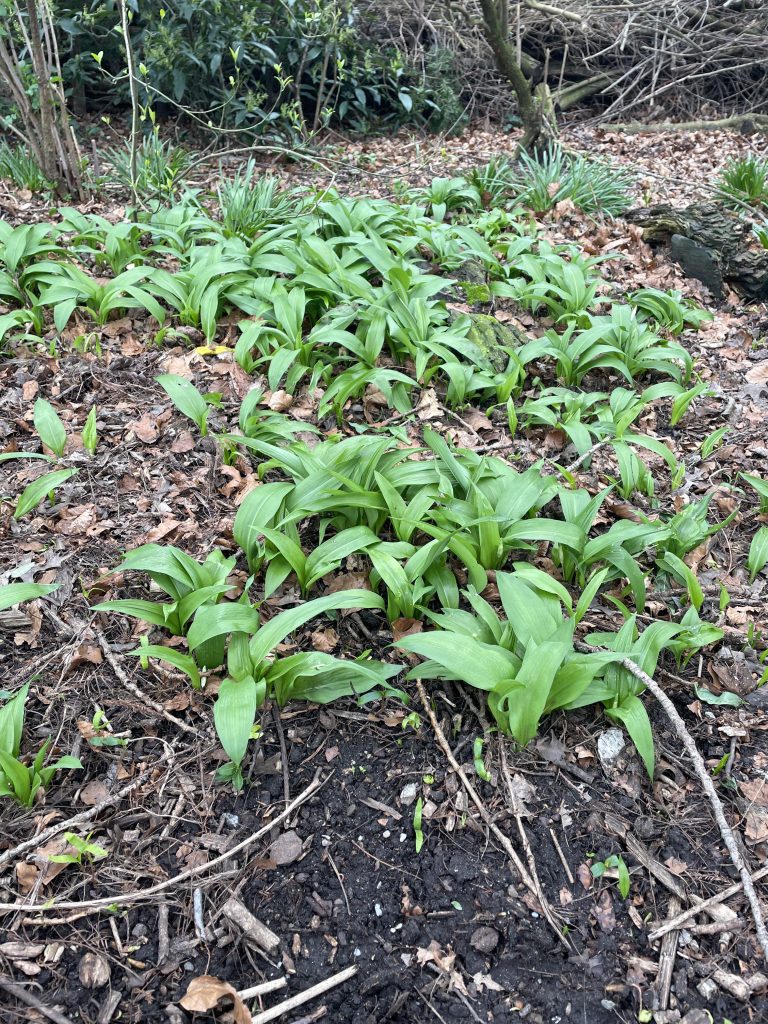
Wild garlic loves the kind of shade you find in woodland gardens. Damp, rich soil helps it grow fresh spring leaves before many herbs wake up.
Garlic-scented leaves bring a soft punch to pesto, butter, soup, and eggs. Doesn’t a shady patch feel more useful when it feeds you in early spring?
Flowers look pretty, and they can attract pollinators too. Harvest gently so the plant can keep growing year after year.
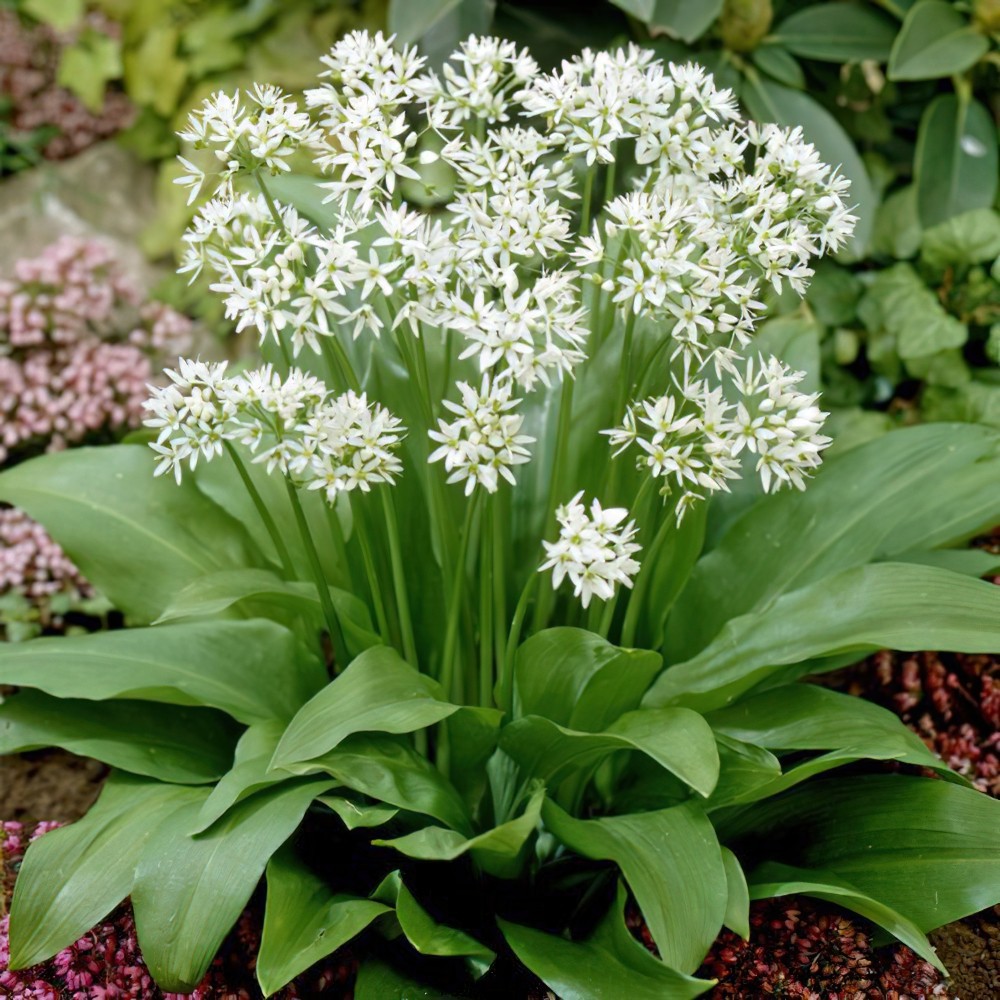
Growing Tip for Wild Garlic
Choose a cool, moist spot for wild garlic. Avoid dry shade under thirsty trees unless you can add compost and water often.
11. Watercress
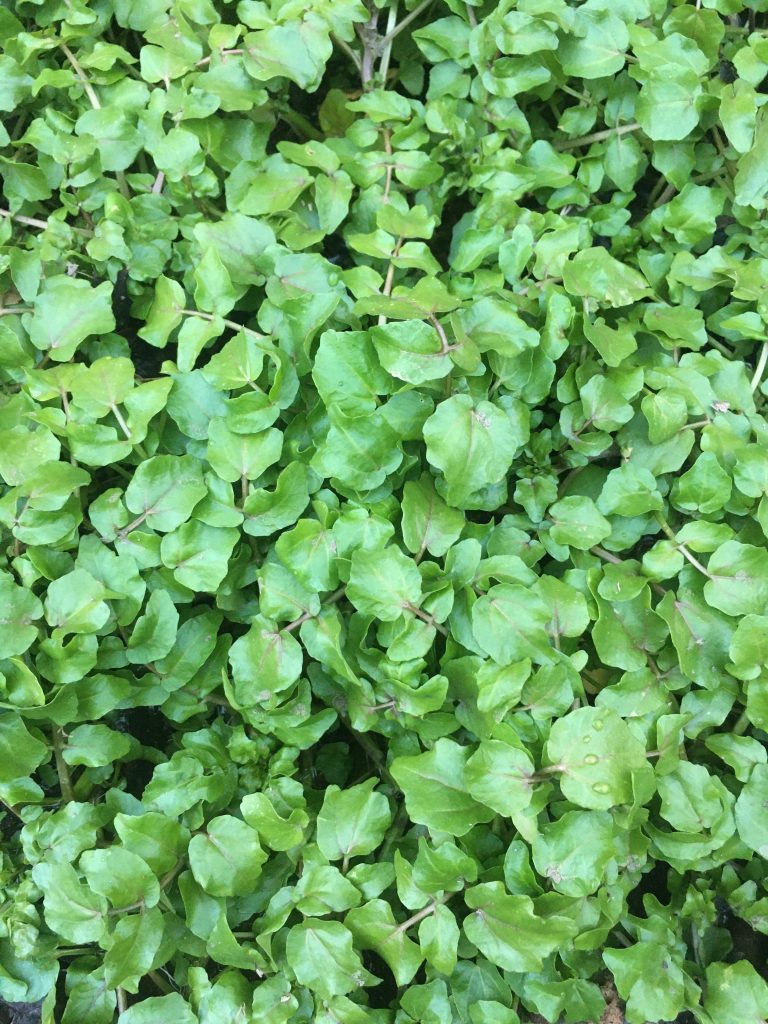
Watercress loves shade, but it also wants lots of water. That makes it different from many herbs that only need steady moisture.
Cool, clean, damp growing conditions help watercress produce crisp leaves with a peppery bite. You can grow it near a water feature, in a very moist pot, or in a container that gets frequent watering.
Fresh watercress tastes great in salads, sandwiches, soup, and egg dishes. One handful can make a plain lunch feel brighter.
Growing Tip for Watercress
Give watercress constant moisture. Dry roots slow growth fast, so check pots often during warm weather.
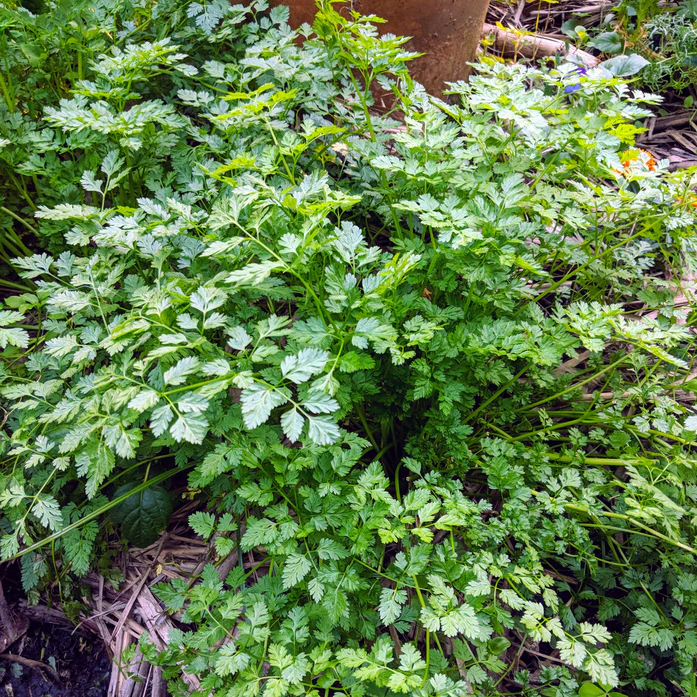
12. Chervil
Chervil grows well in partial shade and brings a soft parsley flavor with a light anise note. Its fine leaves look delicate, but the plant can grow happily in cool weather.
Direct sowing works best because chervil dislikes root disturbance. I find that helpful, since it means you can skip the seed tray fuss.
Gentle flavor makes chervil useful in eggs, salads, soups, and fish dishes. Add it near the end of cooking so the taste stays fresh.
Growing Tip for Chervil
Sow chervil where you want it to grow. Choose light shade, loose soil, and steady moisture for the best leaves.
13. Wasabi
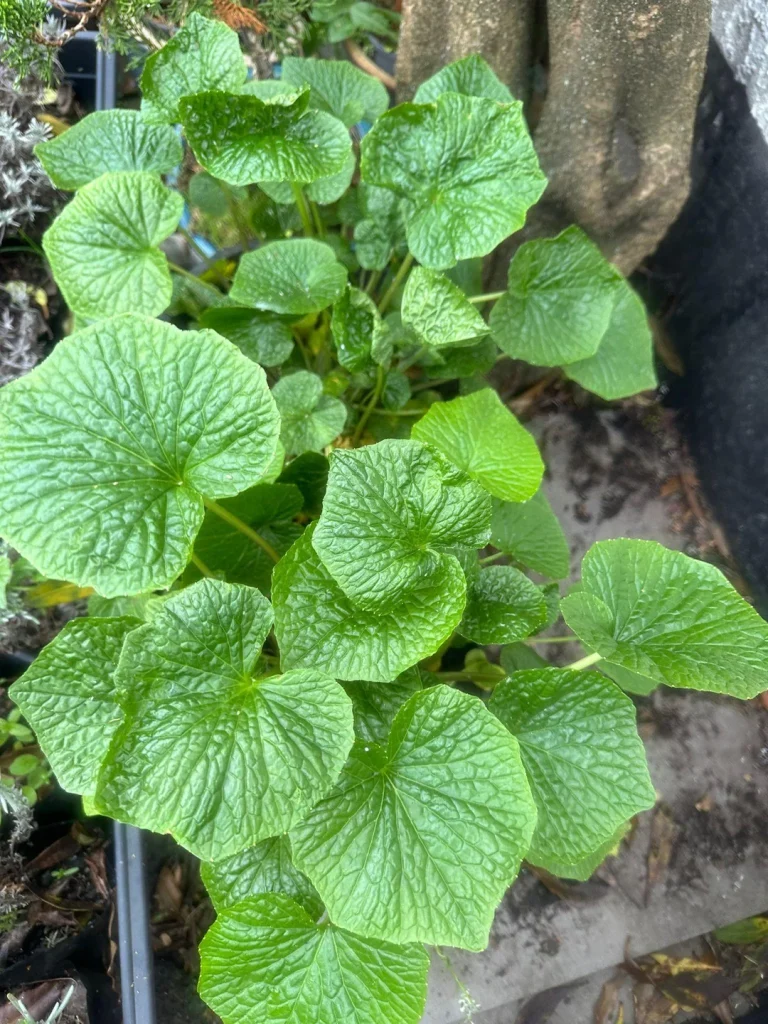
Wasabi likes cool shade and damp soil, which makes sense because harsh sun can stress the plant. Real wasabi grows slowly, so patient gardeners enjoy it more than rushed ones.
Bright light can yellow the leaves and stop strong growth. A shaded, moist spot gives this herb a better chance to settle.
Leaves and stems can add a mild wasabi bite to food. The thick stem takes longer to grow, so most home growers should treat wasabi as a special project.
Growing Tip for Wasabi
Protect wasabi from heat. Choose cool shade, rich soil, and steady moisture if you want the plant to stay happy.
Best Soil and Care for Shade Loving Herbs Plants
Good shade herbs still need good care. Rich soil, compost, and drainage help roots grow strong without sitting in water.
Deep shade can make herbs stretch toward light. Regular trimming keeps plants compact, leafy, and easier to harvest.
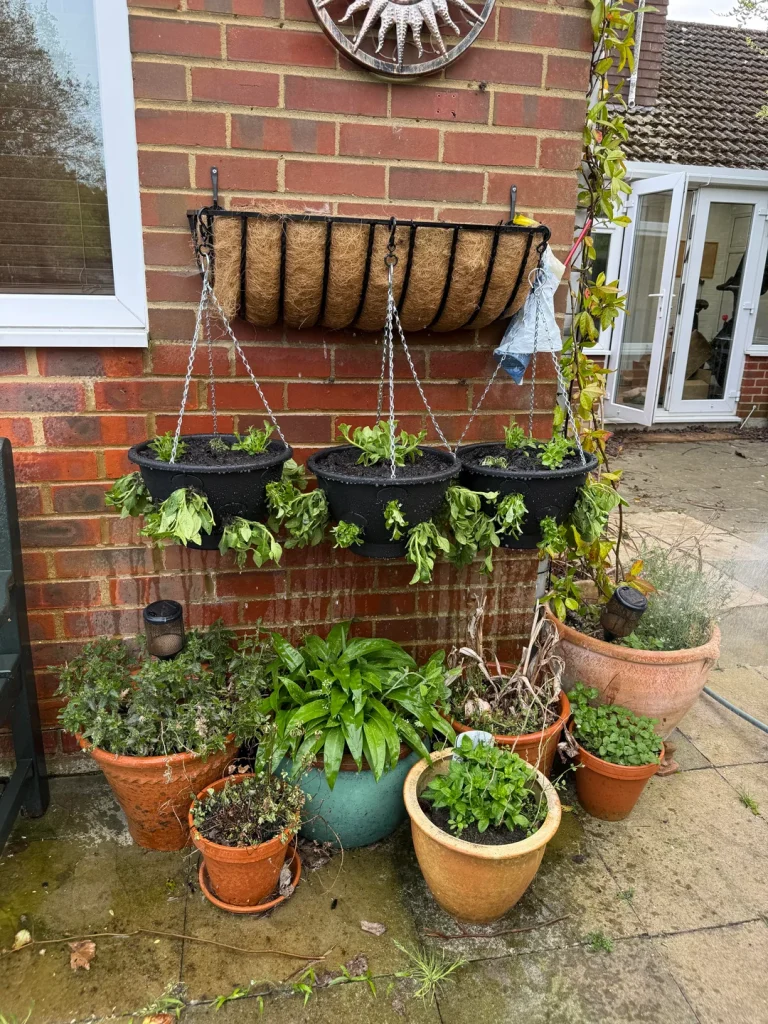
Containers solve many shade garden problems. You can move pots toward morning sun, protect tender herbs from cold, and stop strong growers like mint or lemon balm from taking over.
Morning sun usually works better than hot afternoon sun. Soft light gives herbs energy without cooking their leaves.
Final Thoughts
Shade does not mean empty soil. Lemon balm, mint, sweet woodruff, Vietnamese coriander, mushroom plant, chives, cilantro, parsley, bay laurel, wild garlic, watercress, chervil, and wasabi can all make low-light spaces feel alive.
Start with one easy herb if your shady spot feels tricky. Mint, chives, parsley, and lemon balm forgive small mistakes and still give you plenty to pick.
Your garden does not need perfect sunlight to feel generous. Give those shadowy corners some compost, a few herbs, and a little attention, then enjoy the quiet thrill of harvesting from a place you nearly ignored.