15 Best Fall Flowers to Plant in Your September Garden

Empty containers used to stress me out every September. Summer flowers fade, and your garden suddenly looks half-finished. That’s exactly when September planting saves the day.
Cooler air and steadier rainfall give roots the perfect chance to settle in before winter hits. Perennials especially love this window since they can focus all their energy underground instead of pushing out blooms.
Annuals get a boost too. Many cool-season varieties actually prefer crisp fall air over summer heat, and some keep blooming clear into winter if your climate stays mild.
I discovered this by accident one year, and now September planting feels like a second spring around here. Fifteen flowers on this list will carry your garden straight through fall.
15 Must Grow Autumn Flower for September
1. China Aster Brings Instant Fall Color
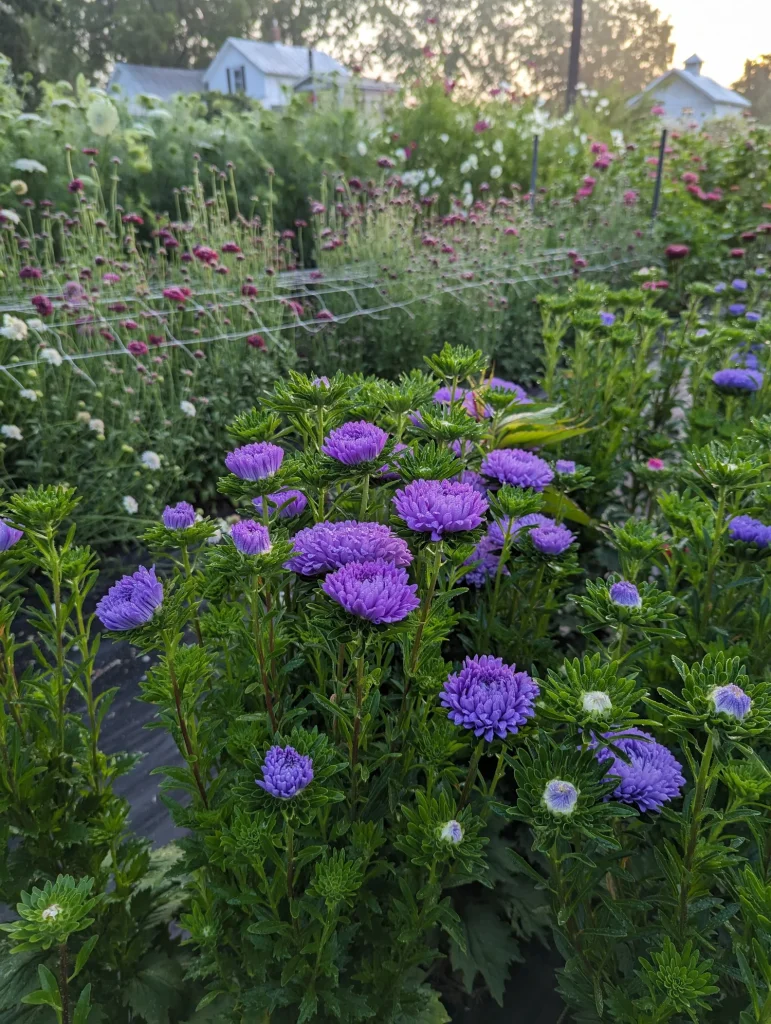
Ever wish you could skip straight to the pretty part of gardening? China aster lets you do exactly that. Grab a nursery start instead of seeds.
Seeds take up to 120 days to bloom, and nobody wants to wait that long for fall color.
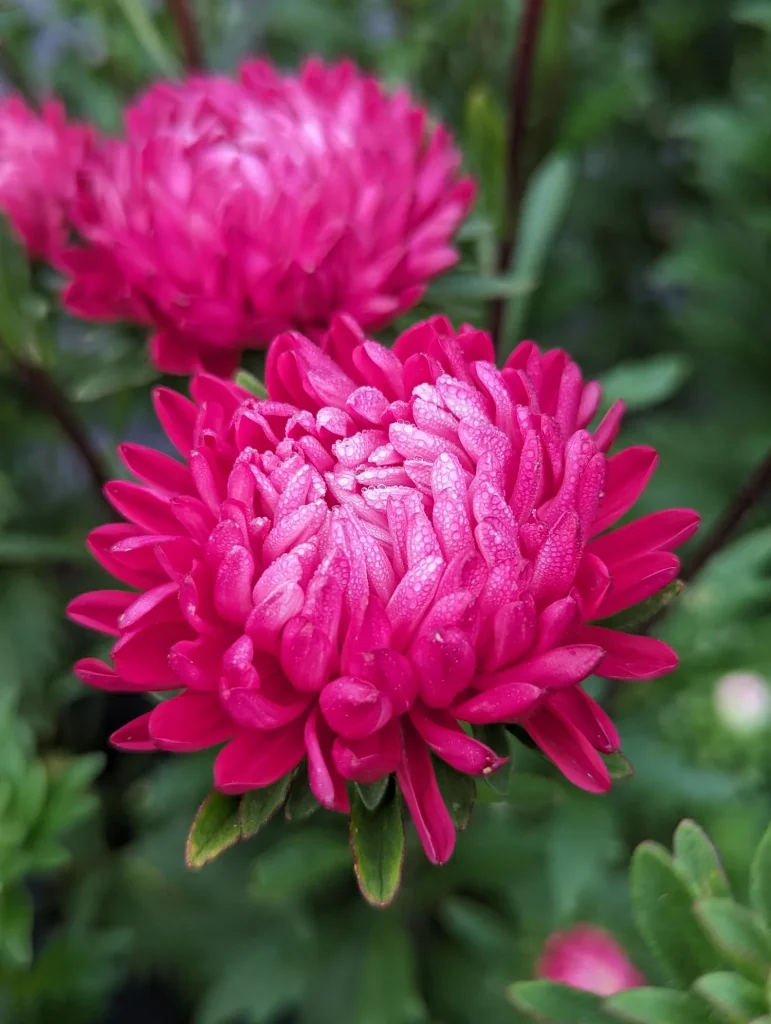
Purple, pink, and white flowers pack this plant from late summer into fall. I love tucking a few pots near my front door for instant curb appeal.
Give it full sun and watch it thrive, though it handles partial shade just fine too.
Plant Overview:
- Hardiness: Zones 2-11
- Exposure: Full Sun, Partial Shade
- Seasons: Summer (Late), Fall
- Height: 8″ – 3′ (20cm – 90cm)
- Spread: 1′ – 2′ (30cm – 60cm)
Also read: 15 Stunning Fall Flowers to Plant in August Garden
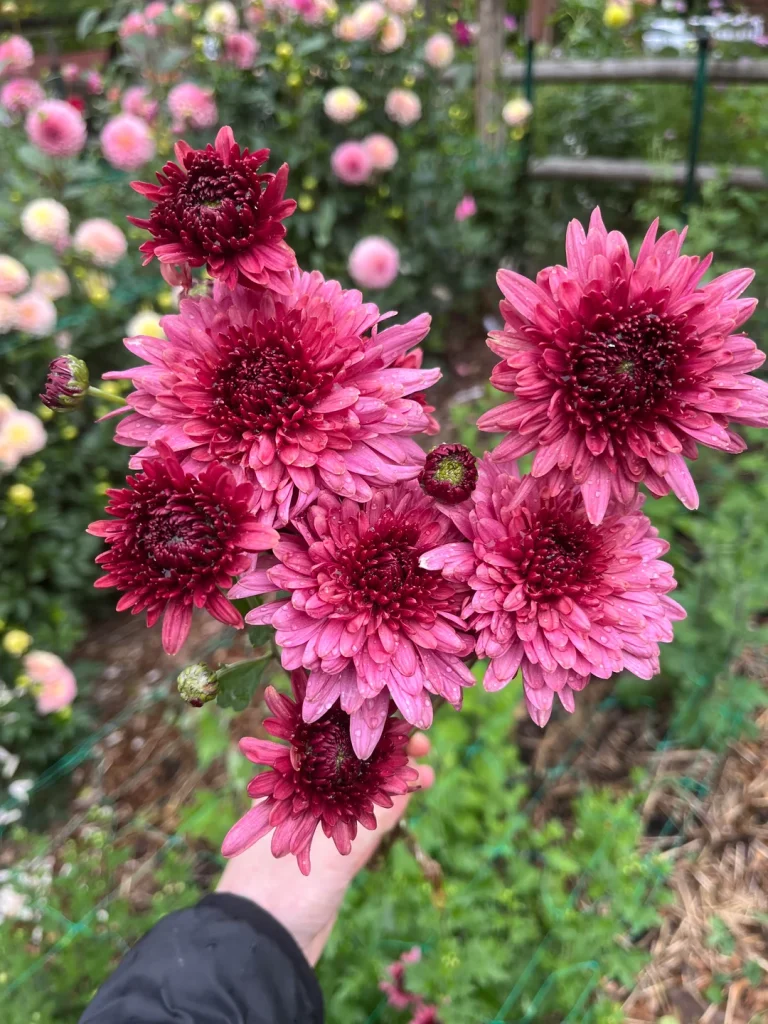
2. Chrysanthemums Are the Fall Flower Everyone Knows
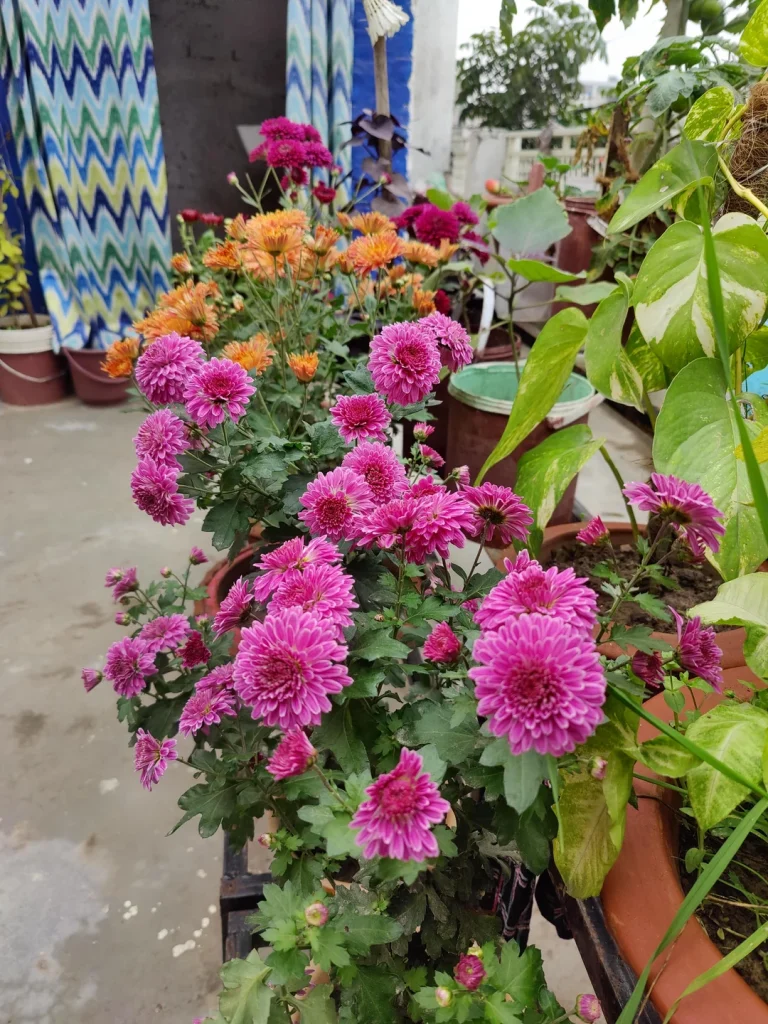
You already know this one. Mums show up at every grocery store and garden center the moment September hits, and for good reason.
Plant them early in the month so roots can settle before cold weather locks up the soil.
A rushed planting leads to weak roots. Weak roots mean a rough winter for your plant. Full sun brings out the richest, boldest colors, so don’t tuck these into a shady corner.
Plant Overview:
- Hardiness: Zones 3-9
- Exposure: Full Sun
- Seasons: Summer (Late), Fall
- Height: 6″ – 4′ (15cm – 120cm)
- Spread: 1′ – 3′ (30cm – 90cm)
Also read: 14 Inspiring Front Yard Fall Landscaping Ideas
3. Goldenrod Feeds Pollinators Right Before Winter
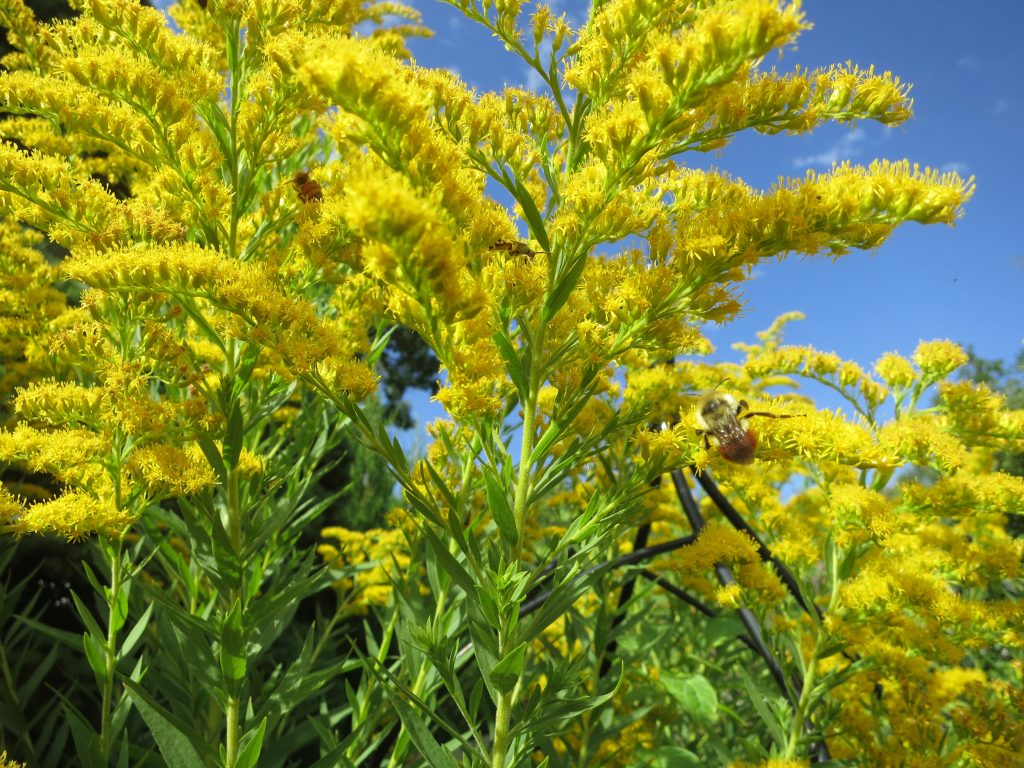
Bees absolutely lose it over goldenrod. This native plant sends up yellow plumes that stretch anywhere from 1 to 8 feet tall, so there’s a size for every garden.
Soil quality barely matters here, and drought won’t slow it down either.
Here’s a myth I love busting: goldenrod doesn’t cause your fall allergies. That’s ragweed’s fault, not goldenrod’s. Goldenrod pollen is heavy and sticky, built for bugs to carry, not the wind.
Plant Overview:
- Hardiness: Zones 2-9
- Exposure: Full Sun
- Seasons: Summer (Late), Fall
- Height: 1′ – 8′ (30cm – 240cm)
- Spread: 1′ – 3′ (30cm – 90cm)
Also read: 15 Stunning Fall Flower Ideas to Color Your Autumn Garden
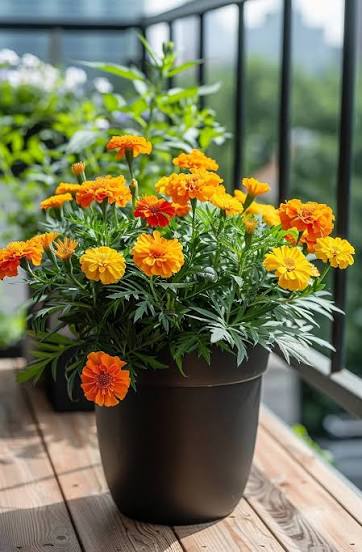
4. Marigolds Keep Blooming Until the First Hard Frost
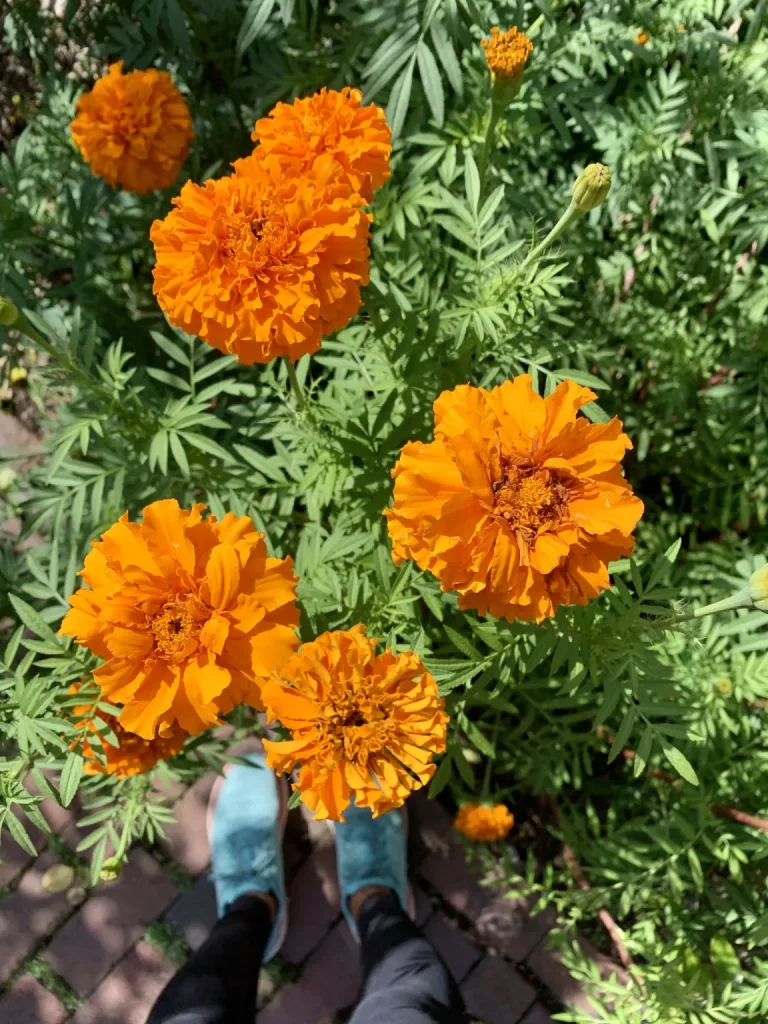
Orange and yellow just look like fall, don’t they? Marigolds deliver that exact color palette right up until the first hard frost knocks them out.
One seed packet can fill an entire bed over a couple seasons since this flower self-seeds so generously.
Pests tend to steer clear of marigolds entirely. Liza plants them between our tomatoes every single year.
Whether that actually helps the tomatoes or not, I can’t prove it, but the color alone makes it worth doing.
Plant Overview:
- Hardiness: Zones 2-11
- Exposure: Full Sun
- Seasons: Summer (Late), Fall
- Height: 6″ – 4′ (15cm – 120cm)
- Spread: 6″ – 2′ (15cm – 60cm)
5. Pansies Shrug Off Frost Like It’s Nothing
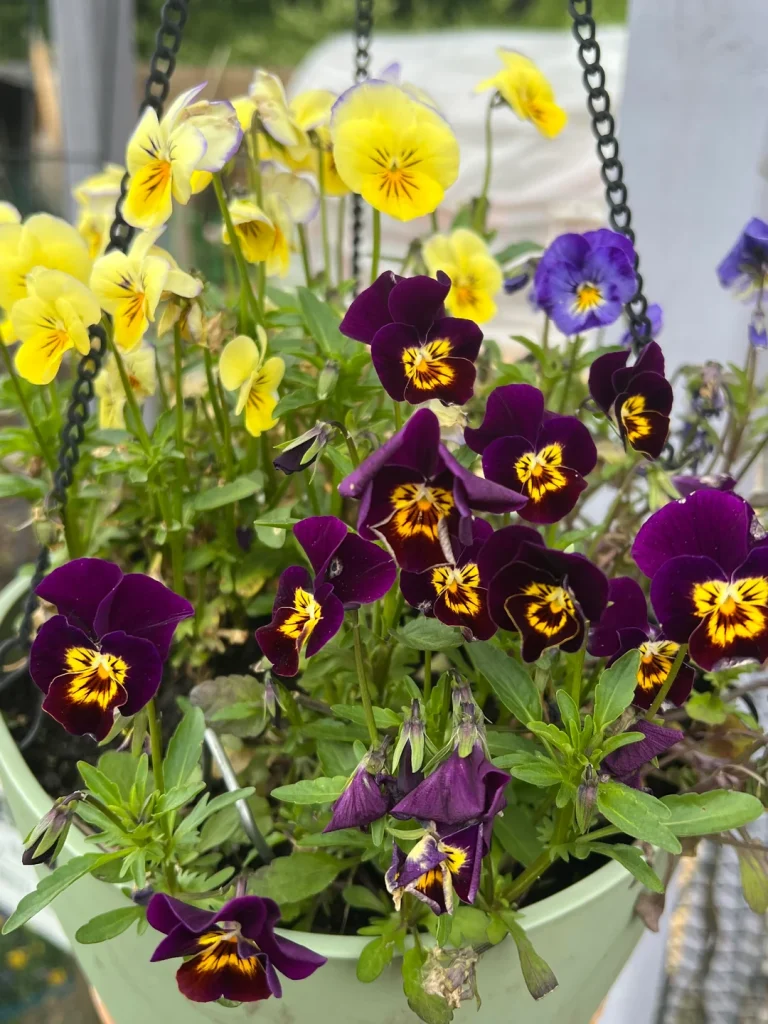
Cold weather doesn’t scare pansies one bit. You can plant these tough little flowers and watch them bloom straight through light frost without missing a beat.
I’ve pulled snow off pansy blooms in early winter and found them perfectly fine underneath.
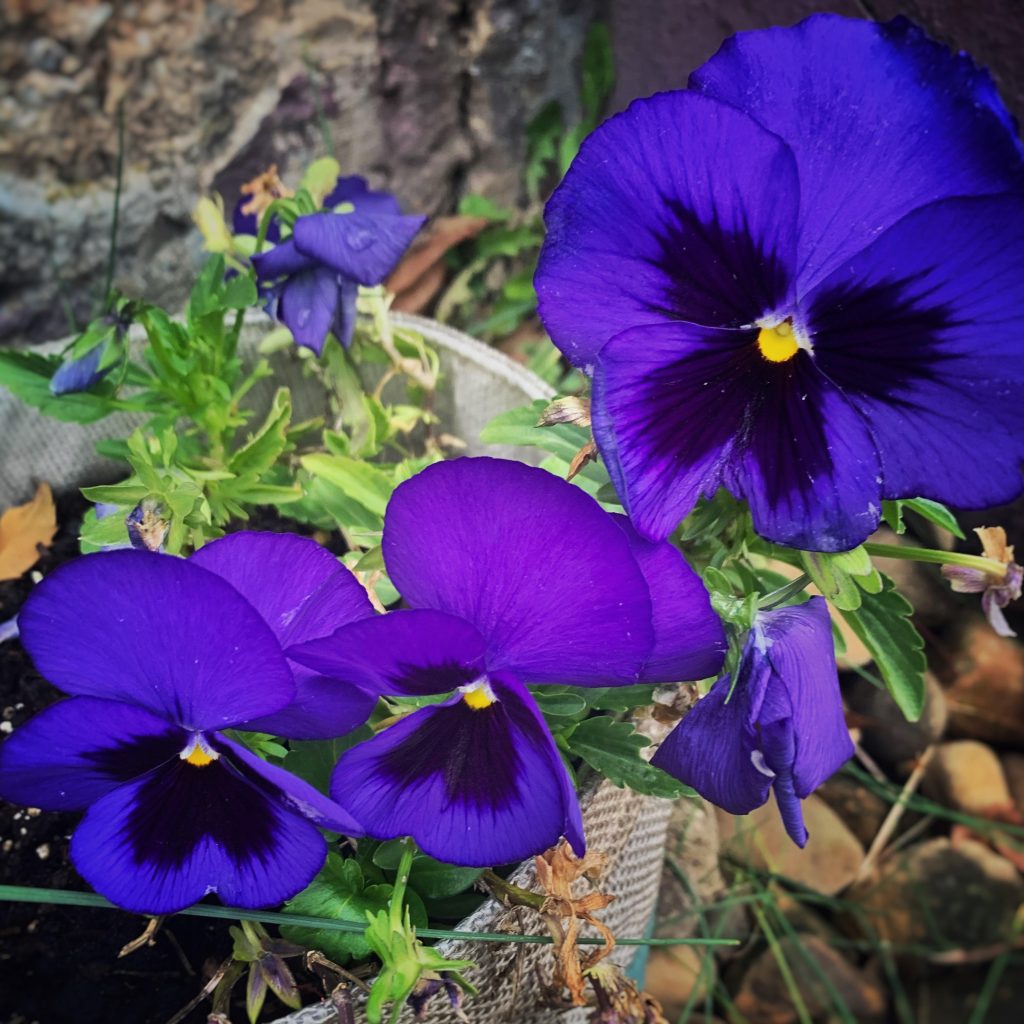
Partial shade suits pansies best, unlike most fall flowers on this list. Their faces come in nearly every color combination you can imagine.
Purple, yellow, white, and even bicolor blooms pack a serious punch in window boxes.
Plant Overview:
- Hardiness: Zones 6-10
- Exposure: Partial Shade
- Seasons: Fall, Winter
- Height: 6″ – 1′ (15cm – 30cm)
- Spread: 6″ – 1′ (15cm – 30cm)
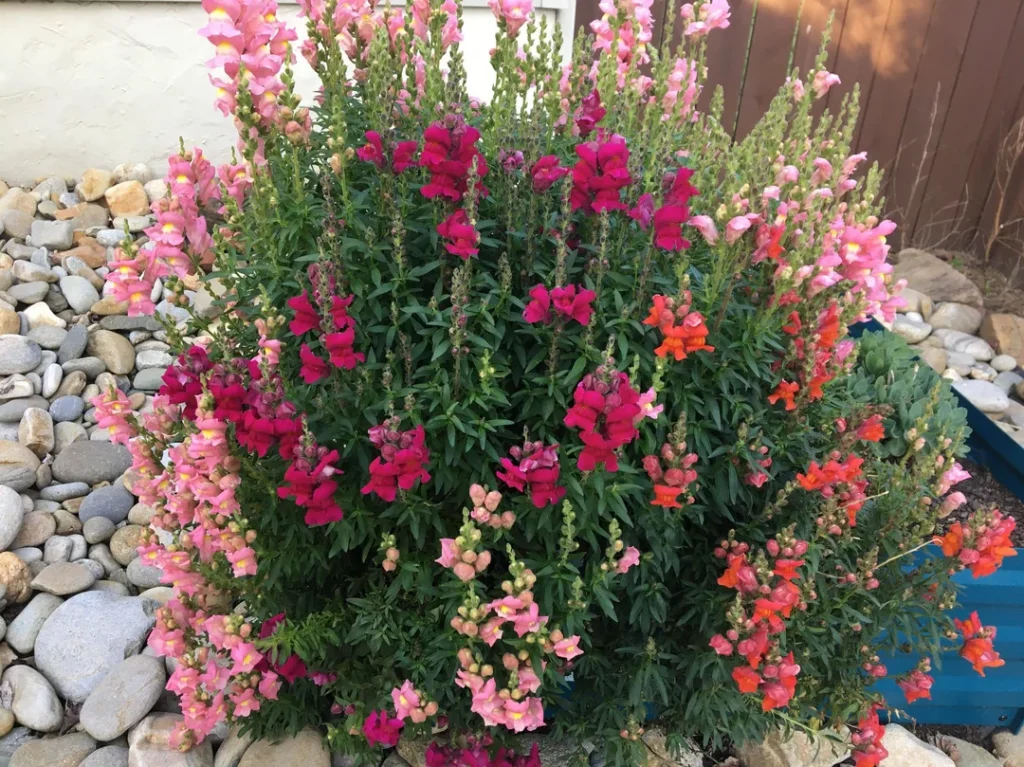
6. Snapdragons Bounce Back From a Deep Freeze
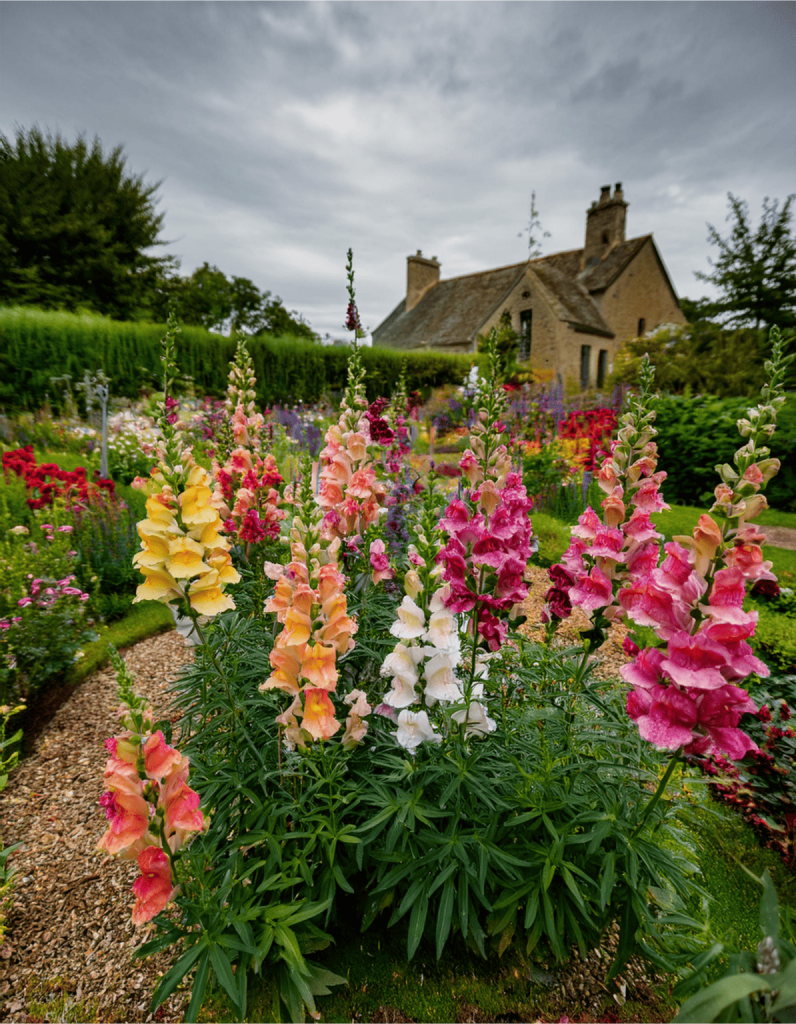
Twenty degrees won’t kill a snapdragon. That’s the kind of cold tolerance that makes this flower a fall garden staple in my book.
You get tall spikes covered in tiny, dragon-mouth blooms that kids love to squeeze open.
Full sun keeps snapdragons standing tall and blooming heavy. Heights range dramatically, from a compact 6 inches to a towering 4.5 feet.
I always plant a few in the back of my containers so they frame the shorter flowers up front.
Plant Overview:
- Hardiness: Zones 7-10
- Exposure: Full Sun
- Seasons: Fall
- Height: 6″ – 4.5′ (15cm – 135cm)
- Spread: 6″ – 1.5′ (15cm – 45cm)
7. Autumn Sage Draws Hummingbirds Well Into October
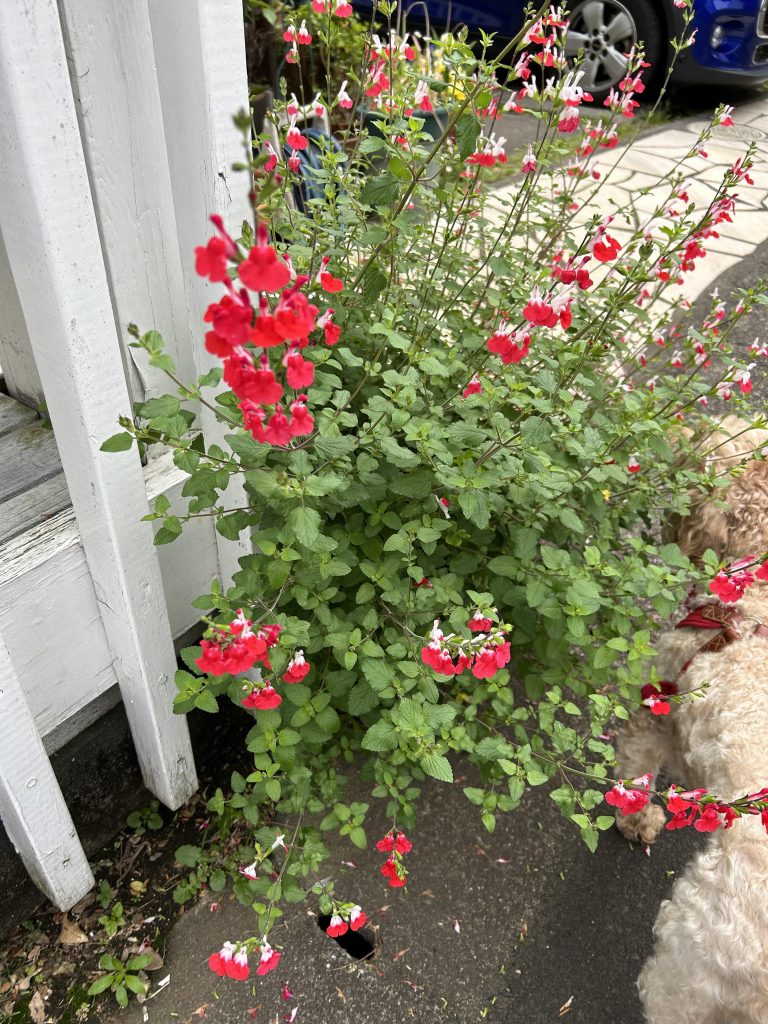
Hummingbirds still show up for autumn sage long after other flowers quit for the season.
Red, pink, and purple tubular blooms cover this shrub-like perennial from summer straight through fall. You’ll notice the difference in your garden’s buzz almost immediately.
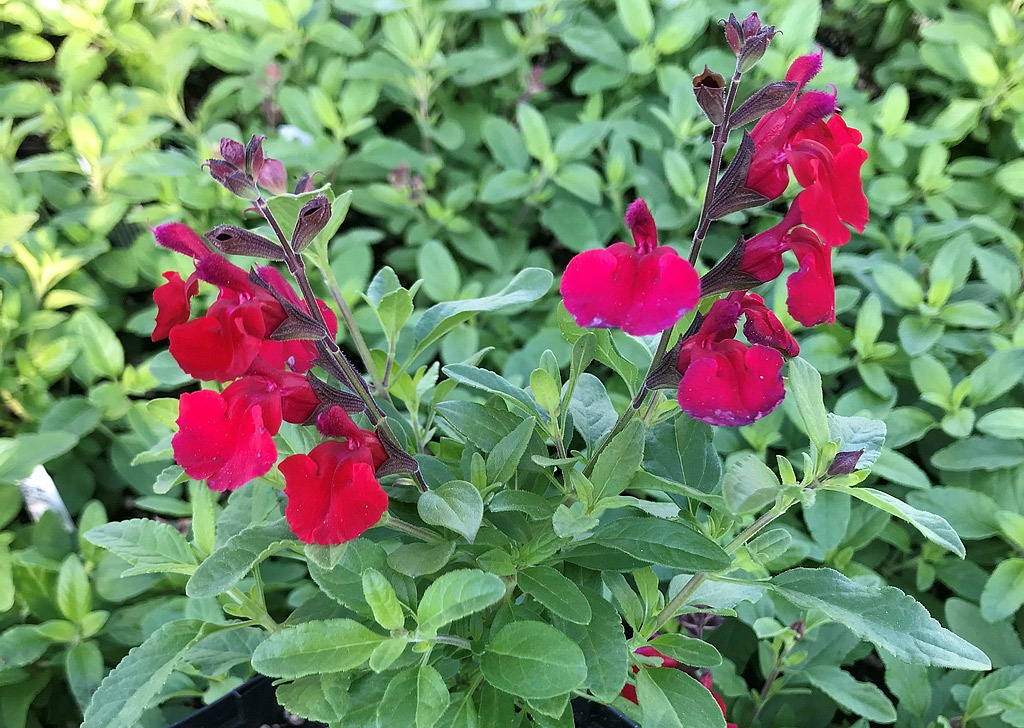
This plant handles both full sun and partial shade with ease. Drought doesn’t bother it once it’s established, which makes watering way less of a chore.
I planted one near our balcony rail specifically to keep the hummingbirds coming back.
Plant Overview:
- Hardiness: Zones 6-9
- Exposure: Full Sun, Partial Shade
- Seasons: Summer, Fall
- Height: 2′ – 4′ (60cm – 120cm)
- Spread: 2′ – 3′ (60cm – 90cm)
8. Calendula Gives You Edible Fall Color
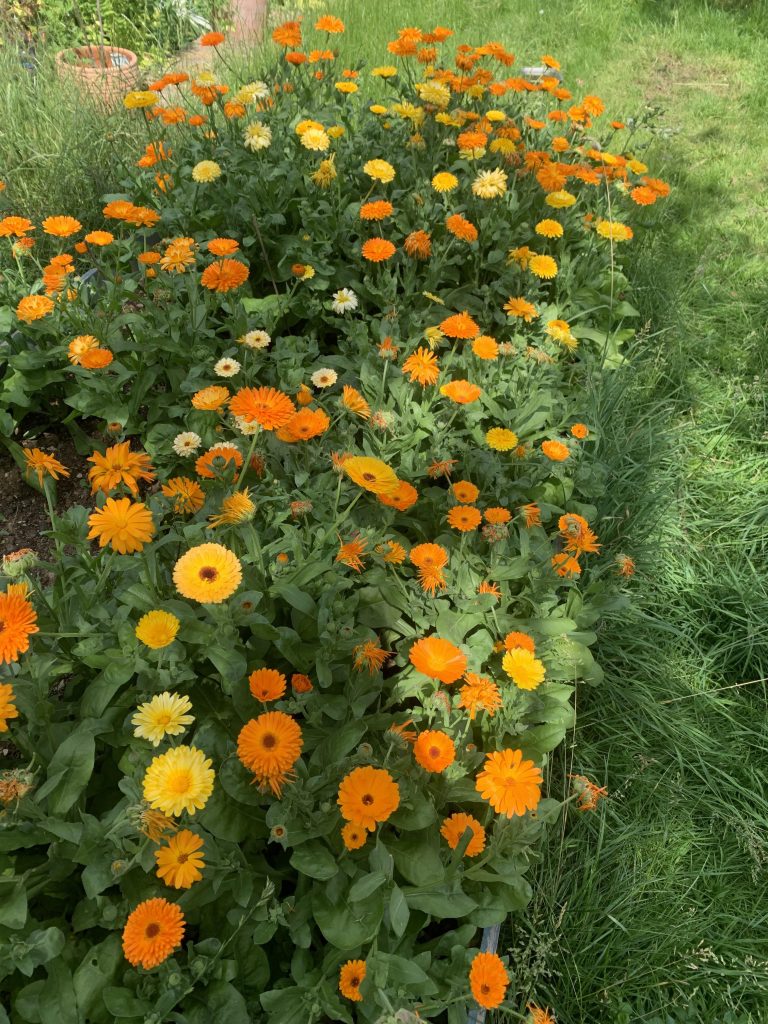
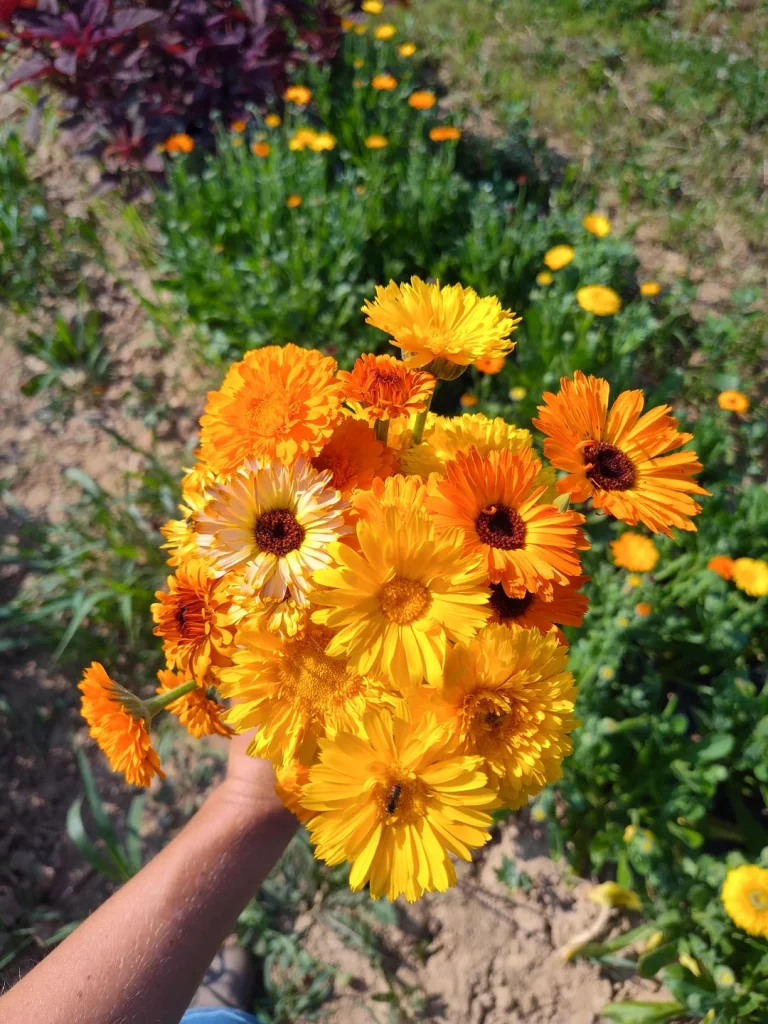
Did you know you can eat calendula petals? This cheerful orange and yellow flower doubles as a garnish for salads, and I toss a handful into soups too.
Beyond the kitchen, calendula blooms nonstop from late summer through fall without much fuss.
Full sun or partial shade both work fine for this easygoing annual. It self-seeds readily, so expect volunteers popping up next year in the same spot.
Warmer zones can even grow calendula as a short-lived perennial.
Plant Overview:
- Hardiness: Zones 9-11
- Exposure: Full Sun, Partial Shade
- Seasons: Summer (Late), Fall
- Height: 1′ – 2′ (30cm – 60cm)
- Spread: 1′ – 1.5′ (30cm – 45cm)
9. Autumn Joy Sedum Practically Takes Care of Itself
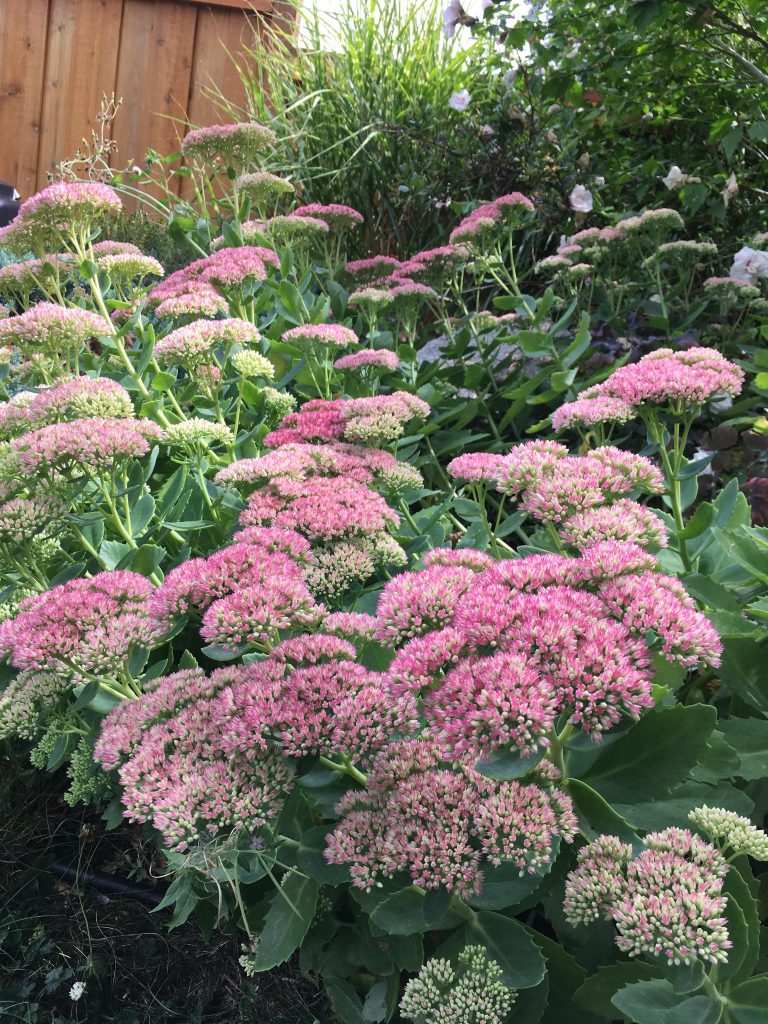
Lazy gardeners, rejoice. Autumn Joy sedum asks for almost nothing and gives you months of color in return.
Pink flower clusters slowly deepen to a rusty bronze as fall rolls on, and I love watching that color shift happen on my own balcony.
Drought tolerance runs deep in this succulent-like perennial. You can practically forget to water it and still get a great show.
Full sun keeps the stems sturdy and upright, so pick the sunniest spot you’ve got.
Plant Overview:
- Hardiness: Zones 3-10
- Exposure: Full Sun
- Seasons: Fall
- Height: 1.5′ – 2′ (45cm – 60cm)
- Spread: 1.5′ – 2′ (45cm – 60cm)
10. Celosia Adds Texture Nothing Else on This List Has
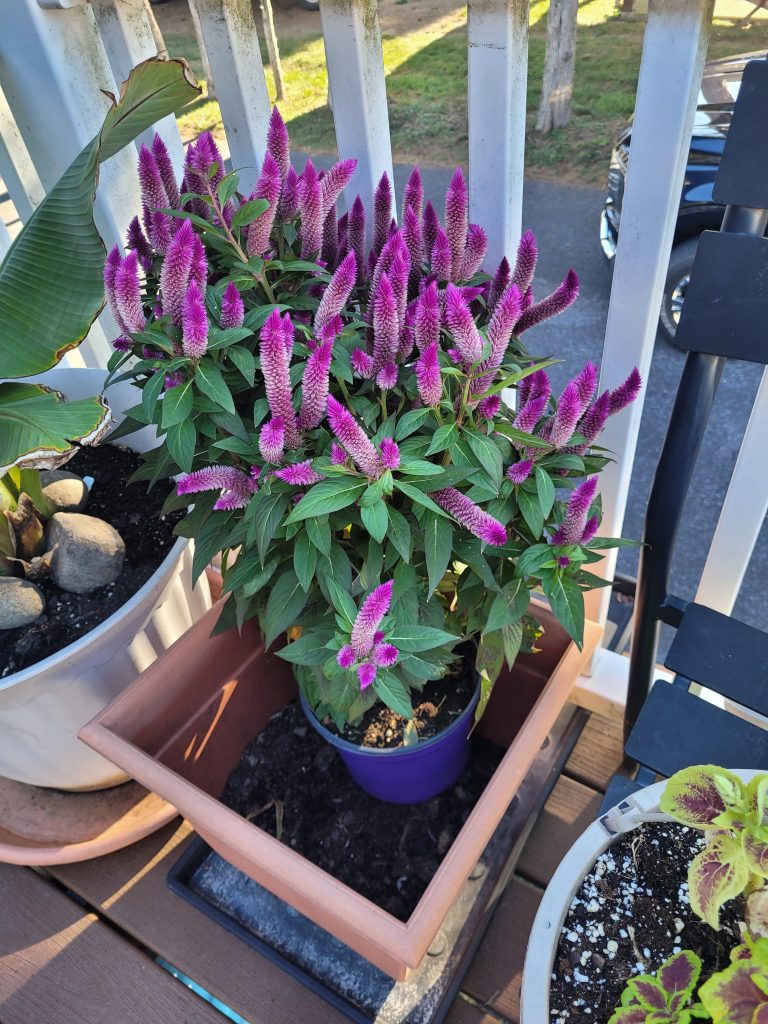
Nothing looks quite like celosia. Its flame-shaped or feathery plumes bring a texture that regular petals just can’t match, and I always get questions when Liza and I have this growing in containers.
Bright red, orange, pink, and yellow shades dominate the color range.
This flower self-seeds just as generously as marigolds do. Full sun brings out the most vivid plume colors.
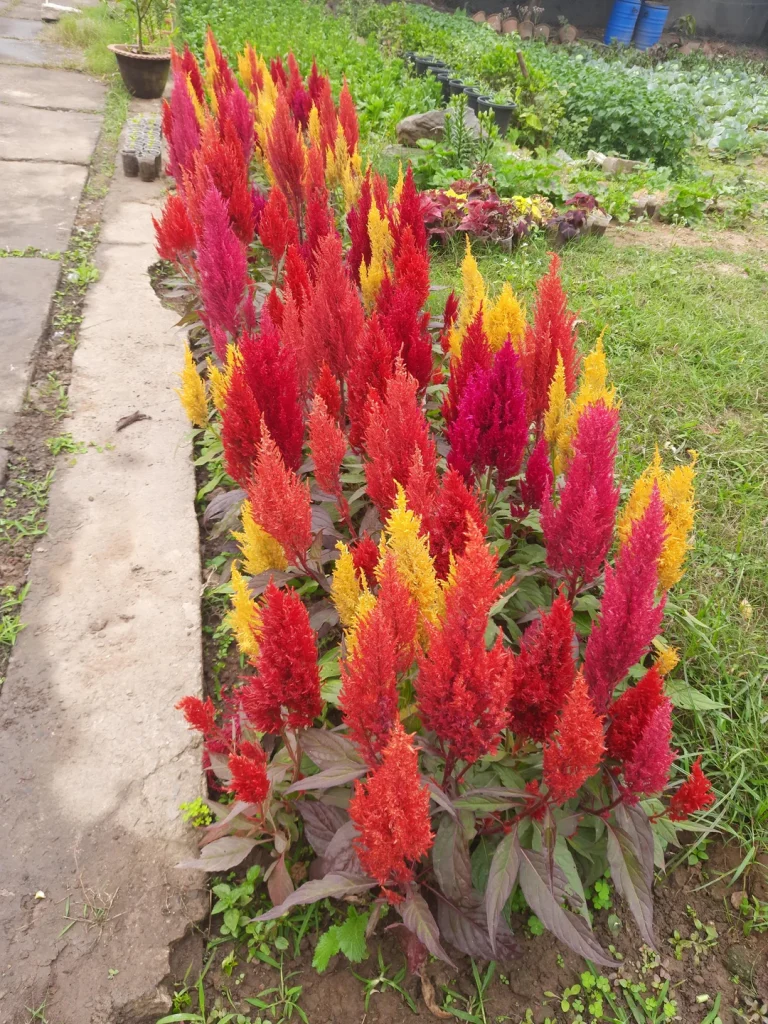
Heights swing wildly too, from a tidy 6 inches up to a dramatic 4 feet, so there’s a size for any spot in your garden.
Plant Overview:
- Hardiness: Zones 2-11
- Exposure: Full Sun
- Seasons: Summer (Late), Fall
- Height: 6″ – 4′ (15cm – 120cm)
- Spread: 6″ – 1.5′ (15cm – 45cm)
11. Black-Eyed Susan Brings Wildflower Charm to Any Bed
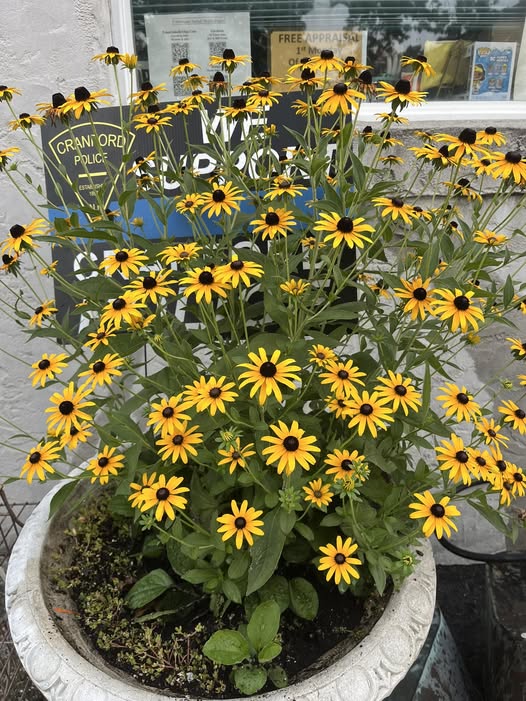
Golden petals and a dark chocolate center make black-eyed Susan instantly recognizable.
This native wildflower blooms its heart out from summer through fall, and butterflies treat it like a buffet. I’ve never had a single pest problem with this one, honestly.
Full sun keeps this plant blooming at its best. Heights range from 1 to 4 feet depending on the variety you choose.
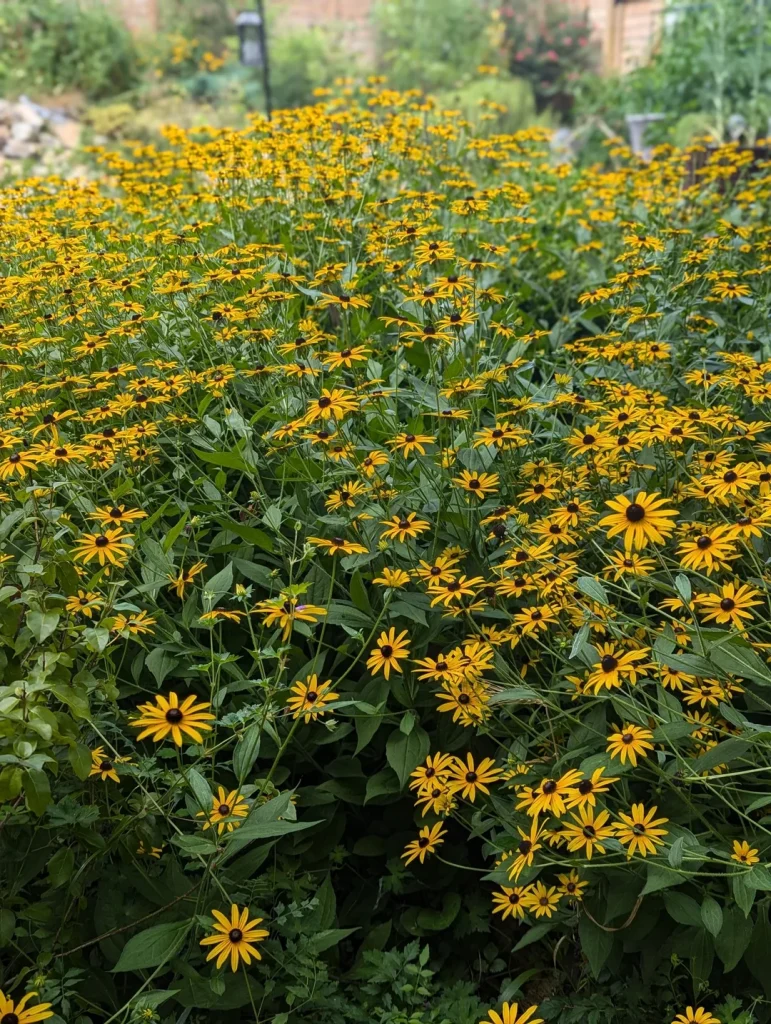
Zones 3 through 9 support black-eyed Susan without any special fuss on your part.
Plant Overview:
- Hardiness: Zones 3-9
- Exposure: Full Sun
- Seasons: Summer, Fall
- Height: 1′ – 4′ (30cm – 120cm)
- Spread: 1′ – 2′ (30cm – 60cm)
12. Sneezeweed Doesn’t Actually Cause Sneezing
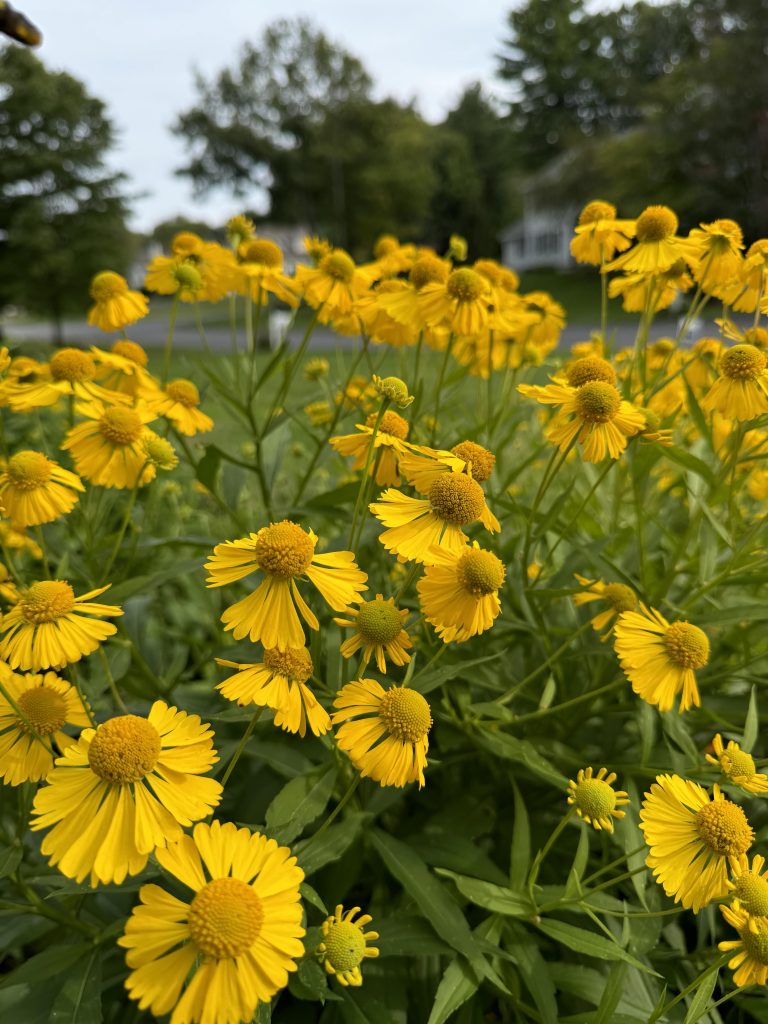
Don’t let the name fool you. Sneezeweed got its unfortunate label from old dried-flower snuff, not from triggering allergies in your garden.
Daisy-like yellow, orange, and red blooms cover this tall perennial from late summer into fall.
Both full sun and partial shade work for sneezeweed. Heights reach an impressive 3 to 5 feet, so give it room toward the back of a bed. Pollinators flock to it right when other food sources start running thin.
Plant Overview:
- Hardiness: Zones 3-8
- Exposure: Full Sun, Partial Shade
- Seasons: Summer (Late), Fall
- Height: 3′ – 5′ (90cm – 150cm)
- Spread: 2′ – 3′ (60cm – 90cm)
13. Toad Lily Steals the Show in Shady Spots
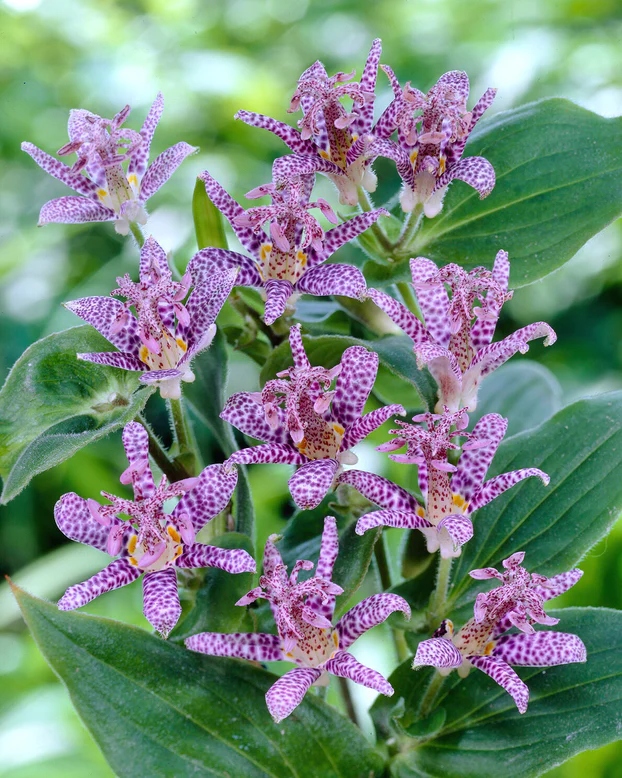
Shade gardens rarely get exciting flowers, but toad lily breaks that rule completely. Orchid-like blooms speckled in purple and white pop up in late summer and stick around through fall.
I stuck one under our balcony’s shadiest corner, and it’s become my favorite surprise every year.
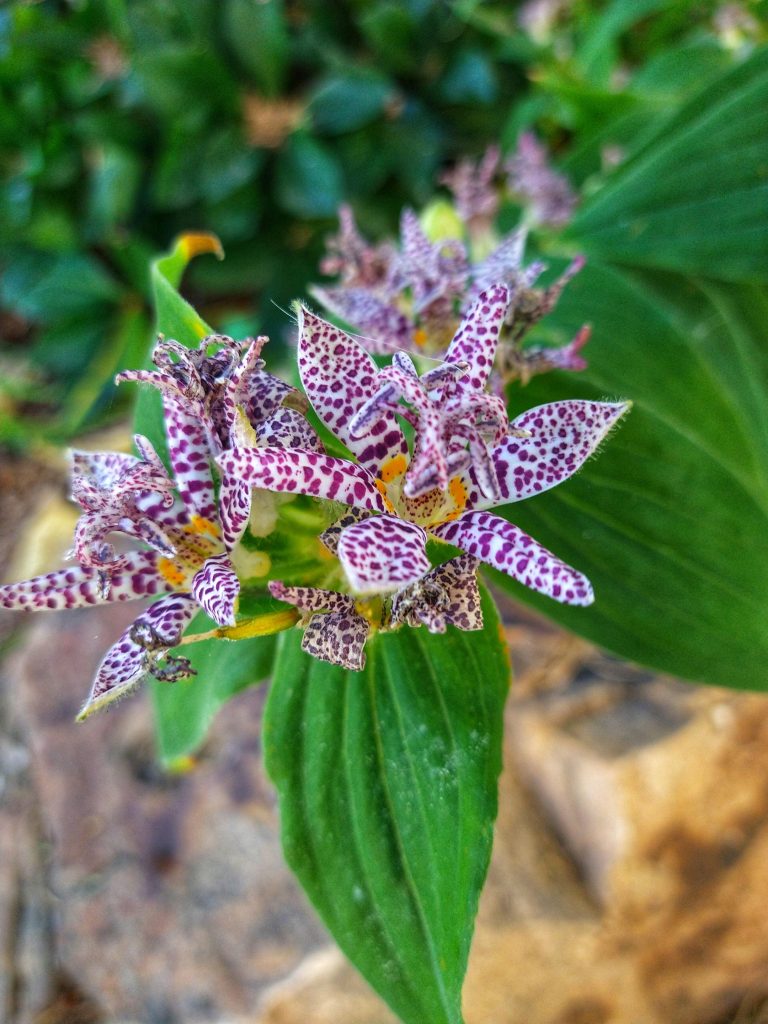
Partial to full shade suits this plant perfectly. Heights stay modest, ranging from 1 to 3 feet, making it easy to tuck into tight spots. Zones 4 through 9 can grow toad lily without any trouble.
Plant Overview:
- Hardiness: Zones 4-9
- Exposure: Partial Shade, Full Shade
- Seasons: Summer (Late), Fall
- Height: 1′ – 3′ (30cm – 90cm)
- Spread: 1′ – 2′ (30cm – 60cm)
14. Petunias Keep Trailing Color Going Longer Than You’d Think
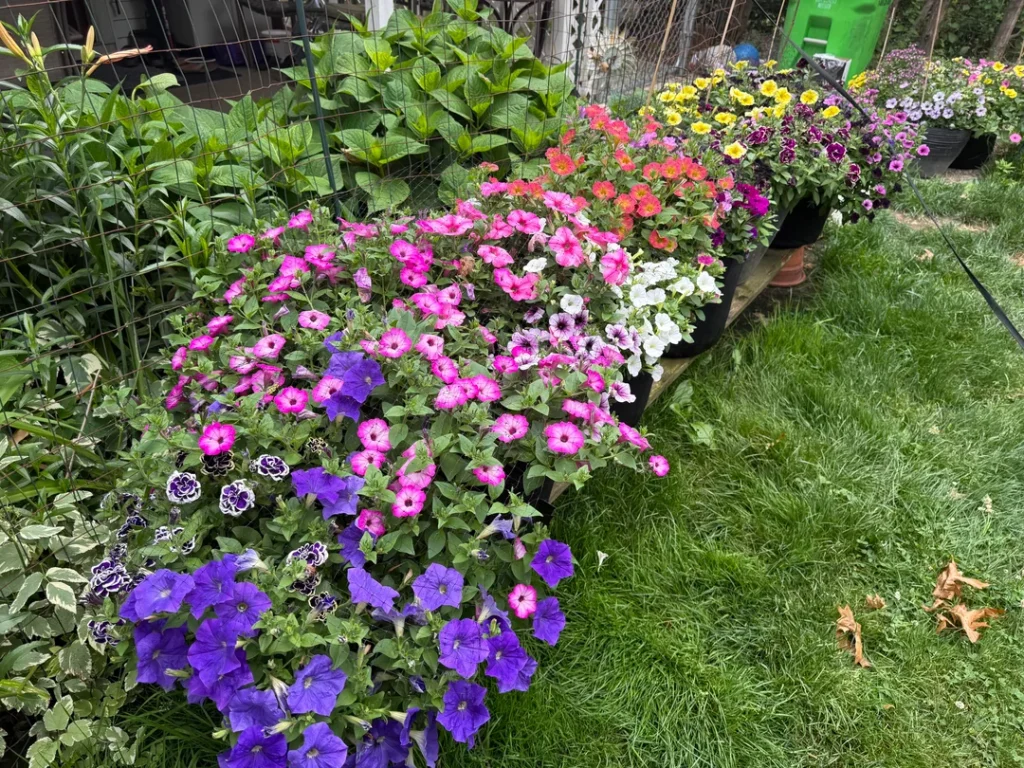
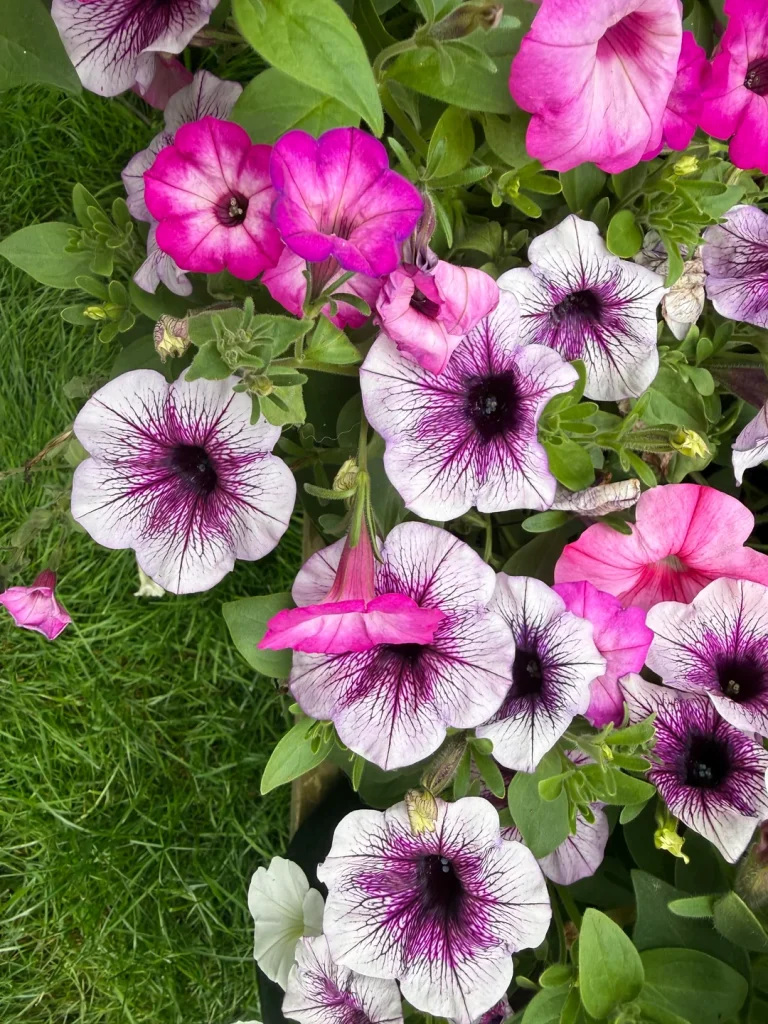
Warmer climates get a real gift with petunias. This flower keeps blooming in mild fall weather long after cooler zones have already called it quits for the season.
Trailing varieties spill beautifully over hanging baskets and window box edges.
Full sun to partial shade both work fine here. Colors span practically the entire rainbow, so matching your existing garden palette is never a problem.
I swap our petunias into fresh containers every September, and they reward me with weeks of extra color.
Plant Overview:
- Hardiness: Zones 10-11
- Exposure: Full Sun, Partial Shade
- Seasons: Summer, Fall
- Height: 6″ – 2′ (15cm – 60cm)
- Spread: 1′ – 3′ (30cm – 90cm)
15. African Daisy Closes Out This List With Daisy-Shaped Drama
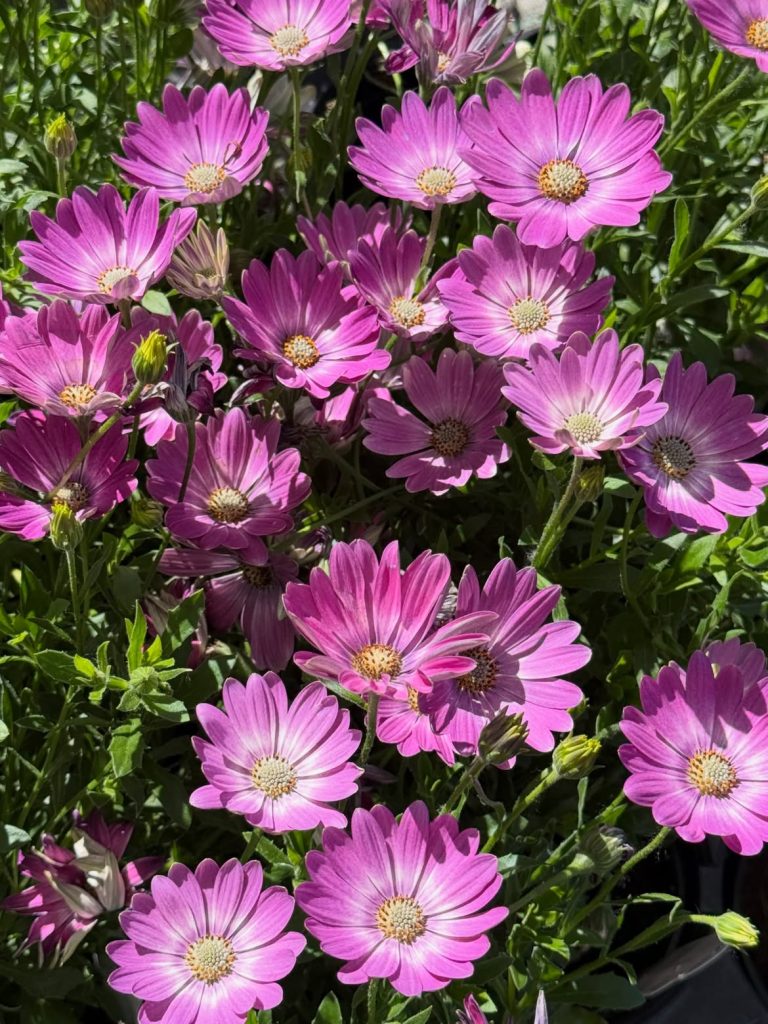
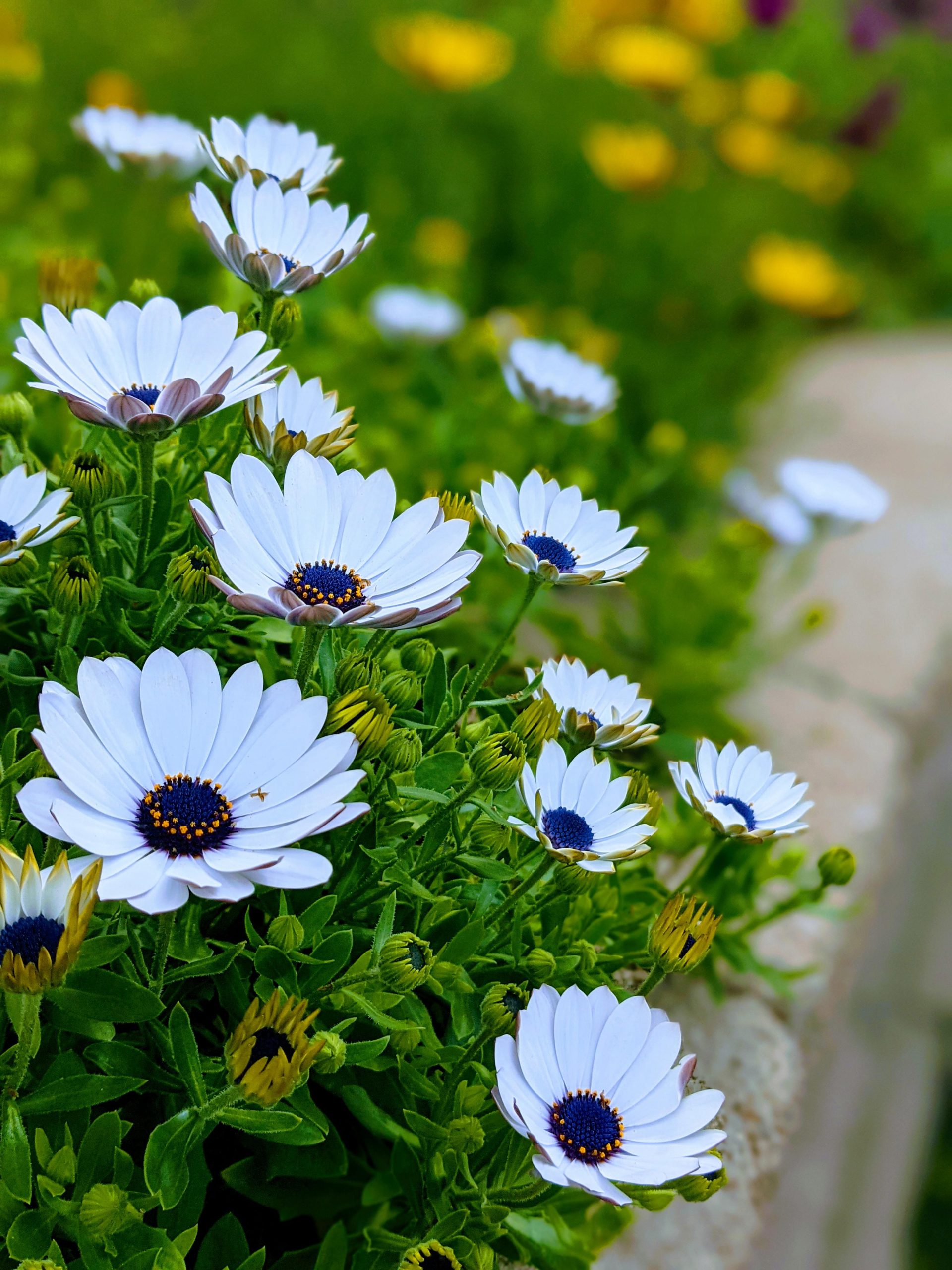
Saving a standout for last felt right. African daisy produces bold, daisy-shaped blooms in purple, pink, orange, and white that practically glow in autumn light.
Warm-climate gardeners get to enjoy this flower well past when other annuals have faded.
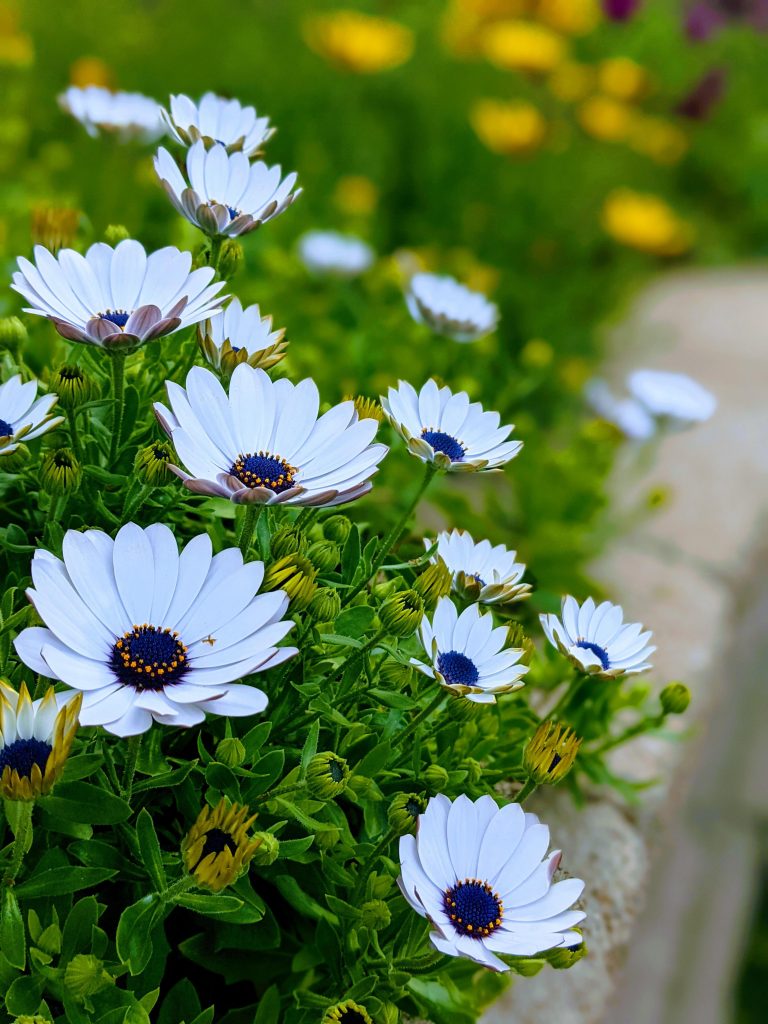
Full sun brings out the brightest, most saturated colors. Heights land between 1 and 3 feet, giving you flexibility for borders or containers alike.
This one closes out our list, but honestly, it could’ve easily opened it too.
Plant Overview:
- Hardiness: Zones 10-11
- Exposure: Full Sun
- Seasons: Summer (Late), Fall
- Height: 1′ – 3′ (30cm – 90cm)
- Spread: 1′ – 2′ (30cm – 60cm)
Frequently Asked Questions
What flowers can I still plant in September for fall color?
Plenty of options work great in September. Mums, asters, pansies, marigolds, and celosia all establish quickly and bloom well into fall. Cooler soil and steadier rain give roots a real head start before winter hits.
Is it too late to plant flowers in September?
Not at all. September actually ranks as one of the best planting months for many perennials and cool-season annuals. Roots focus on establishing themselves instead of fighting summer heat, which sets your plants up for a stronger spring too.
Which fall flowers work best in containers or on a balcony?
Pansies, marigolds, calendula, and petunias all thrive in pots. Their compact size and shallow root systems make them perfect for balcony gardens like mine. Toad lily works well too if your container sits in a shadier spot.
Do fall flowers need different care than summer flowers?
Watering needs usually drop since fall brings more natural rainfall. Most fall bloomers still want full sun, though shade-tolerant options like toad lily and pansies exist for darker corners. Skip heavy fertilizing this late in the season since it can push weak, frost-tender growth.
Will fall-planted flowers survive winter and come back next year?
Perennials on this list, like goldenrod, autumn sage, sedum, and black-eyed Susan, typically survive winter and return stronger the following year. Annuals such as marigolds, celosia, and calendula finish their life cycle with the first hard frost, though many self-seed and pop back up on their own.
Fall Doesn’t Have to Mean the End of Color
September gives you a real second chance in the garden. You don’t need to watch everything fade just because summer’s over. Pick even three or four flowers from this list, and your yard or balcony will keep working right through November.
I learned this lesson the hard way after one too many sad, empty containers. Now we treat September planting like its own little season, not an afterthought.
Give it a shot this year. Your future self, wrapped in a sweater and admiring blooms in October, will thank you.