10 Perennials to Divide in Fall (And 3 You Should Never Touch)

Your perennials looked amazing in June. Now the middle of that daylily clump is bare, and the blooms are smaller than last year. That’s not disease.
It’s overcrowding, and fall is the best time to fix it. Cooler air means less stress on the roots. The plant gets weeks to settle in before winter instead of fighting summer heat.
Below are 10 perennials worth dividing this fall, plus a few you should leave completely alone.
How to Tell It’s Time (and the Exact Timing Window)
Not every perennial needs dividing every year. Some go a decade without complaint. Watch for three signs instead. The center of the clump looks bald or woody.
The blooms shrink compared to previous seasons. The stems flop over and need staking to stay upright.
Any one of these means the plant has outgrown its space. Time to lift it and split it up.
Timing matters just as much as spotting the signs. Aim to divide 4 to 6 weeks before your first hard frost. That gap gives new roots time to grab hold of the soil before the ground freezes.
Divide too late, and the plant goes into winter without anchoring itself. It may not survive.
3 Popular Perennials to Leave Alone This Fall
Not every plant wants to be split, and a few common ones actively hate it.
Baptisia (false indigo) grows a long taproot that snaps easily when disturbed. Once it’s settled, leave it be for good.
Butterfly weed has the same problem. Its deep root makes division a gamble, and most attempts fail. Grow new plants from seed instead.
Mums are the exception to the fall rule. They bloom now, so dividing them this season interrupts their show and stresses the plant. Wait until spring, once new growth appears.
Also read: 10 Perennials to Cut Back This Fall for a Healthier Garden Next Spring
10 Best Perennial Flowers to Divide in this Fall
1. Daylily
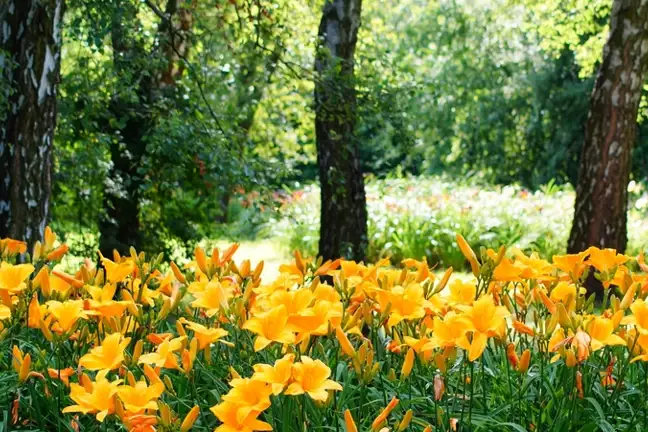
Daylilies bloom their hearts out all summer, but that energy comes at a cost. The clump thickens fast, and thick clumps mean fewer flowers each year.
Cut the foliage back to about six inches before you dig. This makes the plant easier to handle and easier to see. Lift the whole clump, then pull or cut it into sections by hand.
Division tip: Each new section needs two or three healthy fans of leaves attached to the roots. Replant right away and water well.
2. Hosta
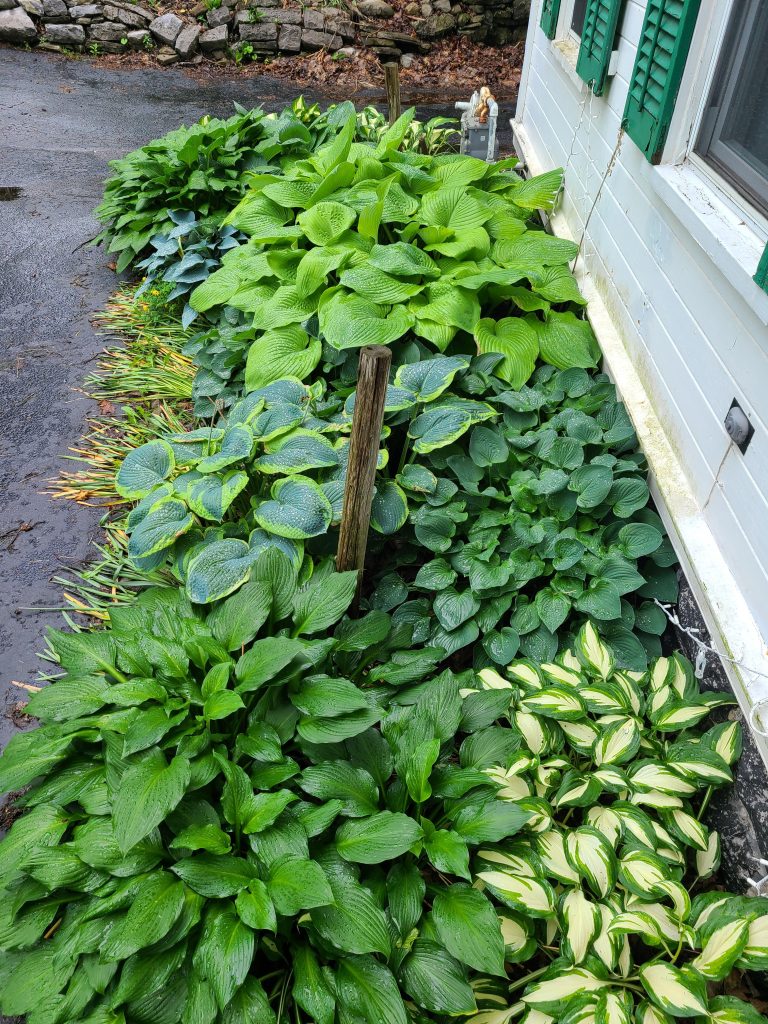
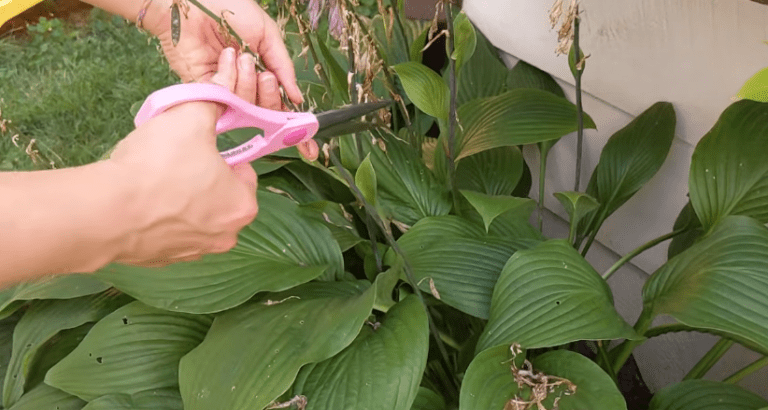
Hostas are shade-garden staples, and their thick root clumps only need splitting every three or four years. Fall works well because the leaves are still on the plant, so you can actually see how big it’s gotten.
Dig up the entire mound with a sharp spade. Cut straight through the crown to create smaller sections. Each piece should keep several healthy shoots and a solid chunk of roots.
Division tip: Replant at the same depth as before. Bury the crown too deep, and the plant struggles to push through next spring.
Also read: Best Perennials to Plant in October (So Your Garden Explodes Come Spring)
3. Peony
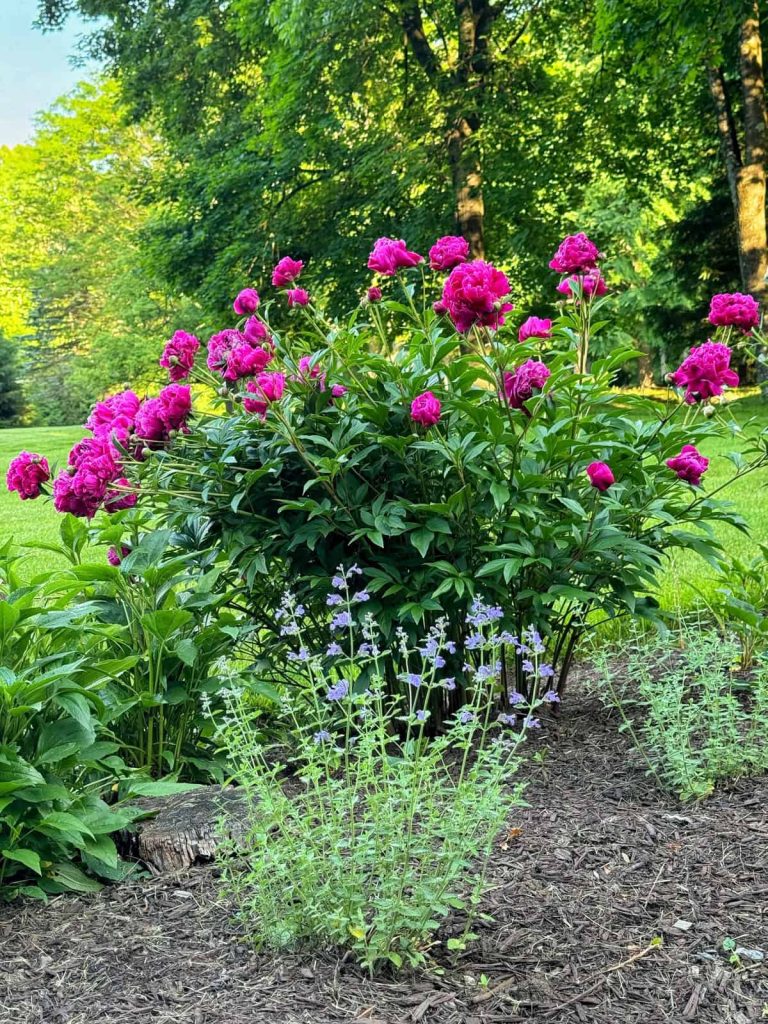
Peonies rarely need dividing, but fall is the only season that works. Spring division interrupts the bloom cycle and can set the plant back for years.
Cut the stems down first, then dig around the whole plant. Peony roots are thick and break easily, so go slow and wide with your shovel.
Wash the soil off so you can see the pink buds, called eyes, at the crown.
Division tip: Plant each division with the eyes just one to two inches below the soil surface. Bury them deeper, and they may never bloom again.
4. Bearded Iris
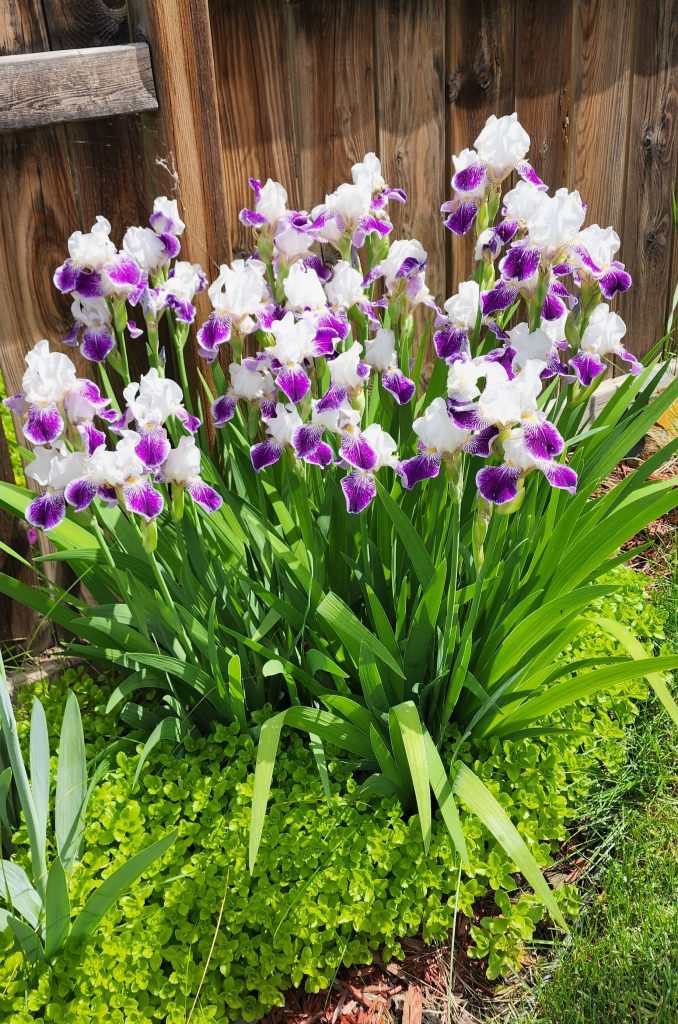
Bearded iris grows from rhizomes, thick underground stems that spread along the soil surface. Left alone too long, the middle of the clump gets crowded and stops flowering.
Lift the whole rhizome mass and trim the leaves down to four or six inches.
Cut the rhizome into sections with a clean knife, keeping healthy roots attached to each piece.
Division tip: Let the cut rhizomes air dry for about a day before replanting. This helps the wound seal and lowers the risk of rot once it’s back in the ground.
5. Coneflower
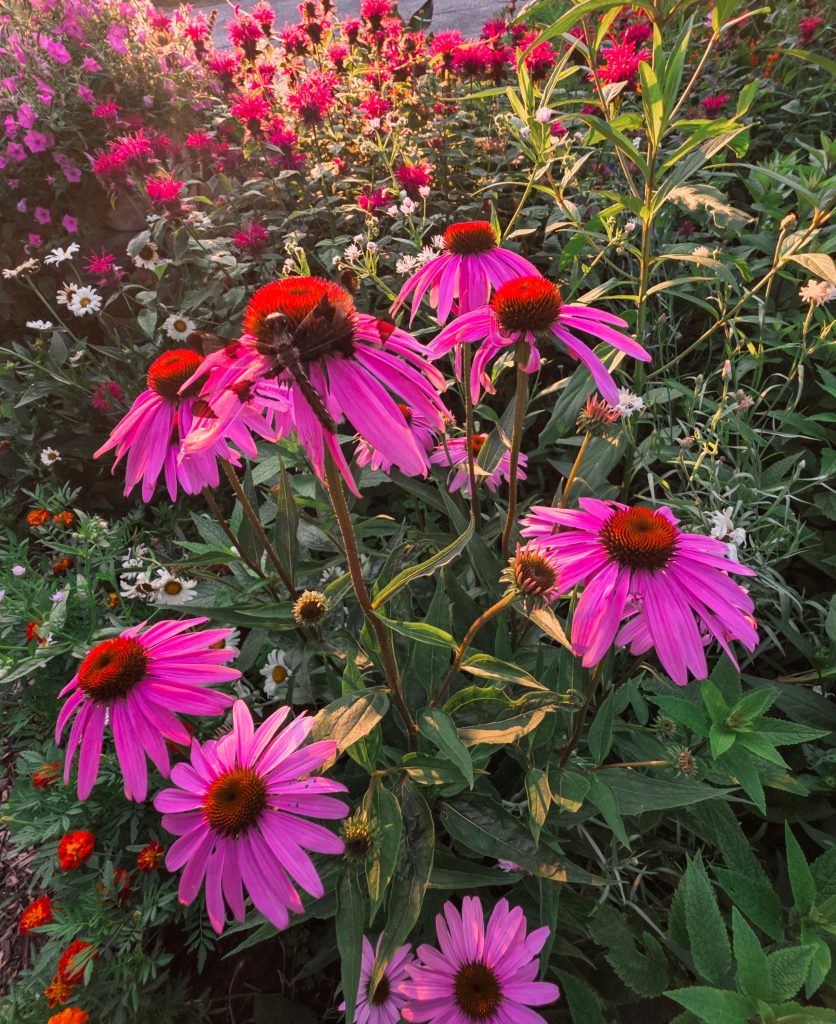
Coneflowers are pollinator magnets, but even native plants get crowded over time. A mature clump that’s lost its shape or stopped flowering as much is ready to split.
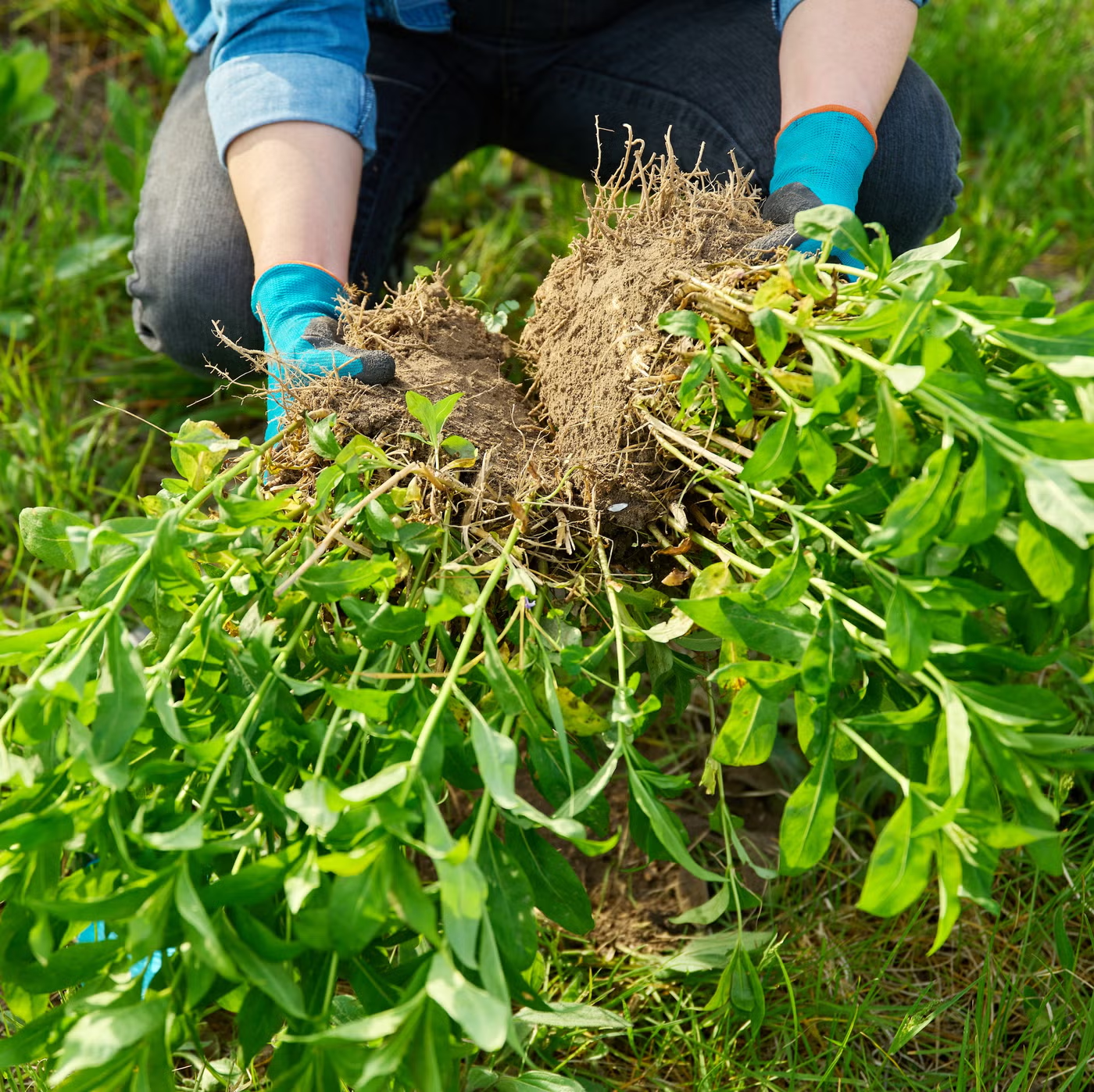
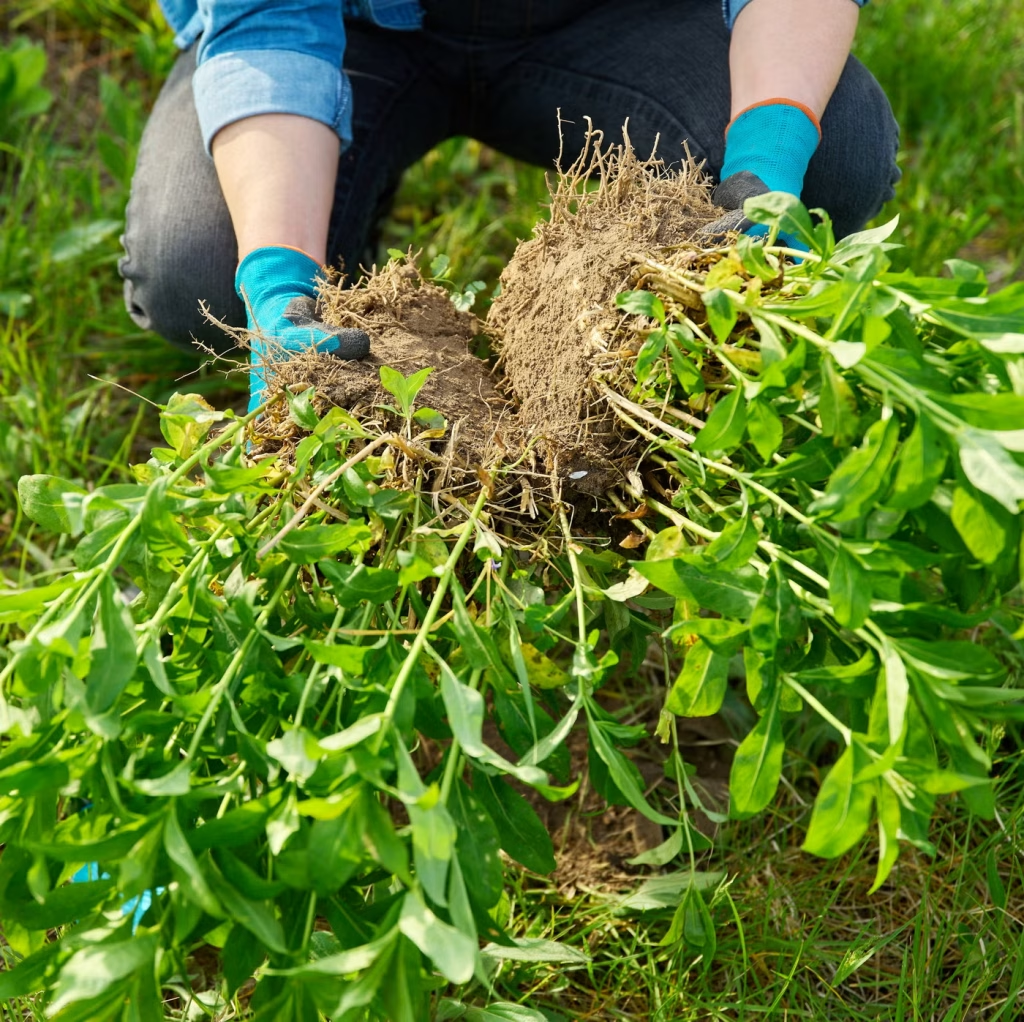
Dig around the plant a few inches out from the crown to protect the roots. Ease the whole clump out of the ground, then gently pull or cut it into smaller pieces.
Division tip: Skip the woody, hollow center. Replant only the vigorous outer sections in full sun for the best comeback next year.
6. Black-Eyed Susan
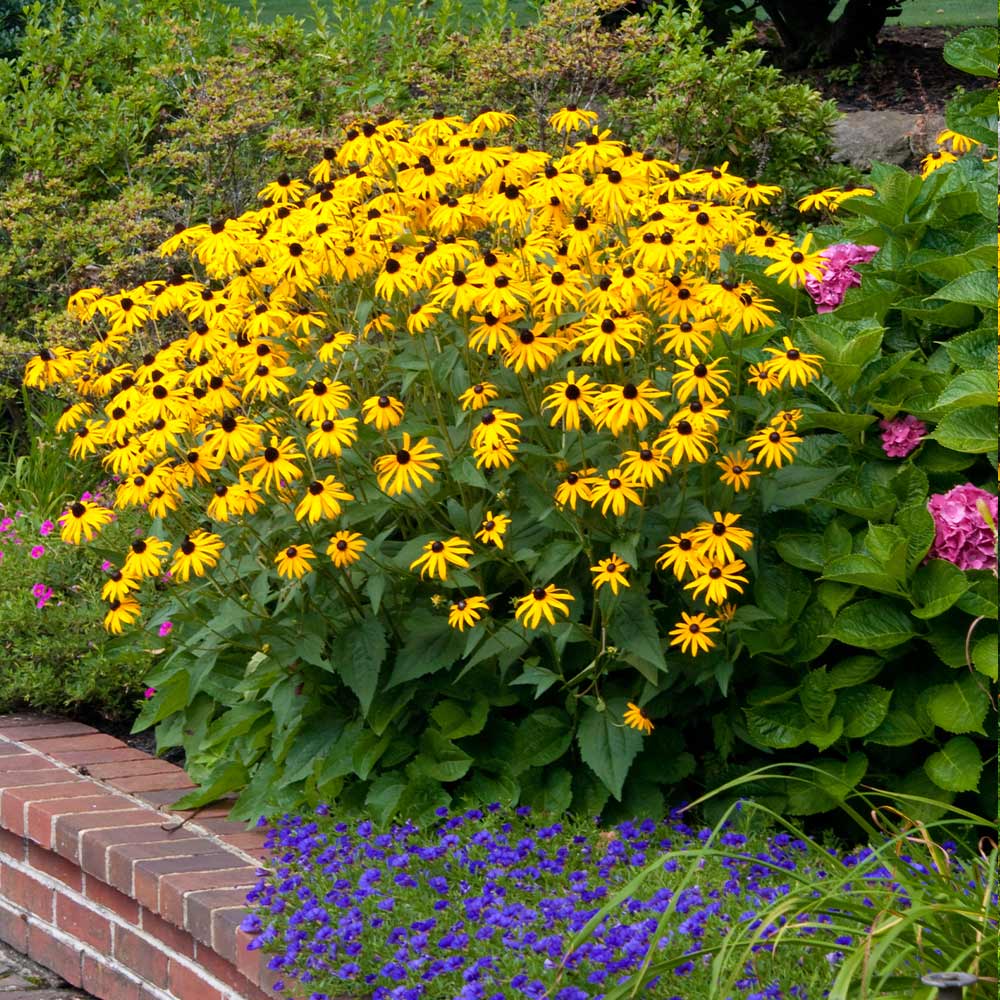
Black-eyed Susans spread fast, and that’s part of their charm. Left unchecked for a few years, though, the clump gets crowded and flowering starts to drop off.
Dig up the whole plant and gently pull the root mass apart into smaller sections. These roots are fibrous, not woody, so this is an easy one to tackle by hand.
Division tip: Give each new section plenty of room when you replant. They’ll fill in fast, so crowding them again defeats the purpose.
7. Garden Phlox
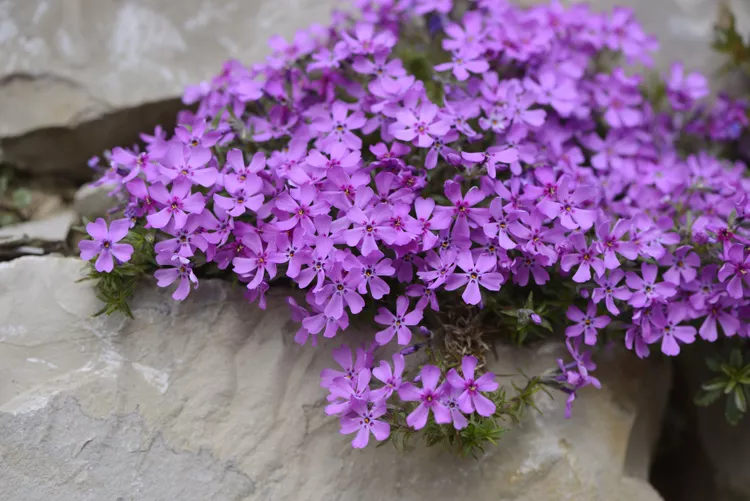
Garden phlox brings that classic cottage-garden color and fragrance, but mature clumps can get congested and prone to powdery mildew.
Splitting them improves airflow and keeps the plant healthier.
Cut the foliage back first, then dig up the entire root clump with a sharp spade. Divide it into sections, making sure each one has at least three shoots and a good amount of root.
Division tip: Mulch the new divisions after planting. It insulates the roots while they settle in before the cold really hits.
8. Hardy Geranium
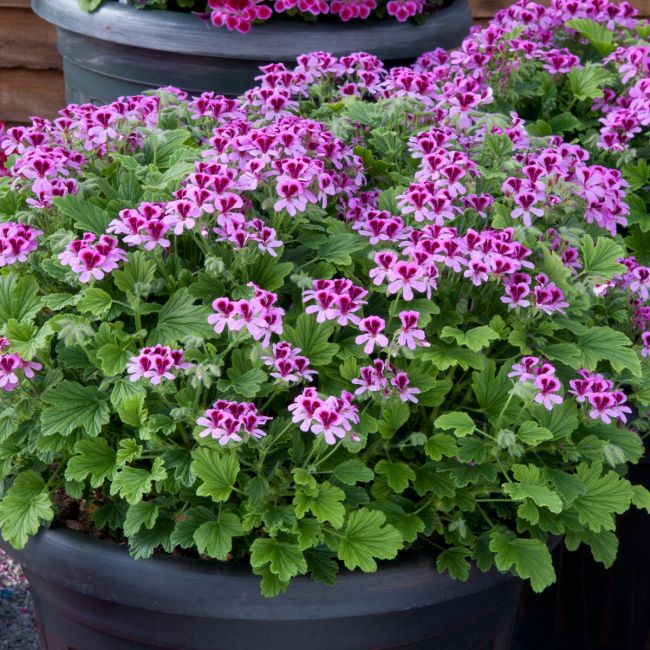
Hardy geranium forms low, spreading mounds that look great as ground cover, right up until the middle thins out. Dividing it keeps the mound full and tidy.
Dig around the base and lift the plant free. The roots tend to tangle, so tease them apart by hand where you can. For a denser root ball, a sharp spade works better than pulling.
Division tip: Choose a cool, overcast day if possible. Hardy geranium handles the process best when it’s not also fighting heat stress.
9. Coral Bells
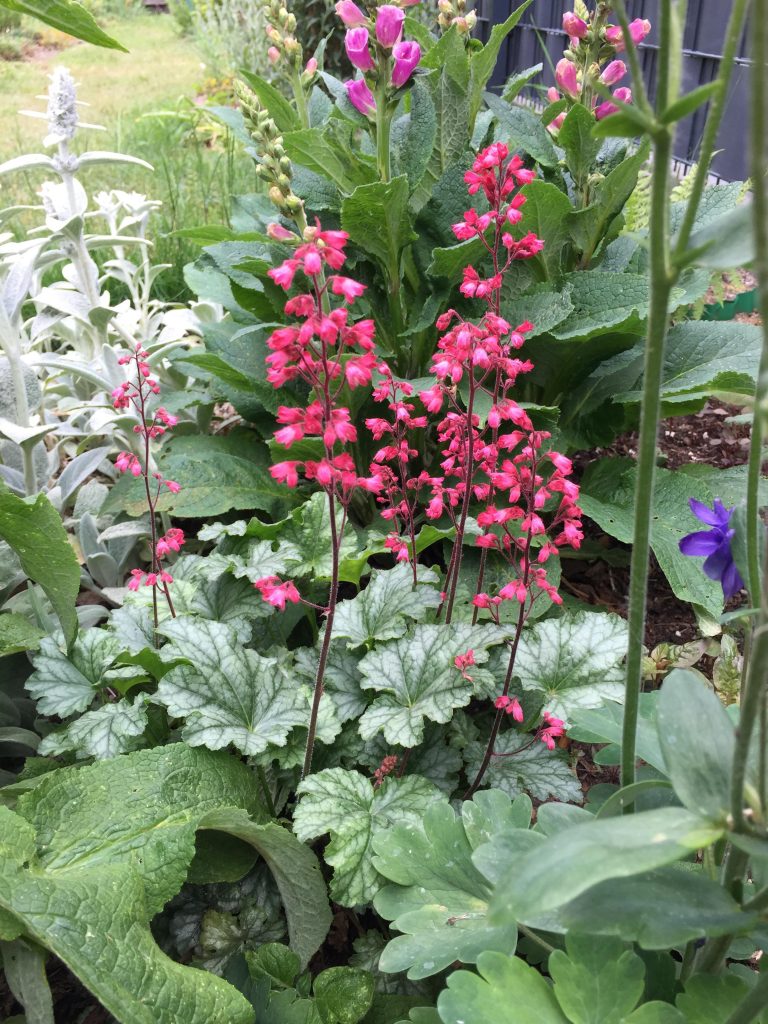
Coral bells are grown as much for their foliage as their flowers, with leaf colors ranging from deep purple to lime green.
Over time, the crown pushes up and out, leaving a bare, woody center that looks a little like a tiny palm tree.
Lift the plant and use a sharp knife to cut the rhizome into pieces. Each division needs its own roots and at least one healthy growth point, called an eye.
Division tip: Skip the fertilizer after replanting. You want the plant focused on growing roots before winter, not new leaves.
10. Astilbe
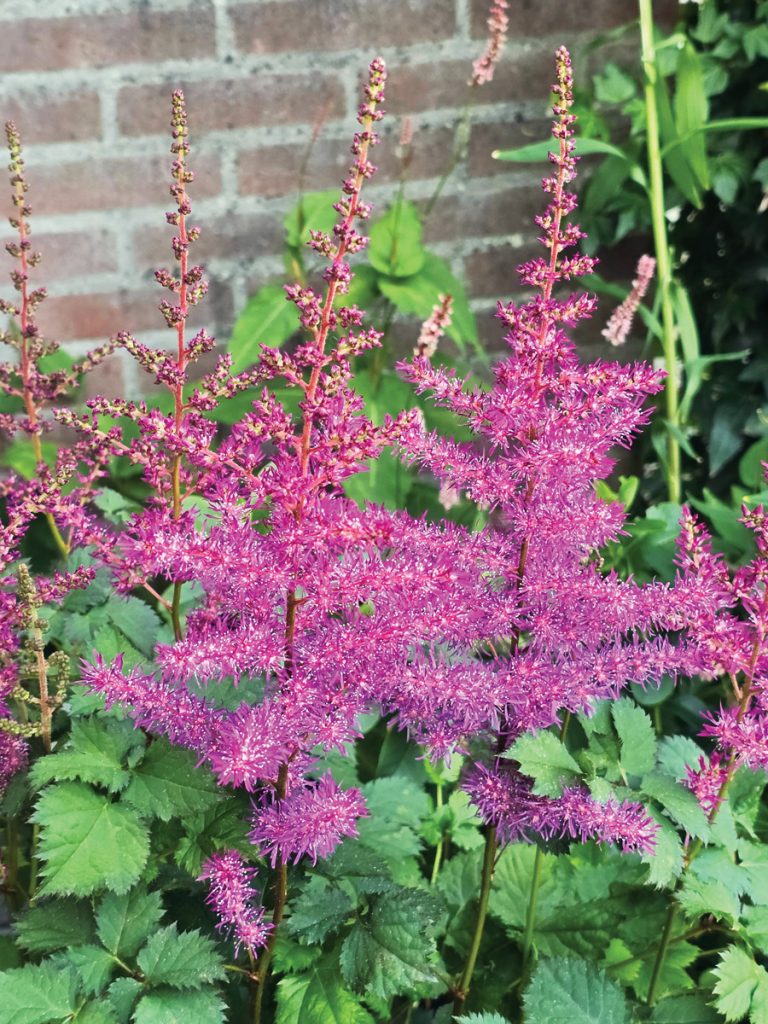
Astilbe rewards shady, damp corners with feathery plumes of color, but the clumps get woody and less productive after a few years.
The good news: you don’t always need to dig up the whole plant to fix it.
Cut the foliage back, then use a sharp spade to slice off sections right where the plant is growing. Lift just those pieces, and leave the rest of the clump undisturbed.
Division tip: Replant the divisions immediately and water deeply. Astilbe roots dry out fast once they’re exposed to air.
Frequently Asked Questions
Can I divide perennials that are still in bloom?
It’s better to wait. Dividing while a plant is flowering pulls energy away from root recovery when it needs it most. Let the blooms fade first, or cut them back before you start.
What if I miss the fall window before frost hits?
Hold off until spring instead. A late fall division doesn’t have enough time to root before the ground freezes, and the plant is more likely to struggle or die over winter.
Do I need to fertilize new divisions right away?
Not right away. Fresh divisions need water more than nutrients while they’re establishing roots. Wait until spring, once you see new growth, before feeding them.
How do I know if a section is healthy enough to replant?
Look for firm, light-colored roots and at least a few healthy shoots or eyes. Toss any piece that’s mushy, dry, or coming from the dead center of the old clump.
Can I divide perennials growing in containers?
Yes, and it’s often easier than in-ground division. Tip the pot on its side, slide the root ball out, and split it the same way you would in a garden bed.
Final Thoughts
Dividing your perennials this fall isn’t just garden chores. It’s free plants and healthier ones, all from what you already have growing.
Watch for the signs, work within that four-to-six-week window before frost, and give each division a little room to breathe. Your garden will thank you with fuller blooms come spring.