13 Best Cut and Grow Again Flowers for Your Garden

Cut and grow again flowers are the best deal you’ll find in any garden. Plant them once, and you get blooms all season long instead of replanting every few weeks.
My balcony garden runs on this principle now. Liza and I grow vegetables, herbs, and flowers up there, and I always notice the repeat bloomers working the hardest.
Benefits of Cut-and-Come-Again Flowers
Cut-and-come-again flowers change how you garden, honestly. Once you try them, going back feels pointless. Here’s why I stick with these varieties year after year.
You’ll save real money once you switch. Fewer seeds and fewer transplants means less spent at the garden center every spring. I noticed the difference in our own budget the first year Liza and I made the switch, and it wasn’t small.
Succession planting gets old fast, and these flowers skip that headache entirely. One planting keeps producing blooms all season long instead of forcing you to replant every few weeks.
You’ll also get more blooms per plant compared to one-and-done flowers. That efficiency matters even more if you’re working with limited space, like our balcony setup.
Cutting these flowers regularly actually helps them. Snip the stems, and you’re telling the plant to keep producing instead of going to seed.
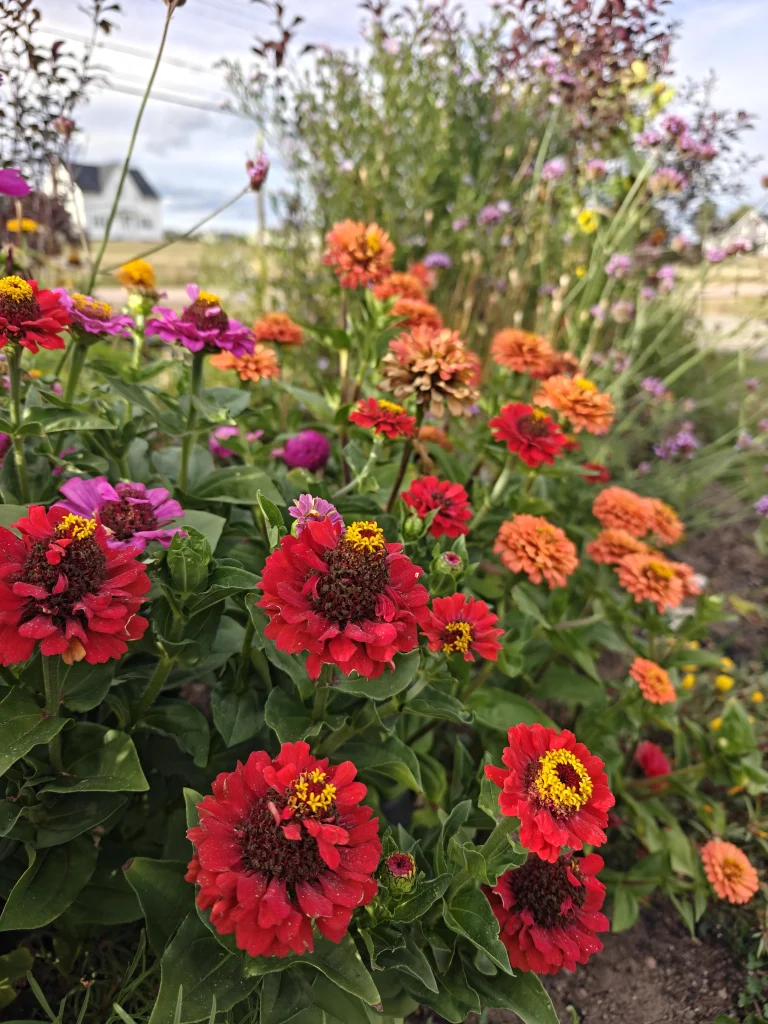
I’ve watched our zinnias get bushier and more productive the more we harvested from them, which still surprises me a little.
Variety is another win here. Some work as fillers, some as bold hero flowers, and others dry beautifully for wreaths or crafts long after the season ends. I love that flexibility.
Time savings sneak up on you too. Less planting means less overall work, and you’ll spend more time enjoying your garden than maintaining it.
That trade-off alone makes cut-and-come-again flowers worth growing, no matter how much space you have.
Things to Know Before You Start Your Cut-and-Grow-Again Garden
Starting this kind of garden takes a little planning, but nothing too complicated. A few basics will save you headaches later. Let me walk you through what I wish I’d known sooner.
You’ll need full sun for most of these flowers, so pick your spot carefully. 6 to 8 hours of direct light works best for the majority on this list. Shady balconies or yards will limit your options significantly.
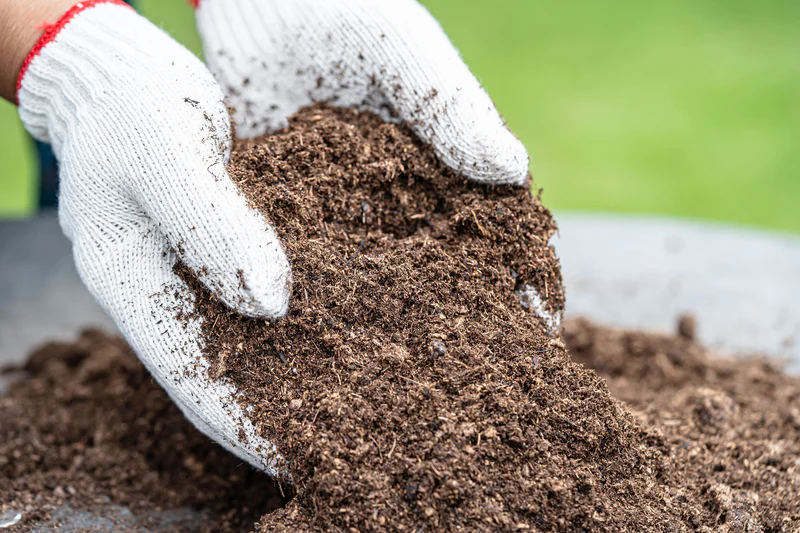
Soil matters more than you’d think. Some flowers, like amaranth and cosmos, actually prefer poor or average soil over rich soil. Others, like dahlias, want soil amended with compost. Know what you’re planting before you prep your beds.
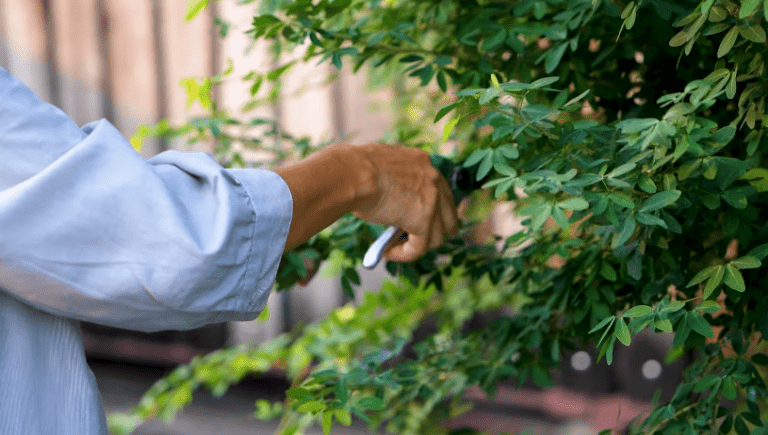
Pinching feels wrong at first, but you’ll get used to it. Cutting back young plants forces bushier growth and way more blooms later. I hesitated the first time I pinched a zinnia, worried I’d kill it. I didn’t, and neither will you.
Invest in real garden snips instead of using kitchen scissors. You’ll want something with a pointed tip for clean, precise cuts. Dull scissors crush stems and shorten vase life, which defeats the whole purpose.
Your climate zone determines what actually comes back as a repeat bloomer. Some flowers labeled perennial in warmer zones act as annuals where you live. Check your zone before assuming a plant will survive winter.
Space plants closer than you might expect. Tighter spacing supports stems naturally and gives you more blooms per square foot. I learned this by accident on our cramped balcony, and it worked out better than I planned.
13 Best Cut and Grow Again Flowers
1. Zinnias
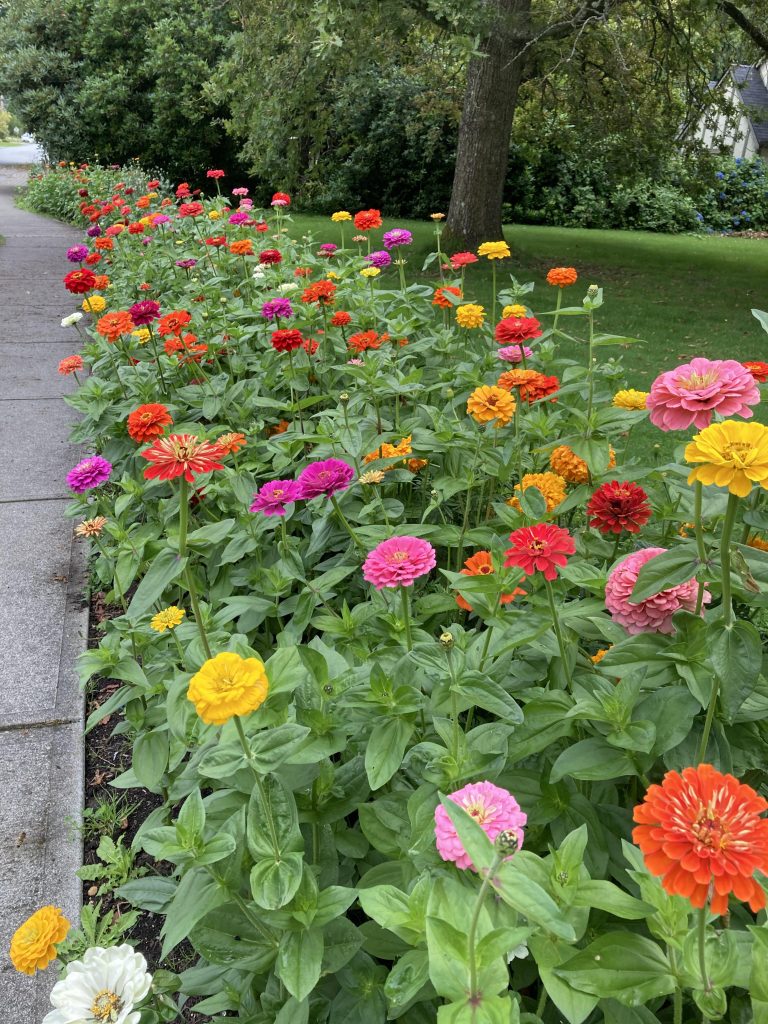
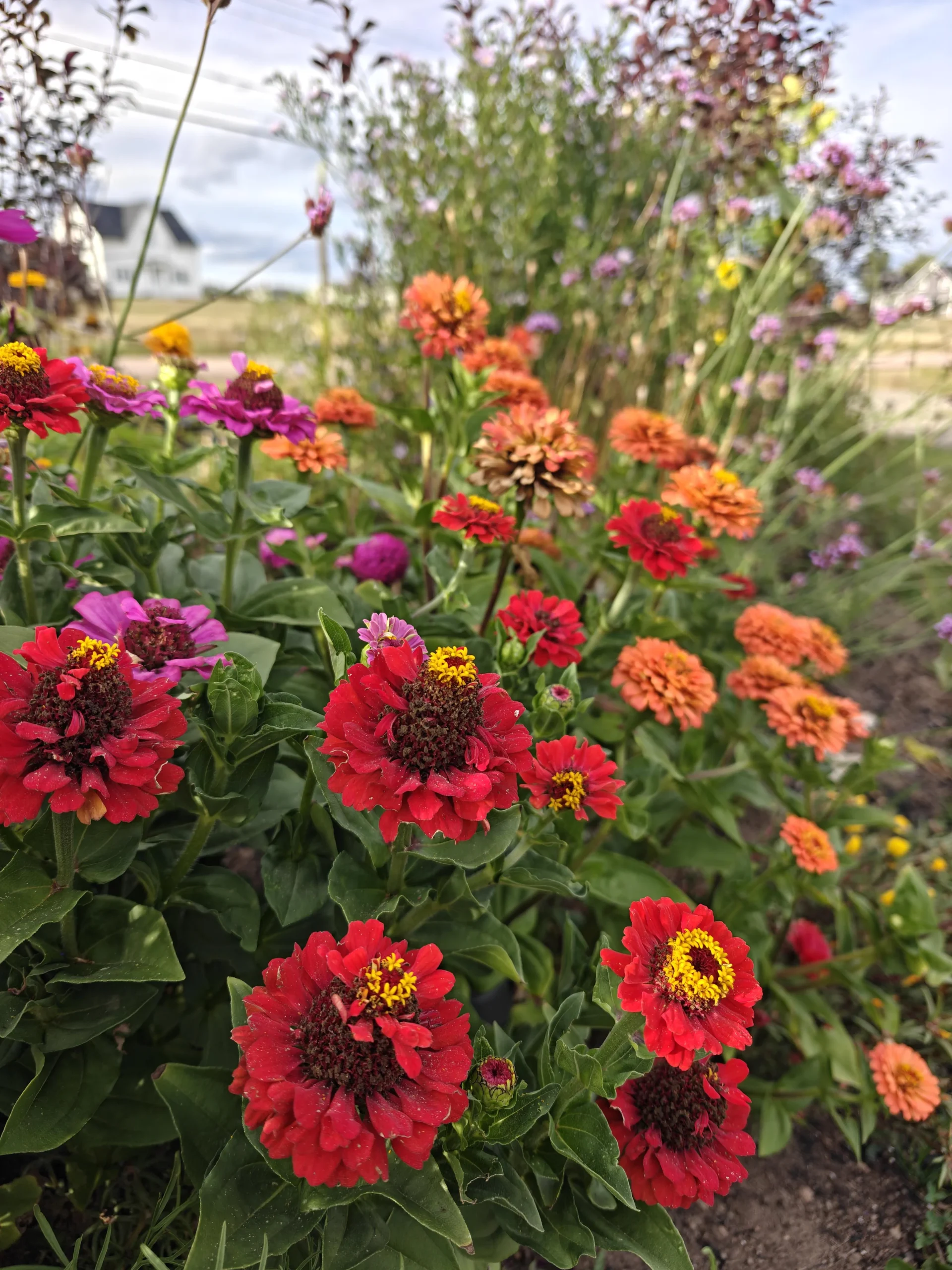
Zinnias are the easiest flower on this list, and I mean that. Give them full sun and you barely have to do anything else. You’ll find colors ranging from hot pink to lime green to deep burgundy.
Pinch your young plants at eight to twelve inches tall, cutting just above a leaf set. This forces bushier growth, so you end up with way more blooms per plant.
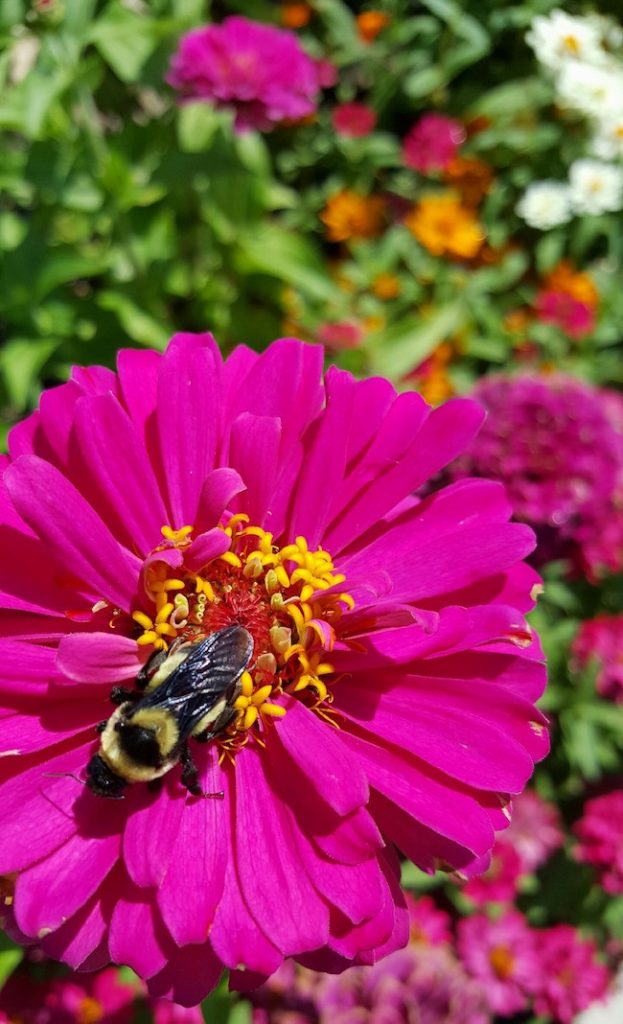
I’ve grown zinnias every year since starting our balcony garden, and they’ll forgive almost every mistake you make as a beginner.
Also read: 12 Best Cut-and-Grow-Again Vegetables You Should Plant
2. Dahlias
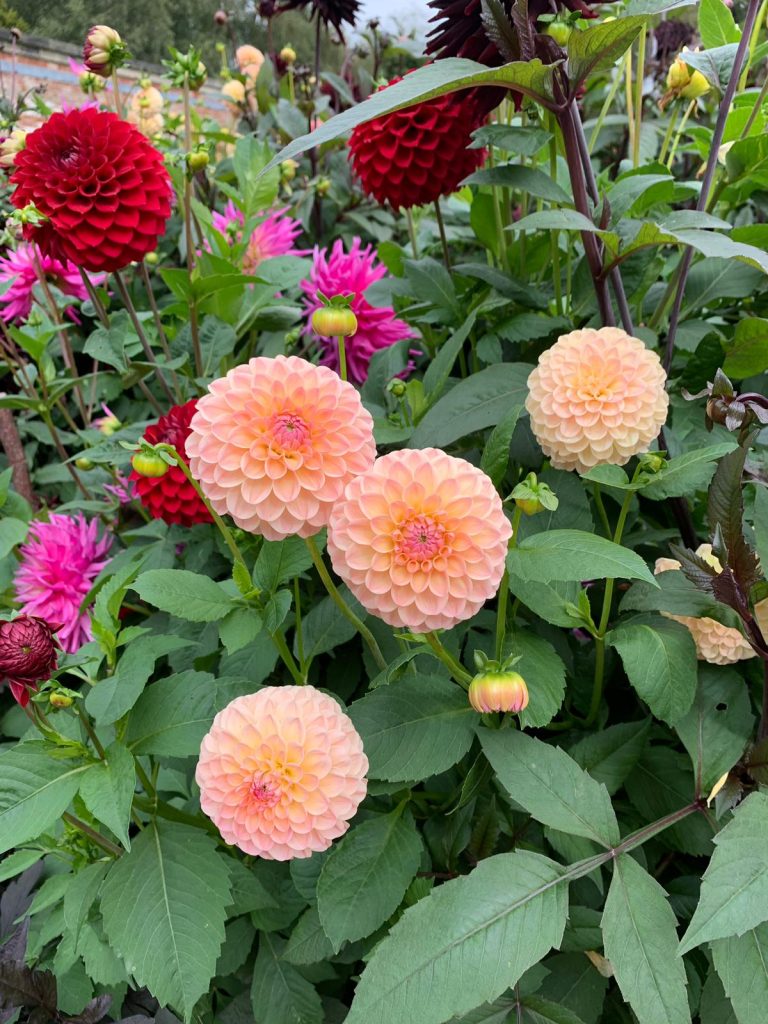
Dahlias take real patience, but you’ll forget all about that the moment you see your first bloom. You can find sizes ranging from tiny pom-poms to dinner-plate-sized showstoppers.
If you’re planning a wedding, you’ll understand why brides request them constantly.
If you garden in a cold climate, you’ll need to dig up the tubers each fall and store them somewhere cool and dry.
Pinch your plant once it reaches twelve to sixteen inches with a few sets of leaves on the main stalk.
Cut the blooms regularly and you’ll keep fresh buds coming right through the first frost.
3. Cosmos
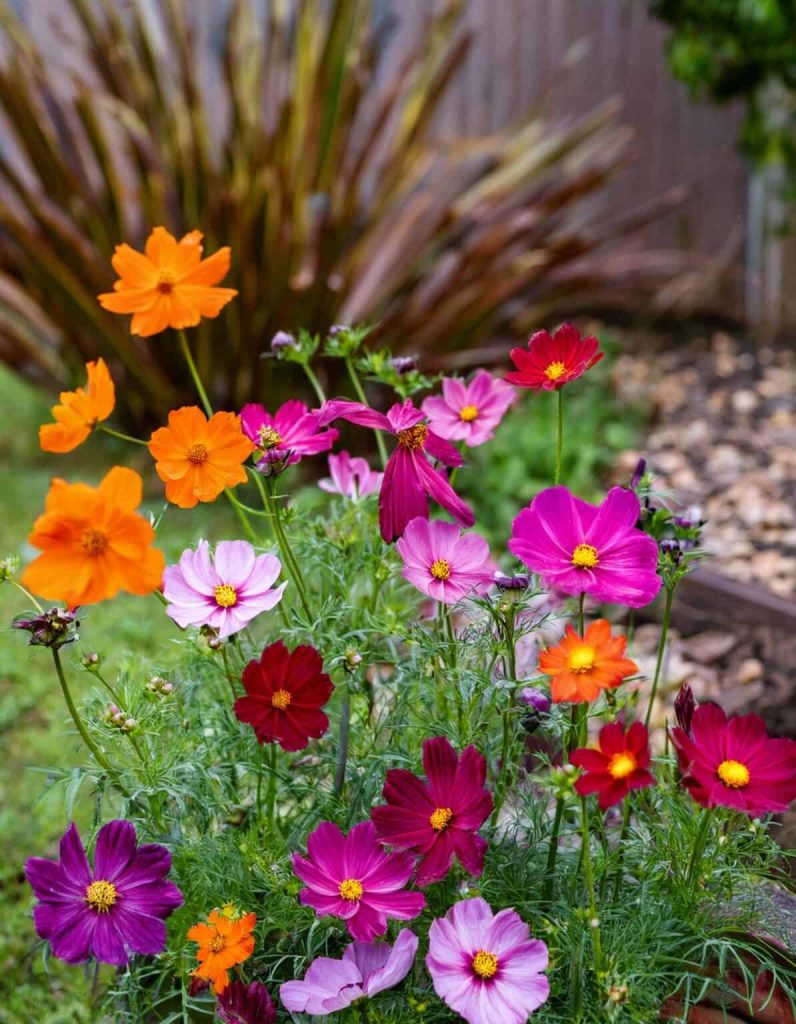
Cosmos sway in the wind on thin, almost delicate stems. You’ll notice that airy look adds a soft, cottage-garden feel to any bouquet you make. Don’t mistake delicate for fragile, though.
Give cosmos average soil instead of rich soil, and you’ll get better results. Too much fertilizer causes floppy stems and fewer flowers on your plants.
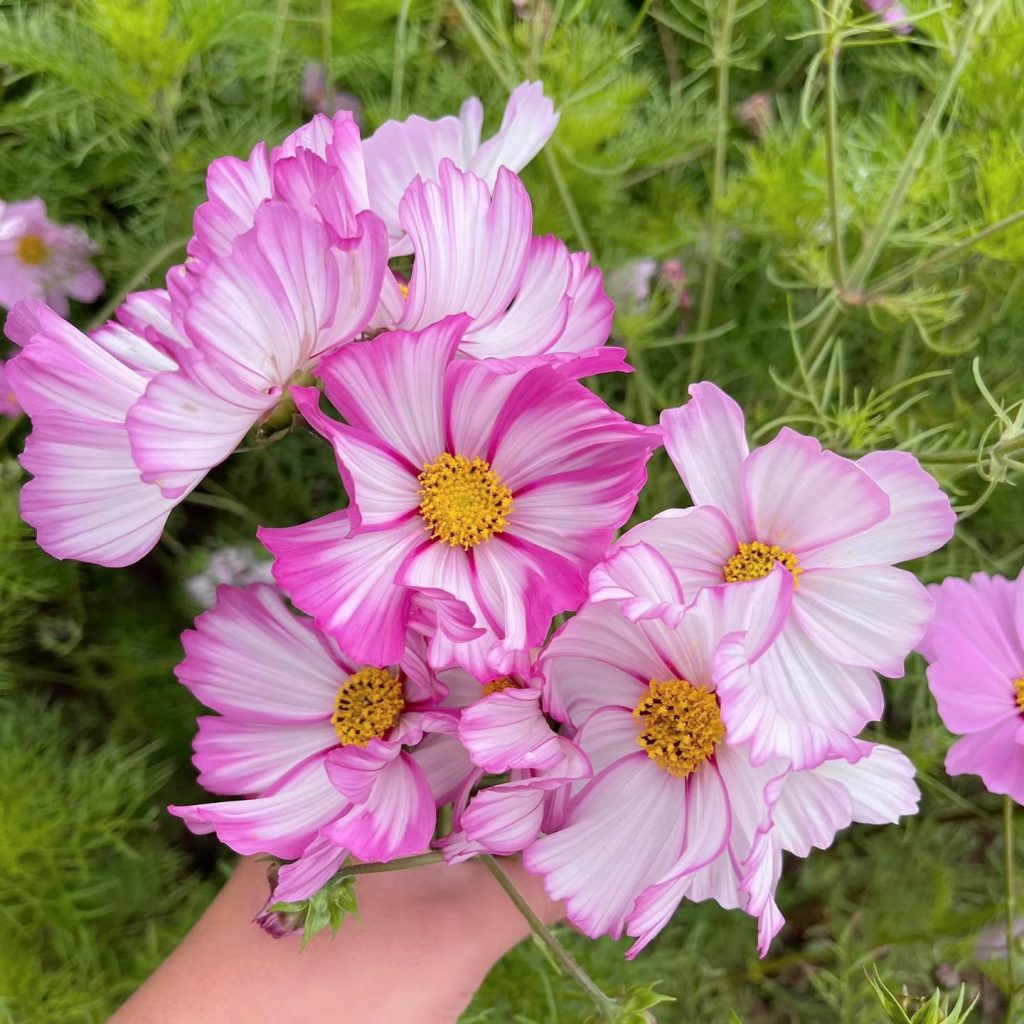
Keep cutting and you’ll get blooms for months; I love mixing a few stems in as filler next to bolder flowers like my zinnias.
4. Snapdragons
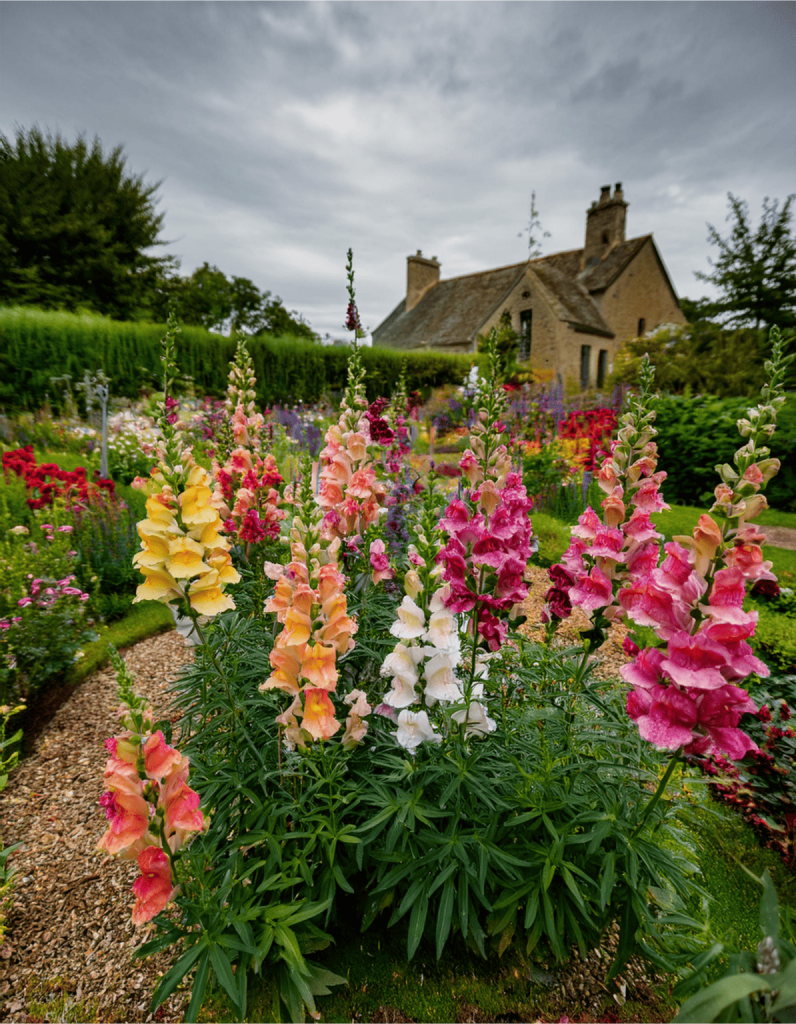
Tall spikes covered in ruffled blooms make snapdragons stand out in your garden bed. You’ll find some varieties bred short for containers instead of cutting gardens.
Check your seed packet before buying, or you’ll end up disappointed like I was my first year.
You’ll get your best blooms in cool weather, so spring and fall work best for this one. Deadhead your spent flowers and you’ll keep new spikes coming steadily.
Once you’ve got the right variety, snapdragons become the backbone of your cut flower garden.
5. Marigolds
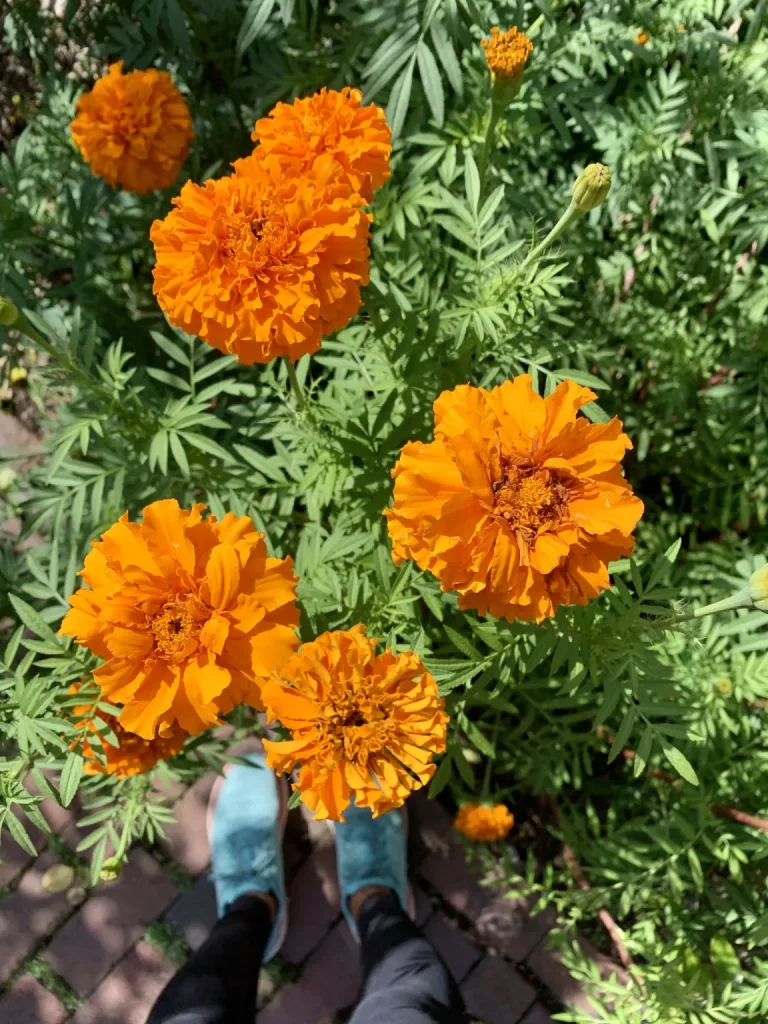
Marigolds show up in almost every vegetable garden, but not all of them work for cutting.
If you want stems long enough for a vase, you’ll need to grow Cracker Jack or Mary Helen varieties. Other types are just too short for bouquets.
You’ll usually think of marigolds as bright yellow and orange, and that’s fair. But you can also find creamy white Kilimanjaro types or even strawberry blonde ones if you look around.
I planted marigolds in my vegetable beds for years before I realized the cutting varieties needed their own space.
6. Amaranth
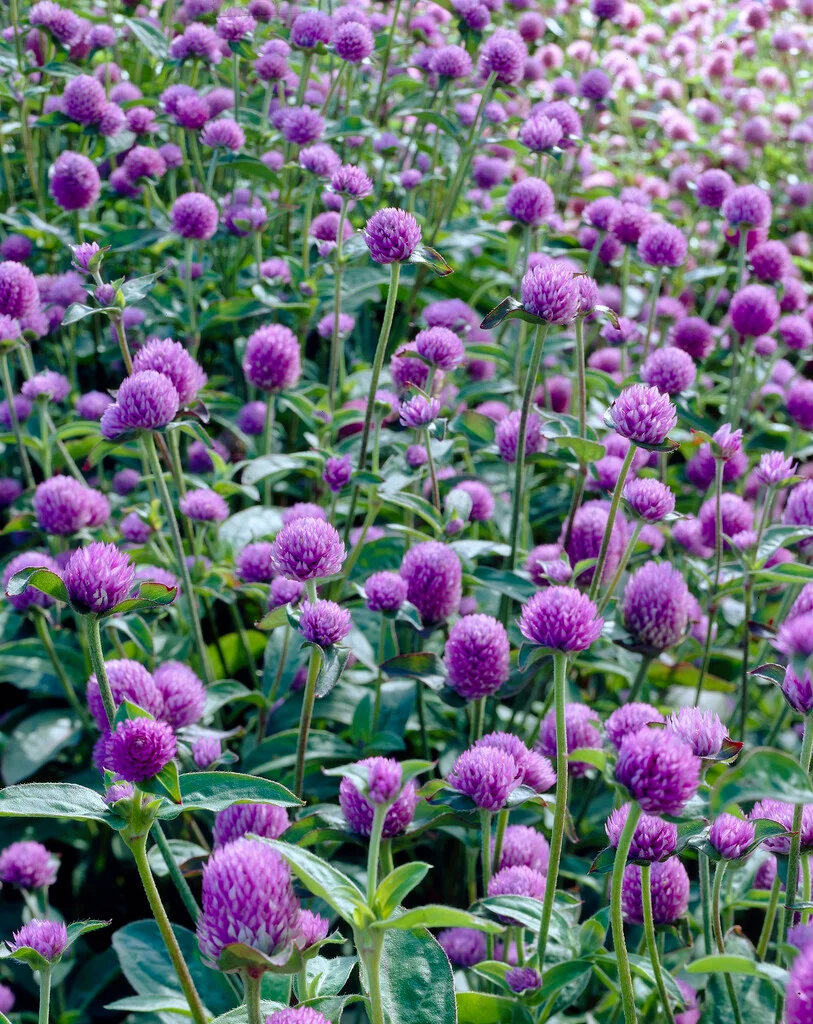
Amaranth loves poor soil, so plant it somewhere your other flowers struggle. You’ll get a spiky or trailing habit depending on the variety you pick. Either way, it brings serious drama to a bouquet.
Pinch your amaranth early, or you’ll regret it later. Let it grow unchecked and the top stem gets massive, which makes it nearly useless for cutting.
I’ve made that mistake myself, and trust me, you don’t want a six-foot stalk taking over your whole arrangement.
7. Asters
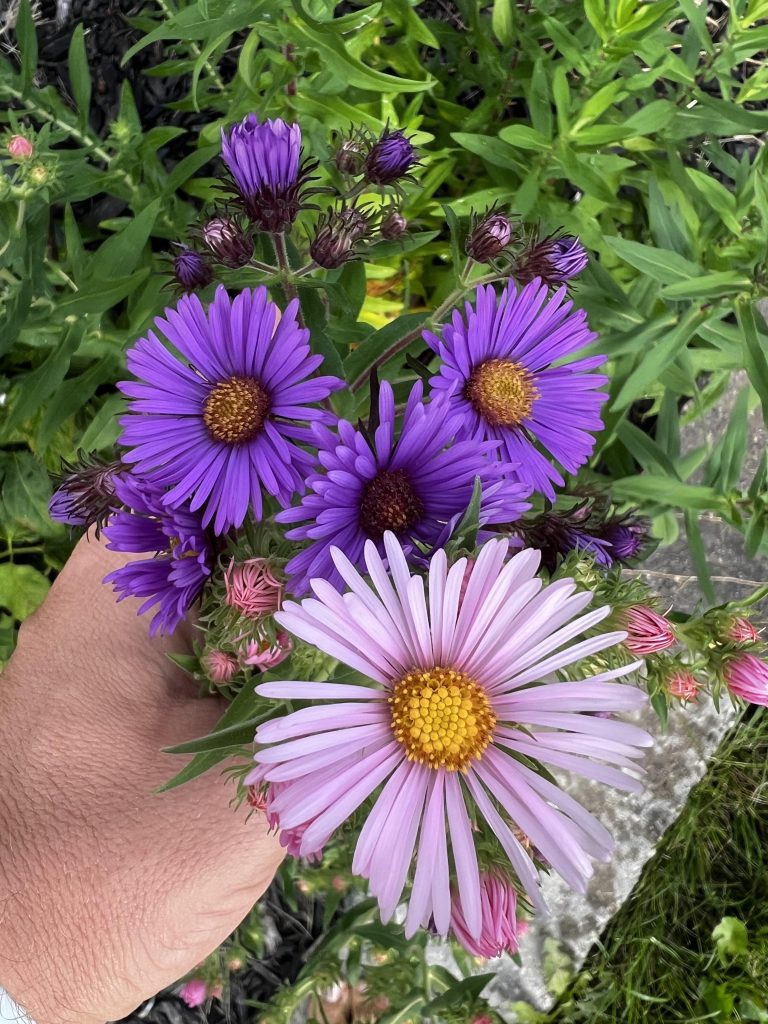
Asters wait until late summer to really show off, and they carry you right through fall.
You won’t need many plants to fill out a backyard garden. Six plants per color usually gives you plenty to work with.
You’ll appreciate how prolific these are once they get going. I like pairing asters with something bolder, since their smaller blooms fill in gaps nicely.
If you want fall color in your cutting garden, this is where you should look first.
8. Rudbeckia
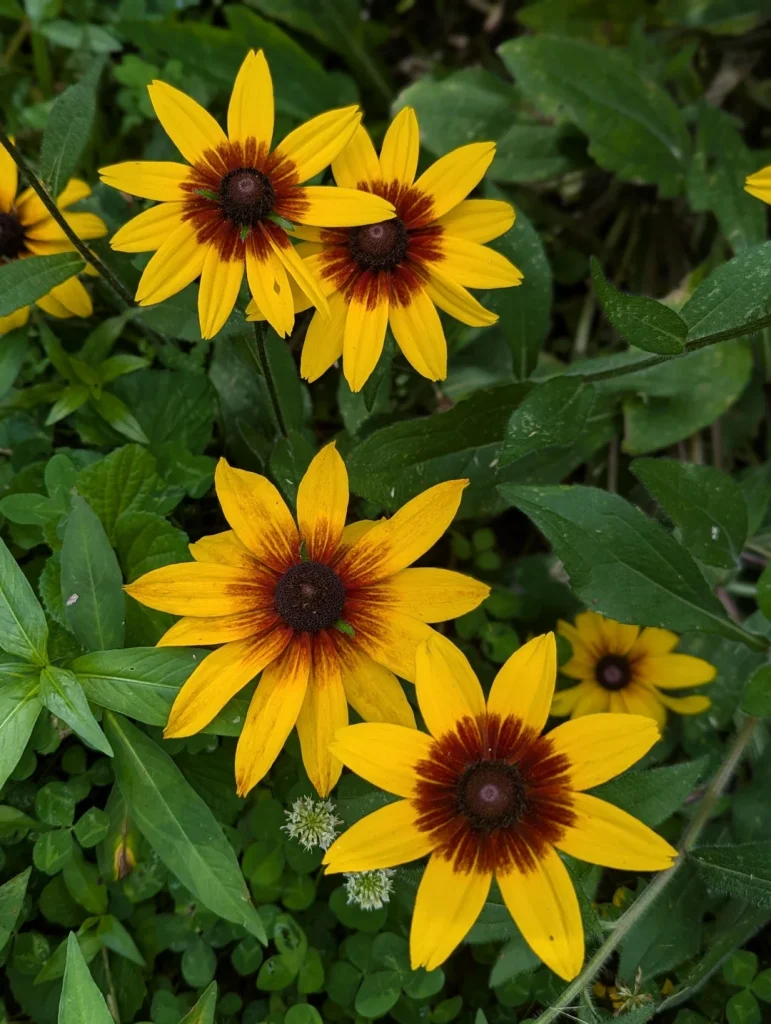
Rudbeckia brings that classic black-eyed Susan look to your late-season bouquets. You’ll get the best blooms once summer starts winding down into fall.
I always think of it as a border flower first and a cutting flower second, but it does both well.
Skip deadheading in the fall if you want surprises next year. Rudbeckia self-seeds readily, so you might find new plants popping up where you least expect them. That’s half the fun of growing it, honestly.
9. Statice
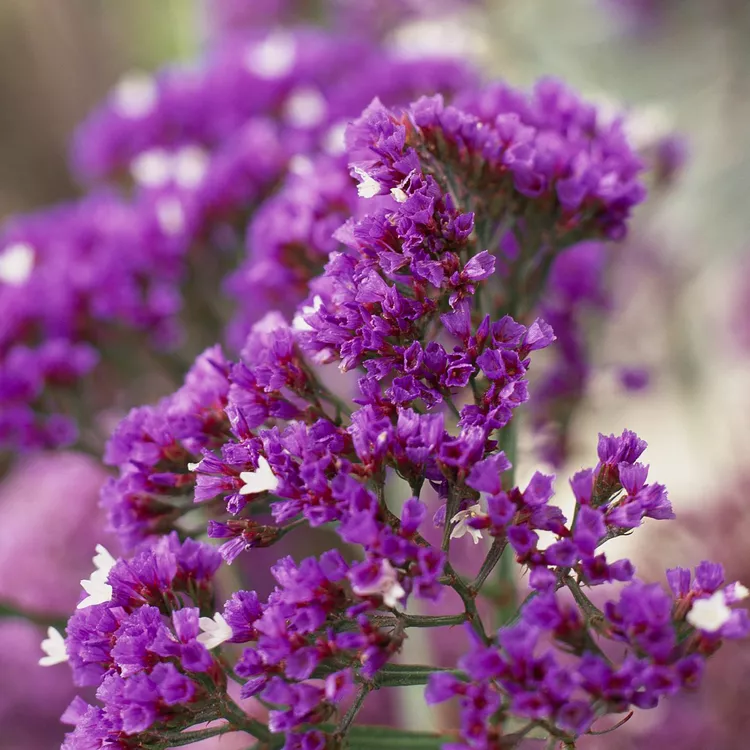
Statice looked kind of ugly to me at first, and I almost skipped it entirely. Then I saw it growing in someone else’s cutting garden and completely changed my mind.
You’ll find it works as an excellent filler in nearly any arrangement.
Cut statice fresh or let it dry, and either way you’ll get great results. This flower holds its color beautifully even after drying, which makes it perfect for wreaths. If you want a flower that gives you options beyond the vase, statice deserves a spot in your garden.
10. Strawflowers
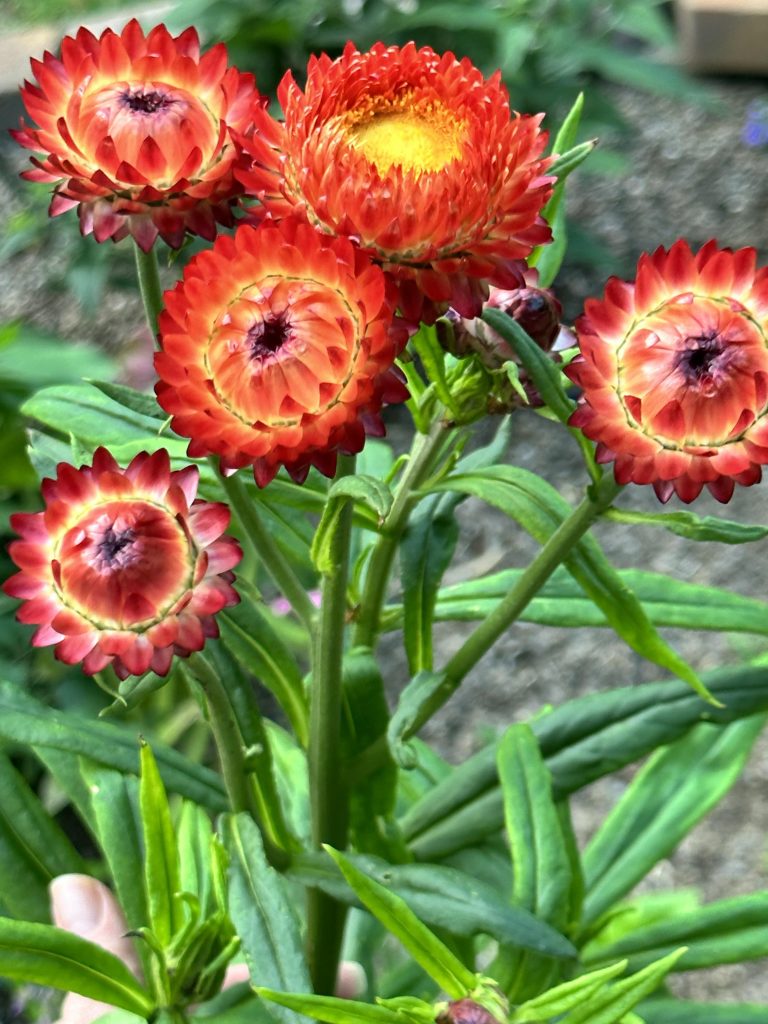
Strawflowers might be the trickiest plant on this whole list to grow well.
You’ll need patience your first season, since they take their time getting established. But once summer heat kicks in, you’ll watch them take off.
Check your seed packet carefully here too, since container varieties won’t work for cutting. These flowers dry incredibly well, almost like they’re made of paper.
I’ve used dried strawflowers in craft projects long after the growing season ended, and they still looked fresh.
11. Gomphrena
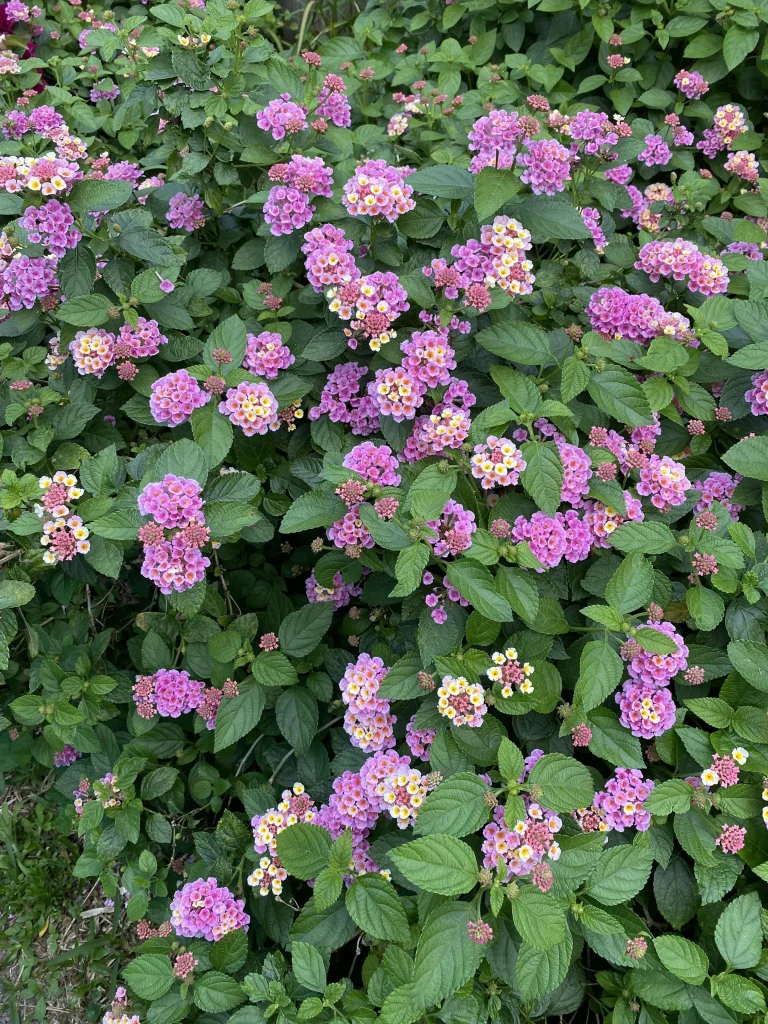
Gomphrena goes by another name you might recognize: globe amaranth.
You’ll get roughly two weeks of vase life out of each stem, which beats most other cut flowers. This one grows slowly, so don’t expect quick results.
Give gomphrena well-drained soil and at least six hours of sun daily. You’ll want to start it indoors unless you’re gardening in zone 9 or warmer. I think the long vase life alone makes the wait worthwhile.
12. Coneflower
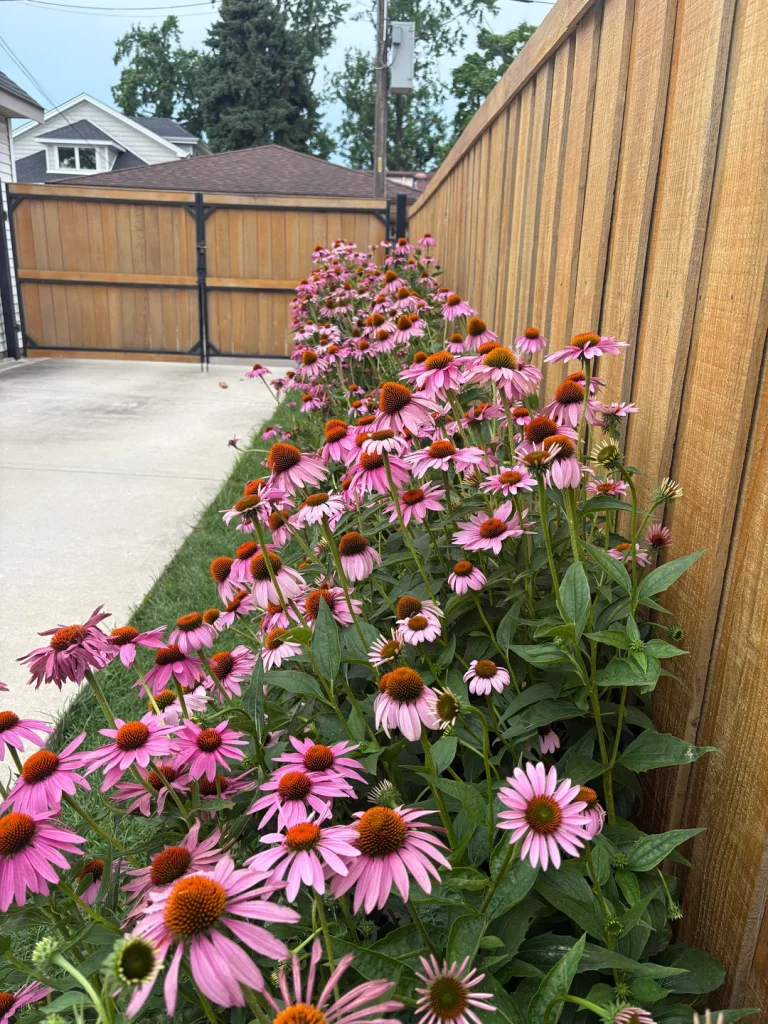
Coneflower, or echinacea if you want the botanical name, blooms right through summer into early fall.
You’ll see it in shades from hot pink to salmon to pale purple depending on the variety. It belongs to the daisy family, and you can tell from the shape alone.
Plant coneflower in full sun with well-draining soil, and you won’t need to fuss over it much. Leave some seed heads standing once blooms fade, since you’ll attract goldfinches and other birds.
I love watching pollinators swarm this flower all summer long.
13. Scabiosa
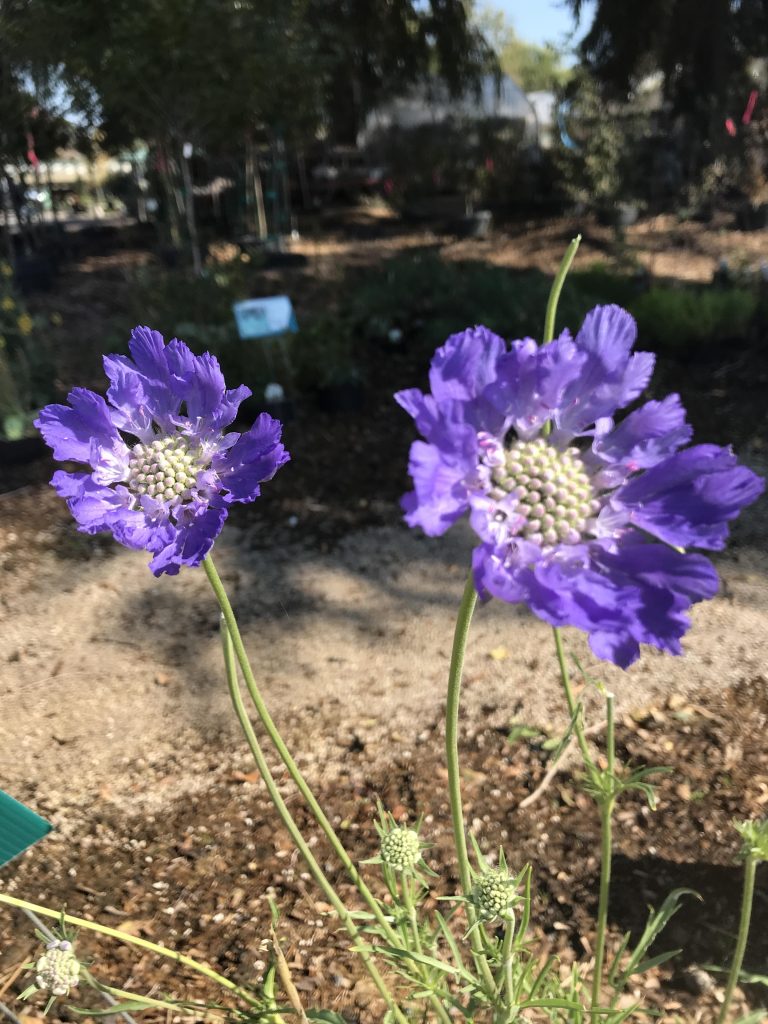
Scabiosa goes by pincushion flower too, and I think that nickname fits perfectly. You’ll notice the unique shape right away, since the center pokes up like tiny pins.
I absolutely love these flowers, and I’m not exaggerating one bit.
Even after the blooms fade, you’ll get gorgeous seed pods that work beautifully in arrangements. This one can be a little picky about growing conditions, so don’t expect the same prolific output you get from zinnias.
Give it good drainage and consistent moisture, and you’ll be rewarded with one of the most unique blooms in your whole garden.
Final Words
You don’t need every flower on this list to build something amazing. Pick a handful that fit your climate and your space, and you’ll already be ahead of most gardeners.
I only grow a fraction of these in my own balcony garden, and it still keeps Liza and me in fresh bouquets all summer.
Grab a good pair of snips before you start, since scissors just won’t cut it for thick stems. You’ll want something with a pointed tip for precision cuts. That one tool upgrade makes a bigger difference than you’d think.
Cut and grow again flowers reward you for showing up and harvesting regularly. The more you cut, the more you get, and honestly, what other hobby works that way?
Pick a few favorites from this list, get your hands in the soil, and watch your garden turn into your own personal flower shop this season.
References:
- “Cut and Come Again” Flowers Are My Secret to a Garden That Blooms All Summer Long – Apartment therapy