16 Best Full Sun Plants for Clay Soil Garden

If you’ve got clay soil in your garden, you already know the struggle. It holds onto moisture, drains slowly, and compacts fast—then bakes rock-hard the second it dries out, cracking as it shrinks.
I get why that makes you want to rip it all out and buy bagged soil instead, but I’d skip that. Clay’s actually workable once you stop fighting it and start picking plants built for it.
Some varieties even help loosen up that dense texture over time. You’ll still need to match sun exposure and your USDA zone, but full sun makes this easier than you’d think.
Here are 16 plants I’d trust in clay without hesitation.
Do You Need to Amend Clay Soil for These Plants?
You don’t need to amend for most of these. Clay-tolerant natives have already adapted to dense soil, so compost won’t do them any favors.
You’d only want amendments if you’re planting something fussier, like peonies or lavender.
Save that effort for smaller spots instead, like a foundation bed. For everything on this list, pick the right plant instead of fighting your soil. That’s the whole point here.
16 Best Plants and Flowers for Clay Soil
1. Big Bluestem
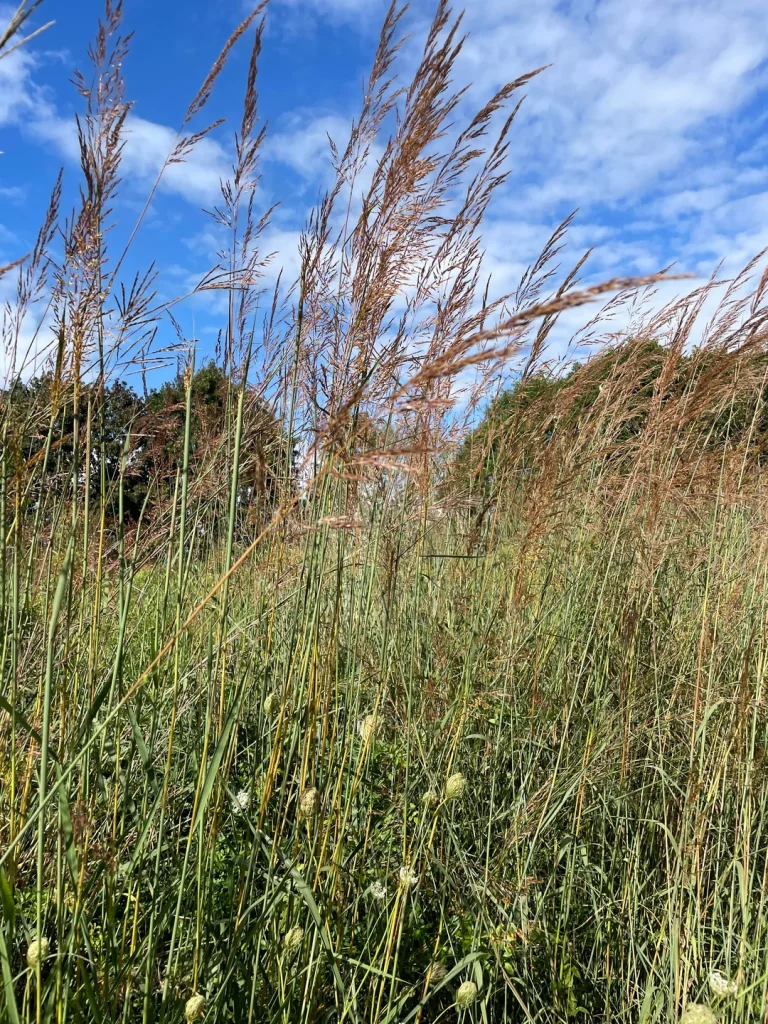
I love big bluestem for clay because it just doesn’t care about drought.
You can plant it on a rough slope and it’ll hold that soil together while everything else struggles.
Give it fertile, moist clay and you’ll see it shoot up fast; keep it on the drier side and it stays more upright instead of flopping over.
Note: Zones 4 to 9. Full sun. Average, well-draining soil.
2. Black-Eyed Susan
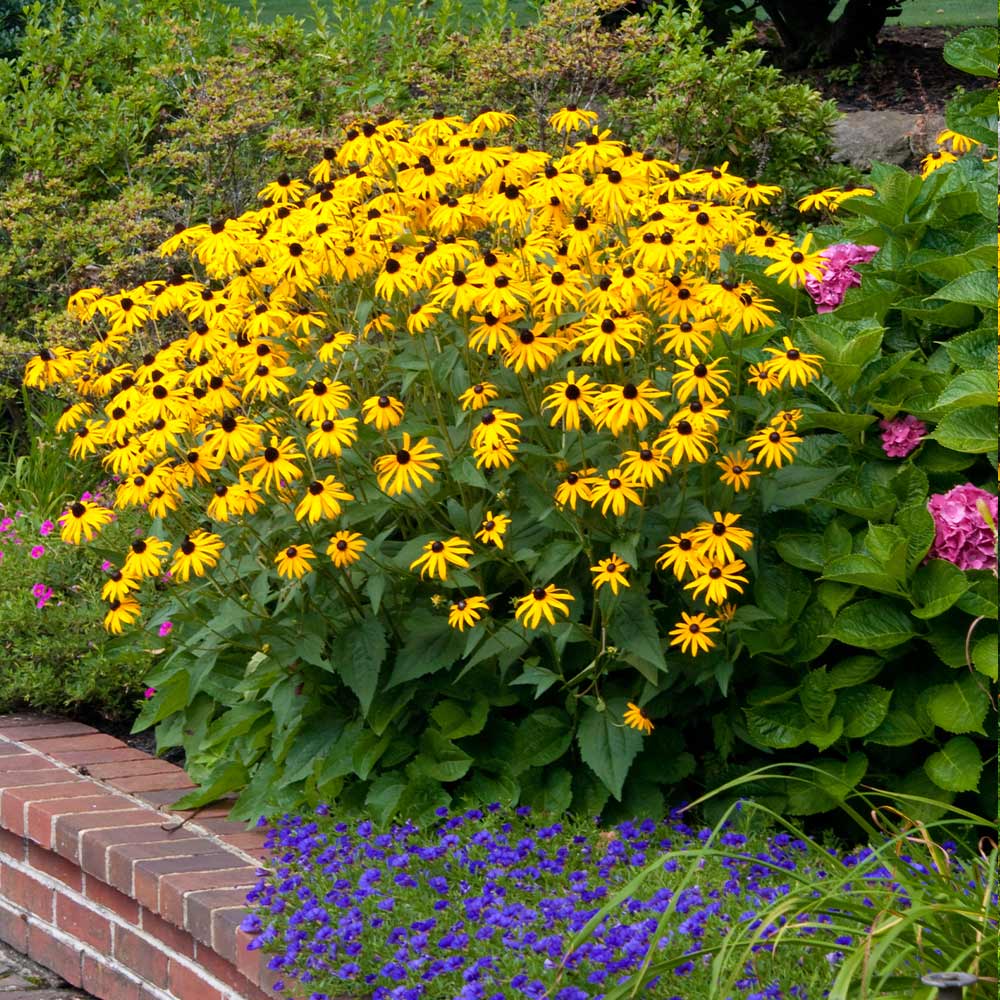
If you want color without babysitting a plant all summer, I’d start here. Black-eyed Susan blooms for months and keeps coming back for me year after year, clay or no clay.
You’ll get the best show in rich, moist soil, but honestly good drainage matters more to this plant than soil type.
Note: Zones 3 to 7. Full sun. Rich, moist, well-draining soil.
3. Blazing Star
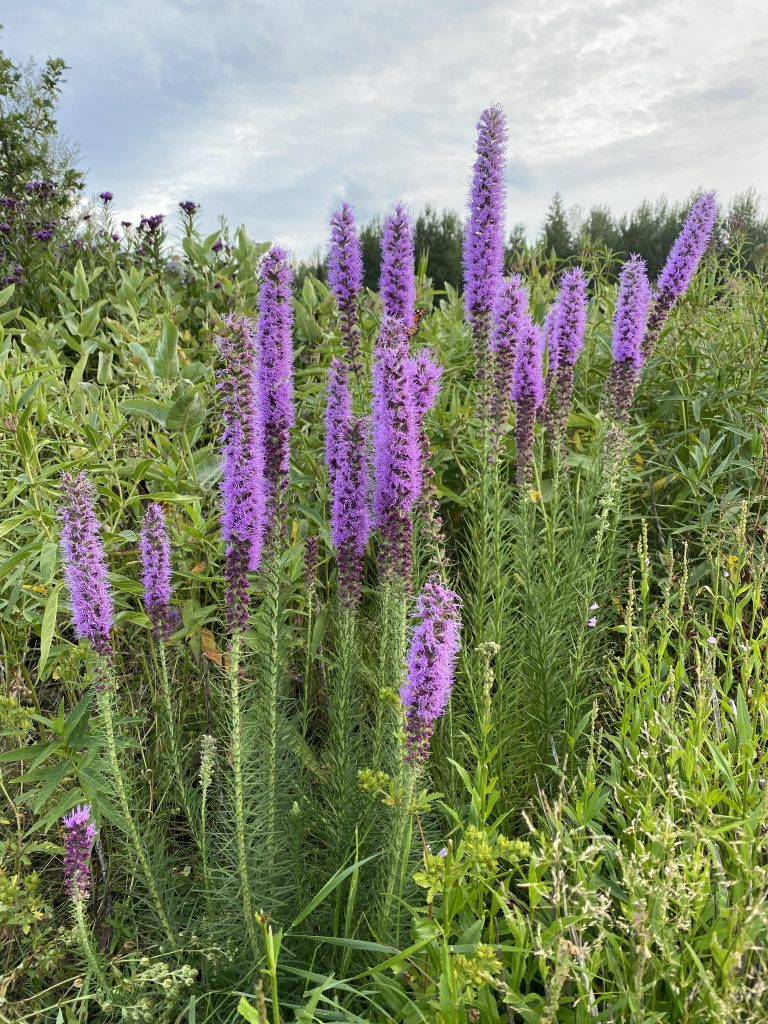
I could watch monarchs work a blazing star all afternoon. They’ll camp out on those spiky purple flowers for hours, and that alone is why I keep planting it.
Moist, fertile clay works fine for you here, though I’d watch out for soggy winters since that’s when it can struggle.
Note: Zones 3 to 8. Full sun. Fertile, moist, well-draining soil.
4. Butterfly Weed
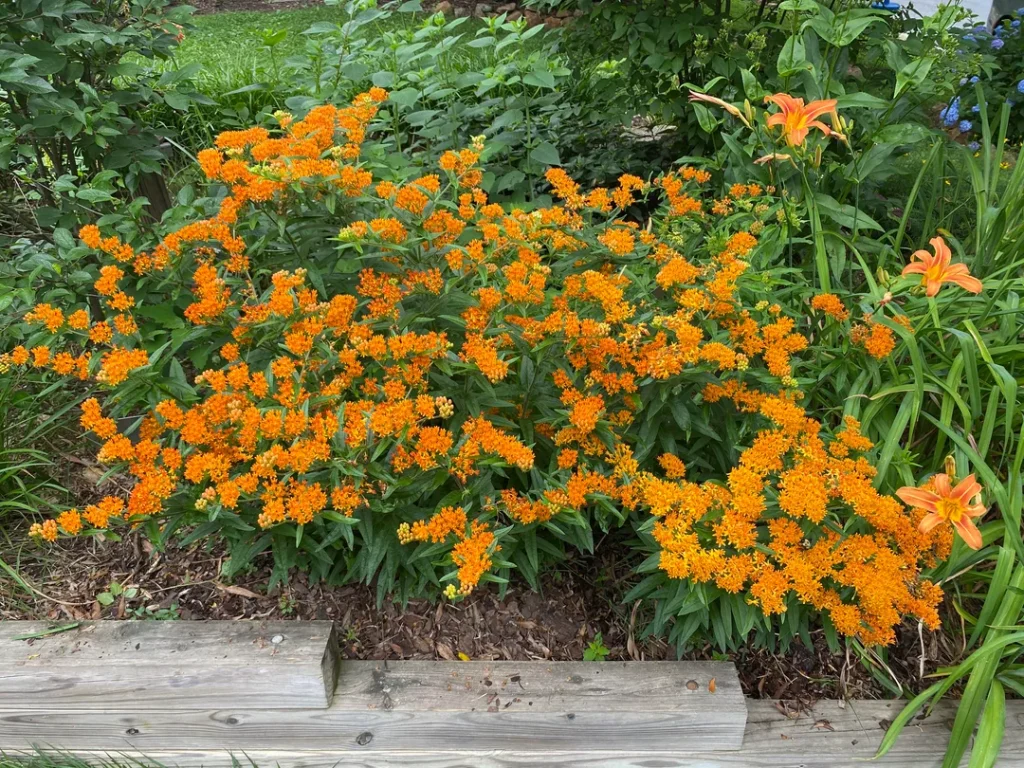
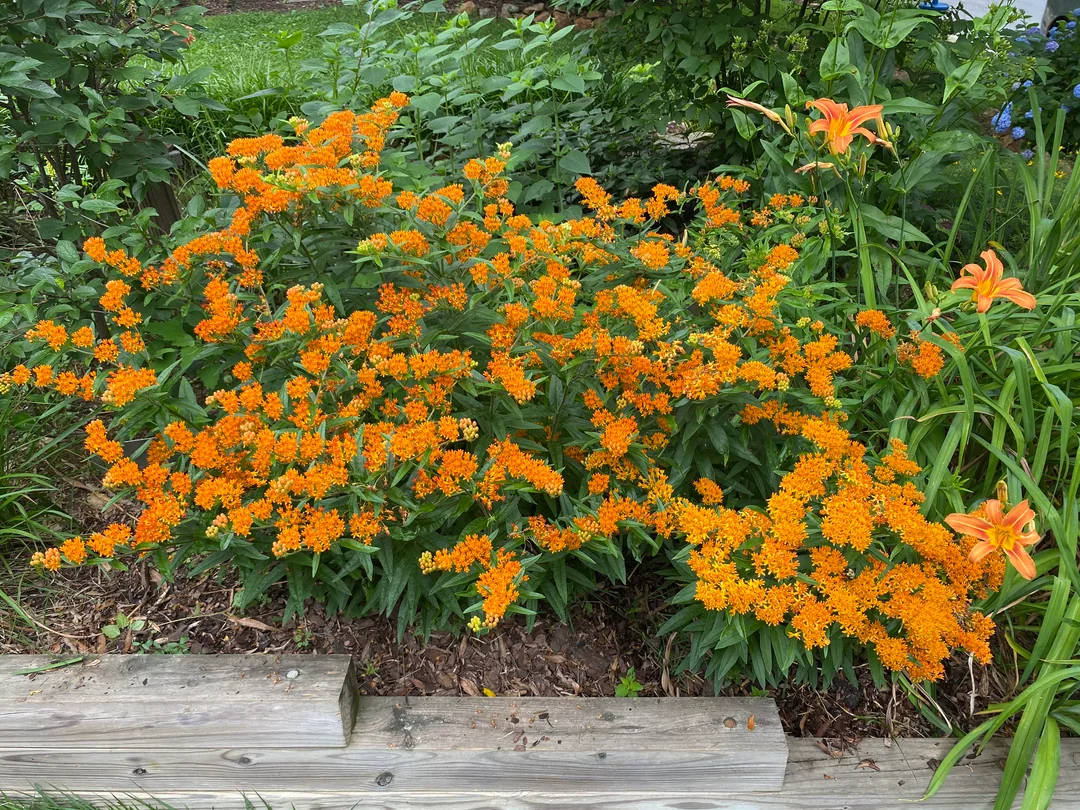
This is the plant I recommend when someone tells me their soil is “too poor” for anything.
Butterfly weed barely asks you for a thing—that long taproot makes it drought-tough and totally fine with heavy, rough clay.
You’ll get bees, hummingbirds, and butterflies showing up for it, so I always tuck one into a pollinator bed.
Note: Zones 3 to 9. Full sun. Average, well-draining soil.
5. Canadian Wild Rye
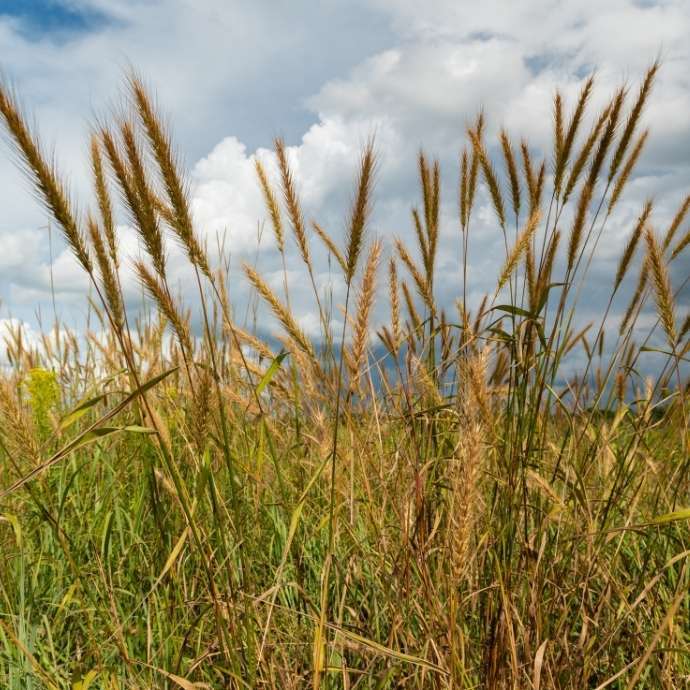
I like recommending Canadian Wild Rye grass to anyone starting from seed, since it comes up fast and doesn’t sulk in clay.
You’ll get an easy, arching clump that handles rough conditions like drought and even air pollution without missing a beat.
I’ve never had to baby this one—just toss the seed down and let clay do its thing.
Note: Zones 3 to 8. Full sun. Average, well-draining soil.
6. Compass Plant
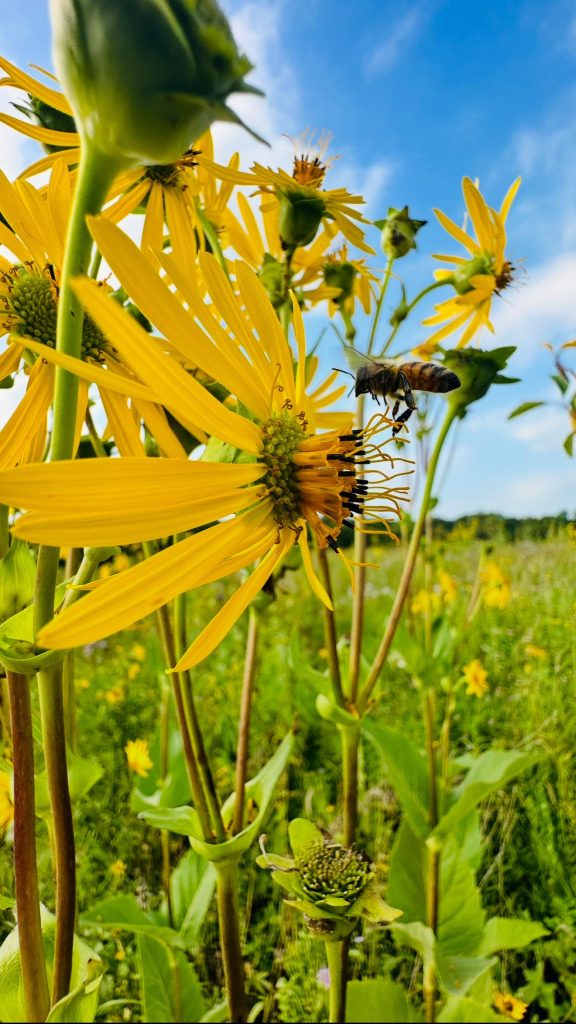
This is one of my favorite prairie plants, mostly because it seems to actually prefer clay’s richness over lighter soil.
You’ll get tall stems topped with golden flowers that hold up above the foliage all summer.
I’d also point you toward its shorter cousin, rosinweed, if you want the same clay-loving toughness in a smaller package.
Note: Zones 3 to 8. Full sun. Average, well-draining soil.
7. Cup Plant
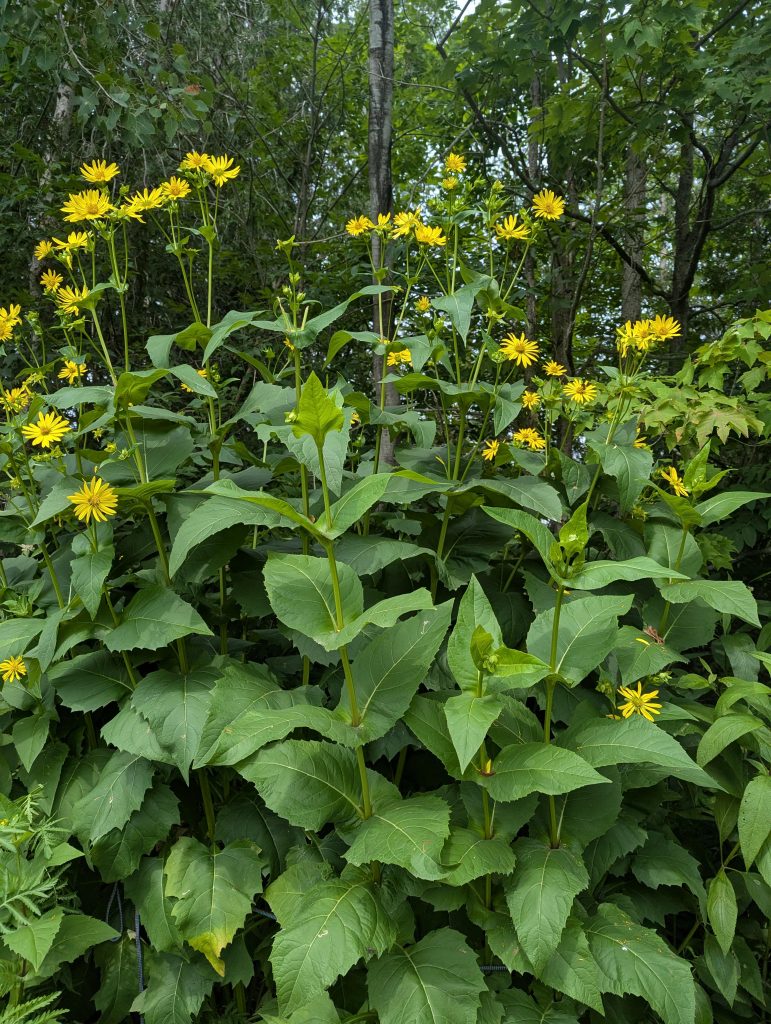
I always tell people this is the plant for clay that stays a little too wet. Cup plant handles soggy soil better than almost anything else on this list, and it’ll even take some drought once you get it established. You’ll notice birds and butterflies gathering around the little “cups” where the leaves meet the stem—that’s genuinely one of my favorite garden details.
Note: Zones 3 to 9. Full sun. Rich, moist soil.
8. Daylily
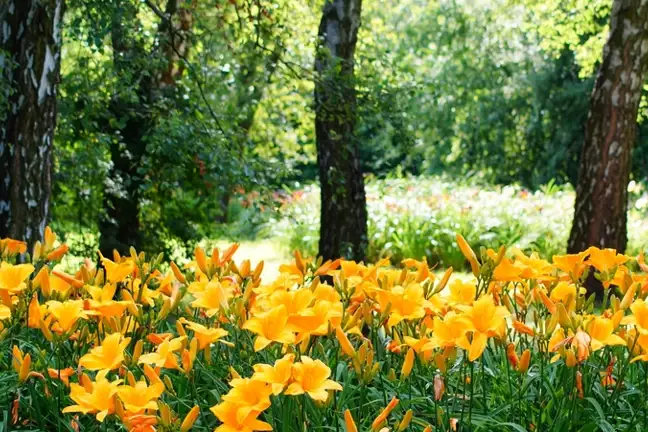
If you only trust one plant to survive your clay bed, I’d pick daylily. You really can’t go wrong here—it thrives in fertile loam, sure, but it does just fine in clay too.
I’ve planted these in some of my worst soil and never lost one.
Note: Zones 3 to 9. Full sun. Moist, well-draining soil.
9. Drooping Coneflower
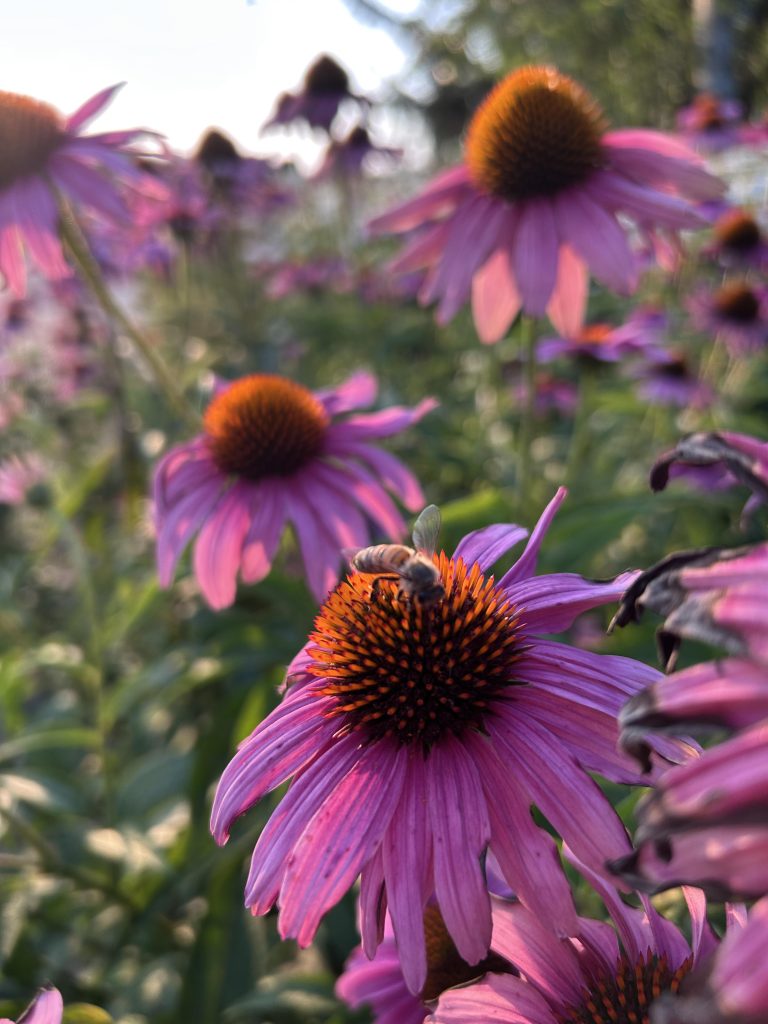
I always tell people this one’s the underdog compared to its flashier cousin, the Mexican hat flower, but it’s way hardier and holds its own in clay.
You’ll get those same cheery, swept-back yellow petals without the fuss. I like it because it handles medium moisture just fine and still shrugs off the occasional dry stretch.
Note: Zones 3 to 8. Full sun. Clay or sandy, well-draining soil.
10. Goldenrod
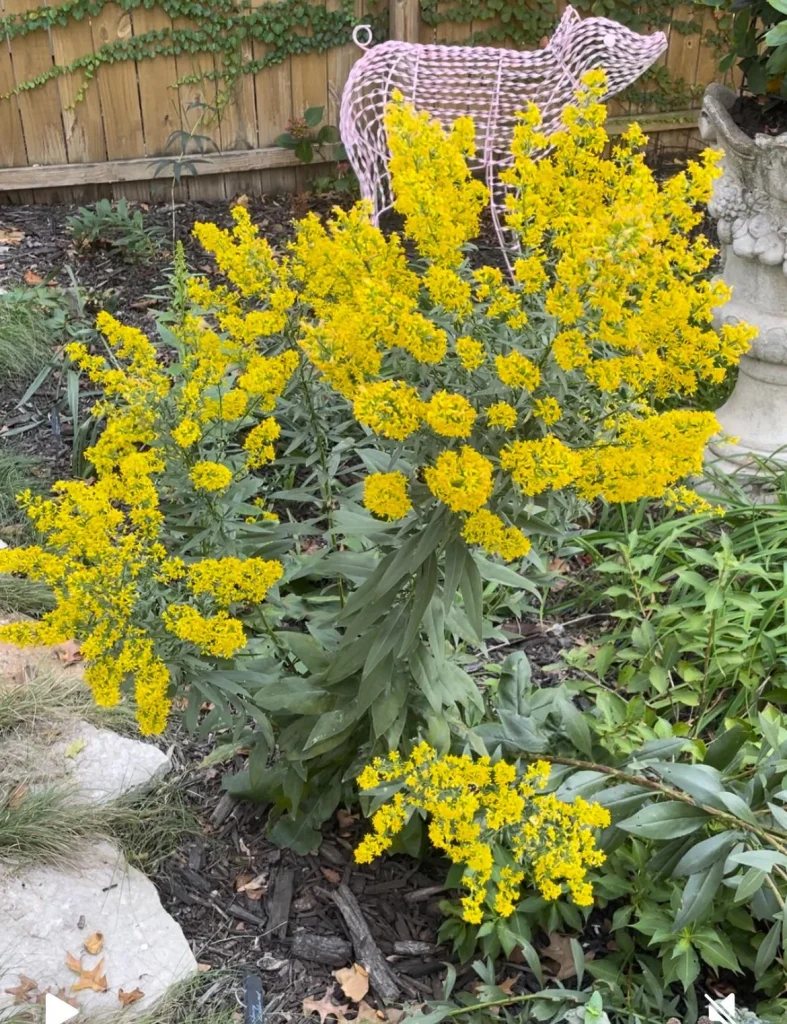
People confuse this with ragweed all the time, and I get it, but goldenrod won’t touch your allergies the way ragweed does.
I plant it because it tolerates genuinely poor soil, clay included, as long as water isn’t pooling around the roots.
You’ll get bright yellow color right when the rest of the garden starts winding down for fall.
Note: Zones 3 to 9. Full sun. Average, slightly acidic, well-draining soil.
11. Indian Grass
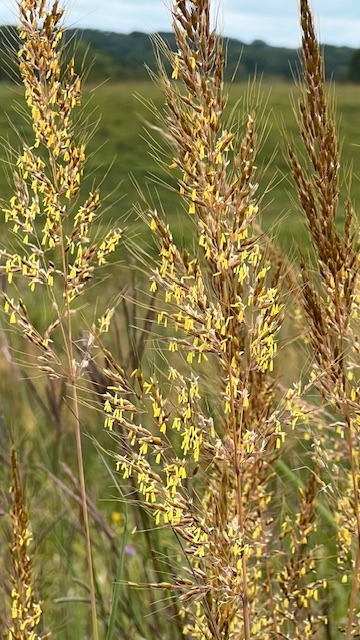
I recommend this one for anyone dealing with dry, infertile clay that nothing else wants to touch.
You’ll start with a low clump in spring, and by midsummer it sends up tall stalks that stay attractive clear through winter.
I like leaving mine standing for the season since it adds structure when everything else has died back.
Note: Zones 4 to 9. Full sun. Average, well-draining soil.
12. New York Ironweed
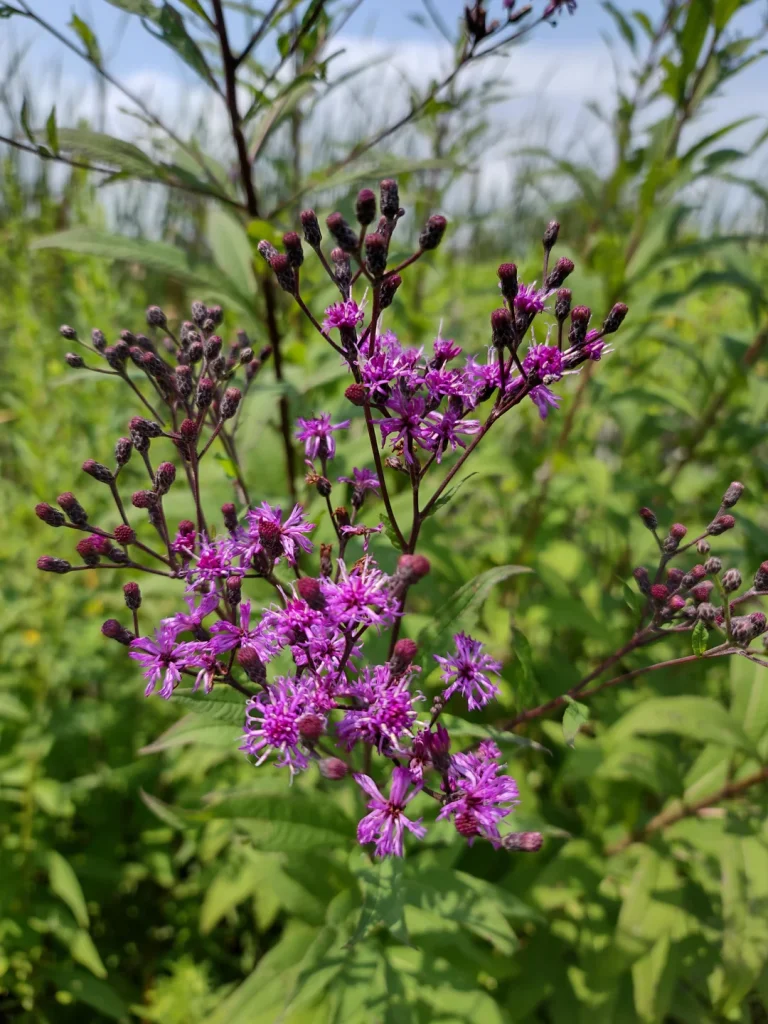
If your clay stays damp, I’d put this one on your shortlist.
New York ironweed actually gets happier the wetter your soil is, and you’ll get clusters of violet flowers on stems that reach 5 to 7 feet tall.
I love using it toward the back of a border where that height works in your favor instead of against you.
Note: Zones 5 to 9. Full sun. Rich, slightly acidic soil, medium to wet moisture.
13. Prairie Blazing Star
I plant this one when I want that classic top-down blooming habit, where the flowers open at the tip of the bottle-brush spike first and work their way down over time.
You’ll find it handles wet clay better than most, though I’d still give it drainage for winter since soggy roots in the cold months cause trouble.
It’s tough enough to take whatever your garden throws at it otherwise.
Note: Zones 3 to 9. Full sun. Average soil, medium moisture, well-draining.
14. Sea Holly
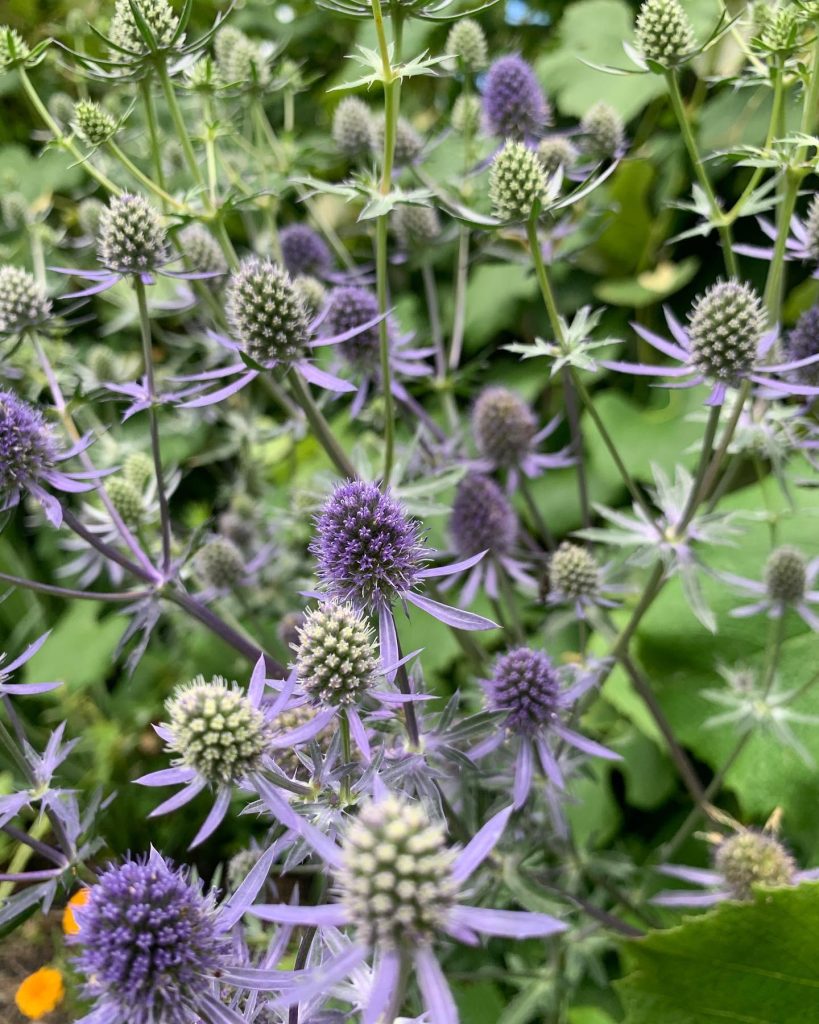
I’ll admit this one looks a little unusual next to softer flowers, but that thistle-like texture is exactly why I keep it around.
You’ll get blooms that hold up for days even after cutting, which makes this a great pick if you like bringing flowers indoors. It prefers drier, sandier soil, but I’ve had no trouble growing it in well-draining clay either.
Note: Zones 3 to 9. Full sun. Average, well-draining soil.
15. Autumn Joy Sedum
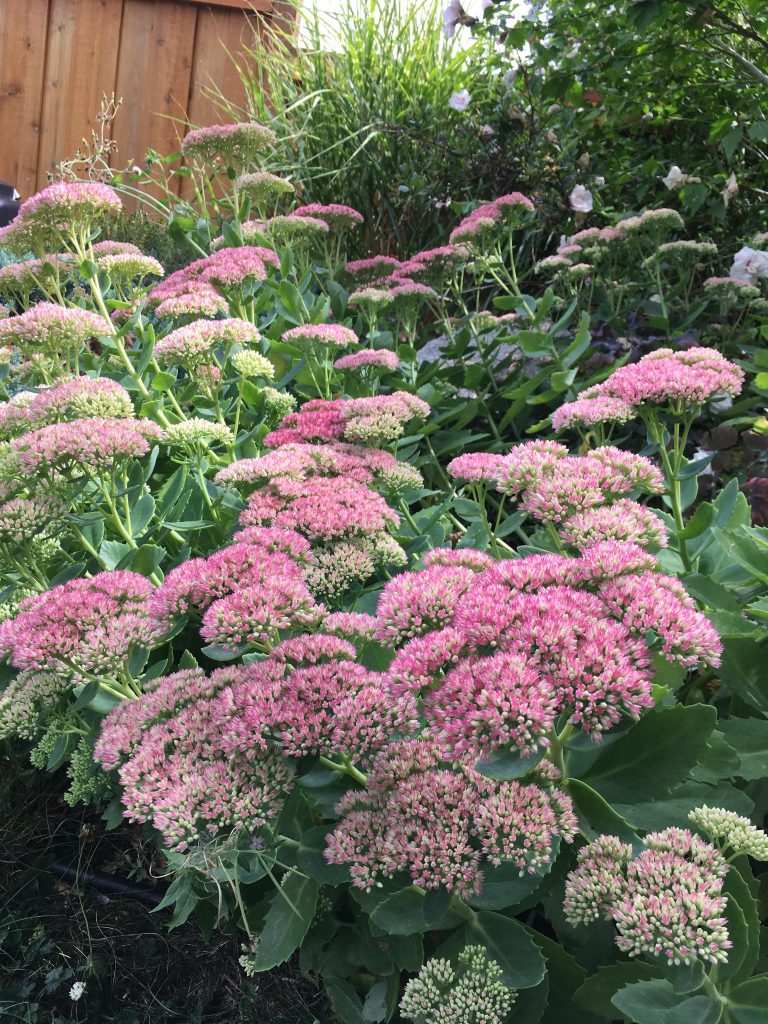
This is one of the easiest plants I’ve ever grown, full stop. Autumn Joy sedum wants poor, sandy, or gravelly soil most of all, but you can absolutely grow it in clay or loam as long as it doesn’t stay constantly wet.
I like it for the pink flower clusters that show up right when the garden needs a late-season boost.
Note: Zones 3 to 9. Full sun. Average, well-draining soil.
16. Perennial Sunflower
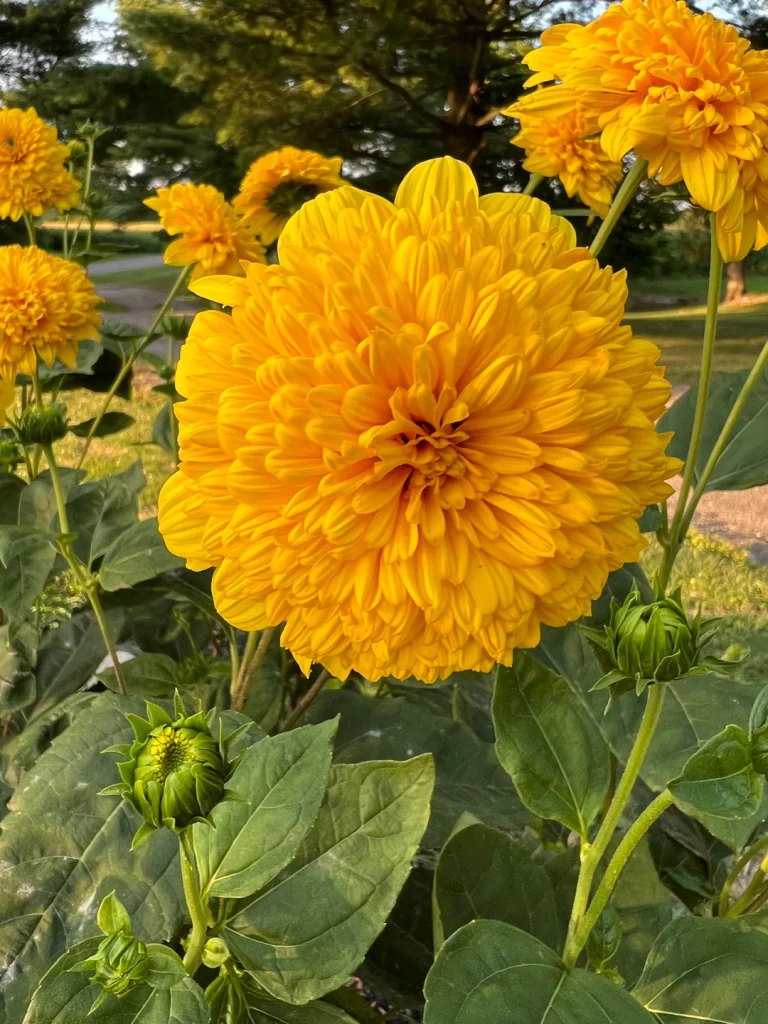
I always point people toward this one when they want sunflowers but don’t want to replant every year.
You won’t get the same huge blooms as the annual types, but swamp sunflower, false sunflower, and ox eye all bring plenty of yellow to a border on their own.
I like mixing a couple of these species together since they bloom at slightly different times and keep the color going longer.
Note: Zones 4 to 9. Full sun. Average, well-draining soil.
FAQ: Growing Plants in Clay Soil and Full Sun
Do I need to amend clay soil before planting?
Honestly, I don’t bother for most of the plants on this list. You can skip the compost and sand if you’re sticking with clay-tolerant natives like these—they’ve adapted to handle it.
I’d only amend if I were planting something fussier that really wants loam.
What’s the best time to plant in clay soil?
I always plant in fall when I’m working with clay. You’ll get cooler temps and more consistent moisture, which helps roots settle in before summer heat hits.
Spring works too, but I’d wait until the soil dries out enough that it’s not sticking to your shovel.
Can I grow vegetables in clay soil, or is this just for flowers?
You can, but I’ll be straight with you—it takes more work than what I’ve covered here. Root vegetables especially struggle in dense clay, so I’d stick to raised beds or containers if veggies are your main goal.
How do I know if my soil is actually clay?
I use the squeeze test every time. Grab a handful of moist soil and squeeze it—if it forms a sticky ball that holds its shape, you’ve got clay. Sandy soil falls apart, and loam sits somewhere in between.
Why do my plants keep dying in clay soil even though they’re supposed to tolerate it?
Drainage is usually the culprit when this happens to me. Even clay-tolerant plants can rot if water pools around the roots for too long, so I’d check how long puddles sit after a heavy rain before blaming the plant itself.
Final Words:
That’s my list of 16 plants I’d actually trust in clay soil and full sun.
You don’t need to haul in truckloads of compost or fight your soil all season—just pick the right plants and let them do the work.
If you’ve grown any of these in your own clay bed, I’d love to hear how it went for you.
Article References: