13 Best Shade Loving Plants for North Facing Porch

My north-facing porch used to sit empty for years. Nothing seemed to grow there, and I nearly gave up on it completely.
Then I discovered a whole world of shade-loving plants that actually prefer those dim conditions.
This guide shares the 13 plants that finally turned my dark porch into something worth showing off, plus tips on keeping each one happy.
Why North-Facing Porches Need Special Plants
Sunlight barely touches a north-facing porch, especially in the deeper corners near the wall. Trees nearby can block even more light throughout the day. Bright, direct sun lovers will stretch, fade, or simply die in that setting.
Shade-tolerant plants, though, actually thrive without harsh afternoon rays cooking their leaves.
Eaves overhead create another sneaky problem. Rain rarely reaches the soil directly beneath a covered porch roof.
Dry shade turns into the real challenge, not just low light, so picking plants that handle both conditions together matters more than most people realize.
13 Best Plants for North Facing Porches
1. Impatiens
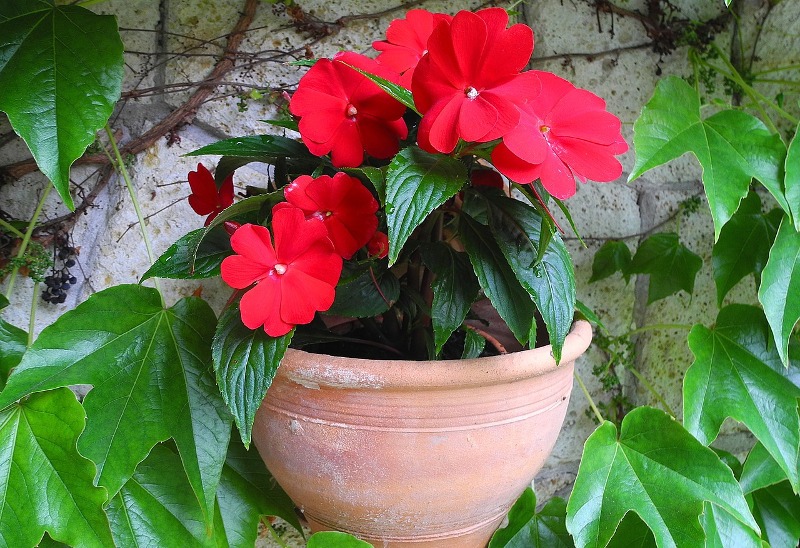
I can’t imagine a shady porch without impatiens somewhere on it. You’ll get flowers in red, pink, white, coral, and purple, all blooming at once.
Honestly, few plants pack this much color into such a small pot.
A nasty fungal disease called downy mildew almost killed off impatiens for good a few years back. Growers fought back with disease-resistant strains, and now you can find healthy plants again.
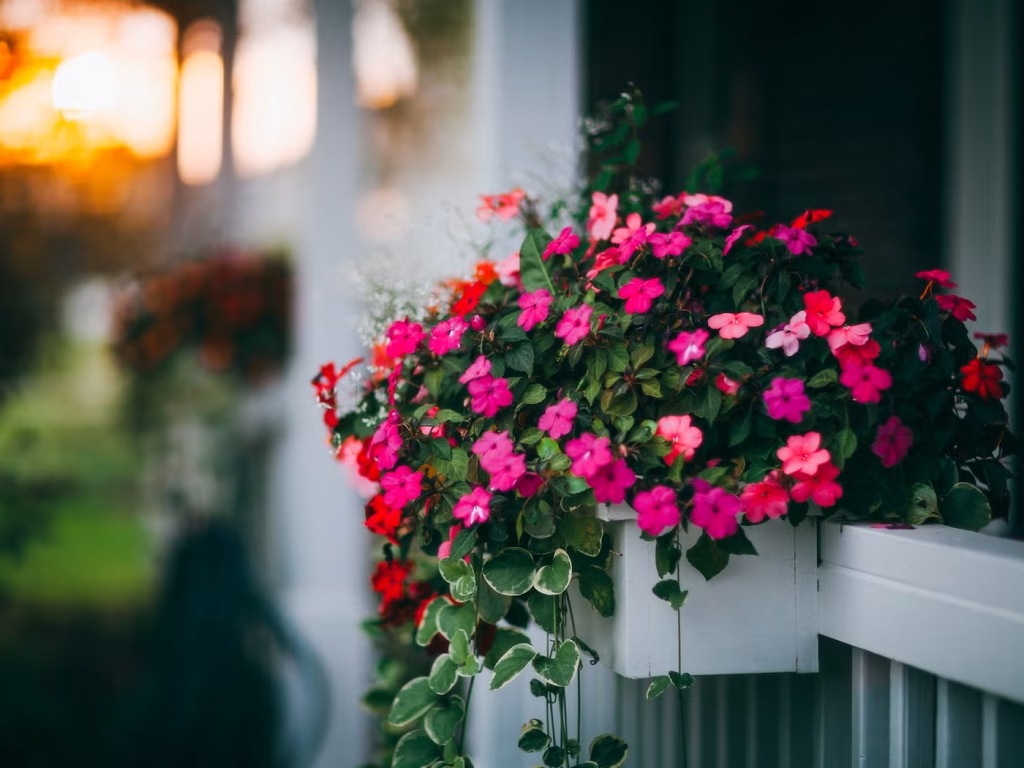
Want something bigger? Try New Guinea impatiens instead. They grow taller, flower bigger, and handle a bit more sun than the classic type.
Water matters more than anything else here. Let the soil dry out and you’ll see droopy leaves within a day. Give impatiens rich, well-draining soil and consistent moisture, and they’ll reward you all season long.
Plant Overview
- USDA Growing Zones: 10 to 11 (grown as an annual)
- Color Varieties: White, red, pink, violet, coral, orange, purple
- Sun Exposure: Part shade to full shade, tolerates some sun
- Soil Needs: Rich, medium moisture, well-draining soil
Also read: 15 Best Shade Loving Potted Plants for Front Porches
2. Boston Fern
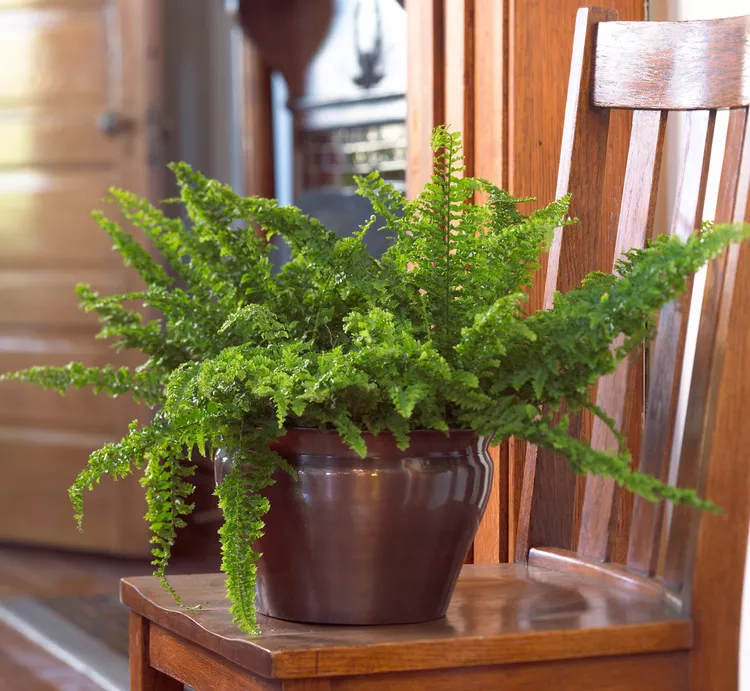
Picture a porch swing surrounded by soft, cascading fronds. That’s what a Boston fern gives you. It’s the plant that made hanging baskets a Southern porch staple in the first place.
Despite the name, this fern actually calls Florida home. Humid summers bring out its best look, with fronds arching gracefully toward the floor.
Cold winters aren’t its friend, though. Outdoors, it only survives year-round in zones 10 through 13.
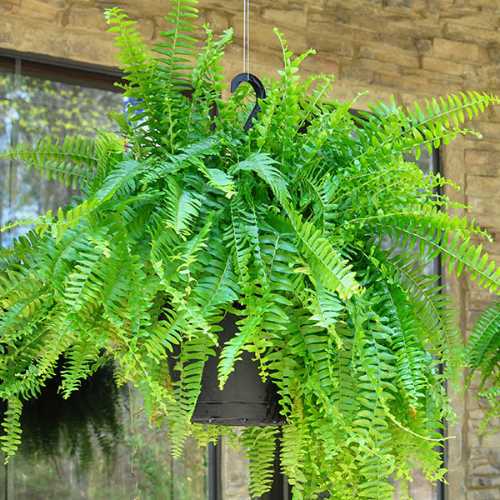
Everywhere else, I treat it as a warm-season porch star and bring it inside before frost.
Partial shade suits it perfectly, which happens to match a north-facing porch exactly. Keep the soil moist, never soggy, and mist it occasionally when the air turns dry.
Plant Overview
- USDA Growing Zones: 10 to 13
- Color Varieties: Green (grown for foliage, not flowers)
- Sun Exposure: Partial shade
- Soil Needs: Moist, well-drained soil
3. Wax Begonia
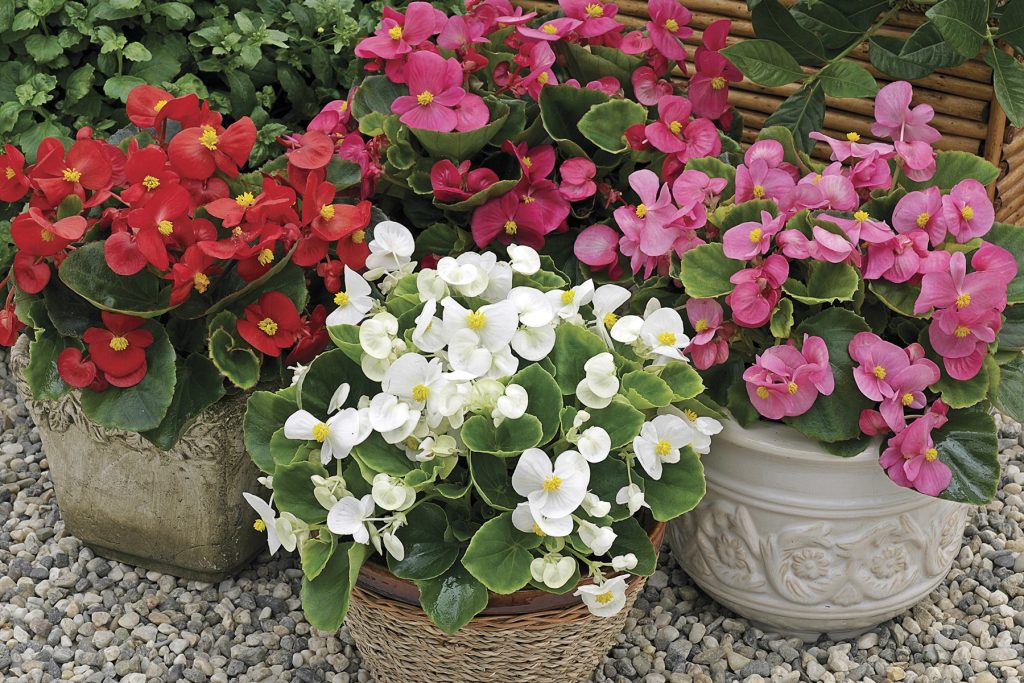
Few plants bloom as reliably as wax begonia. Its leaves range from deep green to bronze, waxy and glossy under any light. Small flower clusters keep appearing all season without much effort from you.
Sun isn’t a dealbreaker for this one. Wax begonia handles full sun just as easily as part shade, which makes it forgiving for tricky porch corners.
Give each plant a little breathing room, though. Crowding them together invites fungal problems in humid weather.
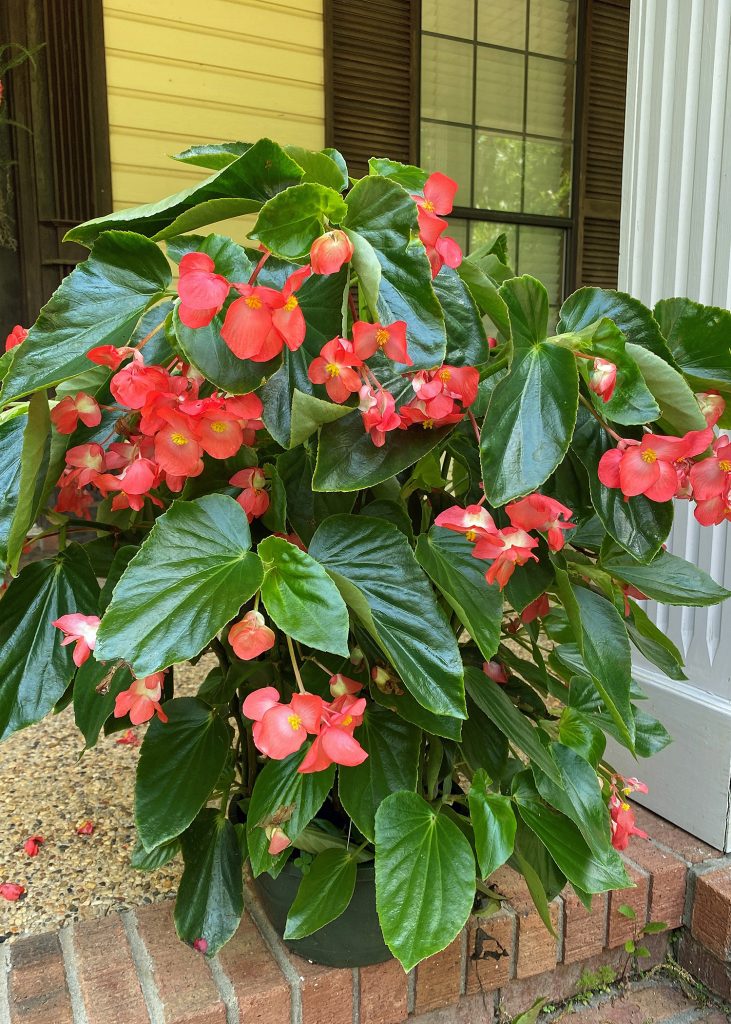
Curious about options? Tuberous begonias offer bigger, showier blooms if you want more drama. Just know they need more shade than wax begonias do.
One more thing worth mentioning: keep begonias away from pets, since all types are toxic if eaten. See which indoor plants are safe for pets.
Plant Overview
- USDA Growing Zones: 10 to 11 (grown as an annual)
- Color Varieties: White, pink, red, bicolors
- Sun Exposure: Full sun to part shade
- Soil Needs: Rich, moist, well-drained soil
4. Fuchsia
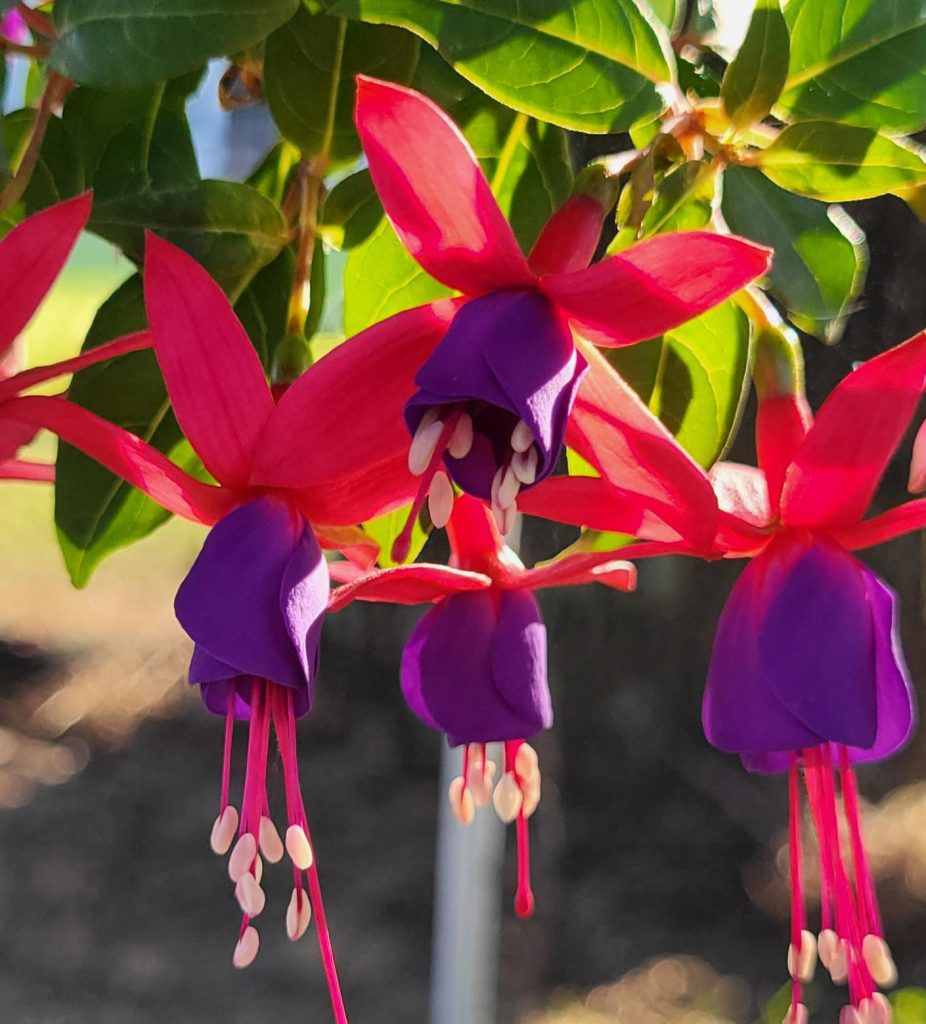
You’ll fall for fuchsia the moment you see it bloom. Its flowers dangle in clusters, twisting and ruffling like tiny ballerinas. Hummingbirds love them just as much as I do.
Full sun actually hurts this plant. Shade and dappled light bring out its best color and longest bloom time.
I always hang mine in a basket or set it on a raised stand, letting those gorgeous blooms trail downward without touching the floor.
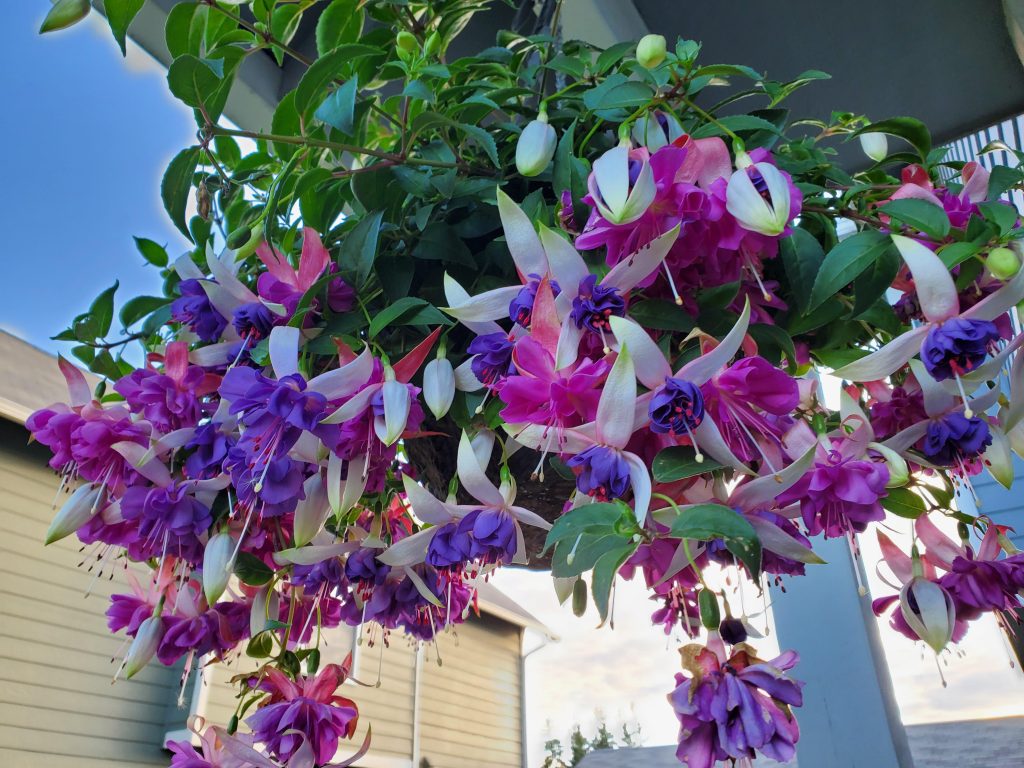
Watch for whiteflies, though. They can sneak in fast and wreck a healthy plant within weeks. Check new fuchsias closely before you bring them home, and keep soil moist without letting it turn soggy.
Plant Overview
- USDA Growing Zones: Grown as an annual in most regions
- Color Varieties: Red, raspberry pink, salmon, white, purple
- Sun Exposure: Shade, part shade, dappled sun
- Soil Needs: Moist, well-draining soil
5. Caladium
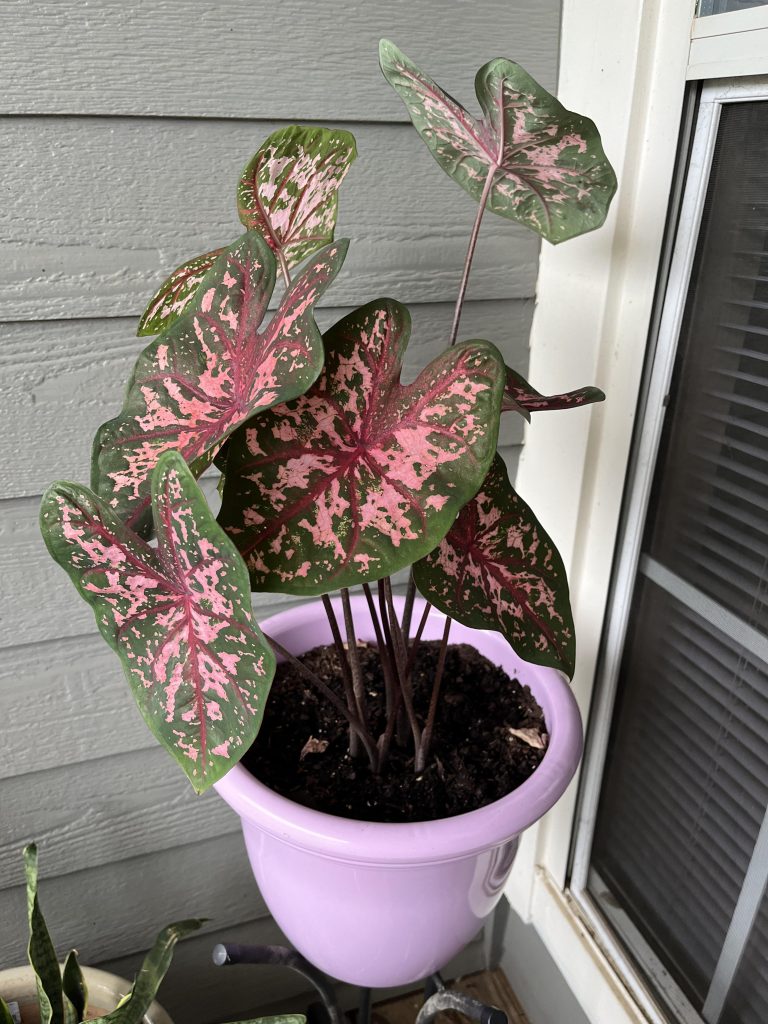
Bold leaves make caladium impossible to ignore on a porch. Heart-shaped and multicolored, they range from soft pink to deep red against green backgrounds. White and cream markings add even more contrast.
Nothing about this plant needs sunlight to look stunning. Filtered, partial, or full shade all work fine, which makes it perfect for that dim north-facing corner.
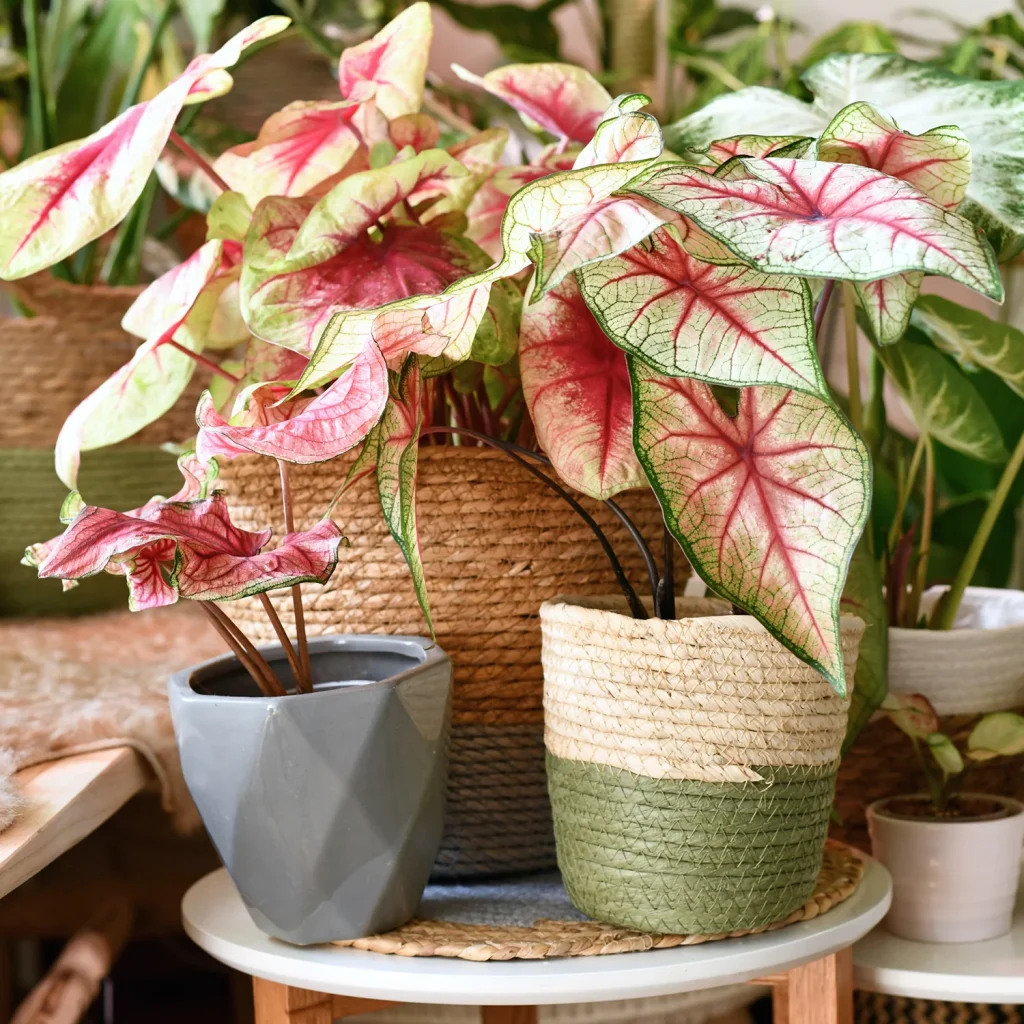
I like grouping several varieties together for a layered, jungle-like effect.
Pairing matters too. Impatiens, begonias, and fuchsias all complement caladium beautifully in the same container.
Keep the soil consistently moist and slightly acidic, and this plant will carry your porch through the whole summer.
Plant Overview
- USDA Growing Zones: Grown as an annual in most regions
- Color Varieties: Pink, red, white, green combinations
- Sun Exposure: Filtered, partial, or full shade
- Soil Needs: Organically rich, moist soil
6. Coral Bells
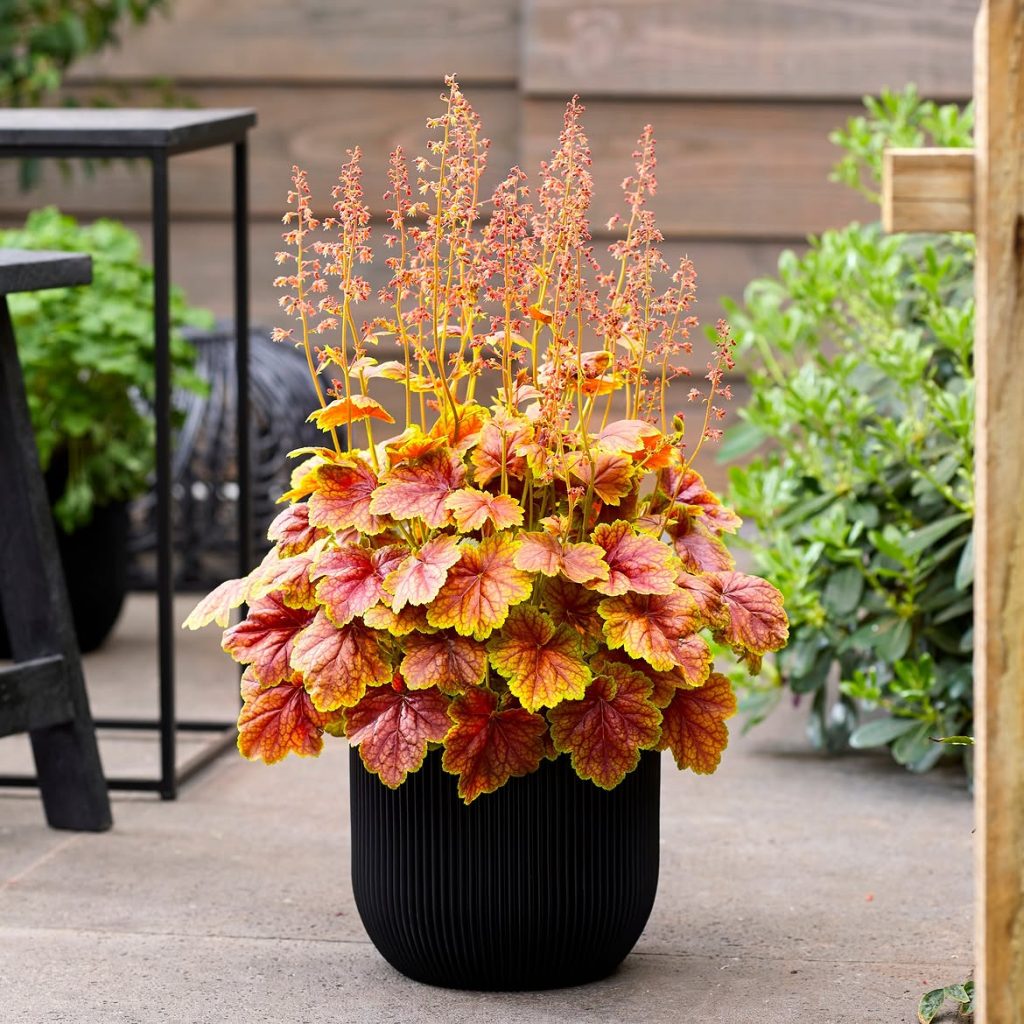
Foliage does all the talking with coral bells. Colors swing from chartreuse to purple, copper to silver, depending on the variety you pick. Bees and butterflies show up for the delicate flowers too.
Light-colored leaves brighten dark corners better than almost anything else on this list. I always reach for a pale variety when a porch spot feels especially gloomy.
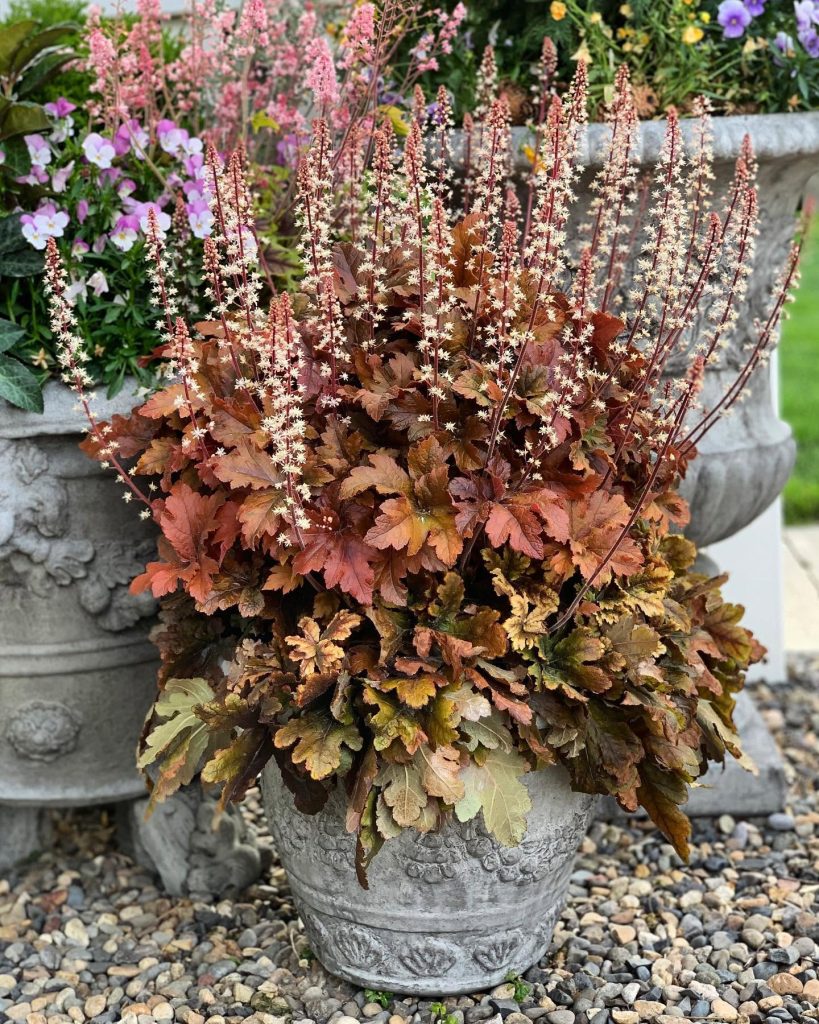
Coral bells stay evergreen through winter, so you get color even when other plants have faded.
Soil should stay moist but never waterlogged. Good drainage keeps roots healthy year after year. This perennial comes back reliably, which makes it a smart long-term investment for a shady porch.
Plant Overview
- USDA Growing Zones: Winter hardy (varies by cultivar)
- Color Varieties: Chartreuse, purple, copper, silver foliage
- Sun Exposure: Sun to shade
- Soil Needs: Well-drained, organically rich, moist soil
7. Elephant Ear
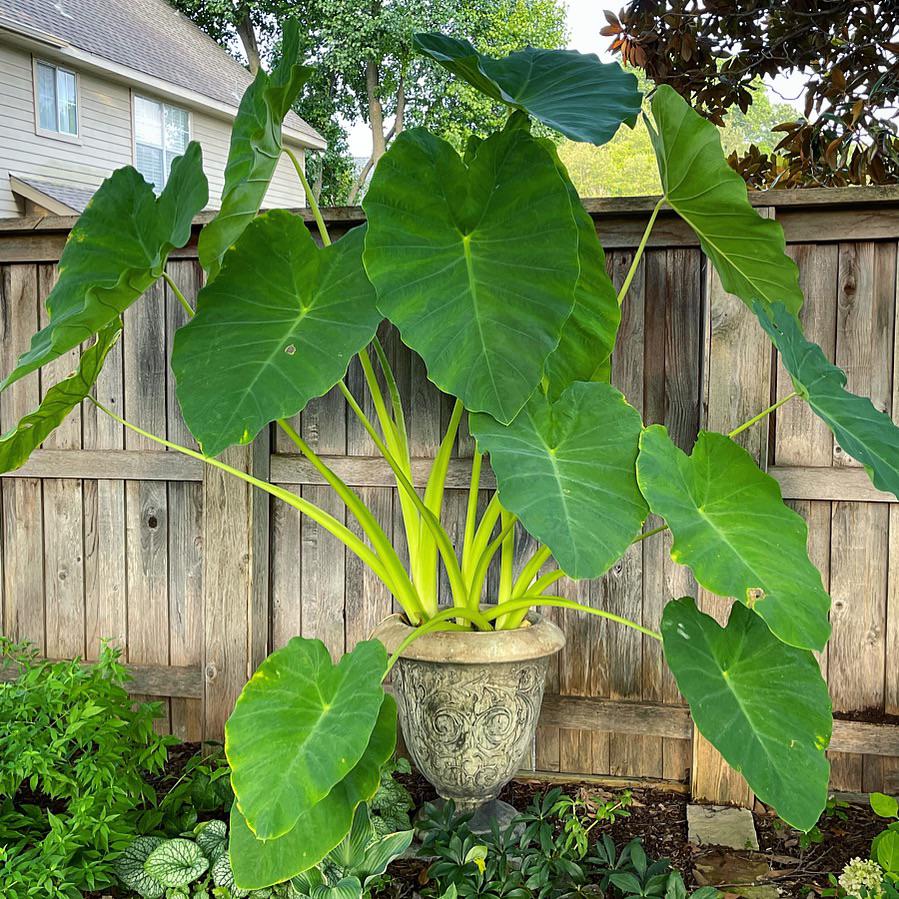
Nothing beats elephant ear for sheer drama on a porch. Its leaves grow massive, ranging from lime green to nearly black depending on variety.
I use it as a centerpiece plant, letting smaller flowers surround it.
Two main types exist, and they behave differently. Alocasia grows upright and structured, while Colocasia spreads outward and low.
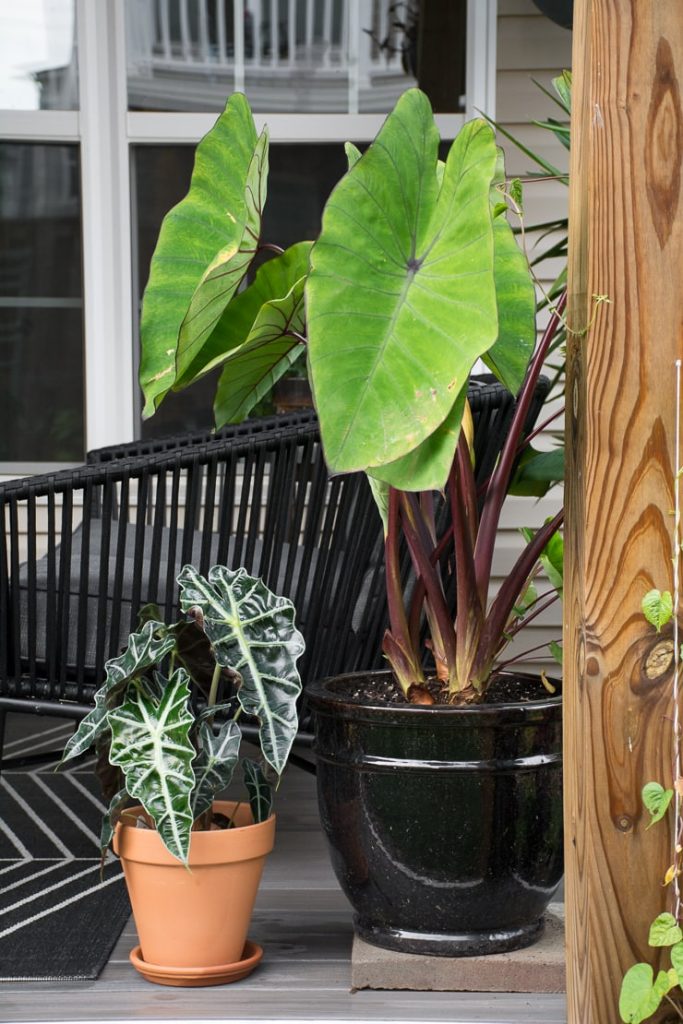
Both handle sun and shade equally well, which makes them ideal for porch edges where light shifts throughout the day.
Rich, moist soil keeps those giant leaves looking healthy. Good drainage prevents rot at the base. Give this plant a big enough pot, since undersized containers stunt its impressive growth fast.
Plant Overview
- USDA Growing Zones: Grown as an annual in most regions
- Color Varieties: Green, black, variegated foliage
- Sun Exposure: Full sun to part shade
- Soil Needs: Organically rich, well-drained, moist soil
8. Bigleaf Hydrangea
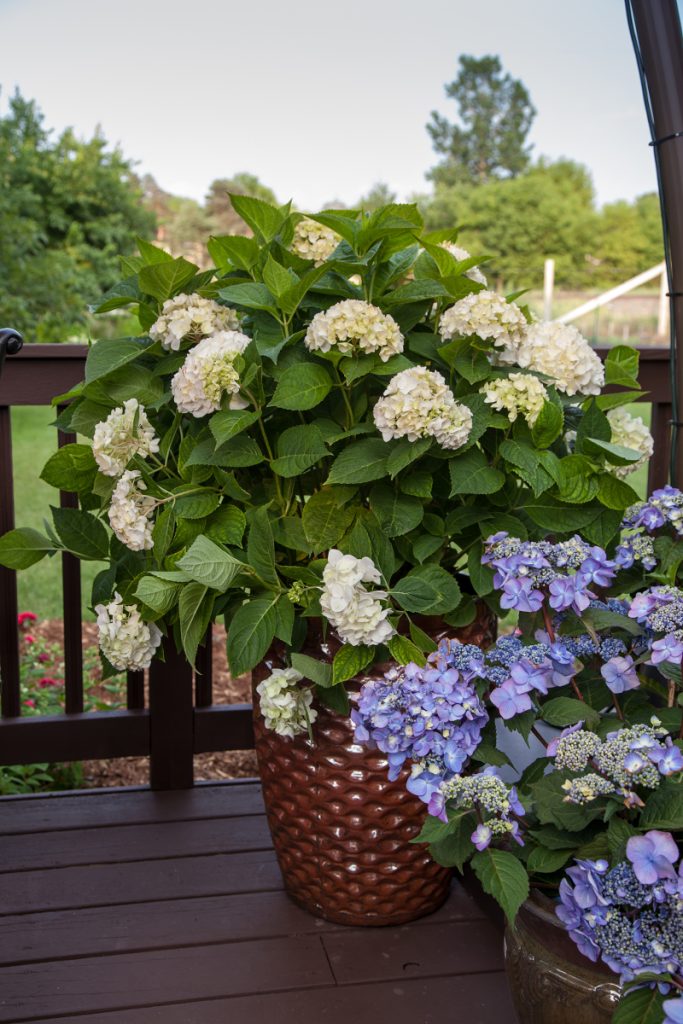
I’ve never met a shrub that makes a bigger statement than hydrangea. Its blooms cluster together in huge rounded heads, often shifting color based on soil pH.
A single pot practically transforms a porch entrance.
Containers change this plant’s needs slightly. Afternoon shade actually helps hydrangea thrive when grown in a pot, even though it tolerates more sun in open ground.
Water closely, too. Pots dry out fast, and this thirsty shrub wilts quickly without enough moisture.
Growth eventually outpaces most containers. Plan to transplant your hydrangea into the garden or a bigger pot after a few years. Until then, enjoy those dramatic blooms softening up your shady porch corner.
Plant Overview
- USDA Growing Zones: Varies by cultivar
- Color Varieties: Blue, pink, purple, white
- Sun Exposure: Full sun, part sun, dappled shade
- Soil Needs: Well-draining, rich soil
9. Bush Violet
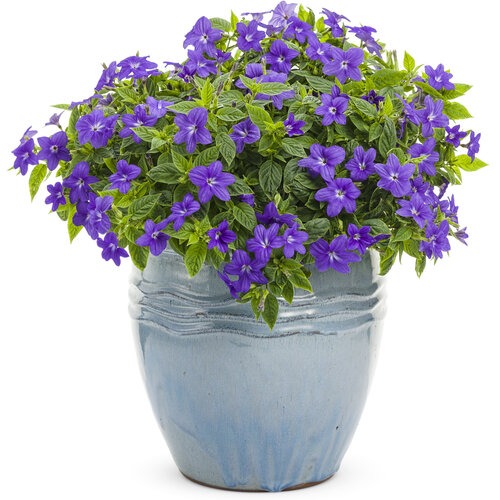
Purple practically pours out of bush violet all summer long. Its tubular blooms come in white, blue, or deep purple, drawing hummingbirds straight to your porch. I love how effortlessly this plant fills a container.
Two growth habits give you options here. Bushier varieties suit standing containers well, while trailing types look stunning in hanging baskets.
Either way, this plant handles shady conditions without complaint, blooming steadily from spring through fall.
Pinch young plants back early in the season. Doing this encourages fuller, bushier growth later on. Keep soil evenly moist but well-drained, and bush violet will keep flowering right through the heat of summer.
Plant Overview
- USDA Growing Zones: Grown as an annual in most regions
- Color Varieties: White, blue, purple
- Sun Exposure: Full to part shade
- Soil Needs: Average to moist, well-drained soil
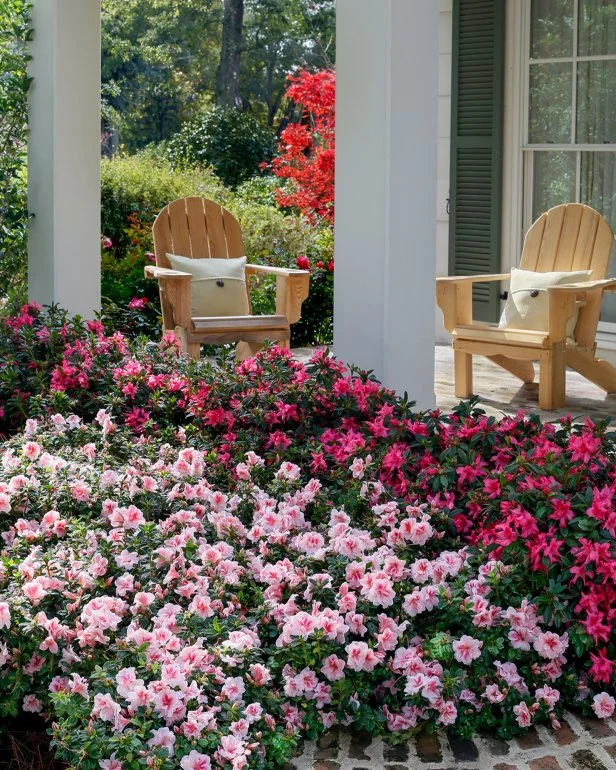
10. Azaleas
Spring color doesn’t get much better than a blooming azalea. This shrub practically explodes with flowers when the season hits right. I always look forward to that burst after a long, dull winter.
Different varieties behave differently, so choose carefully. Some azaleas drop their leaves in winter, while others stay evergreen year-round.
Encore® varieties go further still, blooming again later in the season instead of just once each spring.
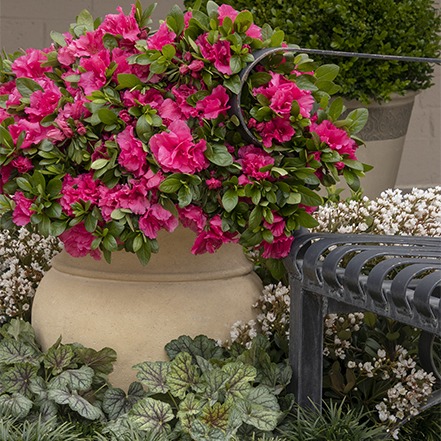
Containers work best with dwarf cultivars. Regular potting soil won’t cut it here, though. Azaleas need an acid-loving mix to really thrive, so pick up specialty soil made for plants like this.
Plant Overview
- USDA Growing Zones: Varies by species and cultivar
- Color Varieties: Pink, red, white, purple, coral
- Sun Exposure: Part shade to filtered sunlight
- Soil Needs: Well-draining, rich, acidic soil
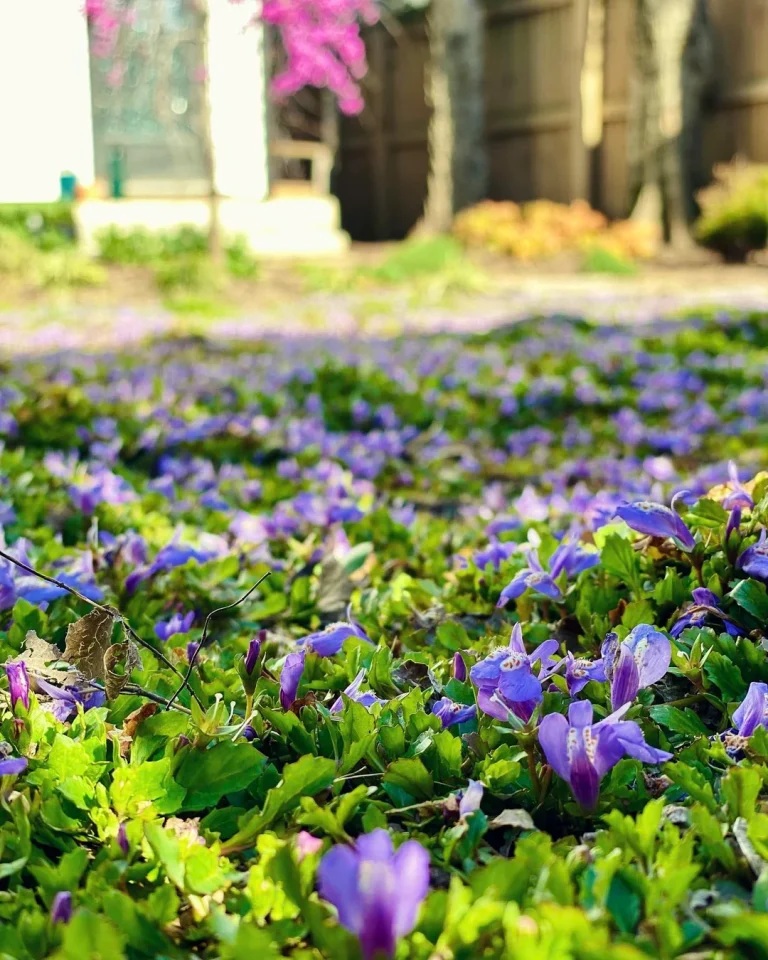
11. Wishbone Flower
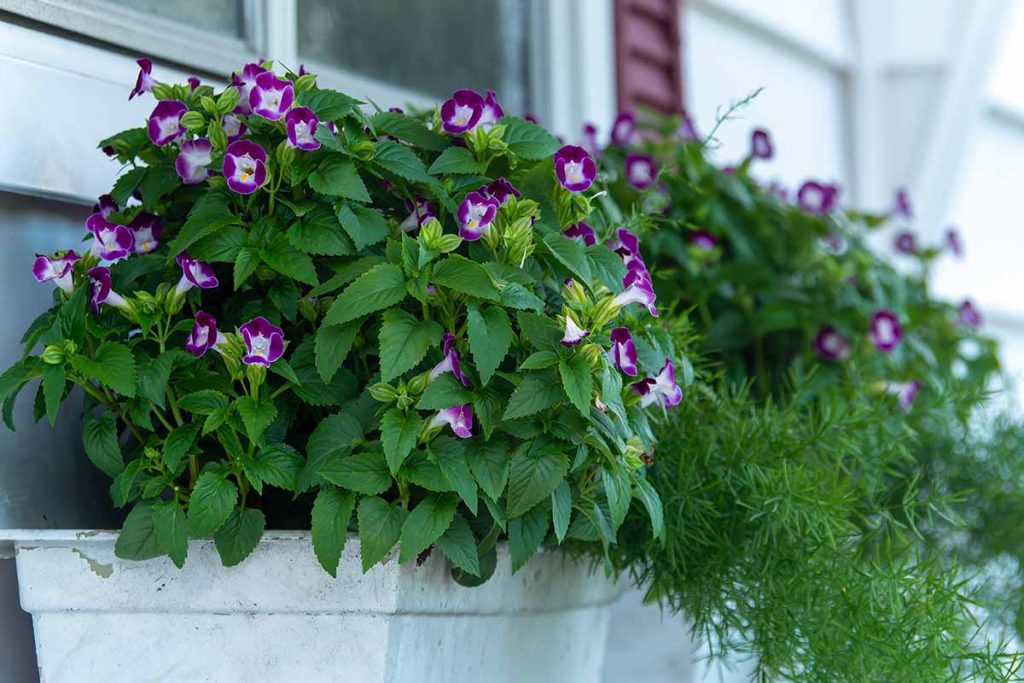
Small but mighty describes wishbone flower perfectly. Its two-toned blooms mix pink, violet, deep purple, and white, often with yellow markings tucked inside. Hummingbirds and butterflies visit constantly once it starts flowering.
Heat used to slow this plant down in older varieties. Newer hybrids fixed that problem, offering better heat tolerance and bigger blooms than before.
Some even trail nicely, making them a great pick for hanging baskets on a shady porch.
Pinch back young plants early on. This simple step encourages bushier, fuller growth as the season progresses. Rich, well-draining soil keeps wishbone flower blooming steadily from spring straight through fall.
Plant Overview
- USDA Growing Zones: Grown as an annual in most regions
- Color Varieties: Pink, violet, deep purple, white
- Sun Exposure: Full shade to filtered sun
- Soil Needs: Well-draining, rich soil
12. Gardenia
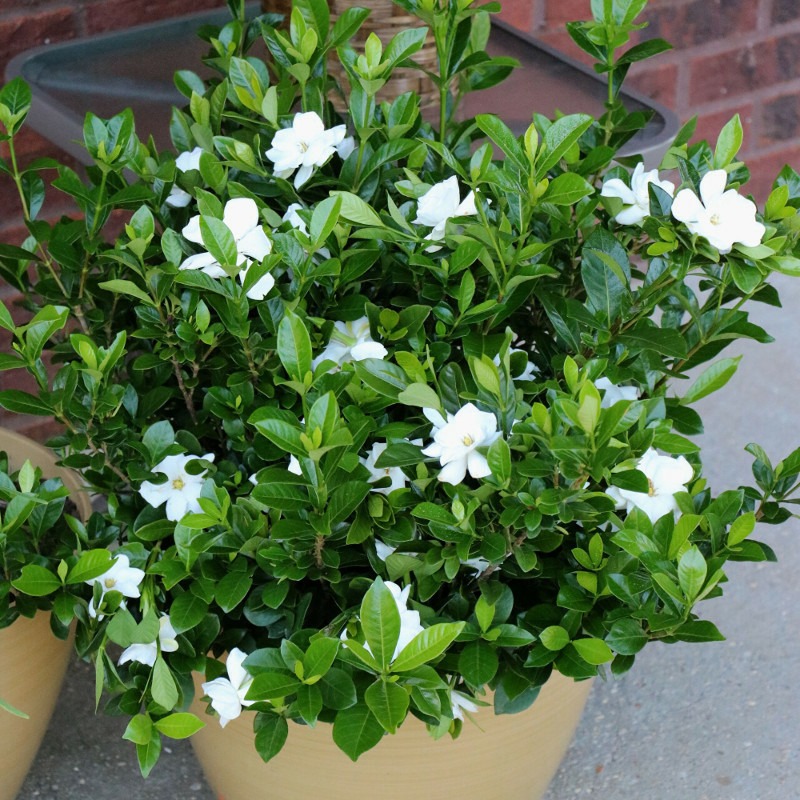
Fragrance sells gardenia before you even see the flowers. Its scent drifts across a porch on warm evenings, filling the whole space with that classic Southern smell. Glossy evergreen leaves back up those creamy white blooms beautifully.
Direct sun actually hurts container-grown gardenia. Filtered light or bright shade suits it far better, especially when planted in a pot instead of open ground.
I’ve learned this one the hard way after scorching a few leaves myself.
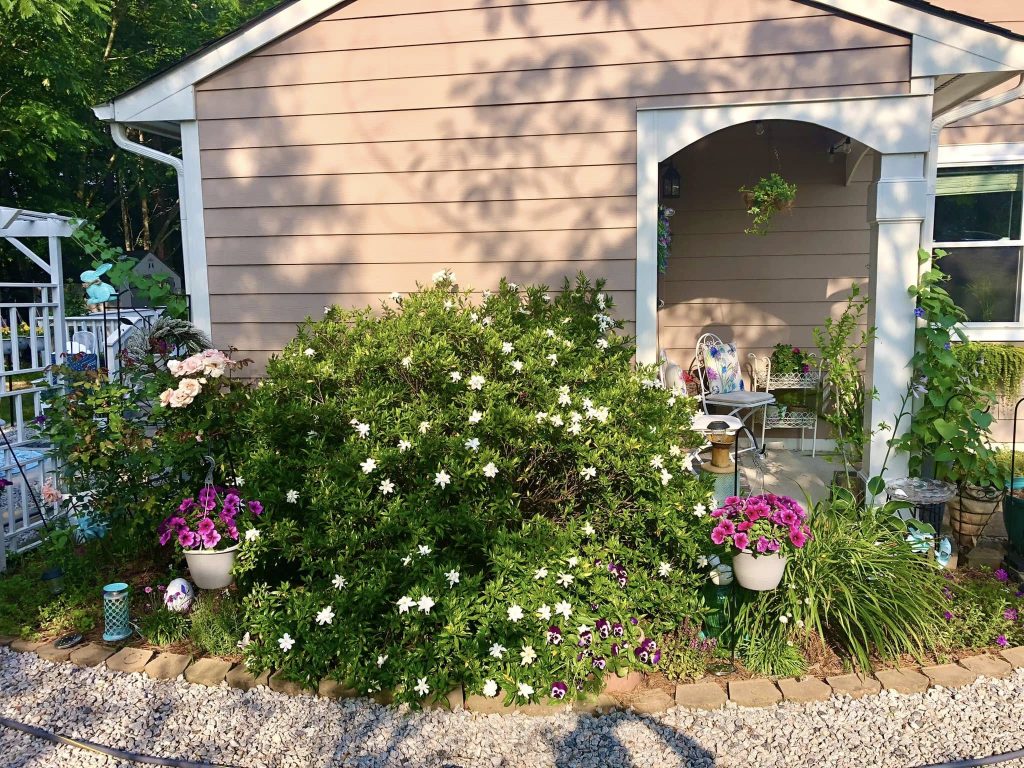
Overwatering causes more problems than underwatering does. Let the soil dry out slightly between waterings to avoid root issues.
Acidic soil keeps gardenia healthy, so skip regular potting mix and reach for something formulated for acid-loving plants.
Plant Overview
- USDA Growing Zones: Varies by cultivar
- Color Varieties: White (grown mainly for fragrance and foliage)
- Sun Exposure: Full sun to part shade
- Soil Needs: Organically rich, well-drained, moist soil
13. Hosta
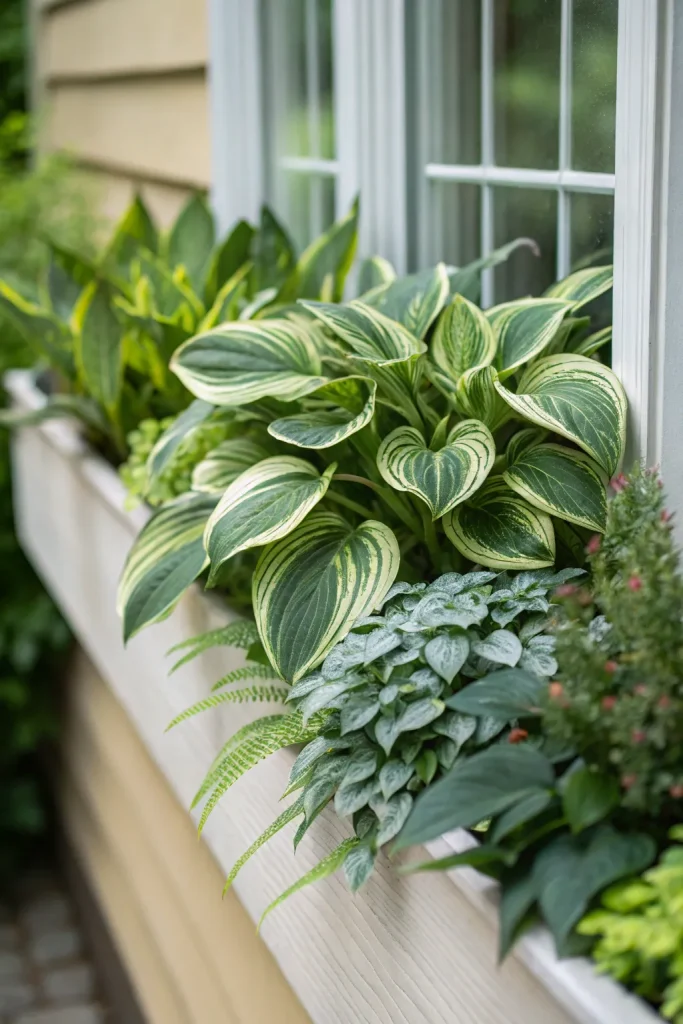
You can’t talk shade gardening without mentioning hosta. Its leaves come in more shades of green than you’d expect, from deep forest to pale chartreuse. Some varieties even show off crisp white edges.
Light affects color more than most people realize. Yellow-leaved hostas actually tolerate more sun than darker varieties do, so match your pick to your porch’s exact light level.
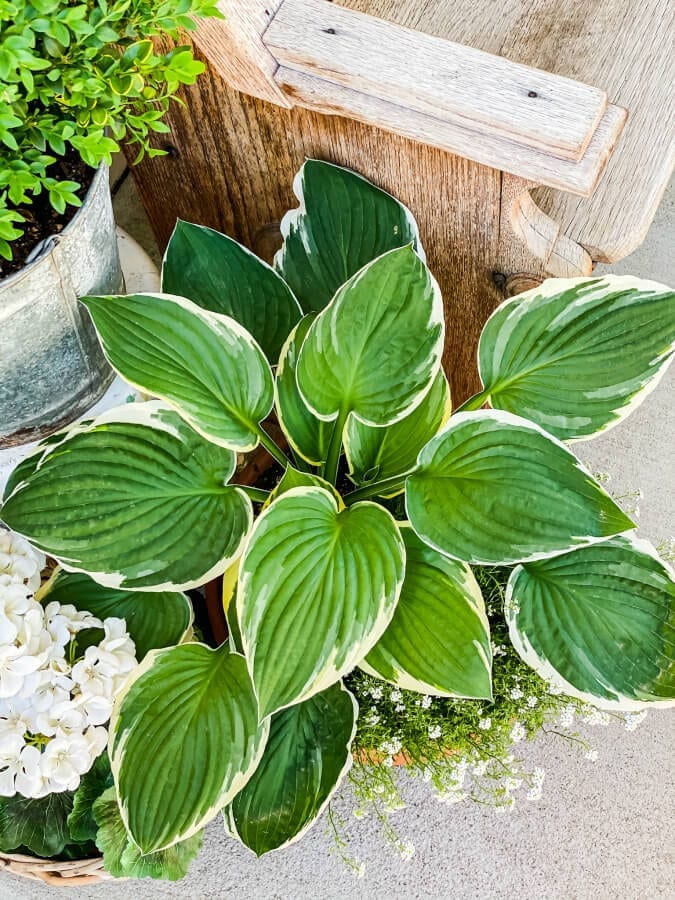
I’ve swapped mine around a few times just to see the difference.
Slugs pose the biggest threat to this plant. Heavy mulch makes the problem worse, oddly enough, so keep that in mind when planting.
Rich, moist soil and occasional division keep hosta thriving for years without much fuss.
Plant Overview
- USDA Growing Zones: 3 to 9
- Color Varieties: White, lavender flowers (grown mainly for foliage)
- Sun Exposure: Part shade to full shade
- Soil Needs: Rich, moist, well-drained soil
Bringing Your North-Facing Porch to Life
A dim porch doesn’t mean a boring porch. These 13 plants prove that shade can hold just as much color and texture as full sun ever could.
Mix a few bold foliage plants like caladium and elephant ear with bloomers like fuchsia and impatiens for a porch that feels layered and alive.
Start with two or three plants that match your exact light and moisture conditions. Watch how they do for a season before adding more.
My own porch took years of trial and error to get right, and yours will likely take some patience too. Give these shade lovers a try, and that dark north-facing corner might just become your favorite spot on the whole house.