13 Best Mosquito Repelling Plants for Your Patios

Mosquitoes ruin more patio evenings than bad weather ever does. I’ve burned candles, sprayed everything in sight, and still ended up covered in bites.
Plants changed that for me completely. Certain herbs and flowers release scents mosquitoes hate, and you get gorgeous blooms as a bonus.
Growing a few pots near your seating area builds a natural shield without a single harsh chemical. Ready to trade bug spray for something you’ll actually enjoy?
These 13 plants keep mosquitoes away and turn your patio into a fragrant little escape. Grab some pots, and let’s get started.
13 Mosquito-Repellent Plants for Outdoor Living Space
1. Lavender Brings Beauty and Bug-Free Air
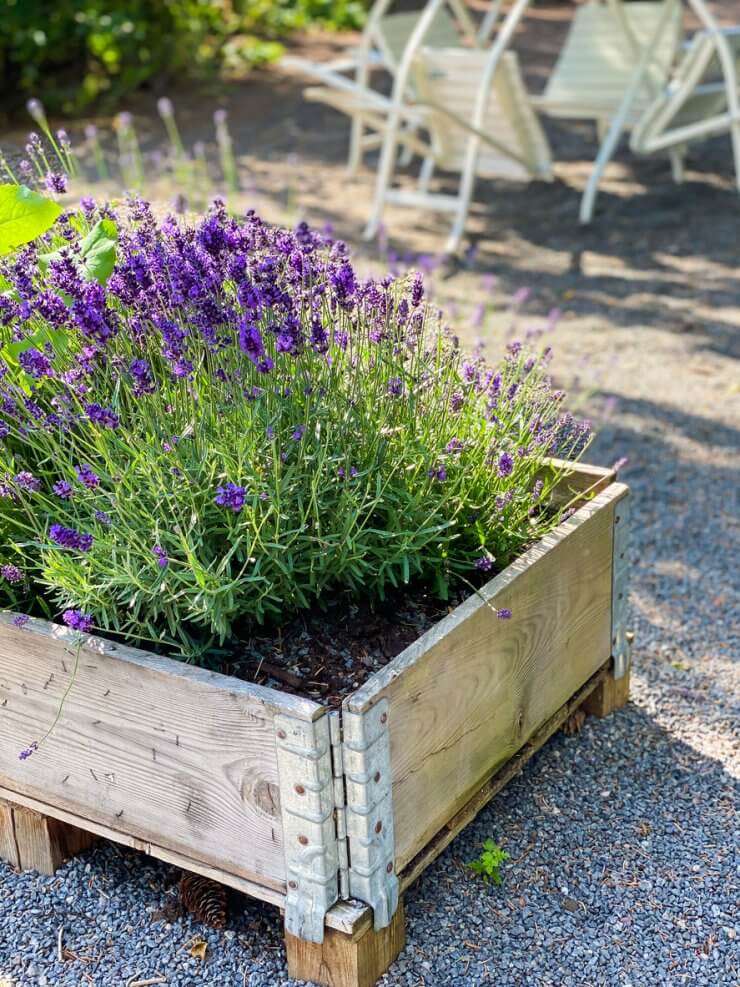
Ever wonder why mosquitoes leave lavender alone? I love this plant for one simple reason. Its oils seem to confuse mosquitoes and mask your scent from them completely.
You get gorgeous purple blooms and bug protection in a single pot.
Full sun keeps lavender happiest on any patio. Skip watering it too often, or the roots start to rot. I let mine dry out fully between waterings, and it thrives.
Want extra bug-fighting power? Try Grosso or Provence lavender for your pots. Their higher camphor content seems to give them an extra edge against mosquitoes.
Plant Overview
- Plant type: Perennial
- Zones: 5-11, depending on variety
- Bloom time: Summer to fall
2. Marigolds Add Color While Keeping Bugs Away
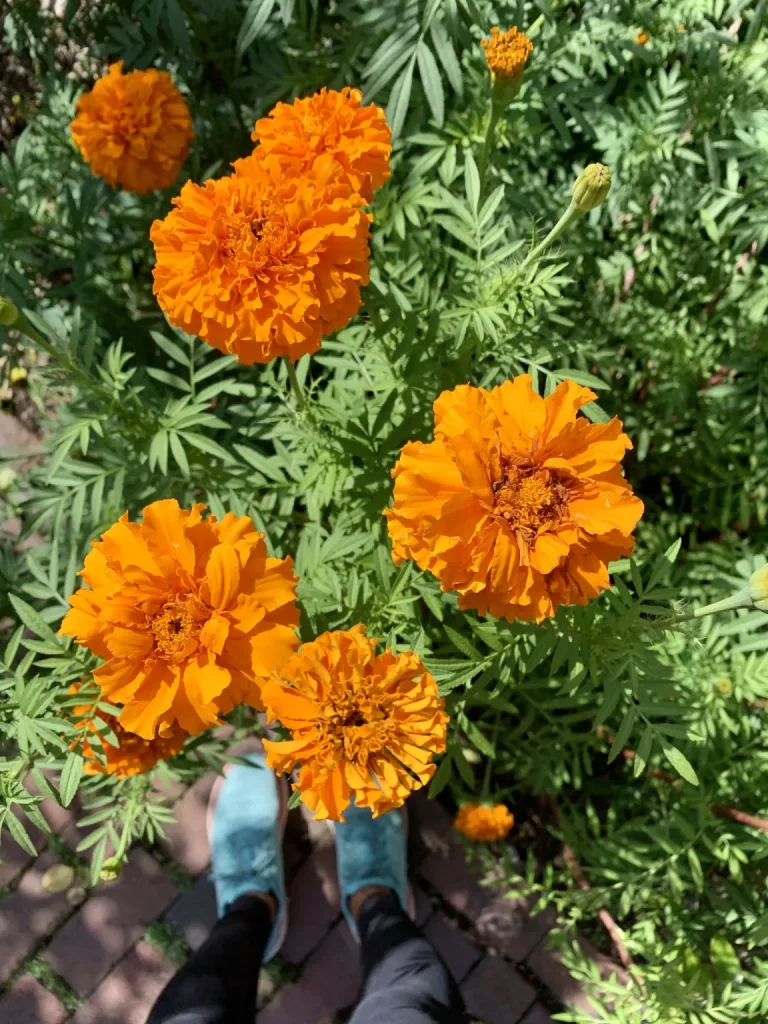
Marigolds pack a serious punch against mosquitoes. Their smell overwhelms bugs fast, honestly. Some people find the scent a little strong too, and I get that. But those cheerful orange and yellow blooms make it worth it every time.
Give marigolds full sun and they’ll bloom nonstop until frost. They barely ask for anything else. Skip the fertilizer, and they’ll still thrive in a plain pot.
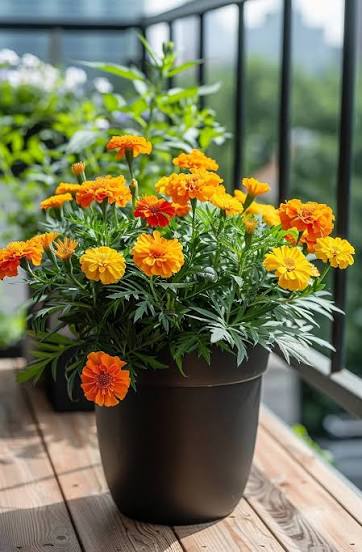
Plant them close to your patio door for the strongest effect. I tuck a few into my vegetable pots too. They chase off aphids and whiteflies while they’re at it, so everybody wins.
Plant Overview
- Plant type: Annual
- Zones: Grown as an annual in all zones
- Bloom time: Late spring until frost
3. Citronella Grass Is the Classic Mosquito Fighter
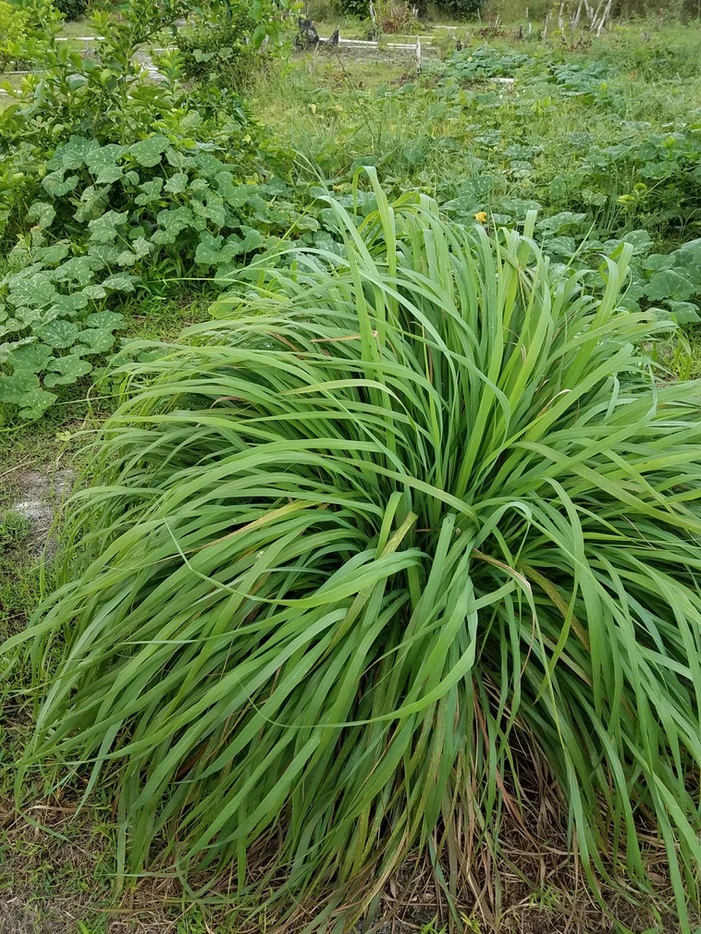
I always laugh when people ask about citronella. You already know this scent from every candle and spray on the store shelf. The real, living plant actually works better than any bottled version.
Cold weather kills citronella grass fast, unfortunately. Gardeners in zones 9 through 11 can plant it straight into the ground. Everyone else needs a big pot instead, then bring it inside before frost hits.
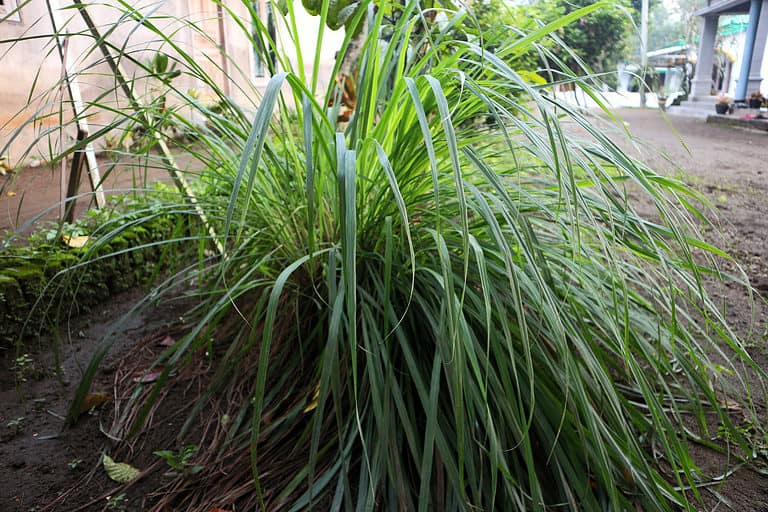
Full sun and soil that dries out between waterings keep this grass happy. I run my fingers along the leaves to release that citrusy smell. It’s a tiny habit, but it pays off in fewer bites all evening.
Plant Overview
- Plant type: Usually grown as an annual
- Zones: 9-11
- Bloom time: Grown mainly for foliage, not blooms
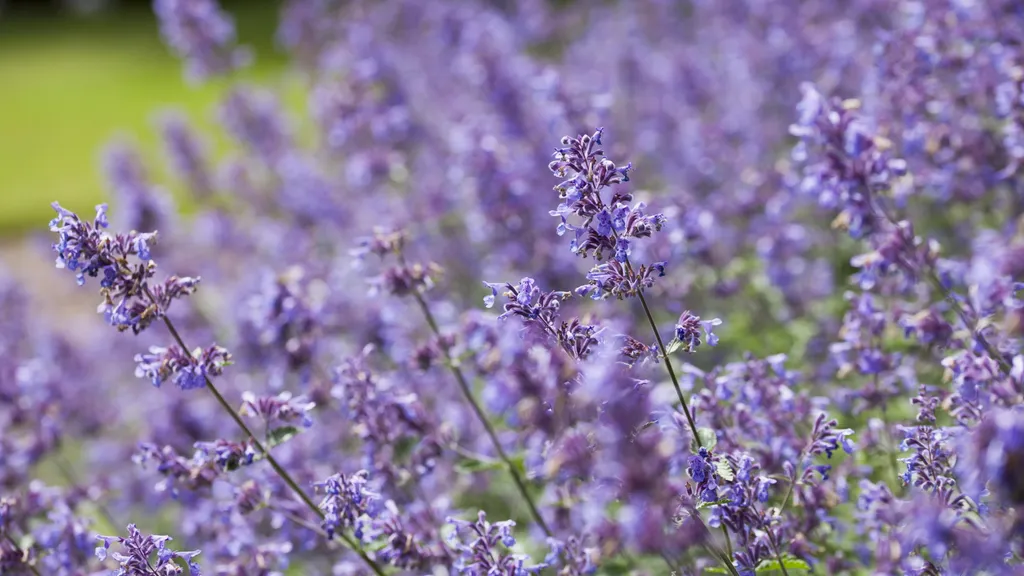
4. Catmint Punches Above Its Weight
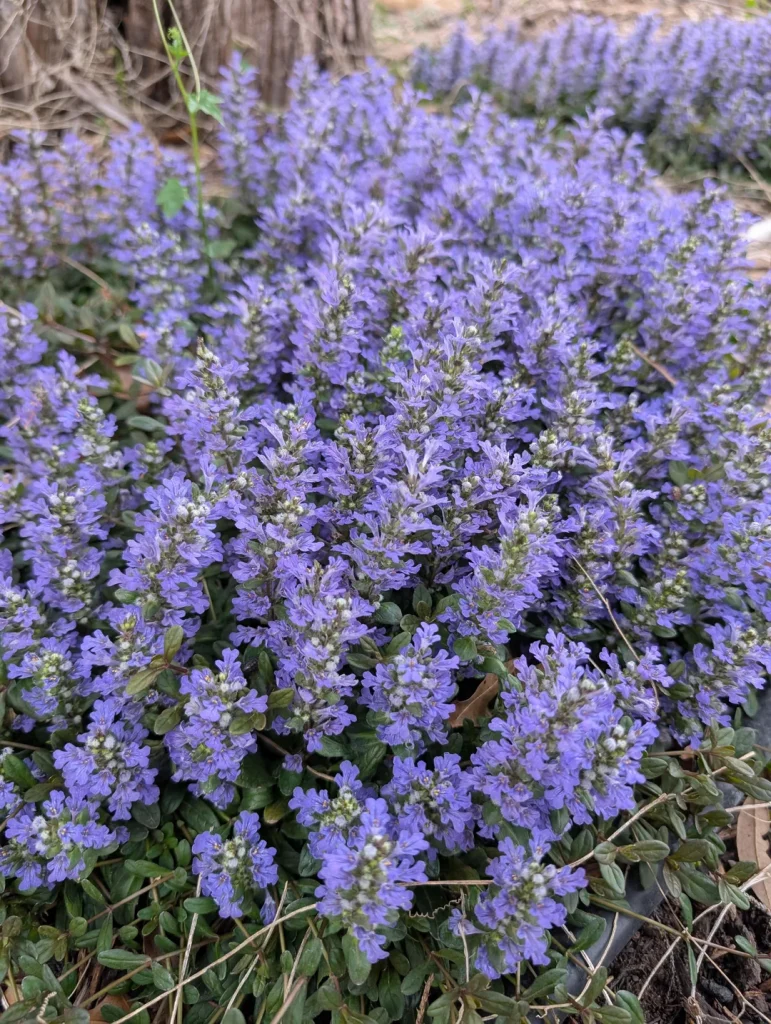
Nothing bothers a mosquito quite like catmint’s oil. This plant contains nepetalactone, a compound some studies rank as far more effective than DEET. You get that protection wrapped in soft purple flowers too.
Full sun or light shade works fine for catmint. It tolerates rough soil without complaint. I’ve never babied mine, and it still comes back strong every spring.
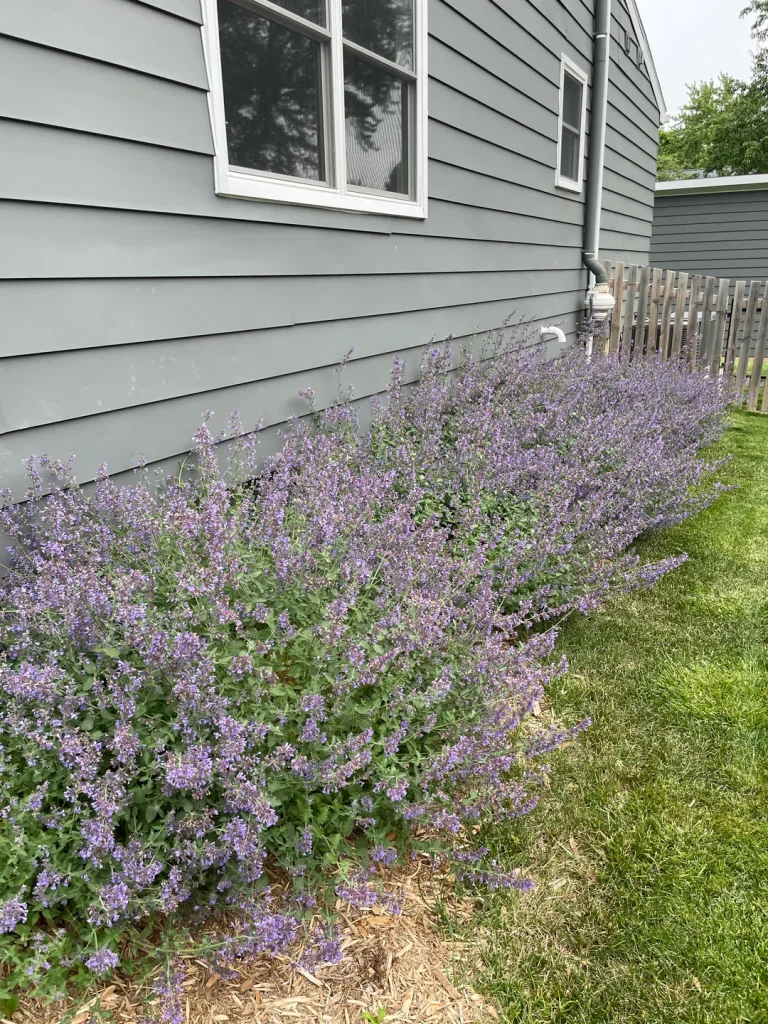
Cats might show up uninvited, fair warning. Place a pot near your door and mosquitoes think twice. It’s a low-maintenance plant that just keeps giving.
Plant Overview
- Plant type: Perennial
- Zones: 3-9
- Bloom time: Early summer to fall
5. Rosemary Doubles as Dinner and Defense
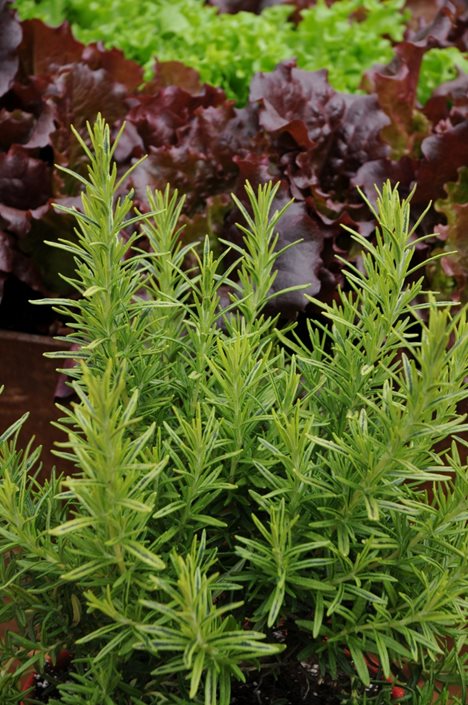
Have you ever grown something that fights bugs and flavors your chicken? Rosemary does both without breaking a sweat. Its woody scent drives mosquitoes off while making your kitchen smell amazing.
Hot, dry spots suit rosemary best. Containers actually work great for this herb, especially if winters get cold where you live. I move mine indoors before the first frost and it survives just fine.
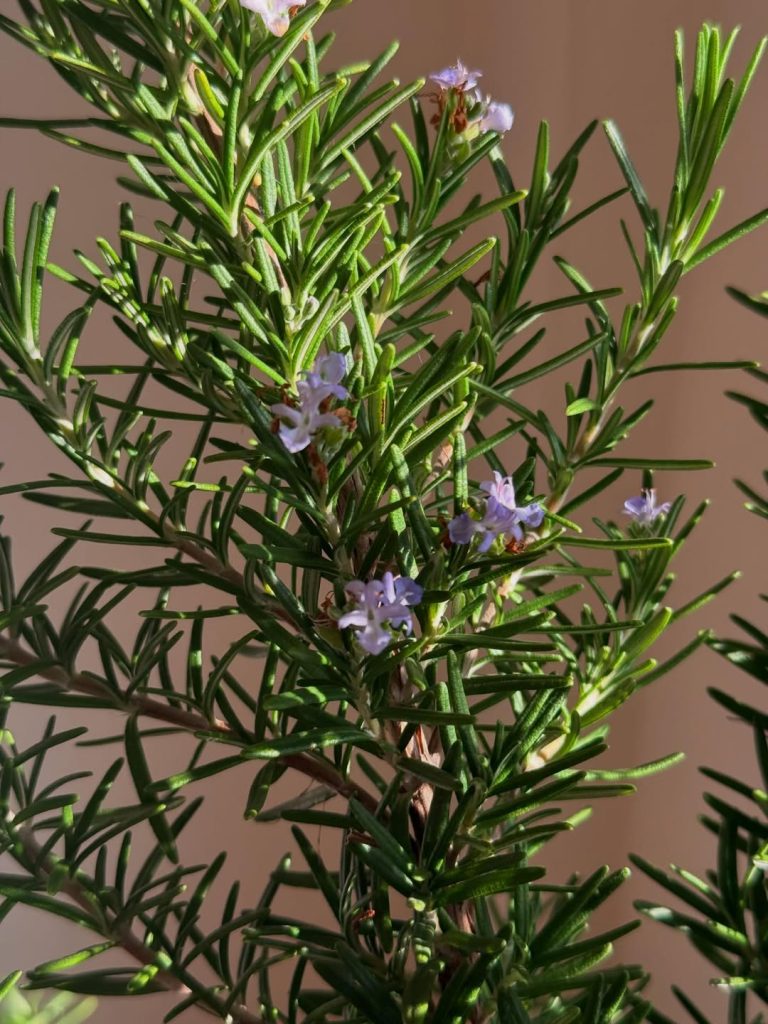
Snip a few sprigs and toss them on the grill sometime. You get flavor and fewer bug bites in one shot. That’s a trade I’ll happily make every time.
Plant Overview
- Plant type: Perennial herb
- Zones: 7-10
- Bloom time: Late winter to spring
6. Basil Works Overtime in Every Pot
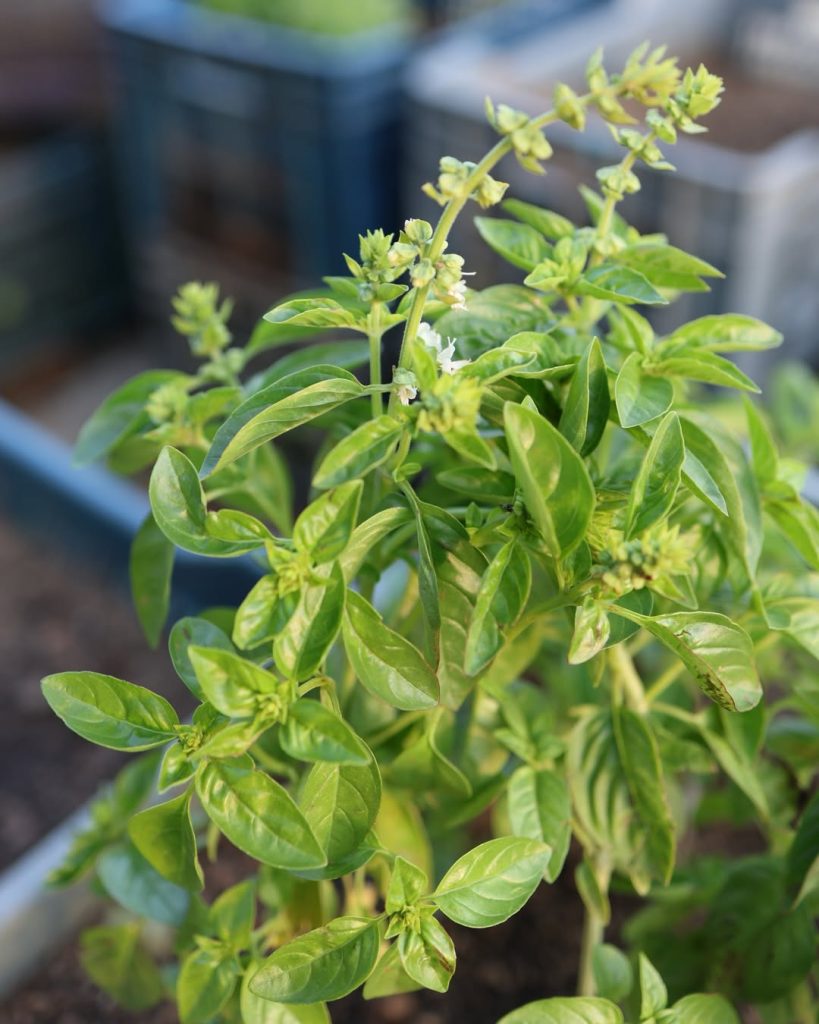
My basil plant pulls double duty all summer long. It seasons my pasta and keeps mosquitoes from ruining dinner outside. Not many herbs can claim that kind of resume.
Damp soil and plenty of sun keep basil thriving. Good drainage matters too, or the roots start to struggle. Pair it with tomatoes in the same container and both plants seem happier.
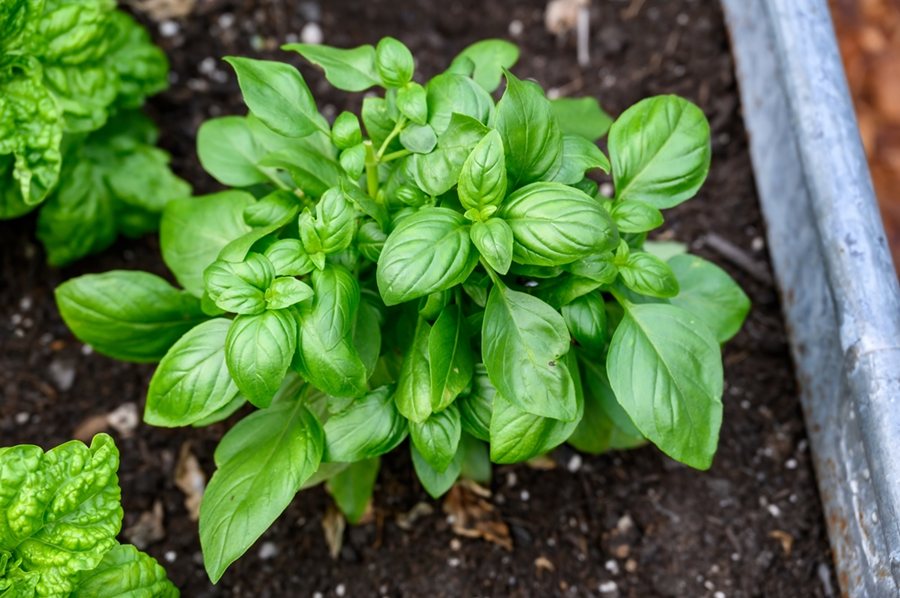
Crush a leaf between your fingers before sitting down outside. That quick release of oil adds a little extra protection. Cheap, easy, and useful, basil checks every box.
Plant Overview
- Plant type: Usually grown as an annual
- Zones: 10-11
- Bloom time: Summer to frost
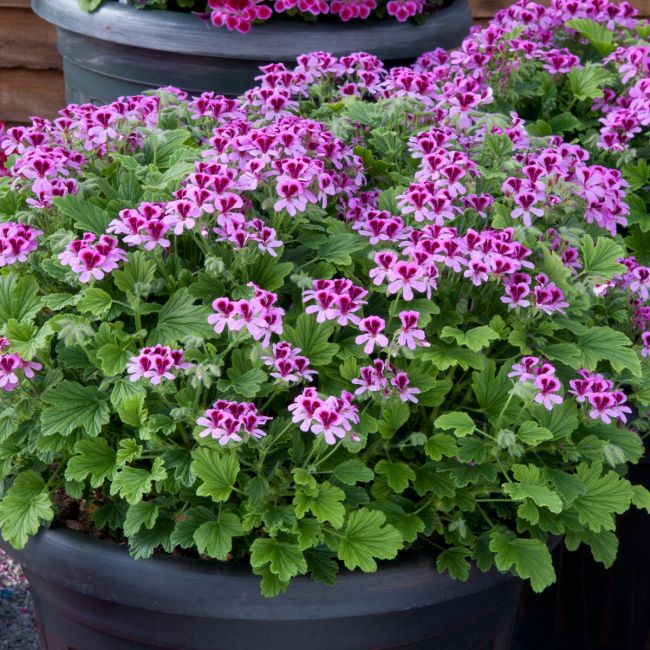
7. Scented Geraniums Smell Like Whatever You Want
Rub a scented geranium leaf and pick your fragrance. Lemon, rose, mint, even apple, these plants come in every scent imaginable. Lemon-scented types seem to work hardest against mosquitoes.
Warm, sunny, dry spots make geraniums happiest. Containers suit them perfectly, and constant pruning keeps them full. Cold climates mean bringing pots indoors before frost, so plan ahead.
I keep three different scents on my patio table. Guests always ask to smell each one. Beauty and bug protection rarely pair up this well.
Plant Overview
- Plant type: Usually grown as an annual
- Zones: 10-11
- Bloom time: Spring to fall
8. Bee Balm Breaks the Usual Rules
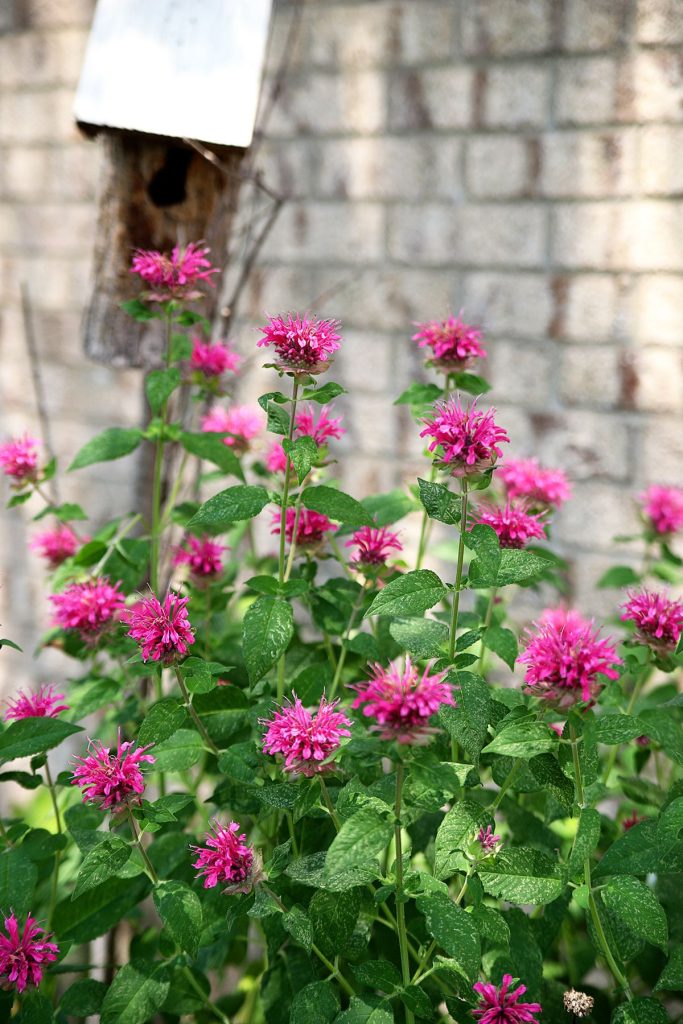
Bee balm skips the whole crushing-and-rubbing routine other plants demand. It releases mosquito-repelling scent just by growing and blooming nearby. That alone makes it worth a spot on your patio.
Sun to partial shade keeps bee balm happy. Well-drained soil helps it flower for weeks on end. Butterflies and hummingbirds show up too, which turns your patio into a tiny wildlife show.
Crush a leaf anyway if you want extra strength. The oils inside smell almost minty. Either way, this plant works quietly in the background all season.
Plant Overview
- Plant type: Perennial
- Zones: 4-9
- Bloom time: Mid to late summer
9. Mint Spreads Fast, So Contain It
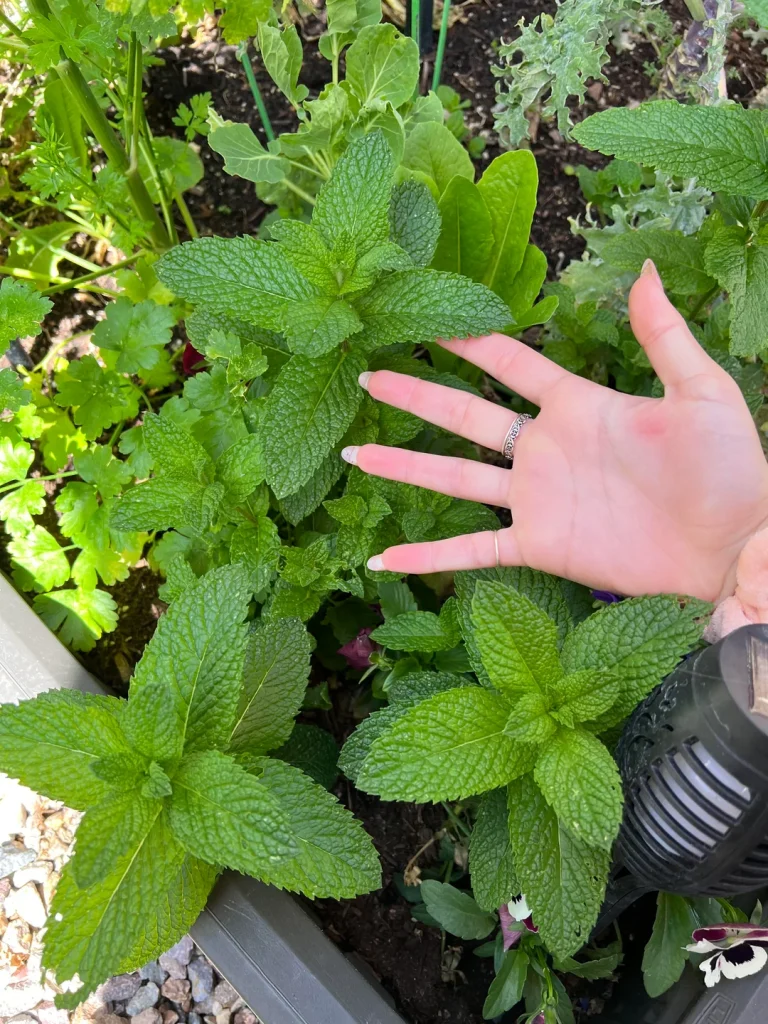
Mint takes over anything it touches, so containers are non-negotiable. I learned that lesson the hard way after it swallowed half my garden bed. Keep it potted, and it behaves beautifully on a patio.
Part shade and moist soil keep mint lush. Brushing against the leaves releases that sharp, cool smell mosquitoes hate. Drop a sprig in your iced tea while you’re at it.
Dried mint works indoors too, believe it or not. Scatter a few leaves near open windows. Simple trick, real payoff.
Plant Overview
- Plant type: Perennial herb
- Zones: 3-11, depending on variety
- Bloom time: Summer
10. Sage Turns Your Fire Pit Into a Bug Blocker
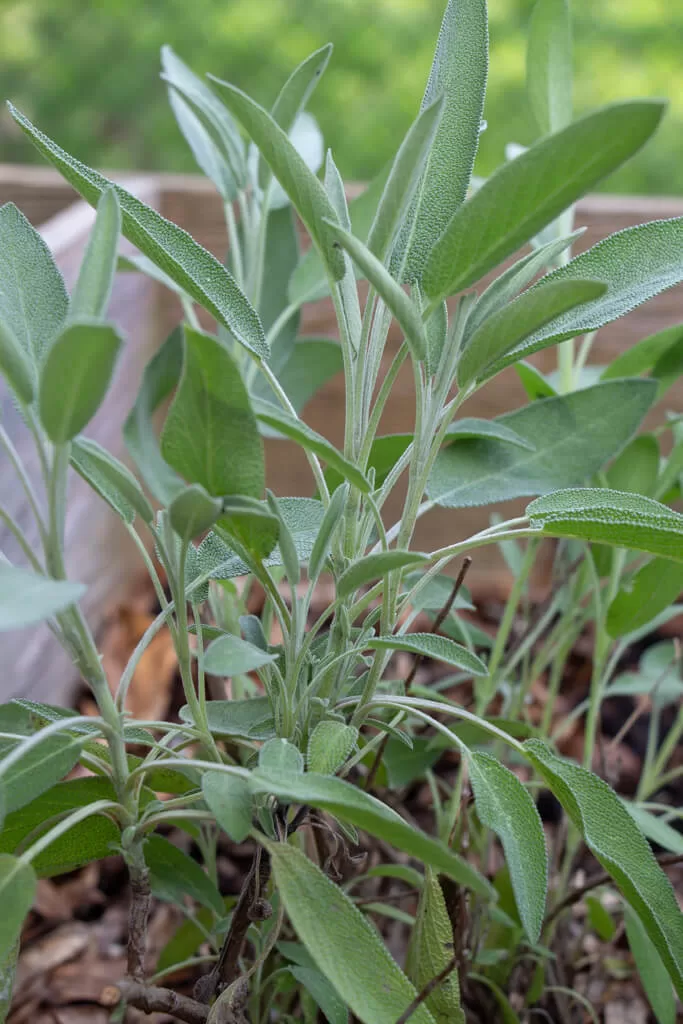
Toss a bundle of dried sage into your fire pit tonight. The smoke alone sends mosquitoes packing fast. No fire pit? Light one end and let it smolder on a fireproof tray instead.
Full sun and well-drained soil keep sage thriving without much fuss. I grow mine right at the edge of my patio bed. It looks tidy and smells earthy every time I brush past.
Crushed leaves work on skin too, if smoke isn’t your thing. Either method gets the job done. Sage really does more than season your Thanksgiving turkey.
Plant Overview
- Plant type: Perennial
- Zones: 5-8
- Bloom time: Summer
11. Lemongrass Is Where Citronella Oil Actually Comes From
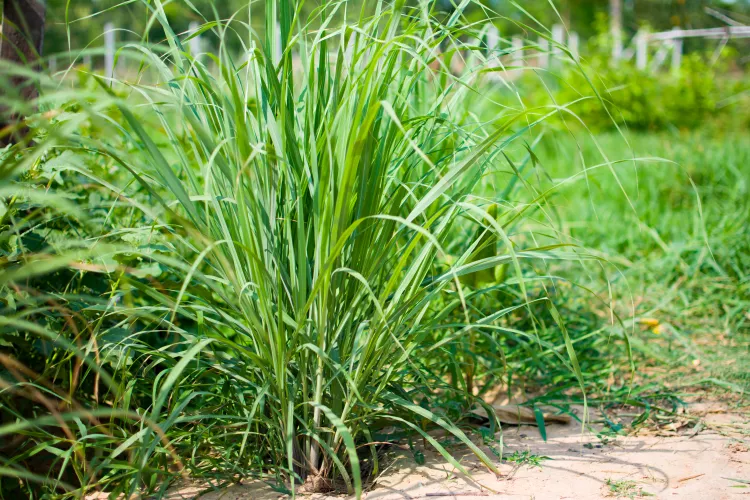
Citronella oil comes straight from lemongrass, not the ornamental citronella grass you’d expect. That surprised me the first time I learned it. Either way, this tall, arching grass earns its spot on any patio.
Warm temperatures and high humidity make lemongrass thrive. Cooler climates call for a large pot you bring indoors before frost. Start with a small seedling and it fills out fast by summer’s end.
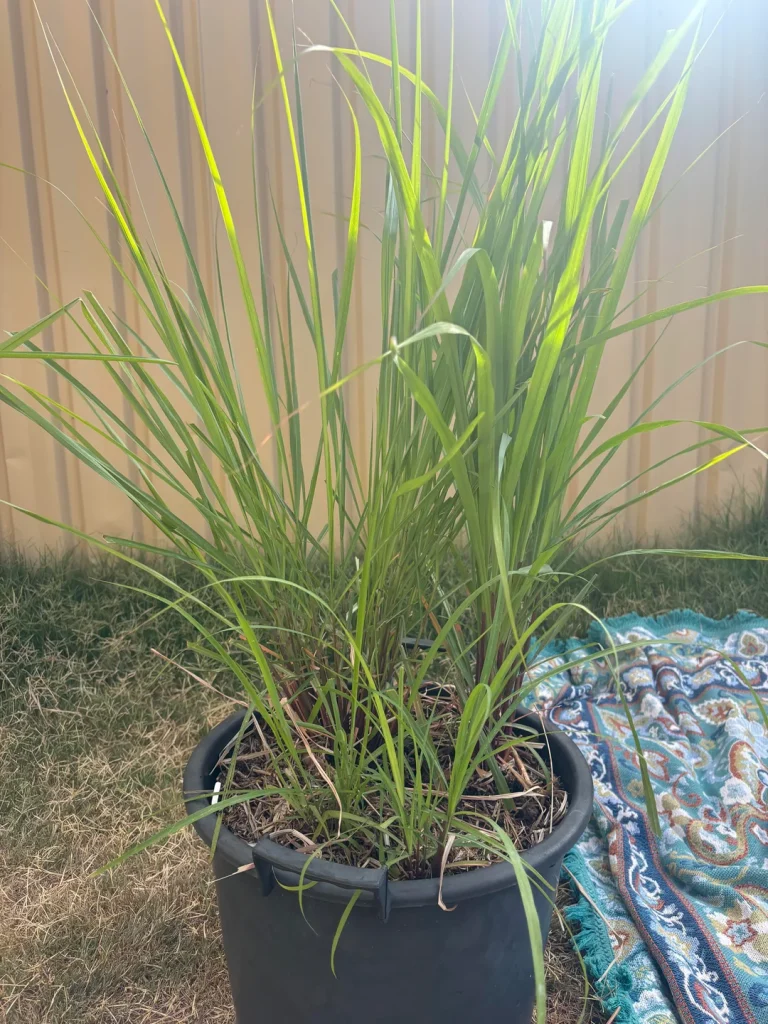
Heat activates its bug-fighting oils, so keep it somewhere sunny. Burning a few leaves boosts the effect even more. Lemony, tall, and useful, what’s not to like?
Plant Overview
- Plant type: Usually grown as an annual
- Zones: 9-11
- Bloom time: Rarely blooms outside tropical climates
12. Thyme Packs Serious Punch When Burned
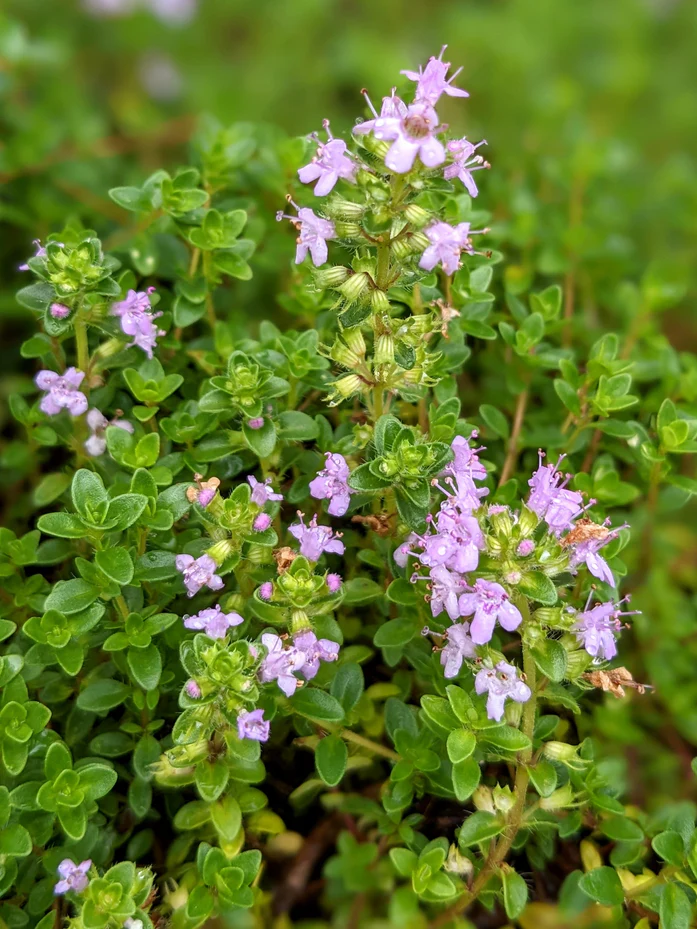
Burning thyme leaves can block a big share of mosquitoes for a while, according to research on the plant’s oils. That’s a stronger showing than most patio herbs manage. I keep a small pot just for this trick.
Well-drained, gravelly soil suits thyme perfectly. It hugs the ground and spreads into a tidy little mat. Use it to edge a bed or tuck it between patio pavers.
Crush the leaves and rub them on your skin in a pinch. Lemon thyme brings a citrusy twist if you want variety. Either type earns its keep on a buggy evening.
Plant Overview
- Plant type: Perennial herb
- Zones: 5-9
- Bloom time: Late spring to summer
13. Allium Rounds Out the List With Garlicky Power
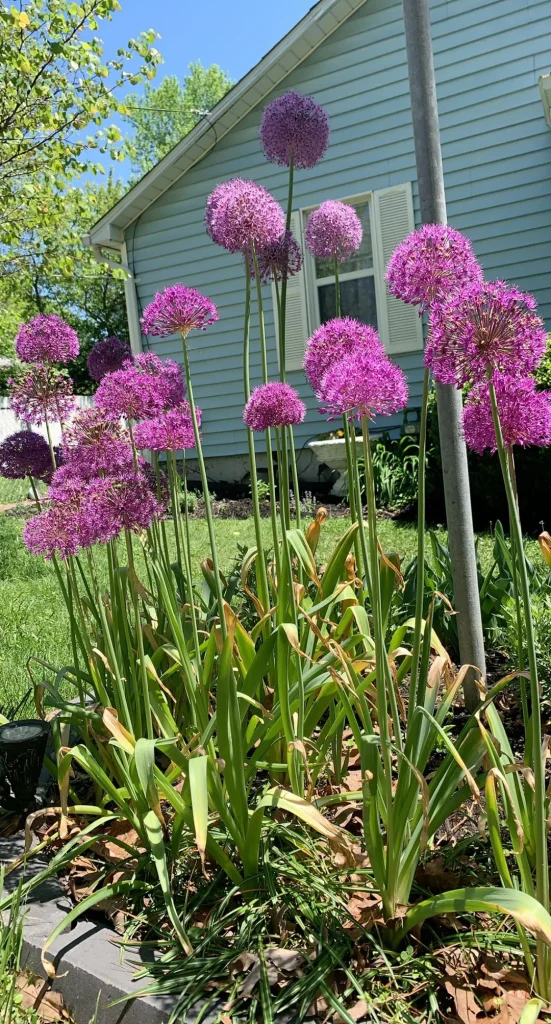
Garlic’s whole plant family fights mosquitoes, not just the cloves in your kitchen. Allium includes onions, chives, and ornamental varieties too. All of them share that strong, pungent smell bugs can’t stand.
Sunny spots and well-drained soil keep allium blooming happily. Those round, globe-shaped flowers look almost whimsical bobbing on tall stems. I mix a few pots into my flower beds for a pop of texture.
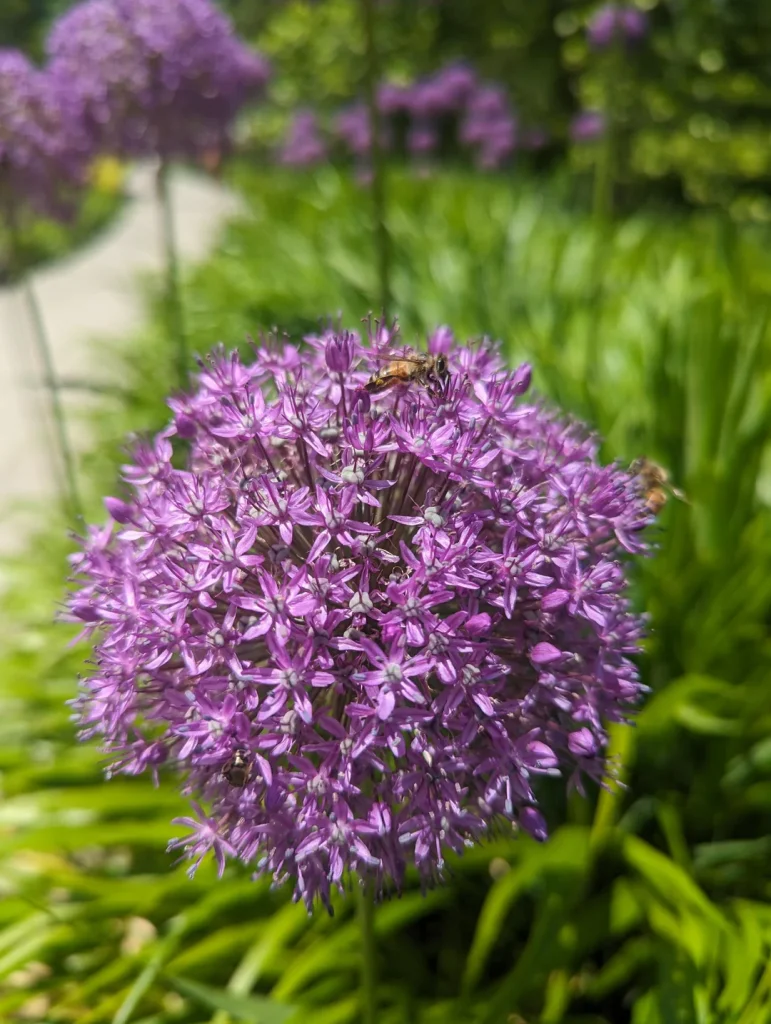
Plant allium near your seating area for the biggest payoff. You get striking blooms and a genuine bug deterrent in one plant. Not bad for something this low-maintenance.
Plant Overview
- Plant type: Bulb
- Zones: 3-9, depending on variety
- Bloom time: Late spring to summer
Do Mosquito-Repellent Plants Really Work?
Yes and no, honestly. These plants aren’t some magic force field around your patio. Standing near one won’t do much on its own. You need to crush the leaves, rub them on your skin, or burn them to actually release those oils.
Research backs up a few standouts here. Catmint’s oil contains nepetalactone, and an Iowa State study found it worked far better than DEET at repelling mosquitoes.
Burning thyme leaves reportedly blocks a large share of mosquitoes for up to 90 minutes, based on tests researchers have run. Crushed lemon thyme showed real repellent activity too, though nowhere near what pure DEET offers.
Lemongrass performed inconsistently in various tests, sometimes strong and sometimes weak depending on conditions.
Location changes everything, too. A pot tucked in a corner won’t do what a cluster near your seating area can. Sunlight warms leaves and releases oils naturally, so full sun spots work best for plants like eucalyptus and lantana.
Standing water nearby cancels out your efforts fast, since that’s exactly where mosquitoes breed and multiply.
I still fill my patio with these plants every summer. Fewer bites and better smells make the effort worthwhile. But I never rely on plants alone. I wear long sleeves at dusk.
I keep a citronella candle burning nearby too. Stack enough small defenses together, and you’ll actually notice fewer mosquitoes bothering your evening outside.