14 Best Vegetables to Plant in October

October always sneaks up on me. One day I’m pulling tomatoes off the vine, and the next I’m staring at bare garden beds wondering what happened to summer.
Cooler nights don’t mean your growing season is over, though. These 14 vegetables actually thrive when you plant them this month, giving you fresh harvests straight through winter and into spring.
Grab your gloves. Let’s get your October garden working for you.
Why October Is the Perfect Time to Plant (and What to Check First)
October feels like an ending, but your garden disagrees. Cooler air actually helps plants grow steadier, without the stress summer heat causes. Pests fade away too, so your crops face way less pressure.
I call this stretch the “second spring.” You get a fresh planting window, and honestly, some vegetables taste better because of it. Frost triggers plants to store sugar instead of starch, which sweetens everything from carrots to kale.
Before you plant anything, find your first frost date. That single number tells you exactly when to start each crop. Your USDA hardiness zone matters too, since it decides which vegetables will actually survive where you live.
Fast-maturing varieties are your best friend right now. Cooler temperatures slow growth down, so quicker crops beat the clock more reliably. Check both details first, then pick your vegetables with confidence.
14 Vegetables to Plant in Your October Fall Garden
1. Garlic
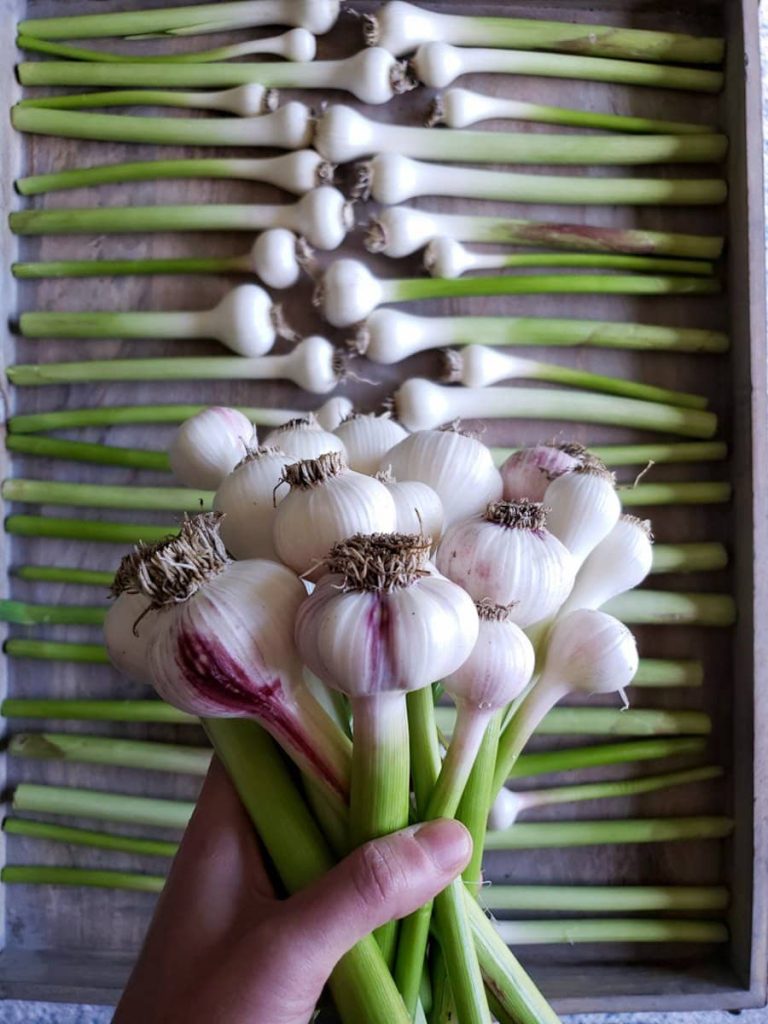
I’ll be honest, garlic might be the easiest thing I’ve ever grown. You push a clove into the dirt, walk away, and let winter handle the rest. Cool soil actually helps the bulbs grow bigger by summer.
Softneck and hardneck types behave differently, so pick based on your climate. Cold winters call for hardneck varieties. Warmer zones do better with softneck.
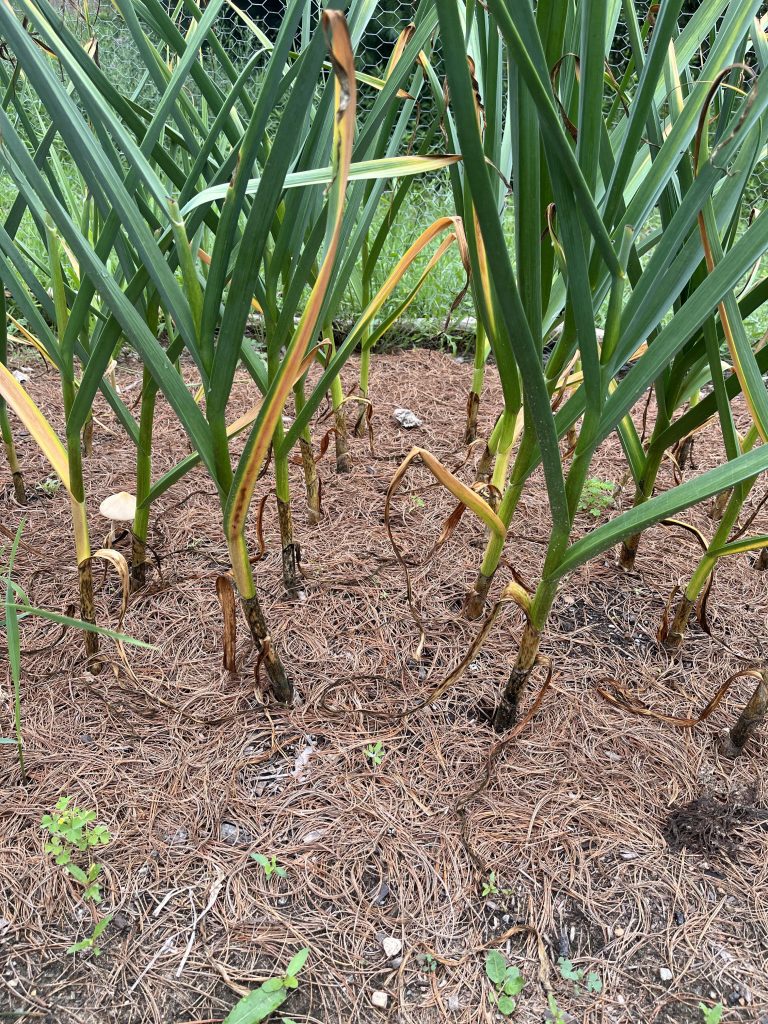
Plant your cloves pointed end up, roughly two inches deep. Wait until your first frost passes. Then just be patient, because garlic takes months to mature, not weeks.
Plant Overview:
- Popular Varieties: ‘Purple Strike’, ‘Spanish Roja’, ‘Inchelium Red’, ‘Silverskin’
- USDA October Planting Zones: 3a to 10b
- Harvest Time: Hardneck garlic in eight to nine months; softneck in four to five months
Also read: 13 Best Fall Vegetables to Plant in Zone 8 Garden
2. Kale
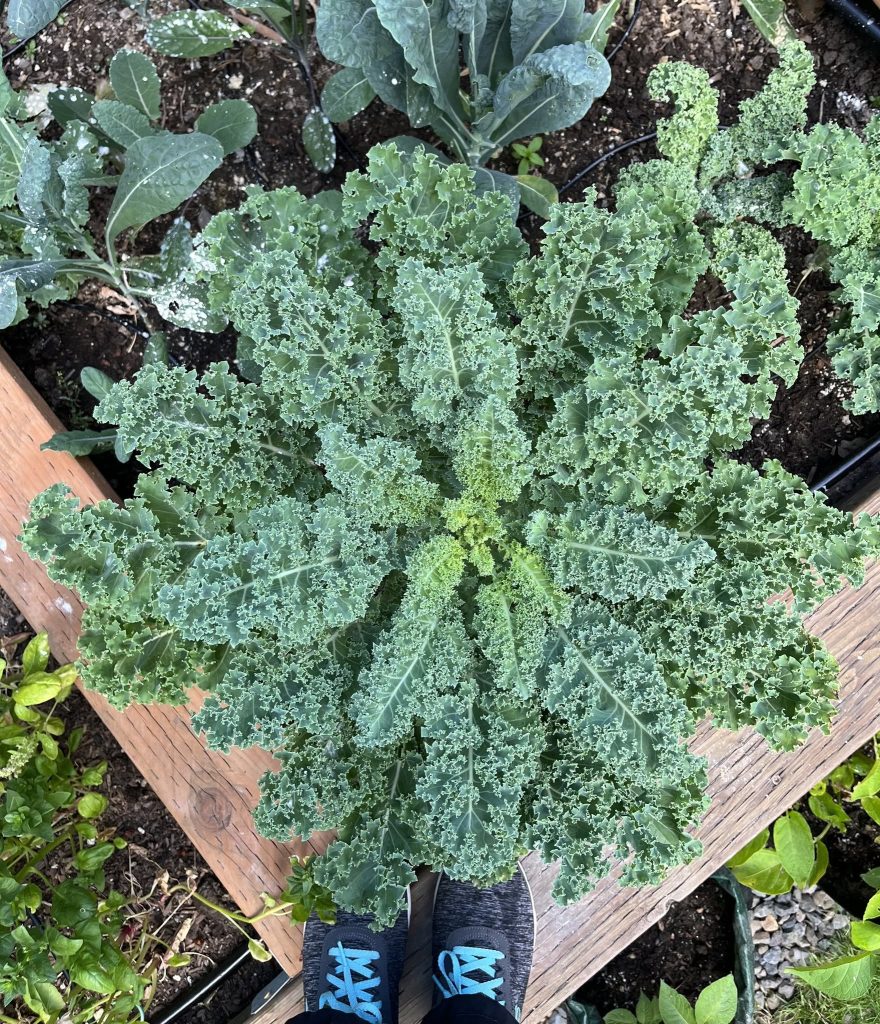
Ever notice how kale tastes better after a cold snap? That’s not your imagination. Frost triggers the plant to convert starches into sugar, so the leaves turn genuinely sweeter.
Seeds work fine in warm zones. Cooler areas do better starting with young seedlings instead. Full sun keeps growth strong, though partial shade won’t ruin your crop.
‘Lacinato’ stays my go-to variety every single year. Snow barely fazes this plant. You’ll be harvesting long after other greens have given up.
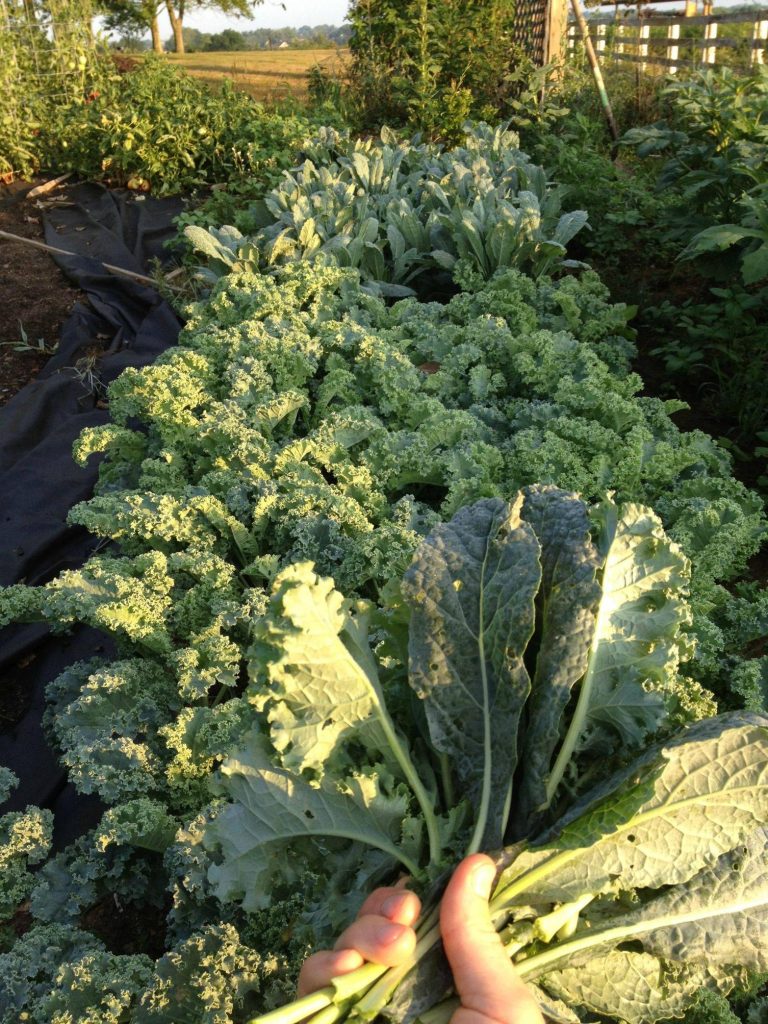
Plant Overview:
- Popular Varieties: ‘Lacinato’, ‘Red Russian’, ‘Dwarf Siberian’, ‘Blue Curled-Dazzling Blue’
- USDA October Planting Zones: 7a to 9b
- Harvest Time: 40 to 60 days after planting
3. Spinach
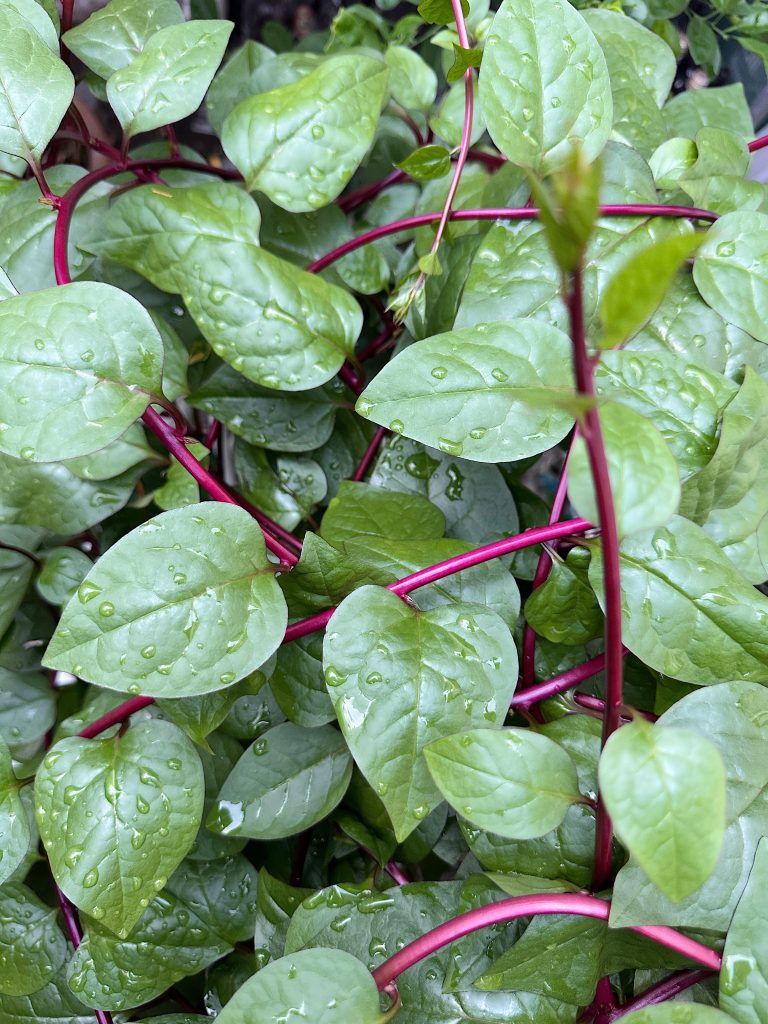
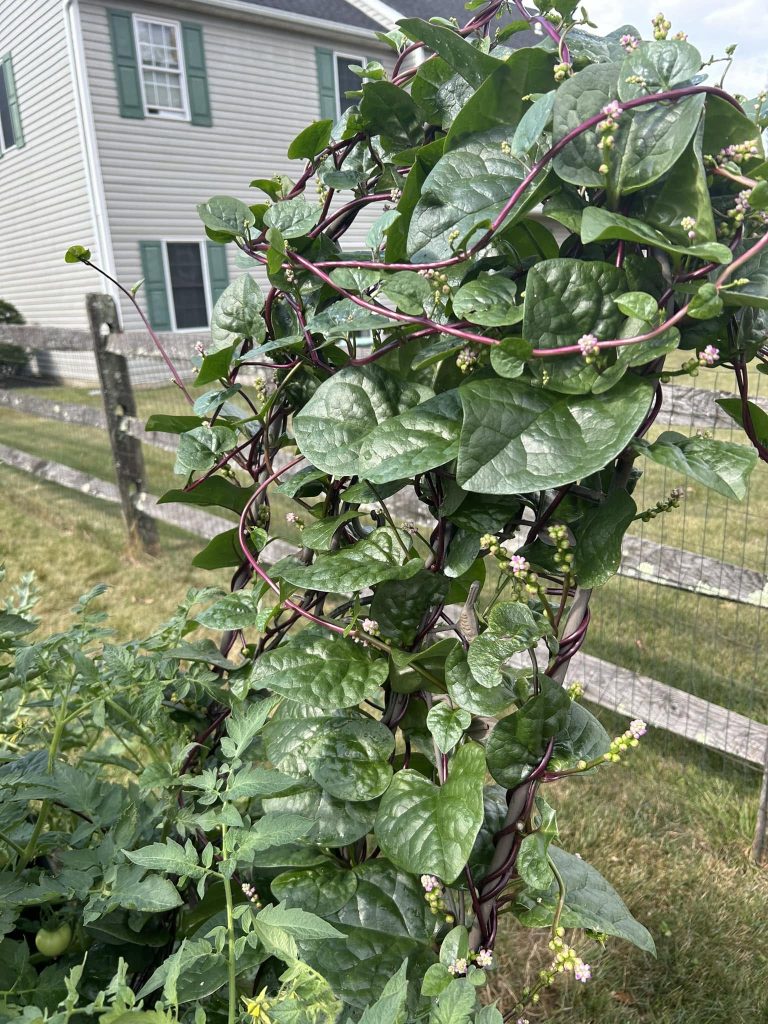
Spinach genuinely loves cold weather. Baby leaves pop up in about three weeks, and full-grown plants follow around six weeks later. I always toss the baby leaves straight into salads.
Keep the soil moist while seeds germinate. Dry spots slow growth and toughen the leaves fast. Pick only the outer leaves so the plant keeps producing.
Warmer climates can succession-plant every four or five days. That trick alone stretches your harvest for weeks. Cold frames help even more if hard freezes worry you.
Plant Overview:
- Popular Varieties: ‘Avon’, ‘Indian Summer’, ‘Melody’, ‘Razzle Dazzle’, ‘Tyee’
- USDA October Planting Zones: 5a to 11b
- Harvest Time: 3 to 6 weeks after sowing seeds
4. Arugula
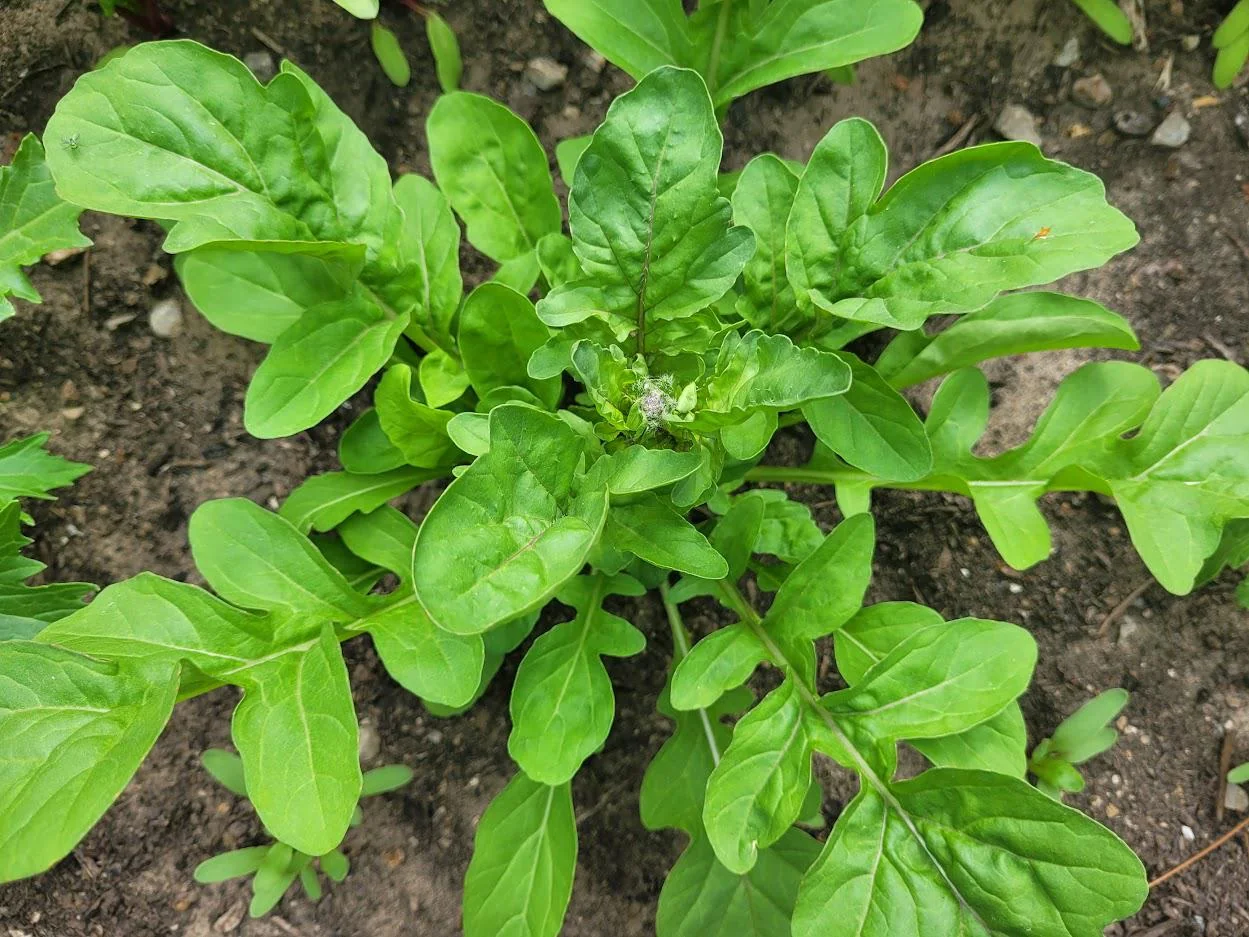
My arugula always surprises me in fall. Leaves show up in just twenty to thirty days, and cool nights make them taste noticeably better than summer’s bitter batch.
Sow new seeds every ten to fourteen days. Snip only the outer leaves each time. Rosettes bounce back fast and keep feeding you all season.
Full sun works best for arugula. Shade won’t kill it, just slow it slightly. Rich, well-draining soil keeps the roots happy through the cold months ahead.
Plant Overview:
- Popular Varieties: ‘Red Dragon’, ‘Sylvetta’, ‘Apollo’
- USDA October Planting Zones: 5b to 11a
- Harvest Time: 25 to 30 days after planting
5. Radishes
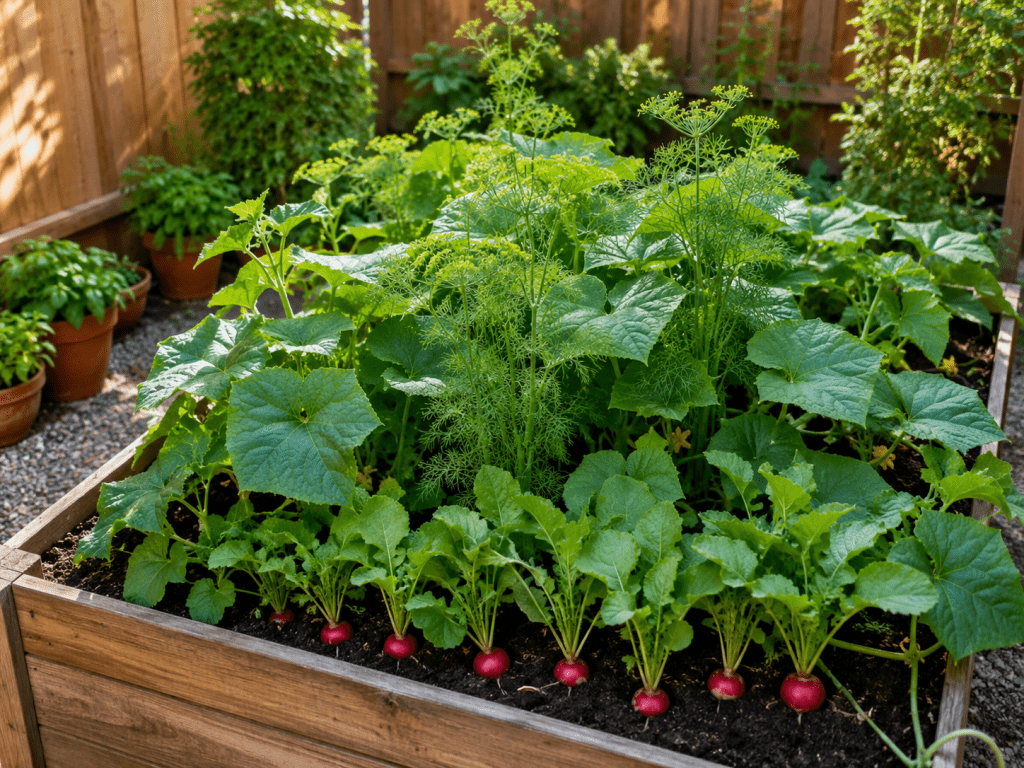
Radishes might be the fastest vegetable on this whole list. I plant a row, and three weeks later I’m pulling them out of the ground. Cool fall air keeps them crisp and mild instead of spicy and tough.
Tuck radishes between slower-growing crops. They’ll finish and clear out space just as those bigger plants need room. Loose soil helps the roots form without getting stunted or misshapen.
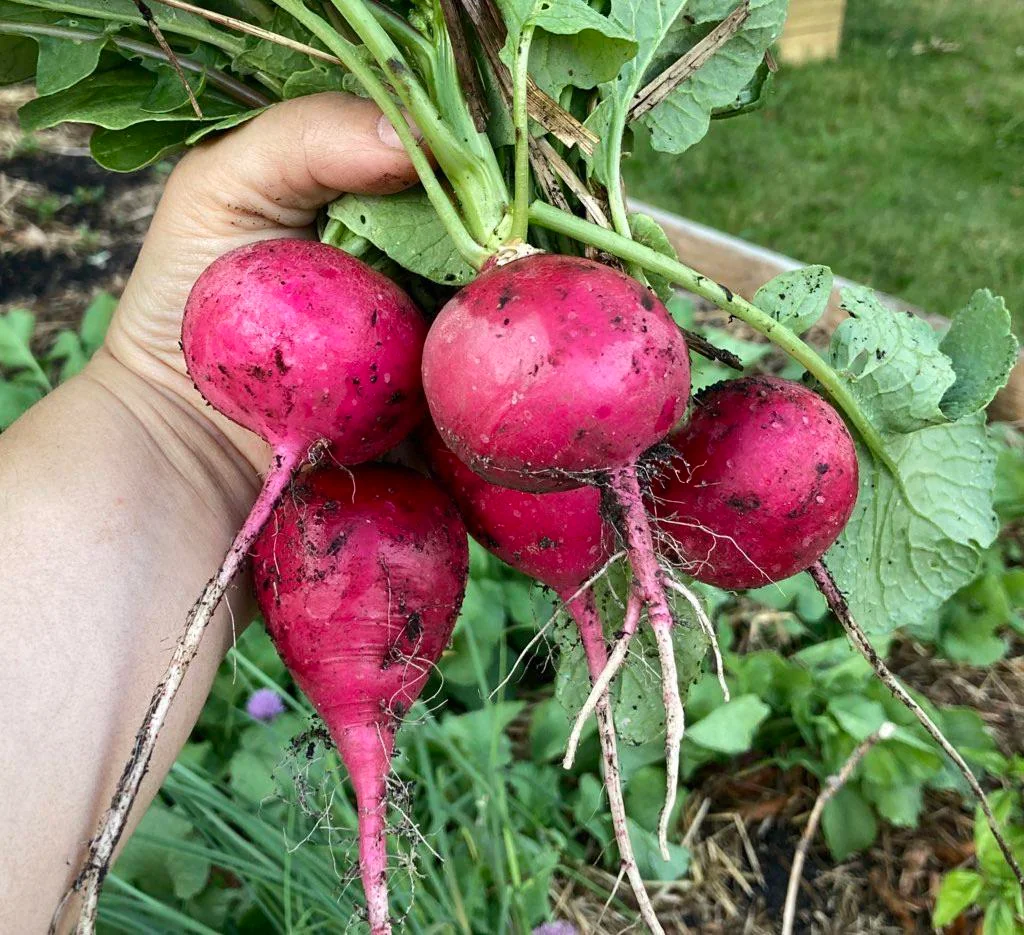
Full sun gives you the best results here. You don’t need much space either. A few short rows go a long way toward filling your table.
Plant Overview:
- Popular Varieties: ‘Champion’, ‘Cherriette’, ‘Red Satin’
- USDA October Planting Zones: 6b to 10b
- Harvest Time: 20 to 25 days after planting seeds
6. Carrots
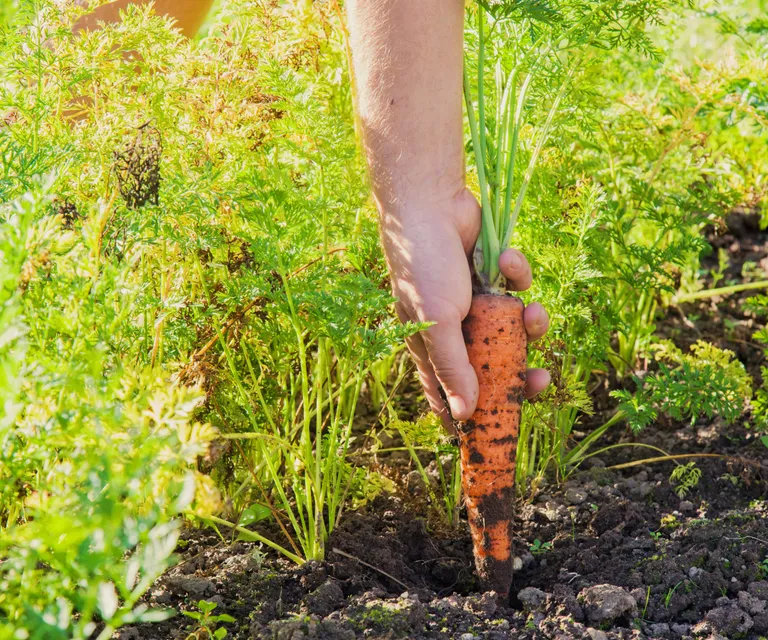
Carrots reward you for waiting. Chilly evenings concentrate sugars inside the root, so a light frost actually makes them sweeter. I always notice the difference once temperatures drop.
Keep your seedbed evenly moist until seeds sprout. Thin your seedlings early so roots have room to grow straight. A thin layer of burlap helps hold moisture while seeds germinate.
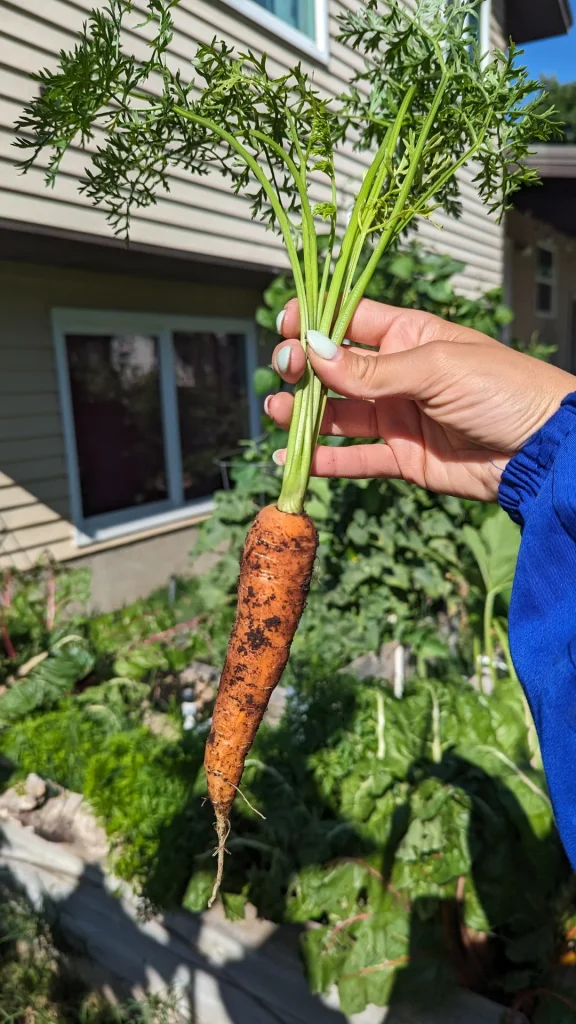
Full sun matters a lot for carrots. Well-draining soil matters just as much. Give them both, and you’ll pull up sweet, crunchy roots later this season.
Plant Overview:
- Popular Varieties: ‘Nantes’, ‘Danvers’, ‘Chantenay’
- USDA October Planting Zones: 3 to 9
- Harvest Time: 60 to 90 days, depending on variety
7. Beets
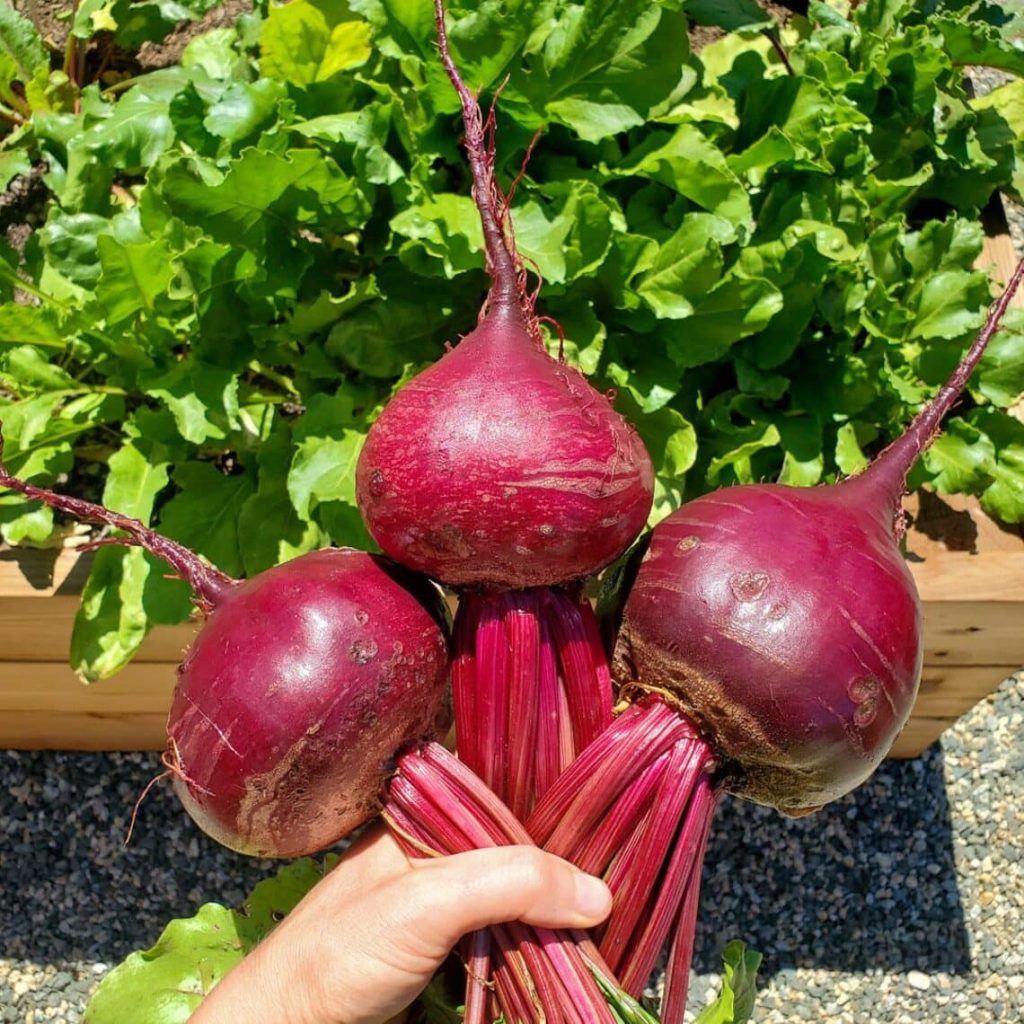
Beets give you two vegetables in one. You get tender greens early and sweet roots later. Cool weather helps both grow steadily without stressing the plant.
Light frost only improves the flavor here. Keep the soil consistently moist for tender roots. Uneven watering leads to woody texture, so don’t let the bed dry out completely.
Light, loose soil encourages the tubers to form properly. Full sun keeps growth strong throughout fall. Harvest the greens anytime, but leave enough leaves for the roots to keep developing.
Plant Overview:
- Popular Varieties: ‘Detroit Dark Red’, ‘Chioggia’, ‘Golden’
- USDA October Planting Zones: 2 to 10
- Harvest Time: Greens in 25 to 30 days, roots in 50 to 70 days
8. Swiss Chard
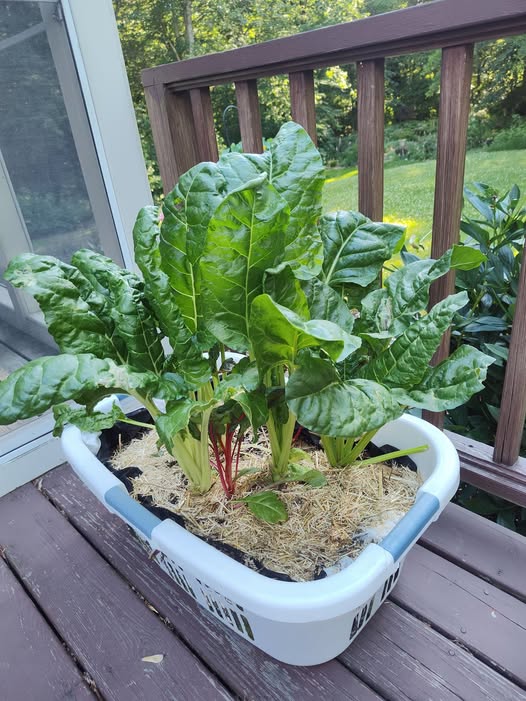
Swiss chard barely notices cold weather. It shrugs off light frosts and keeps producing leaves well into winter. I’ve harvested chard from my own garden after the first snow.
Harvest only the outer leaves at first. New growth keeps coming from the center of the plant. That trick alone can stretch your harvest for months instead of weeks.
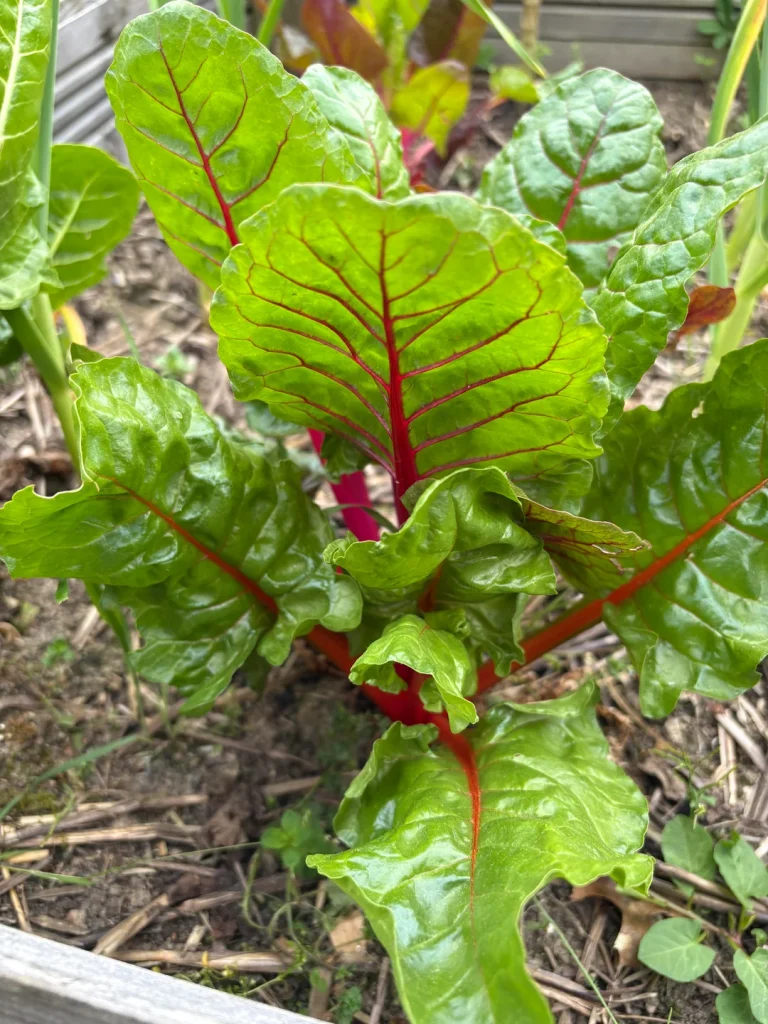
Fertile, well-draining soil gives chard everything it needs. Full sun helps too, though it tolerates some shade just fine. Plant it once, and you’ll be picking leaves for a long stretch.
Plant Overview:
- Popular Varieties: ‘Fordhook Giant’, ‘Rainbow’, ‘Ruby Red’
- USDA October Planting Zones: 2 to 11
- Harvest Time: Baby leaves in 25 to 30 days, full size in 50 to 60 days
9. Rhubarb
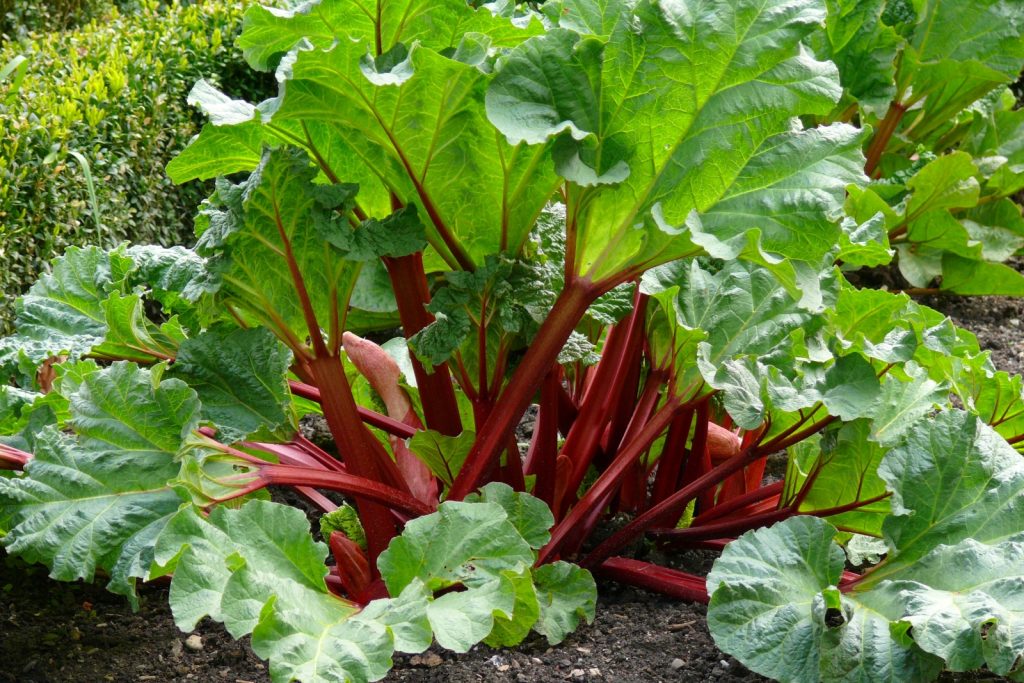
Rhubarb rewards patience more than any other plant on this list. You won’t get a full harvest until year three, but after that, it keeps producing for years. I still think it’s worth the wait.
Plant dormant crowns directly into the soil this month. Cold winters won’t hurt this perennial one bit. Pull away the leaves once they collapse, since that’s normal as the plant goes dormant.
Fertile, well-draining soil sets your rhubarb up for success. Add compost before planting for an extra boost. Full or partial sun works fine, so don’t stress over the perfect spot.
Plant Overview:
- Popular Varieties: ‘Victoria’, ‘Canada Red’
- USDA October Planting Zones: 3 to 8
- Harvest Time: Little to no harvest in year one; full harvests from year three onward
10. Collard Greens
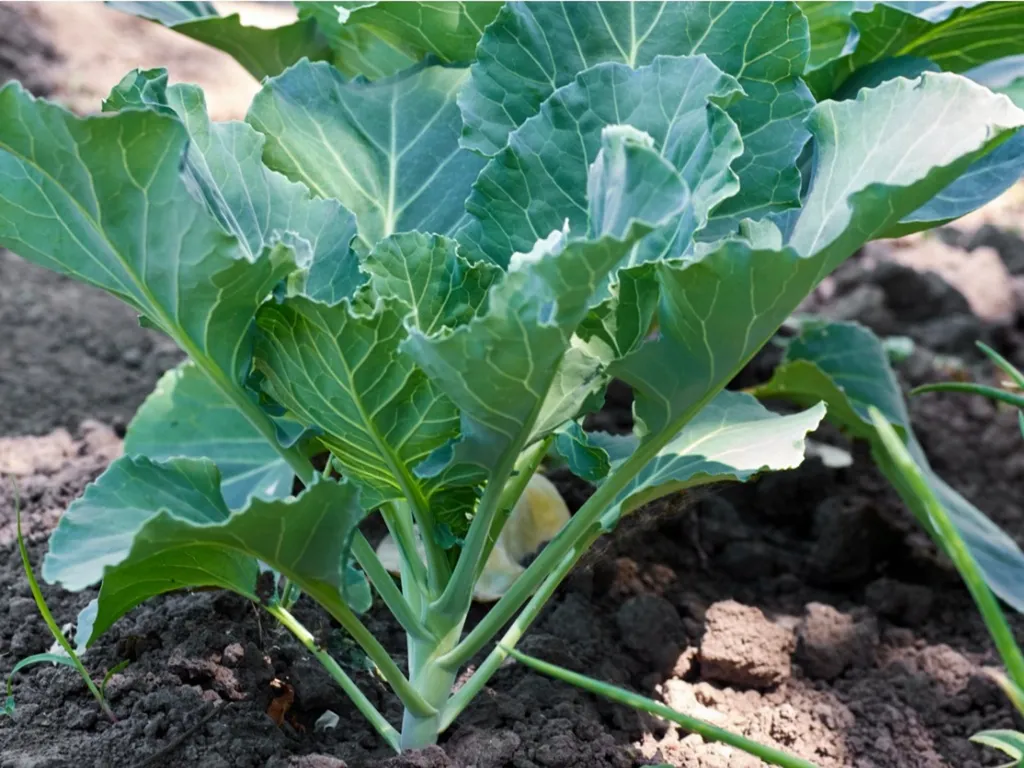
Collards taste better after a frost hits them, just like kale does. I’ve eaten collards straight off the plant in December and been genuinely impressed. Cold weather really does improve these leaves.
Plant your seeds or transplants six to eight weeks before your first frost. Warmer zones can harvest collards straight through winter. Cooler zones still get a solid fall crop before frost shuts things down.
Rich soil keeps collards productive since they’re heavy feeders. Regular feeding throughout the season helps too. Give them room to spread, because these plants grow bigger than most people expect.
Plant Overview:
- Popular Varieties: ‘Champion’, ‘Flash’, ‘Georgia Southern’, ‘Alabama Blue’
- USDA October Planting Zones: 7a to 11a
- Harvest Time: About six weeks after planting
11. Mustard Greens
Mustard greens grow fast, and I mean fast. Give them six weeks, and you’ve got a full harvest of spicy, tender leaves ready for your kitchen.
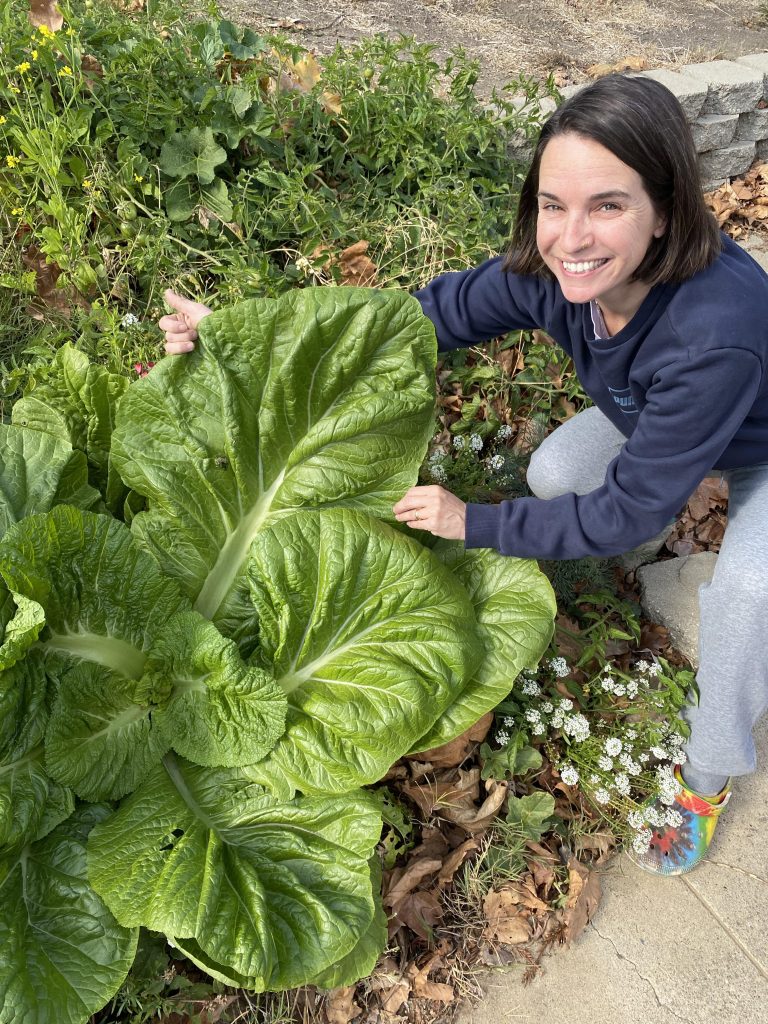
Sow new seeds every two to three weeks for a steady supply. A light frost sweetens the flavor slightly. Hard freezes will eventually stop them, so plan your last planting accordingly.
Moist, rich soil keeps mustard greens happy throughout the season. Full sun works best, though partial shade won’t hurt much. Water consistently, since dry soil turns the leaves bitter fast.
Plant Overview:
- Popular Varieties: ‘Giant Red’, ‘Red Garnet’, ‘Southern Giant’, ‘Florida Broadleaf’
- USDA October Planting Zones: 7a to 10a
- Harvest Time: 30 to 45 days after planting
12. Kohlrabi
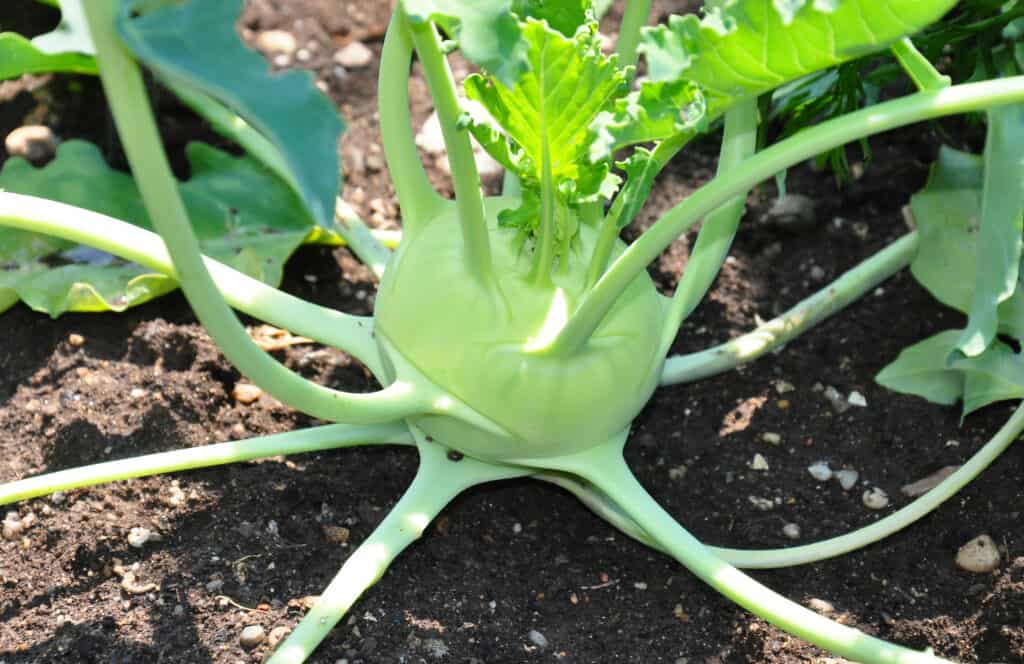
Kohlrabi looks strange, I’ll admit that. But once you taste it, the odd shape stops mattering. Cold weather actually makes this crunchy bulb sweeter and more flavorful.
Start harvesting once the bulb reaches about one inch wide. Keep picking as it grows toward full size. Pull the whole plant, or cut it right at ground level, whichever feels easier.
Full sun gives kohlrabi its best growth. This plant matures quickly compared to other fall crops. Sixty-five days is all it usually needs before you’re slicing it into salads.
Plant Overview:
- Popular Varieties: ‘Quickstar’, ‘Purple Vienna’, ‘Winner’
- USDA October Planting Zones: 7b to 10a
- Harvest Time: 38 to 60 days after planting
13. Turnips
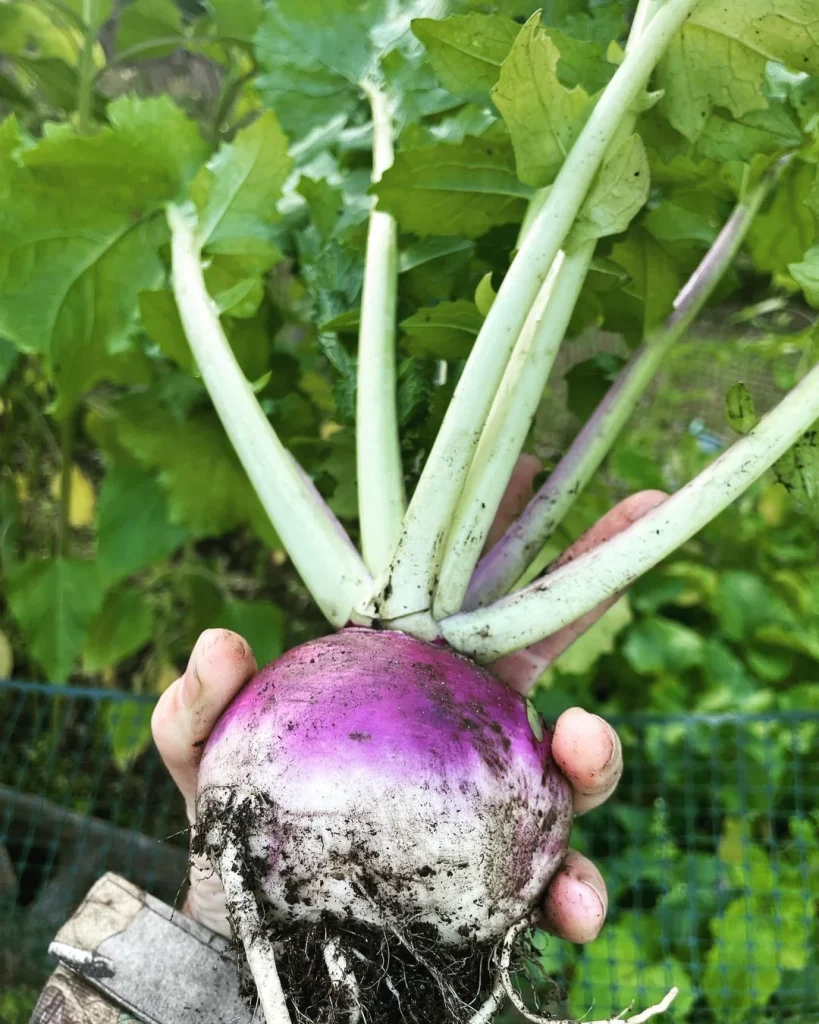
Turnips give you more than just a root vegetable. The greens taste just as good as the bulbs, honestly. I toss both into soups all winter long.
Plant turnips about two months before your first frost. Light frost won’t damage the roots at all. Harvest before the ground freezes solid, though, since digging frozen soil isn’t fun.
Mulch heavily to slow down freezing and extend your harvest window. Only pick a few leaves per plant. That way, the roots keep developing without the plant losing too much energy.
Plant Overview:
- Popular Varieties: ‘Purple Top White Globe’, ‘Tokyo Cross’
- USDA October Planting Zones: 2 to 9
- Harvest Time: Roots ready in about 60 days; greens sooner
14. Leeks
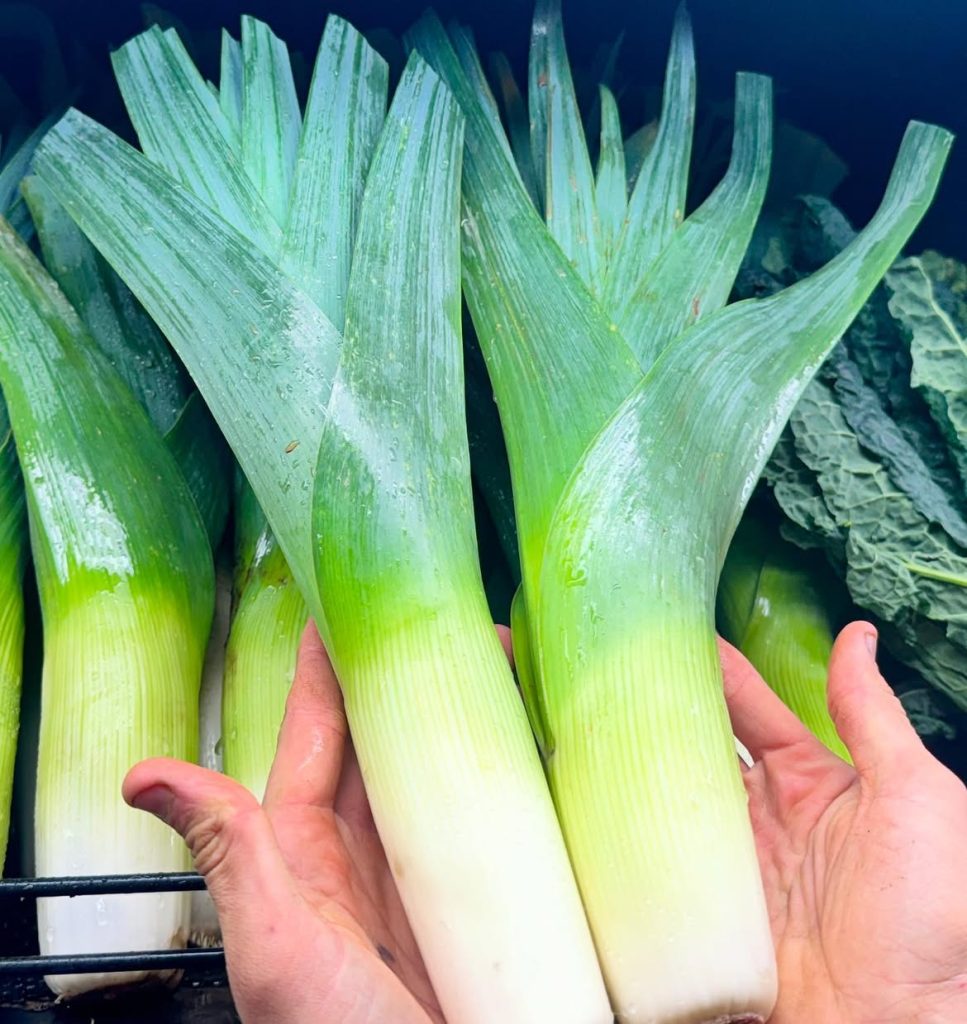
Leeks might be the most patient crop on this entire list. They take months to mature, but cold weather only improves their flavor over time. I actually prefer leeks harvested in winter.
Plant your seedlings about eight weeks before your first frost. Mulch deeply in colder zones to protect the roots underground. A full foot of mulch keeps leeks from freezing solid through winter.
Blanch the stalks as they grow by mounding soil around them. That step keeps the white part tender and mild. Full sun to partial shade works fine for this reliable winter vegetable.
Plant Overview:
- Popular Varieties: ‘King Richard’, ‘American Flag’, ‘Bandit’
- USDA October Planting Zones: 7 to 10
- Harvest Time: 8 to 12 weeks after transplanting; longer for full maturity
FAQs
Do I need to cover my fall vegetables from frost?
It depends on the plant. Hardy crops like kale, collards, and leeks shrug off frost without any help. Tender greens like lettuce and spinach do better with a light row cover during hard freezes.
Can I still plant vegetables if I missed early October?
Yes, absolutely. Fast-growing crops like radishes and arugula still have time if you plant them mid-month. Slower crops like garlic and leeks work best planted as close to the start of October as possible.
Why do some vegetables taste better after frost?
Cold triggers plants to convert stored starches into sugar. That process protects the plant from freezing, and it happens to make the leaves and roots taste sweeter too. Kale, carrots, and beets all benefit from this natural reaction.
What’s the point of succession planting?
Succession planting means sowing small batches every one to two weeks instead of one big planting. You get a steady harvest instead of everything ripening at once. Radishes, arugula, and lettuce all work great with this method.
Which vegetables on this list are the easiest for beginners?
Garlic and radishes are hard to mess up. You plant them, water occasionally, and wait. Kale and Swiss chard come in a close second, since both plants tolerate mistakes and still keep producing.
Final Thoughts
October doesn’t mean your garden season is over. I used to think fall gardening was pointless until I actually tried it myself. Now I plant something new every October without fail.
Start small if this feels overwhelming. Pick two or three vegetables from this list and give them a try. Garlic and kale make a great starting point for anyone new to fall growing.
Your garden can feed you well past the first frost. Cooler weather actually improves the flavor of half these crops. Grab some seeds, get your hands in the dirt, and see what your October garden can do.