10 Easy Vegetables to Grow in Grow Bags

My first grow bag sat in a hot corner of my balcony. It grew more tomatoes than I ever expected from that tiny space. You don’t need a backyard for this.
You don’t need raised beds or a tiller either. A bag, some soil, and a sunny spot can turn a patio into a real vegetable garden.
Here are 10 best vegetables that thrive in bags, whether you’ve got a wide balcony or one sunny step. Grab a bag. Pick a plant. Let’s get your hands dirty.
What’s a Grow Bag?
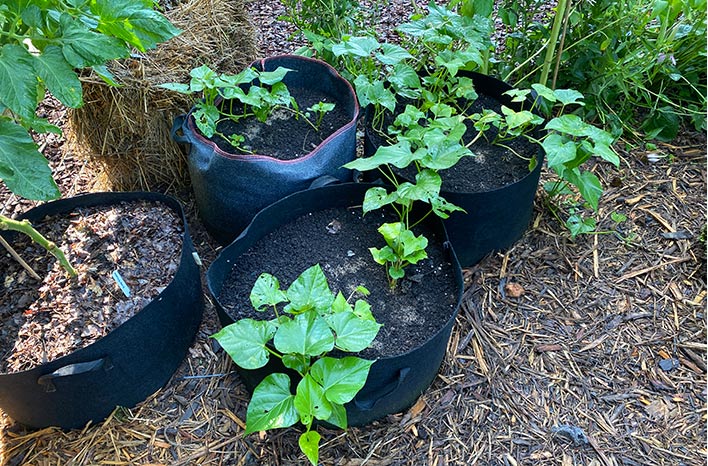
A grow bag is a fabric pot made from breathable material like felt or non-woven polypropylene. Think of it as a soft, portable garden bed.
I fill mine with soil, set them on my patio, and grow vegetables without digging up any ground.
They come in sizes from small herb bags to giant ten-gallon buckets. You just pick one, add soil, and start planting.
Benefits of Growing Vegetables in Grow Bags
Grow bags solved my space problem fast. I don’t have a yard, but I still grow real food every summer. You can fit one on a balcony, a patio, or even a fire escape. That flexibility changes everything for small-space gardeners.
Drainage works better in fabric bags than in most plastic pots. Water passes right through instead of pooling at the bottom. That means fewer soggy roots and less root rot overall. Air reaches the roots too, and that keeps plants healthier all season.
Moving a grow bag takes seconds, not an hour of digging. Chasing sunlight around your yard becomes simple. I’ve dragged mine across the patio more times than I can count, just chasing that one sunny corner.
Grow bags cost less than most raised beds or fancy planters. You skip buying lumber, tools, or hiring anyone to build something permanent. A six-pack of bags runs you under twenty dollars most places.
Pests and soil-borne diseases struggle to take hold in fresh bagged soil. Starting clean each season keeps problems from building up year after year. Your plants get healthier roots, and you get a better harvest.
Storage beats a raised bed too. Empty bags fold flat and tuck away all winter. Come spring, I pull mine out, and I’m ready to plant again within minutes.
10 Most Popular Vegetables to Grow in A Grow Bag
1. Potatoes: The Fun Surprise Crop
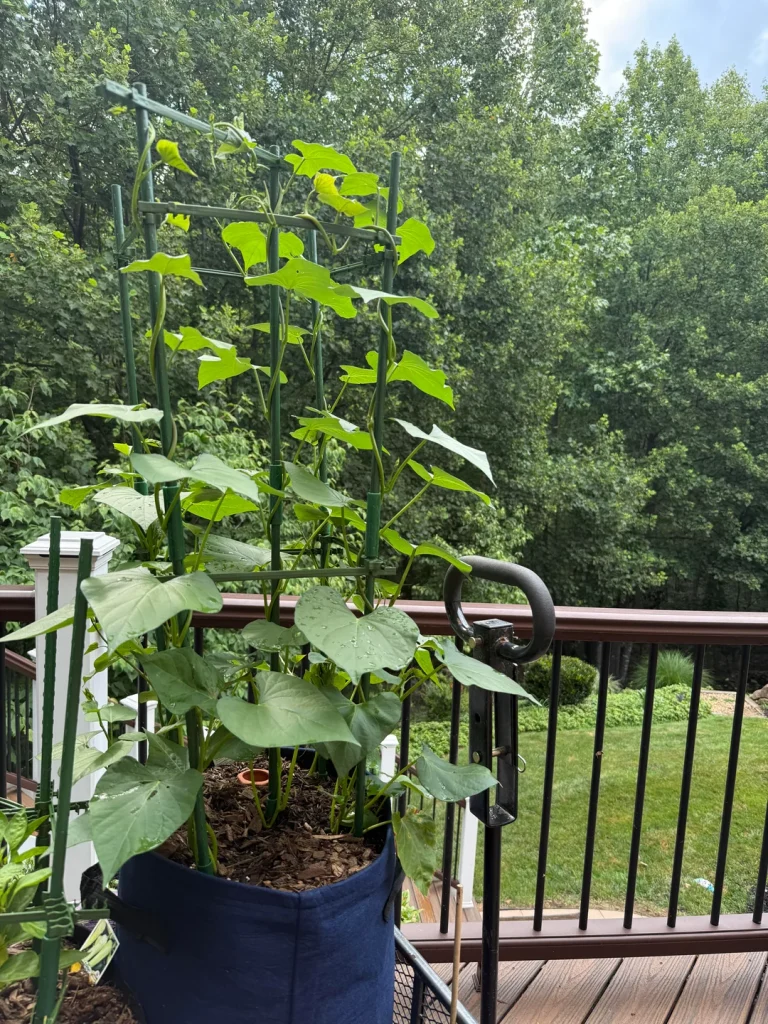
Potatoes turn grow bag gardening into a treasure hunt. I still get a kick out of this one every single year. Toss six soft, sprouting potatoes into the bottom of a bag. Cover them with soil, and just wait.
You won’t grow potatoes the size of grocery store ones. That’s fine, honestly.
Grow bag potatoes taste better anyway, and harvest day feels like digging for buried treasure. Watch the tops of the plant closely as summer rolls on.
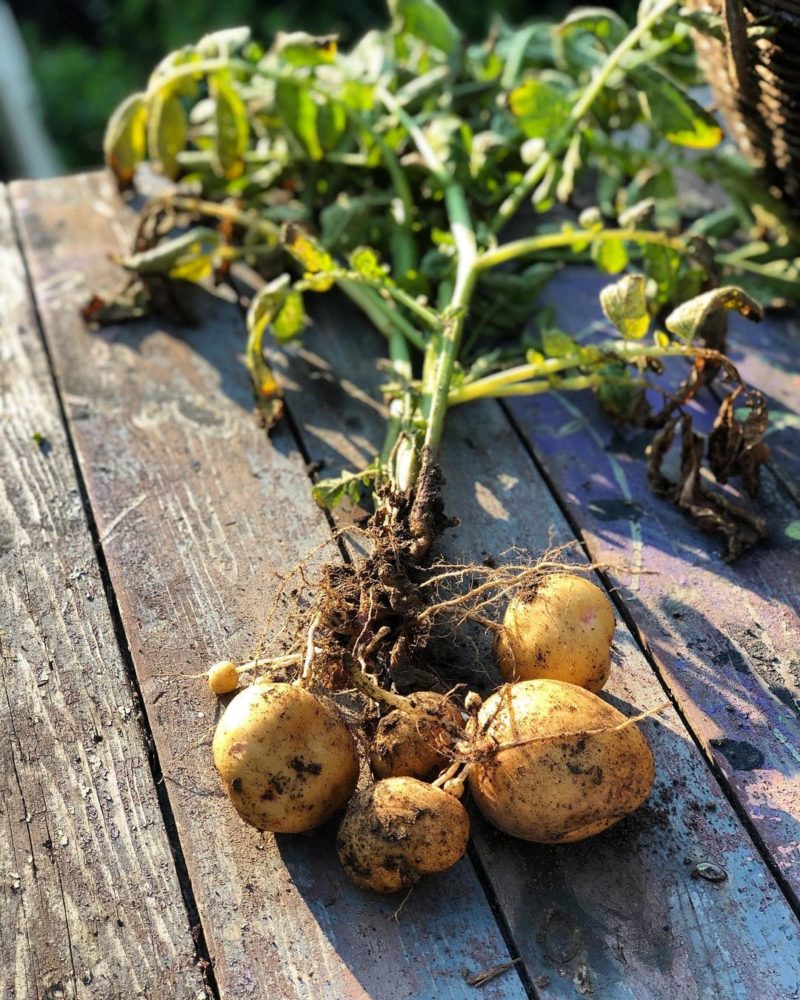
Once they turn yellow and flop over, harvest time has arrived. Dump the whole bag out onto a tarp, and dig through by hand.
Plant a second batch in midsummer, and you’ll pull potatoes again right as fall arrives. Reuse that same soil a couple more times before starting fresh.
Also read: 13 Fast Growing Vegetables You Can Harvest in No Time
2. Tomatoes: The Grow Bag Favorite
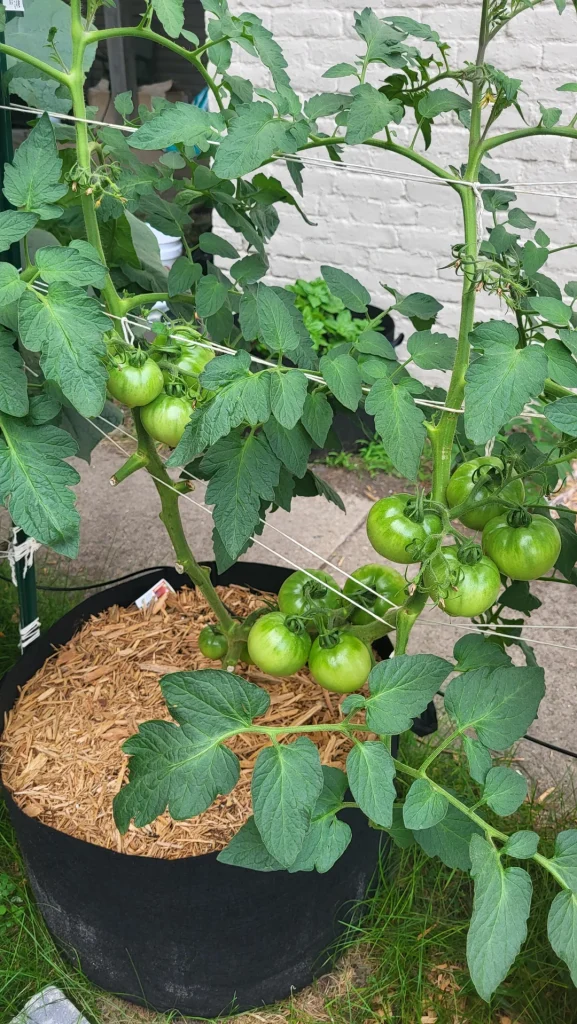
I never skip tomatoes when I fill my grow bags each spring. They love this setup more than almost anything else on my patio.
Give them at least five gallons of soil, though ten gallons grows even bigger plants. Bush varieties and cherry tomatoes handle tight spaces the best.
Skip a cage, and you’ll regret it. Trust me on this one. Once the fruit gets heavy, an unsupported plant just flops right over.
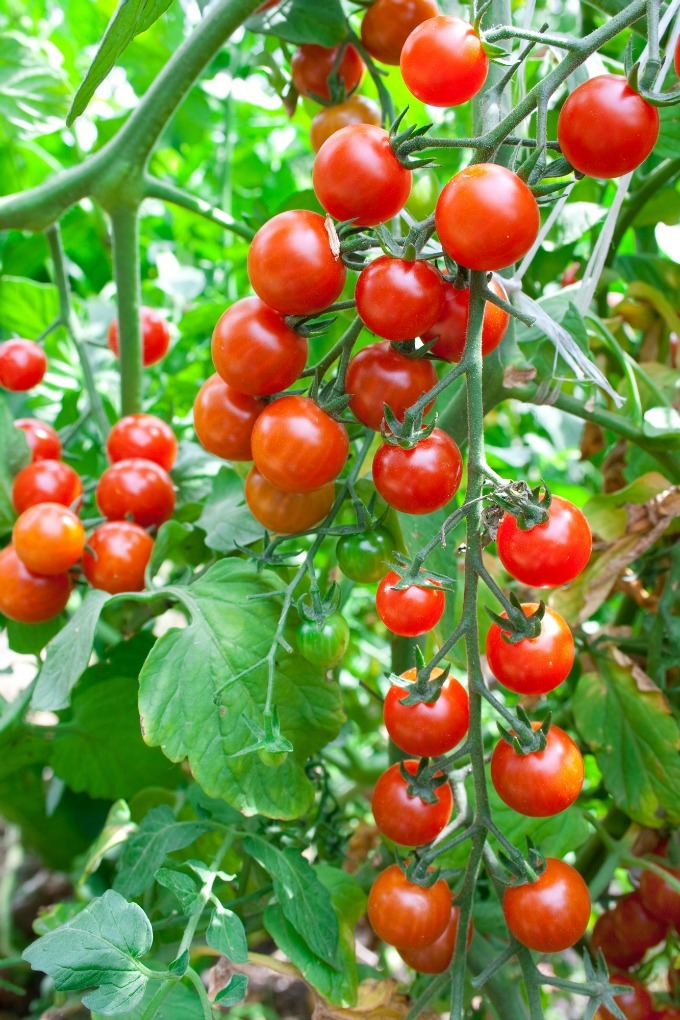
Bags dry out fast, faster than you’d think. Water yours daily once summer heat sets in. One plant per five-gallon bag keeps things happy.
Crowd two in there, and neither one thrives. Feed your tomatoes every two weeks once flowers appear, and you’ll keep the harvest coming all season long.
Also read: 15 Best Vegetables to Grow in Hanging Baskets
3. Cucumbers: Climbers That Love a Bag
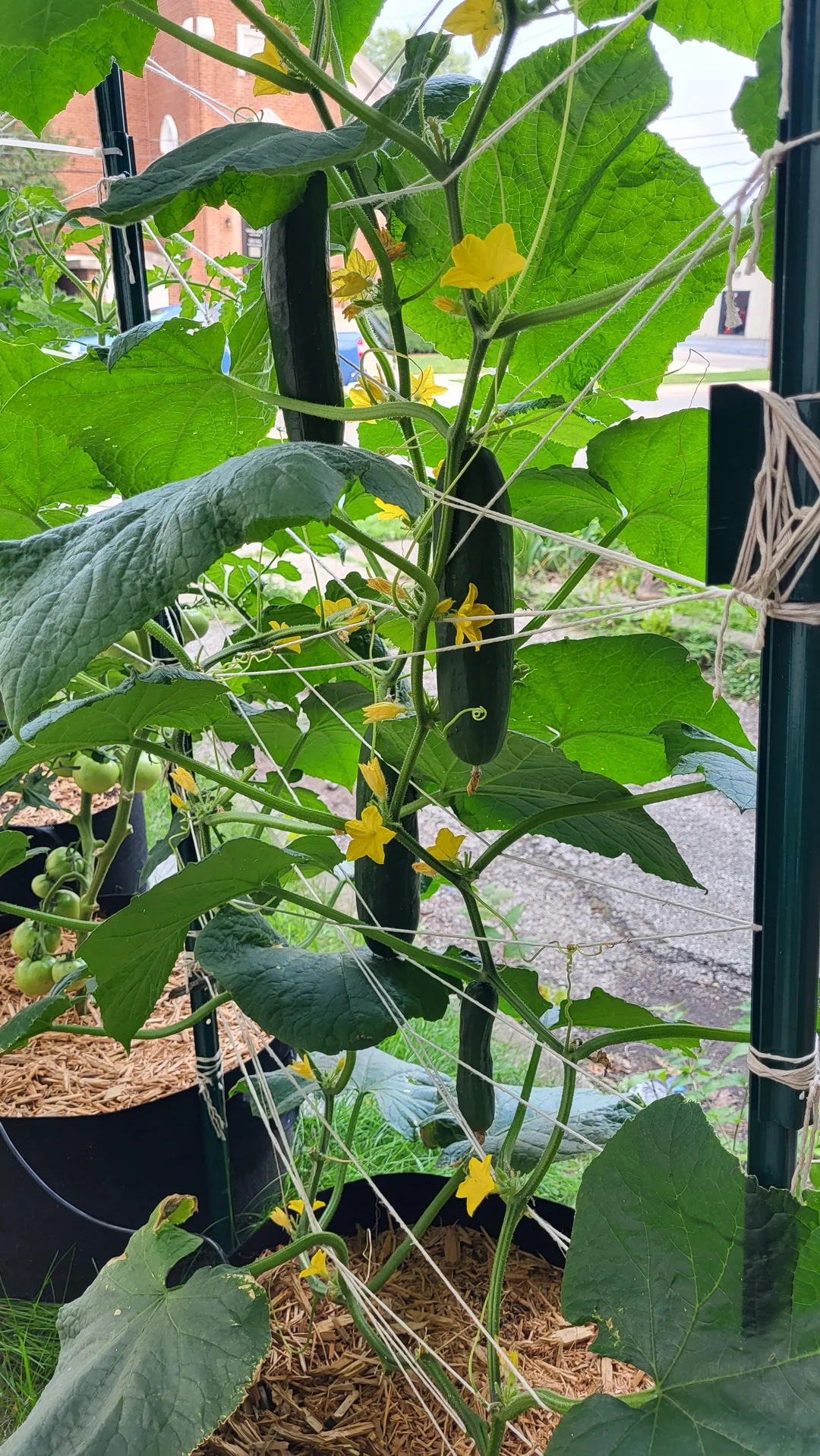
Ever watched a cucumber vine take over a small space? It’s honestly satisfying. Push a small trellis into a seven to ten gallon bag, and let the vine climb up instead of out.
Warm days between 75 and 85 degrees keep this plant cranking out fruit.
Water hits differently with cucumbers. Let the soil dry out, and your harvest turns bitter within days. I check mine every single morning once the heat arrives. A little mulch on top helps the bag hold moisture longer.
Sun makes or breaks this one. Shade a cucumber, and you’ll barely see a fruit worth picking.
4. Peppers: Small Plants, Big Rewards
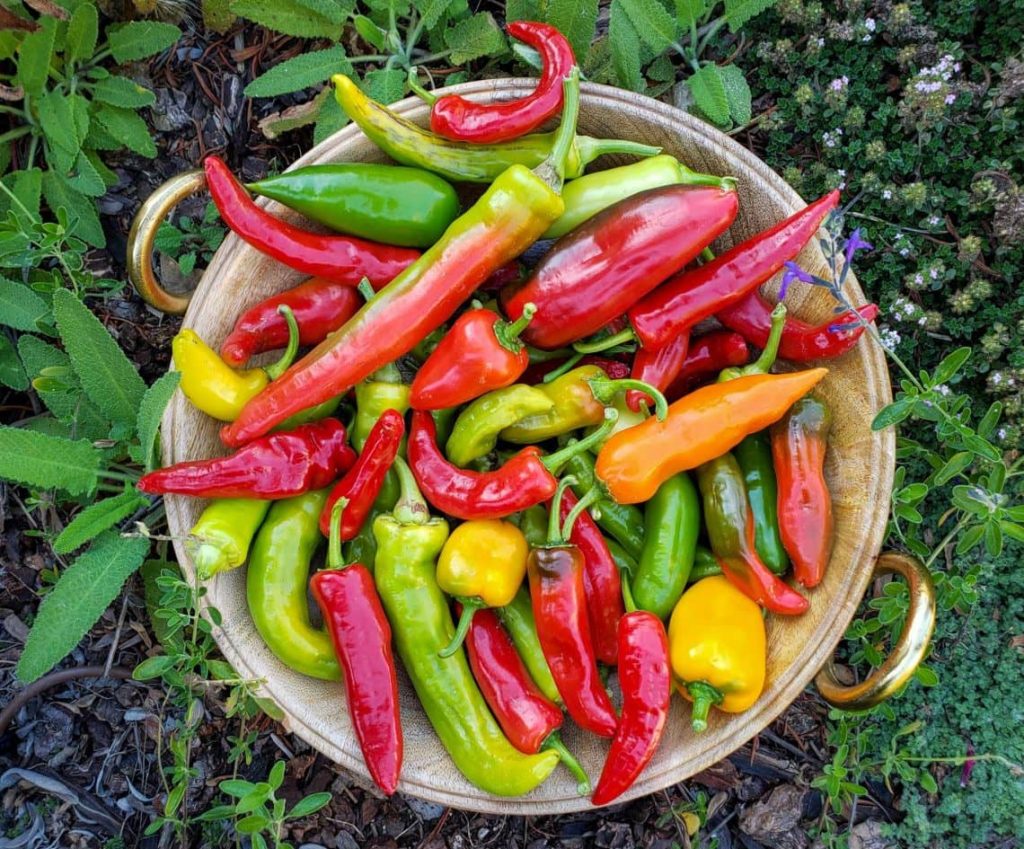
Peppers might be my favorite roommates in the grow bag world. They stay compact, so sharing a bag with another plant works just fine.
Reach for a ten to fifteen gallon bag, and give those roots room to spread out. Temperatures between 65 and 80 degrees keep the fruit set strong.
Here’s something I learned the hard way: wind wrecks pepper plants fast, especially up on a balcony.
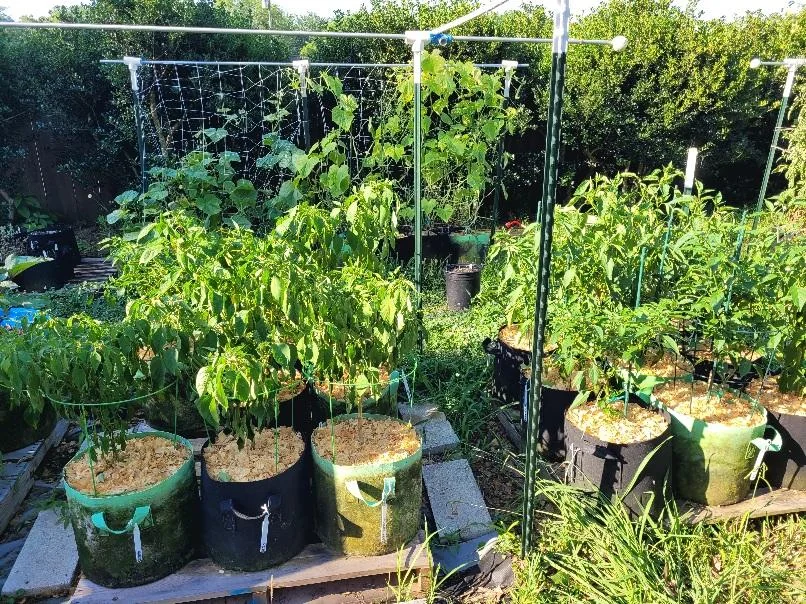
So what’s the fix? Tuck a taller plant, like kale, right along the edge as a windbreak. That one trick alone boosted my pepper harvest more than I expected.
Blossoms drop quickly without steady water. Miss a few days in the heat, and you’ll lose flowers before fruit even forms.
5. Lettuce: The Quick Win
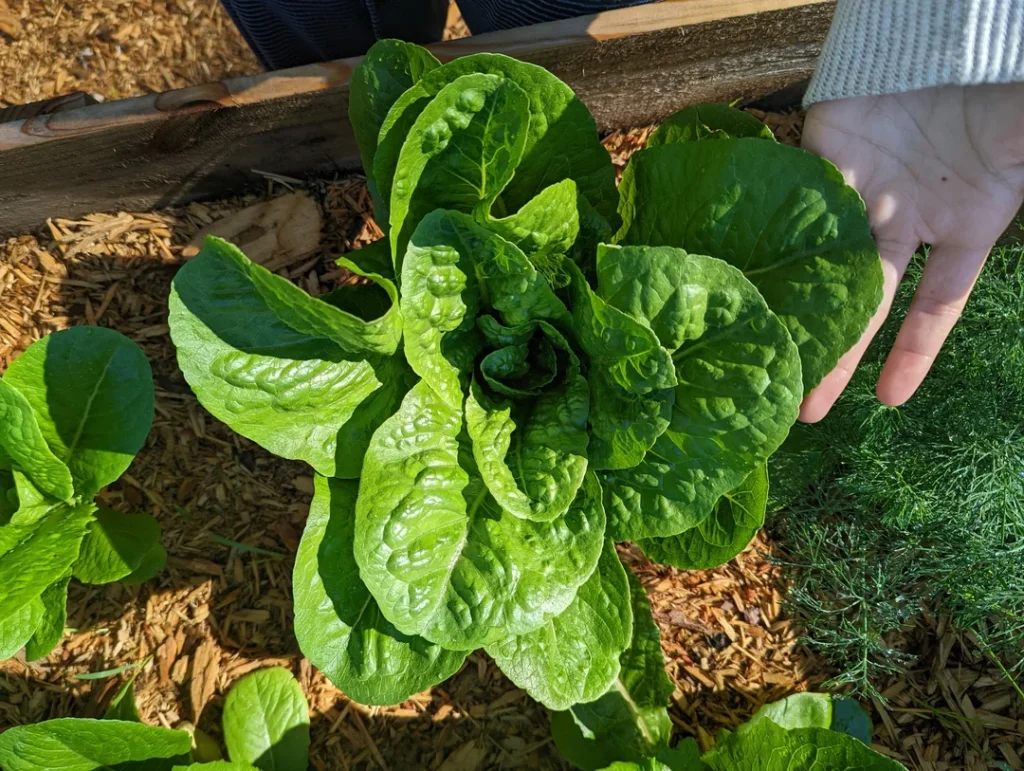
Nothing beats lettuce for instant garden confidence. It grows fast, and it forgives almost every beginner mistake. Fill a shallow bag since lettuce roots don’t dig deep. You’ll harvest baby leaves in just a few weeks.
Grab scissors instead of pulling the whole plant. Cut low, and romaine grows right back for another round.
I’ve cut the same lettuce plant four or five times some seasons. That’s the real magic of grow bag lettuce.
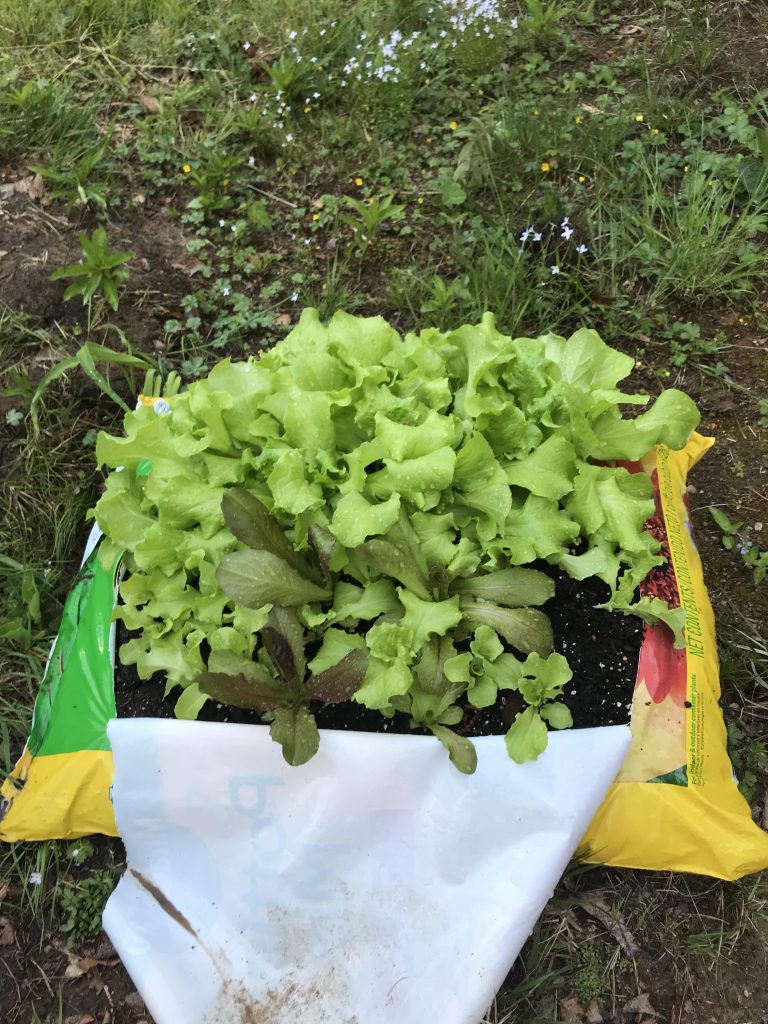
Heat turns lettuce bitter fast, so watch your timing. Plant it in spring or fall when temps stay mild.
Pair it with kale in the same bag, and you’ll double your greens without doubling your space.
6. Kale: The Tough Little Workhorse
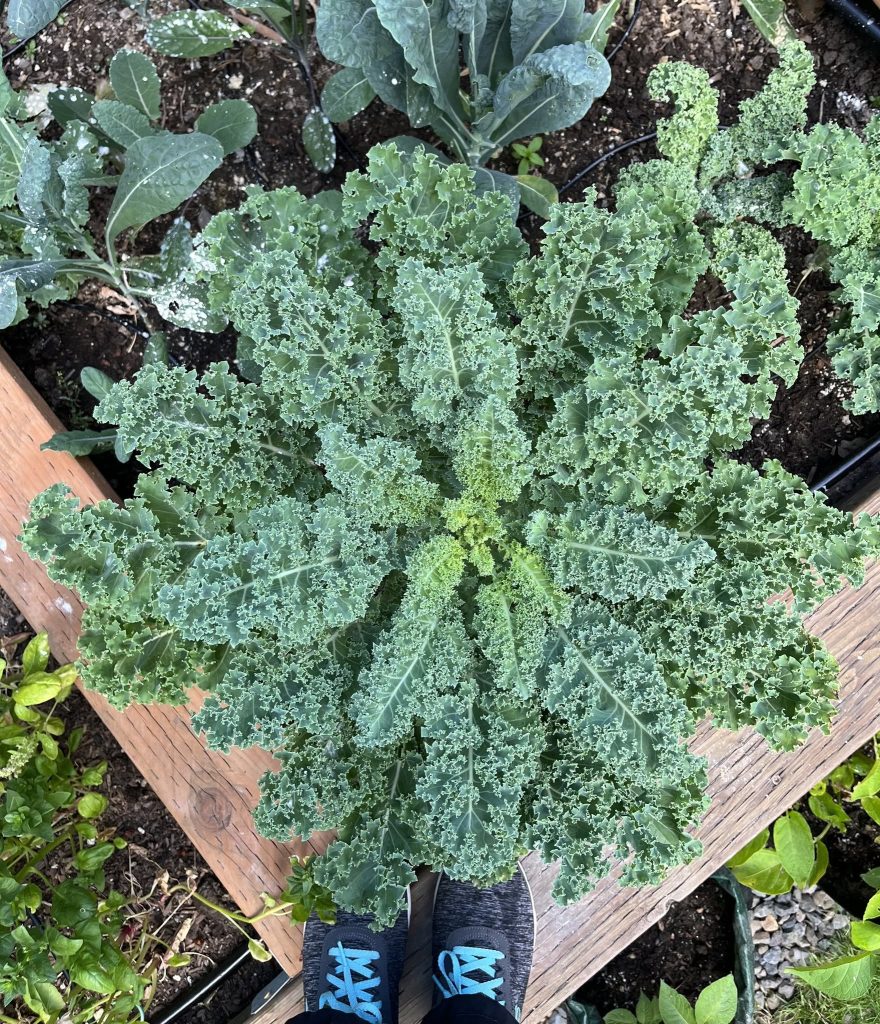
Kale barely asks for anything, and that’s exactly why I love it. Pests leave it alone more than most vegetables on this list. Toss it in almost any size bag, and it’ll settle right in.
Cut the outer leaves often, and the plant just keeps producing. Don’t let it get too tall and leggy. Chop those leaves finely, and they work great swapped in for spinach in almost any recipe.
Chard and bok choy behave the same way, so try them if you want variety. Cold weather actually makes kale sweeter, not weaker.
That’s one plant that gets better the more you neglect the calendar and just let it ride into fall.
7. Carrots: The Underground Surprise
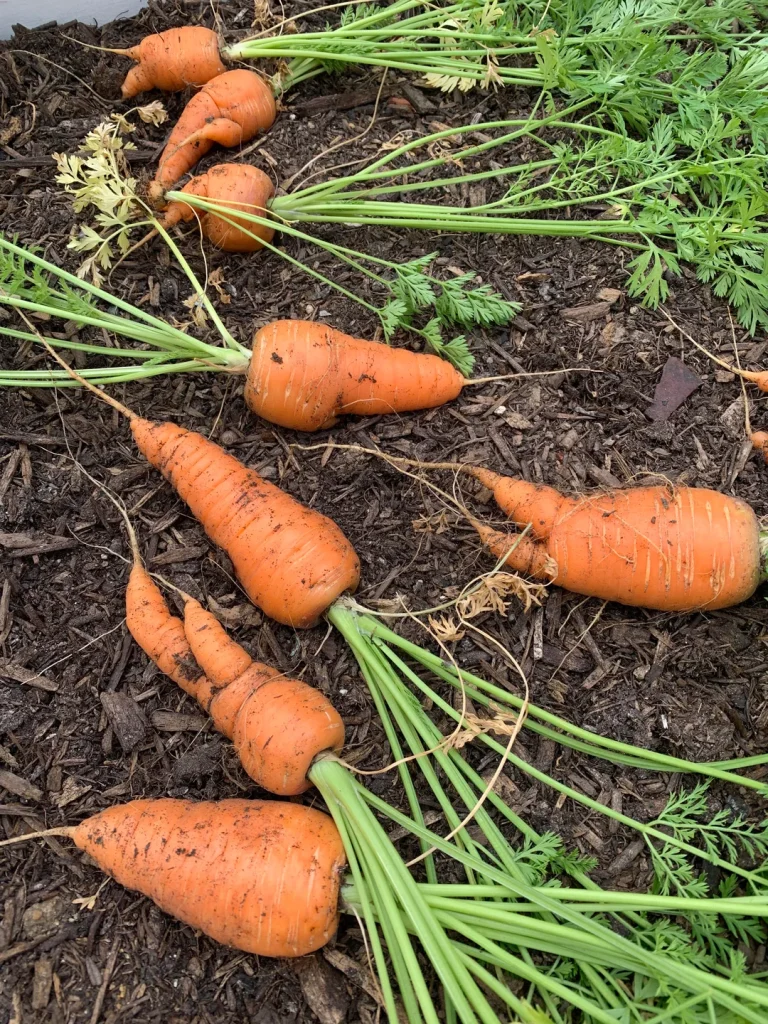
Carrots feel like a magic trick every single time. You water a bag of dirt for weeks, and then you pull out actual carrots. Loose, sandy soil matters more here than with almost any other vegetable.
Skip the rocky soil, or you’ll end up with forked, twisted roots. Grow bags actually fix that problem better than garden soil does. Roots grow straight down without hitting buried rocks or hardened clay.
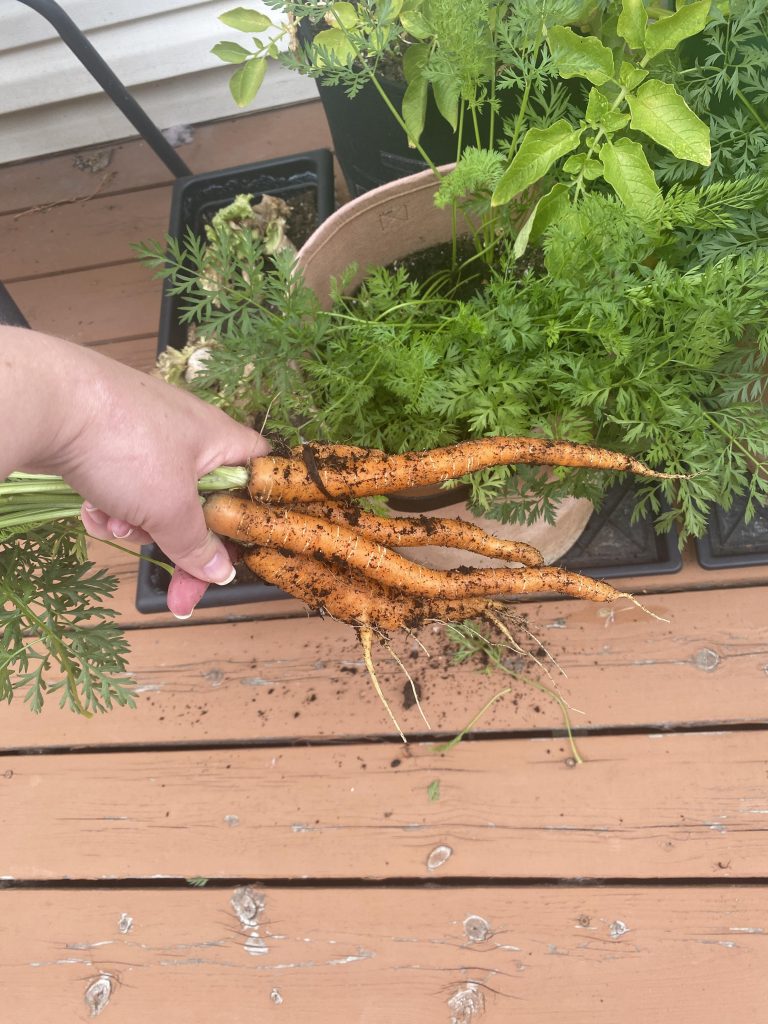
Shallow bags work fine for smaller varieties. Six inches of loose soil gets the job done.
Full sun and steady moisture keep carrots sweet and crisp instead of woody. I still get excited pulling that first orange top from the soil.
8. Strawberries: The Sweetest Reward
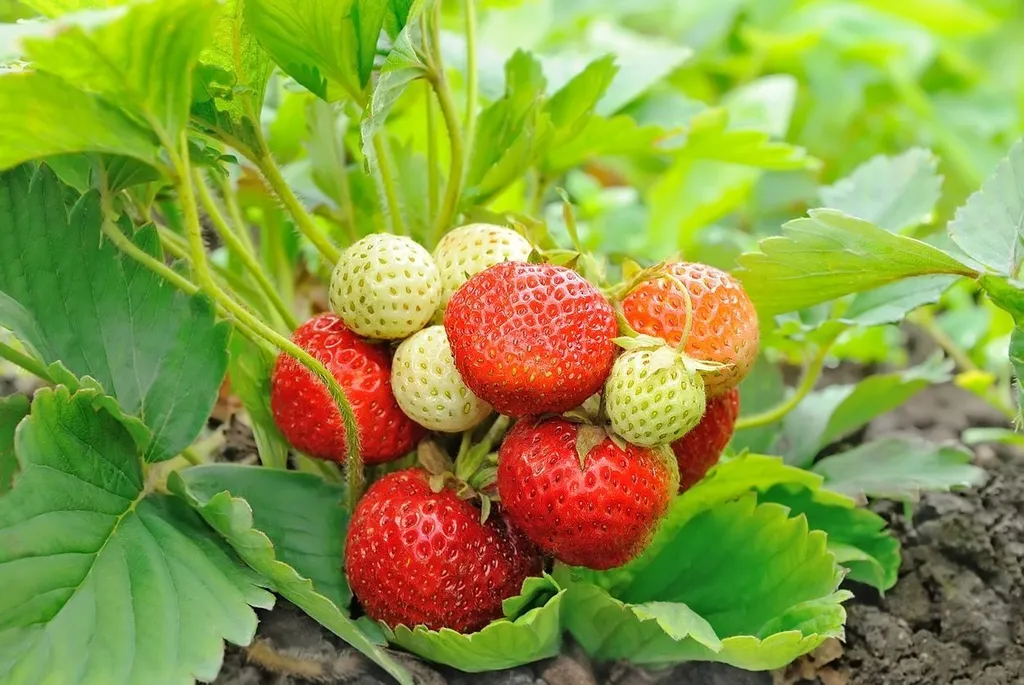
Strawberries just belong in a grow bag. I mean it. Slugs have a much harder time reaching berries lifted off the ground. That alone makes bags worth it for this plant.
Temperatures between 65 and 75 degrees keep strawberries happiest during the day. Give them a sunny spot, and they’ll reward you fast.
Runners spread out over the bag edge, so don’t panic when that happens. Let them trail down instead of fighting them.
Water strawberries often since shallow roots dry out quick. I check mine daily once berries start forming. Nothing beats popping a warm strawberry straight off the plant. You’ll understand once you try it yourself.
9. Bush Beans: The Easy Producer
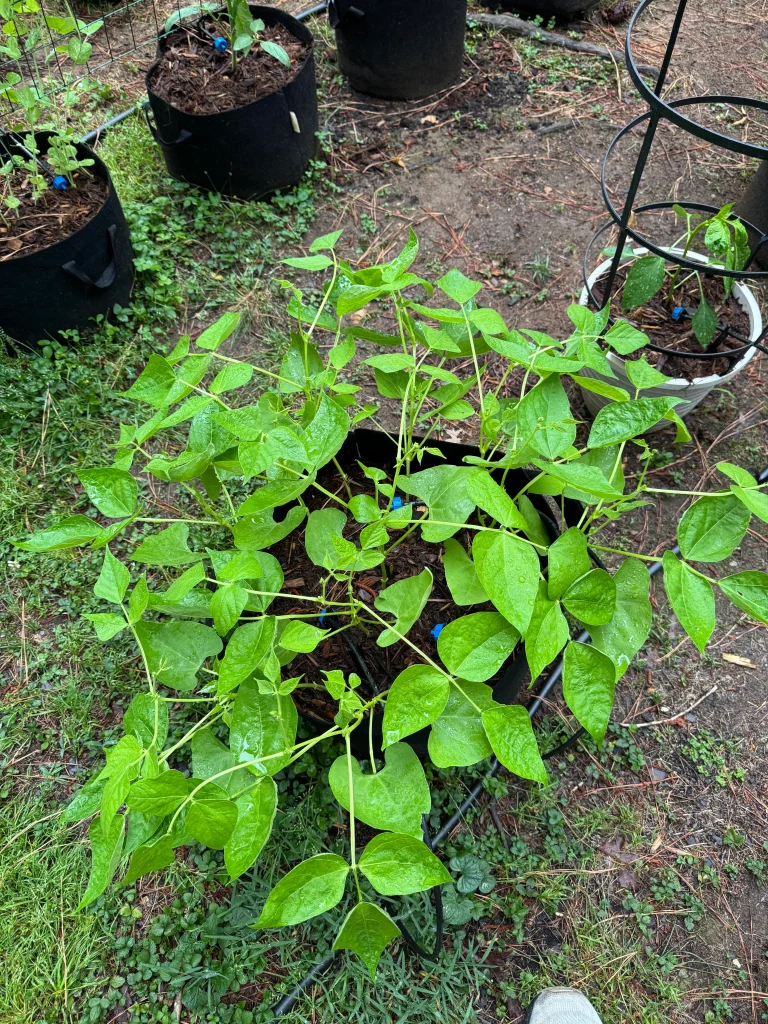
Beans reward lazy gardeners like me more than almost anything else. Bush varieties skip the trellis completely, so setup takes minutes. Plant seeds directly in the bag, and skip starting them indoors.
Use two or three bags for a real harvest worth eating. One bag alone just won’t feed a household. Stagger your planting by two weeks between batches.
That trick alone stretches your harvest across most of summer instead of one quick burst.
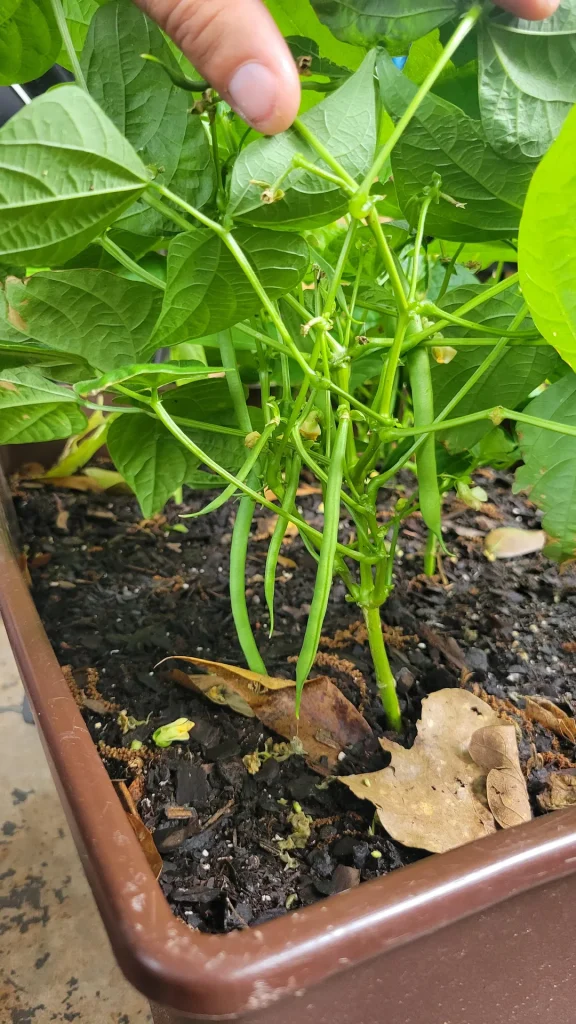
Beans thrive between 65 and 85 degrees, so they handle both spring and summer heat. Pick pods often, and the plant keeps flowering. Skip a few days of picking, and the plant slows down fast.
10. Onions: The Patient Grower
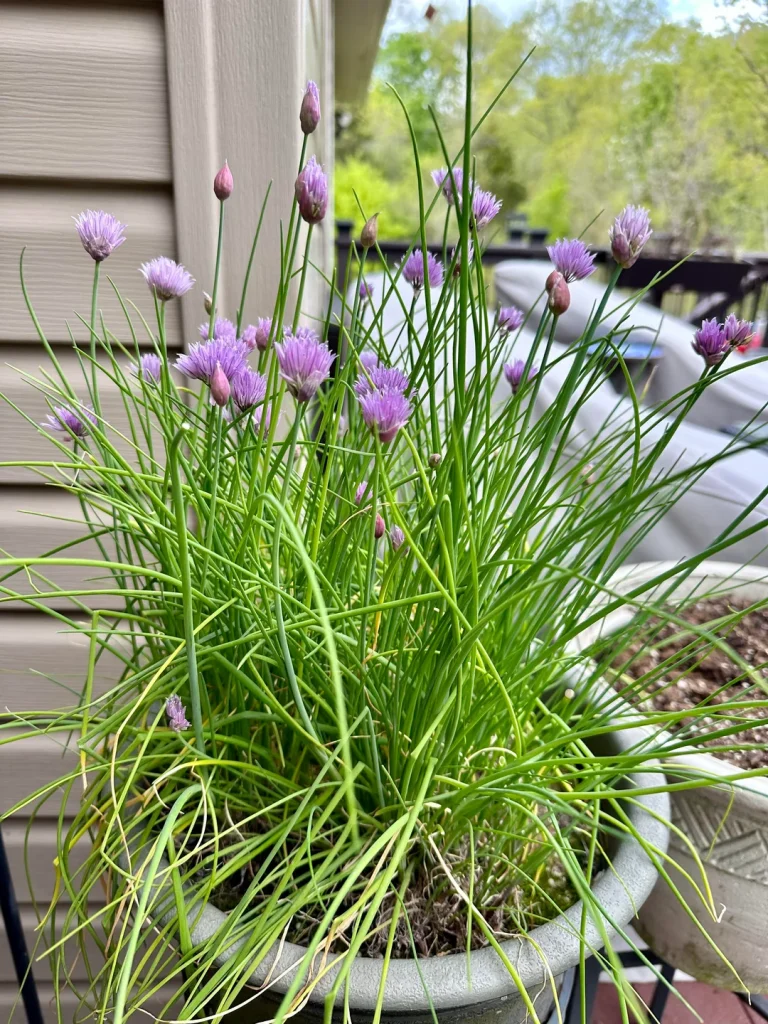
Onions test your patience more than any other plant on this list. Green onions work best if you want a faster payoff. Bulb onions take longer, but the wait pays off in flavor.
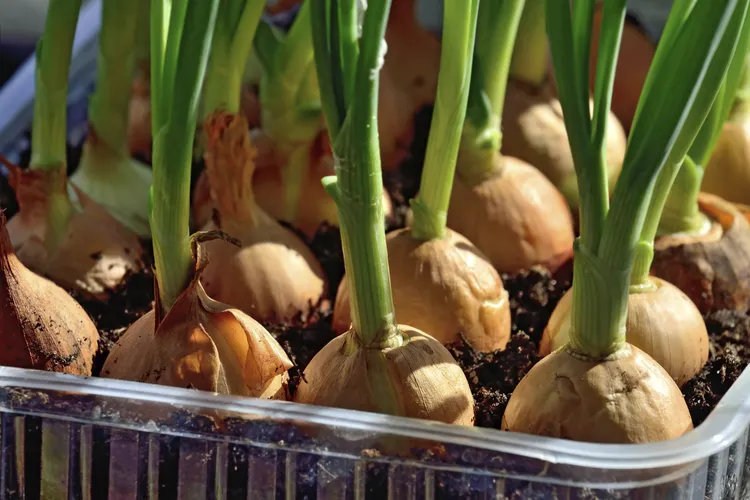
Depth matters here since bulbs need room to swell underground. Choose a bag with real depth, not just width. Sun exposure matters just as much, so find your brightest spot.
Water consistently, but don’t drown the bag. Soggy soil rots onion bulbs fast. I usually overplant mine on purpose.
That way, I eat some young and let the rest mature into full onions later.
FAQ’s
How Much Space Does a 5-Gallon Grow Bag Provide?
A 5-gallon bag gives you about 0.8 square feet of growing room. Most are round, roughly 12 inches across. That sounds small, but it’s plenty for compact plants. Just don’t expect a sprawling vine to fit comfortably in there.
What Plants Grow in a 5-Gallon Grow Bag?
Tomatoes and peppers both do great in this size. I’ve grown cucumbers, eggplant, and onions in five-gallon bags too. Cabbage, arugula, and spinach fit nicely as well. Match the plant’s mature size to the bag, and you’ll rarely go wrong.
What Vegetables Can I Grow in a 3-Gallon Grow Bag?
Shallow-rooted plants love this smaller size. Peppers, lettuce, and peas all thrive here without much fuss. Herbs like cilantro and garlic work well too. I’ve even seen beets do just fine in a 3-gallon bag.
What Grows Well in Hanging Grow Bags?
Vining plants like cucumbers and tomatoes trail down beautifully from a hanging bag. Herbs such as basil, dill, and thyme fit nicely in smaller hanging setups. Leaf lettuce, green onions, and radishes work great too. Just remember, deep-rooted plants like carrots and Brussels sprouts need a taller bag, even when hanging.
Final Words
Ten vegetables, one small space, and zero excuses left. Potatoes and tomatoes reward you with steady, satisfying harvests.
Lettuce and kale forgive nearly every rookie mistake you’ll make. Carrots turn harvest day into an actual surprise.
Strawberries, beans, cucumbers, peppers, and onions round out a setup that fits any patio or balcony. You don’t need acres of land to grow real food. You just need one bag, some soil, and a little daily water.
Start with just one vegetable if ten feels like too much right now. Pick the one that excites you most, and grab a bag today. I promise that first harvest hooks you for good. Mine sure did.