13 Fast Growing Vegetables You Can Harvest in No Time

Nothing beats watching seeds turn into dinner in under a month. Fast growing vegetables reward you quick, and that speed keeps me hooked on gardening every single season.
Radishes pop up before I even finish planning my next bed. Beginners love these plants because mistakes cost less time and money.
My balcony garden leans on these quick wins between slower crops like tomatoes.
Below, you’ll find 13 fast growing vegetable plants that fit into tight spaces, short growing seasons, and impatient gardeners just like me.
13 Fast Growing Vegetables for Delicious Harvest in No Time
1. Radishes: Ready Before You Know It
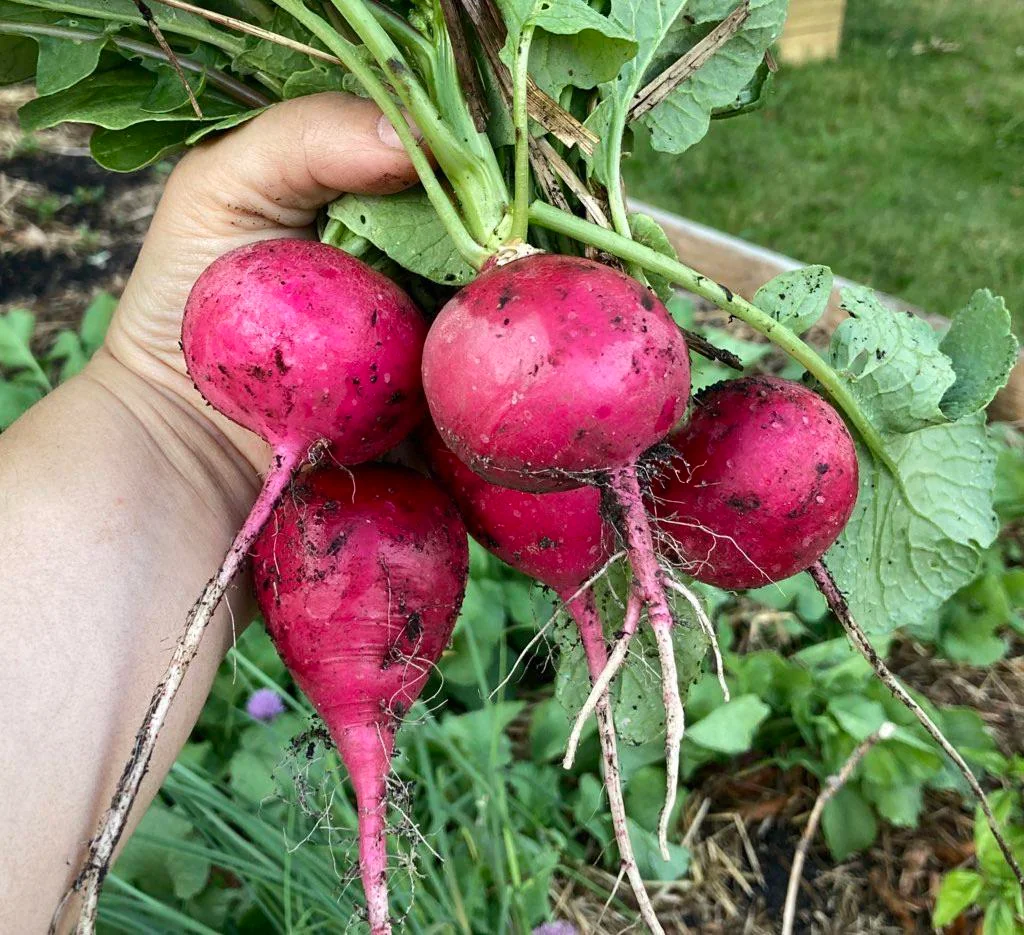
I swear radishes grow faster than my patience lasts. You’ll see roots in just three to five weeks. Cold soil in early spring? Radishes shrug it off completely.
Keep the soil loose and let these get plenty of sun. Water them often, or the flavor turns sharp and spicy fast. My favorite way to eat them is fresh off the plant with butter and a little salt.
Plant Overview
- Zones: 2 to 11
- Care Requirements: Well-drained soil; full sun
- Size: 6 to 8 inches tall; 1 inch diameter
- Time to Harvest: 3 to 5 weeks
Also read: 15 Best Vegetables to Grow in Hanging Baskets
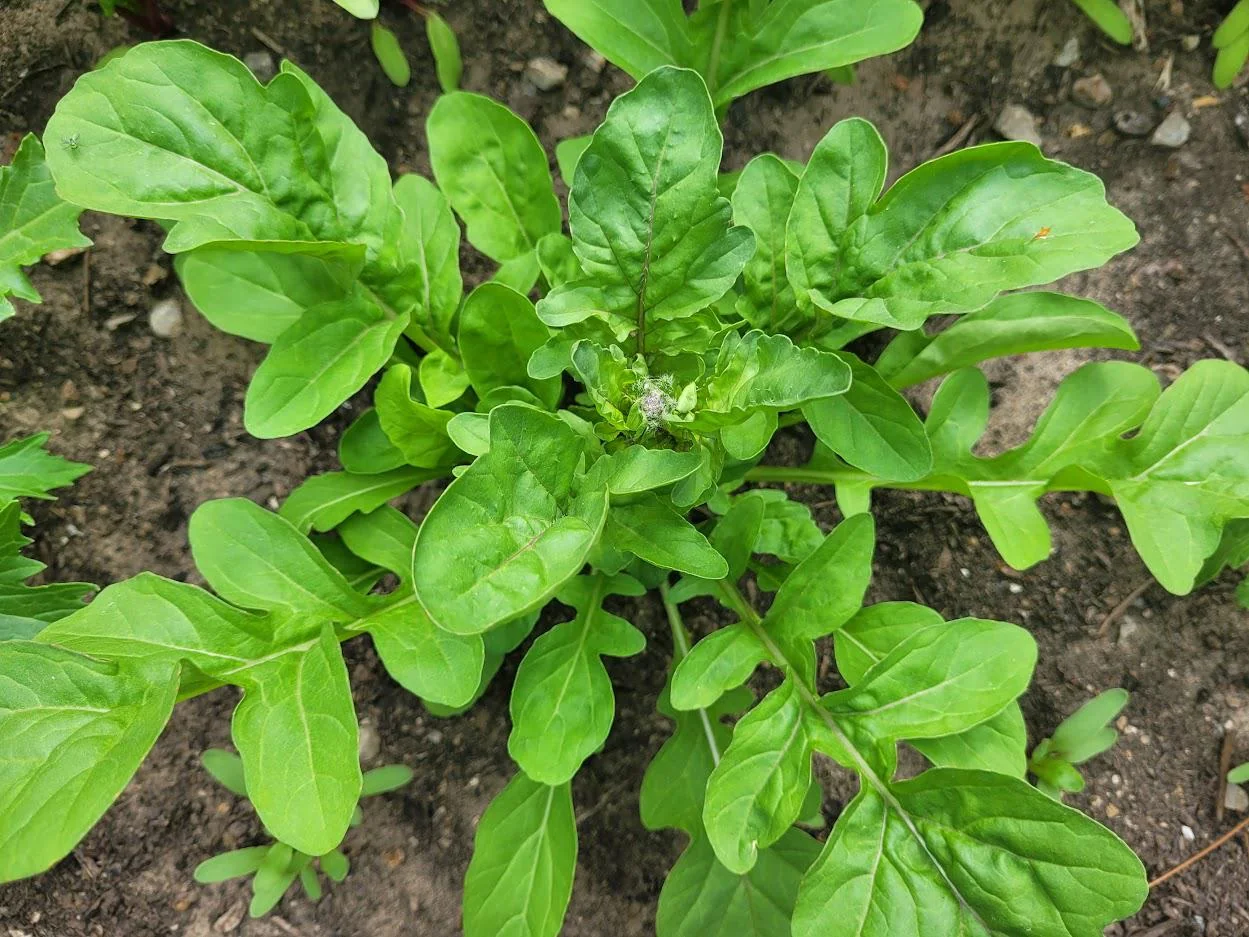
2. Arugula: Peppery and Persistent
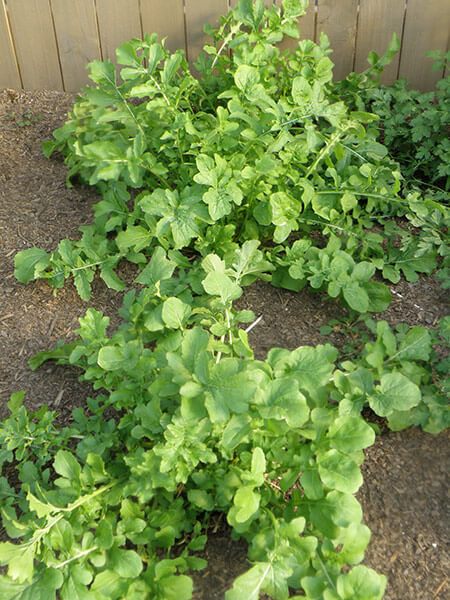
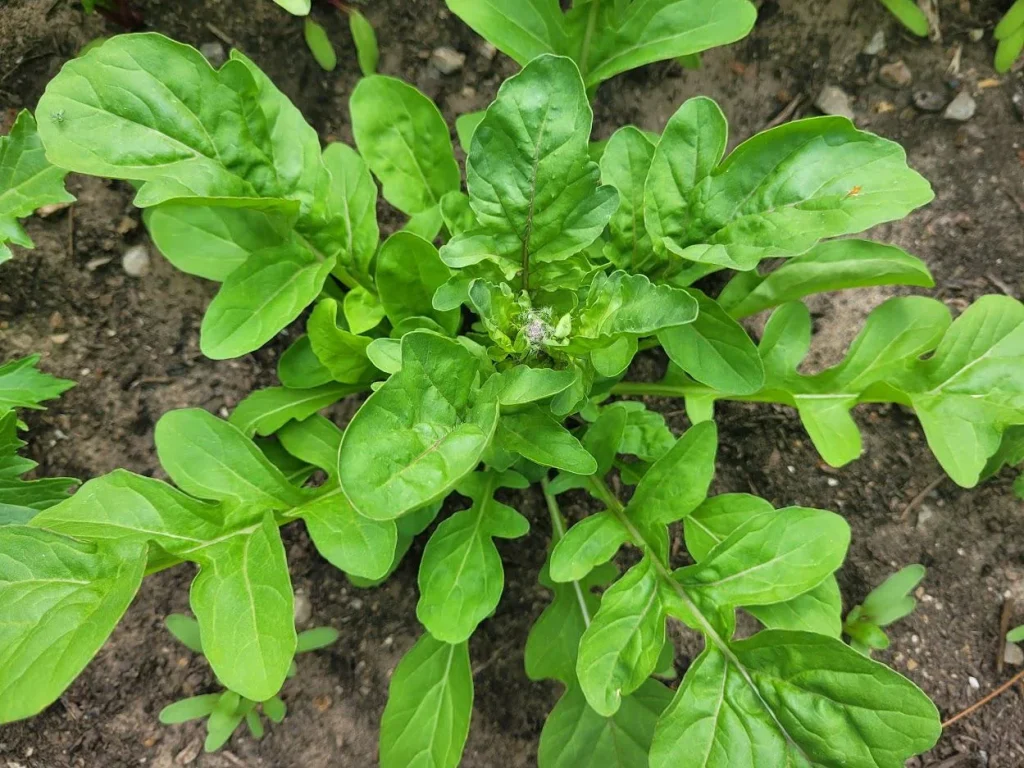
You’ll notice arugula’s flavor changes as it grows. Young leaves taste mild and nutty. Older leaves bring the peppery bite everyone loves in salads.
Full sun works great, but partial shade helps too, especially in hot weather. Snip the outer leaves and this plant just keeps producing. Staggering plantings keeps both mild and bold leaves ready at once.
Plant Overview
- Zones: 2 to 11
- Care Requirements: Well-drained soil; partial to full sun
- Size: 2 to 3 feet tall x 1 to 1.5 feet wide
- Time to Harvest: 20 to 50 days
Also read: 10 Best Vegetables To Grow On Arch Trellis
3. Leaf Lettuce: Salad in Weeks
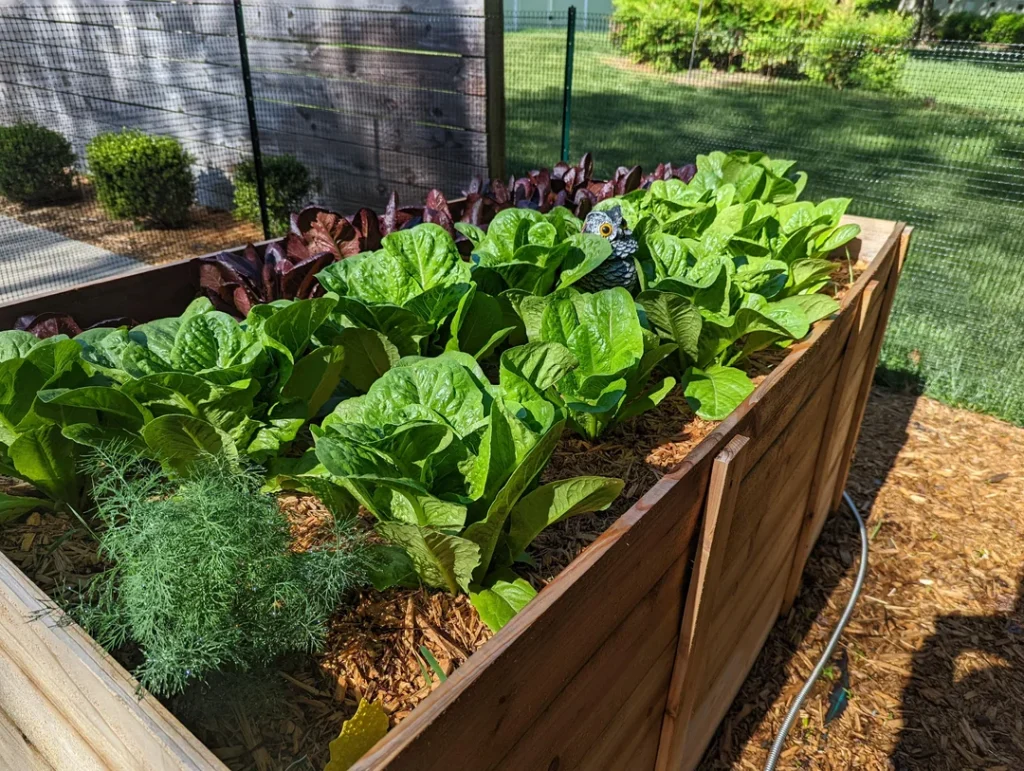
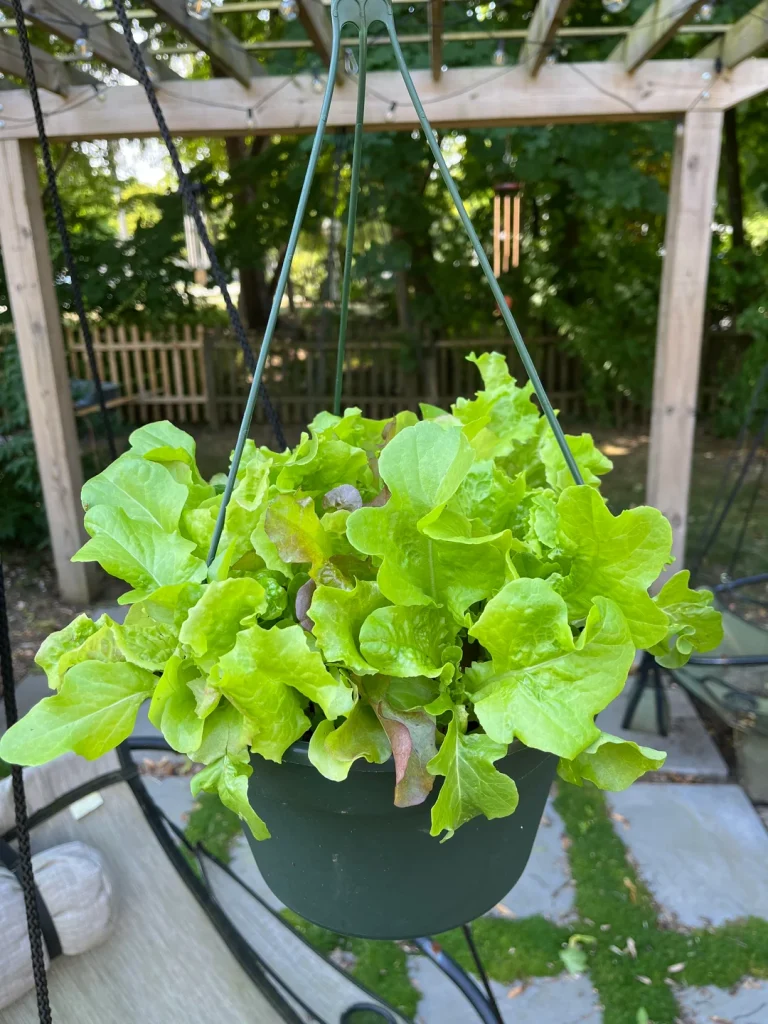
Salad lovers, this one’s for you. Thirty days gets you a full harvest most seasons. Romaine and butterhead types mature quicker than the tight, dense heads.
Containers work just fine since lettuce roots stay shallow. You don’t need a big yard to grow a steady supply. Sowing new seeds every couple weeks keeps fresh greens coming nonstop.
Plant Overview
- Zones: 2 to 11
- Care Requirements: Well-drained soil; partial to full sun
- Size: 6 to 12 inches tall x 6 to 12 inches wide
- Time to Harvest: 30 days
4. Kale: Tough, Sweet, and Reliable
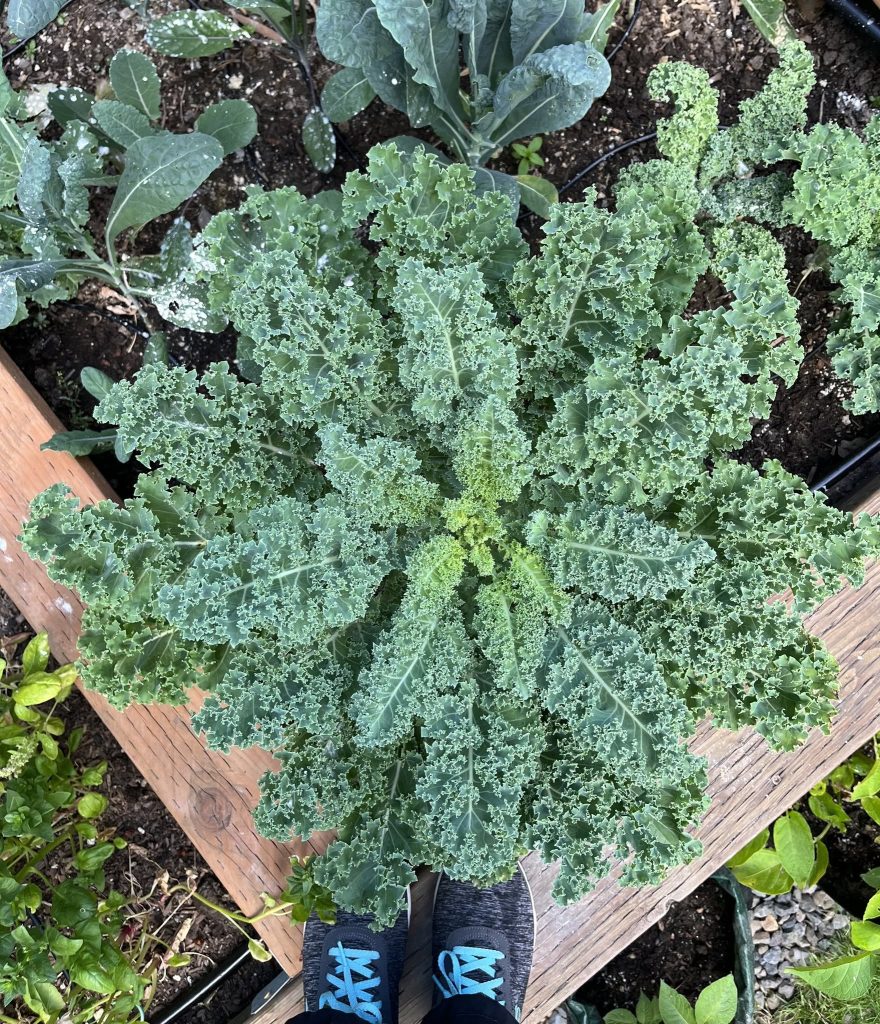
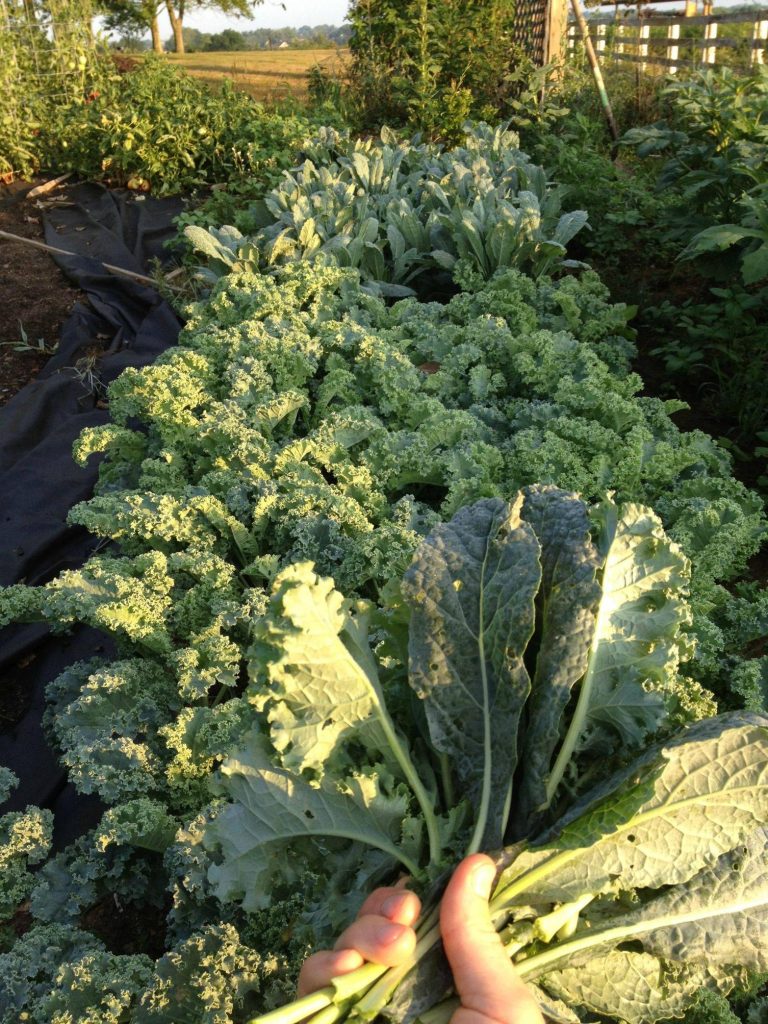
Frost doesn’t scare kale one bit. Baby leaves show up in just twenty five days. Full grown leaves take closer to a month longer.
Cold weather actually makes kale taste sweeter, not worse. Tuscan and curly varieties both do well in home gardens. Rich soil with good drainage keeps this plant strong all season.
Plant Overview
- Zones: 7 to 9
- Care Requirements: Well-drained soil; partial to full sun
- Size: 1 to 2 feet tall x 1 to 2 feet wide
- Time to Harvest: 25 to 30 days
5. Beets: Two Veggies in One
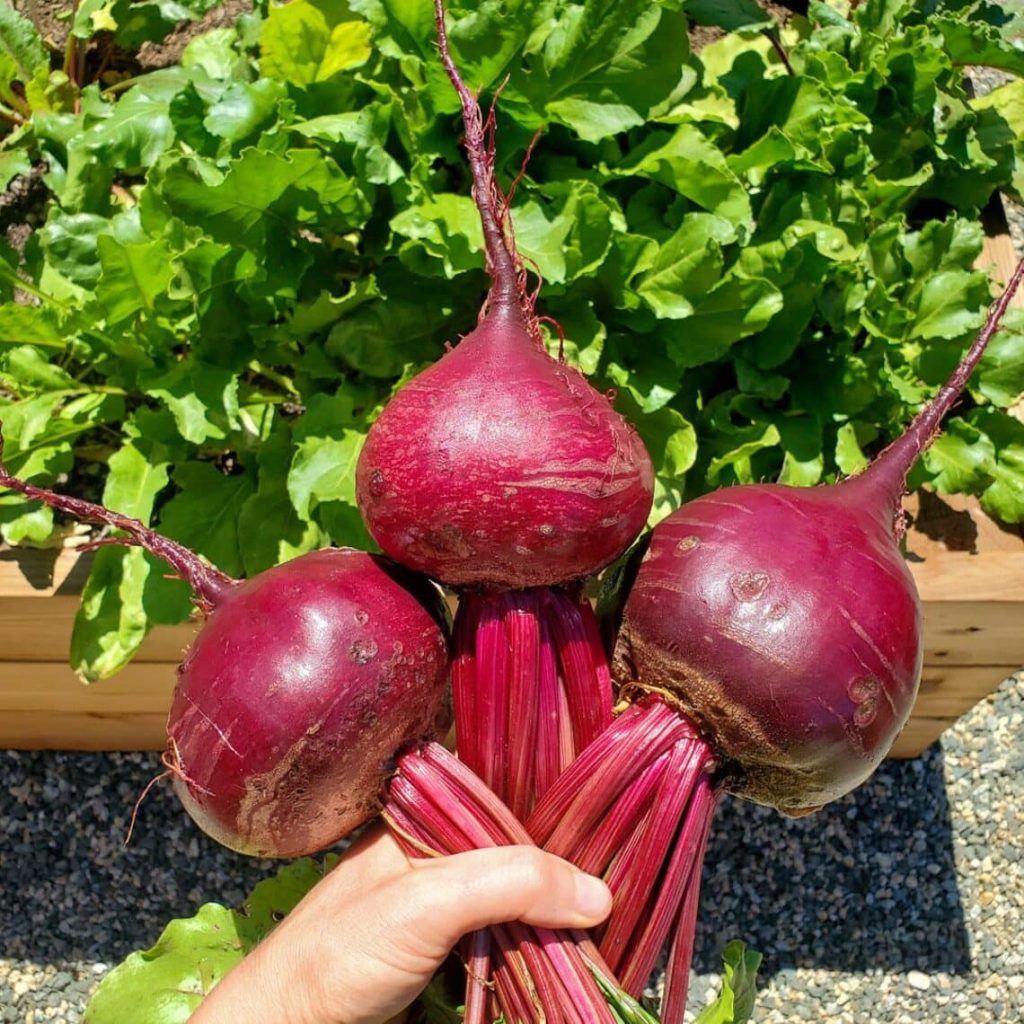
Beets give you double the harvest from one seed packet. You eat the roots and the leafy greens too.
Baby greens show up in just three to four weeks. Small, tender roots follow six to eight weeks later.
These don’t need much space to grow. Raised beds, containers, or garden rows all work fine. Toss the greens into stir-fries and save the roots for roasting. Loose soil helps the roots swell up nice and round.
Plant Overview
- Zones: 2 to 10
- Care Requirements: Well-drained soil; partial to full sun
- Size: 1 to 2 feet tall x 1 to 2 feet wide
- Time to Harvest: 6 to 8 weeks (roots); 3 to 4 weeks (greens)
6. Green Onions: The Lazy Gardener’s Favorite
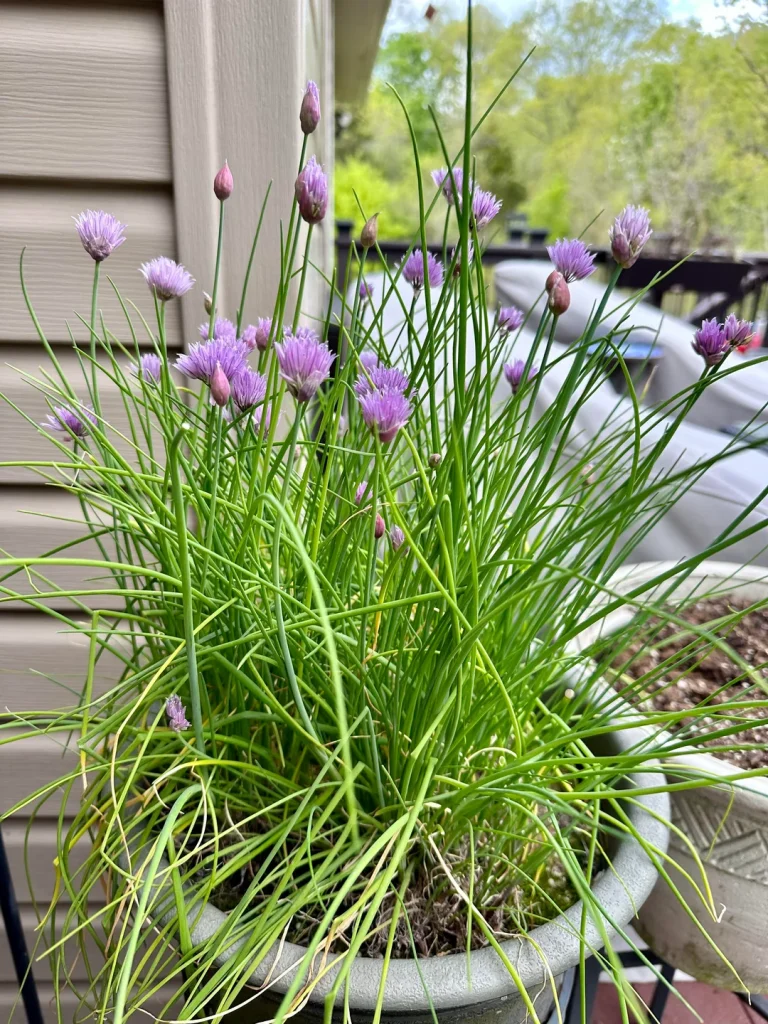
Green onions ask for almost nothing from you. Plant them, water them, and wait about three to four weeks. That’s really all it takes.
You can grow these in a tiny container on a balcony rail. Snip what you need and let the rest keep growing. Their narrow stems barely take up any room at all.
Plant Overview
- Zones: 2 to 11
- Care Requirements: Well-drained soil; full sun to partial shade
- Size: 12 to 18 inches tall; thin stems
- Time to Harvest: 3 to 4 weeks
7. Spinach: The Cool Weather Champion
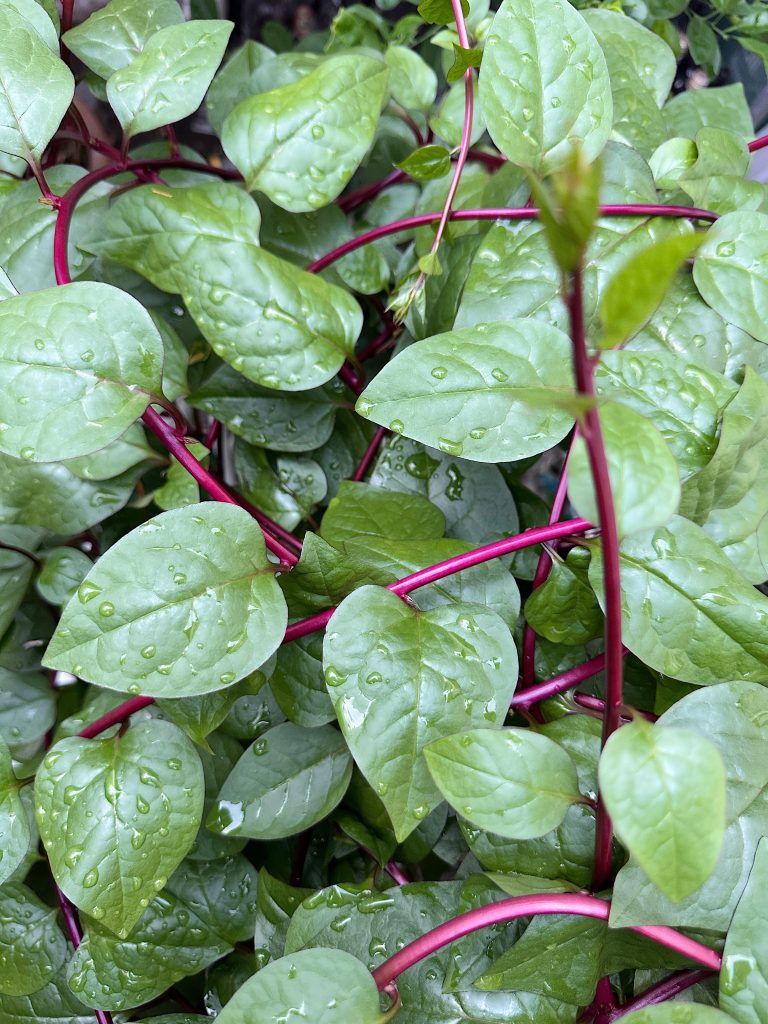
Spinach hates the heat, plain and simple. Give it cool weather, and it rewards you in about forty five days. Push it into summer, and it bolts almost overnight.
Planting spinach in early spring and again in fall gives you two solid harvests a year. Loamy, moist soil keeps the leaves tender and mild.
Picking individual leaves lets the plant keep growing. That means more salads from fewer seeds.
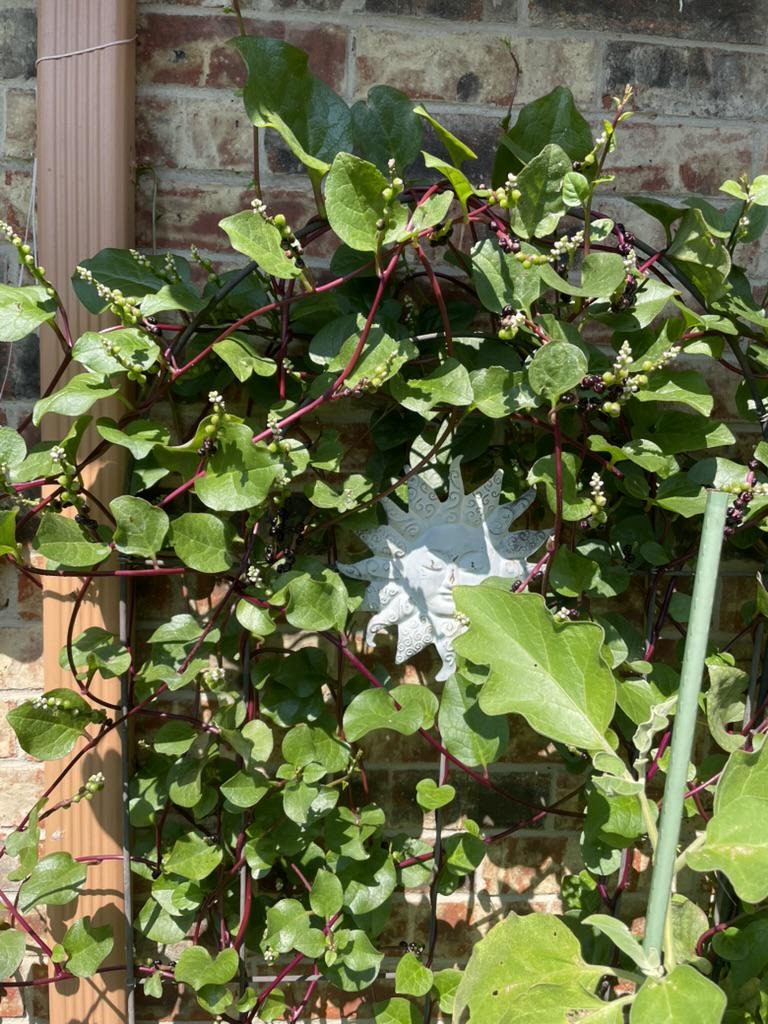
Plant Overview
- Zones: 2 to 9
- Care Requirements: Well-drained, loamy soil; full sun to partial sun
- Size: 6 to 12 inches tall x 6 to 12 inches wide
- Time to Harvest: About 45 days
8. Turnips: Roots and Greens Together
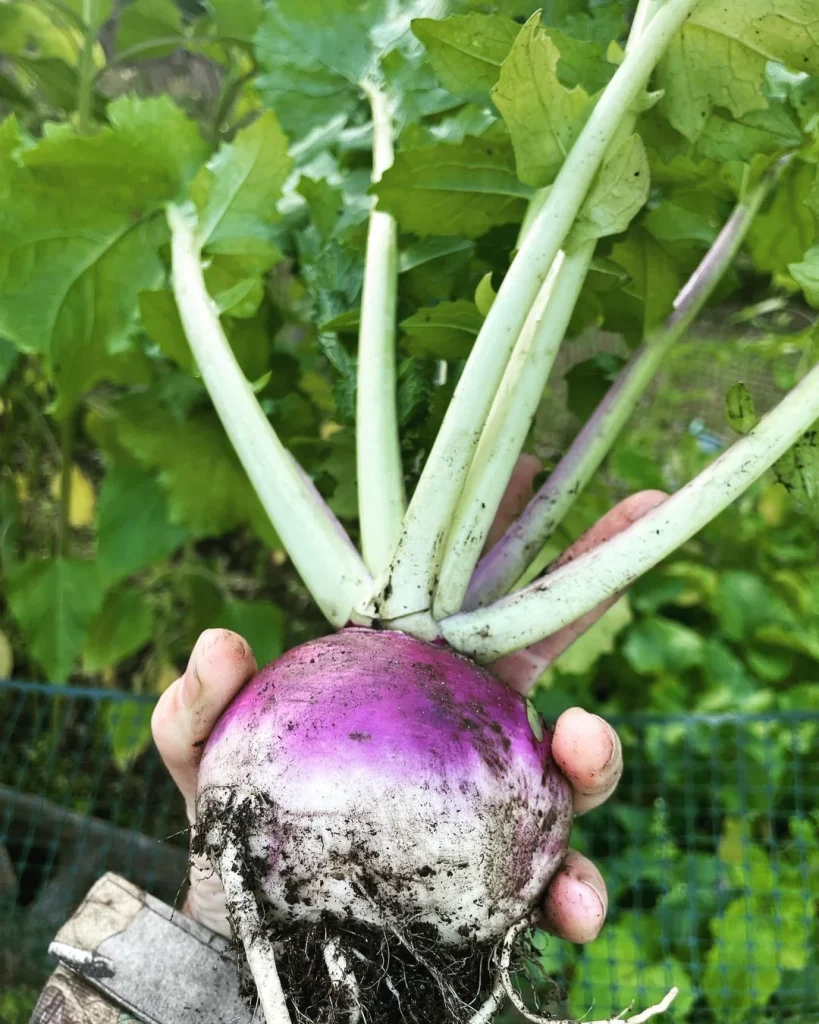
Turnips work a lot like beets in the garden. You get edible greens first, then roots a bit later. Greens are ready in twenty five to thirty days.
Roots take closer to fifty days to fully mature.
These plants tolerate rough soil better than most root vegetables. Roast the roots or mash them like potatoes. Either way, one seed packet gives you two harvests.
Plant Overview
- Zones: 2 to 10
- Care Requirements: Well-drained soil; full sun
- Size: 12 to 18 inches tall; 2 inch diameter
- Time to Harvest: 25 to 30 days (greens); 50 days (roots)
9. Green Beans: Keep Picking, Keep Growing
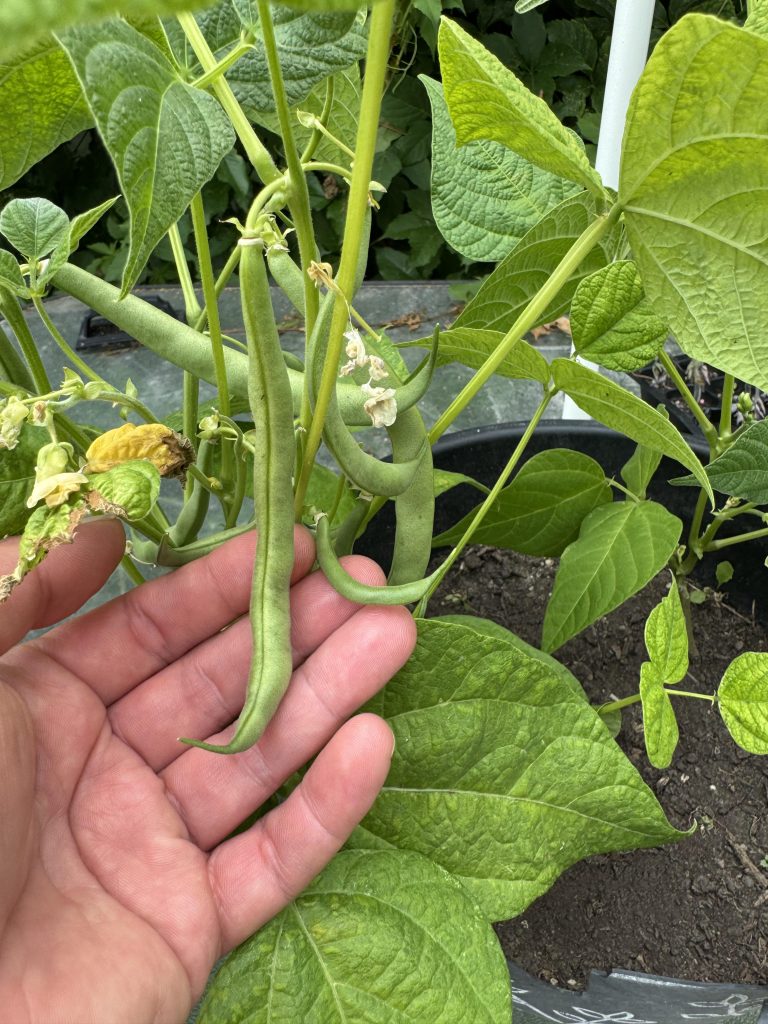
Green beans reward you fast once they get going. Bush varieties start producing in fifty five to sixty five days. Pole varieties climb and need a trellis, but they give a bigger harvest overall.
The trick with beans is simple. Pick them often, and the plant keeps making more.
Leave pods too long, and the plant slows down production. Fresh beans taste crisp and sweet, nothing like the limp ones at the store.
Plant Overview
- Zones: 3 to 10
- Care Requirements: Loamy, well-drained soil; full sun
- Size: 2 to 6 feet tall, depending on variety
- Time to Harvest: 55 to 65 days
10. Peas: A Cool Spring Favorite
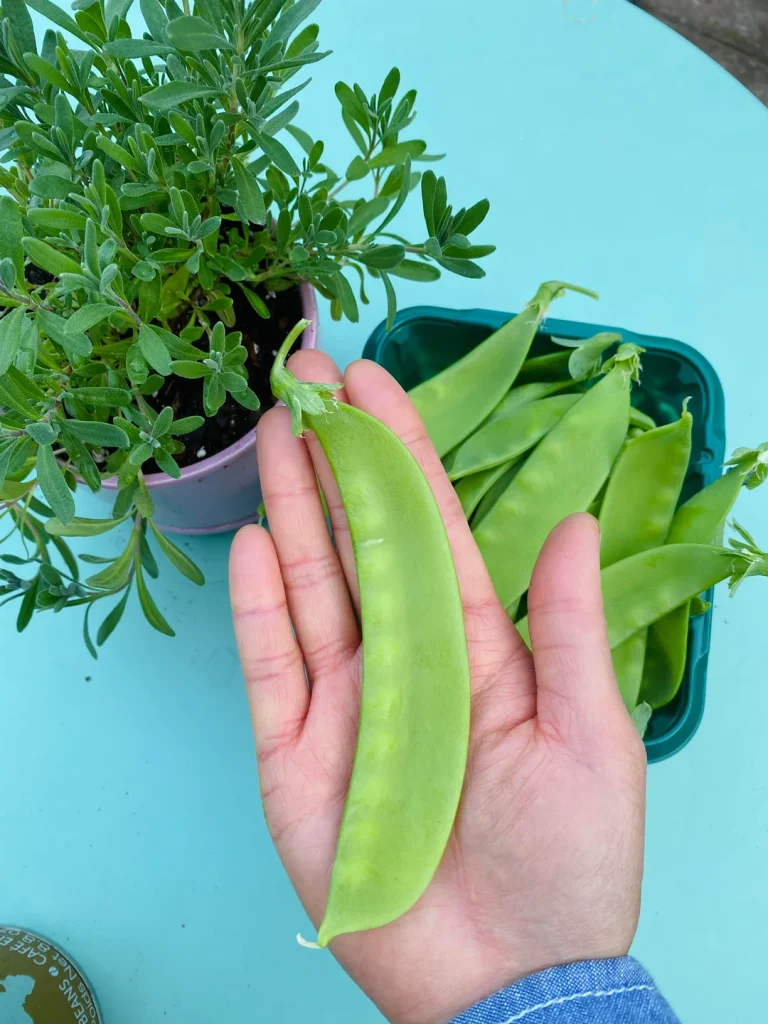
Peas thrive when the weather stays cool. Sixty days gets you a full harvest most seasons. Snap, snow, and shelling peas all fit this quick timeline.
A trellis makes a huge difference here. Pea vines climb naturally and need something to grab onto.
Pick the pods every couple days once they start forming. Waiting too long makes the peas tough and starchy.
Plant Overview
- Zones: 2 to 11
- Care Requirements: Well-drained, fertile soil; full sun
- Size: 2 to 6 feet tall, depending on variety
- Time to Harvest: 50 to 70 days
11. Cucumbers: Summer’s Fastest Vine
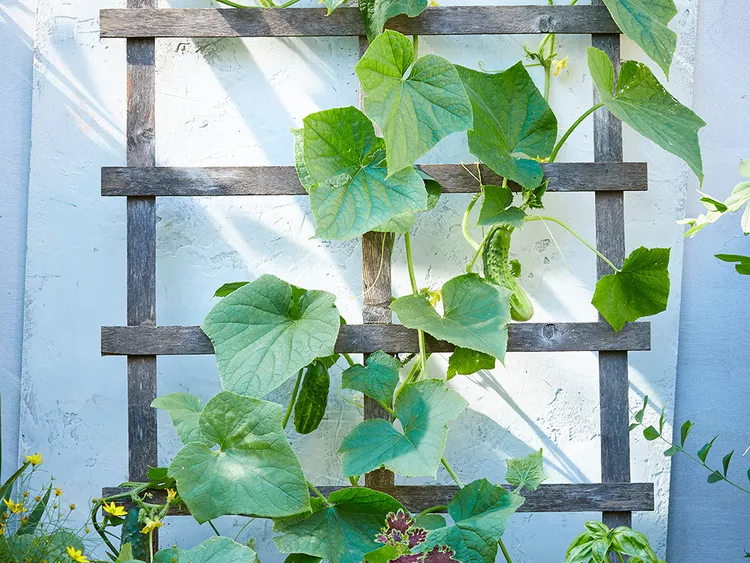
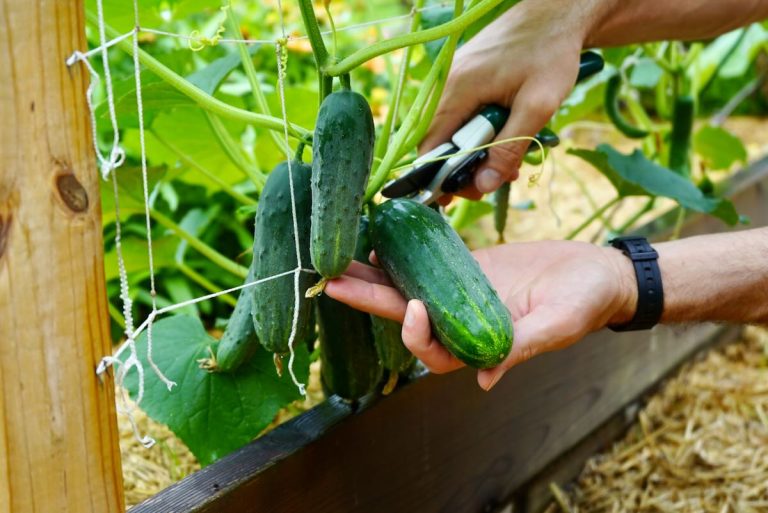
Cucumbers need heat and sun to really take off. Most varieties mature in fifty to seventy days. Smaller pickling types often finish even faster.
Vertical growing solves a lot of problems with this plant. A trellis keeps vines off the ground and cuts down on fungal issues.
Better airflow around the leaves means healthier plants overall. Warm weather and steady watering speed the whole process along.
Plant Overview
- Zones: 4 to 11
- Care Requirements: Rich, well-drained soil; full sun
- Size: 3 to 6 feet tall (trellised); vines spread further
- Time to Harvest: 50 to 70 days
12. Bok Choy: Quick Greens With Crunch
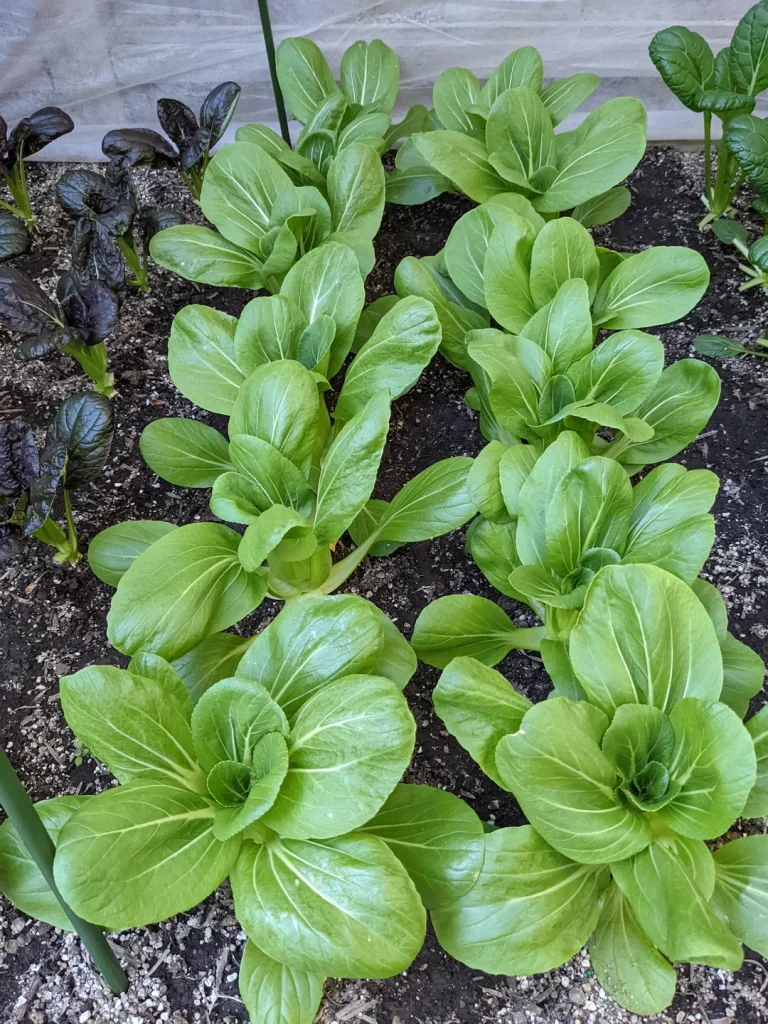
Bok choy grows fast, and it barely asks for anything special. Thirty to fifty days gets you a full head. Baby bok choy finishes even sooner if you harvest it young.
Cool weather suits this plant best. Both spring and fall gardens work well for a strong crop.
Stir-fries and soups both benefit from that mild, crunchy bite. Regular watering keeps the leaves from turning bitter.
Plant Overview
- Zones: 4 to 9
- Care Requirements: Moist, well-drained soil; full sun to partial shade
- Size: 6 to 12 inches tall x 6 to 12 inches wide
- Time to Harvest: 30 to 50 days
13. Sprouts: The Fastest Harvest You’ll Ever Get
Sprouts beat every plant on this list for pure speed. Some varieties finish in as few as two days. Even the slowest sprouts wrap up within a week.
No garden space gets used at all here. A jar, some seeds, and water handle the whole job. Darkness actually helps sprouts grow better than sunlight does.
That makes this the easiest way to get fresh greens fast, even in the middle of winter.
Plant Overview
- Zones: Indoor, any zone
- Care Requirements: Dark spot; rinse and drain daily
- Size: 1 to 3 inches tall
- Time to Harvest: 2 to 7 days
FAQs
What’s the fastest vegetable you can grow from seed?
Sprouts win this one easily. Some varieties finish in just two days, and none take longer than a week.
You don’t even need soil, just a jar and some water. That makes sprouts the go-to choice when you want fresh greens tonight, not next month.
Can I grow fast growing vegetables in containers?
Absolutely, and many of these plants actually prefer it. Radishes, lettuce, green onions, and bok choy all do great in pots.
Shallow roots mean you don’t need deep containers either. A sunny balcony or windowsill gives you everything these plants need to thrive.
Why did my radishes turn out spicy instead of mild?
Uneven watering usually causes that sharp bite. Radishes need steady moisture to grow mild and crisp. Dry soil stresses the plant, and stressed radishes turn peppery fast. Water on a consistent schedule, and you’ll notice a big difference in flavor.
Do fast growing vegetables need less care than slower crops?
Not really, they just finish sooner. These plants still need good soil, proper sun, and regular watering to thrive. The upside is you find out fast if something’s wrong.
A mistake with radishes costs you three weeks, not three months like it might with tomatoes.
Can I plant fast growing vegetables more than once a season?
Yes, and you absolutely should. This trick is called succession planting, and it keeps your harvest going nonstop.
Sow new seeds every couple weeks instead of planting everything at once. Lettuce, spinach, and radishes all respond beautifully to this approach.
The Bottom Line
Fast growing vegetables make gardening fun again. You don’t wait months to see results, and that keeps you motivated to plant more.
Radishes, sprouts, and leaf lettuce give you harvests in weeks, not seasons. Beets and turnips throw in a bonus crop of greens along the way.
Small spaces work just fine for most of these plants. A container on a porch or a raised bed in the yard both get the job done.
Pick two or three from this list and start there. You’ll have something to harvest before you know it, and that first bite always tastes better when you grew it yourself.