13 Best Plants for North Side of House

Shade doesn’t have to mean boring, and your north-facing spot proves that every single day. I’ve grown everything from flowering perennials to climbing vines along mine, and the color never quits.
Ground covers fill in gaps fast. Shrubs add structure that lasts all year. Bedding annuals bring quick bursts of color whenever you need them.
You just need the right picks for low light and cooler soil. Below, I’m sharing 13 plants that turned my dullest garden spot into one of my favorites.
Why North-Facing Spots Need Special Plants
North-facing beds get less direct sun than any other side of your house. Cool temperatures and moist soil become the norm here.
Sun-lovers like tomatoes or roses will sulk and struggle in this spot. Shade-loving plants, though? They thrive.
Rainwater often can’t reach these areas because roof eaves block it. Dry shade turns into a real challenge for picky plants. Luckily, several tough options on this list handle dry shade without complaint.
13 Easy and Colorful Plants North Side of House
1. Hosta
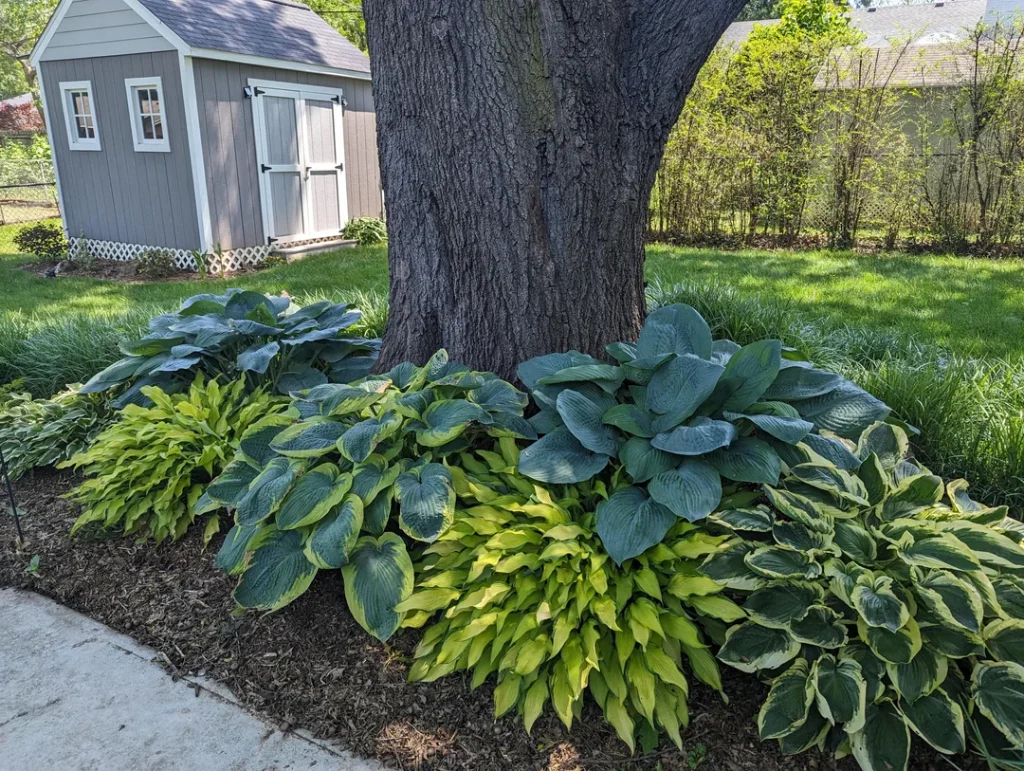
I fell hard for hostas the moment I saw my neighbor’s front bed. Those leaves just steal the show.
Big, bold, and ridged, they come in green, blue, and creamy white. Some even flash bright edges that seem to glow when the light gets low.
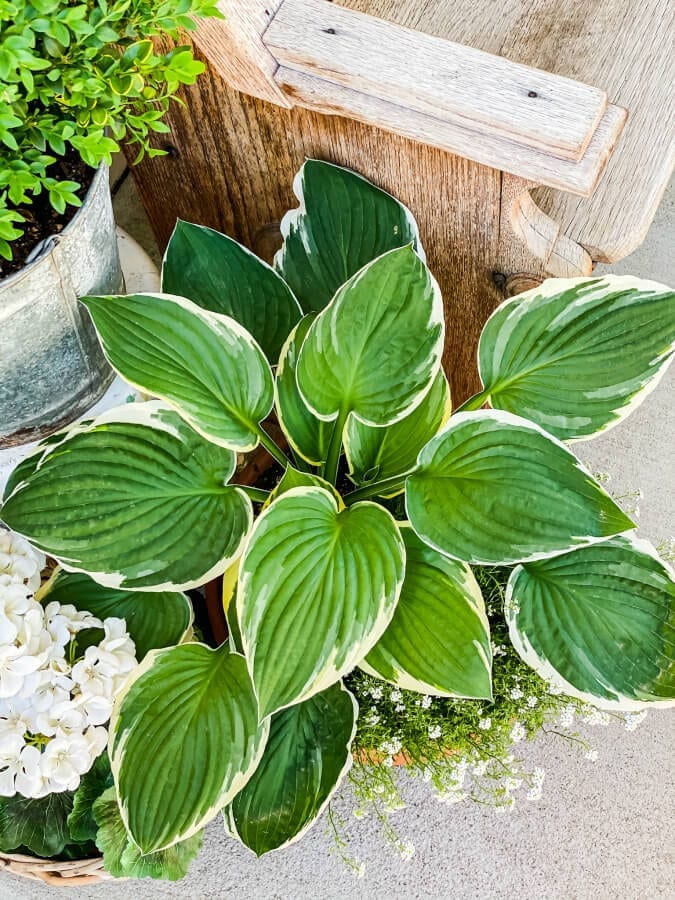
My own ‘Frances Williams’ hosta started as a tiny thing three years ago. Now it’s the size of a small dog, no joke.
Slugs think it’s a buffet, though, so you’ll want to watch for chewed edges. A little slug bait early in spring saves you a huge headache later.
Do you want a plant that fills space fast and looks lush doing it? Hostas won’t let you down.
Plant Overview
- USDA Growing Zones: 3 to 9
- Color Varieties: White, lavender (grown mainly for foliage)
- Sun Exposure: Part shade to full shade
- Soil Needs: Rich, moist, well-drained soil
Also read: 13 Best Shade Loving Plants for North Facing Porch
2. Ferns
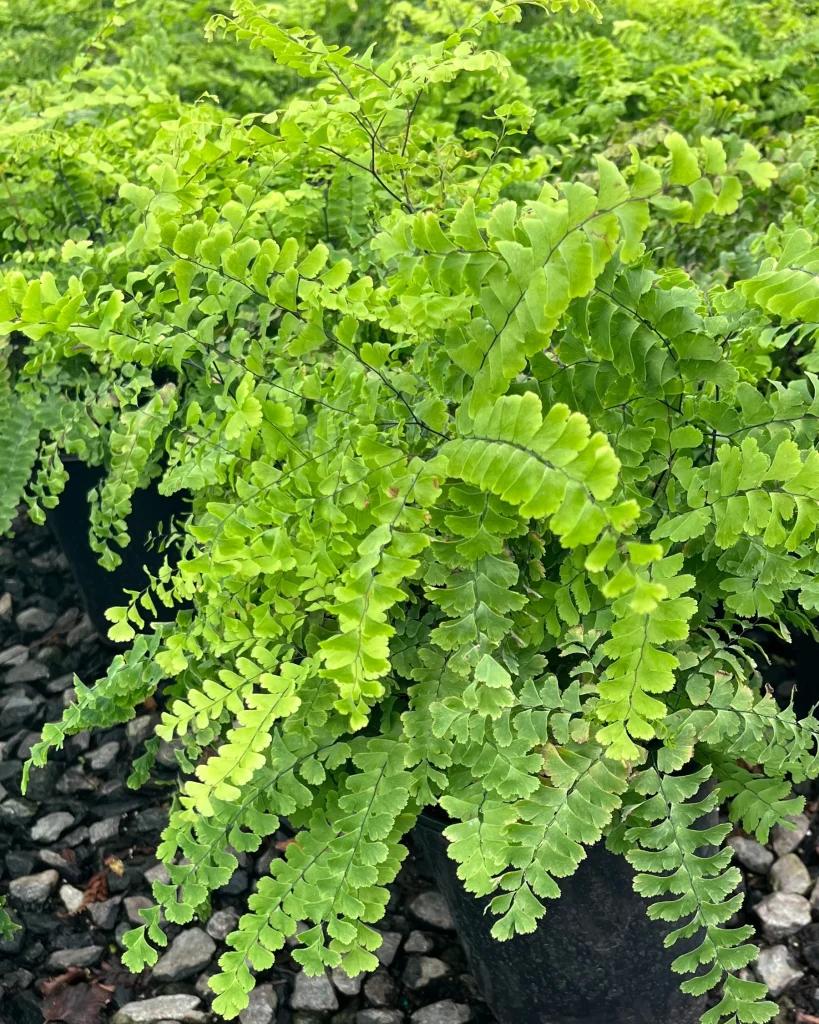
Something about ferns just feels calming to me. Their fronds unfurl in spring like little green question marks, curling open bit by bit. You almost want to watch it happen in real time.
Patience pays off with Japanese painted ferns. They grow slowly, but their silvery fronds and deep maroon stems look like nothing else in the garden.
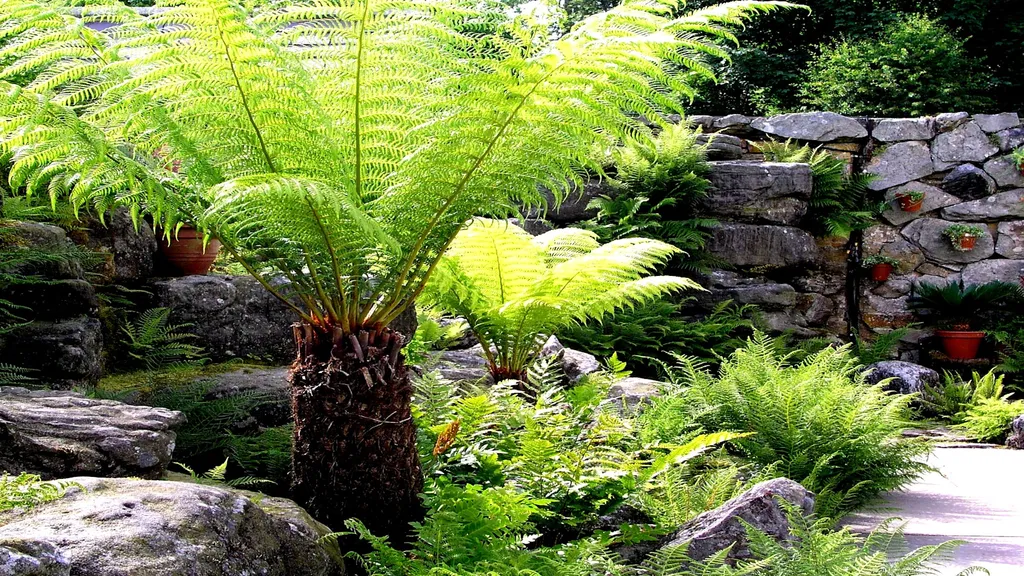
Speed matters more to you? Grab an ostrich fern instead. It shoots up fast and adds instant drama.
Late winter is prune time. Snip back the old, tired fronds so fresh growth has room to breathe come spring.
Plant Overview
- USDA Growing Zones: 2 to 10 (varies by species)
- Color Varieties: Green, variegated
- Sun Exposure: Part shade to full shade
- Soil Needs: Dry to medium moisture, depending on species
Also read: 13 Best Climbing Plants for Shady Areas
3. Hellebore
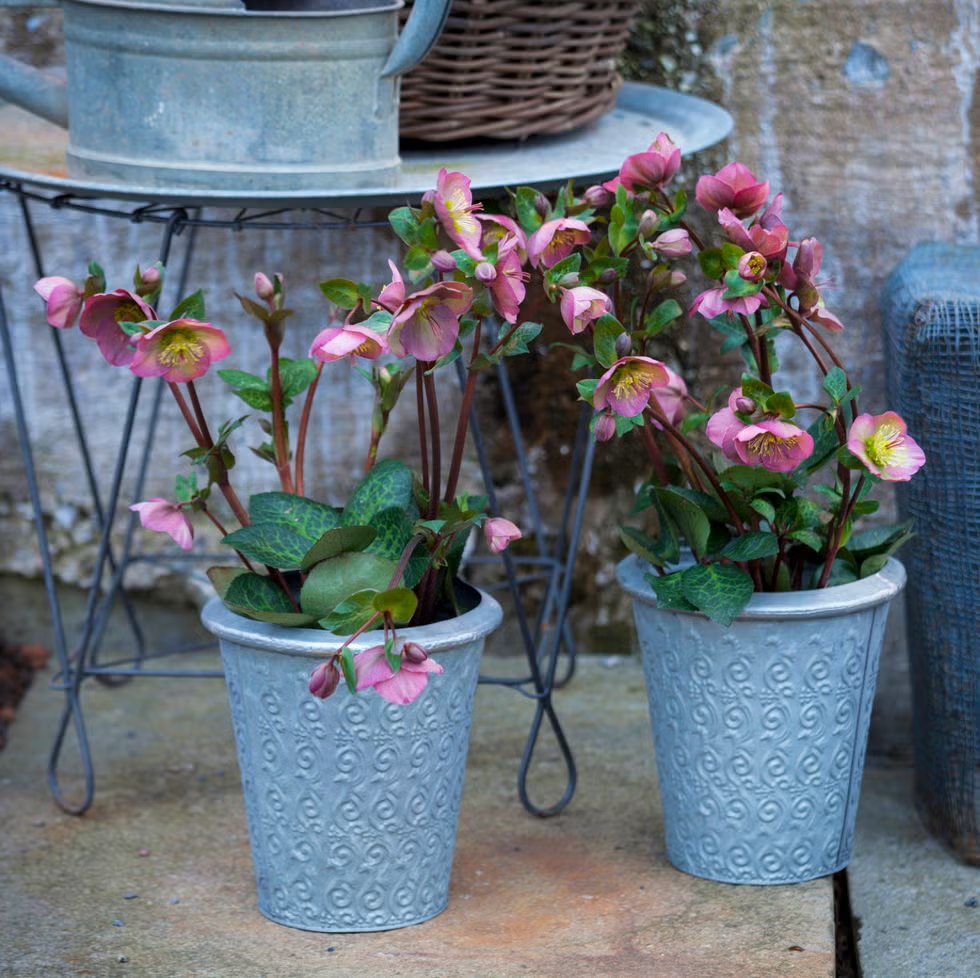
Nothing else in my garden blooms in December, but hellebores don’t care about the cold. Flowers show up from December clear through April.
White, pink, deep red, even near-black petals brighten the dullest winter days.
Bees need this plant more than you’d think. Hardly anything else blooms that early, so hellebores become a lifeline for hungry pollinators.
Rot becomes the real enemy here, though. Soggy soil kills hellebores fast, so mix in compost or leaf mould before you plant.
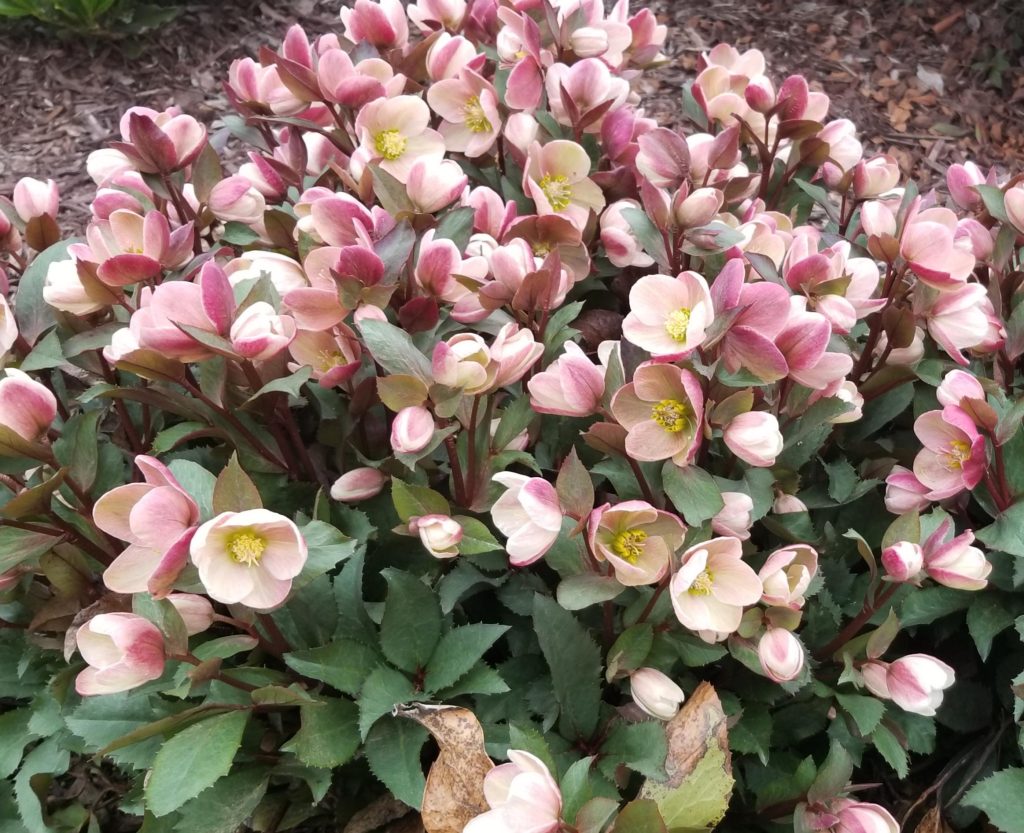
Frost doesn’t stand a chance against this plant’s clever trick. Their flower stems actually droop to a 45-degree angle to shrug off snow and ice.
Plant Overview
- USDA Growing Zones: 4 to 9
- Color Varieties: White, pink, red, blue, black
- Sun Exposure: Part shade to full shade
- Soil Needs: Moist, well-drained soil (avoid waterlogging)
4. Foxglove
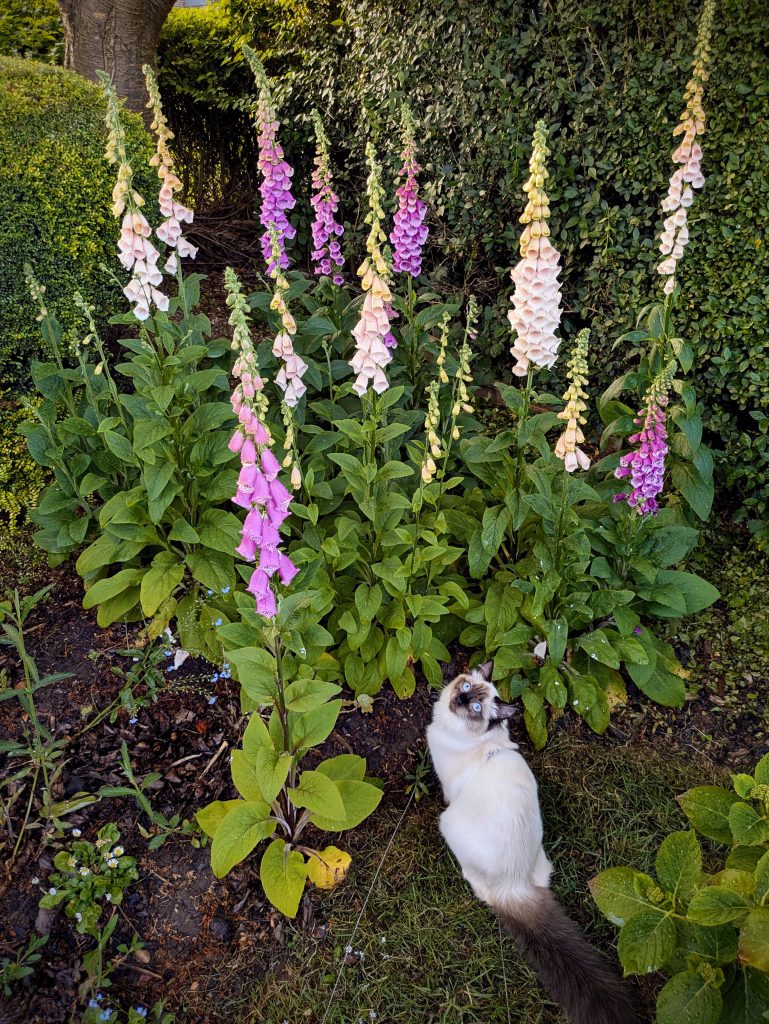
Height alone makes foxglove impossible to ignore. Tall spikes shoot straight up, packed with bell-shaped flowers from top to bottom. I planted a row along my fence last spring, and it instantly gave the whole bed some drama.
Bees can’t resist this plant. Pollinators flock to those bell flowers all summer long. You’ll get height, color, and buzzing life in one single plant.
Watch little hands and paws around this one. Every part of foxglove is toxic if eaten, so keep pets and kids away from it.
Plant Overview
- USDA Growing Zones: 4 to 8
- Color Varieties: Pink, purple, white, yellow
- Sun Exposure: Part shade to full shade
- Soil Needs: Moist, well-drained soil
5. Bleeding Heart
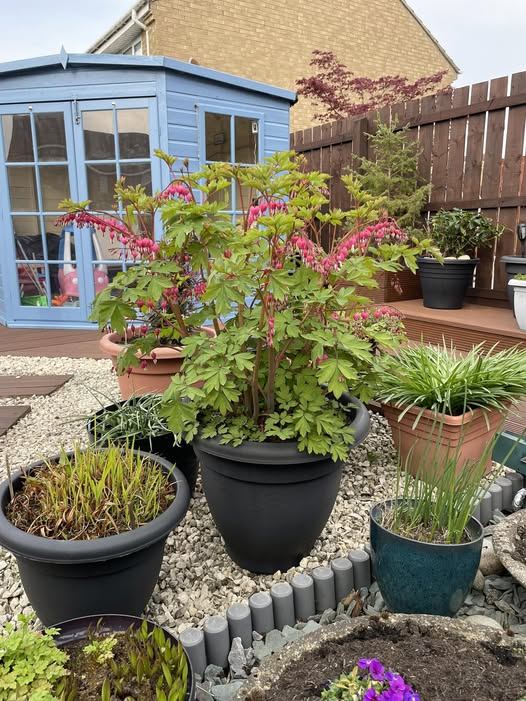
Little pink hearts dangle from arching stems every spring. That’s exactly what bleeding heart gives you, and it’s honestly one of the prettiest sights in my whole garden. You almost expect them to swing in the breeze.
Summer heat eventually fades the foliage away. Don’t panic when that happens. Plant something bushy nearby to fill the gap once bleeding heart takes its seasonal nap.
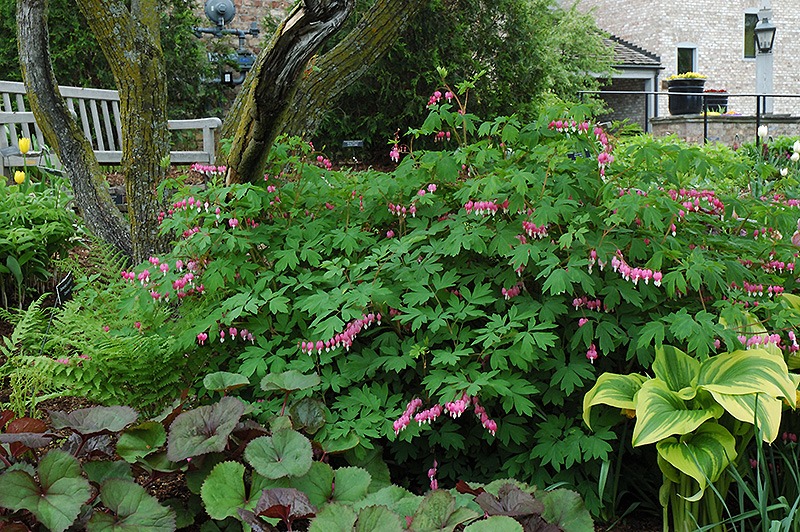
Pets should stay away from this one too. Bleeding heart carries toxins that can hurt both humans and animals if eaten.
Plant Overview
- USDA Growing Zones: 3 to 9
- Color Varieties: Pink with white, pure white
- Sun Exposure: Part shade to full shade
- Soil Needs: Medium moisture, well-drained soil
6. Periwinkle (Creeping Myrtle)
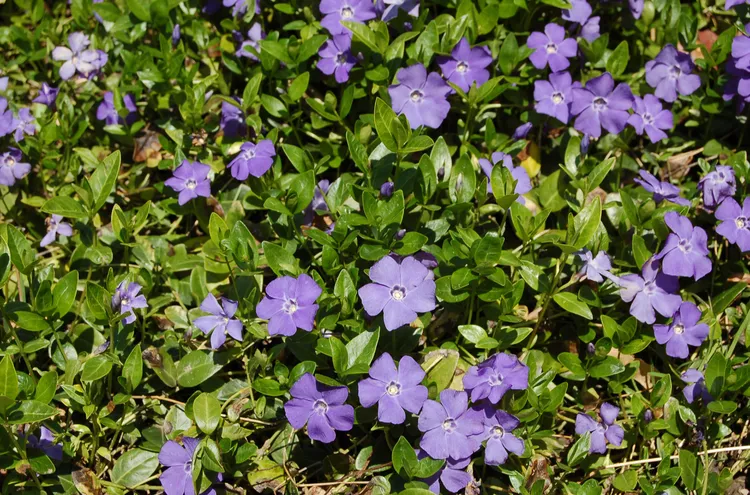
Ground cover doesn’t get much easier than periwinkle. Low, glossy leaves spread fast and hug the soil tightly. I use it under my hydrangeas, and it keeps weeds from ever getting a foothold.
Blue and lavender flowers pop up every May and June. You barely have to lift a finger for this show. Fertilize occasionally, and the leaves stay bright green all season.
Some regions list periwinkle as invasive, so check local rules first. Curious pets should also steer clear, since this plant carries toxins too.
Plant Overview
- USDA Growing Zones: 4 to 8
- Color Varieties: Blue, lavender, white
- Sun Exposure: Part shade to full shade
- Soil Needs: Dry to medium moisture, well-drained soil
7. Climbing Hydrangea
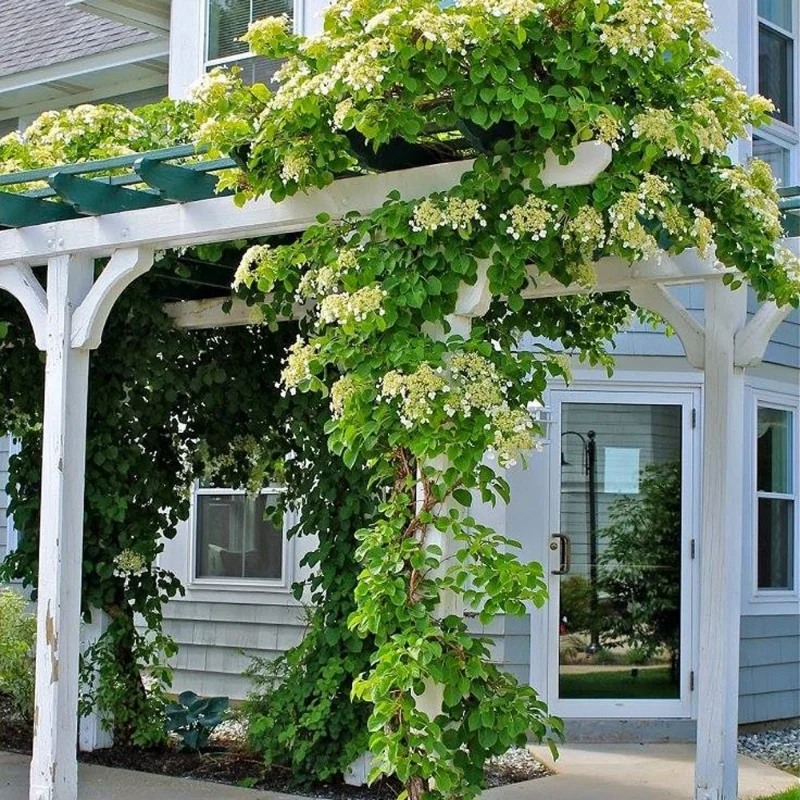
Vertical space becomes precious when your yard doesn’t get much sun. Climbing hydrangea solves that problem beautifully.
Woody vines stretch up walls and fences, covered in white lacy blooms from May through July.
Growth happens fast with this plant. Fifty feet isn’t out of the question if you let it run wild. Train it up a trellis early, though, or it’ll sprawl across the ground instead.
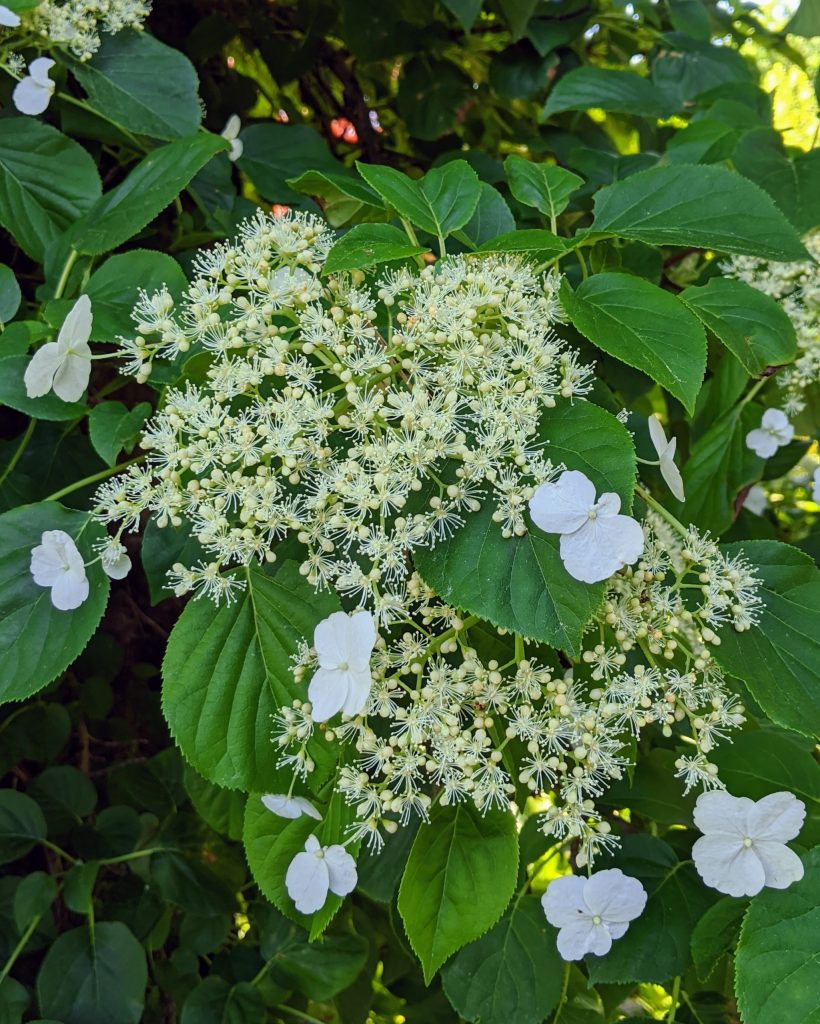
Sturdy support matters here. This vine gets heavy over time, so a flimsy trellis just won’t cut it. Pets should avoid nibbling the leaves, since hydrangeas contain toxins too.
Plant Overview
- USDA Growing Zones: 4 to 8
- Color Varieties: White
- Sun Exposure: Part shade to full shade
- Soil Needs: Rich, moist, well-drained soil
8. Ivy
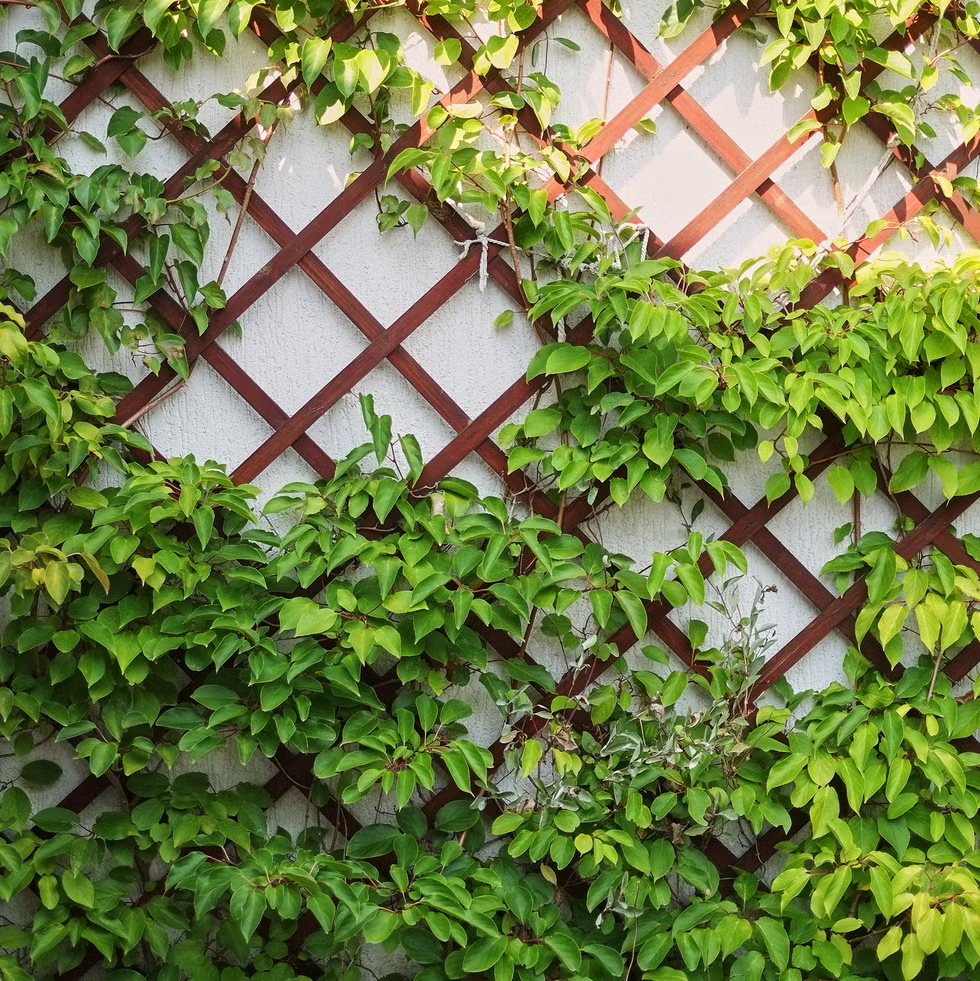
Cold weather never bothers ivy one bit. It actually flowers later in the year than most plants, right when pollinators start running low on options. I let mine climb a north wall, and it’s become a tiny wildlife haven.
Birds and insects both shelter inside those thick leaves. You’re basically feeding two problems with one plant: bare walls and bored bees. Hard landscaping instantly looks softer once ivy takes hold.
Growth can get aggressive, so trim it back yearly. Otherwise, it happily takes over more space than you planned for.
Plant Overview
- USDA Growing Zones: 4 to 9
- Color Varieties: Green (grown mainly for foliage)
- Sun Exposure: Part shade to full shade
- Soil Needs: Adaptable, well-drained soil
9. Heuchera
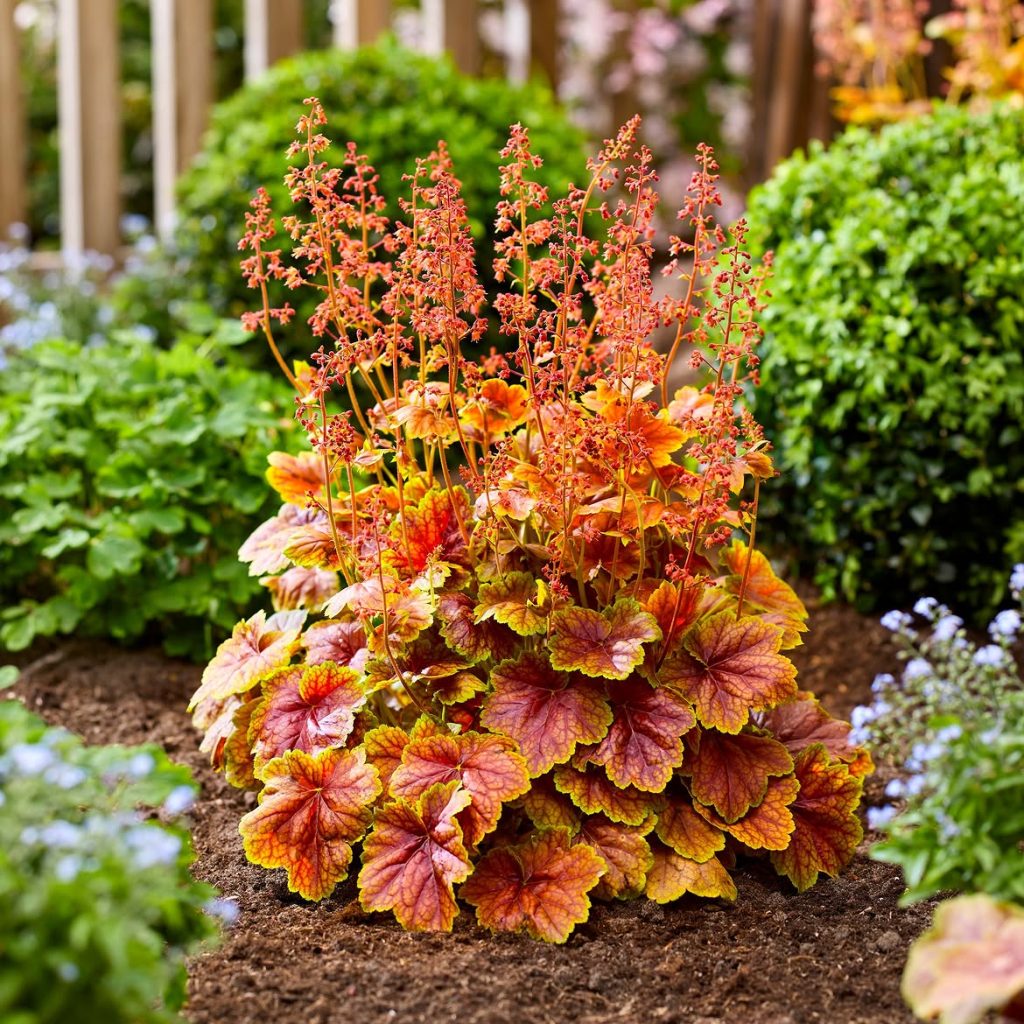
Color junkies will love heuchera instantly. Leaves come in deep plum, lime green, amber, and almost every shade between. I mix three different varieties together, and the effect looks like a patchwork quilt.
Flowers matter less here than foliage. Tiny blooms show up on thin stalks, but nobody plants heuchera for that. You’re buying this plant purely for its leaves, and that’s more than enough reason.
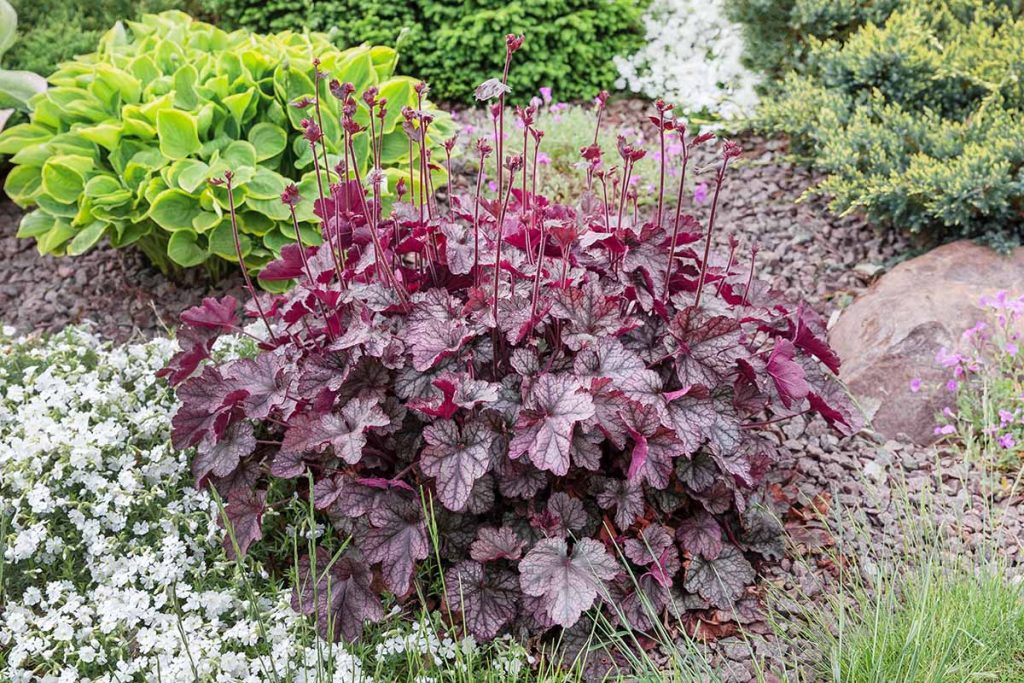
Layering becomes easy with heuchera. Tuck it near hostas or ferns, and the different leaf shapes instantly add depth to your bed.
Plant Overview
- USDA Growing Zones: 4 to 9
- Color Varieties: Plum, lime green, amber, silver
- Sun Exposure: Part shade to full shade
- Soil Needs: Moist, well-drained soil
10. Bergenia
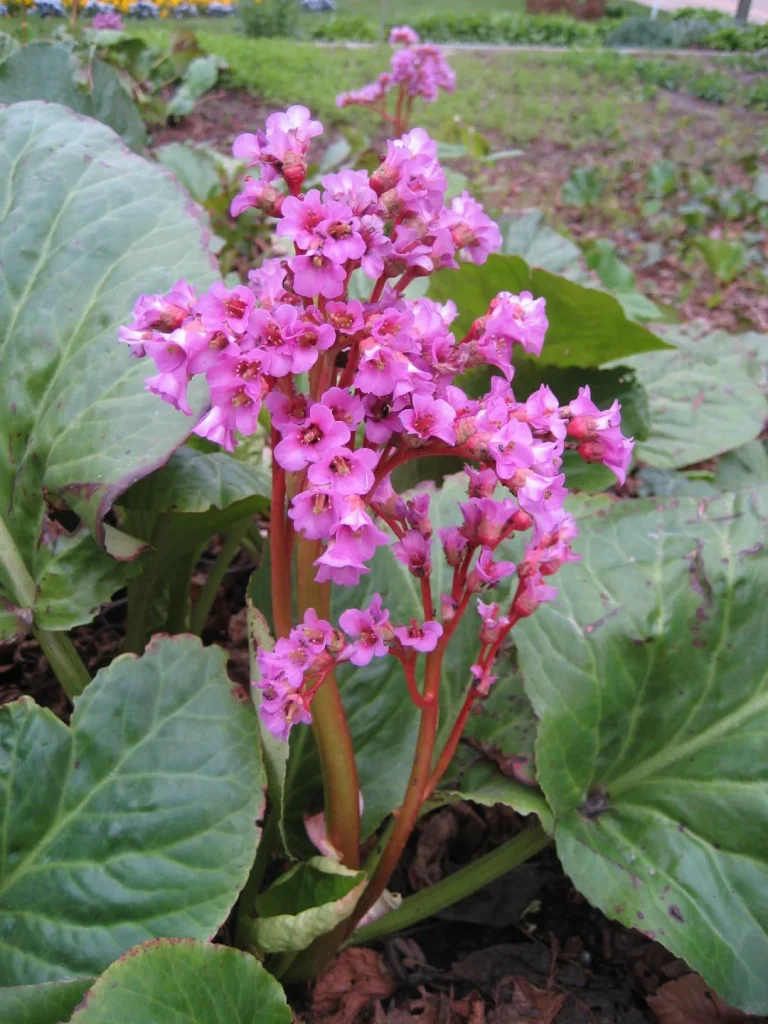
Winter turns bergenia into a completely different plant. Leaves that stayed glossy green all summer suddenly flip to deep red, purple, or bronze. I genuinely look forward to that color shift every year.
Spring brings clusters of pink, magenta, or white flowers. Bees and hoverflies show up right on cue, hungry after a long winter. Few other plants offer both striking foliage and reliable spring blooms.
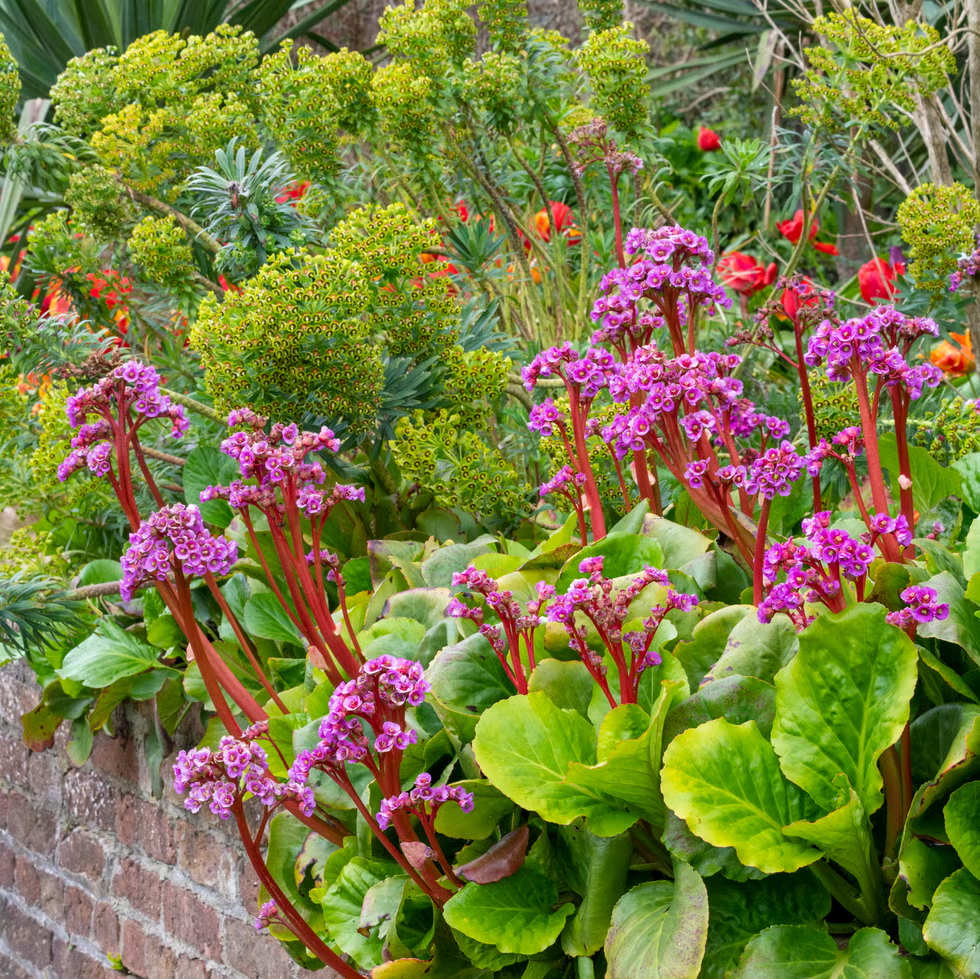
Ground cover duty comes naturally to bergenia. Big, leathery leaves smother weeds before they even get a chance to sprout.
Plant Overview
- USDA Growing Zones: 3 to 8
- Color Varieties: Pink, magenta, white
- Sun Exposure: Full sun to part shade
- Soil Needs: Moist, well-drained soil
11. Rhododendron
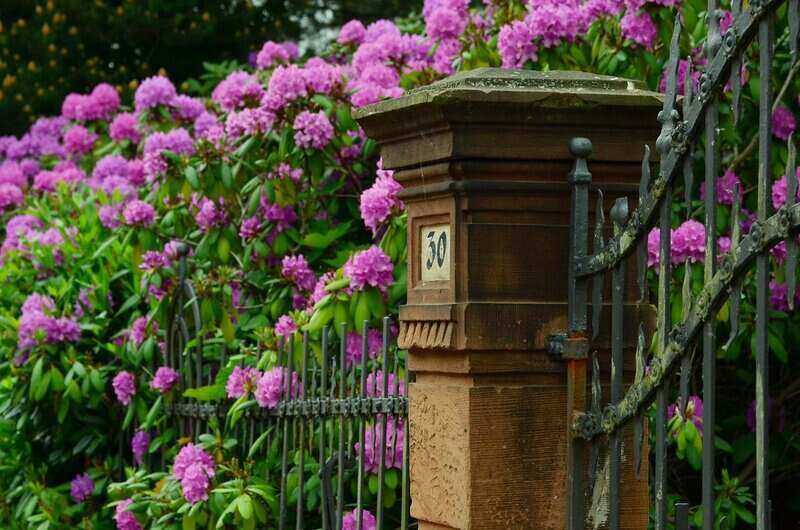
Dappled shade turns rhododendron into a total showstopper. Huge clusters of flowers burst open in spring, covering entire branches in color. Have you ever seen a bush practically disappear under its own blooms? That’s rhododendron for you.
Pruning stays simple with this shrub. Just deadhead spent flowers and clear out dead wood now and then. You won’t spend hours fussing over shape or size.
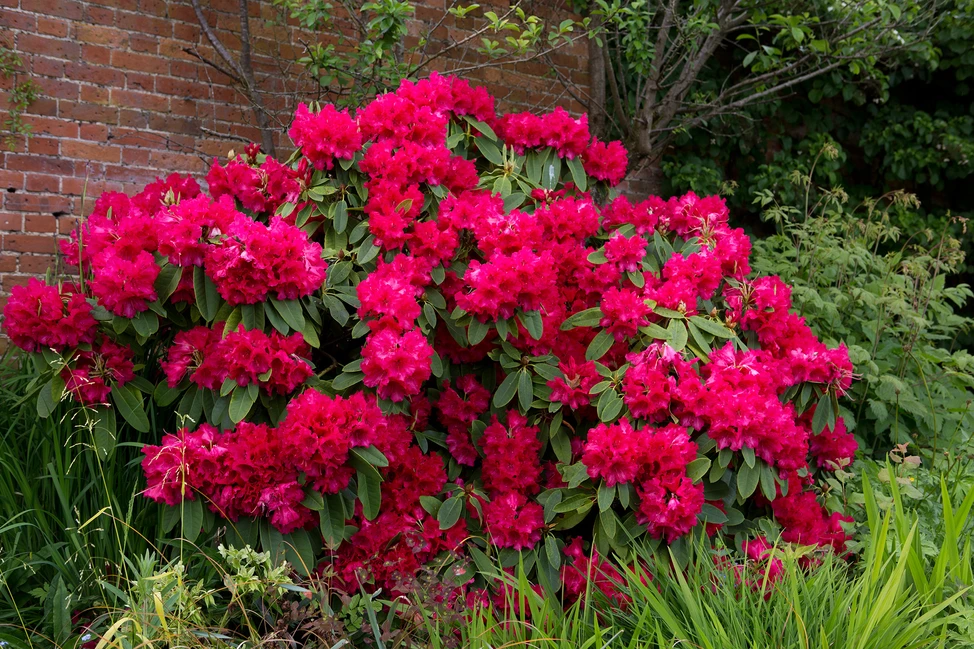
Root rot becomes the real threat here. Wet feet kill rhododendrons fast, so good drainage matters more than anything else. Water deeply during dry spells, then let the soil breathe.
Plant Overview
- USDA Growing Zones: 3 to 9
- Color Varieties: Pink, red, purple, white
- Sun Exposure: Dappled to part shade
- Soil Needs: Well-drained, avoid waterlogging
12. Toad Lily
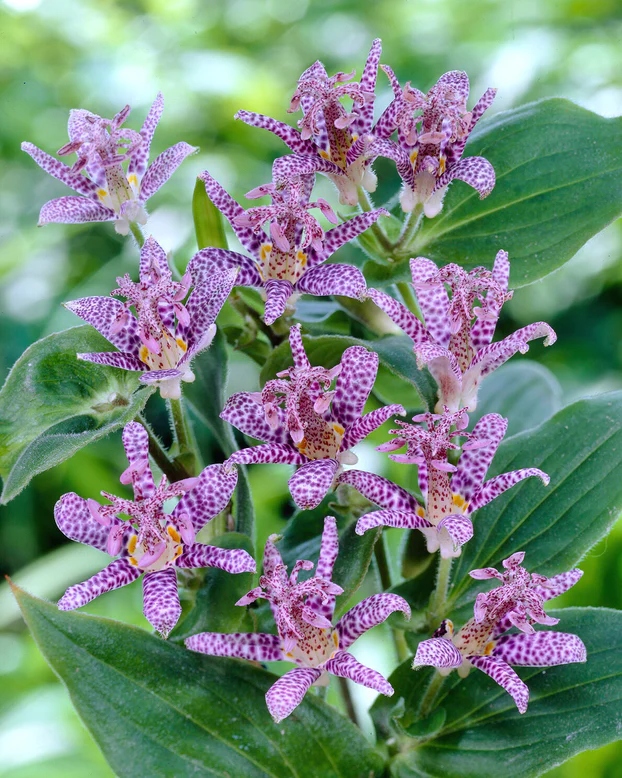
Fall bloomers feel rare, don’t they? Toad lily breaks that pattern completely. Small orchid-like flowers open in September and October, right when most of the garden starts winding down.
Purple speckles cover each petal like tiny freckles. I always stop and stare at mine up close, because the pattern looks almost hand-painted. Nothing else in my shade bed blooms quite like it.
Frost threatens those late flowers, though. Cover the plant during light fall frosts to protect the blooms a little longer.
Slugs and rabbits occasionally nibble the leaves, but otherwise, this plant stays pretty low-maintenance.
Plant Overview
- USDA Growing Zones: 3 to 9
- Color Varieties: Purple, white, yellow (spotted patterns)
- Sun Exposure: Full to part shade
- Soil Needs: Moist, organically rich soil
13. Fatsia Japonica
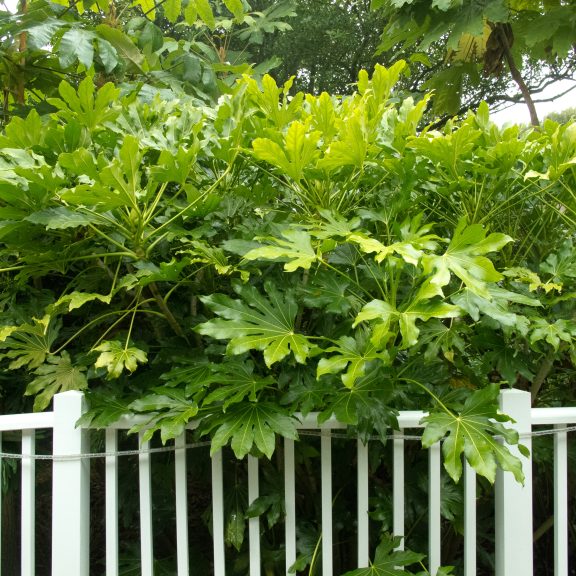
Big, glossy leaves make fatsia japonica look almost tropical. Each leaf spreads out like a hand with long fingers, giving your north bed serious jungle vibes.
Want instant texture without waiting years for growth? This shrub delivers fast.
Containers suit fatsia just fine. I keep mine near my back door, and it thrives without much attention at all. Salt spray, pollution, and sandy soil barely faze this tough plant.
Full sun scorches those big leaves quickly, so keep this one sheltered.
Deer sometimes browse it, and root rot can strike in soggy ground, but otherwise fatsia stays remarkably easygoing.
Plant Overview
- USDA Growing Zones: 3 to 9
- Color Varieties: Green (grown mainly for foliage)
- Sun Exposure: Part shade to full shade
- Soil Needs: Well-drained, tolerant of poor soil
Final Thoughts
Thirteen plants later, your north-facing bed doesn’t stand a chance at staying boring. Hostas and ferns bring texture.
Hellebores and toad lilies bring color when you least expect it. Climbing hydrangea and ivy handle those bare walls you’ve been staring at.
Start small if you’re nervous. Pick two or three plants, get them settled, then build from there. I promise that dull, shady spot has way more potential than you think.
Grab your gloves. Your north side is finally ready to shine.