13 Best Climbing Plants for Shady Areas

Shady walls don’t have to stay boring. A dark fence or a gloomy corner can turn into a green, blooming showstopper with the right climber.
I’ve tested plenty of these on my own balcony, and shade doesn’t scare the toughest vines one bit. Grab your gloves, because these 13 picks will change how you see that shady spot for good.
13 Flowering Climbing Vines for Shady Corner
1. Star Jasmine
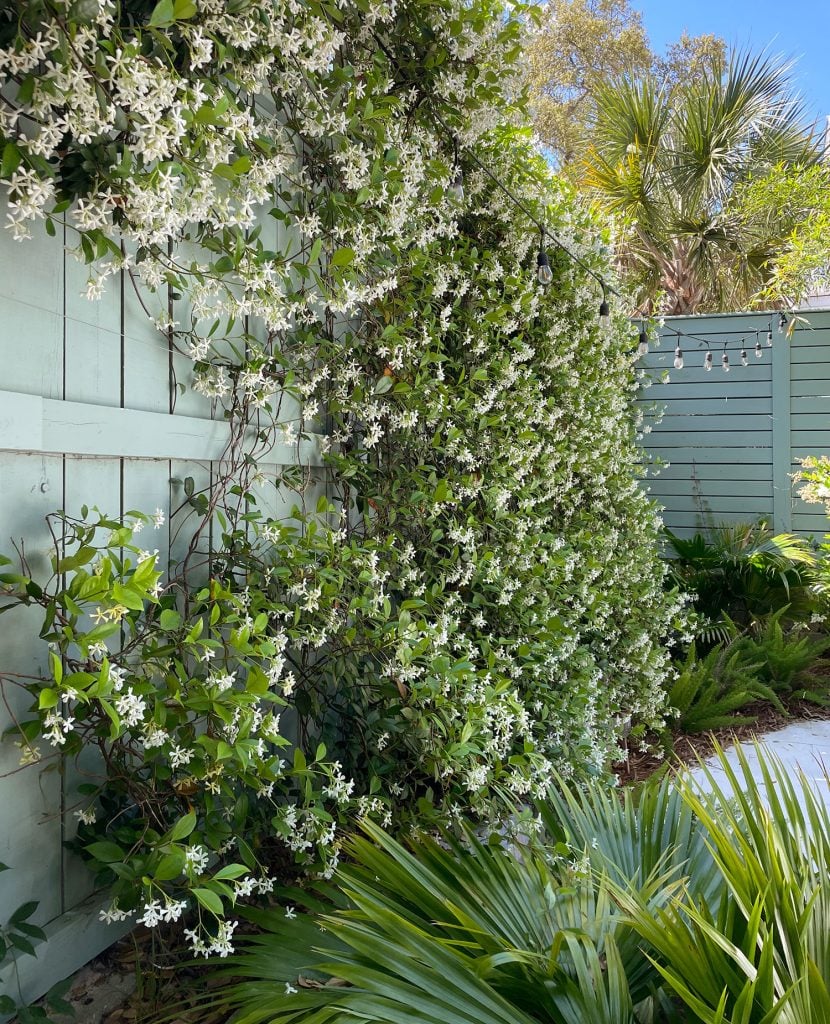
Star jasmine tops my list for good reason. This evergreen climber produces starry white blooms with a scent that stops people in their tracks.
Partial shade suits it perfectly, though full sun brings out even more flowers.
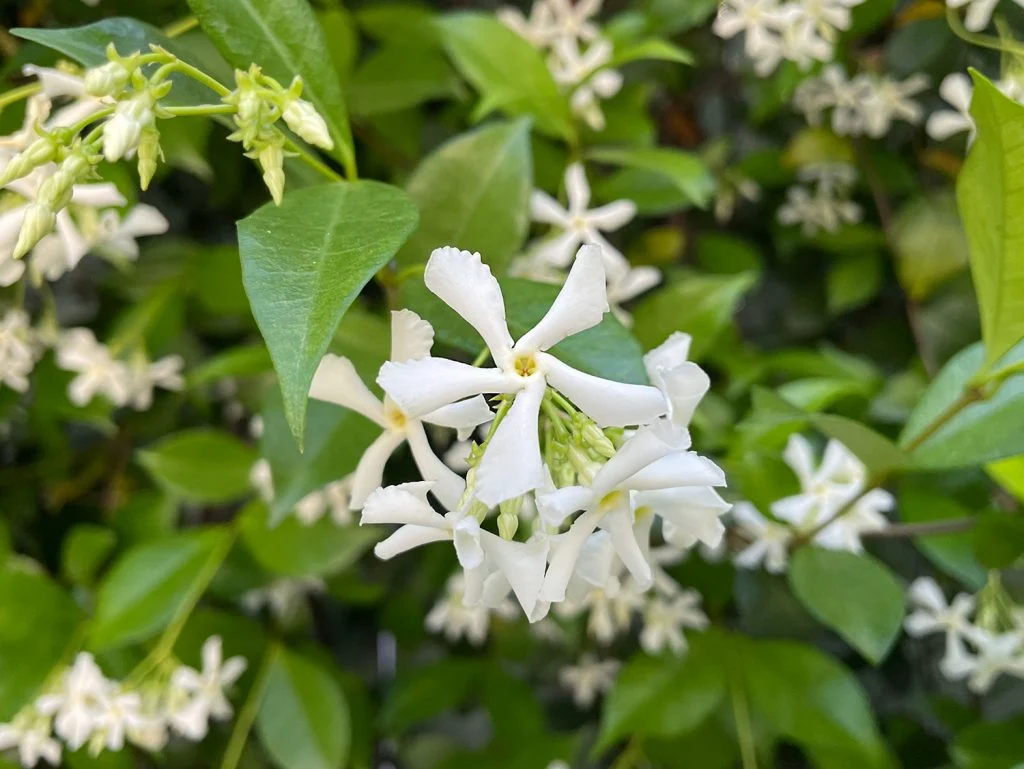
Growth stays fast once roots settle in, often 3 to 6 feet a year. Twining stems wrap themselves around a trellis without much fuss from you. Butterflies and bees flock to the blooms every single summer.
Give it moist, well-drained soil and watch it thrive. Zones 8 through 10 work best for this beauty. Cold snaps below that range will hurt it badly.
Also read: 15 Best Shade Loving Flowering Vines That are Easy to Grow
2. Climbing Hydrangea
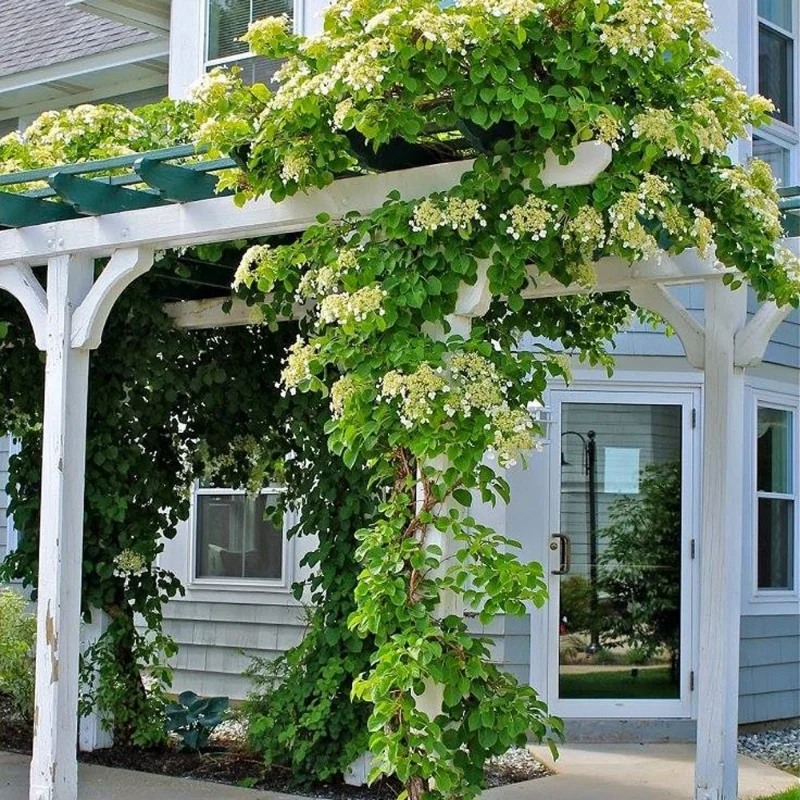
Finding a flowering vine that blooms well in shade feels like winning the lottery. Climbing hydrangea does exactly that, and it handles cold way better than most fragrant climbers.
Lacy white flower clusters cover this plant from top to bottom each summer.
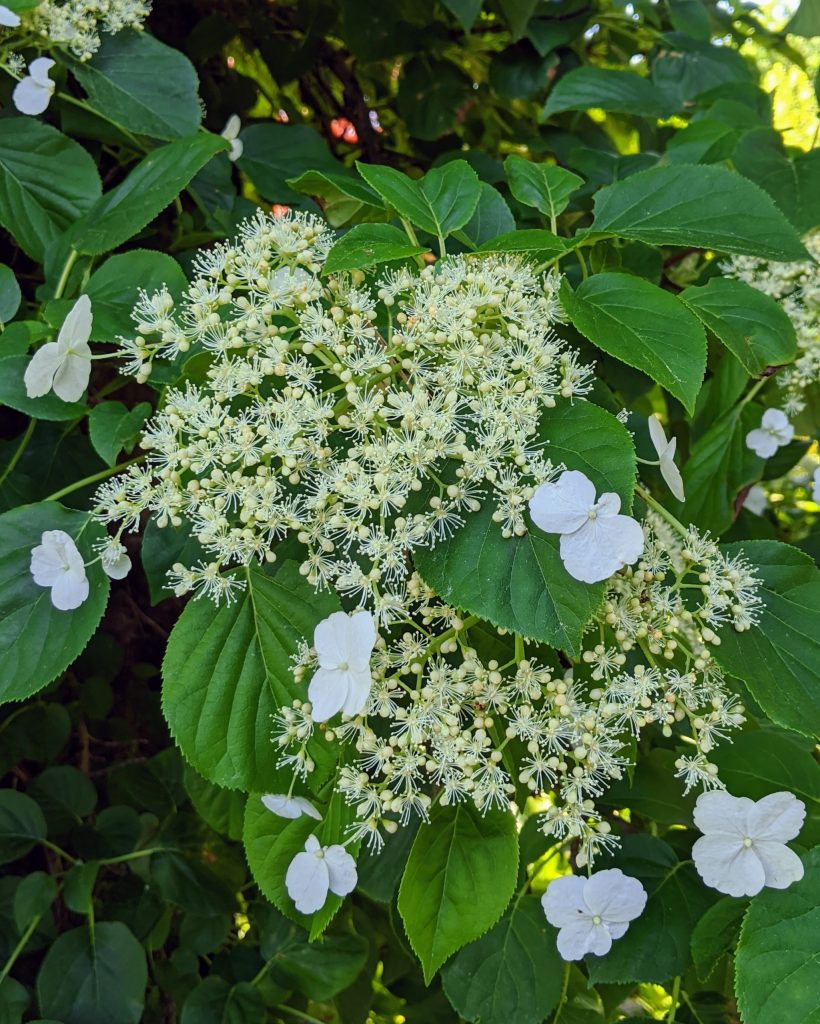
Northern gardeners love this one specifically because so few shade climbers survive their winters. Zones 4 through 8 suit it just fine. Moist, acidic soil keeps the roots happy and the blooms coming.
Patience matters here since climbing hydrangea takes its time establishing. Give it three or four years before expecting a real show. Once it takes off, though, this vine can stretch 30 to 50 feet tall.
3. Common Honeysuckle
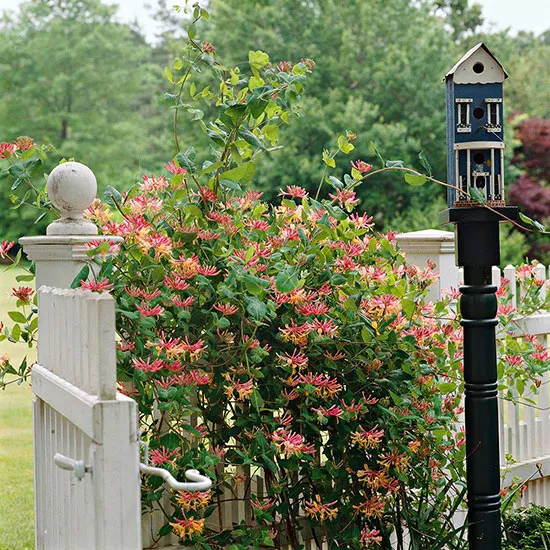
Honeysuckle earns its reputation as the queen of fragrant vines. Sweet, heady scent fills the air once evening rolls around, and hawk moths can’t resist it. Twining stems climb archways and tree trunks with total ease.
Skip the invasive Japanese variety and choose the well-behaved common woodbine instead.
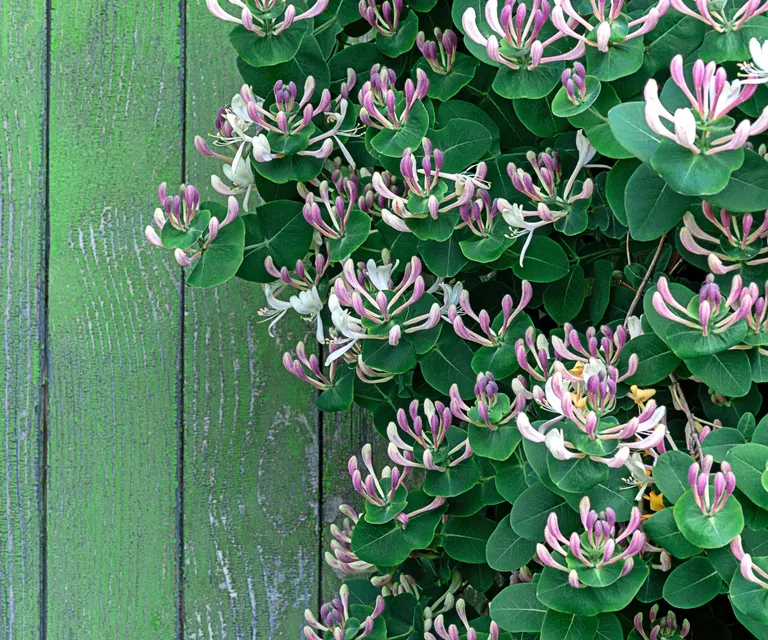
Sun or partial shade works for the top growth, but roots prefer cool, moist shade underneath. That combo makes honeysuckle perfect for a wall shaded by nearby shrubs.
Blooms show up in midsummer and reach around 20 feet at maturity. Zones 4 through 9 keep this plant happy year after year. ‘Graham Thomas’ offers honey-musk flowers in a lovely copper yellow if you want a specific variety to search for.
4. Clematis
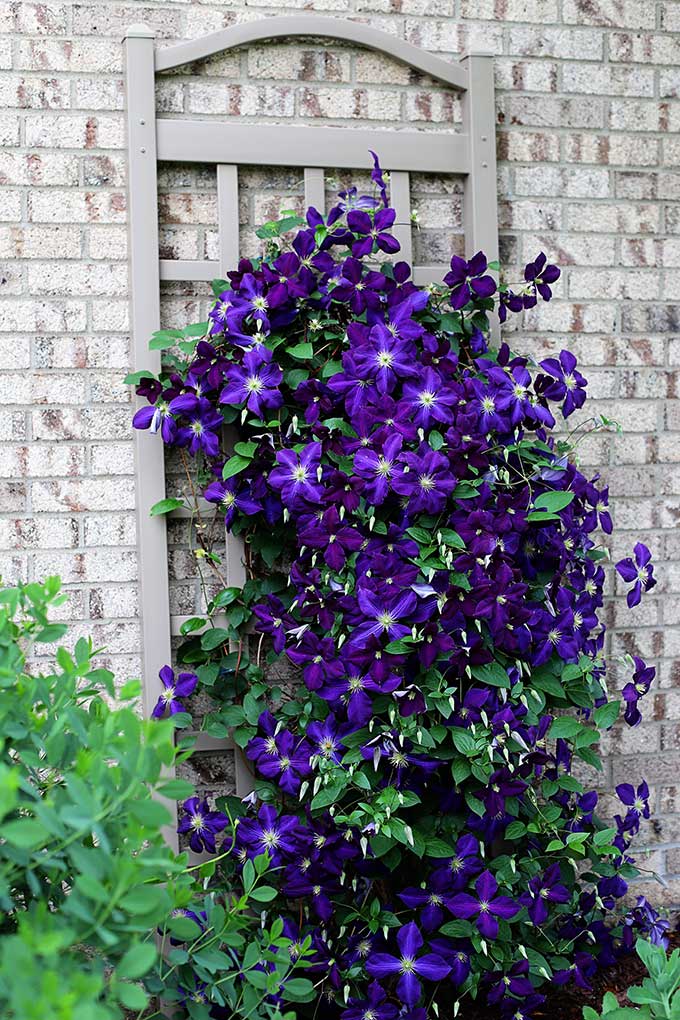
Clematis brings serious drama to any shady fence or trellis. Large, showy flowers come in shades of pink, purple, white, and blue depending on the variety you pick.
Roots stay cool and happy in shade, though the vines and flowers still want a bit of sun.
Thin supports work far better than thick fence posts for this plant. Wire mesh or garden twine gives clematis something to wrap its leaf stalks around easily. Thick wood just doesn’t give those delicate stalks anything to grab.
Fragrant varieties do exist too, so don’t assume every clematis smells like nothing. ‘Nelly Moser’ offers striped pink and deep pink blooms, while Clematis armandii brings an almond scent in early spring.
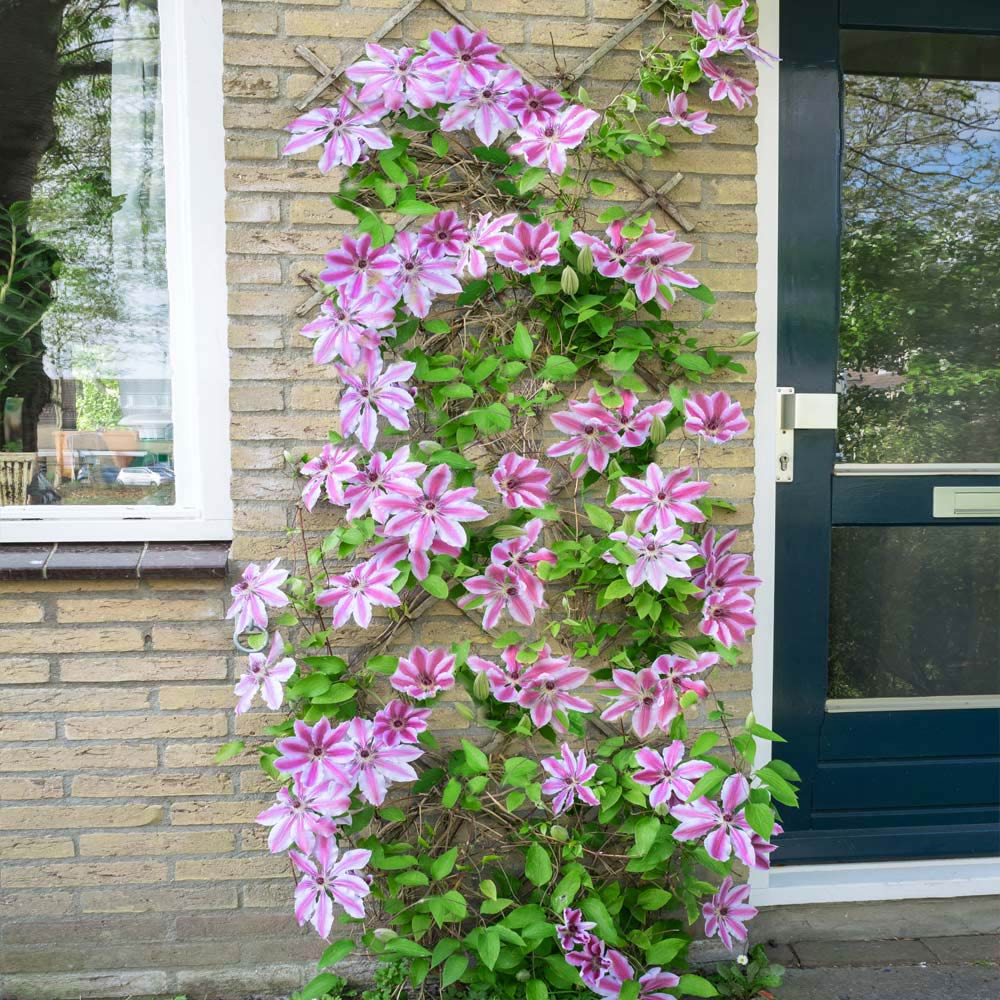
Zones 4 through 9 cover most common types, and container growing works well since the roots like it cool and shaded.
5. Virginia Creeper
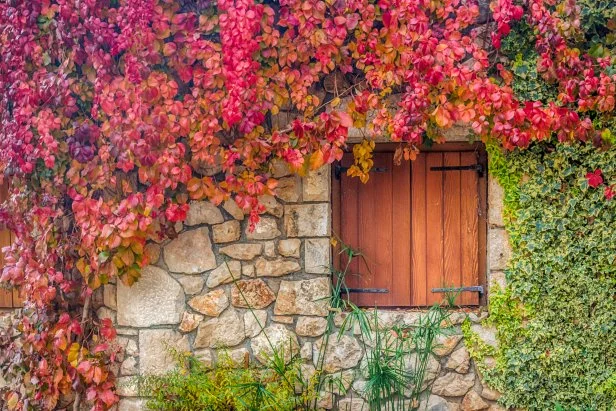
Virginia creeper doesn’t ask for much, and that’s exactly why I like it. Full shade barely slows this native vine down at all. Small, greenish-white flowers show up first, but nobody grows this plant for its blooms.
Fall changes everything for this climber. Leaves flip to brilliant red and orange once autumn hits, turning a plain fence into a showstopper.
‘Red Wall’ and ‘Star Showers’ offer variegated leaves if you want something extra during summer too.
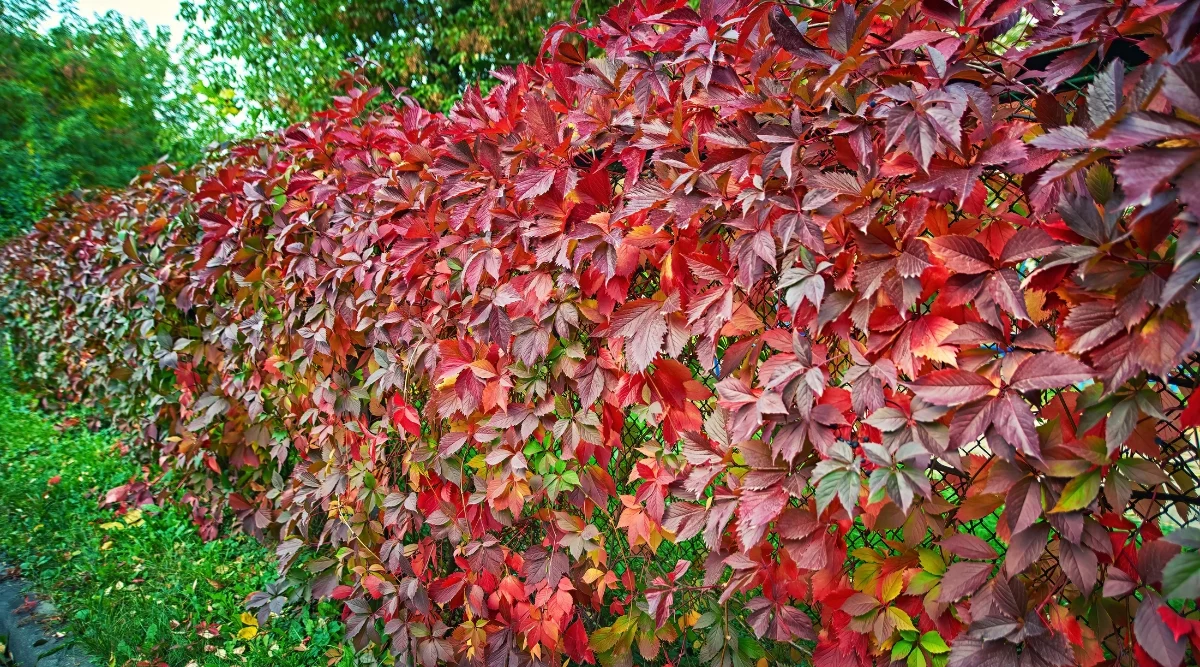
Sandy, clay, or loamy soil all work fine here. Zones 3 through 10 make this one of the toughest climbers on this list. Growth reaches 30 to 50 feet, so give it room or plan on some pruning.
6. Chocolate Vine
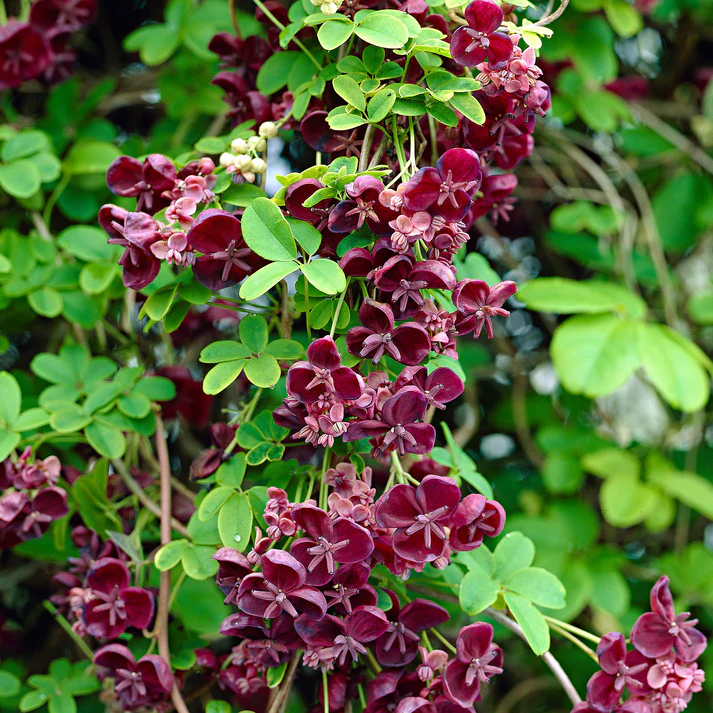
Chocolate vine smells exactly like its name suggests, and that surprises most people the first time they smell it. Deep purple flowers release a spicy chocolate-vanilla scent every spring. Shiny, dark green leaves grow in tight little clusters of five.
Partial shade actually suits this vine better than full sun in many cases. Growth moves fast, sometimes reaching 40 feet in a single season.
That speed makes chocolate vine a smart pick if you need quick privacy screening.
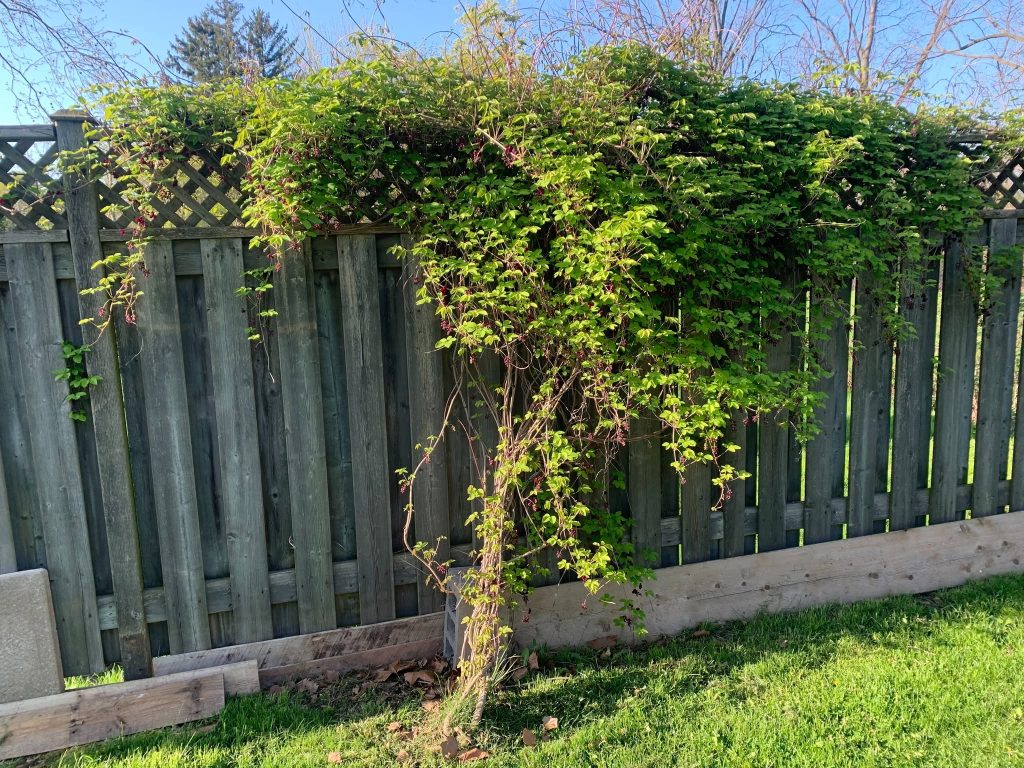
Watch the roots closely, though. They tangle with nearby plants and become stubborn once established. Zones 4 through 8 keep this vine thriving, and a sturdy trellis handles its weight better than a flimsy fence.
7. Carolina Jessamine
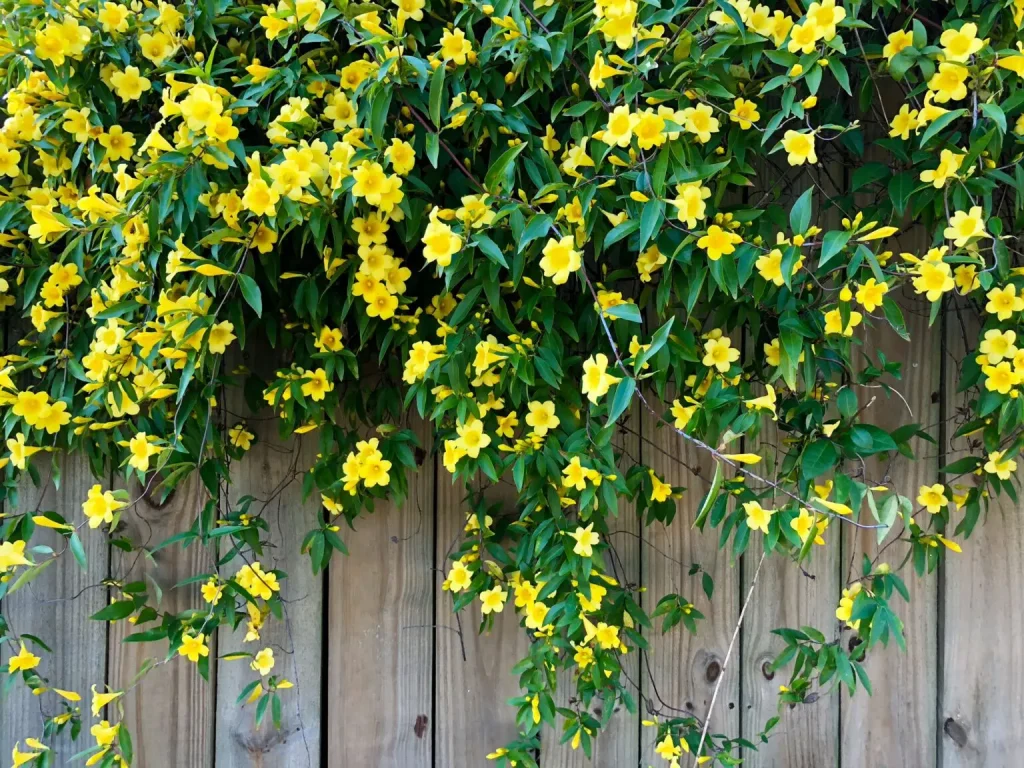
Carolina jessamine kicks off spring with cheerful yellow trumpets and a clean, sweet fragrance. February through May brings the heaviest bloom, right when everyone craves color after winter.
Evergreen leaves stay glossy year-round, though they take on a bronze tint during cold months.
Partial shade suits this native vine just fine, even though full sun brings extra blooms. Zones 6 through 10 cover its ideal range. Moist but well-drained soil keeps roots healthy through the seasons.
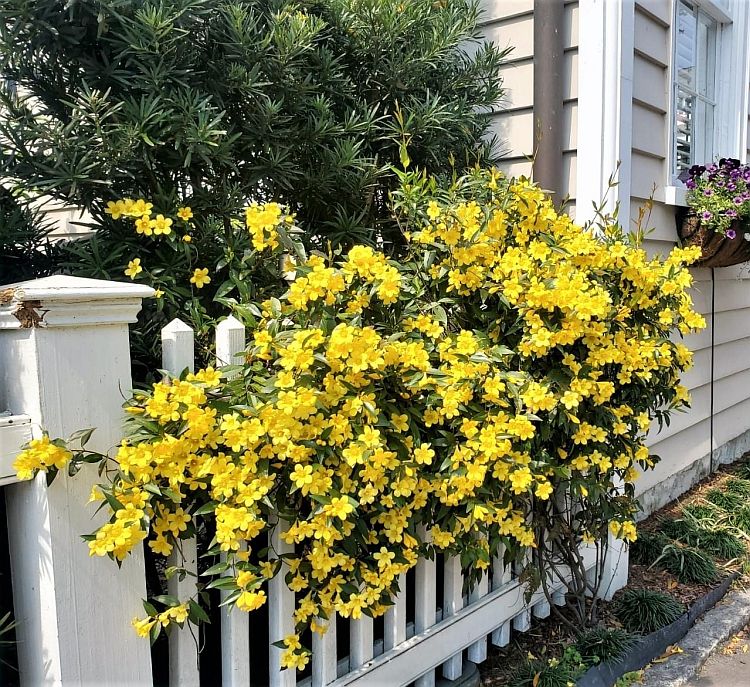
One warning matters here. Carolina jessamine carries a high flammability rating, so keep it away from your house walls.
Mailboxes, freestanding trellises, or fences farther from the home make much safer spots for this one.
8. Purple Passionflower
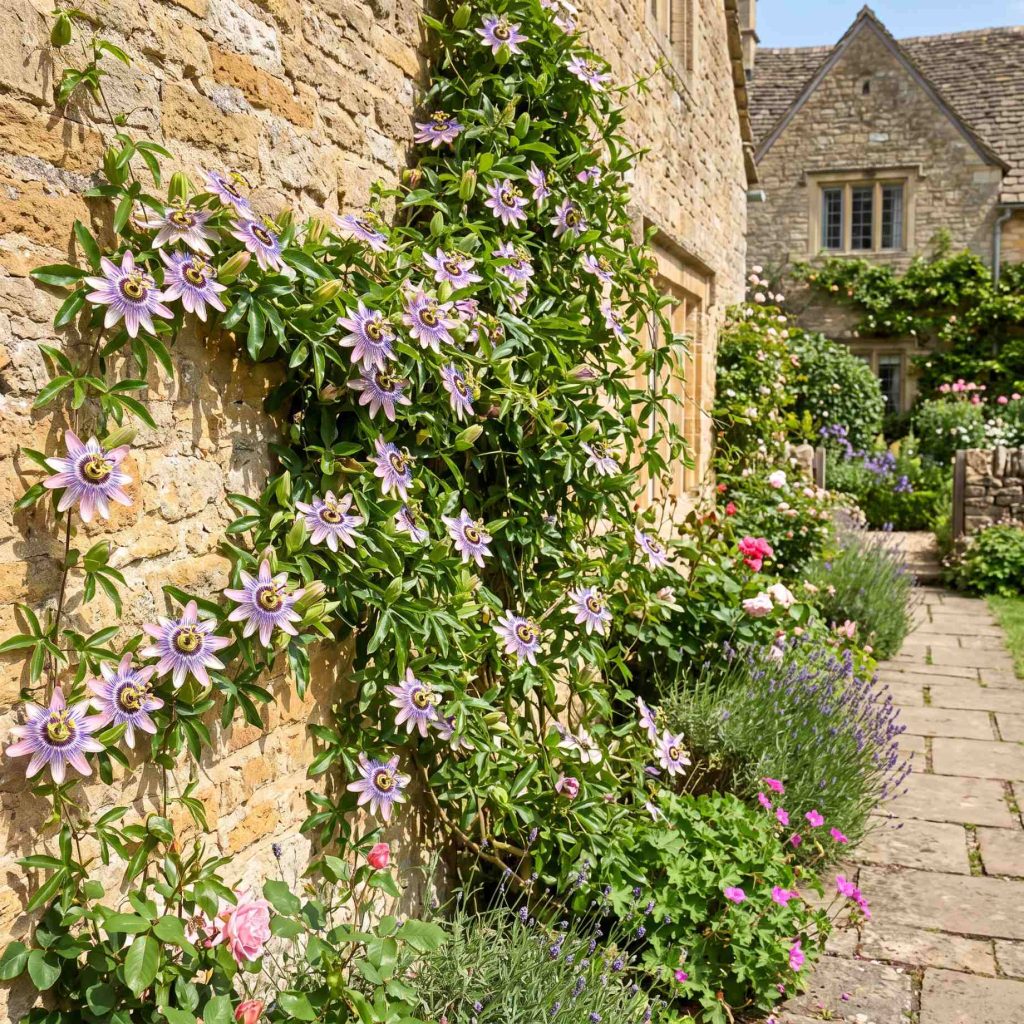
Purple passionflower surprises people with how tough it actually is. This vine survives cold snaps down to minus 5 degrees, which beats most tropical-looking plants by a mile.
Fragrant purple and pink flowers open from June through July and pull in pollinators fast.
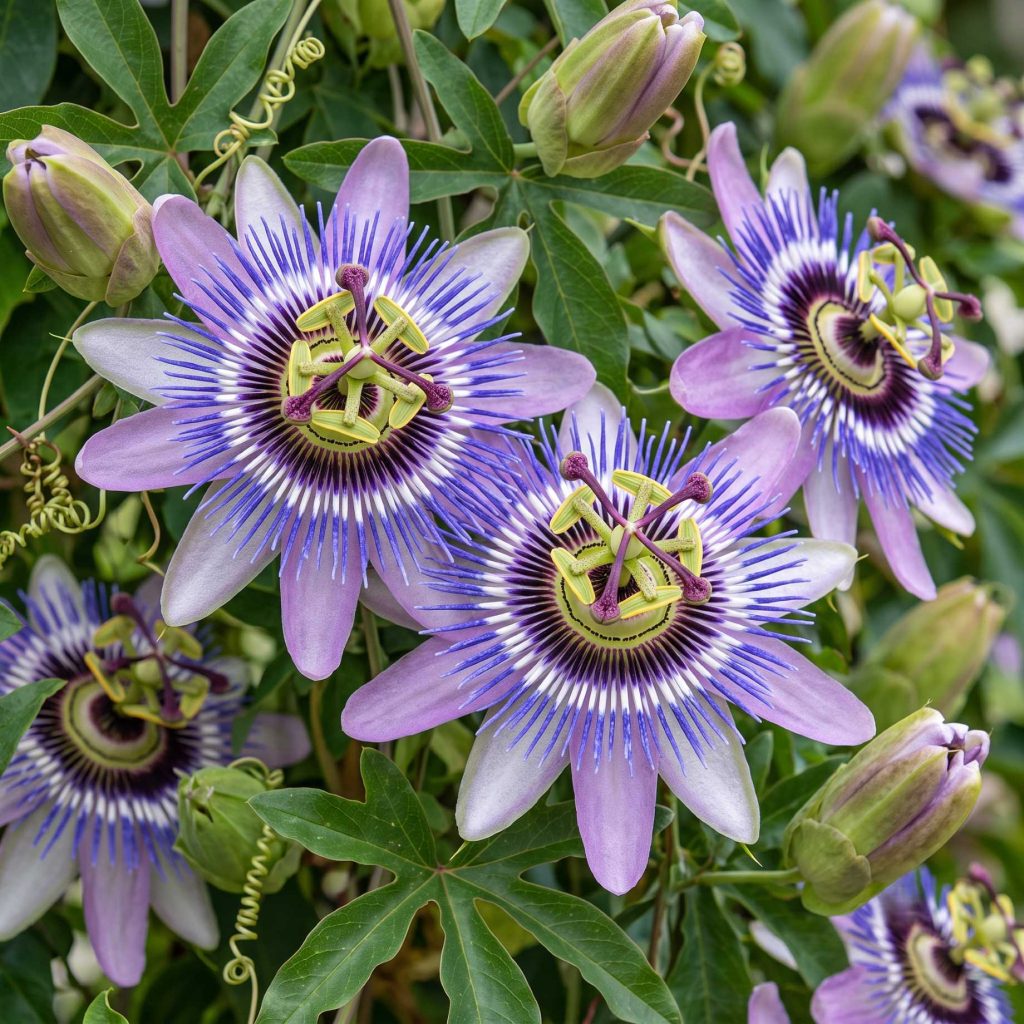
Tendrils grip supports on their own, so you won’t spend much time tying this plant in. Evergreen foliage stays put through mild winters too.
Growth stays lightweight compared to heavier vines like wisteria or trumpet vine.
That lighter weight makes purple passionflower a smart container choice. Zones 7 through 11 suit it best. Well-drained soil paired with partial shade rounds out everything this vine needs to thrive.
9. American Wisteria
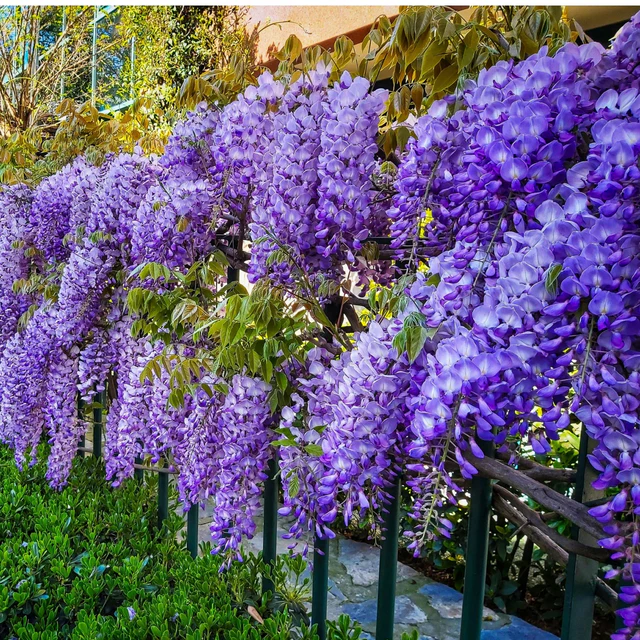
American wisteria gives you all the beauty of classic wisteria without the invasive headache. Chinese and Japanese wisteria spread aggressively and choke out other plants, but American wisteria stays much more polite.
Blue and purple flower clusters hang shorter and rounder than their invasive cousins, though the fragrance stays softer too.
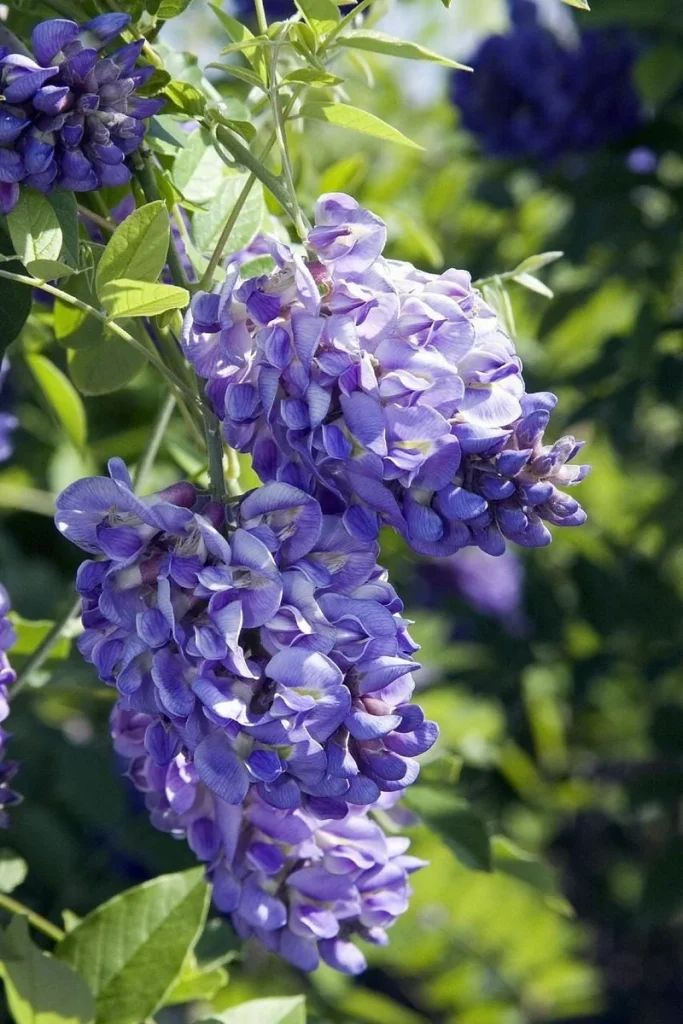
Partial shade works well for this native vine. Maturity comes faster here too, which matters a lot if you hate waiting years for blooms. Chinese wisteria can take five or six years before flowering even starts.
Well-drained, moist, acidic soil keeps roots happy through the seasons. Zones 5 through 9 suit this plant nicely. Growth reaches 15 to 40 feet, so plan for a sturdy arbor or pergola from the start.
10. Coral Honeysuckle
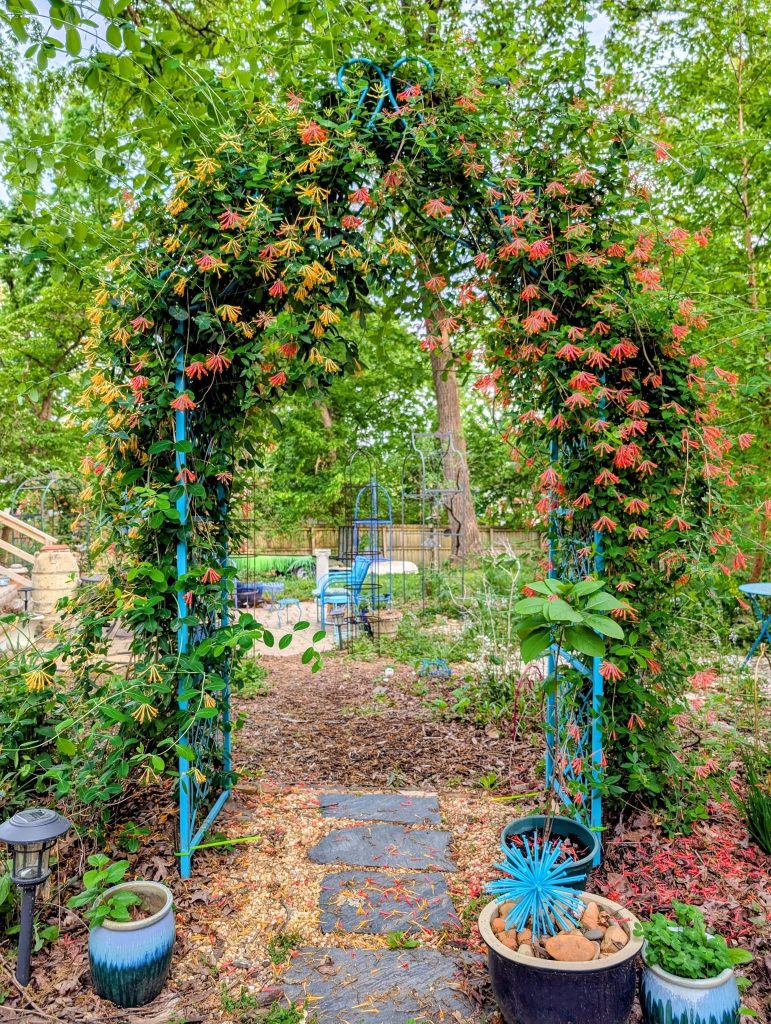
Coral honeysuckle solves a real problem for honeysuckle lovers. Japanese honeysuckle spreads like crazy and crowds out native plants, but coral honeysuckle behaves itself completely.
Native to the southeast, this vine attracts hummingbirds and butterflies with its trumpet-shaped red, orange, and yellow flowers.
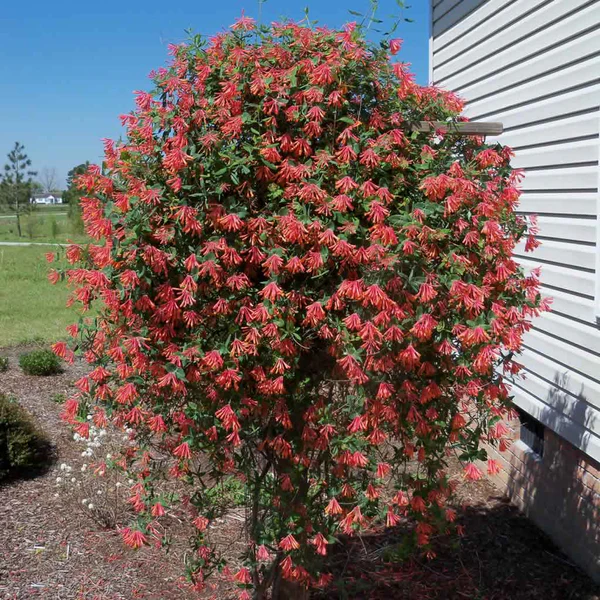
Fall brings another bonus. Red berries show up once flowers fade, feeding songbirds through the colder months. Mature vines develop papery, orange-brown bark that looks striking against the bright blooms.
Warm climates keep this vine evergreen year-round. Zones 4 through 11 make coral honeysuckle one of the most adaptable picks here. Loamy, sandy, or clay soil all work, as long as drainage stays decent.
11. Dutchman’s Pipe
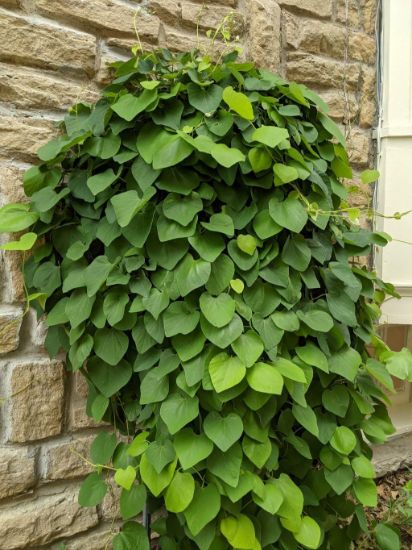
Dutchman’s pipe hides an odd little secret among its huge, heart-shaped leaves. Flowers bloom in early summer shaped exactly like tiny smoking pipes, which explains the name instantly once you spot one.
Dense foliage often hides these blooms completely, so look closely if you want to find them.
This native vine grows fast and covers ground quickly. A sitting area gains instant shade once this plant climbs a trellis or pergola. Privacy screening happens faster with Dutchman’s pipe than with most slower-growing vines.
Moist but well-drained soil suits it best. Zones 4 through 8 keep this deciduous climber thriving. Growth stretches 15 to 30 feet tall and just as wide, so give it serious room to spread.
12. Sweet Peas
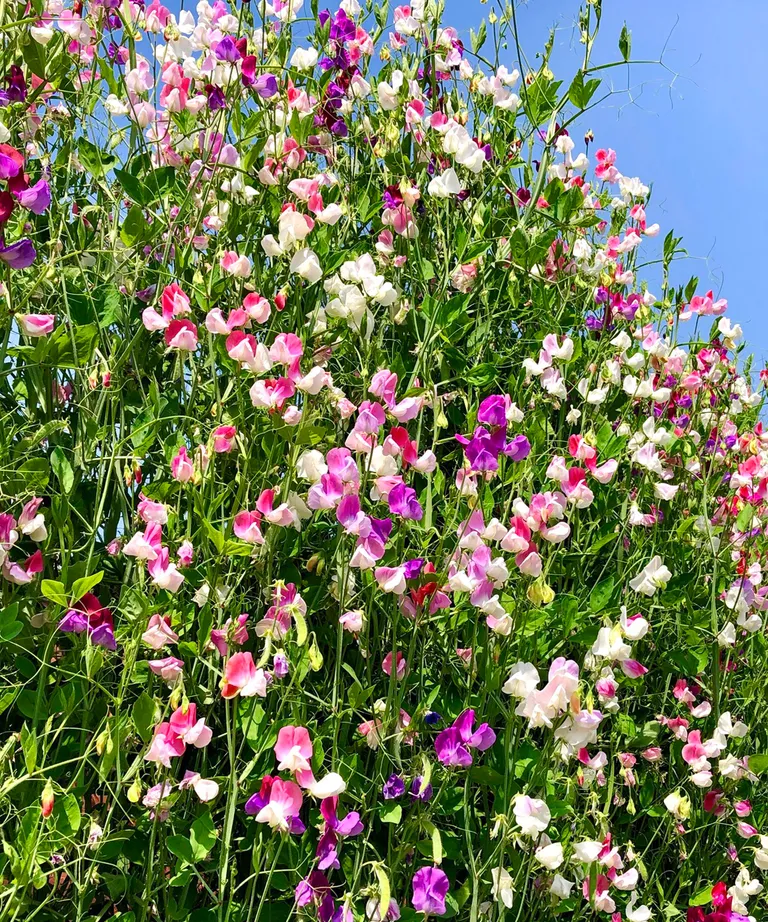
Sweet peas bring old-fashioned cottage charm to any shady trellis or willow teepee. Pastel pink, purple, blue, and white flowers smell like honey mixed with orange blossom, and that scent gets stronger in the morning.
Afternoon shade actually helps these annuals bloom longer through summer heat.
Pinching the growing tips matters early on. Do this once plants reach 6 inches tall, and you’ll get a bushier, fuller vine with way more flowers. Picking blooms daily keeps the show going even longer.
Consistent moisture makes or breaks this plant. Zones 7 through 10 suit sweet peas well, especially with some spring sun and summer shade. Skip letting seed pods form too early, or flowering stops completely.
13. Ivy
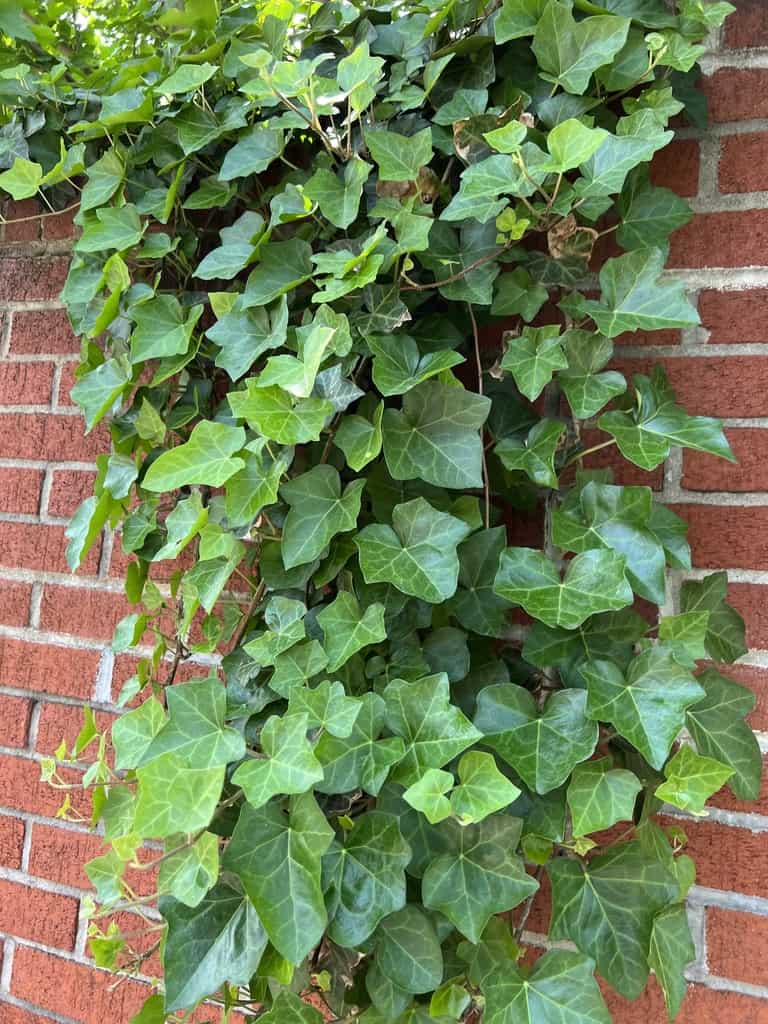
Ivy earns its spot as the toughest climber on this entire list. Full shade barely bothers this plant at all, which makes it perfect for those truly gloomy corners under tall trees or buildings.
Self-clinging stems mean you won’t tie this one to a support like the others.
Foliage does all the work here since ivy skips flashy flowers entirely. ‘Clotted Cream’ offers frilled, ivory-edged leaves for extra texture. Fast coverage happens quickly too, so a bare wall fills in faster than you’d expect.
Bees appreciate ivy more than people realize. Growth works in nearly any position, though partial shade brings out the best color in variegated types. This plant also doubles as groundcover if you ever want to use it that way.
Tips for Growing Climbers in Shade
Getting these vines to thrive takes more than just picking a shady spot and hoping for the best. A few simple habits make all the difference between a struggling vine and a lush, blooming screen.
Let me walk you through what actually works.
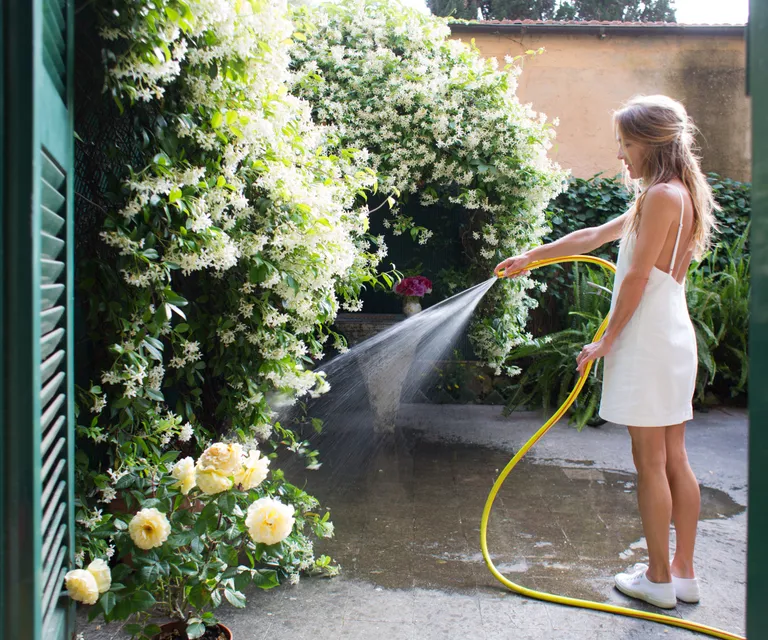
Water stays critical, especially for anything grown in a pot. Container soil dries out way faster than ground soil, so check it often during hot stretches. Ground-planted vines still need consistent moisture, just less frequently than potted ones.
Spring feeding gives most climbers a solid boost. A balanced, slow-release fertilizer works for nearly everything on this list.
Skip heavy nitrogen doses, though, since that pushes leafy growth at the expense of flowers.
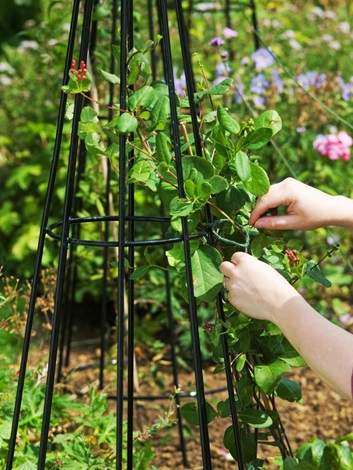
Supports matter more than people expect. Tie twining vines loosely with garden twine so stems don’t get crushed as they grow.
Self-clinging plants like ivy skip this step entirely, but everything else on this list needs help climbing.
Watch that rain shadow along house walls too. Soil right against brick or siding often stays bone dry, even during rainy weeks. Planting climbers 12 to 18 inches away from the foundation gives roots better access to water and air.
Final Thoughts
Shade doesn’t limit your garden nearly as much as people assume. These 13 climbers prove that gloomy fences and dull walls can turn into something genuinely beautiful.
I’ve grown several of these myself, and honestly, some of my favorite blooms come from the shadiest corners of my own space.
Pick one that matches your climate and your patience level. Star jasmine and honeysuckle reward you fast with fragrance and color. Climbing hydrangea asks for more patience but pays off big once established.