Hillside Makeover Ideas: 14 Ground Covers to Transform Your Slope

If you’ve got a sloped yard, you already know the struggle. Rain hits that angle hard, and water runs straight downhill instead of soaking in where you need it.
Your plants end up sitting in soggy soil, and root rot follows fast. I’ve watched too many hillside gardens turn into muddy messes after one bad storm.
Here’s the good news: ground covers fix this problem beautifully. Their roots spread wide and dense, gripping soil in place while soaking up excess runoff.
Your slope stays put, your plants stay healthy, and you stop dreading every rainstorm.
Below, I’m sharing 14 ground covers that handle hillsides like champs, no matter your sun, shade, or soil situation.
What to Look for Before You Pick a Ground Cover
Grabbing the prettiest plant at the garden center? I get the temptation. But your hillside has its own rules, and ignoring them wastes time and money.
Start with sun. Does your slope bake all afternoon, or does it sit in shade most of the day? That answer alone rules out half the plants on any list.
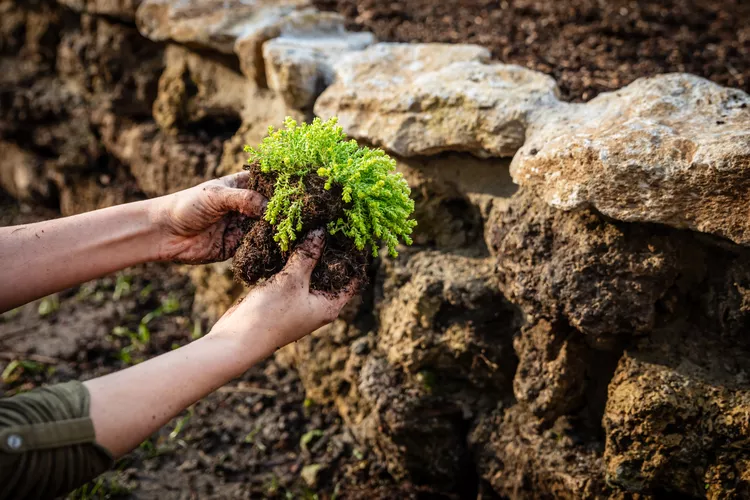
Check your soil next. Squeeze a handful after rain. Does it clump like clay, or does it crumble and drain fast? Some ground covers love a fast-draining bank; others want richer, moisture-retentive soil.
Steepness matters too. A gentle slope gives roots time to establish before rain washes anything away. A steep drop needs something aggressive, fast-rooting, and low to the ground right out of the gate.
Ask yourself one more thing: how fast do you need results? Erosion problems demand quick coverage. A slower, showier bloomer works fine if you’re just filling in for looks.
Match the plant to your actual conditions, and you’ll skip months of frustration.
14 Ground Cover Ideas for a Hillside That Actually Stay Put
1. Creeping Juniper Grips Rocky Slopes Like Nothing Else
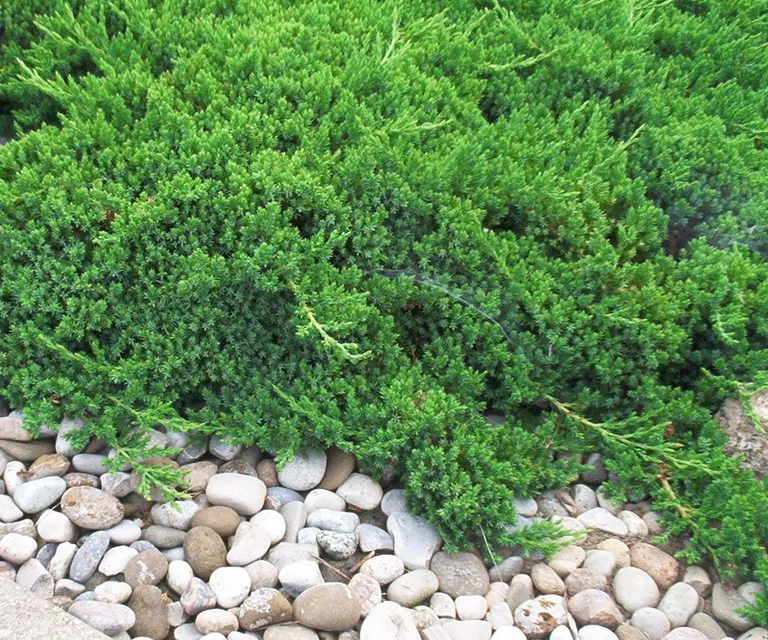
I love this plant for one simple reason: it doesn’t quit. Creeping juniper spreads flat and wide, sometimes stretching ten feet across a slope.
Its roots dig deep into rocky, sandy soil where grass throws in the towel. Give it full sun, and this evergreen practically takes care of itself.
Drought barely slows this shrub down. Foot traffic does, though, so keep it off any path you actually walk. You’ll find it thriving in zones 3 through 9, quietly filling bare, rocky banks without asking for a thing.
Plant Overview
- Zones: 3 to 9
- Size: Up to 1 foot tall x 10 feet wide
- Care requirements: Full sun; well-drained, rocky or sandy soil
Also read: 15 Best Walkable Ground Cover Plants for a Pretty Garden Path
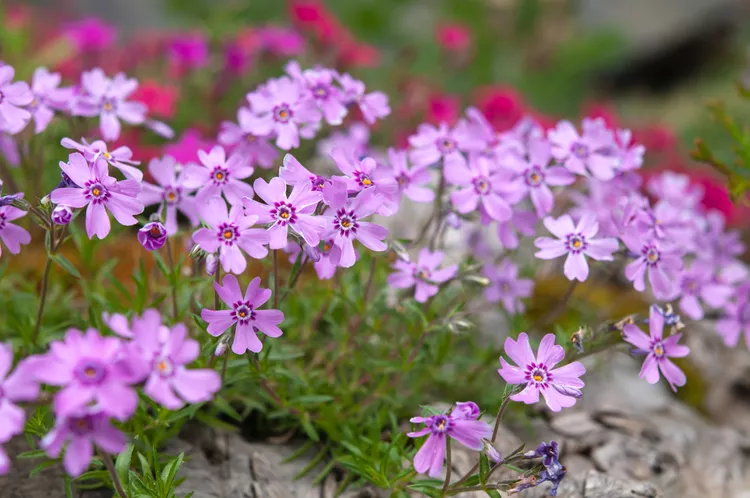
2. Creeping Phlox Turns a Bare Bank Into a Carpet of Color
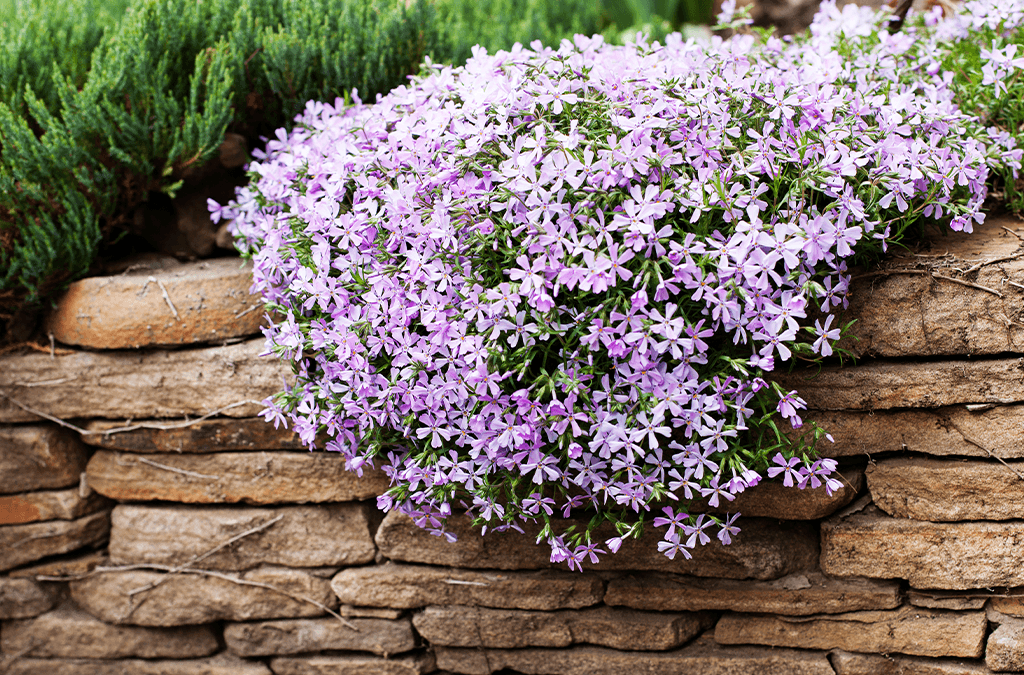
Picture your dullest hillside bursting into pink, purple, and white every spring. That’s creeping phlox for you.
It forms low, dense mats that choke out weeds without any extra effort from you. Rock gardens adore this plant, and honestly, so do I.
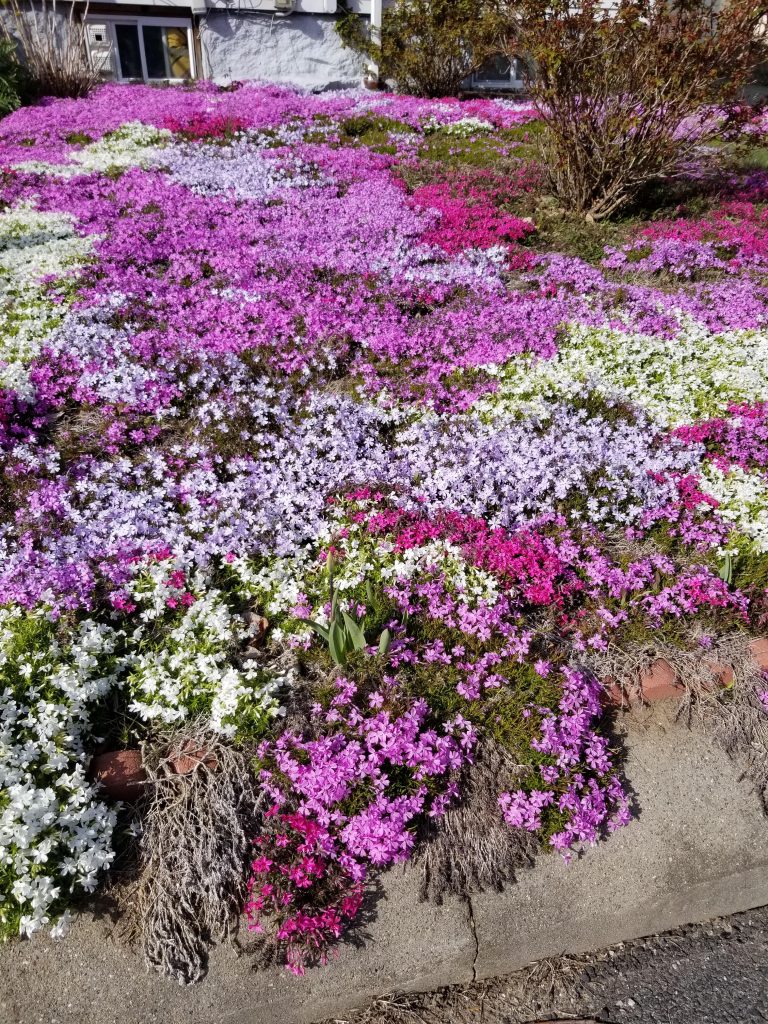
Only six to twelve inches tall, it never blocks a view. Full sun brings out the boldest blooms, though partial shade works fine too.
Weeds sometimes poke through the mat, so pull them early before they get comfortable.
Plant Overview
- Zones: 5 to 9
- Size: 6 to 12 inches tall x 9 to 18 inches wide
- Care requirements: Full sun to partial shade; well-drained soil
Read more: 15 Ground Cover Plants for Sunny Garden
3. Creeping Thyme Smells Amazing While It Stabilizes Soil
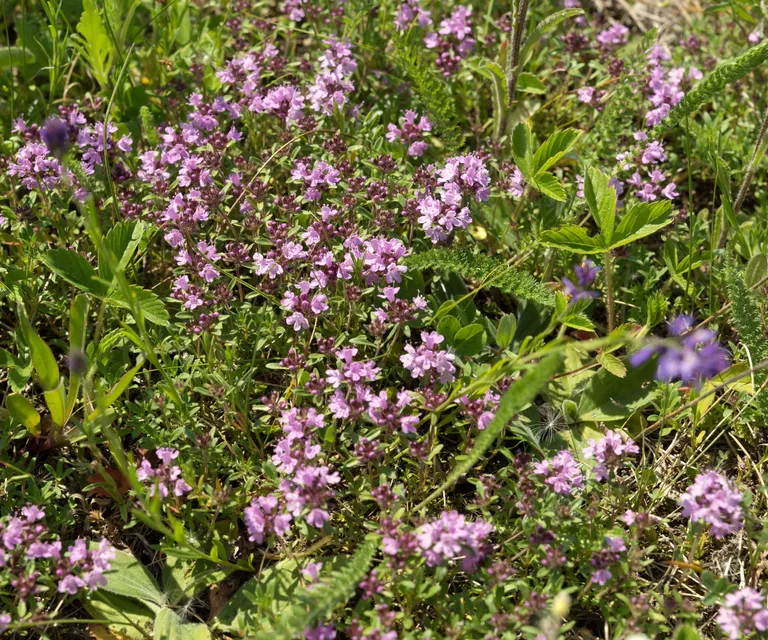
Ever brushed against a plant and caught a burst of mint? That’s creeping thyme doing its thing. Tiny purple, pink, or white flowers blanket this ground hugger all summer long.
Poor soil doesn’t scare it off; thyme actually prefers things lean and well-drained.
Just two to six inches tall, it stays low and tidy. I trust this one on the coldest hillsides, since it holds up in zones 2 through 9.
Stems sometimes climb over each other, so a quick prune keeps fresh growth coming.
Plant Overview
- Zones: 2 to 9
- Size: 2 to 6 inches tall x 6 to 18 inches wide
- Care requirements: Full sun; well-drained, lean soil
4. Vinca Minor Thrives Where Shade Kills Everything Else
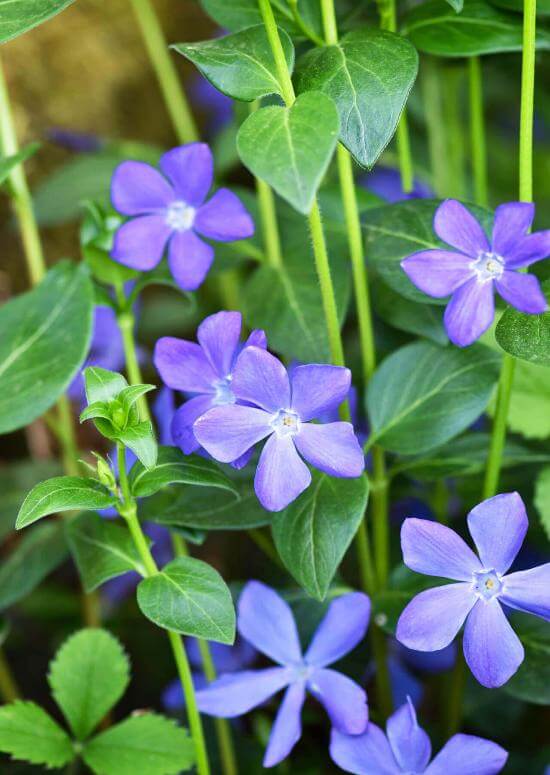
Shady hillsides frustrate most gardeners, but not me, not with this plant around. Vinca minor, also called periwinkle, laughs in the face of low light.
Blue-purple flowers pop up each spring against glossy evergreen leaves. Trailing vines root wherever they touch soil, which speeds coverage up fast.
Barely six inches tall, it spreads eighteen inches or more per plant. Erosion control happens naturally as roots knit together underground. Try pairing it with daffodils or crocus bulbs; that spring combo looks incredible every single year.
Plant Overview
- Zones: 4 to 9
- Size: 6 inches tall x 18 inches wide
- Care requirements: Partial to full shade; tolerates various soils
5. Sweet Woodruff Turns a Shady Slope Into Something Special
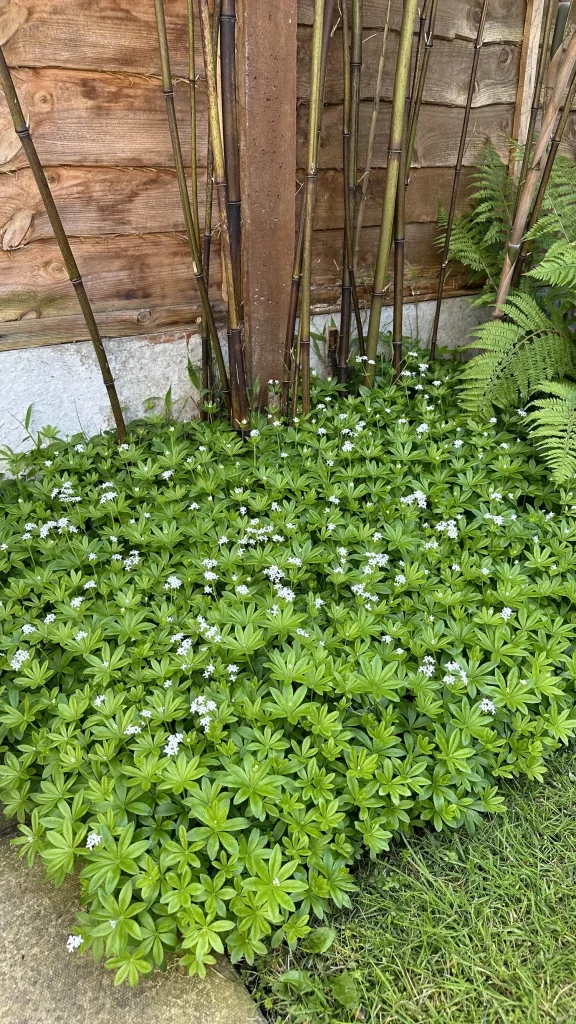
Got a slope buried in shade? Sweet woodruff won’t just survive there, it’ll thrive. Whorls of star-shaped white flowers cover this plant every spring. Underneath, roots spread quietly and knit the soil together.
Do you have rich, loamy soil under those trees? Sweet woodruff loves that setup. Its foliage stays green well into fall, giving you months of coverage.
I plant this one whenever a client complains their shade garden looks bare.
Plant Overview
- Zones: 4 to 8
- Size: 6 to 12 inches tall x 12 to 24 inches wide
- Care requirements: Partial to full shade; loam, organic-rich soil
6. Creeping Mazus Spreads Fast and Keeps Deer Away
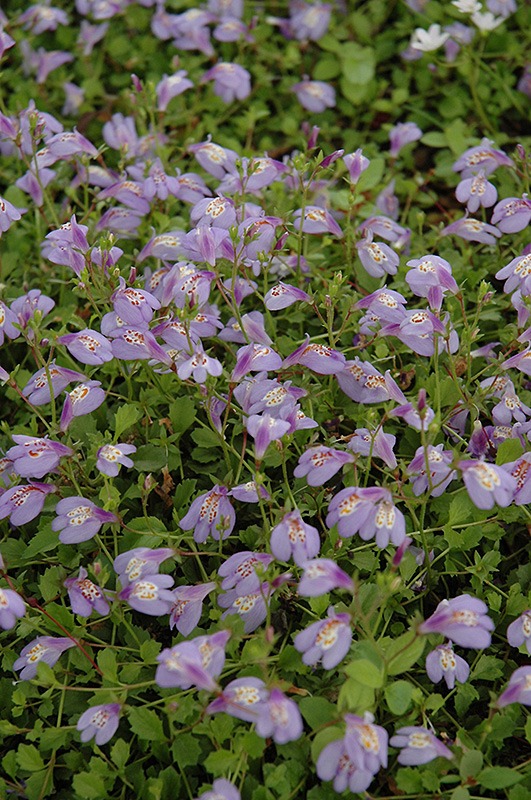
Deer chewing through your hillside plants? Mazus solves that problem. This little ground cover spreads through rooting stems, and it moves quick. White, purple, or pink tubular flowers show up by mid-spring.
Does your slope get full sun or partial shade? Either works fine for mazus. Give it two years, and it’ll stretch five feet wide. I’ve watched this plant fill gaps other ground covers left behind.
Plant Overview
- Zones: 5 to 9
- Size: 6 to 12 inches tall x 4 to 6 inches wide
- Care requirements: Full sun to partial shade; medium to wet, well-drained soil
7. Lilyturf Holds Soil Together Like a Green Net
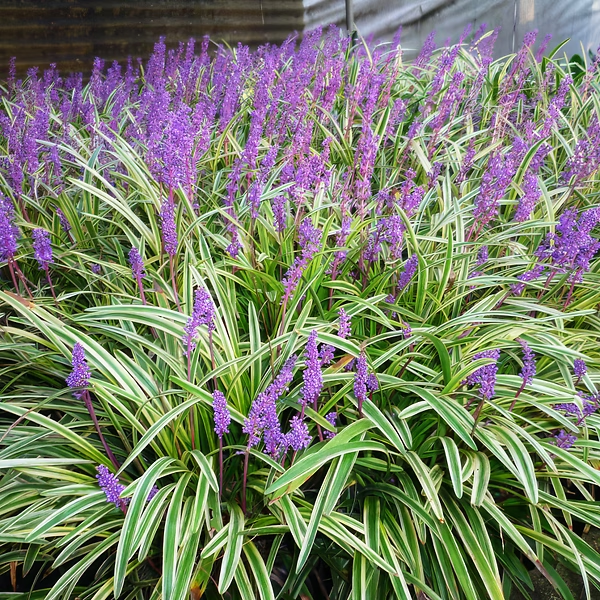
Erosion keeps washing your hillside soil away? Lilyturf fights back hard. This grassy perennial isn’t actually a grass, but it sure looks like one. Spikes of white or lavender flowers show up in late summer.
Can your soil handle clay or sand? Lilyturf doesn’t care either way. It spreads fast once watered and fertilized regularly. Just space plants a foot apart, and give them room to fill in.
Plant Overview
- Zones: 4 to 10
- Size: 9 to 18 inches tall x 12 to 24 inches wide
- Care requirements: Full sun to partial shade; tolerates most soil types
8. Rocky Stonecrop Handles Drought Without Blinking
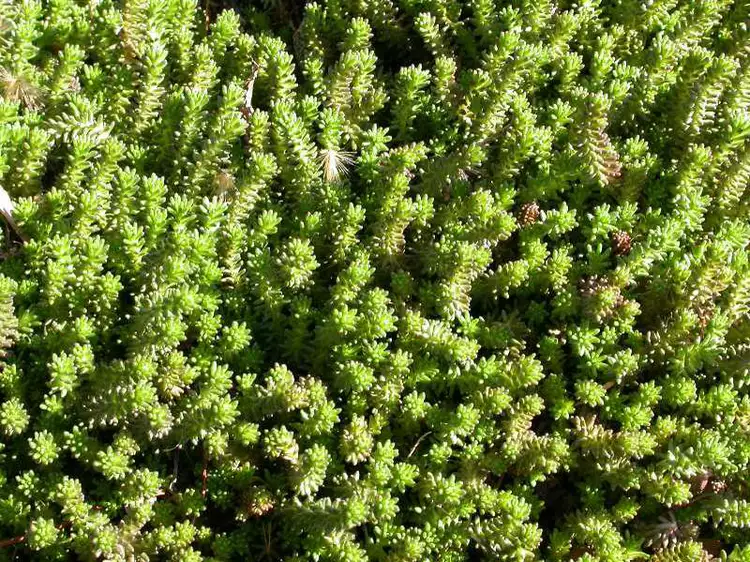
Ever forget to water your hillside plants for weeks? Stonecrop won’t hold it against you. Succulent, needle-like leaves store water right inside the plant.
Yellow flowers appear in summer, then foliage shifts to rust or orange come fall.
Do you deal with sandy, rocky soil that drains fast? That’s exactly what stonecrop wants. Drought barely fazes this tough little perennial once it’s settled. I recommend it constantly for sunny, dry slopes nothing else survives on.
Plant Overview
- Zones: 5 to 9
- Size: 4 to 6 inches tall x 1 to 3 feet wide
- Care requirements: Full sun to partial shade; dry to moderately moist, well-drained soil
9. Daylilies Fill In Fast and Multiply on Their Own
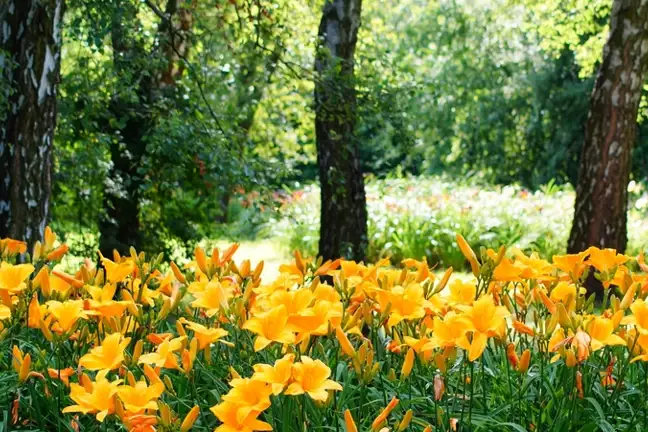
Want a plant that basically spreads itself? Daylilies do exactly that. Thick, tuberous roots grab onto slopes and form dense clumps within a few years.
Blooms show up in nearly every color you can imagine.
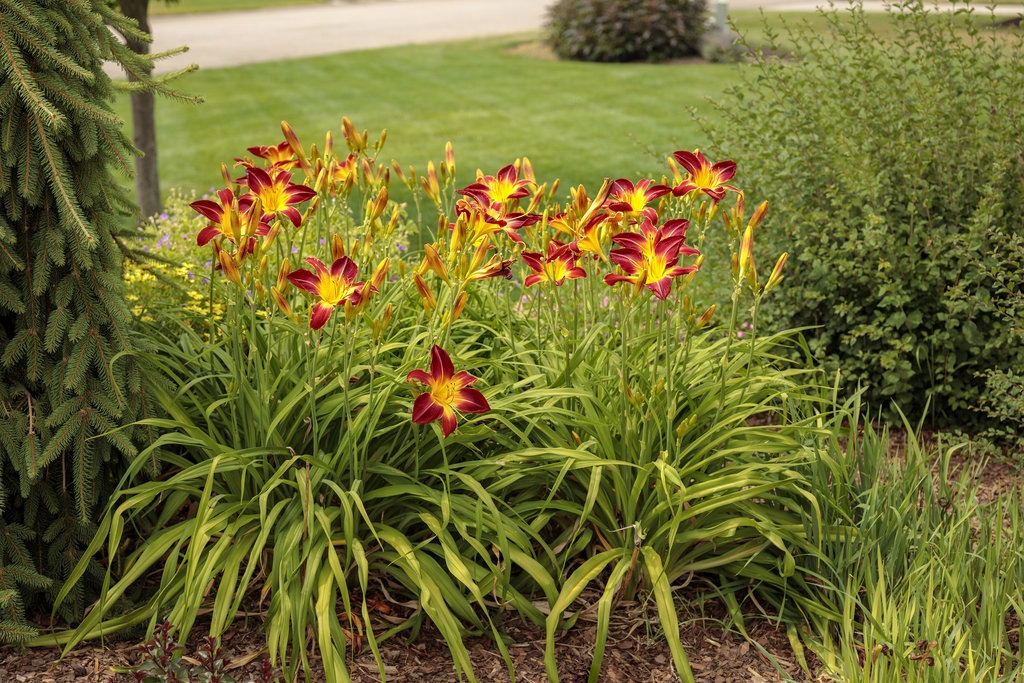
Do you plant them a foot or so apart? They’ll multiply and knit together quickly. After a few seasons, dig some up and spread them elsewhere in your yard. I love how forgiving this plant stays through drought, heat, and neglect.
Plant Overview
- Zones: 4 to 10
- Size: 1 to 4 feet tall x 1 to 3 feet wide
- Care requirements: Full sun; tolerates a wide range of soil types
10. Wild Strawberry Covers Ground and Feeds You Too
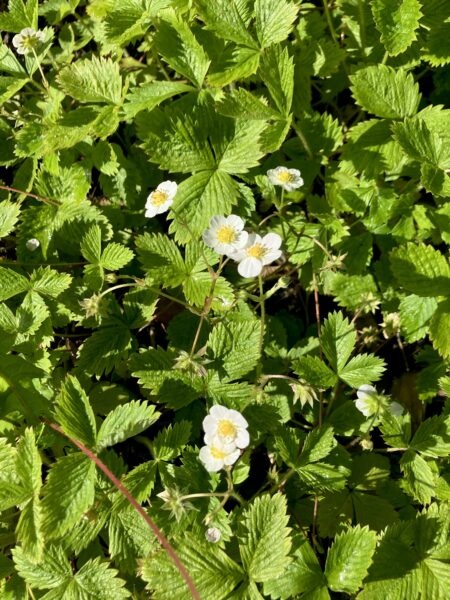
What if your ground cover also gave you fruit? Wild strawberry does both jobs well. Runners shoot out in every direction, rooting as they go. Dense foliage shades the soil and slows down rain from washing it away.
Does your slope get decent sun? Wild strawberry rewards you with small, sweet berries by summer.

Birds enjoy them too, so don’t expect to harvest everything yourself. I always tuck a few plants along sunny slopes just for the surprise.
Plant Overview
- Zones: 3 to 8
- Size: 6 to 12 inches tall x 1 to 2 feet wide
- Care requirements: Full sun to partial shade; well-drained, loamy soil
11. Cotoneaster Grows Into a Low, Woody Blanket
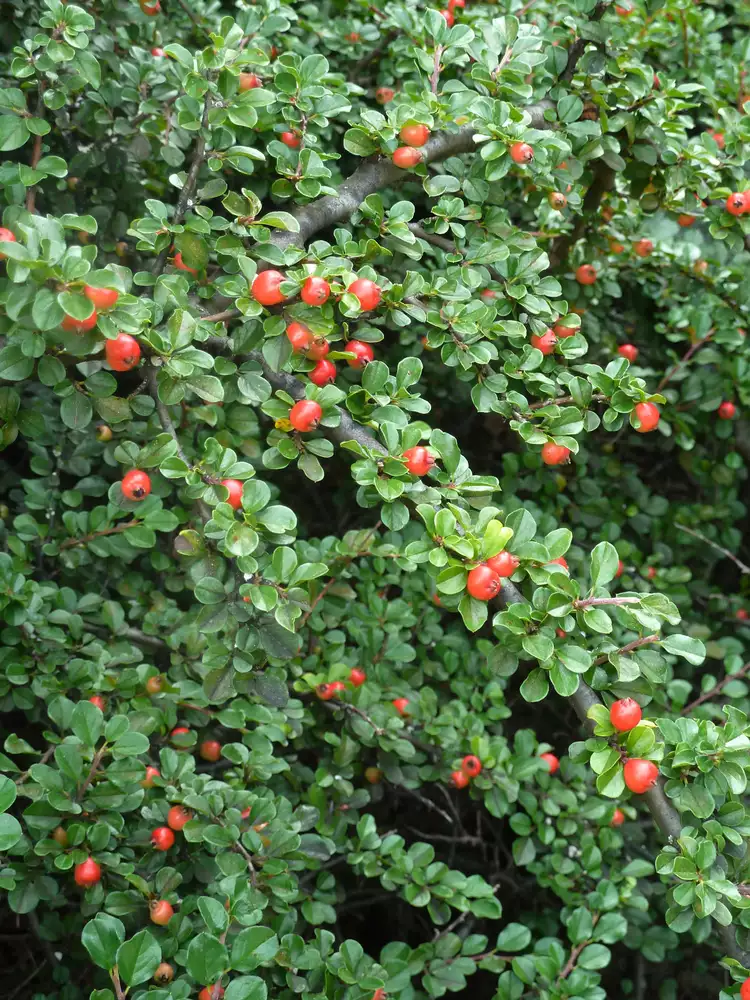
Need something tougher than a typical flower or vine? Cotoneaster steps up.
Each shrub spreads into a low mound, sometimes covering a six-foot circle within just a few years. Small flowers show up first, then berries follow later in the season.
Do you want something that basically ignores you once planted? Cotoneaster asks for almost nothing after it settles in.
Its woody stems hold soil firmly on steep, tricky slopes. I recommend this one for gardeners who want structure without constant upkeep.
Plant Overview
- Zones: 4 to 8
- Size: 2 to 3 feet tall x 6 feet wide
- Care requirements: Full sun to partial shade; well-drained soil
12. Japanese Pachysandra Chokes Out Weeds in Deep Shade

Struggling with weeds on a shady slope? Pachysandra shuts that problem down fast. Rhizomes spread underground and form a thick, weed-blocking mat.
Small white flower spikes pop up in spring, though the foliage steals the show all year.
Does your hillside sit under thick tree cover? Pachysandra doesn’t mind one bit. It stays evergreen, though leaves might yellow slightly in winter. Just dig up runners occasionally if you want to keep its spread in check.
Plant Overview
- Zones: 4 to 8
- Size: 8 to 12 inches tall x spreading indefinitely
- Care requirements: Partial to full shade; moist, well-drained soil
13. Spotted Dead Nettle Brightens Up Dark, Bare Patches
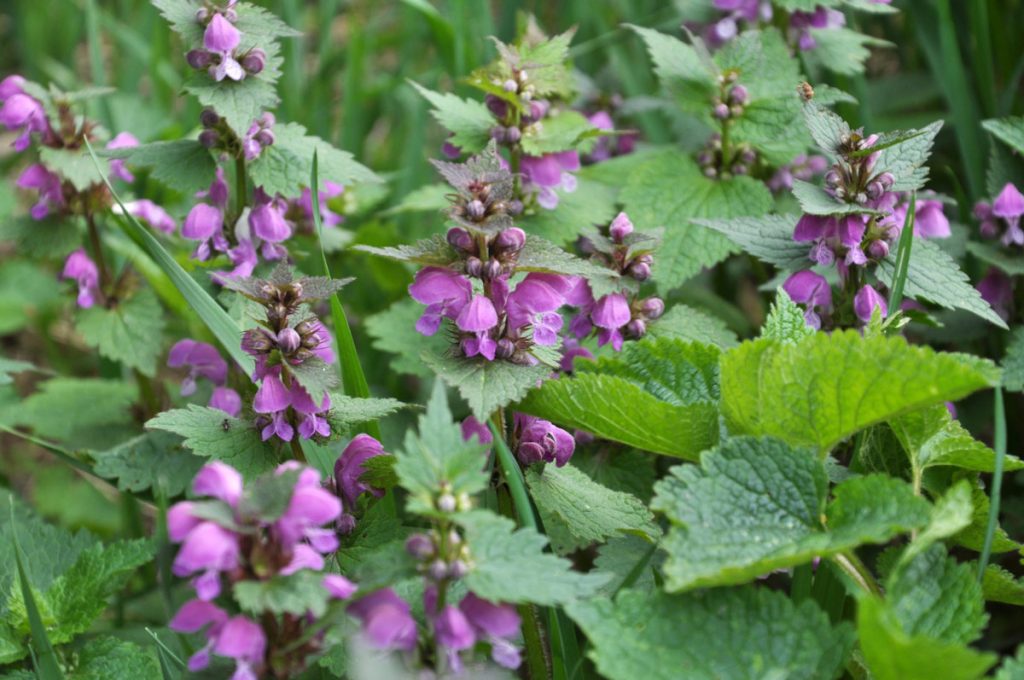
Tired of shade turning your hillside into a dead zone? Dead nettle fixes that fast. Silvery foliage practically glows in low light, and purple flowers add a pop of color come spring. Creeping stems spread the plant quickly across bare ground.
Do you live somewhere with mild winters? Dead nettle often stays evergreen there.
Colder climates turn it semi-evergreen instead, which is still just fine. I check local guidelines first, since some states list it as invasive.
Plant Overview
- Zones: 4 to 8
- Size: 6 to 9 inches tall x 12 to 24 inches wide
- Care requirements: Full to partial shade; well-drained soil
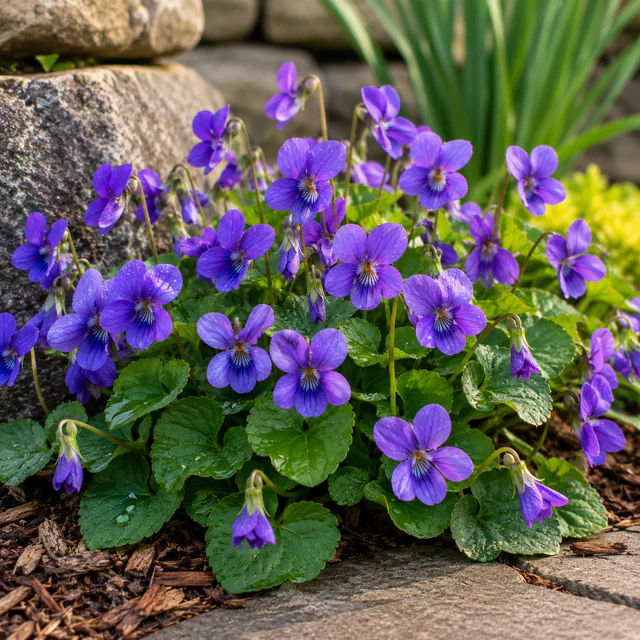
14. Common Violet Stabilizes Soil While Feeding Pollinators
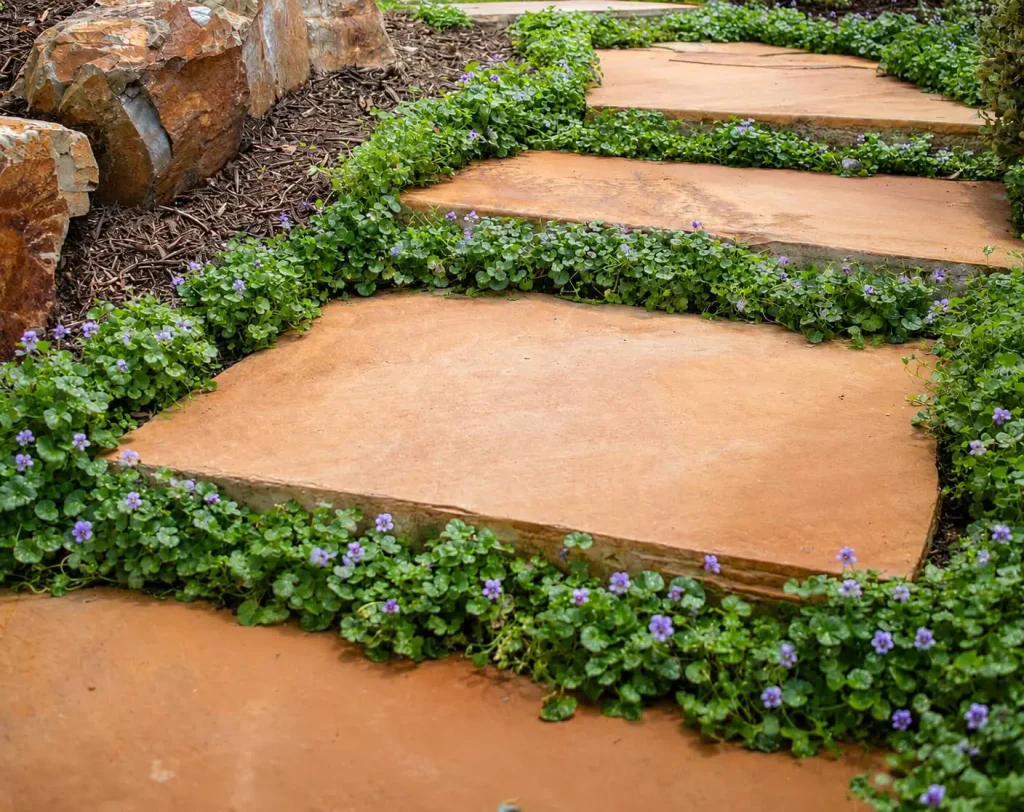
Ever notice how violets pop up practically everywhere on their own? That’s not an accident. Fibrous roots grip soil tightly and stop erosion in its tracks.
Rhizomes and seeds spread the plant fast, and yes, it actually ejects its own seeds.
Do you want pollinators visiting your hillside? Violets pull in bees without any extra effort from you.
Plant plugs six to eight inches apart for the quickest coverage. I let violets fill in gaps other plants leave behind, and they never disappoint.
Plant Overview
- Zones: 3 to 9
- Size: 6 to 9 inches tall x 6 to 9 inches wide
- Care requirements: Full sun to partial shade; tolerates various soils
Last Words
Fourteen plants, one goal: soil that stays put. Some love sun, some thrive in shade, and a few even feed you or your local bees along the way.
Pick two or three that match your slope’s conditions, and skip the ones that clash with your soil type.
Which one will you try first?