12 Small Front Yard Vegetable Garden Ideas You’ll Love to Copy

Want to give your front yard a real purpose? Growing food does exactly that. It puts empty space to work, and it looks fantastic doing it.
Small yards don’t limit you here. Fruits and vegetables thrive in pots, hanging baskets, and tucked-in raised beds.
Structure matters too, and a well-placed bed can shape your whole front yard layout.
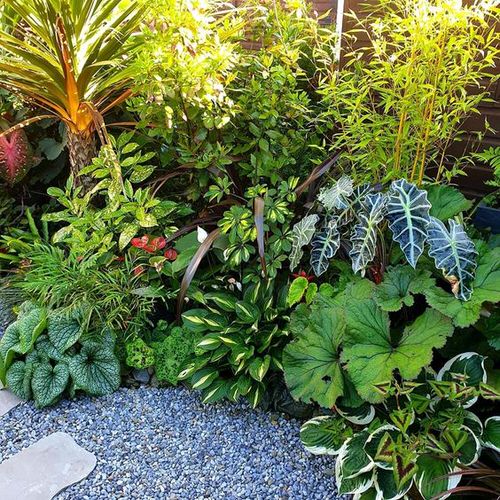
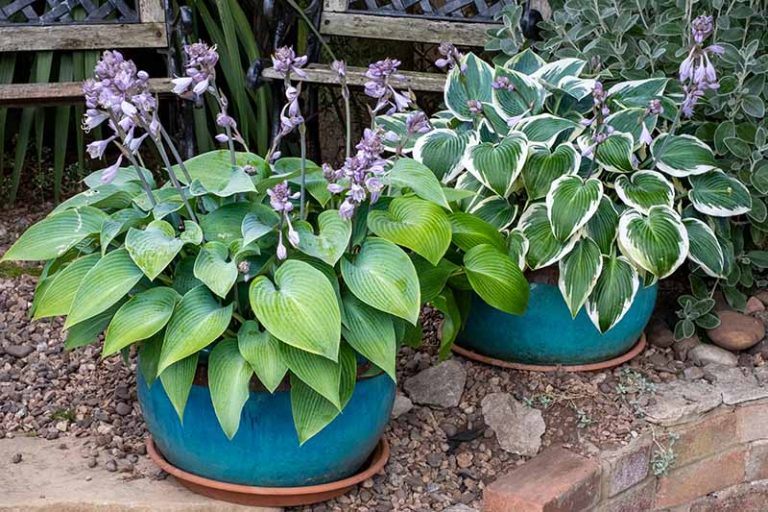
Here’s the best part: you don’t have to choose between pretty and practical. Blend edibles with ornamentals, and you get a potager-style garden.
Flowers bloom next to peppers. Herbs fill gaps near your walkway. Your yard works twice as hard, and it never stops looking good.
12 Ways to Grow a Front Yard Vegetable Garden
1. Build Raised Beds That Look Intentional
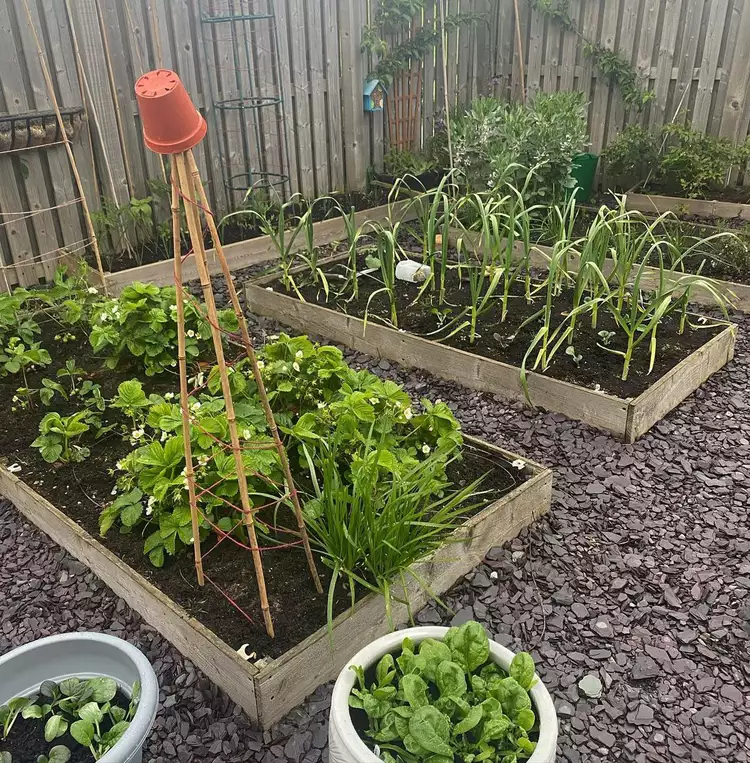
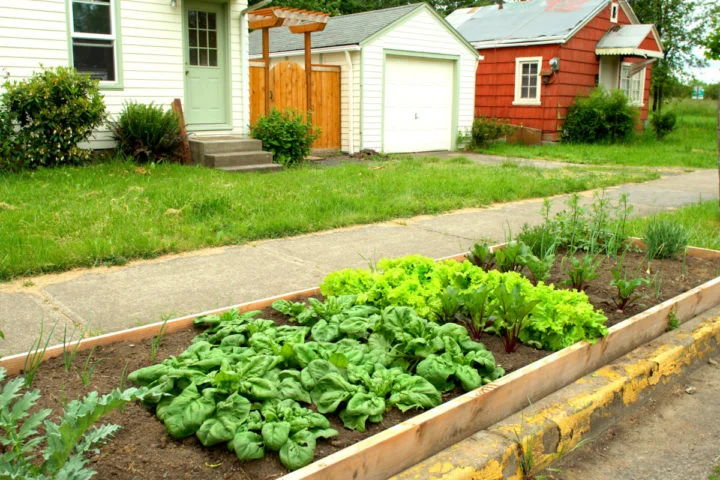
Raised beds do double duty. Your soil stays rich. Your yard looks planned, not chaotic. I love woven wicker edges for a soft touch.
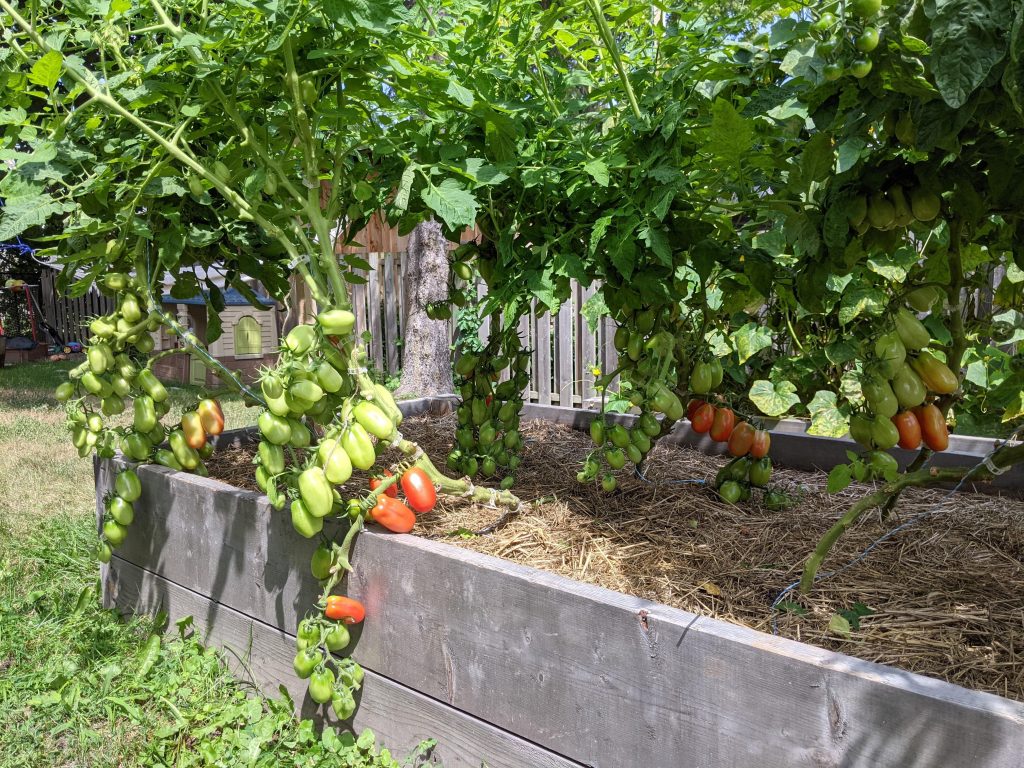
Pallets work too, and they’re basically free. Want something sturdier? Try brick borders. They feel permanent and neat.
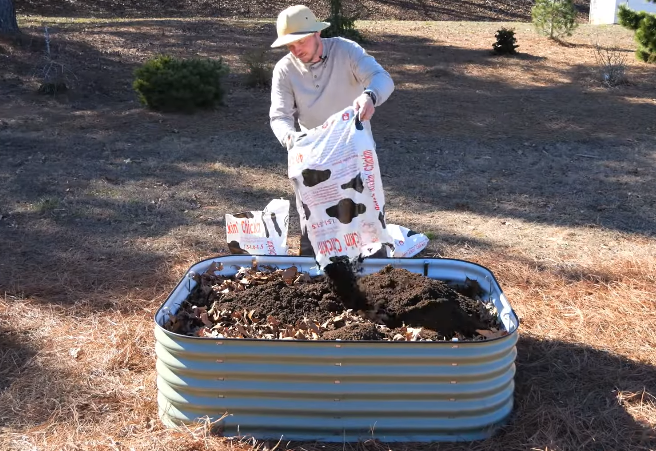
Good soil is the real secret here. Mix in compost, and watch your vegetables take off. Add drip irrigation, and you’ll skip the nightly hose routine. Small yards need this kind of efficiency. Every inch counts when space is tight.
Pick Materials That Match Your House
Does your house have brick? Match your beds to it. Got a cottage-style home? Wood beds feel right at home there. Small choices like this tie your whole yard together.
Also read: 14 Easy & Fast Growing Vegetables for Raised Garden Bed
2. Grow Everything in Containers
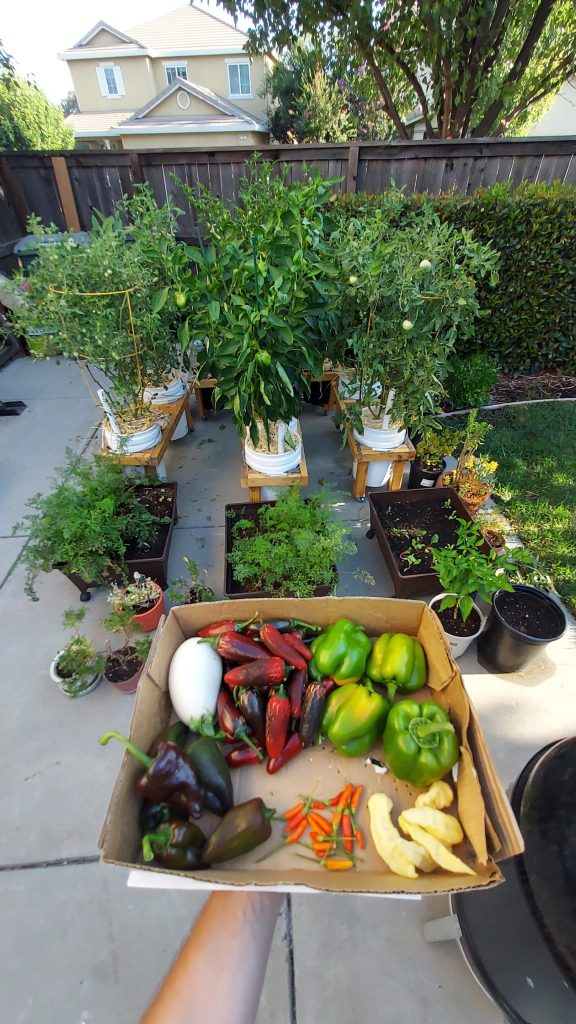
Containers let you start today. You don’t need any open ground at all. Try alpine strawberries on a porch step.
They’re tiny, sweet, and surprisingly tough. Peas climb small trellises stuck right into a pot.
Even tomatoes work here, if you pick patio varieties bred for small spaces. Learn more about growing tomatoes in container here.
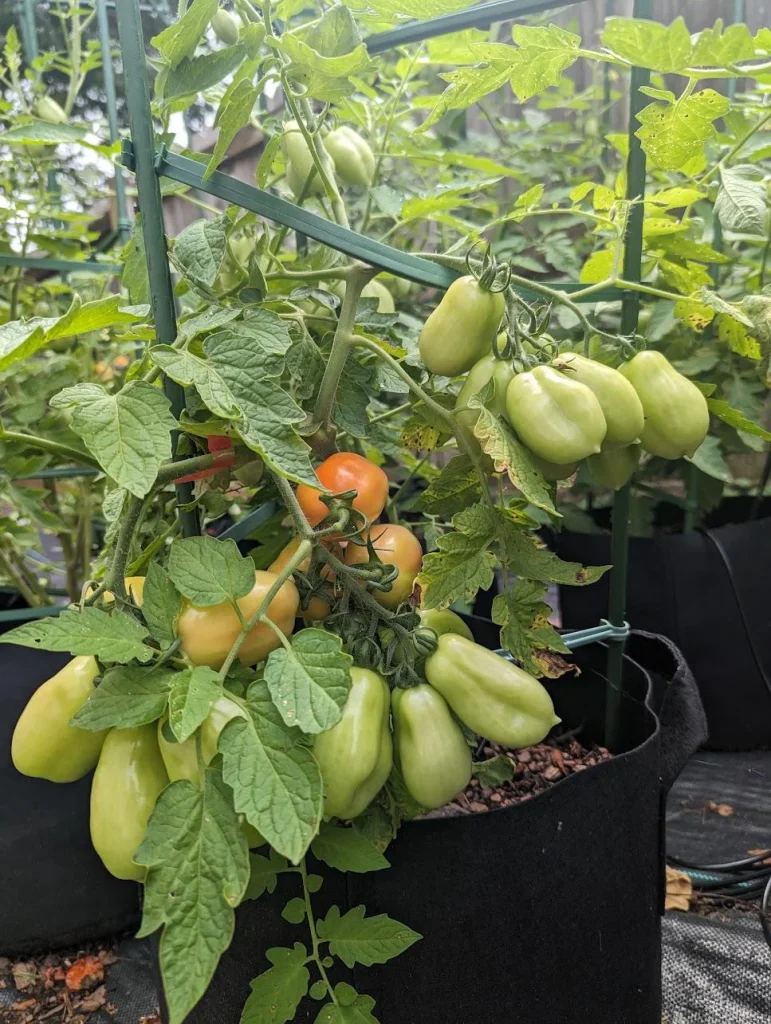
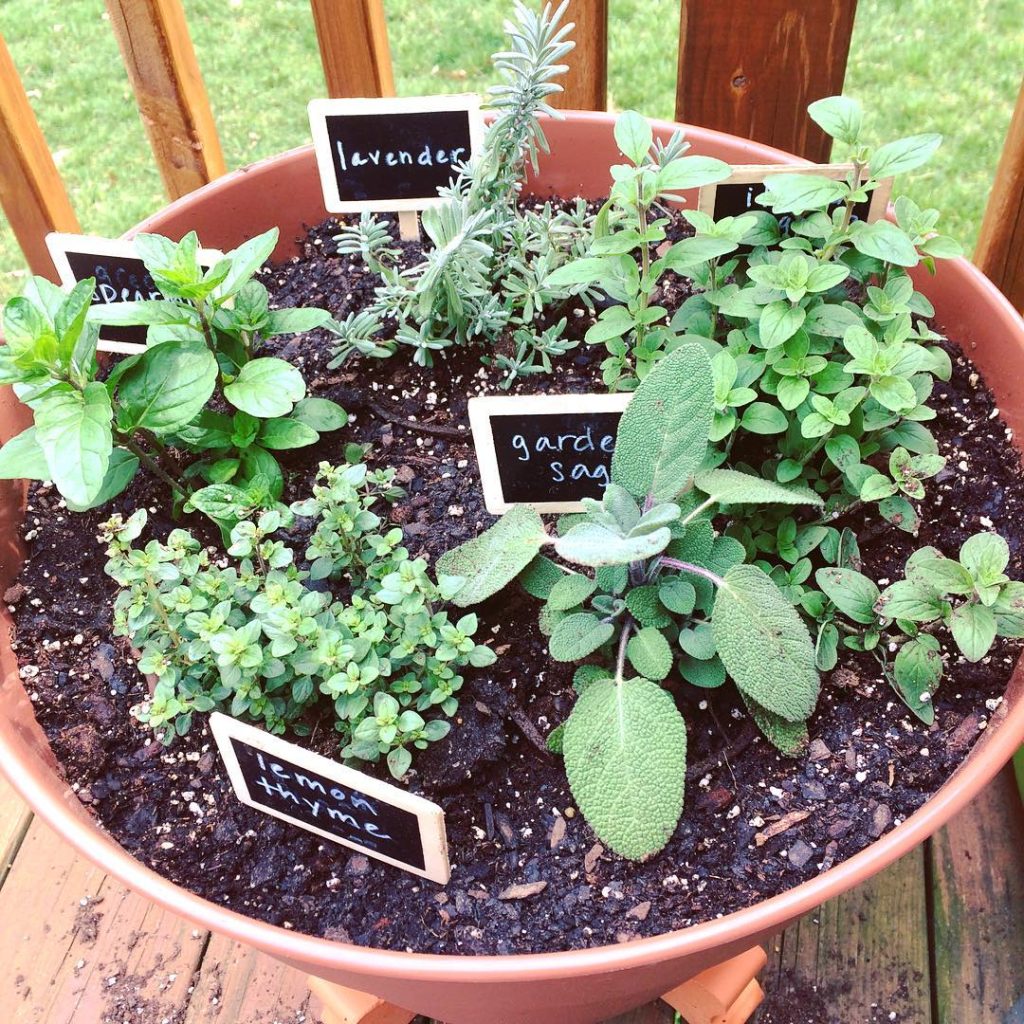
Here’s the catch: pots dry out fast. Check them daily in summer heat.
But there’s a bonus too. Slugs struggle to reach container plants. No mulch means no hiding spots for them.
Group Pots for Bigger Visual Impact
Scattered pots look messy. Cluster them instead. Put tall peppers in back. Add trailing strawberries up front. Suddenly you’ve built a mini garden, and it didn’t cost you a single square foot of yard.
Also read: 15 Easy Vegetables to Grow in Containers
3. Go Vertical With Trellises and A-Frames
Running out of ground space? Look up instead. A-frame trellises let cucumbers climb straight up.
Underneath, shady greens grow happily in the cool spot the vines create. That’s two crops in one footprint.
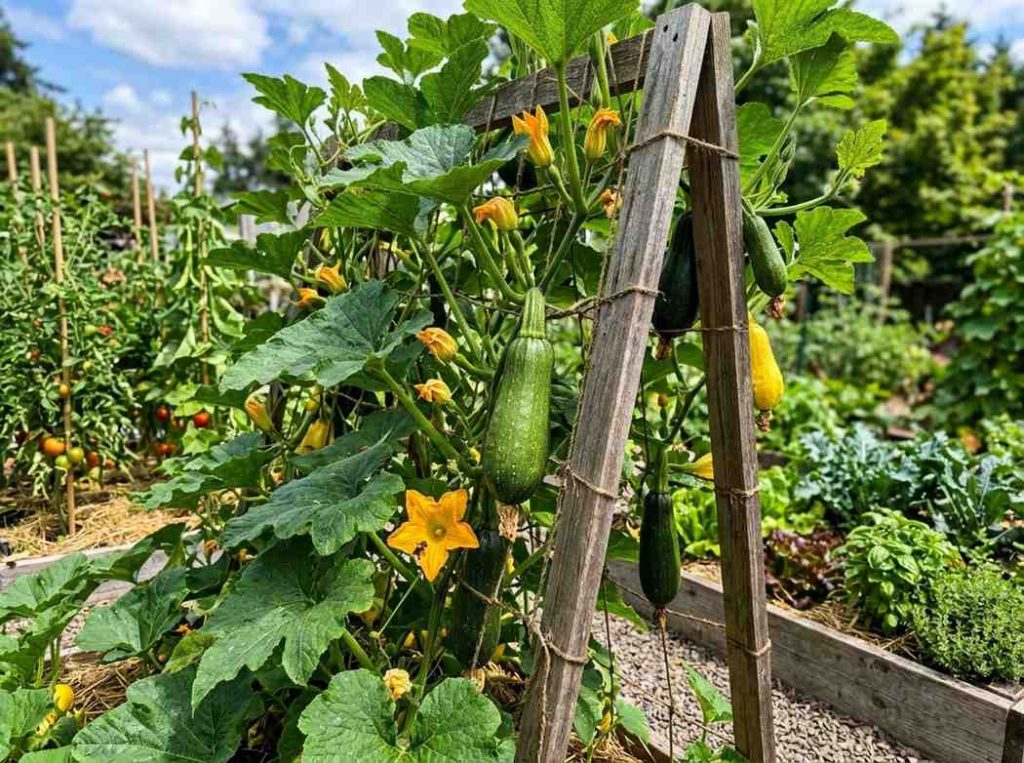
Squash vines sprawl everywhere if you let them. Train them upward, and they behave. Pole beans climb without complaint. So do runner beans and vining peas.
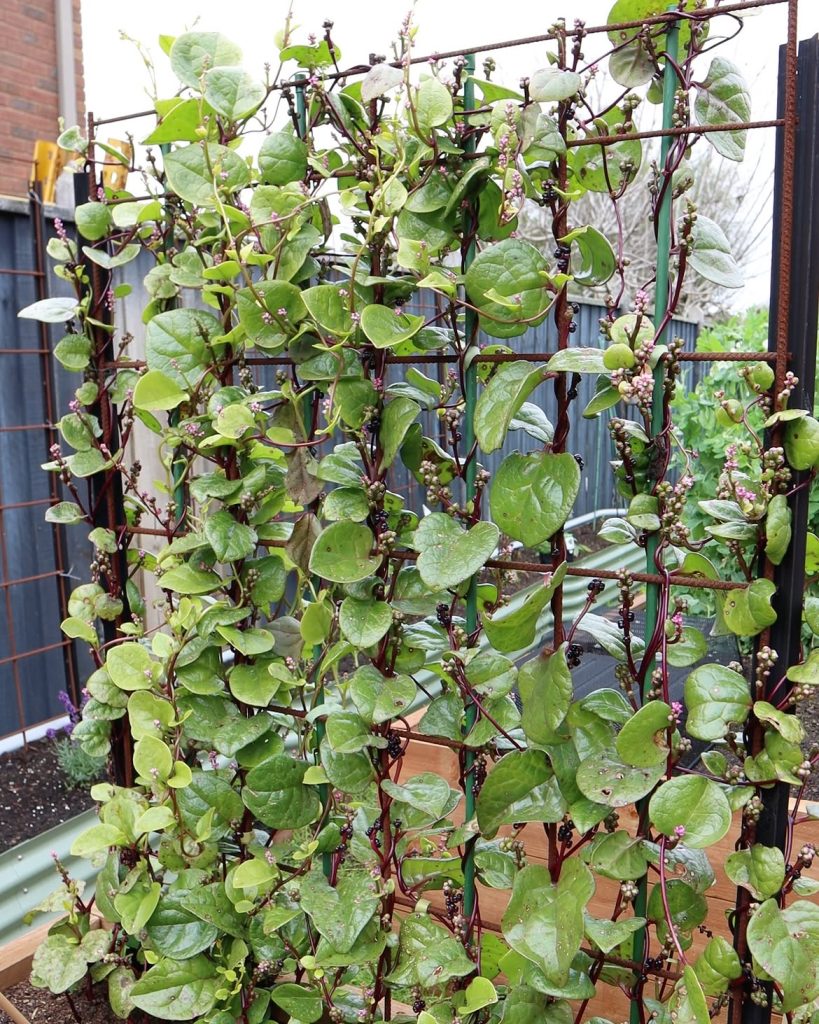
Want something unusual? Try Malabar spinach or achocha. Both climb beautifully.
Choose Structures That Double as Décor
Picture an obelisk covered in scarlet runner beans. It looks like garden art, not farm equipment. Drivers passing by won’t guess it’s feeding your dinner table. That’s the real win with vertical growing. It hides function inside good design.
4. Plant Herbs Right by Your Front Door
Why walk far for dinner ingredients? Put your herbs near the entrance instead.
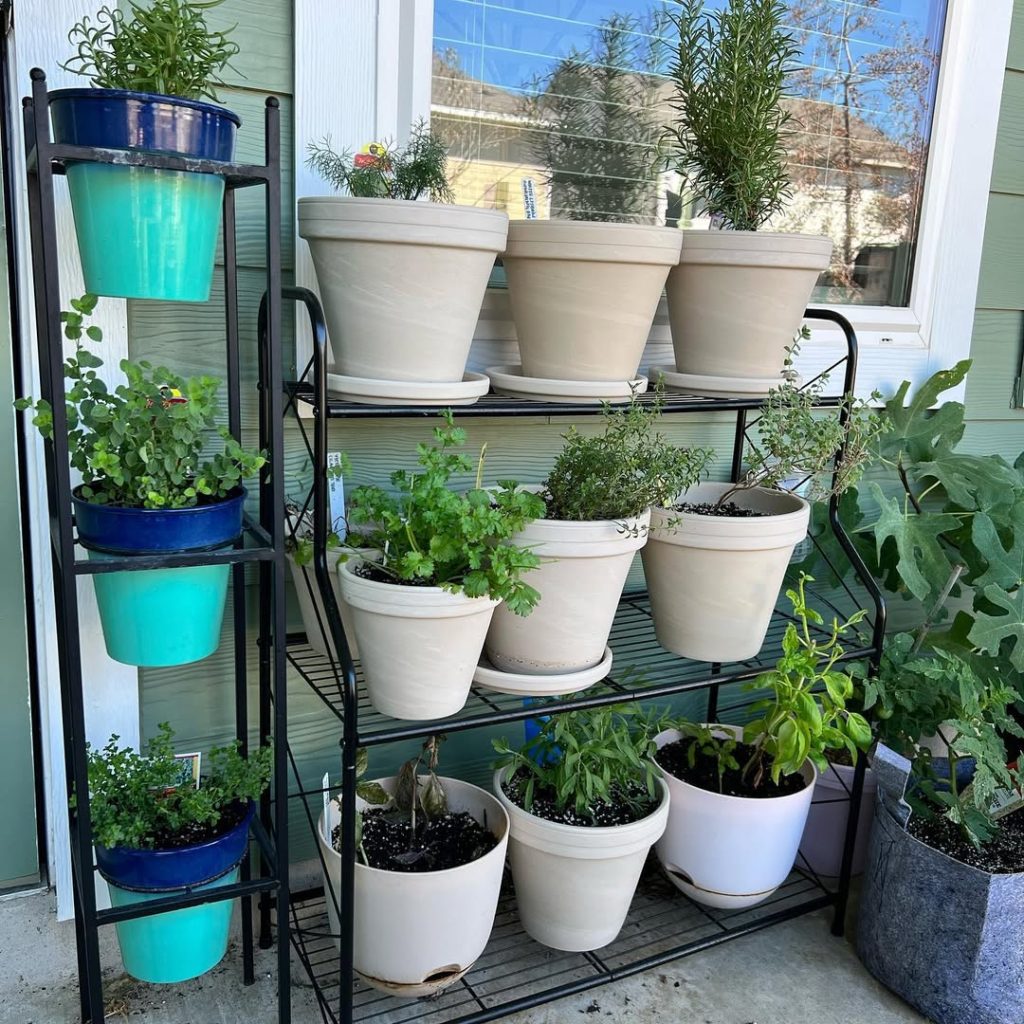
Basil, mint, rosemary, and thyme all thrive in small pots. You’ll smell them every time you walk by. That’s a nice bonus nobody talks about enough.
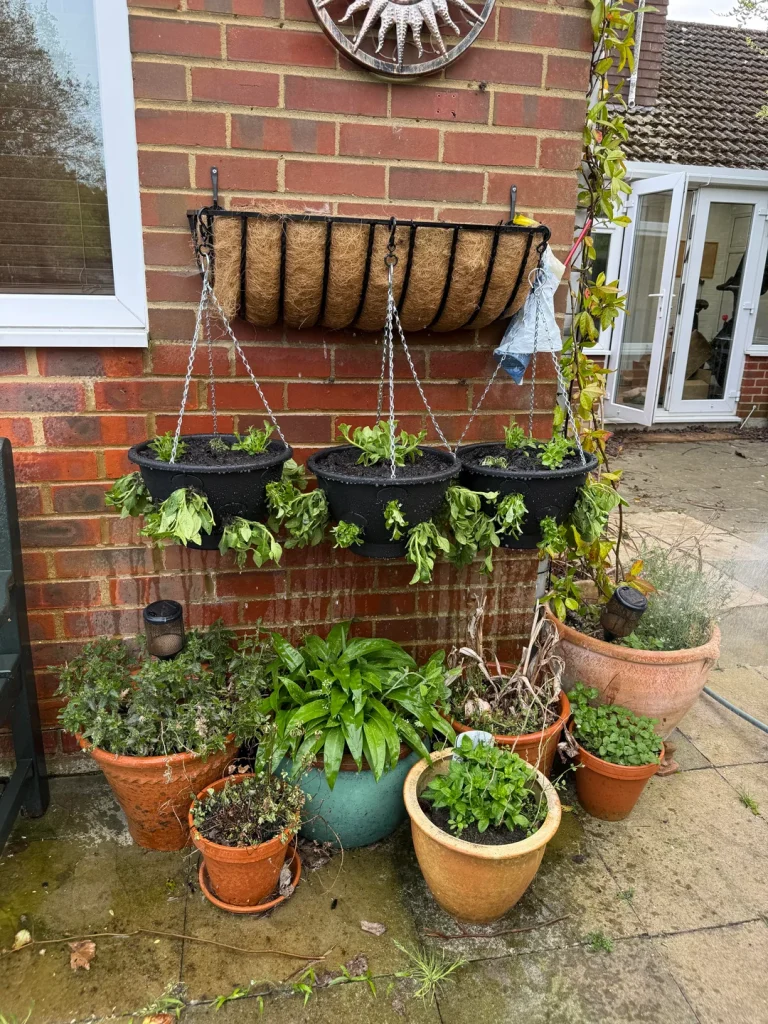
Tiered pot stands save space here. Stack three or four pots vertically, and you’ve built a mini herb tower. Grab a few leaves on your way inside. Dinner just got easier, and your porch smells amazing too.
Small Herbs Make a Big First Impression
Guests notice fragrant plants near your door. Rosemary brushed by a sleeve releases scent instantly. It’s a small detail, but it says a lot. Your yard feels cared for before anyone even reaches your porch.
5. Pair Fast Crops With Slow Ones
Small yards can’t waste space waiting around. So don’t let one crop sit there doing nothing for months. Plant radishes next to carrots instead.
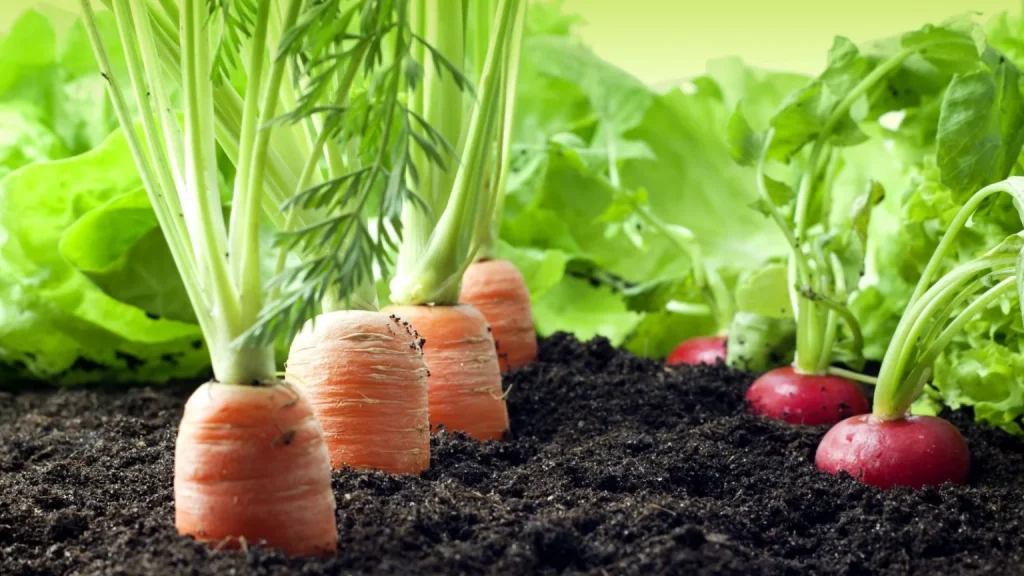
Radishes grow fast and get pulled first. Carrots take their time, and by the time radishes are gone, carrots have more room to spread out.
This trick works with beets too. Fast crops loosen the soil for slower ones as they grow. You get two harvests from one patch of ground. That’s efficient gardening, not just a cute idea.
Timing Makes This Trick Work
Sow both seeds at the same time. Harvest the fast crop the moment it’s ready. Don’t wait, or you’ll crowd out your slower vegetables. A little attention here pays off with a much bigger harvest later.
Also read: Companion Planting Ideas for Vegetables Garden (With Chart)
6. Skip the Space Hogs
Some vegetables just aren’t worth it in a small yard. Parsnips sit in the ground all season for one payoff. Brussels sprouts do the same thing.
If your space is limited, skip them entirely. Save that spot for something more productive.
What should you grow instead? Beets, carrots, leafy greens, and garlic all earn their space back quickly.
They grow fast, take little room, and give you steady harvests. Squash wants to sprawl, sure, but train it vertically, and even that space hog behaves.
Match Crops to Your Actual Space
Ask yourself one question before planting anything: how much food will this give me per square foot? Tomatoes and peppers score high.
Sprawling melons score low, unless you’ve got a trellis ready. Small yards reward smart choices, not just enthusiasm.
7. Disguise Vegetables as Ornamentals
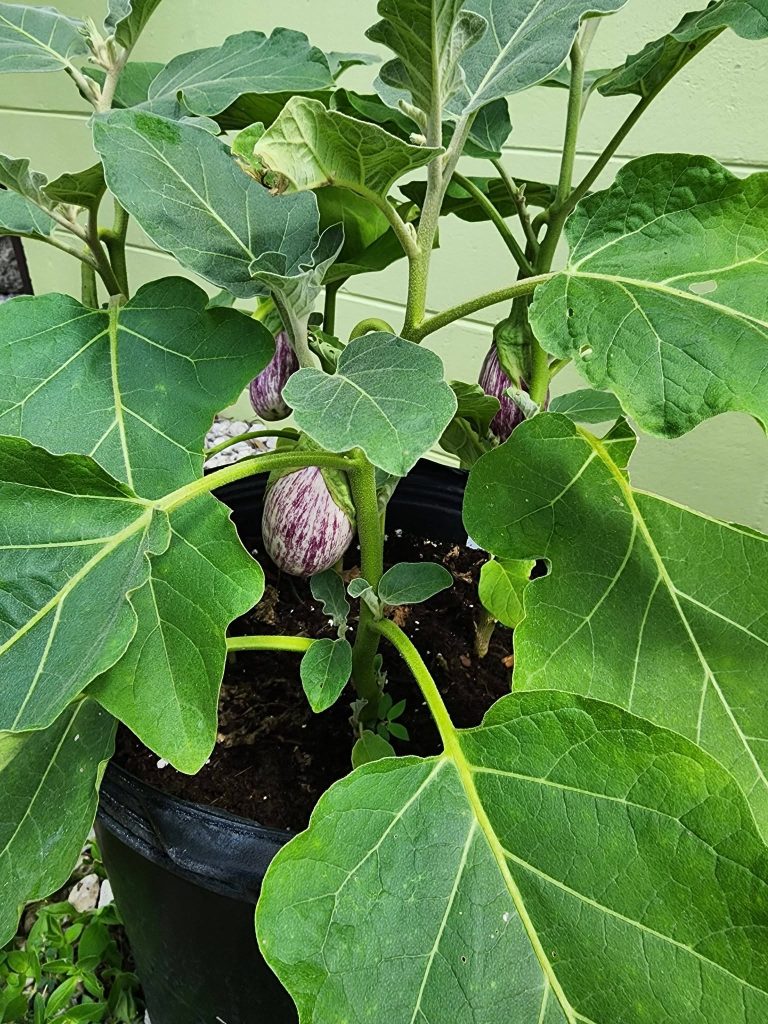
Worried about HOA rules? Grow food that looks decorative instead. Eggplant works perfectly here.
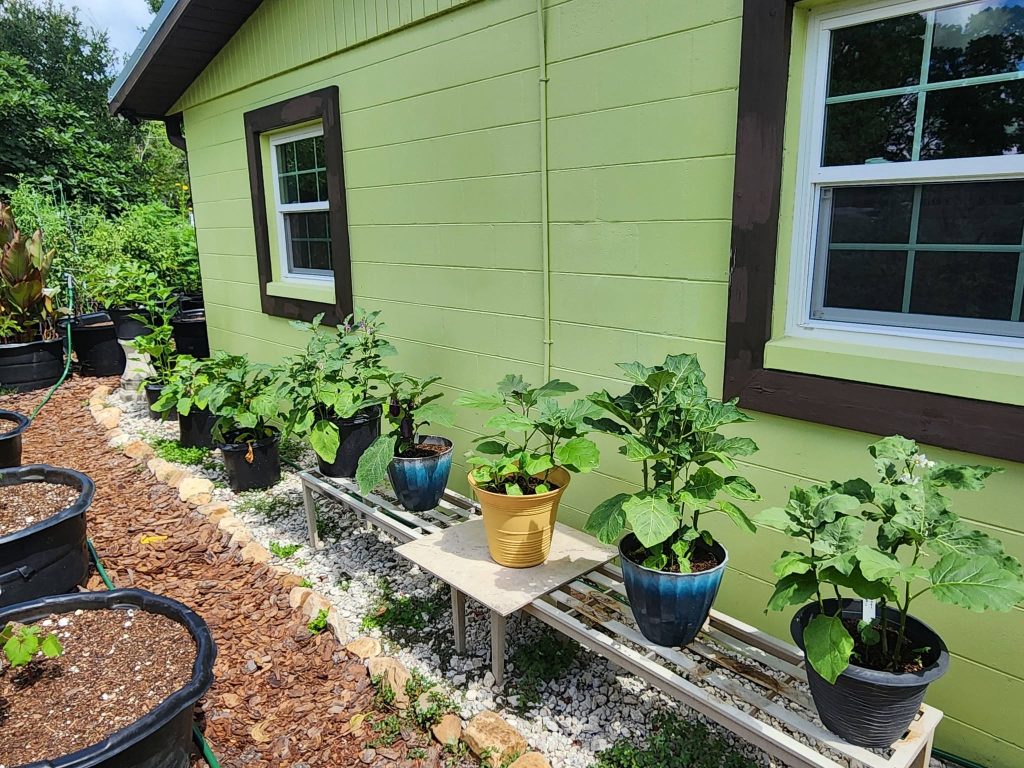
Its grey-green leaves look ornamental, and the fruit comes in purple, striped, or nearly white. Nobody driving past will guess it’s dinner.
Swiss chard fills bare spots beautifully too. Its stems come in red, yellow, and white, so it reads as a flower bed accent.
Peppers stay tidy all summer and hold their shape well. Rhubarb adds huge tropical-looking leaves that most people mistake for a landscape plant.
Pick Plants That Pull Double Duty
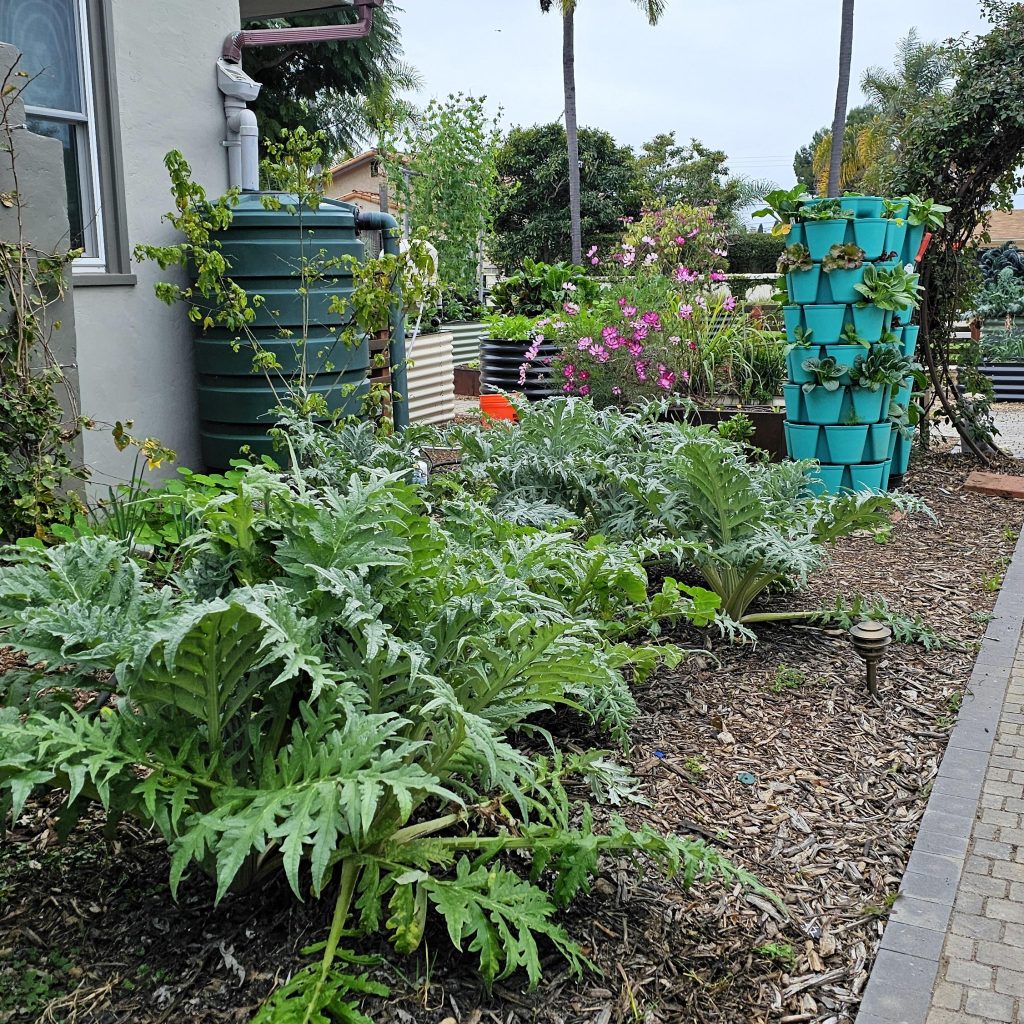
Artichokes deserve a mention here. Plant them once, and they’ll come back for years. Their silvery foliage looks striking near a walkway. You get a bold plant and a harvest, all from one spot.
8. Cut Down on Wasted Pathway Space
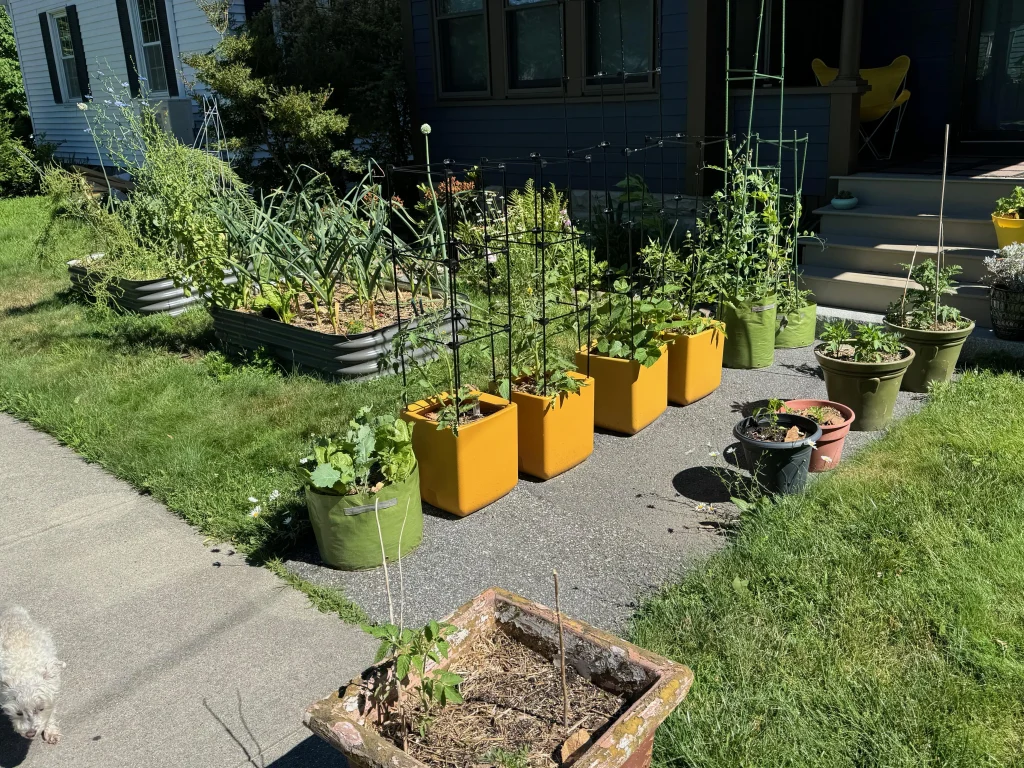
Every path takes space away from growing room. So think carefully before adding one. A path that cuts straight through a bed wastes room on both sides.
Try a dead-end path instead, one that only goes partway in.
This layout, sometimes called a keyhole design, lets you reach the center from one spot.
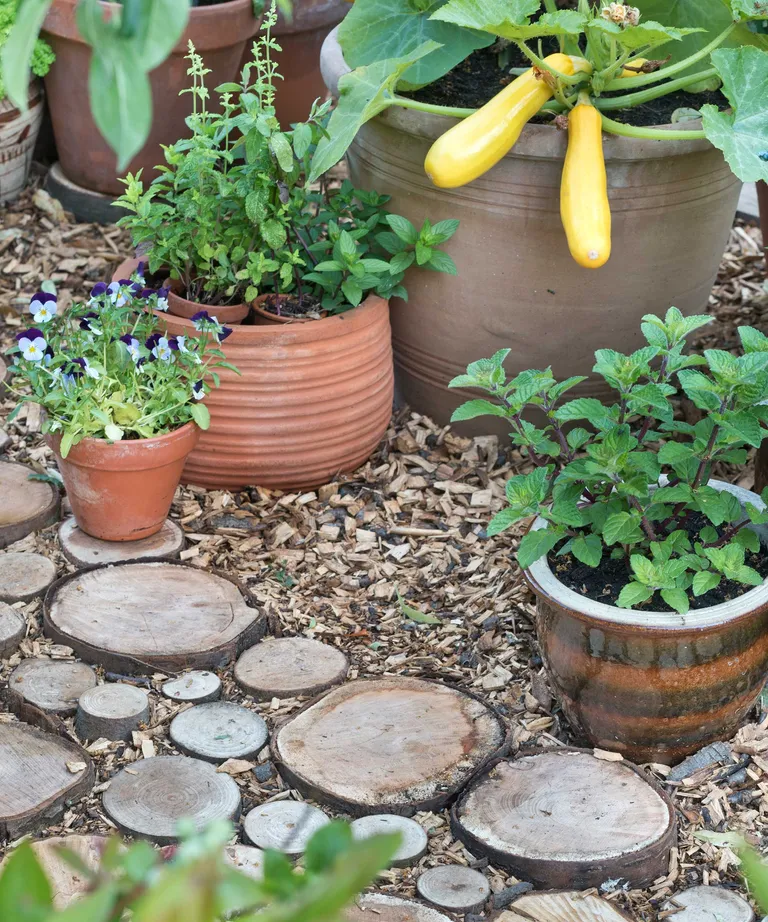
You still access everything without sacrificing much growing space. Small yards need this kind of thinking. Every path you skip becomes more room for vegetables.
Choose Materials That Blend In
Bark chips look natural and soft underfoot. Gravel works too, and it drains well after rain. Either option keeps your path looking tidy without stealing focus from the plants around it.
9. Add Flowers That Pull Their Weight
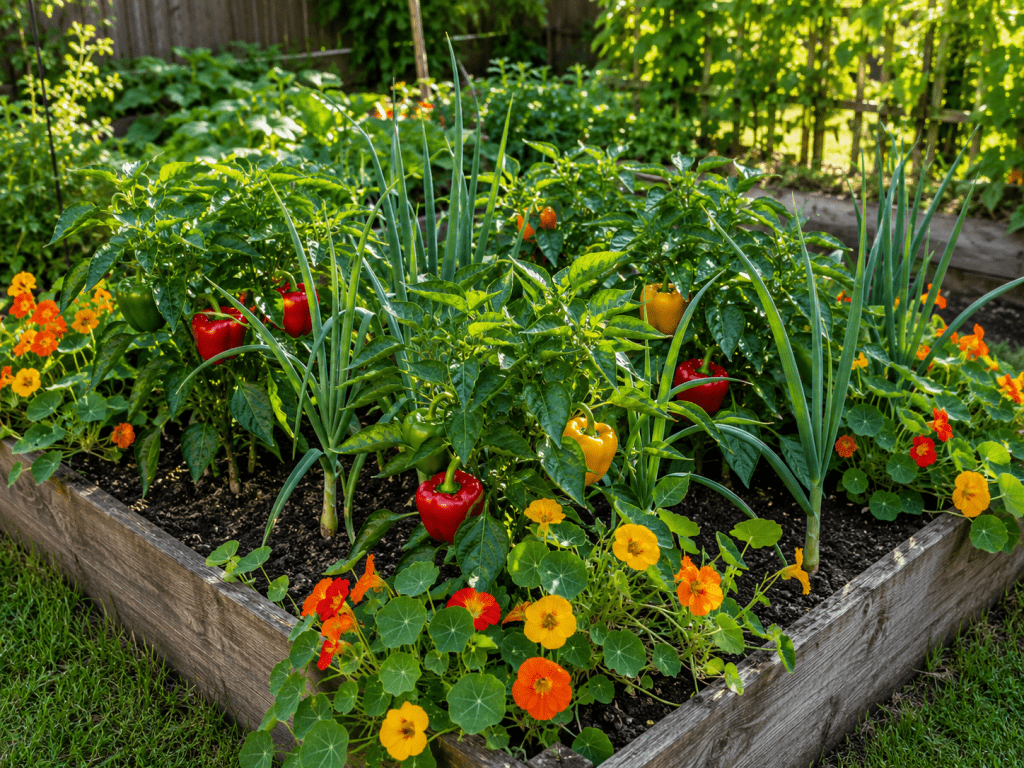
Flowers aren’t just decoration here. They bring in pollinators your vegetables actually need. Marigolds repel certain pests while adding bright color. Zinnias do something similar, and they bloom for months without much care.
Nasturtiums might be my favorite trick, though. Their flowers are edible, so you get color and a garnish from the same plant.
Sunflowers add height at the back of a bed. Even your peas and beans bloom before they fruit, so you’re getting flowers for free.
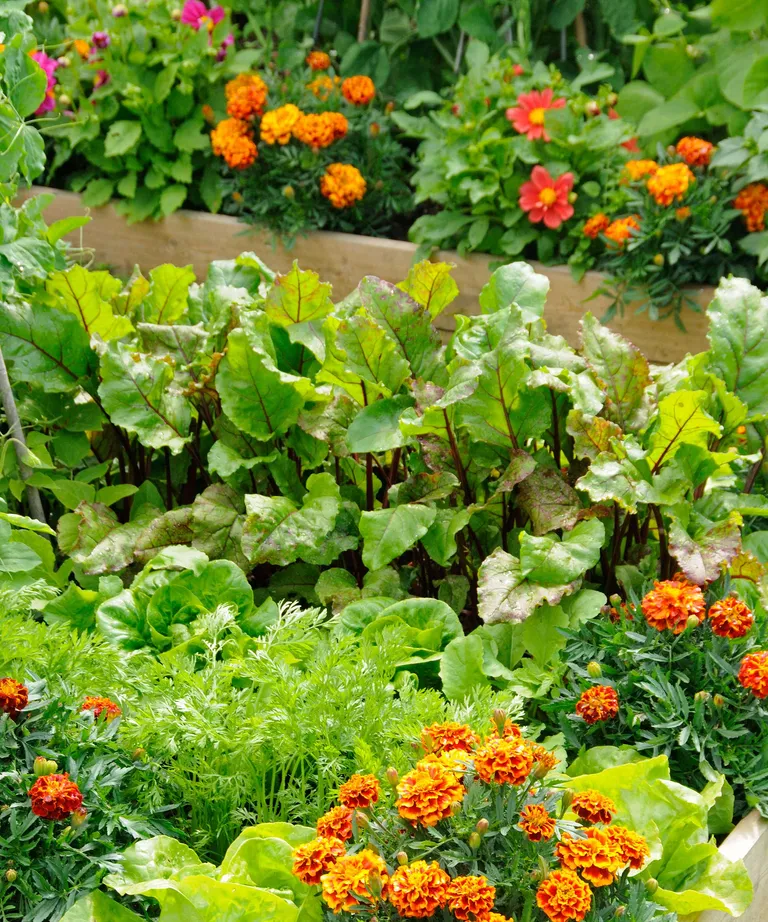
Let Flowers Soften the Vegetable Look
A bed of straight vegetable rows can look plain. Tuck flowers between the rows, and everything softens. Your yard reads as a garden, not a farm plot, even though it’s still working hard for your kitchen.
10. Add a Mini Greenhouse for Year-Round Growing
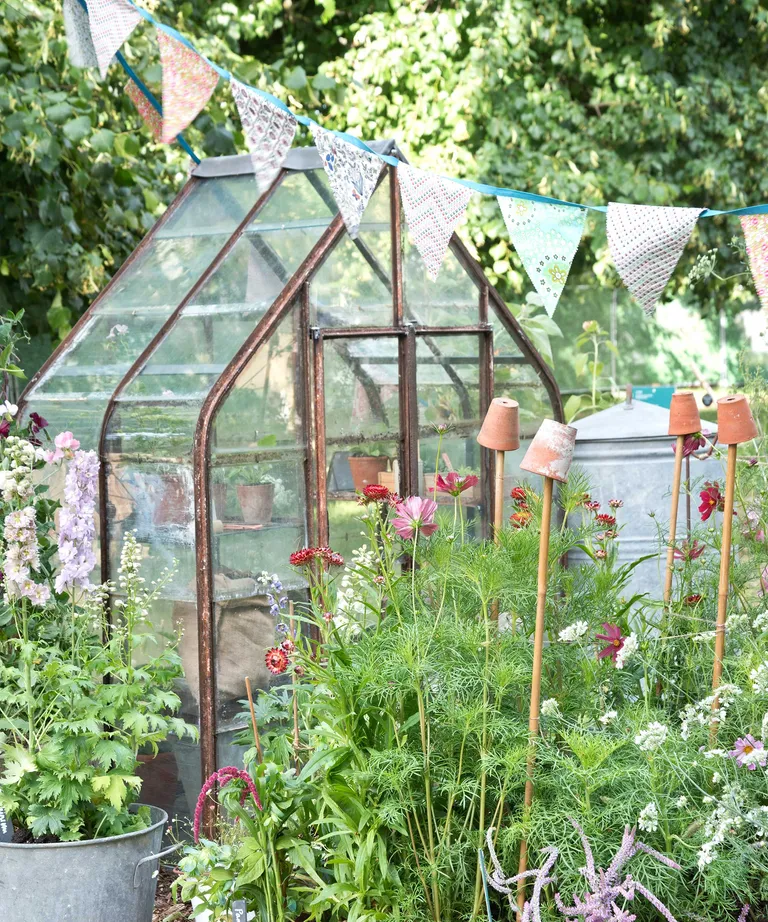
Winter doesn’t have to stop your garden. A small greenhouse keeps things going even in cold months.
Arugula, pak choi, and mizuna all handle chilly weather fine under cover. Chives and parsley stay fresh too, right through winter.
Late-winter sowing becomes possible here as well. Sweet peas, cabbage, and spinach get a head start before spring even arrives.
Strawberries come in earlier too, since the greenhouse warms the soil sooner than open ground would. Small yards benefit most from this trick, since every growing month matters.
Keep It Small and Simple
You don’t need anything fancy here. A compact cold frame or mini greenhouse against a wall works fine. Even a few square feet extends your growing season by weeks.
11. Use Evergreen Shrubs for Winter Structure
Vegetable gardens go bare in winter. Evergreens fix that instantly. Boxwood hedges hold their shape all year, so your yard never looks empty. Privet works the same way, and it’s easy to trim into neat lines.
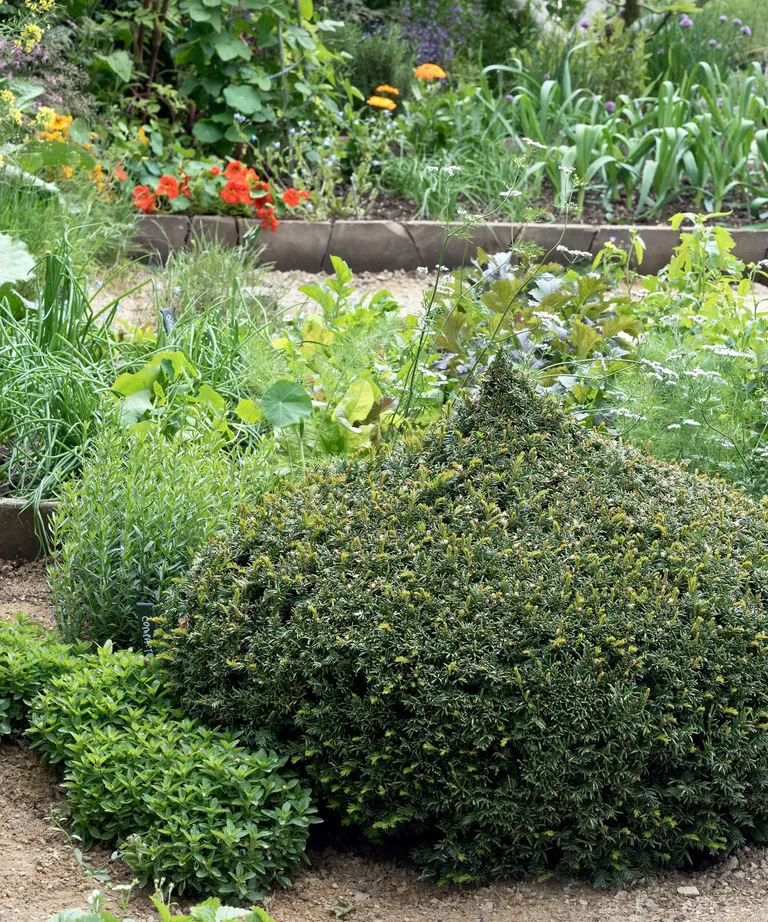
Camellia adds flowers when little else blooms. Daphne does something similar, with fragrant flowers in late winter.
Pair these shrubs with kale or chard, and your garden stays interesting even when summer crops are long gone.
Structure Makes Small Yards Feel Bigger
A yard with year-round shape feels intentional. Bare soil in January looks neglected. Evergreens solve that problem without any extra work once they’re planted.
12. Grow Upward With Living Walls and Hanging Baskets
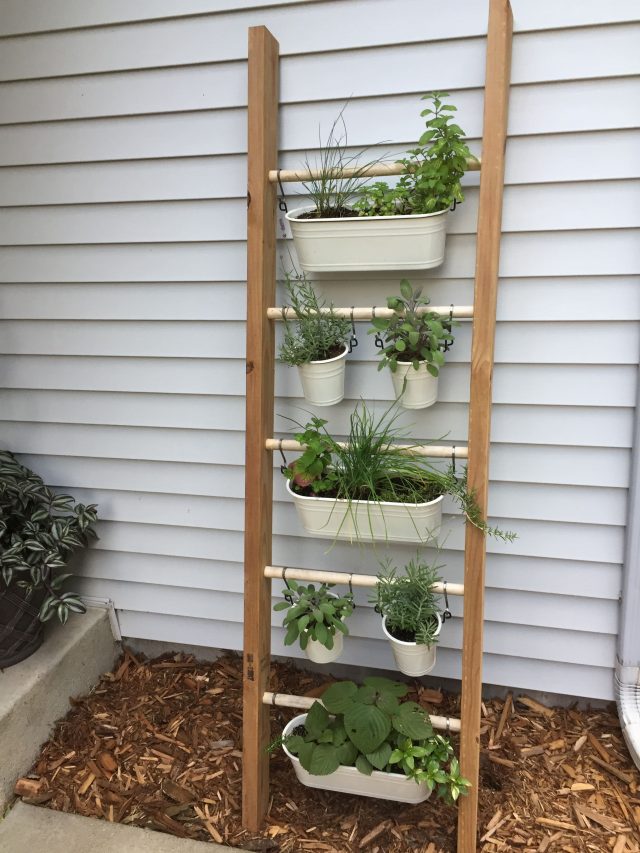
Wall space gets ignored constantly, and that’s a mistake. Living walls hold leafy greens like lettuce and spinach without using any ground space.
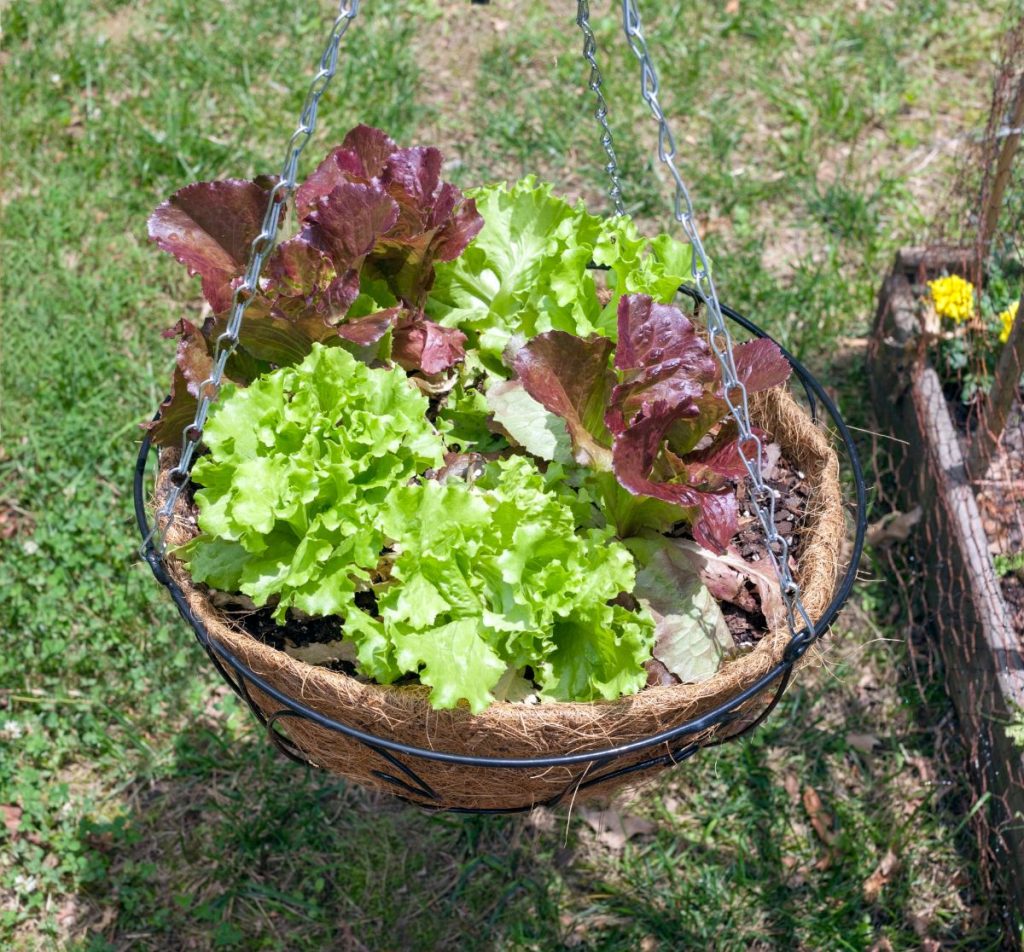
Hanging baskets work the same way. Cherry tomatoes and strawberries both do well hanging above a walkway.
Obelisks handle climbing beans nicely too. Trellis-and-planter combos work for peas or squash, letting vines grow up instead of out.
Every one of these tricks turns wasted vertical space into real harvest. Small yards need every trick like this.
Combine a Few Ideas for the Best Results
Don’t stick to just one method here. Mix hanging baskets with a wall trellis, and you’ve doubled your growing area without adding a single new bed. That’s the whole point of small-space gardening.
The Best Plants for a Front Yard Vegetable Garden
Some vegetables just work better in small, visible spaces. They stay tidy, look good, and give you a solid harvest. Here are seven I’d plant again without thinking twice.
Peppers
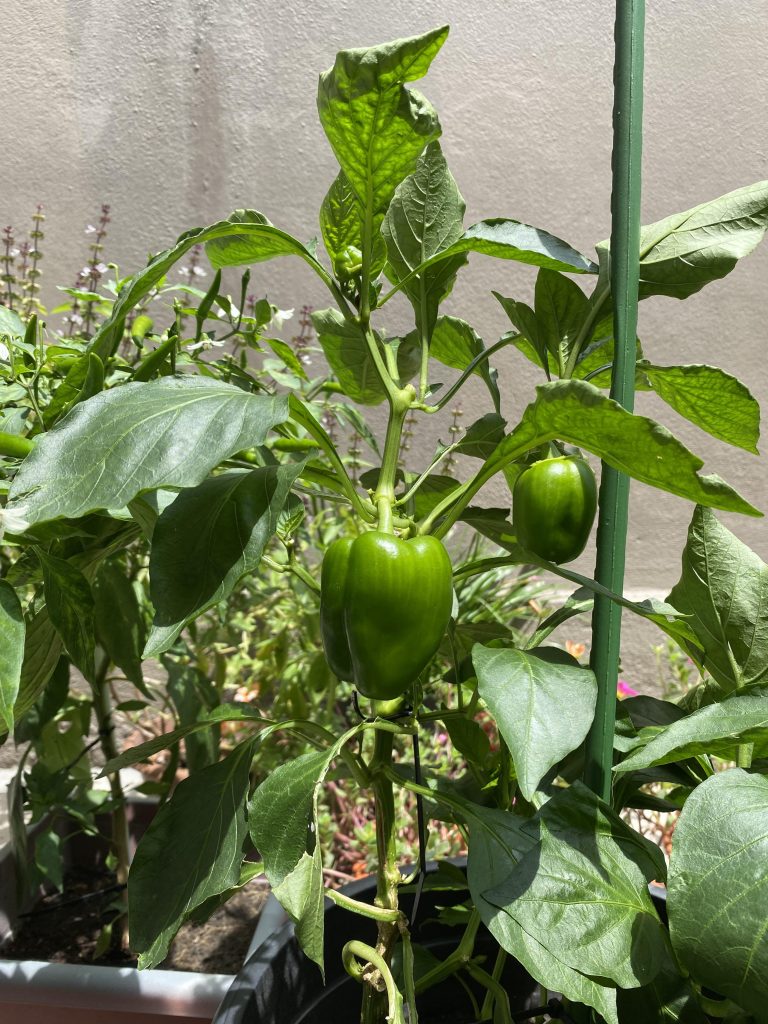
Peppers stay compact and neat all summer long. Sweet or hot, they hold their shape at 12 to 15 inches tall. Fruit colors shift from green to red or purple as they ripen, so the plant keeps changing all season.
Swiss Chard
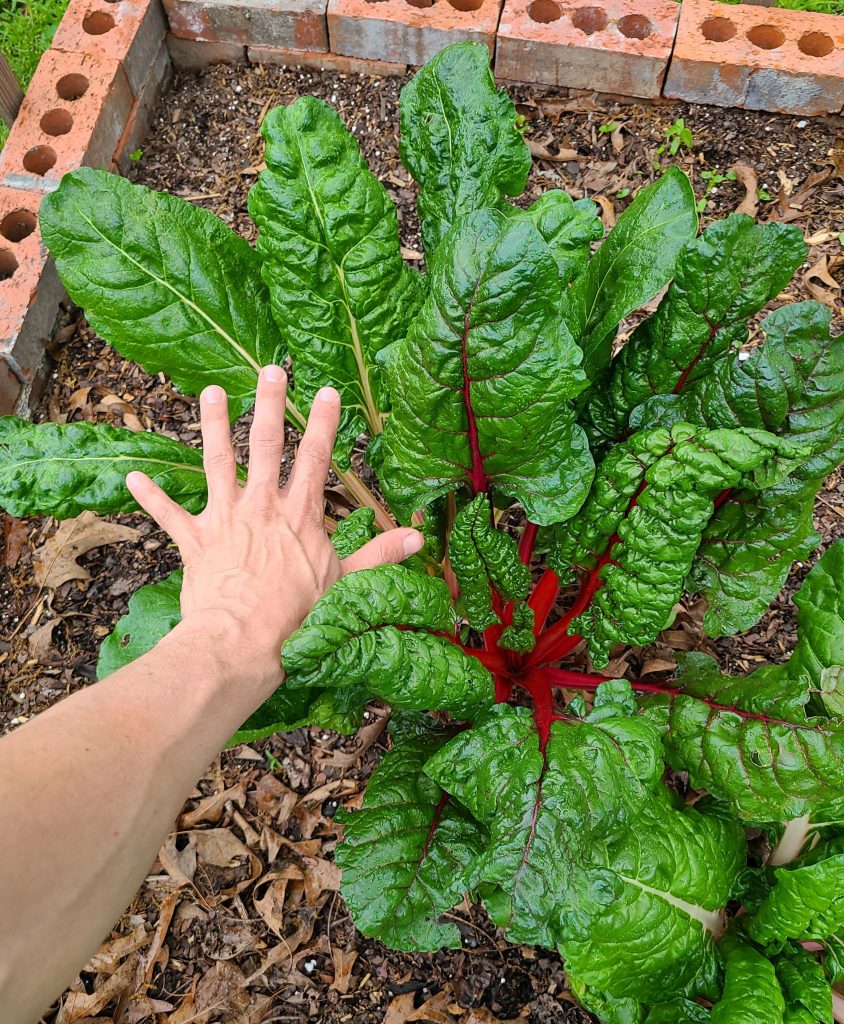
Chard fills bare spots fast and looks great doing it. Bright red and yellow stems make it read like a flower, not a vegetable. It keeps producing for months, and you only need to snip the outer leaves.
Eggplant
Eggplant brings grey-green leaves and striking purple fruit to any bed. It stays under two feet tall, so it never overwhelms a small space. Give it warm weather and steady water, and it rewards you generously.
Cherry Tomatoes
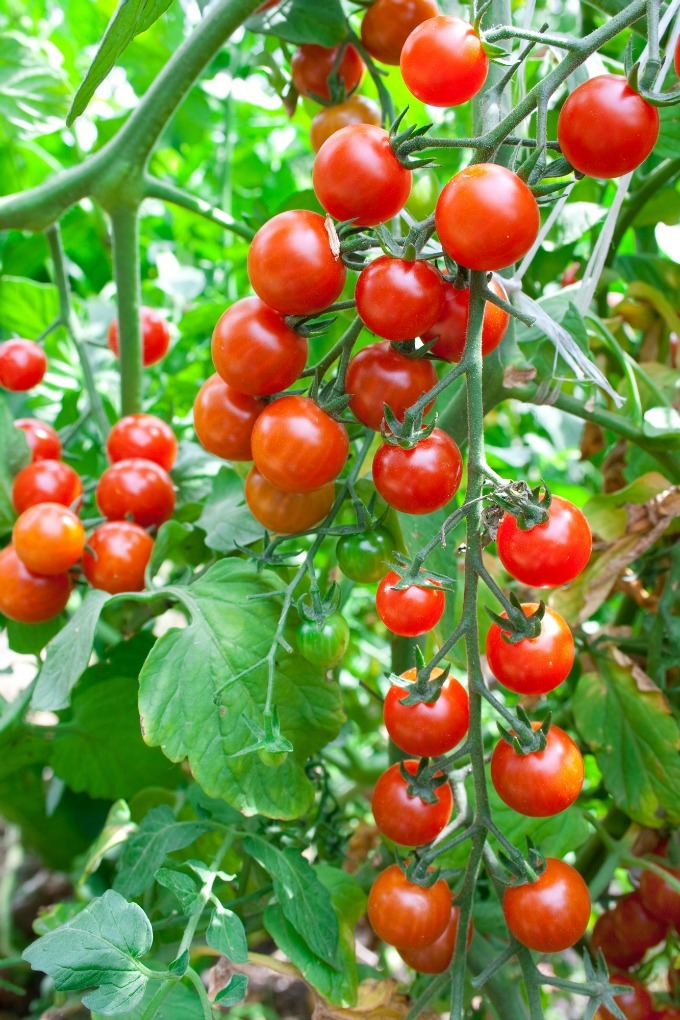
Patio-friendly tomato varieties pack full flavor into a tiny footprint. Hang them in baskets, or stake them in a pot near your door. They ripen fast and keep coming all summer, one handful at a time.
Carrots
Carrots grow underground, so they barely take up visible space. Plant them thick, then thin as they grow. Thinned carrots make sweet little snacks, and the ones left behind grow bigger with more room.
Bush Beans
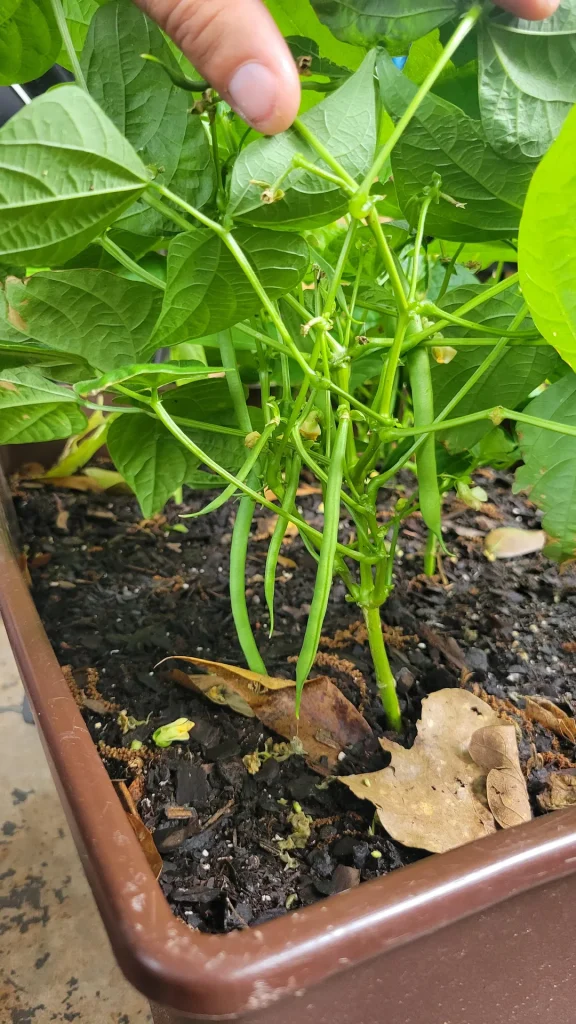
Bush beans skip the need for tall trellises entirely. They stay short, produce heavily, and finish fast. Tuck a few plants between taller crops, and they’ll fill gaps without stealing much sunlight or space.
Lettuce
Lettuce grows fast and asks for almost nothing in return. Scatter seeds in any bare patch, and you’ll have salad greens within weeks. It handles partial shade well too, which makes it perfect for tricky garden corners.
FAQs
Will a vegetable garden hurt my curb appeal?
Not if you plan it well. Raised beds with clean edges look intentional, not messy.
Add a few flowers between your crops, and the whole yard reads as a designed garden instead of a random patch of vegetables.
What if my front yard doesn’t get much sun?
Grow shade-tolerant crops instead of fighting the light. Lettuce, chard, and herbs like mint handle partial shade just fine. Save your sunniest spot for tomatoes and peppers, since those need the most direct light to produce well.
Can I really grow enough food in a small space?
Yes, if you use your space wisely. Vertical growing, container clusters, and pairing fast crops with slow ones all stretch a tiny yard further than you’d expect.
Most small yards produce more than people assume once planted right.
Will my HOA give me trouble over this?
Some might, depending on your neighborhood’s rules. Disguising vegetables as ornamentals, like eggplant or Swiss chard, usually keeps things low-key.
Hardscaped raised beds also look more like landscaping than a farm plot, which helps too.
How much time does a small front yard garden take each week?
Less than you’d think once it’s established. Containers need daily water checks in summer.
Raised beds with drip irrigation need far less attention. Plan for an hour or two a week, and most small gardens stay manageable.
Final Thoughts
Small doesn’t mean limited. It means you have to plan smarter, not work harder. Raised beds, containers, and vertical structures all stretch a tiny space further than you’d expect.
Add a few disguised edibles, and even strict neighborhoods won’t blink twice.
My own front yard proved this to me firsthand. What started as one raised bed turned into a full food garden within a year. Give one or two of these ideas a try. You might find your front lawn was hiding a garden all along.