Flowers for Pots in Shade: 15 Beauties That Thrive Without Sun

Got a dark corner in your yard that feels like a lost cause? Trust me, I’ve been there — staring at a gloomy patch under the fence, wondering if anything could actually survive there.
Good news: shade-loving flowers for pots exist, and some of them are genuinely stunning. You don’t need a sun-drenched garden to grow something beautiful.
These 15 picks will transform your shadiest spots into something worth showing off.
15 Best Flowers for Pots in Shade
1. Impatiens
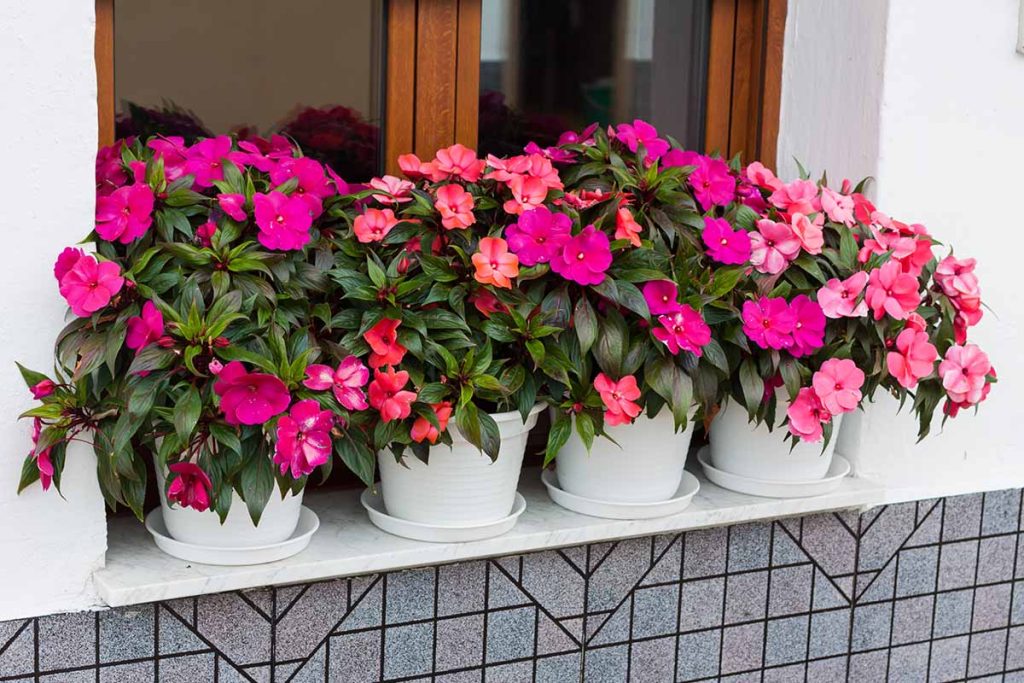
Impatiens are the go-to flower for shady pots, and honestly, they earn that reputation every season. Blooming in white, red, pink, orange, and purple, they pump out color continuously from spring right up until the first frost hits.
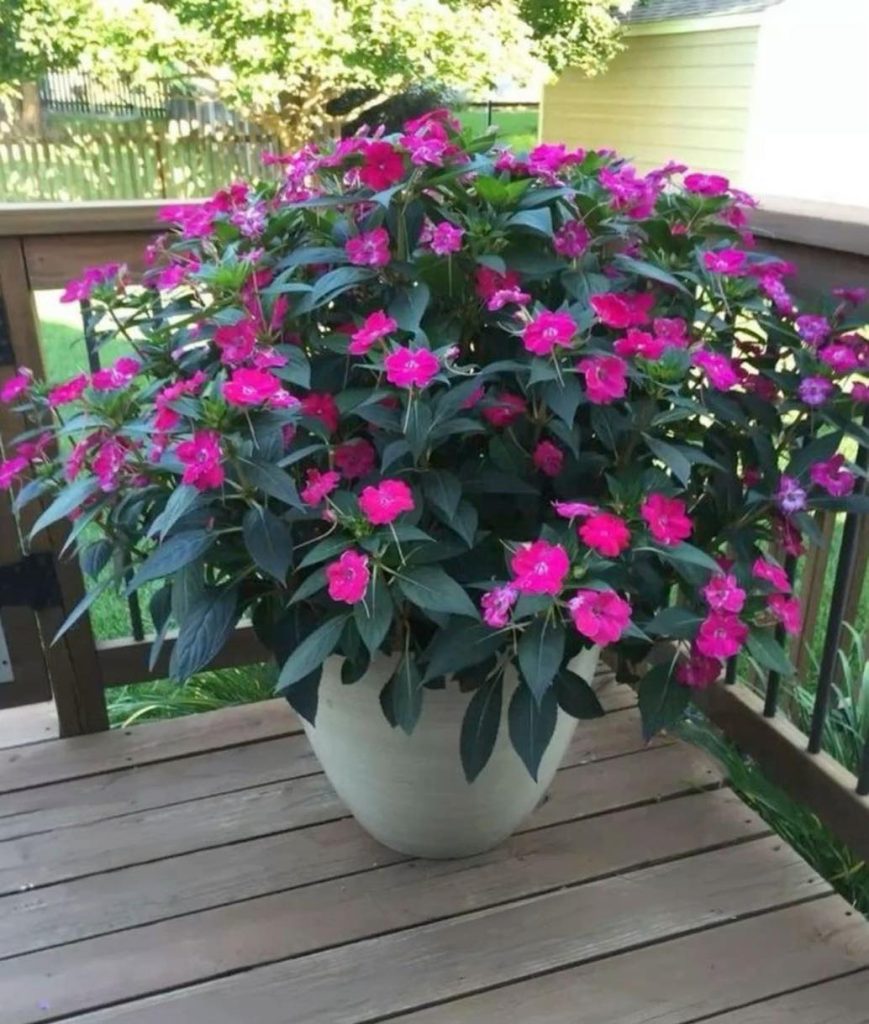
These plants need moist, well-drained soil and regular watering. Direct sun scorches their leaves fast, so keep them where they catch around 2–4 hours of soft, filtered light each day.
Pair them with dark foliage plants for contrast. The combo looks like something from a professional garden design.
2. Fuchsia
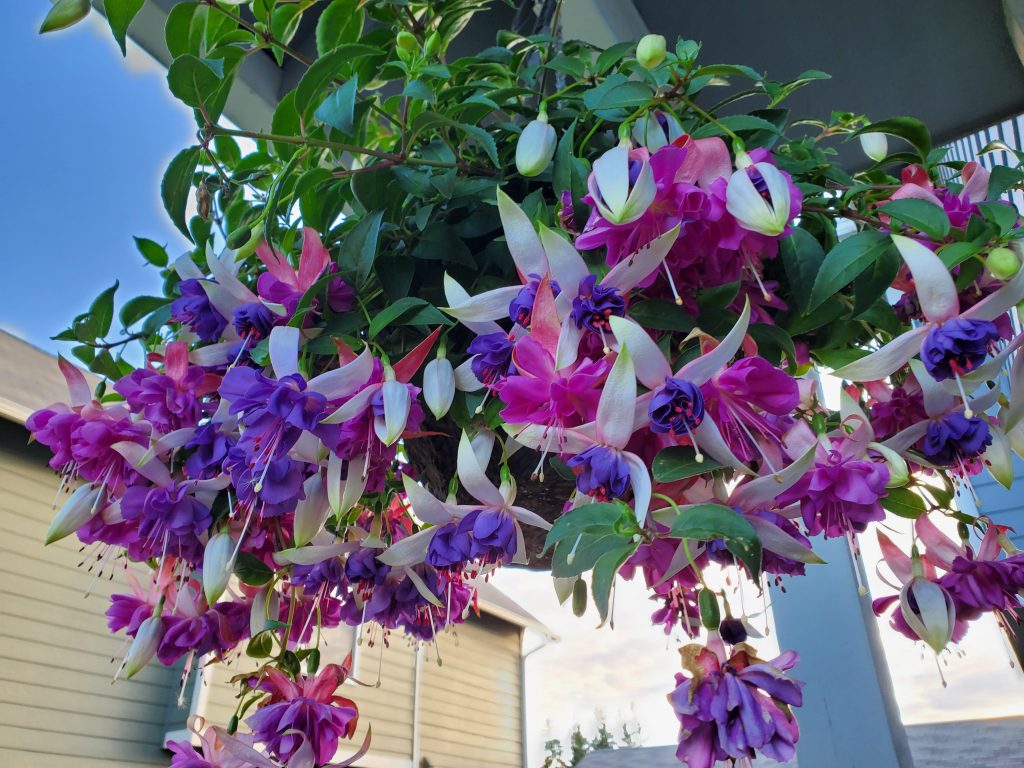
Fuchsia produces bell-shaped flowers in rich shades of pink, purple, and white — often on the same bloom. They trail beautifully, which makes them perfect for hanging baskets in shaded corners of a porch or patio.
These plants adapted to grow beneath taller plants in the wild, so shade genuinely suits them. They can also handle cooler temperatures better than most flowering container plants.
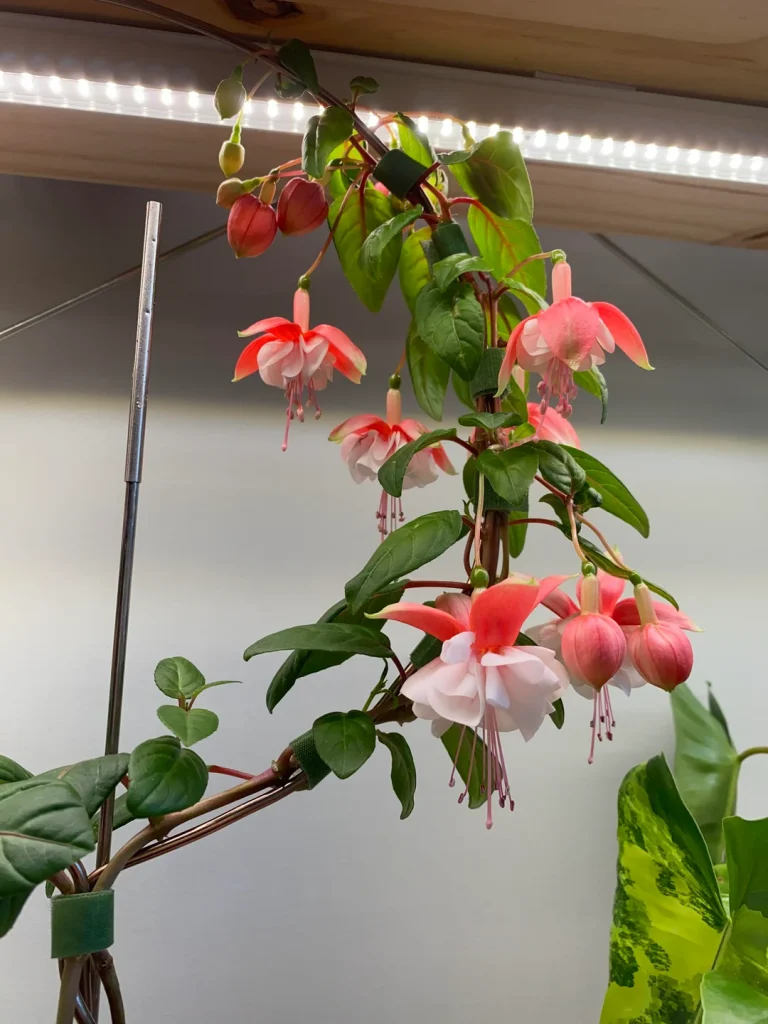
Watch the watering though. Fuchsia dries out quickly in pots, so check the soil every couple of days during warm spells. Varieties like ‘Swingtime’, ‘Dollar Princess’, and ‘Dark Eyes’ are all reliable performers worth trying.
3. Begonias
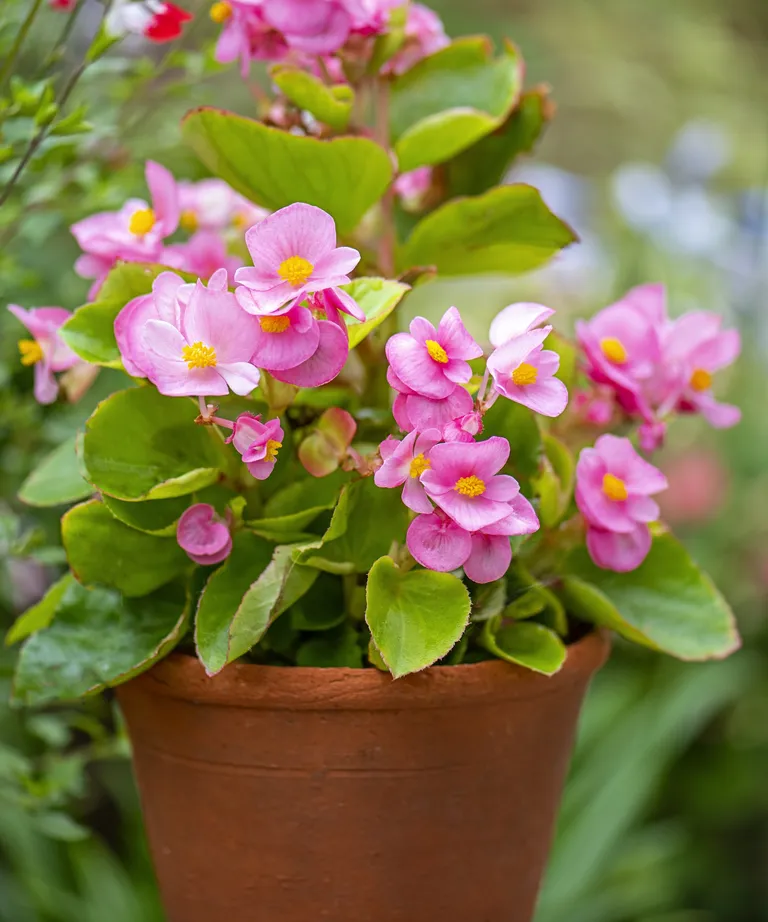
Begonias might be the most flexible flower on this list. Tuberous begonias produce large, rose-like blooms with a lush, almost theatrical look, while fibrous (wax) begonias stay compact and tidy with glossy leaves.
Both types thrive in partial shade and well-drained soil. Water them when the top inch of soil feels dry and they’ll reward you with blooms all season long.
Tuberous begonias suit larger containers. Wax begonias look fantastic clustered together in window boxes or along a shaded walkway.
4. Coral Bells (Heuchera)
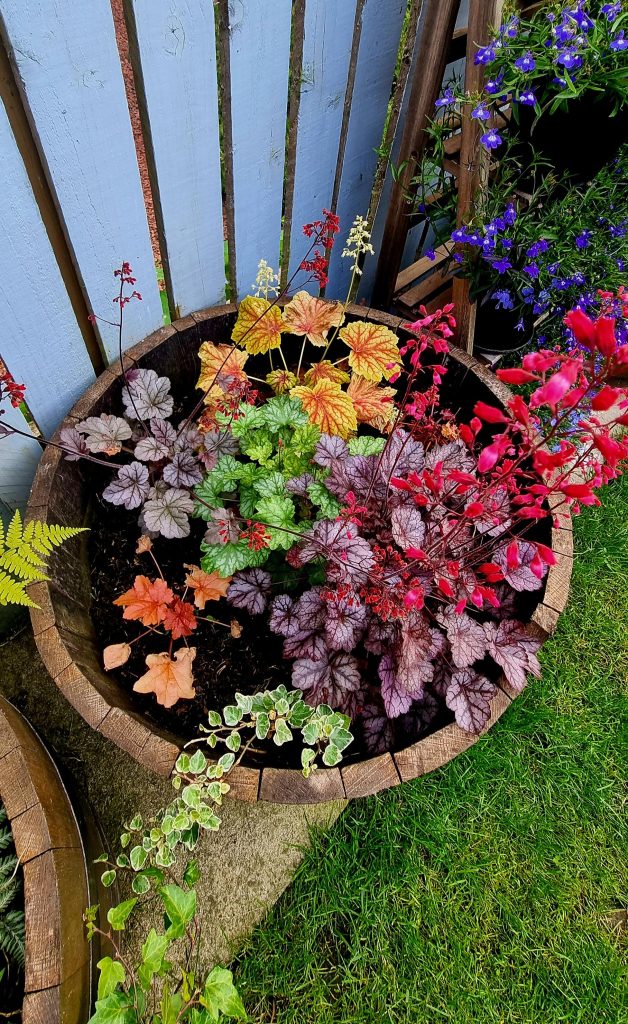
Honestly, coral bells might be my favorite plant on this entire list. You grow them more for their leaves than their flowers — and trust me, once you see the foliage, you won’t even miss the blooms.
The leaves come in deep burgundy, lime green, burnt orange, silver, and near-black depending on the variety. ‘Obsidian’ is my personal go-to for drama — those dark leaves look incredible next to bright companions in a pot.
These are perennials too, so once you plant them, they keep coming back. That’s a win for your wallet and your garden.
5. Coleus
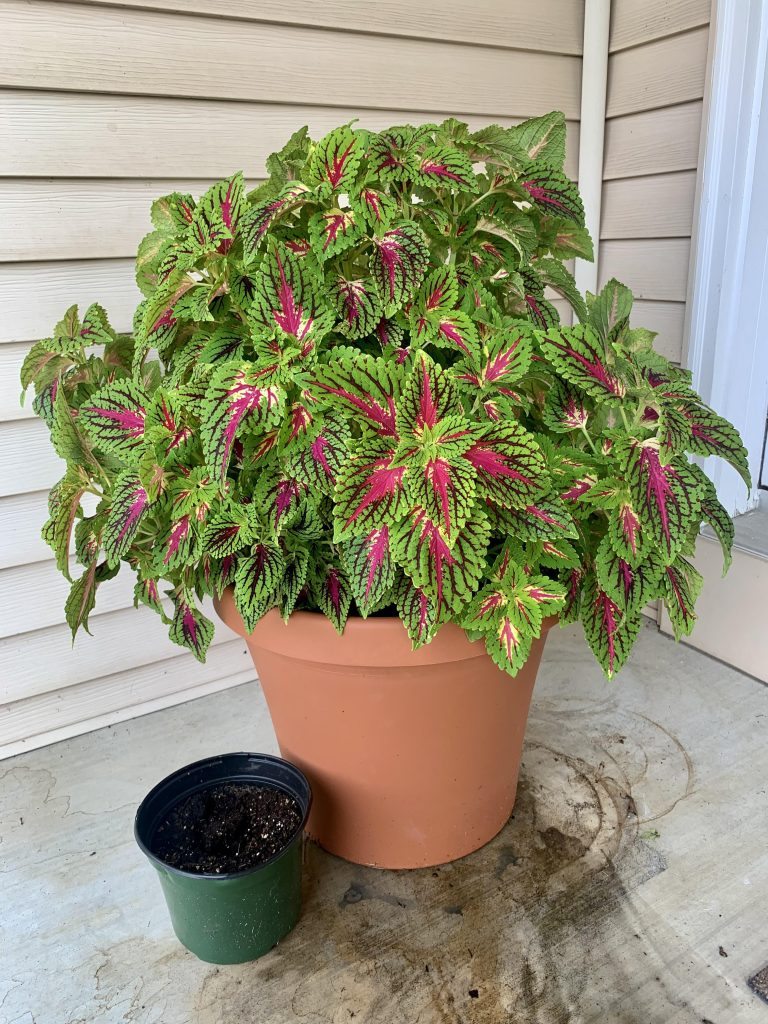
I genuinely get excited every time I see coleus at the garden center. You get velvety leaves in wild combinations of deep purple, bright red, lime green, and cream — and the best part is, they absolutely love shade.
Their small flowers are actually pretty insignificant. The foliage is always the real star here.
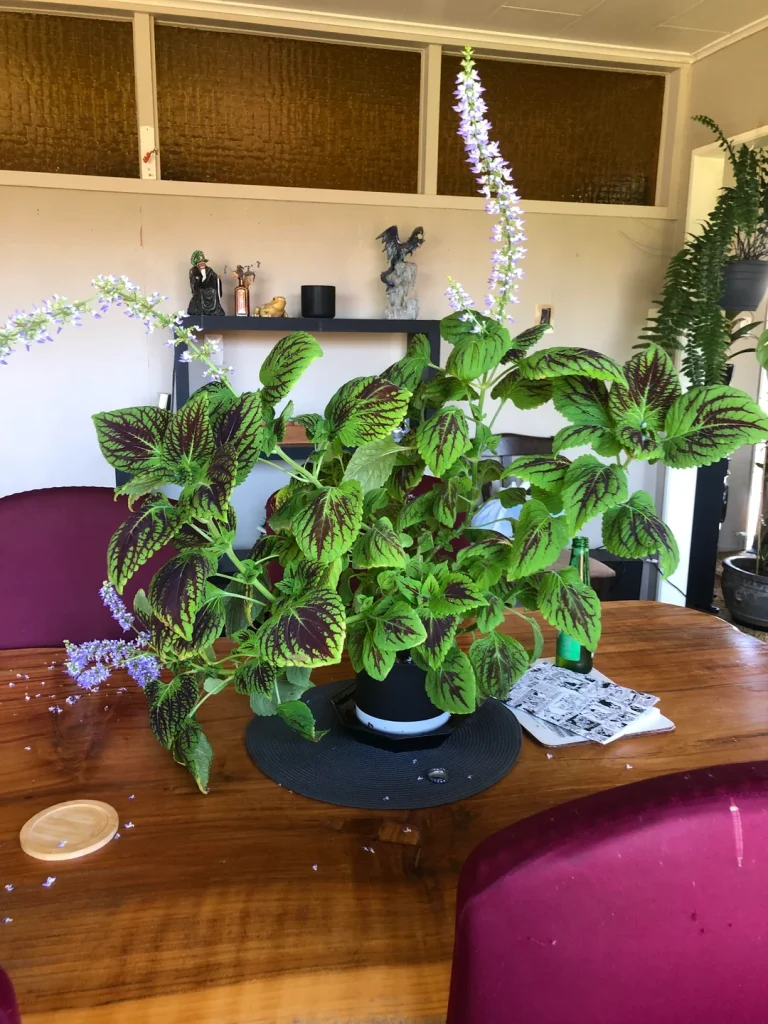
Try ‘Brilliancy’, ‘Mardi Gras’, or ‘Japanese Giant’ if you want varieties that handle lower light especially well. Just make sure you water your coleus consistently, because it dries out faster in pots than you’d expect.
6. Bleeding Heart (Dicentra)
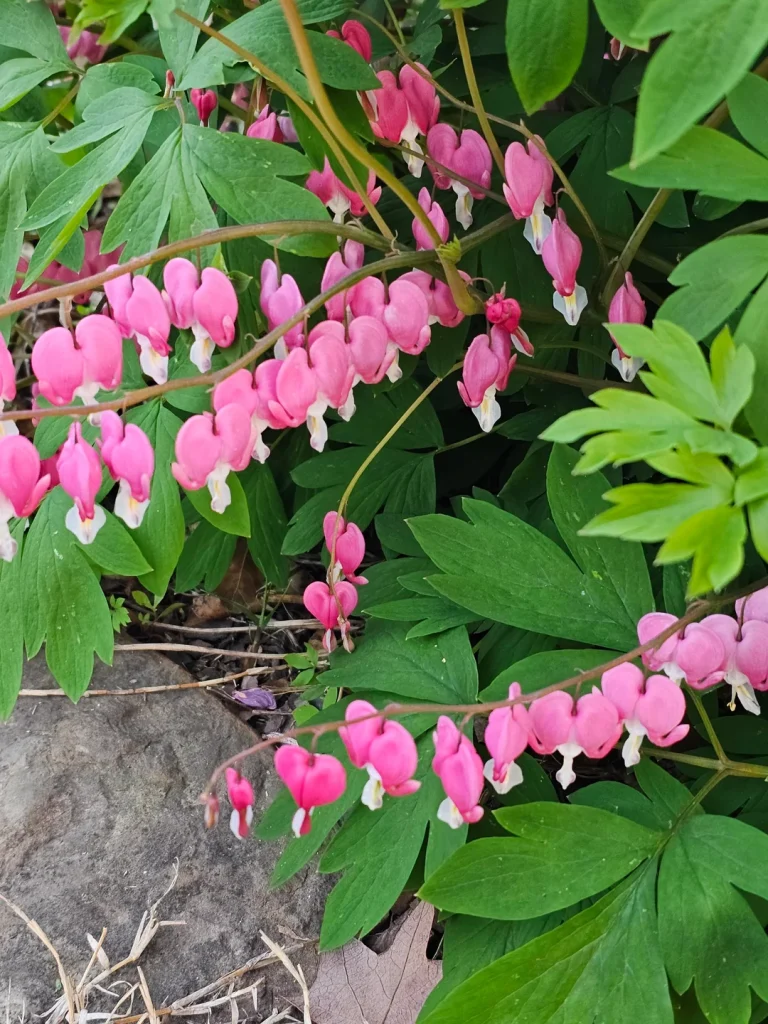
If you’ve never grown bleeding heart, you’re seriously missing out. Those delicate, heart-shaped pink and white flowers dangle from arching stems like tiny pendants — nothing else in your shade garden will look quite like it.
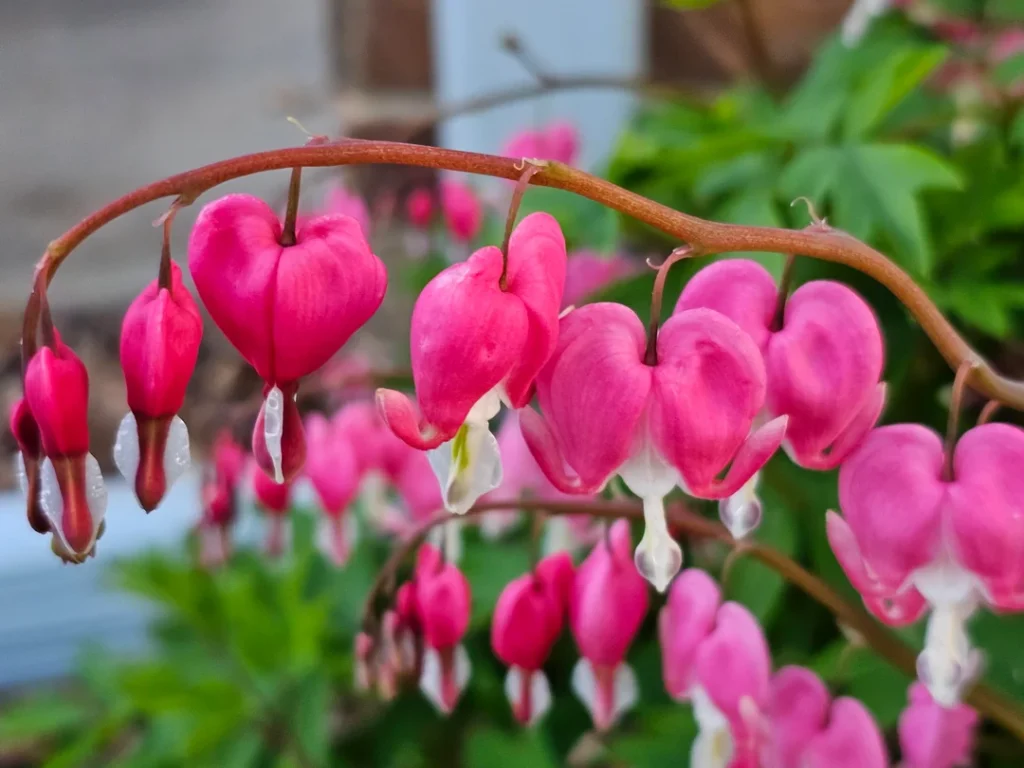
Shade actually helps the colors stay vivid longer than you’d get in a sunnier spot. Full sun bleaches the blooms fast and cuts the display short.
Well-drained soil and regular watering keep this plant happy. During dry spells, I’d check on it every couple of days — it wilts quickly when the soil gets too dry.
7. Astilbe
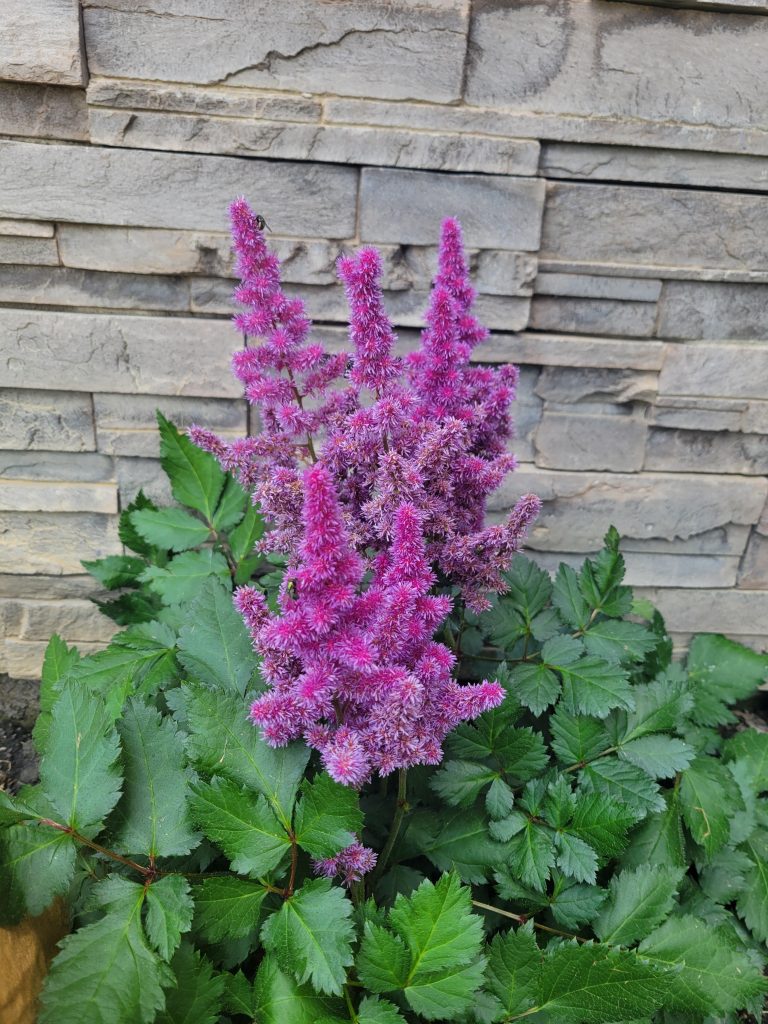
Astilbe is one of those plants I always recommend to friends who think shade gardening is boring. Those tall, feathery flower plumes in red, pink, white, and lavender genuinely look stunning rising out of a large container.
Flower stems reach 24–36 inches tall, giving your mixed pot arrangements real height and drama. I love pairing ‘Red Sentinel’ with creamy white begonias — the contrast is gorgeous.
Moisture is key with astilbe though. Never let it dry out completely, especially during the summer months.
8. Creeping Jenny (Lysimachia)
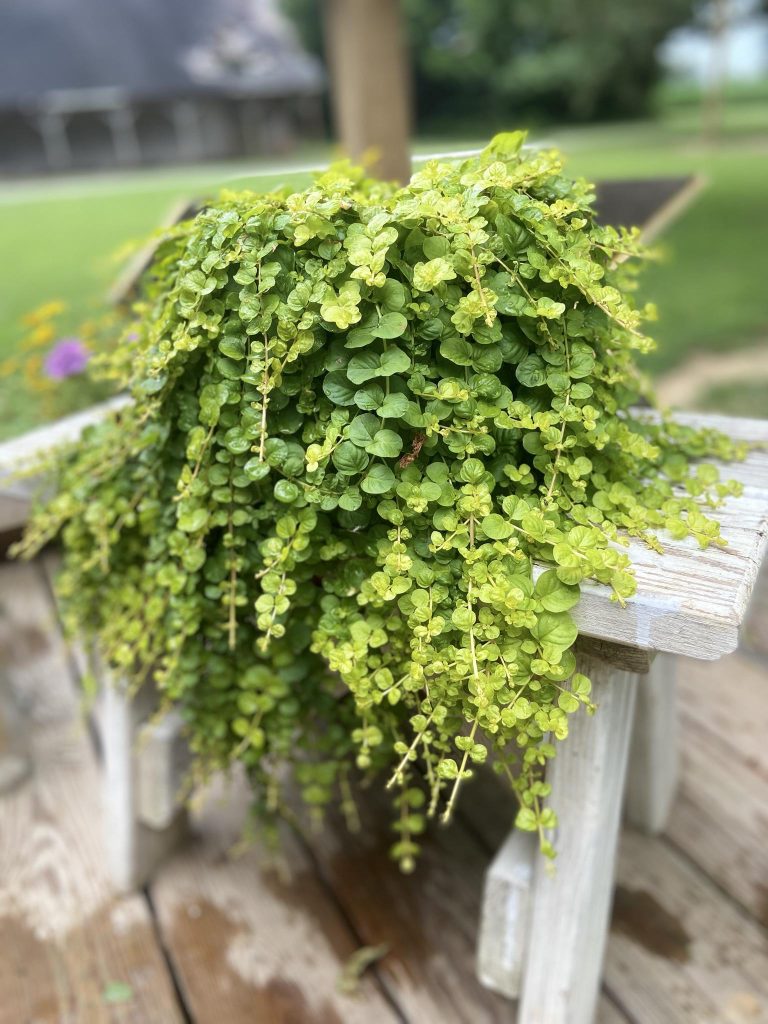
Creeping Jenny is one of those plants I always sneak into a mixed container, and people always ask what it is.
Those golden-green leaves spill over the edges of a pot in a soft waterfall, and the tiny yellow flowers are a sweet bonus.
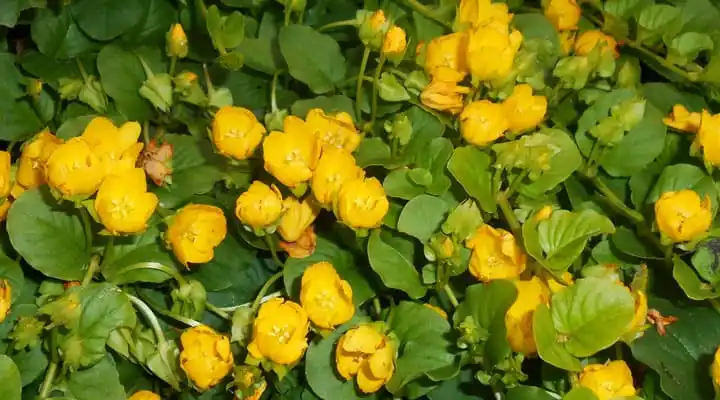
Pair it with something tall like astilbe or coral bells, and you instantly get that layered, professional look in your container. You really don’t need much skill — just pop it in the edge of the pot and let it do its thing.
Shade actually keeps that beautiful chartreuse color richer and more vibrant. Too much sun fades it to a washed-out yellow that honestly looks a bit sad.
9. Columbine (Aquilegia)
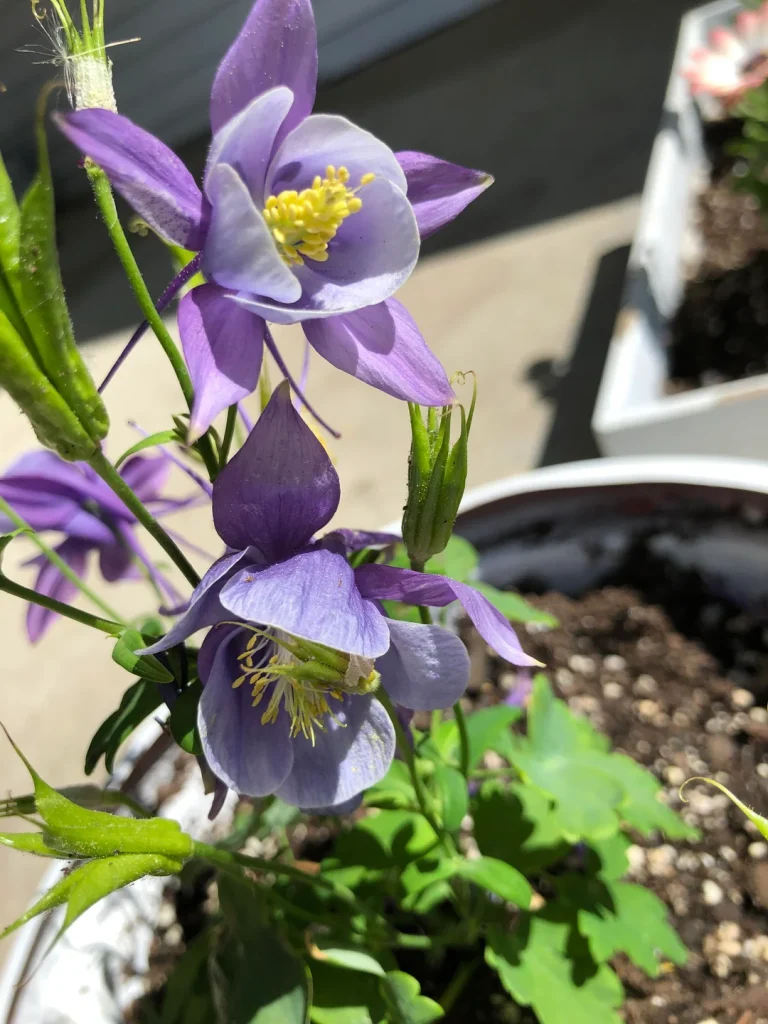
Columbine is an American native wildflower, and I think it’s one of the most underrated shade plants out there.
Those five-petaled flowers with their long backward-pointing spurs look like something straight out of a fairy tale — people always stop to ask about them when they visit my garden.
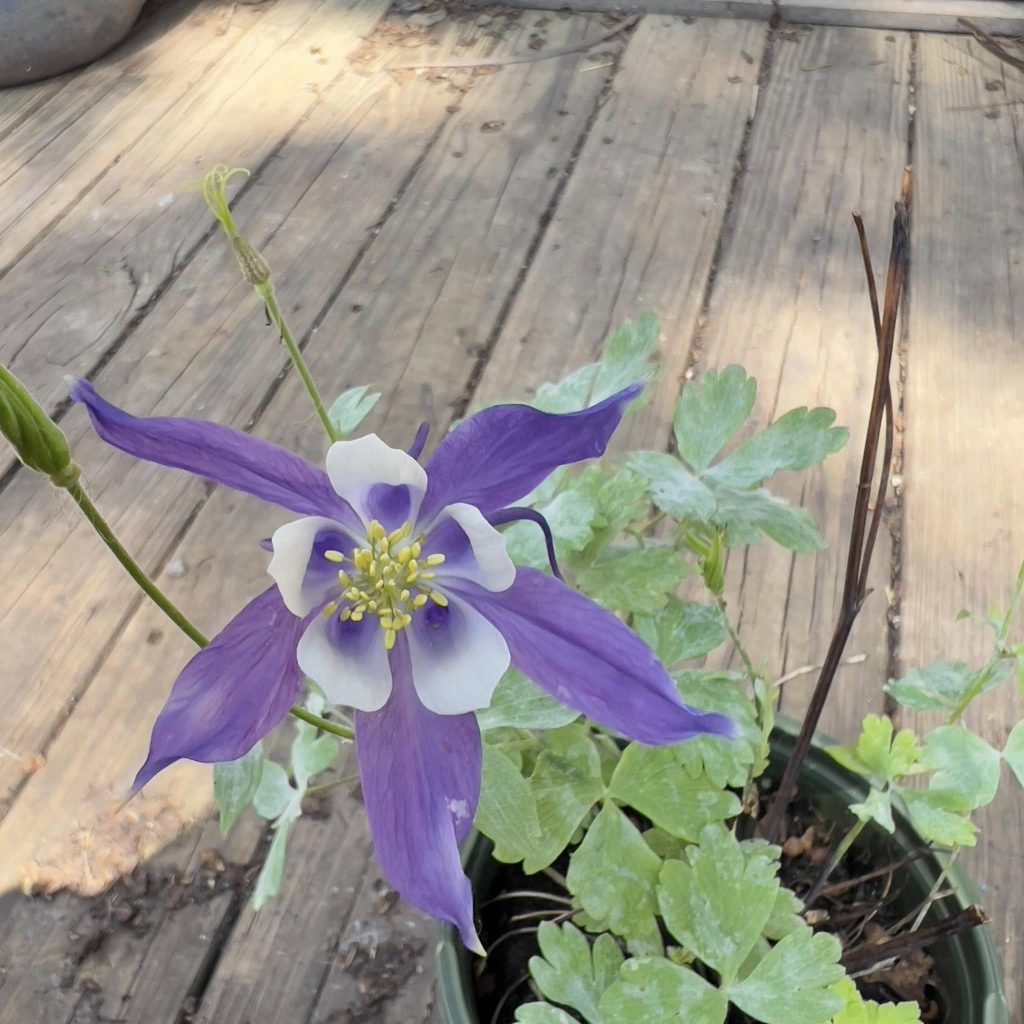
You can find columbine in almost every color imaginable, from deep violet to soft yellow to bi-colored varieties. ‘Crimson Star’, ‘Blue Star’, and ‘Swan Burgundy’ are three varieties I’d happily recommend to anyone starting out.
Place your pot where it catches gentle morning sun rather than harsh afternoon rays.
Columbine blooms through spring and summer, and the clover-like foliage fills the container beautifully even after the flowers fade.
10. Lenten Rose (Helleborus)
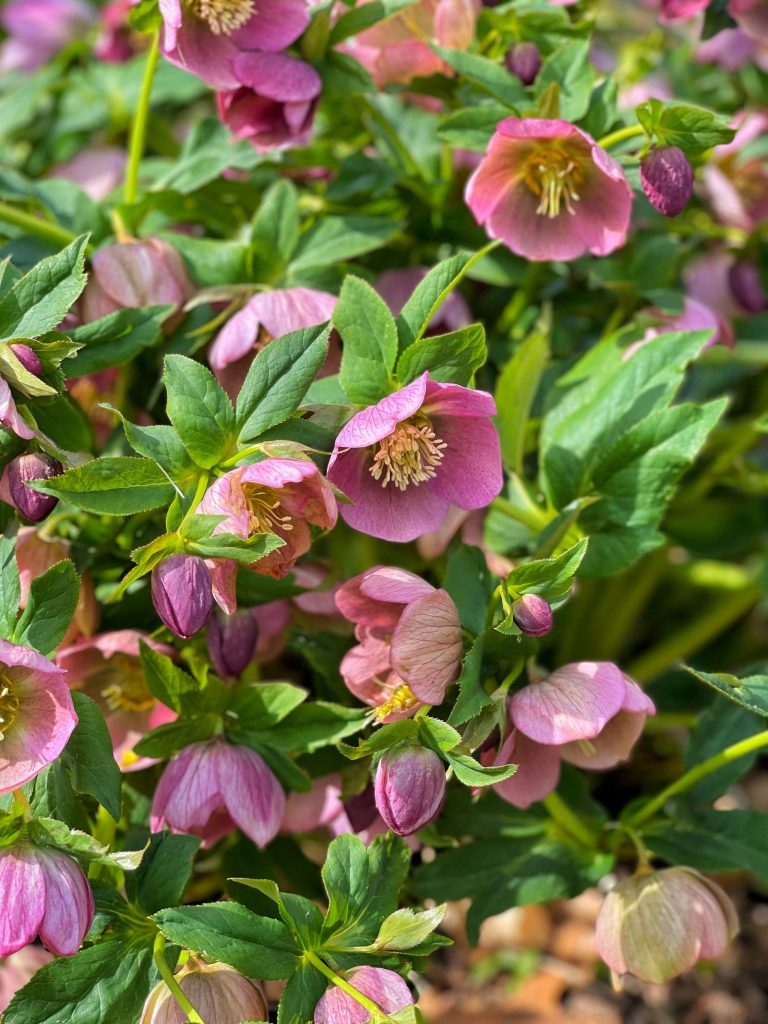
Most shade flowers bloom in summer, but hellebores do something remarkable — they flower in late winter and early spring when your garden looks completely dead. That alone makes them worth growing.
The double blooms droop slightly with an elegant, nodding quality that I find absolutely charming. ‘Ivory Prince’, ‘Peppermint Ice’, and ‘Stained Glass’ are among the most striking varieties you can find.
Hellebores are tough, long-lived perennials that genuinely thrive in deep shade. Once you plant one, you’ll wonder why you waited so long.
11. Hostas
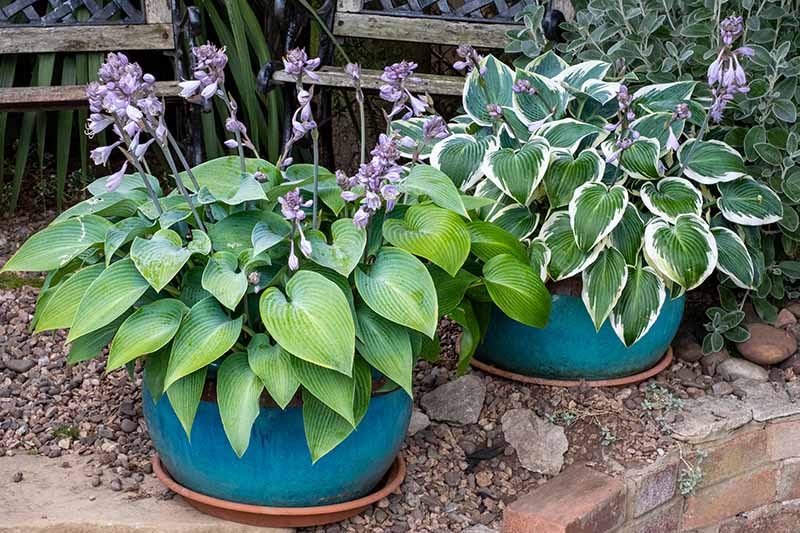
Hostas aren’t famous for their flowers, but hear me out — those large, spreading leaves create a stunning backdrop that makes every other plant in your container look better. I use them as anchor plants in large shaded pots all the time.
Every summer, tall stems push up clusters of purple or white blooms that add a delicate contrast to the bold foliage below.
The leaves themselves come in solid green, blue-green, gold, and variegated patterns with creamy white edges.
They love moist, well-drained soil and genuinely prefer shade over sun. Direct sunlight scorches those gorgeous leaves fast, so keep them in your darkest spots.
12. Peace Lily (Spathiphyllum)
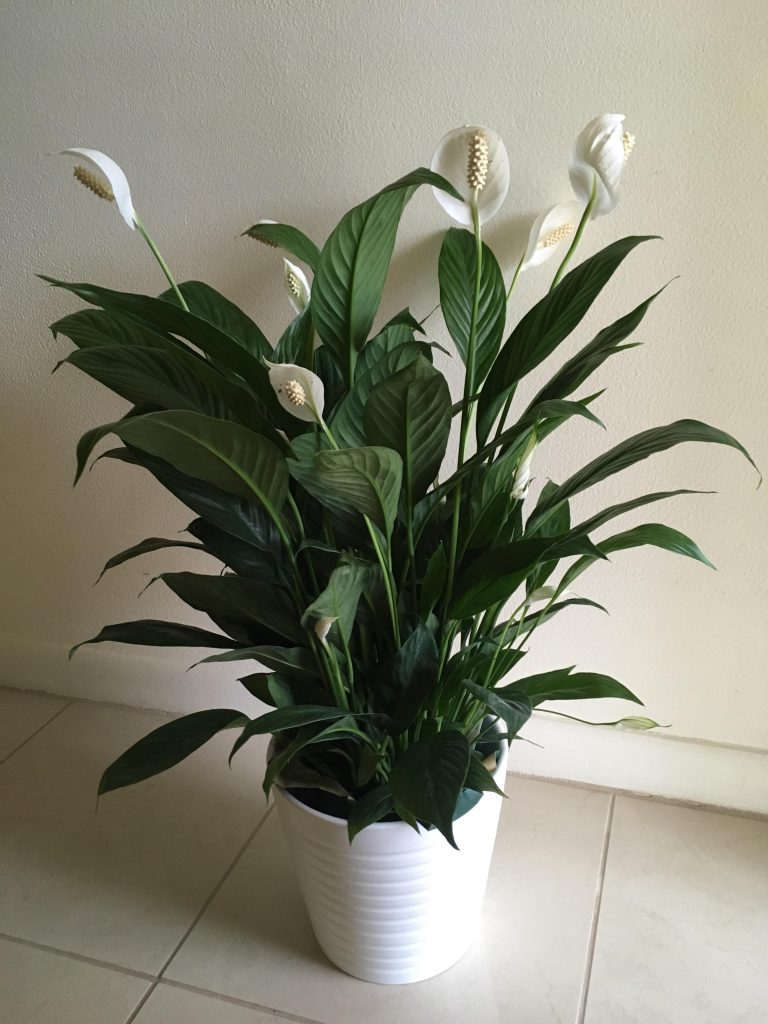
Peace lilies bring a quiet elegance to shaded container gardens that feels almost meditative. Those tall white blooms standing above deep green leaves look clean, simple, and genuinely beautiful.
You can grow them as a bold standalone statement in a large pot, or use them as a tall centerpiece surrounded by trailing plants like creeping jenny. Either way, they command attention without being showy about it.
Peace lilies prefer shade with just a little filtered light during the day. Deep pink flowering varieties also exist if you want something a little more dramatic than the classic white.
13. Browallia
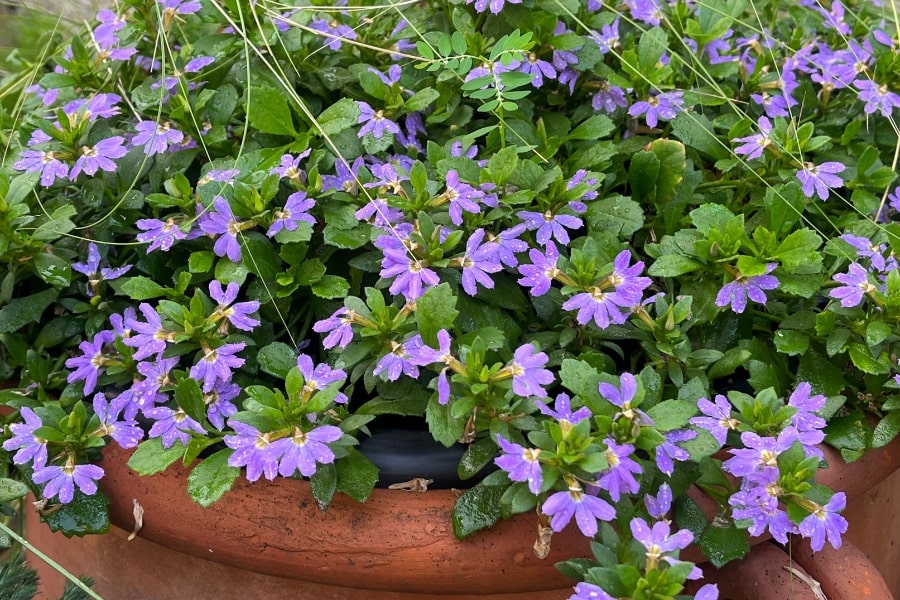
Most shade-loving flowers come in pinks and whites, so browallia feels like a breath of fresh air. Those rich sapphire blue, purple, and white blooms against bright green foliage look genuinely striking in a shaded container.
Browallia is an annual that blooms continuously throughout the entire growing season without much fuss from you.
I love tucking it between larger plants in a mixed pot — it fills gaps beautifully and keeps the color going even when other plants take a break.
Partial to full shade suits it perfectly. Give it well-drained soil and regular water, and it’ll reward you all season long.
14. Oxalis
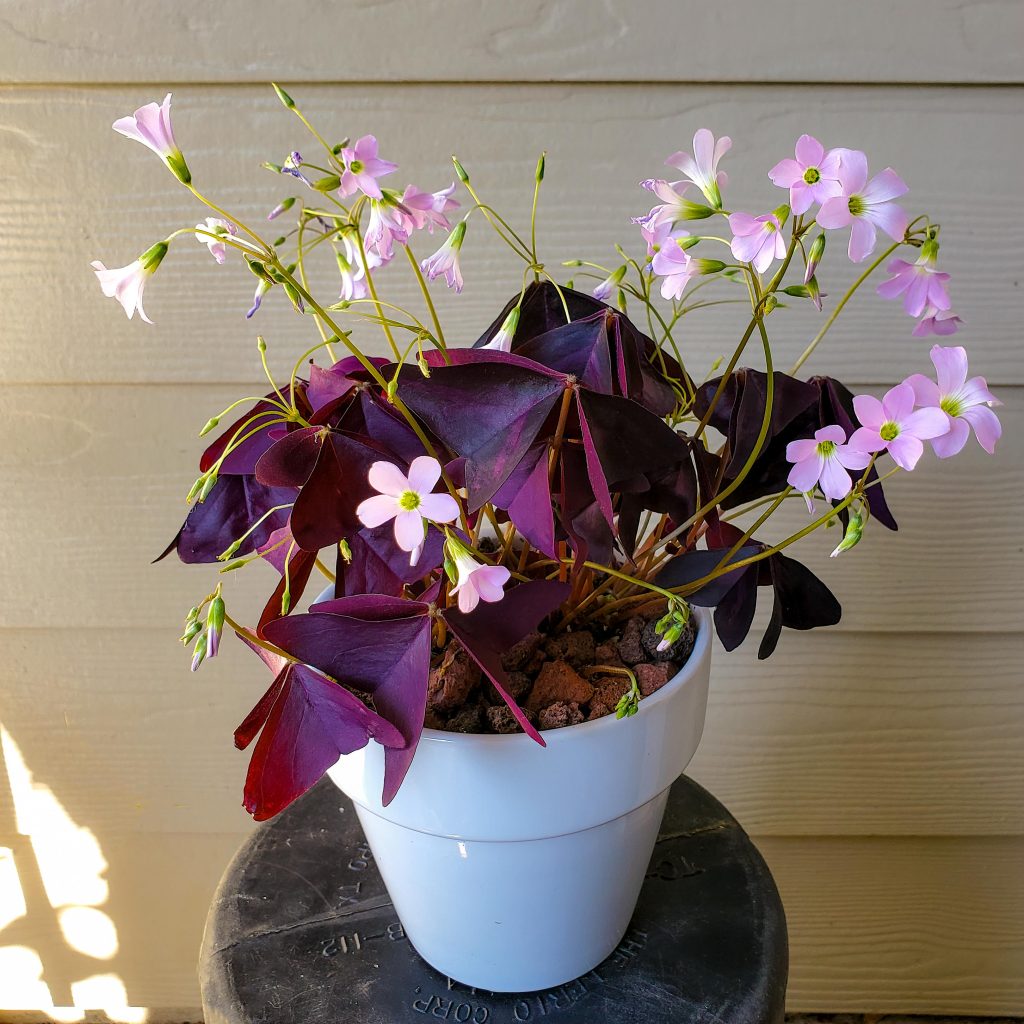
Every time I grow oxalis, someone asks about it. Those geometric, clover-like leaves in deep purple, green, or burgundy are genuinely unlike anything else you’ll find at a garden center.
‘Purple Shamrock’ is my personal favorite — those rich violet leaves look almost unreal in a shaded pot. ‘Iron Cross’ gives you green leaves with a dramatic dark center marking, while ‘Candy Cane Sorrel’ brings striped flowers that stop people in their tracks.
Oxalis comes in annual, perennial, and tropical varieties, so you can find one that suits your climate. The flowers are pretty, but honestly the foliage is what keeps you hooked.
15. Ferns
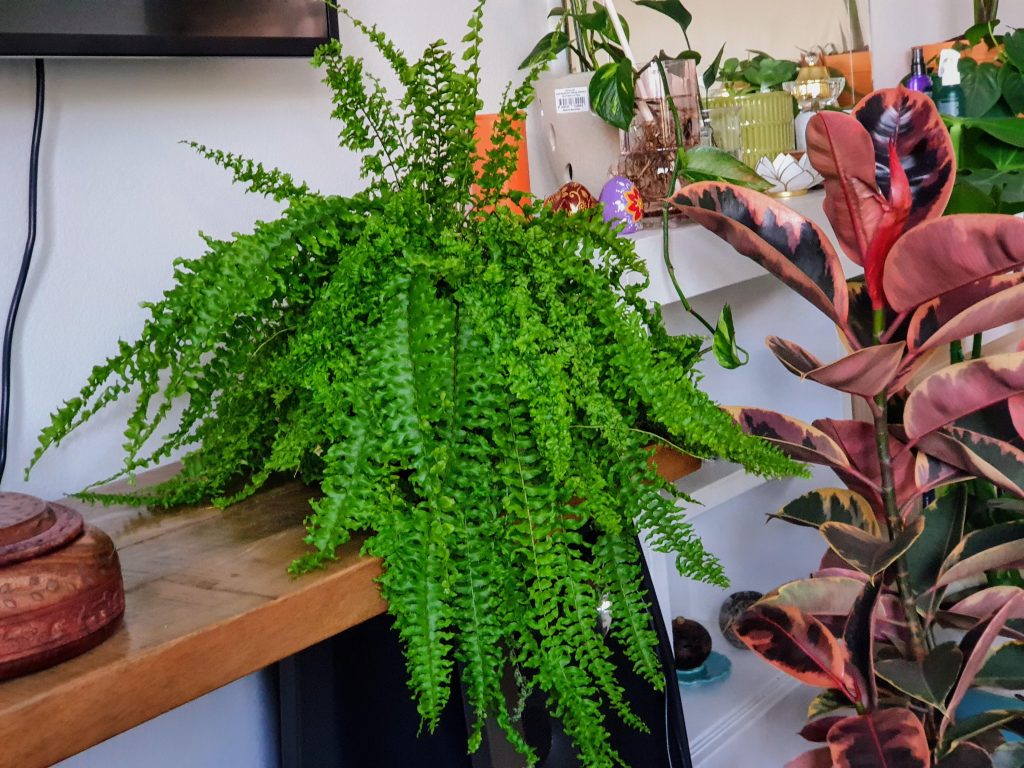
Okay, ferns don’t technically flower, but no list of shade container plants feels complete without them.
Those feathery, arching fronds add a lush, layered texture to any pot arrangement that flowering plants simply can’t replicate on their own.
Pair a tall fern with trailing creeping jenny and a bold hosta, and you’ve got a container display that looks like it took serious skill to put together.
The secret is that it barely took any effort at all — shade-loving plants genuinely do the heavy lifting for you.
Ferns love moisture and humidity, so water them regularly and keep them away from drying winds. Boston ferns, Japanese painted ferns, and autumn ferns all perform brilliantly in shaded containers.
Your Shady Spots Deserve Better
Shade doesn’t limit your garden — it just changes the rules. You now have 15 genuinely beautiful plants that thrive without full sun.
Each bring something different to your containers, whether that’s dramatic foliage, continuous blooms, or that lush, layered texture that makes a garden feel alive.
Start with two or three plants that caught your eye and build from there. Mix heights, textures, and colors in a single large pot and watch how quickly that forgotten shady corner becomes your favorite part of the garden.
Your shady spots have been waiting long enough. Give them some life.