13 Best Fall Vegetables to Plant in Zone 8 Garden

Summer heat finally breaks, and your garden gets a second chance. Zone 8 gardeners get something rare: a fall growing season that often beats spring.
Cooler nights sweeten many crops. Pests fade away with the heat. My own raised beds go from wilted and tired to green and thriving within weeks of that first fall planting.
Grab your gloves, because these 13 vegetables thrive in zone 8’s mild autumn.
13 Autumn Vegetables to Plant in Zone 8
1. Broccoli Loves the Cool Snap
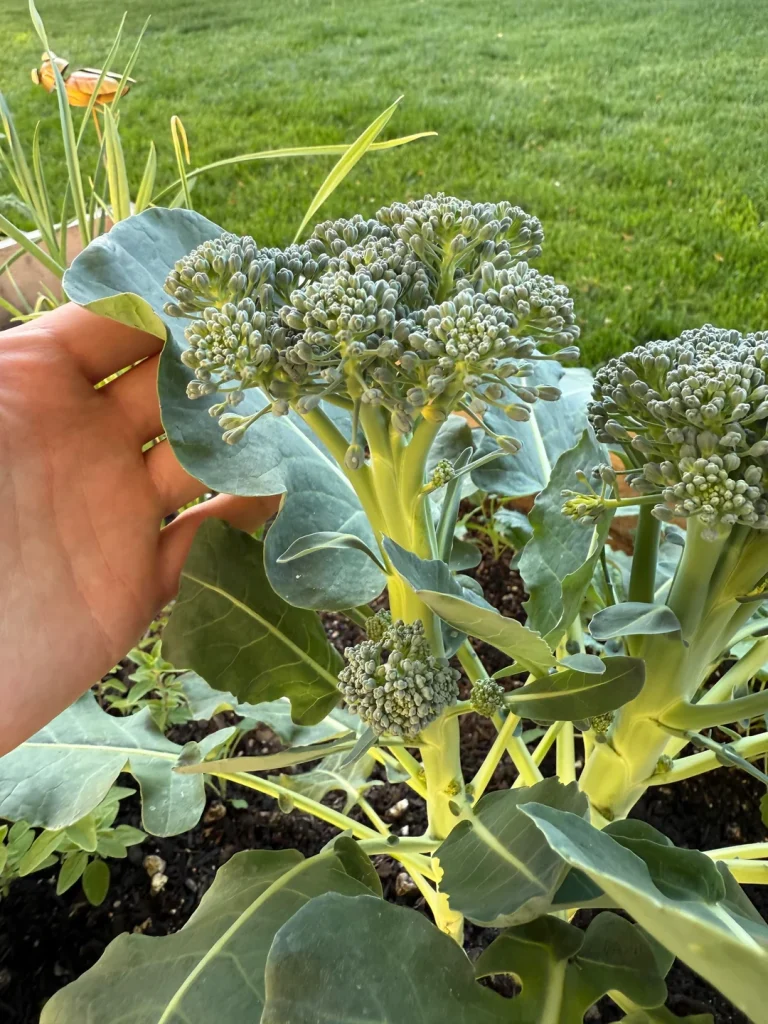
Broccoli practically begs for fall weather. Heat makes it bolt and turn bitter, but cool air keeps the heads tight and sweet. I plant mine in early September, about 10 to 12 weeks before the first expected frost.
Frost actually improves the flavor once heads form, pulling out any harsh edge. Give each plant room to breathe, and don’t crowd the row.
Planting Tips: Broccoli wants full sun and rich soil loaded with compost. Set transplants 18 to 24 inches apart in early September, giving roots plenty of room to spread.
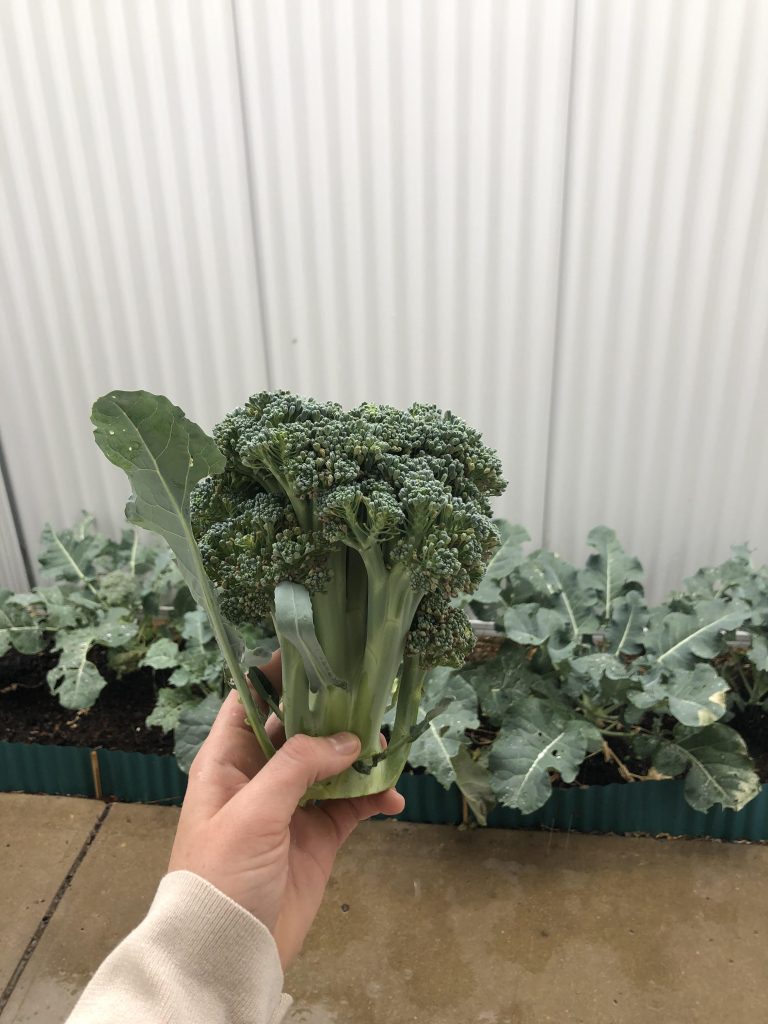
Water consistently, aiming for about an inch and a half each week, since dry spells cause small, loose heads. Harvest once the central head feels firm and the buds stay tight, usually 55 to 85 days after planting.
Cut the main head first, and side shoots will often keep producing for weeks afterward.
Also read: 15 Best Fall Flowers to Plant in August
2. Brussels Sprouts Reward Patient Gardeners
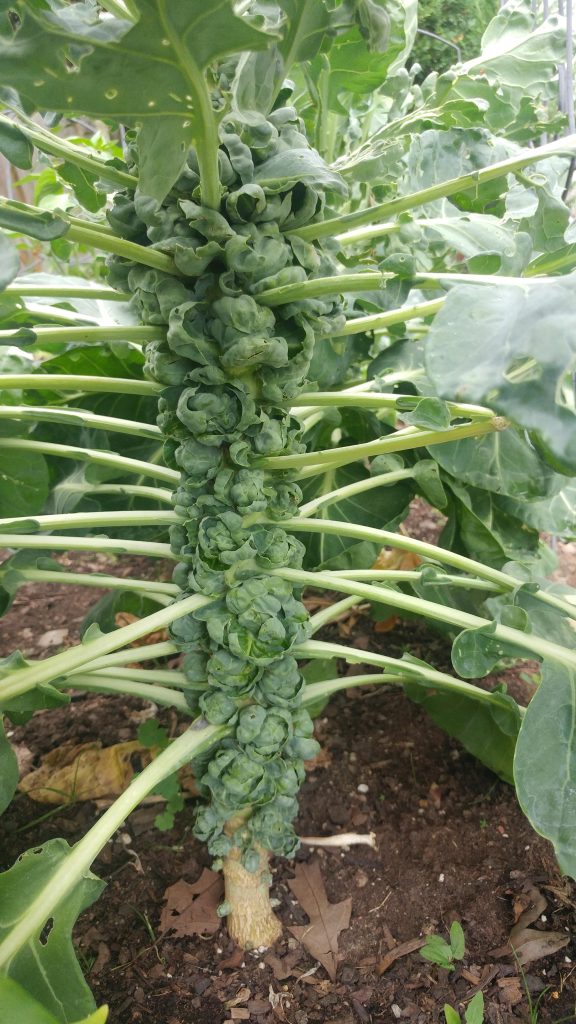
Brussels sprouts take their time, and that’s the whole point. Slow growth through fall lets the sprouts develop their signature nutty flavor. Frost transforms them from ordinary to genuinely delicious.
I’ve watched neighbors skip this crop because of the wait, then regret it come December when everyone else is harvesting.
Plant these early, since they need a long stretch of cool weather to mature properly.
Planting Tips: Brussels sprouts need full sun and fertile, slightly acidic soil to grow their best. Space plants 24 inches apart, and stake tall varieties so autumn winds don’t topple them.
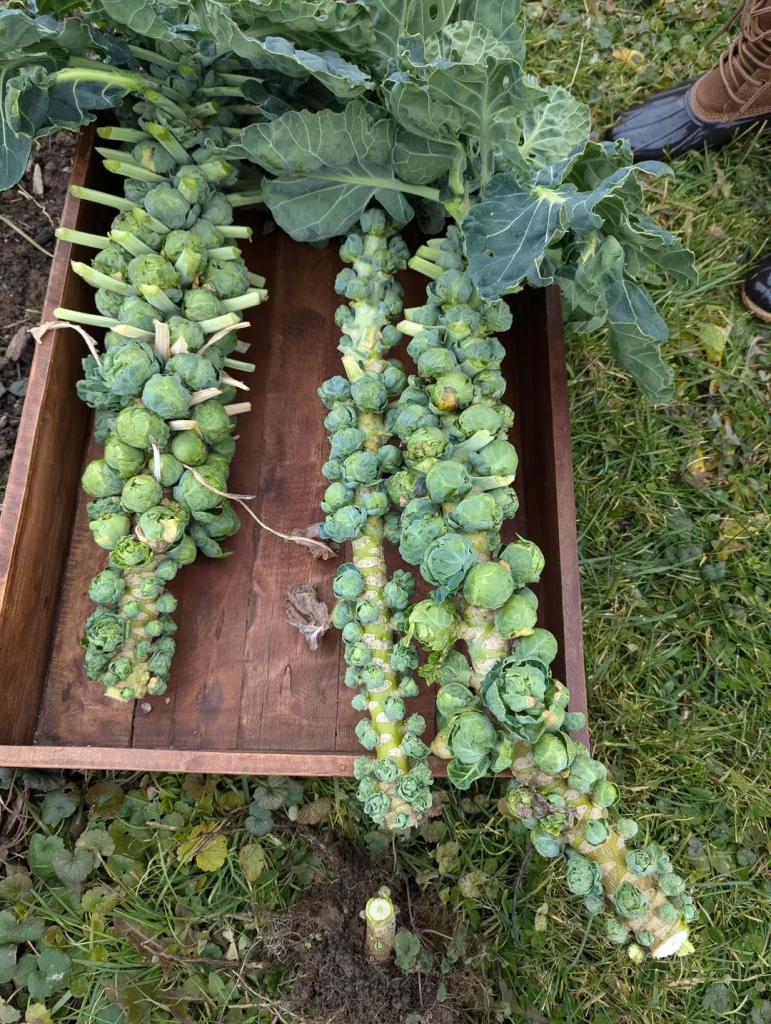
Keep the soil consistently moist, since drying out stunts the sprouts along the stalk. Harvest begins around 80 to 100 days after planting, working from the bottom of the stalk upward as sprouts firm up.
Wait for a frost or two before picking, because cold weather sweetens the flavor noticeably.
Also read: 14 Inspiring Front Yard Fall Landscaping Ideas
3. Cauliflower Needs Steady Attention
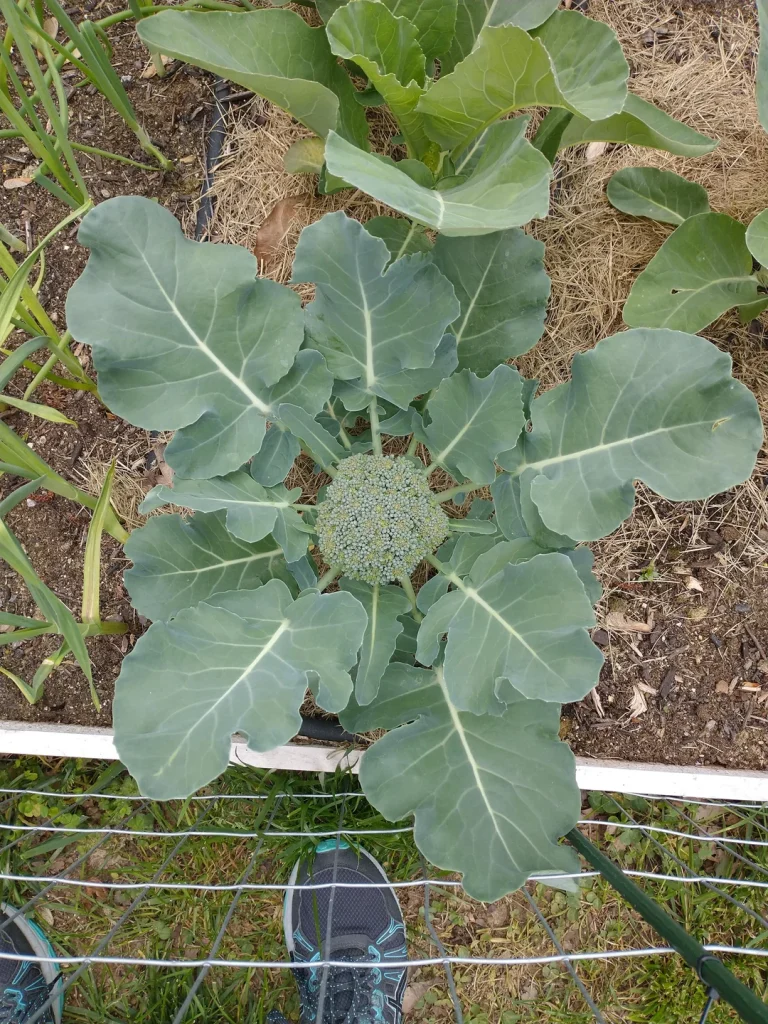
Cauliflower can feel finicky compared to its brassica cousins. Temperature swings and inconsistent watering cause the heads to button up small and disappointing. Zone 8’s mild fall weather removes a lot of that stress naturally.
Shade the developing head with its own leaves once it starts forming, a trick called blanching that keeps it pale and tender. Nobody wants a yellow, bitter head after all that effort.
Planting Tips: Cauliflower grows best in full sun with moisture-retentive, fertile soil. Space seedlings 18 to 24 inches apart and water on a steady schedule, never letting the ground dry completely.
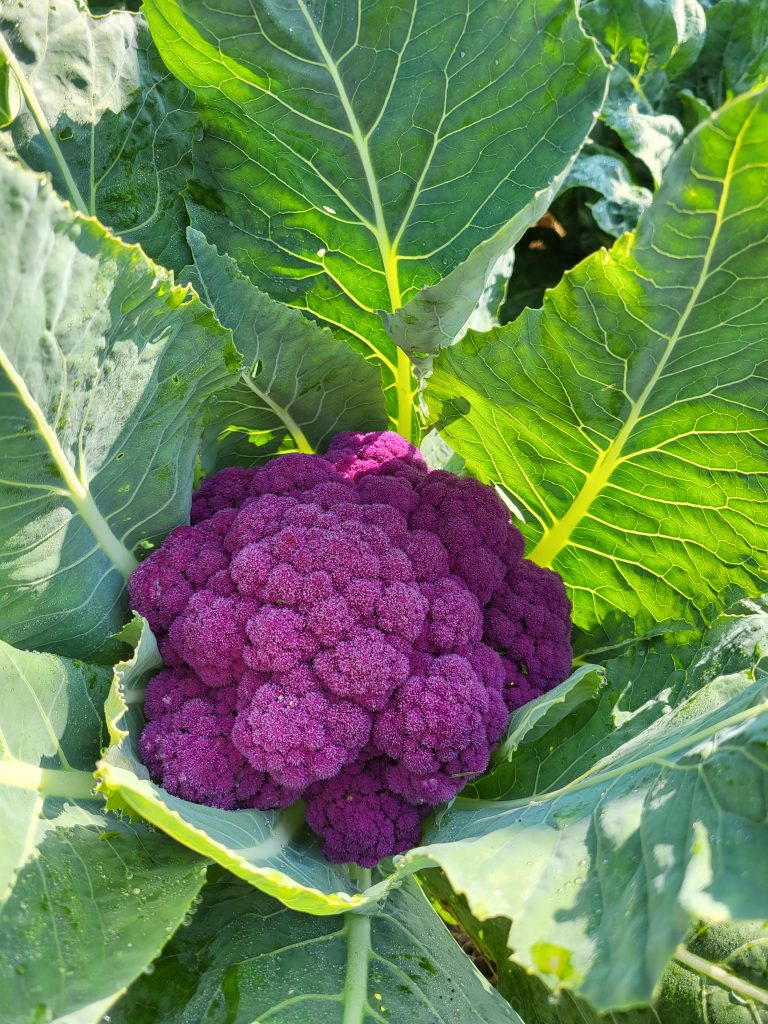
Tie the outer leaves loosely over the forming head once it reaches golf-ball size, blocking sunlight so it stays pale. Harvest arrives around 55 to 75 days after planting, once the head feels dense and the curds pack tightly together.
Cut it away in one piece, leaving a few wrapper leaves attached for protection until you’re ready to cook it.
4. Cabbage Handles the Cold Like a Champ
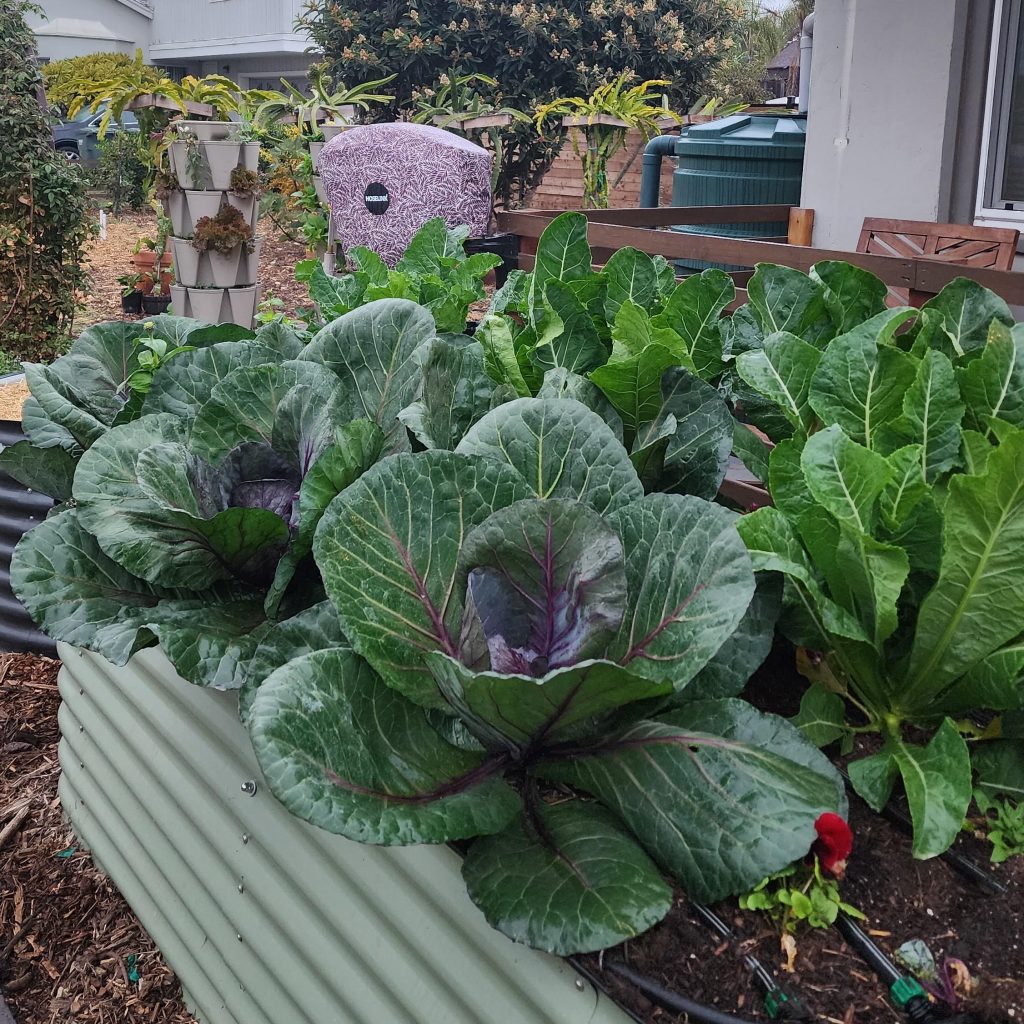
Cabbage shrugs off frost without complaint. I’ve pulled heads out of the garden with ice still clinging to the leaves, and they tasted sweeter than ever.
Heat stresses cabbage and invites pests, but fall changes everything. Tight, dense heads form best when nights turn crisp. Give it room, and this crop rarely disappoints.
Planting Tips: Cabbage grows best in full sun with rich, well-drained soil. Set transplants about two feet apart in early September, since crowded plants form smaller heads.
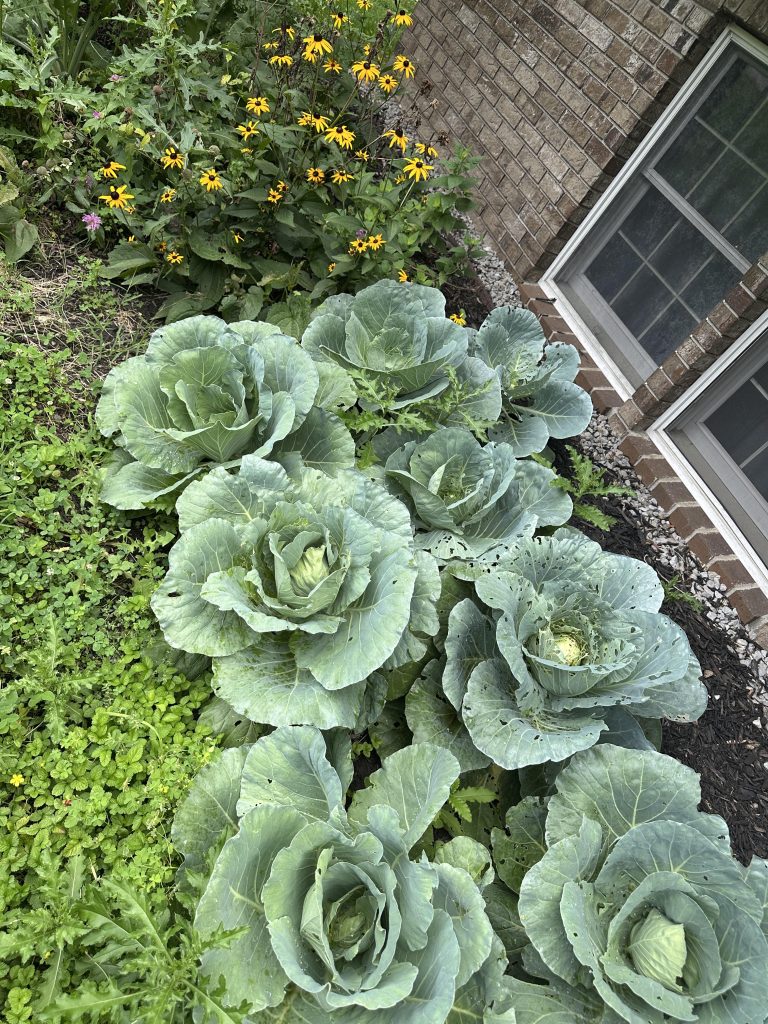
Water deeply and consistently, keeping the soil evenly moist rather than soggy. Harvest once the head feels solid when you squeeze it, typically 70 to 100 days after planting.
Cut at the base with a sharp knife, and leave the outer leaves behind to protect any small heads still growing nearby.
5. Kale Just Keeps Giving
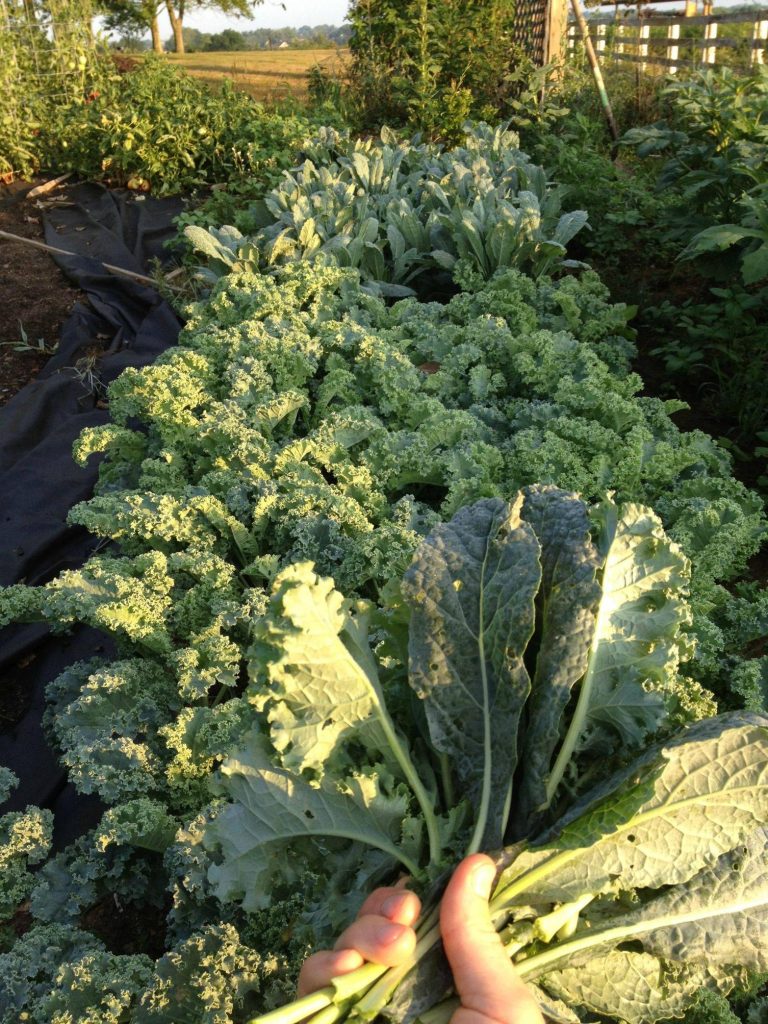
Kale might be the easiest crop on this whole list. Cold weather turns bitter leaves into something genuinely sweet. Cut a few leaves today, and the plant grows more tomorrow.
I’ve harvested kale from the same plants for months without replanting once. Nothing else on this list offers that kind of return.
Planting Tips: Kale tolerates partial shade but rewards full sun with faster growth. Scatter seeds directly in the soil in early September, then thin seedlings to about a foot apart.
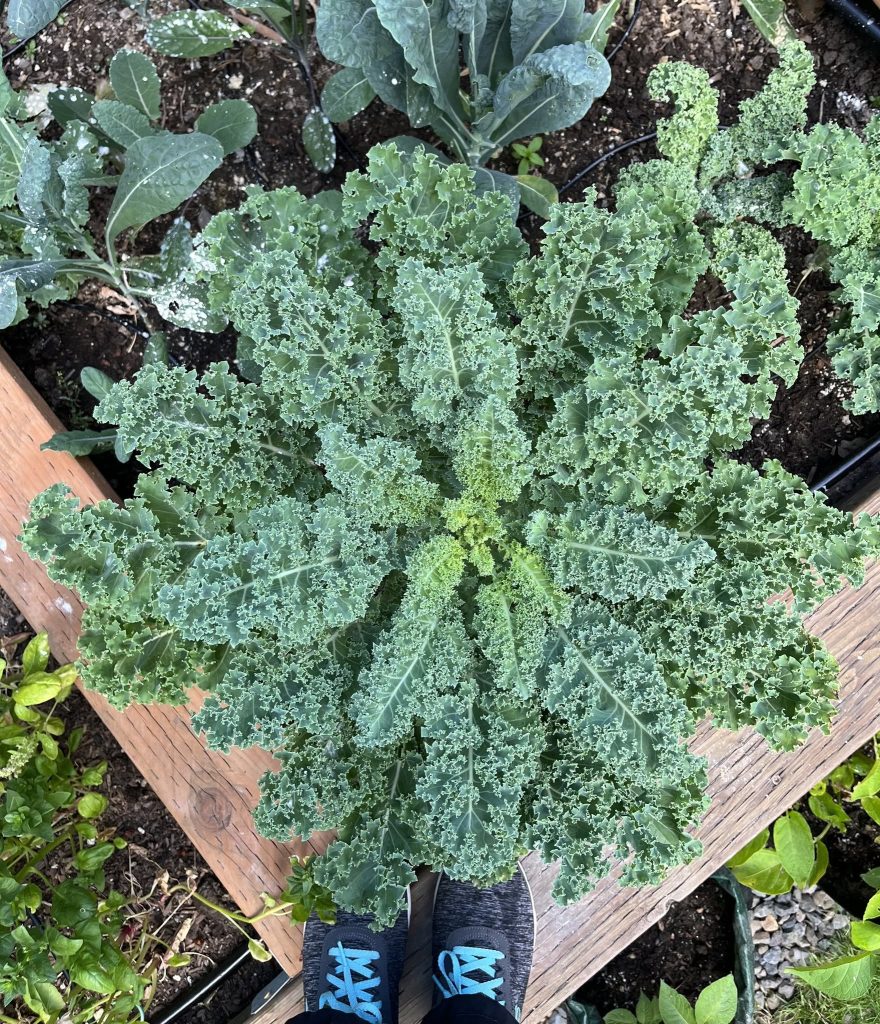
Water regularly, though established kale forgives the occasional dry week better than most brassicas. Start harvesting outer leaves once they reach hand-size, usually around 30 days after seeding.
Pick from the bottom up, and the center will keep pushing new leaves well into winter.
6. Spinach Wants Shade and Speed
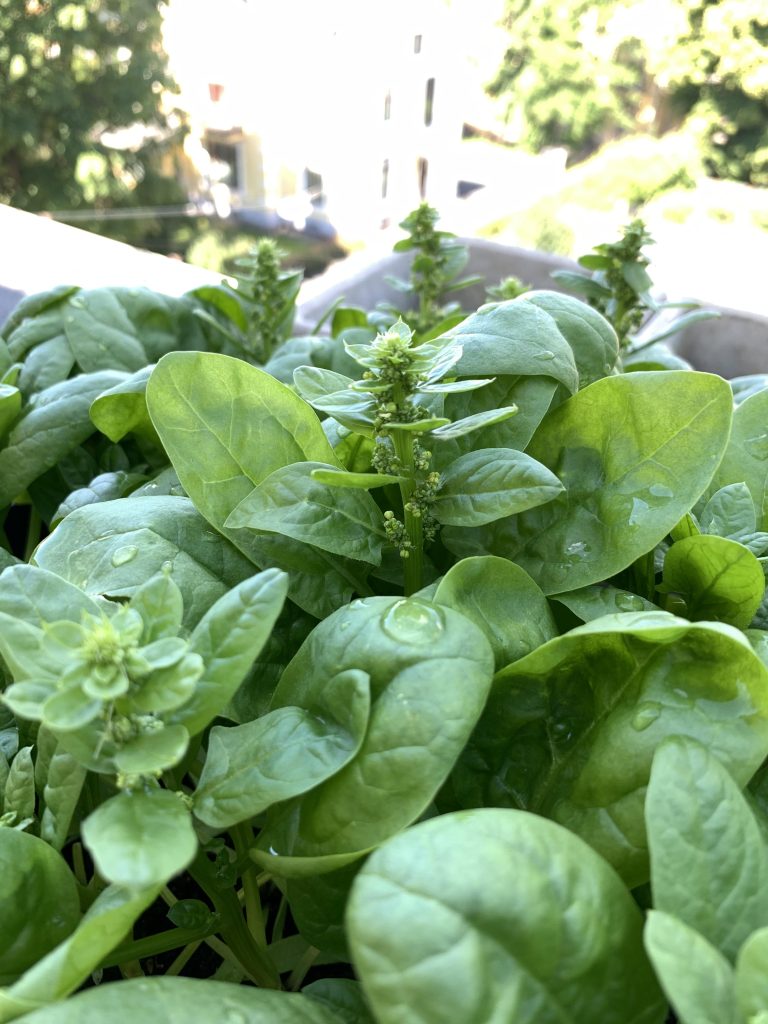
Spinach hates heat with a passion. Give it cool weather and afternoon shade, and it rewards you fast. Twenty-eight days is all it takes to start harvesting.
Few vegetables on this list move quicker. Plant it in succession, and you’ll never run out.
Planting Tips: Spinach is happiest in cool weather, so a garden spot with afternoon shade works best. Sprinkle seeds directly on the soil, cover with a thin layer, and keep the bed consistently damp until germination.
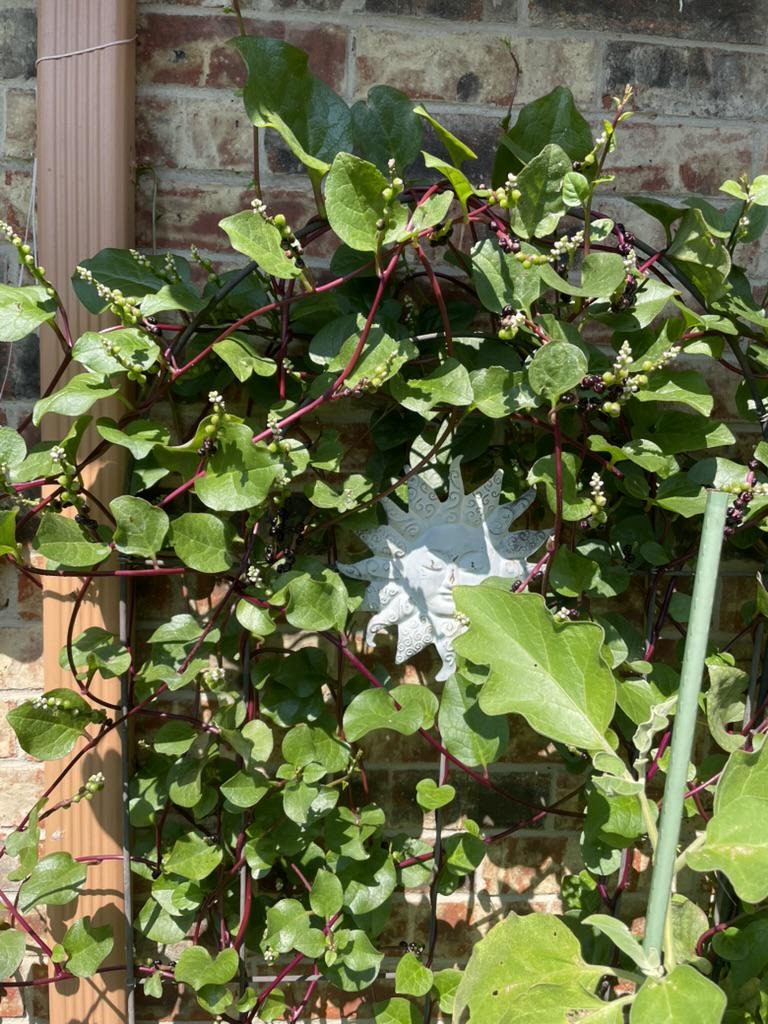
Water gently but often, since spinach roots stay shallow and dry out quickly. Harvesting starts in just 28 days, once leaves reach a usable size.
Pick outer leaves first, and the plant will keep producing until the weather turns too warm or too cold.
7. Swiss Chard Brings Color to the Bed
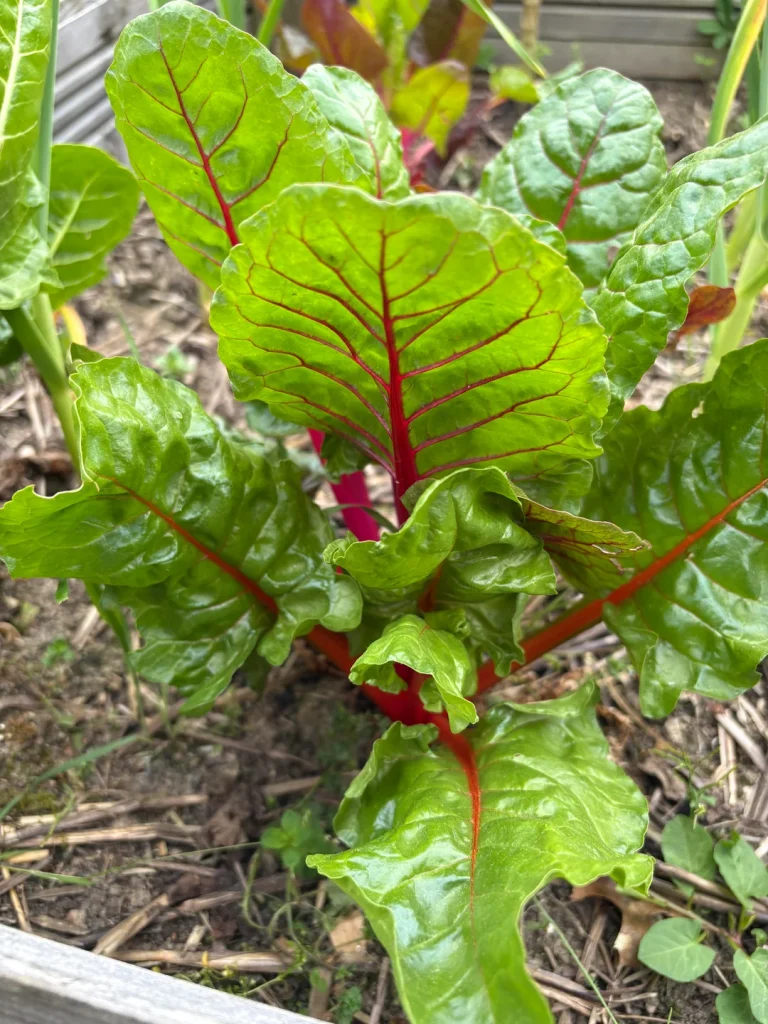
Swiss chard looks as good as it tastes. Bright stems in red, yellow, and white make any fall garden pop. Frost barely slows this plant down.
I’ve harvested chard well into winter under a simple row cover. Few vegetables offer that much color for so little effort.
Planting Tips: Chard grows well in full sun to partial shade, adapting easily to whatever spot you have available. Direct sow seeds in early fall and thin plants to about eight inches apart once they sprout.
Water consistently, since chard’s broad leaves lose moisture fast during warm afternoons. Harvest outer leaves once they reach about eight inches long, generally 50 to 60 days after planting.
Cut leaves at the base, and the plant will continue producing new growth from the center for weeks.
8. Carrots Turn Sweeter After Frost
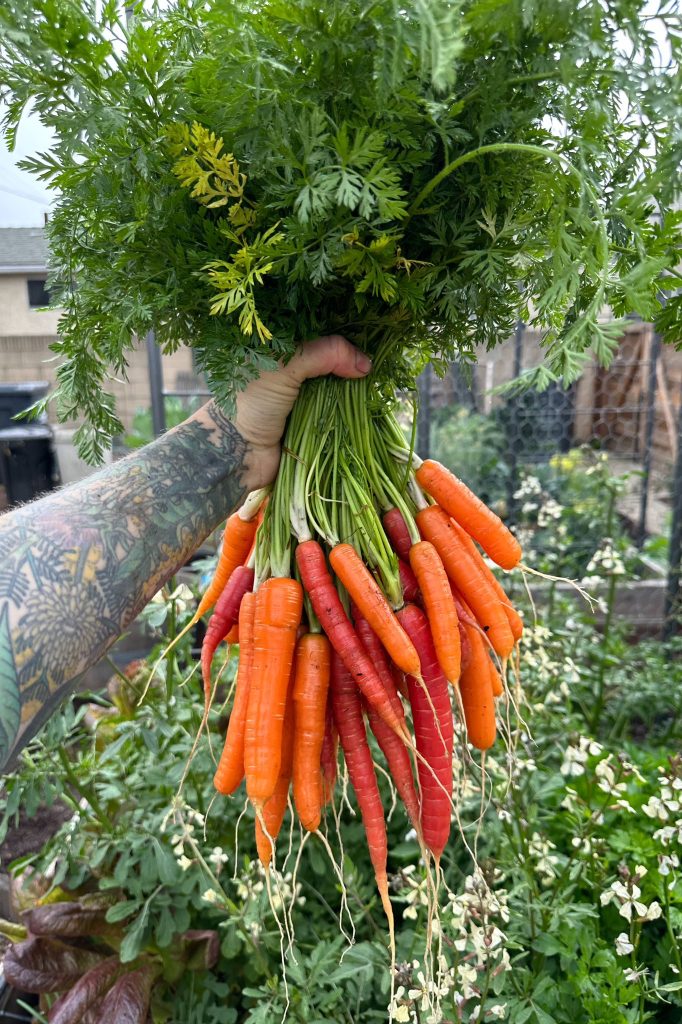
Carrots pull off a neat trick in fall. Cold weather signals the roots to store sugar, and the flavor turns noticeably sweeter. I always plant a fall carrot patch just for this reason.
Nothing beats pulling a frosty carrot straight from the ground. Patience pays off here more than with almost any other crop.
Planting Tips: Carrots need loose, sandy soil free of rocks and clumps, since compacted dirt twists the roots. Sow seeds directly in the ground about 10 to 12 weeks before your first frost date.
Water gently but frequently at first, because carrot seeds struggle to sprout through dry, crusted soil. Harvest begins around 60 to 80 days after planting, once the tops of the roots peek through the soil.
Pull gently by the base of the greens, and a light frost beforehand only improves the taste.
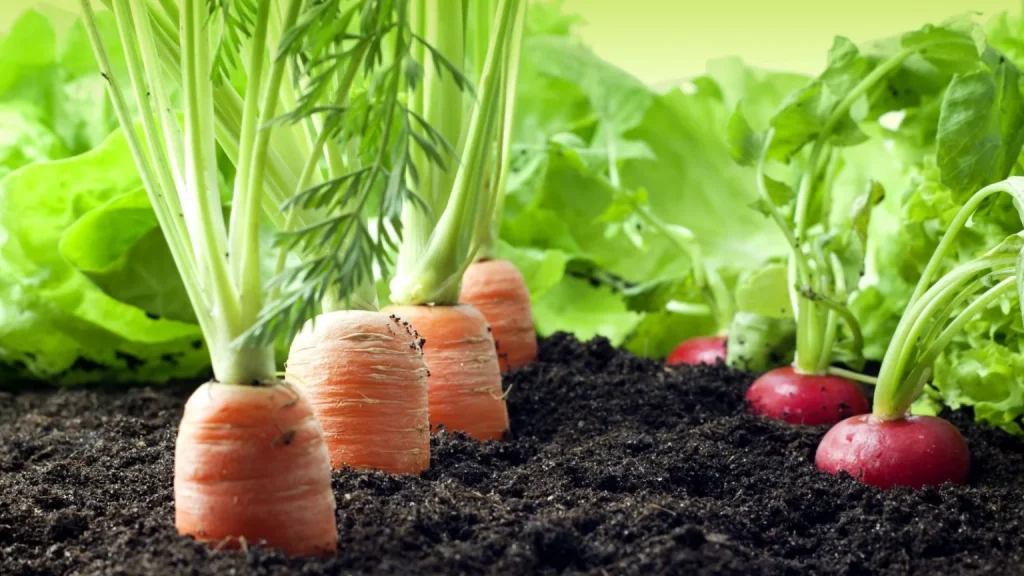
9. Beets Give You Two Crops in One
Beets never waste a single part of the plant. Roots store well and taste earthy and sweet after a cold spell. Leaves work just as well sauteed as spinach does.
I plant beets knowing I’ll harvest greens twice, once as thinnings and once at the end. Few vegetables offer that kind of efficiency.
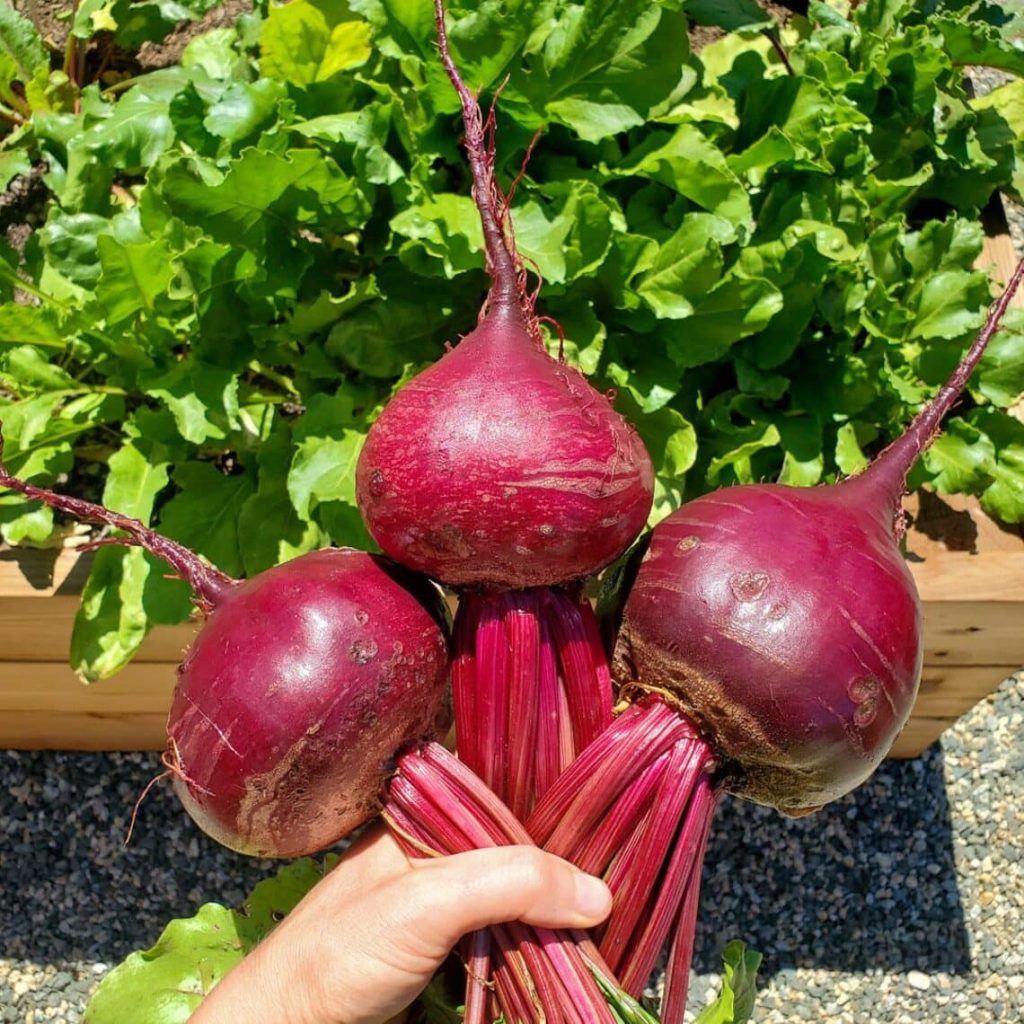
Planting Tips: Beets prefer loose, well-drained soil with a bit of compost mixed in. Direct sow seeds about eight to ten weeks before frost, thinning seedlings to four inches apart once they sprout.
Water evenly throughout the season, since inconsistent moisture leads to tough, woody roots. Harvest roots around 50 to 60 days after planting, checking size by gently brushing away soil at the top.
Twist off the greens before storing, but save a few for the kitchen since they cook up wonderfully.
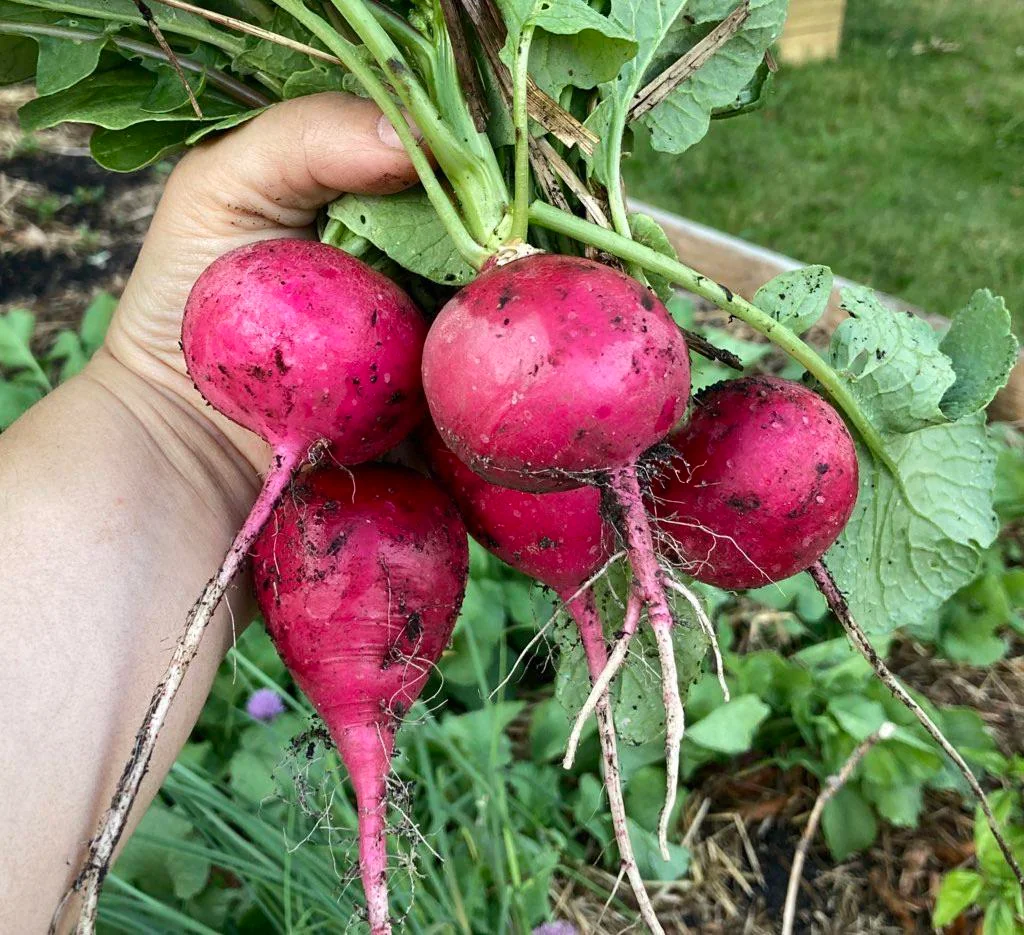
10. Radishes Reward the Impatient Gardener
Radishes move faster than almost anything you can grow. Cool weather keeps them crisp instead of woody and hot.
I sow a new batch every couple of weeks just to keep a steady supply going. Waiting a full month for a harvest feels like forever with most crops, but radishes finish in half that time.
Kids especially love pulling these because the payoff comes so fast.
Planting Tips: Radishes grow best in loose, well-drained soil under full sun. Scatter seeds directly in the garden and thin them to about two inches apart once they emerge.
Water consistently, since dry soil turns the roots spicy and tough instead of crisp. Harvest arrives shockingly fast, often within 25 to 30 days of planting.
Pull them as soon as the roots reach the size of a golf ball, since leaving them too long makes them woody.
11. Garlic Plants Now for a Summer Payoff
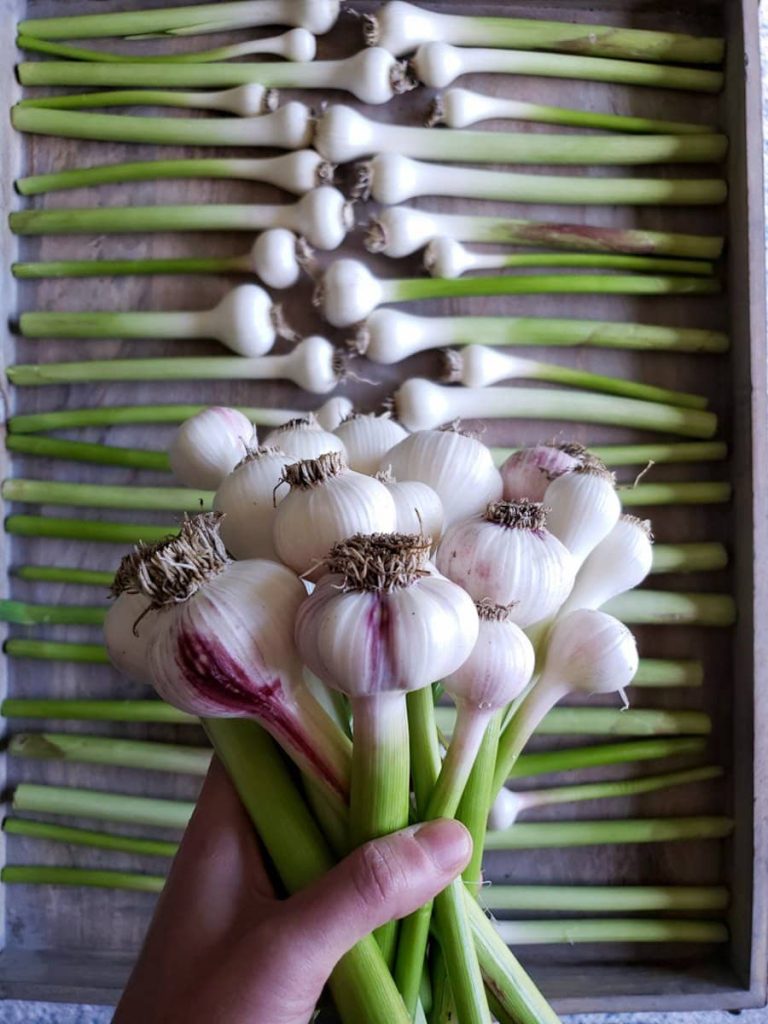
Garlic plays the long game. You plant it in fall, and it waits patiently through winter before waking up in spring.
I tuck cloves into the ground every October and forget about them until green shoots poke through the following spring.
Harvest doesn’t come until early summer, but the wait pays off with bigger, more flavorful bulbs than anything from the store. Few crops reward so much for so little ongoing effort.
Planting Tips: Garlic needs well-drained, fertile soil enriched with compost before planting. Separate cloves from the bulb and push each one root down into the soil about six weeks before the ground freezes.
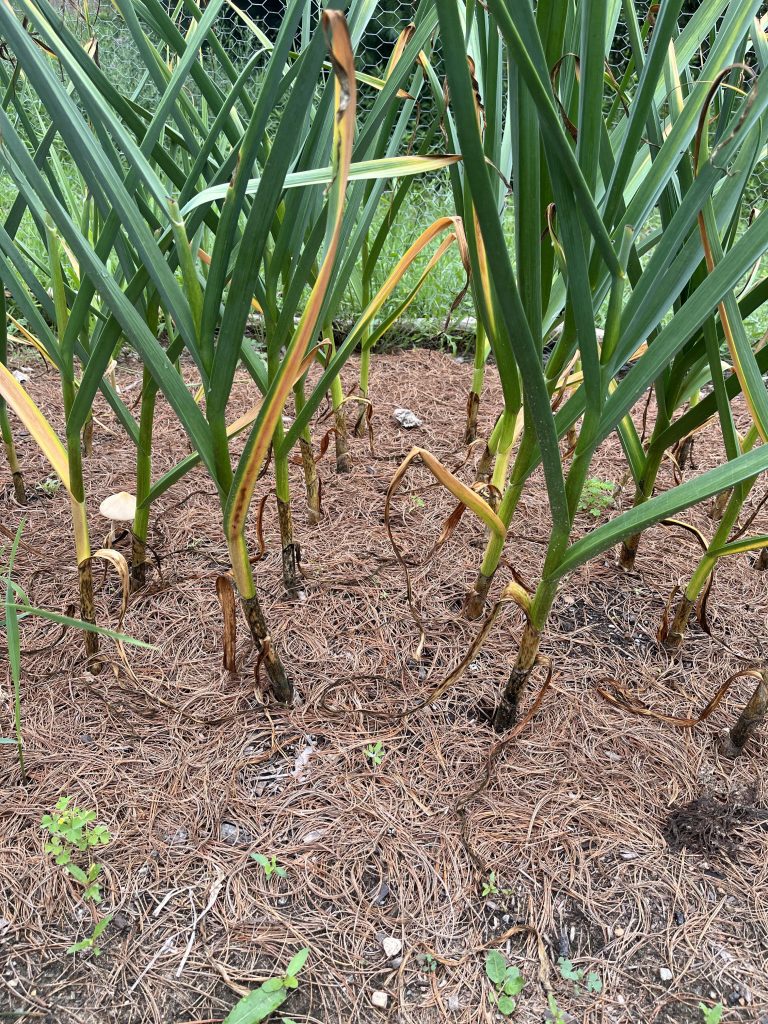
Water at planting time, then mulch heavily and let winter do most of the work. Harvest doesn’t come until the following summer, once the lower leaves start turning brown and dry.
Pull the whole bulb gently, then cure it in a dry, shaded spot for a few weeks before storing.
12. Turnips Grow Fast and Feed You Twice
Turnips move quickly once cool weather sets in. Roots turn tender and mild instead of sharp and bitter.
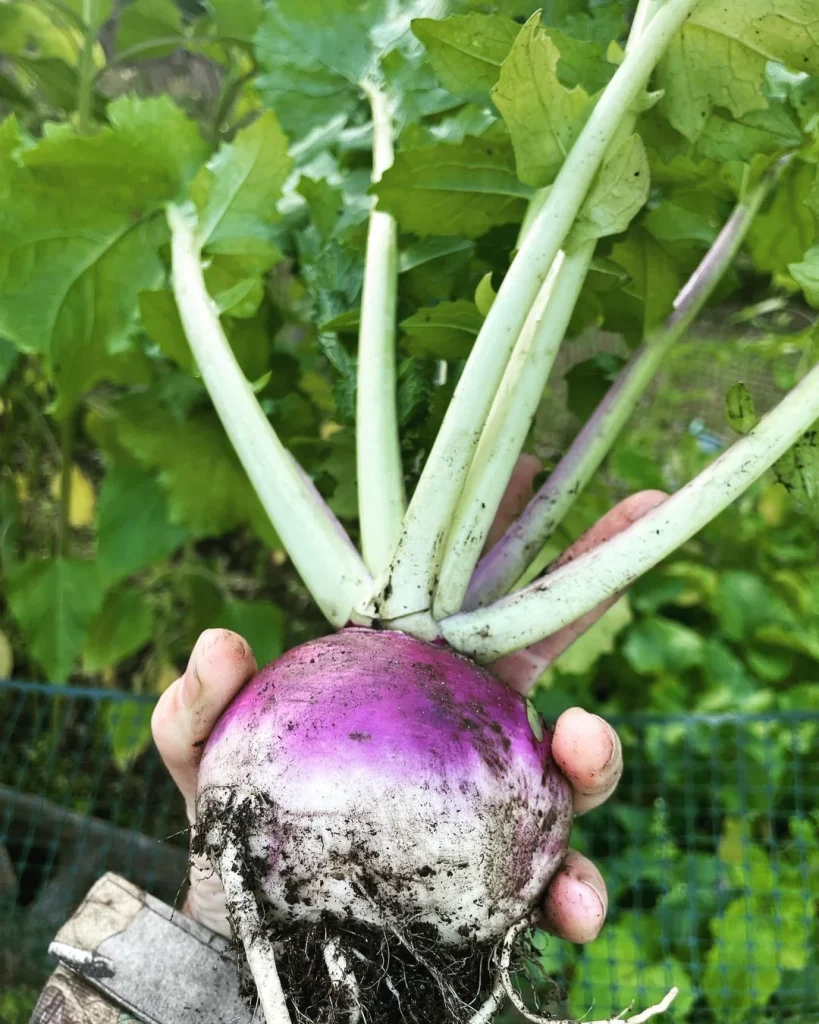
Greens taste just as good cooked up with a little garlic. I grow turnips mainly for this double harvest, roots for roasting and leaves for the pan.
Few crops finish this fast while giving you two separate meals.
Planting Tips: Turnips thrive in loose, fertile soil under full sun. Sow seeds directly in the ground about six to eight weeks before your first frost.
Water consistently, since dry soil turns the roots woody and sharp tasting. Harvest roots around 30 to 60 days after planting, depending on the size you want.
Pull them young for the mildest flavor, and snip a few leaves early for greens without hurting the root below.
13. Snow Peas Climb Their Way to a Sweet Harvest
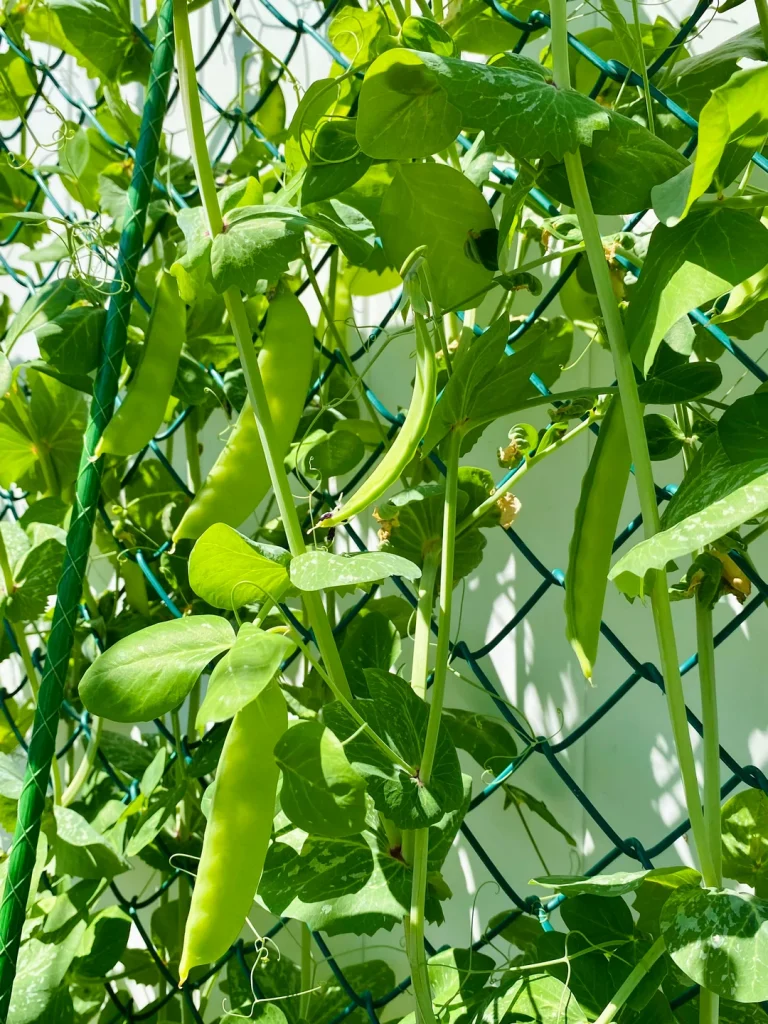
Snow peas love cool fall air. Pods stay crisp and sweet as long as the weather stays mild. I string up a simple trellis every September, and the vines take off within days.
Heat ruins peas fast, but frost barely touches them. Nothing beats snapping a fresh pod straight off the vine.
Planting Tips: Snow peas need full sun and well-drained soil with a trellis or fence nearby for climbing. Sow seeds directly in the ground about eight to ten weeks before your first frost.
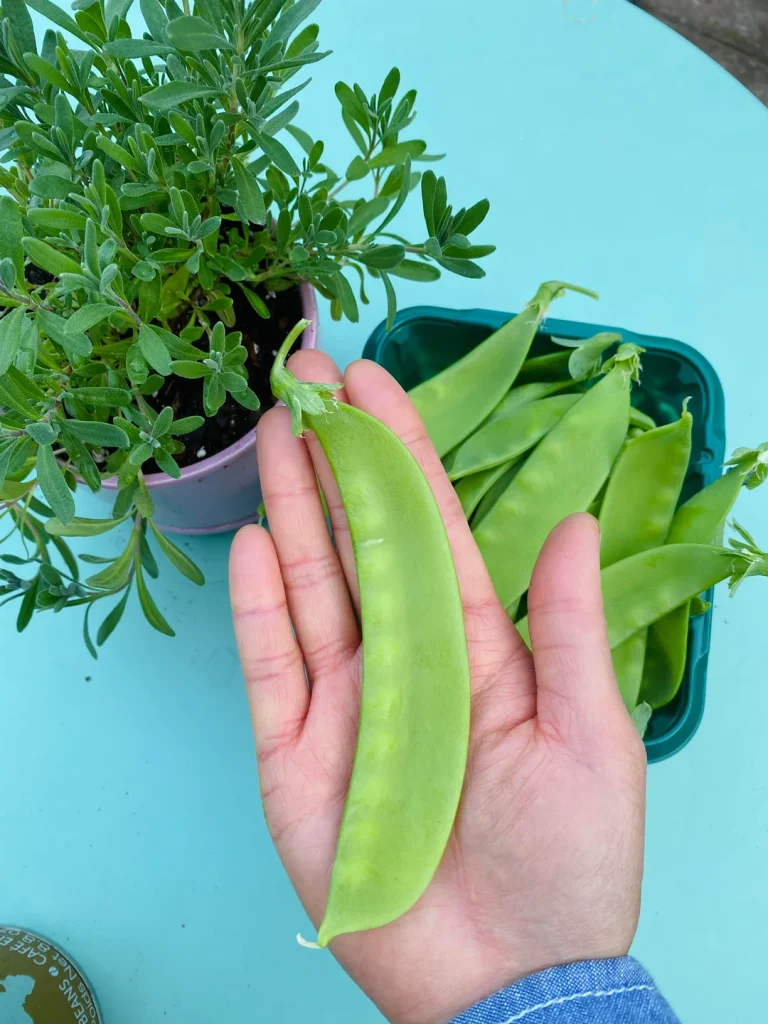
Water consistently, since peas struggle through any stretch of dry soil.
Harvest begins around 60 days after planting, once pods look flat and the peas inside stay small. Pick every few days, because pods left too long turn tough and starchy.
Harvesting Timeline for Fall Crops
| Vegetable | Planting Date | Harvest Date |
|---|---|---|
| Brussels sprouts | Late August | Mid November – Early December |
| Carrots | First week of September | Late October – Late November |
| Broccoli | First week of September | Late October – Late November |
| Cauliflower | First week of September | Late October – Late November |
| Cabbage | First week of September | Mid November – Mid December |
| Kale | First week of September | Early October, then ongoing |
| Swiss chard | First week of September | Late October – Early November |
| Spinach | Mid September | Early – Mid October |
| Beets | Mid September | Late October – Mid November |
| Snow peas | Mid September | Early – Mid November |
| Turnips | Late September | Mid October – Late November |
| Radishes | Mid September, succession planted | Early – Mid October, repeating |
| Garlic | October | The following summer |
Frequently Asked Questions
What’s the best time to start a fall garden in zone 8?
Most fall crops go in the ground between late August and early October. Timing depends on each vegetable’s days to maturity and your first expected frost date.
Do I need to worry about frost killing my fall vegetables?
Not with this list. Every vegetable here handles frost well, and several actually taste better after a cold snap.
Can I still plant in October in zone 8?
Yes, especially fast growers like radishes, spinach, and turnips. Slower crops like Brussels sprouts need an earlier start.
How often should I water a fall vegetable garden?
Most crops want about an inch of water per week, though seedlings need more frequent watering until roots establish.
Do fall vegetables need fertilizer?
A layer of compost worked into the soil before planting usually covers it. Heavy feeders like broccoli and cauliflower benefit from an extra boost partway through the season.
Wrapping Up Your Fall Garden Plans
Fall gardening in zone 8 beats fighting summer heat any day. Cooler air, fewer pests, and sweeter harvests make the season worth the effort.
Pick a few crops from this list, grab your trowel, and get something in the ground this week.
My own beds never look better than they do in October, and yours can too. Happy planting, and enjoy every bite this season brings.