13 Best Vegetables to Plant in August (Zone 9)

August feels brutal in Zone 9, but your fall garden starts right now. Soil temps stay warm enough for quick germination, and that’s the secret weapon most gardeners miss.
I’ve grown half these crops on my own balcony, and the payoff always surprises me. Cooler October days sweeten roots and calm down bitter greens.
Skip this window and you’ll watch your neighbors harvest broccoli while you’re still waiting on seedlings. Grab your seed packets. Let’s get your Zone 9 fall garden moving.
The 13 Best Vegetables for Your Zone 9 Fall Garden
1. Swiss Chard
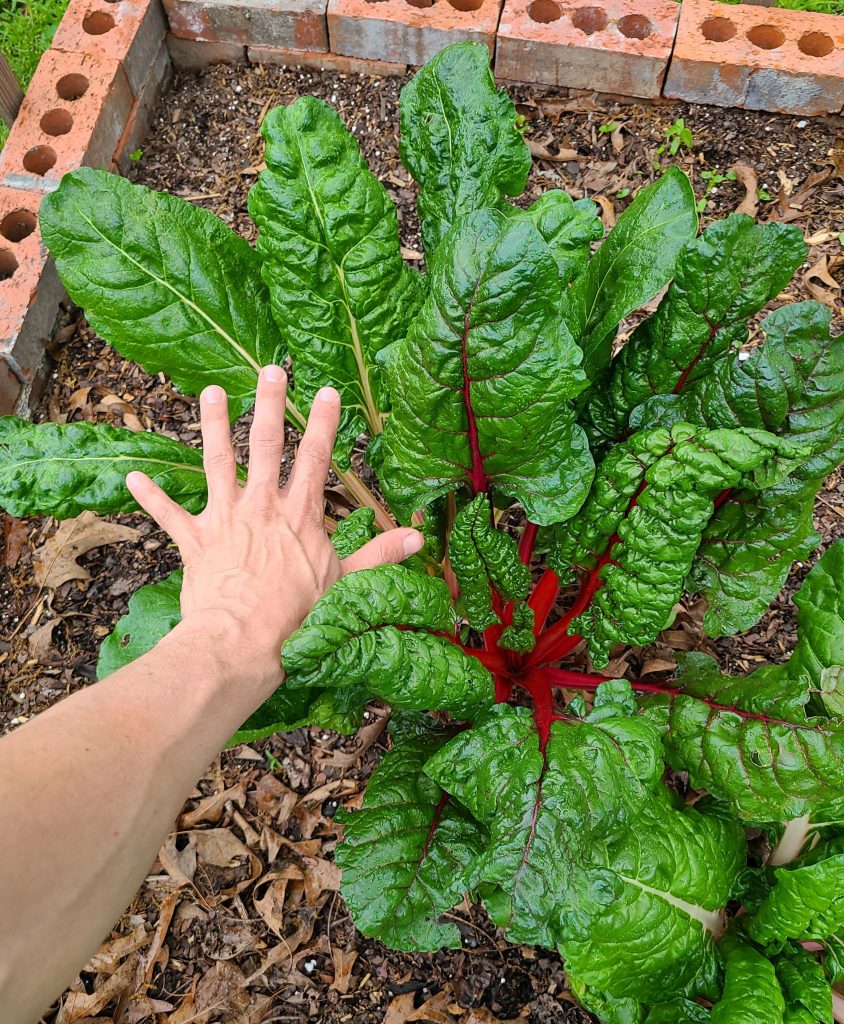
Honestly, chard might be the easiest thing you’ll ever grow. You can toss seeds straight into the ground this month and forget about them.
By October, you’re harvesting. Bright Lights and Five Color Chard stop me every time I walk past them – those red and purple stems look like something from a flower shop.
Cut the outer leaves and new ones just keep coming. This is the plant I recommend to anyone who’s nervous about killing their garden.
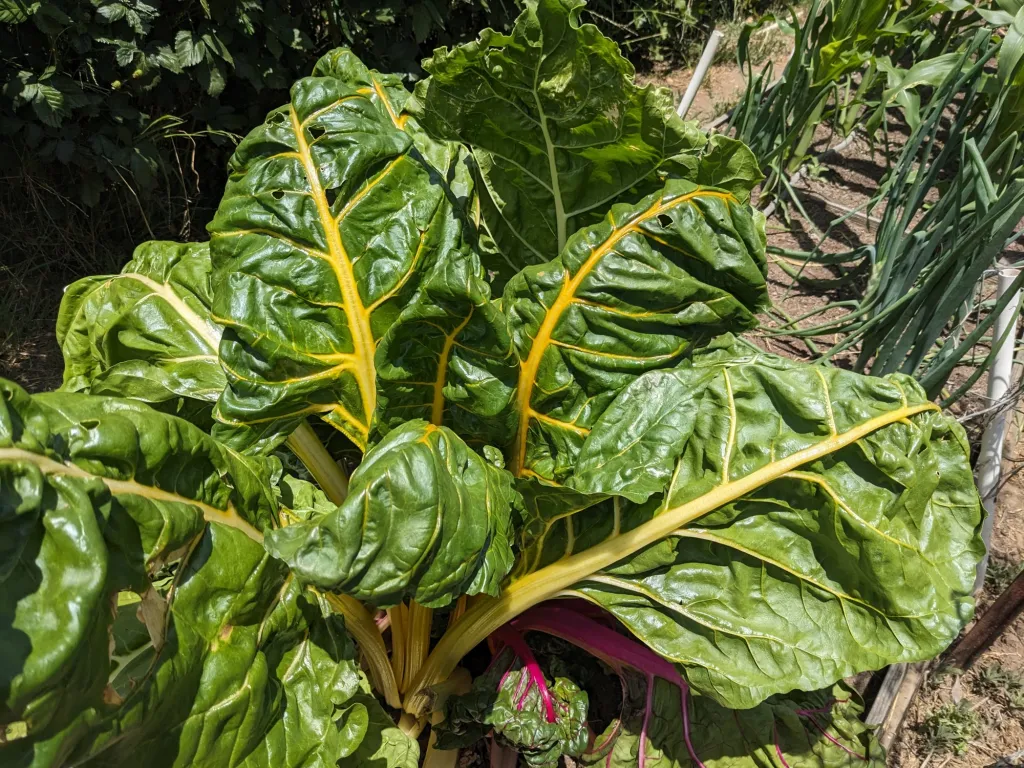
Planting Tips: Chard loves full sun but tolerates a little afternoon shade just fine. I always give it rich, well-draining soil with some compost mixed in.
Space your seeds about 6 inches apart, then thin them once they sprout. Water consistently, and you’ll avoid tough, bitter stems later.
2. Broccoli
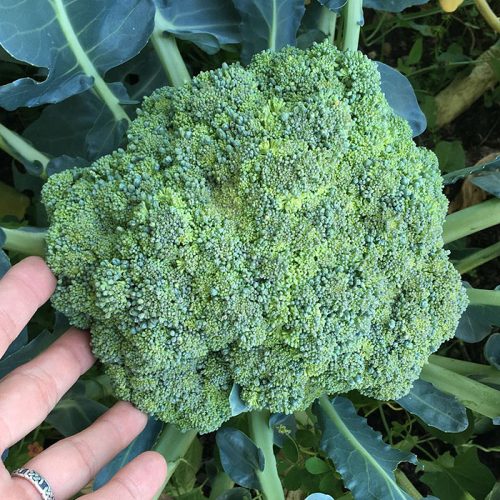
Here’s the thing about broccoli: it’s slow, so don’t wait. Start seeds indoors right now, then move them outside in September. Once seedlings grow a third leaf, they’re ready.
Waltham and Di Cicco give you one big head first. Then smaller side shoots pop up for weeks after.
My favorite part? In Zone 9B, broccoli can act like a perennial and hand you a surprise spring harvest too.
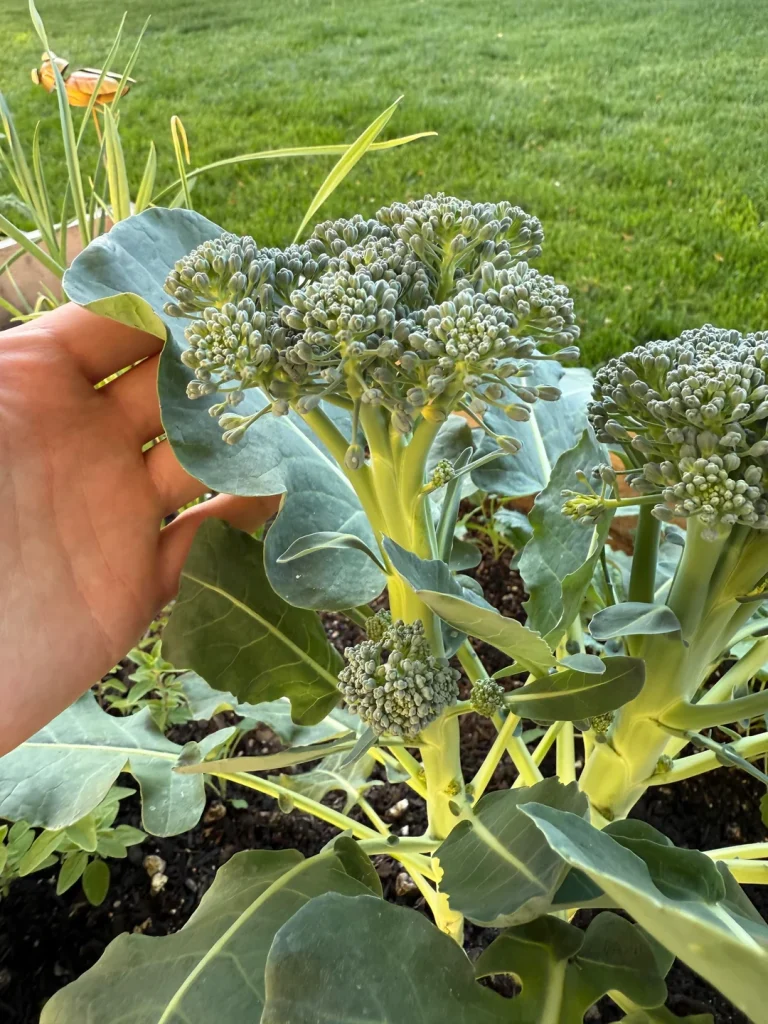
Planting Tips: Broccoli wants full sun and soil that’s fertile, moist, and slightly acidic. Transplant your seedlings once nighttime temps dip below 80°F, usually mid-to-late September in Zone 9.
Give each plant 18 to 24 inches of breathing room. Keep the soil evenly moist, since dry spells cause the heads to bolt early.
3. Cabbage
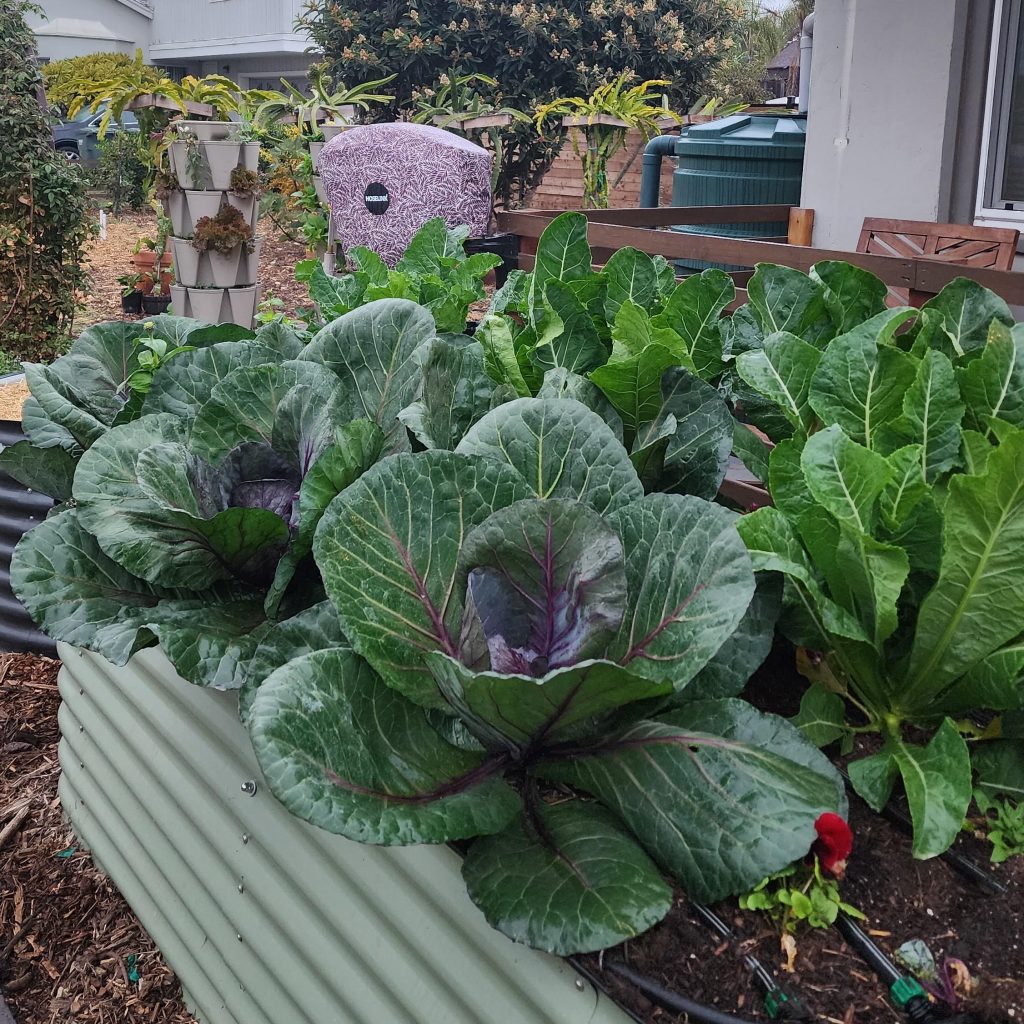
Cabbage actually gets sweeter after a light frost, so patience pays off. Point-shaped varieties beat round ones when August heat lingers longer than you’d like.
Plant seeds directly this month, about a foot or two apart. Copenhagen Market has been around since 1909, and it still earns its spot in small gardens and containers.
Watch for cabbage worms, though. A floating row cover keeps those pesky butterflies from laying eggs in the first place.
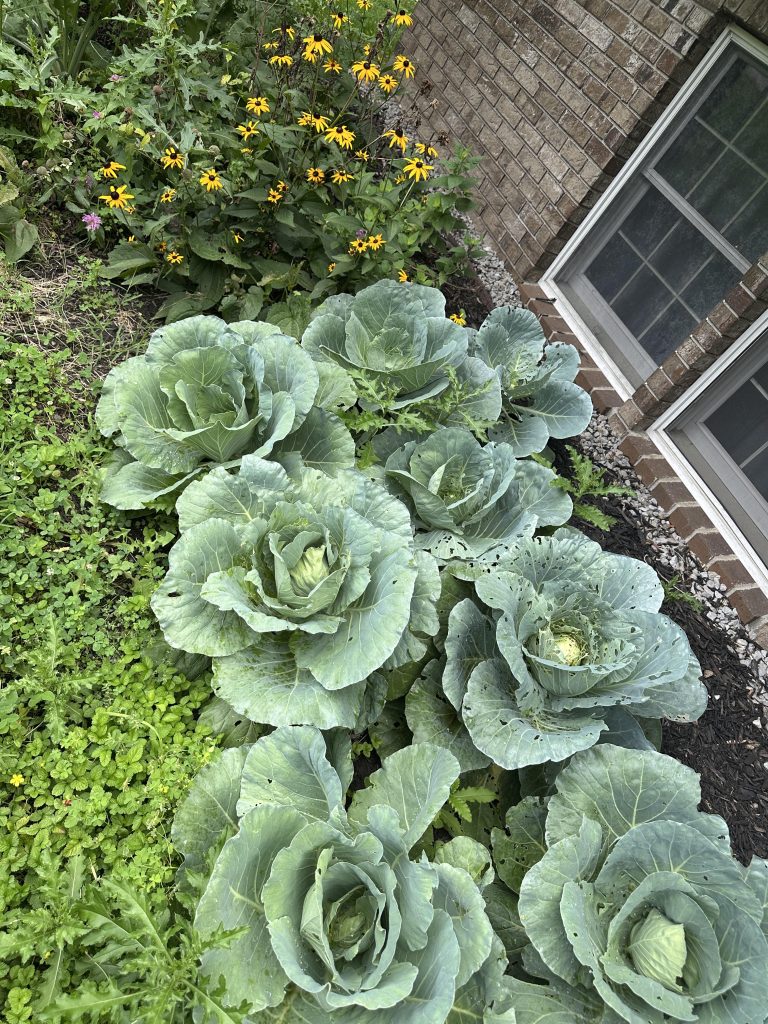
Planting Tips: Cabbage needs full sun and heavy feeding, so work compost or aged manure into your soil before planting.
I always keep the ground consistently moist, since inconsistent watering leads to split heads. Space plants 12 to 24 inches apart depending on the variety.
If you started seedlings indoors, transplant them once they have four true leaves.
4. Carrots
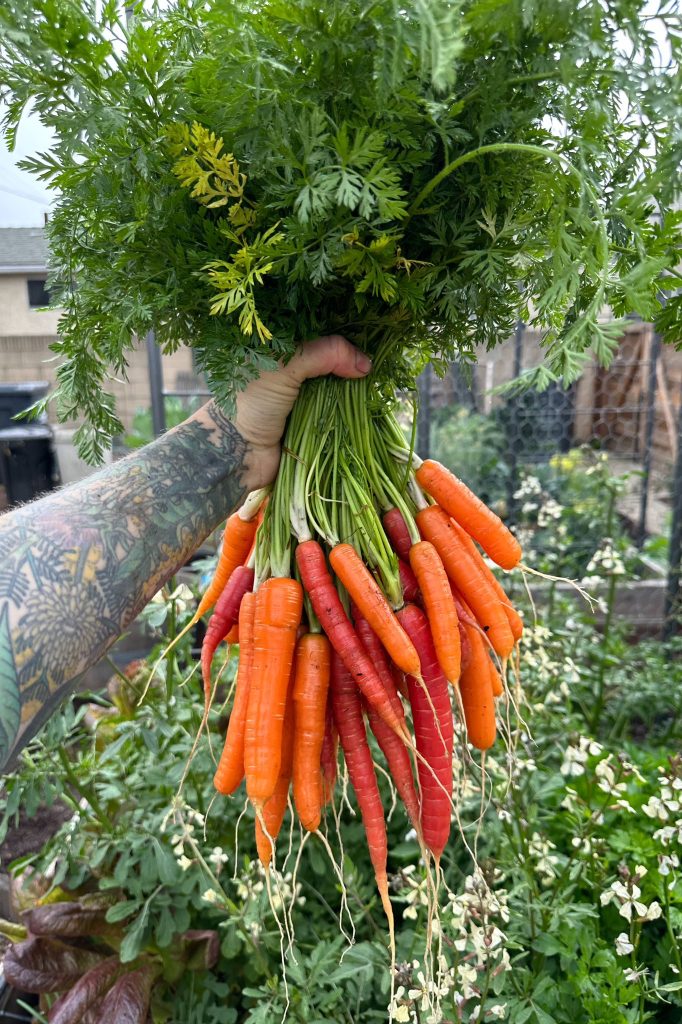
Carrots love this warm-soil window for germinating fast. Their seeds are tiny, almost dust-like, so a seed dispenser saves you a headache.
Got rocky or shallow soil? Pick a rounder variety like Tonda di Parigi instead of fighting a long root through hard ground. Scarlet Nantes works great almost anywhere else.
As fall temps drop, something magical happens underground — the roots turn sweeter, and store-bought carrots suddenly seem boring by comparison.
Planting Tips: Carrots want full sun and loose, sandy soil free of rocks and clumps. Skip transplanting altogether here – direct seed is the only way to go, since disturbed roots grow forked and stunted.
Sow seeds a quarter-inch deep and thin seedlings to 2 to 3 inches apart. Keep the soil lightly moist until germination, which usually takes 10 to 14 days.
5. Kale
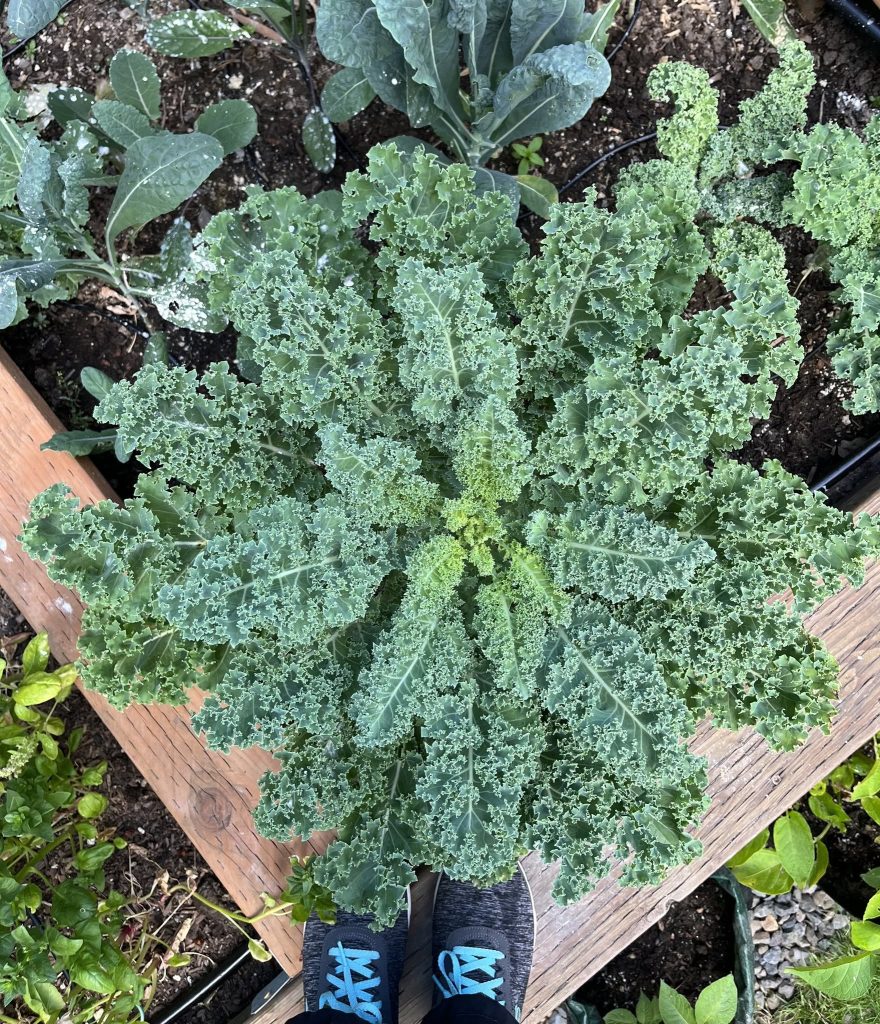
Kale just gets better as it gets colder, so don’t baby it. Direct seed this month, and you’ll snip baby greens by September. Cut leaves at around 25 days, and the plant regrows for a second round.
Red Russian brings tender, purple-tinged leaves that taste milder than most kale I’ve tried.
Frost actually improves the flavor, pulling out bitterness and leaving something almost sweet behind. Few greens forgive neglect this well.
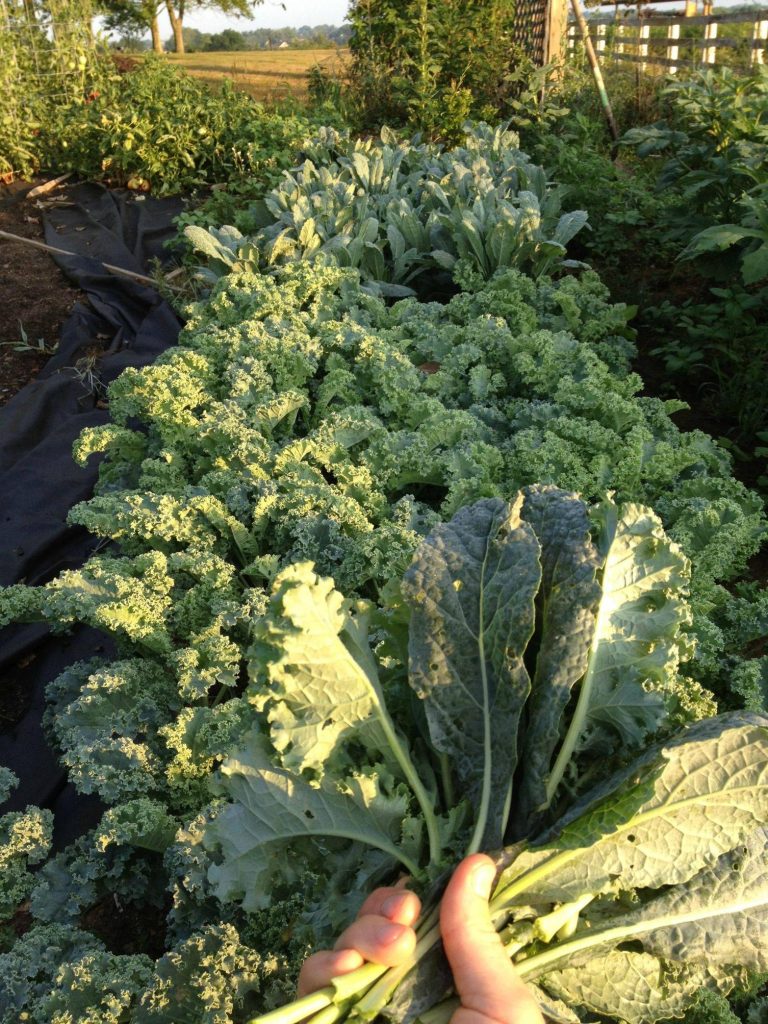
Planting Tips: Kale thrives in full sun, though it tolerates partial shade without much complaint. I like soil that’s rich, well-drained, and slightly acidic for the best growth.
Space seeds about a foot apart, or thin seedlings down to that spacing. Water regularly, since kale sulks fast in dry, cracked soil.
6. Beets
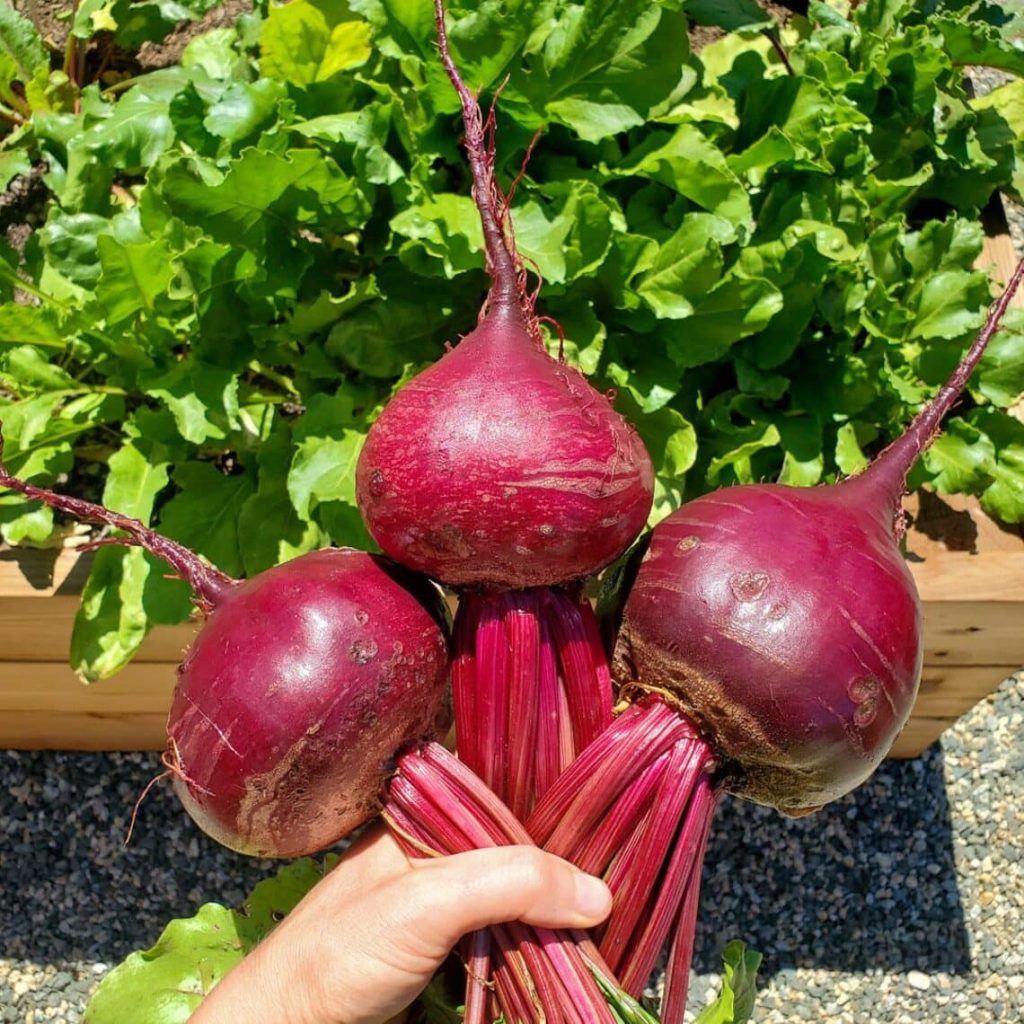
Beets give you two vegetables in one, and that’s hard to beat. Roots and greens both end up on your plate. Direct seed them in August, and October brings roots around 1 to 3 inches wide.
Detroit Dark Red and Chioggia offer different colors if you want a mix in your harvest basket.
Cooler weather sweetens the roots the same way it does with carrots. Thinning matters here more than people realize, so don’t skip it.
Planting Tips: Beets prefer full sun and loose, well-draining soil free of heavy clay. Skip transplanting, since beets do best sown directly where they’ll grow.
Space seeds 3 to 4 inches apart, then thin seedlings to avoid crowded, stunted roots. Keep watering steady, because dry spells turn beets woody and tough.
7. Cauliflower
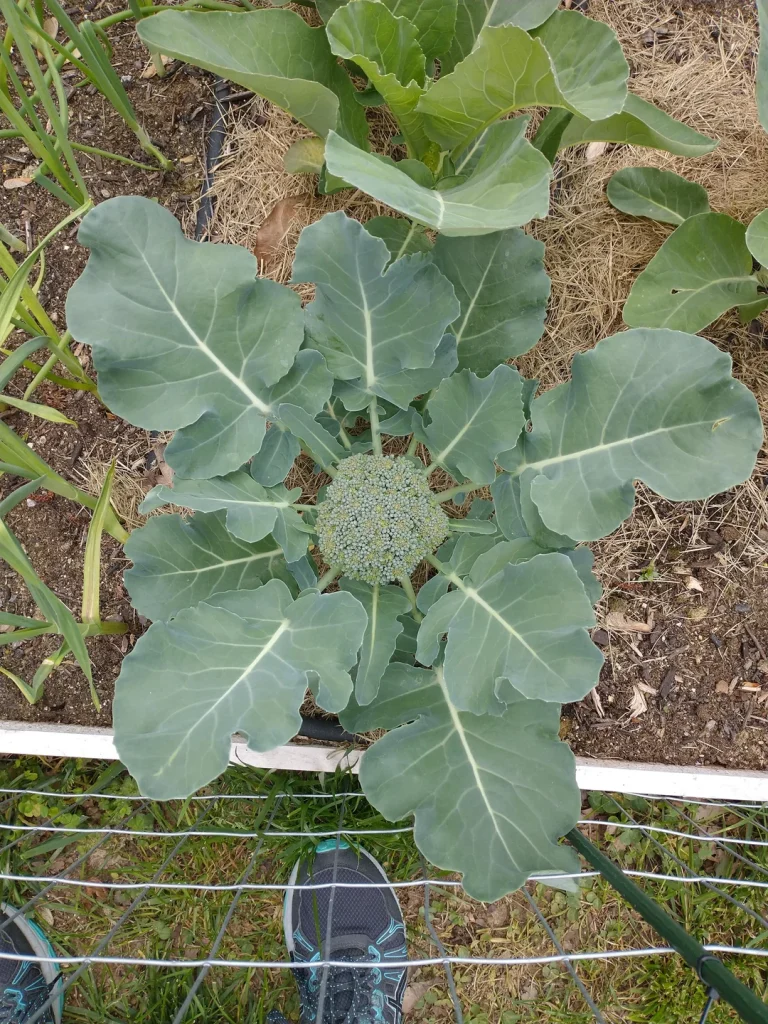
Cauliflower takes patience, but it’s worth every week of waiting. Start seeds indoors now, then transplant outside in late September. Snowball Y matures in about 75 days, which counts as fast for this crop.
Colorful options exist too, like yellow Cheddar or purple Violetto, if white feels boring.
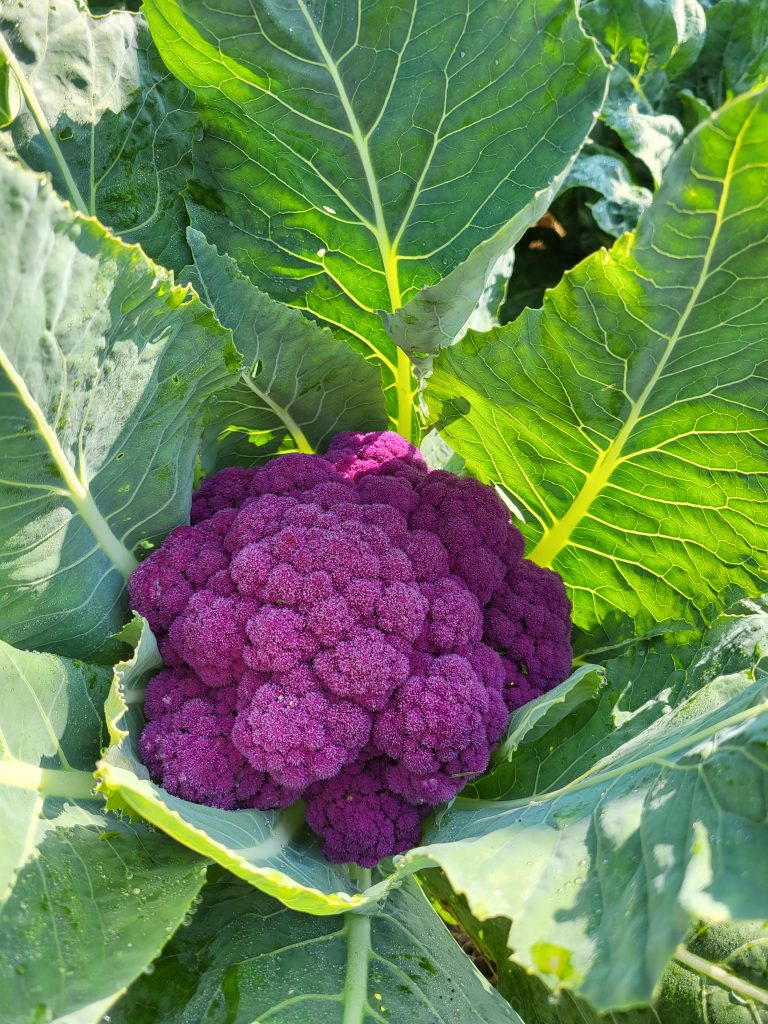
Cool fall weather keeps cauliflower from turning bitter or bolting early. Storage life beats broccoli by a wide margin once harvested.
Planting Tips: Cauliflower needs full sun and moisture-retentive, fertile soil to form tight, healthy heads.
Space seedlings 18 to 24 inches apart once you transplant them.
Water on a steady schedule, and never let the ground dry out completely. Uneven watering causes small, loose heads that just don’t hold together.
8. Peas
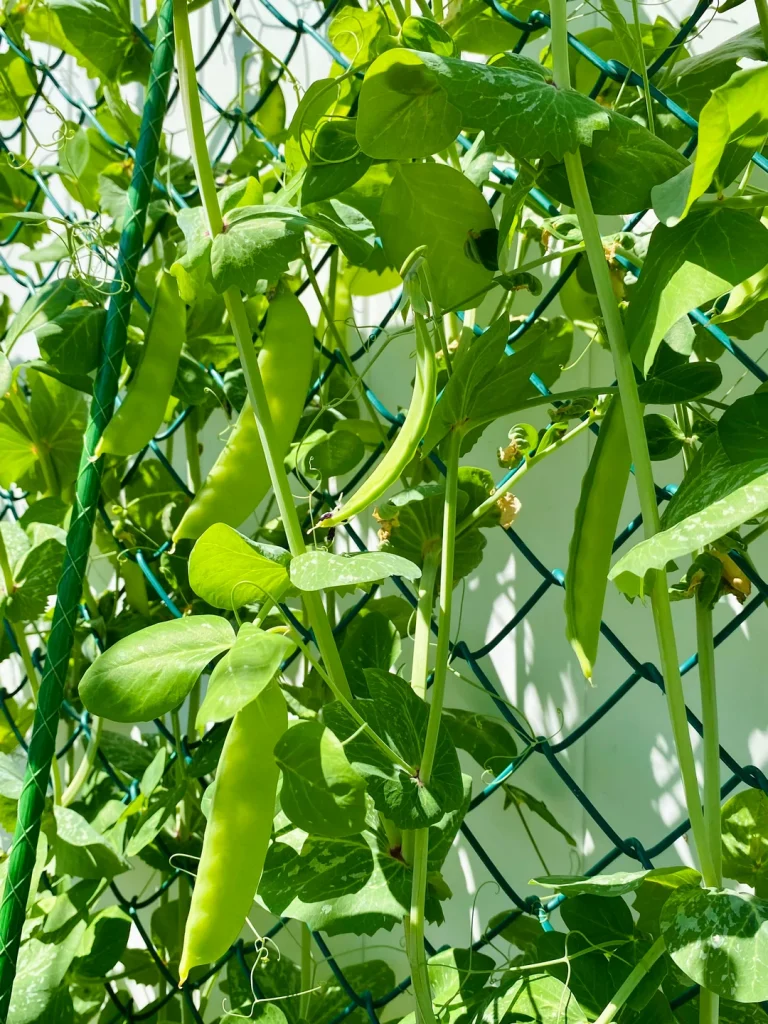
Peas laugh at cold weather that would kill other crops. Plant them mid-to-late October, and they’ll keep producing straight into winter.
Both snap and snow varieties work well in Zone 9’s mild fall climate. Tom Thumb and Little Crunch stay compact, so you skip building a trellis altogether.
I love tossing these into a stir-fry minutes after picking them. Nothing store-bought compares to that fresh snap.
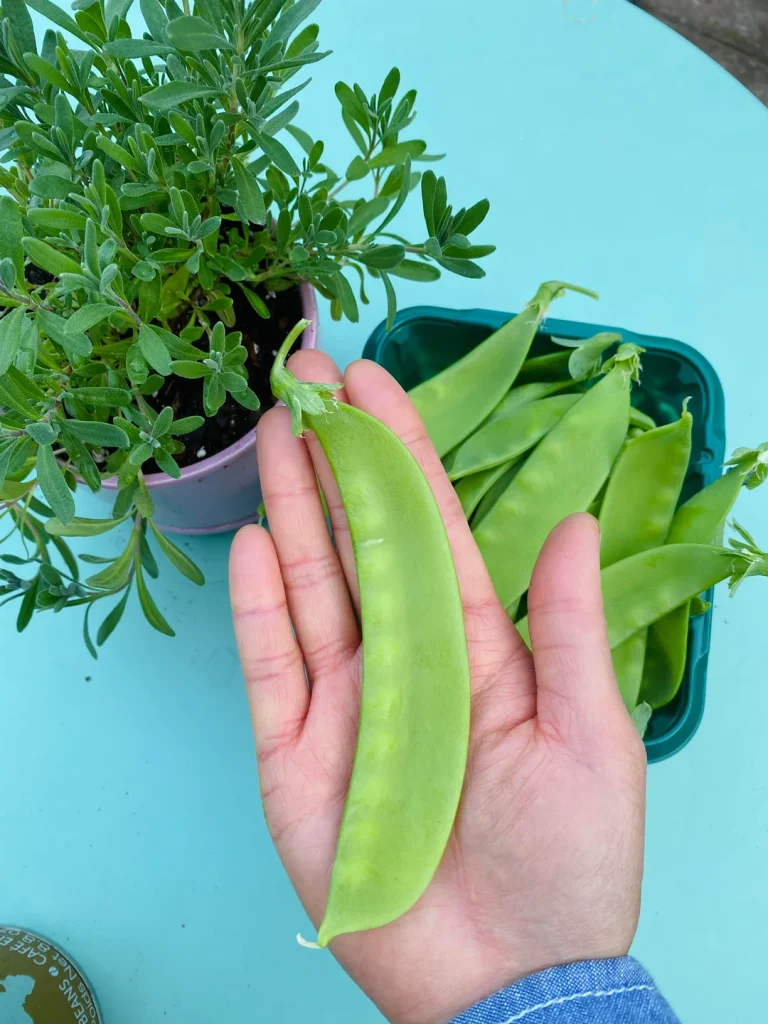
Planting Tips: Peas grow best in full sun, though they’ll tolerate a bit of light shade. Loose, well-draining soil with some added compost gives roots room to spread.
Direct seed an inch deep, spacing plants 2 to 3 inches apart. Water consistently, since peas struggle and stall out in bone-dry soil.
9. Brussels Sprouts
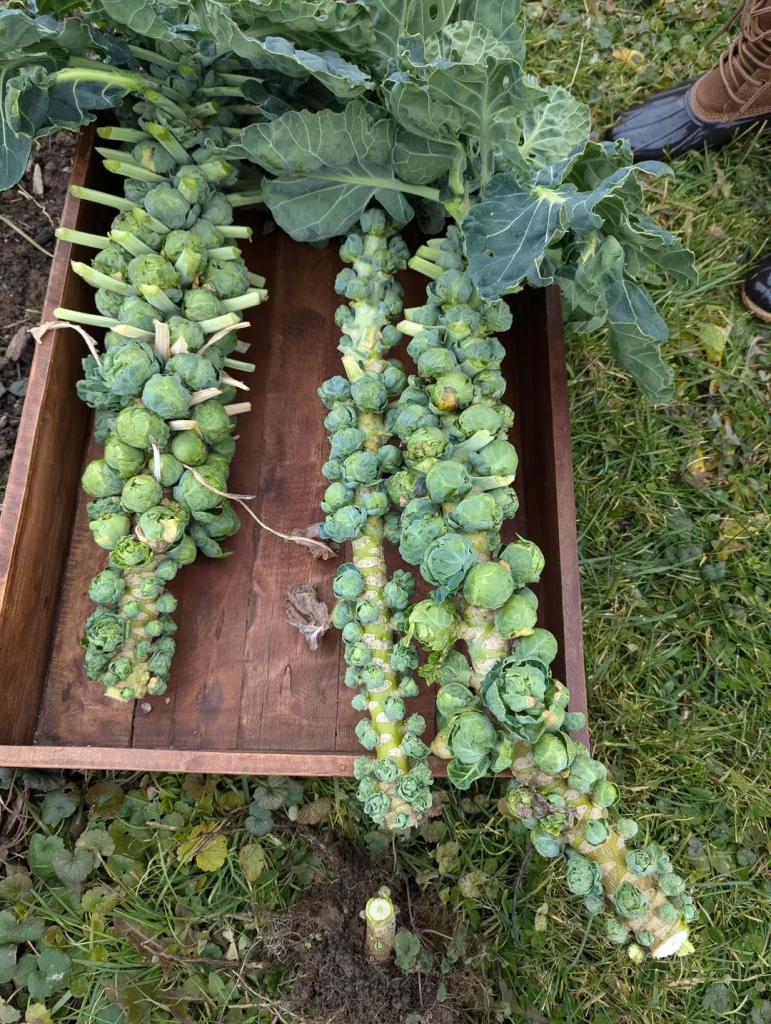
Brussels sprouts grow slow, but the wait pays off in January. Start seeds indoors now, then transplant outside in late September. Sprouts form along a single tall stalk, which always looks a little wild to me.
Long Island Improved stays compact enough for smaller garden beds. Light frost sweetens the flavor, so don’t rush your harvest once winter arrives. Patience really is the whole game with this crop.
Planting Tips: Brussels sprouts need full sun and rich, well-draining soil to bulk up properly. Space transplants 18 to 24 inches apart, since they grow tall and need airflow.
Water deeply and consistently, especially as sprouts start forming along the stalk. Staking helps too, since top-heavy plants tend to lean in wind.
10. Parsnips
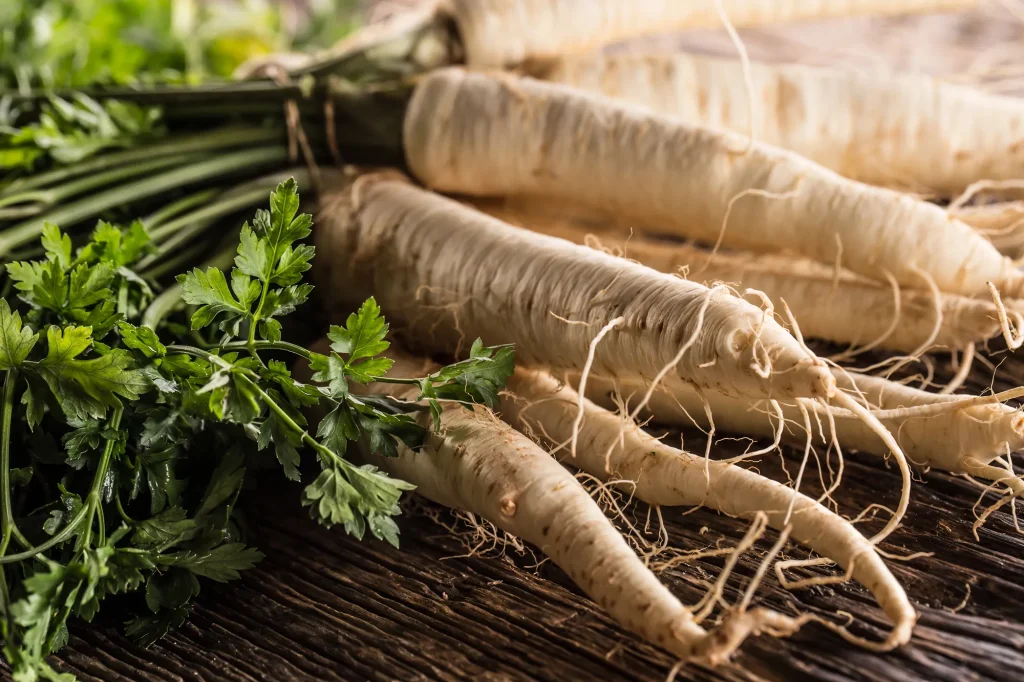
Parsnips test your patience right from the start. Seeds don’t store well year to year, so grab fresh ones each season.
Forget transplanting altogether, since disturbed roots grow stunted and twisted. Gladiator stretches up to 10 inches long once mature.
Cold weather actually improves the flavor, turning parsnips nutty and slightly sweet. I always leave a few in the ground through a frost or two.
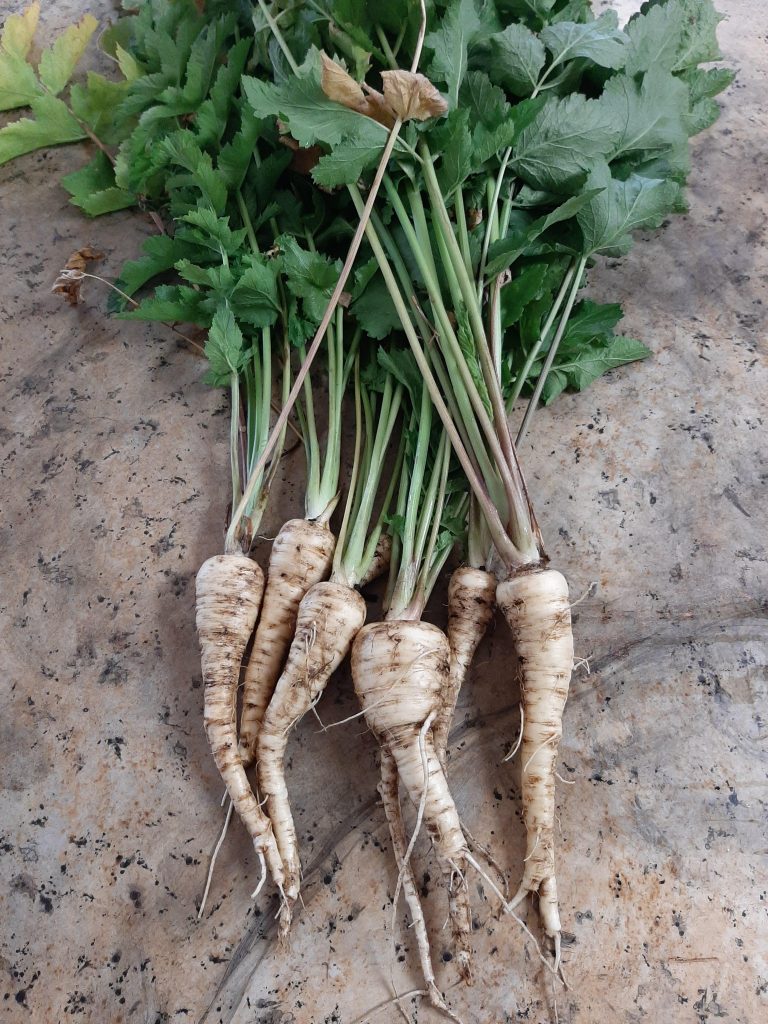
Planting Tips: Parsnips want full sun and deep, loose soil free of rocks or compacted clay. Sow seeds directly, about half an inch deep and 3 to 4 inches apart.
Keep soil evenly moist, since parsnip seeds germinate slowly and unevenly. Thin seedlings early to give roots room to grow straight.
11. Leeks
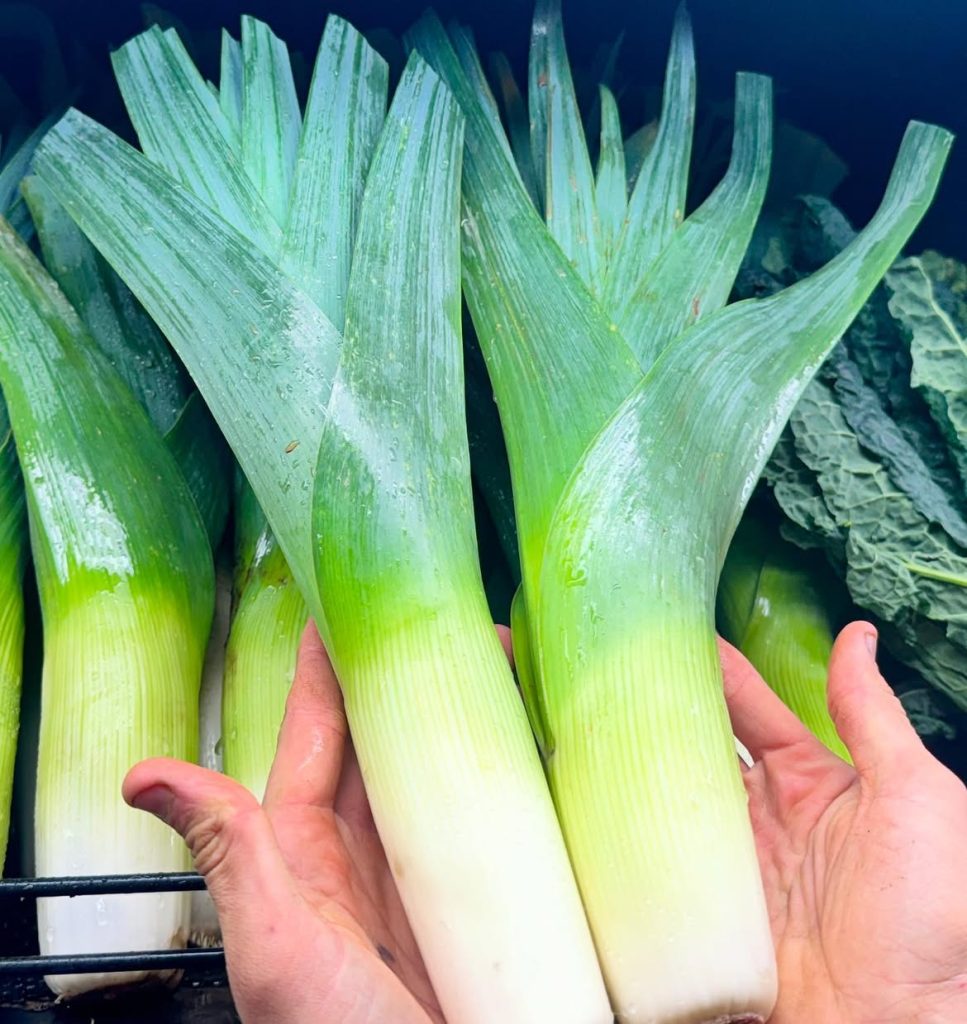
Leeks reward you slowly, but the payoff lasts for months. Direct seed a quarter-inch deep, spacing plants about 6 inches apart. Sprouting takes 10 to 14 days, then harvest follows roughly 60 days later.
King Richard grows faster than most leek varieties I’ve tried. Their mild, oniony flavor works in nearly everything from soups to roasted vegetable trays.
Cold weather barely slows leeks down once they’re established.
Planting Tips: Leeks thrive in full sun and rich, well-draining soil with plenty of organic matter. Hill soil up around the stalks as they grow to keep the base tender and white.
Water regularly, since shallow roots dry out faster than you’d expect. Mulching helps lock in moisture through warmer fall days.
12. Collard Greens
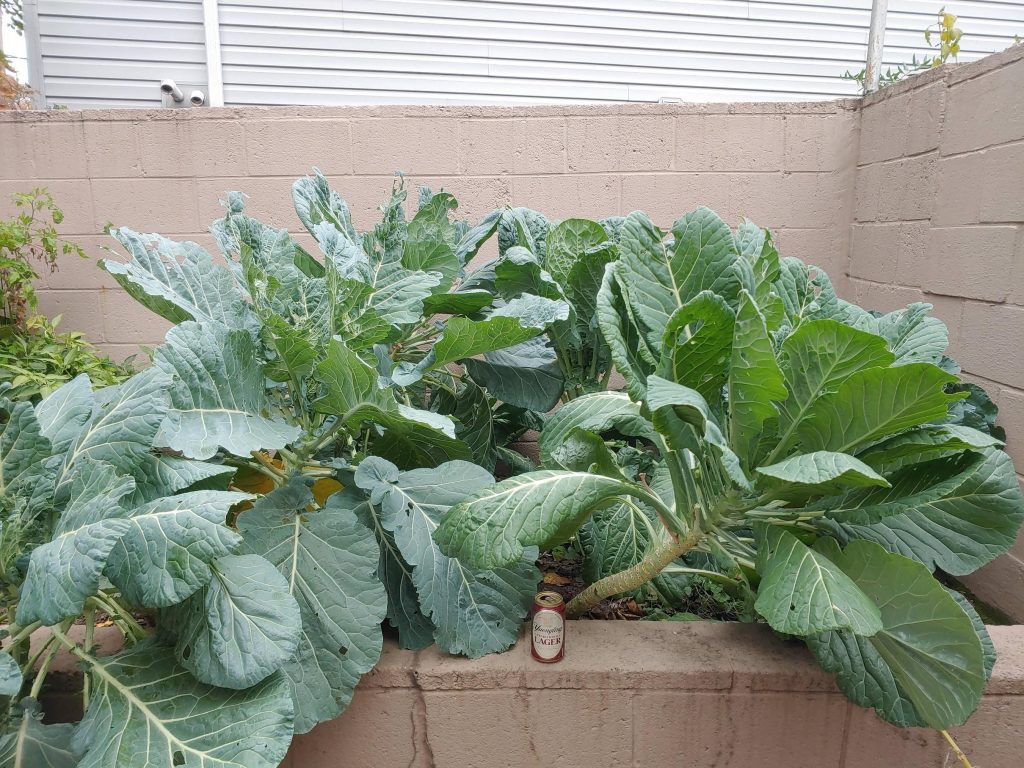
Collard greens don’t mess around when it comes to space. Direct sow seeds now, giving each plant a full 2 feet to spread. Unlike cabbage, collards never form a tight head.
Their broad, sturdy leaves handle heat and cold with equal ease. I like harvesting outer leaves first and letting the center keep growing.
Few greens hold up through a Zone 9 winter quite like these.
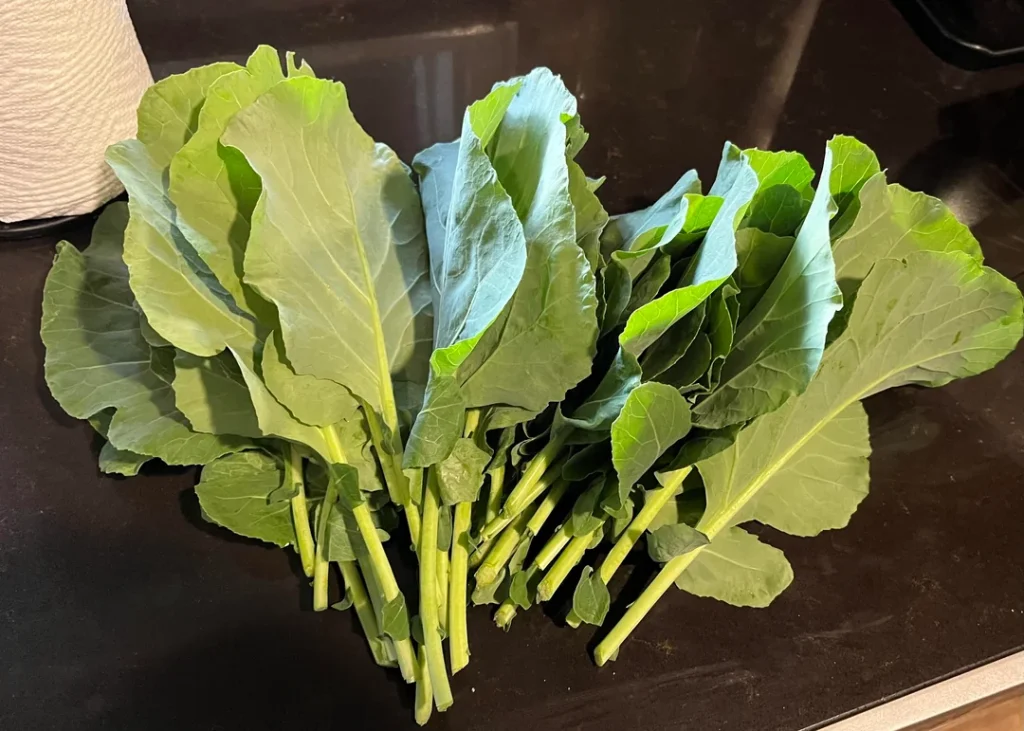
Planting Tips: Collards grow best in full sun, though they’ll tolerate partial shade without sulking. Rich, well-draining soil with added compost keeps growth steady and leaves tender.
Water consistently, since dry spells toughen up the leaves fast. Space plants generously, since crowded collards stay smaller and slower to mature.
13. Radishes
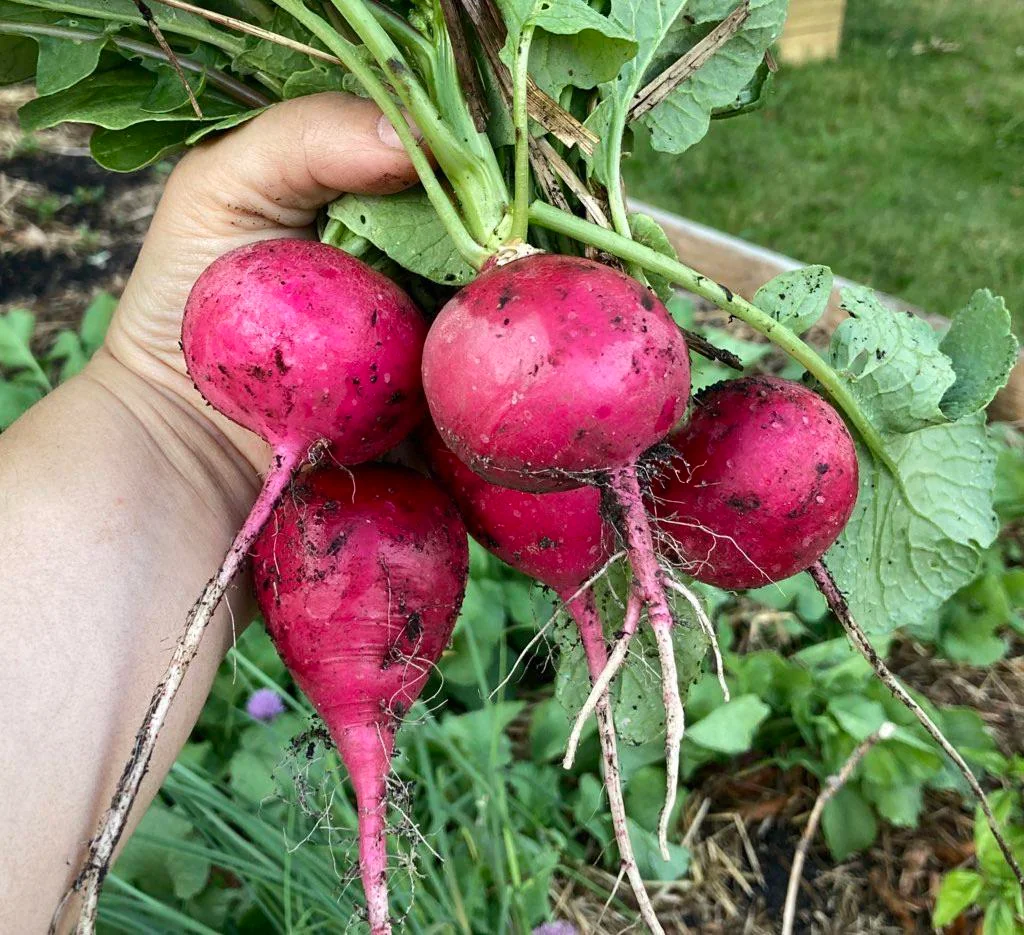
Radishes move fast, and that’s exactly why I love them. Some varieties reach harvest in just 3 to 4 weeks. Succession planting every couple weeks keeps a steady supply coming through fall.
Tuck them between slower crops like kale or broccoli to use every inch of space. Cooler weather sharpens their peppery bite without turning them woody.
Nothing beats radishes for instant gardening gratification.
Planting Tips: Radishes grow best in full sun with loose, well-draining soil free of rocks. Skip transplanting, since radishes only do well when direct seeded.
Space seeds about an inch apart, then thin if seedlings crowd each other. Water lightly but often, since dry soil turns radishes tough and overly spicy.
Your Zone 9 Fall Garden Starts Today
August feels like the wrong month to plant anything, but that’s the trick. Warm soil gets seeds germinating fast, while cooler October days sweeten everything from carrots to beets.
Chard and collards forgive beginner mistakes, while parsnips and leeks reward anyone willing to wait. Thirteen vegetables might sound like a lot, but you don’t need to plant all of them at once.
Pick three or four that excite you most, and build from there.