13 Flowers to Plant in October for a Burst of Color in Fall and Beyond

October sneaks up fast, and your flower beds still have time for one more move.
I’ve spent years testing what actually survives the shift into cooler soil, and some picks surprise even seasoned gardeners.
Cold snaps don’t scare every bloom away. Below, you’ll find thirteen flowers worth your trowel this month, plus exactly how to give each one its best shot.
Check Your USDA Hardiness Zone First
Before you buy a single seed packet, check your zone. My cornflowers didn’t survive an early freeze one year, and that mistake taught me fast.
Your hardiness zone tells you exactly which plants can handle your winter.
Some flowers on this list, like cornflower, only work for fall planting in mild-winter zones. Cold-winter gardeners need to wait until spring instead.
Others, like camassia and bearded iris, actually need that cold exposure to thrive.
You can find your zone in seconds with a quick search. Do this first, and you’ll save yourself time, money, and disappointment come spring.
13 Flowers to Sow in October for Spring
1. Sweet Peas
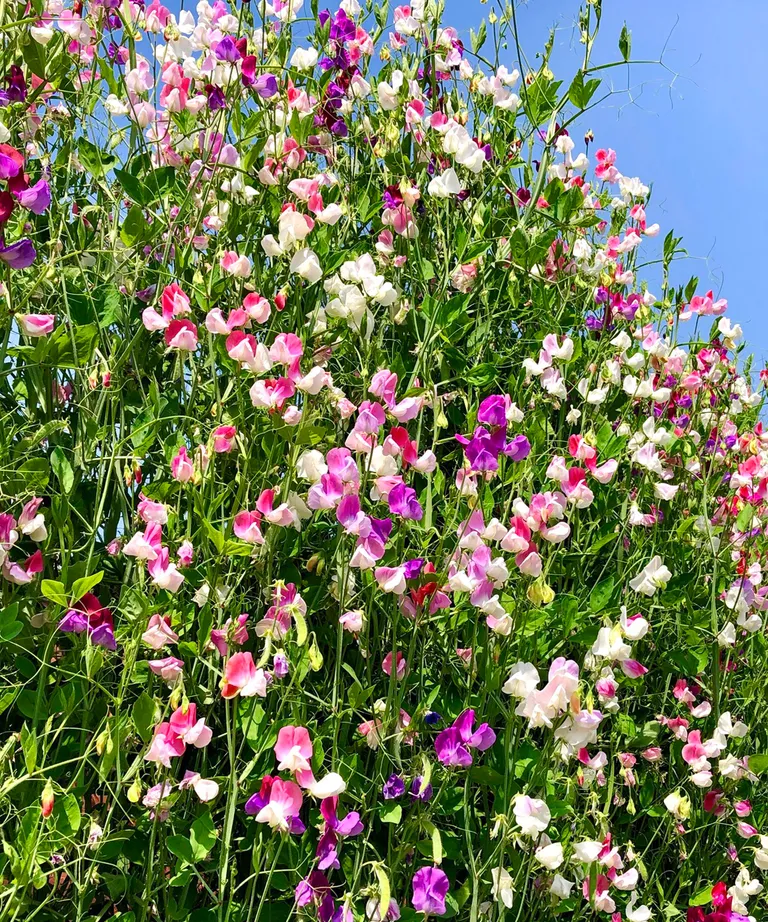
I always tell people sweet peas are the reward for planting in fall instead of waiting for spring. You get sturdier stems. You get earlier blooms. And honestly, the smell alone makes the extra effort worth it.
Cold protection is the one thing you can’t skip. Pop your seedlings into a greenhouse or cold frame once temperatures drop.
Pinch the tips back every so often, and watch them fill out into bushy little plants by spring.
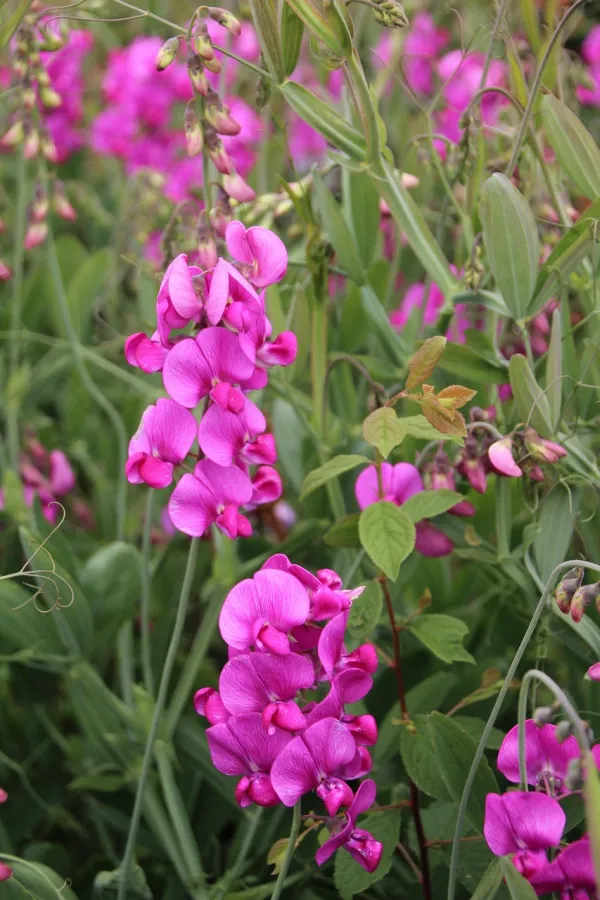
Don’t have a garden bed to spare? No problem. My balcony sweet peas do just as well in containers. Just give them sun, and remember to pinch.
Plant Overview
- Name: Sweet pea (Lathyrus odoratus)
- USDA Hardiness Zones: 3-8 (with winter protection)
- Sun Exposure: Full sun
- Soil Needs: Moist, well-drained, neutral to alkaline
Also read: 15 Best Flower Seeds to Sow in the Fall for a Spring Bloom
2. Cornflower
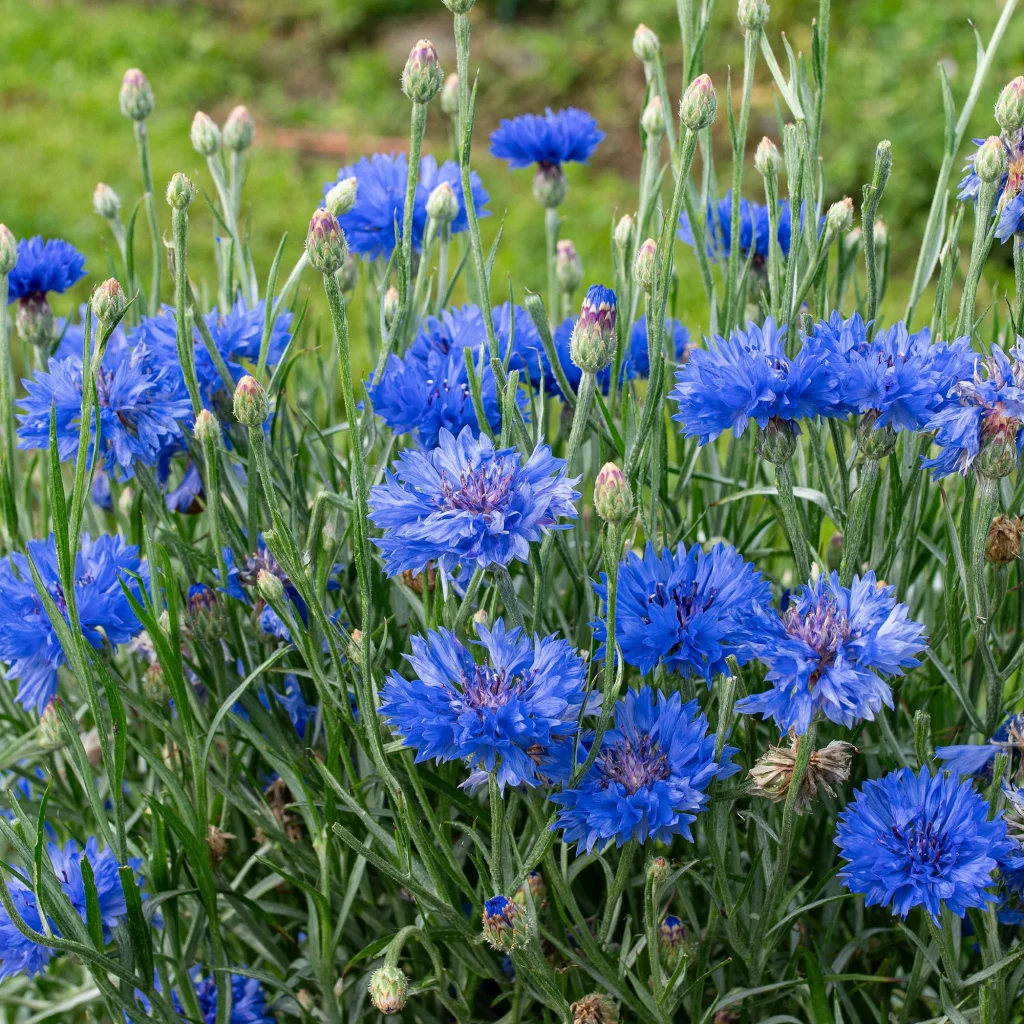
Blue isn’t the only color cornflowers come in, and that surprises most people. You’ll also find shades of pink and deep red hiding in seed mixes. Bees and butterflies can’t resist any of them.
Your climate decides your timing here. Mild winters mean October sowing works great, since young plants shrug off a light frost. Harsh winters mean you should wait for spring instead.
Small seeds need a light touch. Scatter them on top of the soil, then barely cover them. Too much soil on top, and they won’t sprout at all.
Plant Overview
- Name: Cornflower (Centaurea cyanus)
- USDA Hardiness Zones: 2-11 (grown as annual)
- Sun Exposure: Full sun
- Soil Needs: Light, well-drained, tolerates poor soil
Also read: 15 Best Fall Flowers to Plant in Your September Garden
3. Alliums
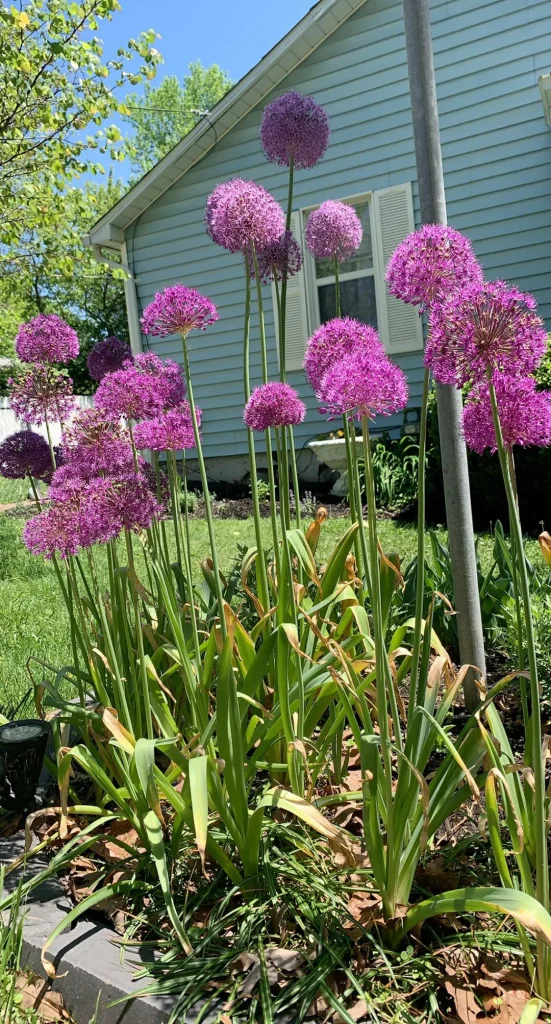
Picture a purple pom-pom balanced on a tall, skinny stem, and you’ve basically pictured an allium. Some varieties grow over a meter tall. They practically demand attention in any border.
Timing makes or breaks this bulb. Get them into the ground at least six weeks before your first frost. September and October both work well for most gardeners.
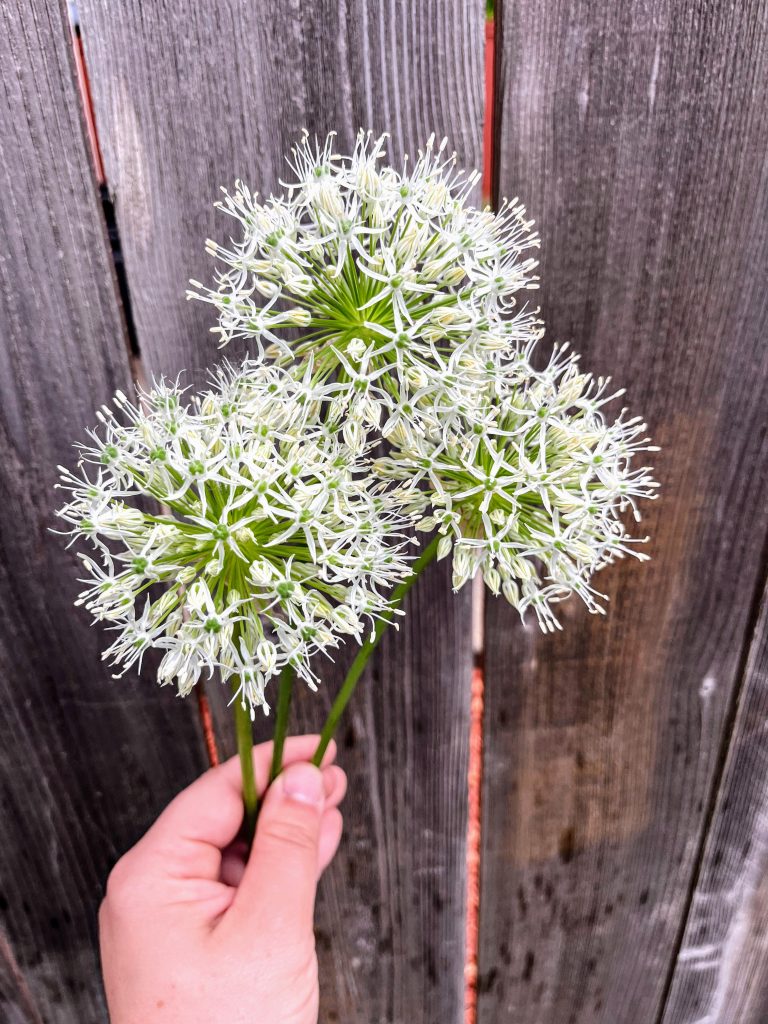
Depth is the other detail people mess up. Bury each bulb three times as deep as it is tall. Do that, and you could get up to four years of blooms from one planting.
Plant Overview
- Name: Allium (Allium spp.)
- USDA Hardiness Zones: 3-9
- Sun Exposure: Full sun
- Soil Needs: Well-drained, fertile, neutral
Also read: 12 Best Deer-Resistant Fall Flowers to Grow
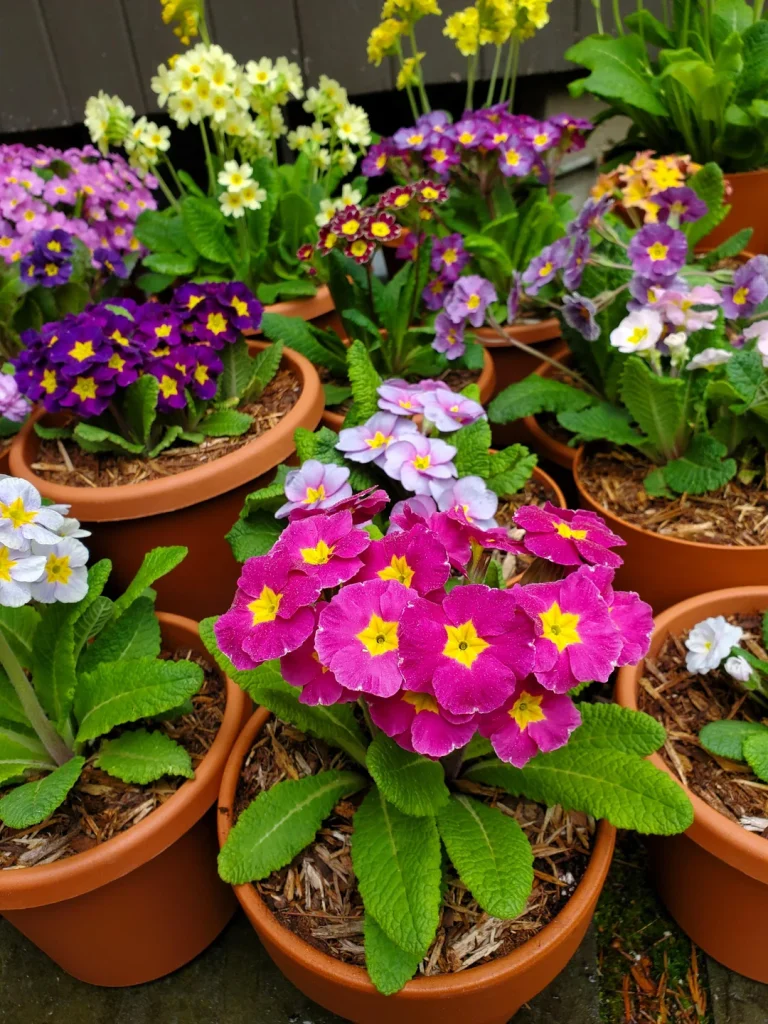
4. Cowslip
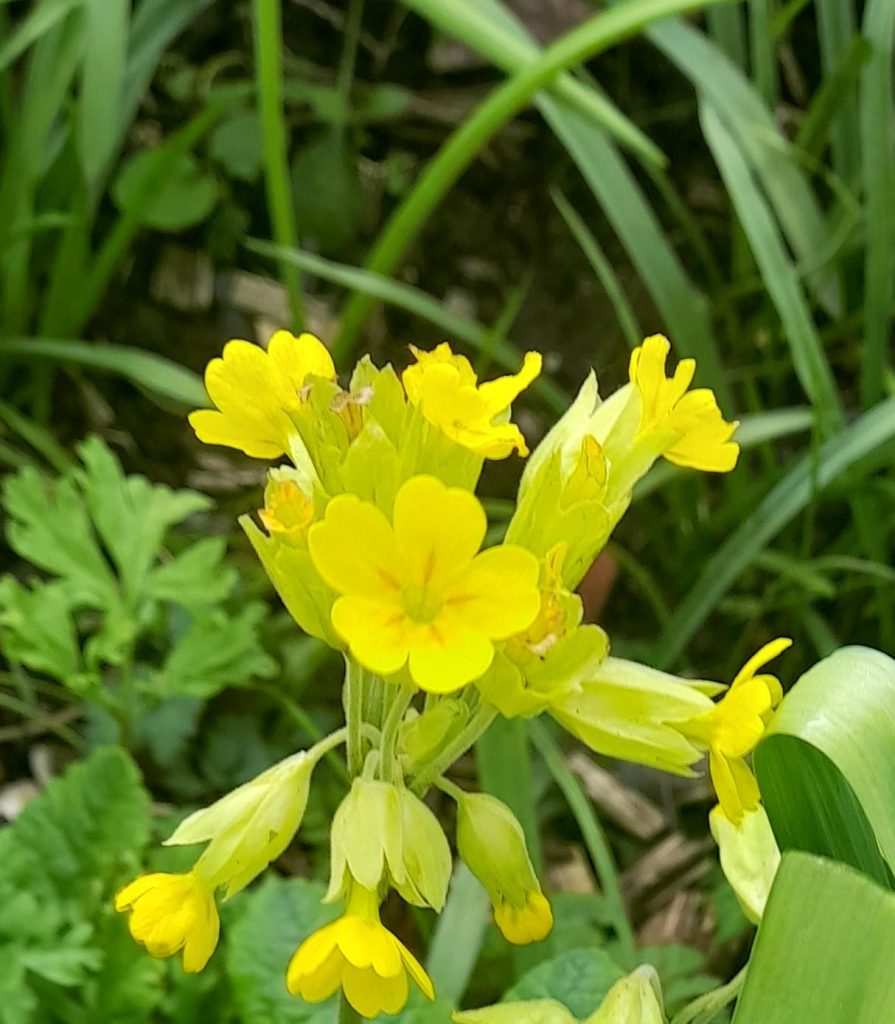
I love cowslip for shady spots where nothing else seems to bloom. It only grows about 10 inches tall. Yellow flowers pop up on tall stems above clumps of toothed leaves.
You’ll need patience with these seeds. They need a cold spell to break dormancy before they’ll sprout. Sow them about six weeks before your first frost, and let winter do its work.
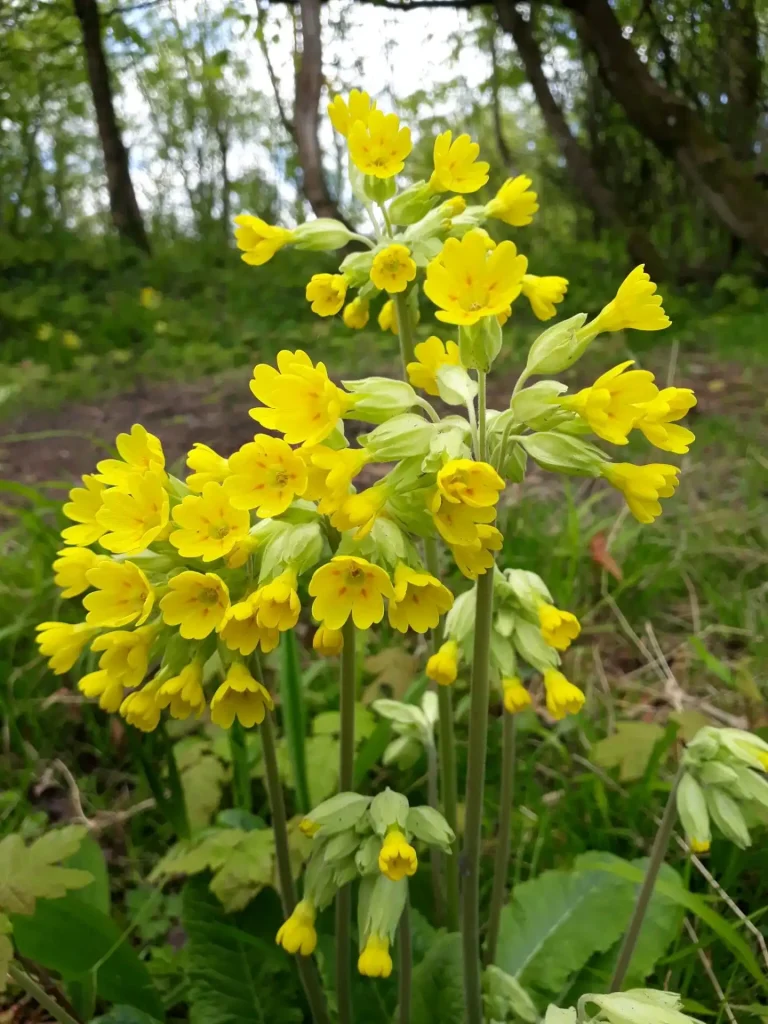
Once established, cowslips take care of themselves. They self-seed all over the garden. Mid to late spring brings you those lemony blooms you waited all winter for.
Plant Overview
- Name: Cowslip (Primula veris)
- USDA Hardiness Zones: 3-8
- Sun Exposure: Partial to full shade
- Soil Needs: Moist, well-drained, fertile
5. Rose Campion
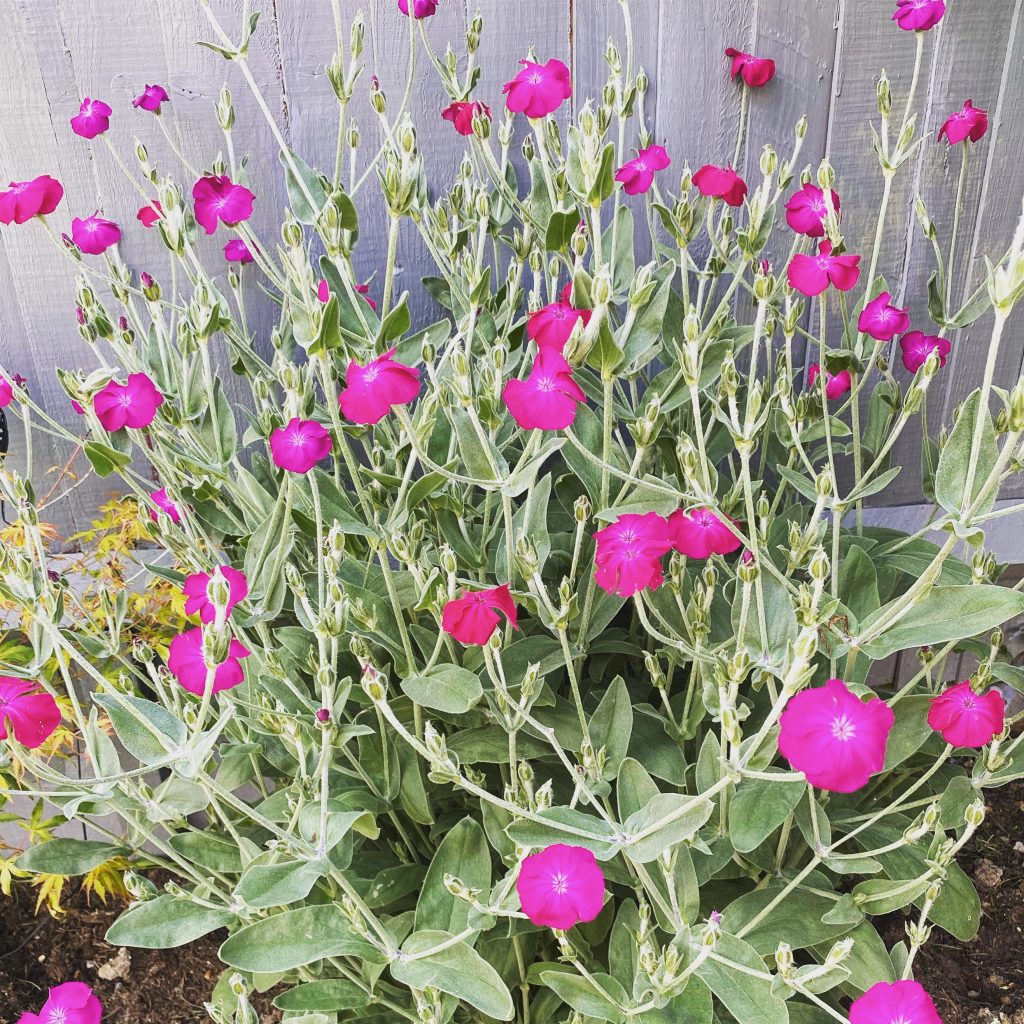
Silvery leaves make rose campion stand out even before it blooms. Bright pink or magenta flowers top those fuzzy gray stems. I think it’s one of the prettiest contrasts you can grow.
This plant needs cold to germinate well. Scatter seeds right on top of your soil or compost. Don’t bury them, since they need light to sprout.
An unheated greenhouse works perfectly for this step. A cold frame does the job too. Either way, you’re giving the seeds exactly what they need.
Plant Overview
- Name: Rose campion (Lychnis coronaria)
- USDA Hardiness Zones: 4-8
- Sun Exposure: Full sun
- Soil Needs: Well-drained, average, drought-tolerant
6. Columbine
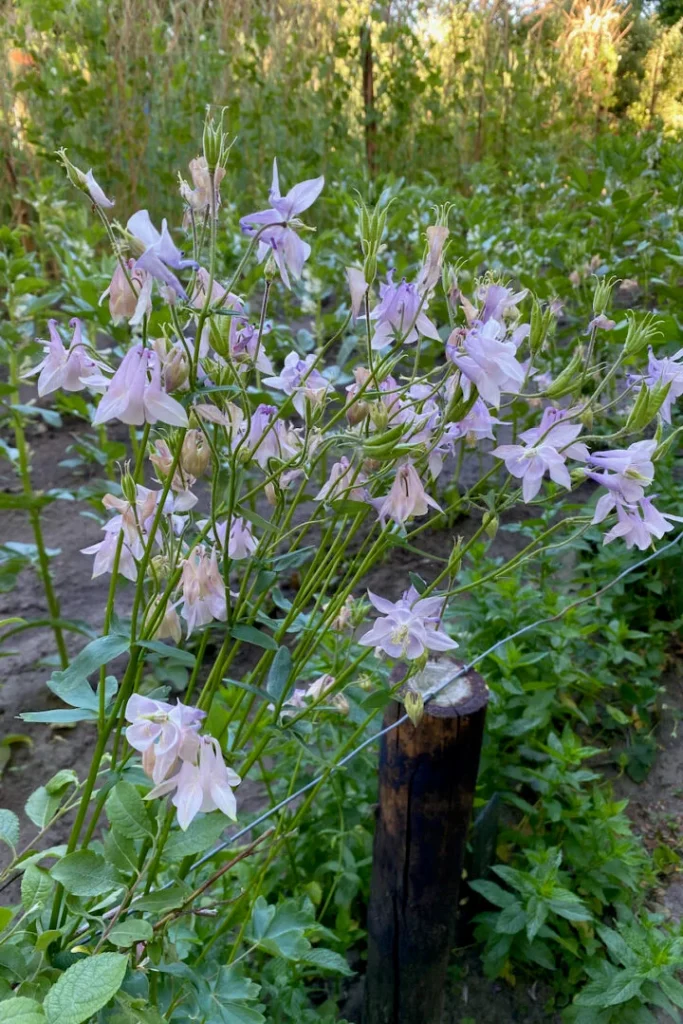
Hummingbirds go crazy for columbine, and I don’t blame them. Dainty bell-shaped flowers dangle from thin stems. Bumblebees show up for the show too.
Direct sowing works best for this one. Fall planting gives seeds the cold spell they crave naturally. Indoor starts need 2 to 3 weeks in your fridge first.
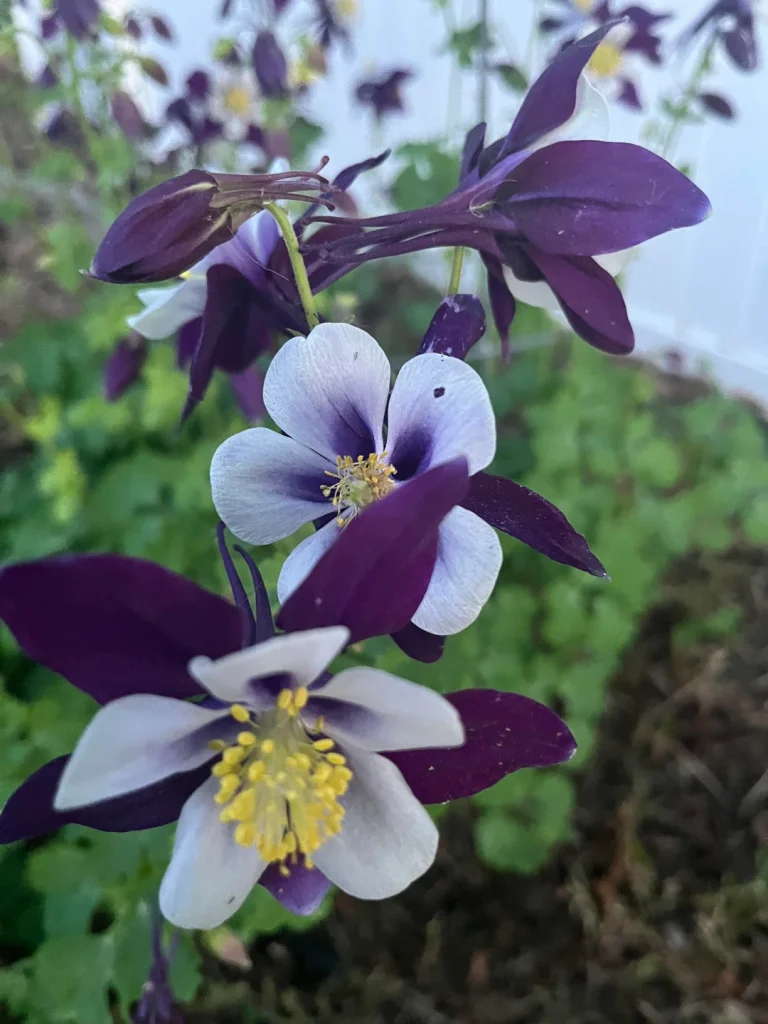
Patience really pays off here. Columbine takes about two years to bloom from seed. But once it does, you’ll wonder why you waited.
Plant Overview
- Name: Columbine (Aquilegia spp.)
- USDA Hardiness Zones: 3-9
- Sun Exposure: Full sun to part shade
- Soil Needs: Moist, well-drained, rich
7. Antirrhinums
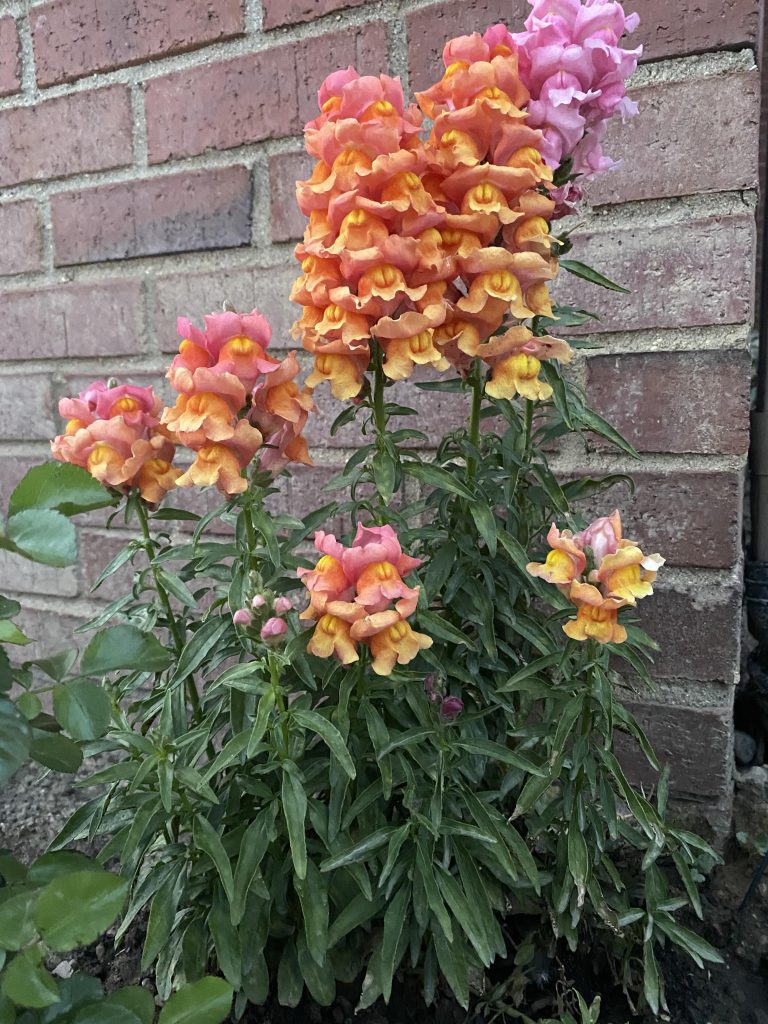
I call these by their nickname, snapdragons, because that’s what everyone actually says.
Squeeze the sides of the bloom, and it snaps open like a tiny dragon mouth. Kids love this trick as much as I do.
Indoor sowing works best for October. Scatter seeds on top of the compost, then cover them with plastic or pop them in a propagator. Warmth and moisture do the rest.
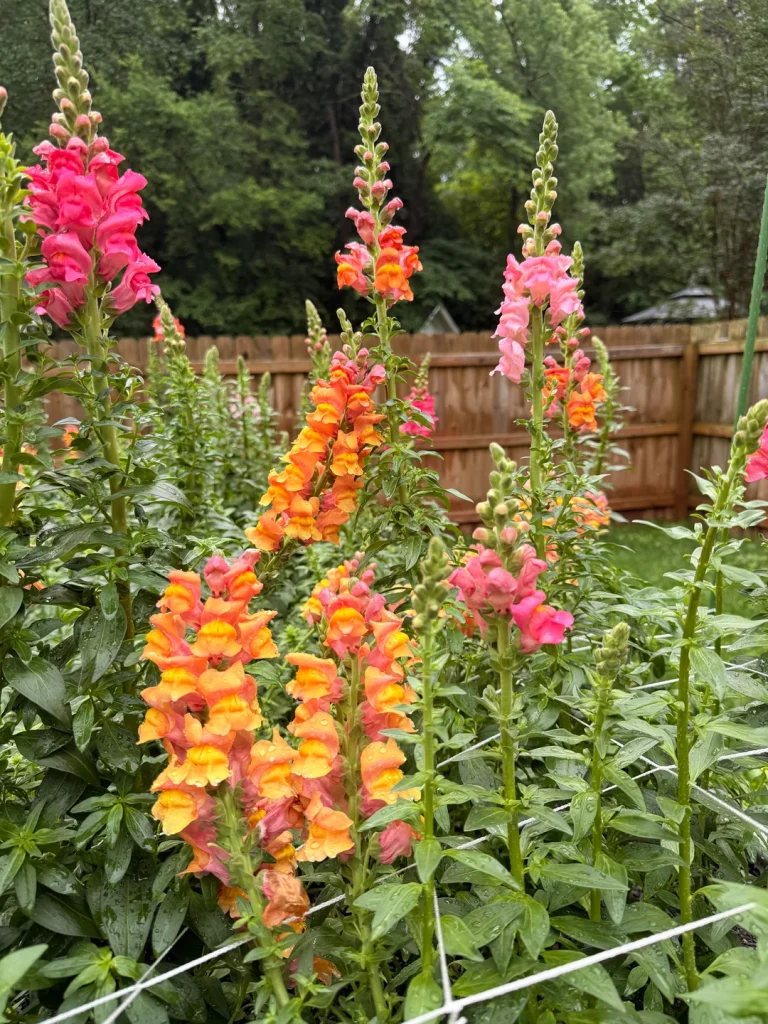
Pot up your seedlings once they’re big enough to handle. Keep them protected somewhere safe through winter. Plant out after frost passes, and you’ll see blooms by May.
Plant Overview
- Name: Snapdragon (Antirrhinum majus)
- USDA Hardiness Zones: 7-10 (perennial); grown as annual elsewhere
- Sun Exposure: Full sun
- Soil Needs: Well-drained, fertile, neutral
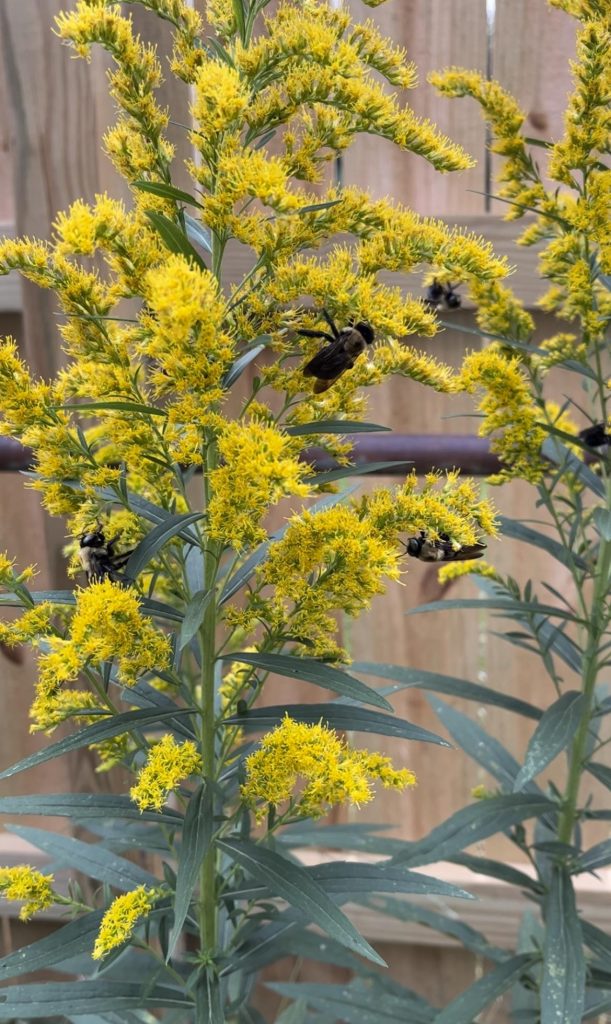
8. Goldenrod
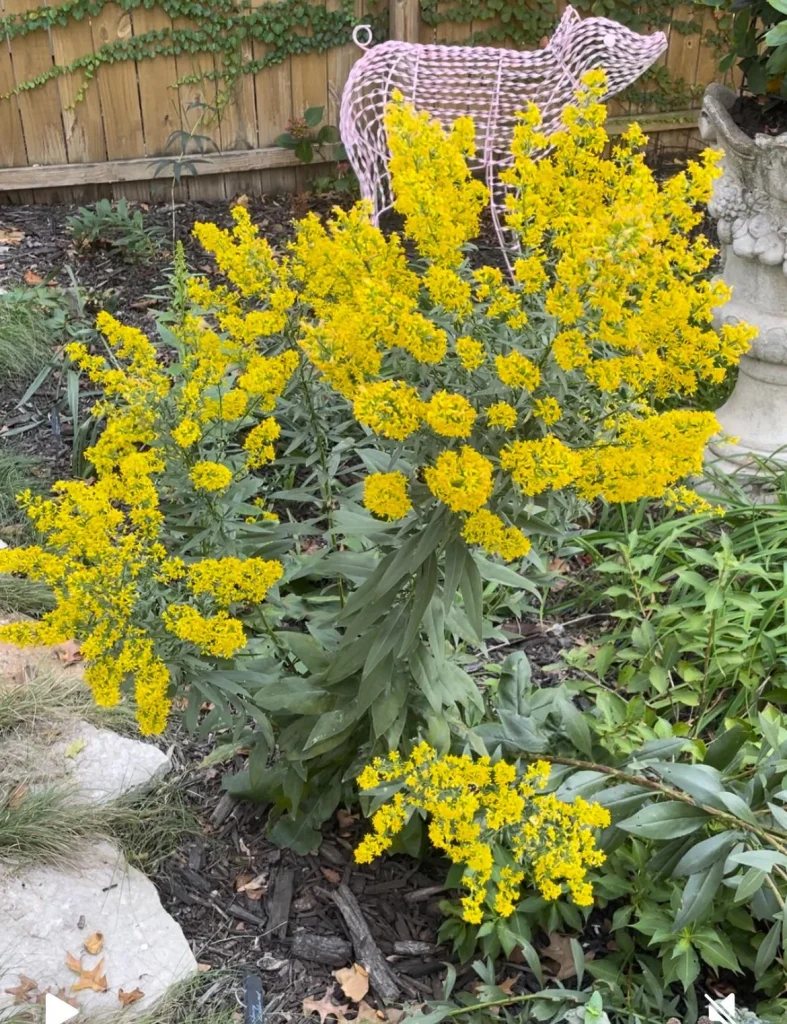
Goldenrod explodes with yellow right when your garden needs it most. Galen Gates, a landscape designer, once compared its blooms to fireworks. I think that description fits perfectly.
Size varies a lot with this plant. Some stay compact at 6 inches. Others stretch up to 4 feet tall, depending on how you grow them.
Full to partial sun keeps goldenrod happy. Well-drained soil rounds out its needs. Plant it now, and you’ll get roots settled before the cold really sets in.
Plant Overview
- Name: Goldenrod (Solidago spp.)
- USDA Hardiness Zones: 2-8
- Sun Exposure: Full to partial sun
- Soil Needs: Well-drained
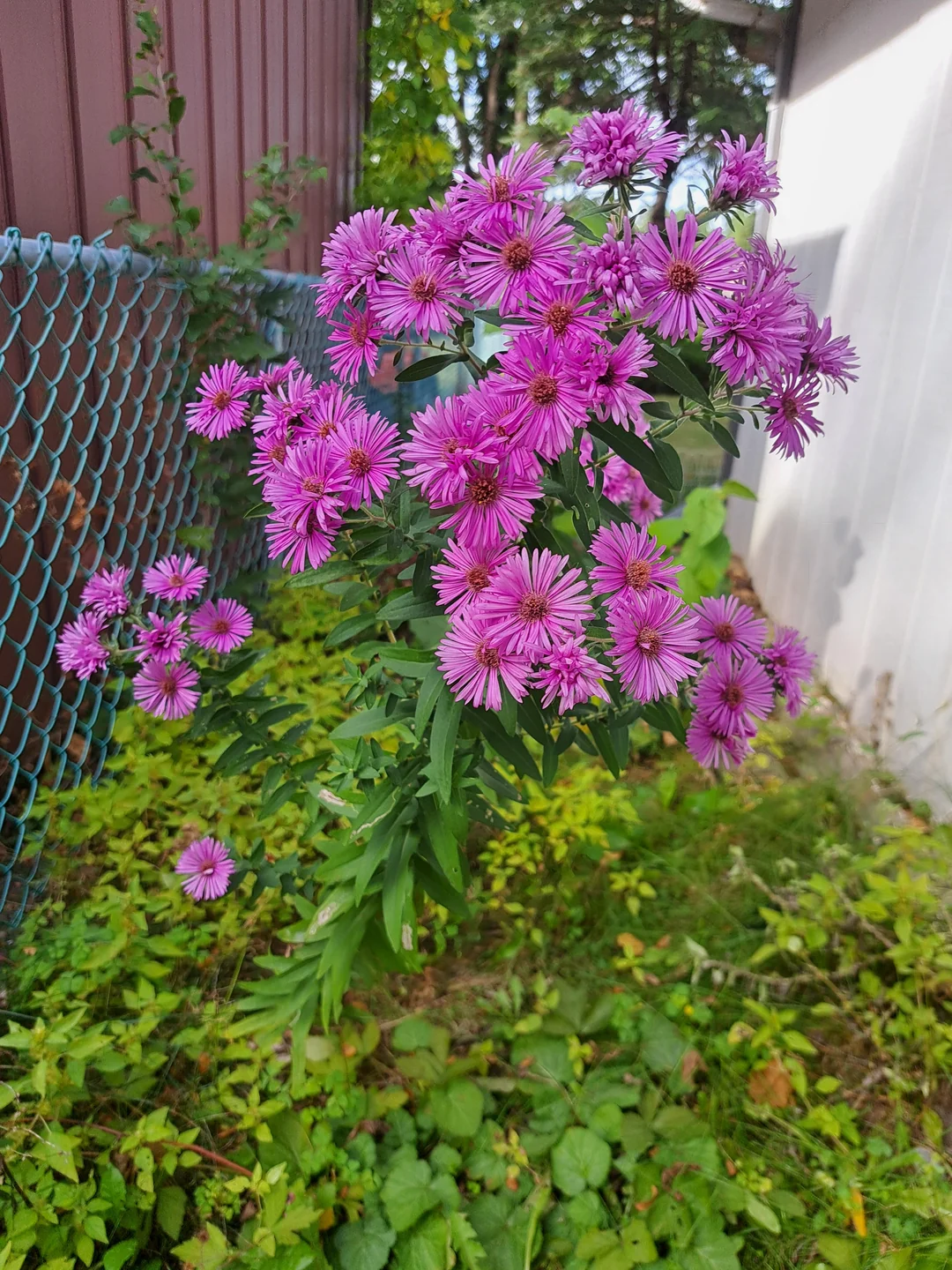
9. Aster
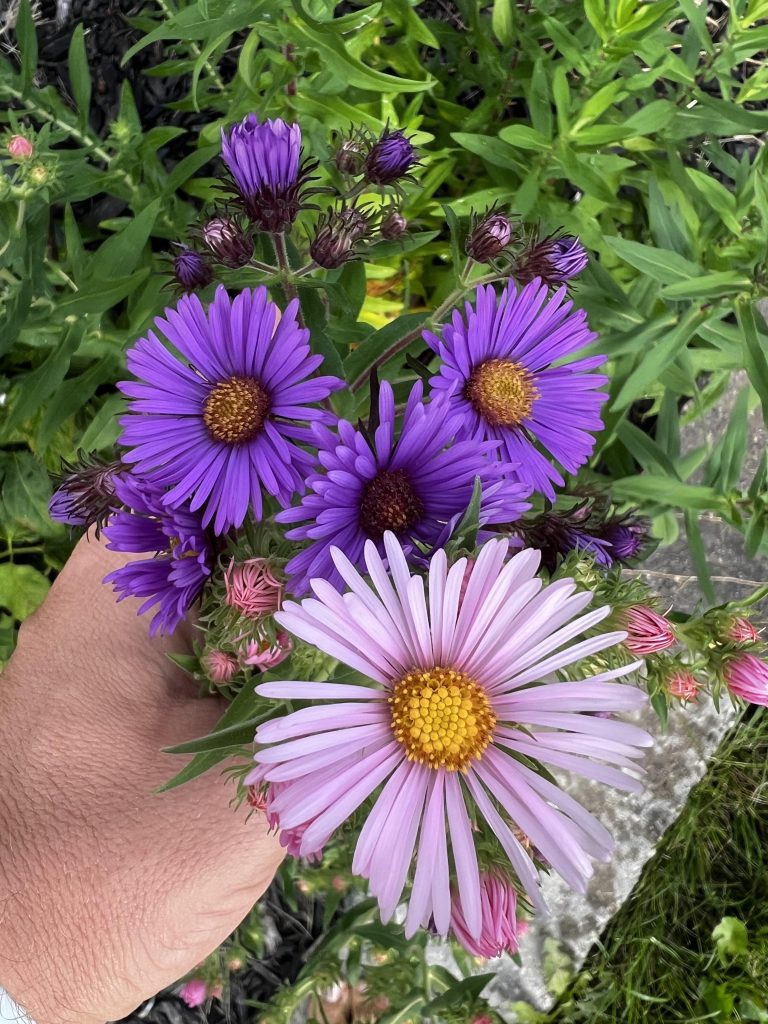
Purple, blue, pink, and white all show up in aster blooms. I love mixing a few colors together for a fuller look. Butterflies flock to these flowers right before frost hits.
Big varieties need a little help standing tall. Stake the larger types before they flop over. Some sturdy asters even support other perennials nearby, like a built-in trellis.
Moist, well-drained soil keeps asters thriving. Full sun to part shade works for most spots. Plant them now, and fall color is basically guaranteed.
Plant Overview
- Name: Aster (Symphyotrichum spp.)
- USDA Hardiness Zones: 3-9
- Sun Exposure: Full sun to part shade
- Soil Needs: Moist, well-drained
10. Mums
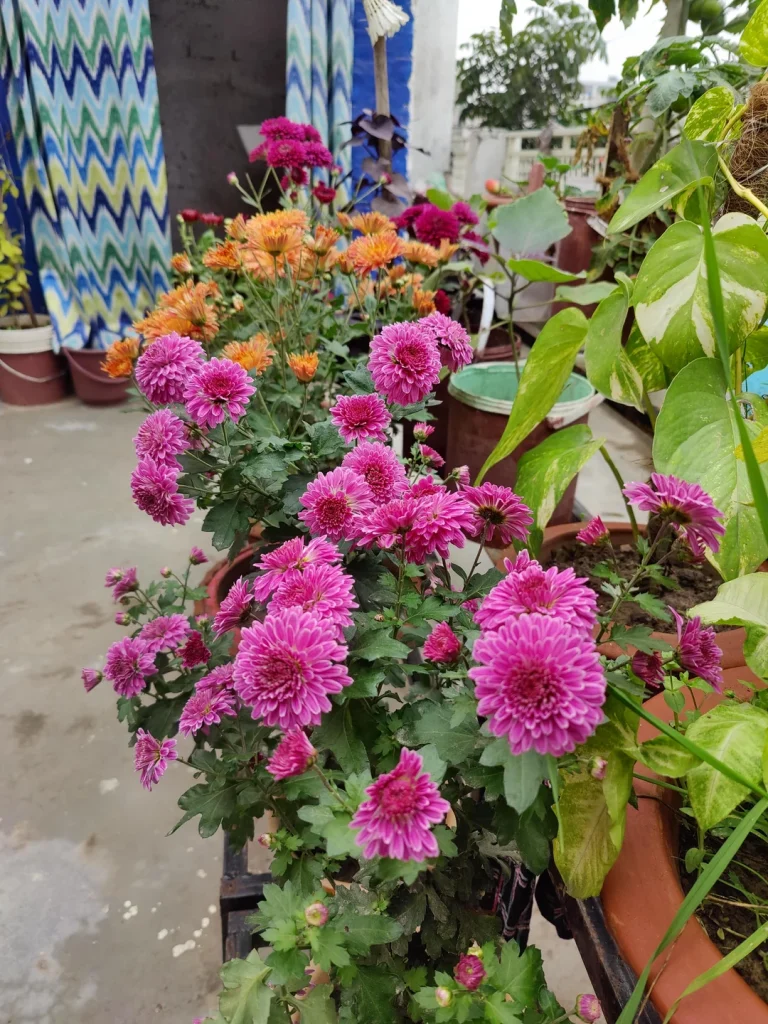
Nothing says fall quite like a mum in full bloom. I plant them every October without fail. They come back year after year if you treat them right.
Pick plants that aren’t fully bloomed yet at the store. They handle transplanting much better that way. Give them full sun, and keep that soil moist but never soggy.
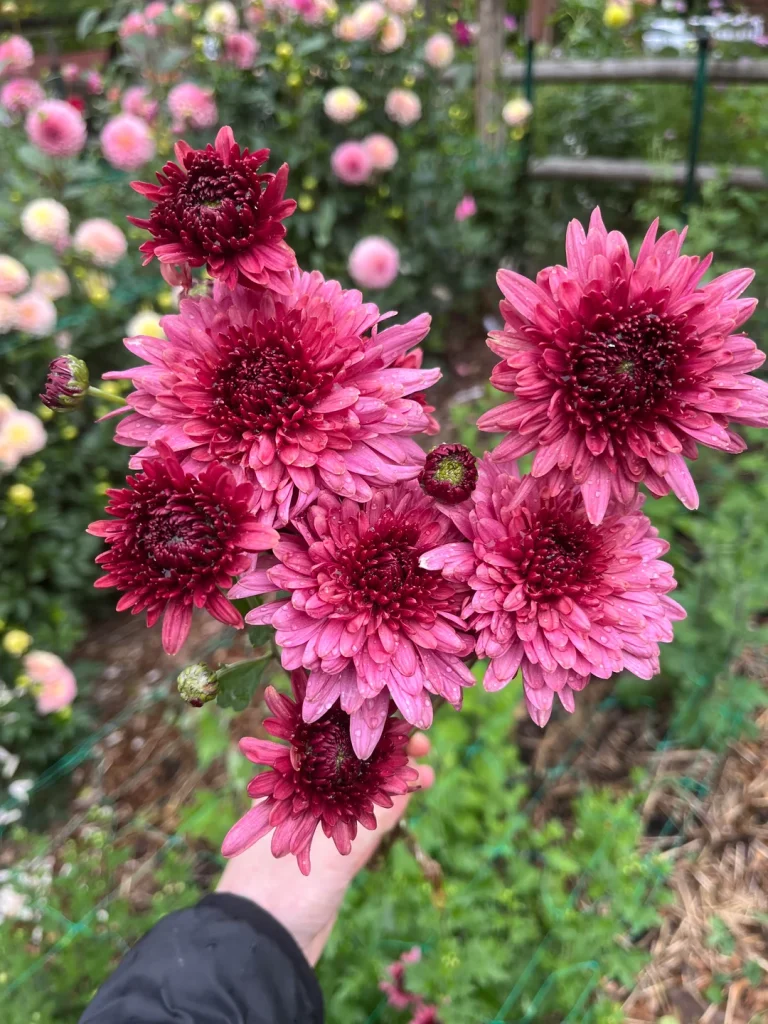
Rich, well-drained soil makes all the difference here. Water consistently through the cooler weeks ahead. Do that, and your mums will thank you with color for weeks.
Plant Overview
- Name: Mum (Chrysanthemum spp.)
- USDA Hardiness Zones: 5-9
- Sun Exposure: Full sun
- Soil Needs: Rich, well-drained, moist
11. Peonies
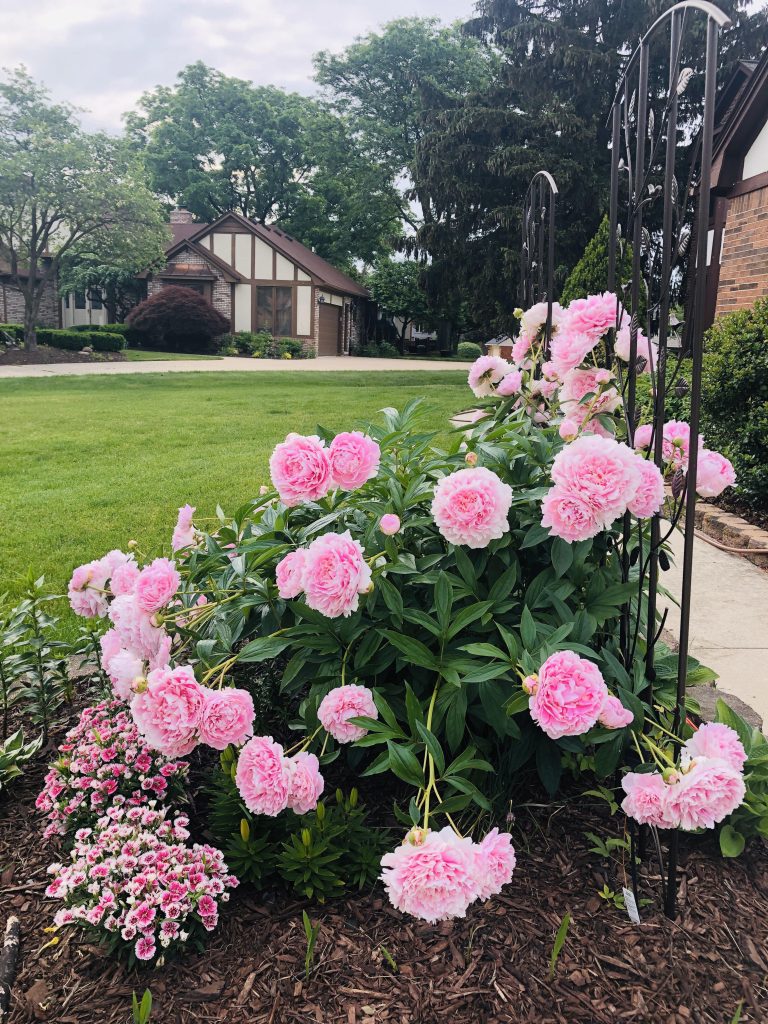
I think peonies are worth the wait every single time. Fall planting sets them up perfectly for spring.
Cool autumn soil lets roots settle in without any summer stress.
Depth trips up a lot of new gardeners. Set those root divisions so the eyes sit just 1 to 2 inches below the surface.
Bury them too deep, and you’ll get fewer blooms.
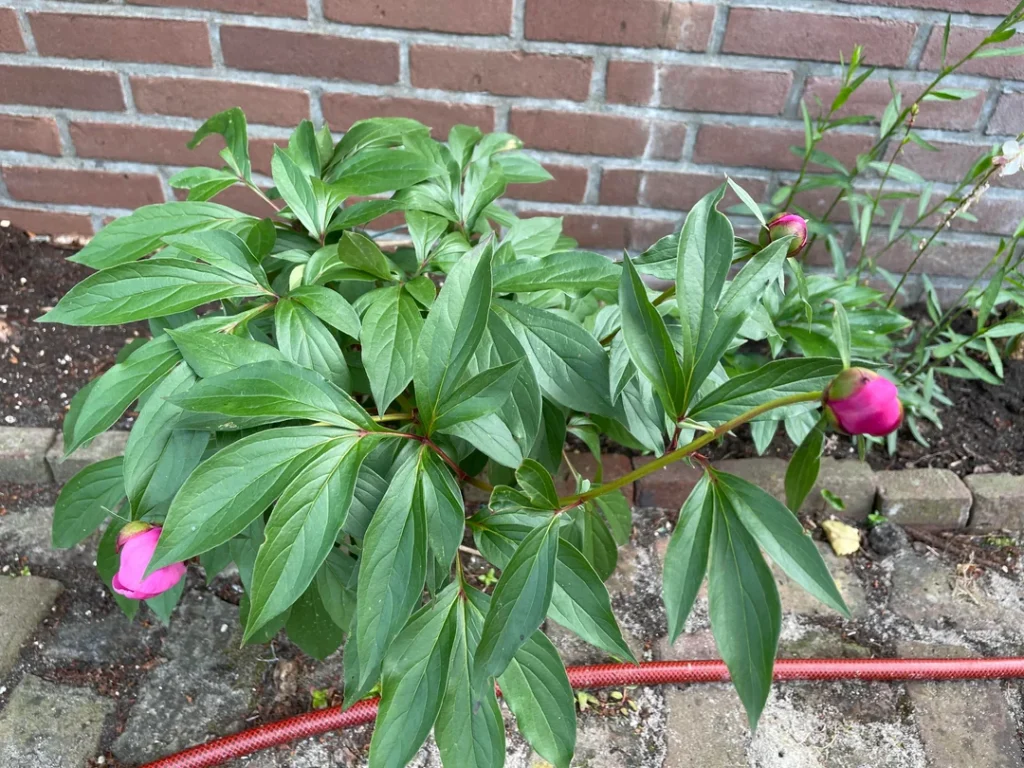
Full sun to part shade works best for peonies. Rich, well-drained soil rounds things out. Plant now, and you’re basically investing in next year’s garden.
Plant Overview
- Name: Peony (Paeonia spp.)
- USDA Hardiness Zones: 3-8
- Sun Exposure: Full sun to part shade
- Soil Needs: Rich, well-drained
12. Bearded Iris
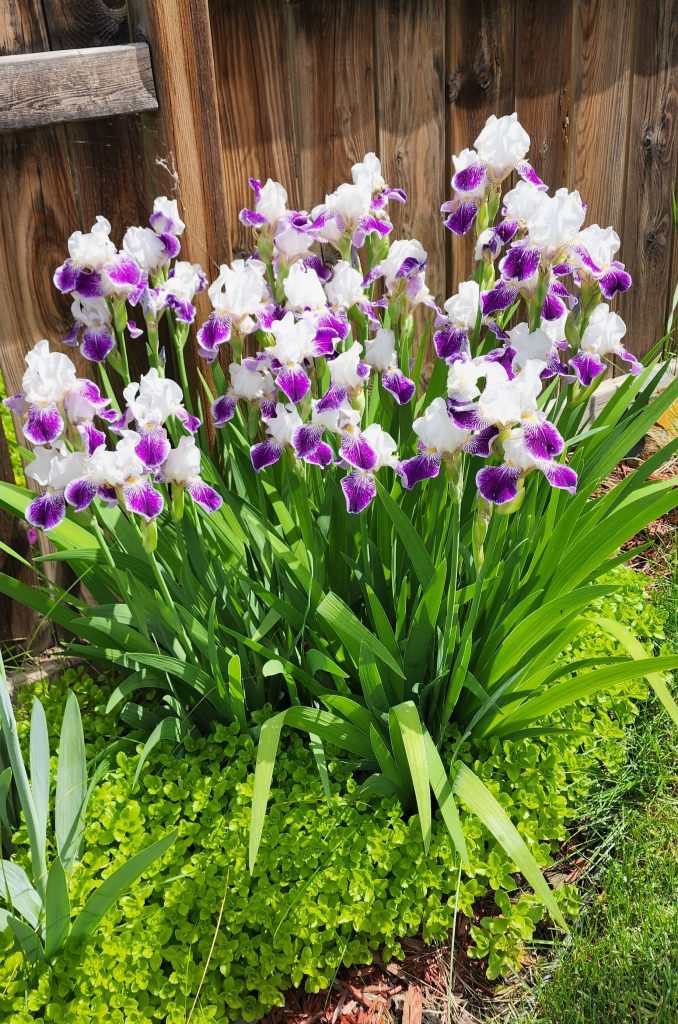
Bearded iris brings texture and color together in one plant. I love how the rhizomes settle into cool October soil before winter hits. That head start pays off big in spring.
Planting depth matters more than people expect. Set rhizomes right at or just below the soil surface. Bury them too deep, and rot sets in fast, cutting down on flowers.
Full sun keeps bearded iris happiest. Rich, well-drained soil finishes the job. Get this right, and you’ll see gorgeous blooms next season.
Plant Overview
- Name: Bearded iris (Iris germanica)
- USDA Hardiness Zones: 3-9
- Sun Exposure: Full sun
- Soil Needs: Rich, well-drained
13. Camassia
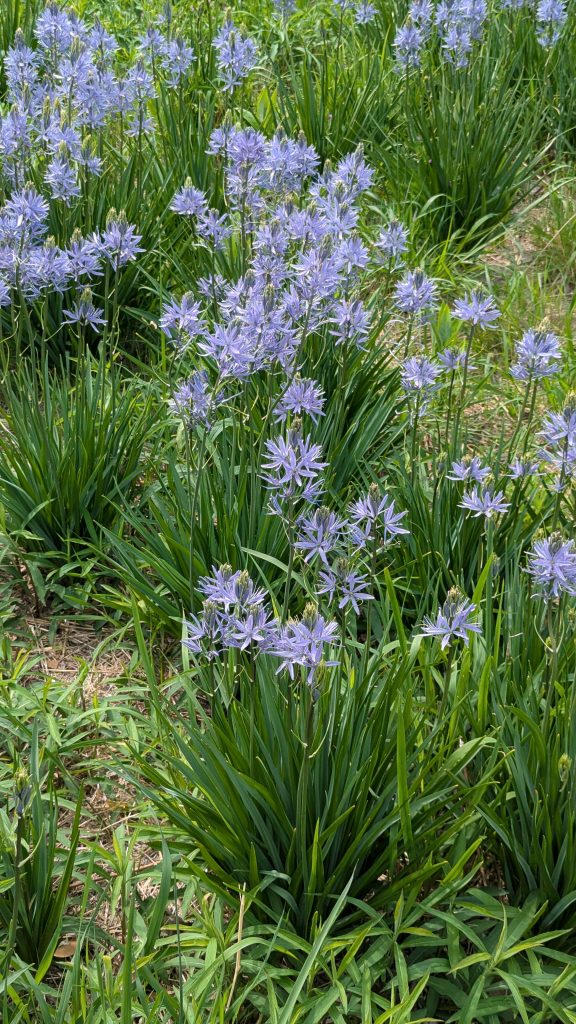
Camassia might be the most underrated bulb on this list. Blue, star-shaped flowers rise up in spring after a long winter nap. I always recommend it for tricky, damp garden spots.
Cold dormancy is non-negotiable for this bulb. October planting gives it exactly that. Skip this step, and you simply won’t get blooms.
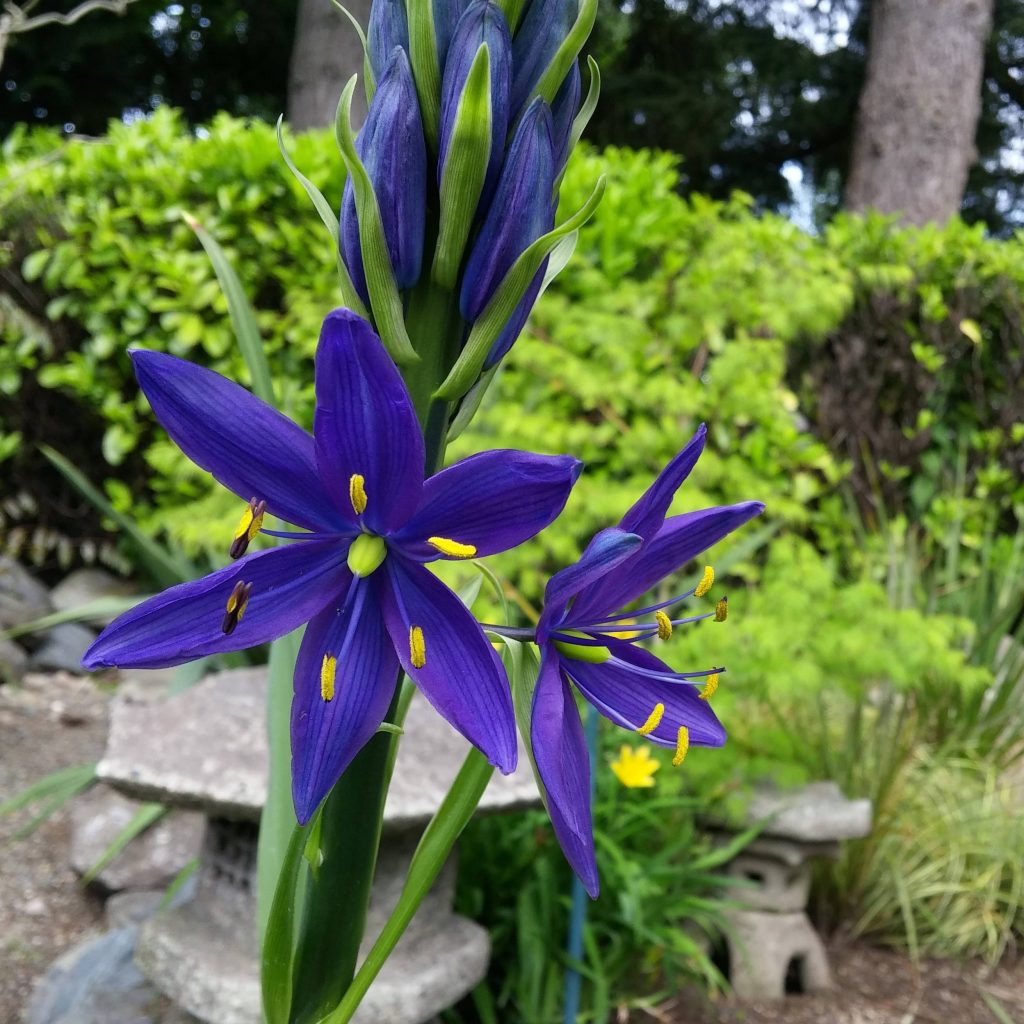
Plant camassia bulbs 4 to 6 inches deep. Heavier, damper soil doesn’t bother this plant one bit. Full sun to partial shade rounds out what it needs to thrive.
Plant Overview
- Name: Camassia (Camassia spp.)
- USDA Hardiness Zones: 4-8
- Sun Exposure: Full sun to partial shade
- Soil Needs: Well-draining, tolerates damp soil
FAQs
What can you plant in October for winter color?
You don’t have to give up on color once the leaves fall. Skimmia, pyracantha, and sarcococca all bring pops of color through the coldest months.
Pansies, hellebores, and ornamental cabbage work great too, especially in containers near your front door.
Is it too late to plant flowers in October?
Not at all. Cooler soil actually helps roots settle in without heat stress. Just watch your frost dates, and get bulbs and perennials in the ground with enough time to establish before the ground freezes.
Do I need to protect fall-planted flowers from frost?
It depends on the plant. Sweet peas and snapdragons need a cold frame or greenhouse for protection. Bulbs like alliums, camassia, and bearded iris actually want that cold exposure, so leave them be.
Final Thoughts
October gives you one last shot at a gorgeous garden. I’ve planted every flower on this list at some point, and each one rewarded me with blooms I didn’t expect.
Grab your gloves, pick a few favorites, and get those roots in the ground before winter locks everything up.