15 Best Indoor Plants Safe for Cats & Dogs

My dog treats every houseplant like a snack bar. That habit taught me one lesson fast: find greenery that won’t land us at the emergency vet.
Dogs sniff, lick, and chew before they think twice, and some common houseplants make that curiosity expensive. Luckily, plenty of gorgeous plants pose zero threat to your pup.
Below, I’m sharing 15 dog-safe plants I’ve grown, killed, revived, and now trust completely around my own four-legged troublemaker. Each one adds color and texture to your home without risking those wagging tails.
15 Low Light Pet Friendly Houseplants
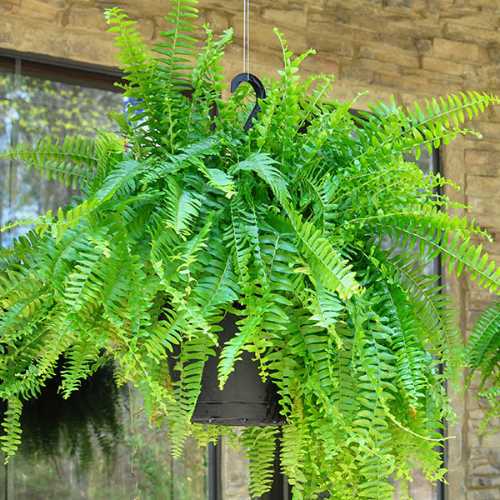
1. Boston Fern
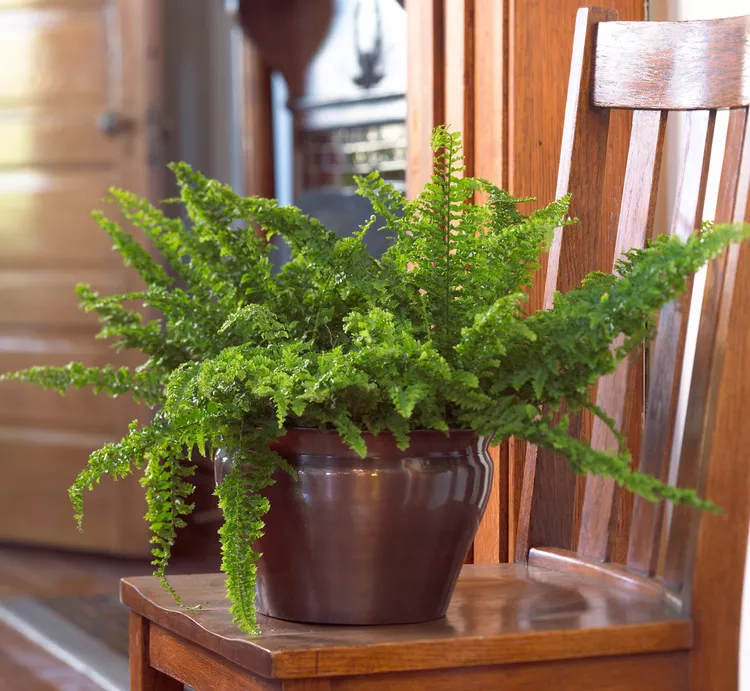
I swear this fern was built for dog households. You get all that feathery, jungle-green texture with none of the worry. My dog has flopped right through mine more times than I can count, and it just bounces back.
Humidity is the real secret here. Pop it in a steamy bathroom or kitchen and watch it thrive. Give it partial sun and a weekly drink, and those fronds stay lush for months.
Plant Overview
- Light: Partial sun
- Water: Weekly, keep lightly moist
- Soil: Moist, well-drained, acidic
Read more: 15 Indoor Plant Corner Ideas That Make Your Home Feel Alive
2. Spider Plant
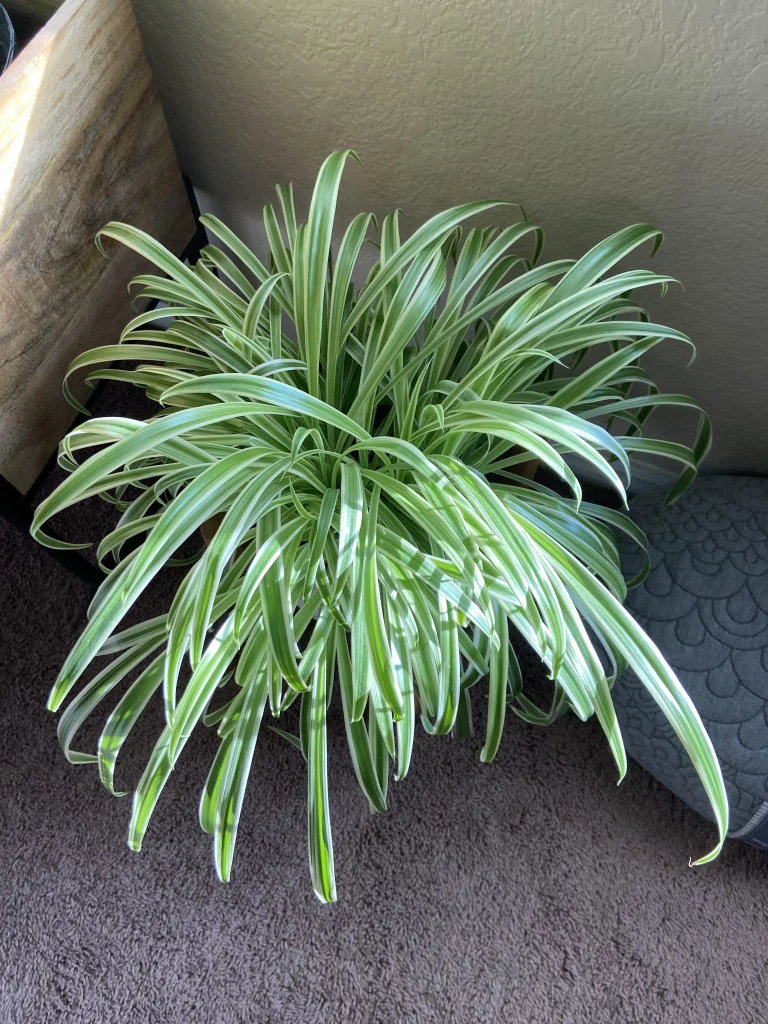
Nothing kills a spider plant, or at least I haven’t managed it yet. You could forget to water this thing for two weeks and it wouldn’t even complain.
Those arching, striped leaves send out little “babies” called spiderettes, which you can snip off and turn into new plants for free.
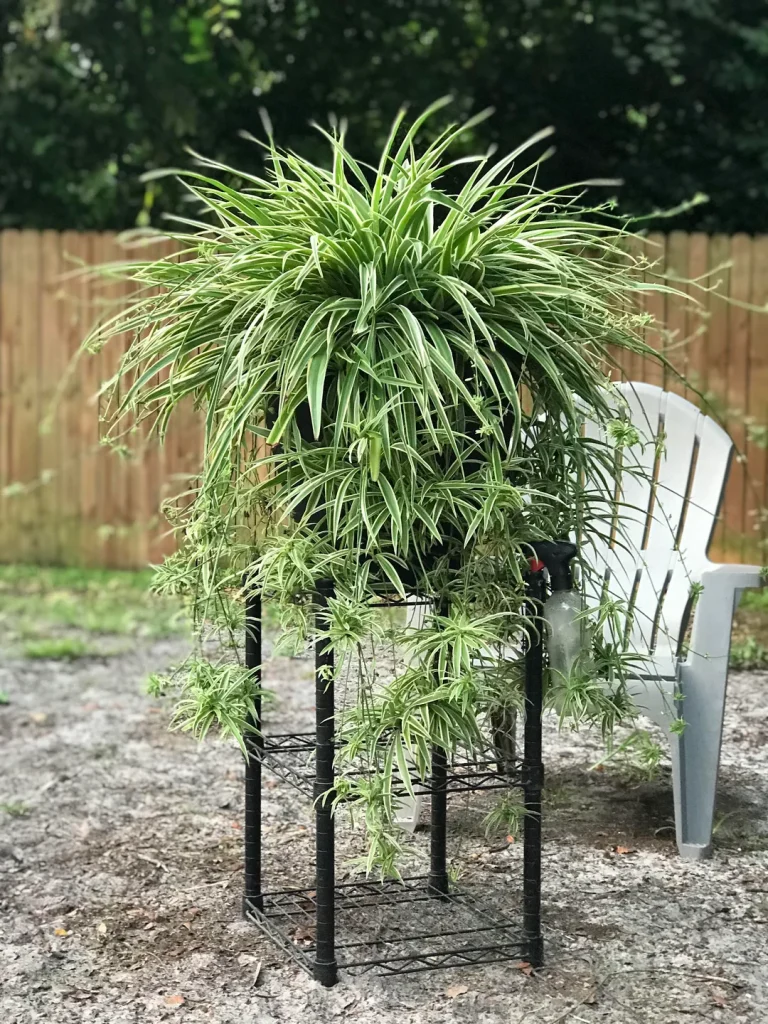
Curious dogs sometimes nose around the dangling leaves. That’s totally fine. Partial shade keeps the foliage from scorching, and loamy soil with steady, not soggy, moisture is all it really asks for.
Plant Overview
- Light: Partial shade
- Water: Maintain moist, but not soggy soil
- Soil: Loamy, well-drained, neutral
Also read: 15 Beautiful Low-Light Indoor Plants Safe for Pets
3. African Violet
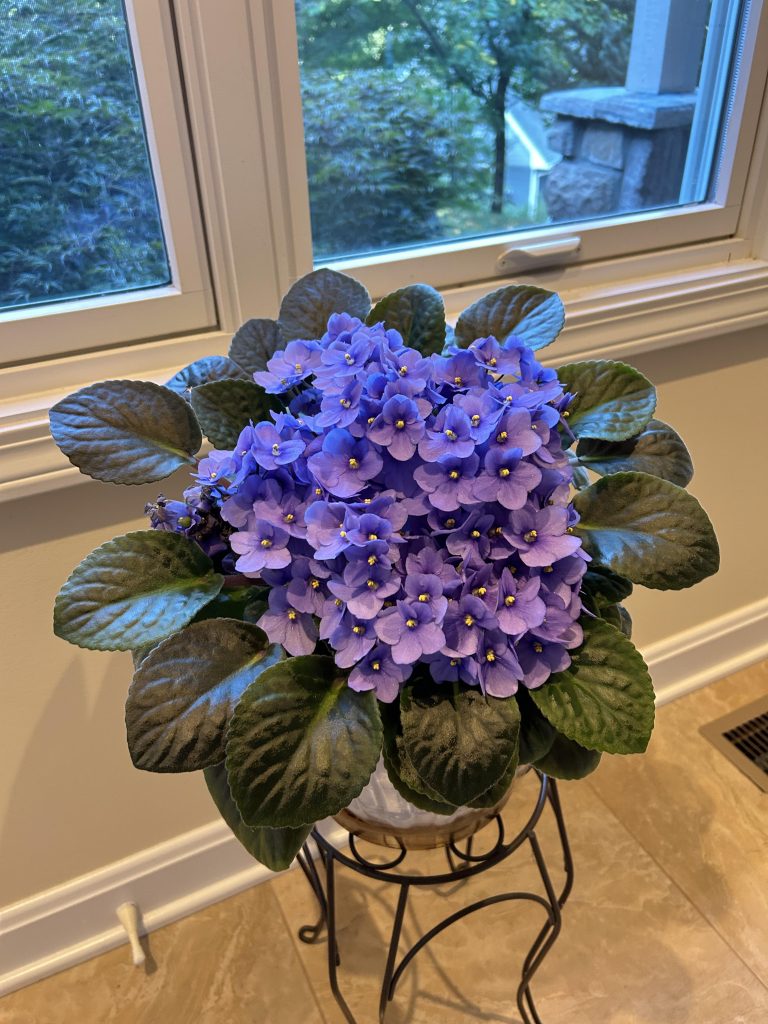
Blooming plants and dog safety don’t usually go together, but here’s an exception. Low light is actually where this plant wants to live, which makes it perfect for that dim hallway shelf.
Fuzzy leaves and cheerful purple or pink blooms give it serious personality for something so small.
Water from the bottom to protect those velvety leaves. Soil should stay moist, never soggy.
One thing worth knowing: this plant soaks up fertilizer straight into its leaves and flowers, so a pet-safe formula matters if you’re feeding it.
Plant Overview
- Light: Partial sun
- Water: Water from bottom, do not allow to sit in water
- Soil: Well-drained but moist, acidic, neutral
4. Areca Palm
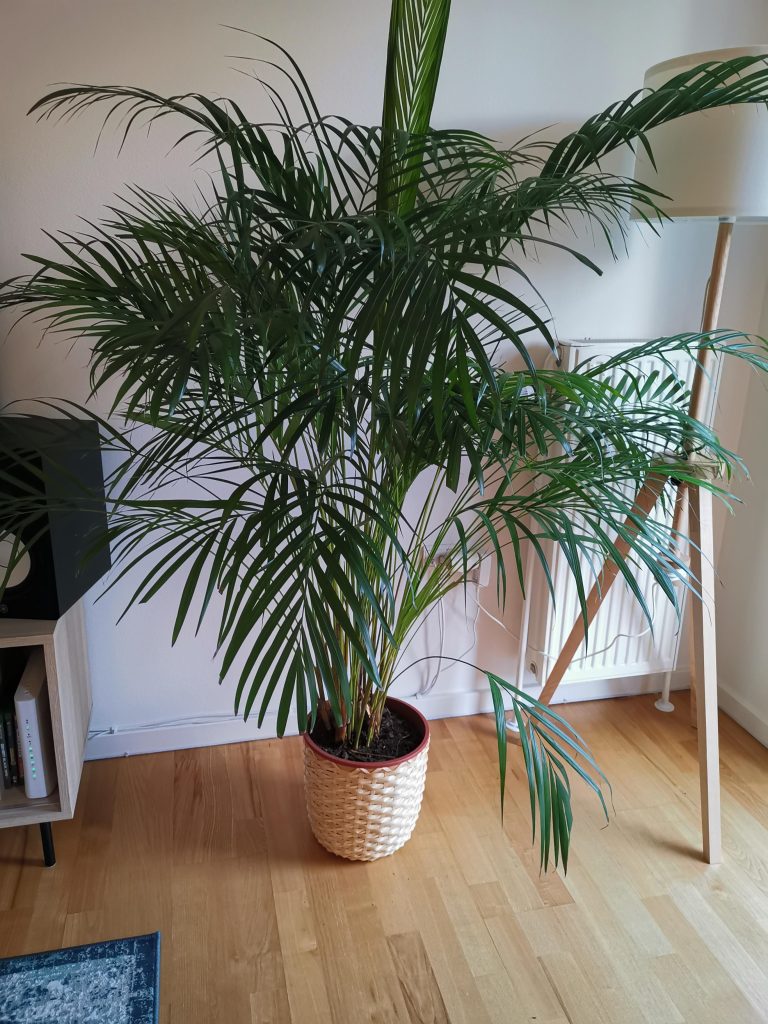
Vacation vibes, minus the plane ticket. That’s what an areca palm brings to a room. Tall, arching fronds sometimes catch a curious paw swat, but nothing worse happens after that. Mine has been chewed on more than once with zero drama.
South- or west-facing windows give it the bright light it craves. Let the soil dry out slightly between waterings to avoid root rot.
Here’s a fun detail: areca palms are sensitive to fluoride, so distilled water or rainwater keeps them happier than tap water long term.
Plant Overview
- Light: Full to partial sun
- Water: Keep moist, but let slightly dry out between waterings
- Soil: Moist but well-drained, acidic, neutral
5. Chinese Money Plant
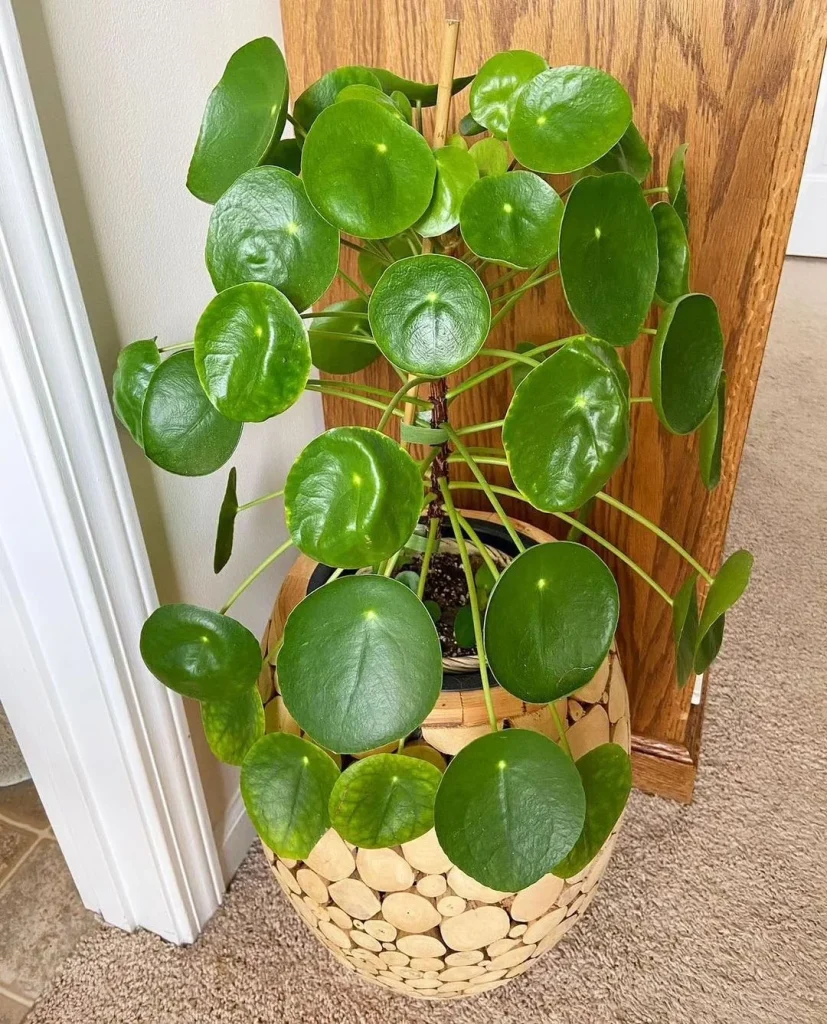
Round, coin-shaped leaves make this plant an instant conversation starter. You’ll find people asking about it the second they walk into your living room.
I love how low-maintenance it feels once you get the watering rhythm down.
Bright, indirect light keeps those leaves perky and full. Let the soil dry out completely between waterings, then soak it deeply. Drooping leaves are your only warning sign, so you’ll know exactly when it’s thirsty.
Plant Overview
- Light: Partial sun
- Water: Water well, let dry out between waterings
- Soil: Well-draining, acidic, neutral
6. Banana Tree
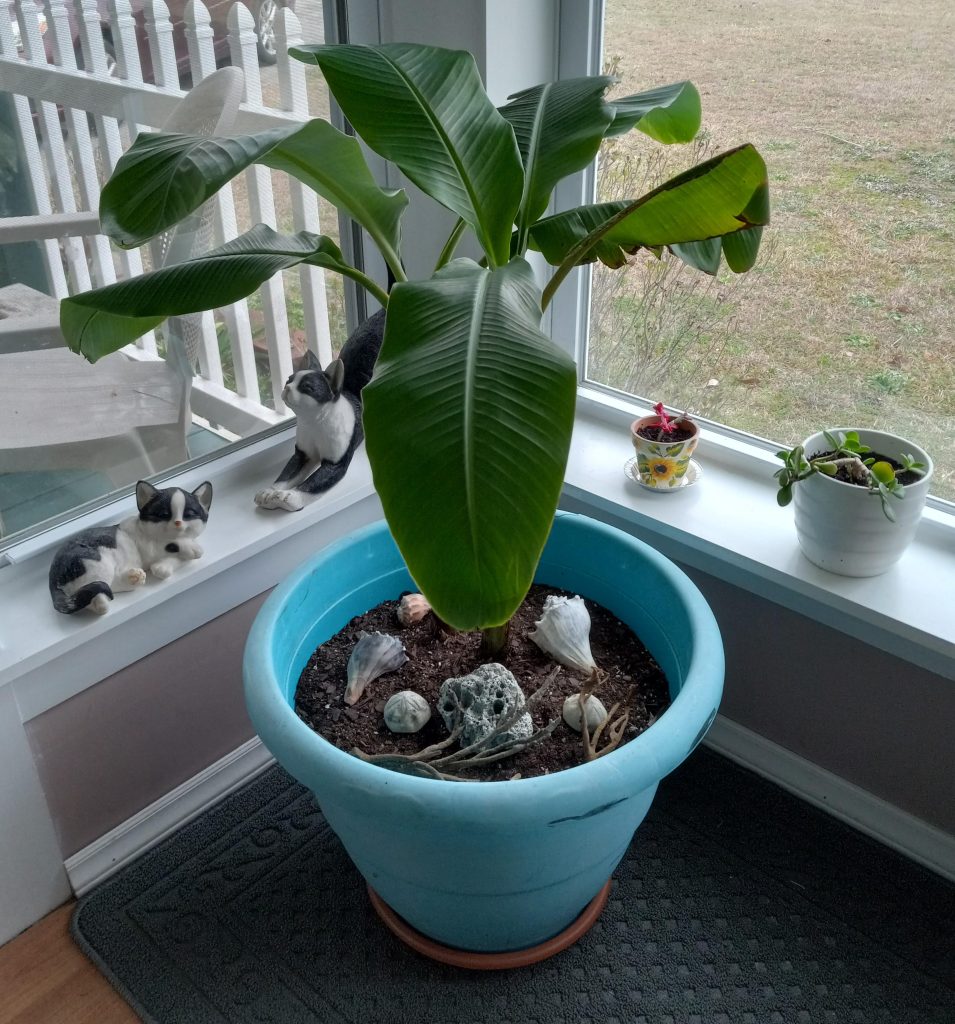
Big leaves. Bigger personality. This plant turns any corner into a tropical statement, and your dog can brush past those wide leaves without any risk at all.
Full sun is non-negotiable for this one. Keep the soil consistently moist, since this plant hates drying out. Give it rich, loamy soil and regular watering, and you’ll watch it stretch taller every season.
Plant Overview
- Light: Full sun
- Water: Water regularly and keep moist
- Soil: Loamy, well-drained, acidic
7. Echeveria
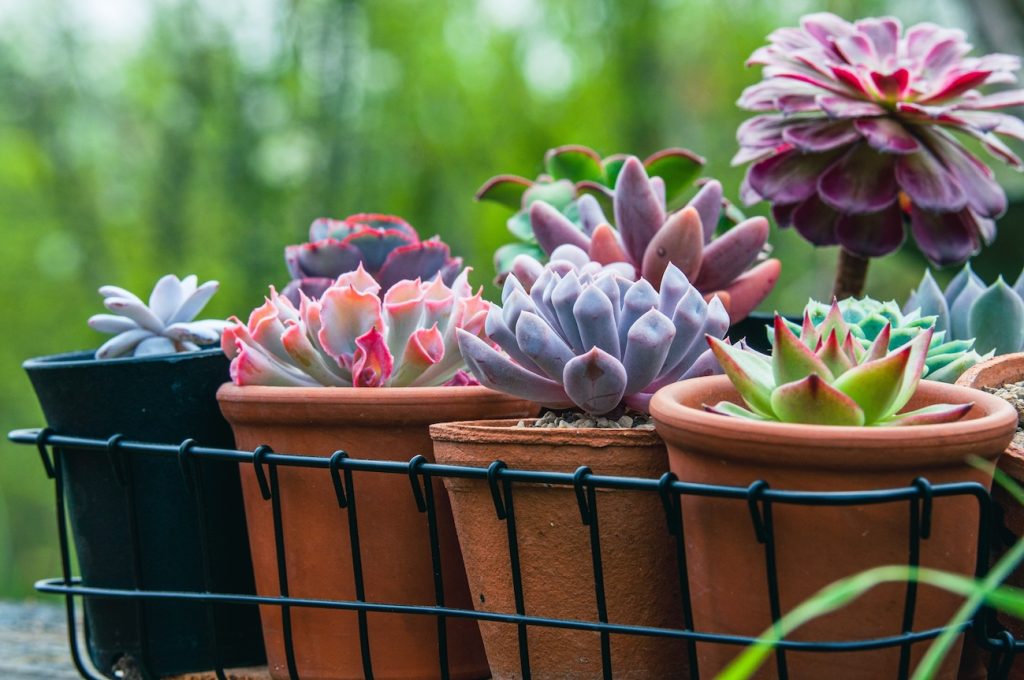
Succulents get a bad reputation for being boring, but echeveria proves that wrong. Its rosette shape and blue-green color look sculptural sitting on any windowsill.
Dogs rarely bother succulents anyway, and this one gives you zero reason to worry if they do.
Four to six hours of sun keeps those leaves plump and colorful. Water only when the leaves start to wrinkle slightly. Overwatering is the real enemy here, not neglect.
Plant Overview
- Light: Full sun
- Water: Water when leaves begin to wrinkle
- Soil: Well-draining, acidic
Also read: 15 Low Light Indoor Succulents for Your Dimly Lit Spaces
8. Venus Fly Trap
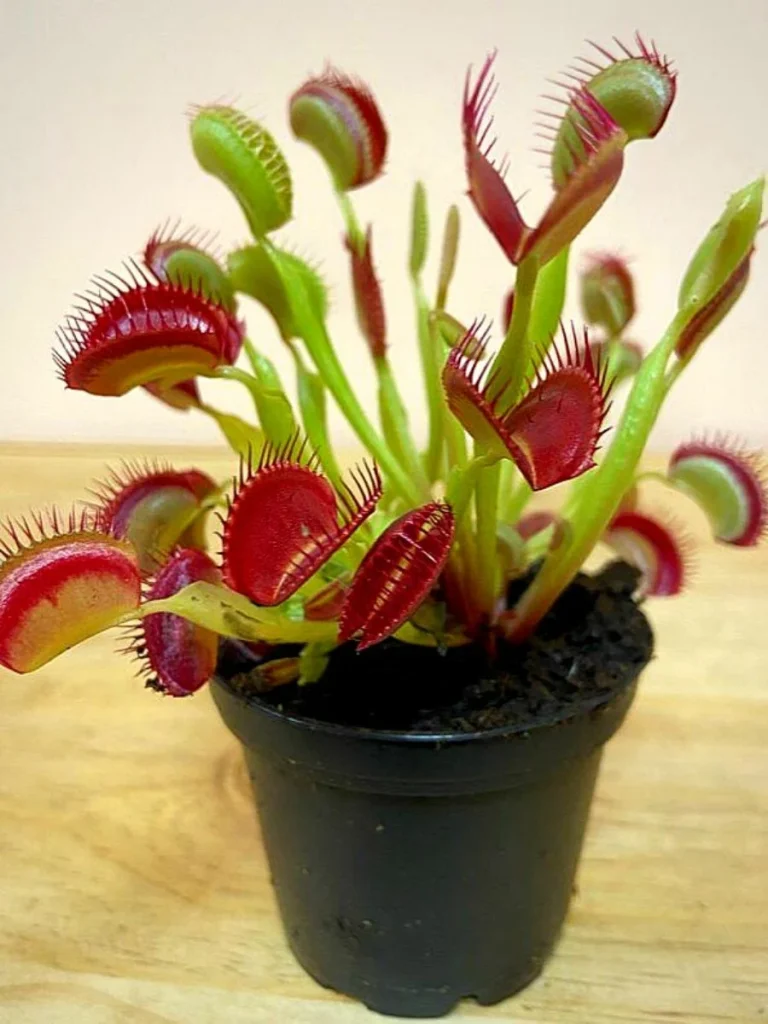
Carnivorous plants sound intimidating, but this one is completely harmless to your dog. Those snapping traps look dramatic when they close on a bug, and I still get a kick out of watching mine work.
Curiosity from your pup won’t end in a vet visit, even if a paw gets too close.
Bright light keeps the traps active and healthy. Rainwater or distilled water matters here, since tap water contains minerals this plant can’t handle. Water from the bottom to mimic its natural boggy habitat.
Plant Overview
- Light: Full to partial sun
- Water: Water from bottom with rainwater or distilled water
- Soil: Sandy, moist, acidic
9. Haworthia
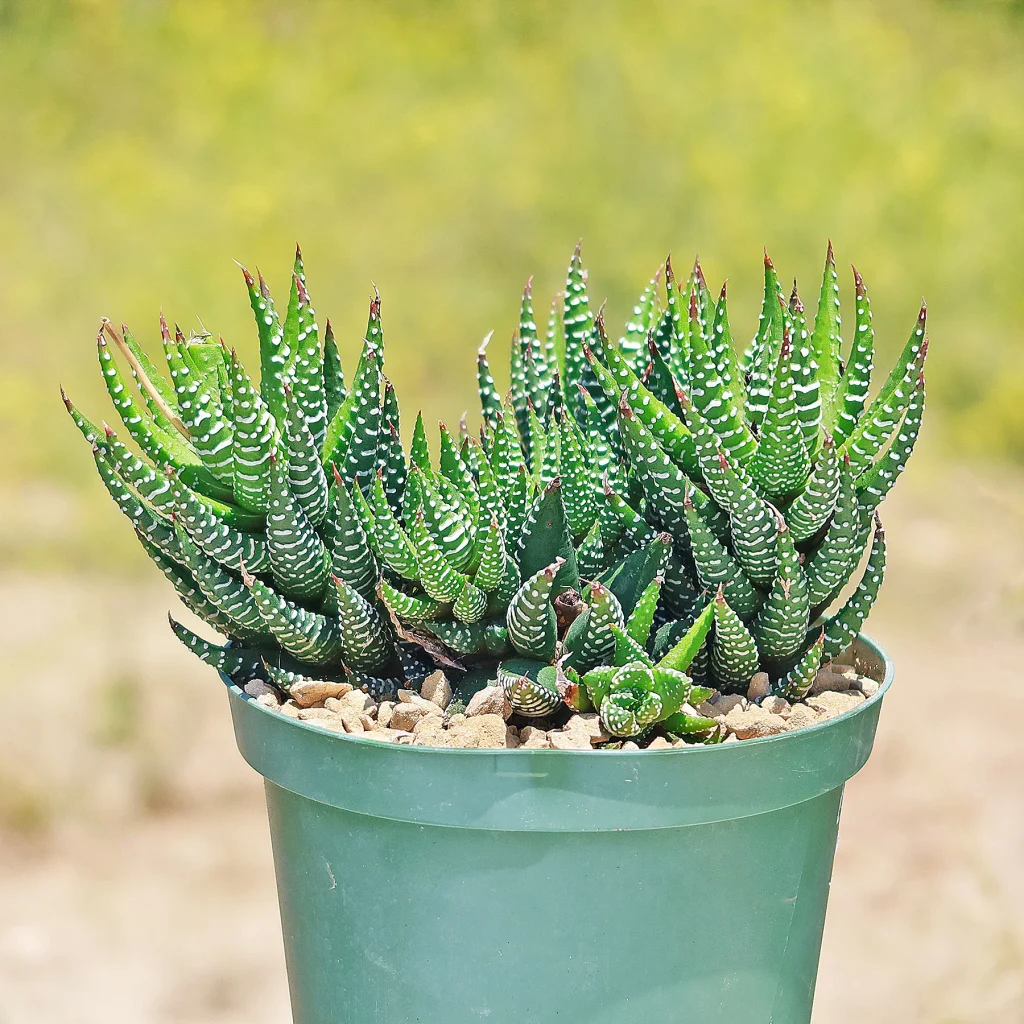
Tiny and tough, haworthia earns its spot on any windowsill. Its pointed, striped leaves look almost like little zebra stripes, and I can’t get enough of that texture.
You could travel for two weeks straight and this succulent wouldn’t even notice you left.
Full to partial sun keeps it happy year-round. Water when the top inch of soil dries out during spring and summer.
Winter calls for slightly plumper leaves, so you’ll water just enough to keep them from shriveling.
Plant Overview
- Light: Full to partial sun
- Water: Water when top inch dries in spring/summer, keep leaves plump in fall/winter
- Soil: Sandy, well-drained, neutral
10. Polka Dot Plant
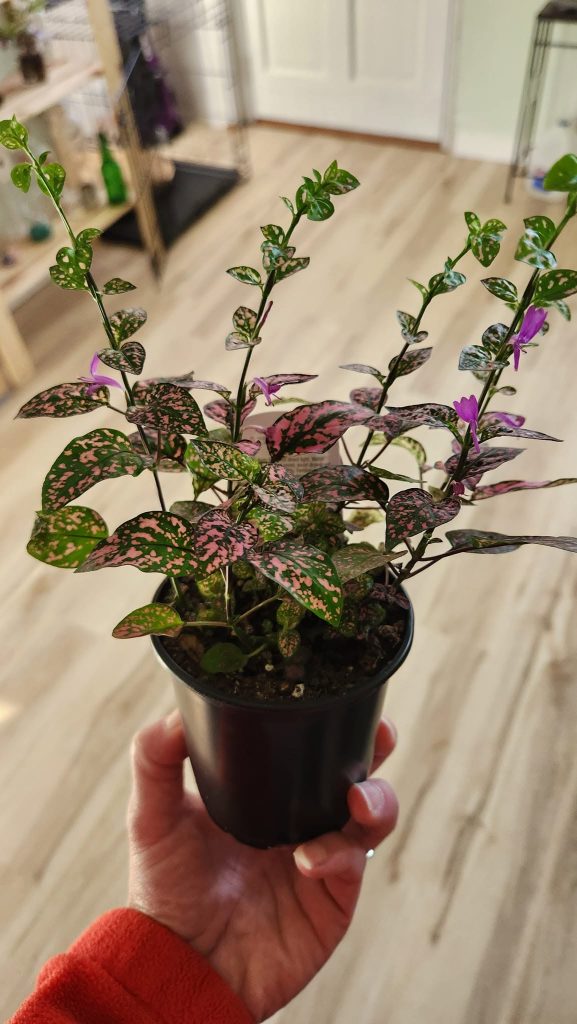
Splashes of pink, white, or red freckle every single leaf on this plant. You’ll want one just for the color alone, honestly.
My dog has sniffed mine plenty of times, and nothing ever came of it beyond mild curiosity.
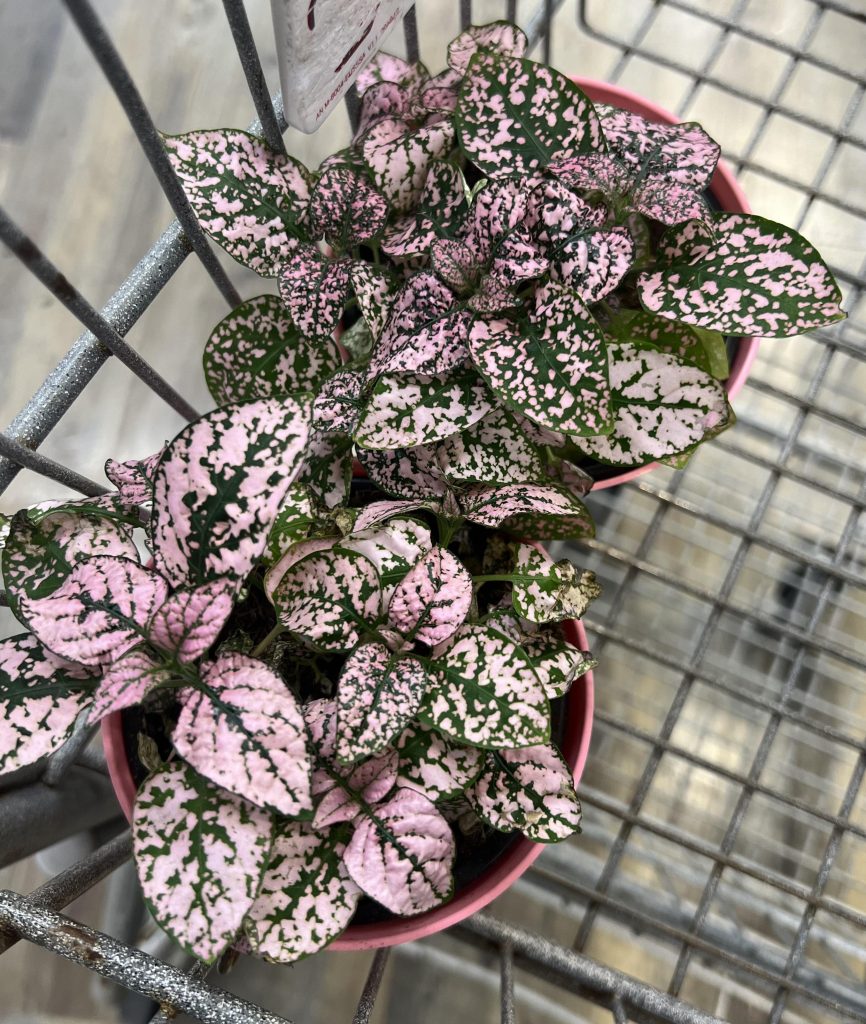
Partial sun brings out the brightest leaf colors. Water once the top half inch of soil feels dry. Large quantities eaten might cause mild tummy upset, so keep portions in check if your pup gets nibbly.
Plant Overview
- Light: Partial sun
- Water: Water when top half inch of soil dries out
- Soil: Moist, well-drained, neutral
11. Prayer Plant
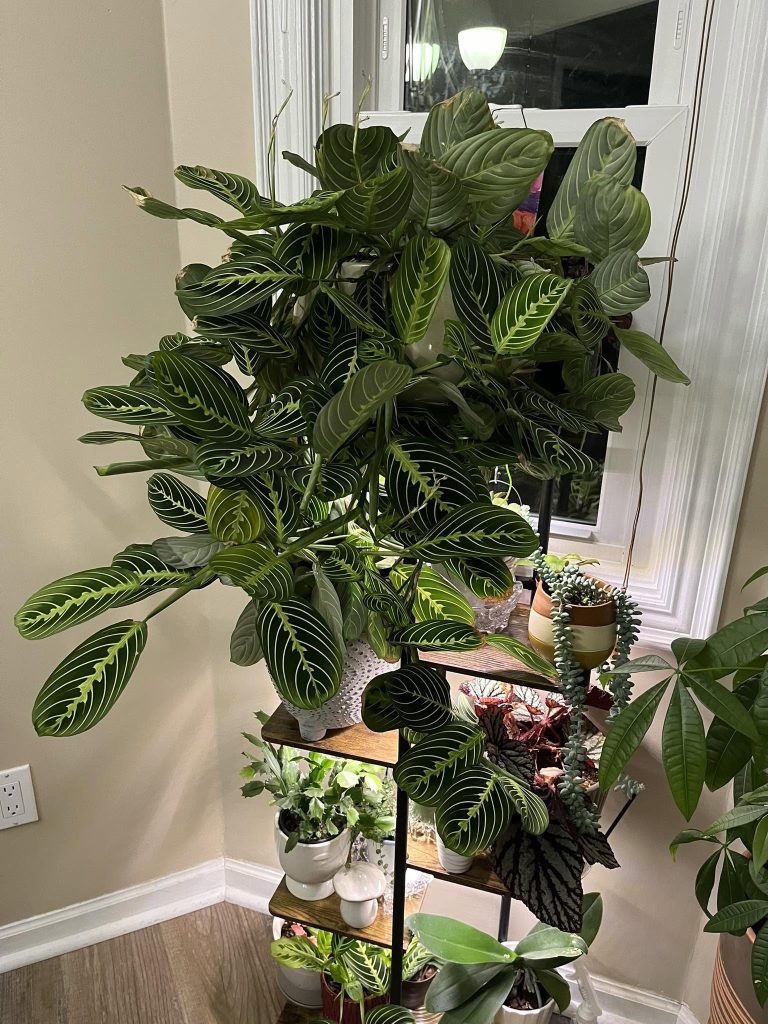
Watch this plant fold its leaves up at night like little praying hands. That trick alone makes it worth growing, and I still find it oddly soothing to watch each evening.
Dogs can brush against those patterned leaves with zero consequences either way.
Bright, indirect light brings out the boldest leaf patterns. This plant hates drying out, so water frequently but never let it sit soggy. Consistency matters more than perfection here.
Plant Overview
- Light: Partial sun to shade
- Water: Water frequently, but do not let it get soggy
- Soil: Moist but well-drained, neutral, acidic
12. Peperomia
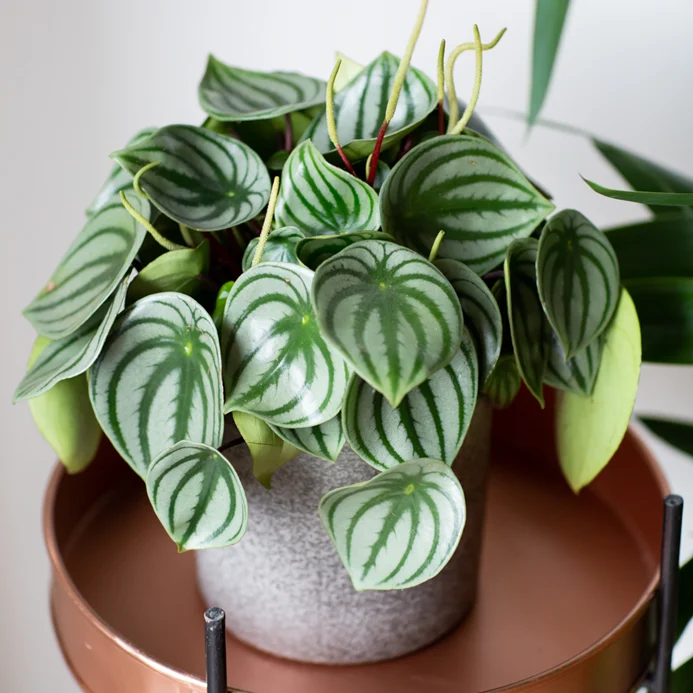
Small pots, big personality. That’s peperomia in a nutshell. You’ll find dozens of varieties, from ripple-textured leaves to deep burgundy colors.
Novice plant owners tend to love this one, since a missed watering or two won’t set it back much.
Full or partial sun keeps growth steady and full. Let the top two inches of soil dry out before watering again. Neutral to slightly acidic soil rounds out its easy-going nature.
Plant Overview
- Light: Full or partial sun
- Water: Allow top two inches of soil to dry out between waterings
- Soil: Moist but well-drained, neutral to acidic
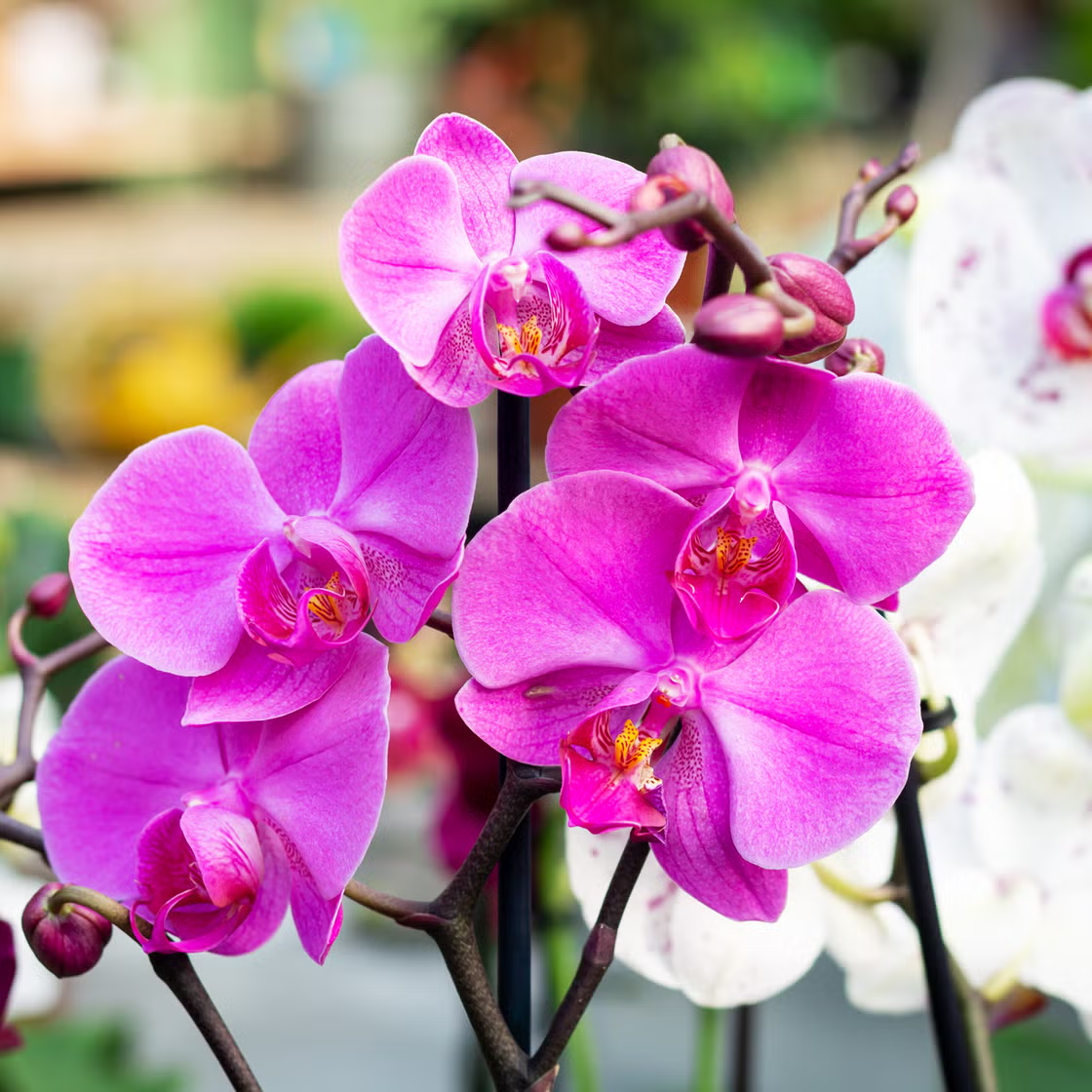
13. Orchid
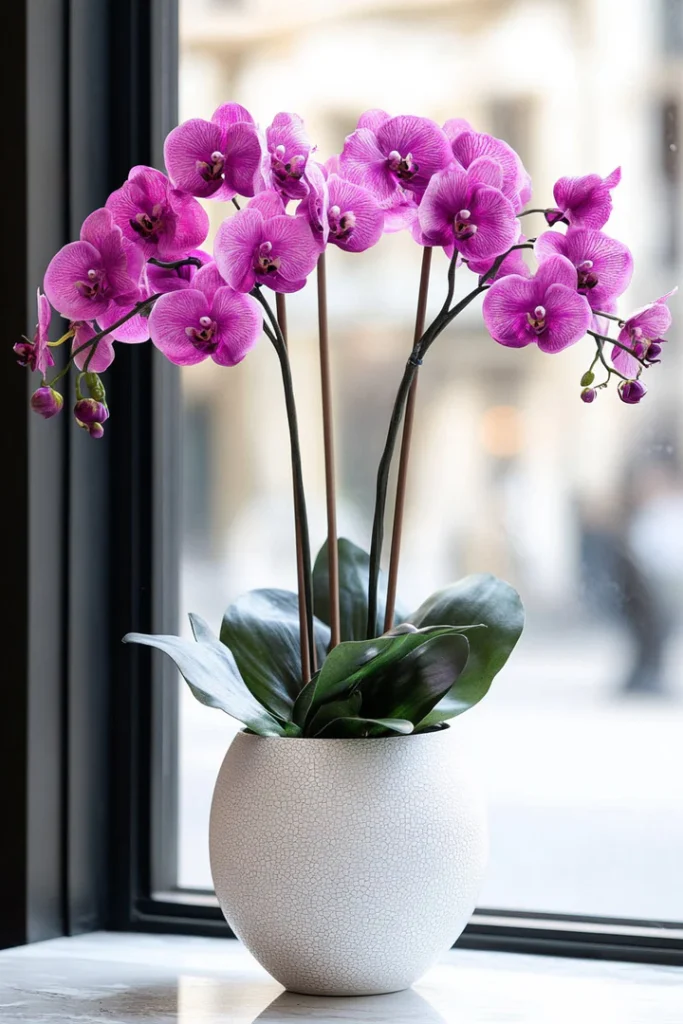
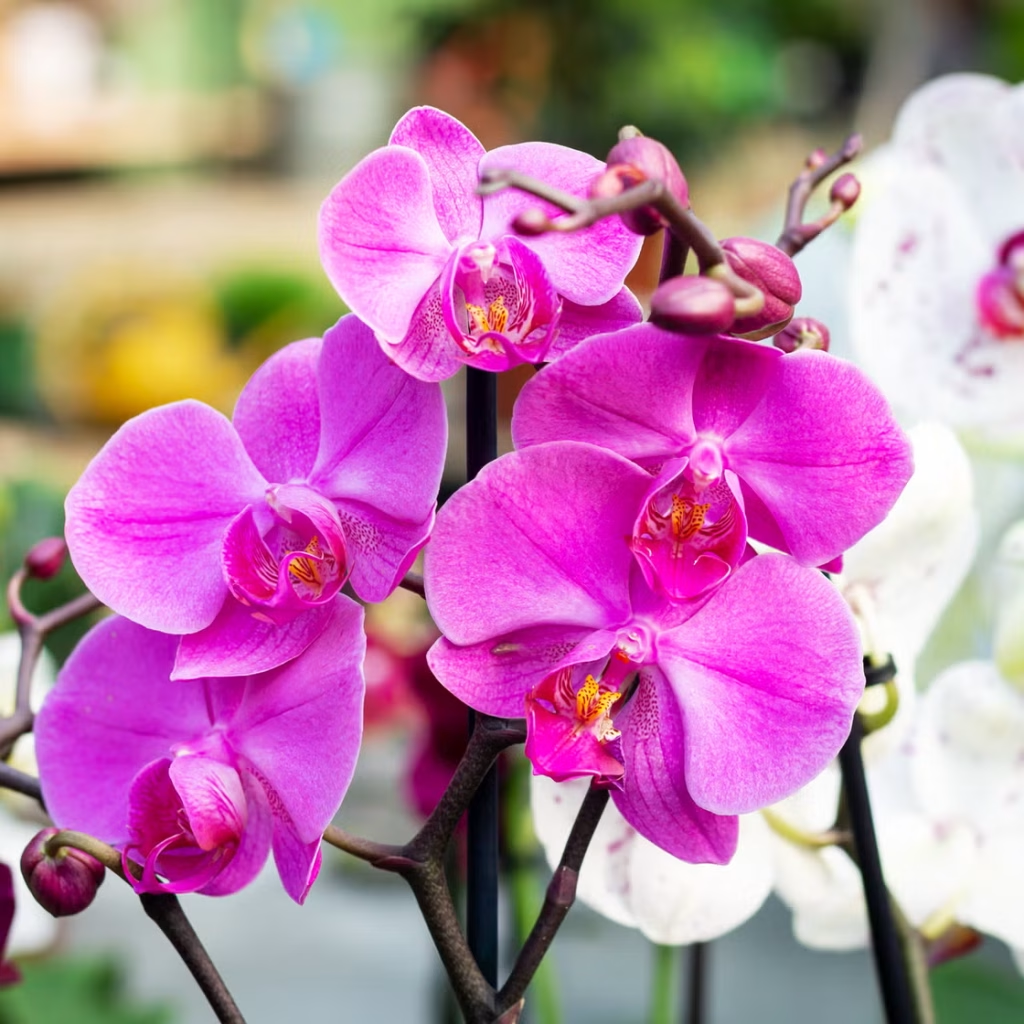
Elegant blooms don’t have to come with a toxicity warning label. Orchids prove that point beautifully, flowering for weeks at a time during the darker winter months.
I always assumed orchids were fussy, but mine has taught me otherwise.
Partial shade and root-bound conditions actually help this plant bloom better. Let the soil dry out fully between waterings.
Well-drained, acidic soil keeps the roots from rotting in excess moisture.
Plant Overview
- Light: Partial shade
- Water: Allow to dry out between waterings
- Soil: Well-drained, acidic
14. Bromeliad
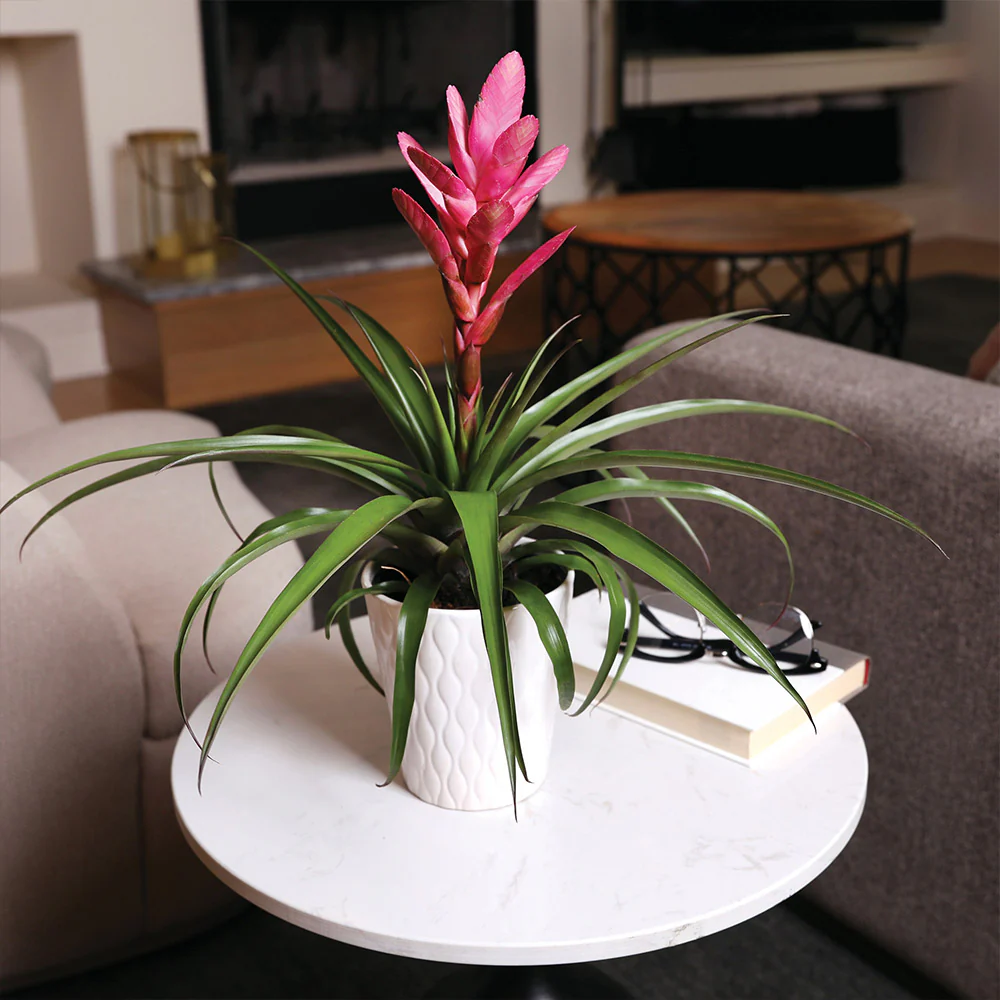
Bold, tropical, and practically indestructible. Bromeliads check every box for a busy dog owner. Their spiky rosette shape and vivid colors make a statement in any room. You barely have to think about this plant once it’s settled in.
Partial sun and a humid spot keep it thriving. Bromeliads tolerate drought fairly well, though they prefer slightly moist soil overall. Well-draining, acidic soil finishes off its simple care routine.
Plant Overview
- Light: Partial sun
- Water: Drought tolerant but prefers moist soil
- Soil: Well-draining, acidic
15. Parlor Palm
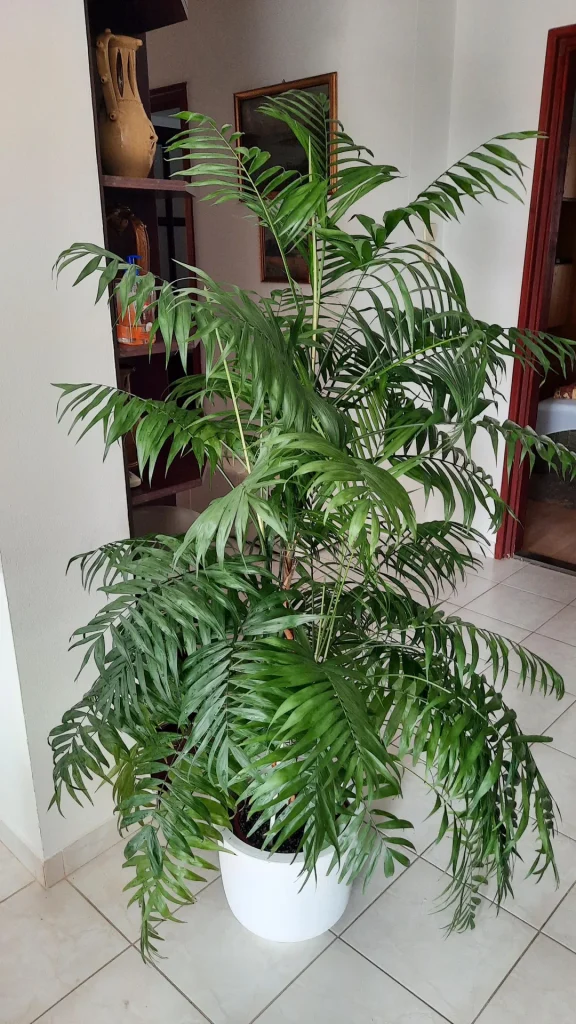
This palm has been a houseplant favorite for over a century, and I get why. Long, feathery fronds catch a curious paw here and there, but nothing dangerous ever follows.
Dogs and parlor palms have coexisted in homes for generations without a single issue.
Bright, indirect light keeps the fronds green and full. Keep the soil consistently moist without drowning the roots.
Peaty, neutral soil supports this plant for decades, since parlor palms genuinely can live that long indoors.
Plant Overview
- Light: Bright, indirect light
- Water: Keep consistently wet but do not overwater
- Soil: Peaty soil-based potting mix, neutral
FAQs
Are all ferns safe for dogs?
No, not all of them. Boston ferns are safe, but asparagus ferns are actually toxic despite the name. Always check the specific variety before bringing one home.
My dog ate a leaf from one of these plants. Should I still call the vet?
A small nibble from any plant on this list shouldn’t cause harm. I’d still watch for unusual symptoms like vomiting or lethargy just to be safe. When in doubt, a quick call to your vet gives you peace of mind.
Can I keep pet-safe plants on the floor, or should I still elevate them?
You can keep most of these plants on the floor without worry. That said, elevating them on shelves or stands protects the plant itself from getting knocked over or chewed on. Your dog’s safety isn’t the concern here, your plant’s survival is.
Where can I double-check if a plant is toxic to dogs?
The ASPCA keeps an updated list of toxic and non-toxic plants for pets. I check it constantly before adding anything new to my collection. It’s free, searchable, and takes the guesswork out of shopping for houseplants.
Final Thoughts
Fifteen plants, zero trips to the emergency vet. That’s the trade I’ll take every single time. Your dog gets to sniff, explore, and even nibble without you panicking every five minutes.
Start small if you’re new to this. Pick two or three plants from this list and see how your pup reacts around them.
Curiosity fades fast once the novelty wears off, and before long, you’ll have a home full of greenery and a dog who couldn’t care less about any of it.