15 Low Light Indoor Succulents: The Perfect Plants for Your Dimly Lit Spaces

If you’re like me, you probably have a bit of a plant obsession. You know the type: the ones who buy new plants even though they already have a jungle in every room.
But there’s always one thing that stands between us and a full indoor garden—light. Maybe your space doesn’t get much natural sunlight, or you’re just too busy to keep up with plants that need constant care and attention. I get it.
That’s where low light succulents come in to save the day. These green beauties are perfectly happy to chill in the shadows while still bringing a pop of life to your office or living room.
So, whether you’re dealing with a north-facing window or you’re simply looking for the easiest plant to care for, these low-light indoor succulents will thrive in dimmer conditions—no problem.
Also read:
15 Best Tall Low Light Houseplants That Thrive in Shady Corners
15 Beautiful Low-Light Indoor Plants Safe for Pets
Table of Contents
How Much Light Do Low Light Succulents Need?
Low light succulents are pretty flexible when it comes to lighting, but they do have limits. Unlike sun-loving plants, they don’t require direct sunlight for hours each day.
In fact, most thrive in indirect light, such as light filtered through sheer curtains or the soft glow of a north-facing window. Some will even do well under fluorescent lights, which is why they’re often found in offices and shaded indoor spaces.
That said, no plant thrives in complete darkness. Even low light succulents need at least a few hours of indirect light daily. If your plant is kept in a very dim corner, it may not grow as quickly, and you might notice it becoming leggy.
A grow light can be a great backup if your space lacks natural light.
Remember: the more indirect light your succulent gets, the healthier it’ll be!
15 Low-Light Succulents That’ll Grow Without Sun Light
1. Snake Plant (Sansevieria trifasciata)
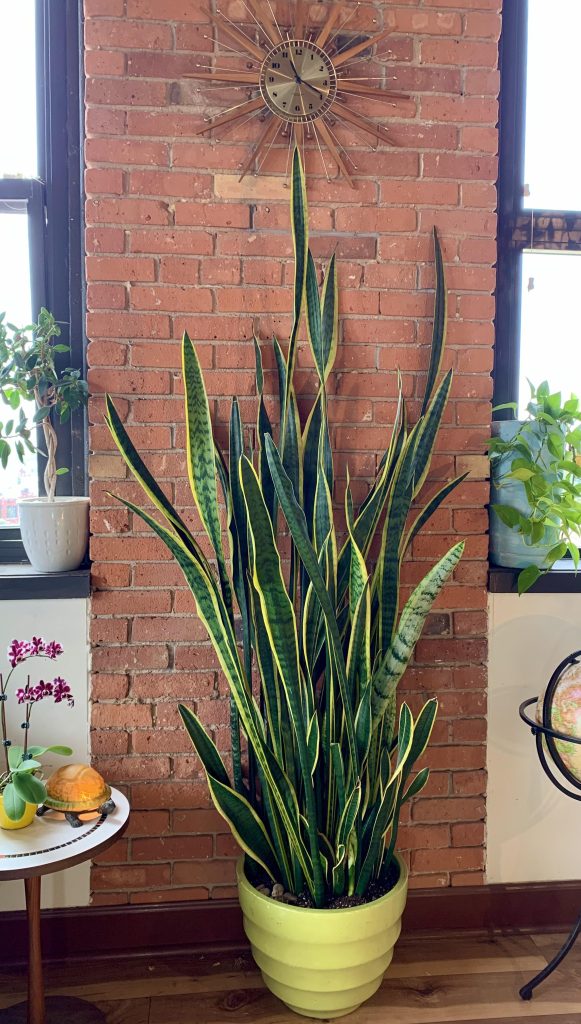
Let’s kick things off with the rockstar of low light succulents: the Snake Plant. Honestly, I’m convinced this plant could survive in a dark cave if it had to.
With its tall, sword-shaped leaves, the Snake Plant is a low-maintenance option that thrives in indirect light (or, let’s be real, almost no light at all).
It’s the perfect plant if you’re not looking for anything high-maintenance.
Why it works: If you forget to water it for weeks (no judgment here), this plant will thank you with sturdy, upright leaves that help filter the air around you.
It’s basically the plant version of that friend who shows up on time, brings snacks, and never asks for anything in return.
Pro tip: Water it when the soil is completely dry, and you’re golden. Too much water? That’s where the drama starts. Trust me on that one.
2. ZZ Plant (Zamioculcas zamiifolia)
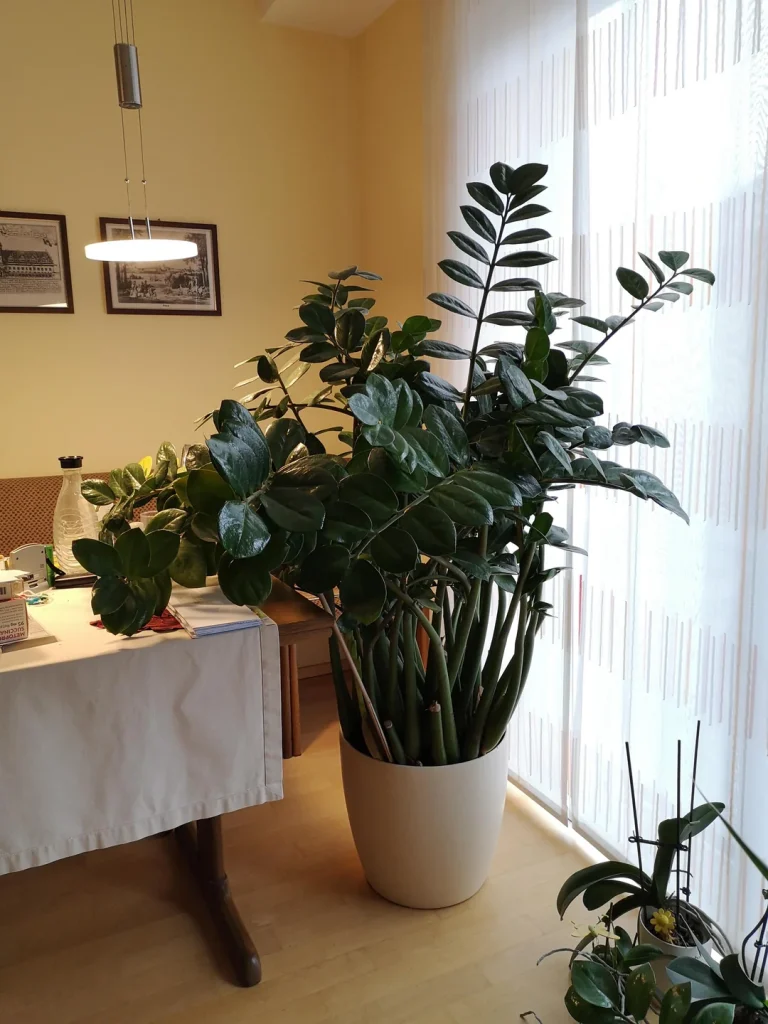
Next up is the ZZ Plant, the “cool, silent type” of succulents. It doesn’t need much attention but somehow still manages to be effortlessly attractive. The ZZ Plant can grow in almost any light, so it’s perfect for low light spots.
Whether it’s placed on a shelf or near a dim corner, it’ll keep thriving without much fuss.
Why it works: The ZZ Plant has a superpower—its waxy leaves store water like a camel’s hump. This means it can go for weeks without needing a drink. Like, who needs that kind of low-effort beauty in their life? You do. And I do.
Pro tip: If your plant starts to look a little “off,” just move it to a spot with a bit more indirect light for a quick recharge. Just a little sunlight goes a long way!
3. Aloe Vera (Aloe barbadensis miller)
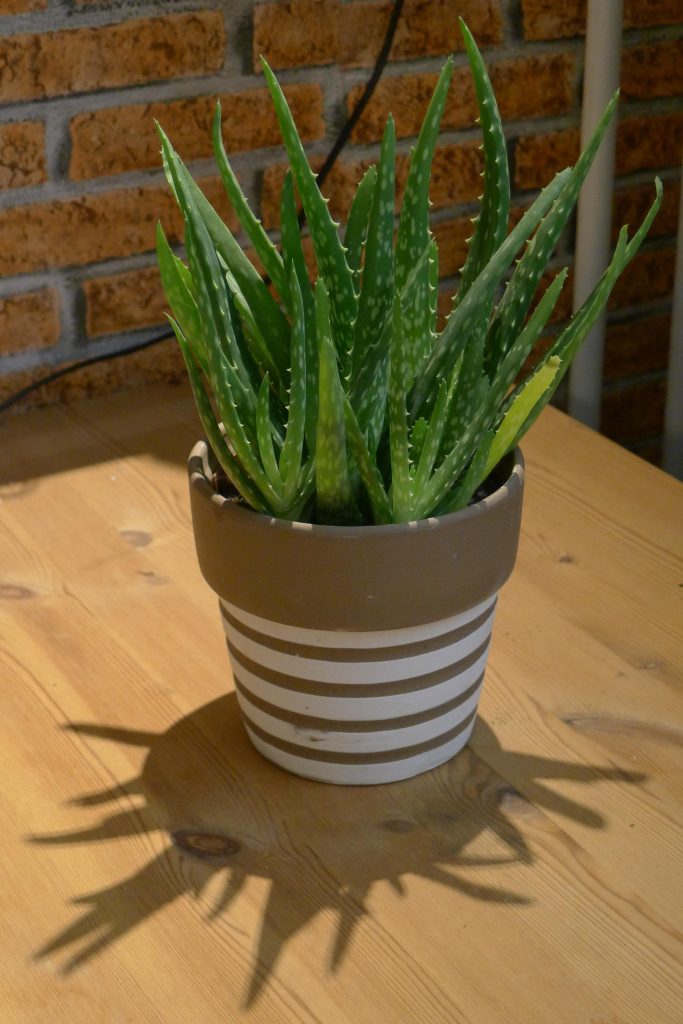
Aloe Vera—best known for being your skin’s best friend—also happens to be a great low-light succulent. While Aloe Vera loves sun, it’s actually pretty chill about being kept in a dim spot as long as you don’t drown it with water.
It’s a great pick if you want something that doesn’t mind a little less light but still provides the amazing gel for skin relief.
Why it works: Aloe Vera stores water in its leaves, so it’s pretty low-maintenance. Plus, the gel inside its leaves is amazing for burns. Multi-tasking plant? Yes, please.
Pro tip: Don’t overwater. Aloe is a succulent, and succulents don’t like too much water.
4. Echeveria (Echeveria spp.)
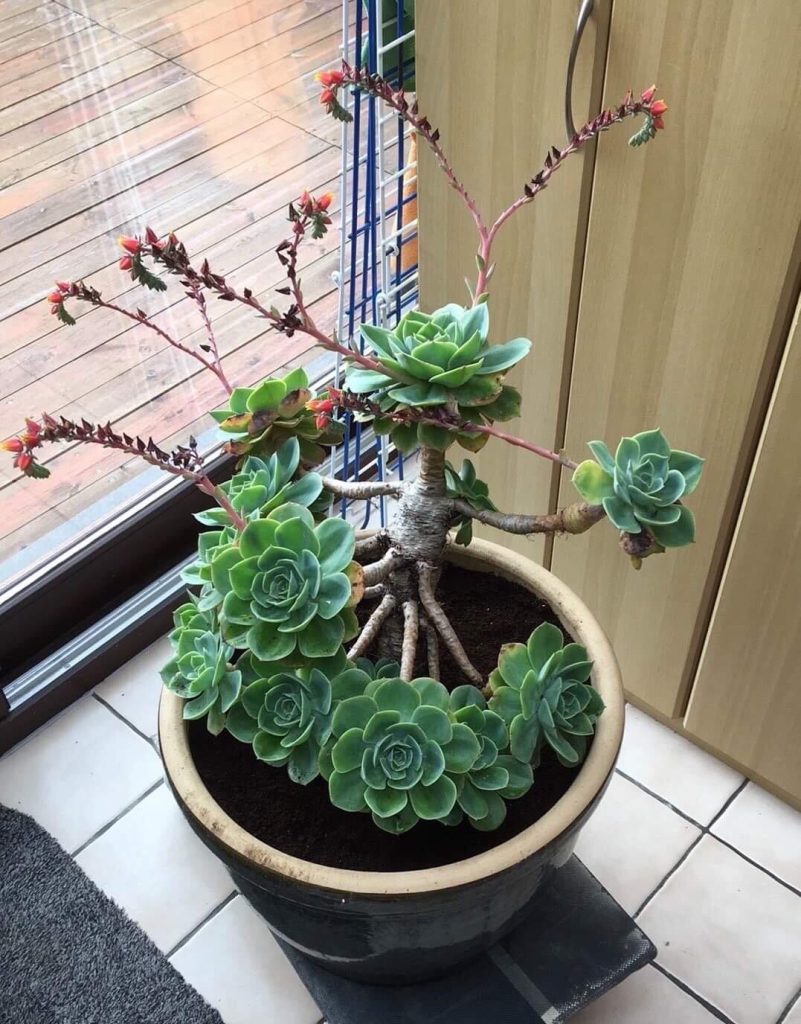
Echeveria is a rosette-shaped beauty that looks like it needs tons of sunlight but can actually do well in low light. Its thick, fleshy leaves make it a standout in any room, and it’s surprisingly easy to care for.
It does great in spaces that don’t get direct light all day. A little indirect light, and it’s happy!
Why it works: Echeveria stays compact and beautiful, even without direct sunlight. It’s the perfect succulent for those spots that don’t have bright, direct rays all day but still need some greenery.
Pro tip: Water sparingly. These plants don’t like soggy roots, so let the soil dry out before watering again.
5. Haworthia (Haworthia spp.)
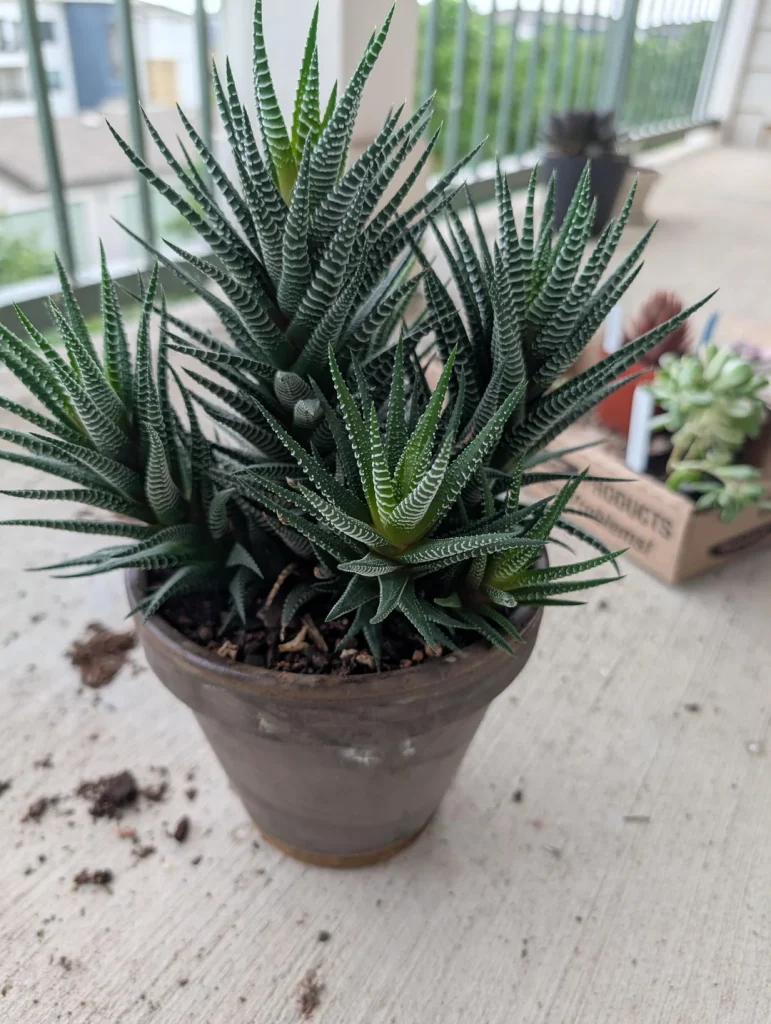
If you’re looking for a small, tough succulent, the Haworthia is a great choice. This cute, compact plant thrives in low light and doesn’t require much attention.
It has thick, fleshy leaves that almost seem to glow under dim light. Perfect for beginners or anyone who tends to forget about their plants occasionally.
Why it works: Haworthia is nearly foolproof. Low water? No problem. Low light? Bring it on. It’s basically the perfect succulent for someone who wants a green thumb without all the effort.
Pro tip: Let the soil dry out before watering again. It’s a simple routine, but it keeps the plant happy.
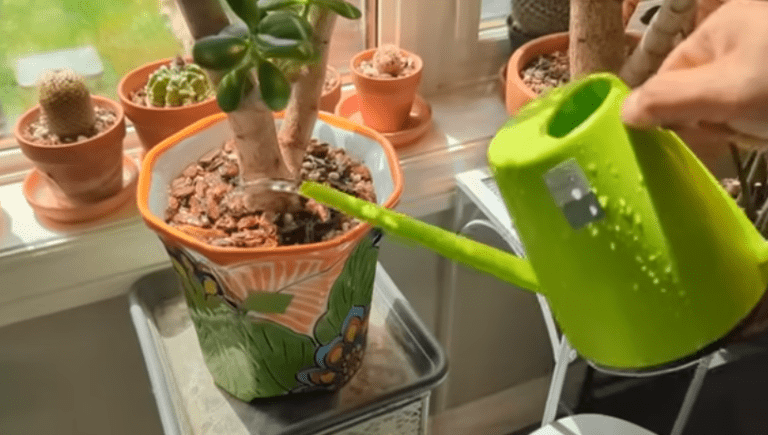
6. Jade Plant (Crassula ovata)
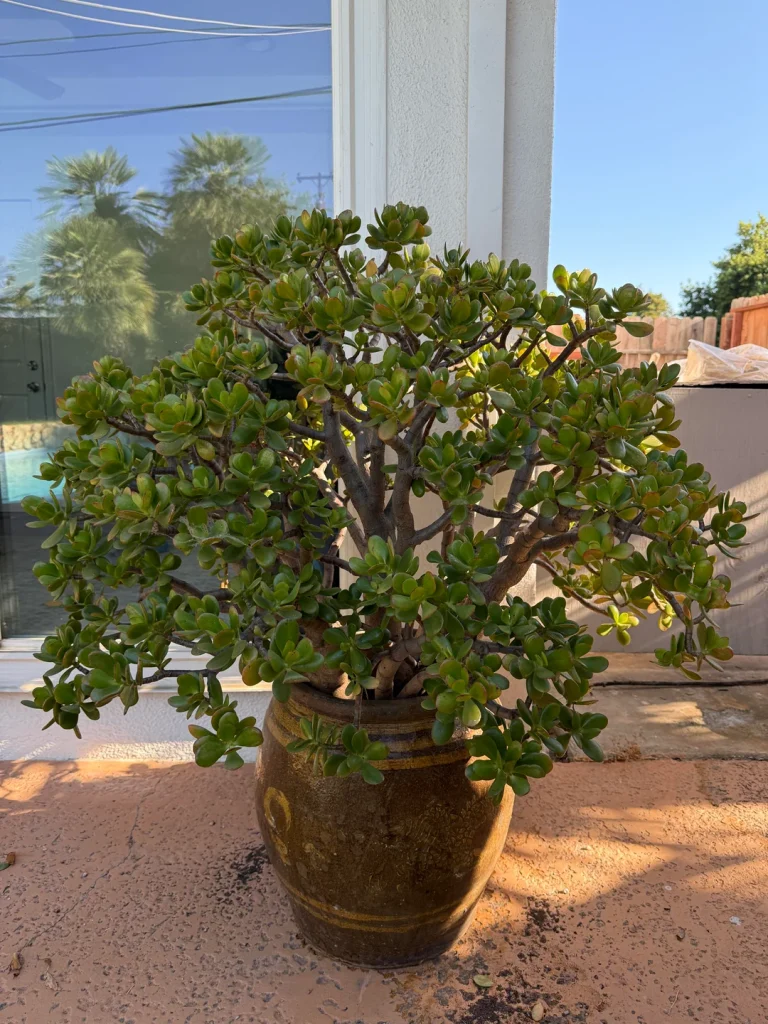
The Jade Plant is one of the most classic succulents, known for its thick, glossy leaves. While it typically loves sunlight, it can also survive in lower light situations.
Whether placed on a desk or in a dimly lit corner, this little plant will slowly grow over time. It’s perfect for someone who wants a low-maintenance plant that still looks impressive.
Why it works: Jade Plants are great for beginners, and they don’t require a lot of watering. They’ll add a touch of elegance to any space, even if it doesn’t get much light.
Pro tip: Water sparingly, and let the soil dry out between waterings. They can survive a little neglect, but overwatering can lead to root rot.
7. Burro’s Tail (Sedum morganianum)
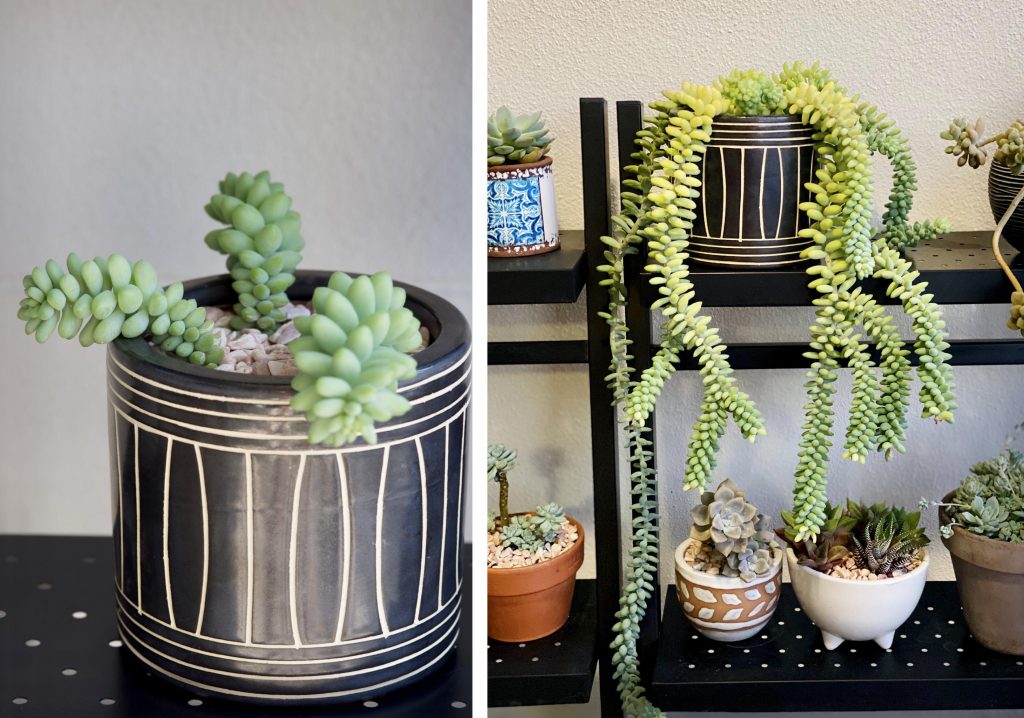
If you’re looking for something that drapes beautifully and thrives in low light, Burro’s Tail is your plant. This succulent has long, trailing stems that resemble a donkey’s tail (hence the name).
While it thrives in brighter spots, it will still survive in low light if given proper care.
Why it works: It’s a fantastic option for hanging baskets or shelves. The trailing stems add visual interest to any room, and the plant doesn’t require a ton of care. Just water it when the soil is dry, and you’re good to go.
Pro tip: This one doesn’t like to be moved around too much, so find its spot and leave it there. It does best when left undisturbed.
8. Christmas Cactus (Schlumbergera spp.)
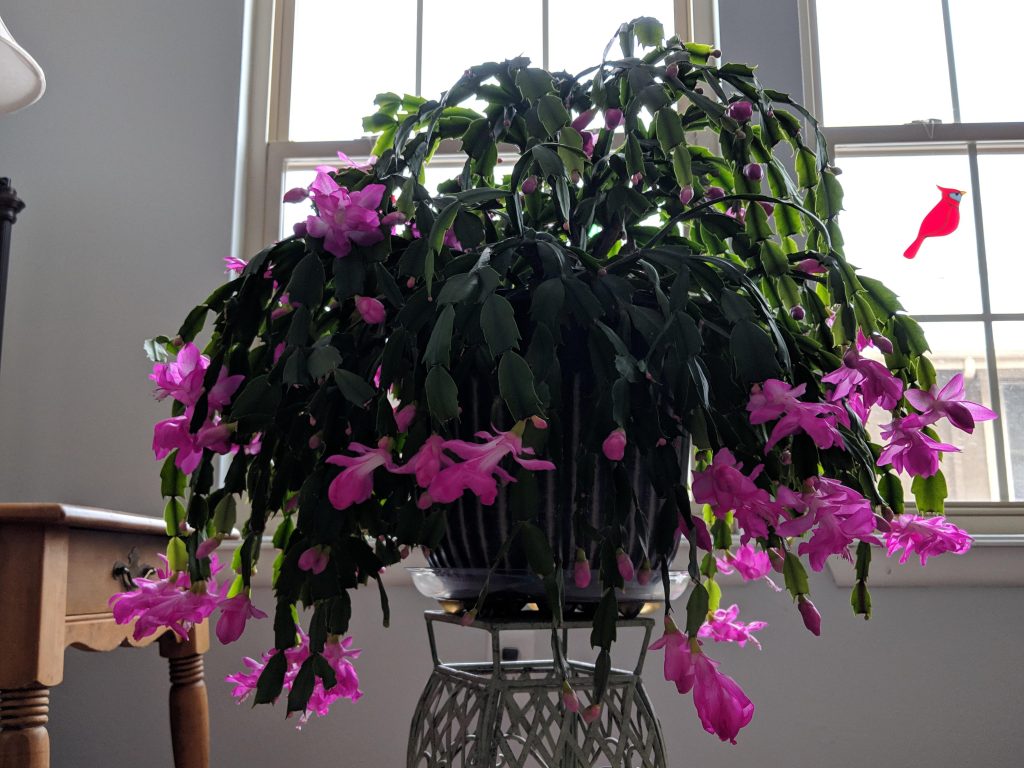
Despite being a cactus, the Christmas Cactus doesn’t want much sunlight. In fact, it thrives in indirect light, making it an excellent choice for low light spots.
It blooms with colorful flowers during the holiday season, bringing a festive touch to any space.
Why it works: If you want a succulent that can add some seasonal cheer, the Christmas Cactus is perfect. It’s low-maintenance, and it rewards you with vibrant blooms.
Pro tip: Keep it in a bright, indirect spot to encourage blooms. Water it when the soil is dry, but avoid overwatering.
9. Ox Tongue (Gasteria spp.)
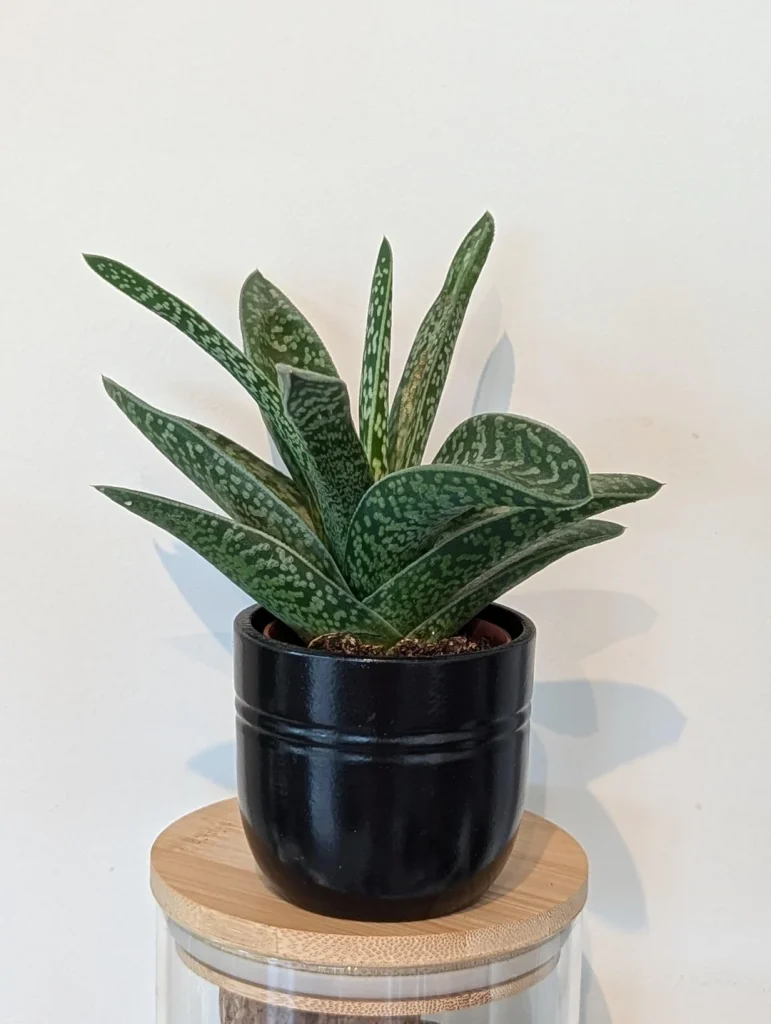
The Ox Tongue plant is one of those succulents that looks tough but is surprisingly low-maintenance.
With its thick, textured leaves and ability to survive in low light, this plant is a perfect addition to your collection.
It’s also one of the best options for those who aren’t naturally gifted with a green thumb.
Why it works: Ox Tongue is hardy and can survive in lower light conditions. It doesn’t need a lot of water or attention, making it a perfect fit for anyone with a busy lifestyle.
Pro tip: Let the soil dry completely before watering. Too much water will quickly lead to problems.
10. Panda Plant (Kalanchoe tomentosa)
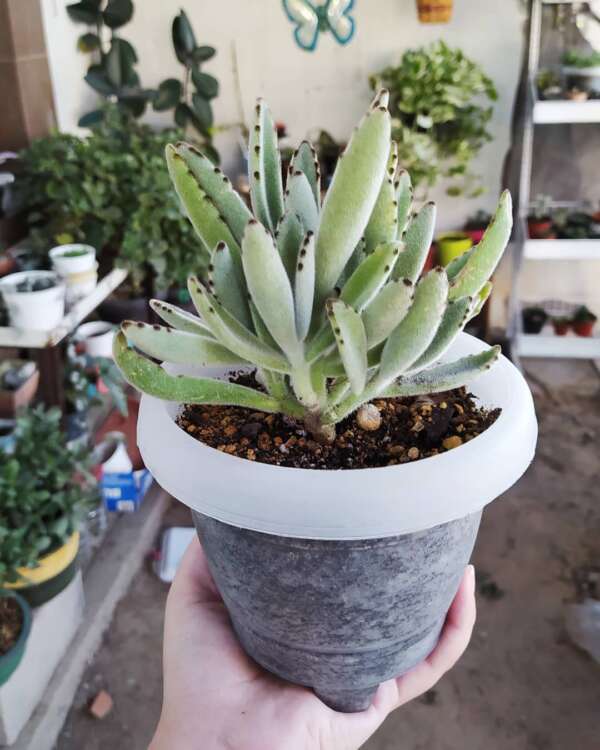
The Panda Plant is as cute as it sounds. With its fuzzy, silvery leaves, it’s one of the more ornamental succulents out there.
While it prefers brighter light, it will still thrive in low light conditions. This plant is a great way to bring a touch of texture to your plant collection.
Why it works: Panda Plant is forgiving when it comes to light levels, and its soft, fuzzy leaves make it visually striking. It’s perfect for desks or windowsills that don’t get direct sun.
Pro tip: Avoid placing it in a spot where it gets direct sunlight for too long, as it can scorch the leaves. Let the soil dry out between waterings.
11. Mistletoe Cactus (Rhipsalis baccifera)
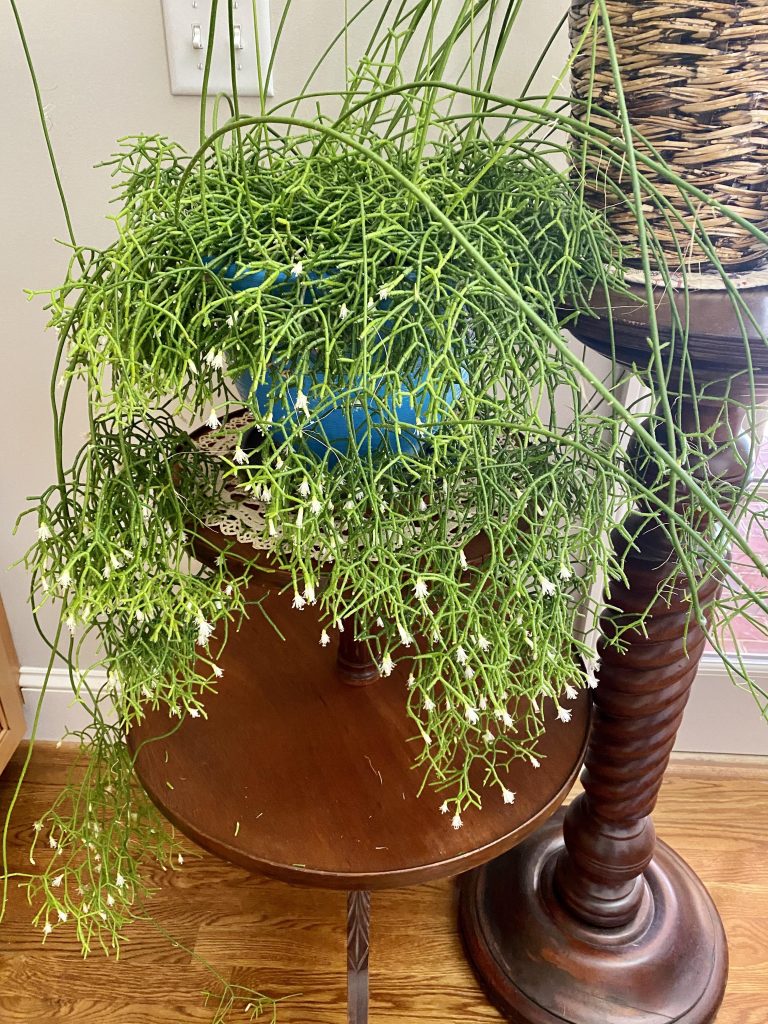
The Mistletoe Cactus might not be what you expect when you think of a cactus. Unlike the traditional spiny cacti, this one has a soft, fern-like appearance and thrives in low light.
It’s perfect for a hanging basket or trailing over the edge of a shelf. It also tolerates a wide range of light conditions.
Why it works: If you’re looking for a cactus that doesn’t require direct sunlight, the Mistletoe Cactus is a great choice. It’s easy to care for and adds a unique look to your space.
Pro tip: Keep it in a spot with bright, indirect light for optimal growth. Water it sparingly and let the soil dry between waterings.
12. Ponytail Palm (Beaucarnea recurvata)
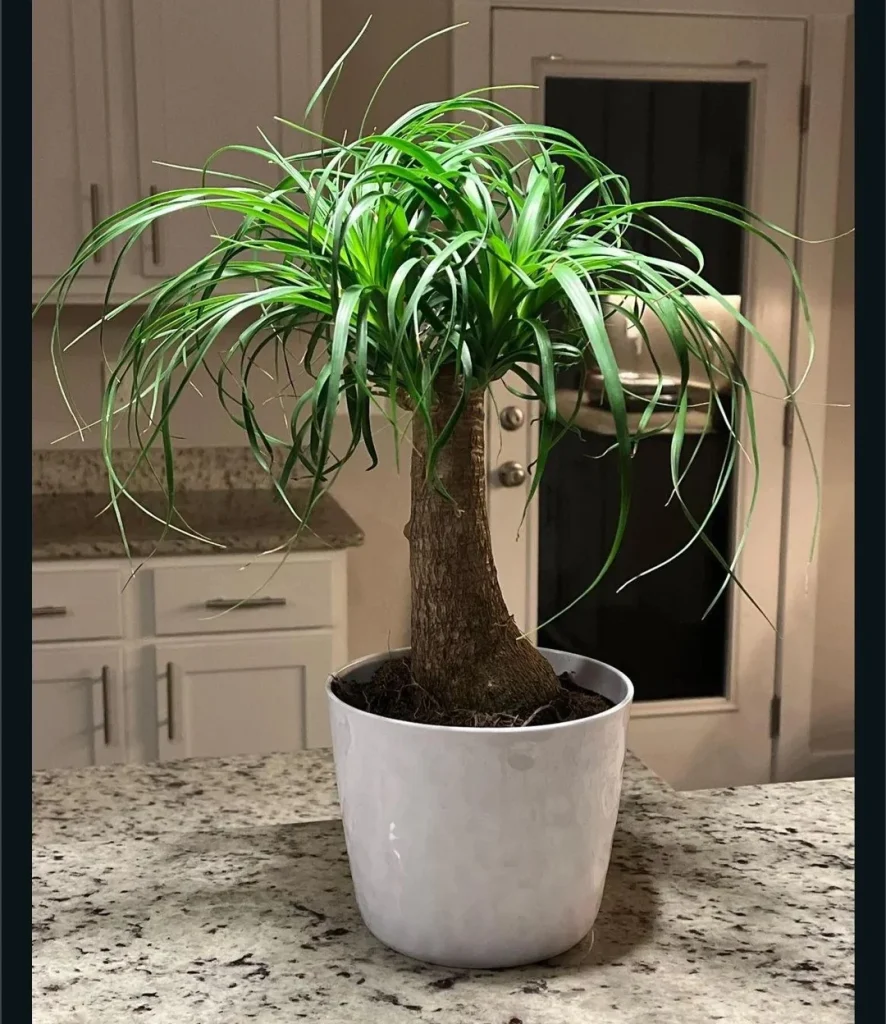
The Ponytail Palm has long, cascading leaves that resemble a ponytail, hence the name. It’s not technically a palm, but it has the same tropical vibes.
This plant does well in low light, though it will grow a bit slower in dimmer conditions. Its unique look makes it stand out wherever you place it.
Why it works: Ponytail Palm is an excellent choice for low light spots. It’s low-maintenance and adds a quirky element to your home or office. Plus, it’s drought-tolerant, which means less stress over watering.
Pro tip: Water sparingly. It prefers dry soil, so don’t let it sit in water. A bright spot will encourage faster growth, but it can tolerate less light.
Great! Here’s Part 3, continuing with the next batch of succulents.
13. Zebra Haworthia (Haworthia attenuata)
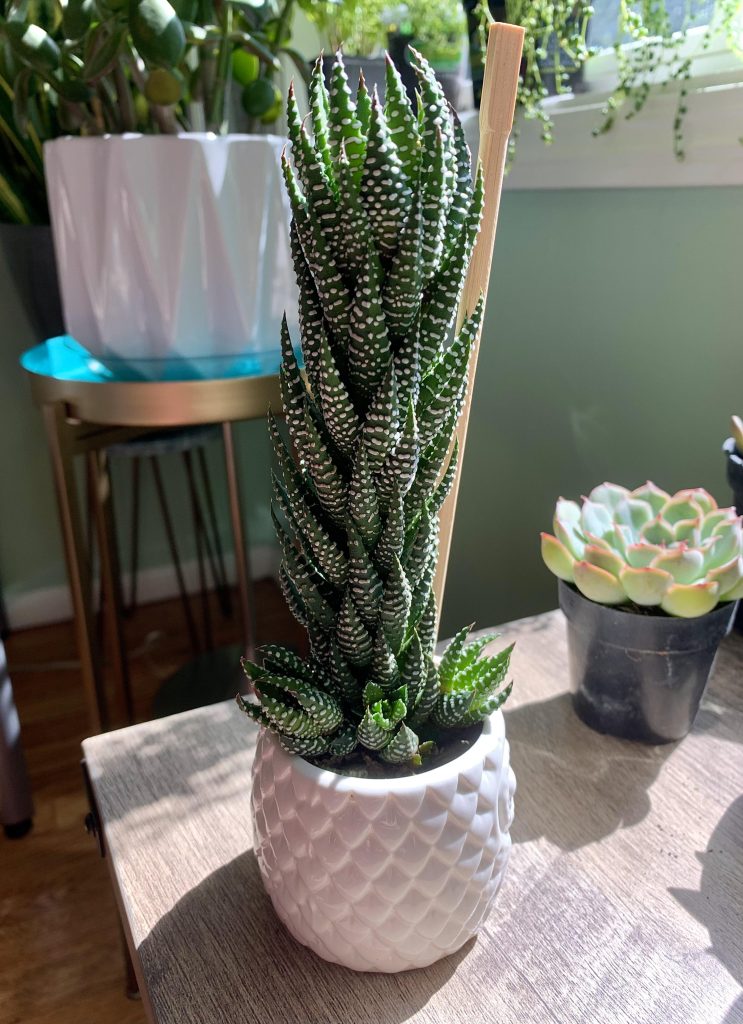
The Zebra Haworthia is another compact and cute succulent that thrives in low light. With its striking white stripes, this plant almost looks like a miniature zebra, adding a bit of fun to any room.
Its leaves grow in rosettes, and it’s a tough little plant that doesn’t need much attention to do well.
Why it works: This succulent is perfect for beginner plant parents. It doesn’t require a lot of light or water, and it adapts easily to its environment. Place it on your desk or windowsill and forget about it—it’ll still look great.
Pro tip: Like most succulents, the Zebra Haworthia prefers to dry out between waterings. Keep it in a bright spot if possible, but it will still thrive in lower light.
14. Gasteria (Gasteria spp.)
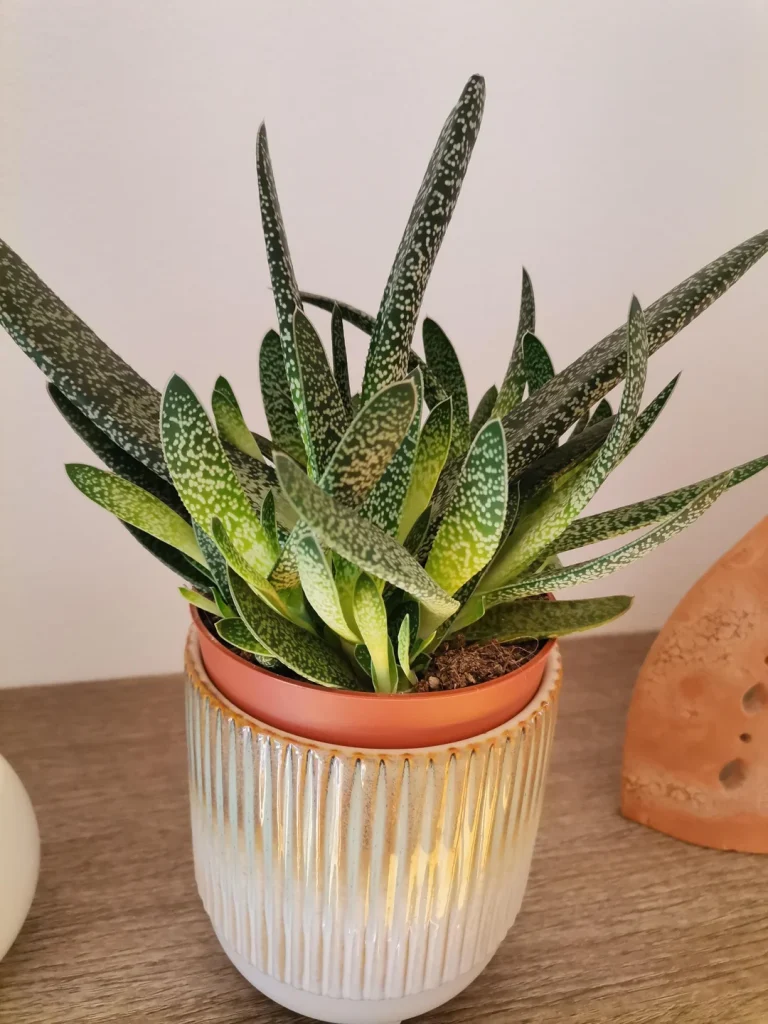
If you’re after a low light succulent with a bit of attitude, the Gasteria is the plant for you. Its thick, succulent leaves are often covered in small, white spots or stripes, giving it a distinctive appearance.
While it loves light, it’s also quite happy in dimmer spaces, making it a fantastic option for low light areas.
Why it works: Gasteria is a resilient, low-maintenance plant. It can tolerate low light, but it will also do just fine in bright, indirect light. Its easy-going nature makes it a great addition to any space.
Pro tip: Water it when the soil is dry, and don’t let it sit in water. It’s the perfect plant for someone who wants low-maintenance greenery.
15. Jade Necklace (Crassula perfoliata var. Falcata)
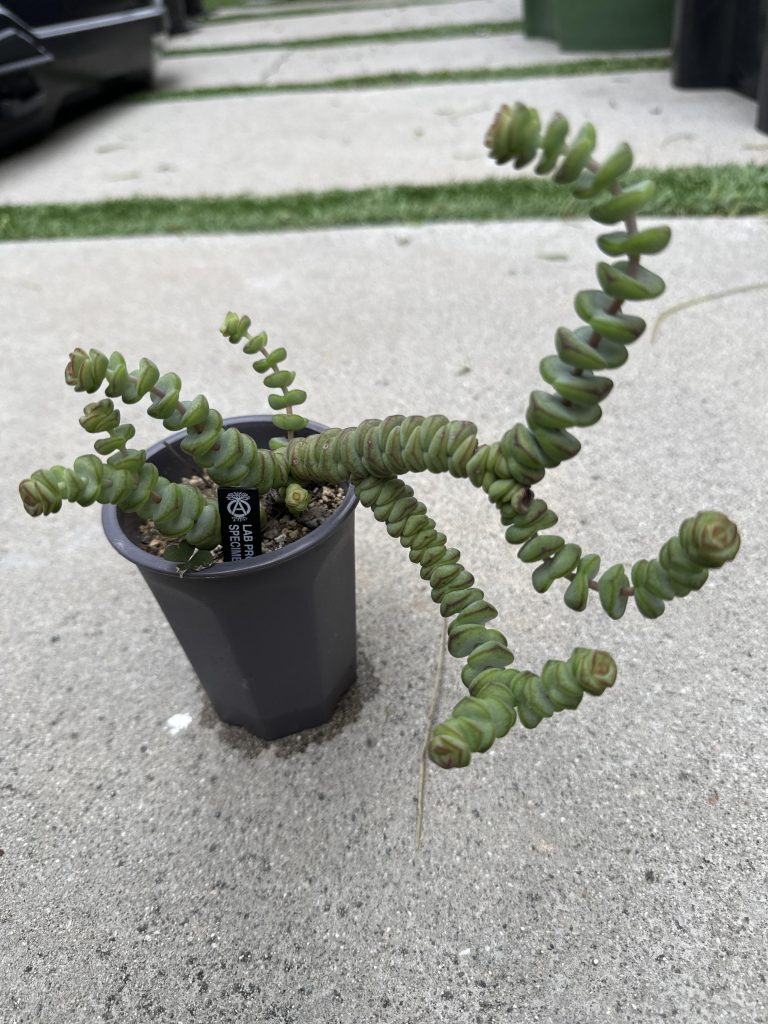
Finally, we’ve reached the Jade Necklace, which is a beautiful and unique succulent. This plant is characterized by its delicate, pendant-like leaves that trail downward, forming an attractive necklace shape.
While it loves the sun, it can still adapt to lower light conditions, especially if you’re looking for a plant to add a touch of elegance to your space.
Why it works: The Jade Necklace is tough, and its trailing growth habit makes it a standout. It’s great for hanging baskets or as a shelf plant. Plus, it’s slow-growing, so you don’t have to worry about constant maintenance.
Pro tip: Keep it in a bright spot for faster growth, but it can still thrive in low light. Be cautious with watering—it prefers a dry environment.