15 Best Tall Low Light Houseplants That Thrive in Shady Corners

Finding a plant that grows tall in a dim room feels oddly harder than it should. You want height, style, and a little drama, but you do not want a leafy diva that collapses the minute your apartment skips bright sunshine.
Fair. The good news is that several tall low light houseplants handle shadier rooms surprisingly well.
One thing matters right away: low light does not mean no light. Most of these plants tolerate shade, filtered light, or rooms with limited sun, but they still grow better with some indirect light nearby.
Below, you’ll find 15 tall low light houseplants, each in the same clean format, with practical care details.
Also read:
15 Beautiful Low-Light Indoor Plants Safe for Pets
15 Large Low-Light Indoor Plants for Shade
1. Snake Plant: Tall Low light houseplants for shade
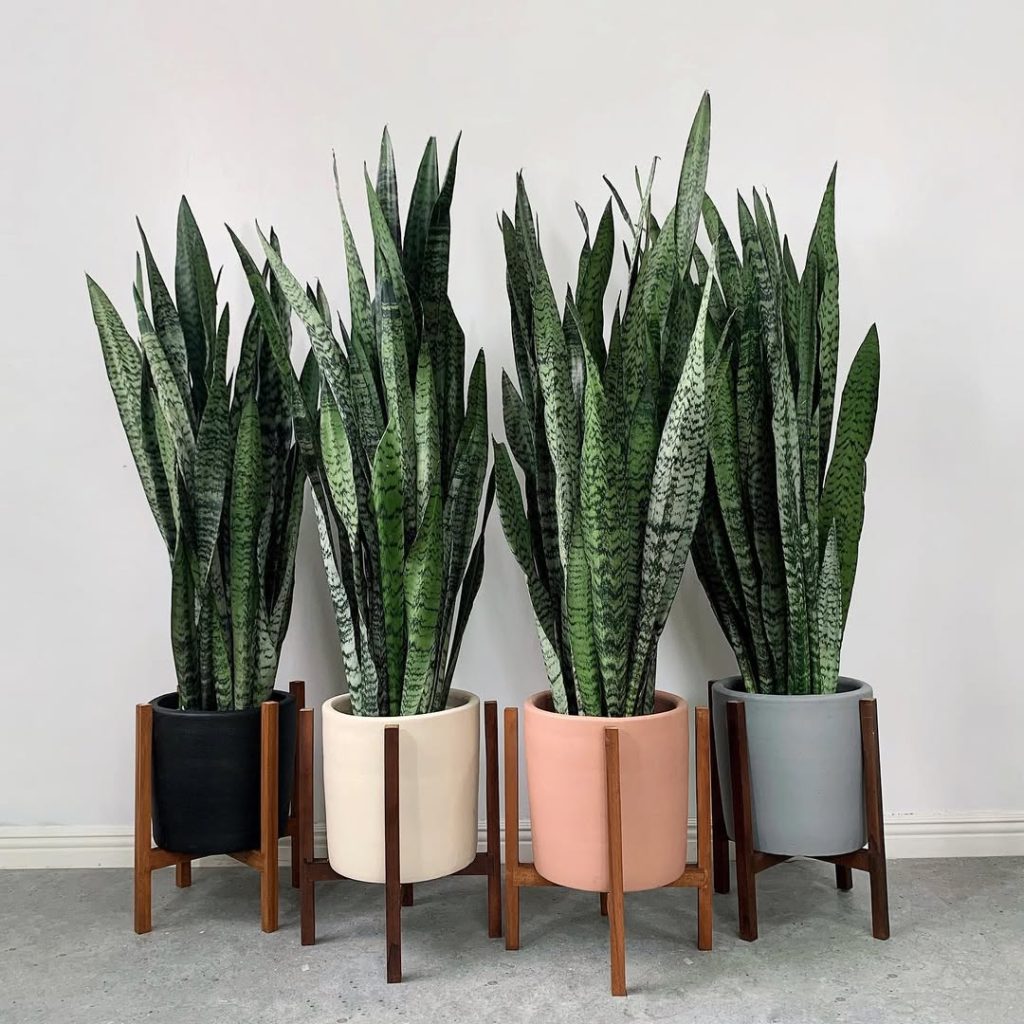
Snake plants rank among the easiest tall low light houseplants you can grow. They handle neglect, tolerate low light, and keep an upright shape that looks clean and modern in corners.
They come in several sizes and can reach around three feet indoors, so they work well when you want height without a giant footprint.
I recommend them to beginners constantly because they stay tough and low-maintenance.
Light: Full shade or bright, indirect light.
Water: Water when the soil feels dry, usually every few weeks.
Toxicity: Toxic to cats and dogs.
2. Monstera
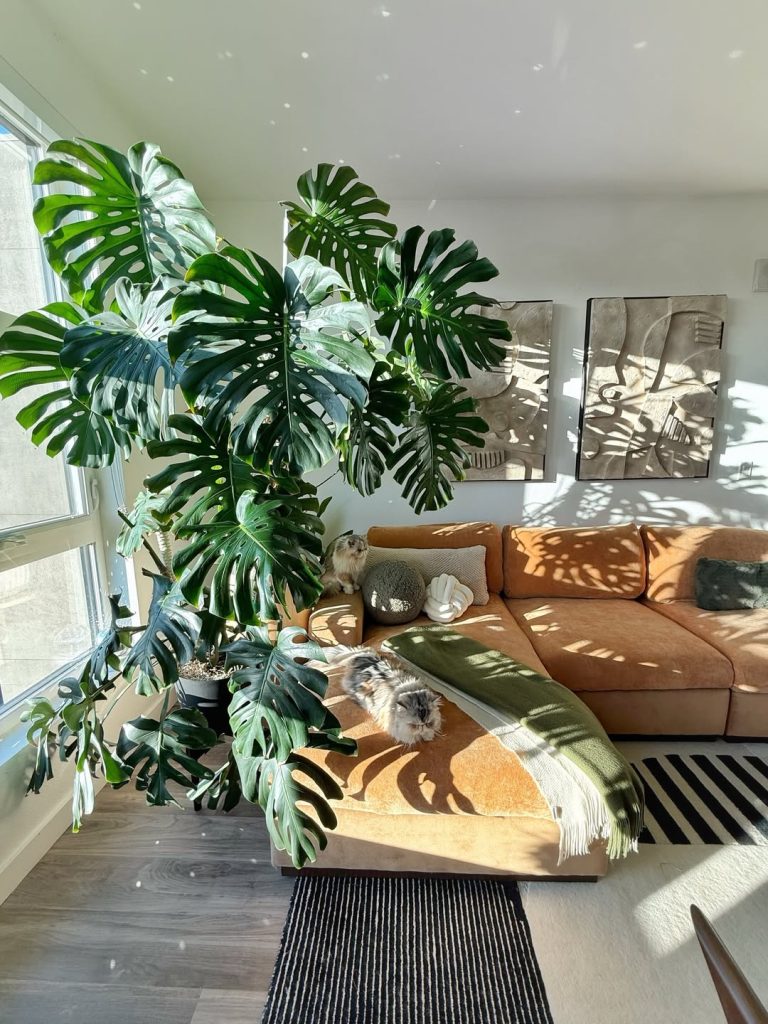
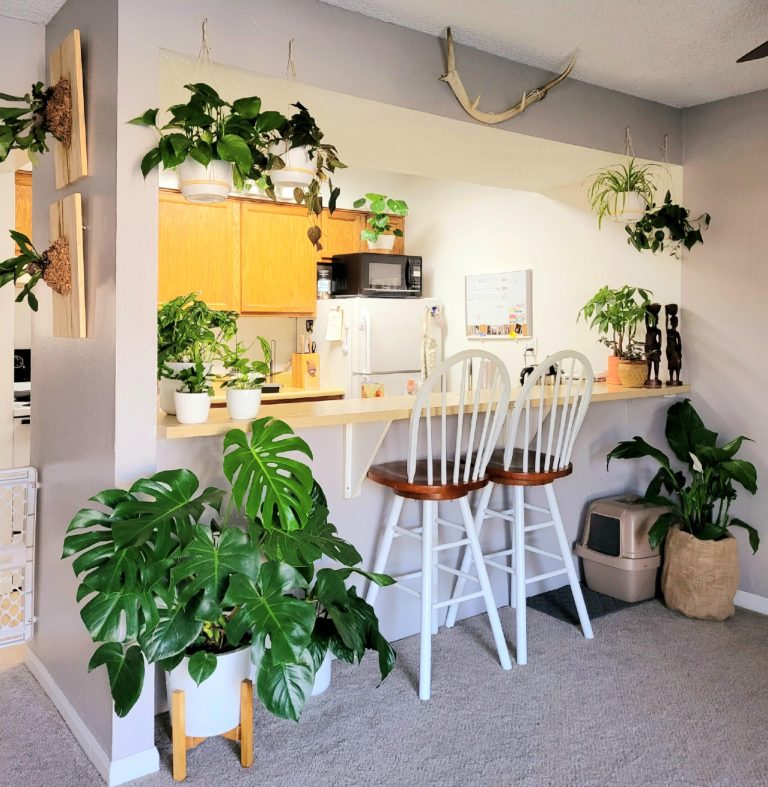
Monstera adds instant jungle energy to a room, even when the light is less than perfect. It tolerates lower light better than many people expect, which makes it a strong option for homes without bright windows in every room.
In dimmer spots, it may grow more slowly and show fewer dramatic leaf splits, but it still looks lush and impressive.
Ever wanted a statement plant without turning your apartment into a greenhouse? This one gets pretty close.
Light: Low to bright, indirect light.
Water: Water when the top couple of inches of soil feel dry.
Toxicity: Toxic to cats and dogs.
3. ZZ Plant
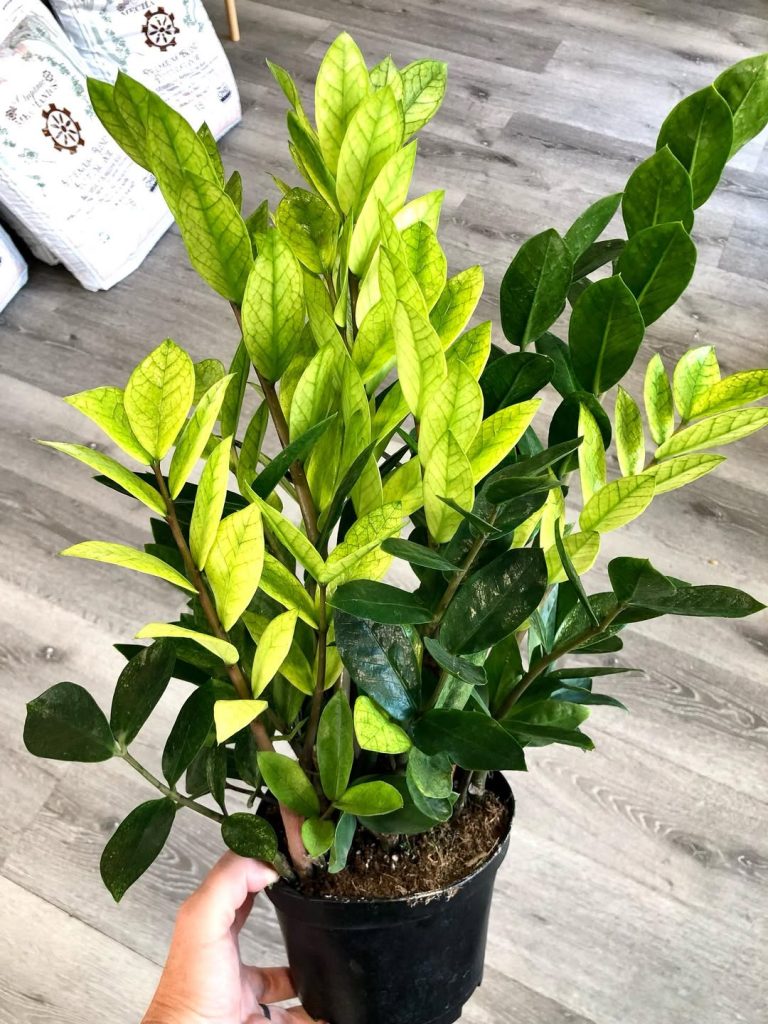
ZZ plants feel almost too easy, which honestly makes them even more lovable. They tolerate low light, dry indoor air, and missed waterings better than most houseplants.
Their glossy dark green leaves look polished, so they bring height and style without acting fussy about it.
If you want a plant that survives real life instead of fantasy-plant life, this one deserves a top spot.
Light: Low to bright, indirect light.
Water: Water only when the soil dries out fully.
Toxicity: Toxic to cats and dogs.
4. Parlor Palm
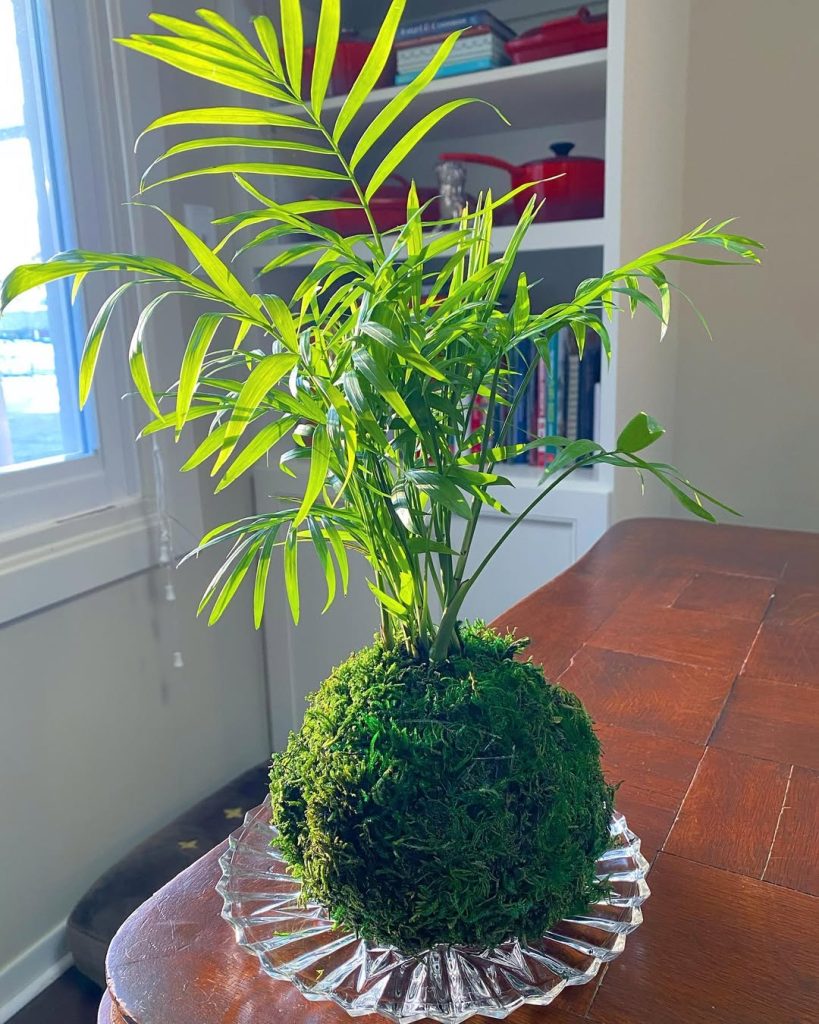
Parlor palm brings a softer look than sharper upright plants like snake plant or ZZ plant. Its feathery fronds add height and movement, which helps dim rooms feel calmer and more layered.
It tolerates low light well and has a long-standing reputation as one of the best palms for indoor growing.
I like it in bedrooms and living rooms because it feels elegant without trying too hard, which, frankly, more décor should attempt.
Light: Low to bright, indirect light.
Water: Keep the soil lightly moist, but do not let it stay soggy.
Toxicity: Non-toxic to cats and dogs.
5. Rubber Plant
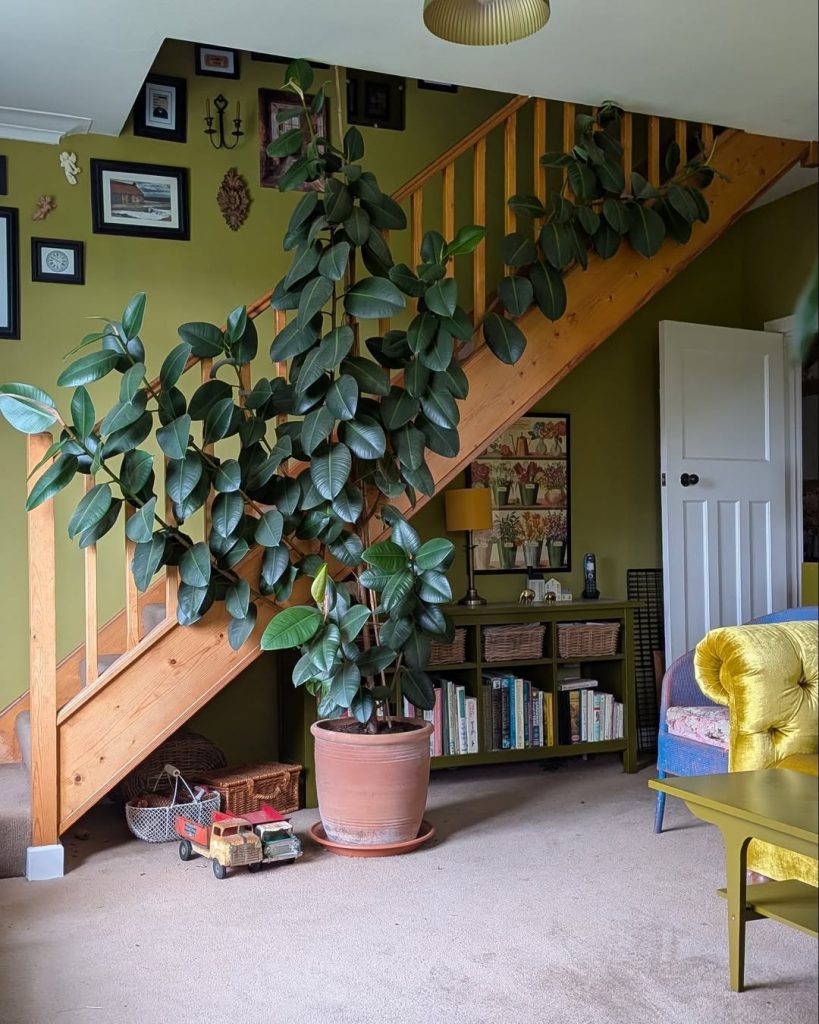
Rubber plants make a strong case for anyone who wants tall low light houseplants with a more polished, designer look.
Their broad, glossy leaves feel bold without looking chaotic, and indoors they can reach around six feet tall. I like them in living rooms because they bring height and structure fast.
They tolerate lower light, but they do not love the darkest cave in your house, because even the cool plants have standards.
Light: Light shade to bright, indirect light.
Water: Water when the top two inches of soil feel dry.
Toxicity: Toxic to cats and dogs.
6. Dragon Tree
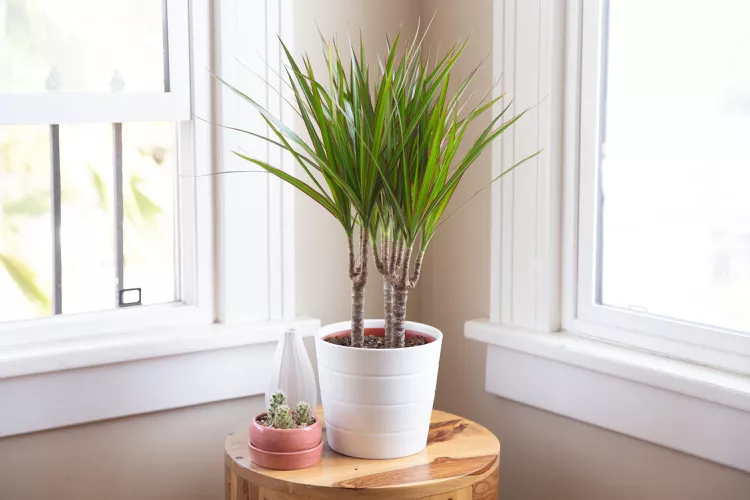
Dragon tree works beautifully when you want something tall, narrow, and easygoing.
It grows up to around three feet indoors and handles a wide range of lighting conditions, which explains why so many people treat it like a beginner favorite.
I love it for tighter spaces because it adds height without taking over the room.
It also looks a bit architectural, which helps a dim corner feel intentional instead of forgotten.
Light: Semi-shade or indirect light.
Water: Water when the top two inches of soil dry out.
Toxicity: Toxic to cats and dogs.
7. Kentia Palm
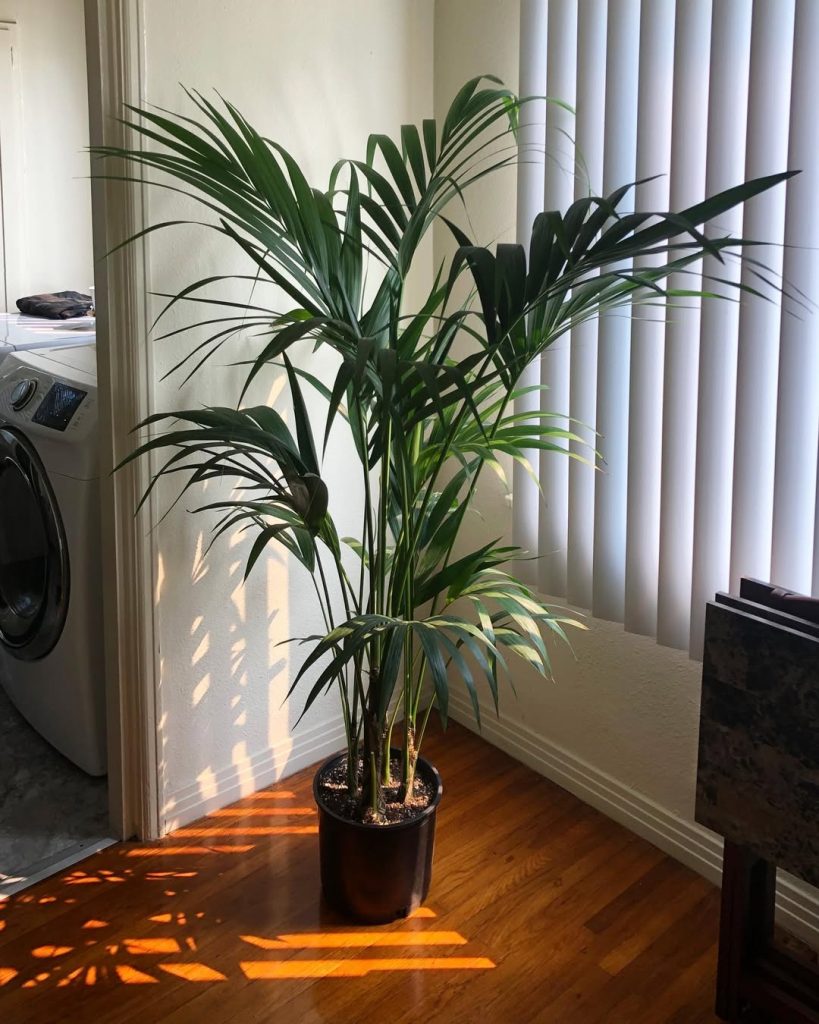
Kentia palm feels like the elegant older cousin of parlor palm. It grows slowly, tolerates low light well, and can reach around ten feet indoors, so it gives you serious vertical impact over time.
If you want a plant that softens a room while still making a statement, this one does that beautifully.
I think it works especially well in bedrooms and calm living spaces where you want height without harsh lines.
Light: Partial shade; brighter rooms help it perform better.
Water: Water when the top two inches of soil feel dry.
Toxicity: Non-toxic to cats and dogs.
8. Cast Iron Plant
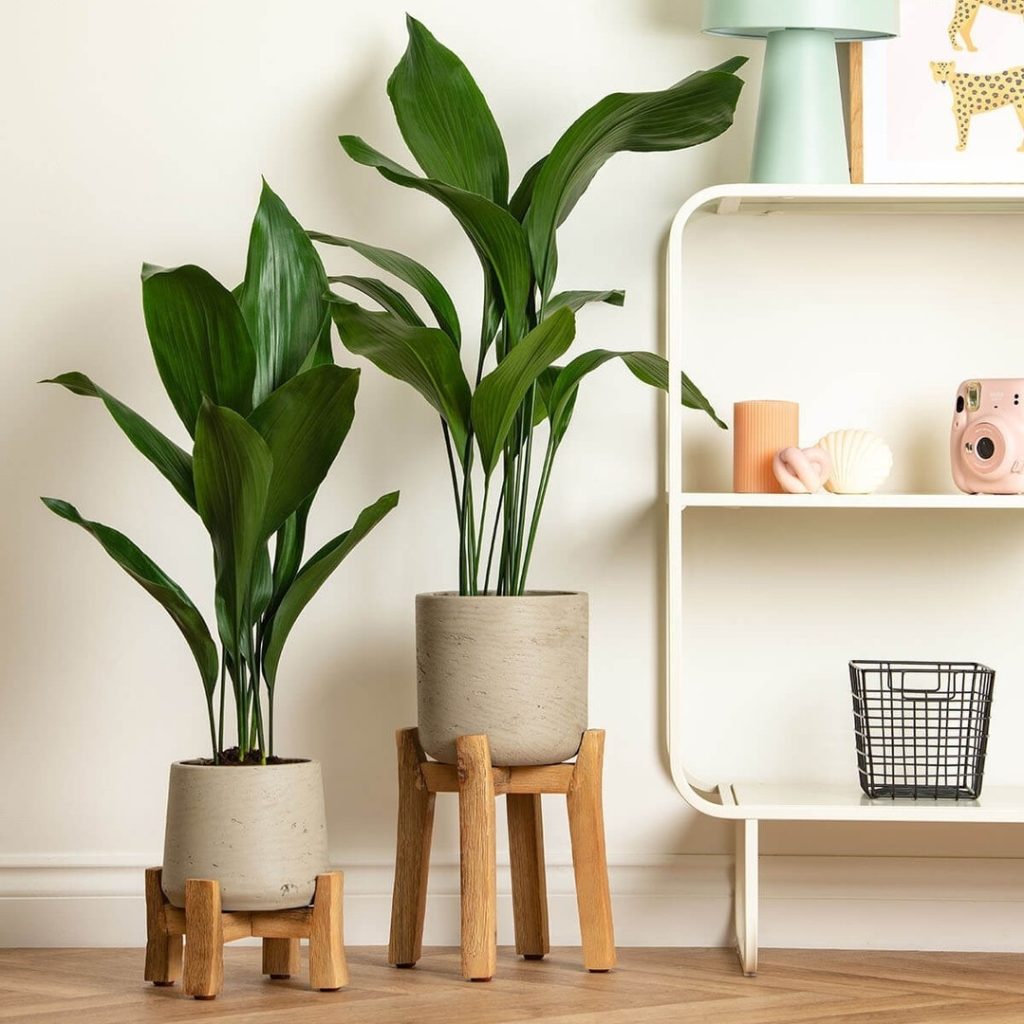
Cast iron plant earns its name the old-fashioned way: by refusing to quit. It handles low light, inconsistent watering, and a range of indoor conditions with very little drama.
That makes it one of the smartest choices for busy people or anyone tired of houseplants acting like full-time emotional commitments.
Its dark green leaves look simple and sturdy, and in the right planter, it adds a calm, grounded kind of height.
Light: Full shade to bright, indirect light.
Water: Water when the soil dries out completely.
Toxicity: Non-toxic to cats and dogs.
9. Umbrella Tree
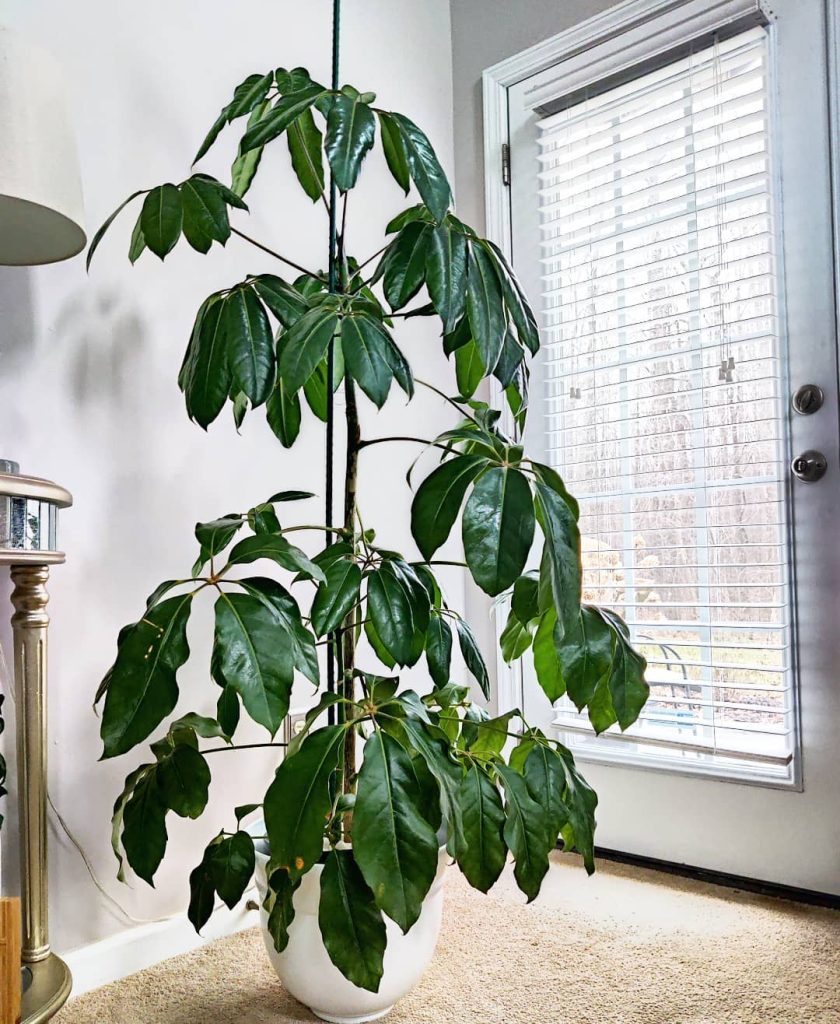
Umbrella tree works well if you want a plant that looks fuller and more tropical than the sharper upright options.
Its glossy leaf clusters give a room instant life, and indoors it can grow impressively tall when conditions stay decent. I like it for offices and living rooms because it fills vertical space fast without looking messy.
It tolerates low light, but it usually stretches a bit if the corner gets too dark, so give it at least some indirect light.
Light: Semi-shade to bright, indirect light.
Water: Let the soil dry out completely before watering.
Toxicity: Toxic to cats and dogs.
10. Money Tree
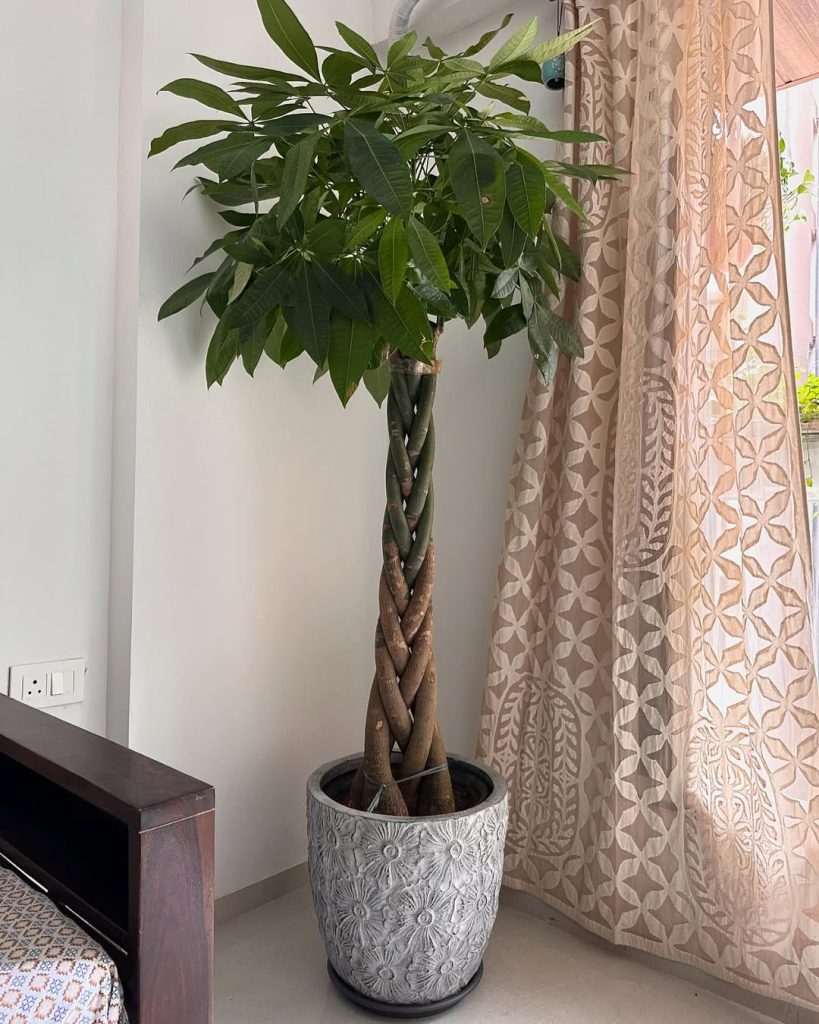
Money tree gives you a taller, softer tree shape without demanding perfect conditions. Most people notice the braided trunk first, but the real win sits in its easygoing nature.
It tolerates shaded areas fairly well, which makes it a solid pick for homes that do not get strong sun all day.
I like it when a room needs height with a calmer, more relaxed look than rubber plant or snake plant.
Light: Partial shade to bright, indirect light.
Water: Water when the soil is completely dry.
Toxicity: Non-toxic to cats and dogs.
11. Chinese Evergreen
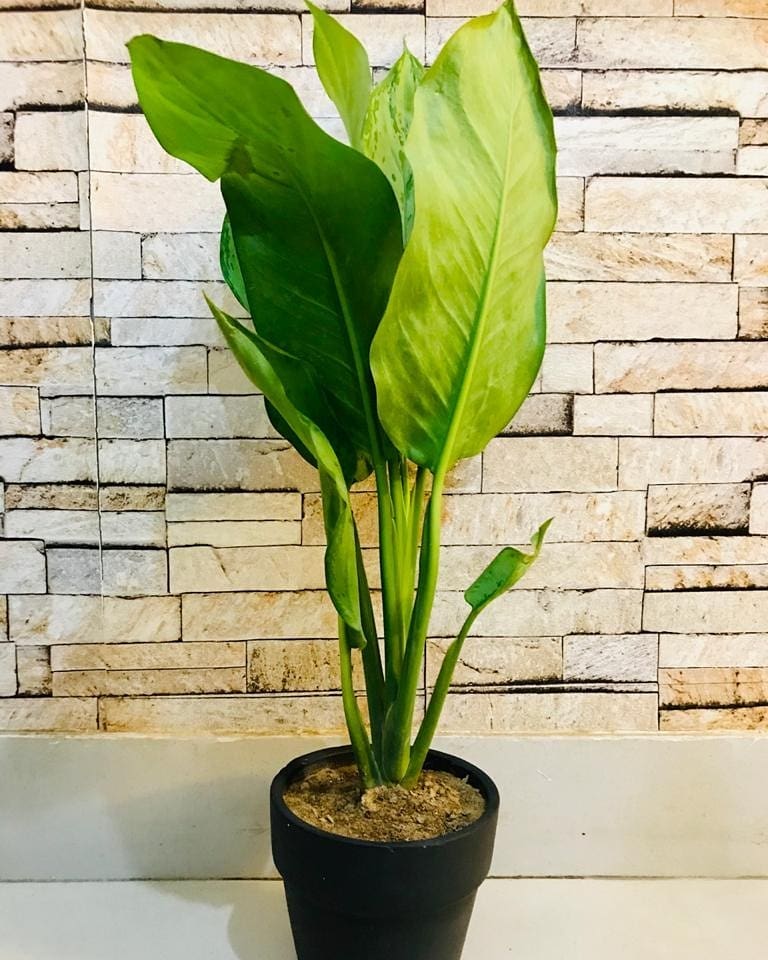
Chinese evergreen feels like one of the smartest choices for anyone who wants color plus low-light tolerance.
Green varieties handle dimmer rooms especially well, while more colorful types usually want brighter indirect light to hold their tones.
I like this plant for offices, bedrooms, and awkward corners with limited daylight. It solves the “everything in low light looks dark green and serious” problem pretty nicely.
Light: Partial shade to bright, indirect light.
Water: Water when the top two inches of soil feel dry.
Toxicity: Toxic to cats and dogs.
12. Dieffenbachia
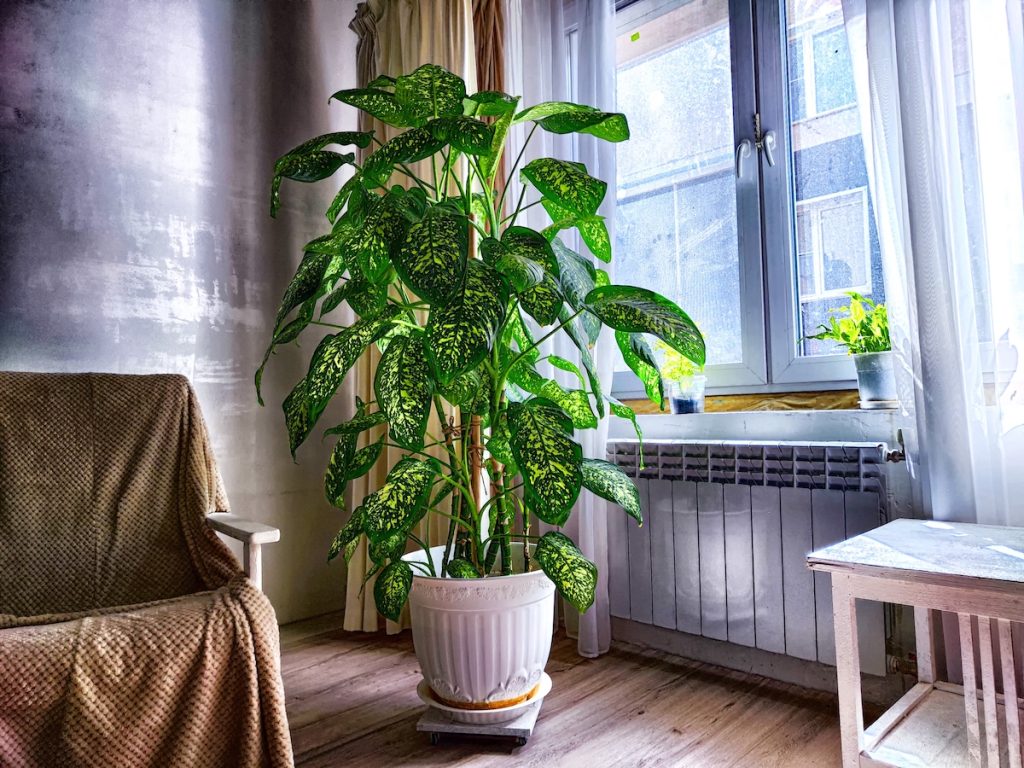
Dieffenbachia brings big, bold foliage into a low-light setup without needing bright sun to look good. It grows naturally in dappled forest conditions, so partial shade suits it well.
I like it for people who want a broader-leafed plant with a more lush presence than dragon tree or snake plant.
It does ask for a bit more attention around moisture and humidity, so I would not rank it as the most carefree plant on this list.
Light: Partial shade to bright, indirect light.
Water: Water when the top two inches of soil feel dry.
Toxicity: Highly toxic to cats and dogs.
13. Corn Plant
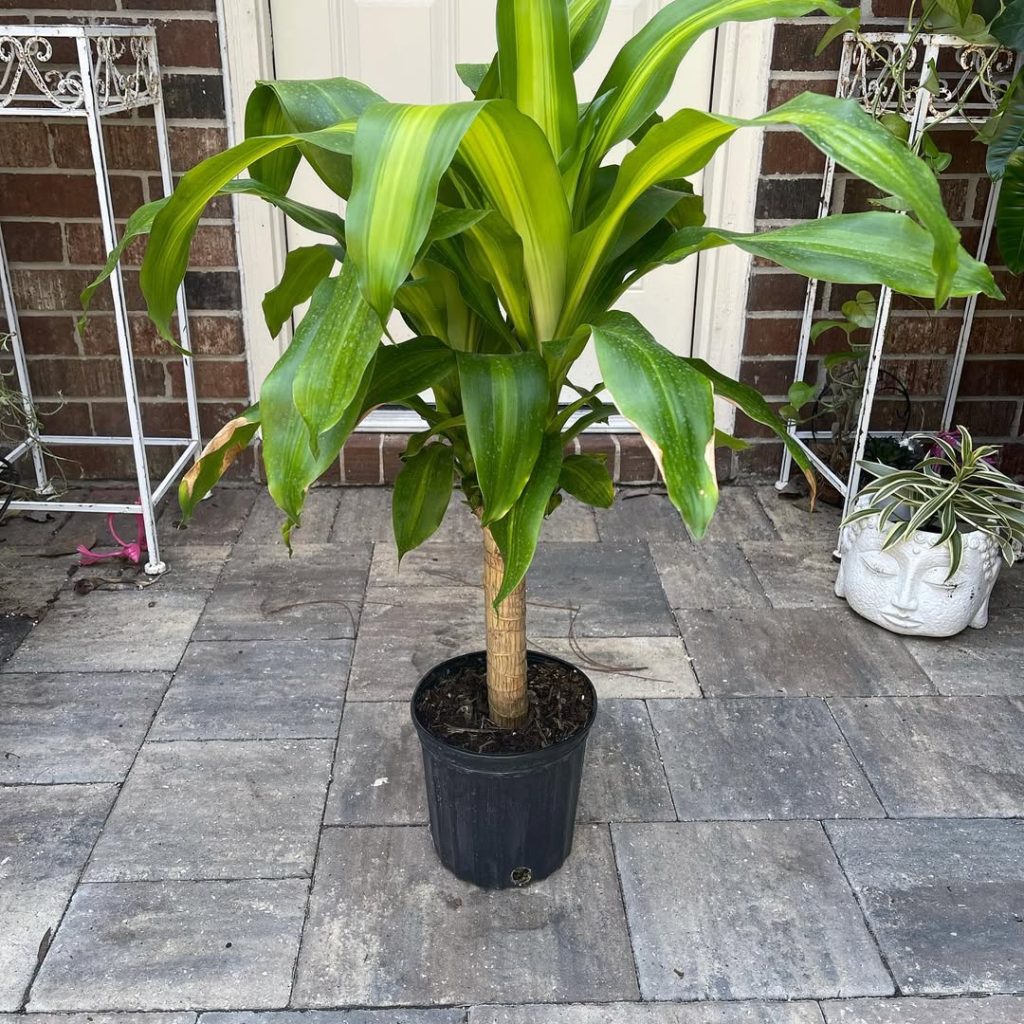
Corn plant works really well when you want height without the moodiness that some taller houseplants bring. Indoors, it can reach about six feet, and it still pushes out new growth in a shady spot.
I like it because it gives that upright, leafy look without demanding constant fuss.
Just do not expect maximum height in deep shade, because this plant still grows better with brighter indirect light nearby.
Light: Light shade to bright, indirect light.
Water: Let the soil dry out completely before watering.
Toxicity: Toxic to cats and dogs.
14. Banana Plant
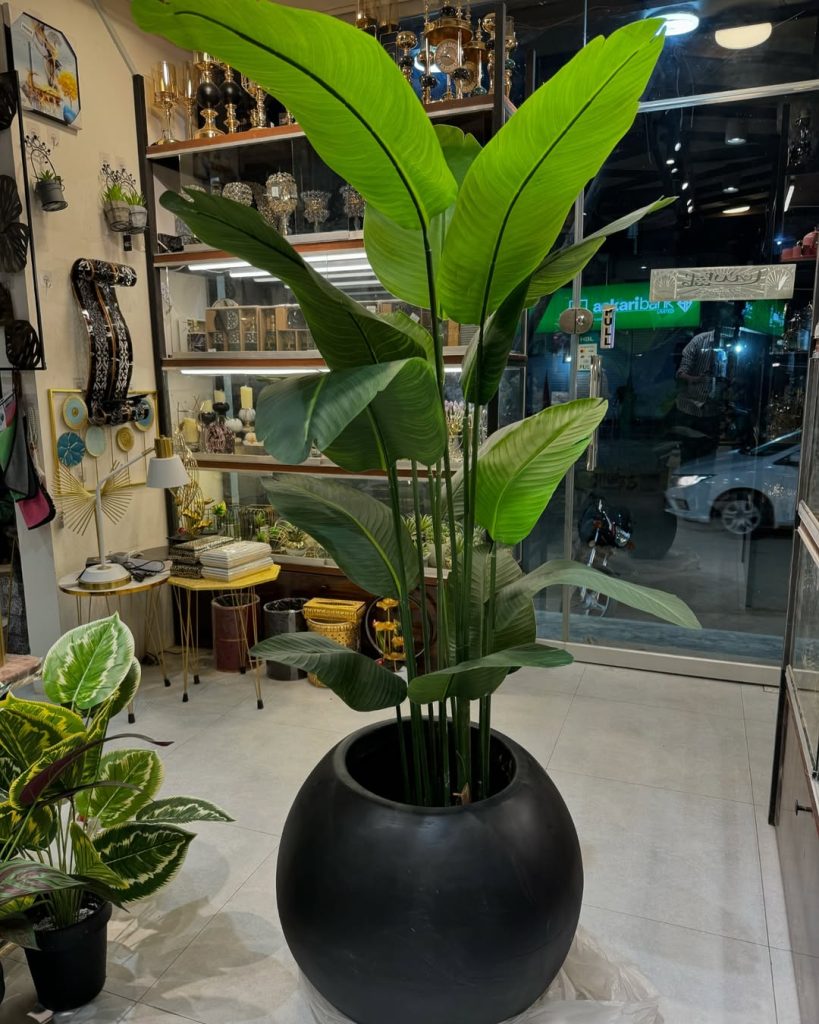
Banana plant feels like the wildcard on this list, but it still earns a place if you want a bold, tropical look in a lower-light room.
It can survive in partial shade, though it will not grow as aggressively there. I would choose this one if you care more about lush presence than fast growth.
It also loves humidity, so this is not the plant for a bone-dry room with zero support. Plants can be dramatic, and this one at least admits it.
Light: Partial shade to bright light.
Water: Water when the top two inches of soil are dry.
Toxicity: Non-toxic to cats and dogs.
15. Weeping Fig
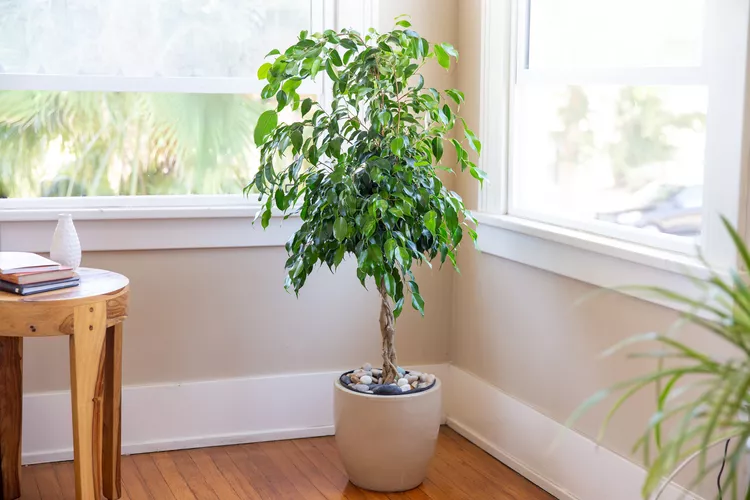
Weeping fig gives you a more tree-like shape than most other options here, which makes it great for empty corners that need vertical presence.
It tolerates lower light better than many people think, and indoors it still grows tall with time. I like the elegance of it, but I also think this plant tests your patience a bit.
If it drops some leaves, do not panic. That reaction is normal, not a personal attack from the ficus universe.
Light: Semi-shade to bright, indirect light.
Water: Water when the top two inches of soil are dry.
Toxicity: Toxic to cats and dogs.
Final Thoughts
The big pattern stays the same across all of these plants: low light means tolerant, not magical. You can absolutely grow tall indoor plants in dimmer spaces, but you still need to match the right plant to the right room and avoid expecting tropical perfection in a gloomy hallway.
If you want the easiest options, I’d start with snake plant, ZZ plant, cast iron plant, and parlor palm. If you want more drama, I’d look at monstera, rubber plant, umbrella tree, or kentia palm.
And if you want a room to feel finished without spending your life rotating pots like a stage manager, these plants make that job much easier.
Article Resources: