10 Shrubs for Winter Interest That Keep Your Yard From Looking Dead

Does your yard go completely flat the moment the leaves drop? Mine used to. Then I started paying attention to which shrubs actually pull their weight in the cold months.
Some bloom right through frost. Others hold bright berries for weeks. A few just show off great bark once everything else goes bare.
Mix a few types together and you get a yard that still looks alive in January.
Here are 10 shrubs worth planting this fall to make that happen.
Best Time to Plant
Fall is your best window for this. The soil’s still warm from summer, but the air has cooled off, so roots settle in without any heat stress.
Try to get your shrubs in the ground at least 6 weeks before your first hard frost. That’s enough time for roots to grab hold before the ground freezes.
Missed that window? You’re not out of luck. Container-grown shrubs can still go in anytime the ground isn’t frozen or soaked.
You’ll just want to water more carefully through that first winter, since the roots haven’t had as long to settle.
How to Layer Them Together
One winter shrub looks nice. Three or four different types planted near each other look like you hired a designer.
Here’s the trick: pick one shrub for bark, one for berries, and one for fragrance.
Try a red twig dogwood behind a clump of winterberry holly. Then tuck a fragrant sweet box or daphne along the path, somewhere you’ll actually walk past it.
The bark and berries do the heavy lifting from a distance. The fragrance is your reward up close.
This kind of layering is also exactly why winter garden photos do so well on Pinterest. There’s always more than one thing happening in the frame.
10 Shrubs for Winter Interest That Keep Your Yard From Looking Dead
1. Witch Hazel
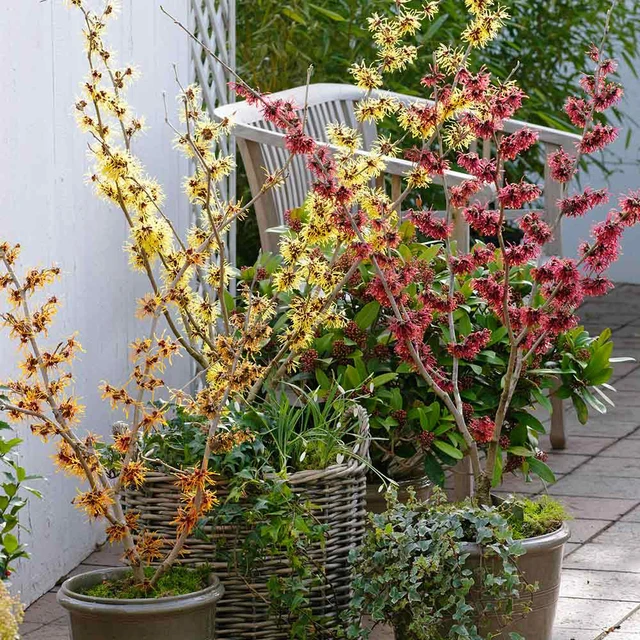
You’ll smell witch hazel before you notice it’s blooming.
Its spidery, ribbon-shaped flowers open in late winter in yellow, orange, or coppery red, sometimes while there’s still snow on the ground. Small flowers, big fragrance.
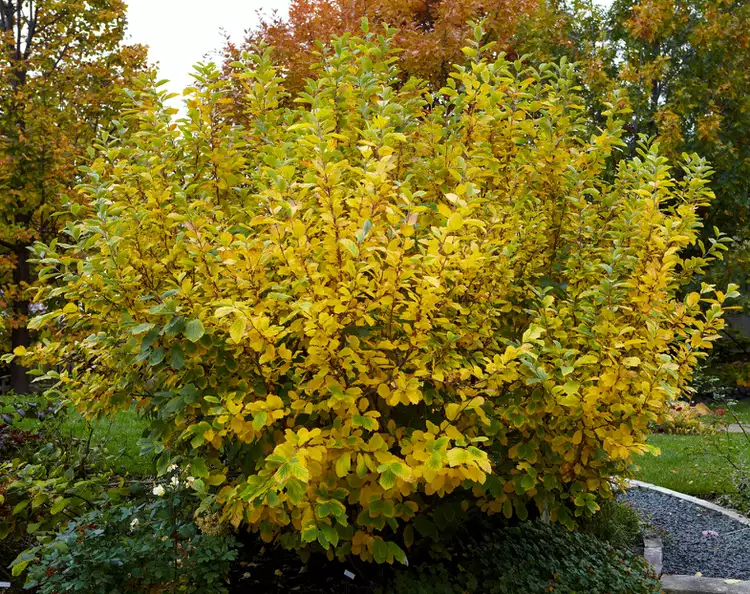
That combination is rare this time of year.
I like this shrub for people who want color without the fuss. It’s a slow grower, so pruning is basically optional.
Give it full sun to partial shade and soil that drains well, and it’ll do its own thing for years without asking much from you.
Hardiness: USDA zones 4-8
Best for: Early color and fragrance when almost nothing else is blooming
2. Red Twig Dogwood
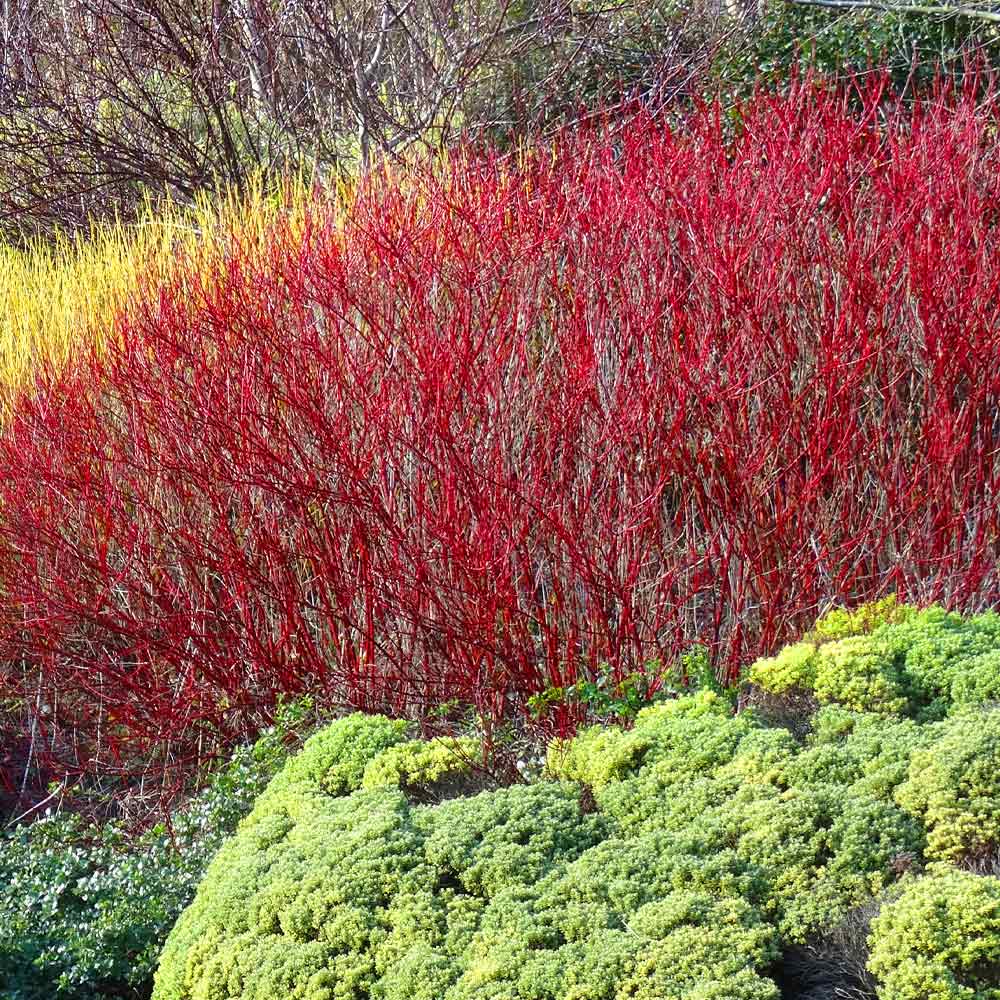
Here’s a shrub that gets better once its leaves fall off. Sounds backwards, but stick with me.
Red twig dogwood is grown for its stems, which turn a deep, almost glowing red once the cold sets in. Against snow, it looks like someone painted your yard.
Don’t plant just one. A single stem barely registers. Group 5 or 6 together and you’ve got a real focal point instead of an afterthought.
Every couple of years, cut out the oldest stems in late winter. New growth is where the brightest color comes from, so this keeps the display looking sharp.
Hardiness: USDA zones 2-7
Best for: Bark color when you want something other than flowers
3. Winterberry Holly
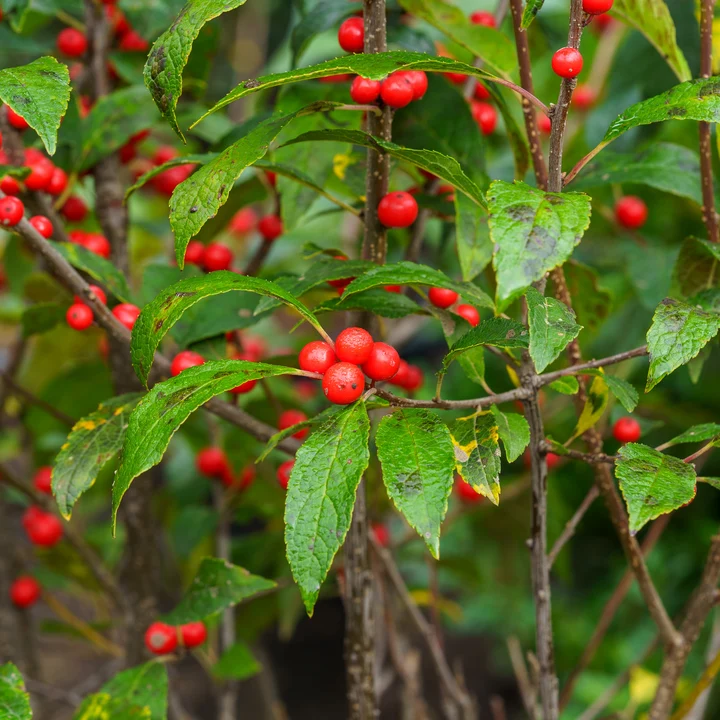
This shrub skips subtlety entirely. Winterberry holly drops its leaves in fall, then spends the whole winter loaded with bright red berries.
It’s a deciduous holly, so you get the berry payoff without any evergreen foliage competing for attention.
Birds notice fast, but if you time it right, you’ll get weeks of the show before they clear it out.
One thing before you buy: you need both a male and a female plant. Only the females produce berries, but they need a male nearby to pollinate them.
Good news is you don’t need a 1:1 ratio. One male can handle several females as long as it’s planted within reasonable distance.
Hardiness: USDA zones 3-9
Best for: The boldest, most photogenic berries on this whole list
4. Mahonia
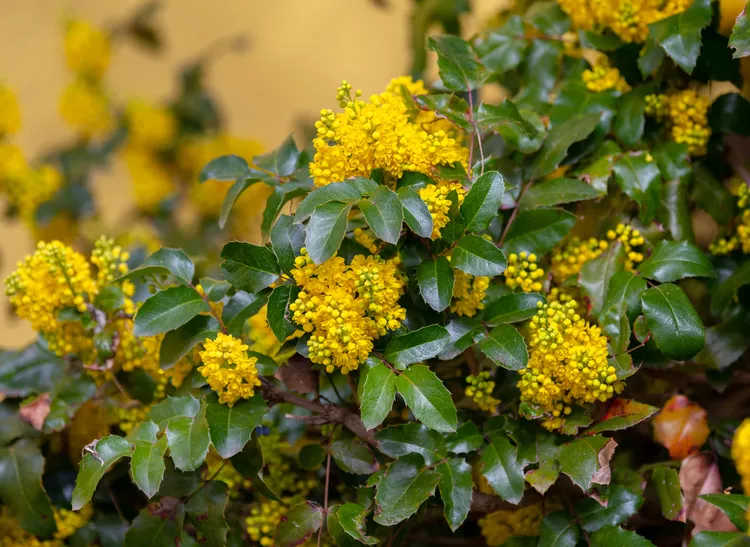
Mahonia doesn’t pick a lane. It blooms, it fruits, and it stays evergreen, all at the same time. Bright yellow flower clusters open in the coldest months and carry a soft scent close to lily of the valley.
Those flowers eventually become deep blue-purple berries that keep birds coming back later in the season.
Here’s what makes it different from the rest of this list: it actually wants shade. Most winter shrubs tolerate shade. Mahonia prefers it.
The spiky, holly-like leaves give it a slightly tropical look, which reads as a nice surprise against a bare winter yard.
If you’re in a colder zone, pile some mulch around the base before the hard freezes hit.
Hardiness: USDA zones 5-9
Best for: Shaded corners that need something happening in winter
5. Sweet Box
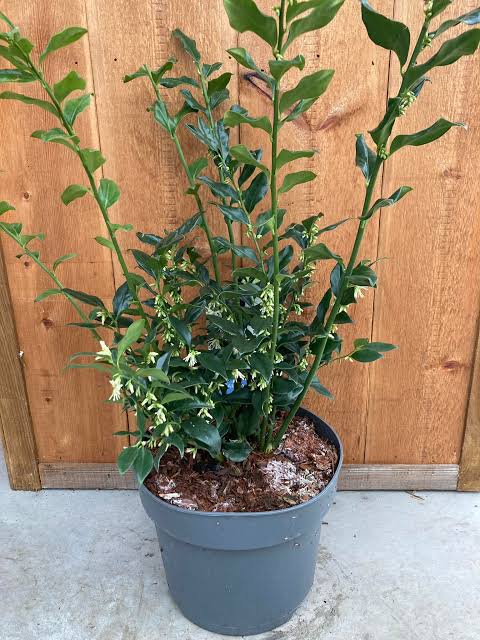
Want fragrance without a showy flower doing the announcing? Sweet box is your answer. The flowers themselves are tiny, tucked in close to the stems, easy to walk right past without noticing.
But the scent they throw off is the opposite of subtle. Plant it somewhere you pass often, like near your front door.
I’d put this one in the shade without a second thought. It handles deep shade better than almost anything else on this list, and it’s not picky about soil.
Use it as a low border or as filler beneath bigger shrubs. The dark, glossy leaves look good year-round, not just in winter.
Hardiness: USDA zones 6-9
Best for: Shade gardens and fragrance right where you’ll notice it
6. Camellia Sasanqua
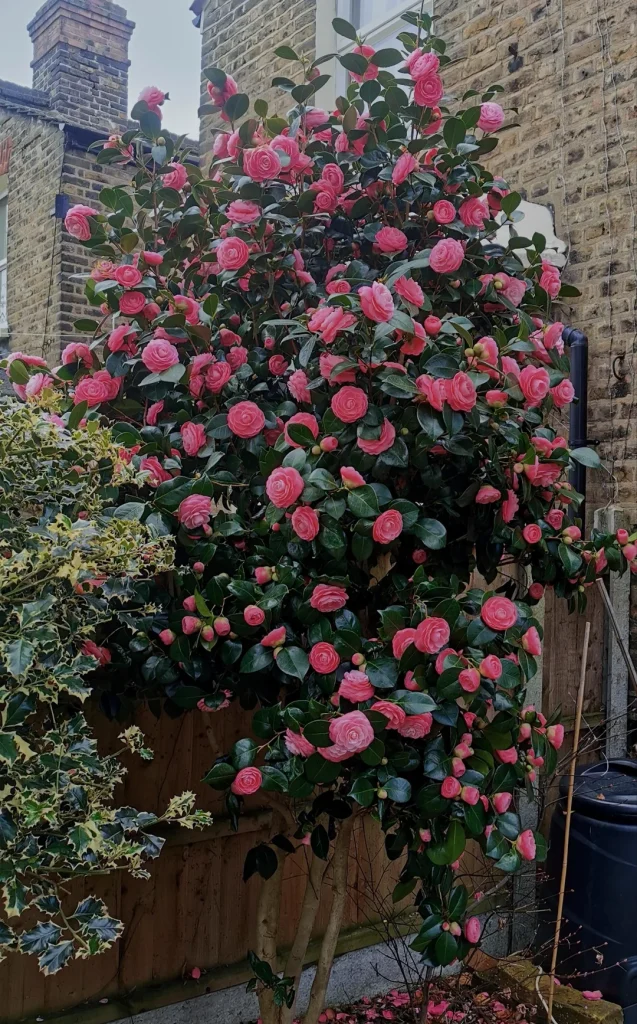
If you live somewhere with mild winters, camellia sasanqua is about to become your favorite shrub.
It blooms early, sometimes as soon as fall, and keeps going through the coldest stretch with big, rose-like flowers in pink, red, or white.
Most winter bloomers give you something small and modest. This one goes big.
A word of caution though. This isn’t a shrub for harsh winters. It needs milder temperatures to really perform, so if you’re in a colder zone, skip ahead to something hardier.
For everyone else, give it partial shade and slightly acidic soil, and water it regularly while it’s getting established.
Hardiness: USDA zones 7-10
Best for: Big, showy blooms in regions with gentler winters
7. Viburnum x bodnantense ‘Dawn’
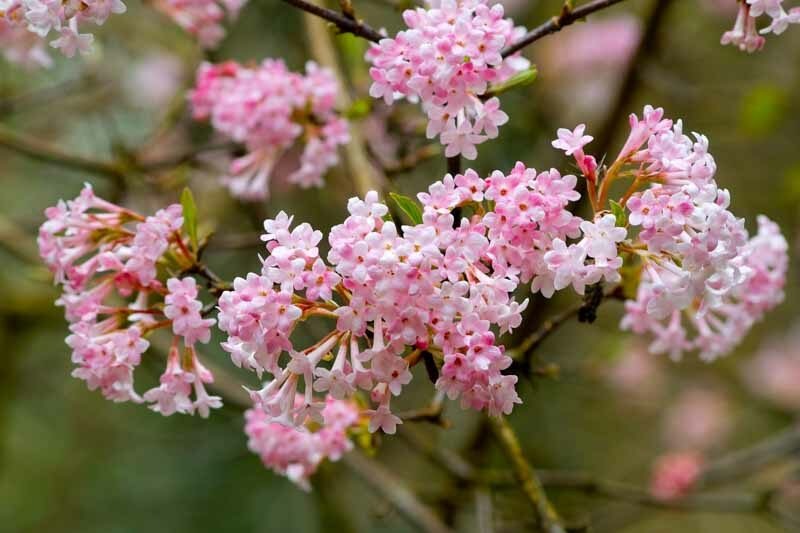
Pink flowers in the middle of winter sound like a typo, but that’s exactly what this viburnum delivers.
Clusters of soft pink blooms open on bare branches from late fall through winter, and they carry a sweet fragrance that catches you off guard on a cold day.
What I really like about this one is how forgiving it is. It tolerates a wide range of soil types and doesn’t demand constant attention once it’s settled in.
Plant it somewhere you’ll walk past in winter, since the fragrance is honestly the best part. The blooms are nice to look at, but the smell is what stops you in your tracks.
Hardiness: USDA zones 4-8
Best for: Fragrant blooms that survive real cold
8. Winter Jasmine
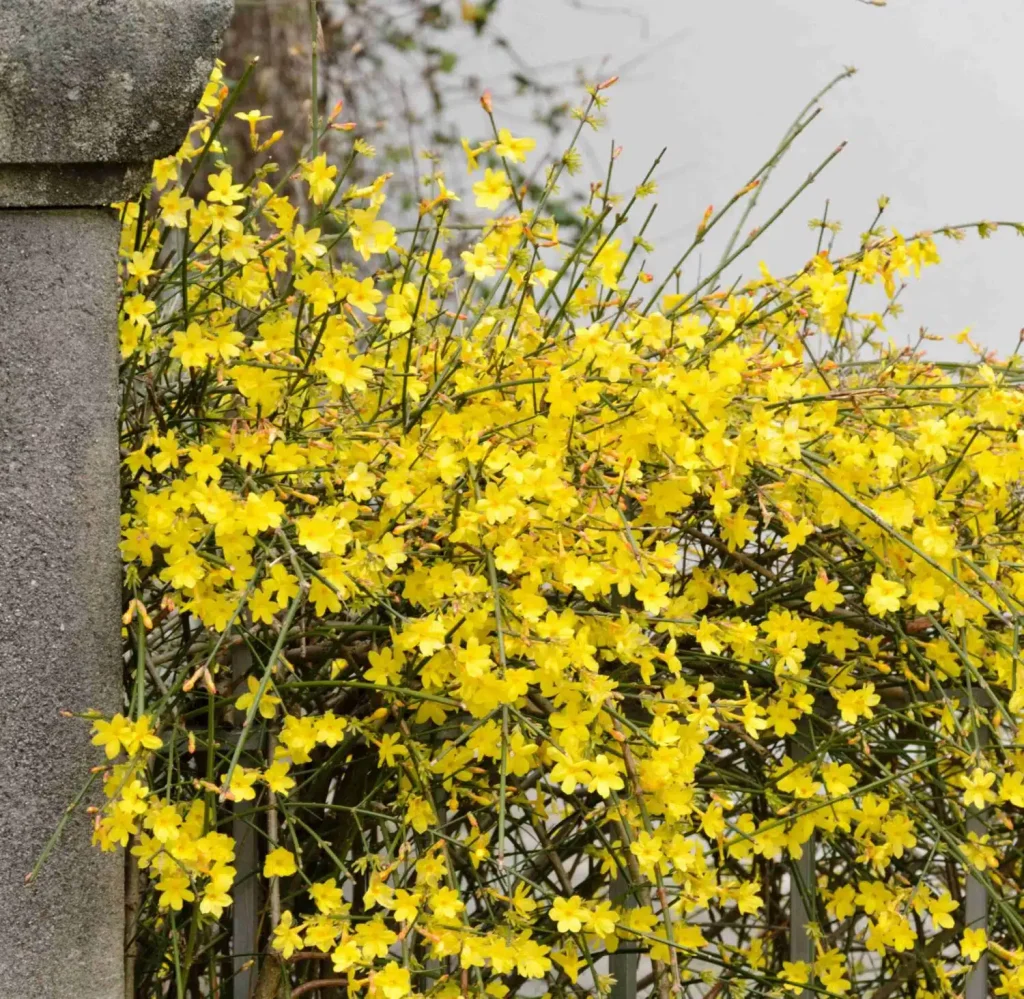
Winter jasmine breaks the rules a little. It’s not a fragrant shrub, and it’s not really upright either.
What it does have is bright yellow flowers that show up in late winter, right when you’re desperate for any sign that spring’s coming.
Give it something to climb, and it will. Leave it alone, and it sprawls out as ground cover instead.
That flexibility is what makes it worth planting. Tuck it along a slope where nothing else wants to grow, train it up a trellis near your porch, or let it spill over a retaining wall.
It’s not picky about how you use it, which is more than you can say for most shrubs on this list.
Hardiness: USDA zones 6-10
Best for: Sloped areas or spots where you want a climber instead of a typical shrub
9. Flowering Quince
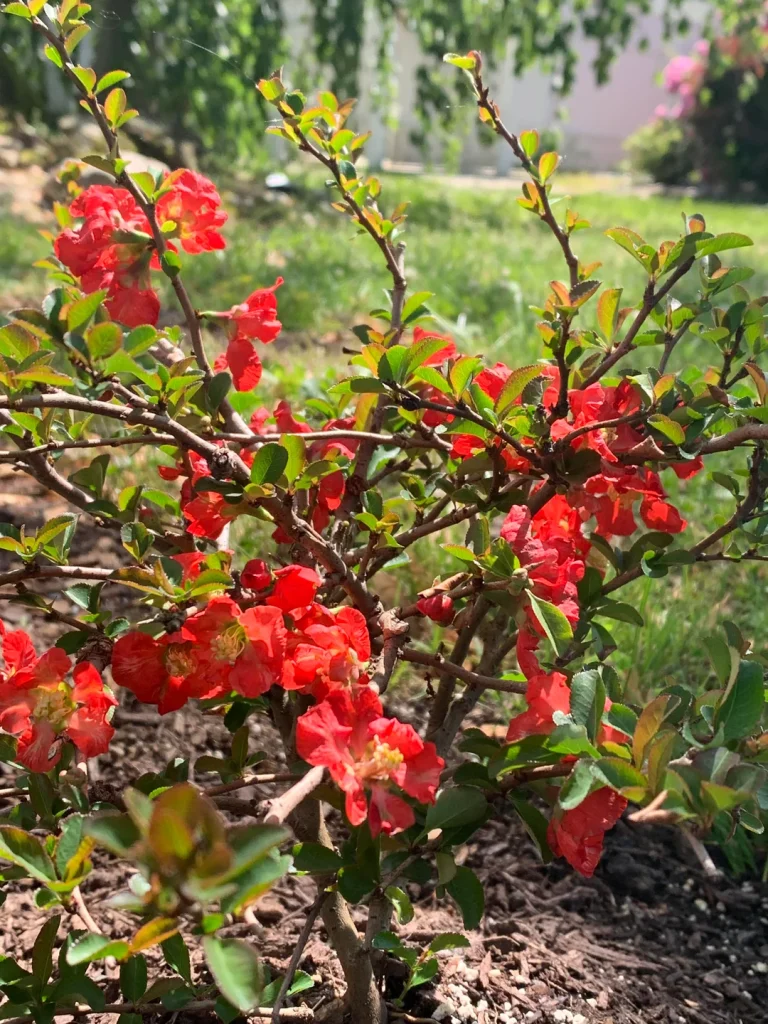
Flowering quince doesn’t wait around for spring to make its case.
Bright red, orange, or pink flowers show up on bare stems as early as January, well before most of your yard has thawed out.
Cut a few branches and bring them inside, and you’ve got a vase full of color when everything outside is still gray.
It’s a tough shrub too. Spiny stems make it a decent informal hedge, and it handles frigid weather without much fuss.
Give it full sun and soil that leans acidic to neutral, and don’t be surprised when it fills out into something wild and a little untamed. That’s part of its charm.
Hardiness: USDA zones 4-8
Best for: Cut flowers and bold early color
10. Daphne Odora
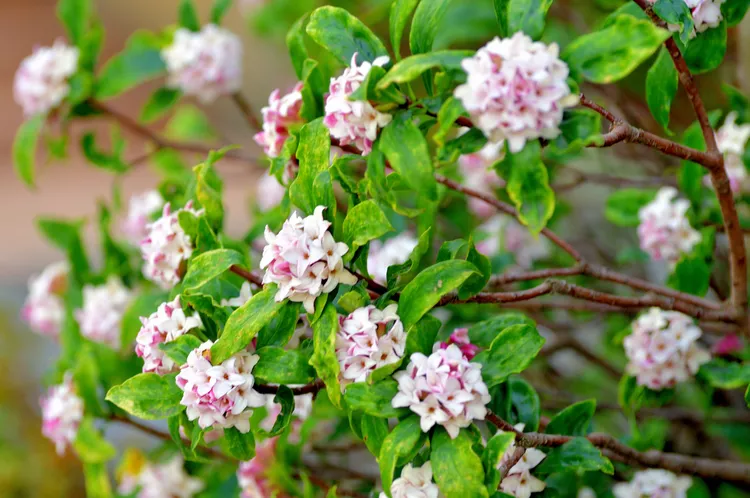
Save this one for a spot close to the house. Daphne odora is small, usually staying under 4 feet, but its winter flowers pack a fragrance way bigger than the plant itself.
Clusters of pale pink blooms open in late winter and early spring, and on a still, sunny day, you can smell them from across the yard.
It’s also low maintenance in the best way. Little pruning, deer tend to leave it alone, and once it’s established, it mostly takes care of itself.
Just don’t move it once it’s planted. Daphne doesn’t love being disturbed, so pick its spot carefully the first time.
Hardiness: USDA zones 4-9
Best for: Small spaces that need a big dose of fragrance
FAQs
Do winter shrubs need full sun to bloom?
Not all of them. Witch hazel, flowering quince, and camellia sasanqua do best in full sun to partial shade. Mahonia and sweet box actually prefer shade, so check each shrub’s needs before picking a spot.
Can I grow these shrubs in containers?
Smaller varieties like daphne and sweet box handle container life well. Larger shrubs like winterberry holly or viburnum need more room and are better suited to the ground long-term.
Will these shrubs survive a hard freeze?
Most on this list handle temperatures well below freezing once established, especially witch hazel, red twig dogwood, and flowering quince.
Camellia sasanqua is the exception. It prefers milder winters and won’t tolerate extreme cold.
Do I really need both a male and female winterberry holly?
Yes, if you want berries. Only female plants produce fruit, and they need a male nearby to pollinate them. One male can pollinate several females, so you don’t need to match them one to one.
How long does it take for these shrubs to fill out?
Most take two to three years to really settle in and show their full winter display. Witch hazel and daphne are slower growers, so be patient. The payoff is worth the wait.
Final Thoughts
You don’t need a huge yard or a big budget to make winter feel less bare. Pick two or three of these shrubs, plant them this fall, and give them a season to settle in.
By next winter, you’ll have color, berries, or fragrance doing something while everything else sits dormant. Once you see the difference, you’ll probably want to keep adding more.