Topsoil Calculator: How Much Topsoil Do You Really Need?

Topsoil math is sneaky. Order too little, and you’re headed back to the yard for round two. Order too much, and you’ve got a soil mountain taking over your driveway.
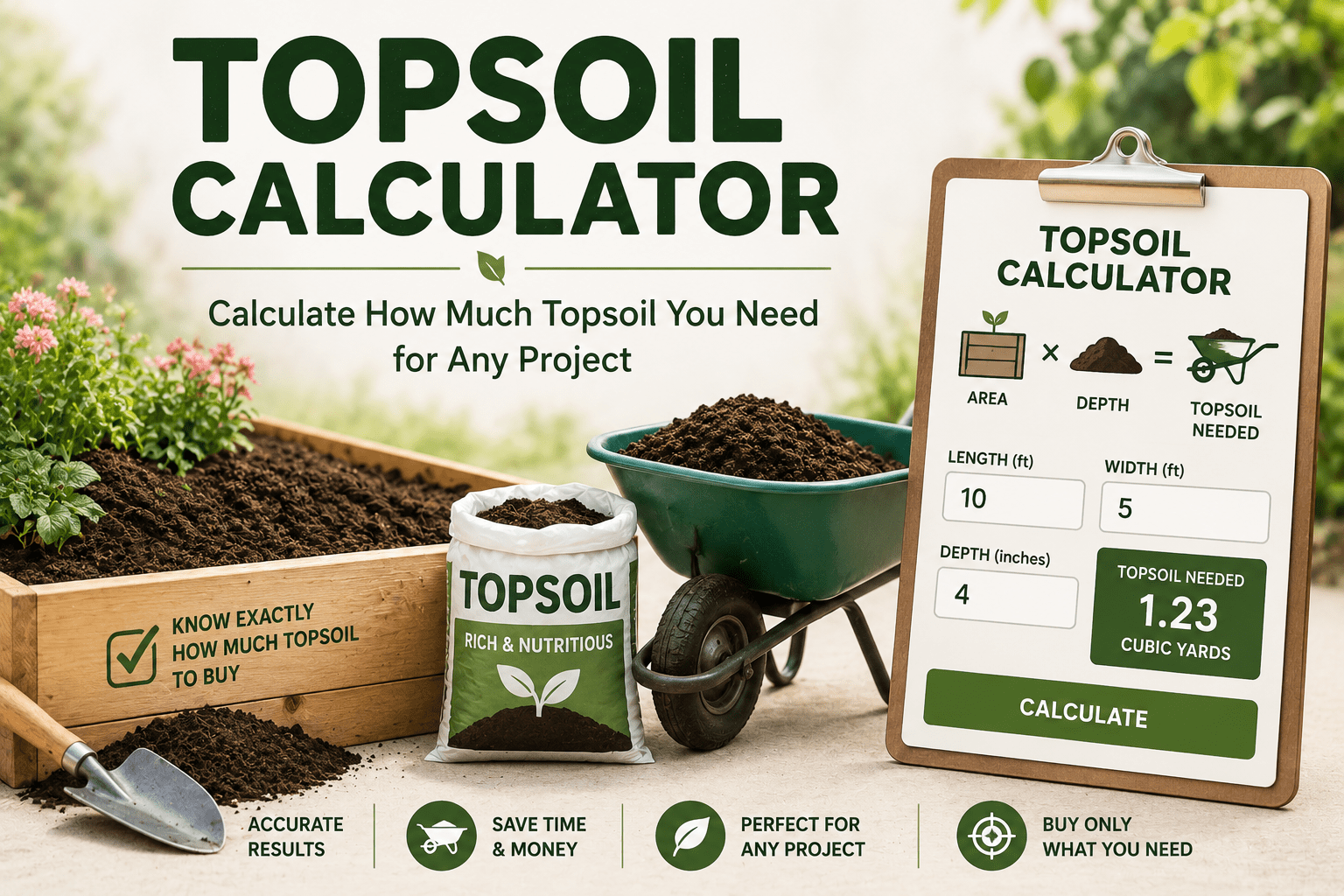
This calculator fixes that. Enter your bed’s length, width, and depth. You’ll get the exact amount in cubic feet and cubic yards. No guesswork, no napkin math.
Whether you’re filling a raised bed, leveling a low spot, or prepping for sod, you’ll know exactly how much to order. Just plug in your numbers and get to planting.
Topsoil Calculator
How to Use the Calculator
Using it is simple. Measure your space in feet, length and width. Or skip that and enter the total square footage if you already know it.
Next, enter your depth in inches. Six inches works for most new garden beds. Raised beds usually need more, sometimes up to 12 inches.
Hit calculate. You'll get your answer in cubic feet, cubic yards, and roughly how many bags you'd need if you're buying bagged soil instead of bulk.
What Is Topsoil?
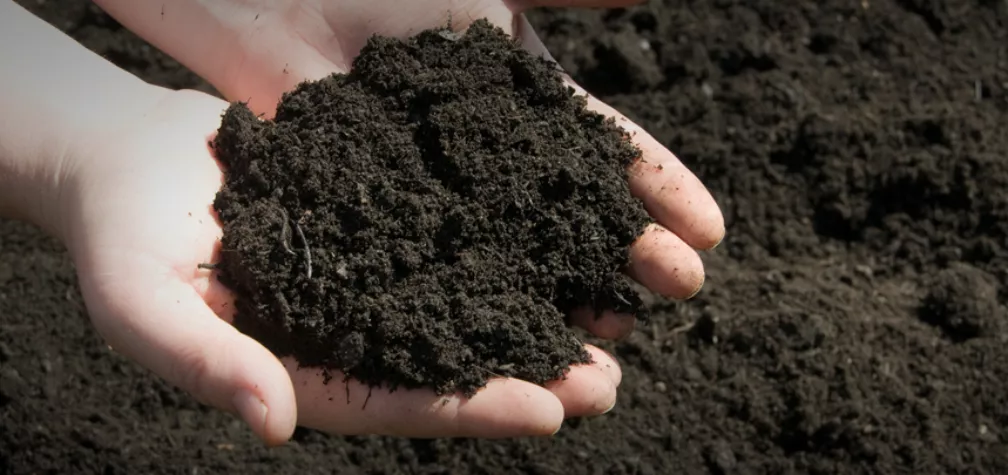
Topsoil is the top layer of earth, usually the first 2 to 8 inches. It's where most roots do their work.
This layer holds the good stuff. Organic matter, nutrients, and microbes all live here. It's what gives plants a real shot at thriving.
People use topsoil for a lot of projects. Filling a new raised bed. Topping off a lawn. Leveling a low spot in the yard. Laying down a fresh base before sod goes in. Building a new flower border from scratch.
One thing to know: topsoil isn't the same as garden soil or compost. Topsoil is more like a base layer. Garden soil and compost bring extra nutrients and structure on top of that. If you're filling a raised bed, you'll usually want a blend, not straight topsoil.
How Deep Should Your Topsoil Be?
Depth depends on the project. Here's a quick breakdown:
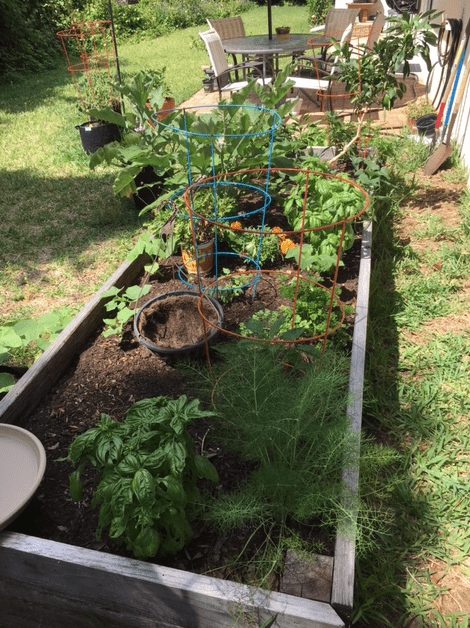
- Raised beds: 6 to 12 inches. Go deeper for root crops like carrots and potatoes.
- New garden beds: 6 inches is usually enough over existing soil.
- Lawn leveling or repair: 1 to 3 inches to smooth out low spots or prep for seeding.
- Sod installation: 4 to 6 inches gives grass roots room to grow.
When in doubt, go deeper. Rocky or compacted native soil needs more topsoil on top, not less.
Tips for Buying Topsoil
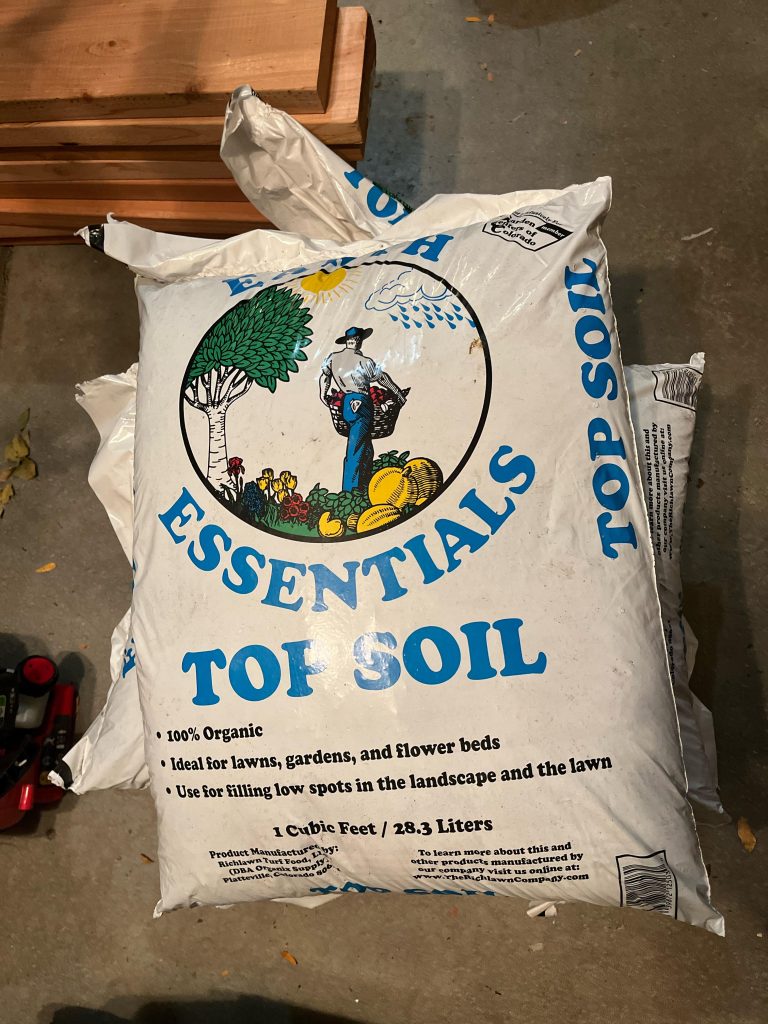
Buying in bulk is cheaper if you need a lot. Most suppliers sell by the cubic yard, and delivery often has a minimum order. Bagged soil costs more per cubic foot, but it's easier for small projects like containers or a single raised bed.
Don't pack topsoil down when you're filling a bed. Loose soil settles on its own, and compacting it early makes it harder for roots to spread.
Speaking of settling, order a little extra. Topsoil compresses over the first few weeks, so what looks like enough on day one might dip lower a month later.
Check the source, too. Quality varies a lot between suppliers. Ask if it's screened, and ask what it's made of, before you commit to a full order.
FAQs
Can I use topsoil alone in a raised bed?
Not ideal. Topsoil works best mixed with compost and other amendments. Straight topsoil can compact and drain poorly on its own.
How much does a cubic yard of topsoil weigh?
Roughly 2,000 to 2,700 pounds, depending on moisture and composition. Wet soil weighs more than dry soil.
What's the difference between topsoil and garden soil?
Topsoil is a natural base layer. Garden soil is usually topsoil blended with compost and other nutrients, made specifically for planting.
How much extra should I order?
Add about 10% to your calculated amount. It covers settling and any spots you might've underestimated.
Can I mix old and new topsoil?
Yes. Blending fresh topsoil with your existing soil is often better than replacing it entirely, especially if your native soil just needs a nutrient boost.
Final Words
Buying topsoil doesn't have to be a guessing game. Measure your space, plug in your depth, and let the calculator do the rest. A little planning now means no wasted trips and no soil pile taking over your yard.