15 Best Perennials for Cut Flower Garden

Ever cut flowers from your garden, brought them inside, and watched them collapse within hours? Yeah… that hurts a little. I’ve been there too, staring at a vase that looked amazing for exactly ten minutes.
That’s when I realized something important—not all flowers are meant for cutting. Some look great outside but fail the moment you bring them in. Others? They thrive in a vase and keep giving like overachievers.
So I changed my approach. I started planting perennials that actually perform as cut flowers—strong stems, repeat blooms, and real staying power. And honestly, everything changed.
Want your garden to double as your personal flower shop? Let’s talk about the 15 best perennials that make it happen.
How to Choose the Best Cut Flowers to Grow in YOUR Garden
Picking the “best” cut flowers isn’t about copying someone else’s list. Your garden has its own personality, and you need plants that actually fit it. Otherwise, you’ll end up fighting your garden instead of enjoying it.
Here’s how I decide what’s worth planting—and what’s not.
1. Match Flowers to Your Climate and Sunlight
Start with the basics. How much sun does your garden get? Full sun, partial shade, or mostly shade?
Some perennials like salvia and coreopsis love full sun, while others like astilbe prefer shade. Ignore this, and your plants will struggle no matter how “perfect” they looked online. Ever tried forcing a sun-lover into shade? It’s not pretty.
2. Choose Flowers with Strong Stems and Long Vase Life
Not all flowers handle cutting well. Some collapse faster than your weekend plans.
Look for sturdy stems and proven vase life. Plants like yarrow, echinacea, and liatris hold up beautifully indoors. You want flowers that last, not ones that disappoint by day two.
3. Plan for Continuous Bloom (Not One-Time Shows)
A garden that blooms all at once sounds great… until everything fades together.
Mix early, mid, and late bloomers so you always have something to cut. Think peonies in spring, coneflowers in summer, rudbeckia in late season. Want flowers all season long? You need a plan.
4. Think Like a Bouquet Designer
Don’t just plant random flowers. Build a system. You need focal flowers (peonies), fillers (yarrow), and spikes (salvia).
That mix creates balanced, natural-looking arrangements. Ever made a bouquet that felt “off”? It probably lacked one of these elements.
5. Start Simple, Then Expand
It’s tempting to plant everything at once. I’ve done it. It gets messy fast.
Start with a few reliable perennials, learn how they grow, then expand gradually. Your future self will thank you.
15 Perennial Flowers to Grow in Your Cutting Garden
1. Peonies – The Drama Queens (In a Good Way)
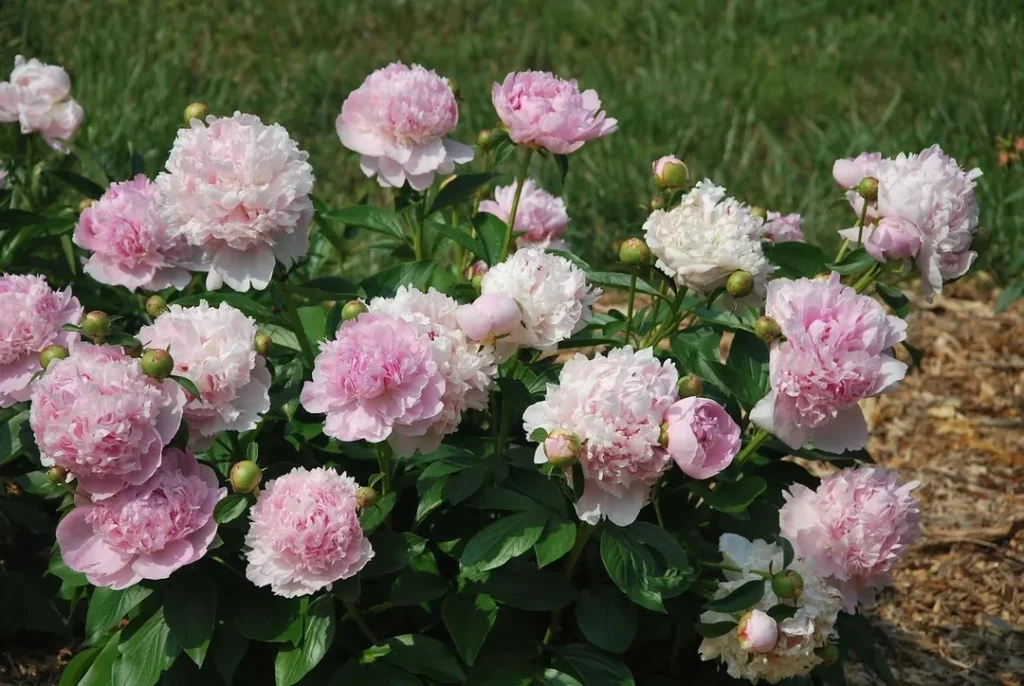
Peonies don’t just bloom—they put on a full performance. Huge, fluffy flowers instantly upgrade any bouquet from “nice” to “wow.”
They take patience, though. You plant them, wait a couple of years, and question everything. But once established, they deliver stunning blooms every spring without fail.
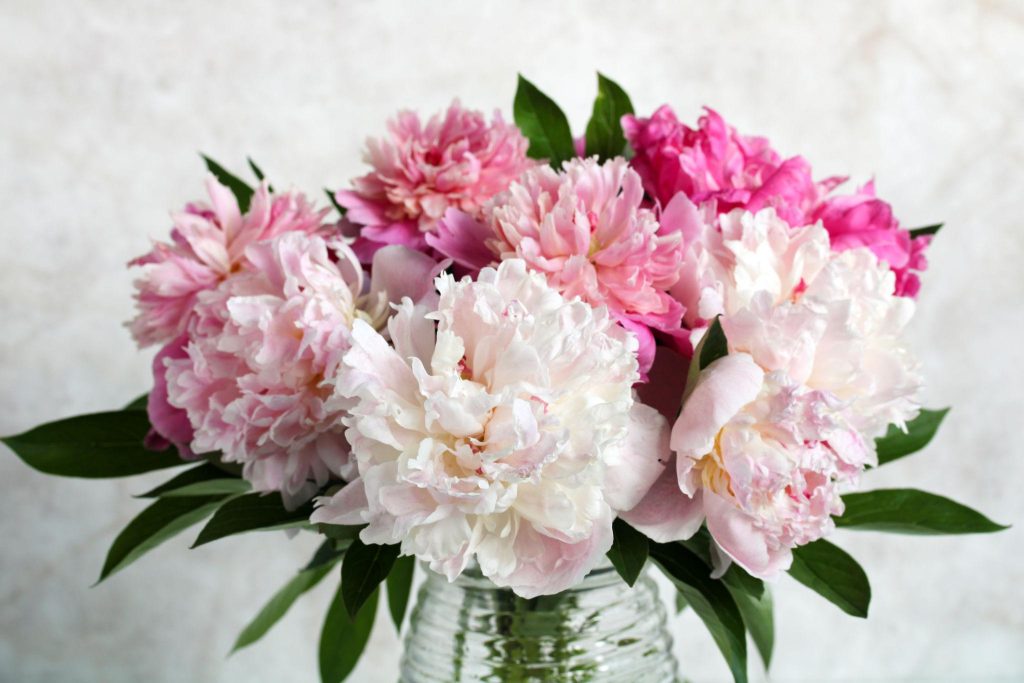
I always cut them just before they fully open. Why? They last longer and slowly bloom indoors. Ever watched a flower open on your table? It’s weirdly addictive.
2. Yarrow – The Underrated Workhorse
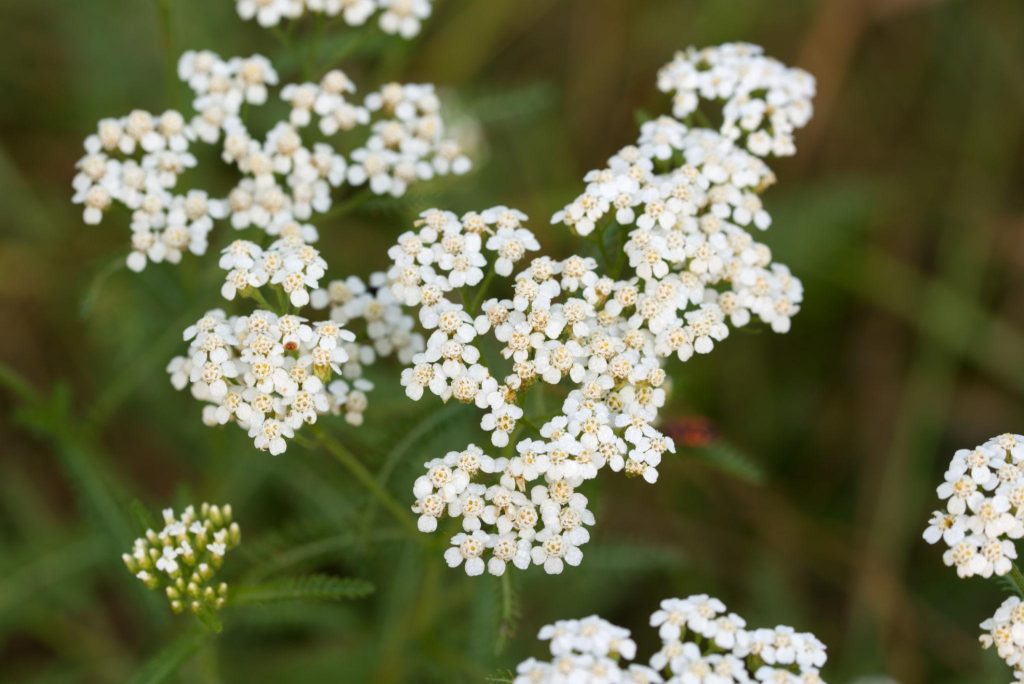
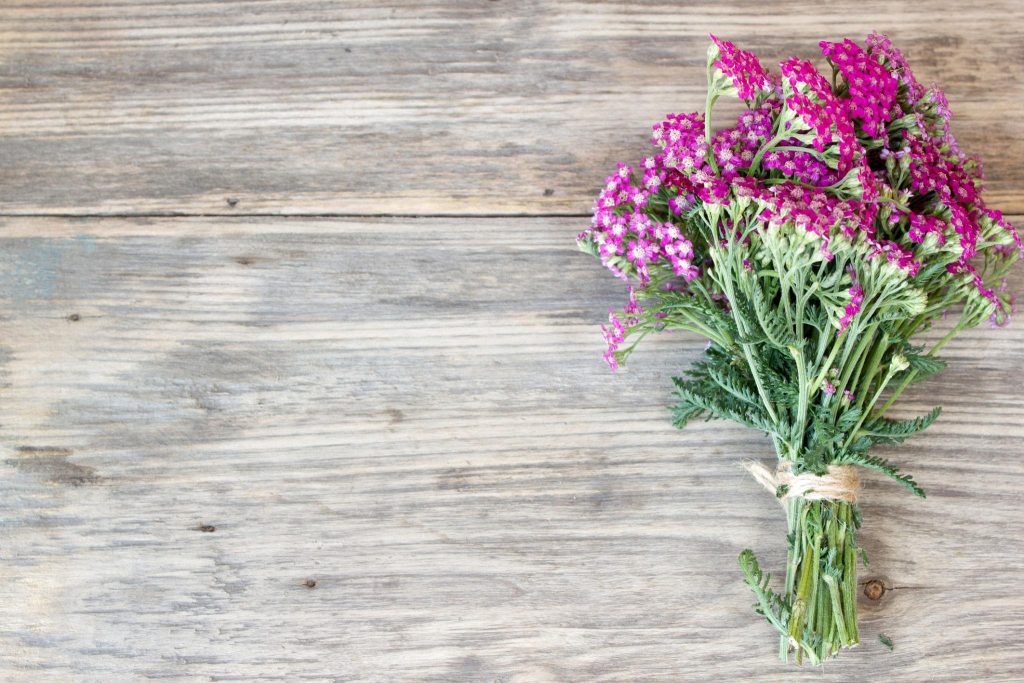
Yarrow quietly holds everything together. It doesn’t demand attention, but every bouquet looks better with it inside.
It thrives in poor soil, handles heat like a pro, and lasts forever in a vase. Seriously, you might forget you cut it.
Need something low-maintenance that still delivers? Yarrow checks every box. Ever wished for a plant that just gets the job done? This is it.
3. Echinacea (Coneflower) – The Tough Beauty
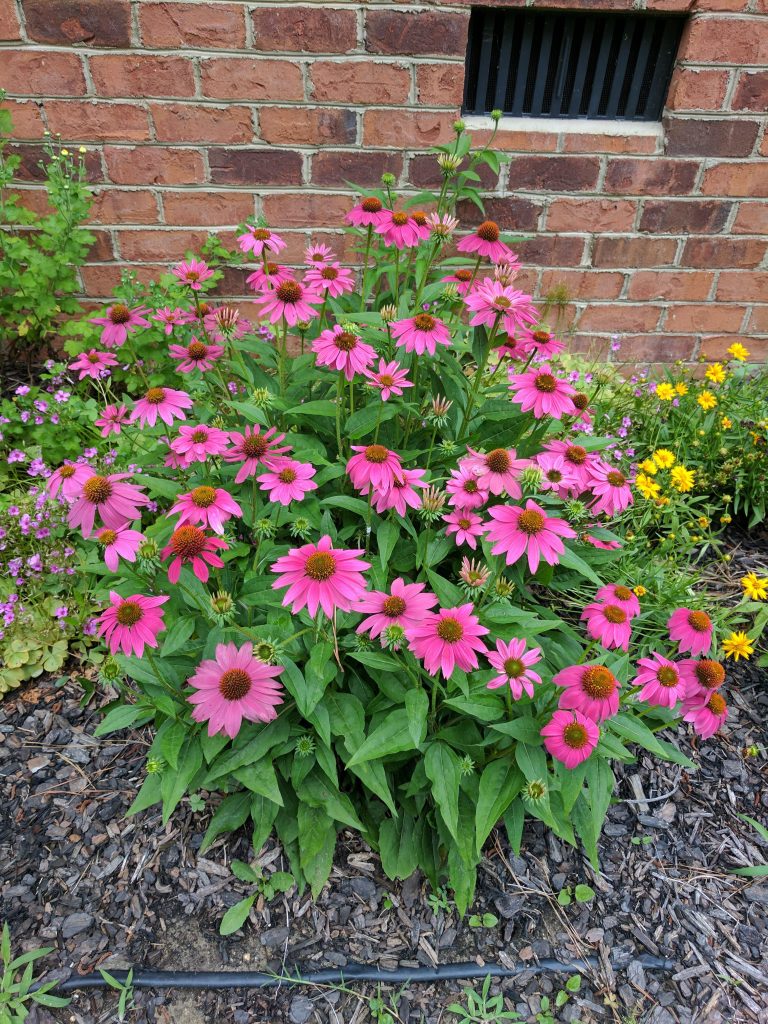
Echinacea combines strength and style. Bold centers and sturdy stems make it a reliable cut flower that doesn’t flop overnight.
You also get two looks in one plant. Fresh blooms feel bright and cheerful, while dried seed heads add texture and edge.
Plus, pollinators love it. So while you cut flowers, your garden stays buzzing. Not a bad deal, right?
4. Salvia – The Vertical Game Changer
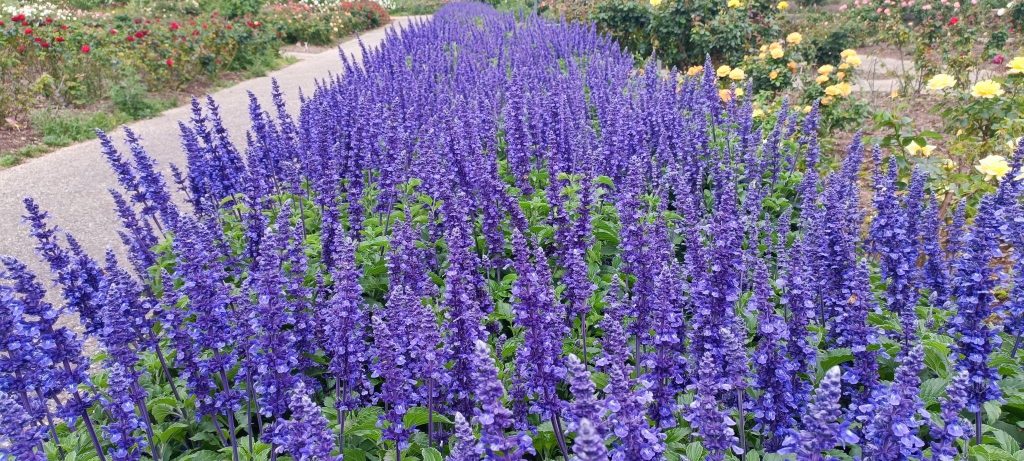
Salvia fixes flat bouquets instantly. Those tall spikes add height and movement without much effort.
It also rewards you for cutting. The more you snip, the more it blooms. Honestly, that feels like cheating.
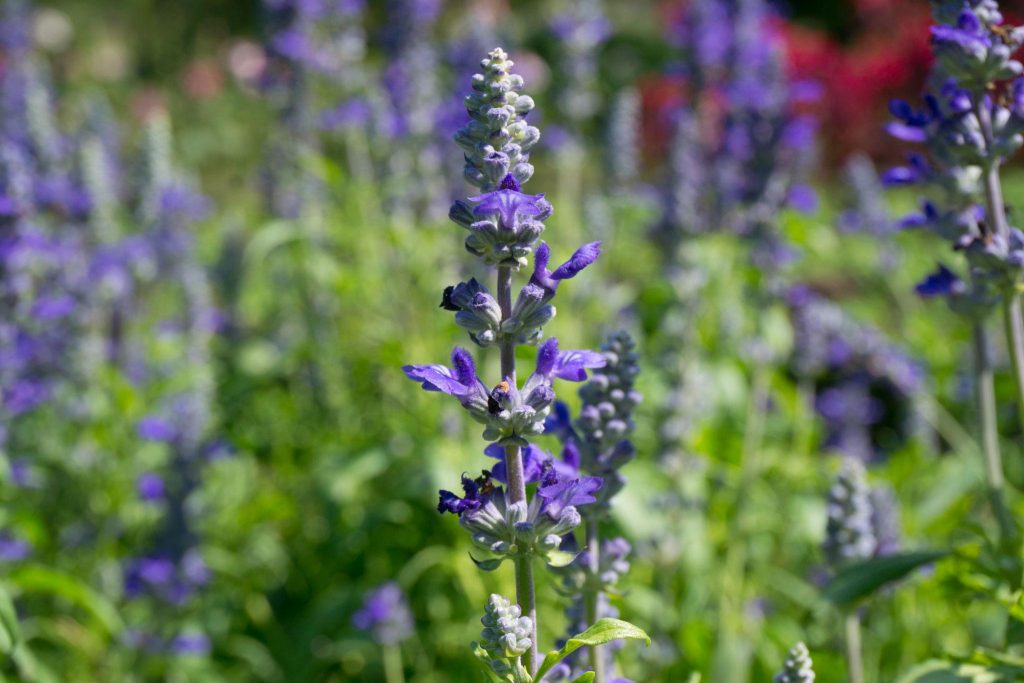
Ever looked at your arrangement and thought it felt boring? Add salvia and watch it come alive.
5. Veronica – The Subtle Upgrade
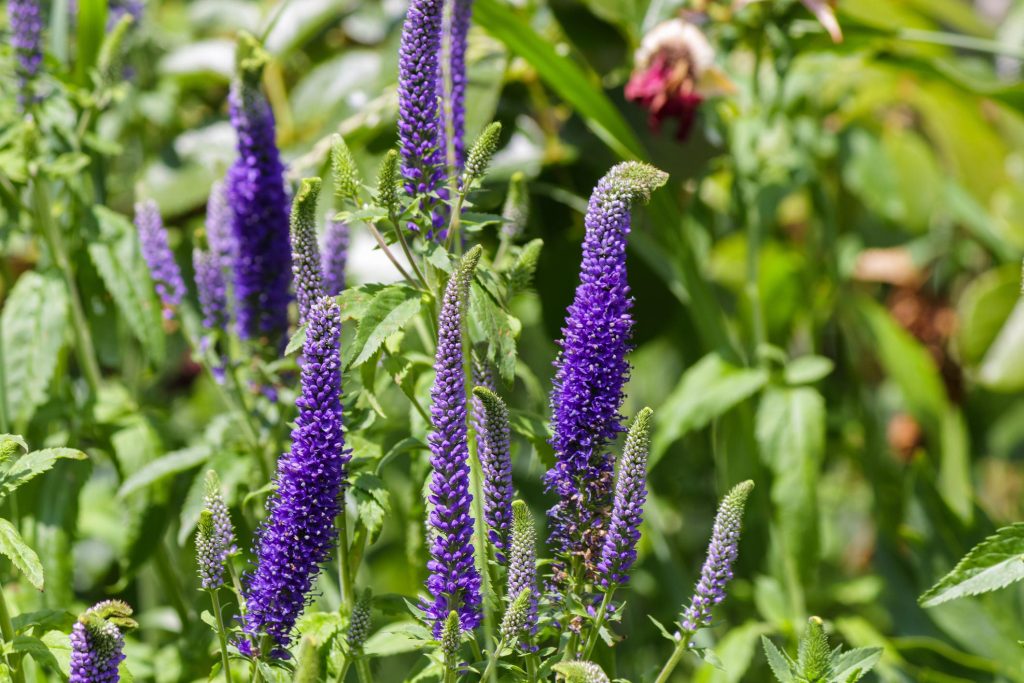
Veronica works behind the scenes. Thin spikes slide into arrangements and bring balance without stealing attention.
It’s one of those plants you don’t notice—until it’s missing. Then everything feels off.
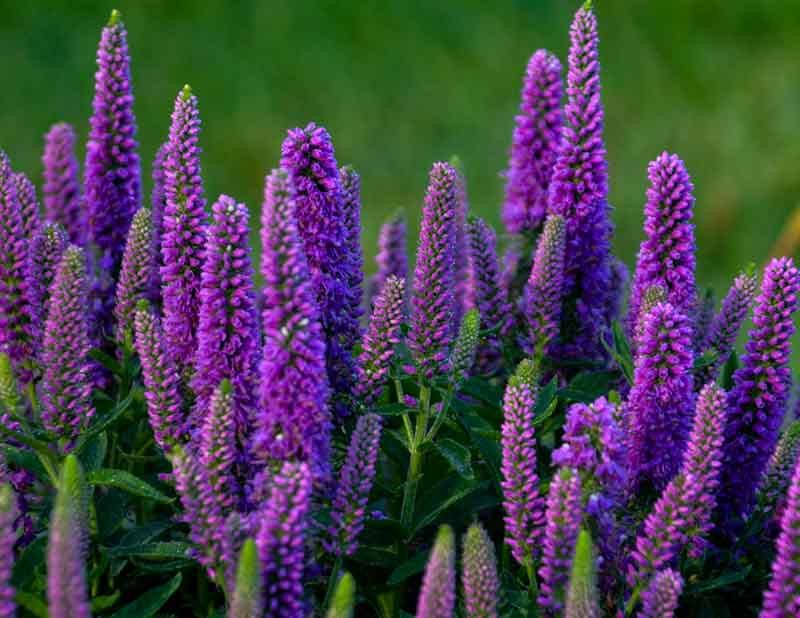
It also holds up well after cutting, which matters more than people admit. Ever had flowers collapse overnight? Veronica helps prevent that.
6. Black-Eyed Susan (Rudbeckia) – The Late Summer Lifesaver
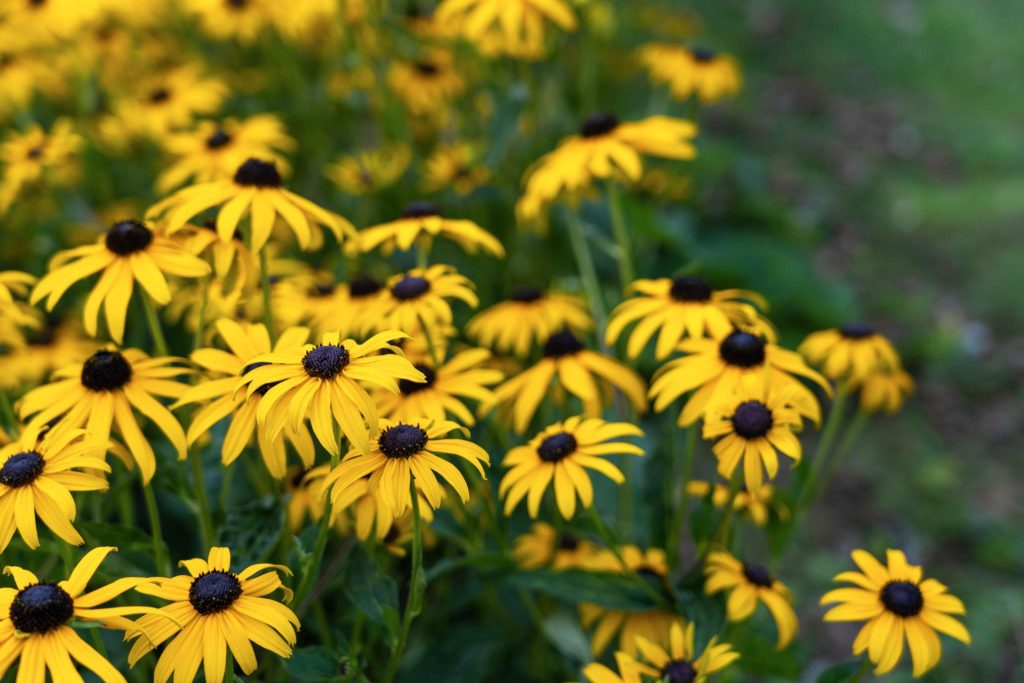
Late summer can feel dull in the garden. Then Rudbeckia shows up and brings everything back to life with bold yellow blooms.
It blooms when others fade, and it keeps going without complaints.
I rely on it when I need color during slower months. Ever felt like your garden hit a slump? This plant pulls it out.
7. Lady’s Mantle – The Softener
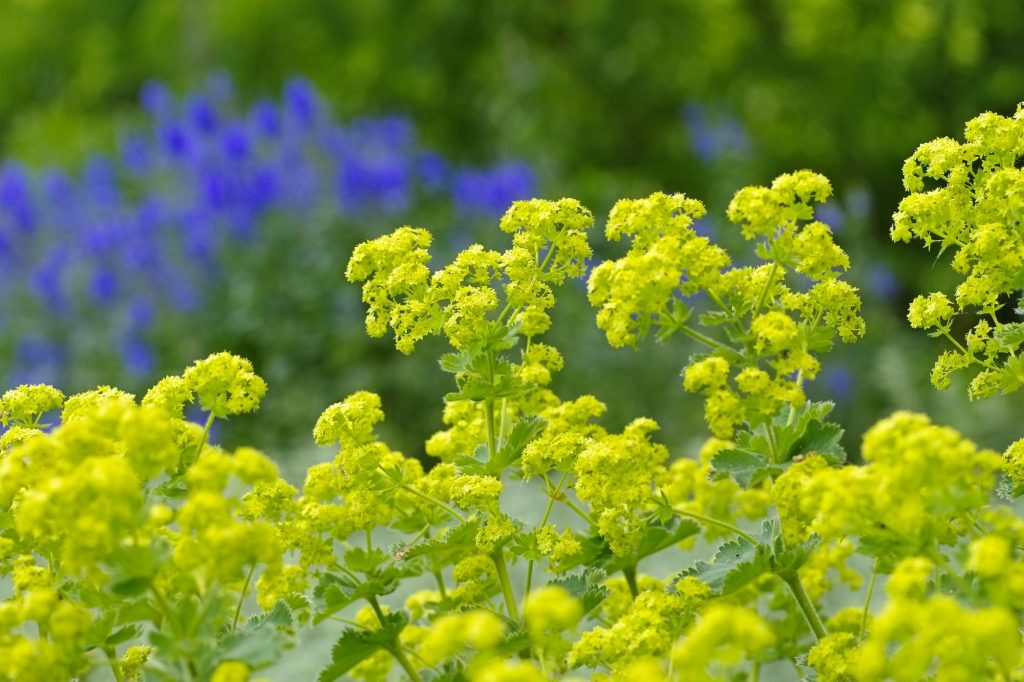
Lady’s Mantle smooths everything out. Its soft green flowers blend colors and textures effortlessly.
If a bouquet feels messy, this plant quietly fixes it. No drama, no attention-seeking.
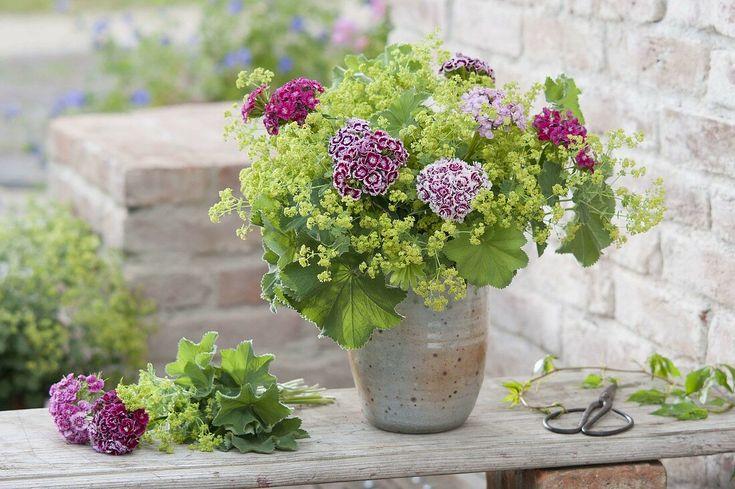
I use it when I want that natural, slightly wild look. Ever tried fixing an arrangement and made it worse? This helps avoid that mistake.
8. Shasta Daisy – The Clean Classic
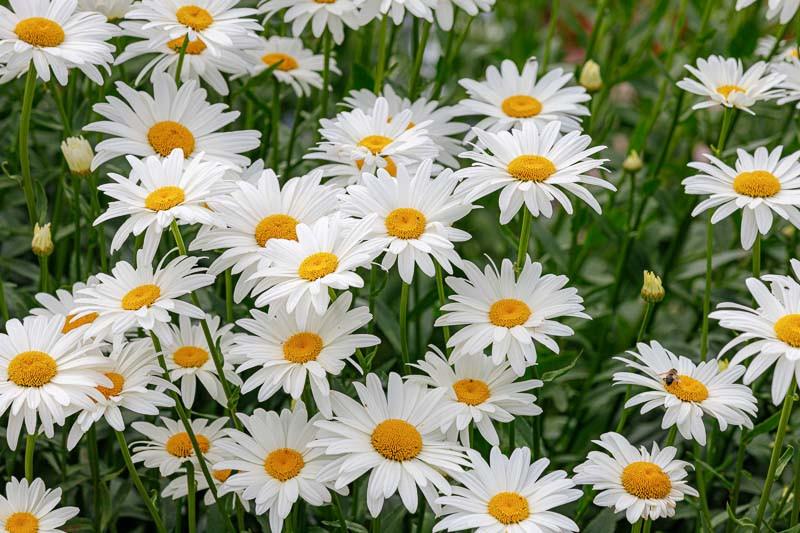
Shasta daisies bring simplicity. Bright white petals and yellow centers create clean contrast in any bouquet.
They balance bold colors and prevent arrangements from feeling overwhelming.
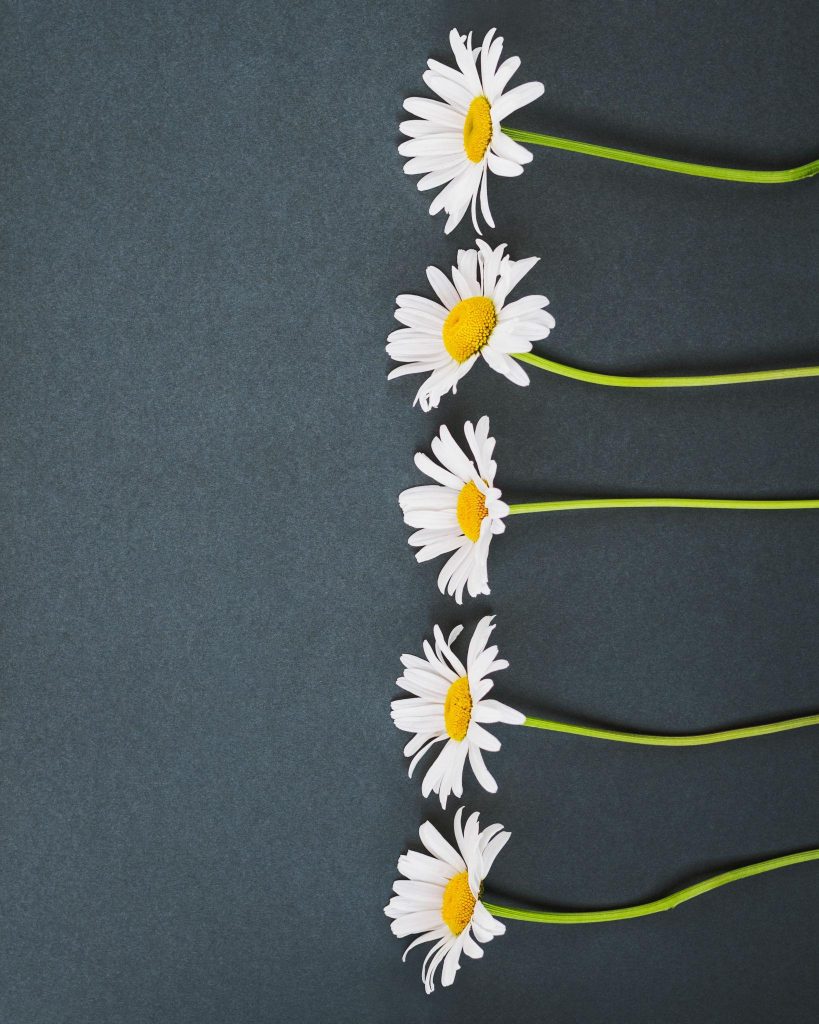
They also last well after cutting, which makes them reliable. Ever just want something that works without effort? This is your answer.
9. Astilbe – The Texture Expert
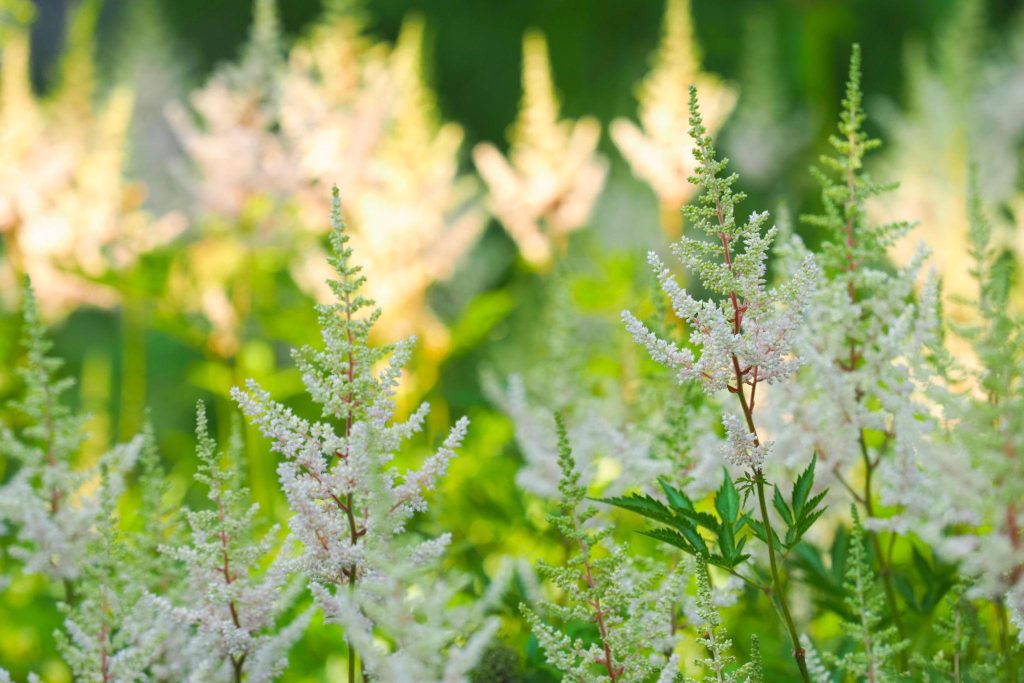
Astilbe adds softness. Those feathery plumes bring texture that loosens stiff arrangements.
It grows well in partial shade, which makes it perfect for less sunny spots.
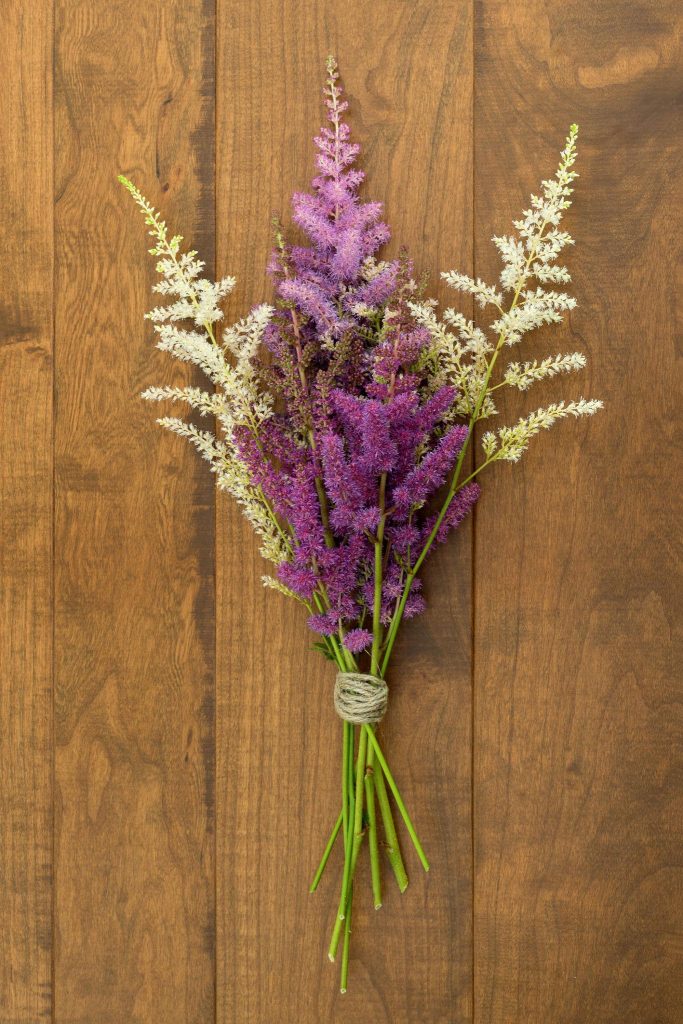
I use it when bouquets feel too structured. Ever wanted something to soften the look instantly? Astilbe does that beautifully.
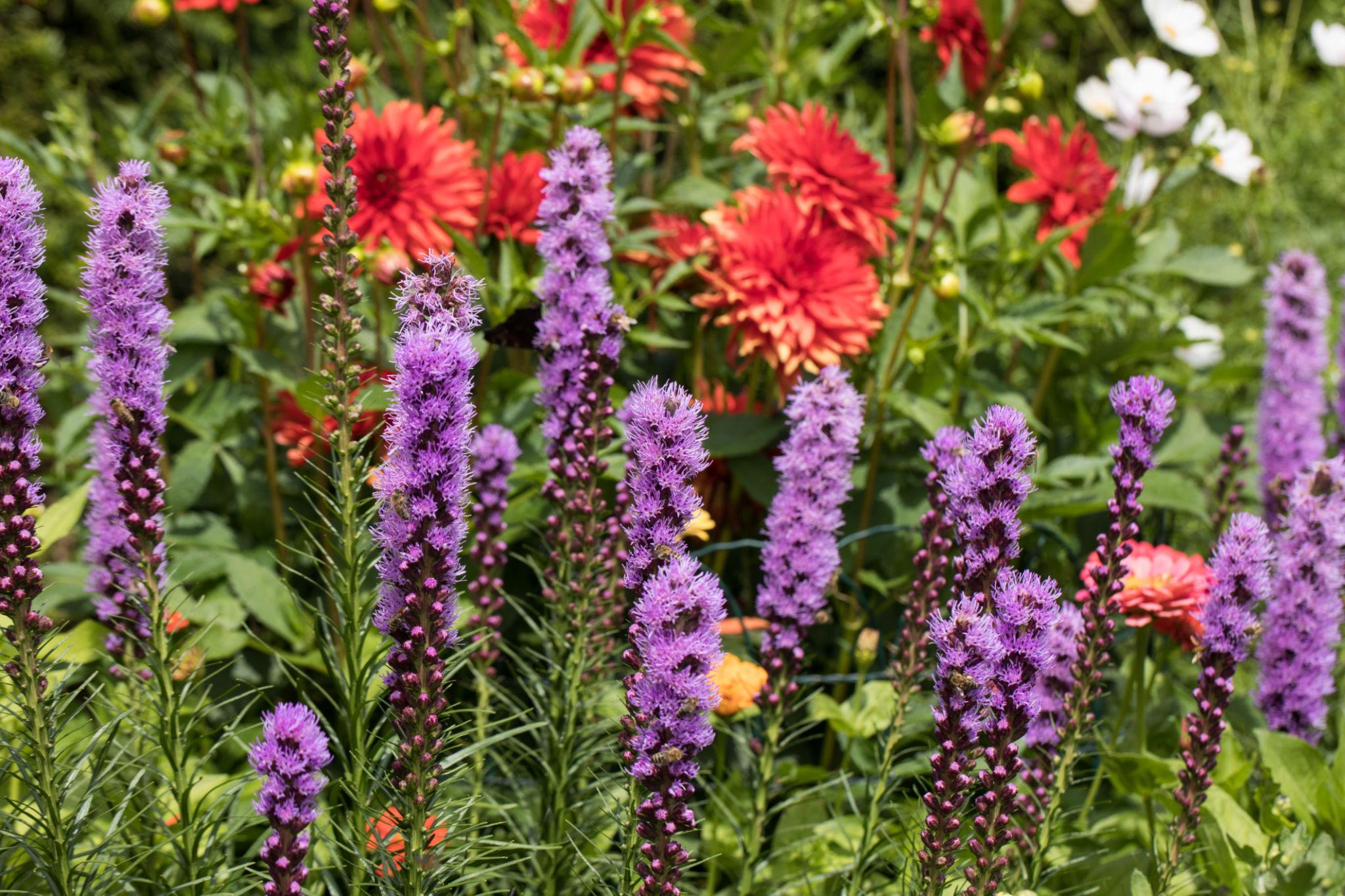
10. Liatris – The Bold Statement
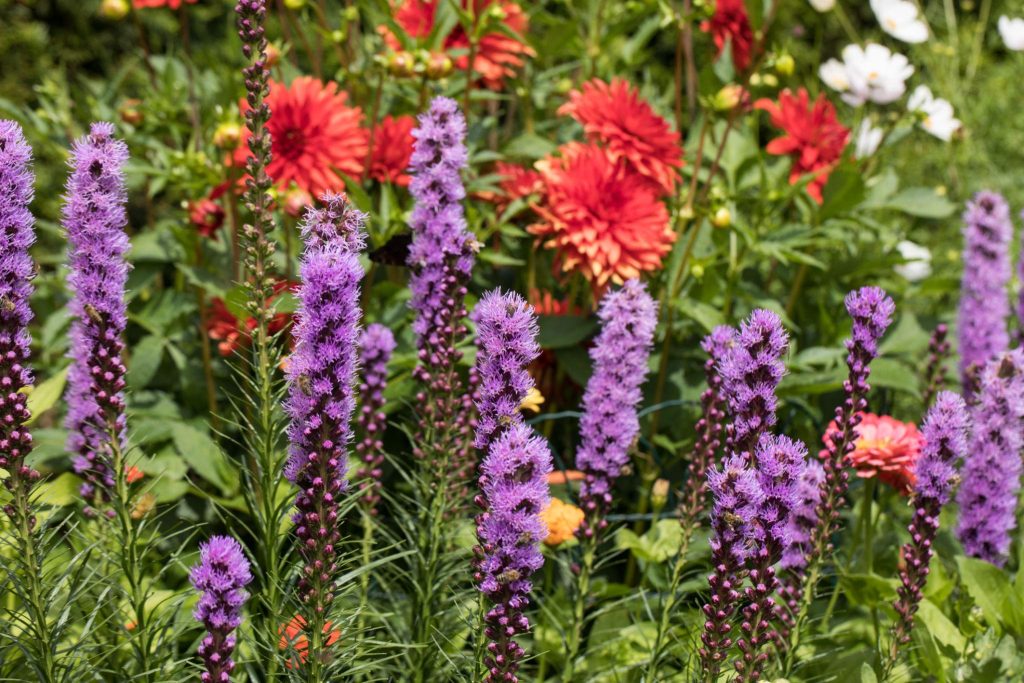
Liatris stands tall and refuses to blend in. Its spikes add height and strong visual impact.
It blooms from top to bottom, which makes it unique and eye-catching.
I pair it with softer flowers for contrast. Ever wanted your bouquet to feel more dynamic? Liatris delivers that punch.
11. Delphinium – The Showstopper Spikes
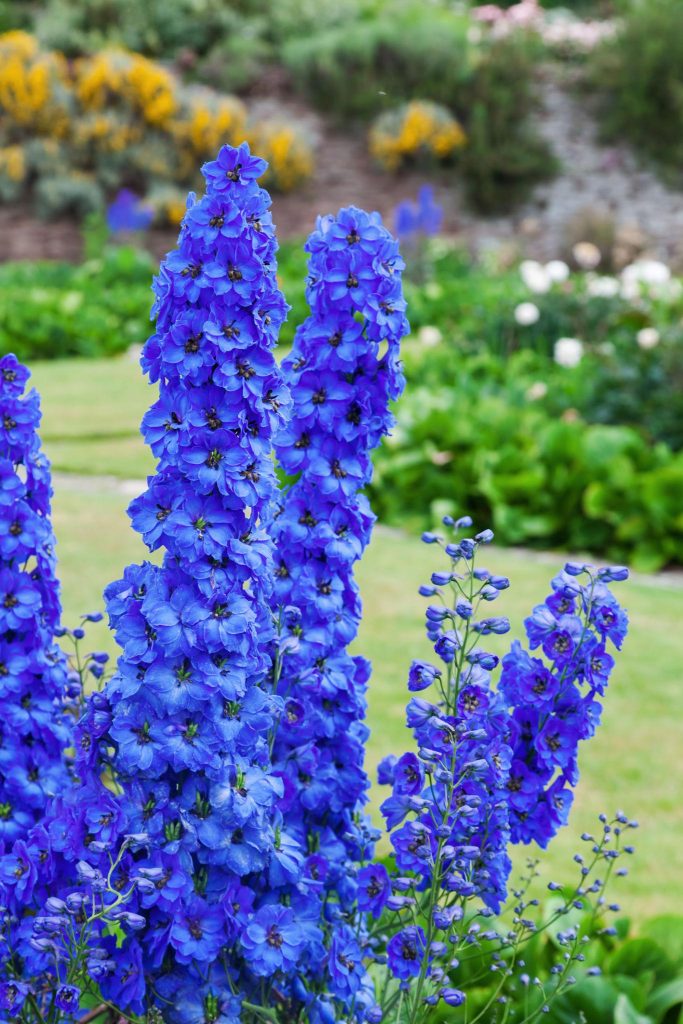
Delphinium brings serious drama. Tall, elegant spikes turn simple arrangements into statement pieces.
One stem can change everything. That’s how powerful it is.
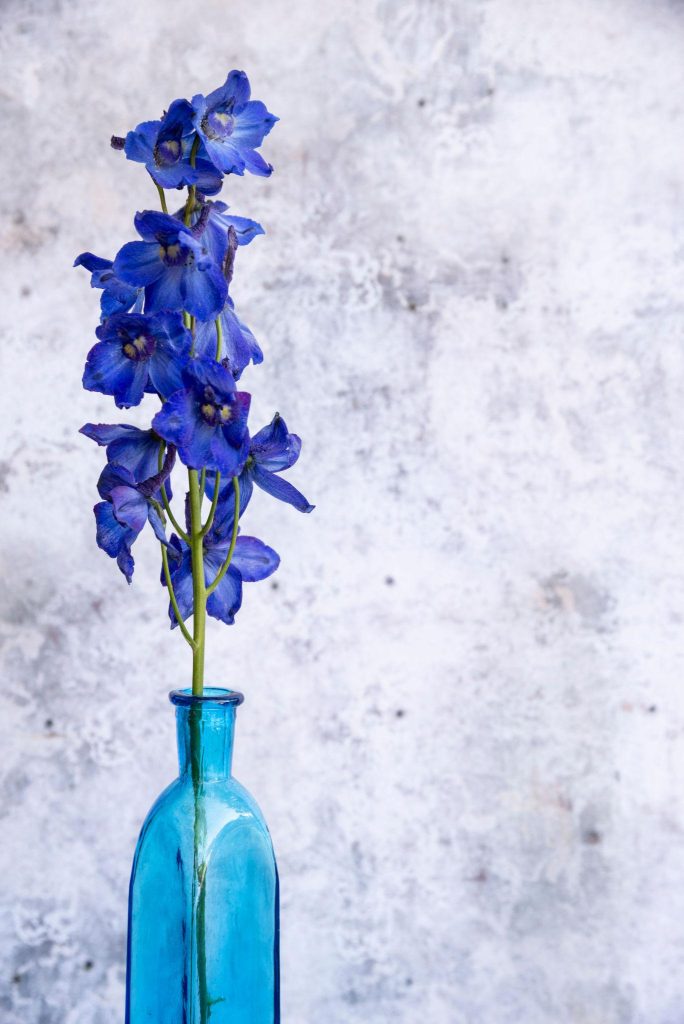
It needs a bit of care, but the payoff makes it worth it. Want that professional florist look at home? Start here.
12. Coreopsis – The Cheerful Overachiever
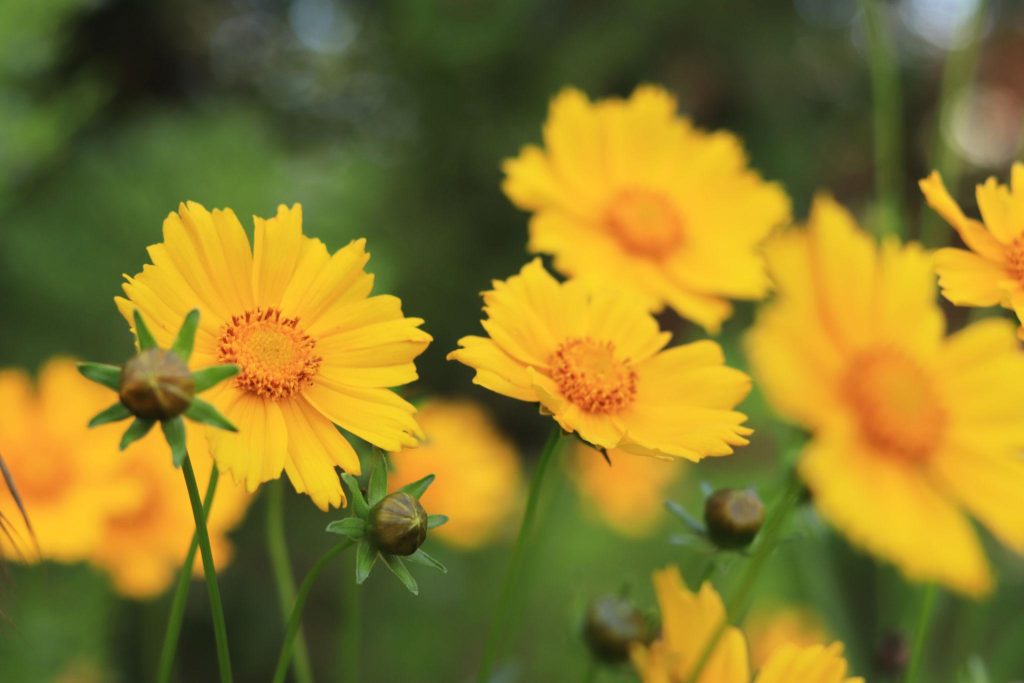
Coreopsis keeps blooming like it has something to prove. Bright flowers show up again and again all season long.
You can cut it frequently without guilt. It just keeps producing.
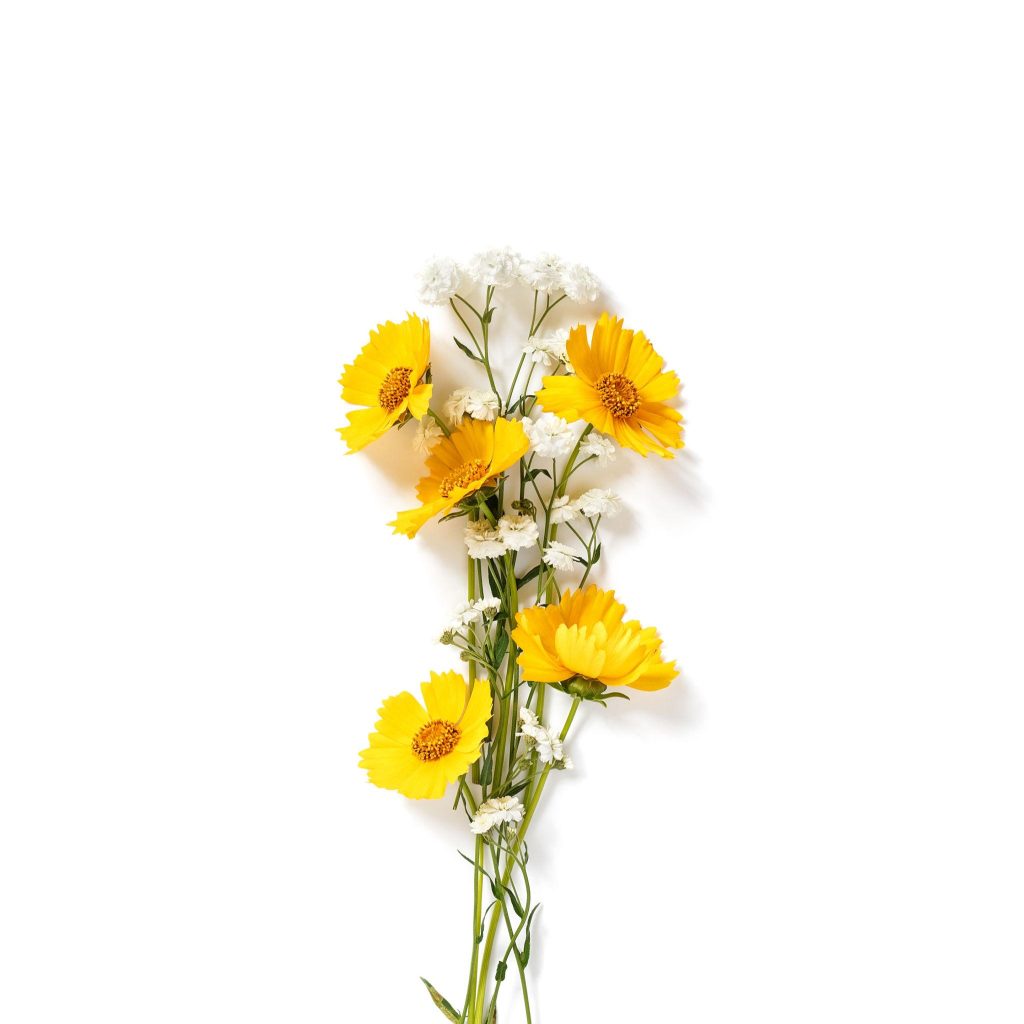
I use it for light, happy arrangements. Ever wanted flowers that feel easy and cheerful? This plant gets it.
13. Russian Sage – The Airy Filler
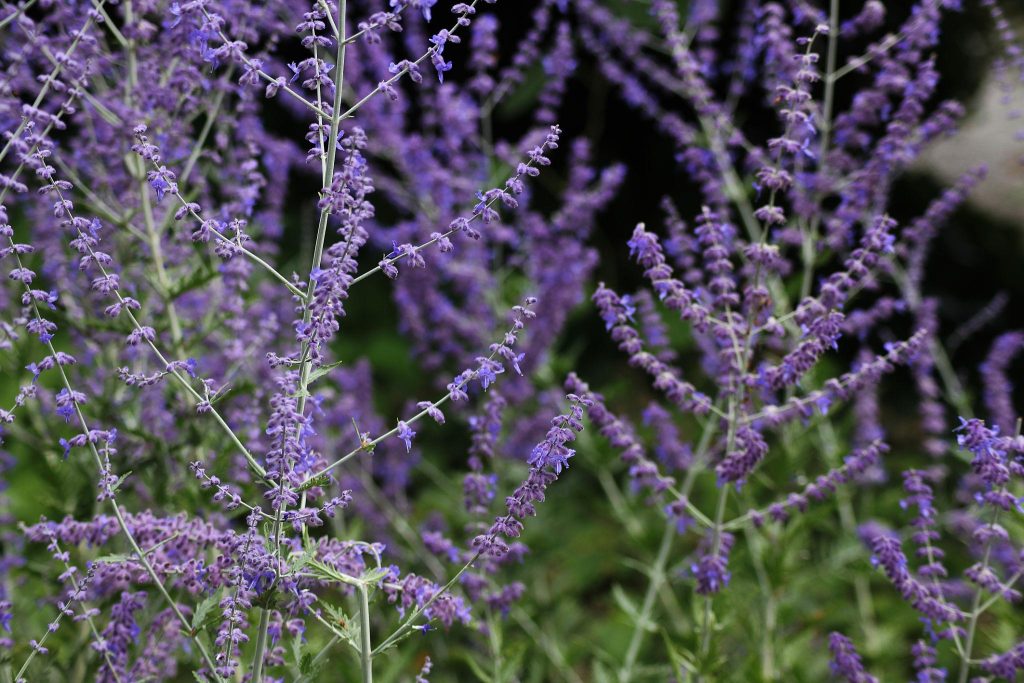
Russian sage creates space. Its airy stems add softness without making bouquets feel heavy.
It also smells great, which feels like a bonus most people forget.
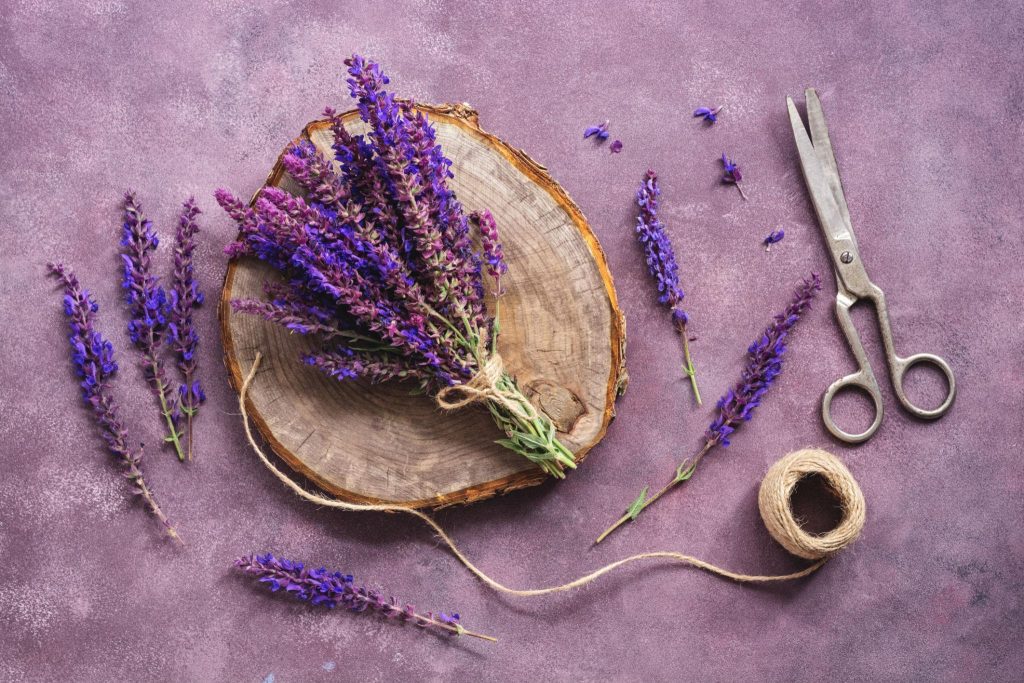
I use it when arrangements feel too dense. Ever wanted that effortless look? This plant helps you fake it perfectly.
14. Blanket Flower (Gaillardia) – The Bold Pop
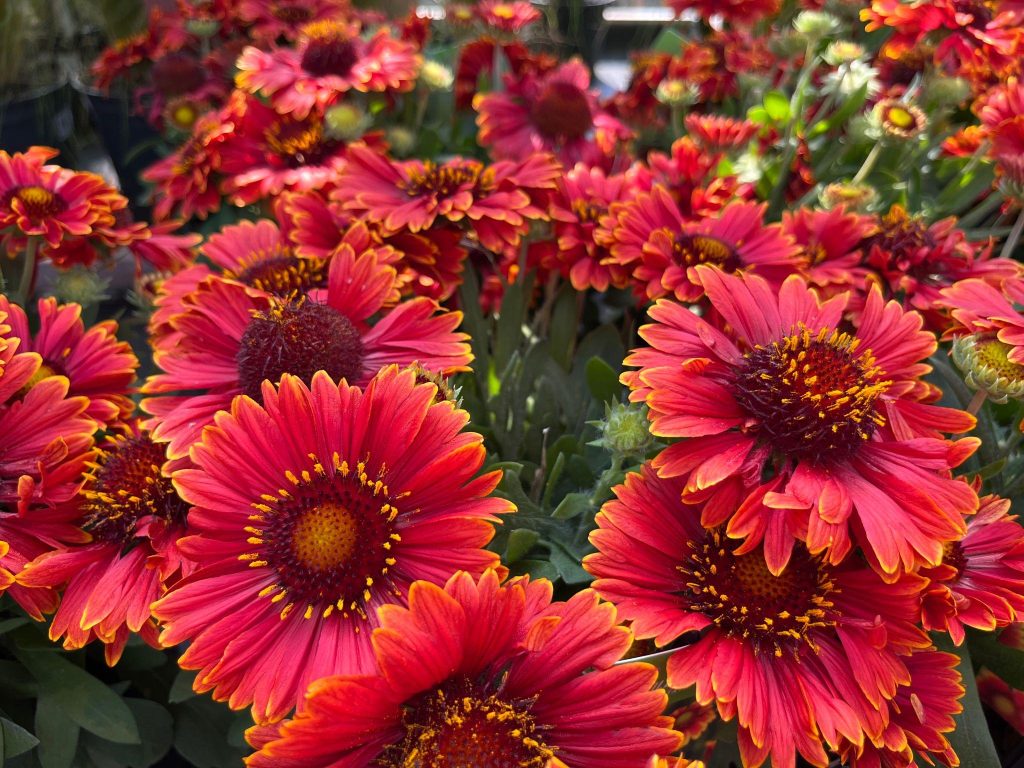
Gaillardia brings heat. Bright reds, oranges, and yellows add energy to any arrangement instantly.
It thrives in tough conditions and doesn’t give up in summer.
I use it when things feel too soft or muted. Ever needed a bold color boost? This plant delivers.
15. Eryngium (Sea Holly) – The Unexpected Edge
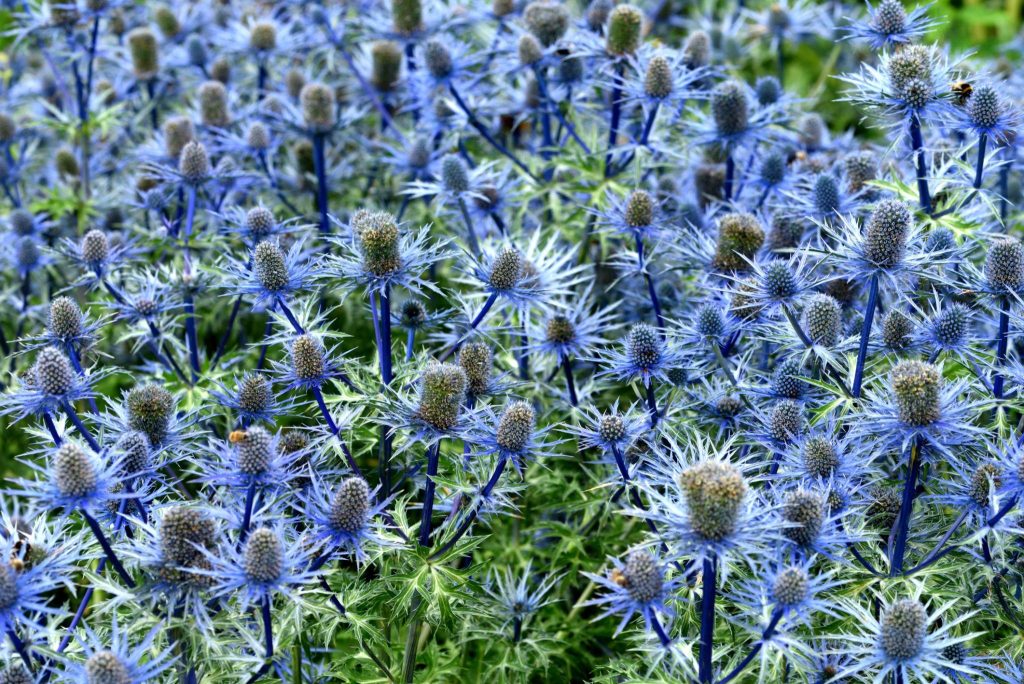
Eryngium breaks the rules. Spiky, metallic-looking blooms add texture and contrast like nothing else.
It stands out in the best way. People always ask about it.
It also lasts forever, fresh or dried. Ever wanted something unique that actually performs? This is it.
Final Thoughts
Here’s the truth—a great cut flower garden isn’t about planting random pretty flowers. It’s about choosing plants that work together.
Some bring height. Some fill gaps. Others steal the spotlight. When you combine them right, your garden doesn’t just look good—it becomes a system that keeps producing all season.
Annuals give quick results, sure. But perennials? They build something lasting. They come back, improve, and surprise you every year.