15 Stunning Red Perennial Flowers for Full Sun Garden

Red flowers in a sunny garden just hit different. They grab your attention, pull you outside, and make the whole yard feel alive.
I’ve grown quite a few red perennials over the years, and I can honestly say nothing brightens up a sun-drenched bed quite like them.
The best part? These plants come back every year, so you do the work once and enjoy the reward for seasons to come. Whether you’re a beginner or a seasoned gardener, there’s a red perennial here with your name on it.
Why Full Sun Red Perennials Are Worth It
Most gardeners think red flowers are high-maintenance divas. Totally wrong. Many red perennials actually thrive with neglect, especially once they settle into well-draining soil.
Full sun means at least six hours of direct sunlight daily. Plants grown in these conditions tend to bloom harder, hold their color longer, and stay more compact.
Giving them the right spot from the start makes all the difference.
Red also has a unique advantage in the garden. It creates contrast against green foliage like no other color can. A single red perennial can anchor an entire bed visually.
Red Perennial Flowers — Full Sun At a Glance
Hardy, reliable, and built to return year after year in 6–8 hrs of direct sun
| # | Flower | Light | Bloom Time | Zones | Highlights |
|---|---|---|---|---|---|
| 1 |
Coneflower ‘Sombrero Salsa Red’
Echinacea purpurea
|
Full sun | Summer–Fall |
4–9 | Drought tolerantDeer resistant |
| 2 |
Blanket Flower ‘Arizona Red Shades’
Gaillardia aristata
|
Full sun | Summer–Fall |
3–10 | Drought tolerantPoor soil OK |
| 3 |
Yarrow ‘Paprika’
Achillea millefolium
|
Full sun | Summer |
3–9 | Drought tolerantCut flower |
| 4 |
Cardinal Flower
Lobelia cardinalis
|
Full sun | Summer–Fall |
3–9 | HummingbirdsMoist soil |
| 5 |
Daylily ‘Red Volunteer’
Hemerocallis
|
Full sun | Early–Mid Summer |
3–9 | RebloomsDeer resistant |
| 6 |
Penstemon ‘Red Rocks’
Penstemon x mexicali
|
Full sun | Summer |
4–9 | HummingbirdsDrought tolerant |
| 7 |
Peony ‘Red Charm’
Paeonia lactiflora
|
Full sun | Late Spring |
3–8 | Cut flowerLong-lived |
| 8 |
Dianthus ‘Fire Star’
Dianthus hybrid
|
Full sun | Summer–Fall |
3–9 | Drought tolerantFragrant |
| 9 |
Helenium ‘Red Jewel’
Helenium autumnale
|
Full sun | Late Summer–Fall |
3–8 | Cut flowerPollinator magnet |
| 10 |
Azalea (Red Varieties)
Rhododendron spp.
|
Part sun | Spring |
3–9 | Acidic soilDecades-lived |
| 11 |
Hardy Hibiscus (Red)
Hibiscus moscheutos
|
Full sun | Summer–Fall |
5–9 | HummingbirdsDies back in winter |
| 12 |
Oriental Poppy ‘Beauty of Livermere’
Papaver orientale
|
Full sun | Late Spring |
3–9 | Goes dormantDramatic blooms |
| 13 |
Lupine ‘Red’ Series
Lupinus polyphyllus
|
Full sun | Early Summer |
4–8 | ArchitecturalCooler climates |
| 14 |
Valerian (Red Varieties)
Centranthus ruber
|
Full sun | Summer–Fall |
5–8 | Drought tolerantDeer resistant |
| 15 |
Garden Phlox ‘Red Riding Hood’
Phlox paniculata
|
Full sun | Midsummer |
4–8 | Cut flowerMildew resistant |
15 Red Perennial Flowers For Bold Garden Color
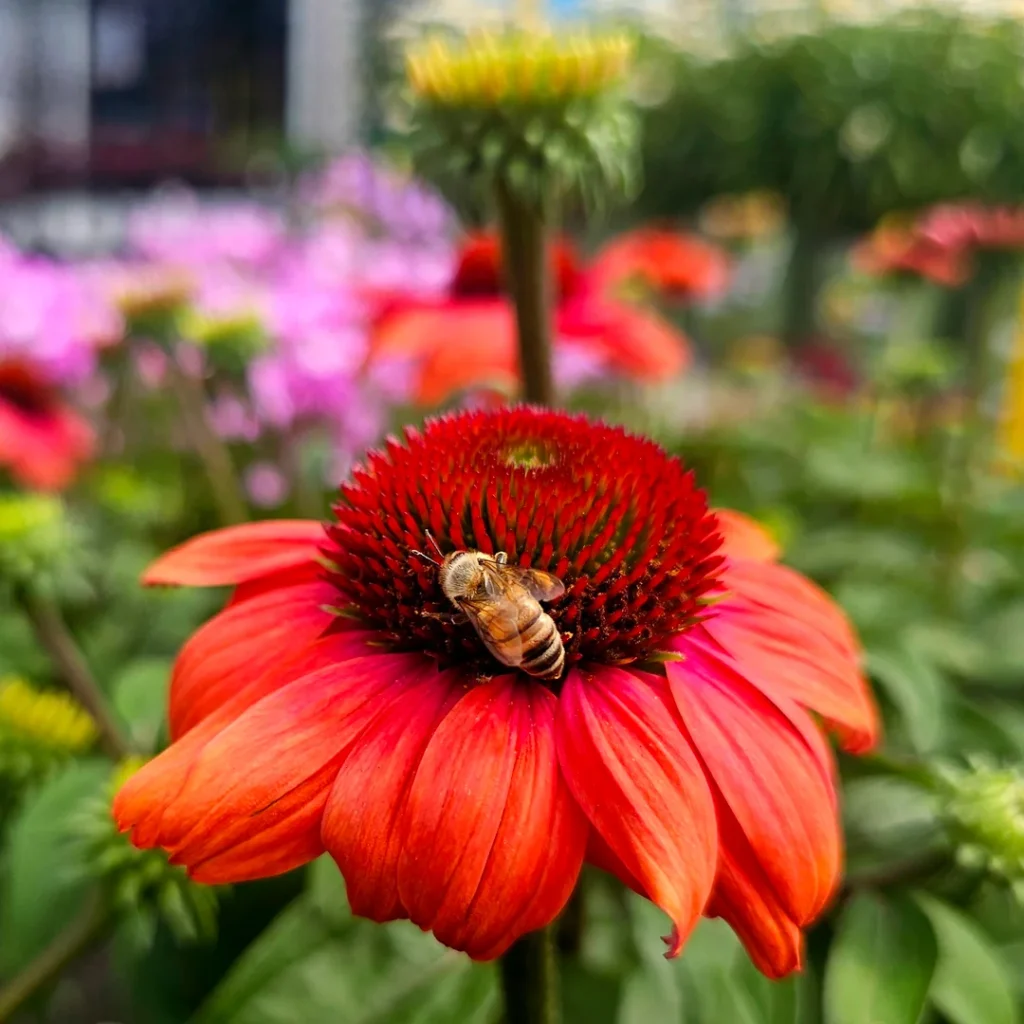
1. Coneflower ‘Sombrero Salsa Red’ (Echinacea): Best Red Perennial flowers for Full Sun
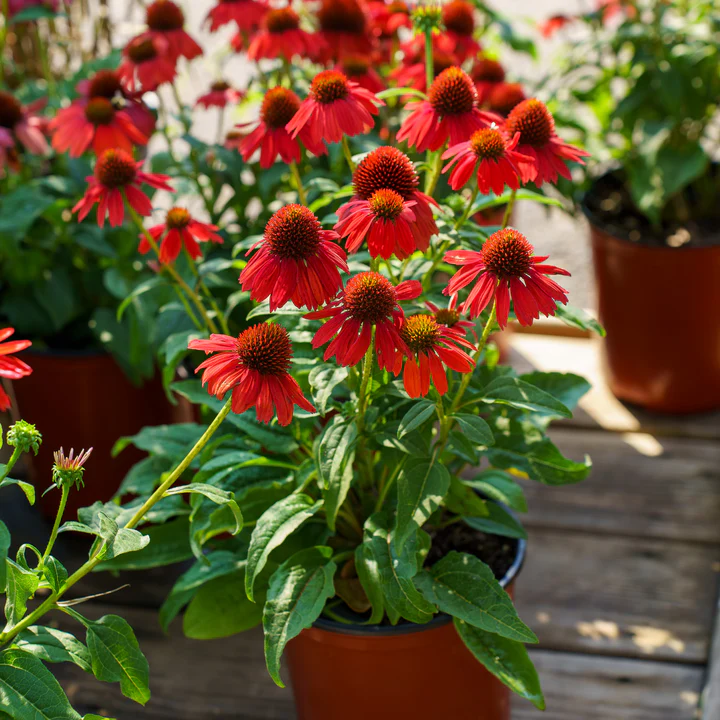
Echinacea ‘Sombrero Salsa Red’ earns its place as the top pick for a good reason.
This variety blooms continuously from early summer all the way to fall, outlasting nearly every other red perennial you can grow.
Warm, saturated red petals surround a dark, domed cone center that gives it a bold, confident look. Deer leave it alone, drought doesn’t faze it, and pollinators absolutely love it.
Hardy in zones 4–9, it grows in poor soil without complaint. Plant it once and watch it return year after year with zero fuss.
2. Blanket Flower ‘Arizona Red Shades’ (Gaillardia)
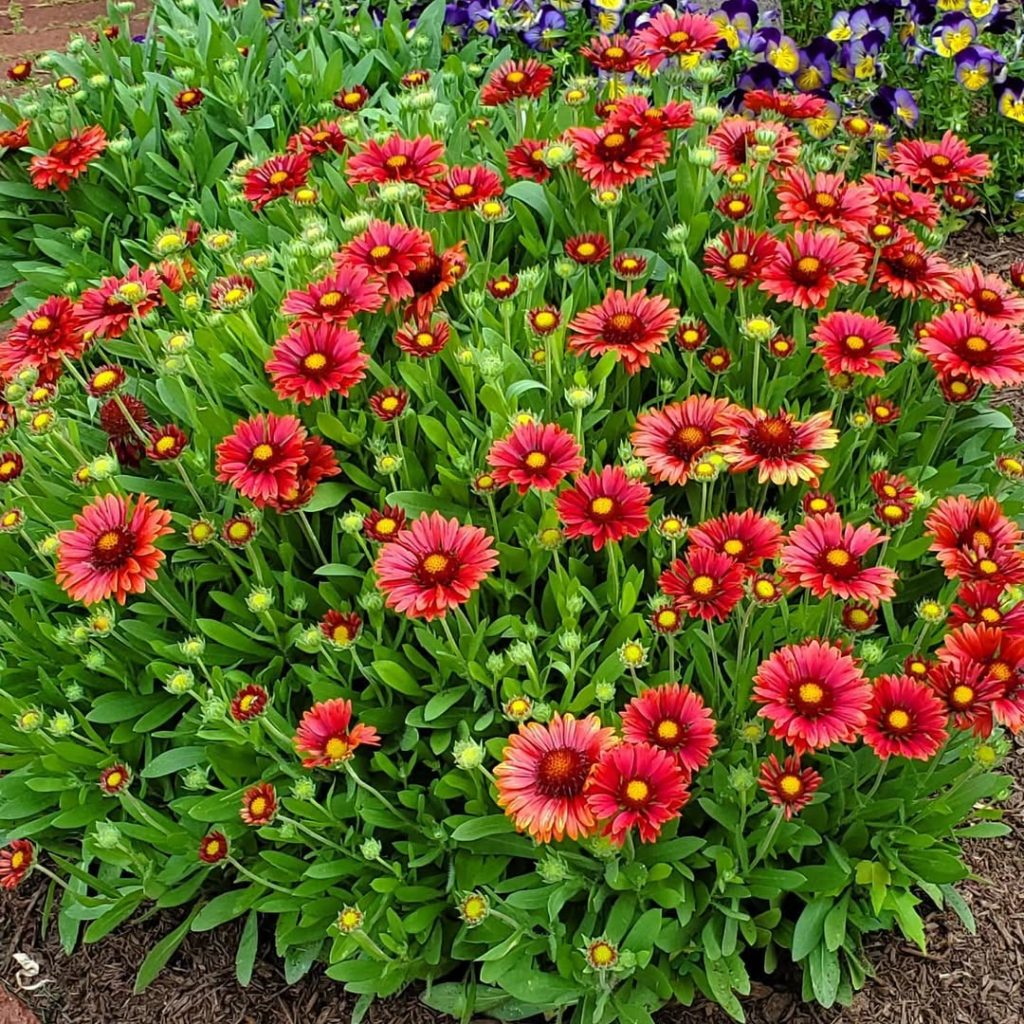
Few perennial plant handle blazing heat and dry soil better than Gaillardia ‘Arizona Red Shades’. Red and yellow daisy-like blooms light up the garden from early summer and keep going for months.
The center of each flower seems to glow, which makes it stand out even on the hottest afternoons. Poor soil? No problem. Drought? Barely notices.
This is the plant I’d reach for first if I had a tough, sun-scorched corner that nothing else wants to grow in. It’s cheerful, reliable, and shockingly tough.
Also read: 13 Low Maintenance, Drought-Tolerant Perennials for Full Sun
3. Yarrow ‘Paprika’ (Achillea millefolium)
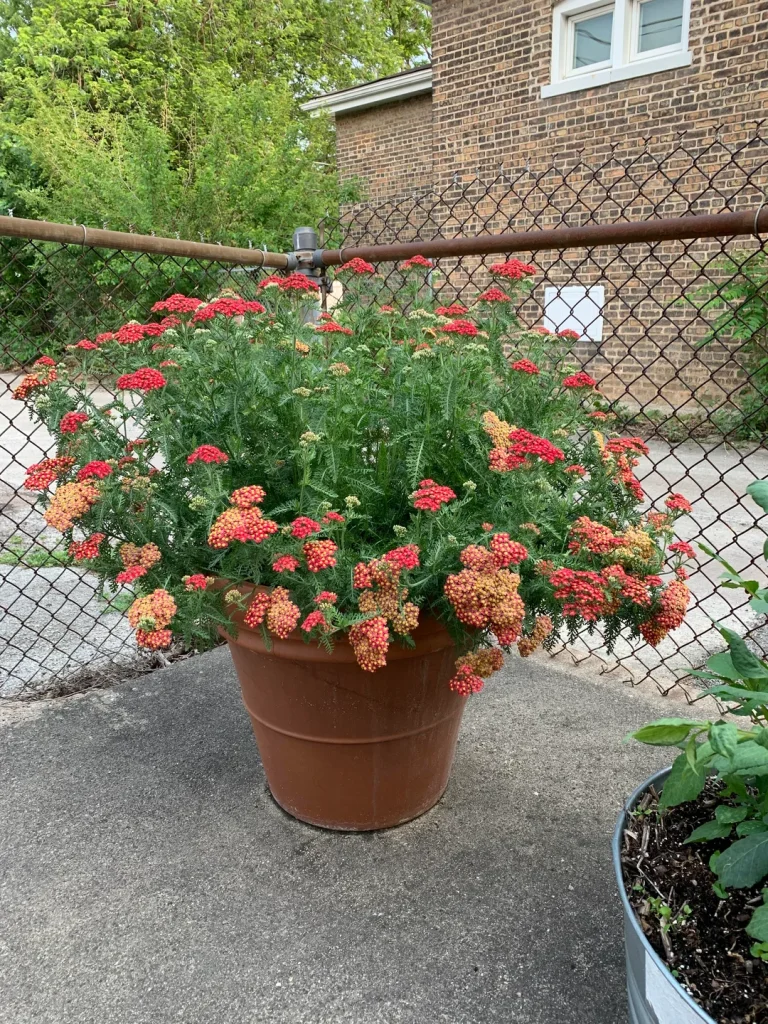
Yarrow ‘Paprika’ starts out a bold red and slowly fades to coral and dusty pink as the season progresses. That shifting palette gives your garden a layered, ever-changing look without planting anything new.
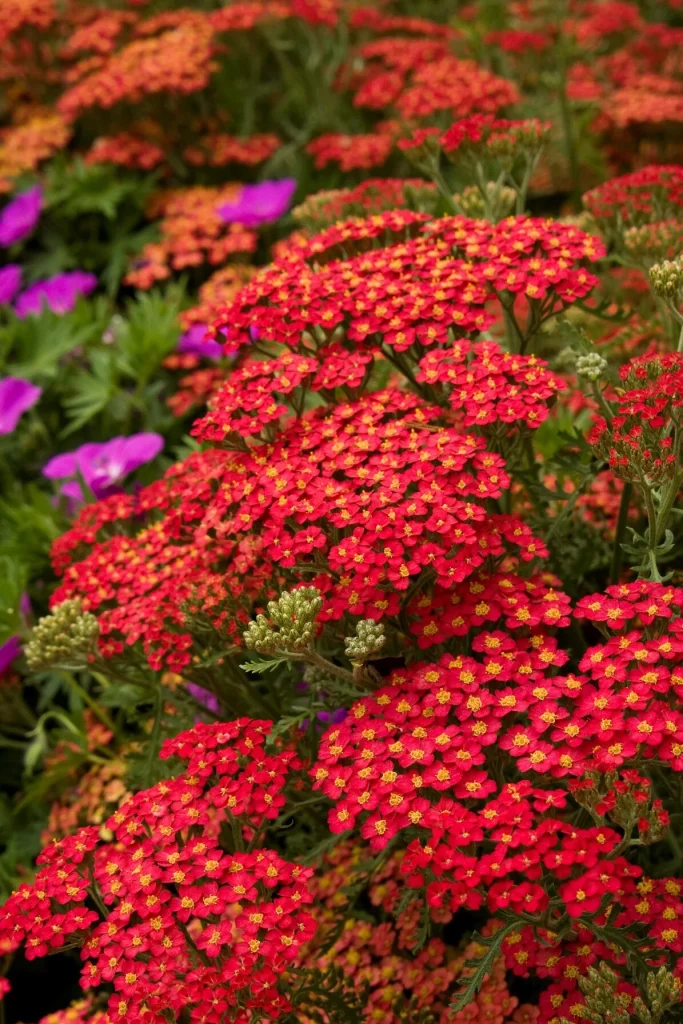
Flat-topped flower clusters add structure and a nice architectural contrast to more rounded blooms nearby. Pollinators swarm these plants all season long.
Drought tolerance is exceptional here. Cut a few stems and dry them — they hold their color beautifully and make gorgeous arrangements.
4. Cardinal Flower (Lobelia cardinalis)
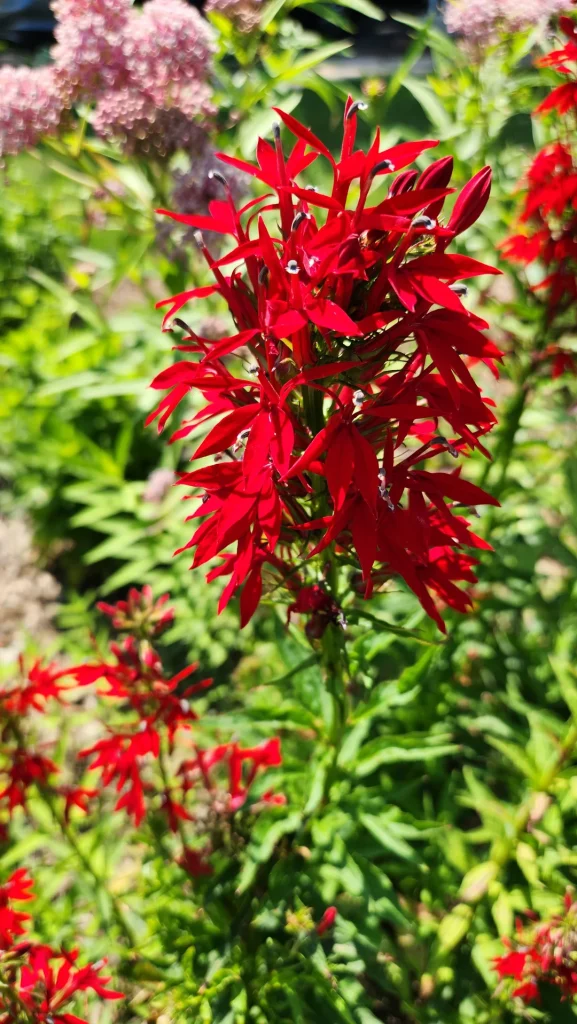
Cardinal Flower produces tall spikes of the most intensely red blooms you’ll find in any perennial garden. Hummingbirds treat it like a favorite diner — they return to it constantly all season.
This native perennial grows in zones 3–9 and blooms from summer through fall. It prefers moist soil, so water it more regularly than the drought-tolerant perennials on this list.
Plant it near a water feature or in a naturally damp spot and it will absolutely thrive. The deep green foliage makes the red blooms pop even harder.
Also read: 13 Zone 4 Perennials for Full Sun
5. Daylily ‘Red Volunteer’ (Hemerocallis)
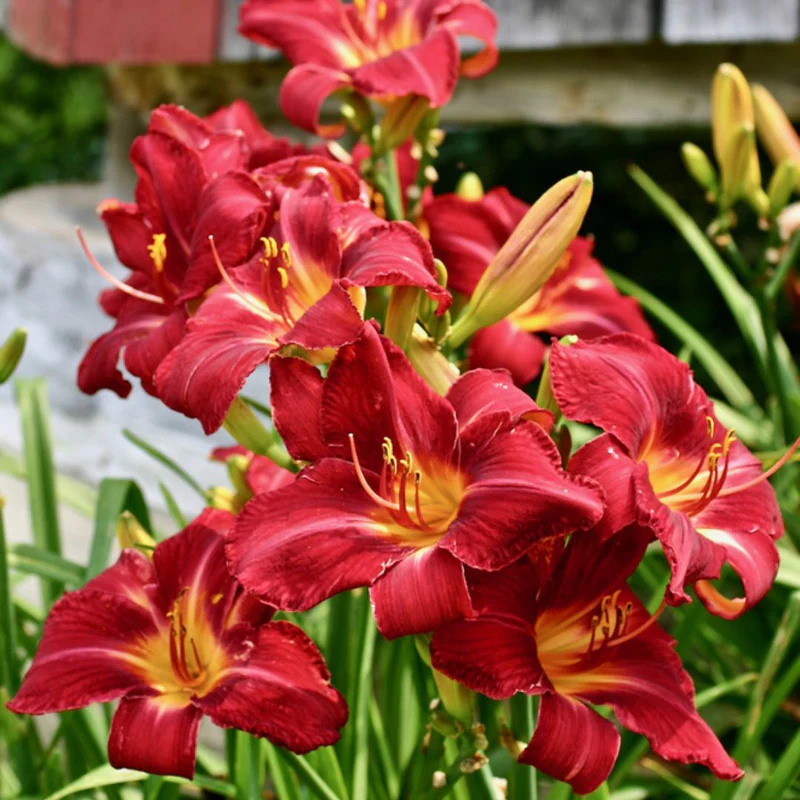
Daylily ‘Red Volunteer’ is one of those plants that just delivers without asking much back.
Large, trumpet-shaped red flowers burst open in early to mid-summer and create a bold, lush display that’s hard to ignore.
Keep up with deadheading and you’ll often get a second flush of blooms later in the season. The foliage stays neat and tidy between flushes, so the plant never looks messy.
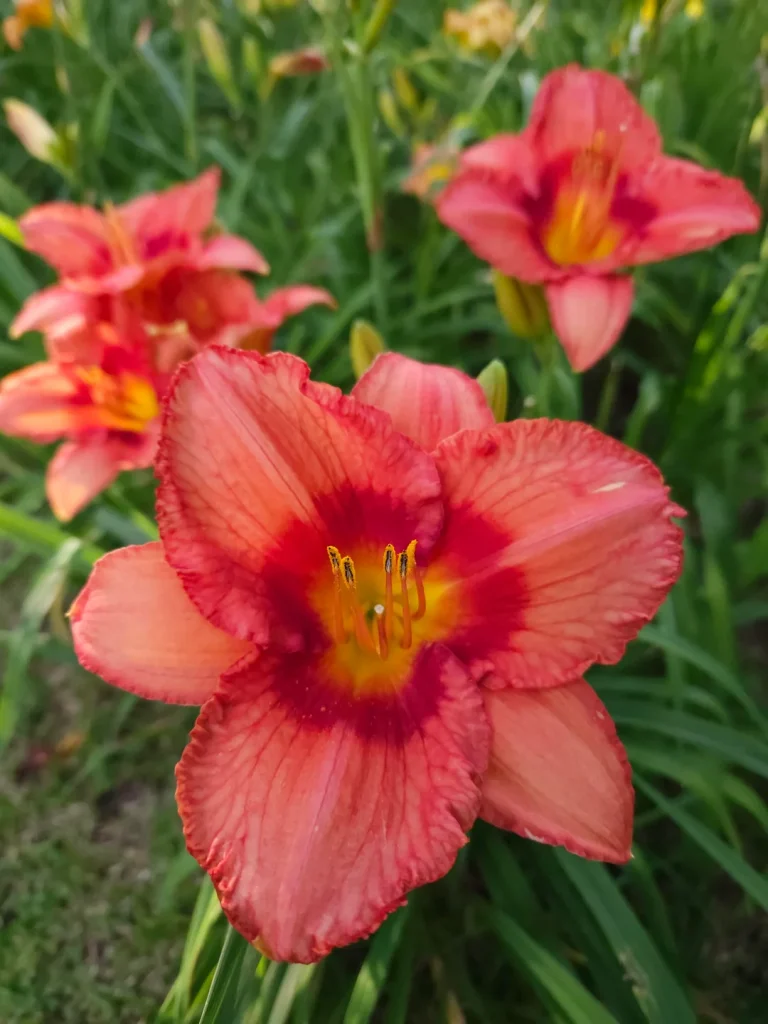
Hardy in zones 3–9, this sun loving red perennial fits into almost any sunny garden bed. Tuck it alongside lower-growing perennials and let it be the star of the show.
6. Penstemon ‘Red Rocks’ (Penstemon x mexicali)
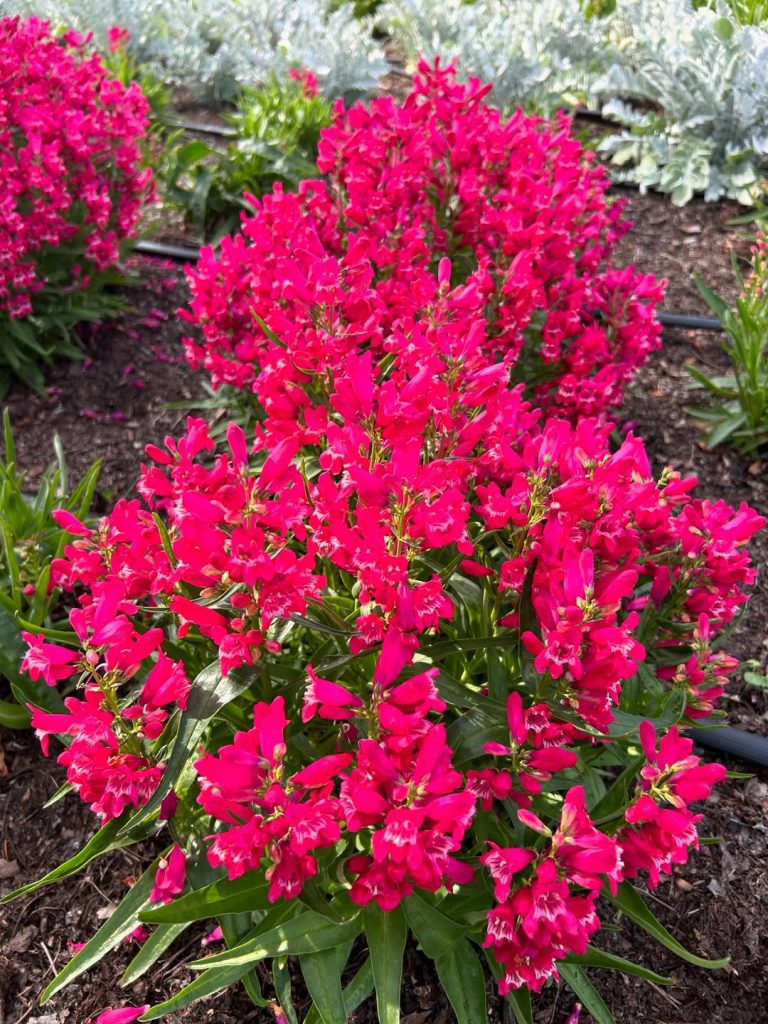
Penstemon ‘Red Rocks’ catches you off guard with its bold, lipstick-red tubular flowers. Hummingbirds and bees treat it like a regular pit stop, visiting it again and again throughout the blooming season.
Gravelly, dry soil suits this plant perfectly, it actually thrives in the kind of conditions that would kill most other perennials. The plant keeps a tidy, compact form without any pruning needed.
Long blooming and genuinely low maintenance, this is a true garden workhorse. Few red perennials for full sun perform as consistently and quietly as this one does.
7. Peony ‘Red Charm’ (Paeonia lactiflora)
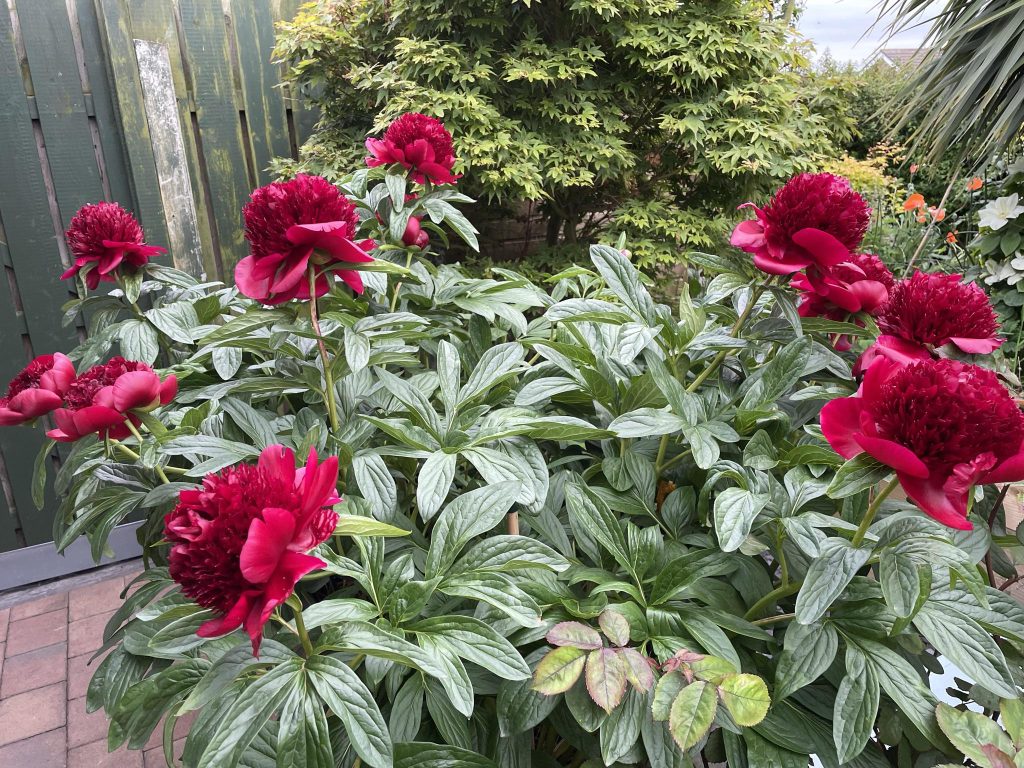
Nothing in the spring garden compares to a ‘Red Charm’ peony in full bloom. Deep red, fully double flowers open up like velvet cushions and completely steal the show from everything nearby.
Good air circulation keeps them healthy and reduces disease pressure. Once established in zones 3–8, these plants are surprisingly tough and require very little intervention.
Even after the flowers fade, the dark green foliage holds its shape all season. Think of it as the opening act that sets the tone for the entire summer garden.
8. Dianthus ‘Fire Star’
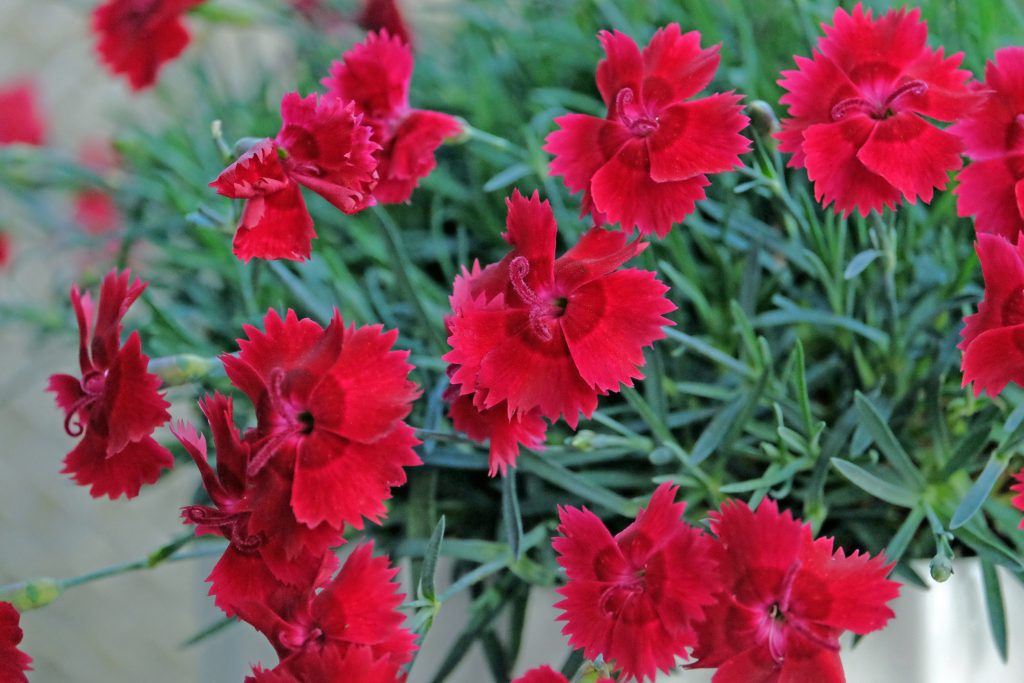
Dianthus ‘Fire Star’ punches well above its weight for such a compact plant.
Deep red, glossy blooms carry a subtle spicy fragrance that you’ll catch on warm afternoons near the front of a border.
Heat and drought don’t slow it down — deadhead the faded flowers and it rebounds quickly with fresh blooms. Containers, pathways, and garden edges are all perfect spots for this little gem.
Zones 3–9 suit it well, and it pairs beautifully with silver or gray-foliaged plants that make the red color pop even more. Small but absolutely worth every inch of garden space.
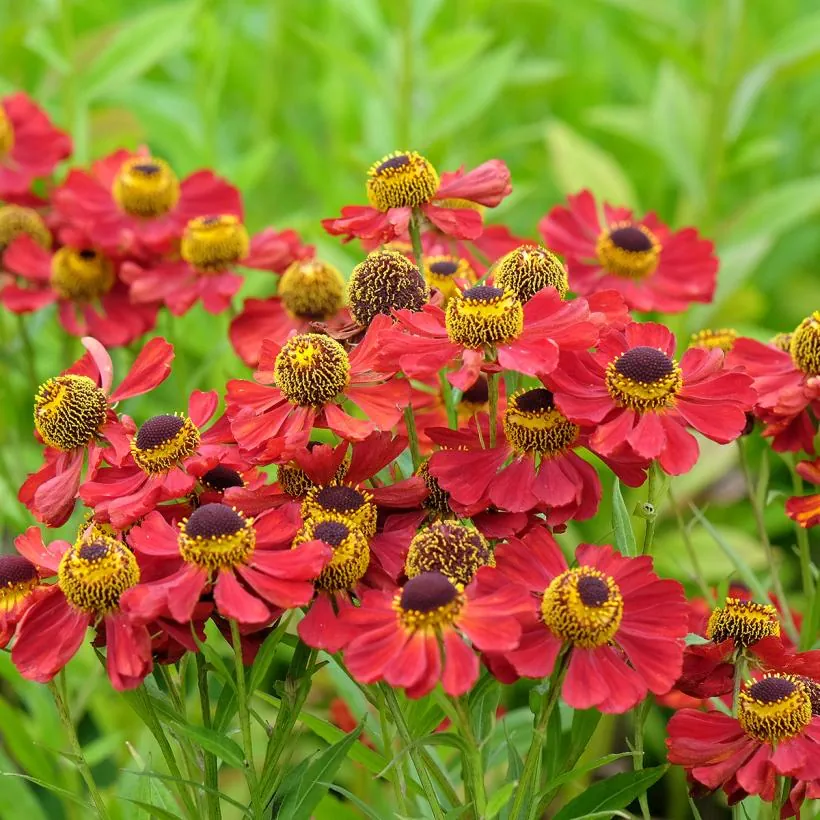
9. Helenium ‘Red Jewel’
When other red perennials start winding down, Helenium ‘Red Jewel’ is just hitting its stride. Dark red petals flare out from warm golden centers, giving each flower a vintage, jewel-like quality that feels rich and ornate.
Strong stems make it an excellent cut flower — snip a few for a vase and they’ll last well. Bees and butterflies flock to it in late summer when nectar sources start to thin out.
Plant it in zones 3–8 in full sun with consistent moisture and it rewards you every single year. Late-season color is something every garden needs, and this plant delivers it reliably.
10. Azalea (Red Varieties
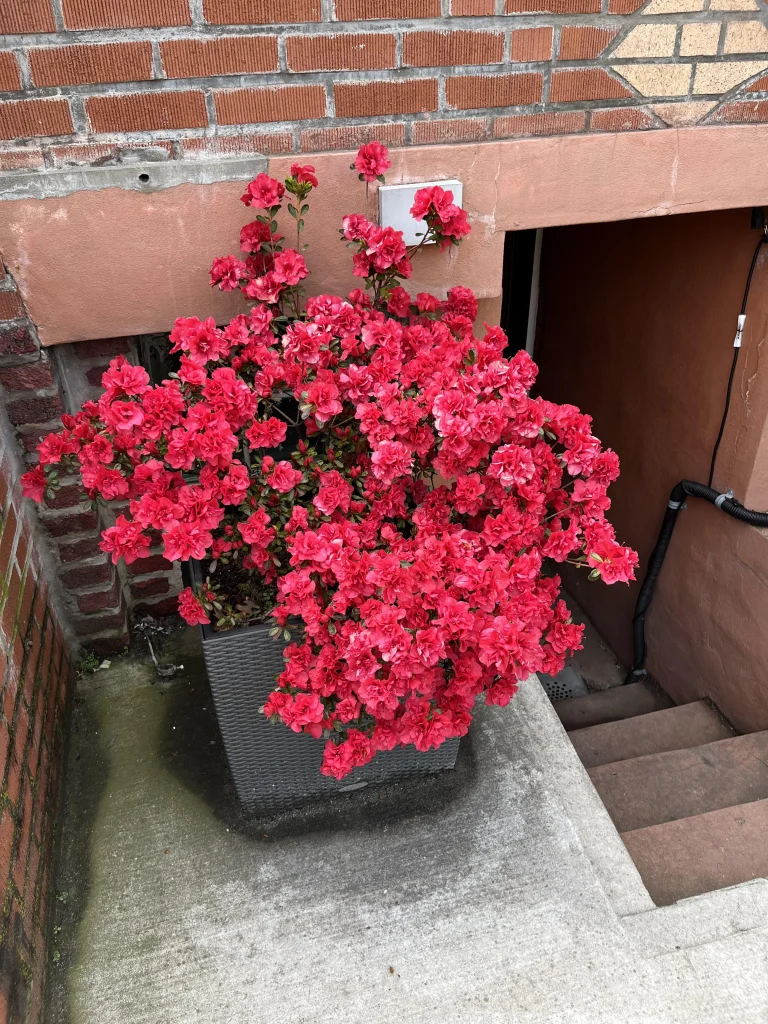
Red azaleas are among the first bold splashes of color to arrive each spring, often blooming before most other perennials even wake up. That early show makes them incredibly valuable in a full sun garden plan.
Hardy in zones 3–9, they prefer slightly acidic, well-draining soil and a few hours of morning sun followed by some afternoon shade. Too much harsh afternoon heat can cause the blooms to wilt faster than you’d like.
Once a red azalea shrub establishes itself, it comes back reliably for decades. Few plants offer that kind of long-term return on such a modest investment of time and effort.
11. Hibiscus (Hardy Red Varieties)
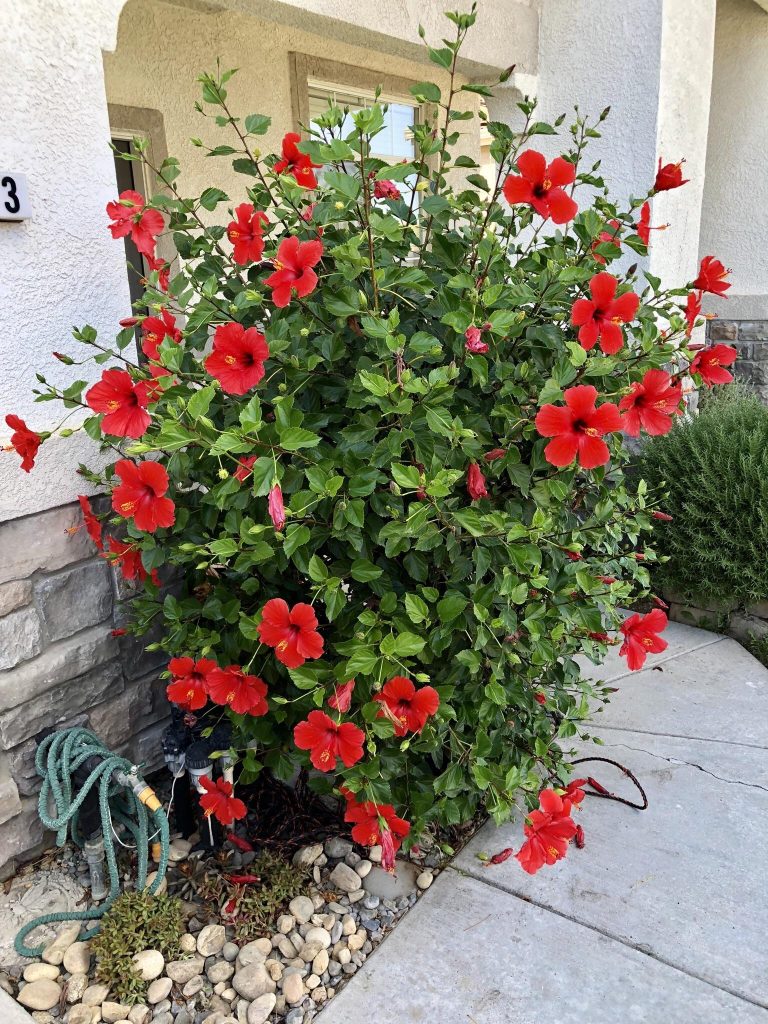
Hardy red hibiscus brings an exotic, lush feel to a full sun garden without needing a tropical climate to survive.
Broad, dinner-plate-sized blooms open up in summer and fall, attracting hummingbirds and butterflies from surprisingly far away.
Hardy varieties thrive in zones 5–9 and prefer moist, well-draining soil with plenty of direct sunlight. Unlike their tropical cousins, they die back to the ground in winter and return reliably each spring.
Cut them back in late fall after the foliage dies down. Fresh growth emerges from the base each year, and the plant often comes back even fuller than the season before.
12. Oriental Poppy ‘Beauty of Livermere’
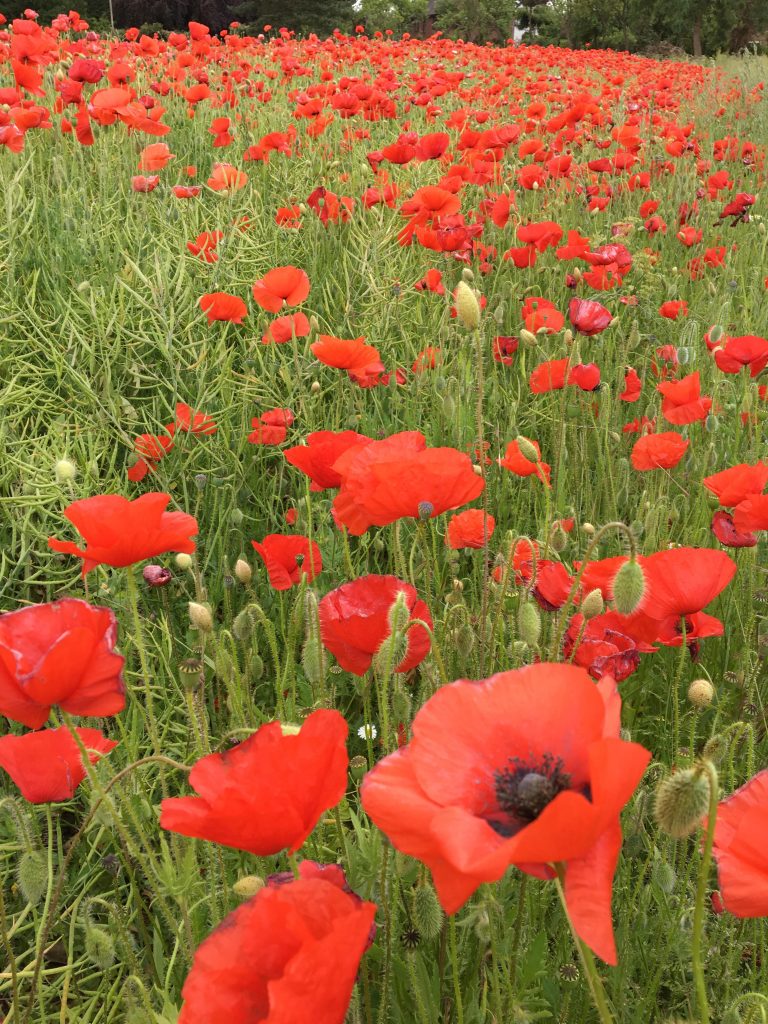
Oriental Poppy ‘Beauty of Livermere’ is not a subtle plant. Enormous, silky red petals open up in late spring around dark, ink-black centers that give each flower an almost theatrical quality.
Here’s the catch — after flowering, the entire plant goes dormant and disappears for the rest of summer. Plant something leafy and full nearby to cover the gap it leaves behind.
Hardy in zones 3–9, it rewards patience with one of the most spectacular spring displays in the perennial world. That brief but breathtaking performance makes it absolutely worth the planning around its dormancy.
13. Lupine ‘Red’ Series (Lupinus polyphyllus)
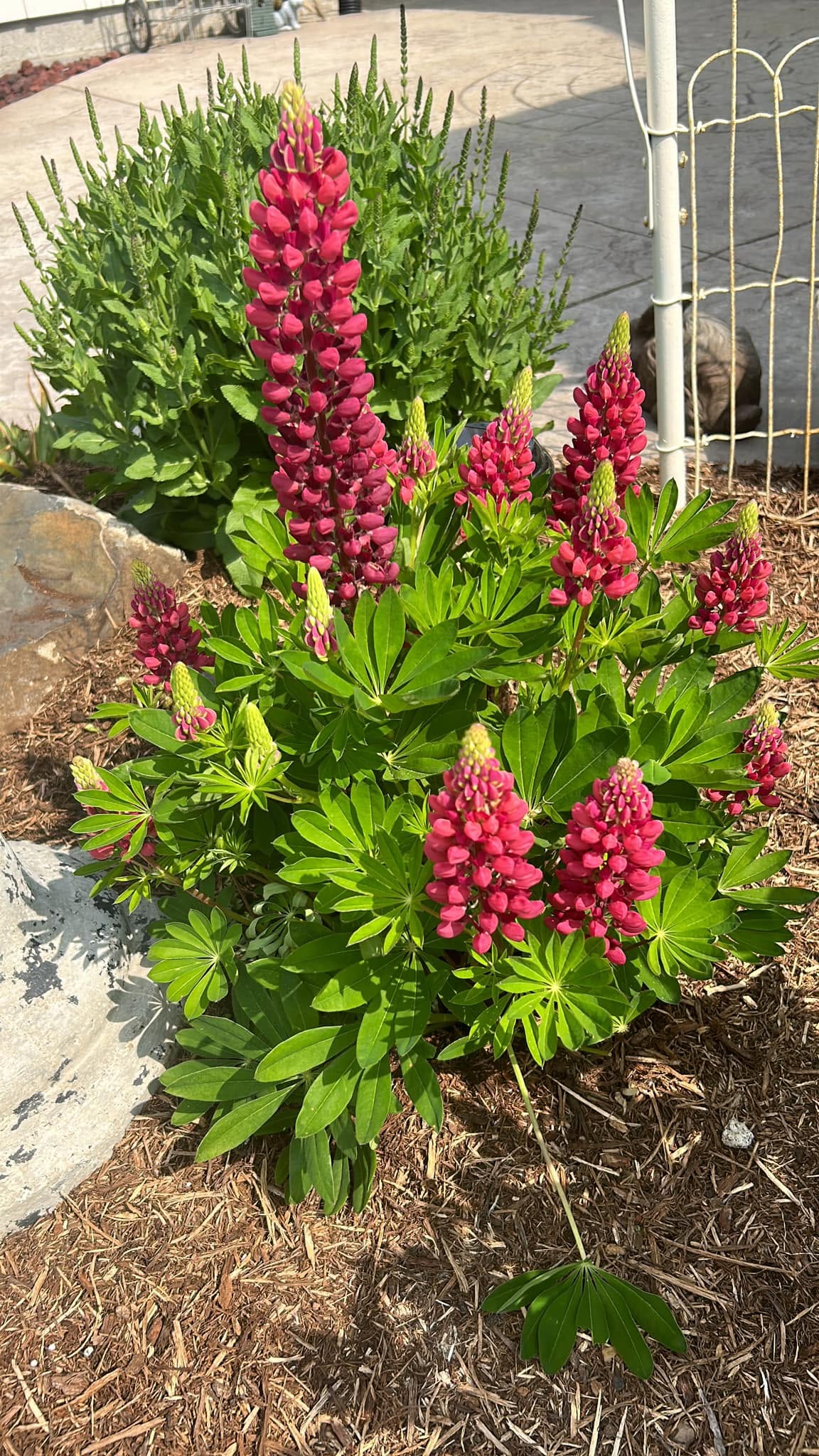
Red lupines bring a vertical drama to sunny borders that few other perennials can match.
Tall, tapered flower spikes packed tightly with red blooms create strong visual structure that draws the eye upward.
Cooler climates suit lupines best — they struggle in intense summer heat, so give them a spot with morning sun and some afternoon protection in hotter regions. Well-drained soil is non-negotiable for healthy plants.
Plant them in groups of three or more so their vertical energy plays off each other. Hardy in zones 4–8, they reward patience and proper placement with a genuinely stunning early summer display.
14. Valerian (Red Varieties)
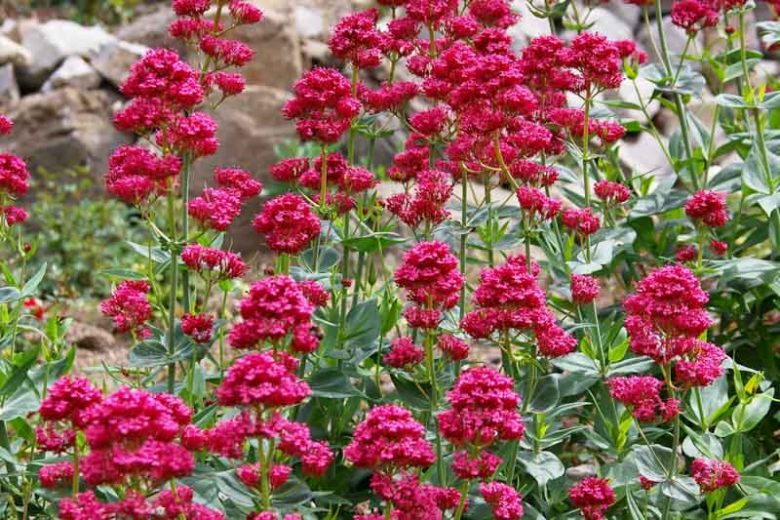
Red valerian grows bushy clusters of tiny flowers that resemble a fox’s tail in full bloom.
Birds, bees, and butterflies flock to it all season long, while deer actively avoid it — a combination that makes it almost perfect for a wildlife-friendly garden.
Thriving in zones 5–8, it blooms from early summer right through to fall with minimal intervention. Full sun and well-draining soil are really all it asks for, and it tolerates poor soil remarkably well once established.
Drought resistance builds up over time, making it progressively easier to care for each season. Few red perennials offer this level of wildlife value with this little effort from the gardener.
15. Garden Phlox ‘Red Riding Hood’ (Phlox paniculata)
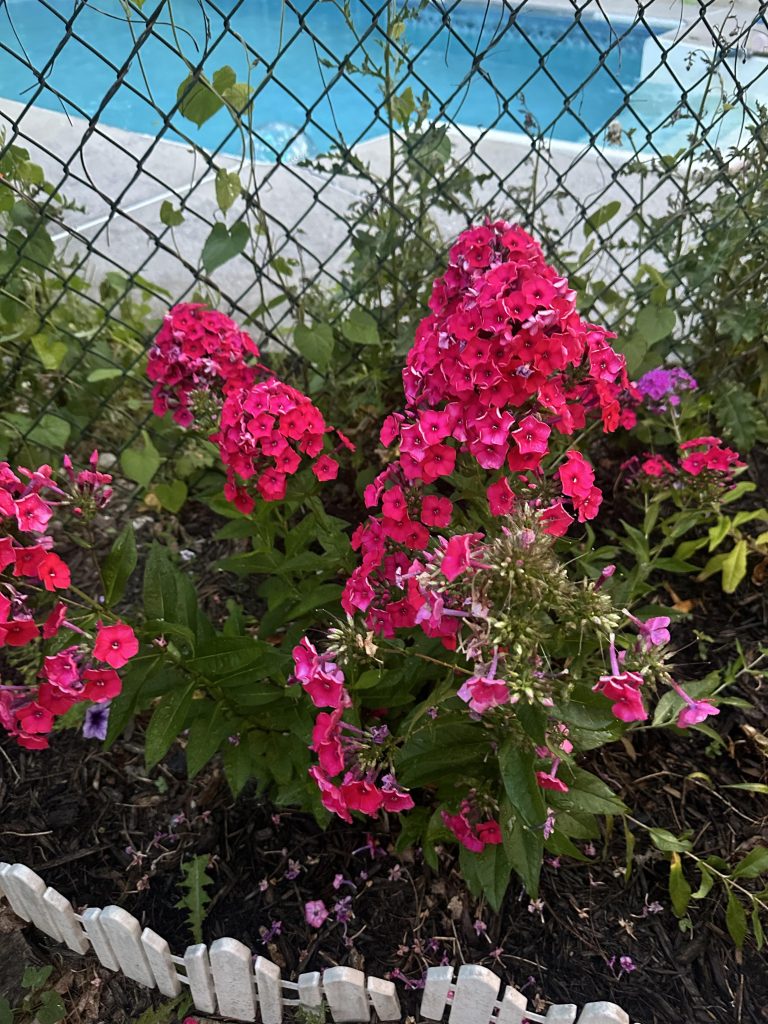
Garden Phlox ‘Red Riding Hood’ may be one of the most underrated red perennials for a full sun border.
Cherry-red flower clusters bloom in midsummer and hold their color beautifully even in the heat of the afternoon.
This variety has better mildew resistance than many other phlox types, which is a genuine bonus in humid summers. Cut the stems often and bring them indoors — they look just as vibrant in a vase as they do in the ground.
Hardy in zones 4–8, it fits naturally into the middle of a sunny border where it won’t get crowded out. Consistent deadheading keeps the blooms coming and the plant looking fresh all season long.
How to Get the Best Out of Your Red Perennials
Soil and Sun Come First
Every plant on this list needs at least six hours of direct sunlight daily to bloom at its best. Skimp on sun and you’ll get leggy stems, fewer flowers, and a plant that just looks tired all season.
Well-draining soil is equally important. Most red perennials rot in waterlogged ground, especially over winter when roots sit in cold, wet conditions for months.
Work some compost into the bed before planting to give roots a healthy, loose environment to establish in. That one-time effort pays dividends for every season that follows.
Deadheading Makes a Real Difference
Removing spent blooms encourages most perennials to push out fresh flowers instead of putting energy into seed production. Daylilies, phlox, dianthus, and penstemon all respond particularly well to regular deadheading.
A quick pass through the garden every week or two is all it takes. Snip the faded flower just above the next bud or leaf node and the plant does the rest.
Some plants on this list — like coneflower and valerian — actually benefit from leaving a few seed heads in place. Birds appreciate the seeds in late fall when other food sources start to disappear.
Pairing Red With Other Colors
Red perennials look stunning when planted alongside silver, gray, or blue-toned foliage. That contrast makes the red appear even more saturated and vibrant in bright sunlight.
Yellow and orange companions create a warm, energetic palette that feels bold and celebratory. White flowers planted nearby give red perennials a clean, classic look that never feels overdone.
Avoid pairing too many red varieties together without some contrast in between. A solid block of red can actually flatten visually — breaking it up with contrasting tones makes each plant stand out more.
Wrapping It All Up
Growing red perennial flowers in full sun is one of the most rewarding things you can do for a garden. These plants return year after year, ask for relatively little, and deliver a level of color and energy that simply can’t be faked with annuals.
Tough picks like coneflower, blanket flower, and yarrow suit beginner gardeners perfectly. Showstoppers like the oriental poppy and peony reward a little extra planning with truly unforgettable displays.
Pick two or three from this list to start and see how they perform in your specific conditions. Red has a way of making every garden feel more alive — and once you see it working in yours, you’ll wonder why you didn’t plant more of it sooner.