15 Stunning Full Sun Flowering Plants for Your Backyard

If you’ve got a sunny patch in your yard, you know the struggle. Some plants wilt, some scorch, and some just refuse to bloom.
I dealt with the same problem on my own balcony before I found flowers that actually love that kind of heat. The good news?
Plenty of beautiful options exist for building a stunning sun-drenched garden.
Below, I’m sharing fifteen of my favorite sun-loving flowers, the ones that turn a tough, exposed spot into the best-looking corner of your yard. Read on, and you’ll walk away with real options worth planting this season.
15 Flowers That Thrive in Full Sun
1. Black-Eyed Susan Brings Instant Cheer
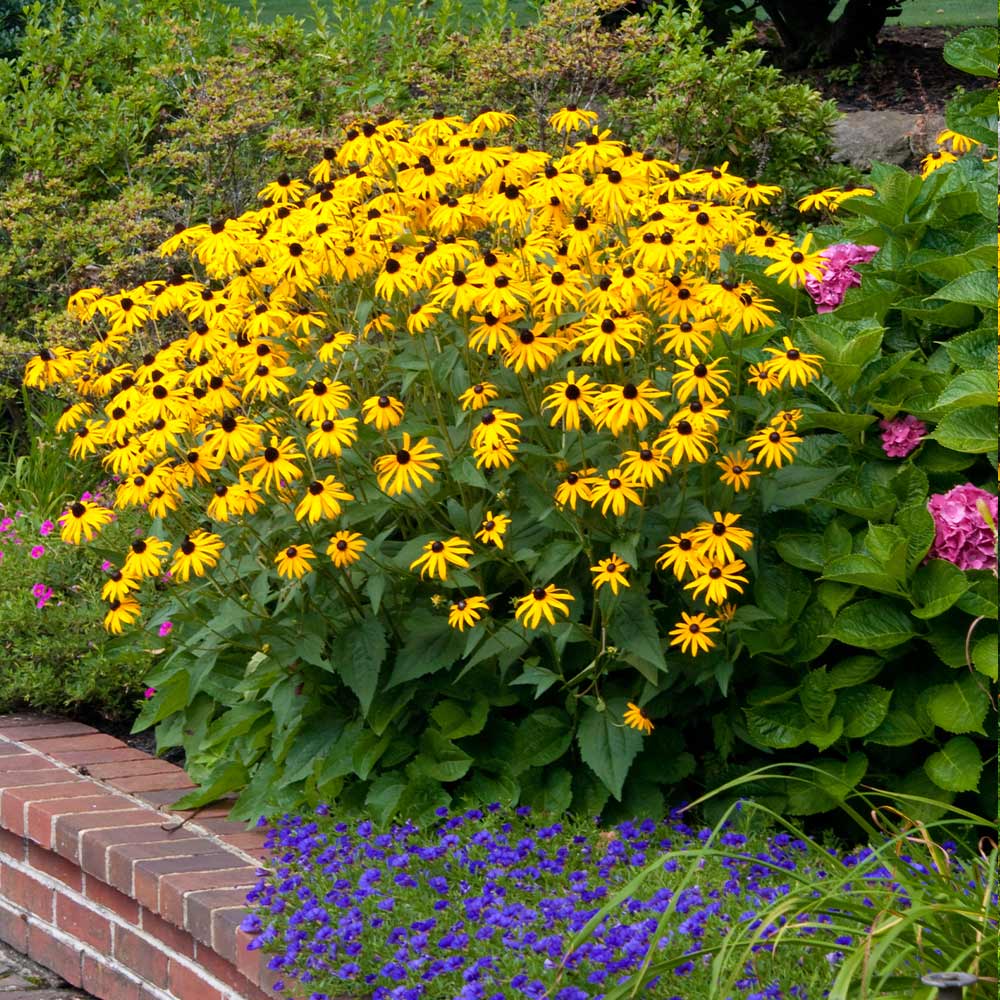
Sunshine yellow petals wrap around a dark, chocolate-brown center. You really can’t miss this flower in a garden bed.
Rudbeckia hirta grows happily in zones 4 through 9 and doesn’t ask for much. Well-drained soil that stays a touch moist is all it needs.
Self-seeding means this plant spreads on its own, which I love. Snip off spent blooms and you’ll get flowers well into fall. Bees and butterflies show up constantly once this one starts blooming.
Plant Overview
- Botanical Name: Rudbeckia hirta
- Sun Exposure: Full, partial
- Soil Type: Well-drained but moist, loamy, clay, sandy
- Soil pH: 5.5-6.8
Also read: 15 Deer-Resistant Perennials for Full Sun
2. Coneflower Handles Heat Like a Champ
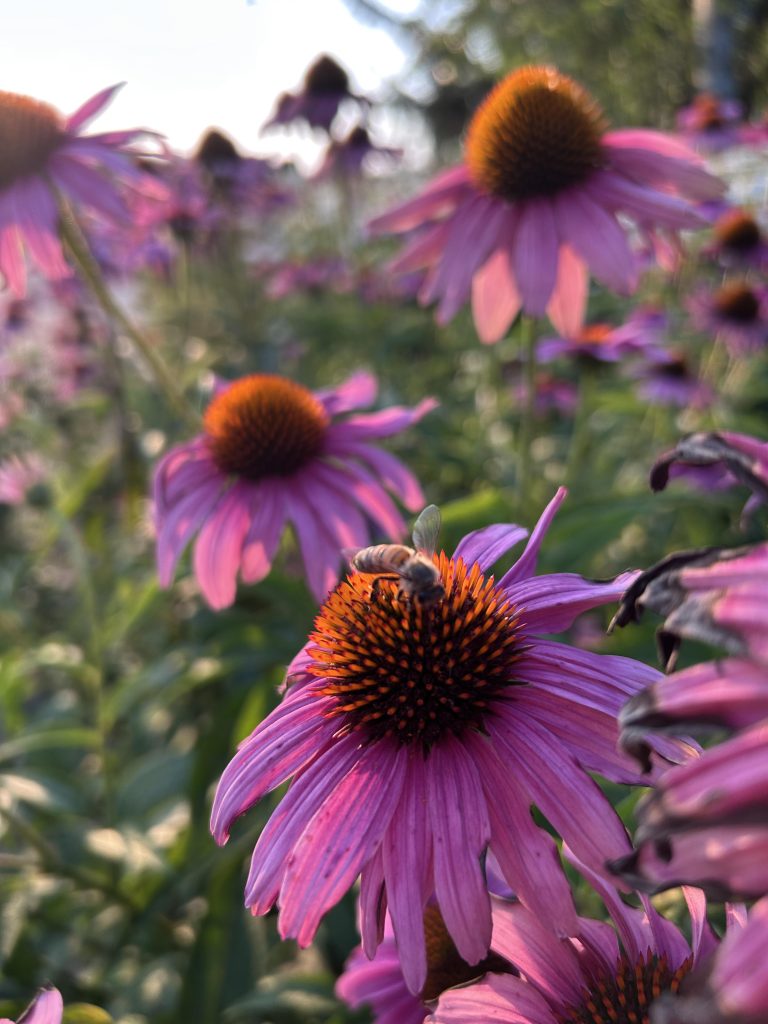
Humidity doesn’t stand a chance against this tough perennial. Echinacea purpurea comes from prairies and open fields, so heat is nothing new to it.
Purple is the classic shade, but you’ll also find red, orange, and white varieties now.
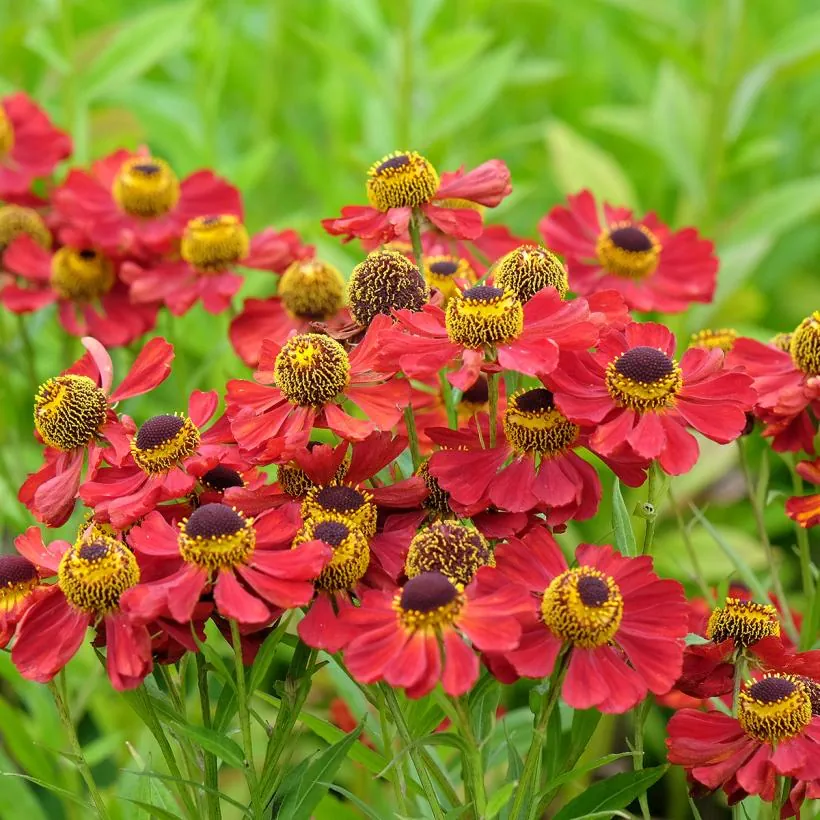
Water it well during that first season after planting. After that, coneflower mostly looks after itself in zones 4 through 9.
Leave the seed heads standing through winter and birds will thank you for the free meal.
Plant Overview
- Botanical Name: Echinacea purpurea
- Sun Exposure: Full, partial
- Soil Type: Well-drained, moist, loamy
- Soil pH: 6.5-7.2
Also read: 15 Zone 7 Full Sun Perennials That Thrive All Season Long
3. Coreopsis Adds Cheerful Yellow Everywhere
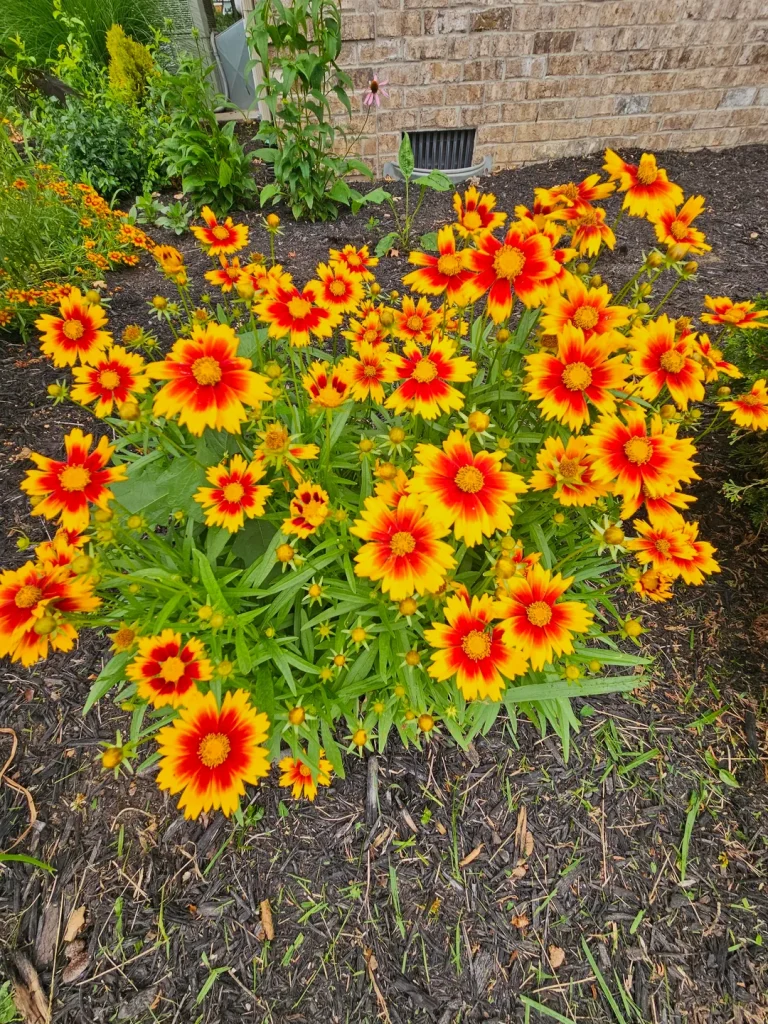
Tickseed is another name you might hear for this one. Ferny foliage holds up daisy-like blooms in yellow, red, orange, or pink. ‘Moonbeam’ gives you a soft, pale yellow, while ‘Zagreb’ goes bold and bright.
Drainage really matters with this plant. Heavy or wet soil causes problems fast, so keep it in sandy, well-drained ground.
Notched petals give each bloom a delicate look that photographs beautifully up close.
Plant Overview
- Botanical Name: Coreopsis spp.
- Sun Exposure: Full
- Soil Type: Well-drained, moist, sandy
- Soil pH: 6.5-7.2
Also read: 15 Best Plants for Front Porch Full Sun
4. Daylily Rewards You With Nonstop Color
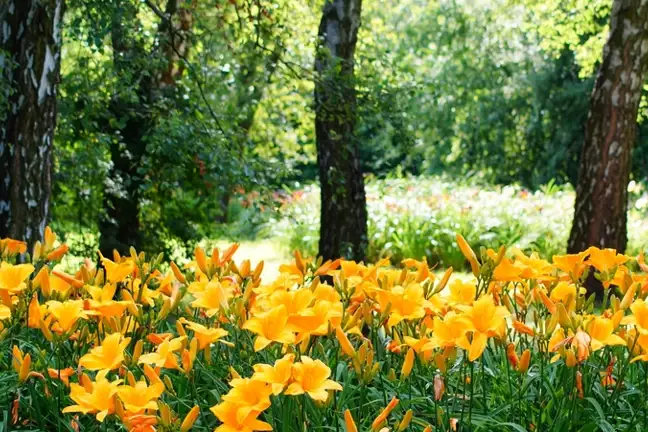
Trumpet-shaped blooms sit atop long, strappy leaves on this classic favorite. Hemerocallis flowers come in nearly every color imaginable.
Pests rarely bother this plant, and disease almost never shows up either.
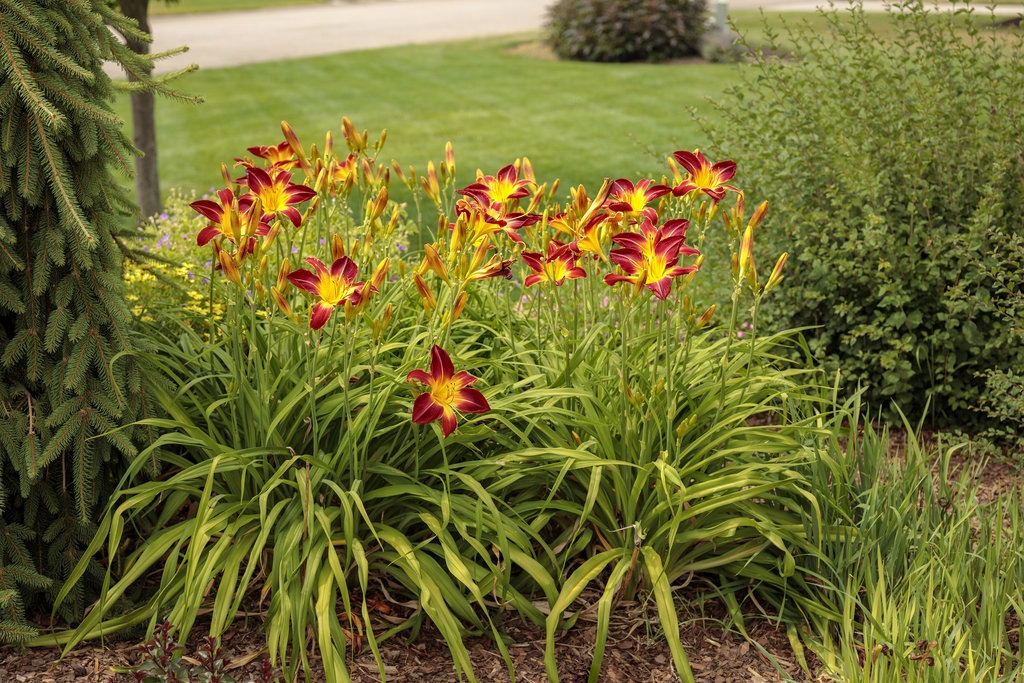
Deer, sadly, think daylilies taste great. Plan for that if deer visit your yard often.
Hot climates call for a little afternoon shade paired with regular watering, though established plants handle drought just fine on their own.
Plant Overview
- Botanical Name: Hemerocallis
- Sun Exposure: Full
- Soil Type: Well-drained, rich
- Soil pH: 6.5-7.0
5. Dahlia Brings Serious Drama To Any Garden
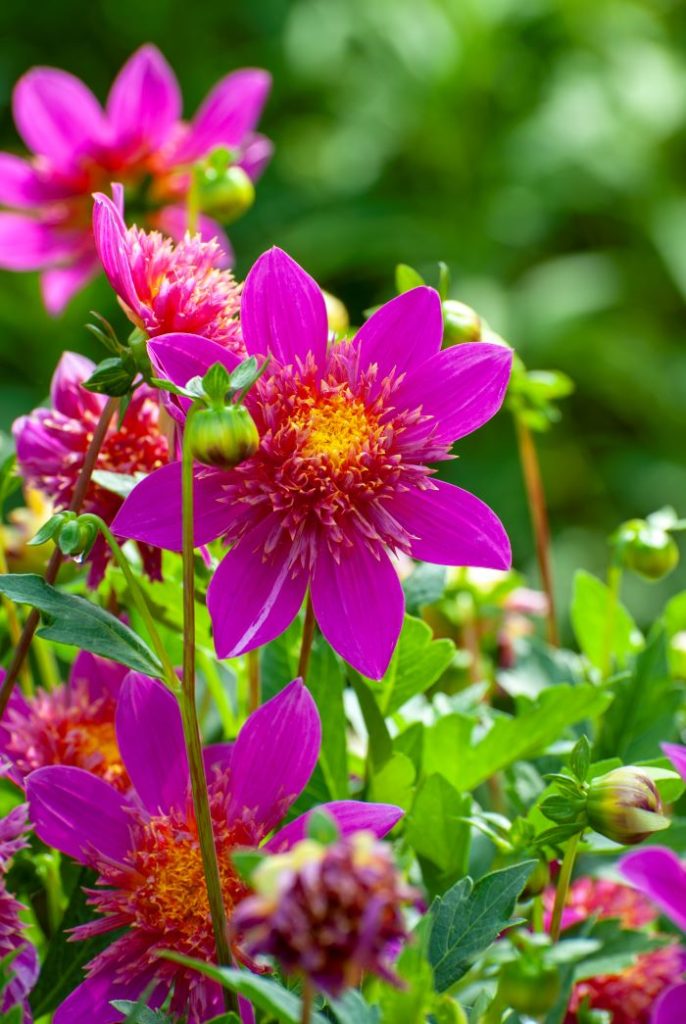
Big, ruffled blooms make dahlias impossible to ignore. Some varieties stay compact at 15 inches, while others tower up to 4 feet tall. You can buy plants in spring or start tubers indoors first.
Rich, moist soil keeps dahlias happy all season long. Give them full sun and they’ll reward you with blooms as big as dinner plates. I always find room for at least one in my garden.
Plant Overview
- Botanical Name: Dahlia
- Sun Exposure: Full
- Soil Type: Well-drained but moist, organically rich
- Soil pH: 6.5-7.0
6. Peony Smells As Good As It Looks
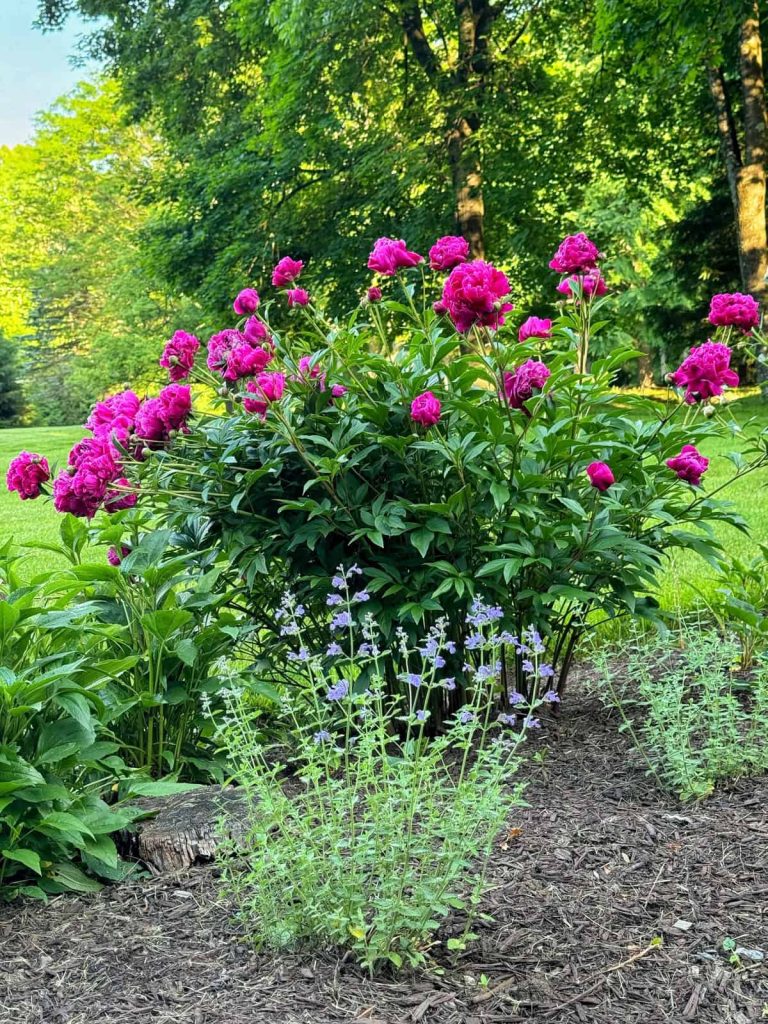
Nothing beats that strong floral scent drifting across a spring garden. Peonies pack their petals in tight, then let them fan out into huge, showy blooms.
Colors range from soft pink to deep coral, purple, and white.
Timing matters most with this plant. Plant bare roots in fall so they can settle in before winter hits. Southern gardeners should give peonies a little afternoon shade, since heat above zone 8 wears them down.
Plant Overview
- Botanical Name: Paeonia hybrids
- Sun Exposure: Full
- Soil Type: Well-draining, rich
- Soil pH: 6.5-7.0
7. Lantana Never Backs Down From Heat
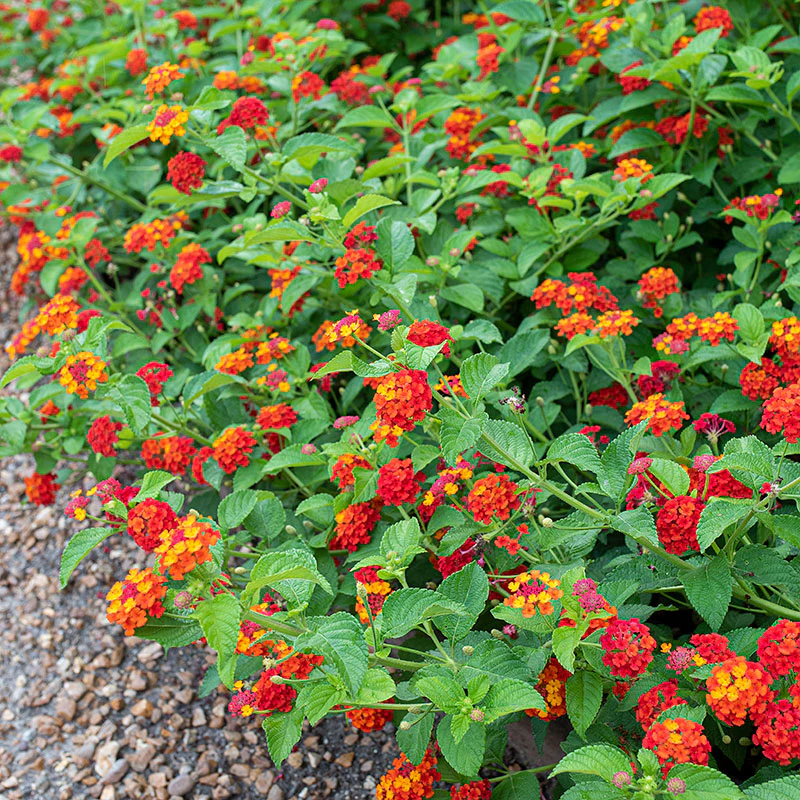
Heat just doesn’t bother this plant at all. Lantana camara blooms in red, orange, pink, and yellow all summer and fall. Butterflies flock to it constantly once it gets going.
Drought barely slows lantana down either. A few plants can fill a whole bed with color.
I’d steer you toward seedless varieties like ‘Gold Mound,’ since some types can spread aggressively through seed.
Plant Overview
- Botanical Name: Lantana camara
- Sun Exposure: Full
- Soil Type: Well-draining, clay, sandy
- Soil pH: Slightly acidic to alkaline (6.0-8.0)
8. Marigold Keeps Pests Away While Looking Great
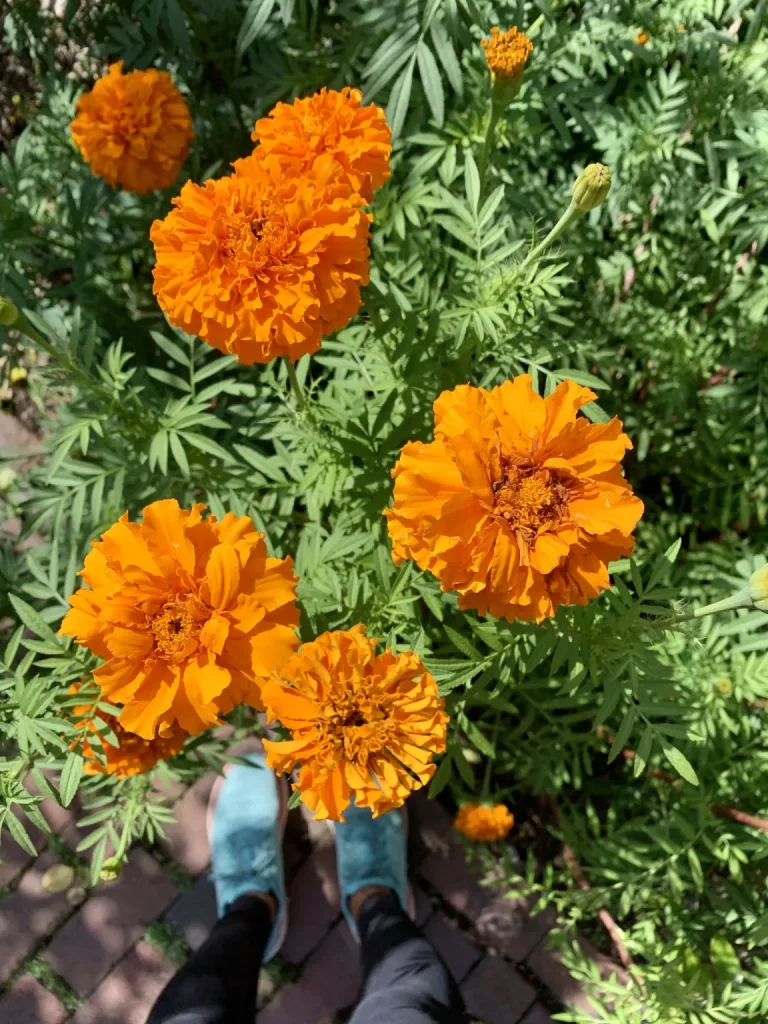
Rabbits and deer avoid marigolds because of their strong scent. Tagetes flowers stay fresh even through a full day of blazing sun.
Orange, yellow, and red blooms show up from summer clear through the first frost.
Soil type barely matters to this tough little plant. Drought doesn’t faze it once it’s established either. I like tucking marigolds along garden borders, since their smell doubles as natural pest control.
Plant Overview
- Botanical Name: Tagetes
- Sun Exposure: Full
- Soil Type: Well-drained
- Soil pH: 6.0-7.0
9. Hibiscus Turns Up The Tropical Vibes
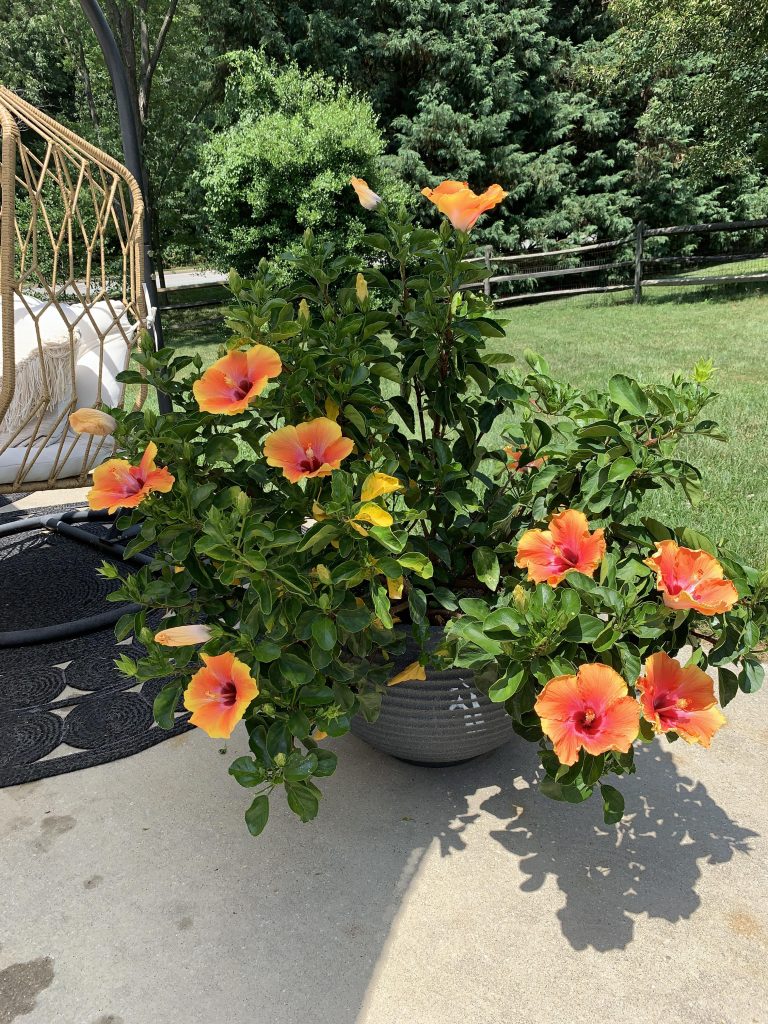
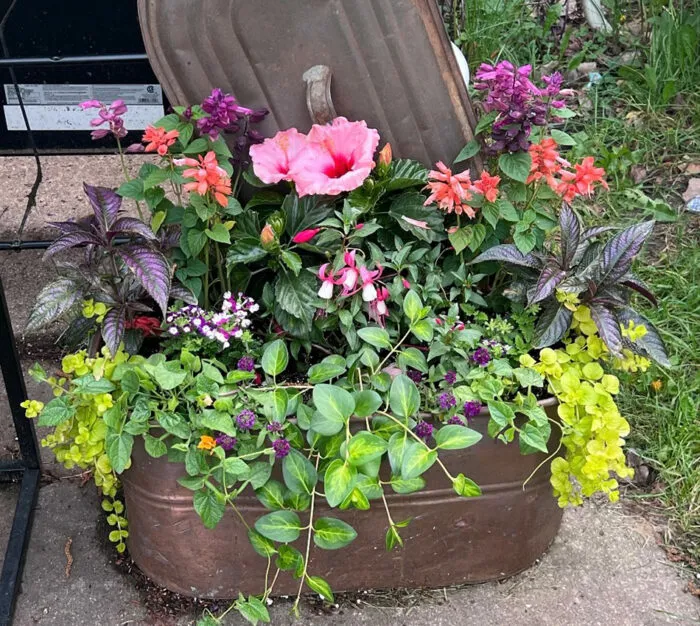
Big, bold blooms make hibiscus impossible to overlook. This plant comes from warm, tropical regions, so full sun feels like home to it. You can grow hibiscus in containers if your soil drains well.
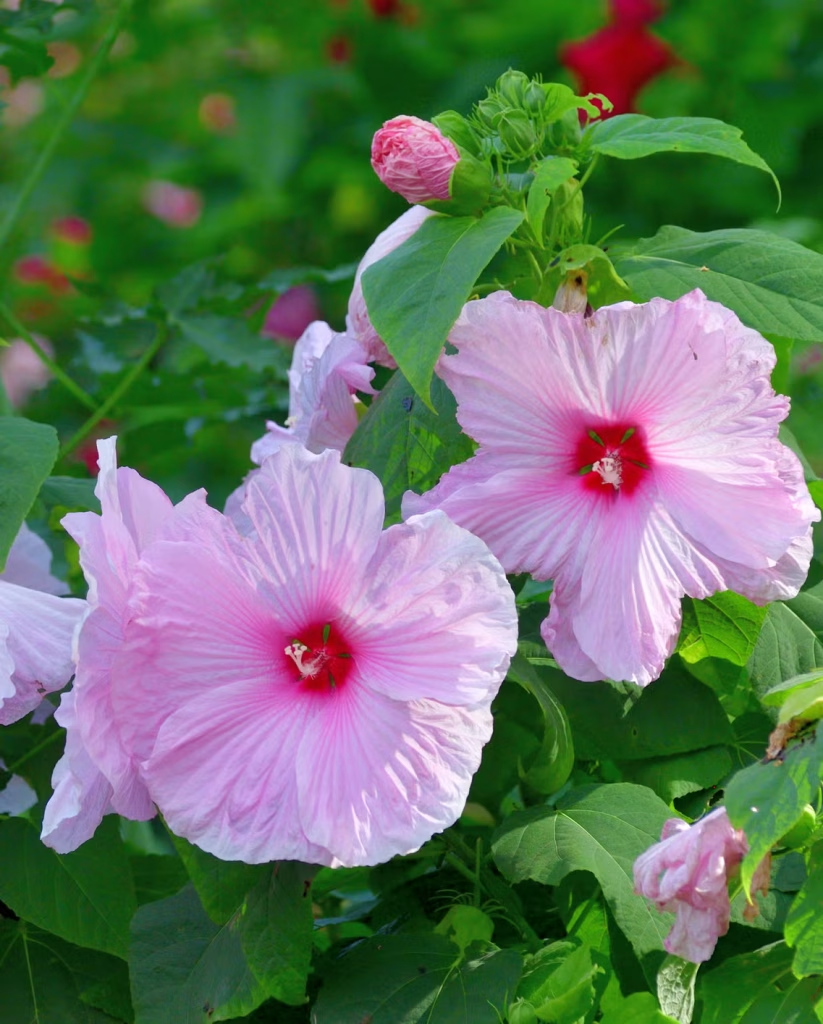
Water matters a lot in its early blooming stage. Give it plenty during that window and you’ll see faster growth. I always add a slow-release fertilizer to keep the blooms coming strong all season.
Plant Overview
- Botanical Name: Hibiscus spp.
- Sun Exposure: Full
- Soil Type: Well-draining, organic
- Soil pH: Slightly acidic to alkaline (6.0-8.0)
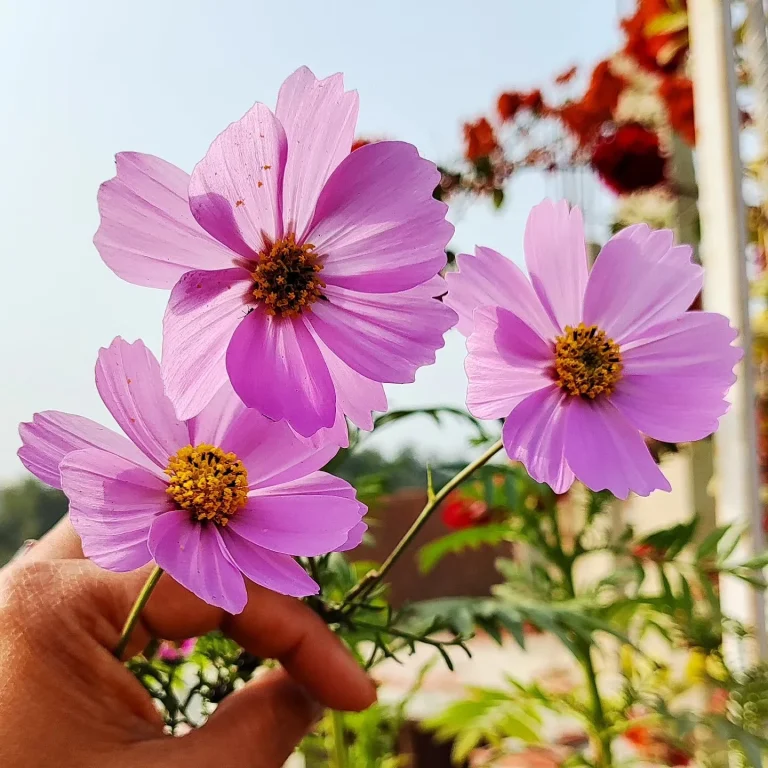
10. Cosmos Grows Fast And Asks For Little
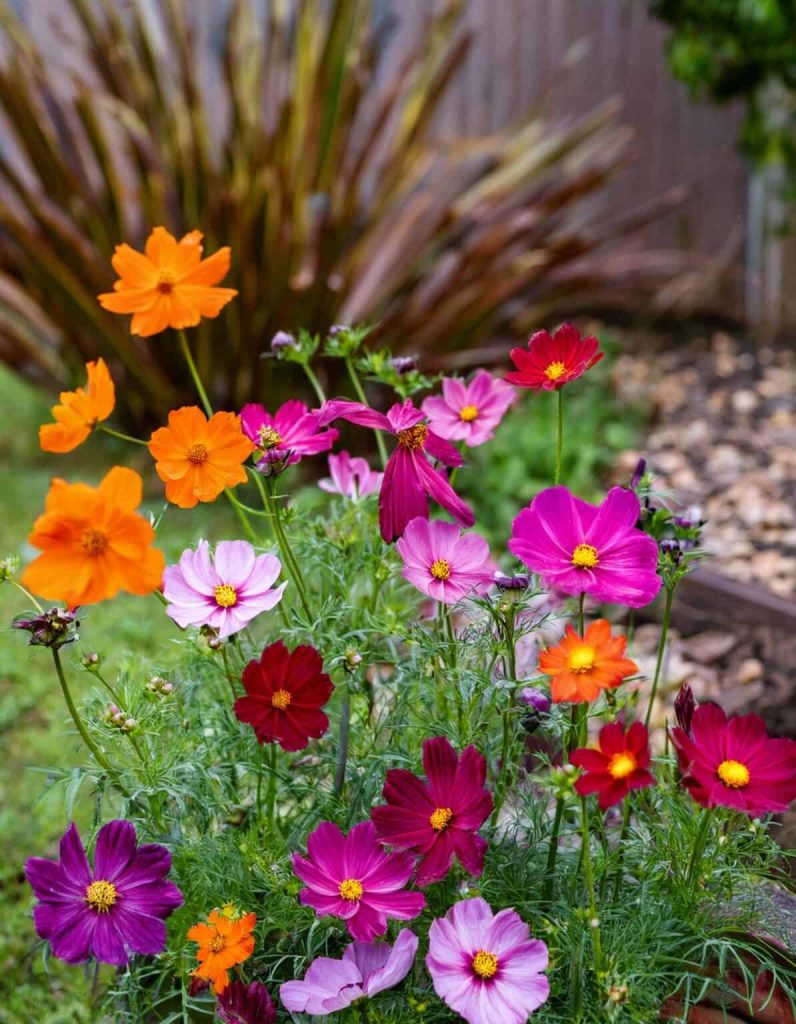
Delicate looks hide a surprisingly tough plant. Cosmos bipinnatus grows easily from seed and doesn’t fuss over soil type. Bright sun for half a day or more keeps it thriving.
Birds and butterflies gather around cosmos in big numbers. Planting several together in a mass creates the best show.
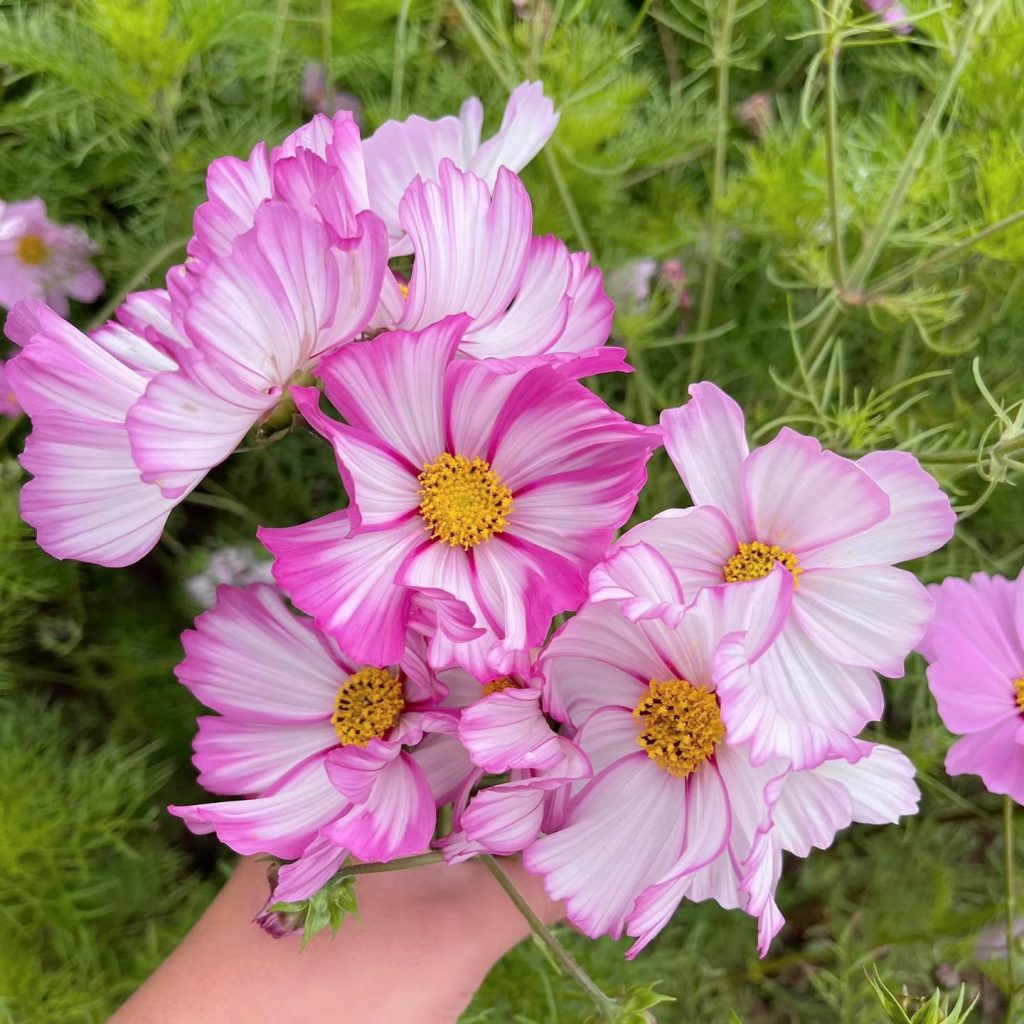
Little watering is needed once seedlings sprout, which makes this one perfect for lazy gardeners like me.
Plant Overview
- Botanical Name: Cosmos bipinnatus
- Sun Exposure: Full
- Soil Type: Well-drained, sandy
- Soil pH: 7.0-7.5
11. Celosia Brings Wild Texture To The Garden
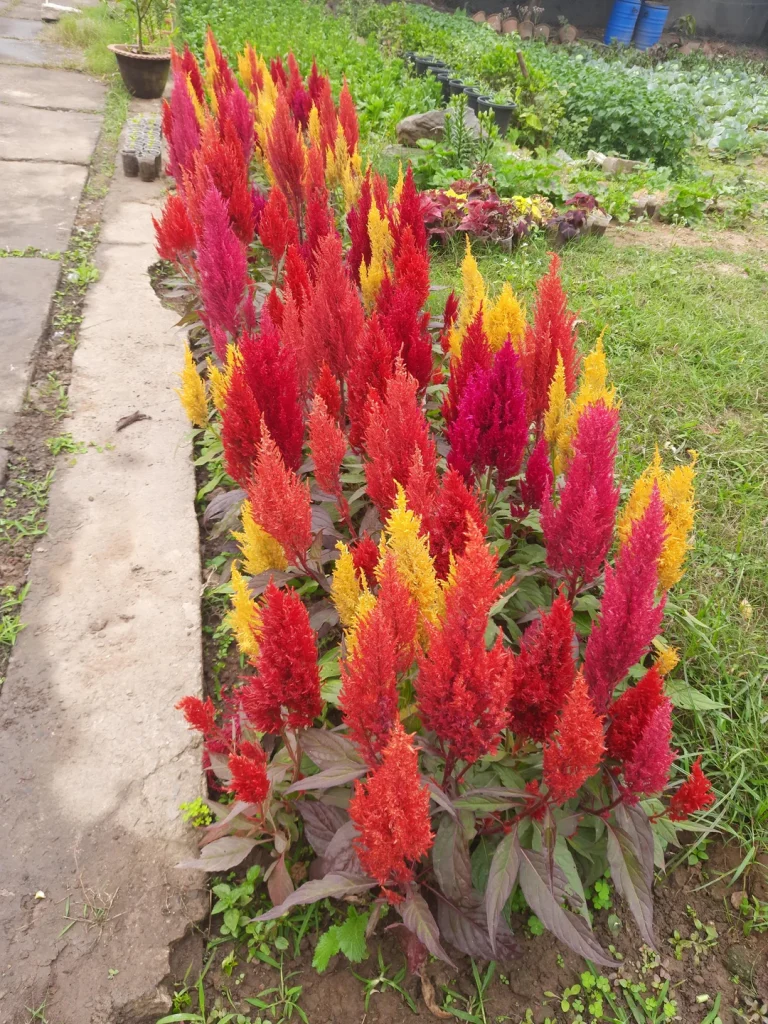
Fuzzy, flame-like blooms make celosia stand out from typical flowers. Cockscomb varieties look like a rooster’s comb, while feather types puff out into soft plumes. Heat never slows this plant down.
Rich, well-draining soil keeps celosia looking its best. Clay soil causes problems, so skip heavy ground if you can.
I love mixing a few colors together for a garden bed that really pops.
Plant Overview
- Botanical Name: Celosia spp.
- Sun Exposure: Full
- Soil Type: Rich, well-draining
- Soil pH: 6.0-6.5
12. Globe Amaranth Blooms Nonstop All Summer
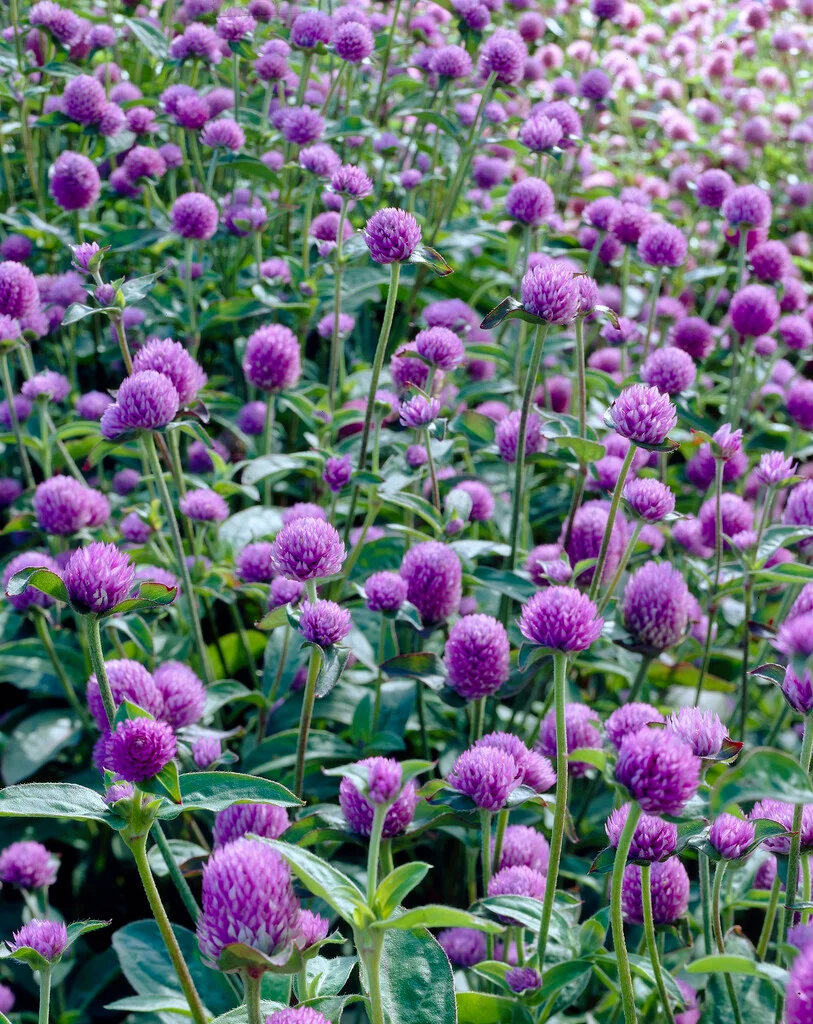
Clover-shaped flowers cover this plant from late spring straight through fall. Gomphrena globosa handles heat and drought without complaint.
Pink, purple, white, orange, and red blooms show up in nonstop waves.
Seeds sprout easily, so starting fresh plants takes little effort. Water regularly until the plant settles in, then ease off during dry spells. I dry these flowers for arrangements since they hold their color so well.
Plant Overview
- Botanical Name: Gomphrena globosa
- Sun Exposure: Full
- Soil Type: Well-drained
- Soil pH: Acidic, neutral
13. Blanket Flower Loves Rough, Sandy Ground
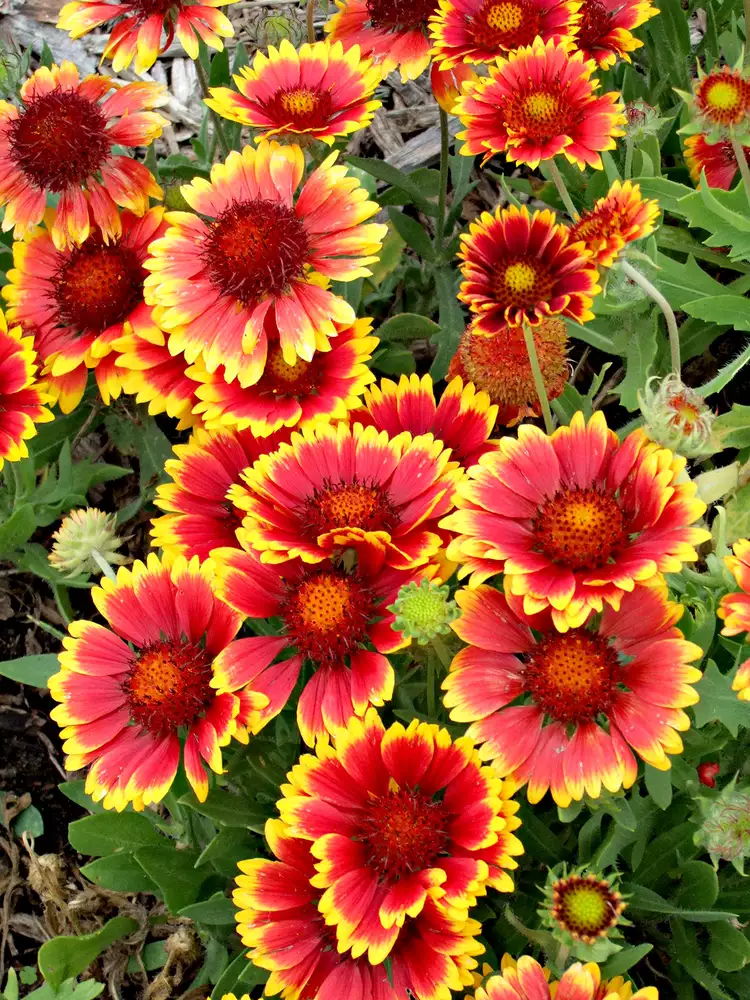
Bright, fiery colors make blanket flower hard to miss along a roadside. Gaillardia pulchella actually prefers poor, sandy soil over rich garden dirt. Blooms keep appearing from spring all the way to first frost.
Heavy or overly moist soil causes real trouble for this plant. Sandy, well-draining ground works best every time. This flower is toxic if eaten, so keep pets and curious kids away from it.
Plant Overview
- Botanical Name: Gaillardia pulchella
- Sun Exposure: Full
- Soil Type: Sandy, well-draining soil
- Soil pH: 6.8-7.2
14. Butterfly Weed Feeds Monarch Caterpillars
Orange blooms on this native plant do more than look pretty. Asclepias tuberosa acts as a host plant for monarch butterflies. Bees and other pollinators stop by for the nectar too.
Dry, well-drained soil suits this plant perfectly. Foliage dies back completely in winter, so don’t panic when that happens.
I’ve noticed it wakes up later than most perennials, so give it patience come spring.
Plant Overview
- Botanical Name: Asclepias tuberosa
- Sun Exposure: Full
- Soil Type: Well-drained
- Soil pH: Acidic, neutral
15. Catmint Fills Your Garden With Fragrance

Small purple flowers cover this plant all summer long. Nepeta handles heat without wilting or fading. Bees and butterflies visit constantly, while deer tend to stay far away.
Well-drained soil is the only real requirement here. Established plants shrug off drought with ease. I plant catmint along walkways so I catch that minty scent every time I brush past it.
Plant Overview
- Botanical Name: Nepeta spp.
- Sun Exposure: Full
- Soil Type: Well-drained
- Soil pH: 6.0-8.0
FAQ’s
How many hours of sun do full sun flowering plants really need?
You’re looking at a minimum of six hours of direct sunlight each day. Anything less and you’ll notice weaker blooms and leggy growth. I always watch my garden for a full day before picking a spot, just to make sure it gets enough light.
Can I grow full sun flowers in containers?
Absolutely, and I do it all the time on my balcony. Dahlias, marigolds, and hibiscus all handle container life just fine. Just make sure your pot drains well, since soggy roots cause more problems than too much sun ever will.
Do these flowers need a lot of water?
It depends on the plant, honestly. Coneflower and butterfly weed barely need watering once established, while dahlias and hibiscus like consistent moisture.
I check the soil with my finger before watering anything, since overwatering causes more damage than underwatering in most cases.
Which of these flowers are safe if I have pets?
Marigold, cosmos, and celosia are generally safe choices around curious pets. Blanket flower, though, is toxic if eaten, so I’d keep that one out of reach.
Always double-check a specific variety before planting if pets roam your yard often.
Will full sun flowers attract pollinators to my garden?
Yes, and that’s honestly my favorite part of growing them. Coneflower, catmint, and butterfly weed pull in bees and butterflies almost immediately.
I’ve watched my balcony turn into a tiny buzzing ecosystem within just a few weeks of planting.
Conclusion
Fifteen flowers, one sunny spot, and endless color from spring through fall. That’s really all it takes to turn a harsh, exposed garden bed into your favorite part of the yard.
I’ve grown most of these myself, and every single one has earned its place through pure toughness and nonstop blooming.
Pick a few that match your soil and your climate, then just let the sun do the rest of the work. You don’t need a green thumb for this, trust me.
Grab some seeds or starter plants, find your sunniest corner, and watch your garden come alive this season.