13 Deer Resistant Butterfly Garden Plants

Deer showing up uninvited to your garden is genuinely frustrating. You spend months nurturing beautiful blooms, and one morning you walk outside to find half of them gone.
But here’s the good news. You don’t have to choose between a stunning butterfly garden and keeping deer out. Some plants do both jobs beautifully.
I’ve been growing pollinator-friendly gardens for years, and these 13 deer resistant butterfly garden plants are the ones I keep coming back to.
How Do Deer Resistant Plants Actually Keep Deer Away?
Deer are picky eaters. They rely heavily on smell and taste to decide what’s safe to munch on. Plants that smell too strong, taste too bitter, or feel too rough on the tongue get skipped entirely.
Texture is a big one. Fuzzy or prickly foliage like yarrow genuinely irritates deer when they try to eat it. They move on fast.
Fragrance works the same way. Plants like butterfly bush and honeysuckle smell wonderful to us but overwhelming to deer.
Some plants like milkweed and foxglove carry toxic compounds that deer have learned to avoid instinctively over generations. No single plant is 100% deer proof.
But stack enough of these natural defenses together and deer will simply find somewhere easier to browse.
13 Best Deer-Resistant Butterfly Plants
1. Milkweed (Asclepias)
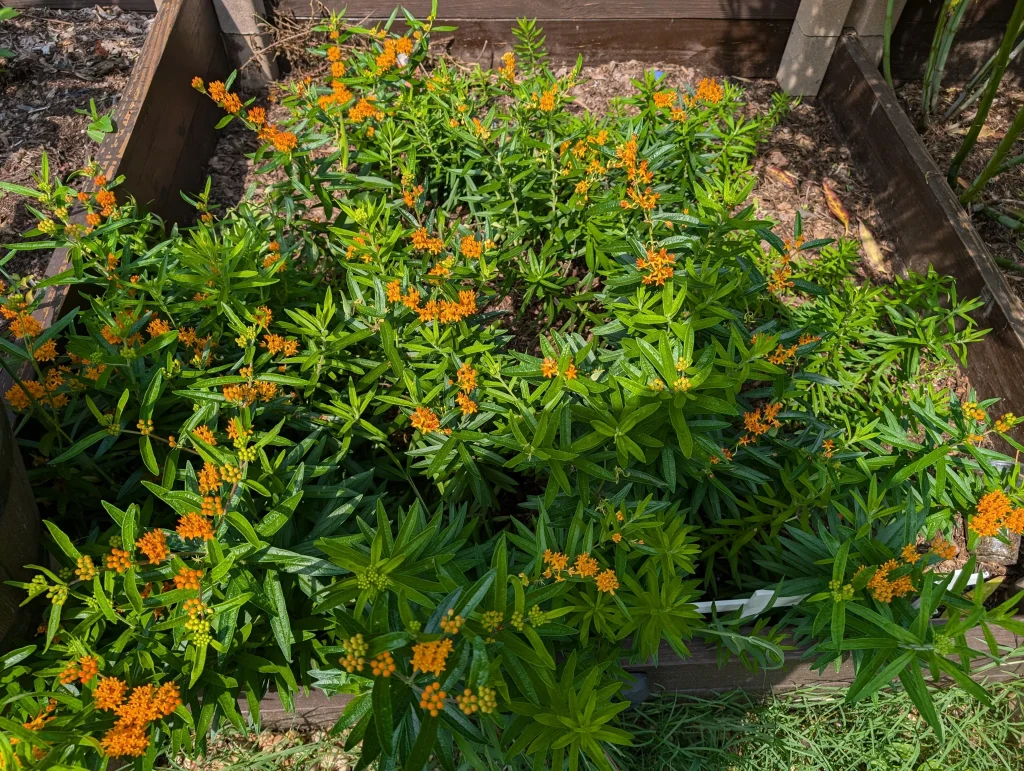
Milkweed is probably the most important plant you can add to a butterfly garden. Monarch butterflies depend on it completely — females lay their eggs exclusively on milkweed, and caterpillars eat the leaves to survive.
Deer avoid it because the plant contains a milky sap loaded with toxic compounds called cardenolides.
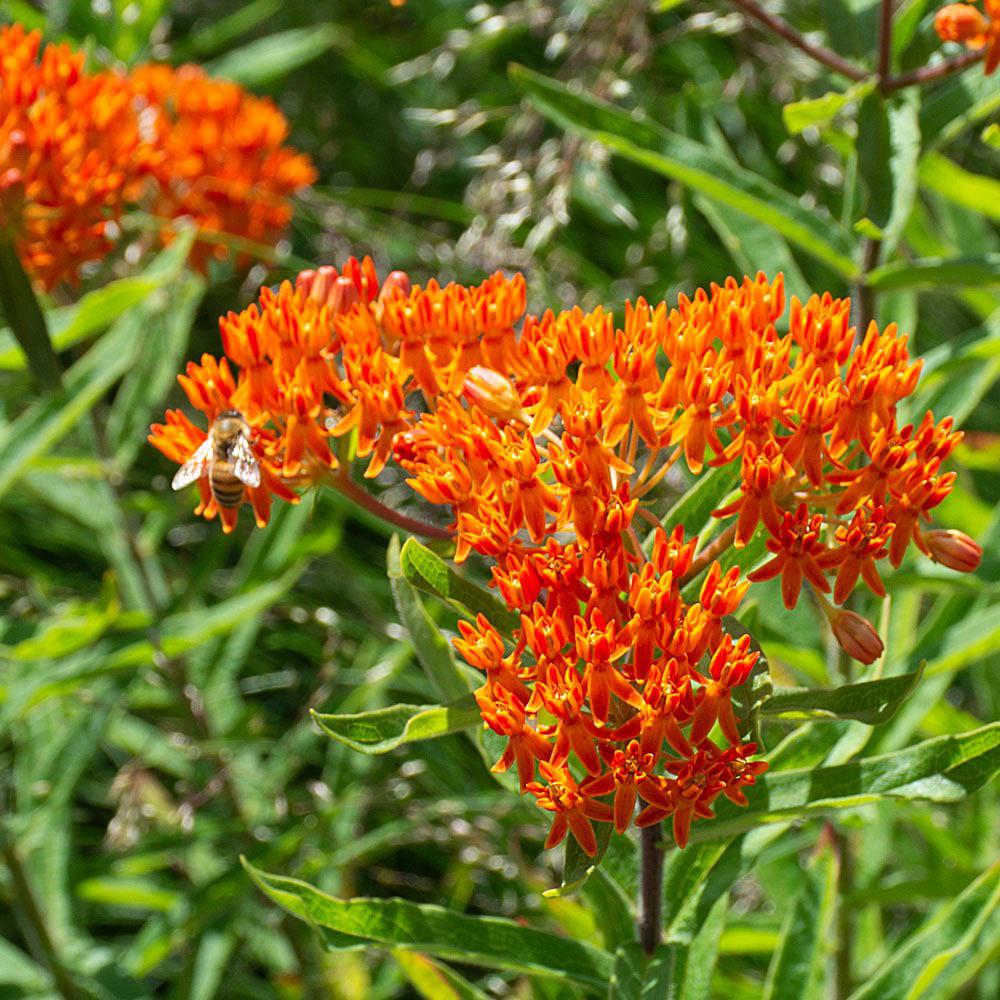
Common milkweed grows in USDA zones 3 through 9. Pink flower clusters bloom all summer and absolutely drip with nectar. Swamp milkweed is another top choice if your soil stays moist.
- Plant type: Perennial
- Zones: 3-9
- Exposure: Full sun
- Height/Spread: 2 to 4 feet tall, 1 to 3 feet wide
- Bloom time: Summer
Also read: 15 Best Deer-Resistant Perennials for Full Sun
2. Bee Balm (Monarda)
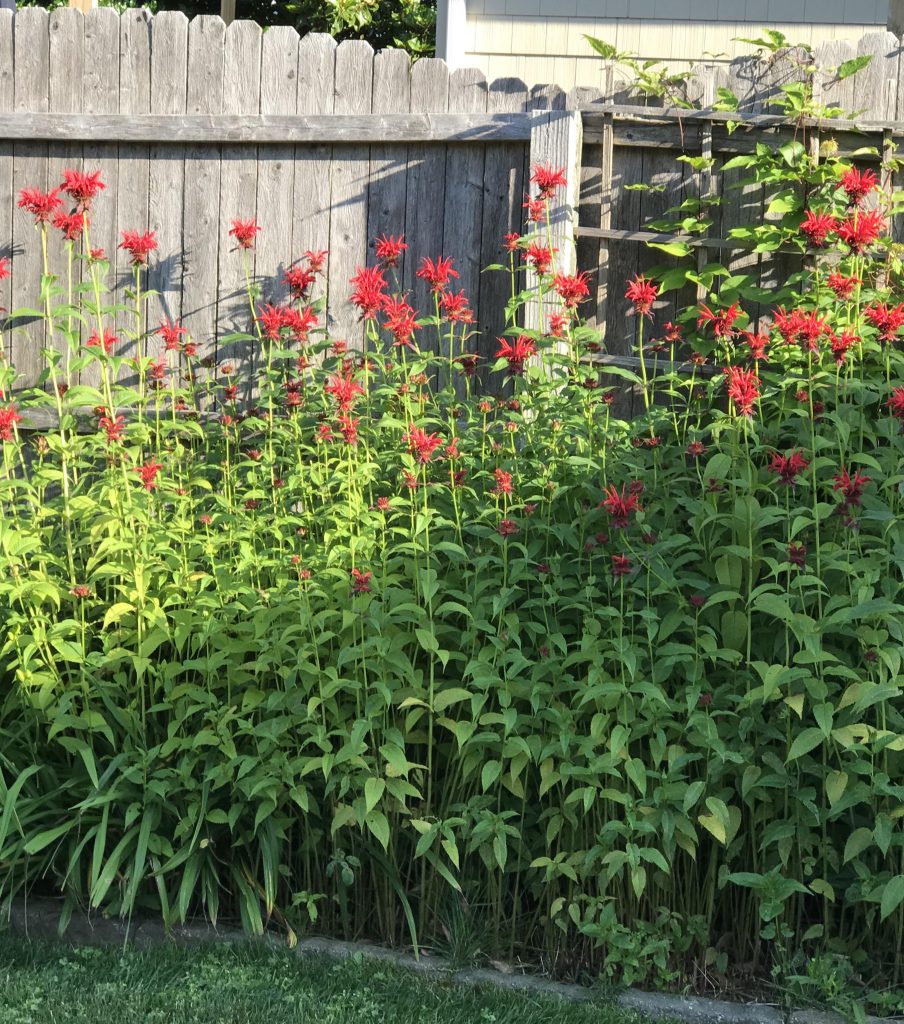
Bee balm is a native mint-family perennial, and deer genuinely hate the smell of it. That strong fragrance is exactly what draws in hummingbirds, bees, and over 10 species of native butterflies and moths, including the rare Dufourea monardae sweat bee.
Planting it near a seating area means you get front-row seats to all that pollinator action.
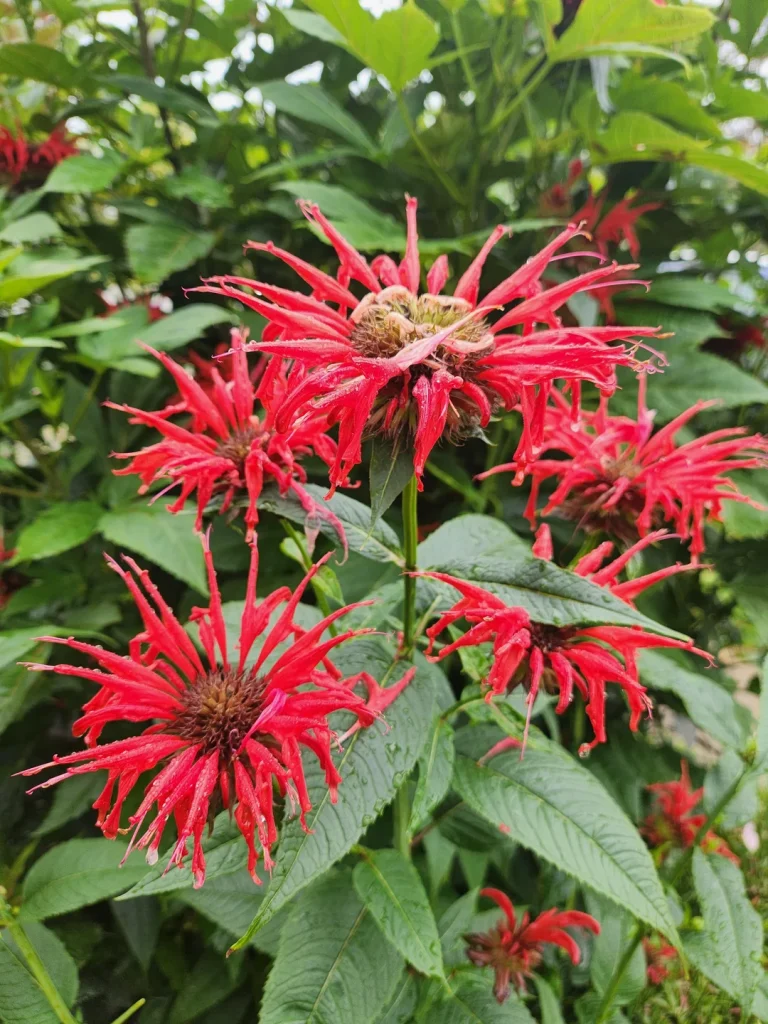
Flowers arrive in summer and fall in shades of red, pink, and purple. Smaller varieties grow well in containers if space is tight.
One thing to watch — bee balm spreads enthusiastically, so give it room or divide it regularly.
- Plant type: Perennial
- Zones: 4-9
- Exposure: Full sun to part shade
- Height/Spread: 2 to 4 feet tall, 2 to 3 feet wide
- Bloom time: Summer to fall
Also read: 12 Deer-Resistant Annuals That Thrive in the Shade
3. Columbine (Aquilegia)
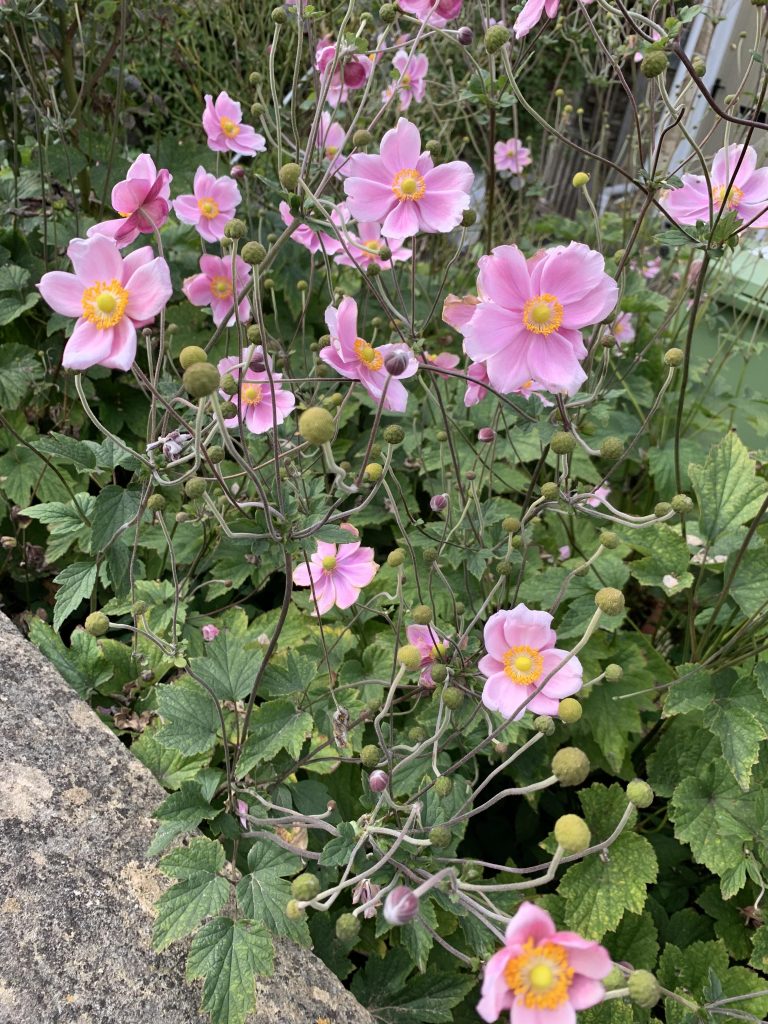
Few spring-blooming plants are as charming as columbine. Bumblebees and ruby-throated hummingbirds are especially drawn to its uniquely shaped, spurred flowers.
Deer tend to avoid it because it contains compounds that are mildly toxic to them.
Native North American species work best for attracting local pollinators. Columbine thrives in zones 3 through 8 in full or partial sun with well-drained soil. Spring color arrives reliably every year with very little effort on your part.
- Plant type: Perennial
- Zones: 3-8
- Exposure: Full sun to part shade
- Height/Spread: 1 to 3 feet tall, 1 to 2 feet wide
- Bloom time: Spring
Read more: 15 Deer Repellent Flower Plants That Actually Work
4. Yarrow (Achillea millefolium)
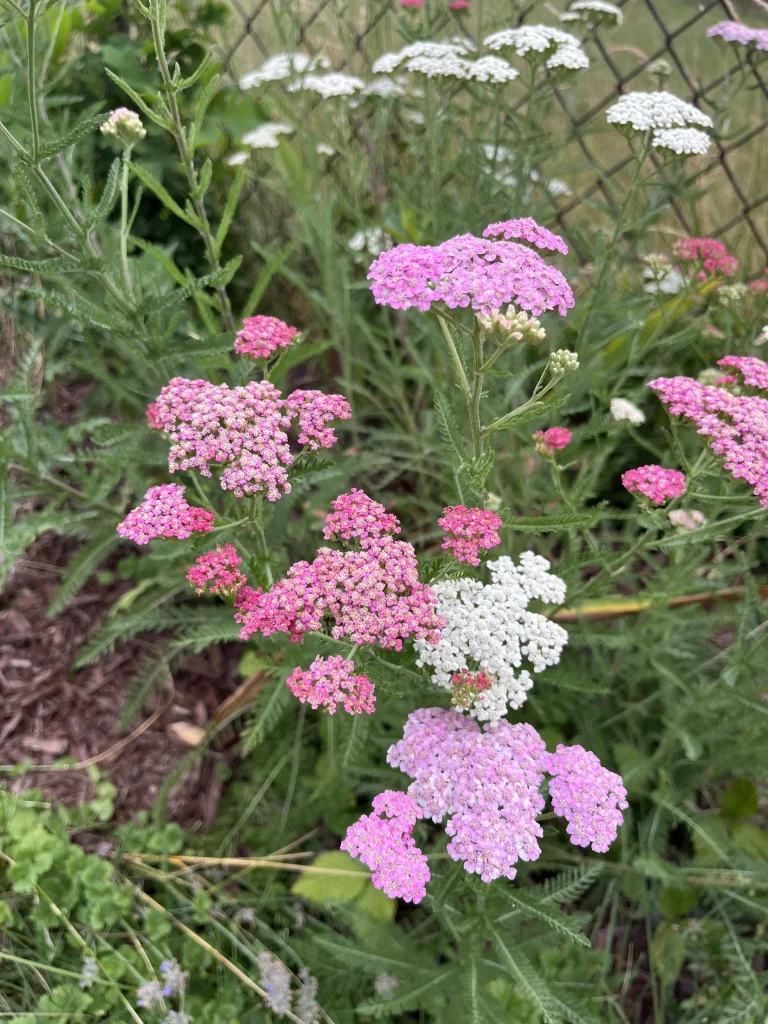
Yarrow is one of those plants that pulls its weight in every possible way. Bees swarm it for nectar and pollen, while Painted Lady butterfly caterpillars use it as a host plant to complete their life cycle.
Deer stay away because of its textured, feathery foliage and distinctly bitter taste.
Yarrow thrives in full sun and handles drought surprisingly well once established. Flat-topped flower clusters come in white, yellow, pink, and red.
Few perennials are this low-maintenance and this generous with pollinators at the same time.
- Plant type: Perennial
- Zones: 3-9
- Exposure: Full sun
- Height/Spread: 1 to 3 feet tall, 1 to 2 feet wide
- Bloom time: Summer to fall
5. Black-Eyed Susan (Rudbeckia)
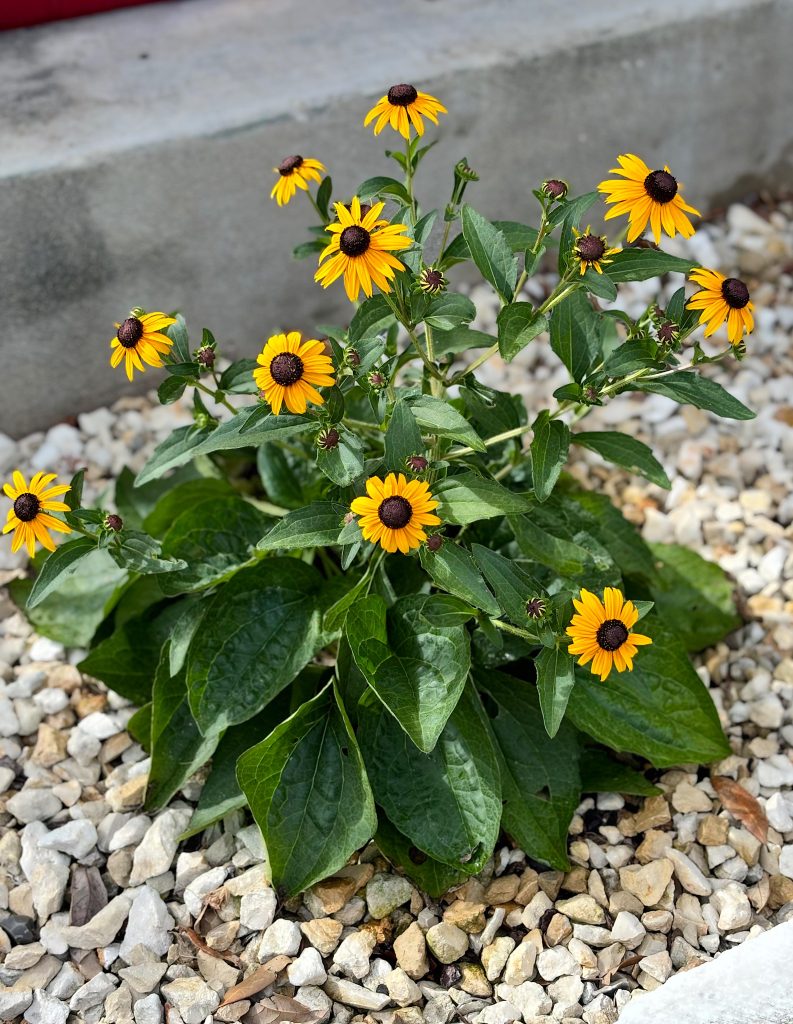
Black-eyed Susan is a cheerful wildflower that almost every butterfly gardener eventually falls in love with.
Bees, moths, and butterflies flock to its golden petals all summer long, and when those petals drop in autumn, the seed heads become a buffet for birds. Deer avoid it because of its rough, scratchy leaves and stems.
This native perennial self-seeds readily, so one plant can multiply into a whole colony over time. Grow it in full sun with well-drained soil across zones 3 through 9. Cottage gardens and meadow-style beds are where black-eyed Susan really shines.
- Plant type: Perennial
- Zones: 3-9
- Exposure: Full sun
- Height/Spread: 1 to 3 feet tall, 1 to 2 feet wide
- Bloom time: Summer to fall
6. Coneflower (Echinacea)
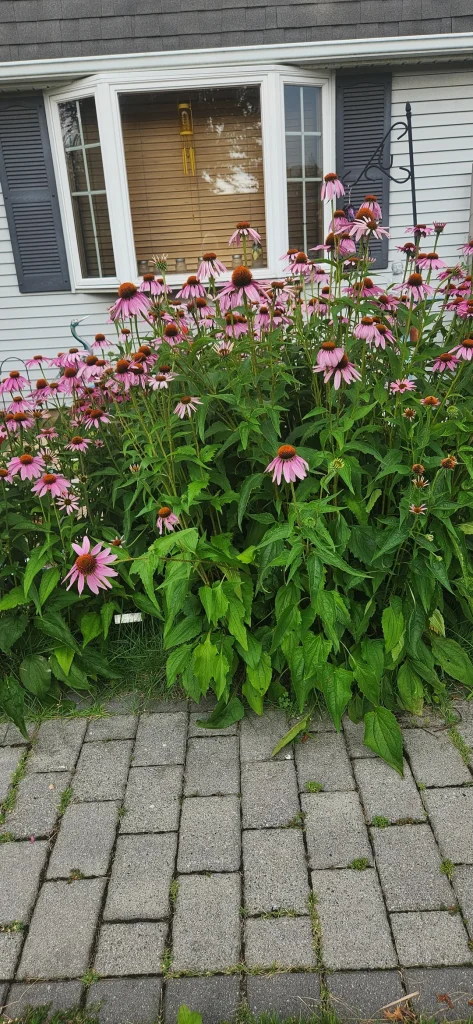
Tough, beautiful, and incredibly useful — coneflower earns its spot in any deer resistant butterfly garden. Heat, drought, deer, and even rabbits struggle to slow this resilient native perennial down.
Pollinators of all kinds feast on its nectar-rich blooms from midsummer right through early fall.
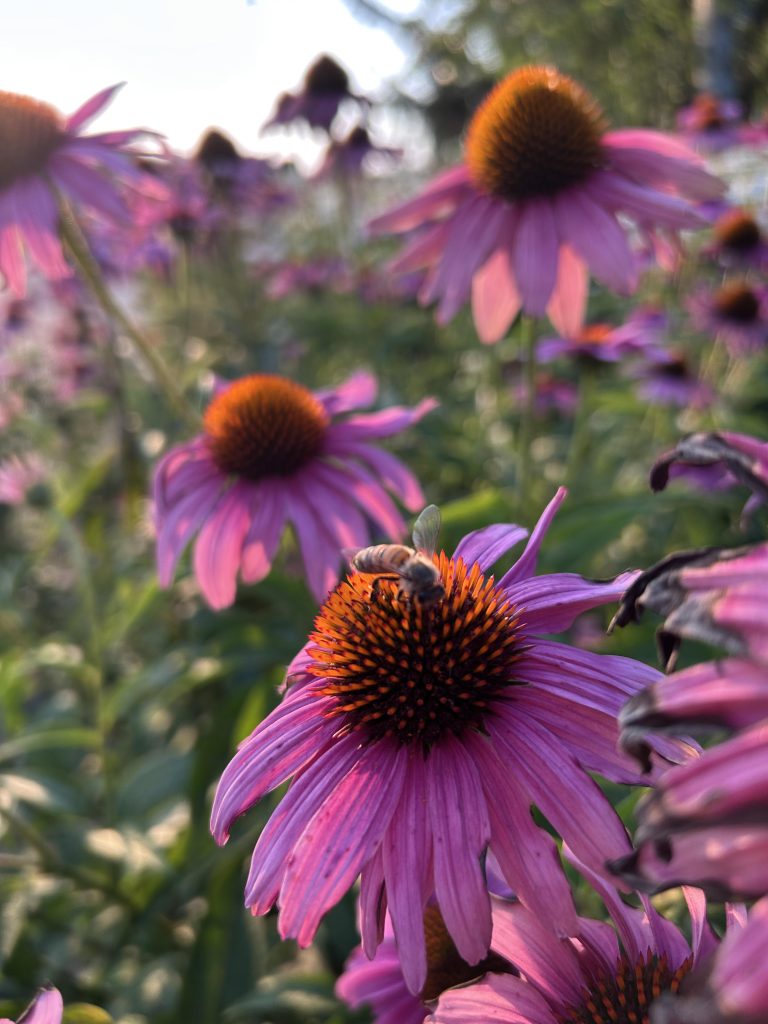
Vibrant pink, purple, and white flowers rise on strong stems that don’t need staking. Once the blooms fade, the spiky seed heads feed goldfinches and other birds through winter.
Coneflower grows in zones 3 through 9 and asks for very little beyond good drainage and a sunny spot.
- Plant type: Perennial
- Zones: 3-9
- Exposure: Full sun to part shade
- Height/Spread: 2 to 4 feet tall, 1 to 2 feet wide
- Bloom time: Summer to fall
7. Lupine (Lupinus)
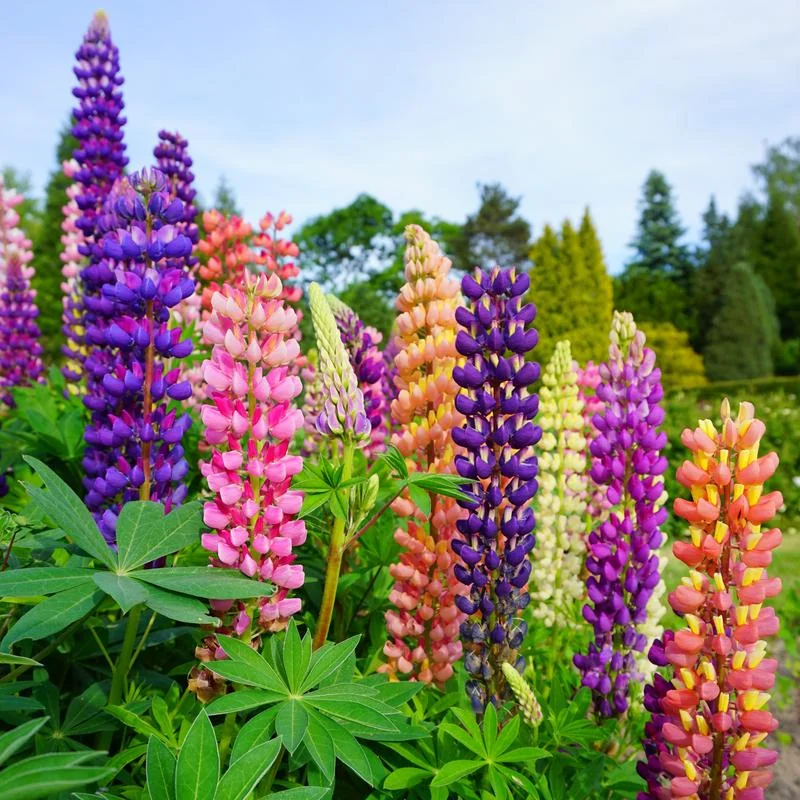
Lupine is one of those showstopper plants that makes everyone stop and stare.
Tall, elegant flower spikes shoot up in spring and summer in shades of blue, purple, pink, red, white, and yellow, attracting bees and butterflies in impressive numbers.
Being a legume, lupine also does your soil a favor by fixing nitrogen naturally.
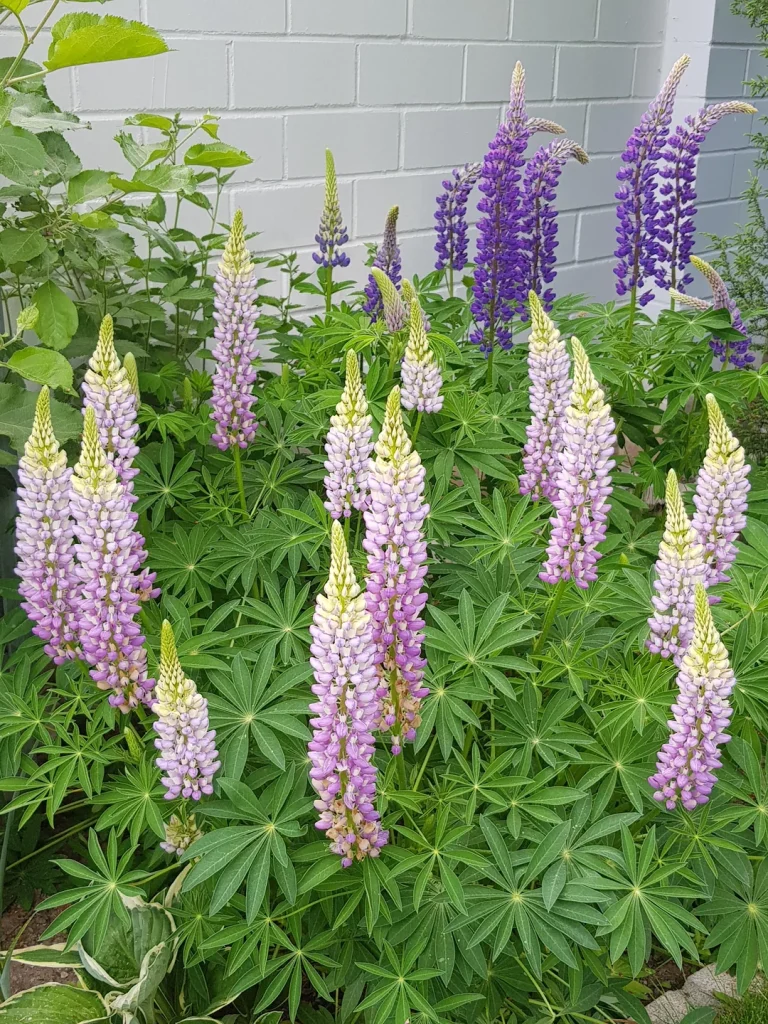
Grow lupine in full sun across zones 4 through 8 with well-drained soil. One important heads-up — lupine is toxic to humans, pets, and livestock, so plant it thoughtfully if you have kids or animals around.
Deer avoid it for exactly that reason, which makes it a natural fit for a deer resistant garden.
- Plant type: Perennial
- Zones: 4-8
- Exposure: Full sun
- Height/Spread: 1 to 4 feet tall, 1 to 1.5 feet wide
- Bloom time: Spring to summer
8. Butterfly Bush (Buddleia)
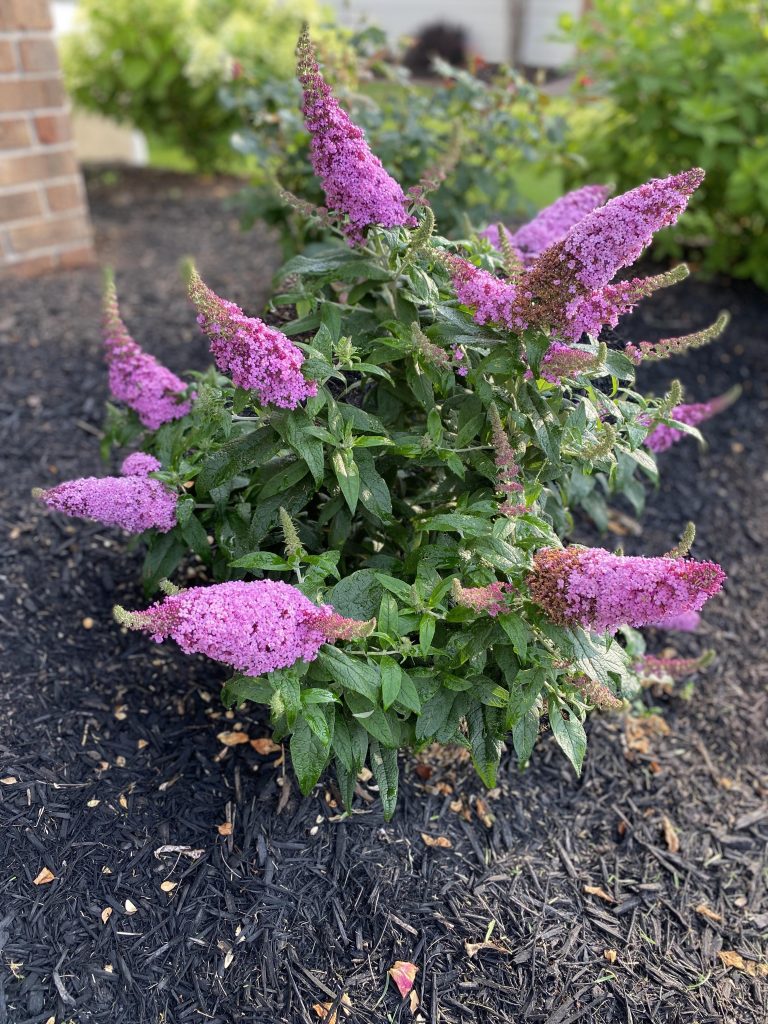
Butterfly bush lives up to its name in the most spectacular way. Vibrant flower spikes covered in a sweet, honey-like fragrance bloom continuously from summer all the way through the first frost without any deadheading required.
Monarch butterflies, swallowtails, and dozens of other species simply cannot resist it.
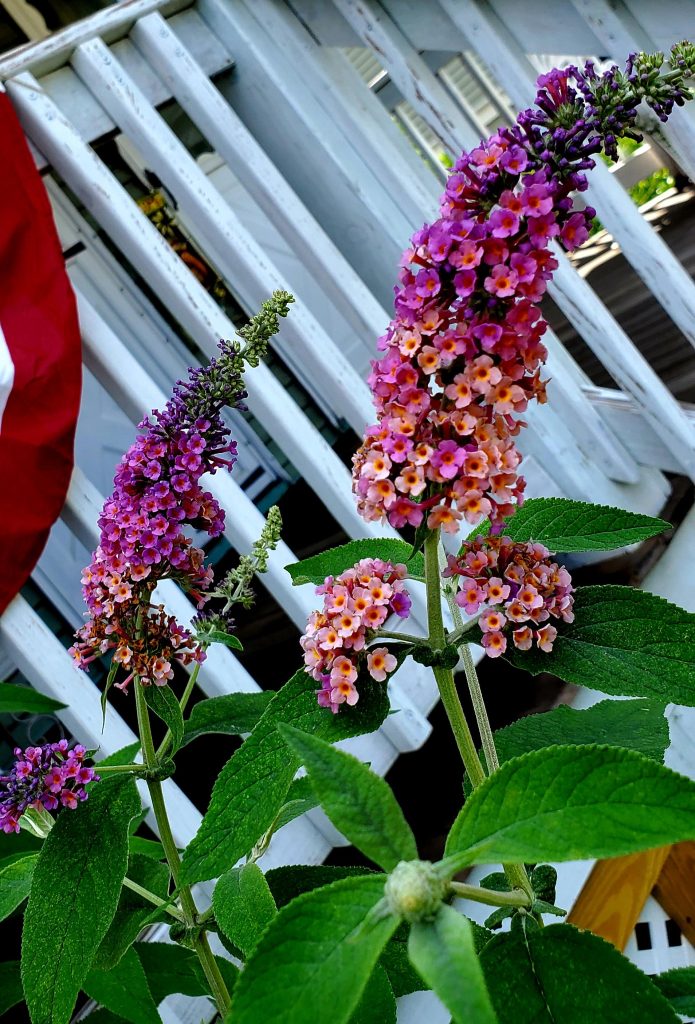
Deer tend to avoid butterfly bush thanks to its strong fragrance and slightly bitter foliage.
This easy-care shrub works beautifully as a focal point or mixed into a pollinator border. Once established, it handles heat and dry spells with ease.
- Plant type: Shrub
- Zones: 5-9
- Exposure: Full sun
- Height/Spread: 4 to 10 feet tall, 4 to 10 feet wide
- Bloom time: Summer to fall
9. Hummingbird Mint (Agastache)
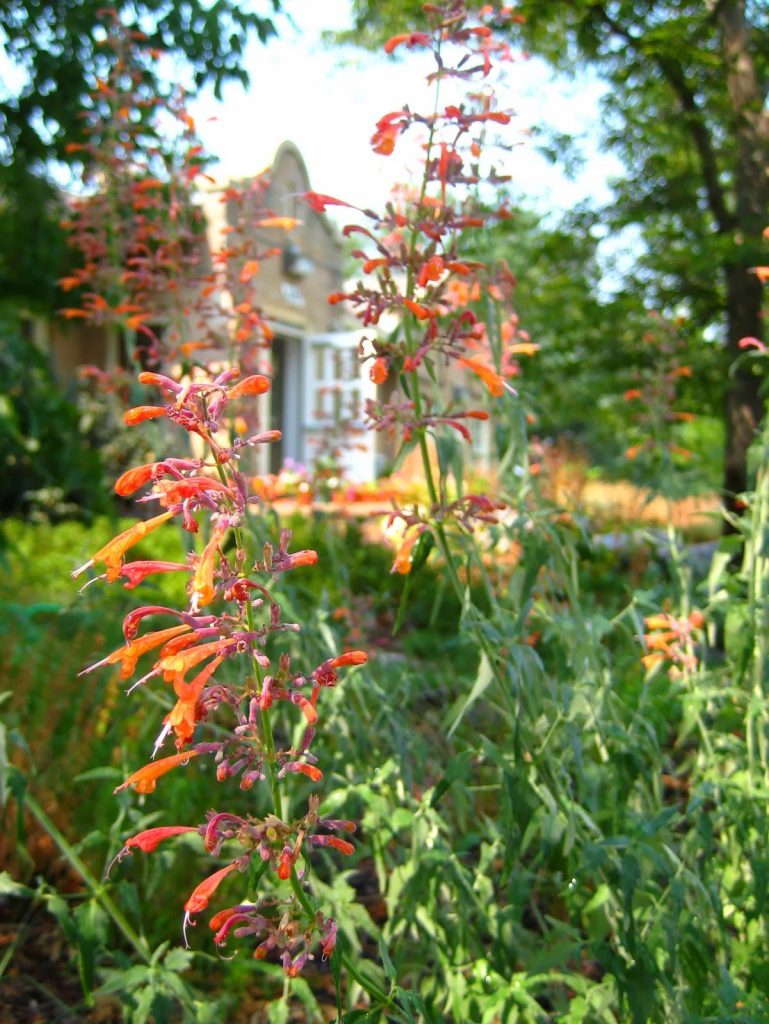
Hummingbird mint might be the most underrated plant on this entire list. Tall spikes of vibrant tubular flowers erupt above aromatic silvery-green foliage from summer through fall, pulling in hummingbirds, bumblebees, and butterflies by the dozens.
Deer find the intensely fragrant foliage completely unpalatable, so they leave it alone entirely.
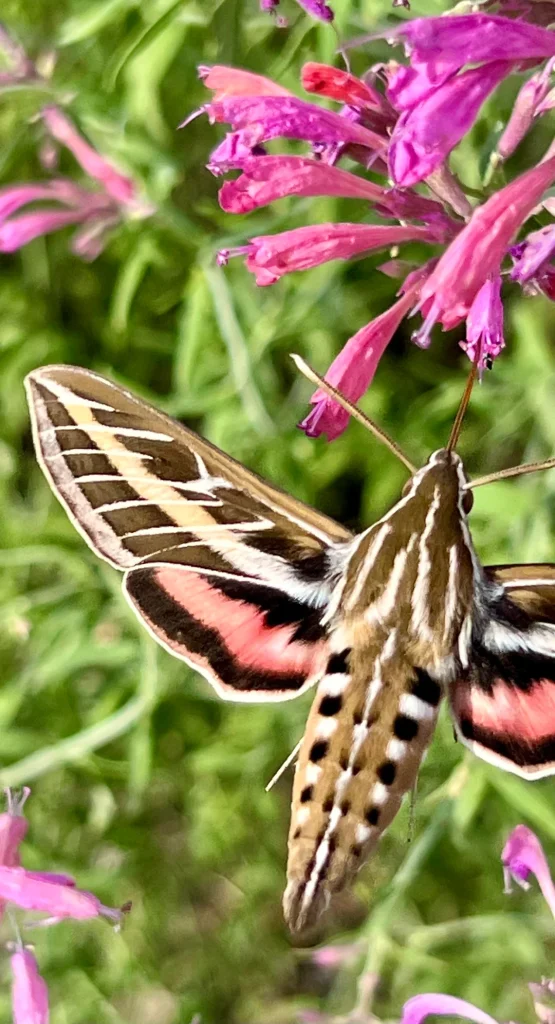
This native perennial handles heat and drought better than most. Agastache pairs beautifully with coneflower and black-eyed Susan in a sunny pollinator bed. Few plants give you this much color and wildlife activity for this little effort.
- Plant type: Perennial
- Zones: 5-9
- Exposure: Full sun
- Height/Spread: 2 to 4 feet tall, 1 to 2 feet wide
- Bloom time: Summer to fall
10. Honeysuckle (Lonicera)
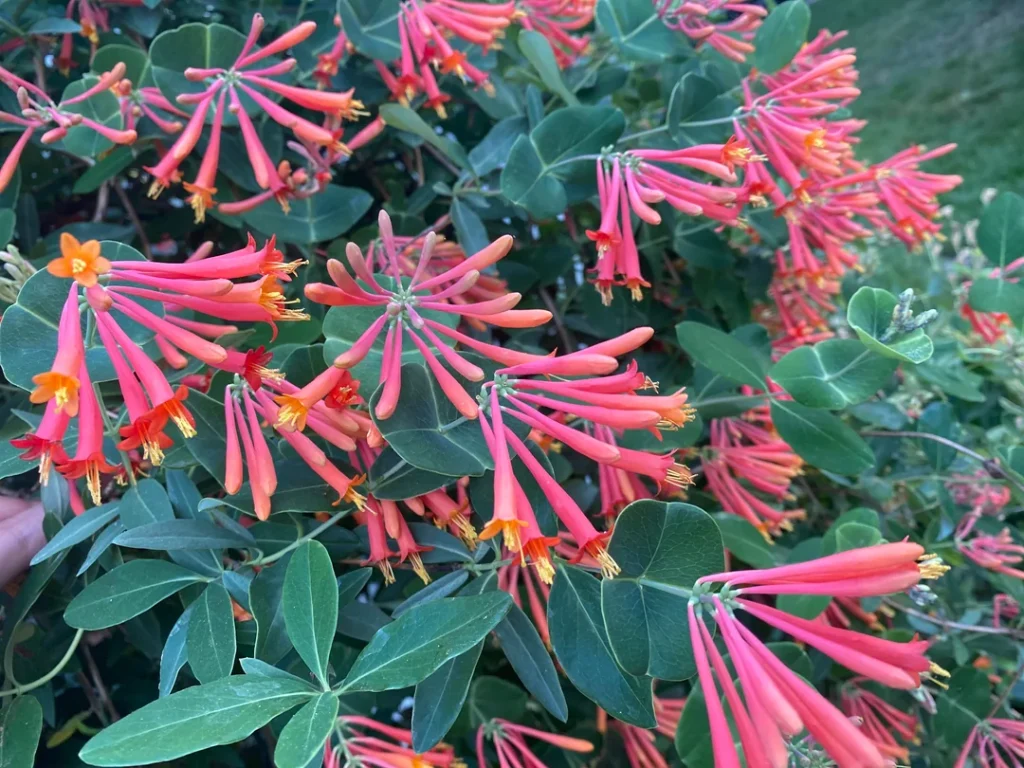
Honeysuckle is the climbing vine that pollinators absolutely go crazy for. Long, trumpet-shaped flowers produce an abundance of nectar that hummingbirds, bees, and butterflies depend on throughout the season.
Its powerful, sweet fragrance is exactly what keeps deer and other unwanted pests at a safe distance.
Train it up a trellis, fence, arbor, or pergola for a gorgeous vertical display. Native varieties like trumpet honeysuckle are the best choice for supporting local wildlife. This vine fills space quickly and rewards you with blooms that last for months.
- Plant type: Vine
- Zones: 4-9
- Exposure: Full sun to part shade
- Height/Spread: 10 to 20 feet tall, 3 to 6 feet wide
- Bloom time: Spring to summer
11. Buttonbush (Cephalanthus)
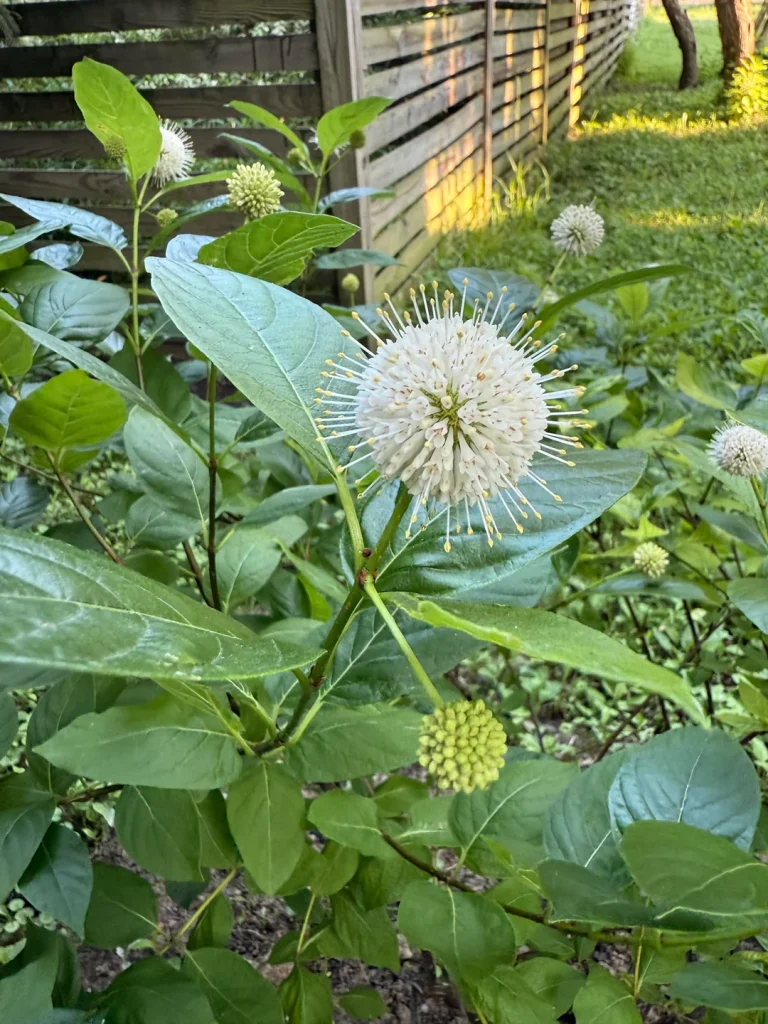
Few shrubs are as distinctive as buttonbush, with its perfectly spherical white blooms that look almost otherworldly in a garden setting.
Native bumblebees and Painted Lady butterflies absolutely love the sweet honey scent, while deer give it a hard pass because of the flower’s unusual texture. After blooming, bright red fruits take over and carry color right through the first frost.
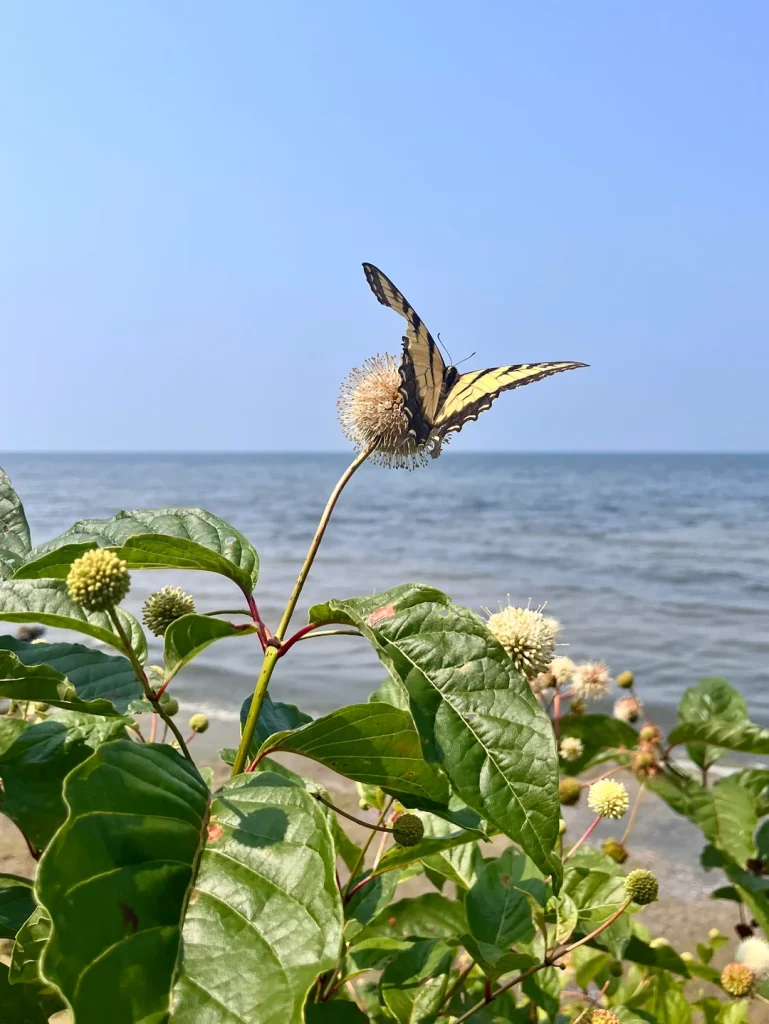
Buttonbush thrives in moist or even wet soil, making it a fantastic choice near rain gardens, ponds, or low-lying areas. Grow it in zones 5 through 9 in full sun to partial shade.
Plant it as a bold specimen or group several together as a dramatic backdrop to your pollinator garden.
- Plant type: Shrub
- Zones: 5-9
- Exposure: Full sun to part shade
- Height/Spread: 5 to 12 feet tall, 5 to 12 feet wide
- Bloom time: Summer
12. American Beautyberry (Callicarpa americana)
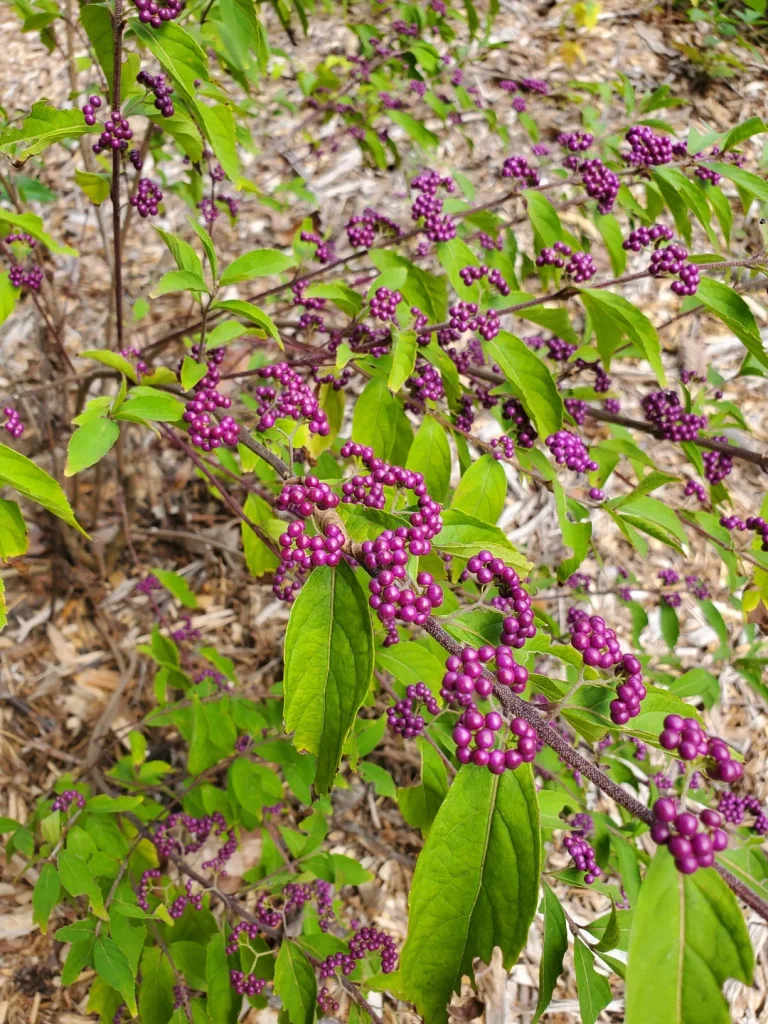
American beautyberry is one of those plants that stops people in their tracks every single fall. Small pink and lavender flowers bloom along the stems in spring and summer, attracting bees, butterflies, and hummingbirds throughout the season.
Then, almost overnight, clusters of the most vivid, electric purple berries you’ve ever seen take over and steal the show.
Deer tend to leave beautyberry alone, making it a reliable choice for gardens in high-traffic deer areas.
Grow it in zones 6 through 10 in full sun to partial shade with well-drained, acidic or neutral soil. Few native shrubs deliver this much visual drama across so many seasons.
- Plant type: Shrub
- Zones: 6-10
- Exposure: Full sun to part shade
- Height/Spread: 3 to 8 feet tall, 3 to 8 feet wide
- Bloom time: Spring to summer
13. Foxglove (Digitalis)
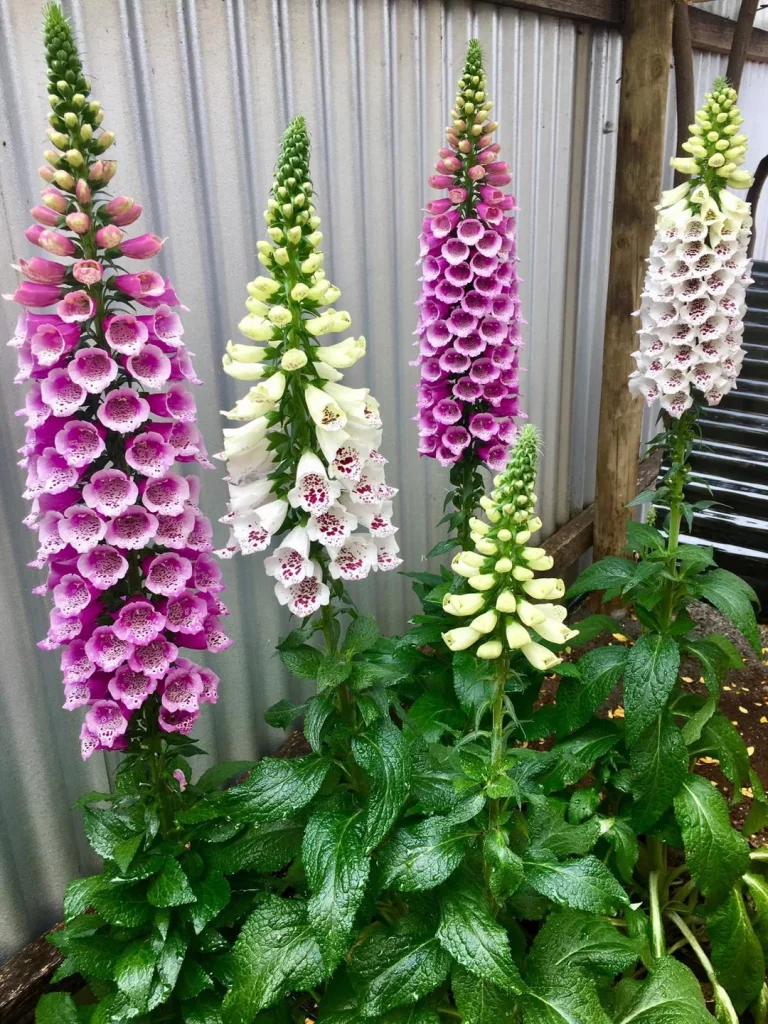
Foxglove brings a classic cottage garden look while quietly doing serious work for pollinators. Bell-shaped florets arranged along tall, graceful spikes are perfectly designed for bumblebees to crawl inside and collect nectar.
Deer avoid it completely because the entire plant contains toxic compounds called cardiac glycosides.
Cottage gardeners and cut-flower lovers have adored foxglove for generations, and for good reason. Spikes can reach impressive heights, creating stunning vertical interest at the back of a border.
Grow it in zones 4 through 9 in full sun to partial shade with moist, well-drained soil.
- Plant type: Perennial/Biennial
- Zones: 4-9
- Exposure: Full sun to part shade
- Height/Spread: 2 to 5 feet tall, 1 to 2 feet wide
- Bloom time: Spring to summer
Build Your Deer Resistant Butterfly Garden Today
Putting together a deer resistant butterfly garden doesn’t have to feel overwhelming. Start with two or three plants from this list and build from there as you get comfortable.
Mixing perennials like coneflower and bee balm with shrubs like butterfly bush and beautyberry gives you year-round interest and a steady stream of pollinators.