15 Deer Repellent Flower Plants That Actually Work

Deer are beautiful, until they eat your entire flower bed overnight. I’ve watched gorgeous blooms disappear by morning, and it’s genuinely heartbreaking.
The good news? Certain flowers naturally send deer running before they even take a bite. These plants use strong scents, bitter tastes, or rough textures to tell deer this garden isn’t worth their time.
Pick the right ones and you protect your beds without ugly fencing or expensive sprays.
Why Some Flowers Repel Deer Naturally
Deer aren’t random snackers. They evaluate every plant by smell, taste, and texture before committing to a meal.
Plants that smell too strong overwhelm their sensitive noses. Bitter or mildly toxic compounds teach deer to avoid a plant after just one nibble. Fuzzy, prickly, or leathery leaves feel unpleasant to chew, so deer simply move on.
Understanding this helps you choose smarter. Flowers that check two or three of these boxes give you the best protection. One well-placed plant can even discourage deer from entering that section of your garden altogether.
What “Deer Resistant” Really Means
No flower is completely deer-proof. Starving deer will sample almost anything when food is scarce — especially in harsh winters or dry summers.
Deer resistant means deer strongly prefer not to eat it under normal conditions. A test nibble here and there is normal and doesn’t mean your strategy failed.
What matters is whether deer keep coming back — and with the right flowers, they usually don’t.
15 Best Deer-Resistant Flowers for Your Garden
1. Lavender
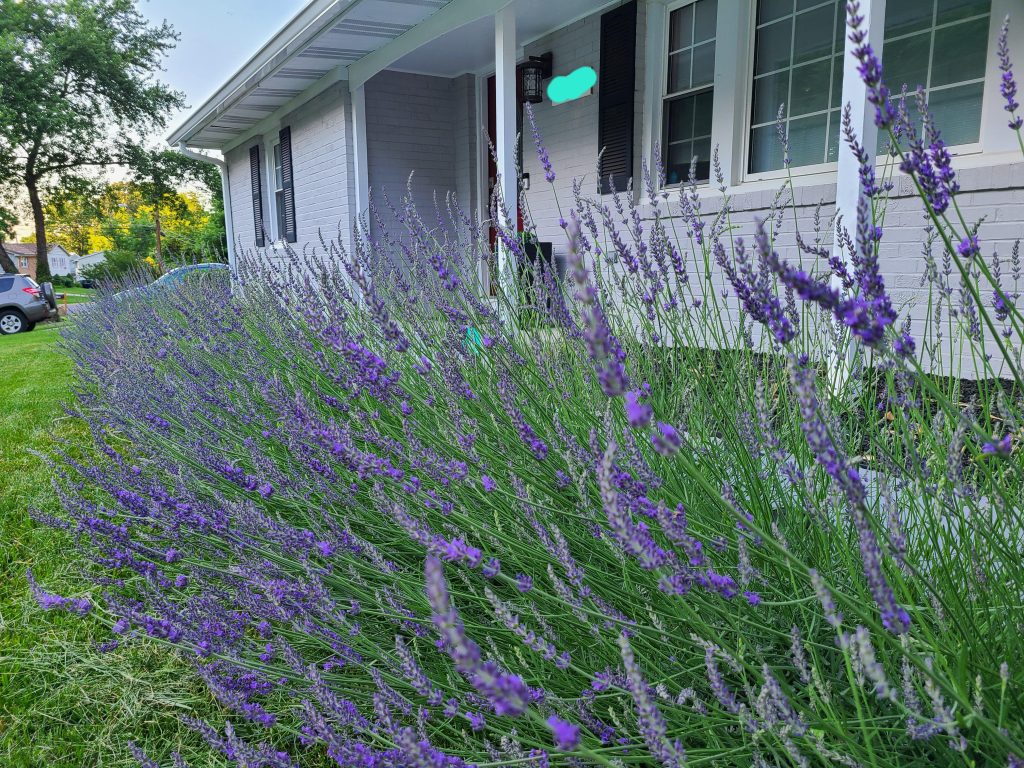
There’s a reason lavender is the first plant I recommend to anyone dealing with deer problems. I’ve got a row of it along my front border, and in three years, I’ve never once found a nibbled stem.
To us, that fragrance is calming. To a deer’s incredibly sensitive nose, it’s overwhelming and they learn to steer clear of the whole area, not just the plant itself.
Why Deer Leave It Alone: Deer navigate the world through scent, and lavender’s essential oils scramble that completely.
Plant a hedge of it along the edge of your yard and it works like a fragrant tripwire. Deer smell it long before they reach anything tastier behind it.
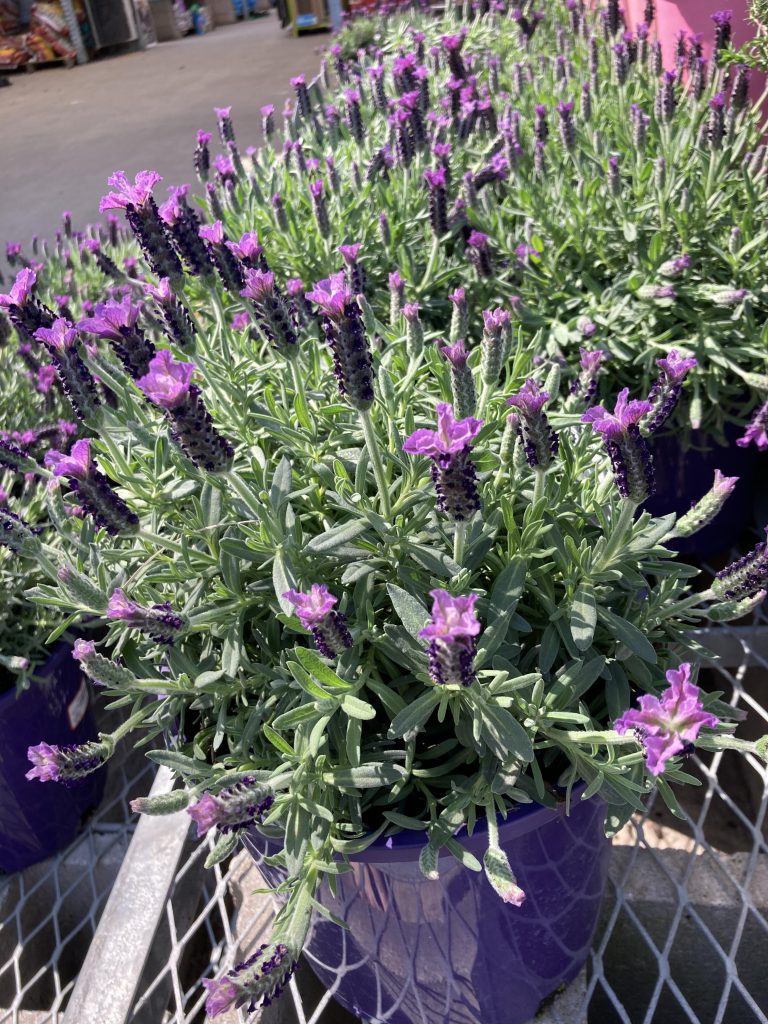
My Favorite Varieties: For tidy, compact borders, I always reach for ‘Hidcote’ or ‘Munstead’. Both stay neat without sprawling, which makes them easy to work into a formal edge.
Growing Guide:
- Best time to plant: Early spring, once the soil has warmed up and the risk of hard frost has passed.
- Sunlight needs: Full sun, no exceptions. Lavender that doesn’t get enough light gets leggy and stops smelling strong enough to do its job.
- Soil and drainage: This is the one thing lavender is fussy about — it needs sharp, well-drained soil. Heavy clay is a death sentence for the roots.
- Watering: Once established, barely water it at all. Overwatering is the number one way people kill lavender, not underwatering.
- Common Problems: Root rot from soggy soil is the biggest risk. If your yard holds water, plant lavender in a raised bed or slightly mounded row instead.
2. Russian Sage
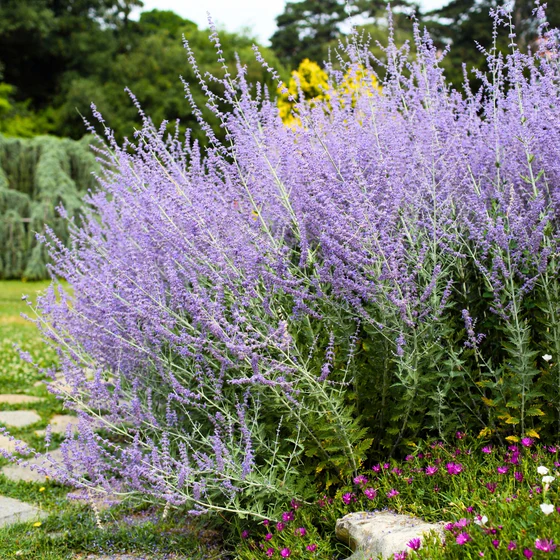
I’ll be honest, Russian sage was a plant I almost skipped over for years because I didn’t think much of the name. Big mistake. Once mine got established, it became one of the hardest-working plants in my whole yard.
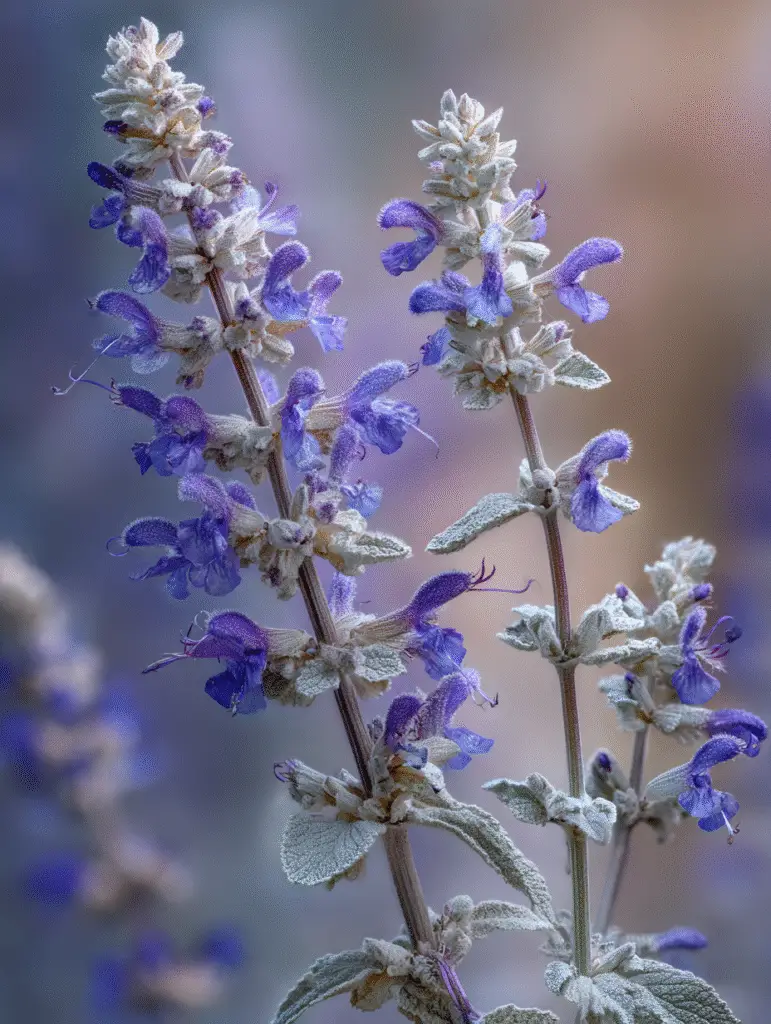
Why Deer Leave It Alone: Brush against the stems and you’ll catch that sharp, almost sage-like scent immediately. Deer catch it too, and it’s enough to send them looking elsewhere for dinner.
Why It Earns Its Spot: Most deer-resistant plants give you a few weeks of bloom and then go quiet.
Russian sage keeps producing its tiny violet-blue flowers from early summer clear through October, which is a rare combination of long bloom time and low fuss.
Growing Guide:
- Best time to plant: Spring, after your last frost date.
- Sunlight needs: Full sun. It genuinely thrives in the hottest, driest spot in your yard.
- Soil and drainage: Not picky at all — poor, rocky soil is actually fine. Good drainage matters more than fertility here.
- Watering: Drought-tolerant once established. I water mine maybe twice a summer.
- Common Problems: Getting floppy or sparse in the middle. The fix is simple.
3. Marigolds
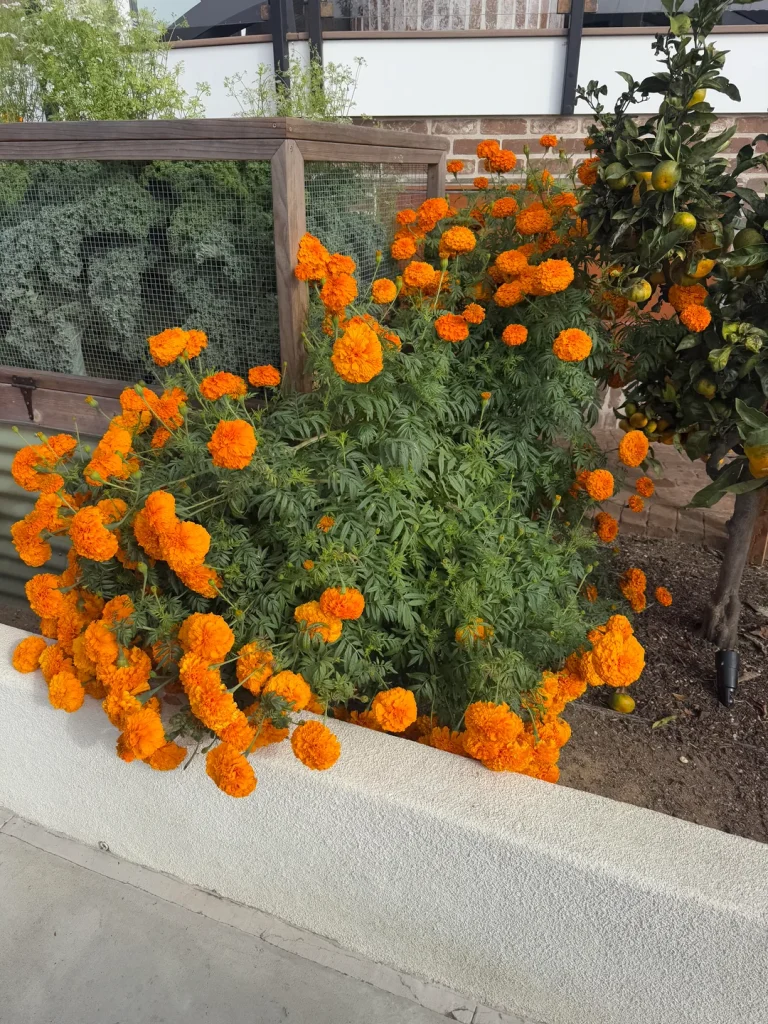
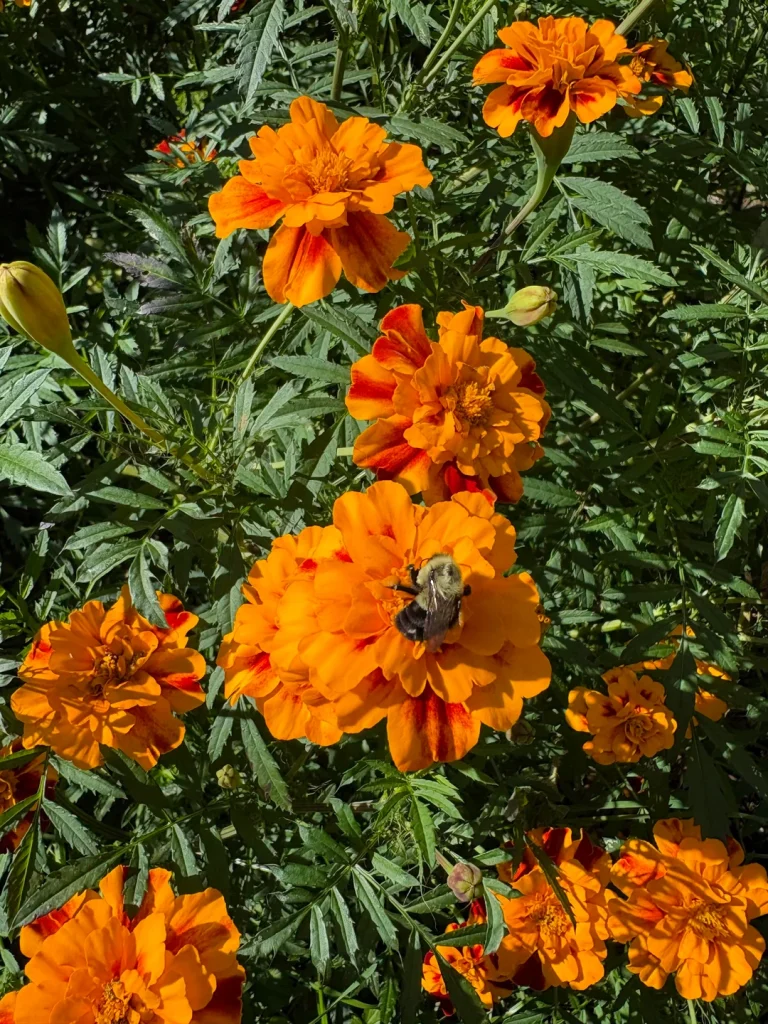
If you want the fastest, cheapest way to start building a deer-resistant garden, start with marigolds.
I grow mine from seed every single spring, and they’re one of the few plants in my yard I never worry about when I see deer tracks nearby.
Why Deer Leave It Alone: That sharp, almost sulphur-like scent that some people find off-putting is exactly what makes marigolds so effective. Deer smell it and move along without a second thought.
My Favorite Varieties: For a lighter, more pleasant fragrance in beds close to the house, I like Signet marigolds (Tagetes tenuifolia) — they’ve got a citrusy scent and produce masses of small, daisy-like blooms in gold and lemon yellow.
Growing Guide:
- Best time to plant: Direct sow after your last frost, or start seeds indoors 6-8 weeks earlier for a head start.
- Sunlight needs: Full sun. They’ll bloom in partial shade, but you’ll get noticeably fewer flowers.
- Soil and Containers: Marigolds aren’t picky about soil, and they’re one of the easiest annuals to grow in containers or window boxes.
- Watering: Water regularly while young, then ease off — they handle heat and dry spells well once established.
- Common Problems: Leggy growth from too much shade, or fewer blooms if you skip deadheading.
4. Snapdragon
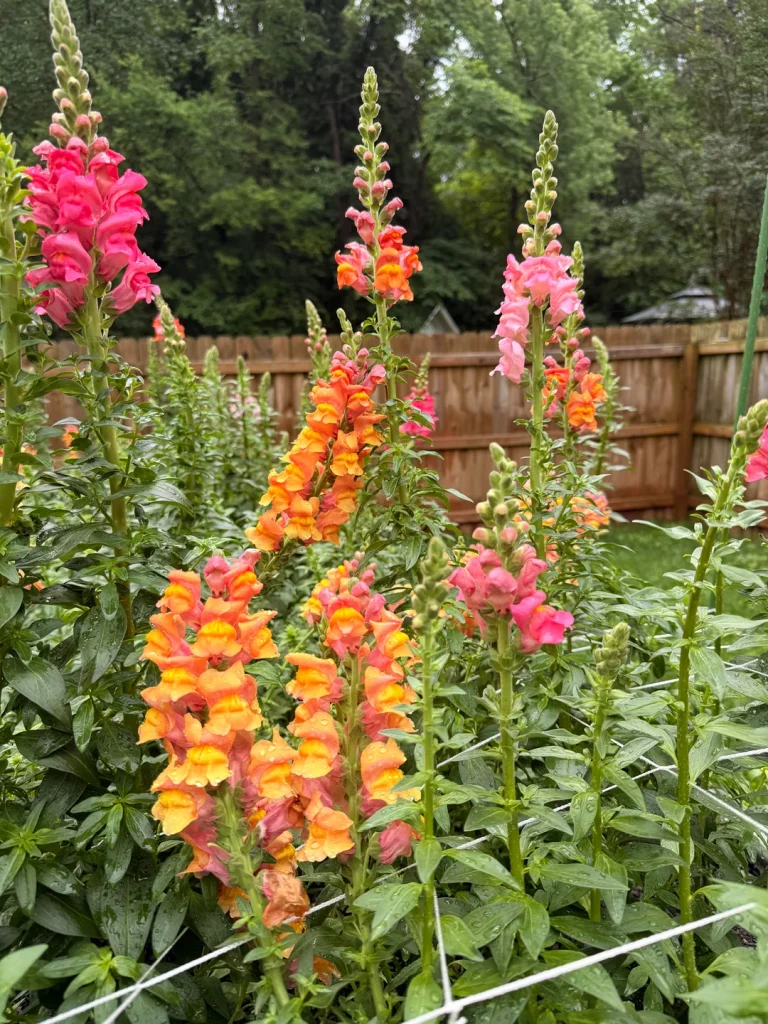
Snapdragons were one of the first flowers that taught me deer aren’t just avoiding strong smells, texture and taste matter just as much. I grow a row of tall ones along my back fence for cutting, and deer walk right past them every year.
Why Deer Leave It Alone: The foliage is firm and slightly waxy, and the flowers themselves carry a faintly bitter taste. Deer go for soft, moisture-rich leaves, and snapdragons simply don’t offer that.
My Favorite Varieties: For cutting gardens, I always plant ‘Rocket’ — it grows up to 36 inches tall and holds up beautifully in a vase.
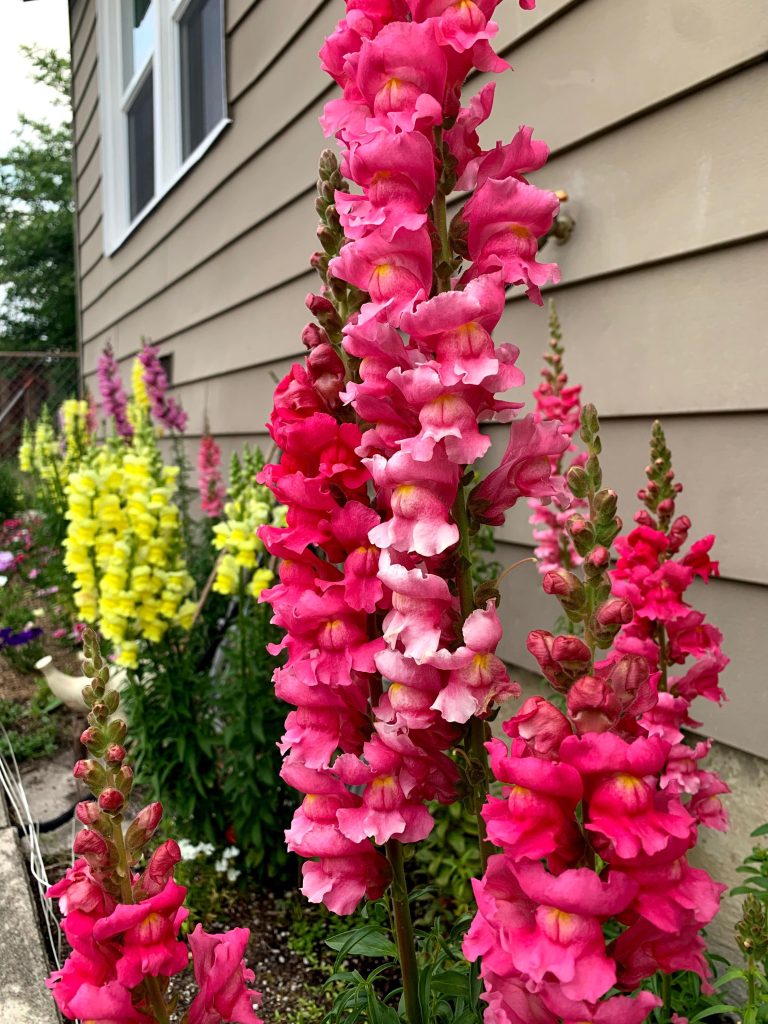
Taller varieties like ‘Rocket’ reach up to 36 inches and make excellent cut flowers. Full sun and regular deadheading keep them flowering at their best.
Growing Guide:
- Best time to plant: Snapdragons handle cool weather well, so I get mine in the ground in mid-spring, as soon as the soil is workable.
- Sunlight needs: Full sun for the strongest stems and best color.
- Soil and Containers: Rich, well-drained soil works best. They also do well in deep containers.
- Watering: Keep the soil evenly moist, especially while they’re getting established.
- Common Problems: Blooming can taper off in peak summer heat, but they usually rebound as temperatures cool in fall.
5. Foxglove
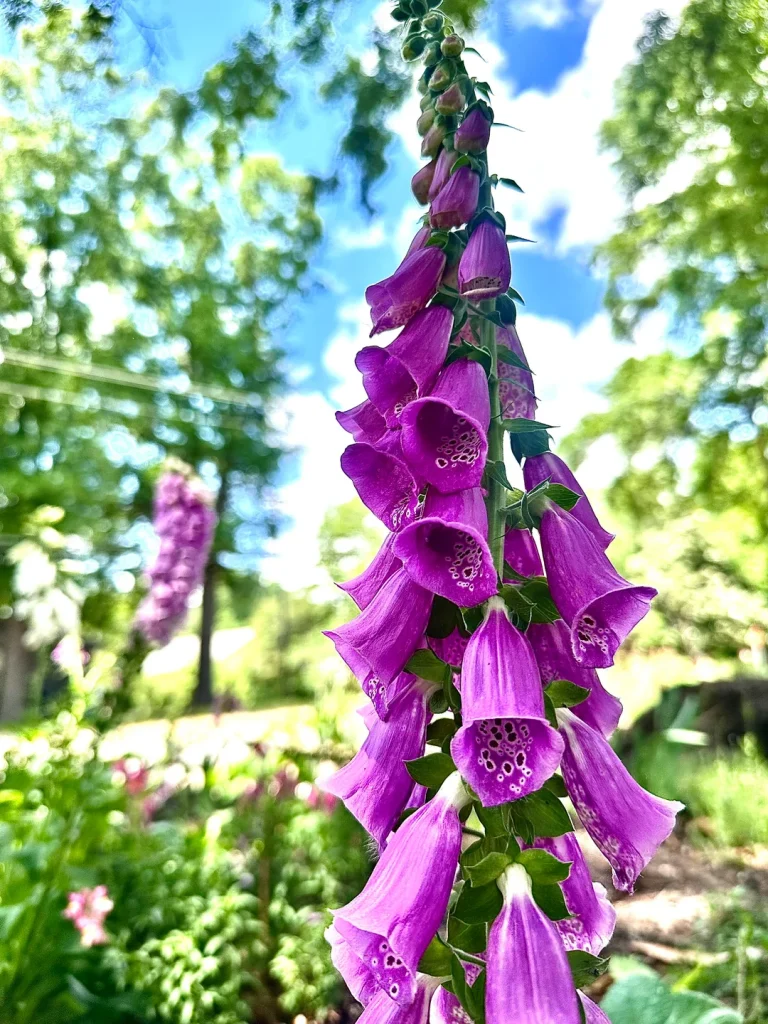
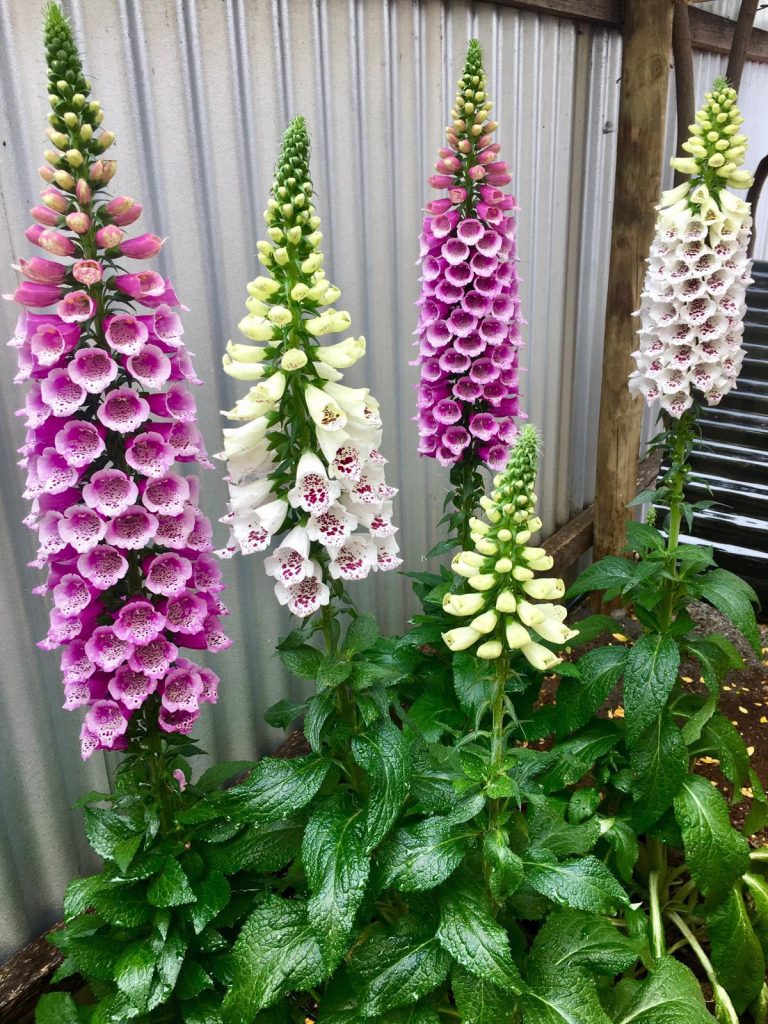
Foxglove is proof that some of the best deer-resistant plants are also the most dramatic. Mine tower along a shady side border, and honestly, they get more compliments than almost anything else I grow — deer simply won’t go near them.
Why Deer Leave It Alone: Every part of foxglove contains digitalin glycosides, naturally toxic compounds. Deer learn quickly, often the hard way, and after one bitter taste they avoid the plant entirely.
Why It’s Worth Growing: Those tall flower spikes can reach up to 5 feet, with spotted throats in shades from soft white and pale pink to rich purple. Few plants add this much vertical drama to a shady bed.
Growing Guide:
- Best time to plant: Start seeds or set out transplants in early spring or fall.
- Sunlight needs: Partial to full shade — this is exactly the plant for those tricky shady spots along a fence line or under trees where deer love to wander.
- Soil and Containers: Rich, well-drained soil with consistent moisture keeps foxglove happiest.
- Watering: Water regularly, especially during dry spells, but don’t let it sit in soggy soil.
- Common Problems: Foxglove is biennial or short-lived perennial for many gardeners, so it often blooms in its second year, then dies back after setting seed.
6. Bee Balm
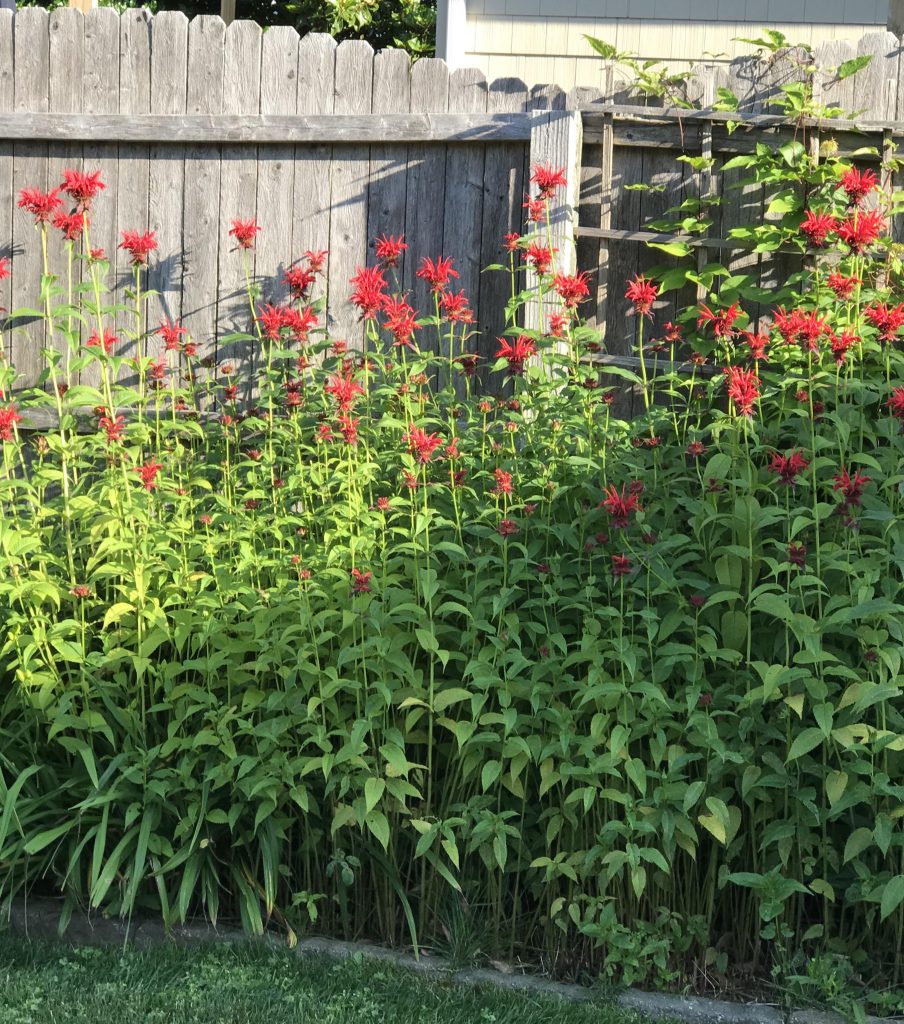
Bee balm is one of those plants I recommend to anyone who wants pollinators without the deer damage. Mine grows in a big drift near my kitchen window. I get to watch hummingbirds visit it all summer while deer walk straight past.
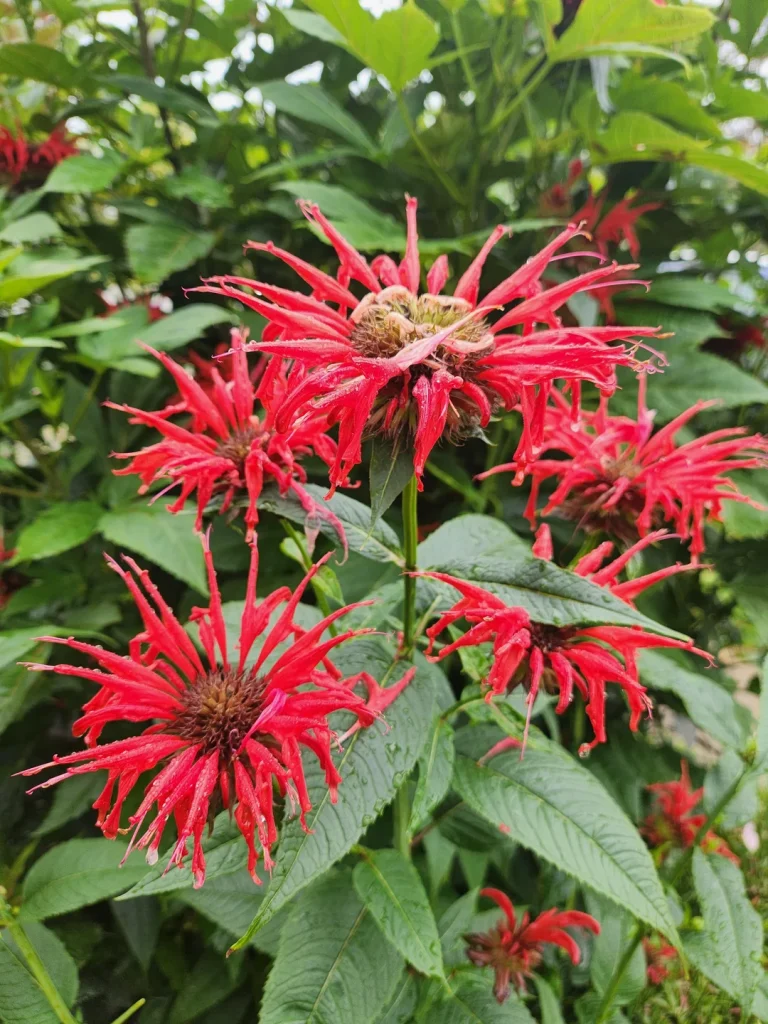
Why Deer Leave It Alone: One sniff of bee balm’s intensely pungent, minty-oregano scent is usually enough to send deer looking elsewhere. It’s the same quality that makes it such a magnet for hummingbirds and butterflies.
My Favorite Varieties: If your space is on the smaller side, look for ‘Pardon My Cerise’ — it’s compact, mildew-resistant, and doesn’t take over the bed the way some older Monarda varieties can.
Growing Guide:
- Best time to plant: Spring, once the danger of frost has passed.
- Sunlight needs: Full sun to partial shade, though full sun tends to give the strongest scent and best bloom.
- Soil and Containers: Rich, moist soil is ideal. Good air circulation matters too, since bee balm can be prone to mildew in cramped spots.
- Watering: Keep soil consistently moist, especially during summer heat.
- Common Problems: Powdery mildew on the foliage in humid weather. Spacing plants well apart helps a lot.
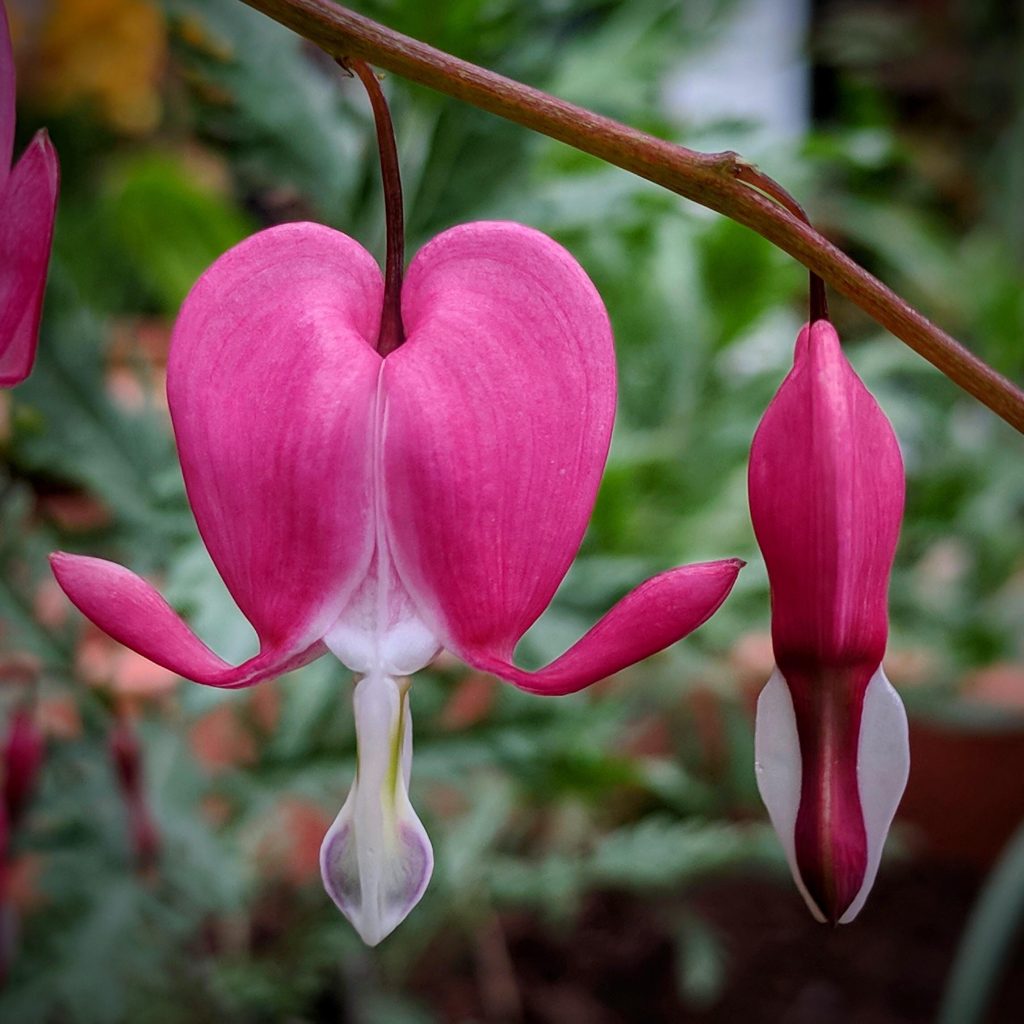
7. Bleeding Heart
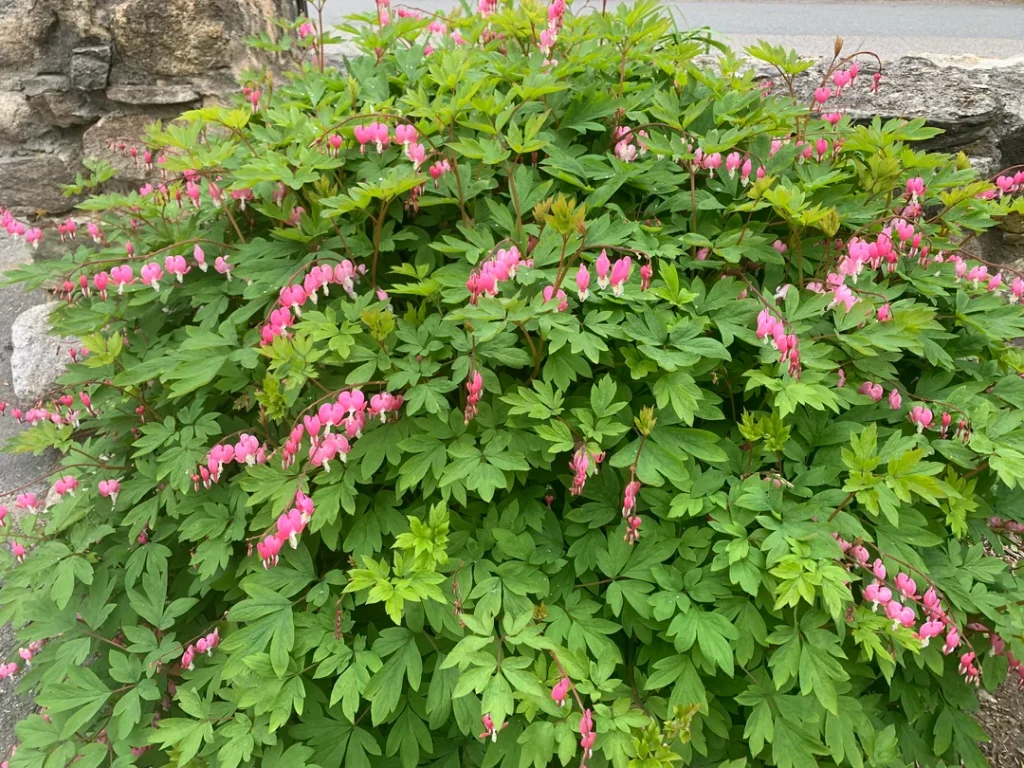
If you’ve got a shady, wooded corner where deer love to wander, bleeding heart might be the most graceful solution you’ll find.
I planted mine under an old maple years ago, and it’s never once been touched, even in years when deer pressure was rough.
Why Deer Leave It Alone: Bleeding heart contains naturally toxic alkaloids that make it thoroughly unappealing to deer. For gardeners dealing with heavy deer traffic in shady areas, that’s genuinely great news.
My Favorite Varieties: For the longest bloom window, plant fringed bleeding heart (Dicentra eximia).
Unlike the classic old-fashioned type, it doesn’t go dormant when summer heats up, so your border stays full and lush instead of leaving a gap.
Growing Guide:
- Best time to plant: Early spring or fall, while temperatures are mild.
- Sunlight needs: Partial to full shade, this plant genuinely prefers it.
- Soil and Containers: Rich, consistently moist soil brings out its best growth.
- Watering: Keep the soil evenly moist. It doesn’t tolerate long dry spells well.
- Common Problems: In too much sun, the foliage can scorch and look tired by midsummer.
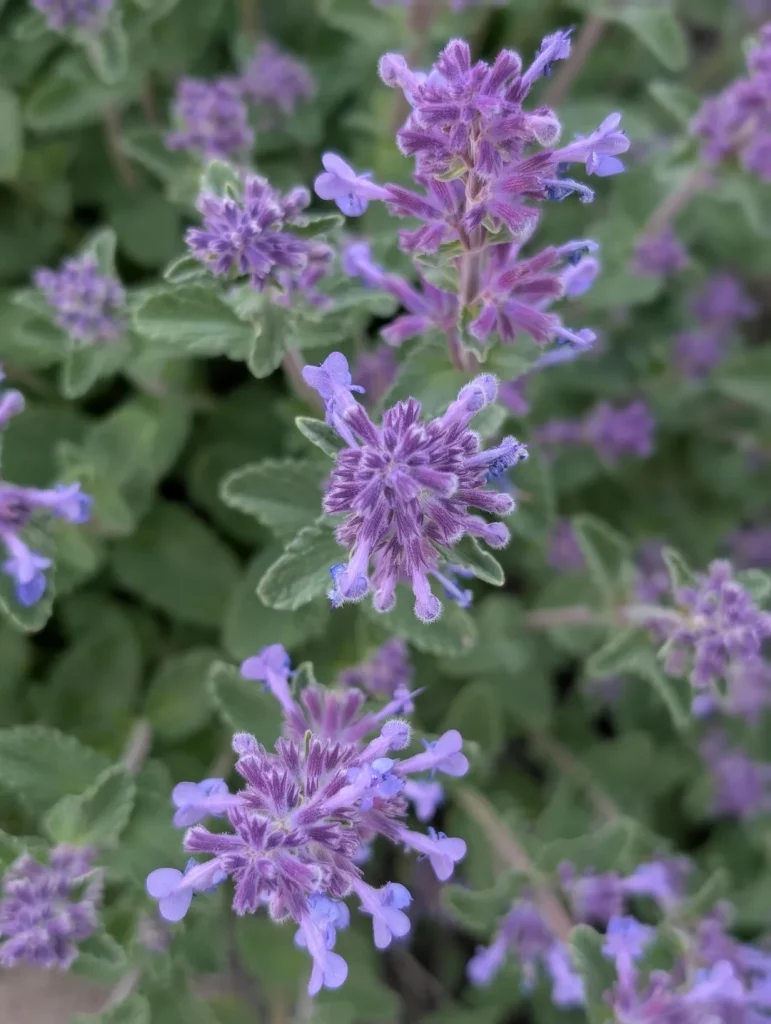
8. Catmint
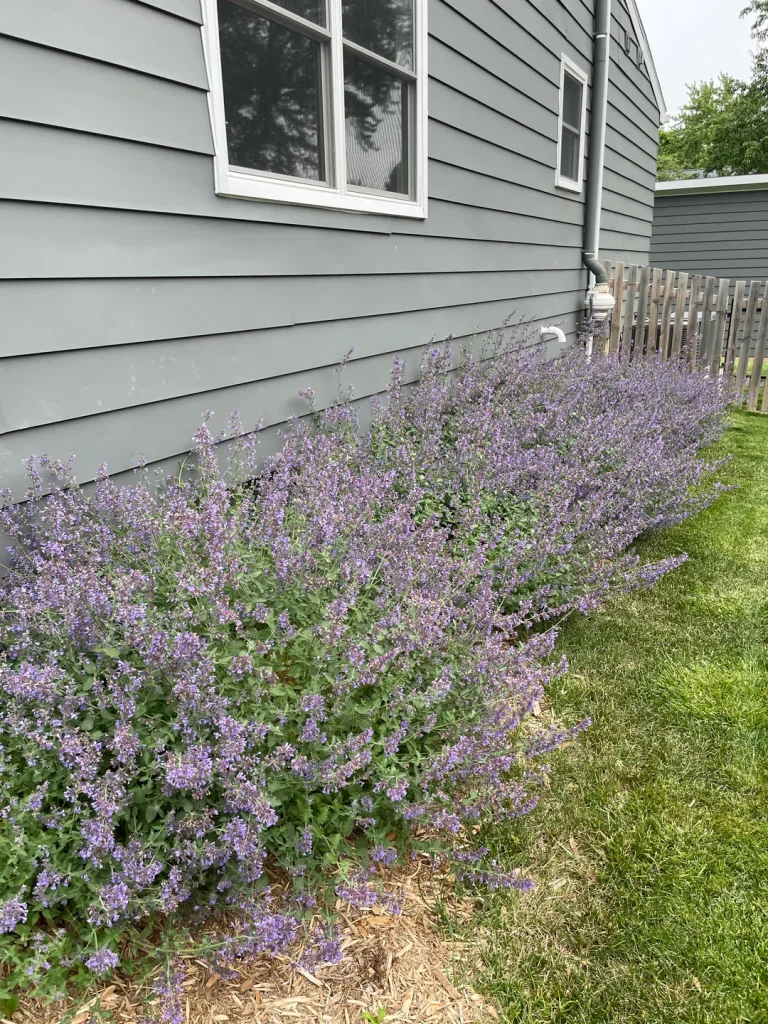
Catmint might be the closest thing to a set-it-and-forget-it plant in my whole garden. It spills gorgeously over the edge of my front path, blooms for months, and I’ve genuinely never seen deer so much as sniff it.
Why Deer Leave It Alone: The soft grey-green leaves carry a strong, minty-herbal scent that deer find deeply unpleasant. It’s the same family as catnip, just without the cat-attracting side effect on the deer end of things.
My Favorite Varieties: ‘Walker’s Low’ is the one I always recommend to beginners. It blooms heavily in late spring, and if you give it a trim after that first flush, it’ll bloom again in late summer.
Growing Guide:
- Best time to plant: Spring or early fall.
- Sunlight needs: Full sun brings out the strongest fragrance and heaviest bloom, though it tolerates partial shade too.
- Soil and Containers: Not picky — it actually performs better in average, well-drained soil than in rich, heavily amended beds.
- Watering: Drought-tolerant once established. I rarely water mine after the first season.
- Common Problems: Can get floppy mid-season, but a hard trim fixes that fast.
9. Blazing Star
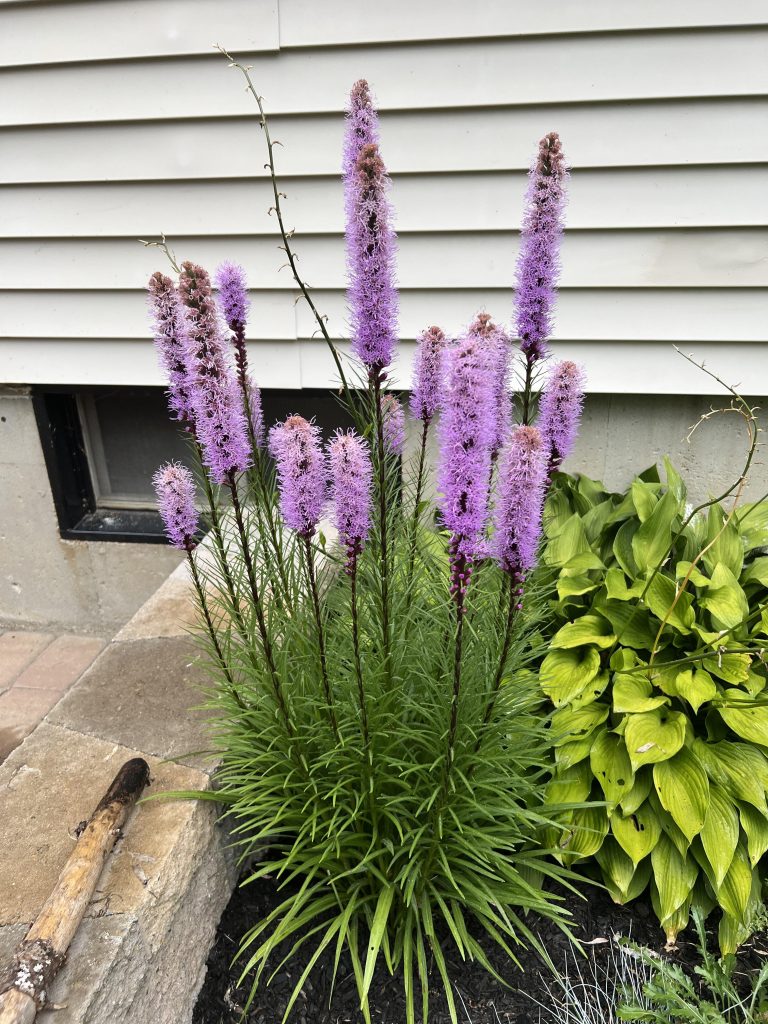
Blazing star is one of those plants that stops people mid-walk. I’ve got a cluster of it near my mailbox, and every single summer, neighbors ask what it is. Deer, meanwhile, leave it completely alone.
Why Deer Leave It Alone: As a native North American wildflower, Liatris spicata evolved alongside browsing wildlife and developed a texture and taste deer simply don’t find appealing.
It thrives with minimal fuss because it’s built for exactly this environment.
What Makes It Unique: Its feathery purple flower spikes open from the top down, the opposite of nearly every other flowering plant I grow.
It’s a small detail, but it’s the kind of thing that makes a garden feel a little more interesting.
Growing Guide:
- Best time to plant: Spring, after the soil has warmed.
- Sunlight needs: Full sun for the strongest, most upright spikes.
- Soil and Containers: Well-drained soil is essential — soggy conditions in winter can rot the corms.
- Watering: Water regularly the first season, then let it fend for itself. It’s remarkably drought-tolerant once established.
- Common Problems: Flopping in overly rich soil. Lean soil actually keeps the stems sturdier.
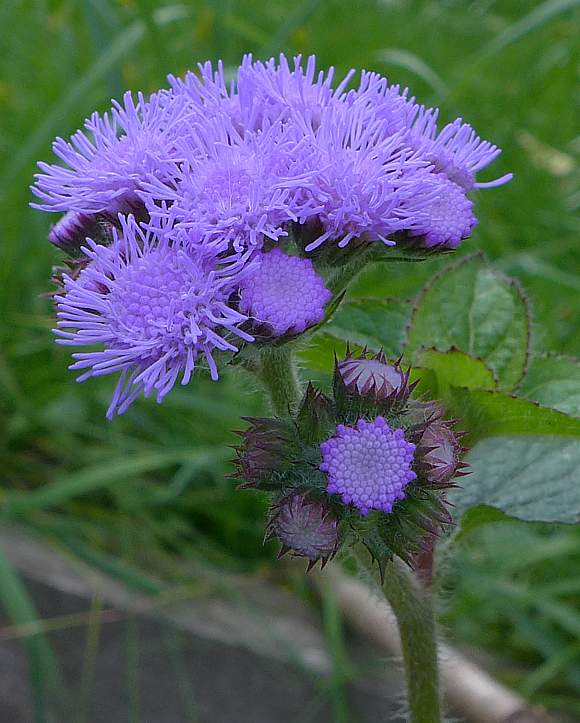
10. Floss Flower
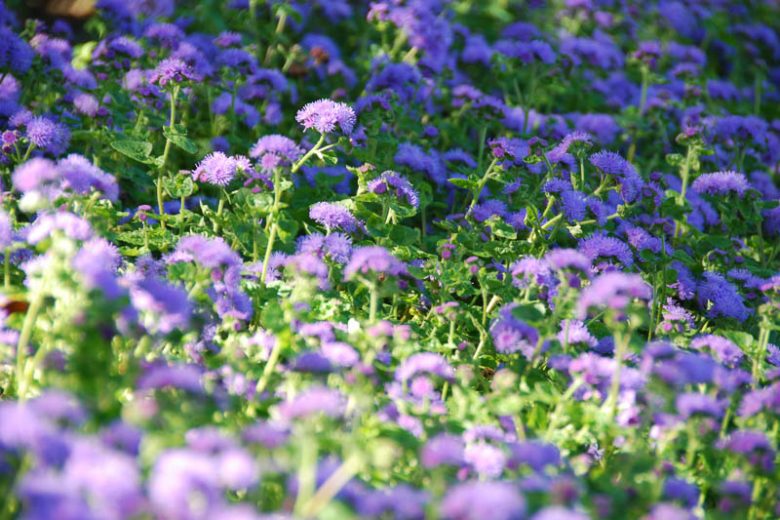
Floss flower is the plant I hand to anyone who says they’ve killed every annual they’ve ever tried. It’s genuinely hard to mess up, and it fills in bare spots with soft, fluffy color while deer walk right by it.
Why Deer Leave It Alone: The foliage has a rough, slightly scratchy texture that deer find unappetizing. It’s a simple defense, but an effective one.
My Favorite Varieties: For front-of-border planting or containers, I go with ‘Blue Horizon’ — it stays short, neat, and compact all season.
Growing Guide:
- Best time to plant: After all danger of frost has passed, since Ageratum houstonianum is sensitive to cold.
- Sunlight needs: Full sun to partial shade. A little afternoon shade in hot climates keeps the blooms looking fresh longer.
- Soil and Containers: Performs well in average garden soil and in containers alike.
- Watering: Keep soil evenly moist. It doesn’t love drying out completely between waterings.
- Common Problems: Powdery blooms can look tired without regular care, but deadheading isn’t strictly required, just helpful.
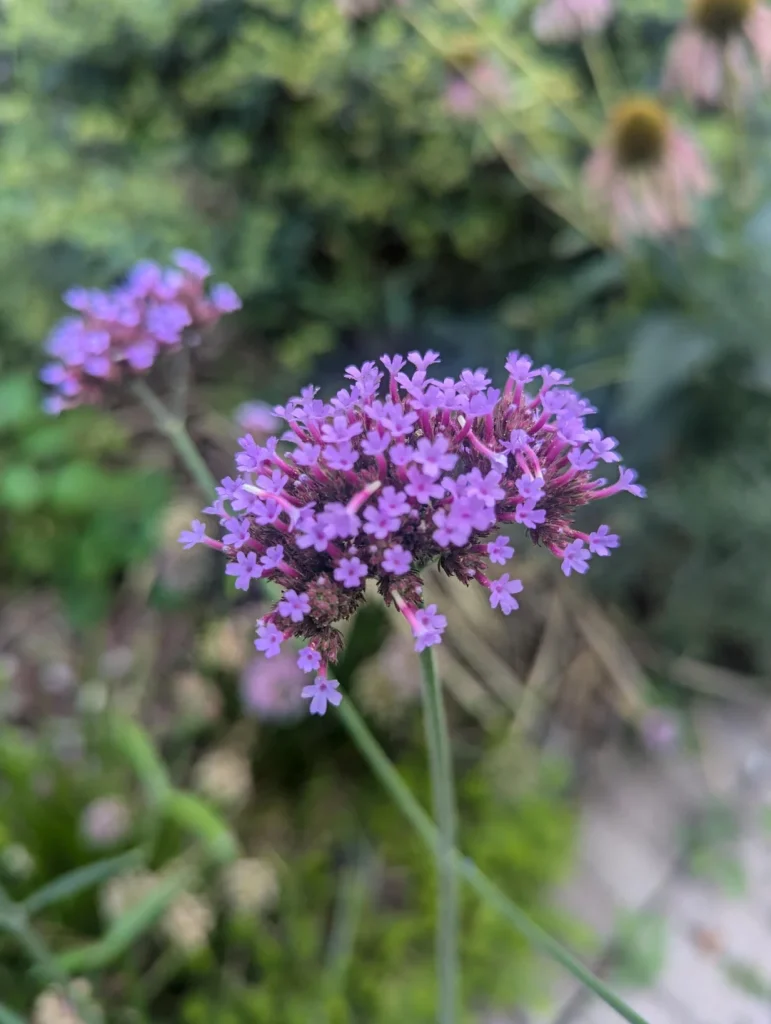
11. Verbena
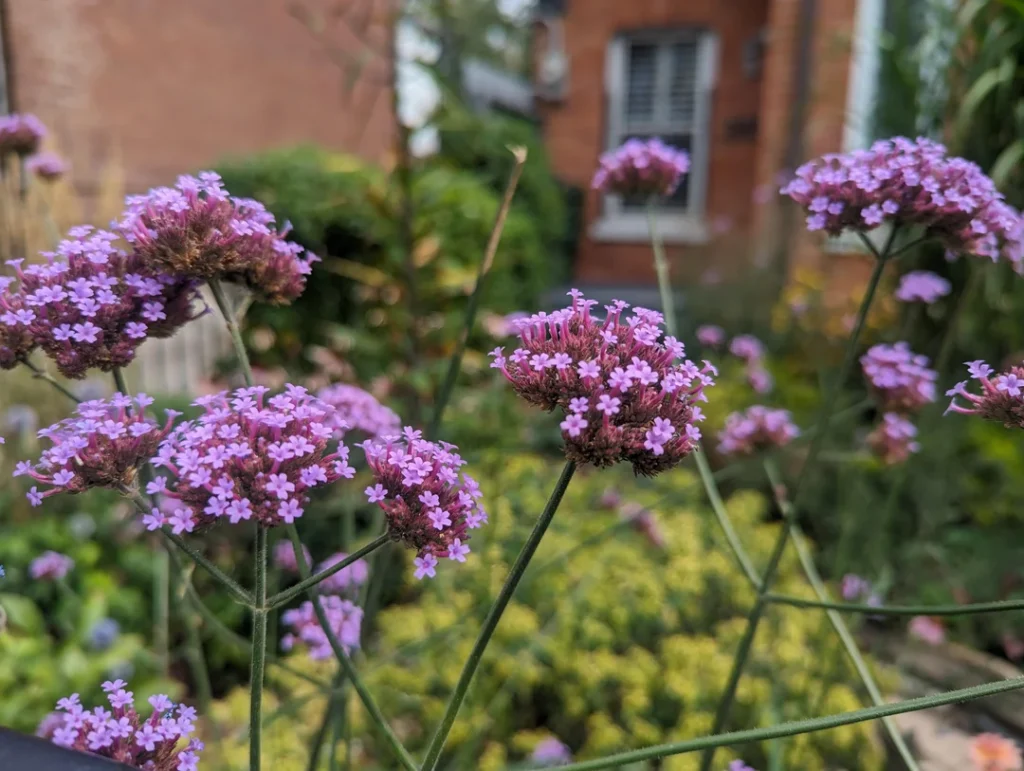
Verbena has become one of my go-to plants for filling gaps in a sunny border. It flowers non-stop through the hottest part of summer, and I’ve never once caught deer nibbling it, even when they’ve been bold enough to test other plants nearby.
Why Deer Leave It Alone: Its slightly rough, textured foliage and bitter taste make it unappealing to browsing deer, even when they’re hungry enough to sample things they’d normally skip.
Choosing the Right Type: Low-spreading varieties work beautifully as a ground cover along path edges, while upright types are perfect for filling gaps in the middle of a border.
Growing Guide:
- Best time to plant: After the last frost, once the weather has reliably warmed.
- Sunlight needs: Full sun is essential for heavy, continuous blooming.
- Soil and Containers: Well-drained soil is a must. Verbena hates sitting in wet feet.
- Watering: Water regularly but let the soil dry slightly between waterings.
- Common Problems: Can look leggy by midsummer without a trim.
12. Monkshood
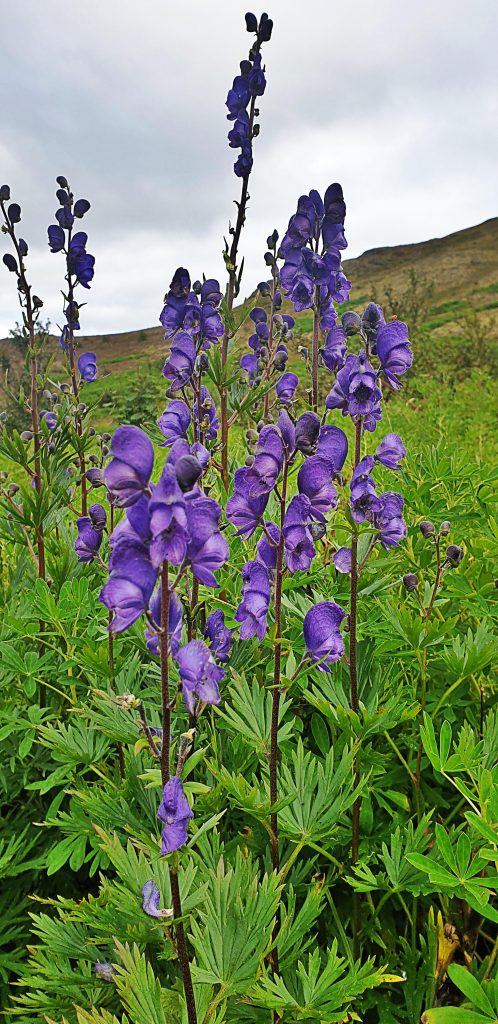
Monkshood is one of the most striking late-season plants I grow, and one of the most effective deer deterrents in my whole yard. When most of my perennials are winding down for the year, this one is just getting started.
Why Deer Leave It Alone: Monkshood is genuinely toxic, and deer have a strong, deeply ingrained instinct to avoid it entirely. This isn’t a plant they learn to dislike through trial and error — they steer clear from the start.
Why It’s Worth the Space: Aconitum napellus produces tall, dramatic spikes of deep violet-blue, helmet-shaped flowers that pair beautifully with ornamental grasses and late-blooming asters. Few plants deliver this kind of bold color once fall settles in.
Growing Guide:
- Best time to plant: Spring or early fall.
- Sunlight needs: Full sun to partial shade — a little afternoon shade helps in hotter climates.
- Soil and Containers: Consistently moist, rich soil is key. This isn’t a plant for dry corners.
- Watering: Keep the soil evenly moist throughout the growing season.
- Common Problems: Root rot in poorly drained soil, so avoid low spots where water collects.
13. Peony
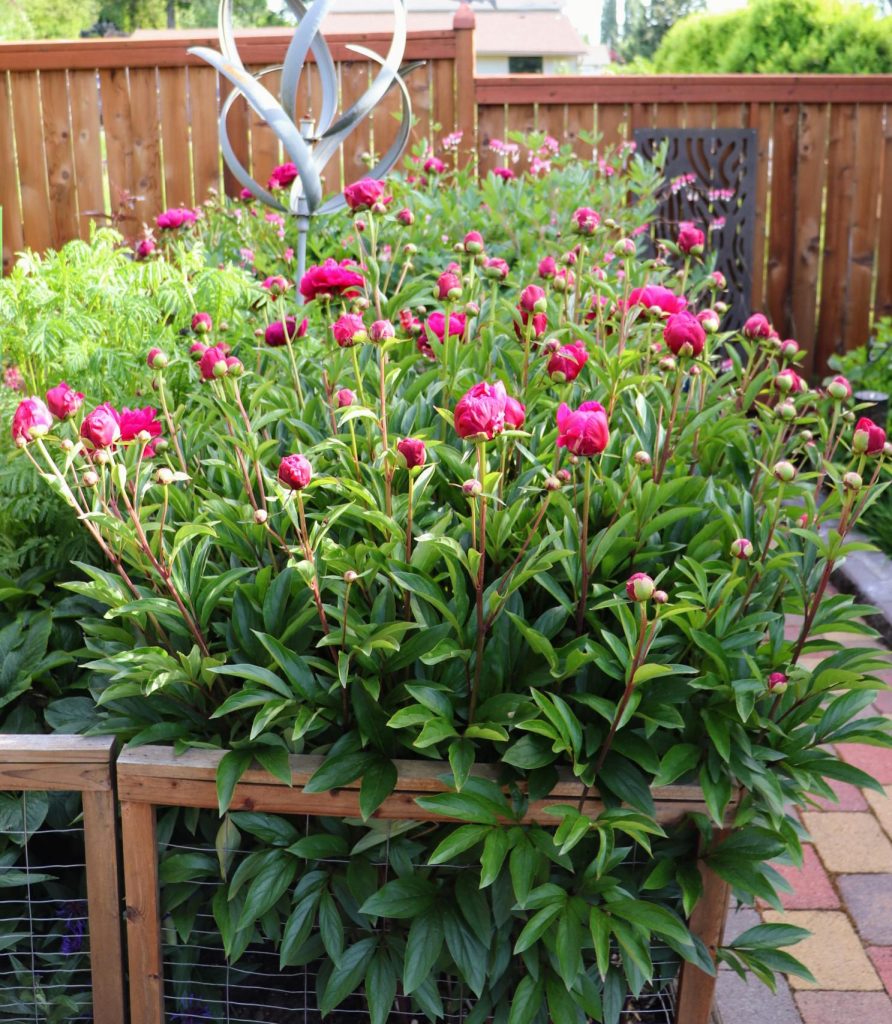
Peonies are the plant everyone assumes deer will destroy, and it’s such a relief every spring to watch mine bloom completely untouched. There’s genuinely nothing quite like walking out to a peony in full bloom, and knowing this one’s just for you.
Why Deer Leave It Alone: The same strong fragrance we prize in cut arrangements is exactly what keeps deer at a distance. What smells wonderful to us reads as overpowering to them.
Why They’re Worth the Wait: Herbaceous peonies die back completely in winter and return reliably every spring, often living for decades in the same spot. Once mine settled in, I basically stopped thinking about them — they just show up and perform.
Growing Guide:
- Best time to plant: Fall is ideal, giving roots time to establish before winter.
- Sunlight needs: Full sun to partial shade, with full sun producing the most blooms.
- Soil and Containers: Well-drained soil is essential. Peonies dislike wet feet.
- Watering: Water regularly the first year, then ease off once established.
- Common Problems: Failure to bloom, almost always caused by planting too deep.
14. Dusty Miller
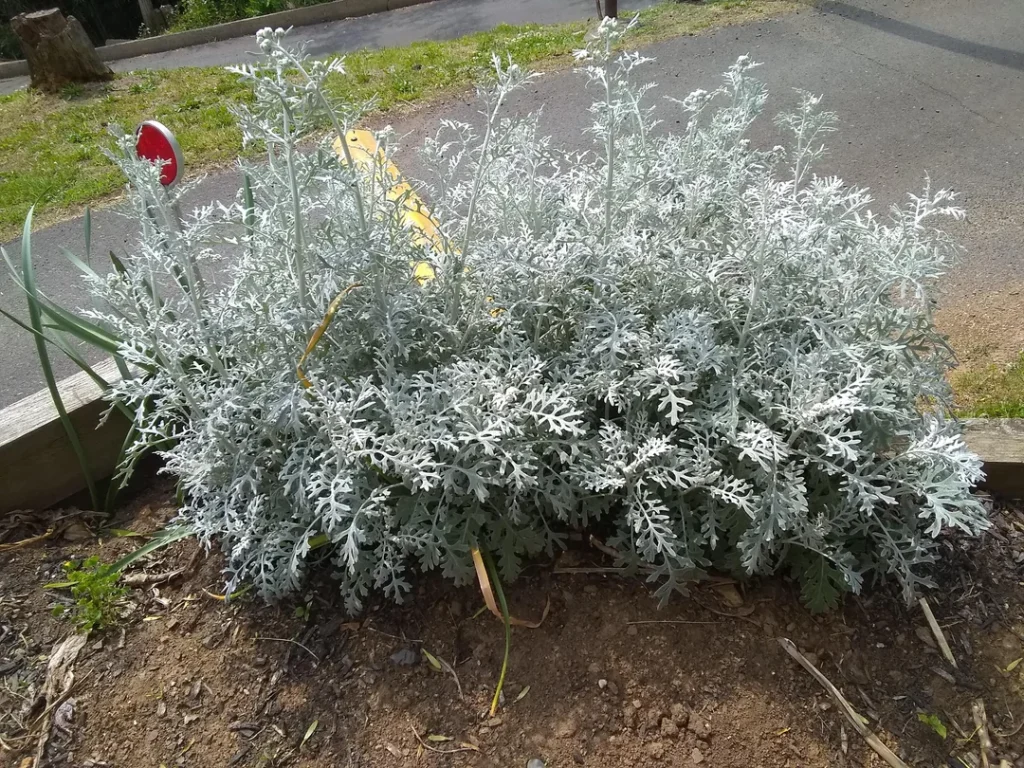
Dusty miller doesn’t get nearly enough credit. It’s technically grown for its foliage, not its flowers, but it pulls serious weight as both a deer deterrent and a design tool in my garden beds.
Why Deer Leave It Alone: Senecio cineraria has a dense, felt-like silver coating on its leaves that deer find completely unappetizing, both in texture and taste. It’s not a scent-based defense like lavender, it’s purely a “no thanks” on touch and taste.
How I Use It: That silvery foliage is a brilliant companion plant. Paired with deep purple verbena or bright red snapdragons, dusty miller creates gorgeous contrast while quietly protecting the whole planting around it.
Growing Guide:
- Best time to plant: After the last frost, once temperatures are reliably warm.
- Sunlight needs: Full sun to partial shade.
- Soil and Containers: Thrives in average, well-drained soil, and does exceptionally well in containers.
- Watering: Let it dry out between waterings. It genuinely prefers hot, dry conditions and thrives on a bit of neglect.
- Common Problems: Rarely has issues, which is part of the appeal.
15. Daffodil
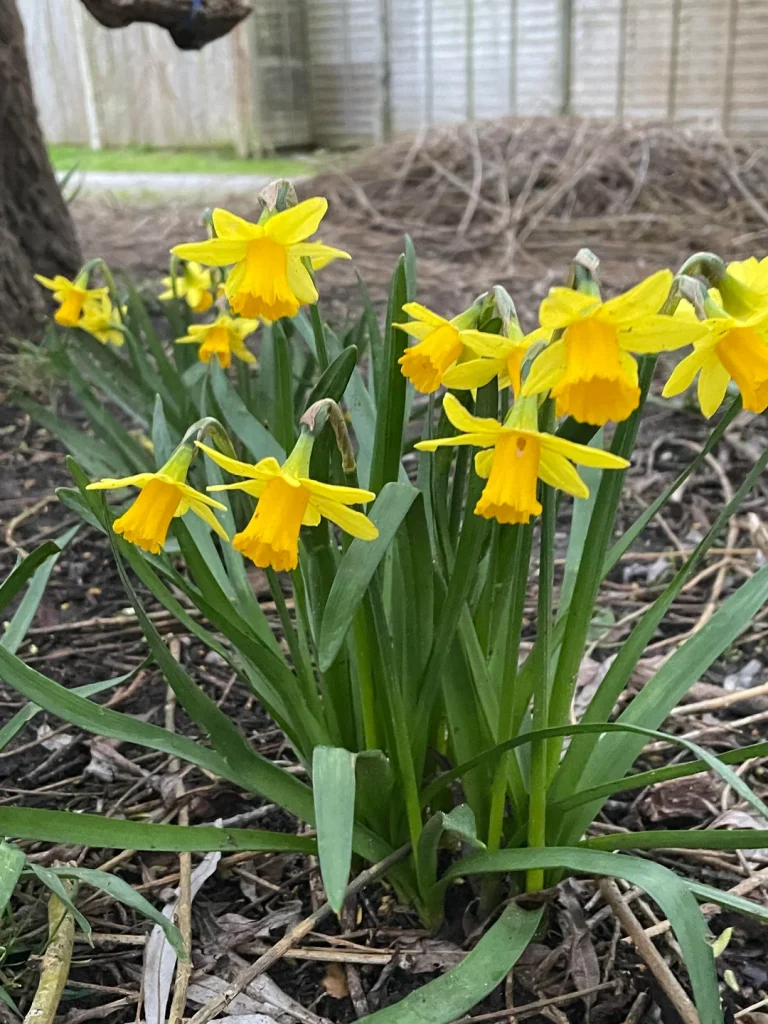
If I had to recommend just one deer-proof plant to a complete beginner, it would be daffodils. They’re the flower I trust completely, even in the years when deer pressure in my area is at its worst.
Why Deer Leave It Alone: Daffodil bulbs and foliage contain lycorine, a toxic alkaloid that tastes so bitter deer avoid them entirely, even when other food sources are scarce. This makes daffodils one of the few plants you can genuinely count on in high deer-pressure areas.
So Many Options: Narcissus comes in hundreds of varieties, from classic single yellow trumpets to frilly double blooms, split-cup types, and delicate miniatures. There’s a daffodil for basically every style of garden.
Growing Guide:
- Best time to plant: Fall, about 2-4 weeks before the ground freezes.
- Sunlight needs: Full sun to partial shade.
- Soil and Containers: Well-drained soil is important, since bulbs rot in standing water.
- Watering: Water at planting time, then let nature take over. Established daffodils rarely need supplemental watering.
- Common Problems: Bulbs multiplying so much they eventually need dividing, which honestly is a good problem to have.
Build Your Deer-Resistant Garden Today
Deer damage doesn’t have to be part of your gardening story. These 15 flowers prove you can have a beautiful, colourful garden without putting up ugly fencing or spending a fortune on repellent sprays.
Strong scents, bitter tastes, and tough textures do the work for you — naturally.
Start with a few plants from this list and place the most aromatic ones at your garden’s entry points. Layer in different bloom times so you have colour and protection from early spring daffodils right through to fall monkshood.
Your garden gets to look stunning, and the deer get to find someone else’s flowers for dinner.