18 Deer Resistant Ground Cover Plants That Actually Work

Deer are beautiful, until they eat your garden. If you live near deer territory, you know the frustration of planting something gorgeous only to find it gone by morning.
The good news? Some ground cover plants are so unpleasant to deer — whether from smell, texture, or taste — that they almost always get left alone.
Here are 18 of my favorite deer resistant ground cover plants that look great, spread well, and give deer a reason to move on.
18 Best Deer-Resistant Ground Cover Plants
1. Creeping Juniper
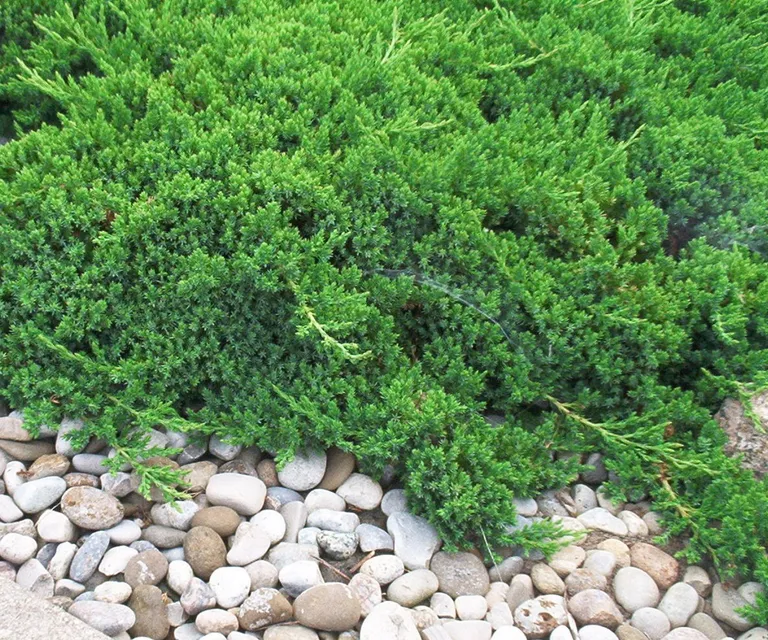
If you want one of the toughest deer resistant ground covers around, creeping juniper is it. This evergreen hugs the ground in a dense, wide-spreading mat.
You’ll see it stay attractive through every season, shifting from blue-green in summer to a soft plum tone once the weather turns cold.
Why Deer Leave It Alone: The needles are sharp enough to discourage casual browsing. The resinous oils in the foliage give it a bitter taste, too. Deer avoid it even when other food is scarce in winter.
Zones 3-9 | Full sun | 1-3 ft tall, 5-8 ft wide | No flowers
Growing Tips: Plant it in well-drained soil. It handles poor, rocky soil without complaint, so don’t worry if your yard isn’t perfect.
You’ll rarely need to water it once it’s established, which makes it a smart choice if you’re dealing with a slope.
Look for the ‘Bar Harbor’ variety if you can find it. Its stems lay almost completely flat against the ground. The gray-green needles take on a purplish blush in winter that most other ground covers can’t match.
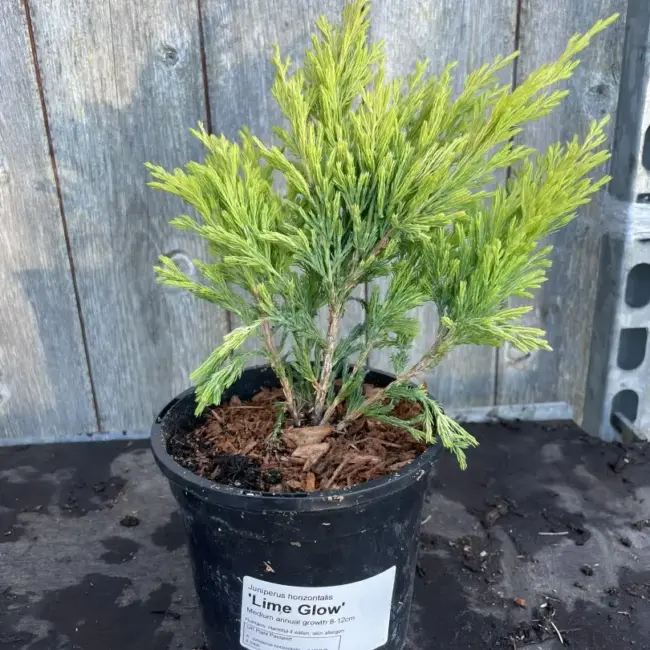
You won’t need to prune it much, either, which makes it one of the lowest-maintenance plants on this whole list.
Also read: 15 Deer Repellent Flower Plants That Actually Work
2. Lamb’s Ear
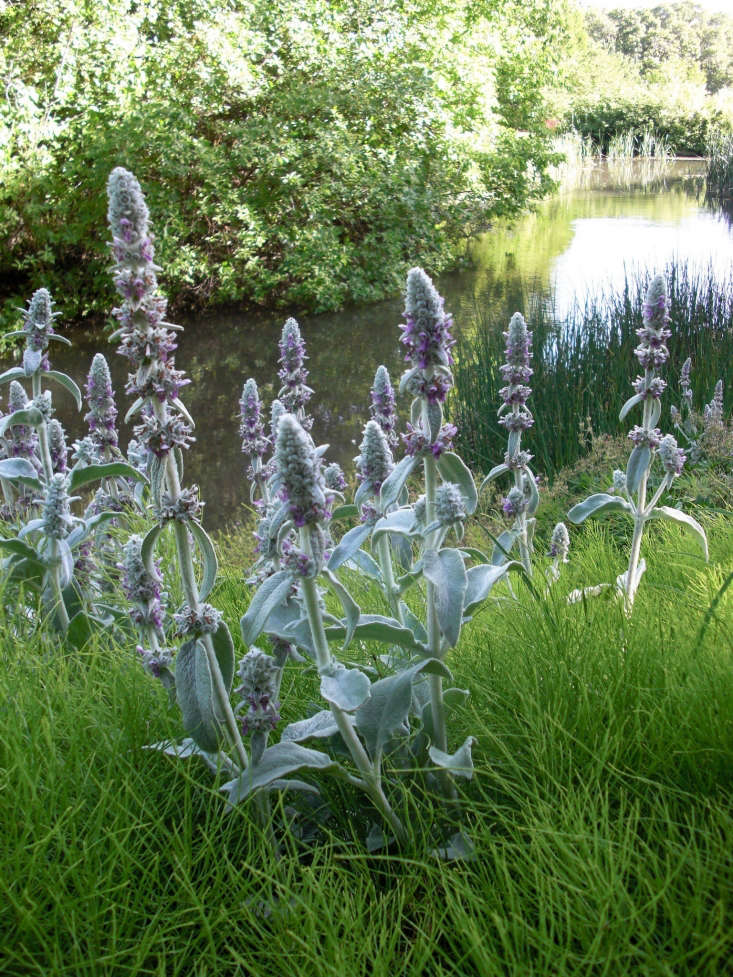
You’ll want to touch lamb’s ear the second you see it. Few plants feel as soft, yet deer want nothing to do with it. Those thick, woolly silver leaves form a dense mat.
It spreads readily even in poor, dry soil where you might struggle to grow much else.
Why Deer Leave It Alone: The fuzzy texture is genuinely unpleasant for deer to chew. Rutgers University actually rates lamb’s ear an “A” for deer resistance. That’s about as official as a recommendation gets.
Zones 4-9 | Full sun to partial shade | 6-18 in tall, 12-36 in wide | Summer bloom
Growing Tips: Give it full sun and soil that drains well. Wet feet in winter tend to cause rot, so keep that in mind if your yard holds water.
You’ll find it’s remarkably drought tolerant once it settles in. Shear off spent flower stalks if you want to keep the mat tidy and encourage denser growth.
I’ve tucked the ‘Silver Carpet’ variety along a sunny border before, and I barely had to touch it all season.
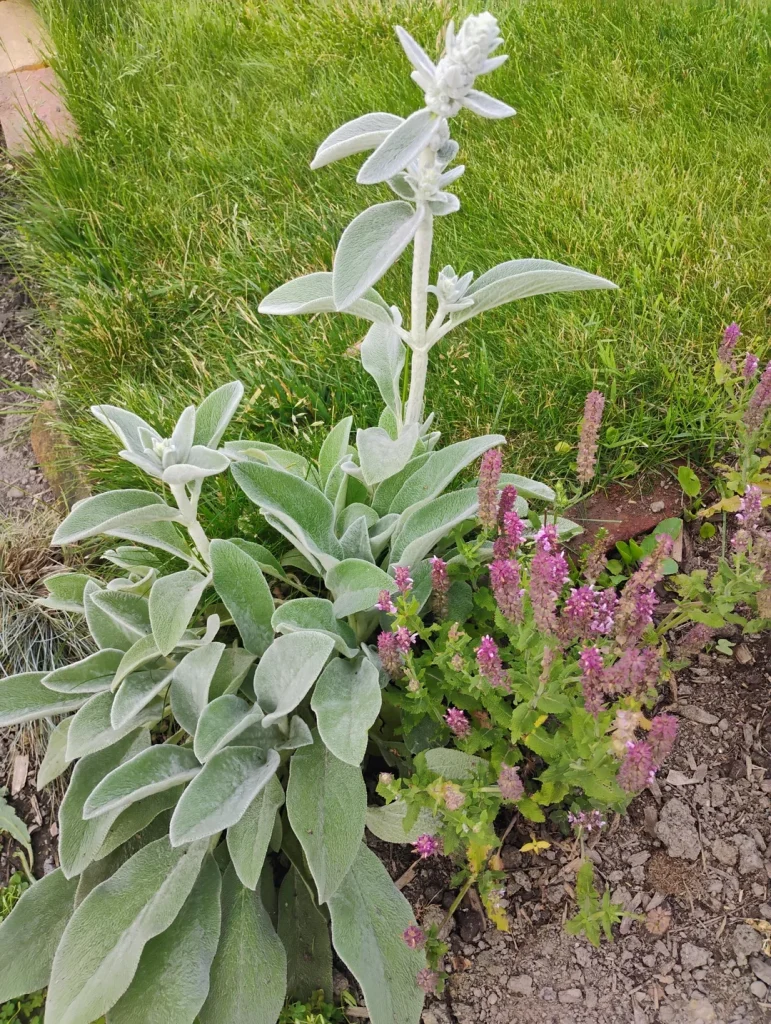
It rarely flowers, so it puts all its energy into spreading. If you plant the straight species instead, expect fuzzy pink or purple flower spikes come summer.
Also read: 15 Deer Resistant Shrubs for Shade
3. Creeping Thyme
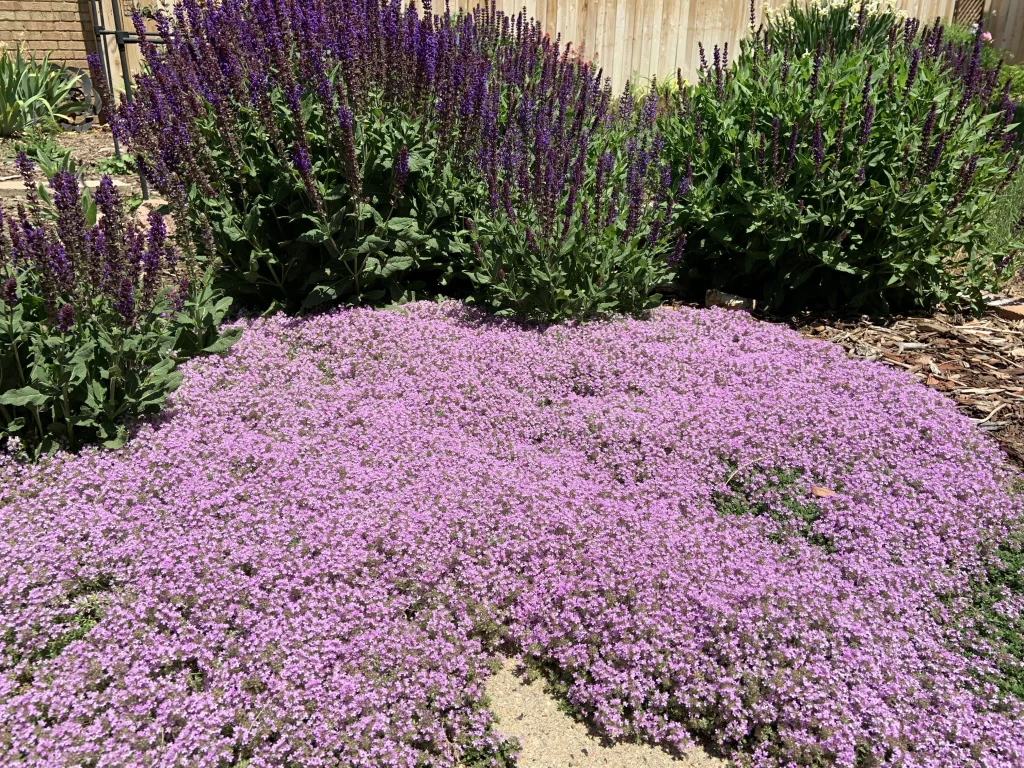
You’ll smell creeping thyme before you really notice it. It stays incredibly low and carpets the ground with tiny aromatic leaves.
Brush against it or step on it, and it releases a strong herby scent. That fragrance is exactly what keeps deer moving along, while pollinators can’t get enough of the summer flowers.
Zones 4-9 | Full sun | 1-4 in tall, 12-24 in wide | Summer bloom
Growing Tips: Good drainage is non-negotiable here. Avoid low spots in your yard that stay soggy after rain.
It thrives in lean, rocky soil. It’ll actually perform worse if you plant it in overly rich beds, since too much fertility encourages leggy growth instead of a tight mat.
I planted ‘Magic Carpet’ between my patio pavers years ago, and it still fills every crack without any coaxing from me.
Its magenta-pink blooms turn the whole area into a haze of color for a few weeks each summer. You’ll notice the bees show up in force, too.
Also read: 12 Deer-Resistant Annuals That Thrive in the Shade
4. Sweet Woodruff
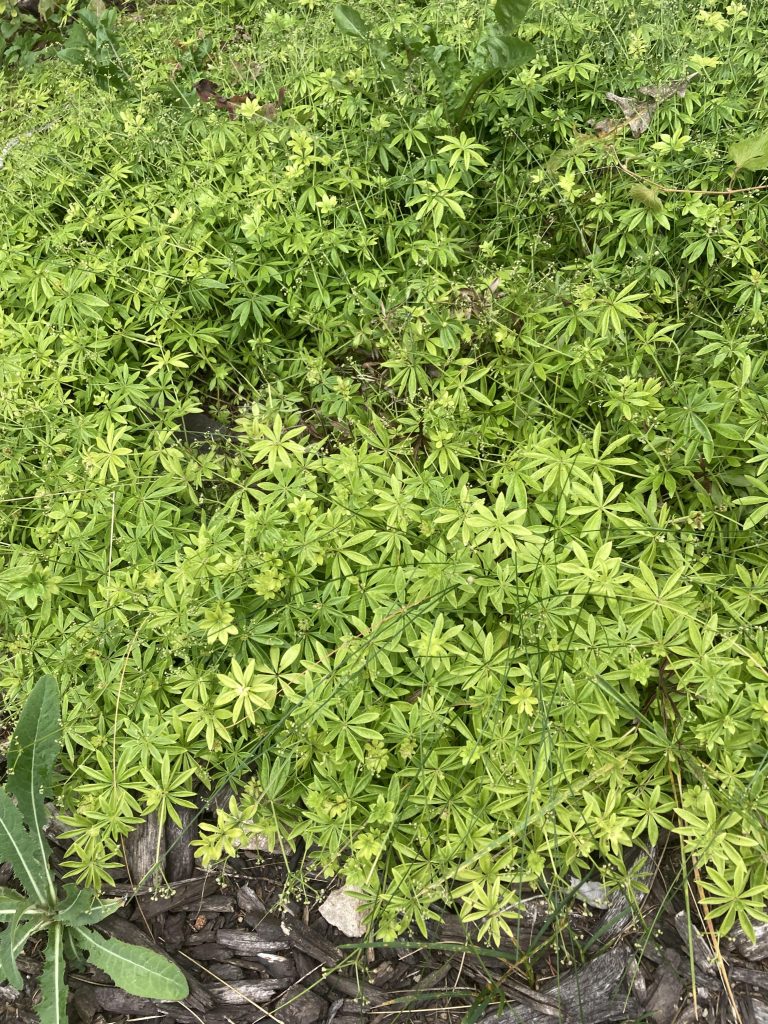
If you’ve got a shady spot where nothing else wants to grow, try sweet woodruff. It thrives where many ground covers simply give up.
It forms a soft, mounding carpet of whorled green leaves. Come late spring, you’ll see tiny white star-shaped flowers scatter across the foliage.
Why Deer Leave It Alone: The hay-like scent that gives sweet woodruff its name is pleasant to us. It’s offensive enough to deer that they typically leave it untouched.
Zones 4-8 | Partial to full shade | 6-12 in tall, 12-24 in wide | Spring bloom
Growing Tips: Rich, moisture-retentive soil suits it best. It appreciates the kind of dappled light you’d find under mature trees.
It weaves naturally around other shade perennials like pulmonarias and sedges, filling gaps without smothering its neighbors.
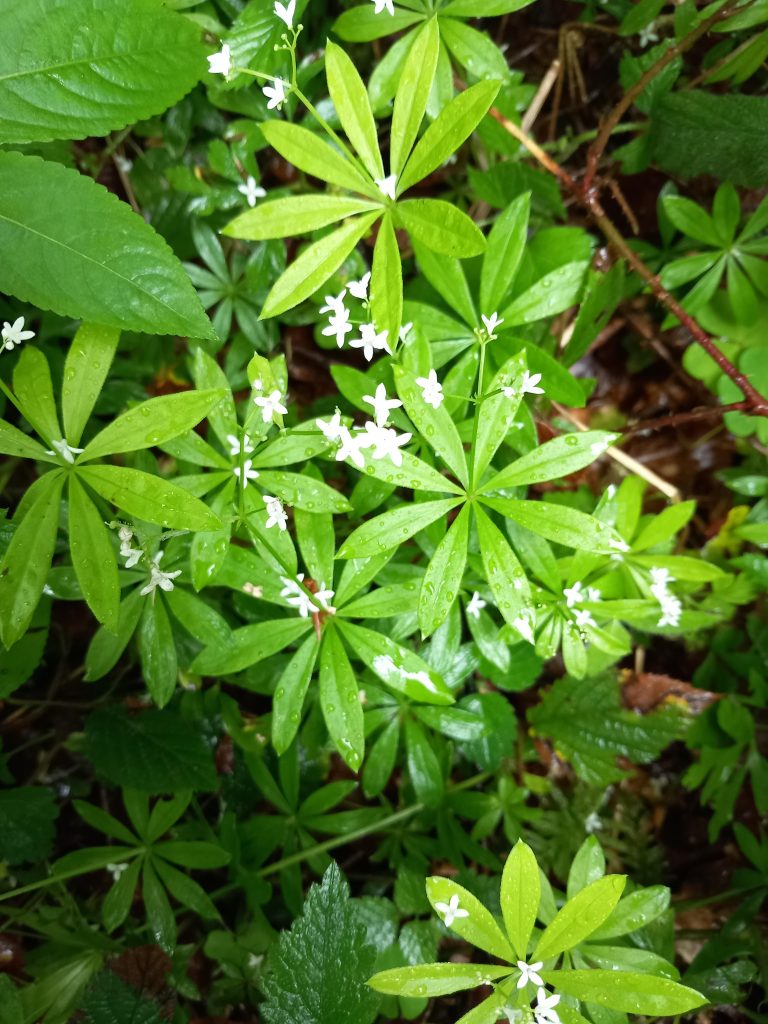
One thing you should know before you plant it: sweet woodruff spreads with real enthusiasm once it settles in. Give it a spot with room to roam.
5. Sedum
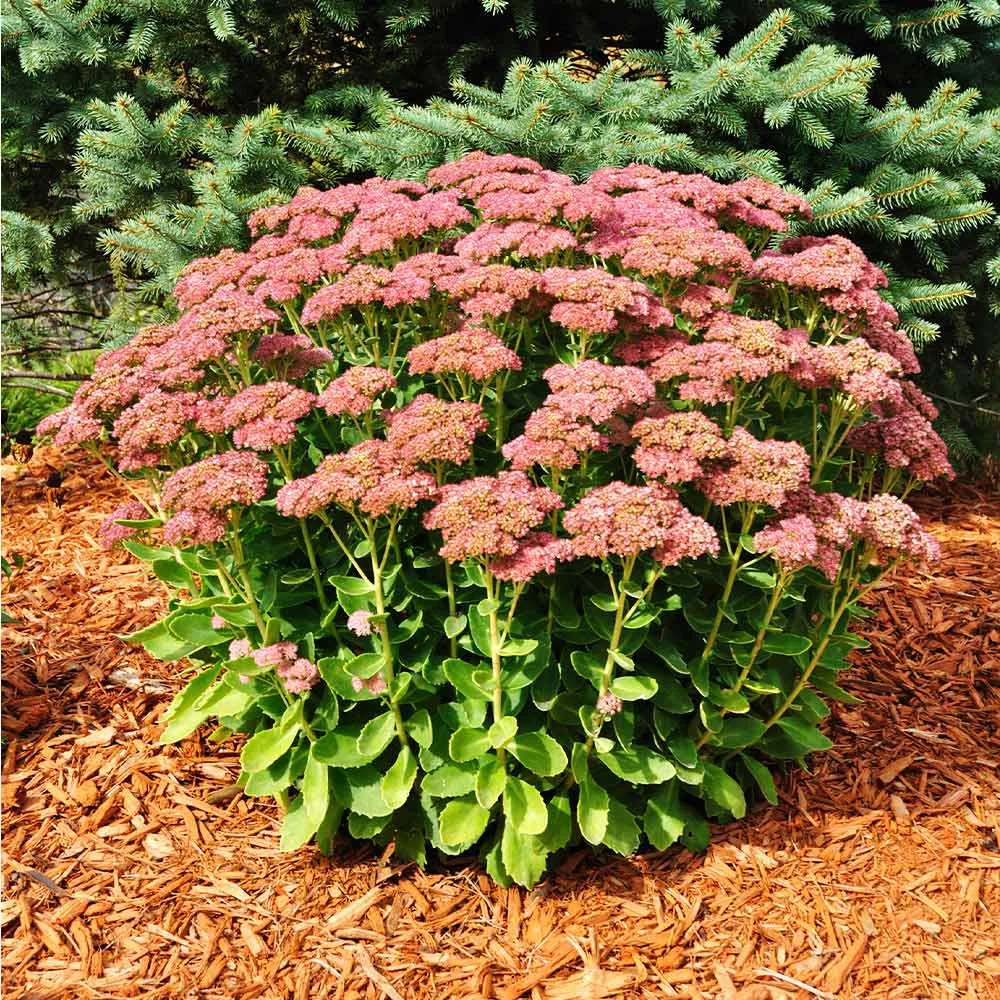
You’ll love how little sedum asks of you. It’s also called stonecrop, and it’s one of the most carefree and low maintenance ground cover plants you can grow. Those thick, fleshy leaves store water like a succulent.
You can plant ground cover varieties across sunny slopes, rock gardens, and other spots where little else survives.
Why Deer Leave It Alone: The water-storing leaves carry a bitter taste that deer find unappetizing. The succulent texture isn’t the kind of forage they’re drawn to in the first place.
Zones 3-9 | Full sun | 3-36 in tall, 12-24 in wide | Summer to fall bloom
Growing Tips: Well-drained soil is essential, since sedum rots quickly if you let it sit wet.
It actually prefers to be somewhat neglected, so skip the rich compost and heavy watering you’d give other perennials.
I grow ‘Angelina’ in a few pots on my balcony, and its golden-yellow foliage turns almost orange once the weather cools in fall.
You’ll get clusters of small star-shaped flowers in late summer, adding a welcome splash of color for almost zero effort.
6. Lungwort
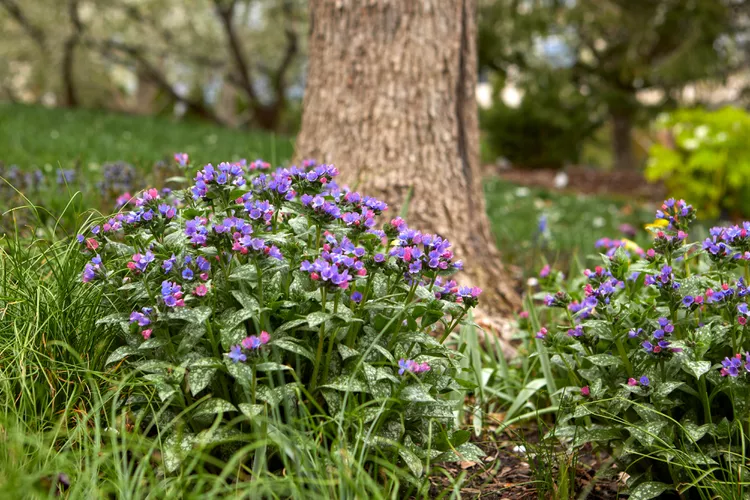
You won’t find many leaves as interesting as lungwort’s. It’s a shade-loving ground cover, splashed silver over deep green in patterns that vary by variety.
Spring flowers in red, pink, blue, or white often appear together on the same plant, which adds even more visual interest.
Why Deer Leave It Alone: The fine, hairy texture of the leaves actually irritates a deer’s mouth. That makes lungwort one of the more reliably ignored plants you can put in a shady bed.
Zones 3-9 | Partial to full shade | 6-12 in tall, 12-24 in wide | Early to mid-spring bloom
Growing Tips: Consistent moisture and rich, humus-heavy soil keep lungwort looking its best. It appreciates the same conditions as hostas and ferns, so it’s an easy fit if you already grow those.
Look for ‘Spot On’ if you want heavily silvered leaves and bright blue spring flowers. It seems to glow in low light.
New varieties bred in Oregon, like ‘Shrimps On The Barbie’ with its vivid pink blooms, have made lungwort more exciting than ever. Most clumps can go four or five years
7. Creeping Phlox
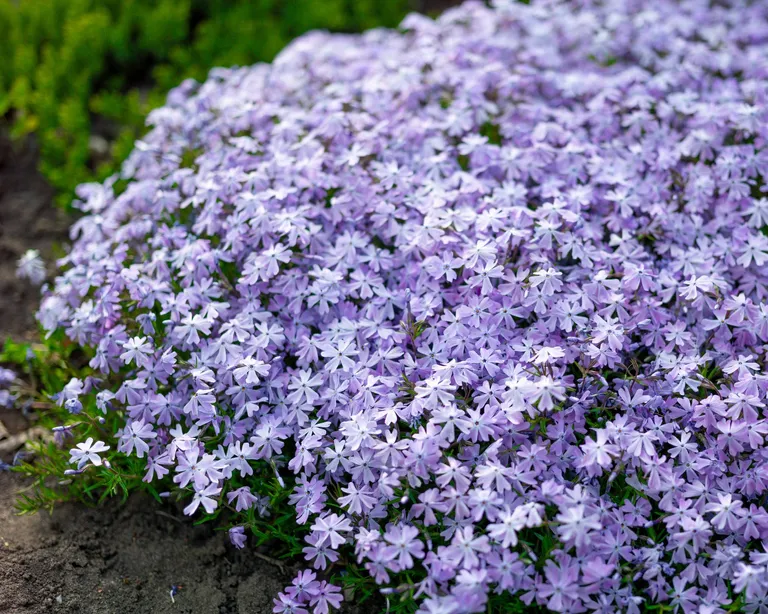
You’ll want your camera ready for creeping phlox in late spring. It forms a low, dense mat that absolutely explodes with color. It blankets itself so completely in blooms that the foliage nearly disappears underneath.
Few ground covers put on such a showy display for so little ongoing effort on your part.
Why Deer Leave It Alone: Both the flowers and the foliage carry a pungent scent that deer find off-putting. That’s a fair trade for how much color this plant delivers.
Zones 5-9 | Full sun to partial shade | 6-12 in tall, 9-18 in wide | Late spring to summer bloom
Growing Tips: Well-drained soil and full sun bring out the heaviest bloom. It’ll tolerate a bit of afternoon shade if you’re in a hotter climate.
Shear it back lightly after flowering to keep the mat dense and encourage fresh new growth.
Try letting it spill over a rock wall or tumble down a sunny slope in your yard. The cascading effect really shows off.
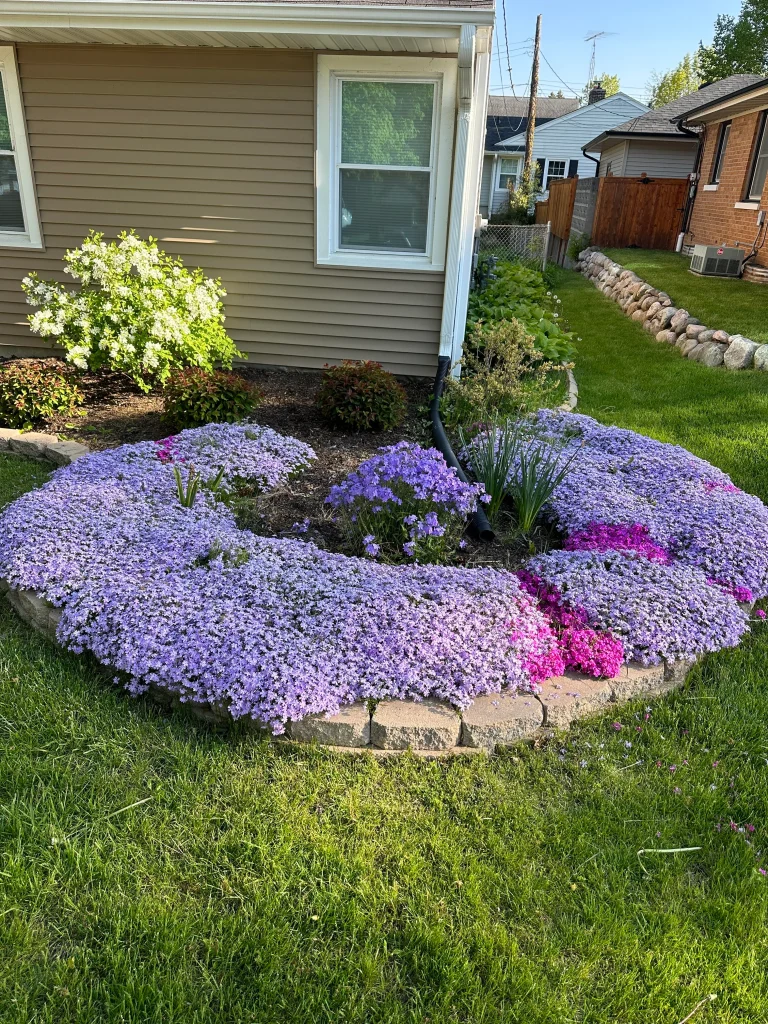
Star-shaped blooms in pink, purple, white, or blue practically cover the foliage at peak bloom. Once it’s established, you’ll find creeping phlox is virtually maintenance-free.
8. Catmint
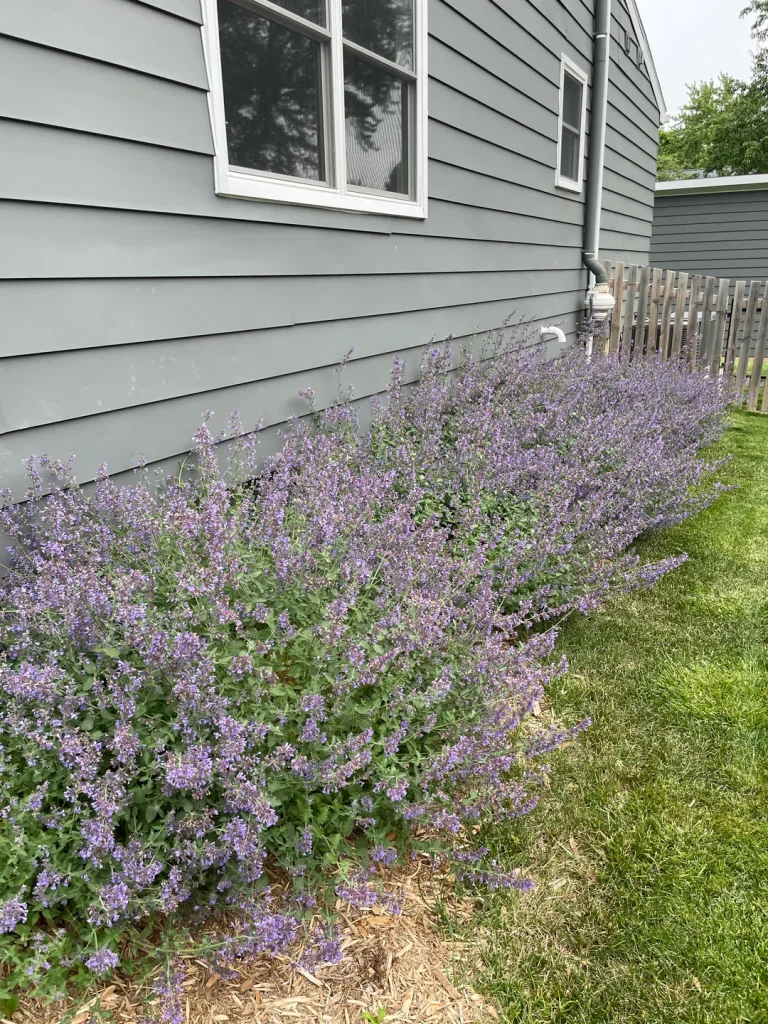
If you want months of bloom without much effort, plant catmint.
It’s a sprawling, soft-textured perennial that fills gaps between other plants with a soft haze of color from late spring well into fall.
It’s one of the longest-blooming ground covers you can add if deer are a problem in your yard.
Why Deer Leave It Alone: That strong minty scent, so pleasant to us, is deeply off-putting to deer. They tend to avoid the entire mint family for the same reason.
Zones 4-8 | Full sun to partial shade | 1-3 ft tall, 1-3 ft wide | Late spring to fall bloom
Growing Tips: Full sun and average, well-drained soil are all catmint really asks of you. Mature plants handle drought well, which makes it a smart pick if you don’t want to fuss over watering.
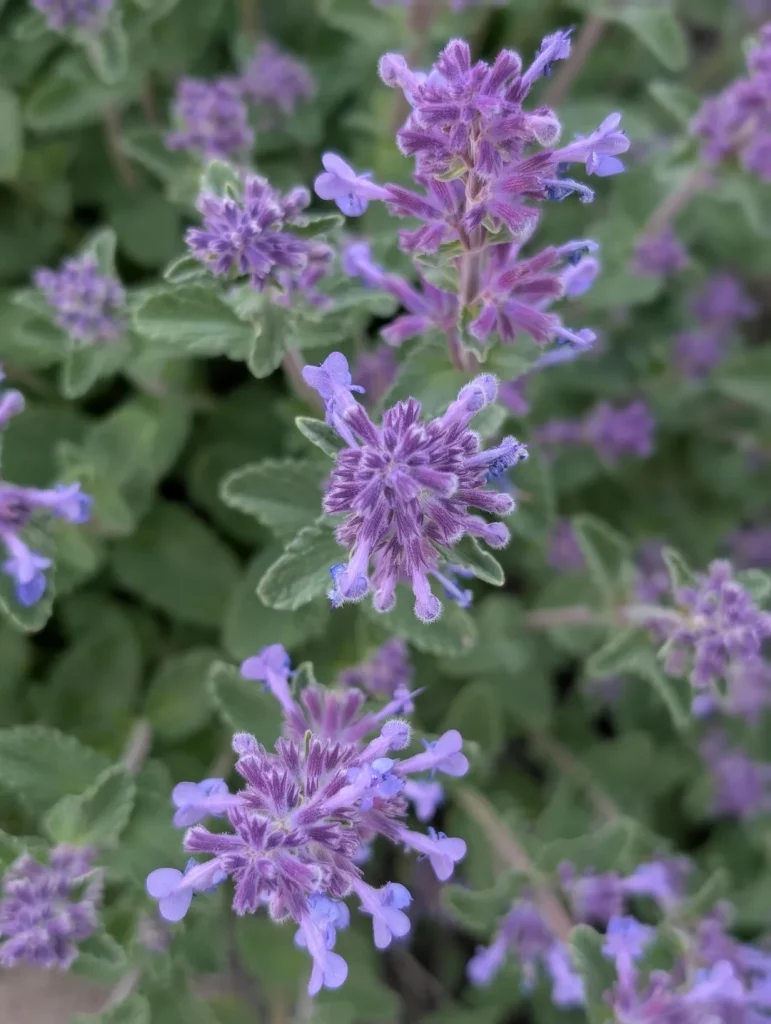
I cut mine back by half after the first flush of flowers, and it rewards me with a strong second bloom that carries into fall.
You’ll notice bees and butterflies are drawn to those spikes of lavender-blue, pink, or white flowers all season long.
9. Lily of the Valley
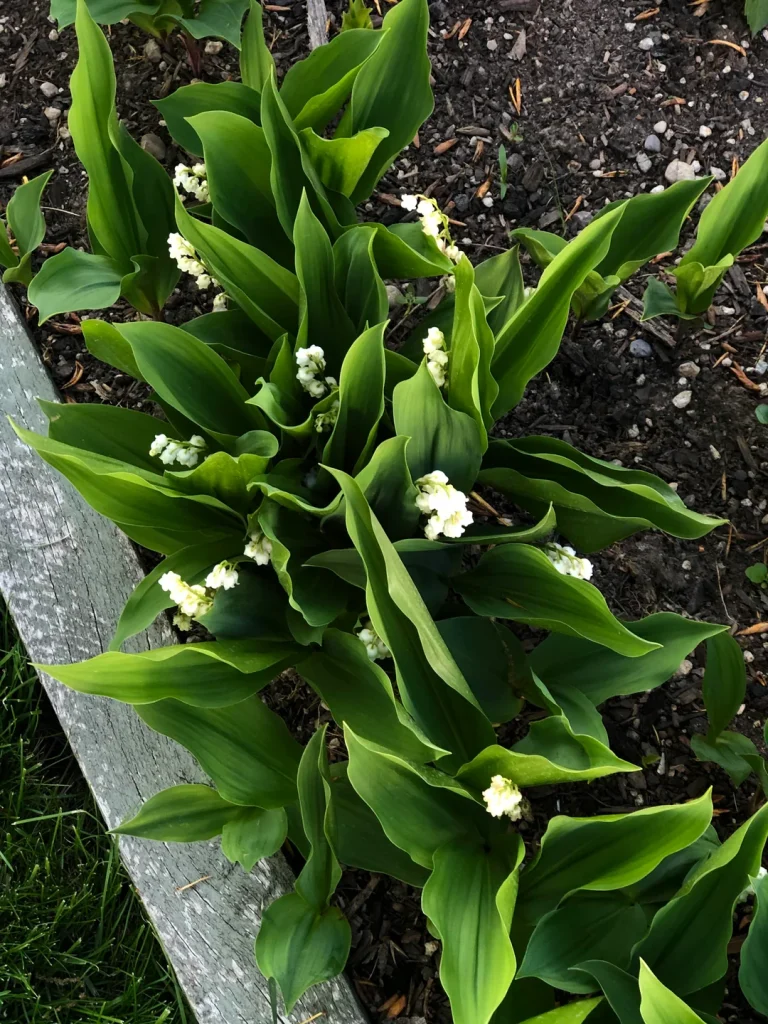
You’ll recognize lily of the valley the moment you smell it. It has dainty white bell-shaped flowers and a fragrance so heavenly it’s been bottled into perfume for centuries.
Dense, overlapping leaves suppress weeds effectively through most of the growing season.
Why Deer Leave It Alone: The intensely sweet floral scent doesn’t fool deer the way it fools us. The plant’s rhizomes are toxic enough that deer instinctively avoid grazing on it.
Zones 2-8 | Partial to full shade | 6-12 in tall, 9-18 in wide | Spring bloom
Growing Tips: Rich, moist soil and shade suit it perfectly, so it’s ideal if you’ve got trees or large shrubs where little else will grow. Because it spreads by rhizome, give it a defined bed or edging if you want to keep it contained.
Hardy all the way to zone 2, few ground covers will match lily of the valley for cold tolerance if you’re in a colder region. ‘Rosea’ offers a pretty pale pink alternative to the classic white.
Once it’s established, a single patch can carpet a shady corner of your yard for decades with almost no work from you.
10. Hellebore
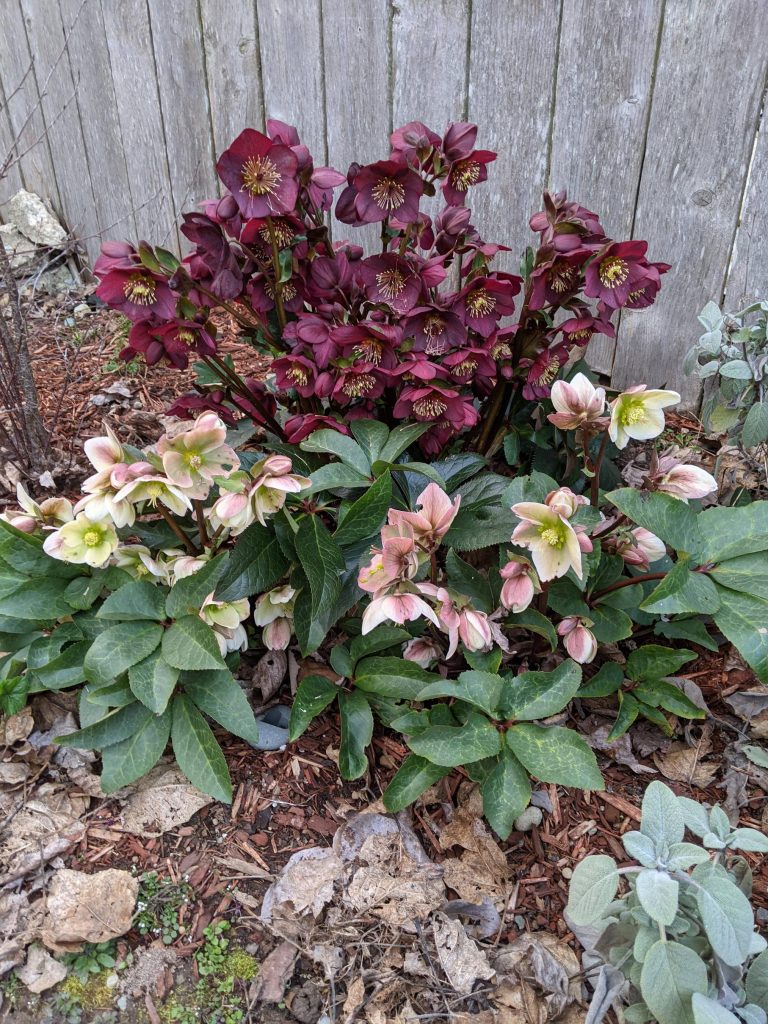
You’ll get color when almost nothing else in your garden has any. Hellebore is one of the most elegant deer resistant ground covers you can add to a shady spot.
Thick, leathery leaves stay evergreen through winter in milder climates. Cup-shaped flowers in cream, pink, purple, and deep burgundy appear in late winter.
Why Deer Leave It Alone: The leathery leaves carry a bitter taste and mildly toxic compounds. That makes hellebore one of the plants deer reliably walk right past, even in a hard winter.
Zones 4-9 | Partial sun to full shade | 12-24 in tall and wide | Late winter to early spring bloom
Growing Tips: Rich, well-drained soil and dappled shade will give you the happiest plants.
Hellebores resent being disturbed once settled, so choose their spot carefully and let them establish undisturbed for a few seasons.
Once you get hellebores established in the right spot, they’re virtually maintenance-free. They reward your patience generously.
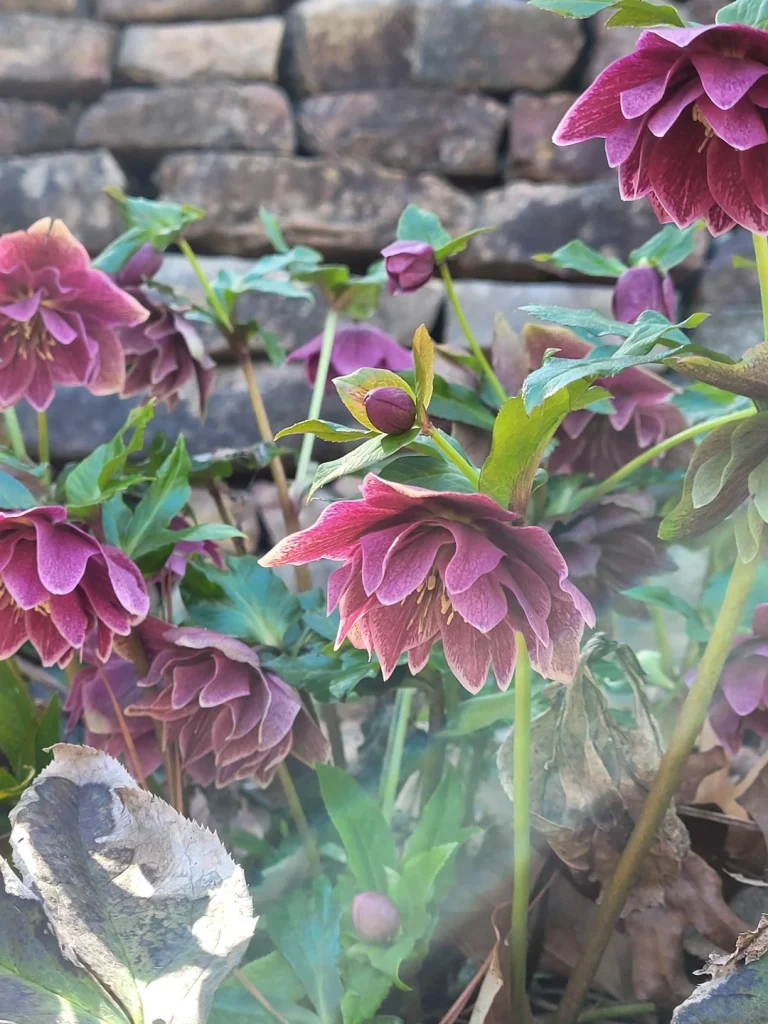
Watching those nodding blooms push through the cold in February never gets old, especially when the rest of your garden has gone dormant.
11. Barrenwort
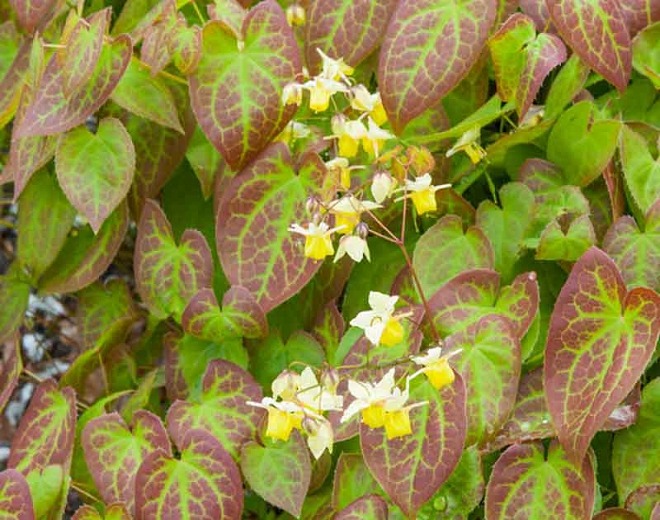
You’re probably underusing barrenwort, also called bishop’s hat, and that’s a shame. It’s one of the most underrated ground covers in gardening.
It quietly does the job in spots where you’d struggle to grow much else.
Delicate four-petaled spring flowers in yellow, pink, or white add understated charm above the foliage.
Why Deer Leave It Alone: Rough-textured leaves with a bitter taste make barrenwort deeply unappealing to deer. The University of New Hampshire calls it one of the most deer-tolerant plants for shady gardens.
Zones 5-9 | Partial sun to full shade | 8-12 in tall, 12-36 in wide | Spring bloom
Growing Tips: Barrenwort tolerates dry shade better than almost any other ground cover.
So it’s perfect if you’re dealing with the notoriously difficult ground under mature trees. It’s slow to establish, so be patient during the first year or two.
Heart-shaped or lance-shaped foliage comes in different colors and patterns depending on the variety you choose. It often takes on bronze or coppery tones as new growth emerges.
Give it time to settle in, and it’ll reward you with years of steady, reliable coverage that only gets denser with age.
12. Hardy Geranium
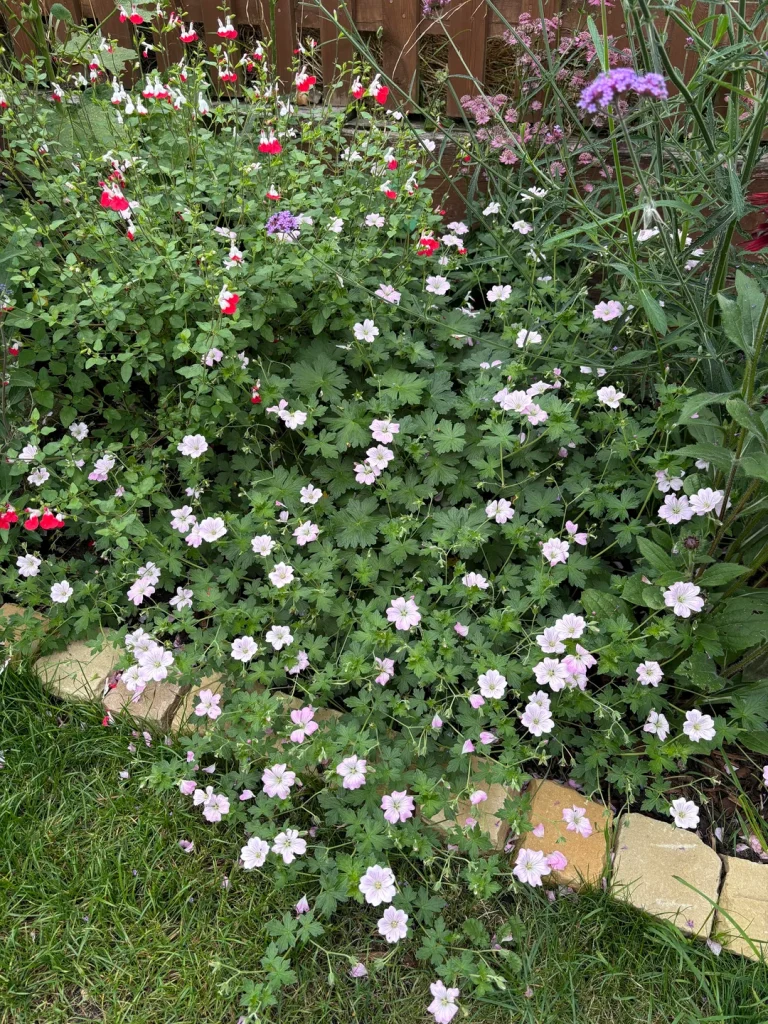
Don’t confuse this with the pot geranium on your porch. Hardy geranium, also known as cranesbill, is a completely different plant.
It’s a far better fit if deer are an issue in your yard. Colorful flowers in pink, purple, blue, and white appear in late spring, with some varieties reblooming right into fall.
Why Deer Leave It Alone: Deer dislike the pungent scent, bitter taste, and slightly rough leaf texture. The stem sap adds yet another layer of deterrence on top of that.
Zones 3-9 | Full sun to shade | 3-36 in tall, 1-3 ft wide | Late spring to fall bloom, depending on variety
Growing Tips: Few perennials will tolerate such a wide range of conditions, from full sun to fairly deep shade.
Even poor soils suit hardy geraniums well. Cut spent flower stems back hard if you want to trigger a fresh flush of bloom.
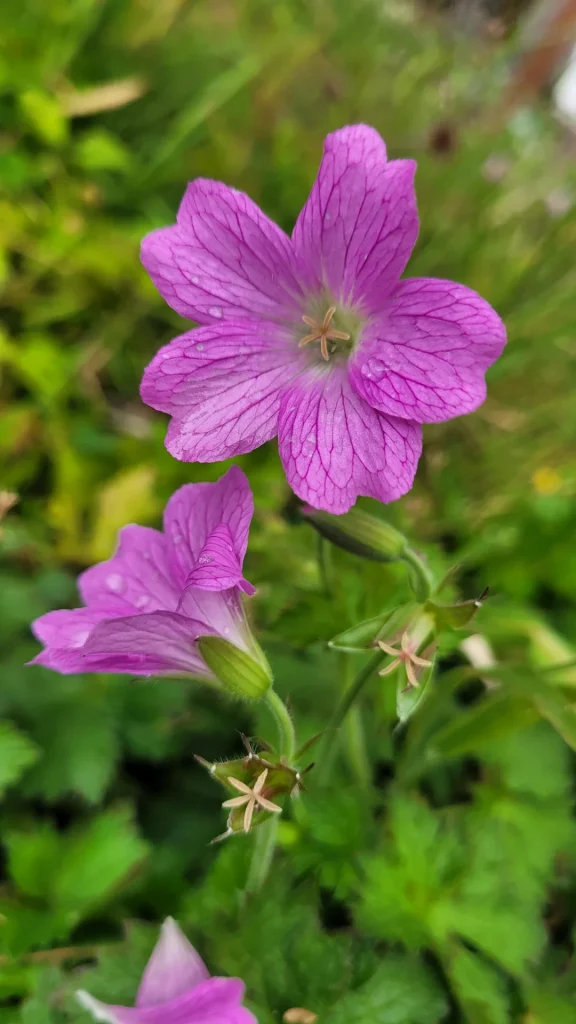
I’ve grown ‘Rozanne’ under a rose bush with great results. It’s still one of the most popular varieties for good reason, blooming from early summer right through to frost.
Try planting hardy geranium under your roses, shrubs, and trees for a layered, natural look that fills gaps other plants leave behind.
13. Coral Bells
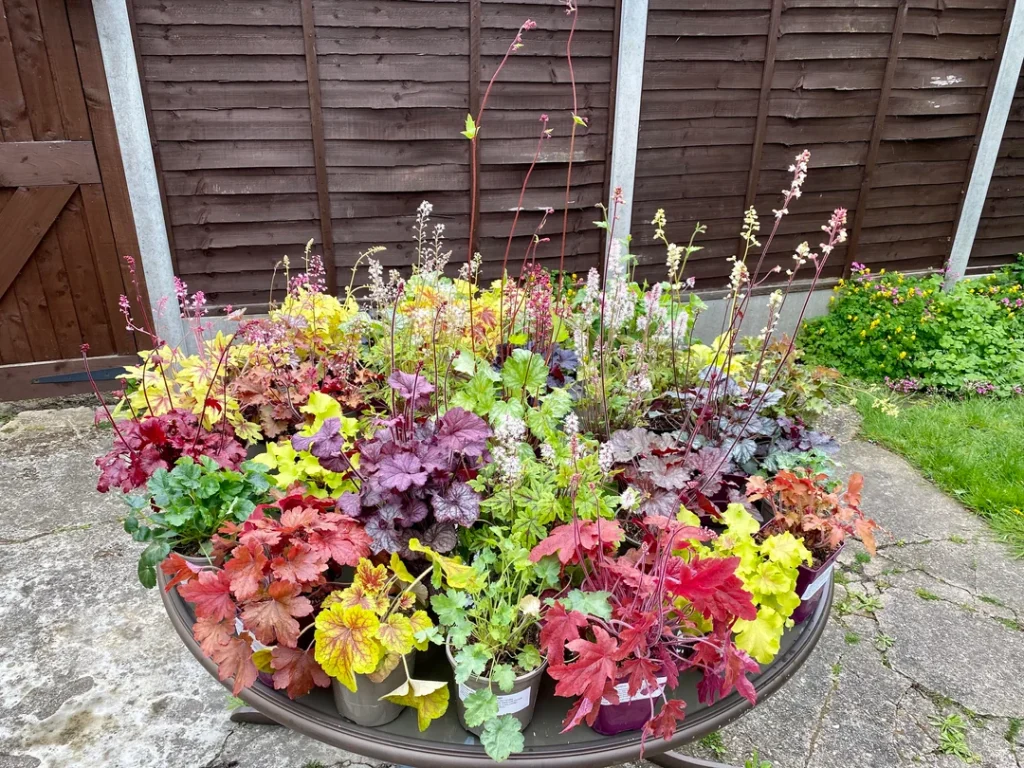
You’ll get color from coral bells even when they’re not in bloom. They bring stunning foliage in shades of burgundy, caramel, lime green, and silver, often holding that color through most of the growing season.
Tall, slender flower stems rise above the foliage in late spring, attracting hummingbirds to your yard.
Why Deer Leave It Alone: Deer pass coral bells by because of the rough, hairy texture and bitter taste of the leaves. That makes it a rare case of a plant that’s both showy and reliably ignored.
Zones 4-9 | Partial sun to partial shade | 6-18 in tall, 12-30 in wide | Late spring to mid-summer bloom
Growing Tips: Rich, well-drained soil and some afternoon shade will keep coral bells looking their best. Heucheras are evergreen in milder climates, so you’ll get foliage color even through winter.
‘Dolce Wildberry’ has been a reliable performer in my own beds. It holds deep purple leaf color through most of the season.
It sends up tiny pink flowers that add a bit of extra sparkle without stealing the show from the foliage itself.
14. Liriope
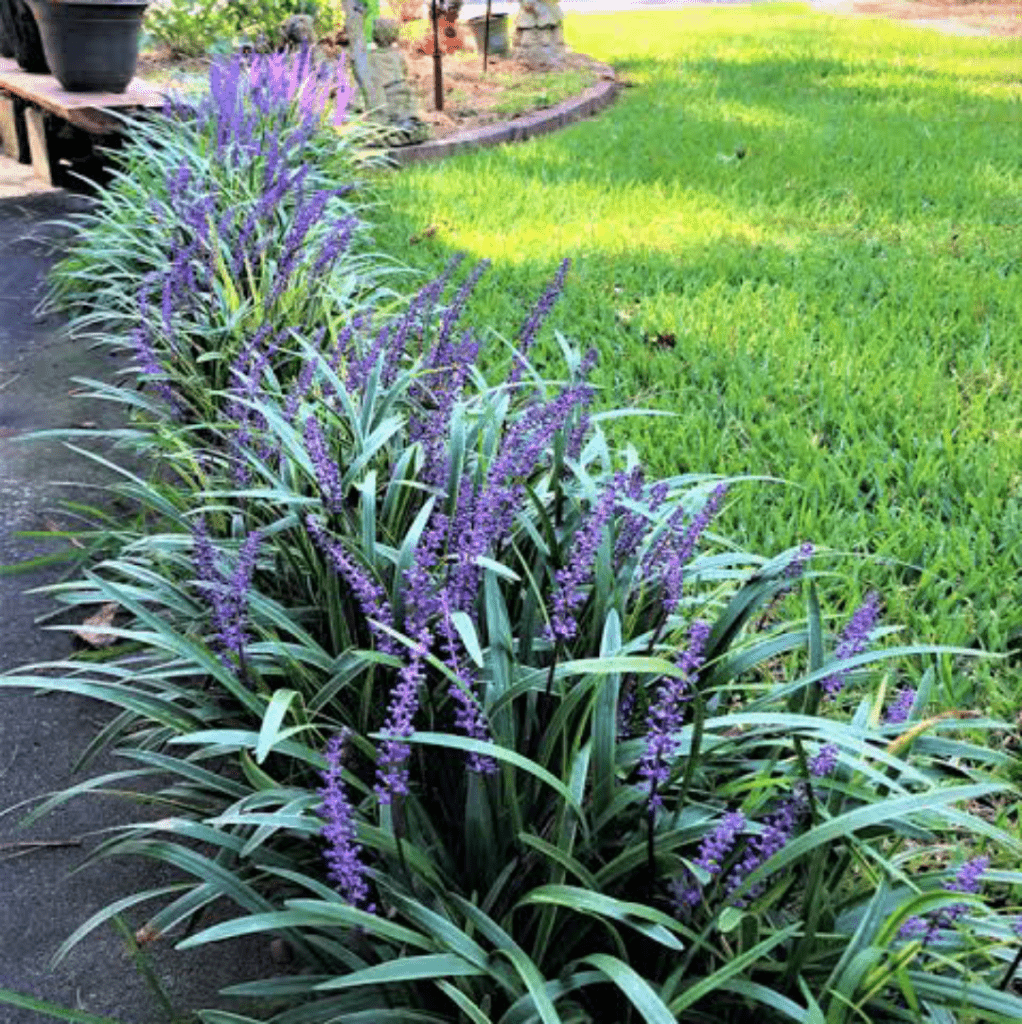
You might mistake liriope for an ornamental grass at first glance.
It’s commonly called lilyturf or monkey grass, and it behaves like a tough, spreading ground cover that handles conditions many other plants can’t.
Purple or white flower spikes push up through the grass-like foliage in late summer.
Why Deer Leave It Alone: The fibrous texture and low nutritional value of liriope give deer little reason to bother with it, especially when more appealing forage is available elsewhere.
Zones 4-10 | Full sun to partial shade | 12-18 in tall, 12-24 in wide | Late summer bloom
Growing Tips: If you’ve got dry, shady areas where little else survives, that’s where liriope truly shines. It tolerates poor soil and occasional foot traffic better than most ground covers you’ll find.
‘Silver Dragon’ is a striking variety with white-edged leaves, though it spreads more slowly than the standard form, so plan accordingly if you want quick coverage.
Use it as edging, a lawn substitute, or a dense filler under trees where your grass has already given up.
15. Ice Plant
You’ll get some of the most vivid flowers on this whole list from ice plant. It’s a low-growing succulent, and its daisy-like blooms are so saturated they almost look artificial.
Blooms in hot pink, orange, yellow, and purple appear from late spring all the way through fall.
Why Deer Leave It Alone: Deer avoid ice plant because of the prickly texture of its fleshy leaves. Browsing is simply more trouble than it’s worth for them.
Zones 5-9 | Full sun | 3-6 in tall, 12-30 in wide | Late spring to fall bloom, depending on variety
Growing Tips: Well-drained, sandy or rocky soil is essential, since standing water will rot the fleshy foliage quickly. It thrives in reflected heat, so it’s a strong choice if you’ve got a spot near a driveway or south-facing wall.
If you’ve got rock gardens, sunny slopes, or dry curbside strips, that’s where ice plant will thrive.
You’ll rarely need to water it once it’s established, and ‘Razzle Dazzle’ is a spectacular variety with bicolored blooms that look almost too vivid to be real.
16. Lady’s Mantle
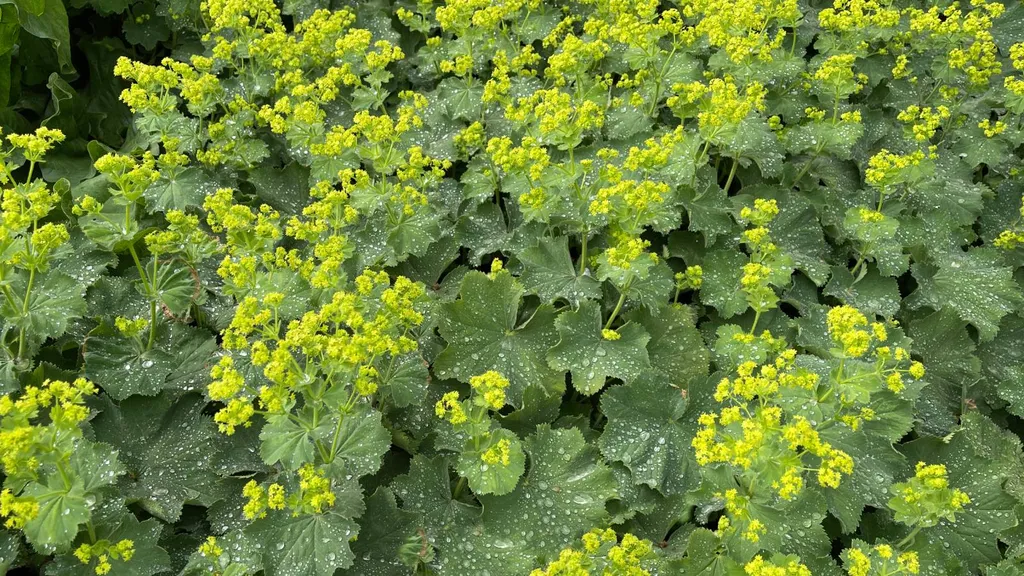
You’ll notice how lady’s mantle makes everything around it look better. It softens hard lines with its rounded, scalloped foliage.
Soft, slightly hairy leaves collect morning dew in perfect round droplets, a small daily detail worth stepping outside for.
Why Deer Leave It Alone: Deer dislike the fuzzy leaf texture. They’ll leave those beautiful chartreuse flower clouds completely untouched, even when other nearby plants get nibbled.
Zones 4-7 | Full sun to partial shade | 8-12 in tall, 12-24 in wide | Early summer bloom
Growing Tips: Consistent moisture and rich soil will bring out the lushest growth. Established plants tolerate short dry spells without much fuss.
Afternoon shade helps prevent leaf scorch if you’re in a hotter climate.
That soft chartreuse flower color pairs with almost every other shade in your garden, so it’s an easy plant to work into an existing bed.
Try it planted along the front of a rose bed, where its low mounds soften hard edges. Cut the whole plant back hard after flowering and water well, and you’ll see fresh new foliage push up quickly.
17. Autumn Fern
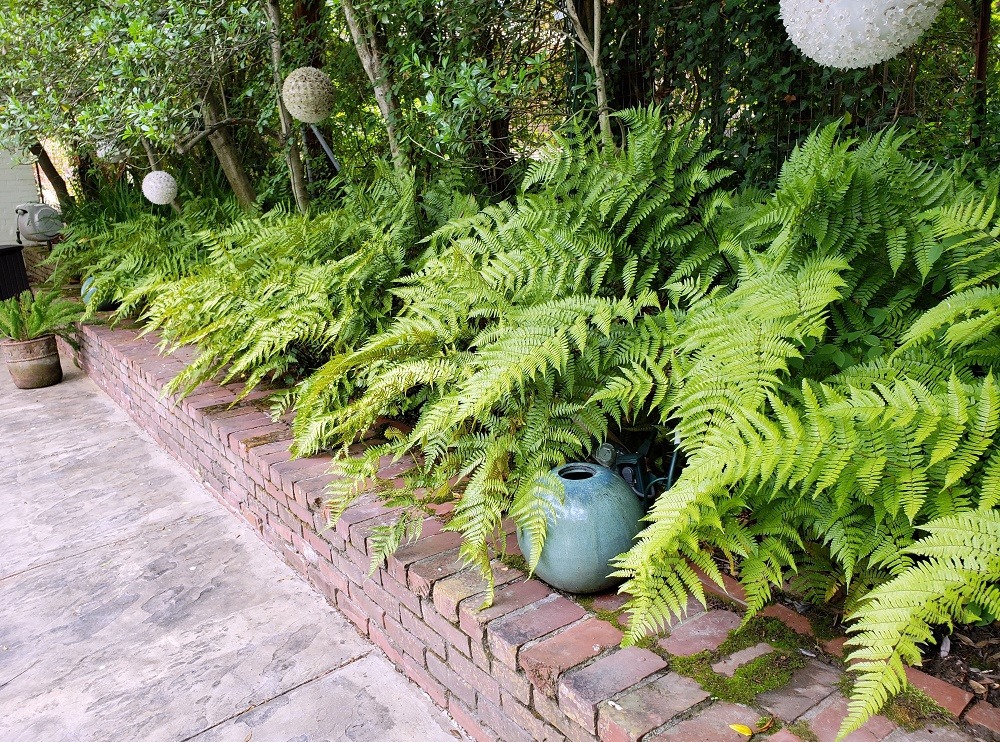
You’ll want to watch autumn fern closely when new growth appears. It brings something genuinely special to shady deer resistant ground cover planting.
New fronds emerge in a warm coppery red, then gradually fade through pink and settle into rich green.
Why Deer Leave It Alone: Deer rarely touch ferns in general. This evergreen variety earns its keep through all four seasons instead of dying back like many deciduous ferns.
Zones 6-9 | Partial to full shade | 18-24 in tall and wide | No flowers, grown for foliage
Growing Tips: Moisture-retentive soil and good shade will produce the happiest autumn ferns.
Work compost or leaf mold into the planting area before you start, since that helps mimic its natural woodland conditions.
Try pairing it with hellebores and lungwort for a layered woodland look. It genuinely stops people in their tracks when the fronds are flushing that fresh coppery color.
Divide clumps every few years to expand your coverage without spending a dollar.
18. Deadnettle
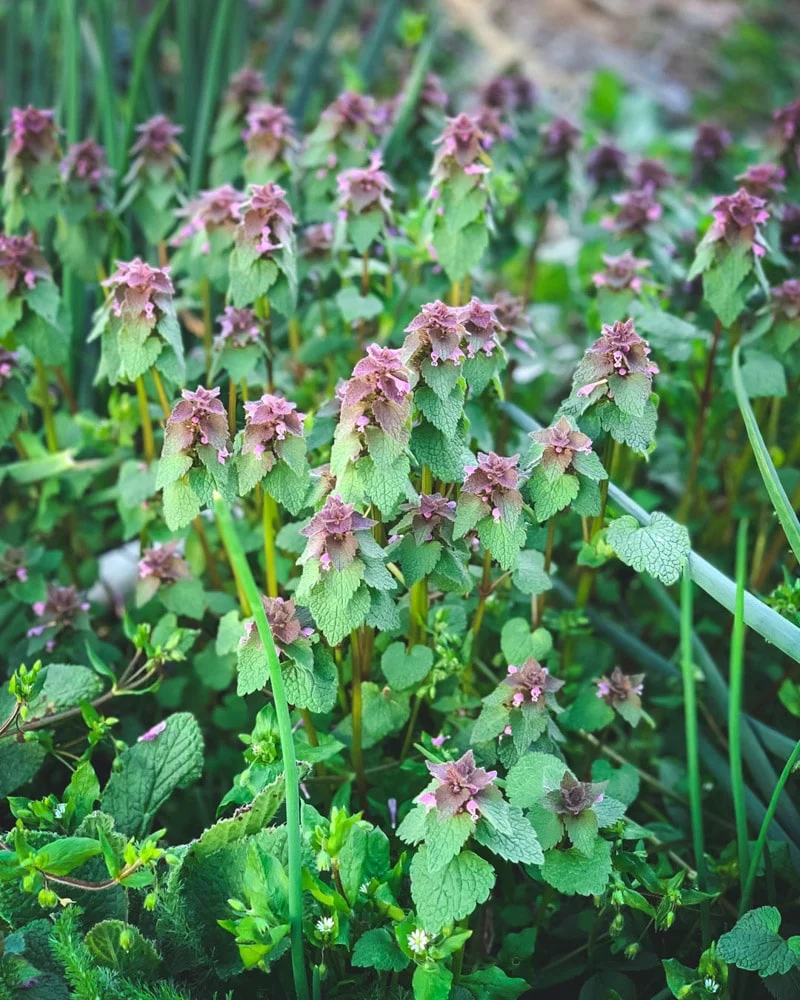
You’ll brighten up dark corners fast with deadnettle. It’s a fast-spreading shade lover with some of the prettiest variegated foliage on this entire list. Silver-splashed leaves stay attractive whether or not the plant is in bloom.
Why Deer Leave It Alone: Deer avoid deadnettle because of the pungent scent, bitter taste, and mild toxicity of the leaves. That combination makes it one of the more consistently ignored plants you can put in a shady bed.
Zones 4-9 | Partial sun to full shade | 3-12 in tall, 24-36 in wide | Spring to summer bloom
Growing Tips: Average, well-drained soil and shade are all deadnettle really needs from you. It spreads quickly by rooting stems as it travels, so keep an eye on it if you want it contained.
Few ground covers will spread as quickly and effectively under your trees and shrubs as deadnettle. ‘Pink Chablis’ is a gorgeous variety with silver leaves edged in green and soft pink flowers. It’s worth checking whether it’s considered invasive in your area before you plant it.
Wrapping It All Up
Choosing deer resistant ground cover plants doesn’t mean settling for boring or plain.
Every plant on this list brings something beautiful — whether that’s the vivid blooms of ice plant, the copper-red fronds of autumn fern, or the silver-splashed leaves of deadnettle. Deer pressure is real, but so are your options.
Start with two or three plants that suit your light conditions and soil. Mix shade lovers like lungwort and hellebore with sun lovers like sedum and creeping thyme for a layered, varied look.
Your garden can be full, lush, and gorgeous — and the deer can go find someone else’s yard to browse.