How to Grow Red Creeping Thyme Ground Cover Plant?

Tired of mowing every weekend? Red creeping thyme gives you a low, flowering carpet instead of plain grass, and it barely asks for anything in return.
This little herb spreads across the ground, blooms bright pink all summer, and releases a spicy scent every time you brush past it. Bees and butterflies love it.
Your water bill will love it too, since it shrugs off dry spells once it settles in. You get to skip the mowing almost entirely.
Want a yard that smells like fresh herbs instead of cut grass? Here’s exactly how to grow your own patch of red creeping thyme.
What Is Red Creeping Thyme?
Red creeping thyme is a tiny herb that hugs the ground and spreads sideways.
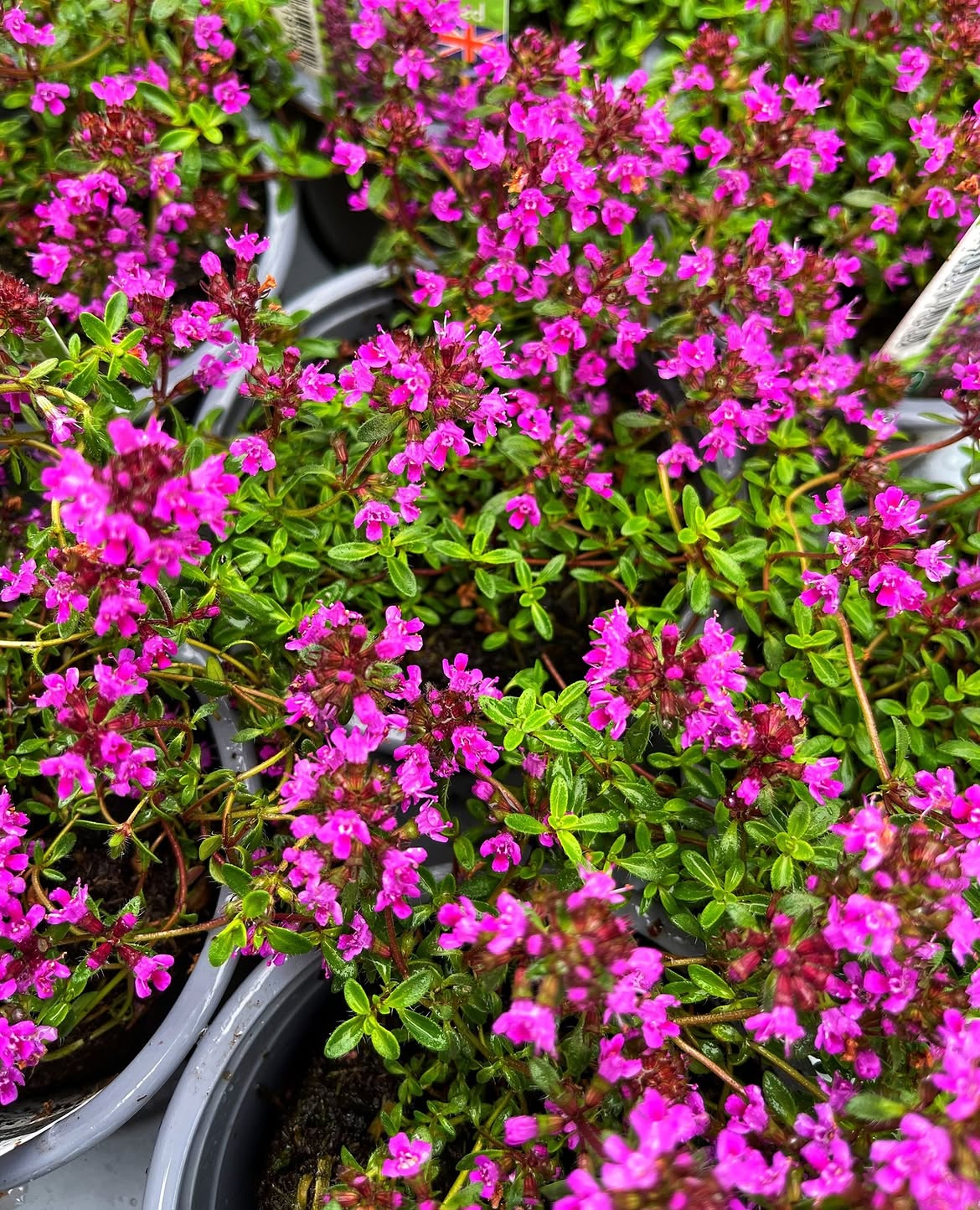
Its botanical name is Thymus serpyllum ‘Coccineus,’ but nobody actually calls it that. Small gray-green leaves cover each stem.
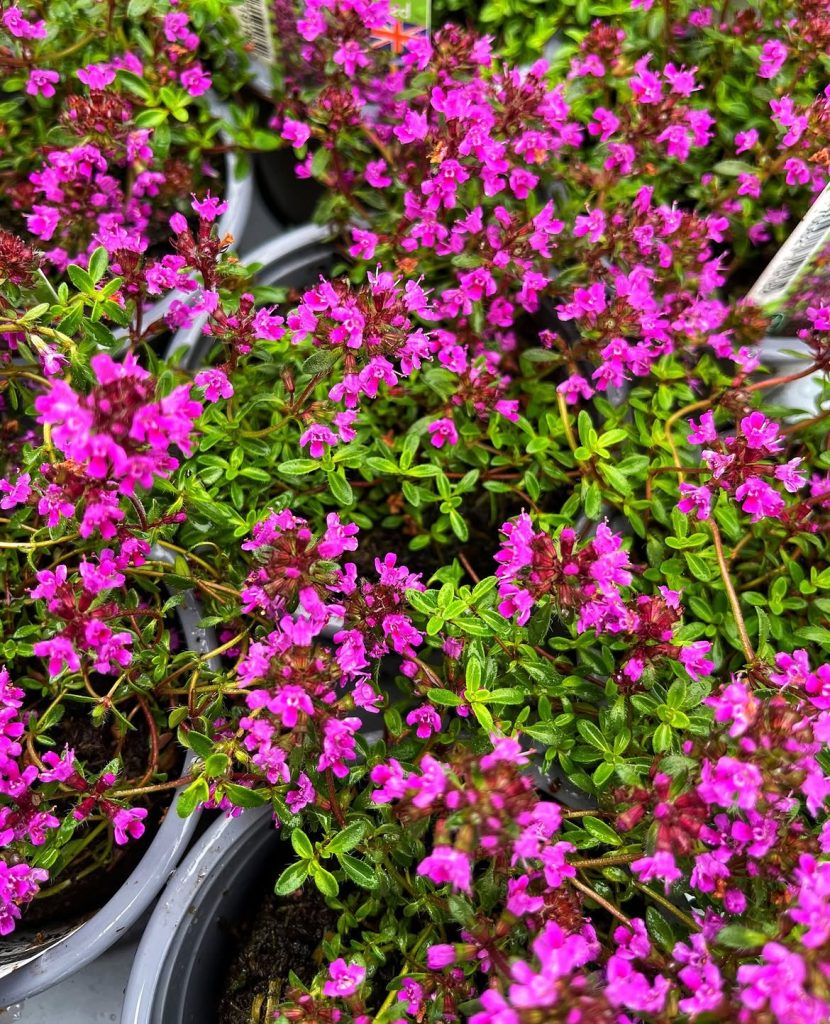
Pink flowers cover the whole plant come summer. Crush a leaf between your fingers and you’ll smell something spicy and herbal right away.
People mix this plant up with woolly thyme all the time. Don’t make that mistake.
Red creeping thyme blooms harder and spreads a little faster. It only grows a few inches tall, yet it can stretch twelve to eighteen inches wide once it gets going.
Step on a mature patch and it feels soft, almost bouncy, under your feet.
Also read: Creeping Phlox vs Creeping Thyme: Which Ground Cover Wins Your Garden?
Why You’ll Love Growing This Stuff
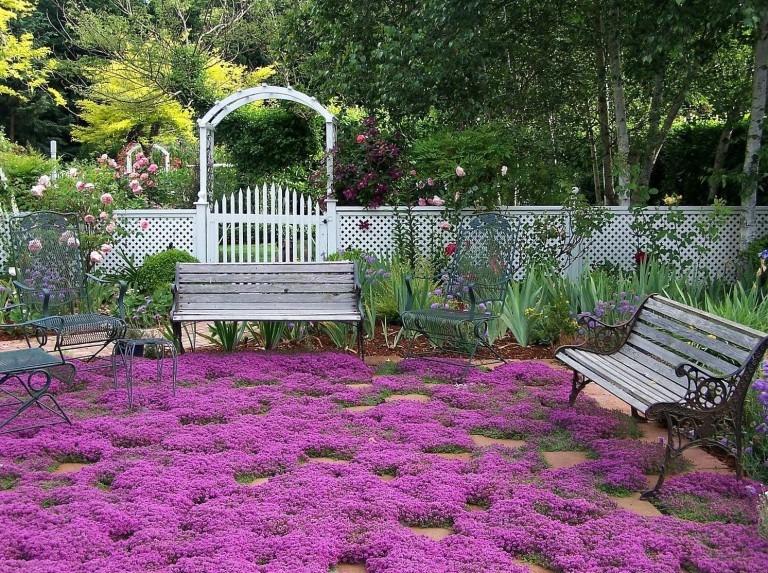
Imagine a lawn that actually blooms instead of just sitting there green and boring. That’s red creeping thyme.
It fills in fast once it settles, and it smells like fresh herbs every time you cross it. Butterflies and bees can’t resist those tiny flowers, either.
Drought doesn’t scare this plant one bit. Give it time to establish, and it’ll barely ask for water again except during a serious dry spell.
You get to skip mowing almost completely too, since it naturally stays low.
Also read: 15 Ground Cover Plants for Sunny Garden
Can You Walk On It?
Yes, within reason. Light foot traffic won’t hurt it at all. Daily games of tag with the dog will wear it down, though. Save it for garden paths or spots between stepping stones if you’ve got kids or pets running around.
Does It Stay Green All Year?
That depends on where you live. Warmer climates let it stay green through winter. Colder zones might watch it turn brown and go quiet for a season. Either way, it bounces right back once spring rolls in.
Why battle grass every single weekend when this fragrant little plant asks for so much less? I sure don’t miss the mowing. Ready to figure out where to plant it? That’s exactly what we’re covering next.
Picking the Right Spot
Sun matters more than anything else here. Red creeping thyme wants at least six hours of direct sunlight every single day. Stick it in a shady corner, and you’ll end up with a sad, leggy plant instead of a thick carpet.
Think about where the sun hits your yard throughout the day. Watch it for a morning if you’re not sure. That patchy area by your driveway that bakes all afternoon? Perfect spot.
What Kind of Soil Does It Need?
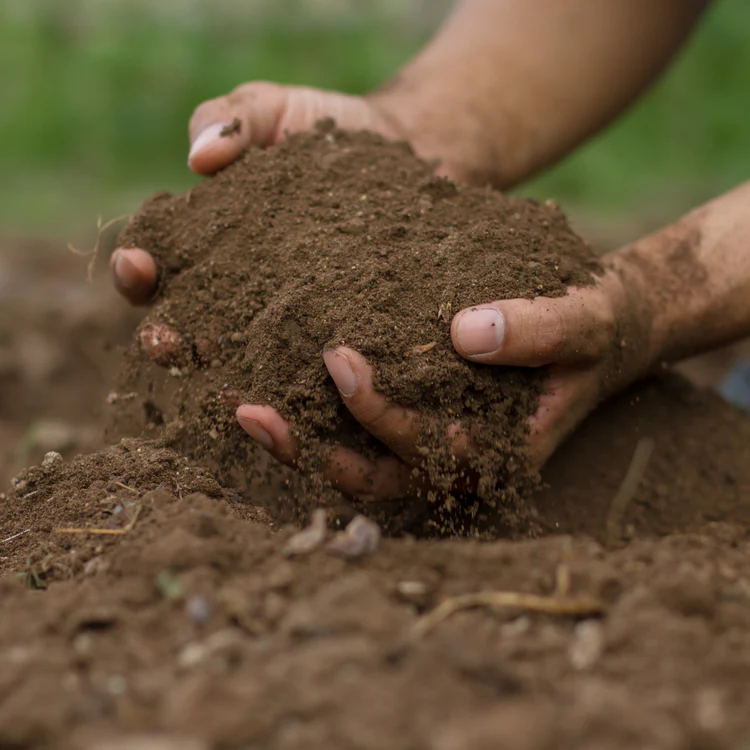
Drainage is everything with this plant. Clay soil holds too much water, and wet roots invite rot fast.
Sandy or loamy soil works best because water moves through it instead of pooling around the roots.
Got heavy clay in your yard? Mix in some compost or coarse sand before you plant.
This little fix breaks up the soil and helps water drain away instead of sitting there. Skip this step, and you’re basically asking for trouble later.
Check Your Growing Zone
Red creeping thyme thrives in USDA zones 4 through 9. That covers a huge chunk of the country, honestly. Not sure about your zone? A quick search with your zip code will tell you in seconds.
Getting Your Soil Ready
Clear out every weed before you plant anything. Weeds compete for water and nutrients, and young thyme plants can’t fight back yet. Pull them by hand or smother them with cardboard a few weeks ahead of time.
Loosen the top few inches of soil once the weeds are gone. This gives new roots room to spread without a fight. Rake it smooth afterward so your plants sit level and even.
How to Actually Plant It
Most people skip seeds and start with plug plants or small potted thyme instead. Seeds take forever to turn into anything useful. Nurseries and online shops both sell these little starter plants pretty easily.
Space each plug 6 to 12 inches apart. Closer spacing fills in faster, but it costs more money upfront. Wider spacing saves cash but tests your patience while you wait for the gaps to close.
Dig a hole slightly bigger than each root ball. Set the plant in so the top sits level with the surrounding soil. Backfill around it and press down gently to remove any air pockets hiding underneath.
When Should You Plant?
Late spring works best, right after your last frost passes. This timing gives roots a full season to settle in before winter arrives. Planting too early risks a surprise frost killing your new thyme before it even gets started.
Fall planting can work too, but only in milder climates. Cold-winter areas should stick with spring instead. Why risk it when spring gives you such an easy win?
Water It Right After Planting
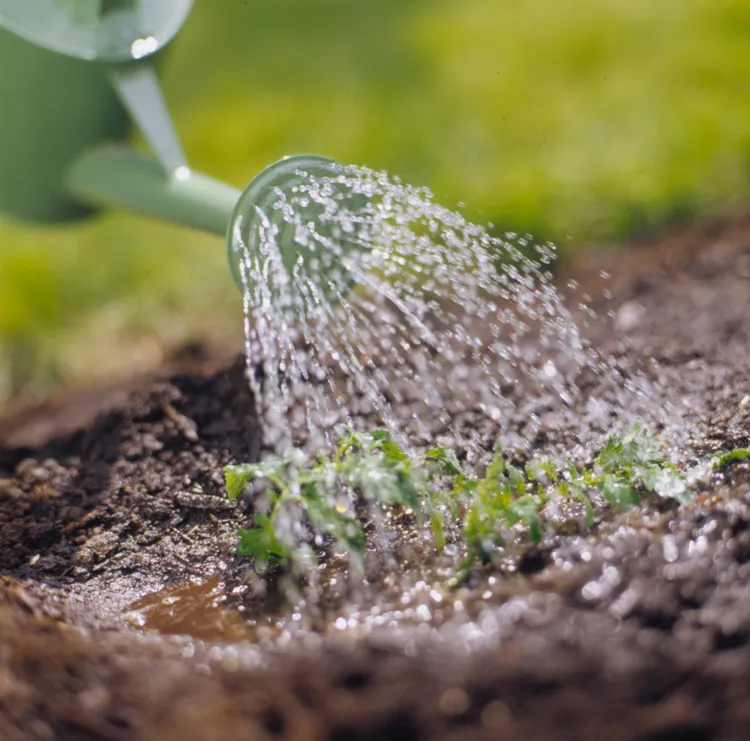
Give your new plants a good, thorough soak right away. This helps roots make contact with the surrounding soil instead of sitting in an air pocket. Keep the soil consistently moist for the first few weeks while everything settles in.
Don’t drown it, though. Thyme hates sitting in soggy ground even as a baby plant. A steady, light watering routine beats one giant flood every single time.
Caring for Established Thyme
Your thyme needs the most attention early on. Water it regularly during that first growing season while roots are still finding their footing. Skip a few days here and there once you notice new growth spreading outward.
Mature plants barely need you at all. Established thyme survives on rainfall alone in most climates. Only step in with the hose during a real drought, one that stretches weeks without rain.
How Much Water Is Too Much?
Soggy soil kills thyme faster than drought ever could. Check the top inch of soil before watering anything. Feel dry? Water it. Feel damp? Walk away and check again tomorrow.
Overwatering invites root rot, and root rot spreads quietly until your plant just collapses. Yellowing leaves and a mushy base are classic warning signs. Cut back on water immediately if you spot either one.
Staying Ahead of Weeds
Weeds cause the most trouble in that first year. Your thyme hasn’t spread enough yet to block them out, so weeds sneak in through every gap. Pull them by hand as soon as you spot them.
Waiting makes this job harder every single week. Established roots on weeds fight back and tear up your thyme when you yank them out. Early, small pulls beat one big battle later.
Here’s the good news, though. Once thyme forms a solid mat, weeds barely stand a chance. That thick carpet blocks sunlight from ever reaching weed seeds below.
Pruning Keeps It Looking Fresh
Thyme turns woody and scraggly without occasional pruning. Nobody wants a patchy, stick-covered lawn instead of a soft green one. A quick trim once a year fixes this problem completely.
Prune in early spring, right before new growth kicks in. Cut stems back by about a third using sharp shears. This encourages bushier, denser growth instead of long, leggy stems.
Can You Just Mow It Instead?
Absolutely, and plenty of people do exactly that. Set your mower blades as high as they’ll go first. This trims the top growth without scalping the whole plant down to nothing.
A string trimmer works in a pinch too. Just keep the blade height generous and go slow. Aggressive cutting stresses thyme out and slows down its recovery afterward.
Trim After Flowering Too
Deadheading spent flowers keeps your patch looking sharp all summer. Snip off faded blooms once they start browning and drooping. This little habit encourages a second, smaller flush of flowers later in the season.
Fall calls for one more light trim before winter sets in. This tidies things up and helps prevent disease over the cold months ahead. Your thyme will thank you with fuller growth come spring.
When Things Go Wrong
Every gardener hits a snag eventually. Red creeping thyme is tough, but a few problems pop up more than others. Catching them early saves you a ton of frustration later.
Yellow, Mushy Patches
This almost always means root rot from too much water. Soggy soil suffocates roots, and the plant can’t recover once rot sets in badly. Pull back on watering immediately and check your drainage.
Sometimes the fix means digging up the worst patches entirely. Replant healthy sections in a spot with better drainage instead. A little compost or sand mixed into that soil helps prevent a repeat.
Bare, Thin Spots
Thin patches usually mean too much shade or soil that’s packed too tight. Check how many hours of direct sun that spot actually gets. Six hours is the minimum, remember?
Compacted soil blocks roots from spreading the way they need to. Loosen it up with a hand fork around the thin areas. Fresh compost worked into the surface gives roots something easier to grow through.
Woody, Leggy Growth
Old, neglected thyme turns woody fast without regular pruning. Stems get stiff, and flowers stop showing up like they used to. This happens most in plants that never get cut back.
A hard prune usually solves it. Cut stems back by half, right after flowering ends for the season. New, softer growth should appear within a few weeks if the plant is still healthy underneath.
Pests Aren’t Usually a Problem
Here’s some good news for once. Thyme’s strong scent naturally repels most garden pests. Deer avoid it too, which makes it a solid choice near vegetable beds or flower borders.
Root rot and poor drainage cause way more trouble than any bug ever will. Focus your energy there instead. Pests just aren’t worth losing sleep over with this plant.
Frequently Asked Questions
Can I walk on my thyme lawn every day?
Light traffic is fine, but daily heavy use wears it down over time. Save the high-traffic zones for stepping stones or gravel paths instead. Thyme handles the occasional stroll far better than constant foot traffic.
How long until it fully fills in?
Most patches take a full growing season, sometimes two, to really carpet an area. Patience pays off here. Closer spacing at planting time speeds this process up noticeably.
Does it work for a whole front yard?
Small to medium spaces work great. Huge areas get expensive fast since you’re buying so many plug plants. Consider mixing thyme with other ground covers if your space is large.
Will it come back every year?
Yes, it’s a perennial, so it returns on its own each spring. Just remember it’s considered short-lived, often fading out after about five years. Replanting fresh plugs eventually keeps your patch looking its best.
Can I grow it in containers?
Definitely, and it looks great trailing over the edges of a pot. Use well-draining potting soil mixed with some coarse grit. Containers also work well if your yard soil is heavy clay.
Give It a Try
Red creeping thyme turns a boring lawn into something you actually want to walk across. It smells incredible, attracts bees like crazy, and asks for so little once it settles in. I haven’t touched a mower for that section of my yard in months.
Sun, good drainage, and a little patience early on get you most of the way there. Skip the constant watering and mowing that grass demands instead. Your future self will thank you every single summer.
So why not rip out one patchy section this spring and give it a shot? Worst case, you learn something new about your soil. Best case, you end up with a fragrant, flowering carpet that the bees absolutely love.