November Vegetable Planting Guide: 13 Crops That Thrive in the Cold

Most gardeners start packing away their tools once the calendar flips to November, but that’s premature.
Plenty of vegetables actually prefer the cooler days ahead, and several fast-growing crops can still reach your table before winter fully sets in.
The trick is matching each vegetable to your first frost date and giving it the head start or protection it needs.
I’m going to share 13 vegetables worth planting this month, along with how long each takes to reach harvest.
A Note on Working Backward From Your First Frost Date
Your first frost date matters more than the calendar month when deciding what to plant in November. Gardeners in USDA zones 8 and above usually have several weeks of workable soil left before frost arrives.
Those in zone 7 and below have likely already passed it. Neither situation rules out planting. It just changes your approach.
If your frost date is still ahead, count backward from it using each vegetable’s days-to-maturity. Then add a buffer of one to two weeks. Fall growth slows down as daylight hours shrink, so crops take a little longer than their seed packet suggests.
If frost has already hit, lean on frost covers, cold frames, or containers you can move indoors on the coldest nights. Soil temperature drives germination more than air temperature does.
A simple soil thermometer can tell you whether seeds have any real chance of sprouting before you commit a whole tray to them.
13 Vegetables to Plant in November Before Your Garden Goes Quiet
1. Kale
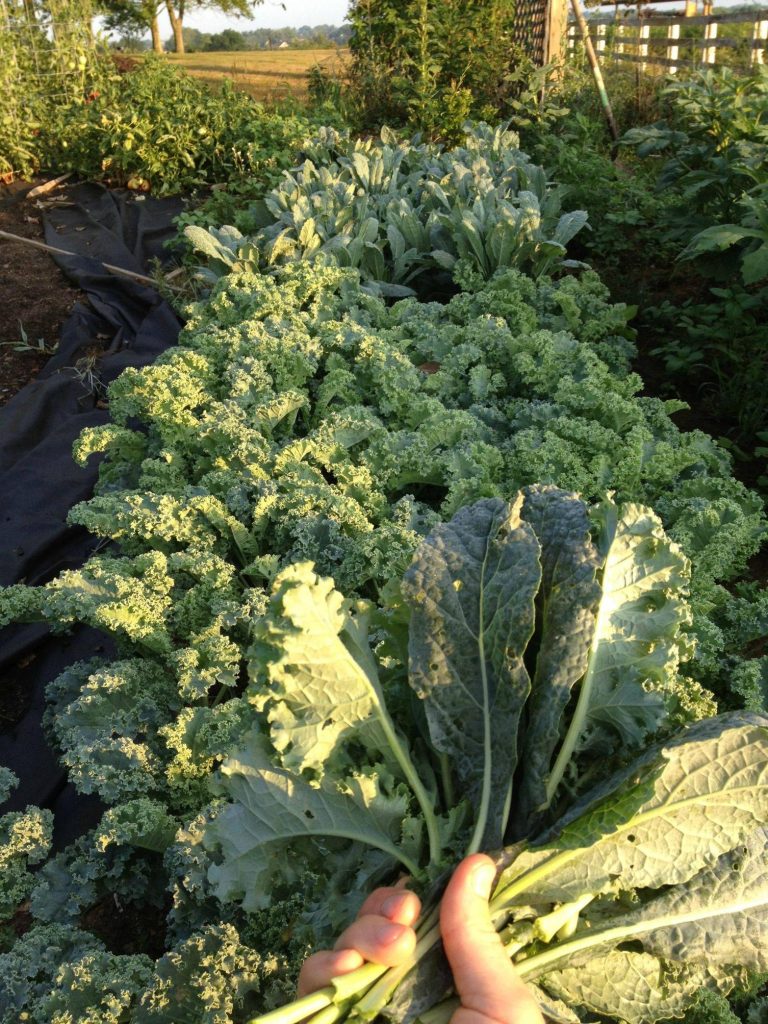
Cold weather actually works in this leafy green’s favor. A light frost triggers kale to convert starches into sugars. The leaves end up tasting sweeter and less bitter than a summer harvest.
Curly types like ‘Dwarf Blue Curled‘ hold up especially well against wind and cold snaps.
Plant kale in full sun to partial shade with rich, well-draining soil. Sow seeds a half-inch deep. Thin seedlings to about 12 inches apart once they have their first true leaves.
Kale grows reliably in zones 7 through 10 for fall planting, and gardeners in colder zones can still succeed with a frost cover over young plants.
Harvest Timeline: Individual leaves are ready to pick in as little as 21 days, with full heads reaching maturity around 55 to 65 days.
2. Spinach
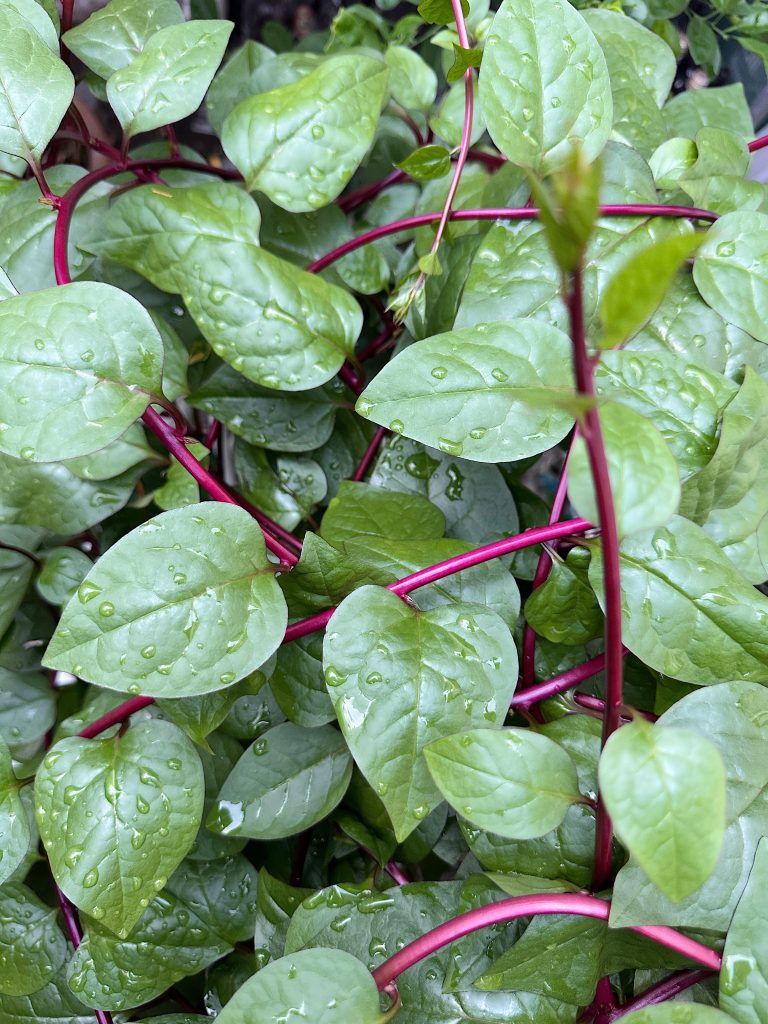
Cool, shorter fall days push this green to grow faster than it does in spring. Many spinach varieties hold up surprisingly well against frost. The leaves stay tender rather than turning bitter.
That makes November-sown spinach some of the best-tasting of the year. Look for cold-hardy cultivars bred specifically for overwintering rather than standard spring varieties.
Sow seeds about an inch deep in loose, fertile soil. Thin seedlings to four inches apart as they emerge.
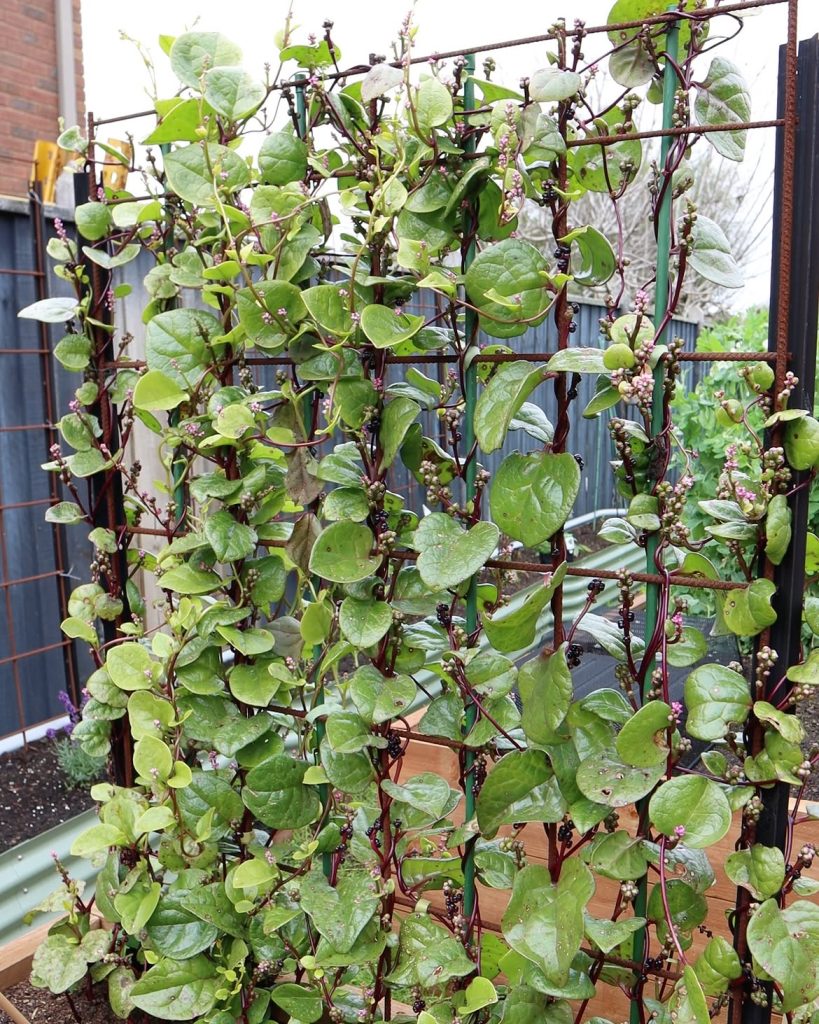
Spinach tolerates temperatures down into the low 20s once established, though young seedlings still benefit from a row cover during a sudden cold snap.
It also grows well in containers, which makes it an easy option if you’re short on garden bed space.
Harvest Timeline: Baby leaves are pickable in about 3 to 4 weeks, with full maturity around 45 to 50 days.
3. Lettuce
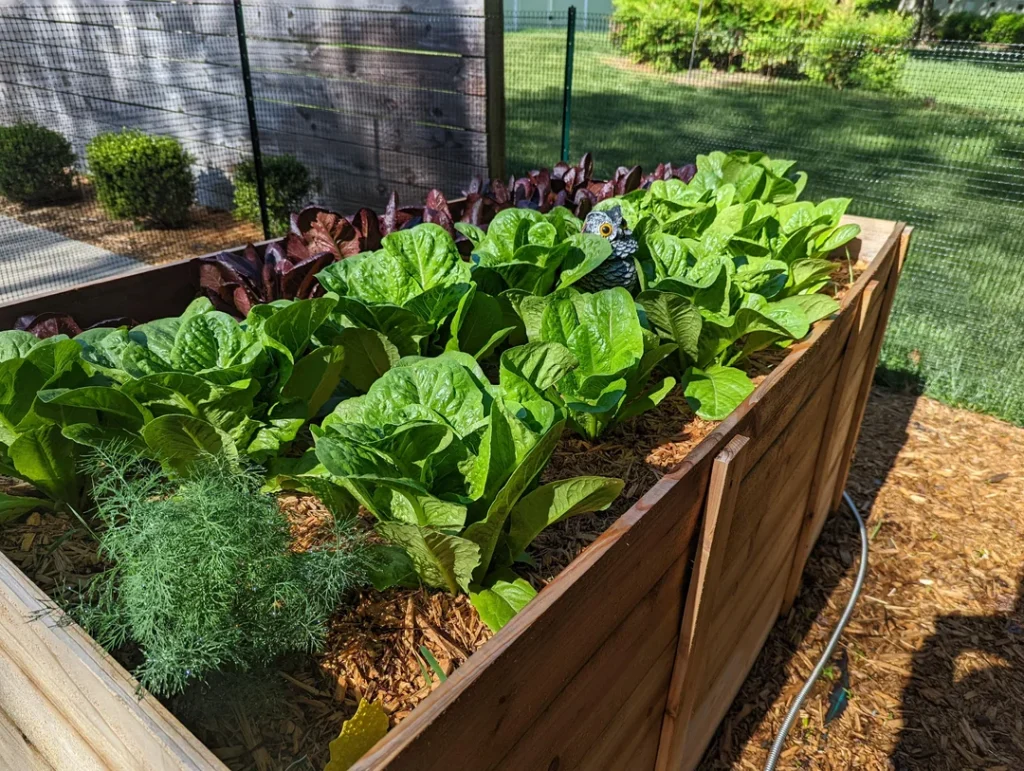
Summer heat is this green’s biggest enemy, so fall is genuinely its better season. Lettuce bolts and turns bitter once temperatures climb. Cold-hardy, cut-and-come-again varieties are the smart pick for November sowings.
You can harvest outer leaves repeatedly without waiting for a full head to form. Red-leaf types tend to hold color and flavor especially well once temperatures drop.
Direct sow seeds a quarter-inch deep in loose soil. Keep the bed consistently moist until germination. Lettuce prefers full sun in fall but tolerates a bit of shade better than it does in summer.
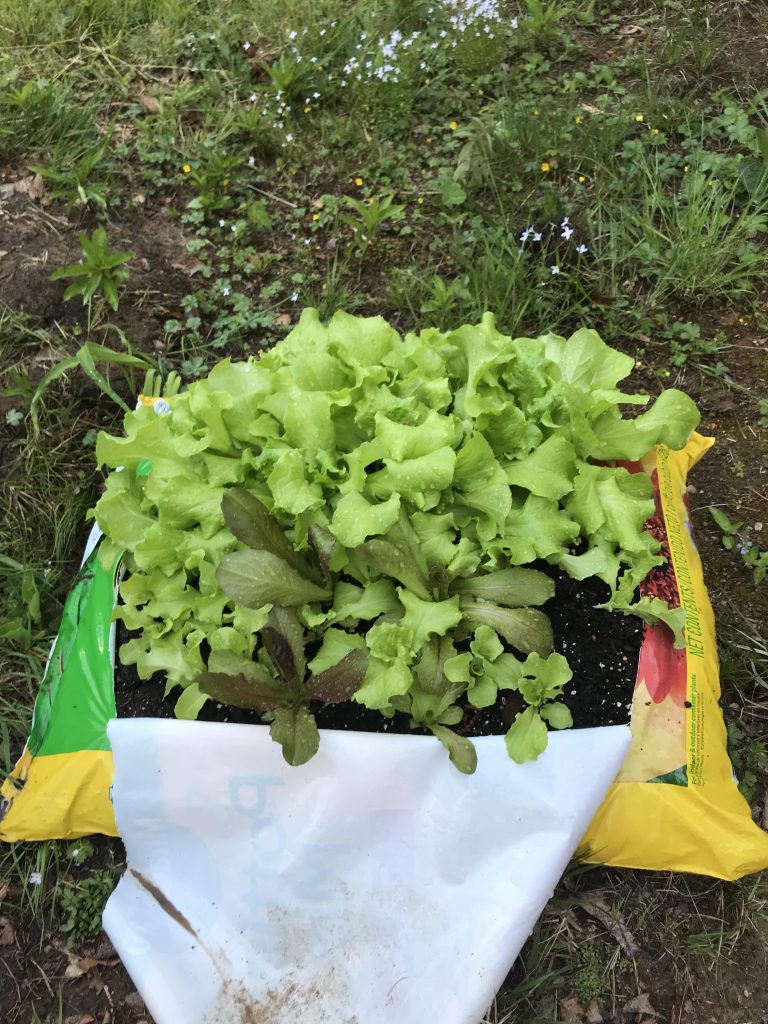
In zones 8 and warmer, you can often harvest right through the winter with minimal protection.
Harvest Timeline: Baby leaves are ready in around 25 to 30 days, with full heads taking closer to 45 days depending on the variety.
4. Corn Salad (Mâche)
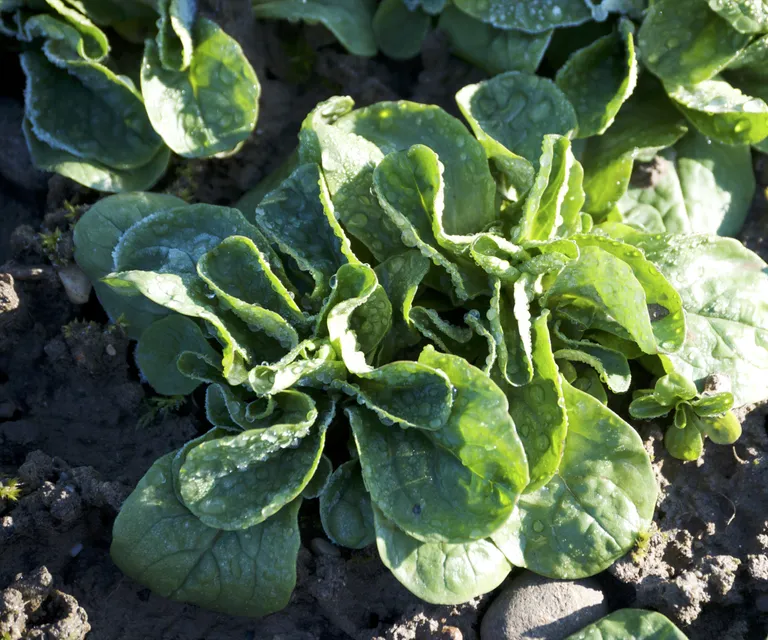
Also known as mâche or lamb’s lettuce, this underused green brings a mild, slightly nutty flavor and a soft, buttery texture to a fall bed. Corn salad is one of the most cold-tolerant salad crops you can grow.
It survives frost and even light snow without much fuss. Its small, spoon-shaped rosettes make it a nice textural contrast to peppery greens like arugula or mustard.
Corn salad thrives in unheated cold frames or under a simple row cover in colder zones, and it holds up outdoors with no protection at all in milder climates.
Harvest Timeline: Ready for a first cut-and-come-again harvest in about 30 days, with continued picking through the winter.
5. Mustard Greens
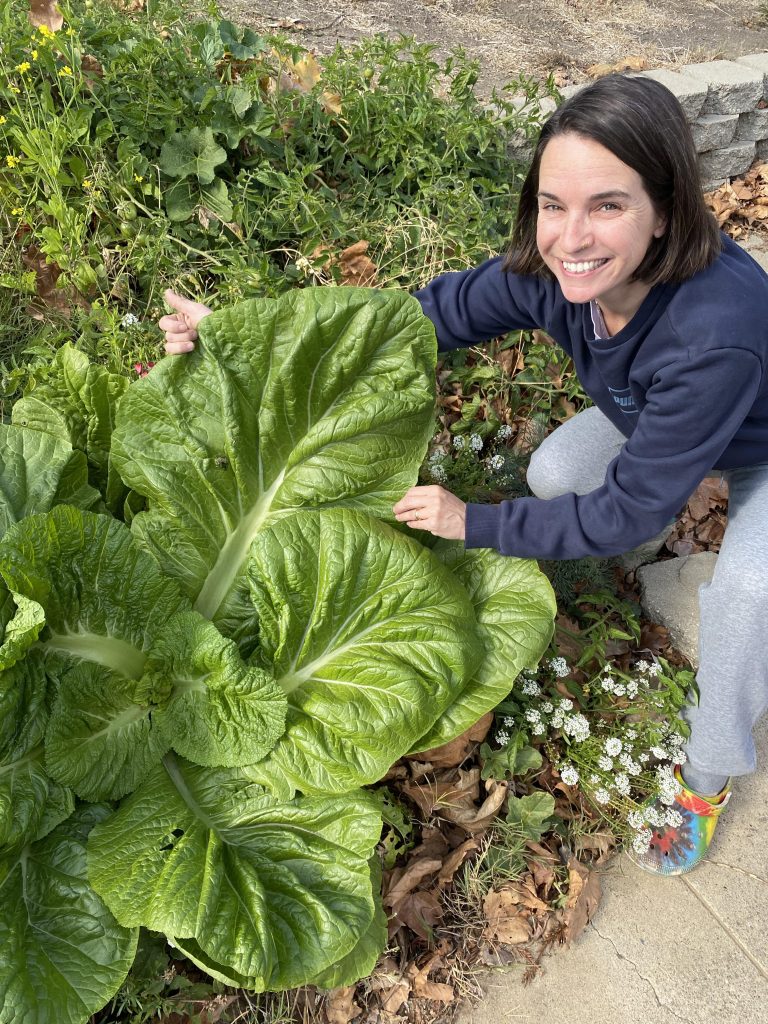
Mustard greens like ‘Red Giant’ and ‘Green Wave’ are especially cold-hardy. They tolerate frost and even light snow cover once established.
The leaves also make a striking addition to a fall garden bed, with colors ranging from deep purple-red to bright green depending on the cultivar.
Mustard prefers full sun but tolerates partial shade as daylight hours shrink. A row cover helps protect young plants from both cold snaps and hungry birds.
Birds tend to peck at tender leaves when other food sources are scarce in winter.
Harvest Timeline: Cut-and-come-again harvests can start in as little as 25 days, with full maturity around 45 to 50 days.
6. Garlic
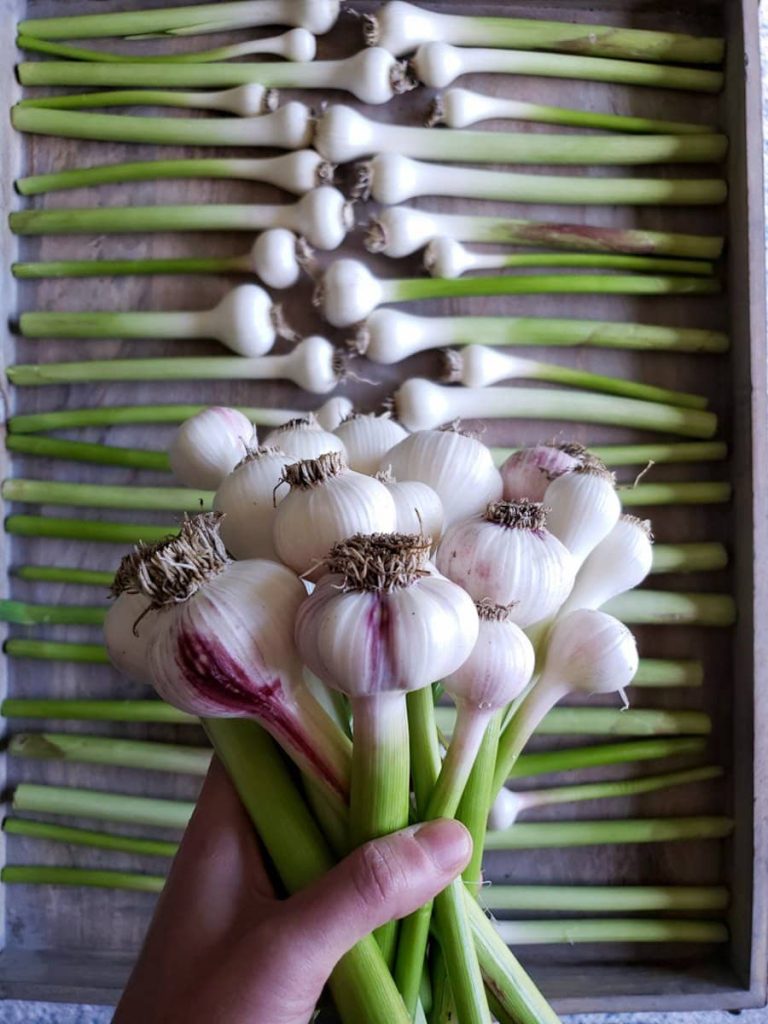
Few crops are as low-effort as this one. You separate a bulb of garlic into cloves and push each one into the soil, and that’s most of the work.
Hardneck varieties need a stretch of winter cold to split properly into cloves, which makes fall planting essential rather than optional for these types.
Choose a sunny spot with well-draining soil, and work in some compost before planting. Push each clove into the ground pointed end up, about two inches deep and six inches apart.
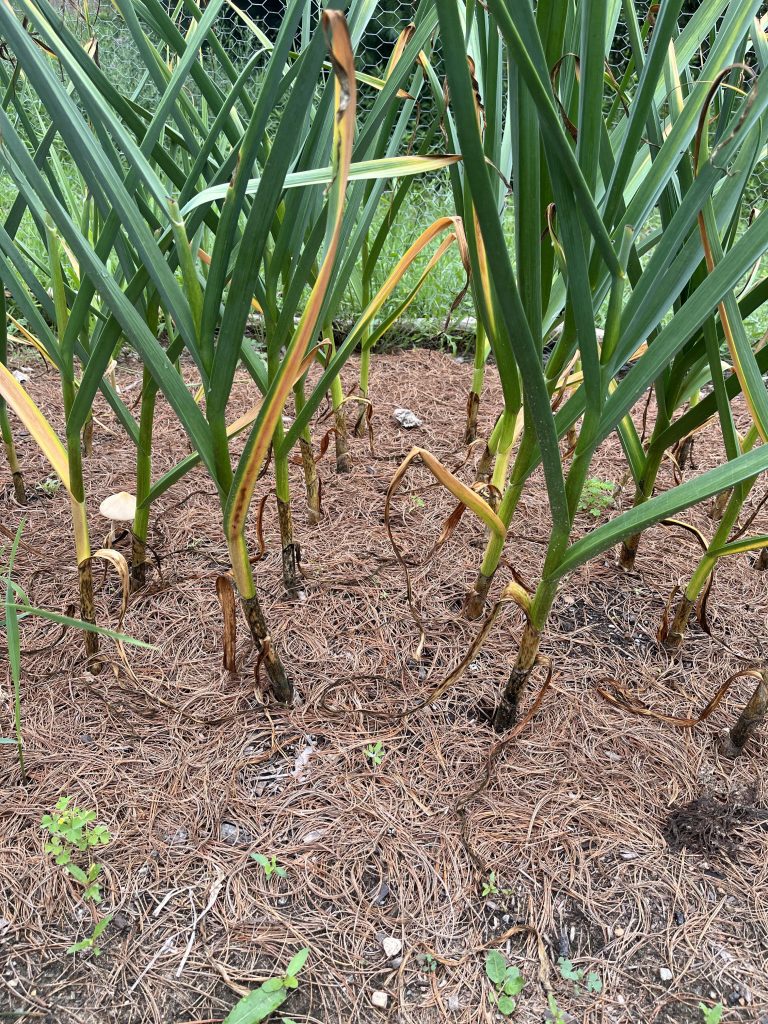
Aim to plant around two weeks before your first frost date so the roots have time to establish before the ground cools further.
Harvest Timeline: Garlic takes far longer than most crops on this list, typically 8 to 10 months from planting to harvest. Resist pulling bulbs until the leaves start to yellow and die back on their own next summer.
7. Bunching Onions
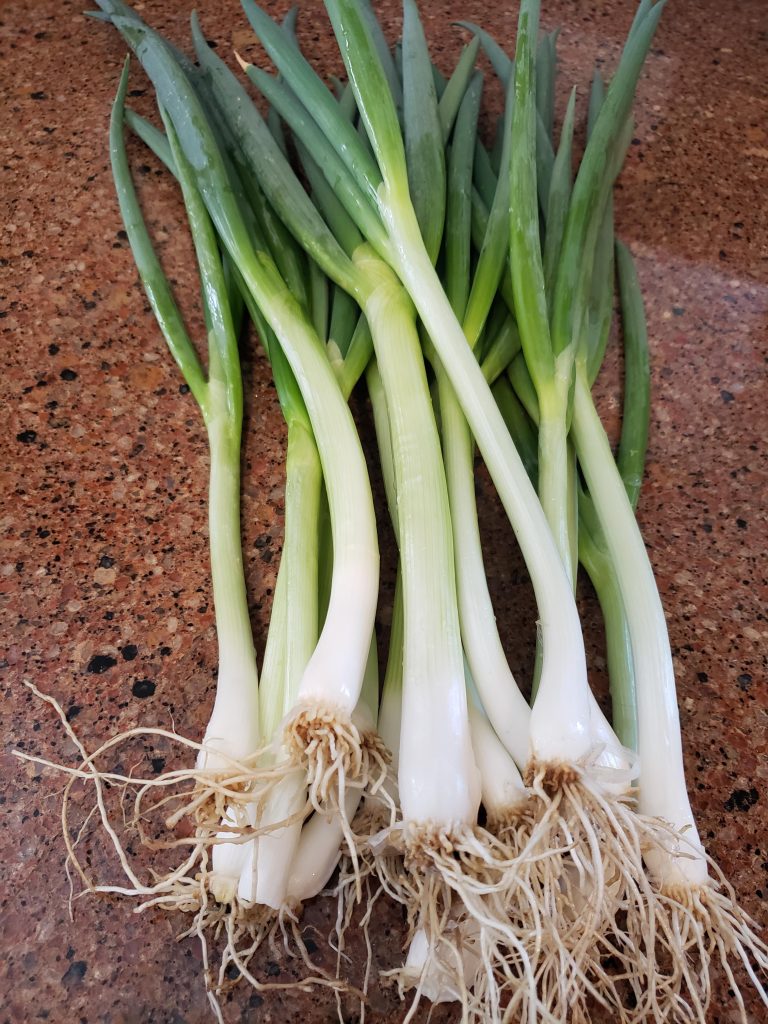
Unlike bulb onions, this allium doesn’t need long daylight hours to develop, so it keeps growing steadily through the shorter days of fall and winter.
Bunching onions are one of the most forgiving crops you can plant in November, no matter where you garden. Varieties like ‘White Lisbon’ are especially cold-tolerant and easy for beginners to get right.
Sow seeds a quarter-inch deep in rows about six inches apart. Thin seedlings slightly as they grow, but bunching onions tolerate closer spacing than most other alliums.
In zones 7 and below, a frost cover or a spot in a container keeps young plants protected through the coldest stretches.
Harvest Timeline: You can start pulling individual stalks in as little as 60 days, though many gardeners let a portion of the bed keep growing for a longer, more mature harvest later.
8. Leeks
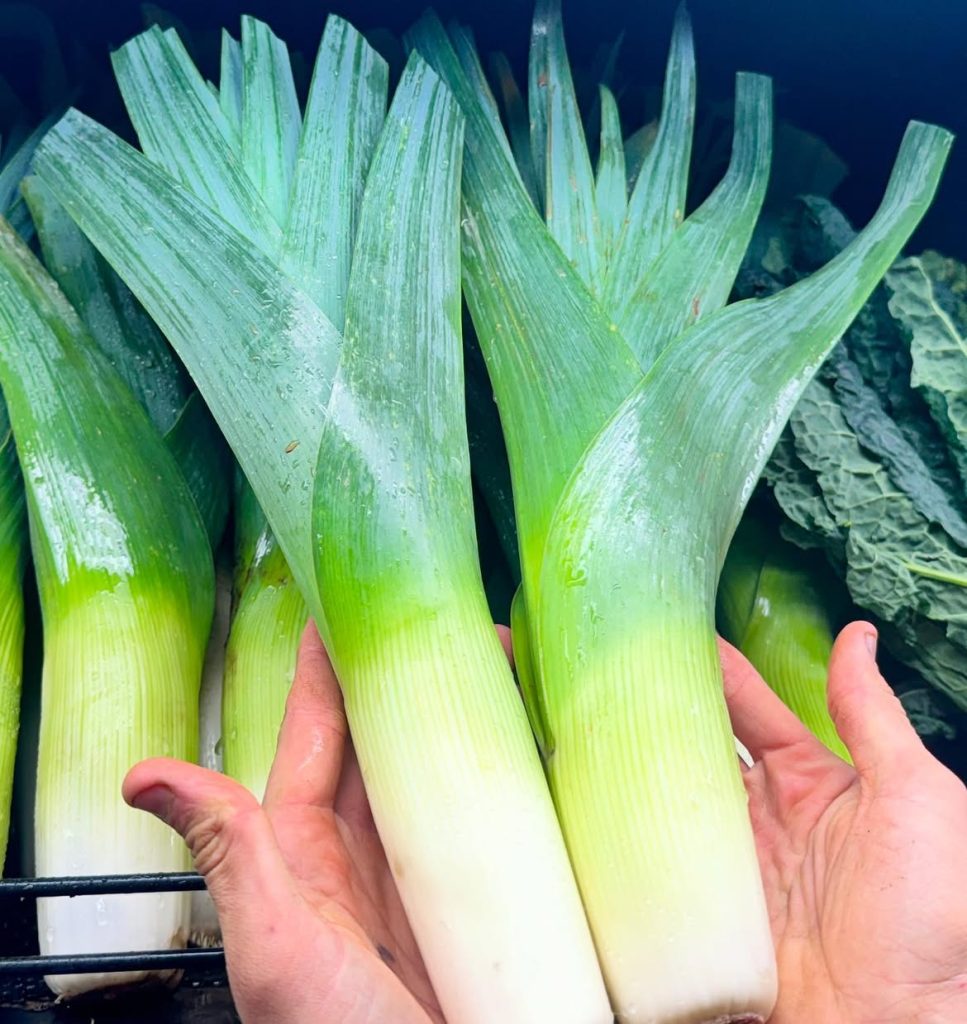
Patience pays off with this one. Plant leeks now, and you’ll have a steady supply to pull from the garden all winter long for soups and stews.
‘King Richard’ is a reliable cold-hardy choice for fall plantings that still have time to establish before the ground fully cools.
Leeks need a head start on root development before frost really settles in, so plant them as early in the month as you can.
Set transplants about six inches apart in trenches roughly six inches deep, then gradually fill the trench in as the plants grow to help blanch the stalks.
Use a frost cover on young plants until they’ve built up some size and resilience.
Harvest Timeline: Leeks planted this late in the season are best treated as a slow-growing crop, with harvest realistically several months out. Once mature, they hold up in the garden through snow and hard freezes without much trouble.
9. Broccoli
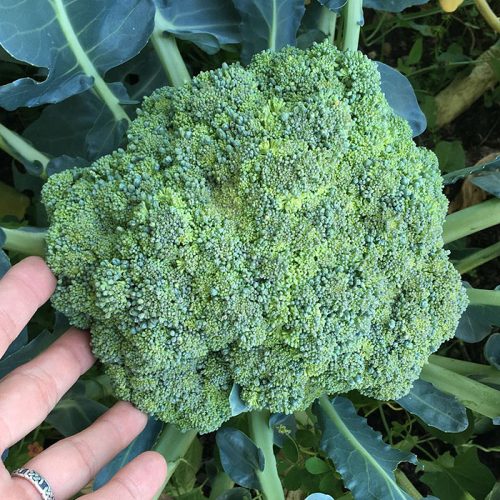
Cold weather can actually improve the flavor of this fall garden favorite by reducing its bitterness. Cold-tolerant broccoli varieties, such as ‘Waltham 29,’ perform especially well once the plants are established.
It’s worth the extra effort this late in the season since a single head of well-grown broccoli goes a long way in the kitchen.
Start seeds in trays rather than direct sowing, since broccoli needs a head start most gardeners don’t have by November. Transplant seedlings outdoors before your first frost date, spacing them about 18 inches apart in full sun.
Colder climates will need a frost cover or a sheltered container spot to get plants through to maturity.
Harvest Timeline: Broccoli transplanted in fall typically needs 10 to 12 weeks to form a usable head, so plan on a late winter or early spring harvest depending on your zone.
10. Carrots
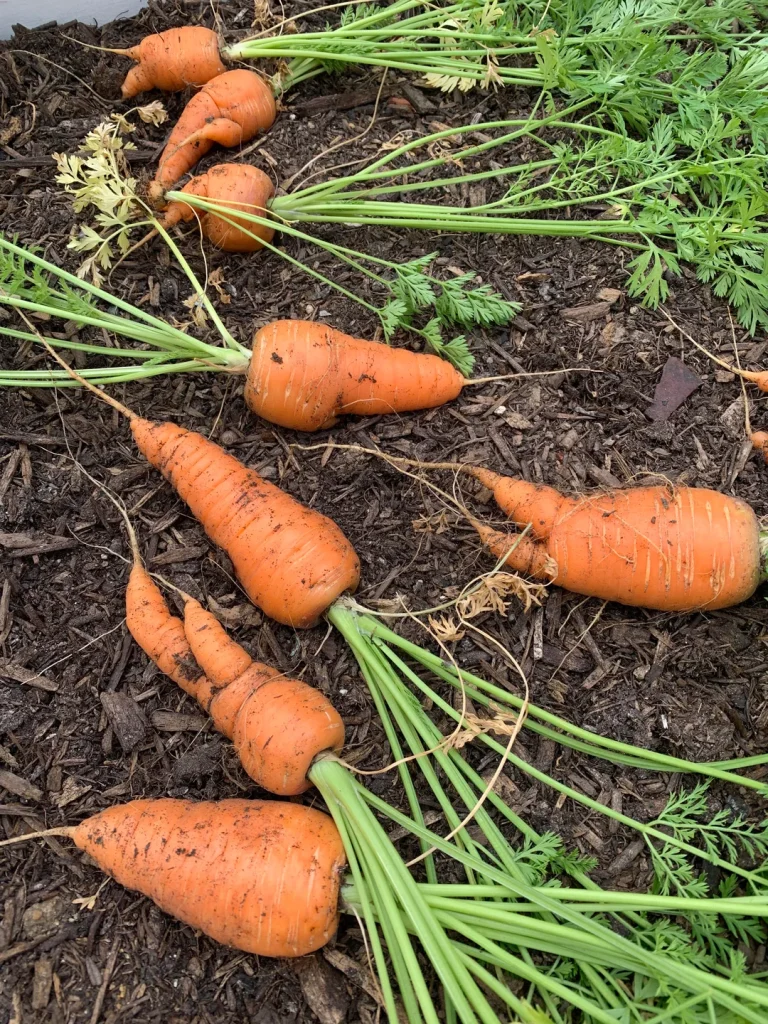
A dip in temperature triggers the roots of this crop to convert starches into sugars, similar to what happens with kale. Carrots actually get sweeter after a cold snap.
If your first frost date lands in late November or later, this is a great month to get a batch in the ground for a winter and early spring harvest.
Loosen the soil deeply before sowing, since compacted or rocky ground leads to stunted or forked roots.
Sow seeds about a quarter-inch deep directly where they’ll grow, since carrots don’t transplant well. Thin seedlings to about two inches apart once they have a few true leaves, and keep the bed consistently moist while the roots develop.
Harvest Timeline: Most varieties reach full size in 70 to 80 days, though you can pull smaller roots earlier for a sweeter, more tender bite.
11. Beets
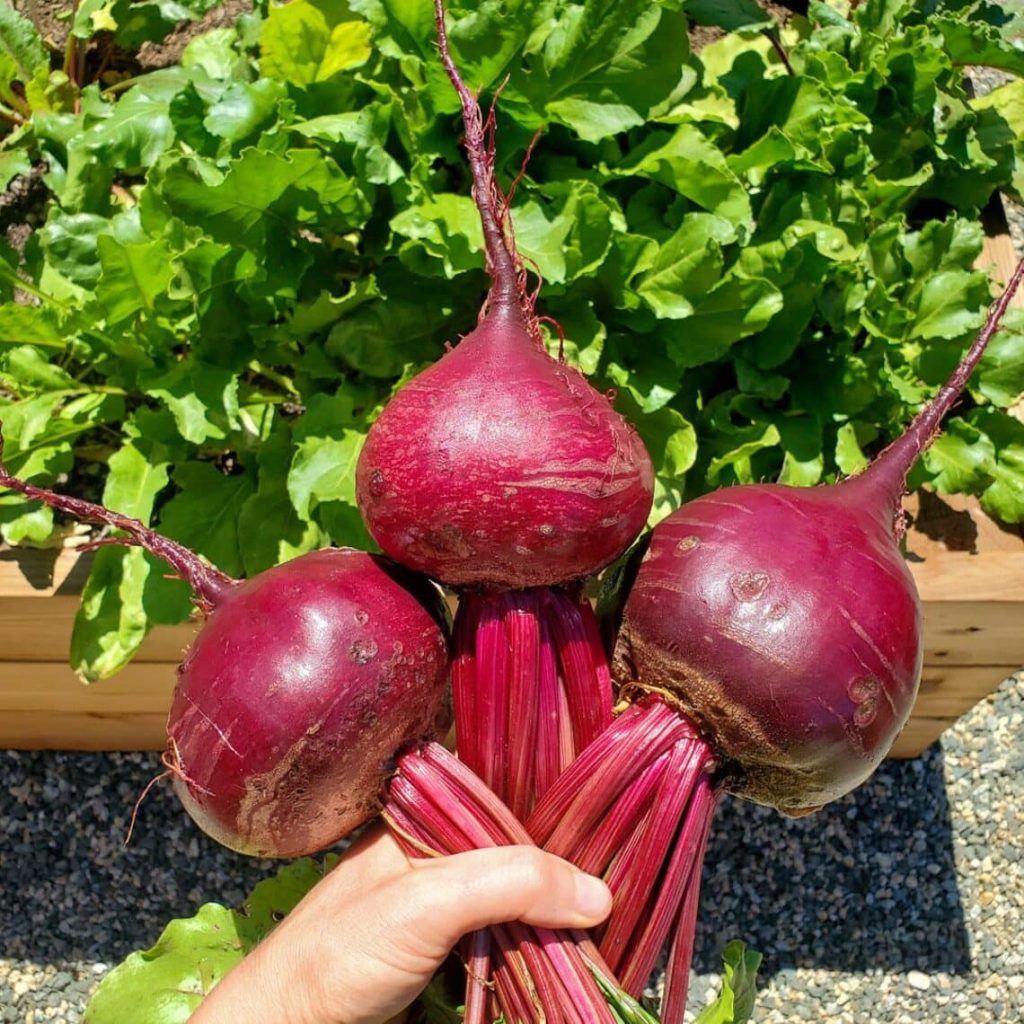
Beets take up very little space, so you can easily tuck them into open spots in a fall garden bed. They handle cold temperatures well, and you can eat the greens as well as the roots. If frost is approaching, choose smaller beet varieties because they usually mature faster.
Sow beet seeds about half an inch deep in loose, well-draining soil. Each beet seed is actually a small cluster, so you may see several seedlings emerge from one seed.
Once they sprout, thin the seedlings to about three inches apart. You can add the young thinnings to salads instead of throwing them away.
Harvest Timeline: Standard varieties take around 55 to 65 days to mature, while smaller types can be ready in closer to 45 days.
12. Radishes
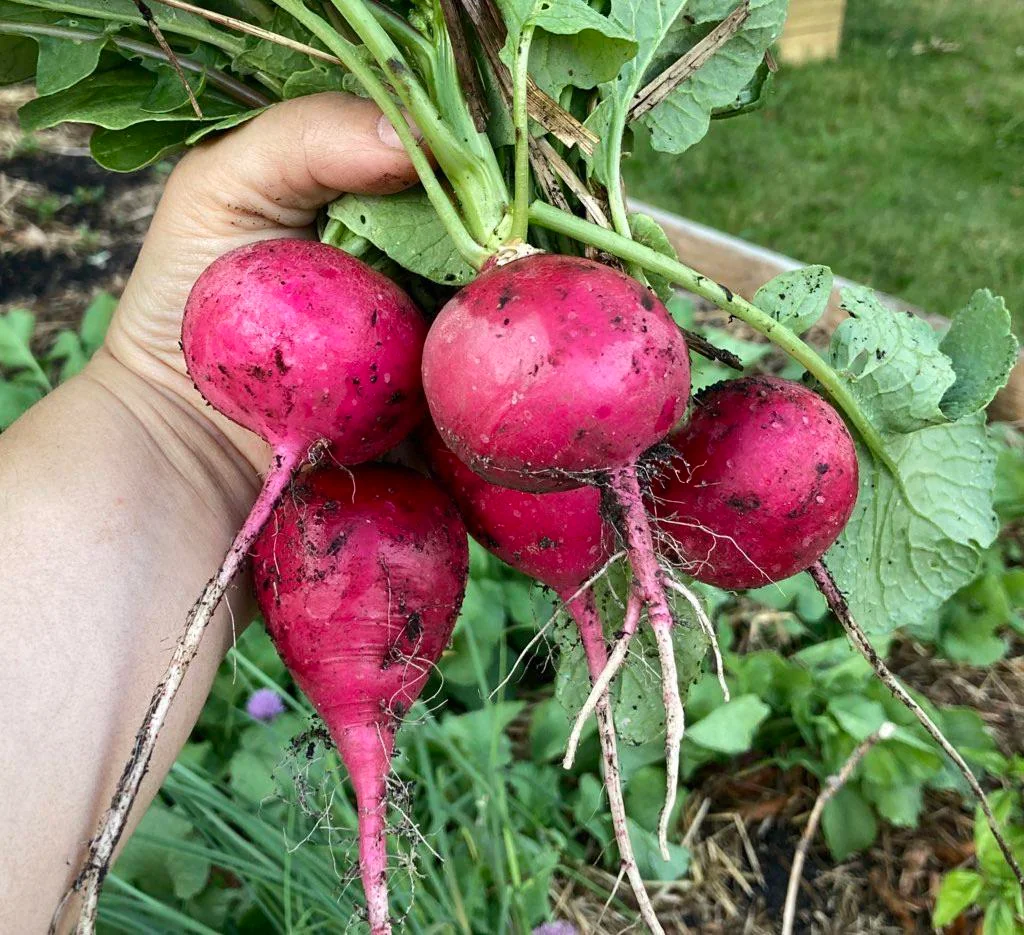
Speed is the main selling point here, and it’s a wide margin. Radishes are the fastest crop on this list, which makes them a smart choice if your frost date is close and you want something to actually harvest before winter fully arrives.
They also work well tucked between slower-growing crops, since they’ll be pulled long before those neighbors need the extra room.
Direct sow seeds about half an inch deep in loose soil, spacing them roughly an inch apart. Raised beds are a good option in cooler regions, since they hold a bit more heat than ground-level soil.
Keep the soil evenly moist, since inconsistent watering leads to radishes that split or turn overly sharp in flavor.
Harvest Timeline: Most varieties are ready to pull in as little as 30 days, making them one of the only crops on this list you can realistically plant and harvest within the same month.
13. Turnips
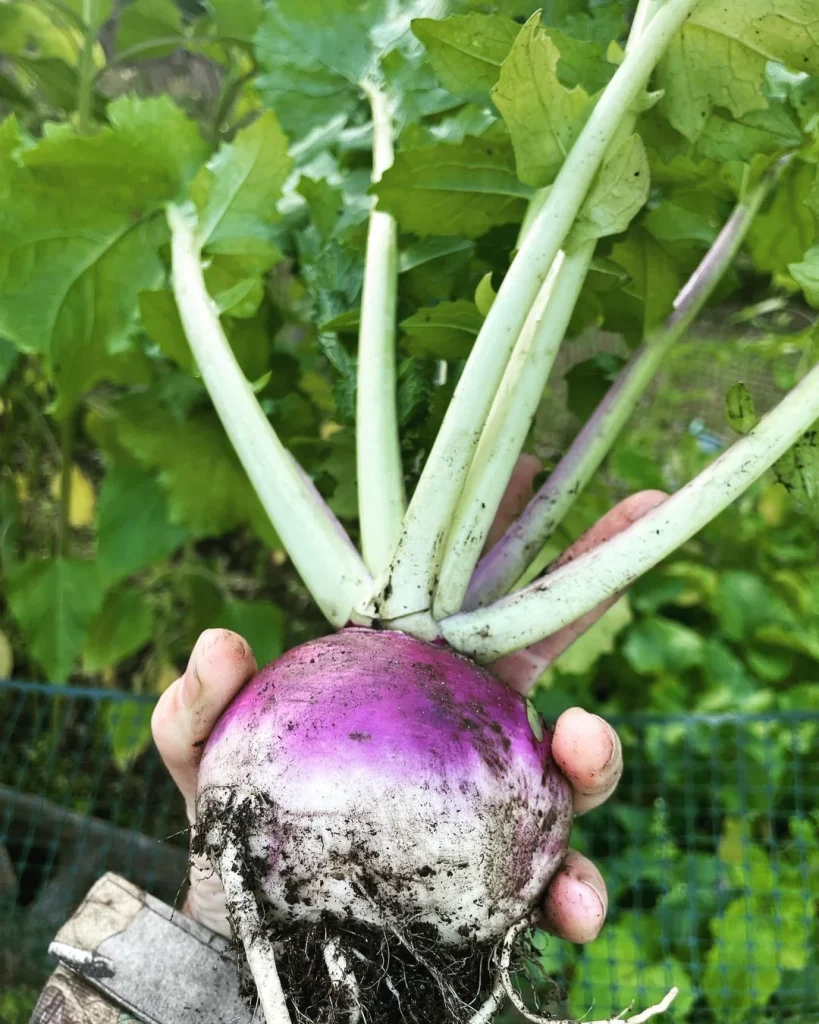
This root crop doesn’t get much attention, but it deserves a spot in a fall garden. Turnips handle light frost without issue and mature quickly enough to fit into a November planting window in most zones.
Both the roots and the greens are edible, which makes them a solid two-for-one crop.
Sow seeds about half an inch deep directly in the garden, spacing them roughly four inches apart once thinned. In milder climates, plant early in the month to give the roots time to bulk up before your first frost.
Gardeners in colder zones should look for a shorter-season variety and keep a frost cover handy for the final stretch before harvest.
Harvest Timeline: Turnips typically reach full size in 50 to 60 days, though the greens can be harvested earlier if you want a quicker return.
Frequently Asked Questions
Do I need to amend my soil before planting in November?
A light layer of compost worked into the top few inches is usually enough. Most fall crops don’t need heavy feeding, and overly rich soil can actually push leafy greens toward excess growth instead of flavor.
Can I mix several of these vegetables in the same bed?
Yes, and it’s a good way to use space efficiently. Fast crops like radishes pair well alongside slower ones like carrots or leeks, since the radishes get pulled before the others need the extra room.
How do I know if a vegetable will survive my winter without protection?
Check the vegetable’s cold hardiness against your USDA zone before planting. If your winter lows regularly dip below what a crop can handle, plan on a frost cover, cold frame, or container you can move indoors on the coldest nights.
Is it too late to plant if my first frost has already passed?
Not necessarily. Fast growers like radishes, spinach, and mustard greens can still succeed with the help of a frost cover or a spot in a cold frame, even after your frost date has come and gone.
What’s the biggest factor in getting seeds to germinate this late in the year?
Soil temperature matters more than air temperature for germination. Checking it with a simple soil thermometer before sowing gives you a much clearer picture than guessing based on how cold it feels outside.
Getting Started
November isn’t the end of the growing season so much as a shift in what you plant and how you protect it.
Pick a couple of crops from this list that match your frost date and climate, rather than trying to fit all 13 in at once.
Once you see how far a simple frost cover or a well-timed sowing can stretch your harvest, it gets a lot easier to keep the garden going well past when everyone else has called it quits.