South Florida Shrubs Built to Handle Heat, Salt, and Sandy Soil

Half the shrubs sold at big-box garden centers in South Florida struggle the moment summer hits full stride.
They sulk in the humidity. They crisp in the salt air, or rot in soil that swings from bone dry to soggy overnight.
You end up replacing the same spot two or three times before finding something that sticks. This list skips the guesswork.
These 13 shrubs are native or well-adapted to South Florida’s zones 10a through 11a, and they hold up to the conditions that actually define this region.
A Note on Matching Shrubs to Your South Florida Site
Not every South Florida yard behaves the same way, even within a few miles. If you’re near the coast, you’re dealing with sandy soil, salt spray, and wind that can shred tender foliage.
Urban and suburban lots often sit on fill soil. Reflected heat off driveways and walls adds stress, and irrigation often keeps things wetter than nature intended.
Rockland and pine sites have thin soil sitting over limestone. Drainage is fast there, and drought stress hits hard. Low spots near canals or ponds stay damp for weeks at a time.
Before you commit to a shrub, walk your yard. Note which of these categories fits your planting spot.
Most shrubs on this list tolerate more than one condition, but matching the plant to the site from the start saves you a lot of replanting later.
| Shrub | Sun Needs | Growth Rate | Mature Size | Salt Tolerance | Drought Tolerance | Best For | Pet Safety |
|---|---|---|---|---|---|---|---|
| Firebush | Full sun | Fast | 6–15 ft | Moderate | Moderate | Hummingbirds, long bloom season | Safe |
| Seagrape | Full sun | Fast | 10–20 ft | High | High | Beachfront screens, storm exposure | Safe |
| Simpson’s Stopper | Full sun to light shade | Moderate | 6–12 ft | Moderate | Moderate | Fragrant foundation plantings | Safe |
| Wax Myrtle | Full sun to part shade | Fast | 10–20 ft | High | High | Fast privacy hedges, wet or dry sites | Safe |
| Cocoplum | Full sun to part shade | Moderate to fast | 3–15 ft (shears well) | High | Moderate | Formal hedges, roadside plantings | Safe |
| Beautyberry | Full sun to part shade | Fast | 3–8 ft | Low | High | Fall color, bird-friendly berries | Safe |
| Buttonbush | Full sun | Moderate | 6–12 ft | Low | Low (needs moisture) | Wet corners, pond and canal edges | Caution |
| Saw Palmetto | Full sun to part shade | Slow | 3–6 ft | Moderate | High | Low-maintenance structural anchor | Caution |
| Necklace Pod | Full sun | Moderate | 6–10 ft | High | High | Coastal beds, silvery texture | Toxic |
| Coontie | Full sun to part shade | Slow | 2–3 ft | Moderate | High | Compact clumps, atala butterfly habitat | Toxic |
| Walter’s Viburnum | Full sun to part shade | Moderate | 6–12 ft | Moderate | Moderate | Clean, clippable hedge lines | Safe |
| Jamaica Caper | Full sun | Slow to moderate | 6–15 ft | Moderate | High | Evening fragrance near patios | Safe |
| Buttonsage | Full sun | Moderate | 3–4 ft | High | High | Low borders, pollinator beds | Caution |
Sick of Replacing Shrubs? 13 South Florida Picks Built for the Heat
1. Firebush (Hamelia patens)
Firebush is one of the hardest-working shrubs you can plant in South Florida. It pushes out clusters of tubular orange-red flowers nearly year-round in frost-free areas.
Hummingbirds and butterflies treat it like an open buffet. The foliage is soft-textured and evergreen, with a loose, informal shape that fills out fast.
Give firebush full sun and it rewards you with the longest bloom season of almost anything on this list. It tolerates short dry spells once established.
It looks its best, though, with regular water during the driest months. Left alone, it can reach 8 to 15 feet. It takes pruning well if you want something more compact for a border.
Mature size and growth rate: Fast-growing, typically 6 to 15 feet tall and 5 to 8 feet wide depending on how often it’s pruned.
Pet safety: Firebush is not listed as toxic to dogs or cats by the ASPCA. That makes it a reasonably safe choice for yards with pets that like to nibble.
2. Seagrape (Coccoloba uvifera)
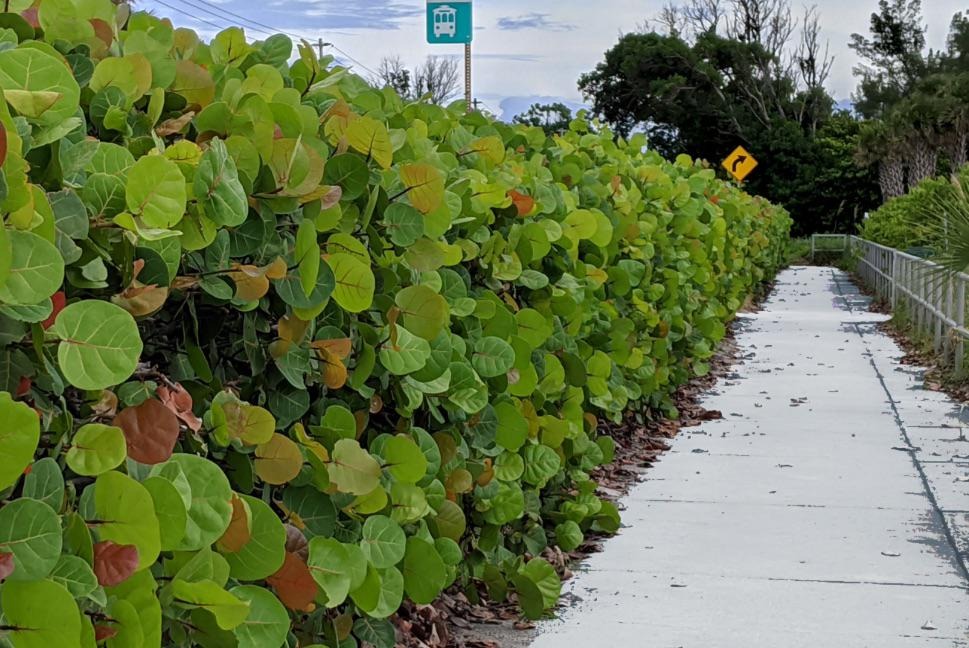
Seagrape is the shrub most people picture when they think of a Florida beach. Its huge, rounded leaves have a leathery texture with reddish veining.
Small white flowers appear in spring, followed by grape-like fruit clusters that ripen to purple. The fruit is edible and often used for jams and jellies.
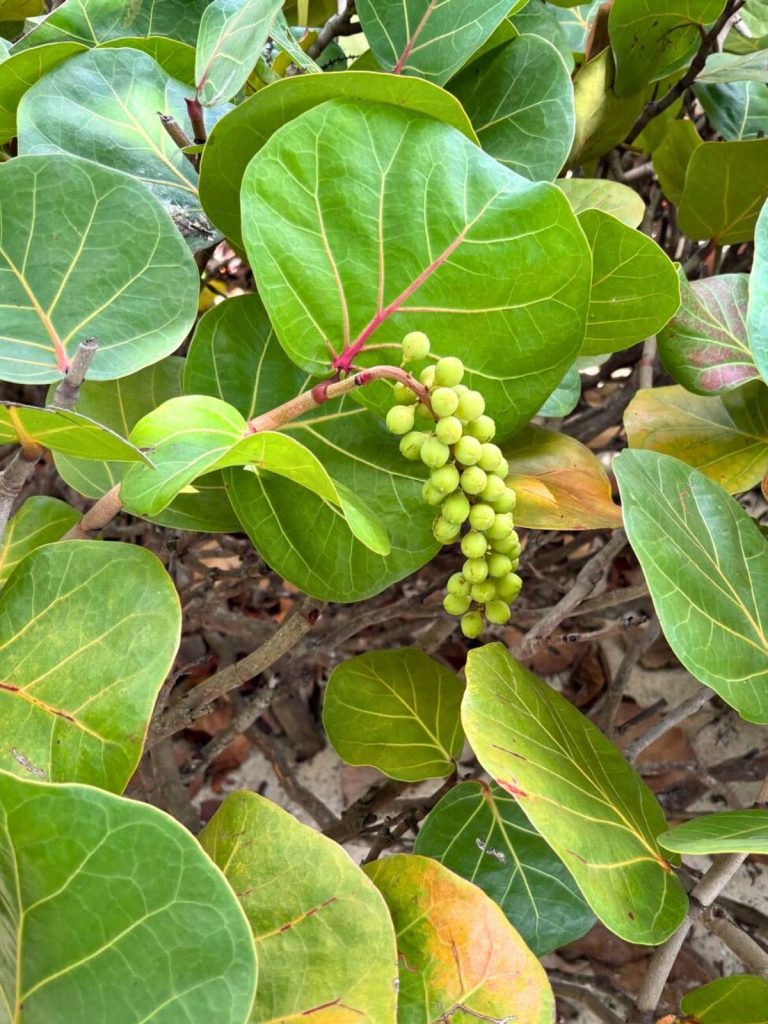
This is one of the toughest options for a coastal planting. Seagrape shrugs off salt spray, sandy soil, and strong onshore wind. Mature plants can even handle brief storm surge.
It grows as a large multi-stemmed shrub, or you can train it into a small tree. It takes pruning well if you want a formal hedge or screen.
Mature size and growth rate: Fast-growing, reaching 10 to 20 feet unpruned. Regular clipping keeps it as a dense hedge at almost any height.
Pet safety: Seagrape is not listed as toxic to dogs or cats. The ripe fruit is safe enough that people eat it too.
3. Simpson’s Stopper (Myrcianthes fragrans)
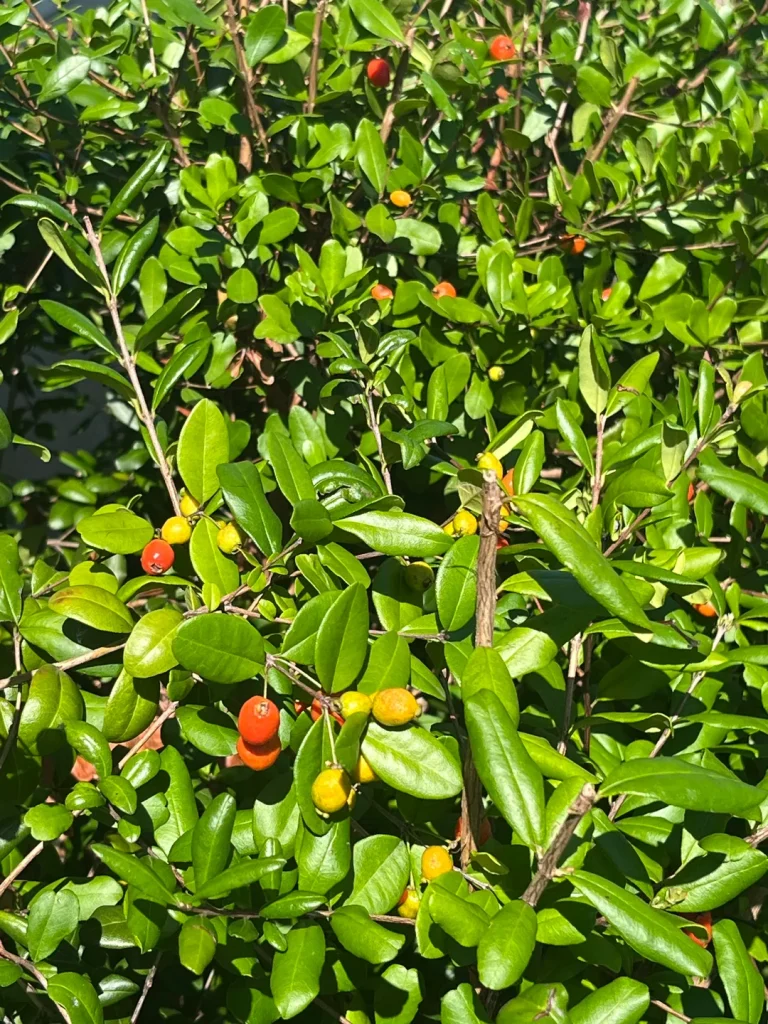
Simpson’s stopper brings a more refined look than some of the wilder native shrubs on this list. It has small, glossy evergreen leaves.
Clusters of fragrant white flowers show up in flushes throughout the year, followed by orange-red berries that birds strip quickly. Crush a leaf and you’ll notice a spicy, nutmeg-like scent.
It handles full sun to light shade. It adapts to a range of soils, from sandy to slightly rocky.
This makes it a solid pick for foundation plantings, informal hedges, or a specimen shrub near a patio where you’ll notice the fragrance.
Mature size and growth rate: Moderate grower, usually settling in at 6 to 12 feet tall and 4 to 8 feet wide, though it can be pruned smaller.
Pet safety: Simpson’s stopper has no reported toxicity to dogs or cats. Its dense, twiggy growth habit also makes it a good screening option for yards where pets roam.
4. Wax Myrtle (Morella cerifera)
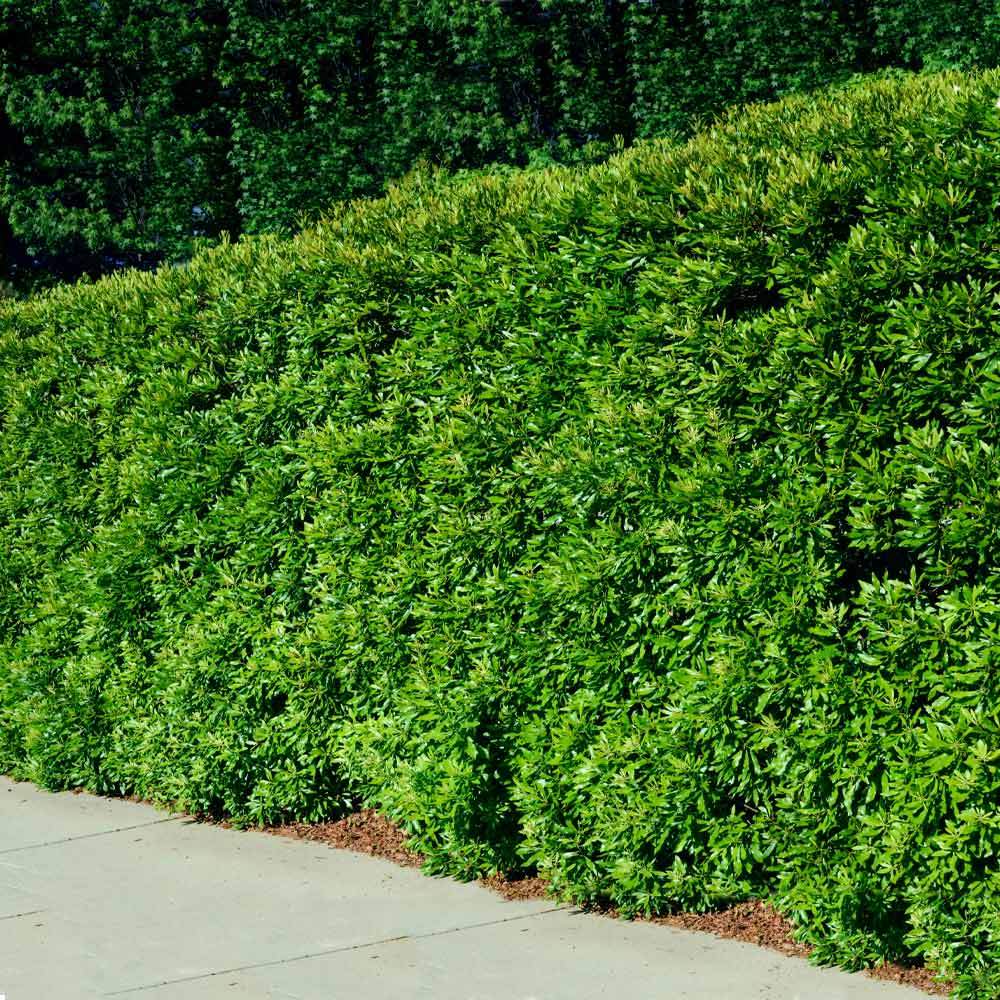
Wax myrtle is a fast, dependable evergreen. It works as hard in a hedge as it does as a stand-alone specimen. The narrow, aromatic leaves release a fresh, resinous scent when crushed.
Female plants produce small waxy blue-gray berries that songbirds rely on through fall and winter.
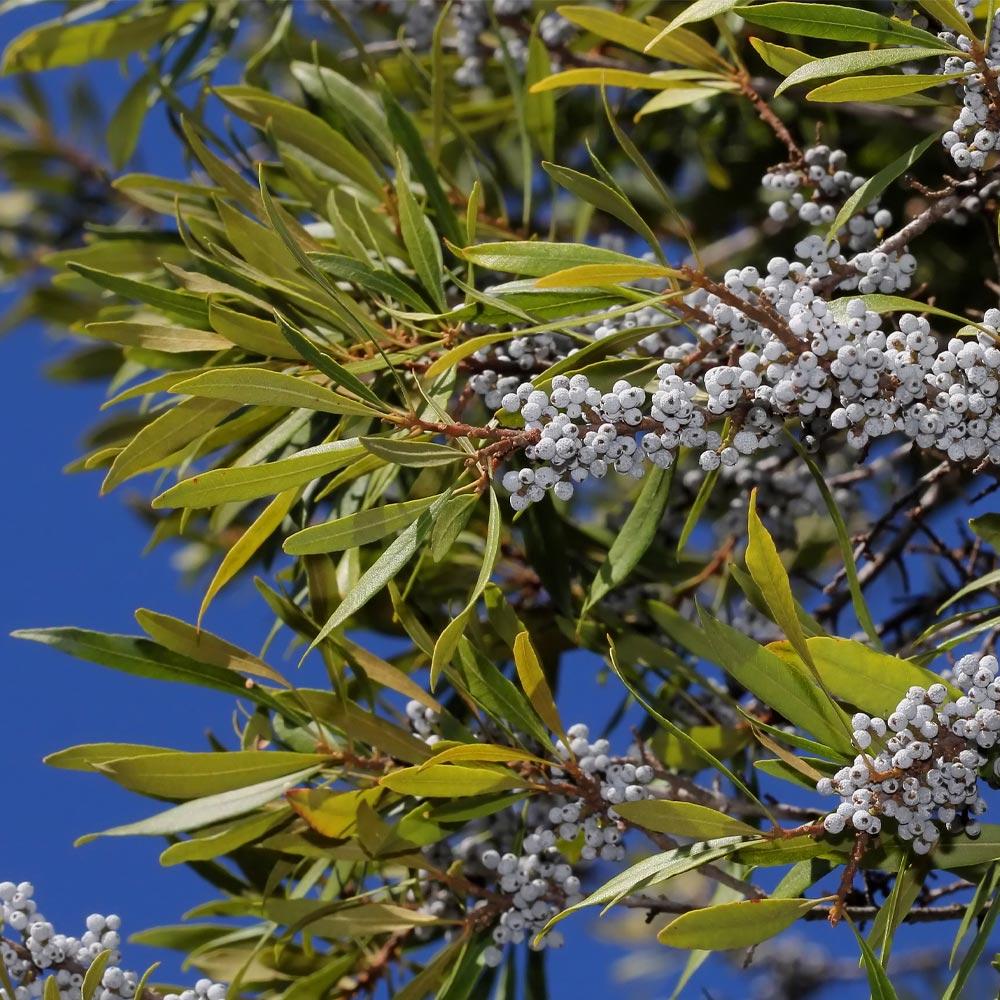
Few shrubs adapt to as many conditions as this one. Wax myrtle tolerates wet or dry soil, full sun or partial shade, and salt exposure near the coast.
It also fixes nitrogen in the soil as it grows, which can benefit nearby plantings over time.
Mature size and growth rate: Fast-growing, typically 10 to 20 feet tall, though it’s commonly kept clipped at 6 to 10 feet for hedges.
Pet safety: Wax myrtle is not listed as toxic to dogs or cats. Still, it’s worth discouraging pets from eating large quantities of the fruit, as with any berry-producing plant.
5. Cocoplum (Chrysobalanus icaco)
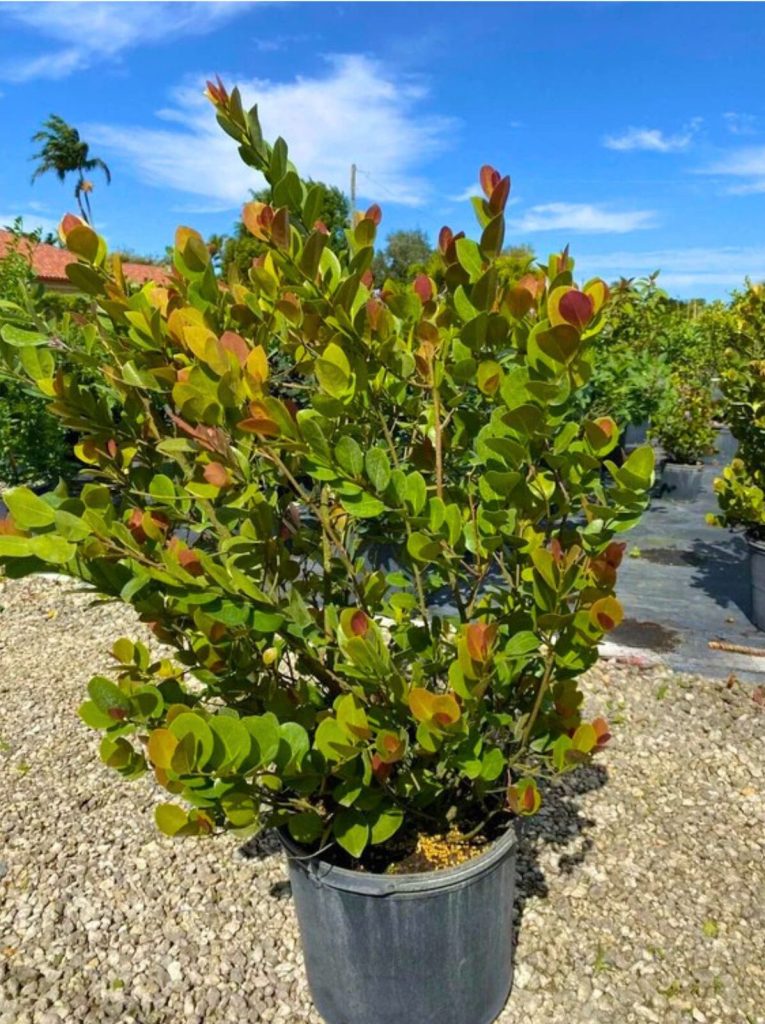
Cocoplum shows up in more South Florida landscapes than almost any other native shrub, and for good reason. Its rounded leaves have a glossy, leathery shine.
New growth often shows a reddish tinge. Small white flowers give way to plum-shaped fruit, which ripens from white to deep purple. The fruit is edible, with a mild, slightly sweet flavor.
Cocoplum thrives in sandy coastal soil and takes salt spray without complaint. That’s why you’ll see it lining beach walkways and roadside plantings throughout the region.
It also shears into a dense, formal hedge better than almost anything else on this list. Its thick growth can even help insulate a nearby wall from heat.
Mature size and growth rate: Moderate to fast-growing, ranging from 3 feet as a clipped low hedge up to 10 or 15 feet if left unpruned.
Pet safety: Cocoplum is not listed as toxic to dogs or cats. The ripe fruit is safe enough that it’s sometimes eaten by people too.
6. Beautyberry (Callicarpa americana)
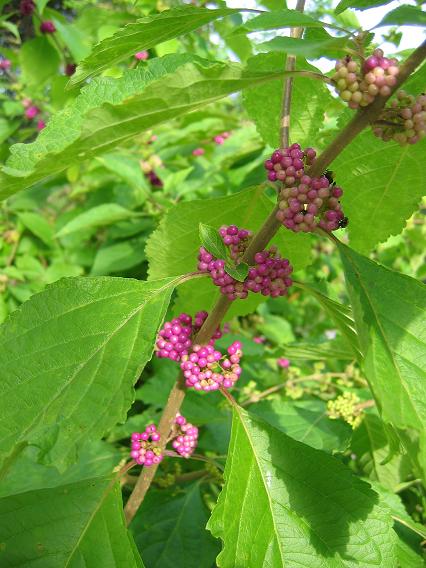
Beautyberry earns its name in the fall. Clusters of bright purple berries wrap tightly around the stems, and they hold on well into winter.
The rest of the year, this shrub keeps a loose, arching habit with soft green leaves that give it a relaxed, almost wild look.
It grows well in full sun to partial shade, and it isn’t fussy about soil type. Once established, beautyberry handles drought without much fuss.
Birds strip the berries fast, so plant a few if you want the display to last through the season.
Mature size and growth rate: Fast-growing, typically 3 to 8 feet tall and 4 to 8 feet wide, with an arching form that can spread further if left unpruned.
Pet safety: Beautyberry is not listed as toxic to dogs or cats. Some of its natural compounds have even been studied as insect repellents.
7. Buttonbush (Cephalanthus occidentalis)
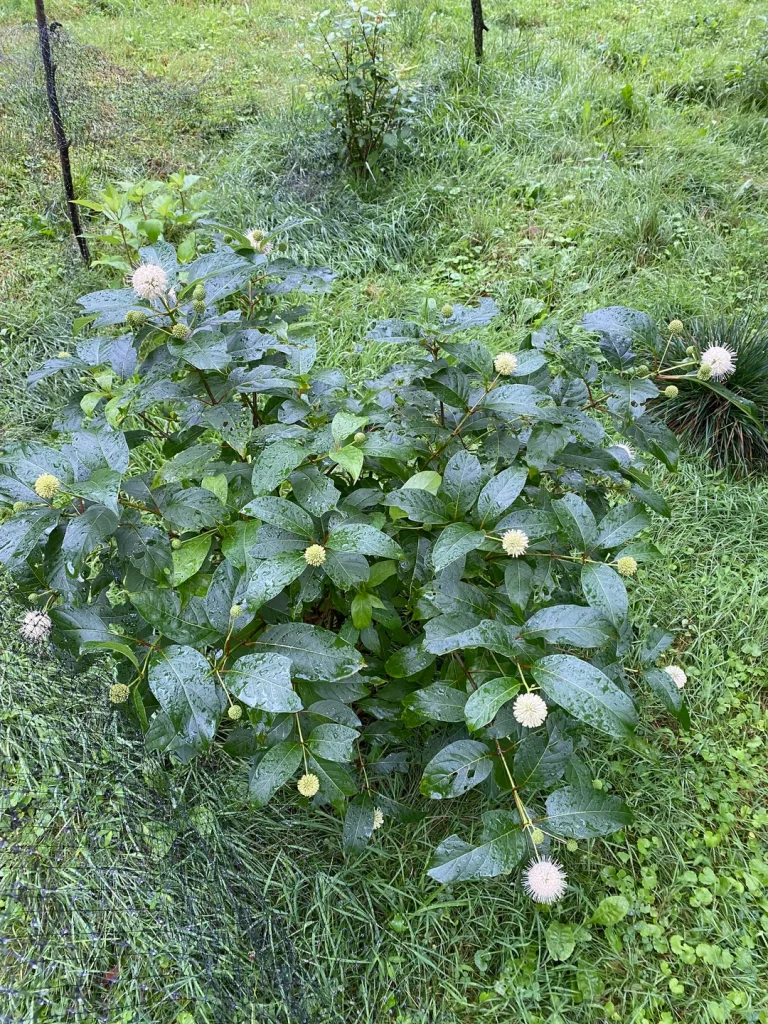
Buttonbush is the shrub to reach for if your yard has a wet corner. It’s a natural fit for pond edges, canal banks, and rain gardens.
Round, fragrant white flower clusters bloom in early to mid summer, and butterflies, bees, and hummingbirds all show up for them.
The flowers eventually harden into small, ball-shaped seed pods that shift color as they age.
This shrub tolerates standing water for stretches at a time, which makes it useful in spots where nothing else wants to grow. Give it full sun for the best bloom show.
Mature size and growth rate: Moderate grower, usually reaching 6 to 12 feet tall and wide in consistently moist soil.
Pet safety: Buttonbush foliage and seeds carry mild toxicity if ingested in quantity. Keep pets from grazing on it near wet, low-traffic areas.
8. Saw Palmetto (Serenoa repens)
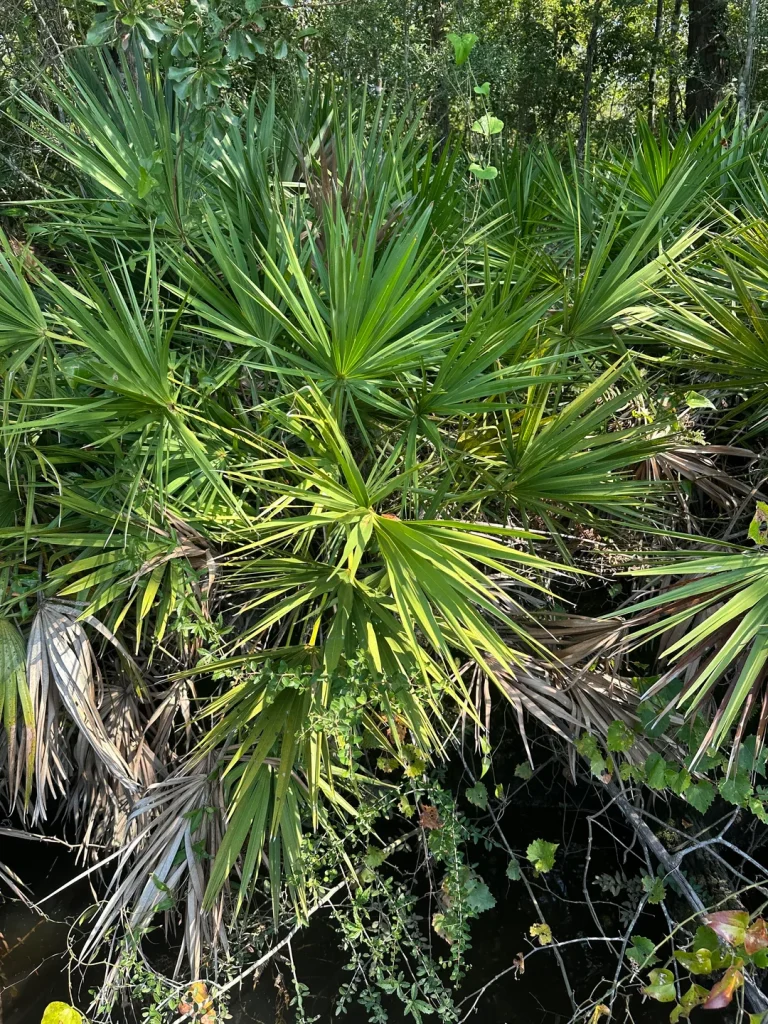
Saw palmetto is about as tough as native shrubs get. Its fan-shaped, blue-green to silvery fronds grow from a low, creeping, often multi-trunked base.
This palm handles drought, poor soil, and blazing sun without slowing down.
Growth is slow, which is part of the appeal. Once it’s in the ground, saw palmetto asks for almost nothing. It works well as a structural anchor in a dry, sunny bed, and its berries feed a wide range of wildlife through the year.
Mature size and growth rate: Slow-growing, typically staying 3 to 6 feet tall while spreading wider over many years.
Pet safety: Saw palmetto berries can cause mild digestive upset in dogs if eaten in large amounts. Small nibbles aren’t usually a concern.
9. Necklace Pod (Sophora tomentosa)
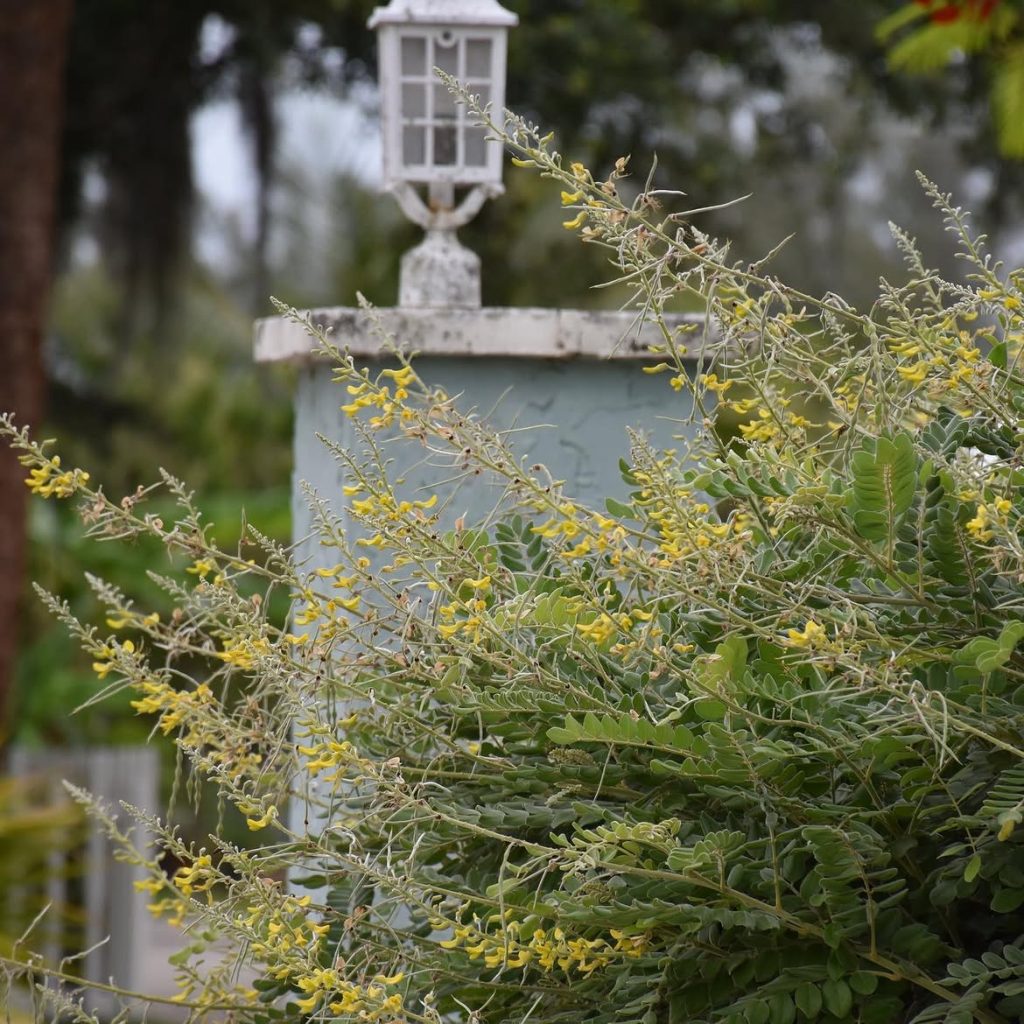
Necklace pod brings a softer, silvery texture to a sunny bed. The rounded gray-green leaves have a slight fuzz to them, and spikes of bright yellow flowers appear through much of the year.
Bead-like seed pods follow the blooms, which is how the plant got its name.
This shrub is built for sandy, coastal conditions. It tolerates salt spray and wind without much complaint, and it doesn’t need rich soil to perform.
Give it full sun, and it will fill out into a loose, somewhat leggy shape that works well in informal coastal plantings.
Mature size and growth rate: Moderate grower, usually 6 to 10 feet tall and wide, with a naturally open, sprawling habit.
Pet safety: The seeds inside the pods are toxic to dogs and cats if chewed or swallowed. Keep an eye on pets around mature plants once seed pods form.
10. Coontie (Zamia pumila)
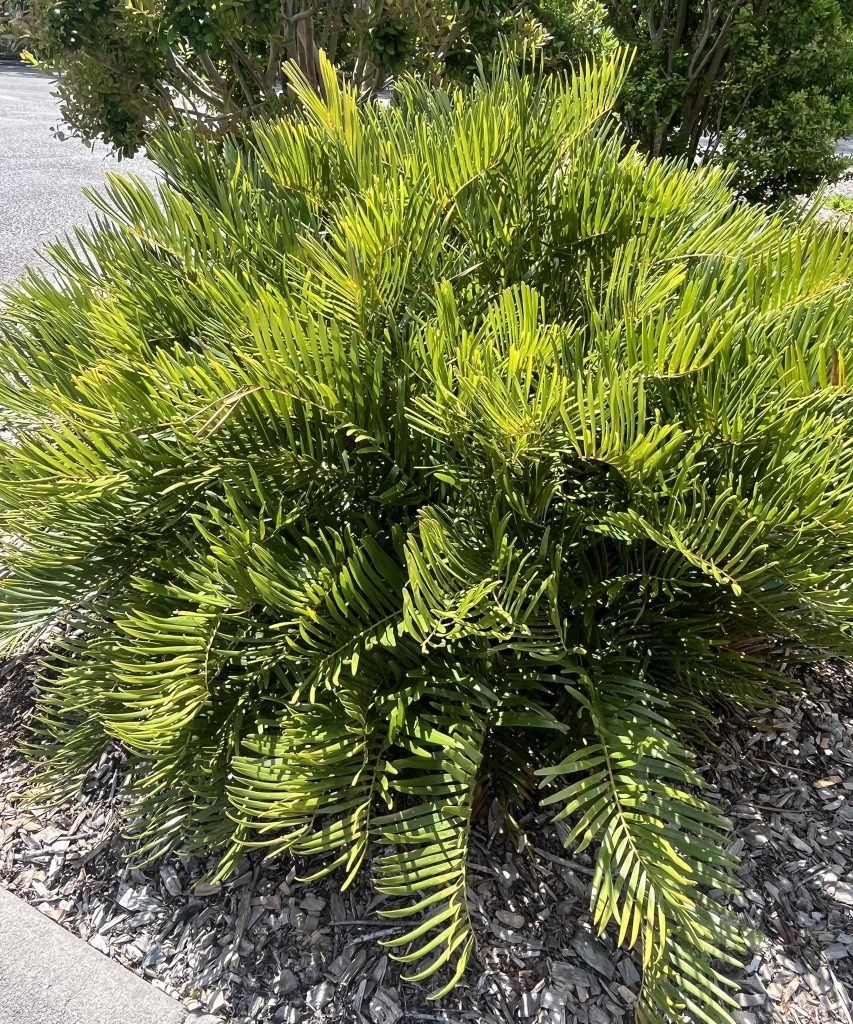
Coontie looks like a small, feathery palm, but it’s actually an ancient cycad. Its stiff, dark green fronds grow low and dense from a central clump.
This plant has been around in one form or another since the age of dinosaurs, and it still holds up in modern South Florida yards.
Coontie handles heat, drought, and poor soil without complaint. It grows well in full sun to partial shade, which makes it flexible for different spots in a landscape.
It’s also the only host plant for the rare atala butterfly, so planting it can bring that species back to your yard.
Mature size and growth rate: Slow-growing, typically staying 2 to 3 feet tall and wide, forming a tidy clump over time.
Pet safety: Coontie is highly toxic to dogs and cats if any part is chewed or eaten. Keep it away from yards where pets dig or graze on plants.
11. Walter’s Viburnum (Viburnum obovatum)
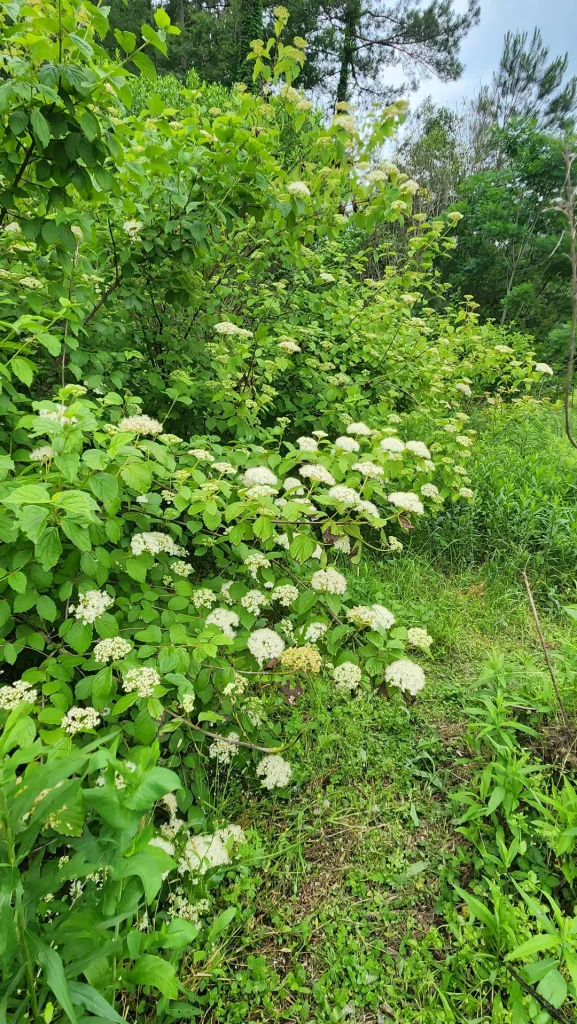
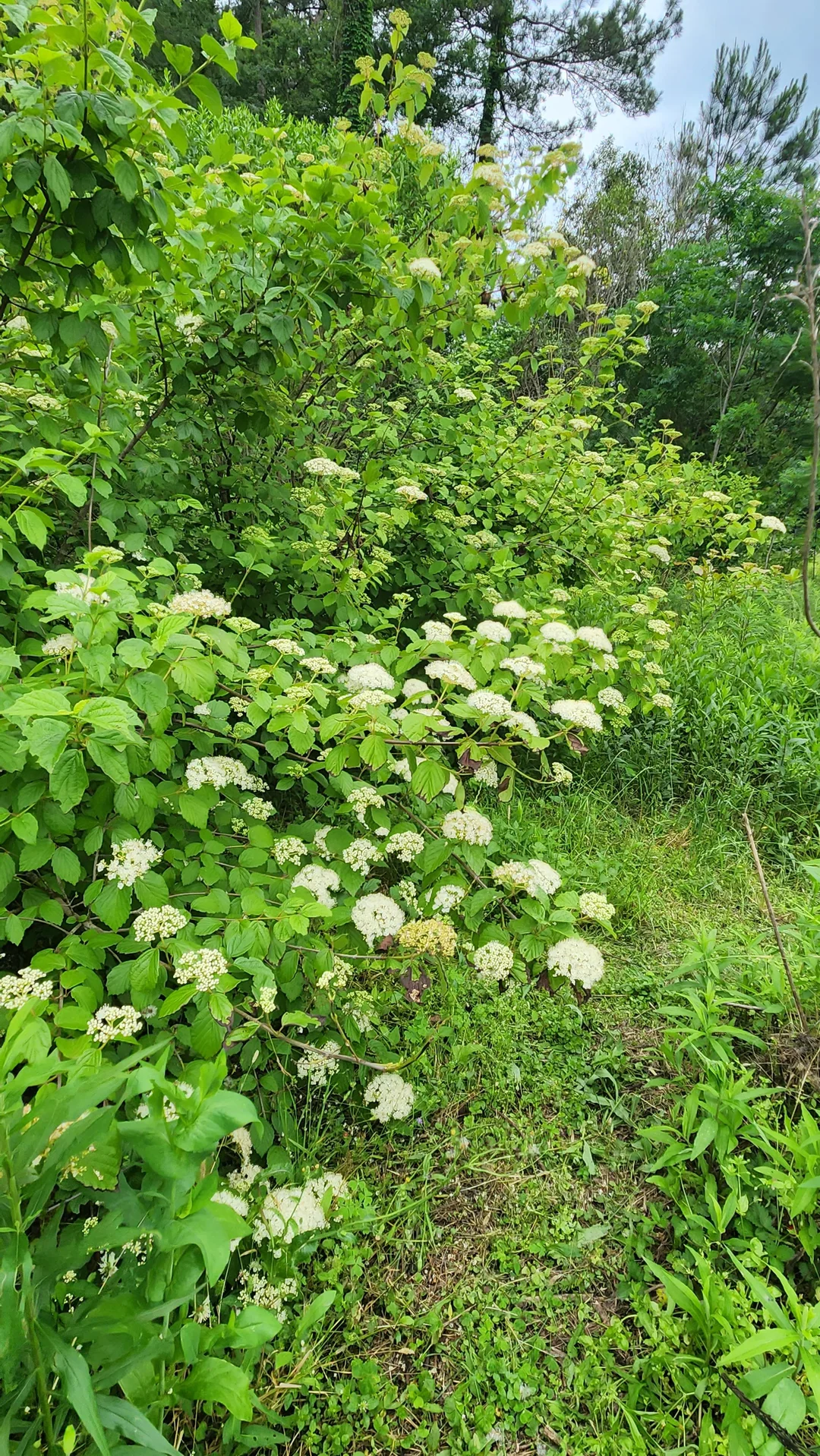
Walter’s viburnum is a dependable evergreen with small, glossy leaves and a naturally dense growth habit.
Clusters of small white flowers appear in spring, followed by dark berries that draw songbirds through summer and fall. Its fine texture makes it easy to shape into a clean hedge line.
This shrub adapts to a wide range of soils and holds up well in both sun and partial shade. It’s a common choice for foundation plantings and property-line hedges because it takes pruning well and keeps its shape between trims.
Mature size and growth rate: Moderate grower, typically reaching 6 to 12 feet tall, though dwarf cultivars stay closer to 3 to 4 feet.
Pet safety: Walter’s viburnum is not listed as toxic to dogs or cats, making it a low-risk option for hedges near play areas.
12. Jamaica Caper (Quadrella jamaicensis)
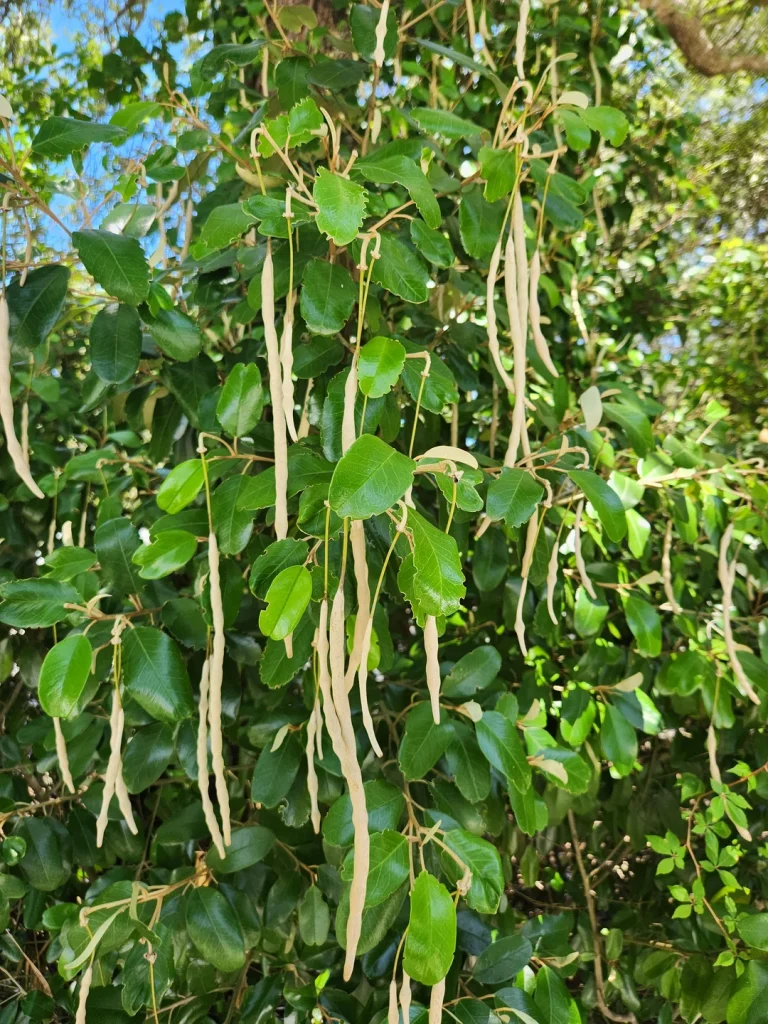
Jamaica caper is a quiet standout once you know its schedule. The leaves are a rich evergreen on top with a bronze underside, giving the shrub two-toned movement in the wind.
Orchid-like white flowers open in the evening from April through June, each one lasting only about a day, and they release a honey-like scent after dark.
This shrub tolerates drought and thrives in the heat that defines a South Florida summer.
It grows well in full sun and well-draining soil, and it draws butterflies, bees, and birds during its short but fragrant bloom window.
Mature size and growth rate: Slow to moderate grower, typically reaching 6 to 15 feet tall depending on how it’s pruned.
Pet safety: Jamaica caper has no reported toxicity to dogs or cats, making it a safe pick near patios or evening seating areas where you’ll catch the fragrance.
13. Buttonsage (Lantana involucrata)
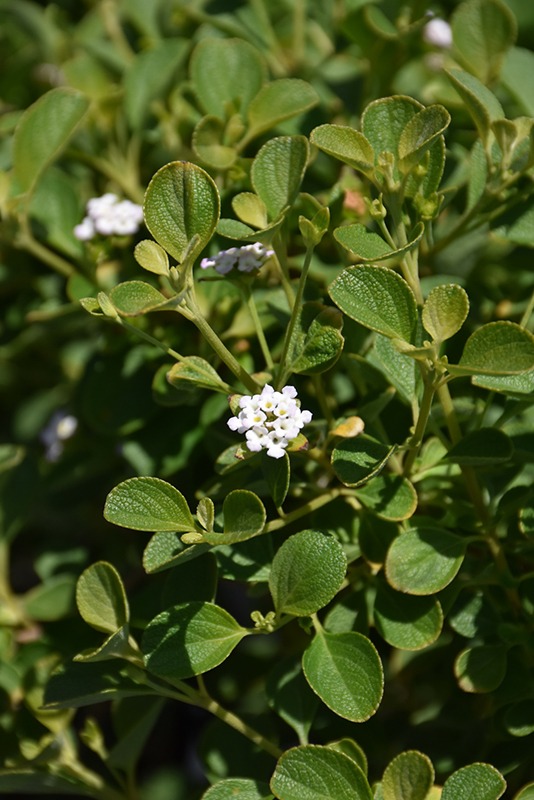
Buttonsage is a compact, sun-loving native with a long bloom season. Small clusters of white to lavender flowers cover the plant for much of the year, drawing a steady stream of butterflies and other pollinators.
The coarse, textured leaves give it a slightly silvery cast.
This shrub tolerates sandy soil, salt exposure, and long dry spells once it settles in.
It works well as a low, informal border or tucked into a pollinator bed alongside firebush or necklace pod. Full sun brings out the heaviest bloom.
Mature size and growth rate: Moderate grower, typically staying 3 to 4 feet tall and wide, with a naturally rounded form.
Pet safety: Buttonsage berries carry some toxicity risk for dogs and cats if eaten in quantity. Keep an eye on pets that like to snack on low fruiting shrubs.
Frequently Asked Questions
Do these shrubs need extra irrigation once established?
Most of them don’t, once their root systems settle in over the first one to two years. Water deeply during the establishment period, then rely mostly on rainfall except during extended dry spells.
Which of these shrubs work best for a hurricane-prone yard?
Seagrape, cocoplum, and wax myrtle all handle wind and salt well, and their flexible branching tends to bend rather than snap. Avoid planting anything with brittle wood too close to structures.
Can I mix native and non-native shrubs in the same bed?
Yes, as long as the non-native choices share similar sun and water needs. Just make sure nothing on your list is classified as invasive in Florida before adding it.
How far apart should I space these shrubs when planting a hedge?
Spacing depends on the mature width of the shrub, but a general rule is to plant at two-thirds of the expected mature spread. This gets you a solid hedge line without overcrowding roots too early.
Do any of these shrubs attract more pests than others?
Native shrubs on this list are generally more pest-resistant than exotic ornamentals, since they’ve adapted alongside local insect populations. Keep an eye out for scale or aphids on new growth, especially after a stressful dry spell.
Bringing It All Together
Start with your site, not your wish list. Once you know whether you’re working with sandy coastal soil, a damp low spot, or reflected heat off a driveway, the right shrubs from this list become obvious.
Plant a few, let them establish, and expand from there as you get a feel for what thrives in your yard.