15 Shade Loving Vegetables That Actually Thrive Without Full Sun

Think you can’t grow vegetables because your yard is too shady? I used to believe that too. Tall trees and neighboring buildings blocked most of my garden, and I almost gave up.
Then I discovered that some vegetables actually prefer less sun. Shade keeps them cool, slows bolting, and often makes them taste sweeter.
You don’t need a sun-drenched plot to grow real food. You just need the right plants — and that’s exactly what this list gives you.
What “Shade” Really Means for Your Garden
“Shade” sounds simple, but your garden could fall into very different categories.
Partial Shade
Partial shade means your garden gets 3 to 5 hours of direct sunlight each day. This is the sweet spot for shade gardening.
Most vegetables on this list will thrive here, and some will even surprise you with their yields.
Light Shade
Light shade means only 2 to 3 hours of sun, or soft dappled light filtering through tree branches. Leafy greens do especially well here. Root vegetables can manage too, though they may grow a bit smaller than usual.
Deep Shade
Deep shade means less than one hour of direct sun daily. Vegetables struggle here. Herbs from the mint family handle it better than most.
Honestly, if your space gets this little light, focus on herbs rather than vegetables.
Why Growing in Shade Is Actually a Good Thing
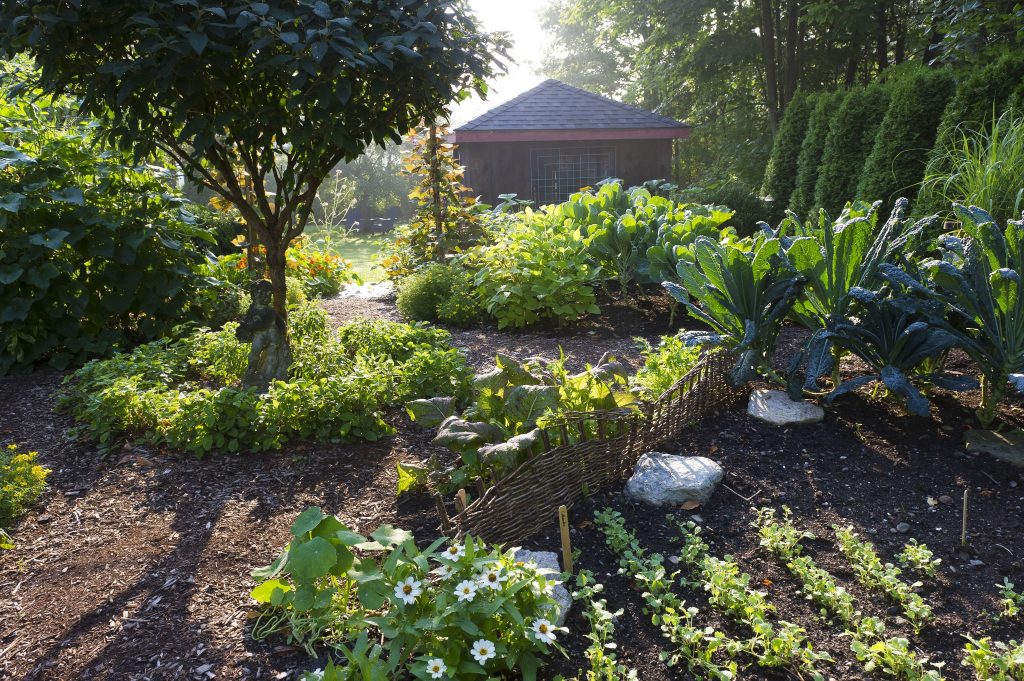
Shade gardening has real advantages that most gardeners overlook.
1. Stops Bolting in Its Tracks
Cool temperatures slow down bolting — that frustrating moment when your lettuce or spinach shoots up a flower stalk and turns bitter. Shaded plants stay productive much longer into summer.
You also water less, because the soil holds moisture longer when the sun isn’t beating down on it all day.
2. Better Flavor, Longer Harvests
Cabbage grown in partial shade tends to be sweeter and juicier than sun-grown cabbage.
Shade protects cool-season crops from heat stress, giving you a longer harvest window. That alone makes shade gardening worth trying.
3. Fewer Weeds to Pull
Fewer weeds is another big win. Less sunlight reaching the soil means weed seeds struggle to germinate as aggressively as they do in open, sunny beds.
Spending less time weeding and more time actually enjoying your garden? Yes, please.
4. Less Pest Pressure Naturally
Shaded gardens also tend to have less pest pressure from certain insects. Spider mites, for example, love hot and dry conditions — exactly what a shady garden doesn’t provide.
Reducing pest damage without spraying anything feels like a genuine gardening win.
5. Healthier Soil All Season Long
Soil in shaded beds stays healthier longer. Strong sun can bake the top layer of soil, breaking down its structure and reducing microbial activity. Shade helps preserve that rich, crumbly texture that plants love to grow in.
Finally, shade gardens are simply more forgiving for beginners. Plants don’t dry out or stress as fast, so a day or two of neglect won’t devastate your crop.
Starting in a shady spot actually gave me more confidence as a new gardener than fighting the full summer sun ever did.
8 Tips Before You Plant a Single Seed
Jumping straight into planting without preparation is the fastest way to a disappointing harvest.
These tips genuinely changed how I approach shade gardening. Follow them and you’ll avoid the mistakes most beginners make.
1. Choose the Right Vegetables for Your Shade Level
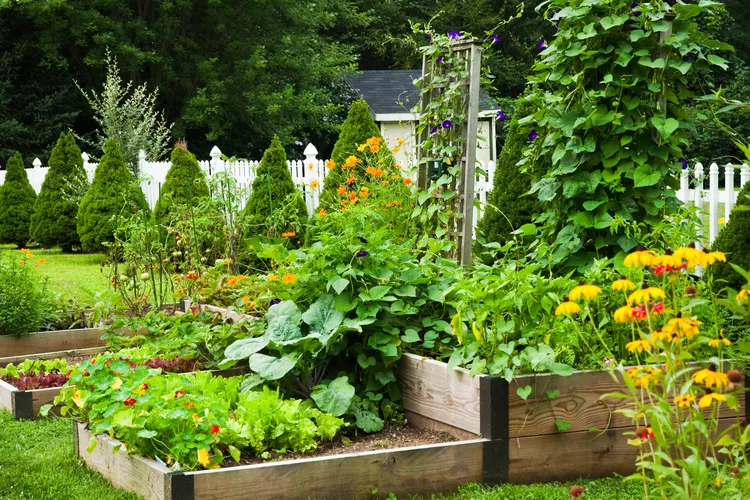
Not every shade-tolerant vegetable handles the same amount of darkness. Lettuce and spinach manage with just 2 hours of sun. Broccoli and cabbage need closer to 4 or 5 hours to produce anything worth harvesting.
Matching your vegetable choice to your actual shade level is the single most important decision you’ll make.
Walk your garden at different times of day and honestly count those sunlight hours. Guessing here will cost you an entire growing season.
2. Start Seeds Indoors First
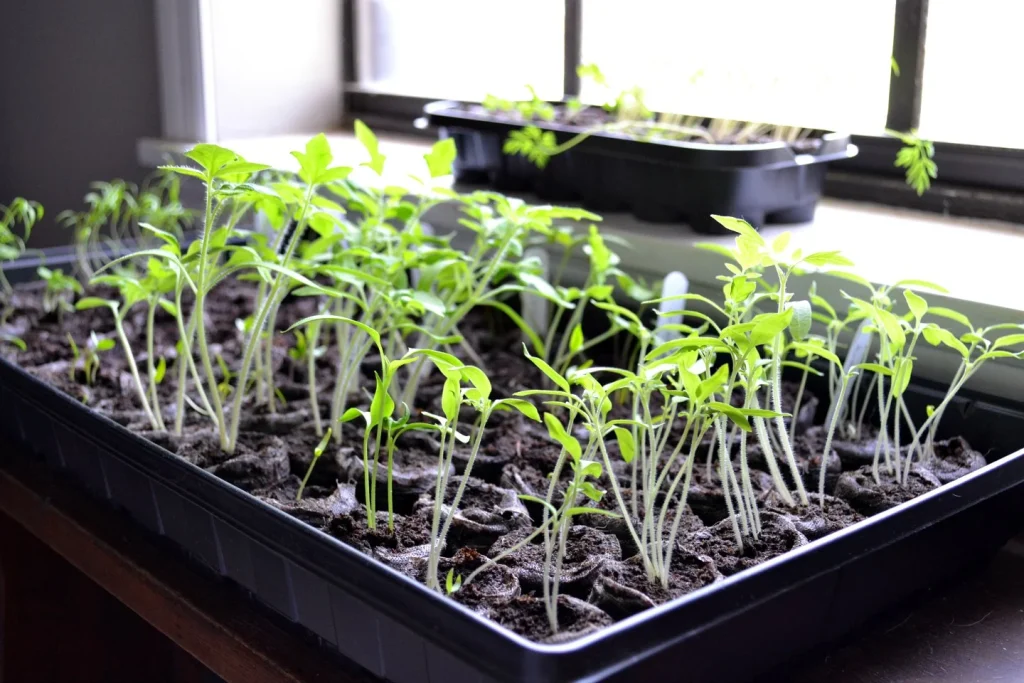
Germinating seeds in a shady garden bed is genuinely difficult. Low light slows sprouting and weak seedlings struggle to establish before pests find them. Starting seeds indoors under a basic grow light solves this completely.
Transplanting healthy, established seedlings into your shaded bed gives them a massive head start.
Strong transplants outperform direct-sown seeds in shaded gardens almost every single time. Even just four weeks of indoor growing makes a visible difference.
3. Feed Your Soil Generously
Plants growing in shade work harder to compensate for reduced light. They pull nutrients from the soil more aggressively than you might expect.
Thin, poor soil in a shaded bed will produce thin, poor vegetables.
Dig in plenty of rich compost before planting — at least a few inches worked into the top layer.
I add compost every single season without fail, and the difference in plant health is obvious. Healthy soil is genuinely your most powerful gardening tool.
4. Add Reflected Light Where You Can
Every extra bit of light reaching your plants counts in a shaded garden. Painting a nearby fence or wall white reflects surprising amounts of light back toward your beds.
Light-colored gravel or stones used as pathway mulch do the same thing on a smaller scale.
This trick costs almost nothing but delivers real results. Reflected light won’t turn a deeply shaded spot into a sunny one, but it genuinely helps plants grow stronger and faster. Think of it as free supplemental lighting.
5. Prune Trees and Shrubs Overhead
Dense tree canopies block far more light than most gardeners realize. Removing lower branches opens up light from the sides without eliminating the shade benefits above.
Even thinning out a few branches can dramatically increase the light reaching your garden bed below.
Hire an arborist if the tree is large or the work feels risky. Small shrubs and lower branches you can handle yourself with a good pair of loppers. More light means better yields — even small improvements add up over a whole growing season.
6. Water Smarter, Not More
Shaded gardens hold moisture much longer than sunny ones. Overwatering is actually a more common mistake in shaded beds than underwatering. Waterlogged soil suffocates roots and invites fungal disease fast.
Check soil moisture by pushing your finger an inch into the ground before reaching for the hose. Water only when that top inch feels dry.
Under a heavy tree canopy though, the opposite problem can occur — tree roots drink moisture aggressively, so check more frequently there.
7. Mulch Every Single Bed
Mulching is one of those gardening habits that pays you back far more than the effort it costs. A 2 to 3 inch layer of straw, wood chips, or shredded leaves suppresses weeds, locks in moisture, and slowly feeds the soil as it breaks down.
Shaded beds already have fewer weeds than sunny ones, and mulch reduces them even further.
Spread mulch around your plants after transplanting and top it up mid-season if it thins out. I use straw in my vegetable beds because it’s cheap, effective, and easy to work with. Your future self will thank you every time you skip a weeding session.
8. Keep a Simple Garden Journal
Tracking what you plant, where you plant it, and how it performs costs almost nothing but teaches you everything.
Shade conditions vary from yard to yard and even from bed to bed within the same garden. What works brilliantly for your neighbor might perform differently for you.
Write down planting dates, sunlight hours, and harvest notes at the end of each season. Patterns emerge quickly and you’ll start making smarter planting decisions within just one or two growing seasons. A basic notebook works perfectly — no fancy apps required.
15 Shade Loving Vegetables You Should Try Growing
1. Lettuce
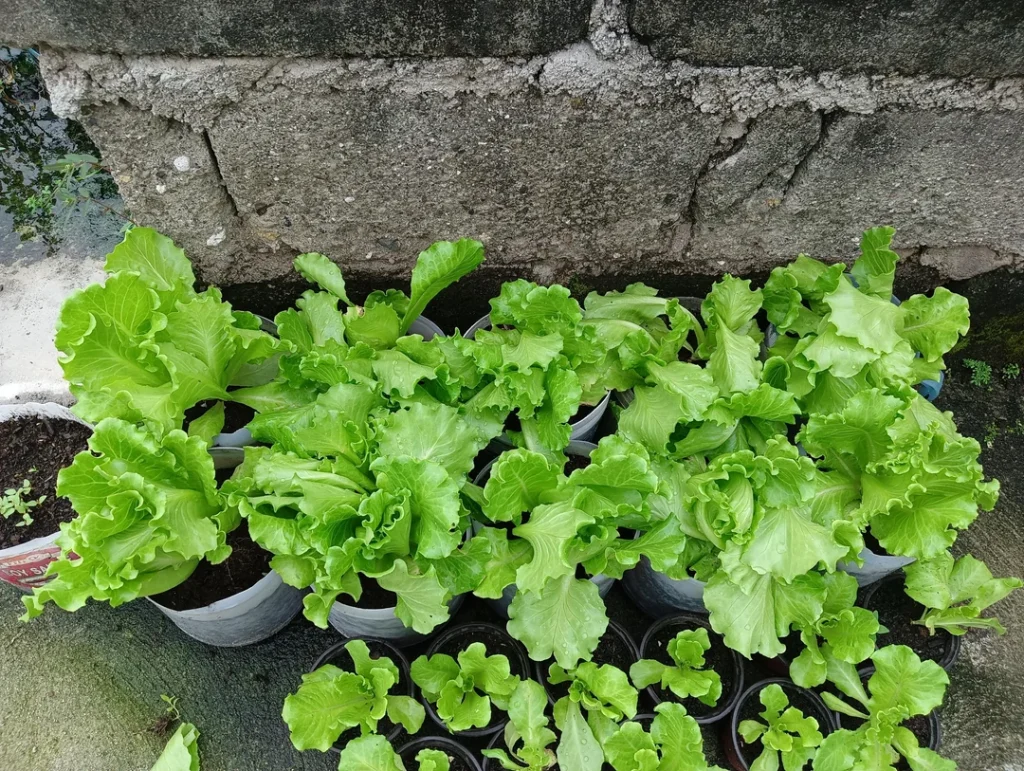
Lettuce is probably the best vegetable you can grow in shade. Strong afternoon sun turns lettuce bitter and triggers bolting within days. Shade is genuinely its best friend.
Leaf varieties like butterhead and looseleaf perform especially well with just 2 to 3 hours of sunlight. Harvest outer leaves regularly and the plant keeps producing for weeks. My shaded lettuce bed outlasts my sunny one every single summer.
- Light: 2–4 hours of daily sunlight
- Water: Consistent moisture; never let soil dry out completely
- Varieties to grow: Butterhead, Black Seeded Simpson, Oak Leaf
- Days to Maturity: 45–60 days
- Season for sowing seeds: Early spring or fall; can be succession sown every 2 weeks
2. Spinach
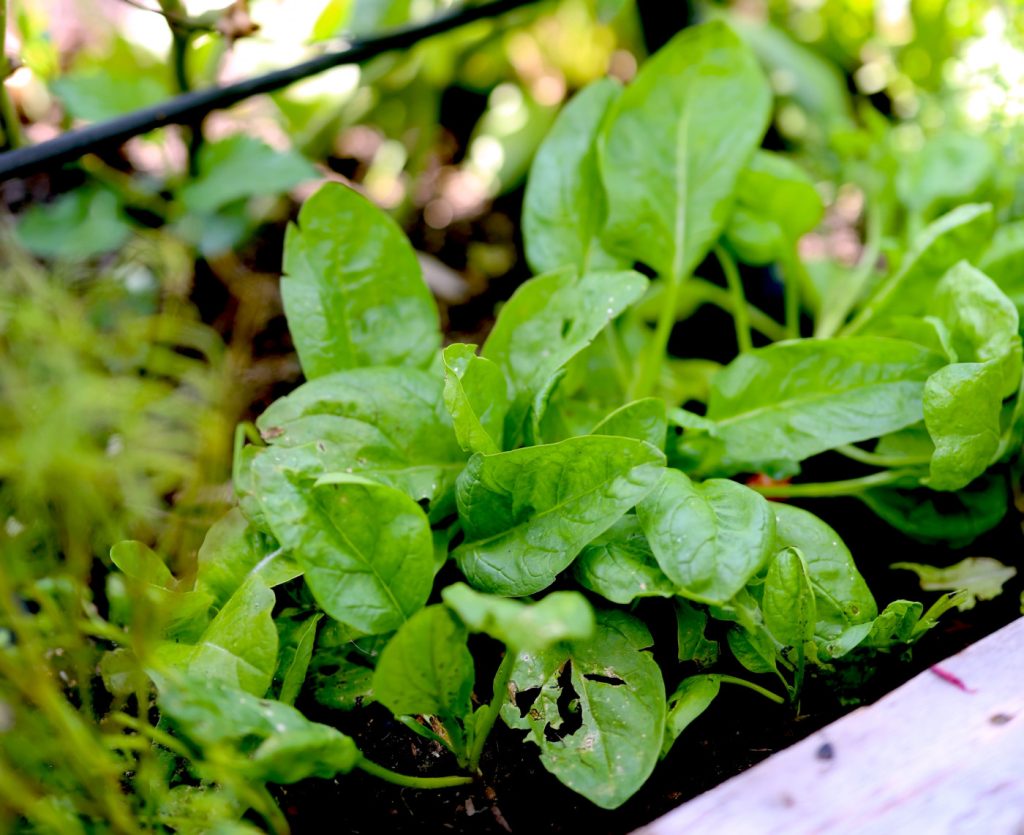
Spinach bolts faster than almost any other vegetable when heat and long daylight hours hit together. Growing it in partial shade solves both problems at once.
Cooler soil and filtered light keep it producing long after sunny-bed spinach has given up.
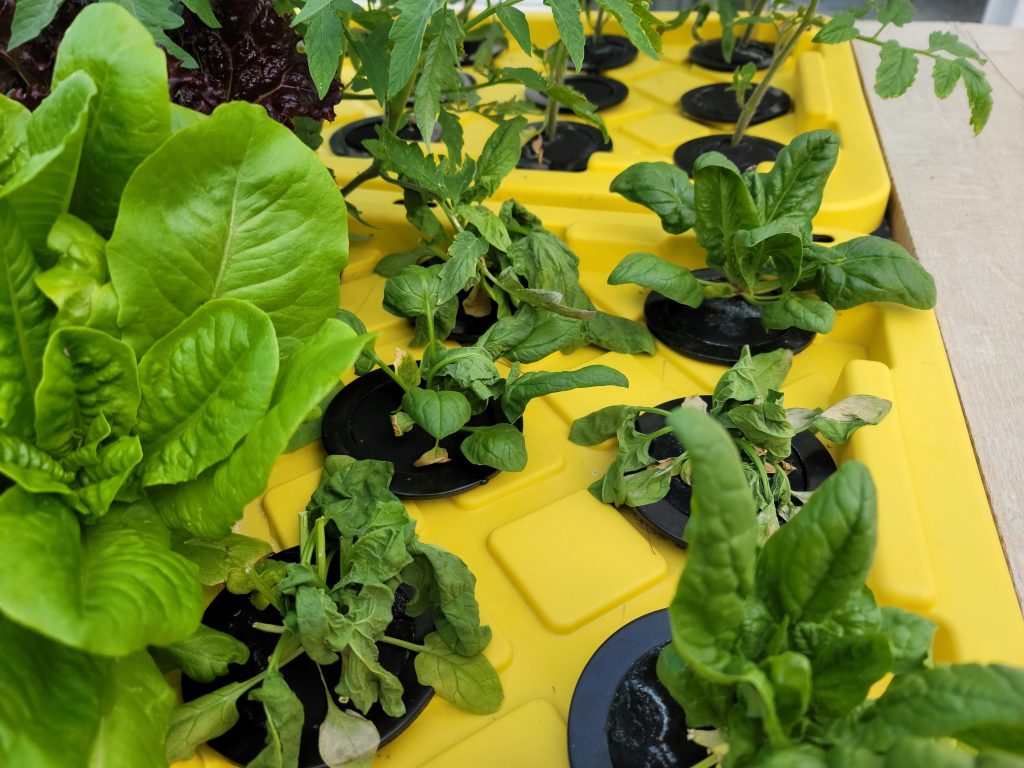
Baby spinach harvested young is tender, mild, and perfect for salads. Sow new seeds every two to three weeks for a continuous supply.
Shade literally extends your spinach season by weeks.
- Light: 3–4 hours of daily sunlight
- Water: Regular, even moisture; avoid waterlogging
- Varieties to grow: Bloomsdale, Tyee, Baby’s Leaf Hybrid
- Days to Maturity: 40–50 days
- Season for sowing seeds: Early spring or fall when temperatures are cool
3. Kale
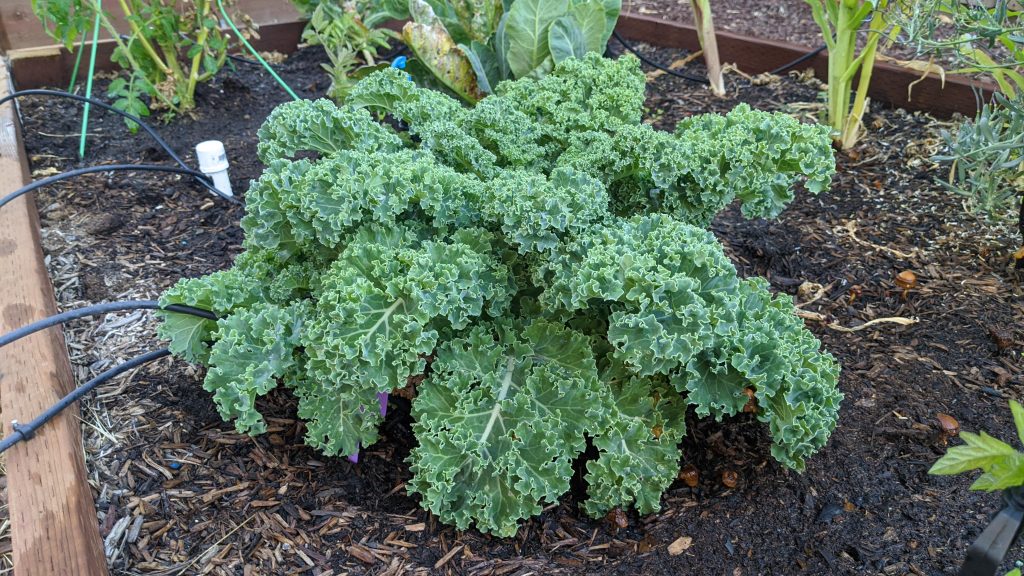
Kale loves cool weather more than almost anything else in the vegetable garden. Partial shade keeps summer temperatures around the plant lower, which directly improves flavor.
Sun-stressed kale tastes tough and bitter — shade-grown kale stays sweet and tender.
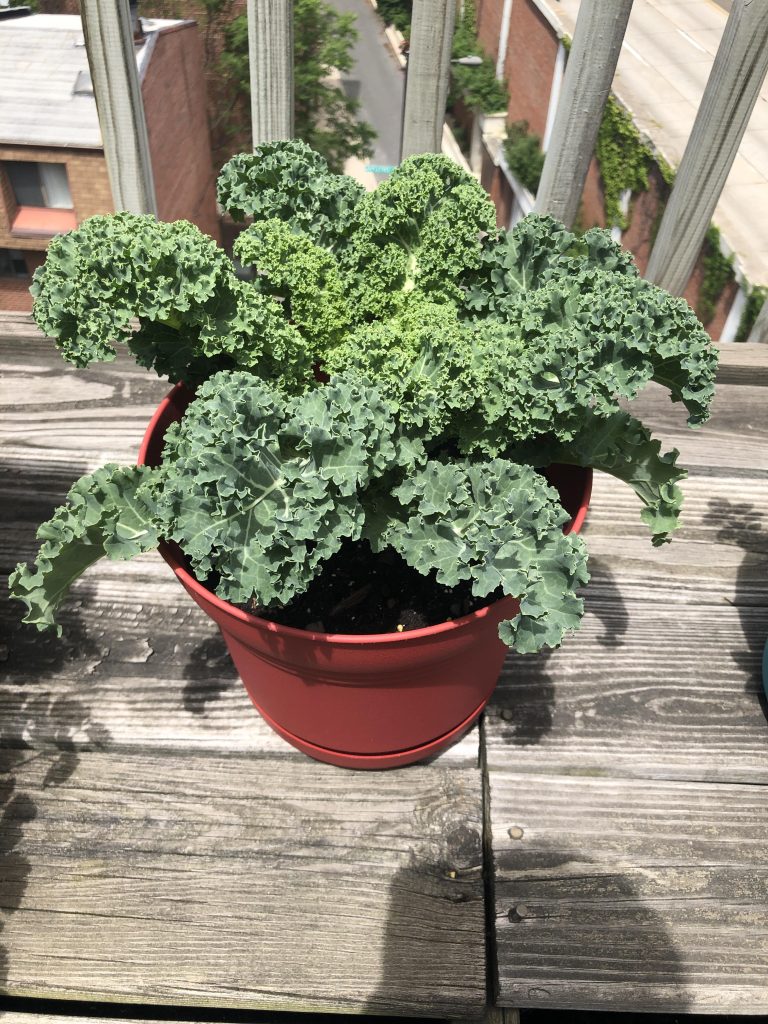
Curly kale and lacinato kale both handle shade well. Plant it early in spring and the shade will carry it through summer heat. Few vegetables reward low-maintenance gardeners quite like kale does.
- Light: 3–5 hours of daily sunlight
- Water: Consistent moisture, especially during dry spells
- Varieties to grow: Curly Kale, Lacinato (Dinosaur), Red Russian
- Days to Maturity: 55–75 days
- Season for sowing seeds: Early spring or late summer for fall harvest
4. Arugula
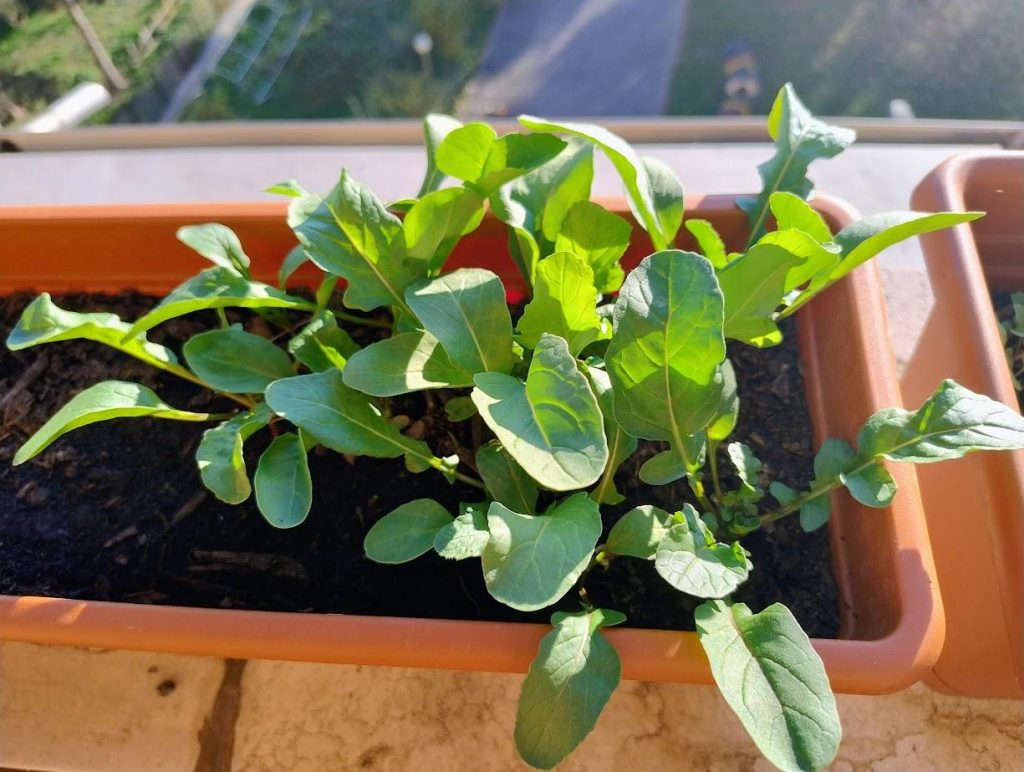
Arugula is one of those vegetables that shade genuinely transforms. Full sun turns it sharp and peppery to the point of being unpleasant. Shade keeps that signature nutty, mild bite that makes arugula so good on pizza or in salads.
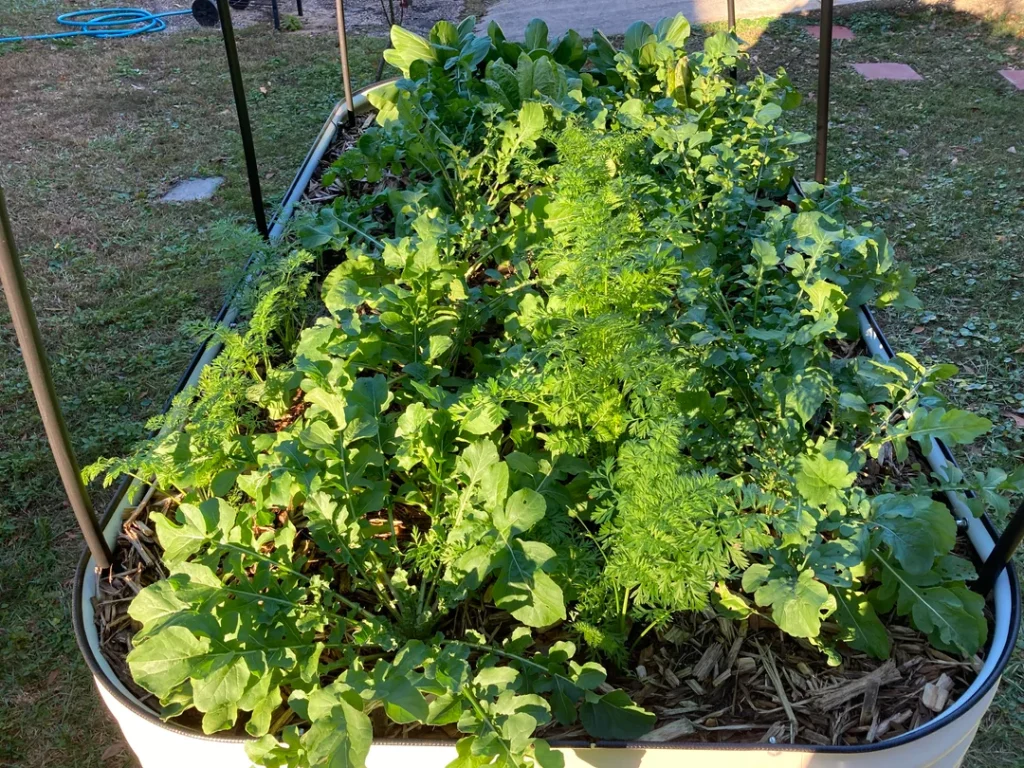
Just 2 hours of sunlight suits arugula perfectly. Sow it thickly and harvest with scissors like a cut-and-come-again crop. Regrowth happens fast, especially in cool, shaded conditions.
- Light: 2–3 hours of daily sunlight
- Water: Moderate moisture; avoid soggy soil
- Varieties to grow: Rocket, Wild Arugula, Astro
- Days to Maturity: 40–50 days
- Season for sowing seeds: Early spring or fall; direct sow outdoors
5. Swiss Chard
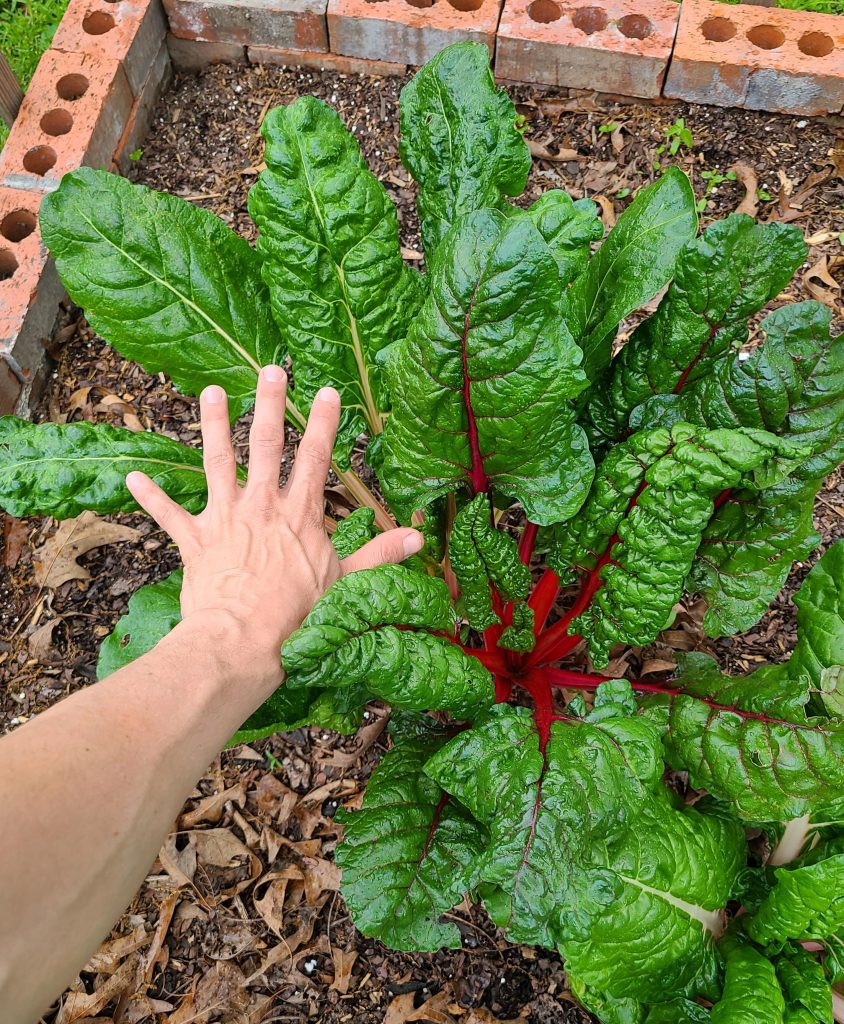
Swiss chard grows more slowly in shade, but the tradeoff is worth it. Leaves come out more tender and less fibrous than those grown in full sun. Vibrant stems in red, yellow, and white make it one of the prettiest plants in a shaded garden bed.
Chard handles both partial and light shade comfortably. Harvest outer leaves and the center keeps pushing out new growth.
Remarkably, you can even overwinter chard in mild climates and grab an early harvest the following spring.
- Light: 3–4 hours of daily sunlight
- Water: Regular watering; keep soil evenly moist
- Varieties to grow: Rainbow Chard, Fordhook Giant, Bright Lights
- Days to Maturity: 50–60 days
- Season for sowing seeds: Spring or late summer for fall harvest
6. Endive
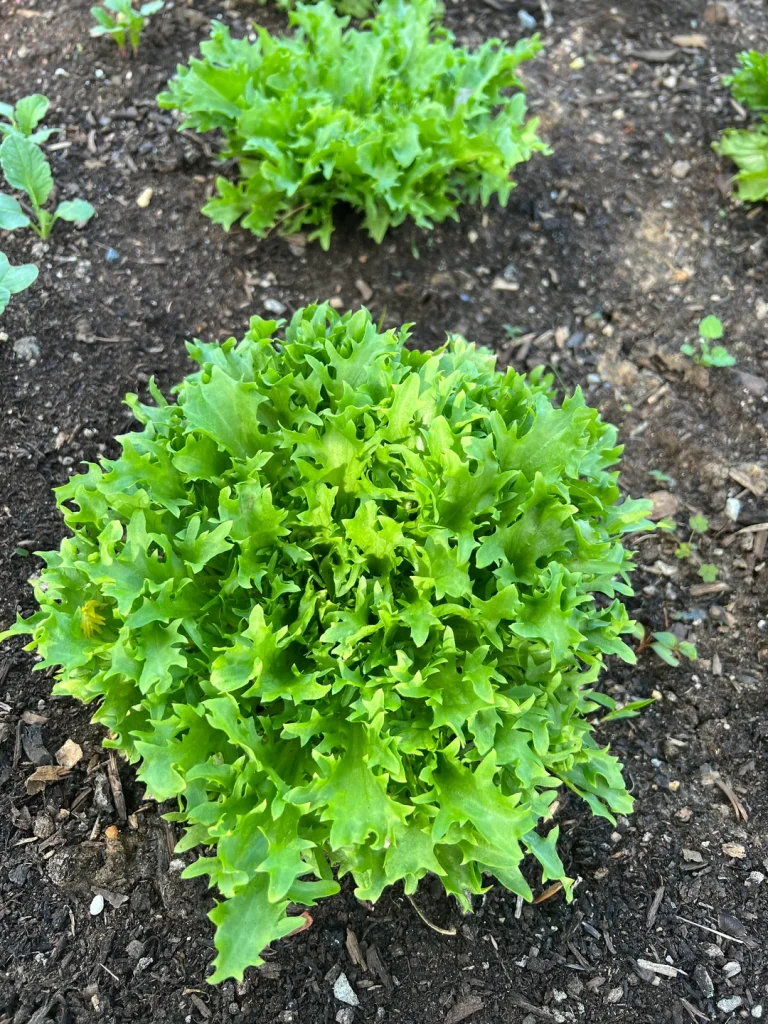
Endive is an underrated gem for shady gardens. Most gardeners overlook it, but it produces reliably with just a few hours of sunlight each day.
Shade actually helps prevent it from bolting too early, extending your harvest window significantly.
Slightly bitter with a satisfying crunch, endive works beautifully in salads and cooked dishes alike. Cooler shaded conditions bring out a milder, more pleasant flavor. Give it a try if you want something different from the usual leafy greens.
- Light: 2–4 hours of daily sunlight
- Water: Consistent moisture for tender, mild leaves
- Varieties to grow: Broad-leaved Batavian, Neos, Tres Fine
- Days to Maturity: 85–100 days
- Season for sowing seeds: Late spring for summer harvest or late summer for fall
7. Cabbage
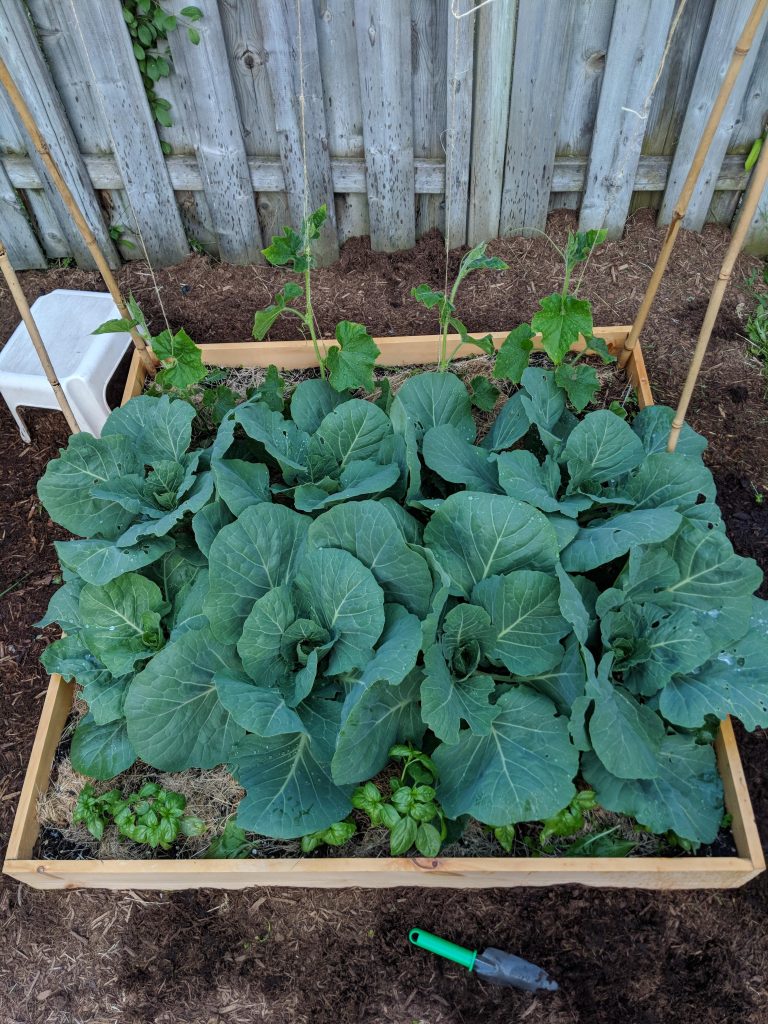
Shade-grown cabbage is genuinely better than sun-grown cabbage in one important way — taste.
Plants grown in partial shade produce heads that are noticeably sweeter and more moisture-rich. Full sun cabbage matures faster, but flavor takes a hit.
Cabbage needs at least 3 to 4 hours of sunlight to form a decent head. Plant it in spring or fall when temperatures stay cool. Pairing cool seasons with partial shade gives you some of the best cabbage you’ll ever eat.
- Light: 3–5 hours of daily sunlight
- Water: Consistent moisture is crucial for proper head development
- Varieties to grow: Golden Acre, Stonehead, Savoy King
- Days to Maturity: 70–120 days depending on variety
- Season for sowing seeds: Indoors in early spring for transplanting or late summer for fall harvest
8. Broccoli
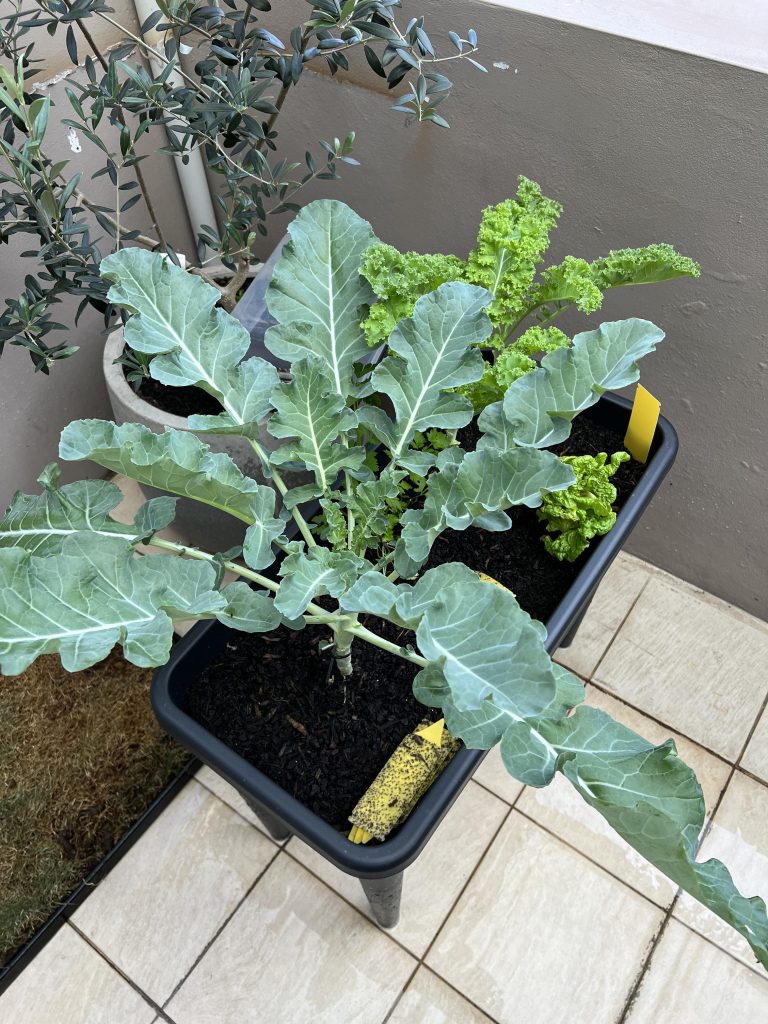
Broccoli surprises a lot of gardeners by performing well in partial shade. Heads will be smaller than those grown in full sun, but the flavor stays excellent.
Shade slows the plant down slightly, which actually gives you more time to harvest before it flowers.
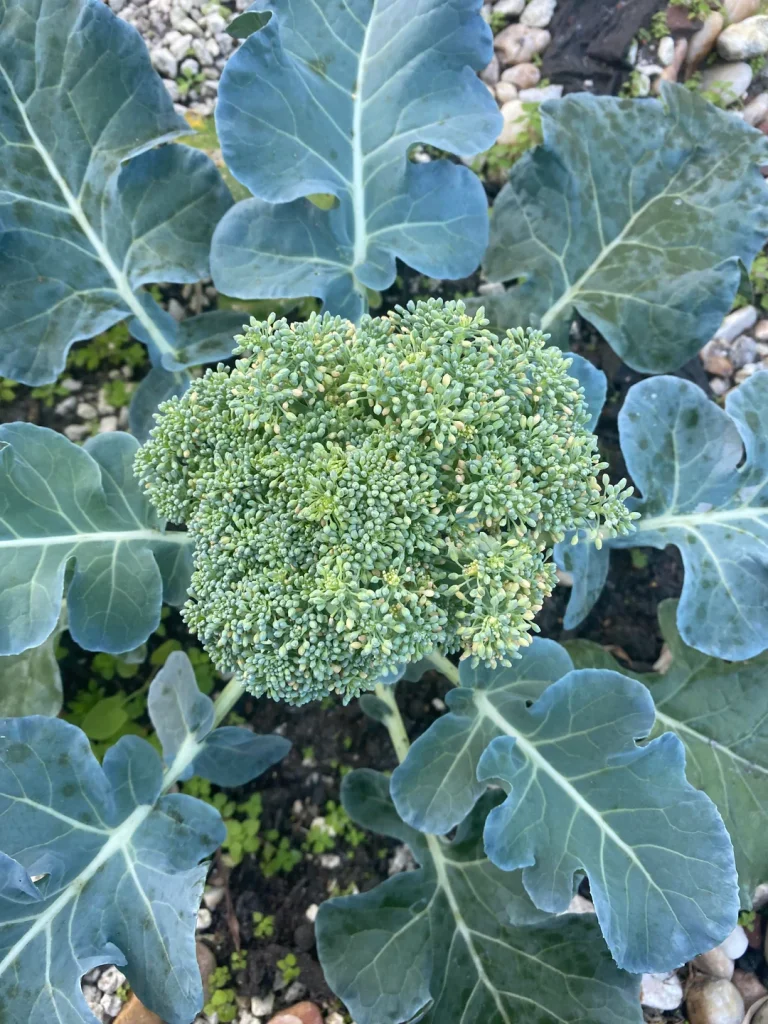
Hot weather causes broccoli to flower prematurely, turning it bitter almost overnight. Shade buffers that heat stress and keeps the heads tight and green longer.
Even garden areas with no direct sunlight at all can produce decent broccoli crops.
- Light: 4–6 hours of daily sunlight
- Water: Consistent moisture is crucial for proper development
- Varieties to grow: Long Island Improved, Churchill, Jade Cross
- Days to Maturity: 90–100 days
- Season for sowing seeds: Indoors in early spring for transplanting or late summer for fall harvest
9. Radishes
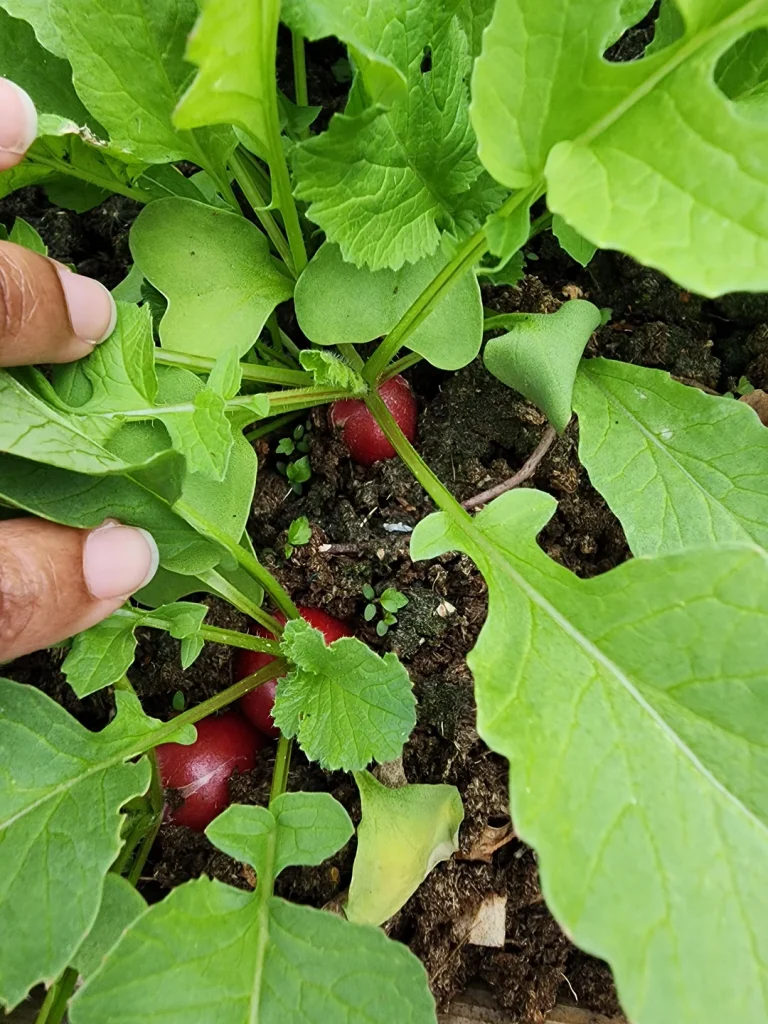
Radishes are one of the fastest crops you can grow anywhere, including shade. They dislike hot, dry conditions intensely — exactly the environment a shaded bed avoids.
Shade keeps the soil cool and moist, which is precisely what radishes need to develop properly.
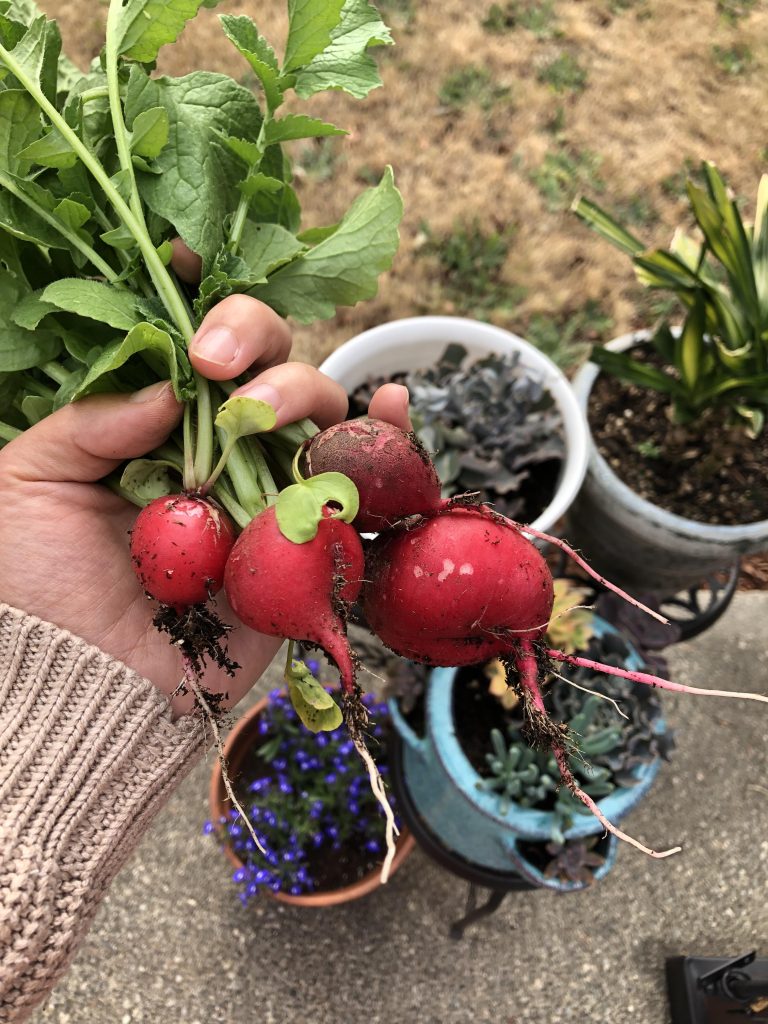
Dozens of varieties exist, from mild French breakfast radishes to spicy daikon. Succession planting every two weeks gives you a continuous harvest all season long.
Few vegetables are as rewarding for the space and effort they require.
- Light: 3–4 hours of daily sunlight
- Water: Even moisture prevents cracking and keeps roots tender
- Varieties to grow: Cherry Belle, French Breakfast, Daikon
- Days to Maturity: 22–30 days
- Season for sowing seeds: Early spring and fall; direct sow every 2 weeks
10. Beets
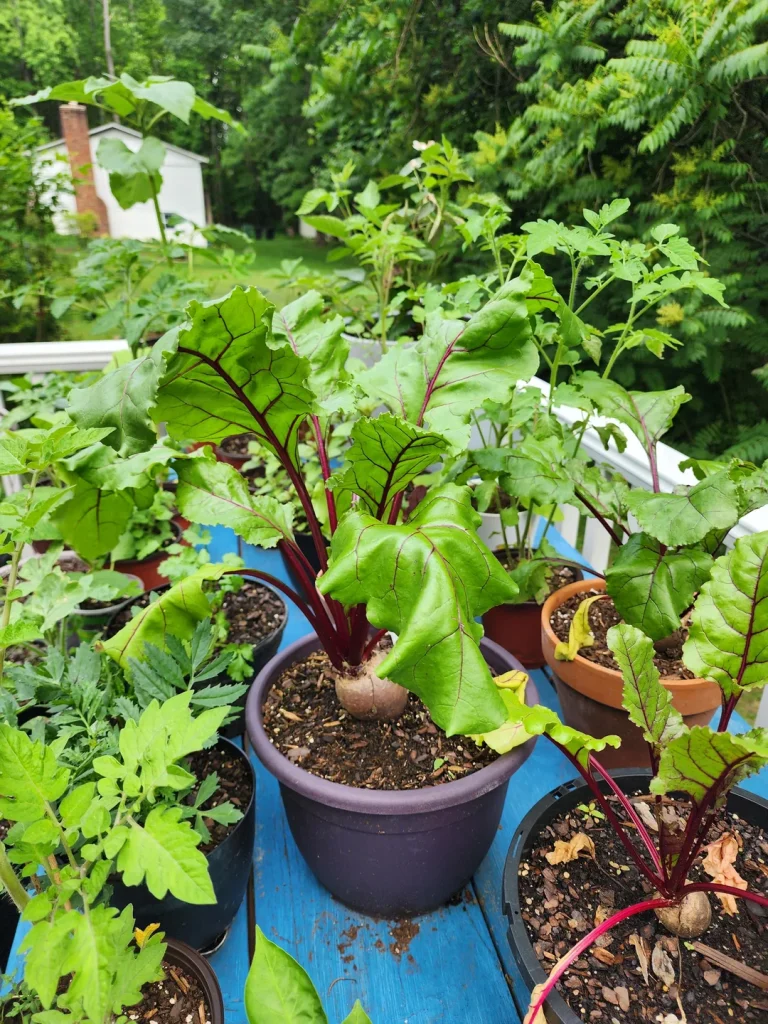
Beets handle partial shade surprisingly well. Less sunlight means the bulbs stay smaller than usual, but honestly, baby beets are sweeter and more tender than large ones anyway.
Shade-grown beet greens are also lush and abundant — a bonus harvest on top of the roots.
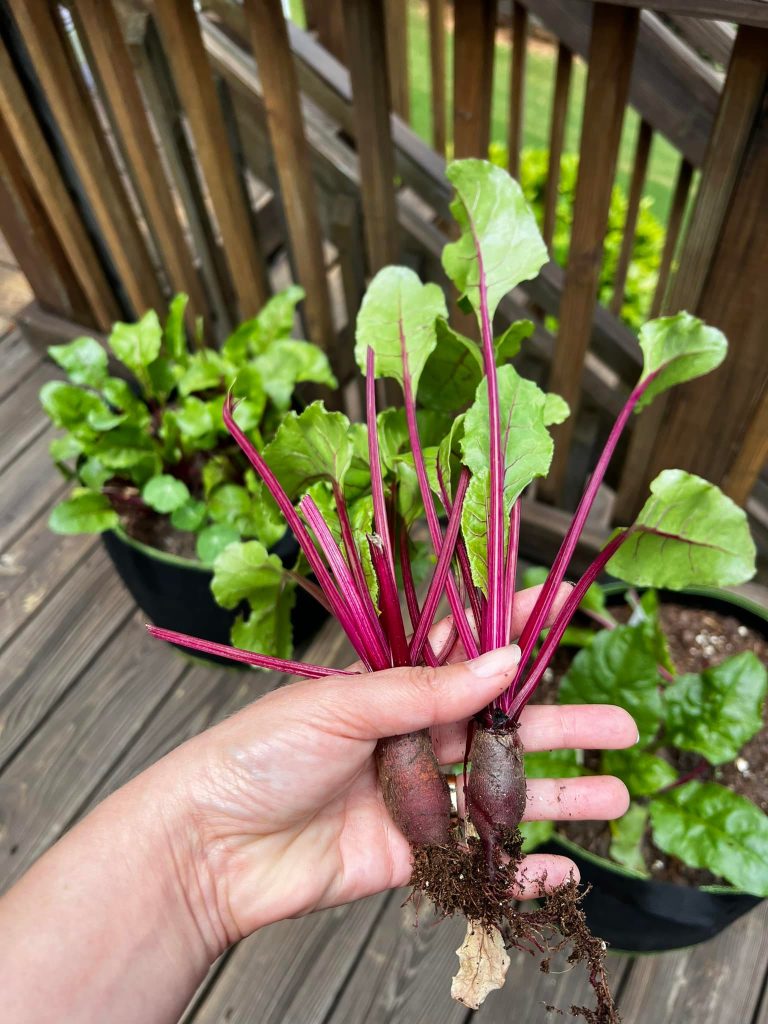
Beets need at least 3 hours of sunlight to develop properly. Rich, loose soil helps the roots expand without resistance.
Thinning seedlings early gives the remaining plants enough room to grow into proper bulbs.
- Light: 3–4 hours of daily sunlight
- Water: Regular moisture; avoid letting soil dry out between waterings
- Varieties to grow: Detroit Dark Red, Chioggia, Golden Beet
- Days to Maturity: 50–70 days
- Season for sowing seeds: Early spring or late summer; direct sow outdoors
11. Carrots
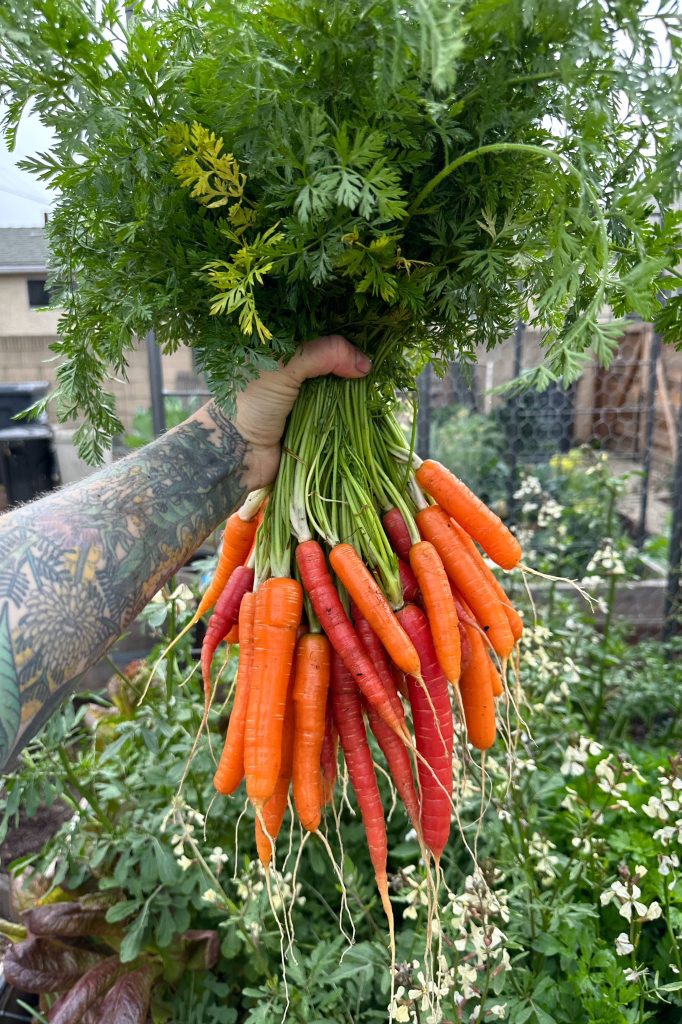
Carrots struggle to germinate when the soil surface dries out too quickly. Shade solves that problem naturally by keeping the top layer of soil consistently moist.
That one benefit alone makes a shaded bed worth considering for carrots.
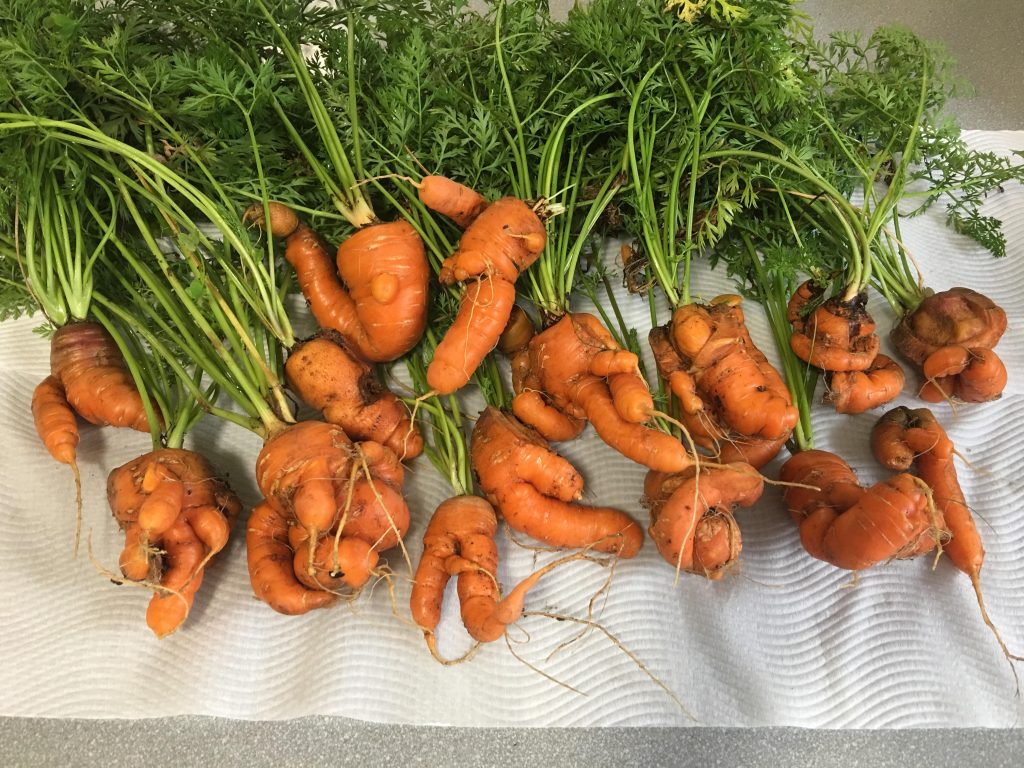
Roots may grow slightly shorter in low-light conditions, but flavor remains excellent. Loose, deep, stone-free soil matters more for carrots than sunlight does.
Shade just makes the germination stage — the hardest part of growing carrots — significantly easier.
- Light: 3–4 hours of daily sunlight
- Water: Consistent moisture, especially during germination
- Varieties to grow: Danvers 126, Nantes, Chantenay
- Days to Maturity: 70–80 days
- Season for sowing seeds: Early spring as soon as soil can be worked; direct sow outdoors
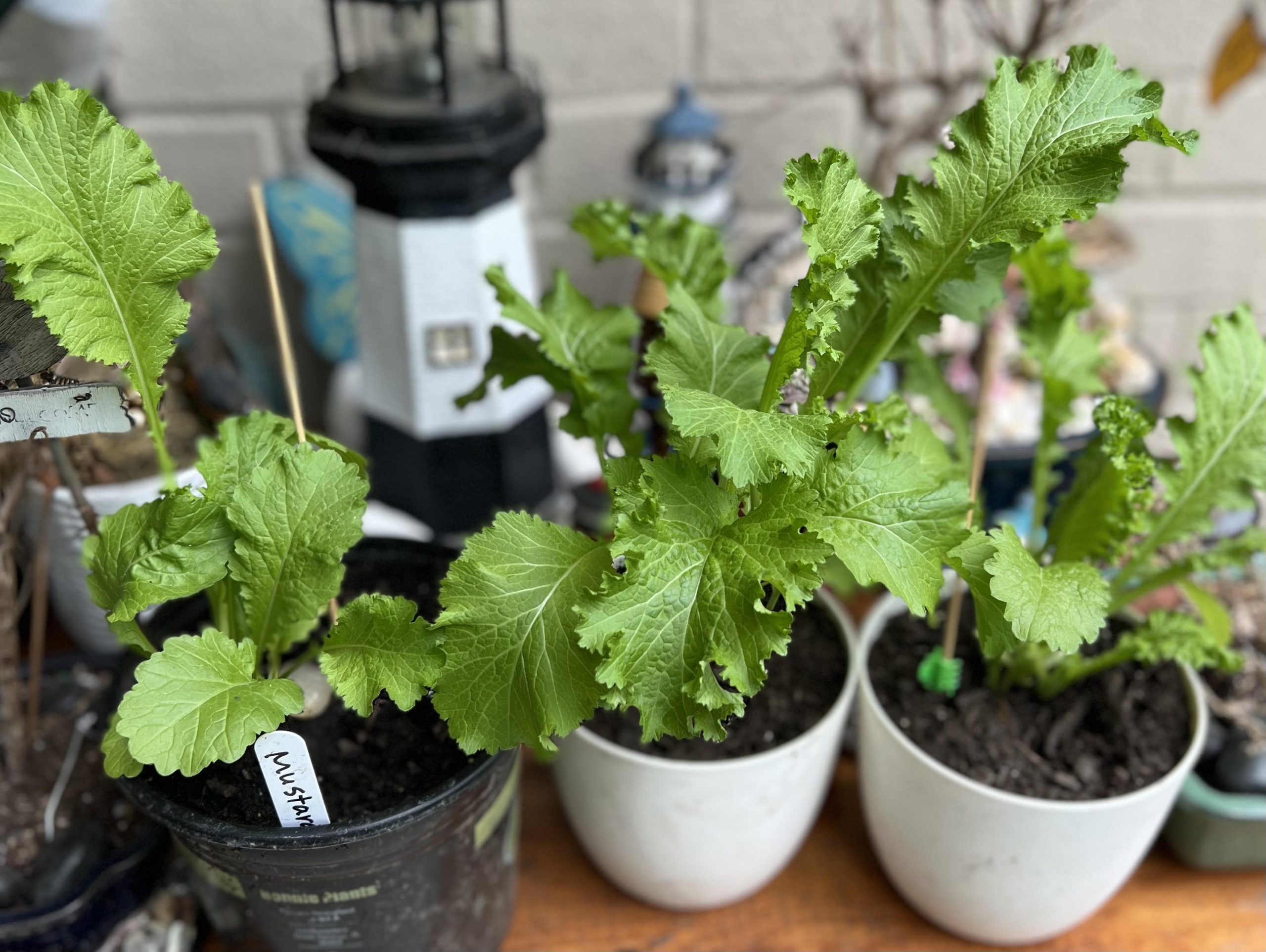
12. Mustard Greens
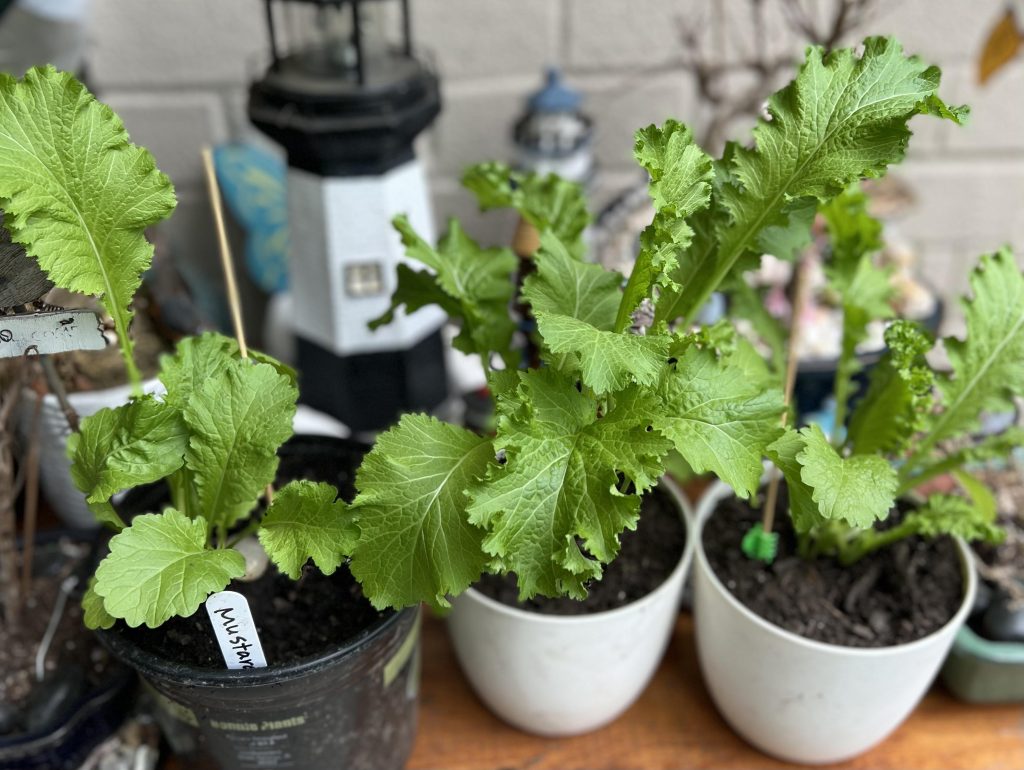
Mustard greens are bold, fast-growing, and perfectly suited for shade gardens. Hot temperatures make them bolt and turn unpleasantly sharp almost immediately.
Partial shade keeps them productive well into summer when sun-grown plants have long since given up.
Harvest young leaves for a milder flavor or let them mature for more intensity. These greens work brilliantly stir-fried, braised, or eaten raw in small quantities.
Shade genuinely unlocks their full potential as a kitchen garden staple.
- Light: 3–4 hours of daily sunlight
- Water: Regular watering; prefers evenly moist soil
- Varieties to grow: Southern Giant Curled, Red Giant, Tendergreen
- Days to Maturity: 40–50 days
- Season for sowing seeds: Early spring or fall; direct sow outdoors
13. Green Onions
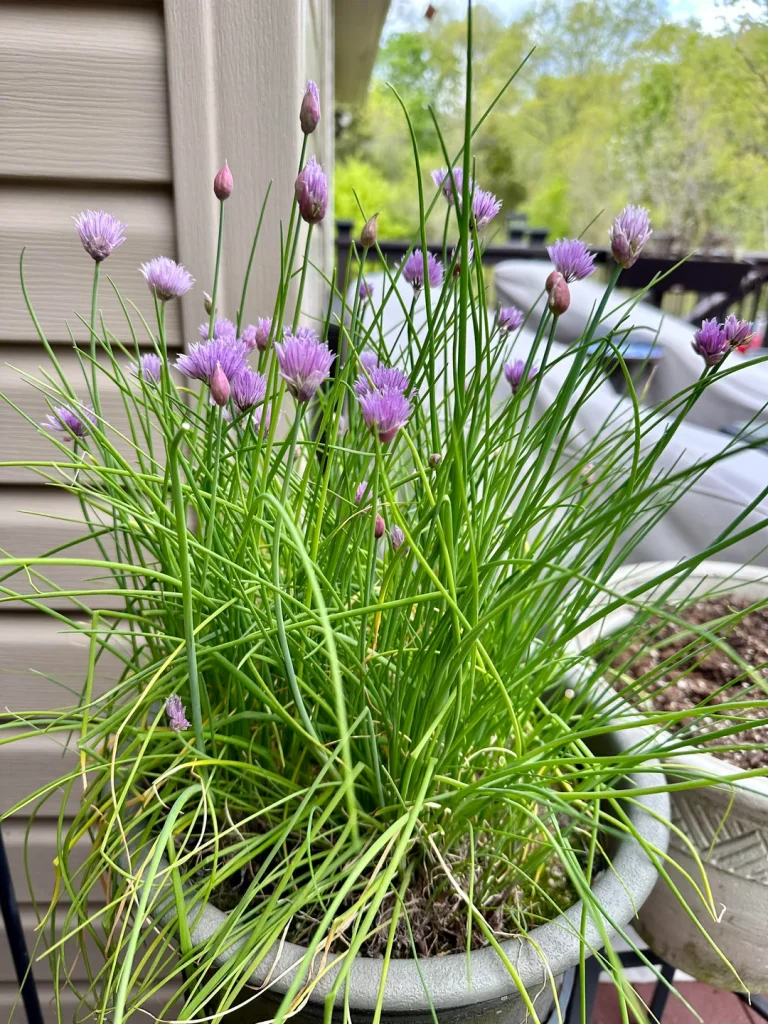
Regular onions need full sun to build large bulbs, but green onions play by different rules entirely.
Partial shade suits them just fine because you harvest the whole plant before bulb development becomes critical. Snip them at soil level and they regrow quickly for multiple harvests.
Green onions add fresh flavor to almost every dish imaginable. They take up almost no space, making them perfect for tucking into gaps in a shaded bed.
Growing a continuous supply costs almost nothing once you get started.
- Light: 3–4 hours of daily sunlight
- Water: Consistent moisture; avoid drying out between waterings
- Varieties to grow: Evergreen White Bunching, Ishikura, Tokyo Long White
- Days to Maturity: 60–70 days
- Season for sowing seeds: Early spring or fall; can also grow from sets year-round in mild climates
14. Snow Peas
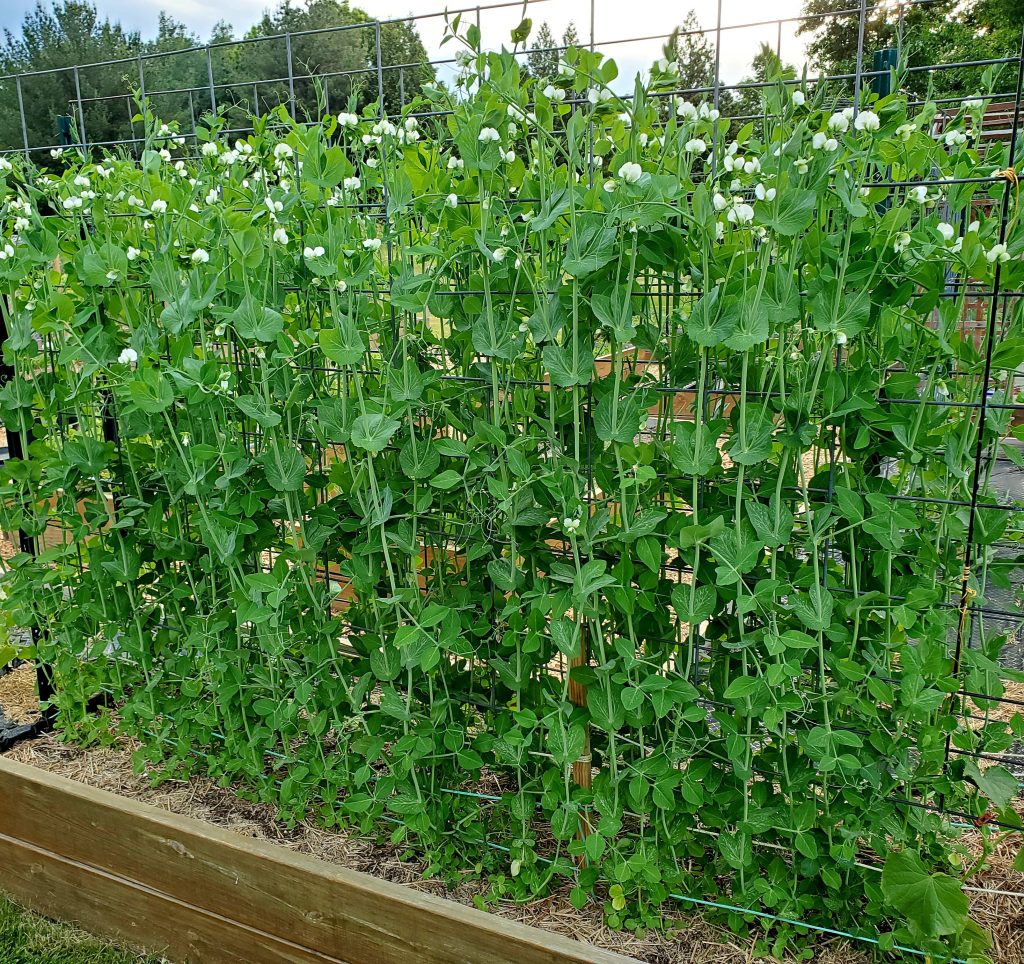
Snow peas thrive in cool, partially shaded conditions better than most people expect.
Harvesting them is wonderfully simple — pick the flat pods whenever they reach a size you like, without waiting for seeds to fill out. Shade keeps the soil cool, which peas absolutely love.
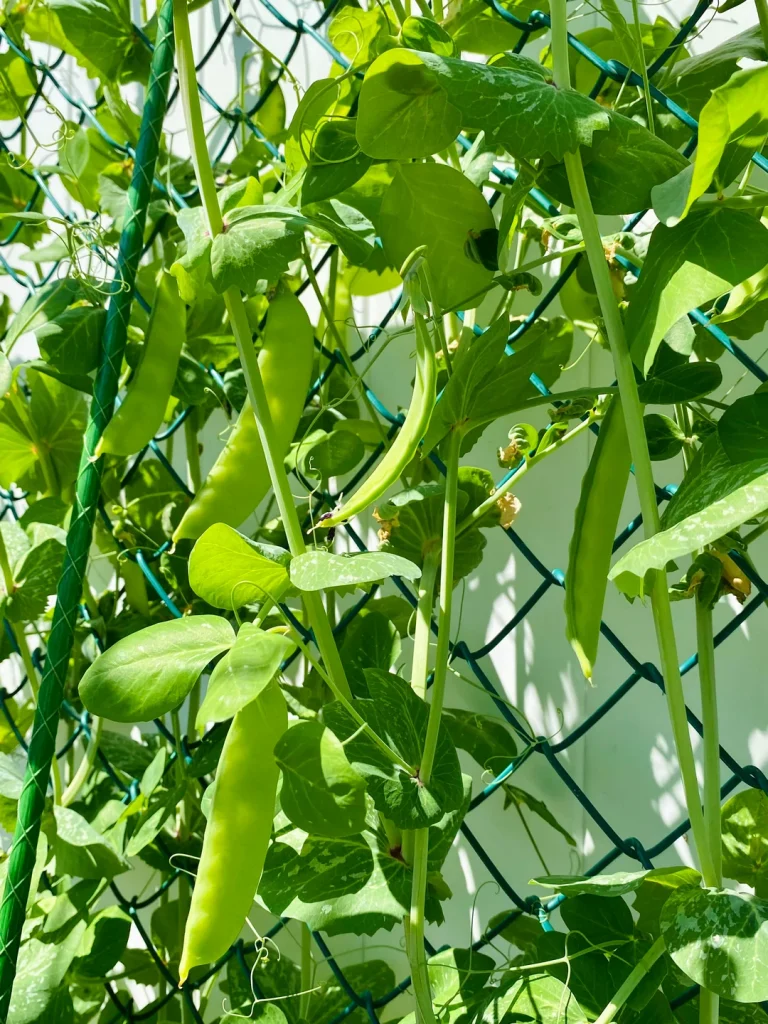
Pea shoots are also edible and delicious, adding another harvest option from the same plant.
Provide a simple trellis or some bamboo stakes for the vines to climb. Few vegetables are as genuinely easy or satisfying to grow as snow peas.
- Light: 3–5 hours of daily sunlight
- Water: Moderate, consistent moisture; avoid waterlogging roots
- Varieties to grow: Oregon Sugar Pod, Mammoth Melting Sugar, Avalanche
- Days to Maturity: 60–70 days
- Season for sowing seeds: Early spring as soon as soil is workable; direct sow outdoors
15. Collard Greens
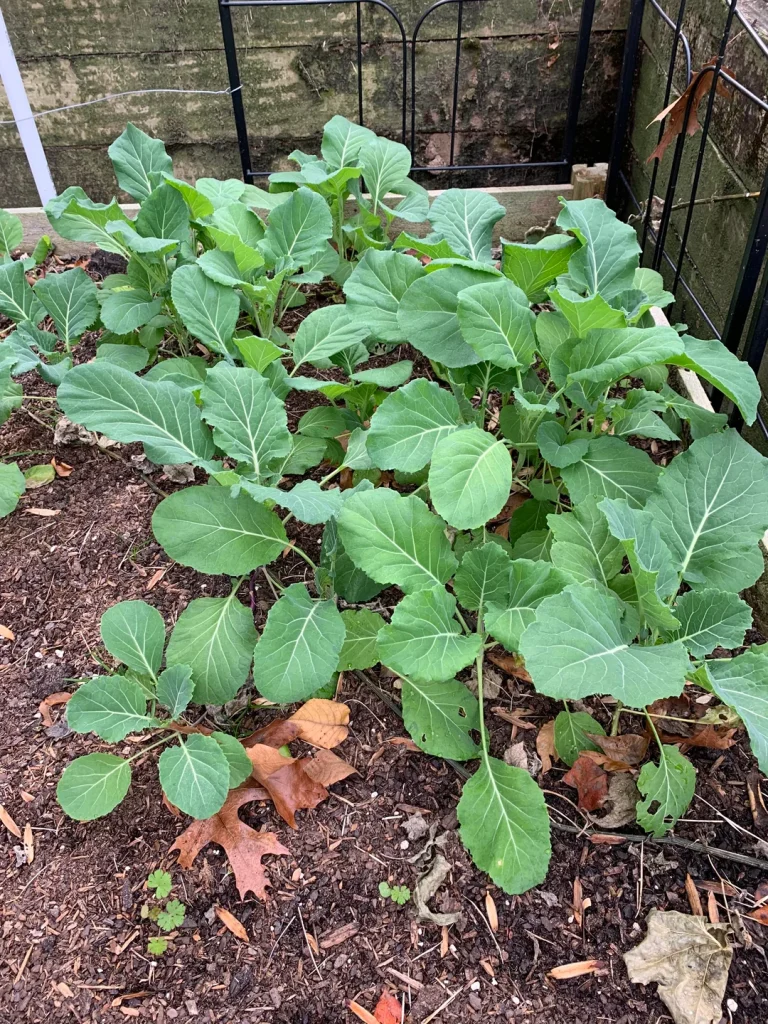
Collard greens round out this list as one of the most reliable shade-tolerant vegetables you can grow. A close relative of cabbage and kale, collards produce large, sturdy leaves with a mild, slightly sweet flavor.
They need at least 4 to 5 hours of sunlight but handle partial shade comfortably throughout the season.
Southern cooking has celebrated collard greens for generations, and for good reason. Slow-braised with a little garlic and broth, they become something genuinely special.
Shade keeps them from bolting and ensures you get a long, productive harvest.
- Light: 4–5 hours of daily sunlight
- Water: Regular watering; keep soil consistently moist
- Varieties to grow: Vates, Georgia Southern, Champion
- Days to Maturity: 60–80 days
- Season for sowing seeds: Early spring or late summer for fall harvest
Final Thoughts
Your shady yard isn’t a problem — it’s an opportunity most gardeners completely miss. Leafy greens, root vegetables, and cool-season crops genuinely perform better away from harsh, direct sun.
Shade extends harvests, improves flavor, reduces watering, and makes gardening more forgiving overall.
Start small. Pick two or three vegetables from this list that excite you and give them a proper shaded bed with rich soil and good mulch. Track what works, adjust what doesn’t, and build from there.
The best shade garden you’ll ever grow is the one you actually start.